Industry Briefing
A single destination for timely, editor-curated robotics news from around the world.



TUYA Partners with Zeroth on Smart Home Robots
Tuya Inc., a prominent player in the AI and IoT sector, has announced a strategic partnership with Zeroth on June 12, 2026, to enhance the capabilities of smart home robots. This collaboration aims to merge Tuya's advanced AI+IoT ecosystem with Zeroth's robotics expertise, creating intelligent household companions that can adapt to user needs. Traditionally, home service robots have functioned as isolated devices, limiting their integration with other smart home systems. The partnership seeks to overcome this challenge by enabling robots to serve as integrated hubs within connected homes, effectively managing various devices such as lighting, climate control, and security systems. Utilizing Tuya's proprietary Physical AI Engine (PAE), the robots will transform into proactive household managers, enhancing the overall smart living experience. This initiative reflects Tuya's commitment to delivering innovative solutions in the smart device market while addressing the growing demand for more sophisticated home automation.
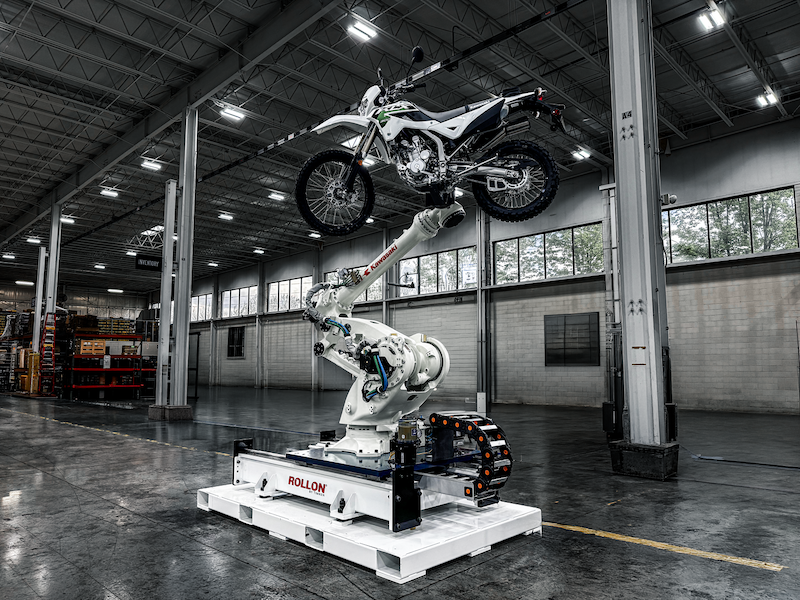
Kawasaki Robotics showcases 8-axis Physical AI robot and intelligent automation technologies at Automate 2026
Kawasaki Robotics unveiled its latest advancements in automation technology at the Automate 2026 trade show held in Chicago. The event, which took place recently, highlighted the transformative impact of robotics, artificial intelligence, machine learning, vision systems, and real-time control on industrial automation. A key feature of the showcase was the introduction of the new “RL030N” robot platform, which boasts eight degrees of freedom and is specifically designed for Physical AI applications. This innovation reflects Kawasaki Robotics' commitment to pushing the boundaries of automation and enhancing operational efficiency across various industries.
Industrial robots News Robotics 8-axis robot Automate 2026 BA013L
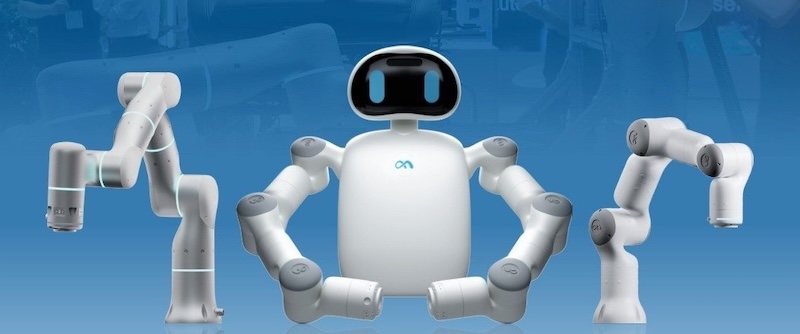
Flexiv launches new ‘adaptive robots’ for industrial automation
Flexiv has introduced two innovative adaptive robots aimed at enhancing tactile sensing and physical AI capabilities within the realm of industrial automation. The company unveiled its flagship Enlight robotic arm and the Mico dual-arm robotic platform, marking a notable advancement in force-controlled robotics and embodied intelligence. The Enlight arm features a seven-axis design, allowing for greater flexibility and precision in various applications. This launch, which took place recently, underscores Flexiv's commitment to pushing the boundaries of robotics technology to meet the evolving needs of the manufacturing sector. By integrating advanced sensing and control mechanisms, these robots are expected to improve operational efficiency and adaptability in complex industrial environments.
Industrial robots News adaptive robots cobots collaborative robots embodied ai
Zhang Yaqin: AI is not a bubble, but AI companies are.
In June, during an interview at the Tsinghua Wuxi Research Institute's Intelligent Industry Innovation Center, Academician Zhang Yaqin discussed the current state of AI investment and entrepreneurship, suggesting a more cautious approach to the rapidly growing sector. Zhang, who founded the Tsinghua University Intelligent Industry Research Institute (AIR) five years ago, noted that while AIR has successfully incubated ten companies with a combined valuation of 150 billion yuan, its primary focus remains on research rather than commercialization. Zhang, a prominent figure in AI and a fellow of the IEEE, likened the current AI investment climate to the internet boom of 1998-1999, emphasizing the importance of sustainable growth and cautioning against the potential for market bubbles. He highlighted the need for new AI algorithms to enhance efficiency and pointed out that while the AI sector holds significant long-term potential, many early-stage companies may face challenges in proving their viability. Every June, AIR hosts the "Taihu Dialogue" in Wuxi, fostering discussions on AI advancements. Zhang expressed concerns about the risks associated with high valuations and the necessity for a focused approach in startups. He emphasized that while funding is crucial, it should not overshadow the importance of developing robust products and technologies. Looking ahead, Zhang identified "physical AI" as a key area for development by 2026 and outlined the challenges of creating robots capable of performing complex tasks in real-world environments. He underscored the importance of collaboration between academia and industry to cultivate talent and drive innovation in AI, while also addressing the ethical and safety risks associated with advanced AI systems.
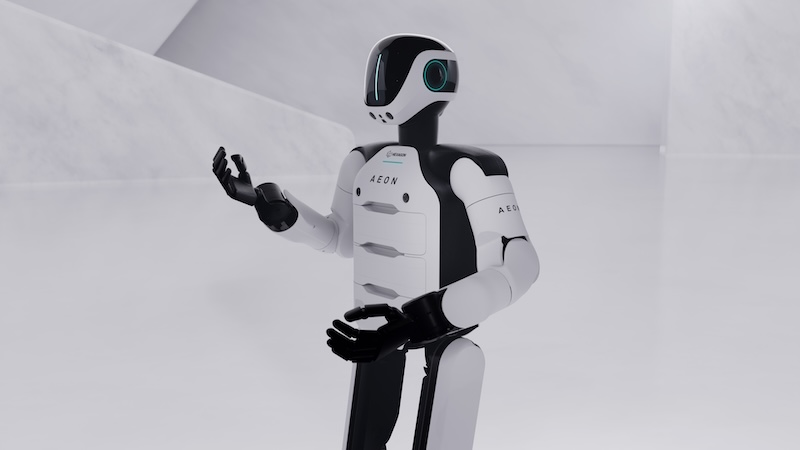
People want robots in warehouses and factories, not hospitals or schools, Hexagon study finds
A recent study by Hexagon, part of its global Robot Generation research, reveals a growing acceptance of robots in the workplace among both adults and children. The findings indicate that while there is a willingness to integrate robots into various tasks, respondents are establishing clear guidelines regarding their use. Adults showed a preference for robots to perform physical and repetitive tasks, suggesting a desire for efficiency and productivity in the workplace. The study highlights a significant shift in attitudes towards automation, reflecting a balance between embracing technological advancements and maintaining human oversight in job roles. As industries increasingly look to incorporate robotic solutions, understanding these preferences will be crucial for successful implementation.
Artificial Intelligence Culture Robotics ai automation news factory automation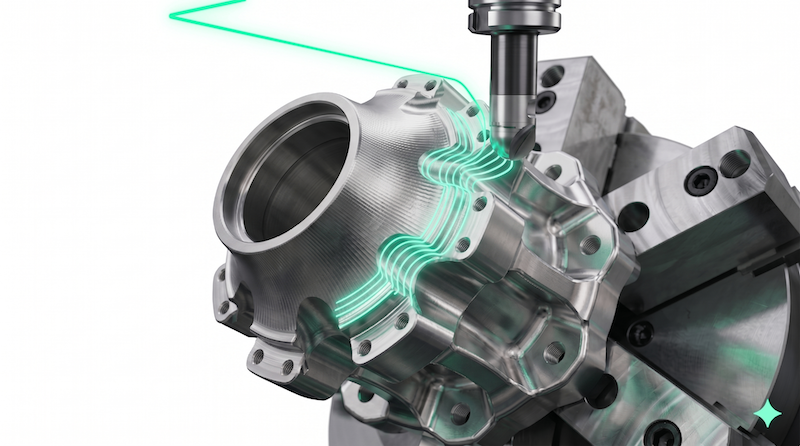
Limitless Labs raises $20 million to expand AI platform for CNC programming and precision manufacturing
Limitless Labs, a company specializing in AI software for CNC programming and precision manufacturing, has successfully secured $20 million in a Series A funding round. This investment, co-led by Dell Technologies Capital and Square Peg, aims to enhance the company's physical AI platform and expedite its implementation within the manufacturing industry. Additional contributions came from Grove Ventures and Meron Capital, among others. The funding will enable Limitless Labs to further develop its innovative solutions, addressing the growing demand for advanced manufacturing technologies.
Engineering Manufacturing agentic ai ai manufacturing automation news Blue Origin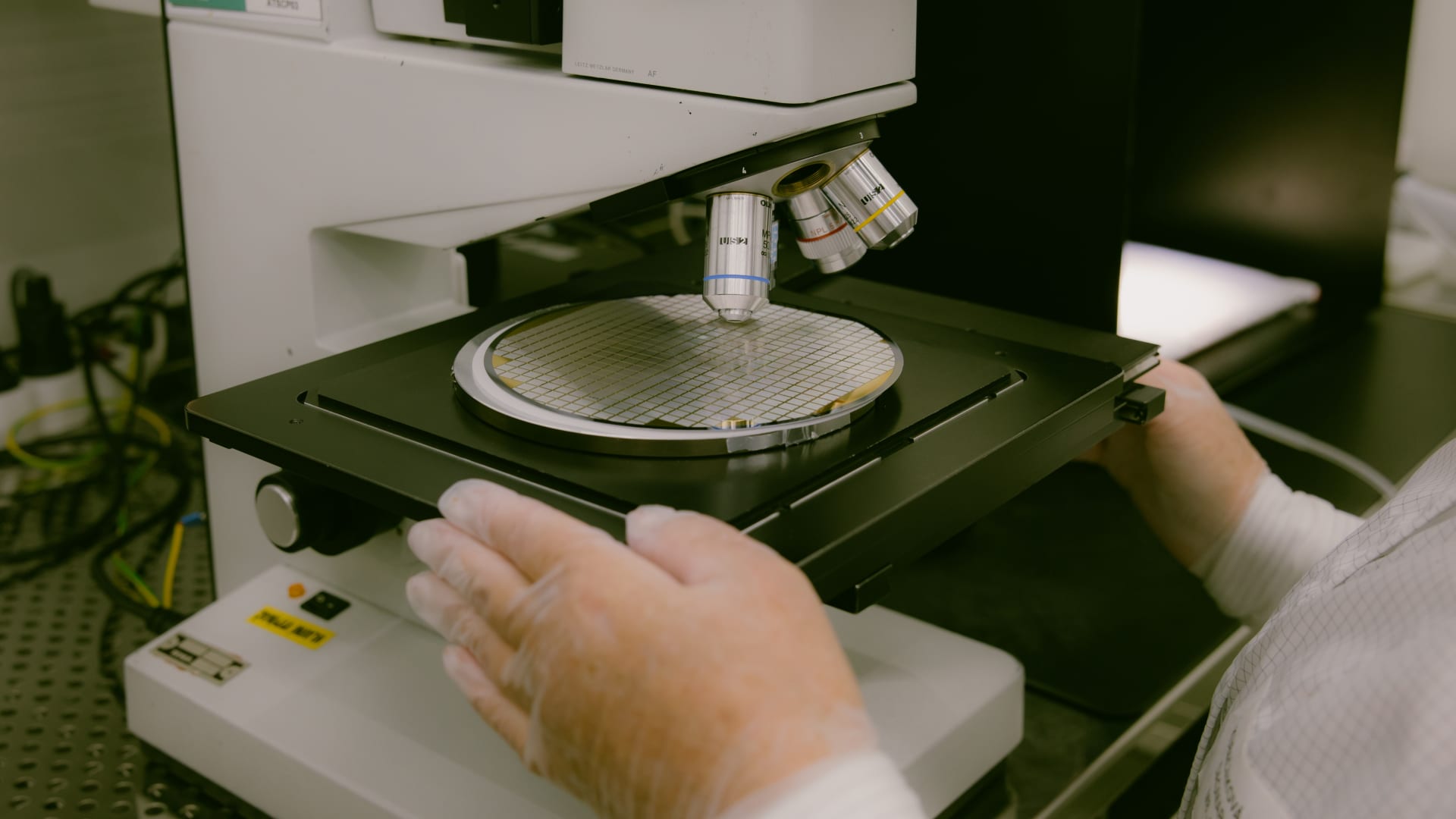
ON Semi tanks 20% following Synaptics deal as CEO defends core business
On Semiconductor has announced a significant expansion of its addressable market, projecting an increase of $30 billion through its pivot into physical artificial intelligence (AI). This strategic move aims to enhance the company's offerings and capitalize on the growing demand for AI technologies. The announcement comes as the company seeks to position itself at the forefront of innovation in the semiconductor industry. By integrating physical AI into its product lineup, On Semi is responding to evolving market needs and the increasing reliance on advanced technologies across various sectors. This expansion reflects the company's commitment to driving growth and maintaining competitiveness in a rapidly changing technological landscape.

Automation is Leaving the Factory Floor and Moving into the Back Office
For decades, automation has primarily been associated with industrial settings, such as factories and warehouses, where robots and programmable systems efficiently managed repetitive physical tasks. However, recent developments indicate a significant shift in the application of automation beyond traditional environments. As of late 2023, various sectors are increasingly integrating automation into diverse areas, including service industries and everyday consumer interactions. This expansion is driven by the need for enhanced efficiency and precision, as organizations seek to reduce labor costs and improve productivity. The transition is facilitated by advancements in technology, which allow for more sophisticated automation solutions that can adapt to a wider range of tasks. As businesses recognize the potential benefits, the conversation around automation is evolving, highlighting its growing presence in non-industrial contexts.
Automation Business Industry ai agents artificial intelligence automation news
DEEPX and Sixfab Launch 'DEEPX AI HAT' to Drive Edge Physical AI on Raspberry Pi
A new partnership has emerged to enhance the Raspberry Pi ecosystem by providing high-performance, low-power AI acceleration. This initiative aims to eliminate the reliance on cloud services for real-time inference, particularly benefiting applications in robotics and smart automation. The collaboration has introduced a production-ready Starter Kit and software development kits (SDKs) designed to lower entry barriers for developers worldwide. By making these tools accessible, the partnership seeks to empower a broader range of innovators to integrate advanced AI capabilities into their projects, fostering growth and development within the global tech community.
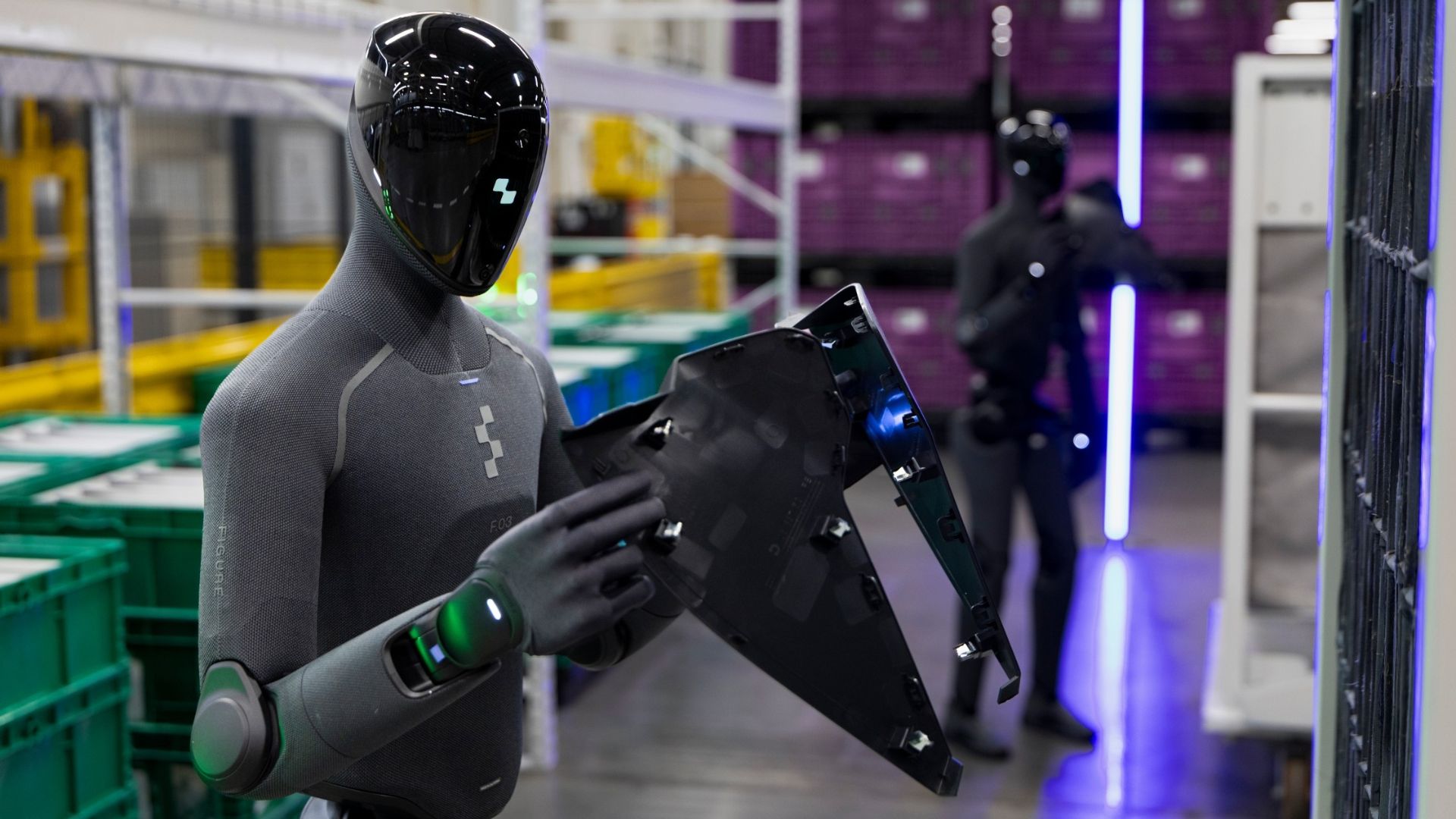
BMW’s smart factory in US gets Figure 03 humanoid robot for advanced logistics work
BMW Group has enhanced its manufacturing processes by integrating next-generation Physical AI technologies. This initiative, announced recently, aims to improve efficiency and precision in production lines. The implementation of these advanced AI systems is taking place at various BMW facilities worldwide, reflecting the company's commitment to innovation and modernization in the automotive industry. By leveraging Physical AI, BMW seeks to streamline operations, reduce costs, and enhance product quality, ultimately responding to the growing demand for smarter manufacturing solutions. The integration process involves upgrading existing machinery and training staff to work alongside AI systems, ensuring a seamless transition into this new era of manufacturing.
AI and Robotics

ON Semiconductor strikes $7 billion deal for Synaptics in physical AI push
ON Semiconductor announced that a recent deal will increase its total addressable market by $30 billion, bringing the total to $243 billion by 2030. This strategic move reflects the company's commitment to expanding its footprint in the semiconductor industry, capitalizing on growing demand for advanced technologies. The announcement underscores ON Semiconductor's efforts to enhance its competitive position and drive future growth in an evolving market landscape.


RoboScience launches Visics, a versatile embodied model for cross-ontology, cross-object, and cross-task applications.
On June 24, RoboScience, a company specializing in embodied intelligence, unveiled its self-developed Visics large model, introducing the innovative VLOA (Vision-Language-Object-Action) architecture. This announcement marks a significant advancement in the field, demonstrating the model's applications in real-world scenarios such as furniture assembly, dexterous grasping, and dynamic assembly lines. The current landscape of embodied intelligence lacks a universally accepted foundational representation unit, which hampers data collection, model learning, and the transfer of knowledge to new contexts. Traditionally, models have focused on replicating specific robotic movements tied to particular tasks, limiting their adaptability to new robots, objects, or environments. Founder and CEO Tian Ye highlighted three major challenges in robotic operations: poor generalization, difficulty in precise manipulation, and cumulative errors in long-range tasks. To address these issues, RoboScience has developed a new foundational representation unit from the ground up. The Visics model employs a dual-engine architecture, consisting of an embodied world model and a universal operation model, each operating independently. The embodied world model utilizes vast amounts of internet video data to learn the physical dynamics of objects, while the operation model translates object trajectories into actionable commands for robots. This layered design enhances the model's generalization capabilities across various robotic platforms and tasks. RoboScience's innovative approach also includes a high-precision simulation engine, RoboMirage, which, combined with automated video data annotation, significantly reduces data acquisition costs. The company aims to build a comprehensive dataset of over 1 terabyte of high-quality manipulation trajectories by 2026. Since its inception, RoboScience has garnered support from multiple investors and established research and production centers in major Chinese cities. The company plans to collaborate with various sectors, including retail and logistics, to standardize robotic products for industrial and commercial applications by the end of this year.

ARM Institute expands RoboticsCareer.org into physical AI
The ARM Institute has announced an expansion of RoboticsCareer.org to include job opportunities in the burgeoning field of physical artificial intelligence (AI). This initiative aims to facilitate connections between employers and qualified candidates, addressing the increasing demand for talent in this innovative sector. The updated platform is expected to serve as a valuable resource for both job seekers and companies looking to hire skilled professionals in physical AI. This development reflects the ongoing growth and significance of robotics and AI in the workforce, highlighting the need for specialized talent in these areas.
Artificial Intelligence Artificial Intelligence / Cognition Business Resources Defense / Security Design / Development Educational
AGRIST partners with Microsoft to tackle global food challenges using AI harvesting robots in advanced agricultural applications.
AGRIST Corporation, based in Shintomi Town, Miyazaki Prefecture, showcased its innovative use of physical AI in smart agriculture at the Microsoft AI Co-Innovation Lab KOBE annual event. The event took place on June 10, 2026, at the Kobe Asahi Hall. AGRIST's presentation highlighted advanced examples of how artificial intelligence can enhance agricultural practices, demonstrating the company's commitment to integrating cutting-edge technology into farming. This initiative aims to improve efficiency and productivity in the agricultural sector, reflecting a broader trend towards modernization in farming techniques.

NVIDIA's Halos for Robotics: A New Era for Industrial Robot Safety
Recent advancements in industrial robotics have marked a significant milestone in the integration of physical artificial intelligence. Over the past few years, the field has experienced unprecedented growth, with AI evolving beyond mere data analysis and text generation. Now, machines equipped with this technology can perceive their surroundings, make real-time decisions, and interact directly with their environment. This transformation is highlighted in a recent article discussing NVIDIA's Halos for Robotics, which emphasizes the new era of safety in industrial robots. The developments signal a shift in how robots operate, enhancing their capabilities and effectiveness in various industrial applications.
À la une IA Industrie Robotique automatisation industrielle. cobot industriel

Roundtable Discussion: Hey? AI! This Month, This Year, and Next Five Years of AI | 36Kr WAVES 2026 New Wave
In 2026, the investment landscape in China is witnessing a significant transformation as artificial intelligence (AI) evolves from a mere technical concept to a driving force in various industries. The WAVES 2026 conference, organized by 36Kr and AnYun, took place in Guangzhou's Panyu district, gathering top investors, industry leaders, and emerging entrepreneurs to explore the implications of AI and hard technology on the future of innovation. Over two days, the event featured 14 in-depth roundtable discussions and numerous independent presentations, focusing on key sectors such as AI, hard technology, international expansion, and healthcare. During the conference, industry experts discussed the rapid pace of AI development, highlighting how companies are now experiencing frequent valuation updates and financing rounds. Investors shared insights on the changing dynamics of funding, with many companies securing multiple rounds of financing within months, a stark contrast to previous trends. The conversation also touched on the implications of regulatory challenges, particularly concerning AI models and their accessibility. Participants emphasized the importance of stability and reliability in AI applications, as well as the need for a deep understanding of specific industries to successfully implement AI solutions. The discussions underscored a growing interest in physical AI applications, with expectations for commercialization in sectors like pharmaceuticals and materials science within the next few years. As the AI landscape continues to evolve, investors are increasingly focused on identifying unique opportunities and fostering innovative solutions that address real-world challenges.
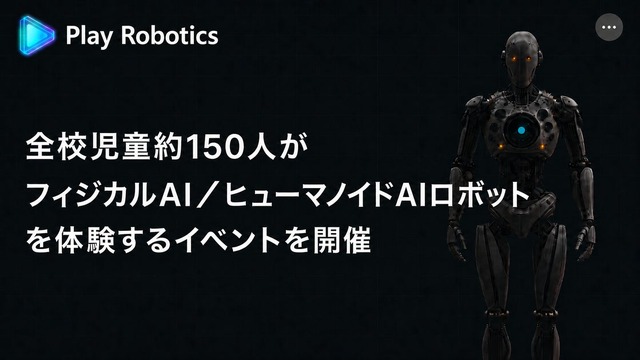
First educational event in Japan featuring humanoid demonstrations and physical AI experiences at elementary schools on June 26.
Play Robotics, a company specializing in safety evaluation and support for the integration of humanoid robots, is set to host a Physical AI Experience event on June 26, 2026. The event will take place at Shiroyama Elementary School in Inagi City. This initiative aims to provide participants with hands-on experiences to explore the capabilities and safety of humanoid robots, promoting awareness and understanding of AI technologies in educational environments. Through interactive demonstrations and activities, attendees will gain insights into the practical applications of robotics and artificial intelligence in everyday life.
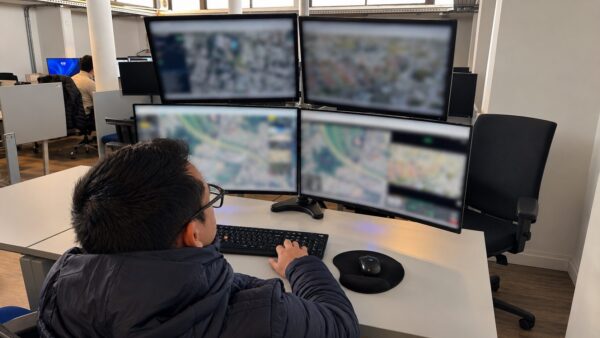
Uruguayan Government Announces New Drone Dispatch Program
The Uruguayan government has launched an innovative autonomous drone program in collaboration with Timerix S.A., a local technology firm. This initiative, which was announced by FlytBase, a company based in San Jose, California, aims to enhance public safety by integrating gunshot-detection alerts with automated drone dispatch and live aerial feeds for law enforcement. The deployment is set to take place in Montevideo, where the drones will assist police in responding to incidents more effectively. This program is part of a broader effort to leverage technology in improving security measures across the country.
Advanced Air Mobility dispatch Drone News Drone News Feeds Drones in the News News
Exoskeleton and robotic arm reduce factory lifting strain by up to 65%
Researchers at the Technical University of Munich (TUM), led by Professor Lorenzo Masia, have developed a groundbreaking solution to enhance collaboration between factory workers and robotic arms. This innovation allows workers equipped with exoskeletons to operate alongside robots more closely and safely, addressing the challenges of human-robot interaction in manufacturing environments. The advancement aims to alleviate physical strain on workers while simultaneously improving production efficiency. As factories increasingly integrate robotic assistance, this development represents a significant step toward achieving seamless human-robot collaboration.
Business

Chasing rumors: Car CEO's departure untrue; WeChat tests native AI assistant; Apple, Tesla supplier data leaked.
On June 23, the ChiNext Index experienced its largest decline of the year, falling over 4% during trading and closing down 3.84%, dipping below the critical 4200-point mark. This downturn followed a record high set just a day prior. The trading volume for the day reached approximately 901.65 billion yuan, a decrease of 118.9 billion yuan from the previous day. All ten of the index's top-weighted stocks saw declines, particularly those in the AI computing sector. In a separate development, Tata Electronics confirmed a significant data breach, with over 630GB of sensitive information leaked, including design and specification documents for key clients like Apple and Tesla. The company stated that it had initiated a response plan and that operations remained unaffected. Apple is reportedly conducting a thorough investigation into the incident. Meanwhile, SpaceX has entered a multi-billion dollar agreement with AI startup Reflection AI to provide computing resources, with payments set to begin in July and continue through 2029. In the robotics sector, Nvidia unveiled its "Halos for Robotics" safety system aimed at enhancing the security of physical AI applications, while Faraday Future introduced its industrial-grade robotic arm series at a robotics expo in Chicago. Additionally, Meta has paused an internal AI training program that tracked employee mouse movements due to data security concerns, and Oracle announced a workforce reduction of approximately 21,000 employees, marking a 13% decrease in its total workforce as part of a business restructuring.

Deep dive into ARM’s physical AI and robotics strategies with Drew Henry
Drew Henry, a representative from ARM, recently shared insights into the evolving landscape of physical AI, robotics, and autonomous systems, emphasizing their development to meet real-world challenges. In a detailed discussion, Henry outlined ARM's strategic approach to integrating advanced technologies in these fields, highlighting the necessity for systems that can operate effectively within the constraints of everyday environments. This conversation comes at a time when the demand for intelligent automation solutions is rapidly increasing, driven by the need for efficiency and innovation across various industries. The dialogue took place in a recent interview featured on The Robot Report, showcasing ARM's commitment to pioneering advancements in robotics and AI.
Artificial Intelligence Business Resources Controllers Development Tools / SDKs / Libraries Logistics Materials
Roundtable Forum: The Real Landscape of AI Venture Capital Beyond Consensus
In a recent roundtable discussion on the evolving landscape of artificial intelligence (AI) investment, industry leaders emphasized the importance of acting ahead of consensus to seize opportunities. The forum featured prominent figures such as Zhu Tianyu, managing partner at BlueRun Ventures, and Qin Shentao, founder and CEO of OriginFlow, who shared insights on their early investment strategies. Zhu, who joined BlueRun in 2009, highlighted his early investments in successful companies like Li Auto and Genspark, noting that he made quick decisions based on a structured understanding of global challenges rather than just project details. He expressed confidence in OriginFlow’s potential, which focuses on non-invasive neural interfaces for embodied intelligent robots, aligning with key trends in artificial general intelligence (AGI), robotics, and 3D interaction. Qin, a Tsinghua University PhD, explained that OriginFlow aims to revolutionize how intelligent systems interact with the physical world, addressing a significant gap in data collection and processing. Within just five months of operation, the company secured over 500 million RMB in funding, demonstrating strong market interest. Both leaders acknowledged the challenges of navigating the current AI investment climate, characterized by rapid funding influxes and potential market bubbles. They stressed the need for investors to discern genuine innovation from fleeting trends, emphasizing that true value lies in solving fundamental problems rather than chasing hype. As the discussion concluded, they reiterated their commitment to fostering groundbreaking advancements in AI and embodied intelligence.

Imitation learning is reshaping the training of physical AI for industrial environments
Imitation learning is revolutionizing the training of industrial robots by moving away from traditional rigid programming methods to a more adaptive approach that emphasizes learning through real-world interactions. This shift is highlighted by Anders Billesø Beck, who underscores the importance of high-quality data, the application of force, and the use of production-grade hardware in this new training paradigm. As industries increasingly adopt these advanced techniques, the focus on enhancing the capabilities and efficiency of robots is becoming paramount, paving the way for more sophisticated automation solutions. The transition is not only expected to improve the performance of robots but also to streamline production processes across various sectors.

Kawasaki Robotics and Dexterity Expand Collaboration to Scale Physical AI for Warehouse Logistics
Kawasaki Robotics has unveiled the RL030N, an advanced 8 DoF (degrees of freedom) robot arm platform that integrates cutting-edge industrial robot engineering with Dexterity's Mech hardware and Foresight World Model technology. This innovative platform aims to enhance automation capabilities across various industries by providing greater flexibility and precision in robotic tasks. The announcement was made during a recent technology expo held in Tokyo, showcasing the latest advancements in robotics and automation. By combining expertise from multiple sectors, the RL030N is designed to meet the growing demand for sophisticated robotic solutions that can adapt to complex environments and tasks. The collaboration between these industry leaders highlights a commitment to pushing the boundaries of what robotic systems can achieve, ultimately aiming to improve efficiency and productivity in manufacturing and other applications.

SiMa.ai and Mistral Solutions, a subsidiary of AXISCADES, Partner to Accelerate Autonomous Drone Intelligence
Mistral and SiMa.ai have collaborated to create a joint reference design that integrates Mistral's expertise in embedded systems with SiMa.ai's Physical AI platform. This innovative partnership aims to streamline the deployment of autonomous drones, significantly enhancing their operational efficiency. The announcement comes as industries increasingly seek advanced technologies to improve automation and data processing capabilities. By leveraging their combined strengths, the two companies are positioned to offer a rapid and effective solution for businesses looking to adopt autonomous drone technology. This initiative reflects a growing trend in the tech sector, where collaboration is key to accelerating advancements in artificial intelligence and robotics.

Dobot showcases humanoid and quadruped robots at "RTJ 2026" as a physical AI platform.
Dobot Japan showcased its latest products and automation solutions at the Robot Technology Japan 2026 (RTJ 2026) exhibition, held from June 11 to June 13, 2026, at the Aichi Sky Expo in Aichi Prefecture. The event focused on industrial robotics and automation, providing a platform for companies to demonstrate advancements in technology and innovation in the field. Dobot's participation aimed to highlight its commitment to enhancing automation capabilities and meeting the growing demand for efficient robotic solutions in various industries.

US firm unveils R-Noid humanoid robot for factories, hotel and warehouse jobs
Robot.com, a company based in the United States, has unveiled R-Noid, a new humanoid robot engineered to handle repetitive and labor-intensive tasks. This innovative launch took place recently, showcasing the company's commitment to advancing automation technology. The R-Noid is designed to assist in various industries, aiming to improve efficiency and reduce the physical strain on human workers. By integrating advanced robotics with user-friendly interfaces, Robot.com hopes to address the growing demand for automation solutions in the workforce. The introduction of R-Noid reflects a broader trend towards utilizing robotics to enhance productivity and streamline operations in sectors facing labor shortages.
AI and Robotics
Why physical AI 2.0 needs a reality check
A columnist emphasizes the importance of physical state recovery in the development of physical AI, arguing that while vision and language capabilities are crucial, enabling robots to effectively interact with their environment is essential for the next generation of AI technology. The commentary highlights the need for a realistic assessment of these advancements, suggesting that without addressing the physical aspects of AI, progress may be hindered. This perspective was shared in a recent article on The Robot Report, underscoring the ongoing discourse surrounding the evolution of robotics and artificial intelligence.
Artificial Intelligence Artificial Intelligence / Cognition Autonomous Mobile Robots (AMRs) Cameras / Imaging / Vision Humanoids Mobility / Navigation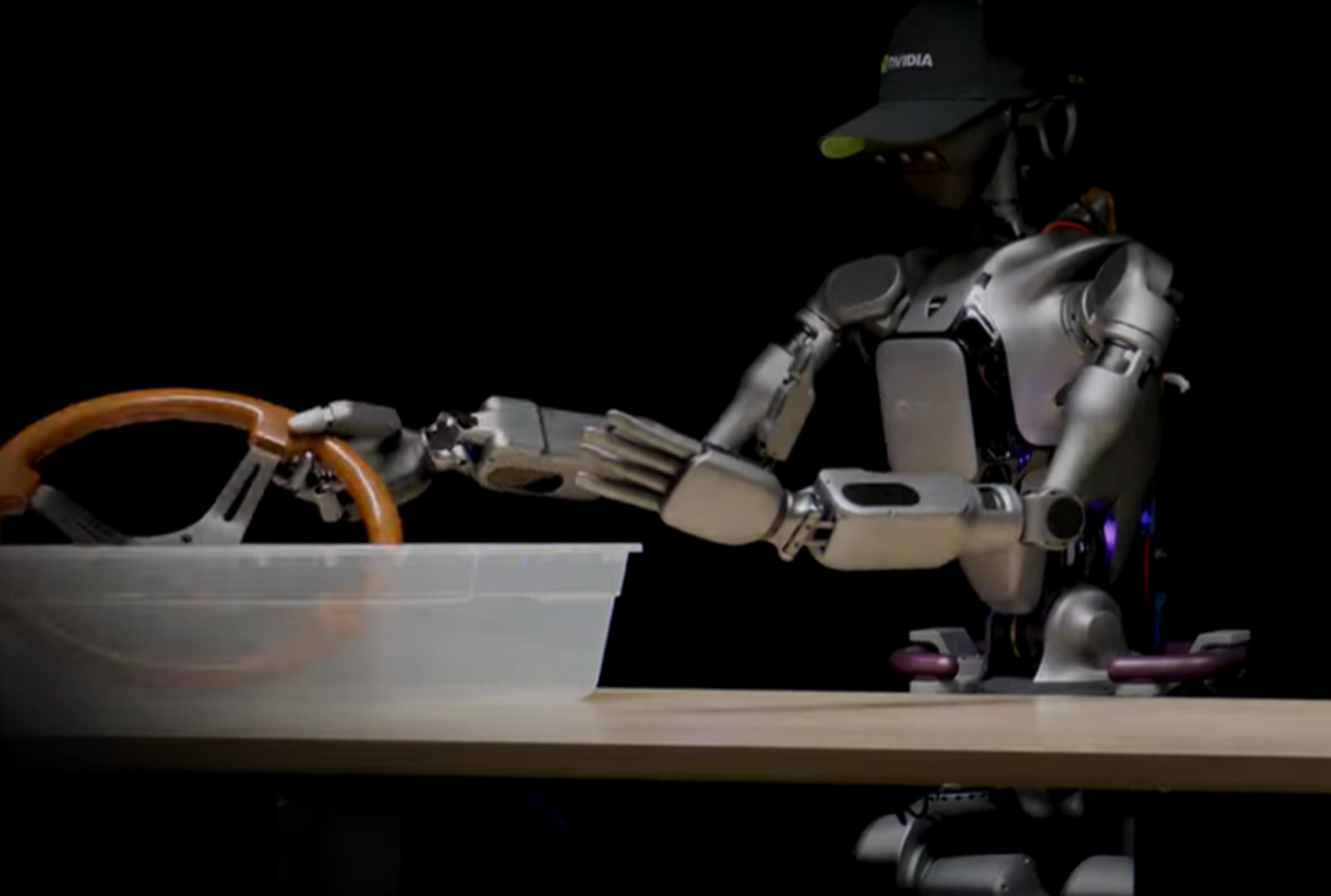

Peking University team develops new generation data acquisition device using EMG wristband, backed by Gong Hongjia, Lu Qi, and overseas
The SnowOrigin team, composed of researchers from Peking University, has secured investments from notable figures including Gong Hongjia and Lu Qi, as well as overseas institutions. This innovative team focuses on surface electromyography (sEMG) technology to develop a new generation of human control data collection solutions, utilizing wearable devices like neural wristbands and panoramic headsets, along with their proprietary Neural Math Hybrid (NMH) AI decoding model. As the fields of embodied intelligence and Physical AI rapidly evolve, there is an increasing demand for high-quality human control data. Current mainstream data collection methods, such as first-person video and motion capture, often fail to capture critical information about the intent and nuances of human actions. SnowOrigin's wearable devices aim to bridge this gap by integrating muscle and neural signal decoding technologies to create structured data that includes posture, force, and micro-control, thereby supporting the training of robots and world models. Founder Qin Xu emphasized that unlike traditional lab-based motion capture systems, their wearable solutions are cost-effective, lightweight, and suitable for long-term use without disrupting daily activities. The team is advancing two commercialization pathways: enhancing human-robot interaction for AI devices and building a foundational data infrastructure for Physical AI applications. With a strong academic background and a commitment to innovation, SnowOrigin is positioned to lead in the emerging market for embodied data collection, having already made significant strides in real-time decoding of sEMG signals into actionable insights. As the demand for comprehensive interaction data grows, the team is poised to capitalize on this shift in paradigm.

NASA's AstroPix Technology Demonstration to Advance Next-Generation Gamma-Ray Detection
NASA is set to conduct an in-orbit demonstration of its innovative AstroPix gamma-ray sensor, a cutting-edge pixel-based detector designed to enhance the study of gamma-ray bursts and active galaxies. This significant event is scheduled to take place in the near future as part of NASA’s ongoing efforts to advance astrophysical research. The AstroPix sensor aims to provide unprecedented insights into cosmic phenomena, which could deepen our understanding of the universe. By utilizing this advanced technology in space, NASA hopes to gather critical data that will inform future missions and studies in astrophysics. The demonstration marks a pivotal step in harnessing new detection methods to explore the mysteries of high-energy astrophysical events.

China's Robotics Industry Sees Multiple Breakthroughs Across Humanoid Robots and Physical AI
China's robotics industry has achieved significant advancements in humanoid robots and physical artificial intelligence, marking a pivotal moment in the sector's development. These breakthroughs were reported in October 2023, showcasing the country's commitment to enhancing its technological capabilities. The innovations include improved mobility and functionality in humanoid robots, which are now capable of performing complex tasks that were previously thought to be the domain of human workers. This progress is driven by a combination of increased investment in research and development, collaboration between universities and tech companies, and a growing demand for automation across various industries. As China aims to position itself as a global leader in robotics, these developments not only highlight the nation's technological prowess but also its strategic focus on integrating AI into everyday applications. The advancements are expected to have far-reaching implications, potentially transforming sectors such as manufacturing, healthcare, and service industries. By leveraging cutting-edge technology, China is setting the stage for a future where robots play an integral role in both the economy and society.
Robotics
Bear Robotics acquires Kinisi Robotics to boost its physical AI capabilities
Bear Robotics has announced the acquisition of Kinisi Robotics, a move aimed at enhancing its physical AI capabilities. The integration will involve Kinisi's KR1 humanoid robot and the expertise of its engineering team based in Bristol. This strategic acquisition reflects Bear Robotics' commitment to advancing its technology in the robotics sector, particularly in the realm of physical AI. The deal is expected to bolster Bear Robotics' offerings and position the company for future growth in the competitive landscape of robotic solutions.
Artificial Intelligence Artificial Intelligence / Cognition Autonomous Mobile Robots (AMRs) Design / Development Financial Humanoids
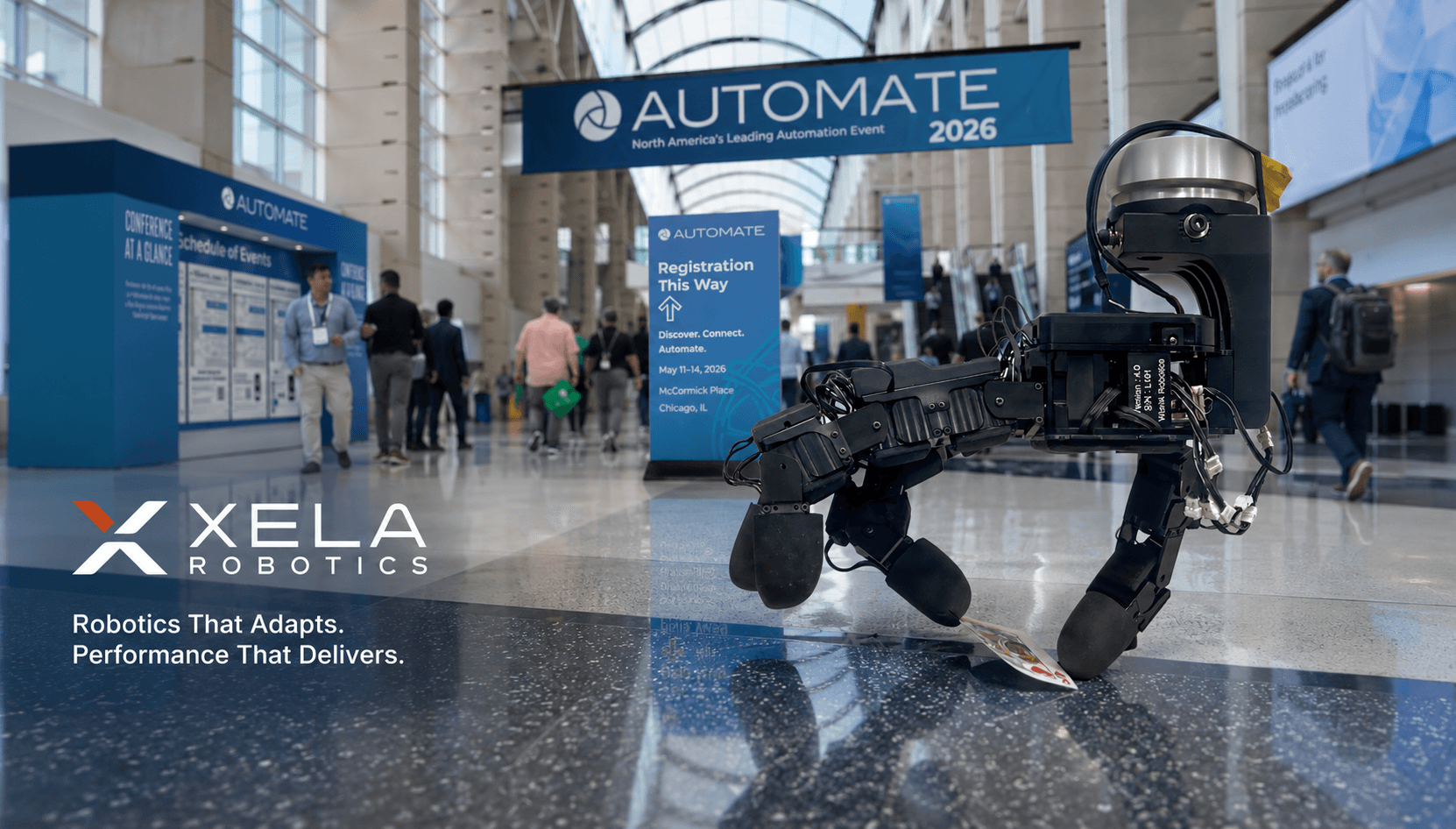
InOrbit.AI Demonstrates the Future of Multi-Vendor Robot Orchestration and Physical AI at Automate 2026
InOrbit.AI is set to showcase a pioneering multi-vendor robotics demonstration at Automate 2026, highlighting the future of the sentient enterprise. This event will take place in 2026, where industry leaders and innovators will gather to explore advancements in automation technology. The demonstration aims to illustrate how seamless interoperability and Physical AI are revolutionizing disparate automation systems, creating a cohesive and resilient operational ecosystem. By integrating various robotic technologies, InOrbit.AI seeks to address the challenges of isolated automation, ultimately enhancing efficiency and productivity across industries. This initiative reflects a growing trend towards unified solutions in the robotics sector, emphasizing the importance of collaboration among vendors to drive innovation and improve operational capabilities.

Cobot Announces Second-Generation Proxie, Bringing Production-Tested Physical AI to Real Operations
A new production-tested platform has been developed that integrates mobility, bimanual manipulation, and self-directed task execution, allowing for rapid deployment within days. This innovative system operates independently, requiring no IT integration or human dispatcher to function effectively. The platform aims to streamline operations and enhance efficiency in various settings, making it a significant advancement in automation technology. With its user-friendly design, it is poised to transform workflows across industries by minimizing the need for extensive setup and oversight.

Mantis Robotics Extends Potential of Physical AI with New Dual-Arm Fenceless Robot for Industrial and Retail Automation
Mantis Robotics has introduced its latest innovation, the MR-X dual-arm robot, at Automate 2026 in Chicago, showcasing advancements in physical AI for industrial and retail automation. This high-performance robot, capable of lifting up to 70 lbs and operating at speeds of 10.6 m/s, is designed to function without safety fences, allowing for flexible deployment in complex environments. The MR-X is inspired by human biomechanics, enabling it to perform demanding tasks that require both strength and dexterity. Its patented SafetyCore platform provides continuous awareness of its surroundings, allowing the robot to autonomously react to nearby humans without interrupting its operations. This feature eliminates the need for traditional safety infrastructure, enhancing efficiency while maintaining safety standards. Mantis Robotics aims to revolutionize automation with the MR-X, which builds on the success of its predecessor, the MR-1, known for its certified fenceless operation. CEO Gerry Vannuffelen emphasized that the MR-X is not just another humanoid robot, but a first-in-class dual-arm system that surpasses both collaborative robots and humanoids in speed and safety. Visitors to Booth 1261 in the South Hall at Automate 2026 can witness the MR-X's capabilities firsthand, interact with the MR-1, and explore the technology that enables rapid deployment without disruption. Mantis Robotics invites attendees to schedule personalized walkthroughs and learn about priority access for early customers.

FORT Robotics extends its Trust Layer for Physical AI by adding Outside-In Safety in collaboration with NVIDIA Halos for Robotics
Researchers have developed a groundbreaking approach to enhance robot perception by integrating external sensors with traditional on-board systems. This innovative method allows robots to dynamically adjust their behavior, significantly improving their operational efficiency. The advancements were made public in October 2023, showcasing the potential for robots to better navigate and interact with their environments. By utilizing additional sensory data, these robots can respond more effectively to changing conditions, ultimately leading to more reliable and versatile applications in various fields. This development represents a significant step forward in robotics, promising to transform how machines operate in complex settings.

Agility, a prominent player in humanoid robotics and physical AI, has become the first company to integrate NVIDIA Halos for Robotics into its humanoid systems. This innovative technology aims to enhance safety in various operational environments, including factories, warehouses, and logistics. Notable clients benefiting from this advancement include major corporations such as Amazon, GXO, Schaeffler, and Toyota Motor Manufacturing Canada. By implementing NVIDIA's cutting-edge safety features, Agility seeks to improve the efficiency and reliability of its robots, ensuring they can operate safely alongside human workers in demanding settings.

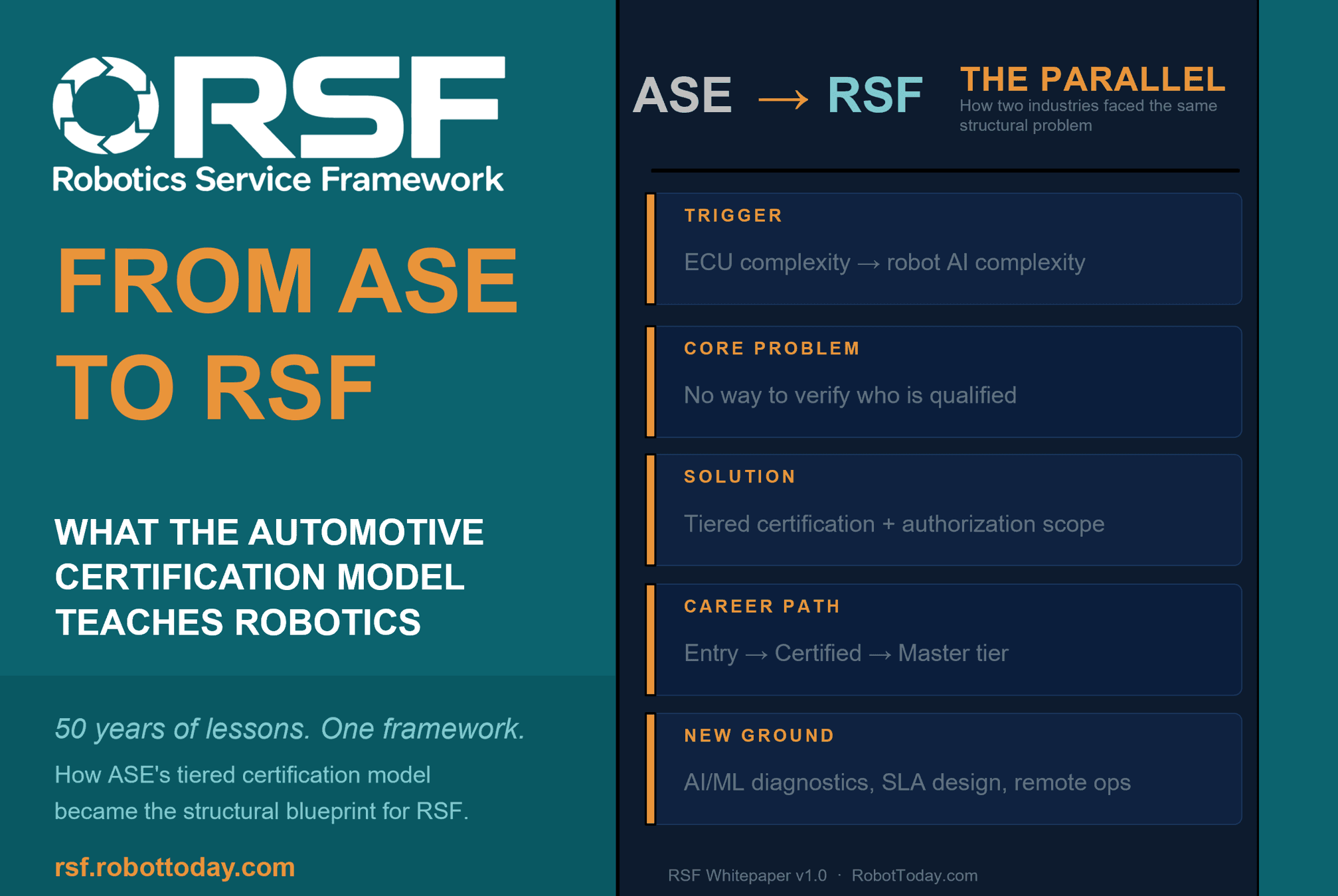
Robotics needs a service framework.
RSF defines a common language for robot service capability, lifecycle operations, certification pathways, and service-provider networks.