Industry Briefing
A single destination for timely, editor-curated robotics news from around the world.

NoTip Initiates Public Beta for Robotic Food Delivery Service in Mason, Ohio
NoTip has commenced public beta testing of its robotic food delivery platform in Mason, Ohio, allowing residents to access an innovative autonomous delivery service. This service integrates electric vehicles with delivery robots, utilizing a patent-pending dual-stage delivery system to enhance food delivery in suburban areas where traditional sidewalk robots face challenges. The significance of this initiative lies in NoTip's aim to make food delivery more affordable and reliable, independent of restaurants and gig workers. Customers can download the NoTip app to place orders, track deliveries in real-time, and enjoy a flat $6 delivery fee without tipping or price mark-ups. John Vo emphasized the importance of this beta testing phase in refining the delivery experience through customer feedback. Looking ahead, NoTip plans to leverage insights gained during the beta program to inform future enhancements and expansion strategies for its robotic delivery platform. The response from customers during this trial will be crucial in shaping the service's commercial viability and operational scope.
Logistics News autonomous delivery platform autonomous food delivery delivery robotics delivery robots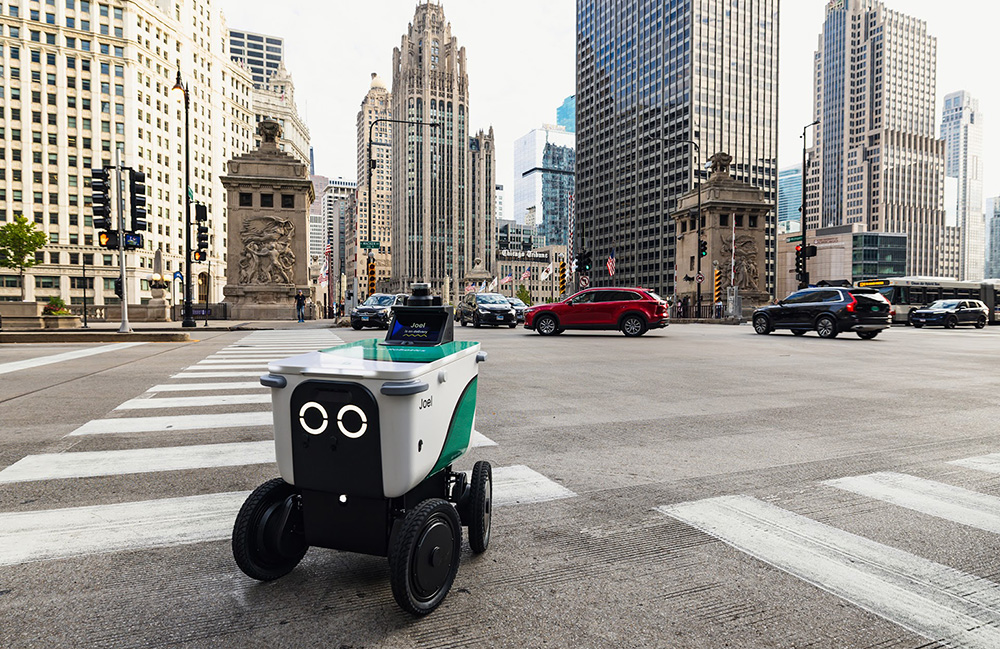
Serve Robotics Partners with Grubhub for Autonomous Delivery in Major Cities
Serve Robotics Inc. has announced a partnership with Grubhub to provide autonomous delivery services in Chicago, Los Angeles, and Alexandria, Virginia. This collaboration will enable Serve to offer robotic deliveries from over 100 Grubhub merchants in Chicago and nearly 200 in Los Angeles, with plans for more restaurants to join the program. This partnership is significant as it marks Serve's expansion into new markets, including Washington, D.C., and San Jose, California, where they have partnered with DoorDash. The introduction of microdepots in Miami will further enhance their operational efficiency, allowing for quicker deployment in high-demand neighborhoods with minimal infrastructure. Looking ahead, Serve Robotics is also launching Beacon, a countertop product designed to streamline the connection between restaurants and delivery robots. Additionally, they have introduced a new advertising product called “Characters,” which allows brands to create interactive experiences with their robots. No further timeline was disclosed at the time of publication.
Autonomous Mobile Robots (AMRs) Food / Beverage Markets / Industries News Robots / Platforms autonomous delivery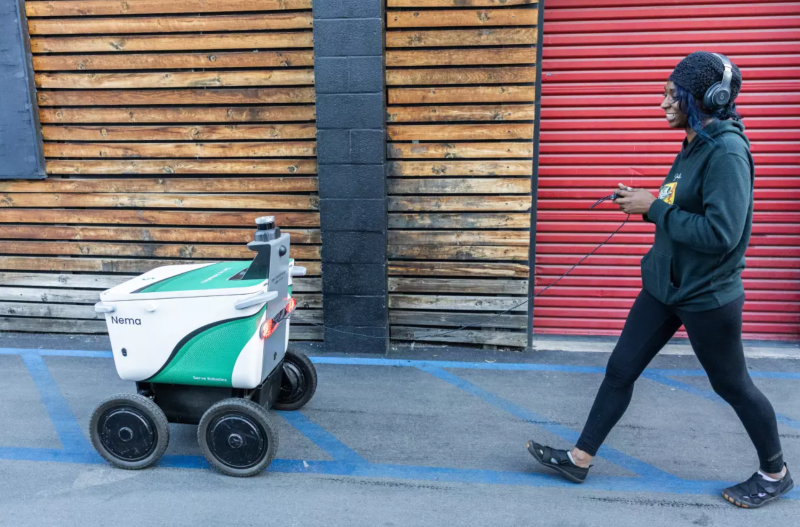
Serve Robotics Collaborates with Grubhub Following Uber's Exit to Boost Delivery Robot Expansion
Serve Robotics has announced a partnership with Grubhub on August 17, following Uber's exit from the investment and partnership. This collaboration signifies a strategic shift for Serve, moving from reliance on a single major partner to becoming a public delivery robot layer across multiple platforms. The partnership comes after Uber sold its entire stake in Serve, leading to a significant reduction in Serve's revenue projections for 2026 from $26 million to between $9 million and $10 million. The collaboration with Grubhub is a crucial step in diversifying Serve's business. According to the agreement, Serve's robots will launch delivery services in Chicago, Los Angeles, and Alexandria, Virginia, through Grubhub's parent company, Wonder Group. The initial rollout will include over 100 restaurants in Chicago and nearly 200 in Los Angeles, marking Serve's integration with the top three delivery platforms in the U.S. Additionally, Serve is expanding its partnership with DoorDash, now covering eight markets, including Washington, D.C., and San Jose. To reduce expansion costs, Serve has introduced a 'micro-warehouse' model in Miami for robot scheduling and maintenance. The company is also diversifying its revenue streams by expanding into healthcare robotics with the deployment of Moxi 2.0 hospital robots, showcasing its commitment to defining value through the robots themselves rather than being tied to any specific app.
Delivery Robots Food Delivery Logistics Technology Healthcare Robotics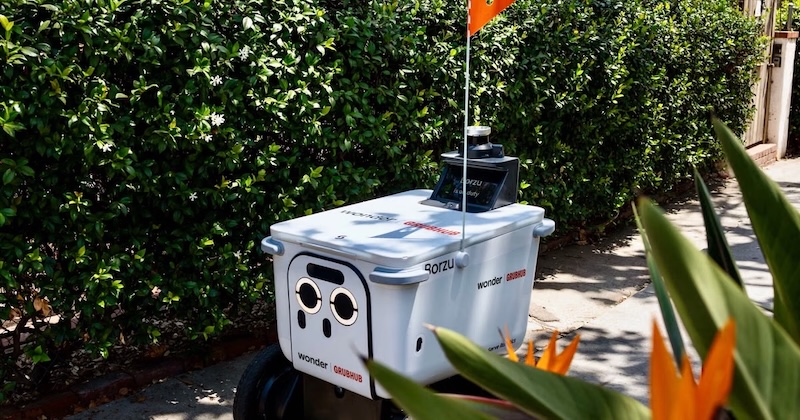
Serve Robotics Partners with Grubhub to Expand Autonomous Delivery Network
Serve Robotics is enhancing its autonomous delivery network by partnering with Grubhub, adding a third major platform to its service alongside Uber Eats and DoorDash. This collaboration will initially launch in Chicago, Los Angeles, and Alexandria, Virginia, with over 100 Grubhub merchants in Chicago and nearly 200 in Los Angeles participating. The significance of this partnership lies in its potential to increase the number of restaurants and orders available to Serve's autonomous sidewalk delivery fleet. According to Ali Kashani, co-founder and CEO of Serve Robotics, this expansion demonstrates the company's growth trajectory and the increasing intelligence of its fleet with each new delivery. Looking ahead, Serve Robotics is also expanding its geographical reach with new launches in Washington, DC, and San Jose, California, in collaboration with DoorDash. These expansions mark Serve's seventh and eighth major US markets, indicating a robust growth strategy in the autonomous delivery sector. No further timeline was disclosed at the time of publication.
Logistics News autonomous delivery delivery robots diligent robotics doordash
Chinese Internet Companies Expand into Robotics with Delivery Drones and Robotaxis
Chinese internet companies are increasingly investing in robotics, deploying technologies such as robotaxis, delivery drones, and warehouse robots. This strategic move into the physical world is aimed at enhancing their logistics and service capabilities. The expansion into robotics is significant as it allows these companies to diversify their operations beyond digital services, tapping into the growing demand for automation in transportation and logistics. By integrating embodied AI agents and physical-world AI infrastructure, they aim to improve efficiency and customer service. As these companies continue to innovate, it will be important to monitor their advancements in robotics and AI technologies. The competitive landscape may shift as they establish their presence in the physical realm, potentially leading to new partnerships and market dynamics. No further timeline was disclosed at the time of publication.
Industry
Coco Robotics Expands Autonomous Delivery Operations in Washington, D.C.
Coco Robotics has announced the expansion of its autonomous delivery services in Washington, D.C., with customer deliveries set to commence this summer. This move marks a significant step in scaling its fleet across major U.S. cities, enhancing service for local restaurants and retailers. The expansion into Washington, D.C. is crucial as it allows Coco Robotics to tap into a vibrant urban market, providing efficient and reliable delivery solutions. This initiative aims to assist neighborhood businesses in reaching more customers while simultaneously addressing issues like traffic congestion and emissions. Looking ahead, the launch of deliveries in Washington, D.C. will be closely monitored as it could set a precedent for further expansions in other urban areas. No further timeline was disclosed at the time of publication.
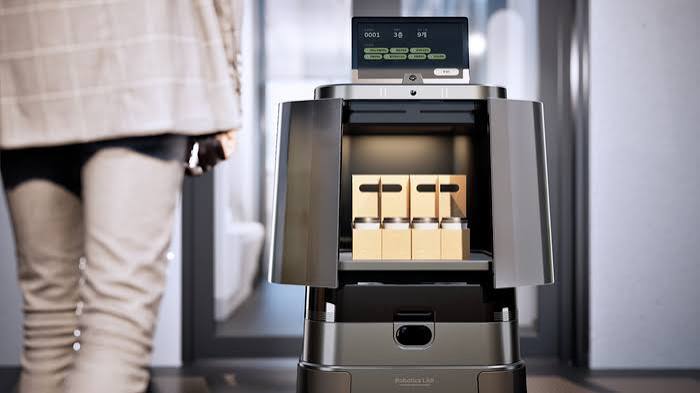
A Woman Assists a Serve Robotics Delivery Robot Stuck in Los Angeles
Recently in Los Angeles, a woman working at the city hall helped a Serve Robotics delivery robot that was stuck in a bush. She adjusted its wheels and pushed it back onto the sidewalk, allowing it to continue its journey. This incident sparked discussions about the moral implications of assisting robots that may replace human jobs. The situation highlights a critical issue: despite being marketed as autonomous, these delivery robots often require human intervention. Serve Robotics claims a 99.8% delivery success rate, but this translates to dozens of robots encountering issues daily across Los Angeles. When problems arise, pedestrians frequently step in before the company's support team can respond. This scenario reveals the uncomfortable truth about autonomous delivery: while robots can navigate most of their routes, they struggle with unexpected challenges. As seen in other cities, such as Chicago and Miami, the burden of resolving these issues often falls on the public, raising questions about the true nature of automation and its reliance on human support.
Delivery Robots Autonomous Technology Urban Infrastructure Human-Robot Interaction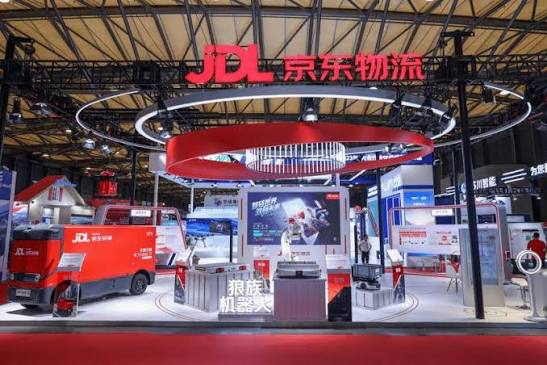
JD.com Unveils Ambitious Robotics Initiative: 3 Million Robots and Workforce Transition Plan
At the JD Global Technology Explorer Conference on September 9, 2026, JD Logistics introduced its 'Wolf Pack' of robots, featuring nine models designed for various logistics tasks. The company announced a bold 'Physical AI Acceleration Plan' aiming to procure 3 million robots, 1 million unmanned vehicles, and 100,000 drones over the next five years, marking a significant shift in China's logistics automation timeline. This initiative is crucial as it addresses the need for a robust after-sales service system in the rapidly evolving robotics industry. JD.com aims to fill the gap created by the transition from delivery personnel to robotic systems by training 700,000 delivery workers as technicians, ensuring they can maintain and repair the robots that will replace them in delivery roles. Looking ahead, JD.com's plan highlights the dual challenge of technological advancement and workforce transformation. The company has already begun training its first batch of employees for new roles as robot maintenance engineers. No further timeline was disclosed at the time of publication.
Robotics Logistics Automation AI Workforce Development
Chef Robotics Discusses Food as a Challenge for Physical AI at RoboBusiness 2026
Chef Robotics has developed a robotic system aimed at high-mix food preparation, highlighting the complexities of manipulating food. The company noted that food presents unique challenges due to its deformable nature, varying weights, and sensitivity to temperature, which complicates automation efforts. This complexity is significant as Chef Robotics has created the largest dataset for deformable material manipulation, completing over 118 million servings across food manufacturing facilities in North America and Europe. Their Food Foundation Model (FFM) allows robots to adapt to new ingredients with minimal retraining, showcasing the potential for advancements in physical AI beyond the food industry. At RoboBusiness 2026, Rajat Bhageria, CEO of Chef Robotics, will present on the challenges of food in physical AI and its broader implications. Attendees can expect insights into adaptive grasping and tactile feedback, which may benefit various sectors, including healthcare and agriculture. No further timeline was disclosed at the time of publication.
Artificial Intelligence Artificial Intelligence / Cognition Design / Development End Effectors / Grippers Events Food / Beverage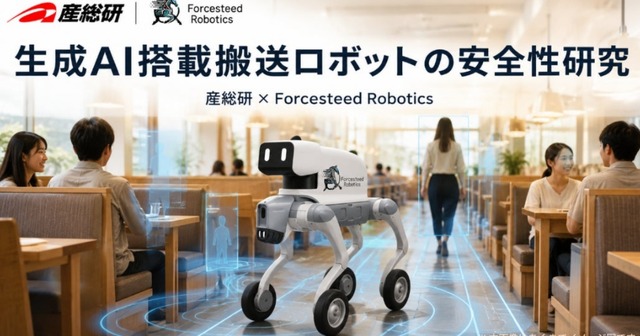
AIST and Forcesteed Robotics Collaborate on Safety of Indoor Delivery Robots with Physical AI
The National Institute of Advanced Industrial Science and Technology (AIST) and Forcesteed Robotics have conducted joint research on the safety of indoor delivery robots equipped with Physical AI, focusing on risk assessment and mitigation strategies. The findings will be presented in a paper titled "Risk Extraction and Mitigation Strategies for Indoor Delivery Robots with Physical AI Using Generative AI" at the Robotics Society of Japan on September 3, 2026. This research is significant as it addresses the increasing reliance on Physical AI in environments where humans and robots coexist, such as restaurants and commercial facilities. The study emphasizes the importance of accurately recognizing surroundings and making timely decisions to ensure safety, particularly in dynamic settings where human movement and object placement are constantly changing. Looking ahead, AIST and Forcesteed Robotics plan to further investigate recovery times during anomalies, human behavior prediction, and the reliability of recognition results based on insights gained from this research. The focus on ensuring the safe operation of robots equipped with Generative AI in real service environments will be a key area of interest in future presentations.

Beijing Robotics Expo Features Robots Sorting Packages and Serving Fast Food
At a robotics expo in Beijing, robots demonstrated their capabilities by sorting parcels and serving fried chicken, captivating attendees. This event showcased the potential of robotics and artificial intelligence in reshaping the labor market, with hundreds of companies presenting their innovations. The significance of this expo lies in its focus on how automation can transform various sectors, particularly in logistics and food service. As artificial intelligence continues to advance, the integration of robots in everyday tasks could lead to increased efficiency and changes in workforce dynamics. Looking ahead, industry observers will monitor the ongoing developments in robotics and AI technologies. The expo serves as a platform for companies to highlight their contributions to a future where automation plays a crucial role in labor markets. No further timeline was disclosed at the time of publication.
Robotics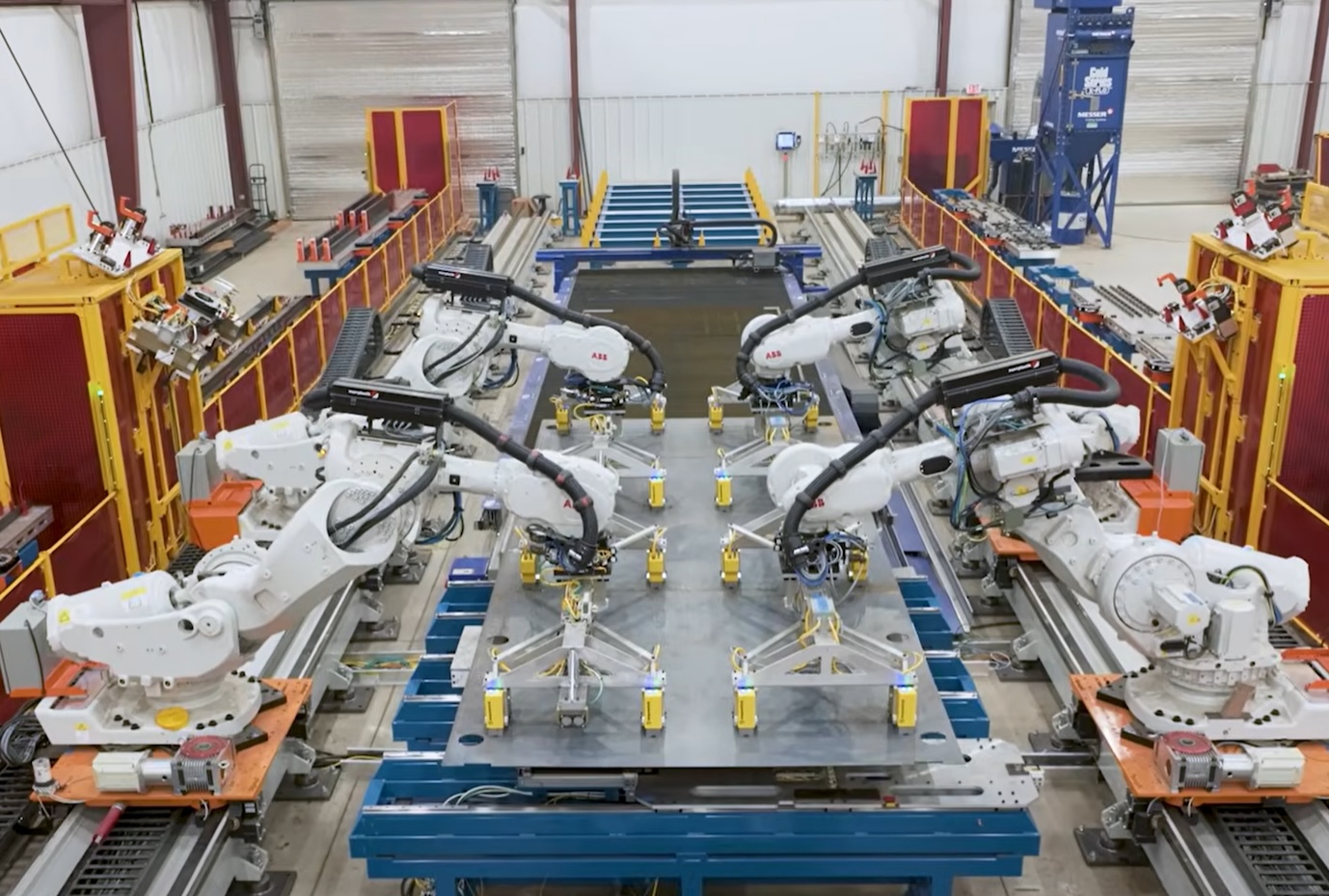
Serve Robotics CEO Discusses Delivery Robots' Impact on Last-Mile Logistics
Serve Robotics CEO Ali Kashani recently spoke on Bloomberg Open Interest about the company's strategic shift towards partnerships with DoorDash and Grubhub. He highlighted how delivery robots can significantly reduce last-mile delivery costs, making them a valuable asset in the logistics sector. This shift is crucial as it demonstrates the growing importance of automation in the delivery industry. Kashani emphasized that the AI-powered technology behind these robots has the potential to extend beyond food delivery, with applications in hospitals and everyday logistics. Looking ahead, the conversation around delivery robots is expected to evolve, with potential expansions into various sectors. No further timeline was disclosed at the time of publication.

Uber Divests Entire Stake in Serve Robotics, Surprising the Delivery Company
Uber has completely divested its stake in Serve Robotics, the autonomous delivery robot firm that emerged from the ride-hailing giant over five years ago. This decision was revealed in a regulatory filing, with reports indicating that Uber had been reducing its stake since 2025. Serve Robotics was caught off guard by the announcement, learning of the divestiture only after it became public. The significance of this divestiture lies in the evolving relationship between Uber and Serve Robotics. Initially, Serve was part of Postmates X, which Uber acquired for $2.65 billion in 2020. Following its spinout as an independent entity, Serve Robotics partnered with Uber to deploy sidewalk delivery bots through the Uber app, with plans to introduce up to 2,000 bots in various U.S. markets. However, recent comments from Serve's CEO indicate diverging business strategies, particularly regarding fleet operations and merchant integration. Looking ahead, Serve Robotics does not anticipate renewing its partnership with Uber when the current agreement expires in early 2027. The company has experienced significant growth in deliveries with other partners, contrasting with a decline in delivery volume through Uber, marking a pivotal shift in their business dynamics. No further timeline was disclosed at the time of publication.
Transportation Serve Robotics Uber
Serve Robotics expands beyond food delivery with autonomous laundry service
Serve Robotics has entered into a partnership with NoScrubs, an emerging on-demand laundry service, to expand its delivery offerings beyond prepared food. This collaboration, which marks Serve's inaugural venture into urban delivery for laundry, will kick off this week in select neighborhoods across Los Angeles. Utilizing Serve's fleet of autonomous sidewalk robots, the pilot program aims to deliver laundry orders directly to customers' doorsteps, enhancing convenience and efficiency in urban logistics.
Logistics News ai robotics automation news autonomous commerce autonomous delivery
Robot.com Introduces R-dog: A Versatile Four-Legged Delivery and Engagement Robot
Robot.com has unveiled R-dog, a four-legged robotic platform intended for delivery, advertising, and engagement tasks. This innovative robot is designed to operate on REMI, Robot.com's fleet management and physical API layer, showcasing the company's commitment to advancing robotic solutions. The significance of R-dog lies in its potential to enhance operational efficiency in various sectors by integrating advanced autonomy features. The collaboration with FieldAI is crucial, as their general-purpose Field Foundation Models will provide the necessary autonomy capabilities, positioning R-dog as a versatile tool for businesses. Looking ahead, the evolution of R-dog into a production version will be closely monitored. The partnership with FieldAI is expected to yield significant advancements in robotic autonomy, making R-dog a noteworthy development in the robotics landscape. No further timeline was disclosed at the time of publication.

Dogtooth Secures £14M Investment for AI Robotics in Agriculture
Cambridge-based AI robotics company Dogtooth has successfully raised £14 million in funding to enhance its agricultural technology solutions. This investment aims to accelerate the development of advanced robotics designed for precision farming, addressing the growing demand for automation in the agtech sector. The funding round highlights the increasing interest in AI-driven solutions within the agricultural industry, particularly in the UK market. The significance of this funding lies in its potential to transform agricultural practices through the integration of AI and robotics. As the global agricultural sector faces challenges such as labor shortages and the need for sustainable practices, innovations like those from Dogtooth are crucial. The investment reflects a broader trend of increasing capital flow into agtech, with investors recognizing the importance of technology in enhancing productivity and sustainability. Looking ahead, Dogtooth's next steps will likely focus on scaling its technology and expanding its market presence. No further timeline was disclosed at the time of publication, but the company’s advancements in AI robotics could set new benchmarks in the agricultural sector, paving the way for future innovations and partnerships in agtech.
Agtech FoodTech
Serve Robotics (SERV) Expands AI-Powered Robot Delivery Into Laundry Services Through NoScrubs Deal
Serve Robotics Inc. has announced a significant expansion of its AI-powered robot delivery services to include laundry, following a deal with NoScrubs. This partnership, revealed on June 2, 2026, allows Serve Robotics to utilize its fleet of approximately 2,000 autonomous sidewalk robots to pick up and deliver laundry orders in addition to its existing food delivery services. NoScrubs, which operates in seven major metropolitan areas, provides a comprehensive laundry service that includes washing, drying, and folding clothes. The collaboration aims to optimize delivery operations by scheduling laundry pickups and returns during off-peak hours for food deliveries. Orders will be assigned to Serve Robotics based on their availability and storage requirements. This move marks Serve Robotics' entry into a new vertical, with plans to explore further opportunities in grocery, pharmacy, retail, and dry cleaning markets. Despite a 45% decline in its stock value this year, analysts view this as a potential buying opportunity, projecting a 190% increase over the next year. The company continues to focus on expanding its delivery capabilities while serving thousands of restaurants across major cities in the U.S.

Insta360 vs DJI: The Drone Imaging War Is More Brutal Than the Food Delivery Battle
In Shenzhen, two leading companies in the drone camera industry, Insta360 and DJI, are engaged in intense competition that is transforming the landscape of imaging hardware in China. This rivalry has escalated into a series of patent lawsuits, aggressive price reductions, and a battle for top talent. As both firms strive to outmaneuver each other, the ongoing conflict is reshaping market dynamics and influencing consumer choices in the rapidly evolving technology sector. The situation reflects broader trends in innovation and competition within the Chinese tech industry, highlighting the lengths to which companies will go to secure their position in a lucrative market.
Industry Gadgets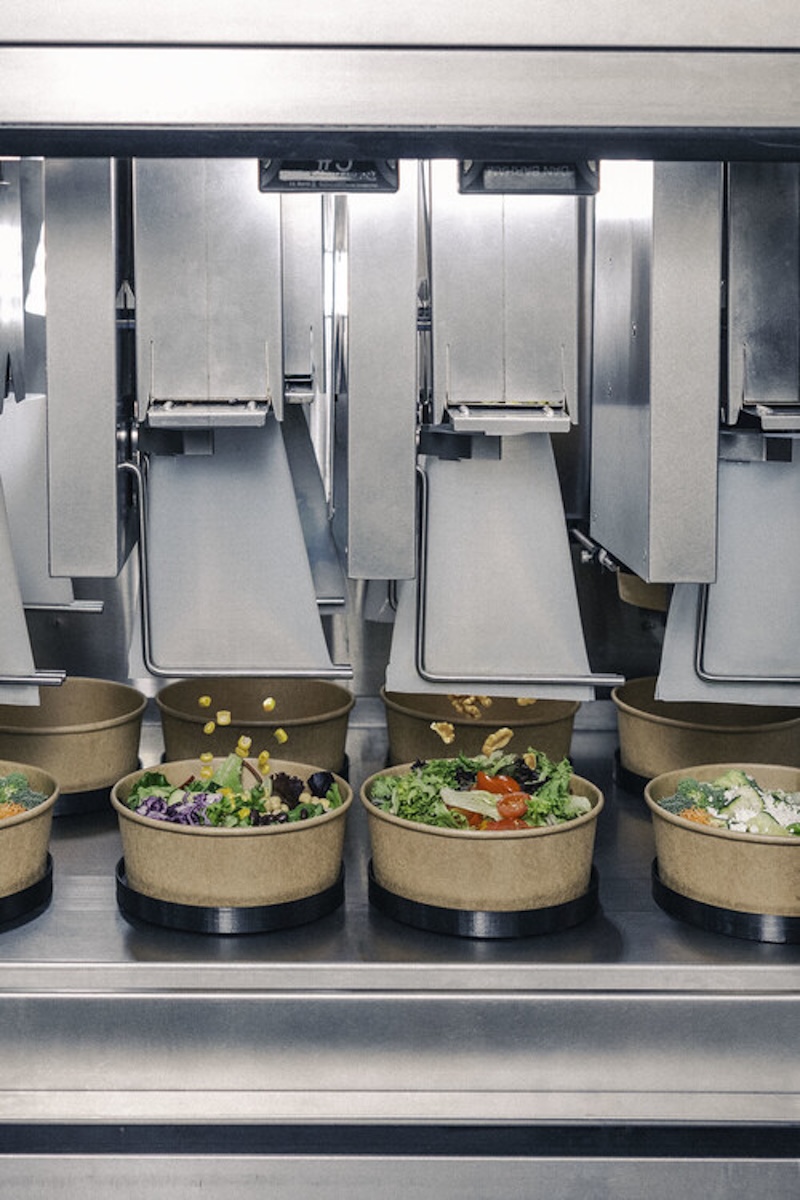
Appetronix acquires Cibotica to expand robotic foodservice automation beyond pizza
Appetronix, a developer specializing in robotic kitchen systems, has acquired Cibotica, a company focused on food robotics, to enhance its automation platform by incorporating a wider range of food categories beyond pizza. The financial details of the acquisition remain undisclosed. This strategic move allows Appetronix to integrate Cibotica’s advanced automated ingredient dispensing and portioning technology into its existing offerings, including the Remy robotic system. The acquisition is part of Appetronix's ongoing efforts to innovate and expand its capabilities in the food service industry.
Engineering AI in foodservice appetronix automation news autonomous kitchens Cibotica
Major Order for Home Robotics Marks New Era of Real-World Delivery in Embodied Intelligence
Li Zhichen, CEO of Woan Robotics, has highlighted the crucial role of high-quality real-world data in advancing the competition for embodied intelligence. The company recently announced a significant order for a home robotics project, which represents a key milestone in the development of its data infrastructure. Additionally, Woan Robotics has achieved an impressive 99% success rate with its newly developed action model. This accomplishment positions the company advantageously in a market where the lack of quality data poses a major barrier to entry, underscoring its commitment to innovation and excellence in robotics.
Embodied Intelligence Home Robotics Data Infrastructure AI Models
Chef Robotics Advances Bi-Manual Physical AI System for Prep Table Food Assembly Powered by a Food Foundation Model
Chef Robotics has announced the development of a bi-manual physical AI system aimed at enhancing food assembly tasks on prep tables, such as burger and burrito preparation. This innovative system, which is set to launch on May 19, 2026, will cater to various sectors including ghost kitchens, fast-casual restaurants, and catering services, focusing on lower-volume yet more complex meal assembly compared to traditional food manufacturing processes. The new AI system utilizes two robotic arms for coordinated and dexterous manipulation, mimicking human-like capabilities to handle a variety of food items and utensils. It is powered by Chef's Food Foundation Model (FFM), which employs imitation learning to adapt quickly to diverse tasks and environments, overcoming the limitations of existing robotic systems that struggle with the variability of food materials. Chef Robotics aims to automate manual prep table assembly, a critical area in the food industry that has remained largely reliant on human labor. By leveraging the FFM, the system is designed to learn from demonstrations, allowing it to generalize across different tasks and robotic platforms. This advancement is expected to improve operational efficiency, yield, and consistency in food preparation, ultimately transforming how food assembly is approached in various culinary settings.
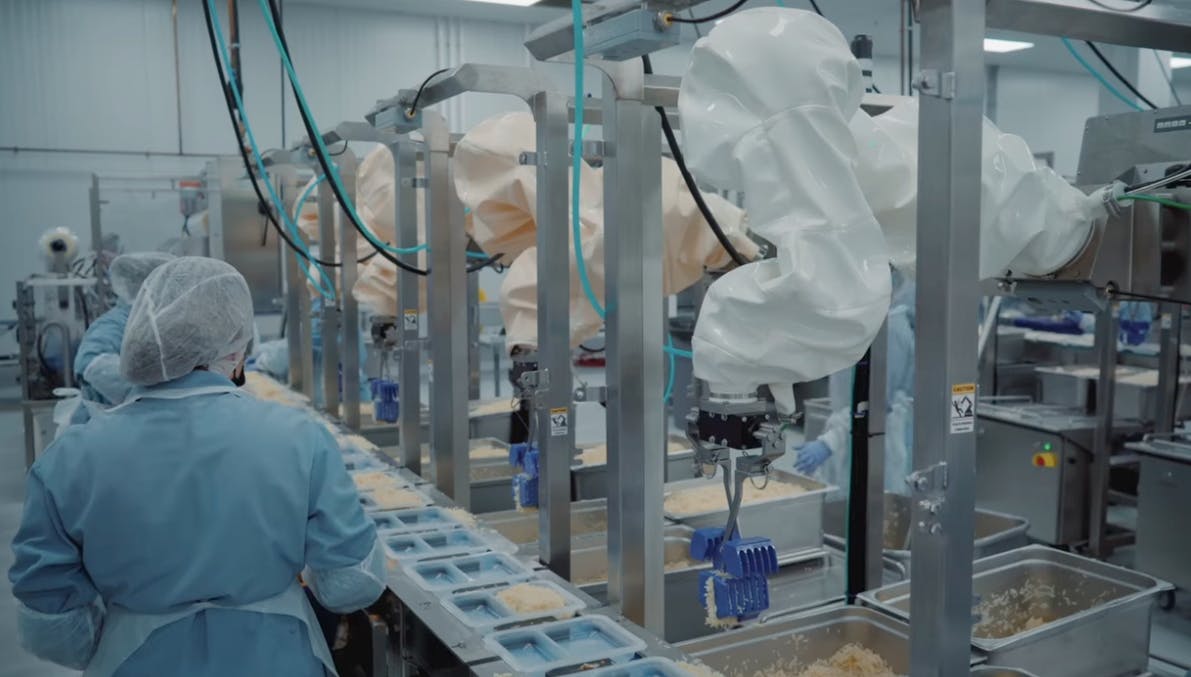
Chef Robotics Successfully Deploys Physical AI in Food Manufacturing
A technology company has developed a system utilizing physical artificial intelligence to automate various tasks. This innovative approach relies on models that have been trained using real-world production data, allowing for enhanced efficiency and accuracy in operations. The initiative aims to streamline processes across different sectors, addressing the growing demand for automation in the workforce. By leveraging data collected up to October 2023, the company is positioned to implement cutting-edge solutions that respond effectively to industry needs. This advancement not only promises to reduce manual labor but also to improve productivity, making it a significant development in the realm of AI-driven automation.
Process / Analytics
Coco Robotics Unveils Largest Multi-Brand Campaign on Autonomous Miami Delivery Fleet Across F1 Window
Coco, a company specializing in autonomous deliveries, has deployed over 100 robots in Miami, showcasing brand wraps that transform everyday deliveries into a prominent advertising platform. This initiative coincides with one of the year's major cultural events, leveraging the high visibility of the robots to enhance brand exposure. By integrating advertising into their delivery service, Coco aims to capitalize on the increased foot traffic and attention generated by the event. The robots navigate the city, providing a unique blend of convenience and marketing, thereby creating a new out-of-home advertising channel that engages consumers in a dynamic way.
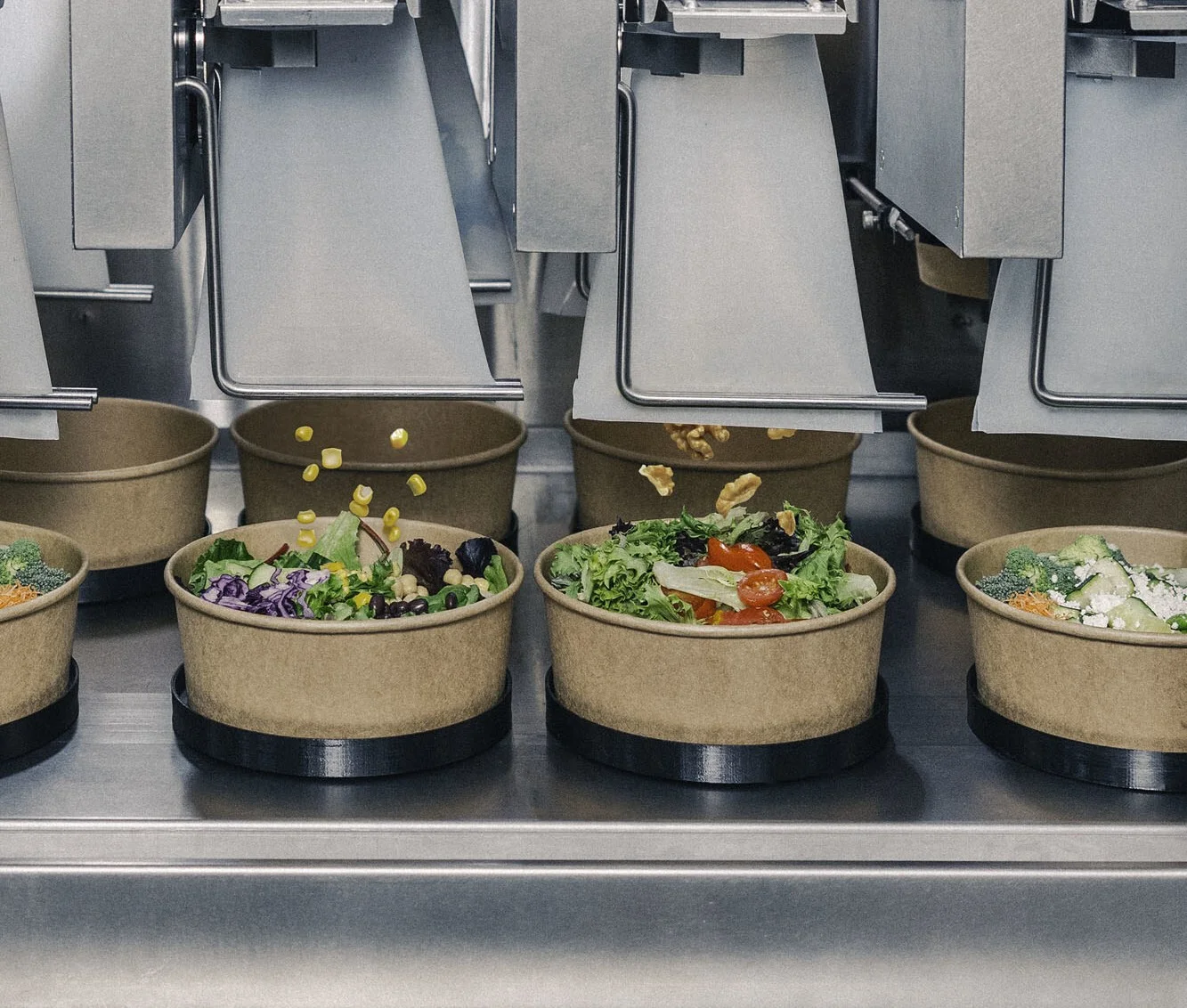
Appetronix Acquires Cibotica to Expand Food Robotics & AI Ecosystem
Appetronix, a leading robotics company specializing in foodservice automation, has announced its acquisition of Cibotica, known for its innovative ingredient dispensing and portioning technology. The transaction, the financial details of which remain undisclosed, will enhance Appetronix's offerings by integrating Cibotica's advanced automated bowl and salad assembly system. This strategic move aims to further Appetronix's mission of revolutionizing the foodservice industry through intelligent automation solutions.
AI Capital Markets Robotics acquisition Appetronix Cibotica
Coco Robotics Deploys Autonomous Delivery Robots with Uber Eats in San Jose
Coco Robotics, recognized as the largest urban robot delivery platform globally and recently honored as one of Fast Company’s World’s Most Innovative Companies in logistics, has launched its autonomous delivery service in San Jose, California. This expansion allows residents, workers, and businesses in the city’s urban core to benefit from the convenience of robotic deliveries. The service is now operational, enhancing accessibility and efficiency in local logistics.
AI AI Use Cases Robotics autonomous delivery robot California Coco Robotics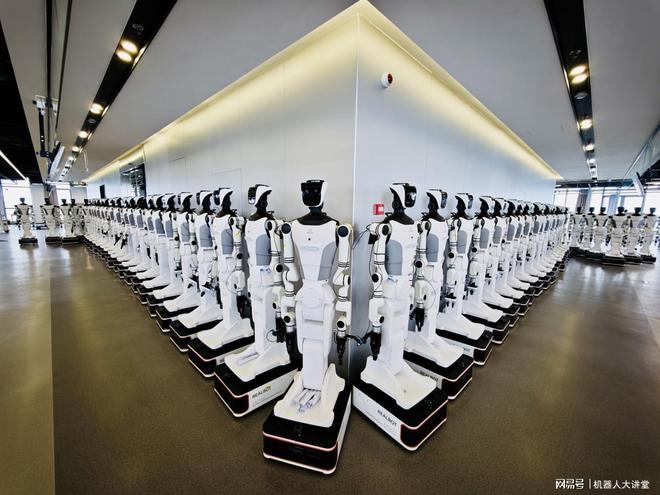
Ruiliman Showcases at FAIR plus 2026: Strengthening the 'True Working' Robotics Ecosystem with Reliable Hardware and Mass Delivery Capabilities
At the FAIR plus 2026 event, Ruiliman unveiled its cutting-edge robotics capabilities, announcing plans to achieve a production capacity exceeding 1 million integrated joint modules by the year 2026. The company underscored the significance of fostering a collaborative ecosystem to facilitate the widespread implementation of robotics across multiple industries. This initiative aims to enhance efficiency and innovation, positioning Ruiliman as a leader in the evolving robotics landscape.
Robotics Manufacturing Automation Ecosystem Development
SoftBank Robotics backs Matternet to expand drone delivery across US
Matternet has announced a strategic partnership with SoftBank Robotics America to advance the integration of drone delivery services into everyday logistics across the United States. This collaboration seeks to enhance the efficiency and accessibility of delivery systems, leveraging drone technology to meet the growing demand for rapid logistics solutions. The initiative comes at a time when the logistics industry is increasingly turning to innovative technologies to streamline operations and improve customer service. By combining Matternet's expertise in drone delivery with SoftBank's robotics capabilities, the partnership aims to revolutionize the way goods are transported, making drone delivery a commonplace option for businesses and consumers alike.
News
Matternet and SoftBank Robotics America Announce Strategic Partnership to Scale Drone Delivery Networks
Matternet and SoftBank Robotics America have announced a strategic partnership aimed at enhancing the deployment of autonomous aerial logistics. This collaboration combines Matternet's advanced drone delivery technology with SoftBank Robotics' expertise in commercialization, creating a powerful synergy to expedite the integration of drone services into various sectors. The partnership is expected to streamline logistics operations and improve delivery efficiency, addressing the growing demand for innovative solutions in the logistics industry. As both companies work together, they aim to leverage their respective strengths to revolutionize the way goods are transported, ultimately benefiting businesses and consumers alike.
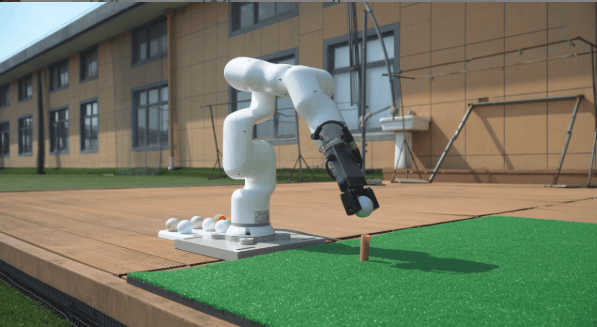
Top 8 Applications of Commercial Robotic Arms in Food and Retail Service
As the food and retail sectors evolve, JAKA is observing a rising interest in the use of commercial robotic arms to enhance operational efficiency without disrupting existing workflows. These robotic solutions, particularly compact mini arms, are designed for environments where space, safety, and cost are critical factors. In beverage shops and cafés, robotic arms are streamlining repetitive tasks like cup handling and liquid dispensing, ensuring consistent portioning during busy hours. Similarly, in fast-casual dining, these arms assist with ingredient placement and tray handling, promoting quality consistency while allowing for safe collaboration with human staff. Retail environments benefit from robotic arms as well, which can sort and restock products during off-peak hours, making them ideal for smaller stores with limited space. In takeaway and retail fulfillment, these arms facilitate packing and sealing operations, fitting seamlessly into compact back-of-house areas. Additionally, vision-assisted inspection applications are on the rise, with robotic arms enhancing the consistency of food quality checks. In retail showrooms, they engage customers through interactive demonstrations, while in back-of-house logistics, they streamline material handling tasks. For chain stores, the ability to standardize operations across multiple locations is a significant advantage, with mini robotic arms simplifying installation and training. JAKA's innovations, such as the MiniCobo, balance lightweight design with commercial usability, allowing businesses to gradually adopt automation while maintaining stable operations.

China’s food-delivery price war sees Meituan, Alibaba, JD.com incur $14B in costs across two quarters
In the third quarter of 2025, Meituan reported a staggering operating loss of 19.8 billion yuan ($2.7 billion), marking its largest loss since going public. This significant downturn is attributed to intense competition in China's food delivery sector, which has driven companies to engage in heavy subsidy spending. Meanwhile, Alibaba experienced a sharp decline in its operating profit, plummeting from 35.2 billion yuan to just 5.4 billion yuan ($4.9 billion to $0.75 billion). JD.com also faced challenges, reporting an operating loss of 10.5 billion yuan ($1.4 billion). The ongoing battle for market share among these major players highlights the pressures of maintaining profitability amidst aggressive pricing strategies and consumer incentives.
News Feed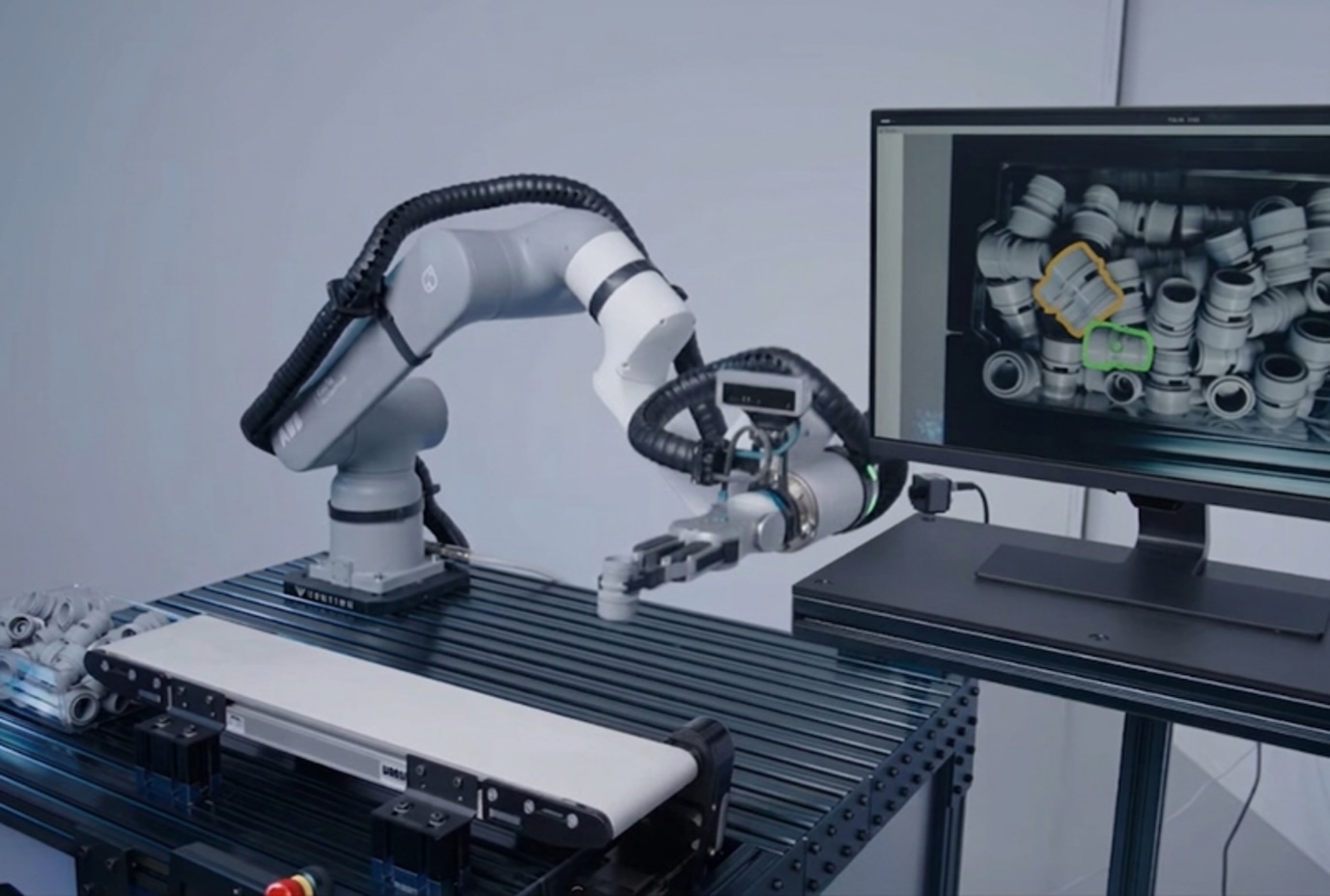
JD.com’s food delivery service faces backlash after system crash amid 618 surge
On May 14, JD.com’s food delivery service faced significant disruptions, leading to widespread user complaints about delayed and unassigned orders. The incident prompted a surge of online discussion, with the hashtag #JD_Food_Delivery_Crashed_Again trending across various social media platforms. In light of the situation, JD.com issued an apology, explaining that the service interruptions were caused by an unexpected increase in order volume linked to its ongoing 618 promotional campaign. The company is currently working to address the issues and restore normal service for its customers.
News Feed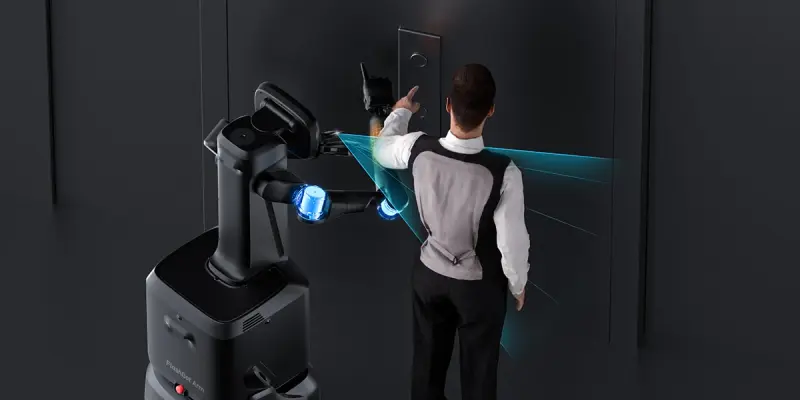
Video: Pudu Robotics Equips Delivery Bot with Dual Arms in New FlashBot Arm
Pudu Robotics has unveiled its latest innovation, the FlashBot Arm, a cutting-edge service robot that features dual seven-degree-of-freedom arms and dexterous hands mounted on a mobile delivery base. This advanced robot is engineered to perform a variety of tasks, including operating elevators and opening doors, thereby enhancing its functionality in diverse service environments. The introduction of the FlashBot Arm signifies a significant step towards integrating autonomous navigation with sophisticated manipulation capabilities, allowing for greater versatility in settings such as hotels, hospitals, and restaurants. By combining these technologies, Pudu Robotics aims to improve efficiency and service delivery in industries increasingly reliant on automation.
pudu robotics flashbot arm
JD.com food delivery hits 1 million daily orders in 40 days
JD.com has reported that its newly launched food delivery service has achieved over 1 million daily orders just 40 days after its debut. The platform collaborates with more than 450,000 dine-in restaurants across 142 cities in China. This impressive growth is largely credited to JD.com’s policy of zero commission fees, which has enabled some partnered restaurants to surpass 2,000 monthly orders. The company’s innovative approach is attracting new merchants, further enhancing its market presence in the competitive food delivery sector.
News Feed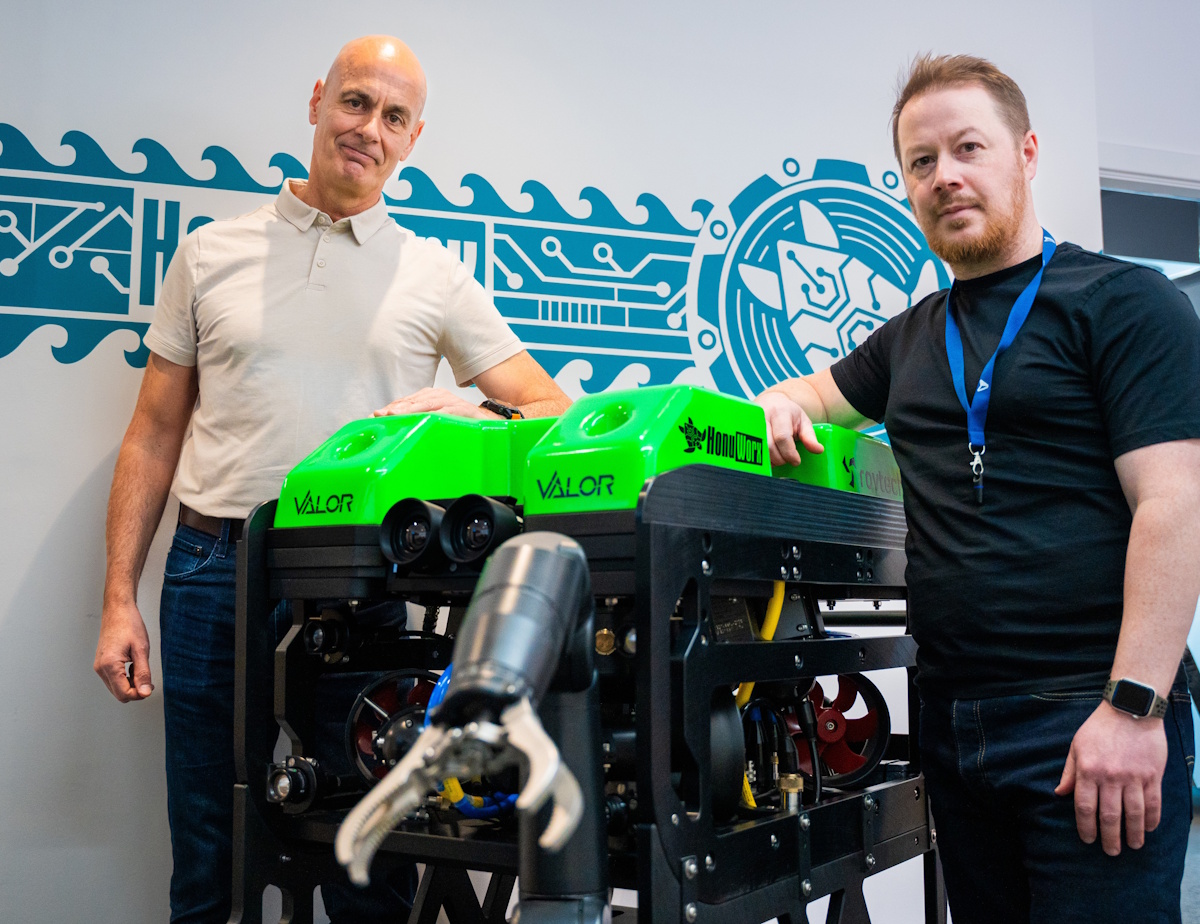
Scottish Subsea Robotics Firm Takes Delivery of its First Underwater Vehicle
HonuWorx Ltd has received its inaugural underwater vehicle, marking a significant advancement in its preparations for upcoming sea trials. This innovative subsea robotics deployment platform aims to enhance offshore operational efficiency by eliminating the reliance on surface vessels. The company is poised to revolutionize the industry by introducing a technology that could streamline underwater operations, potentially reducing costs and increasing productivity in marine environments. The sea trials are set to demonstrate the capabilities of this new platform, which represents a pivotal step forward in subsea technology.
scottish subsea robotics underwater vehicle
Drone food delivery orders rise in China during Spring Festival
In Shenzhen, a growing number of food delivery orders are now being fulfilled by drones, as reported by state-owned media CCTV Finance. At Yitian Plaza, operator Luo Xikun and his team have streamlined the process, managing to pack, weigh, and swap batteries for drone deliveries in under two minutes. This innovative approach aims to enhance delivery efficiency and meet the increasing demand for quick service in urban areas. The use of drones represents a significant advancement in logistics, allowing for faster and more reliable food delivery options in the bustling city.
News FeedRobotics needs a service framework.
RSF defines a common language for robot service capability, lifecycle operations, certification pathways, and service-provider networks.
Join the RobotToday community on LinkedIn
Daily robotics news, in-depth analysis, conference highlights, and discussions with professionals worldwide.