Industry Briefing
A single destination for timely, editor-curated robotics news from around the world.

Comau Provides Advanced Battery Cell Formation and Testing System to Slovenia’s National Institute of Chemistry
Comau has successfully delivered a laboratory-scale cell formation and testing solution to Slovenia’s National Institute of Chemistry (NIC). This customized system is designed to facilitate material validation, product development, and cycle life testing, integrating industrial processes into a research environment while maintaining necessary flexibility. The significance of this delivery lies in its ability to accommodate various battery cell formats, including pouch, cylindrical, and prismatic cells, on a single platform. This versatility allows researchers and industrial partners to explore a wide range of battery technologies, bridging the gap between academic research and commercial development. Looking ahead, the NIC facility is poised to support both academic and industrial users in battery research and testing across Europe. No further timeline was disclosed at the time of publication.
Industrial robots News Science battery automation battery cell formation battery cell testing
AeroVironment Secures First International Order for LOCUST Laser Weapon System
AeroVironment has announced the receipt of its first international purchase order for the LOCUST laser weapon system, which is specifically designed to counter smaller drones. This marks a significant milestone for the company as it expands its market reach beyond domestic borders. The importance of this order lies in the growing demand for advanced defense systems capable of neutralizing drone threats. As smaller drones become increasingly prevalent in various conflict scenarios, the LOCUST system offers a targeted solution for military and defense applications, enhancing operational capabilities. Looking ahead, it will be crucial to monitor how AeroVironment leverages this initial international order to further penetrate global markets. No further timeline was disclosed at the time of publication.
News
Leju Unveils Dual Ecosystem Engine for Trillion-Yuan Robotics Industry at National Competition
On August 1, 2026, at the Shougang Ice Curling Center in Beijing, 213 humanoid robot teams competed for top honors at the 28th China Robotics and Artificial Intelligence Competition (CRAIC). This event is significant not only for showcasing robotics but also for establishing standards and ecosystems in the industry. Leju is transforming the competition into a platform that elevates the focus from individual robots to broader industry standards. The year 2026 is recognized as a pivotal moment for the commercialization of humanoid robots, yet the industry faces a critical talent shortage, particularly in robotics, with a gap of 4.5 million skilled workers. Leju's approach emphasizes practical training through real-world scenarios, moving beyond simulations to create authentic industrial environments for competitors. This shift allows participants to conduct pressure tests on their robots in realistic settings, preparing them for future production lines. Leju's strategy is supported by the OpenLET community, which fosters an ecosystem encompassing training, data sharing, and talent development. With over 70 member organizations and 10,000 developers, the community aims to address the fragmented nature of the humanoid and embodied intelligence industries. The CRAIC 2026 features various competitions that reflect real industrial needs, pushing technology from demonstration to reliable operation, ultimately shaping the future of the robotics sector.
Humanoid Robots AI Robotics Competitions Talent Development Industrial Automation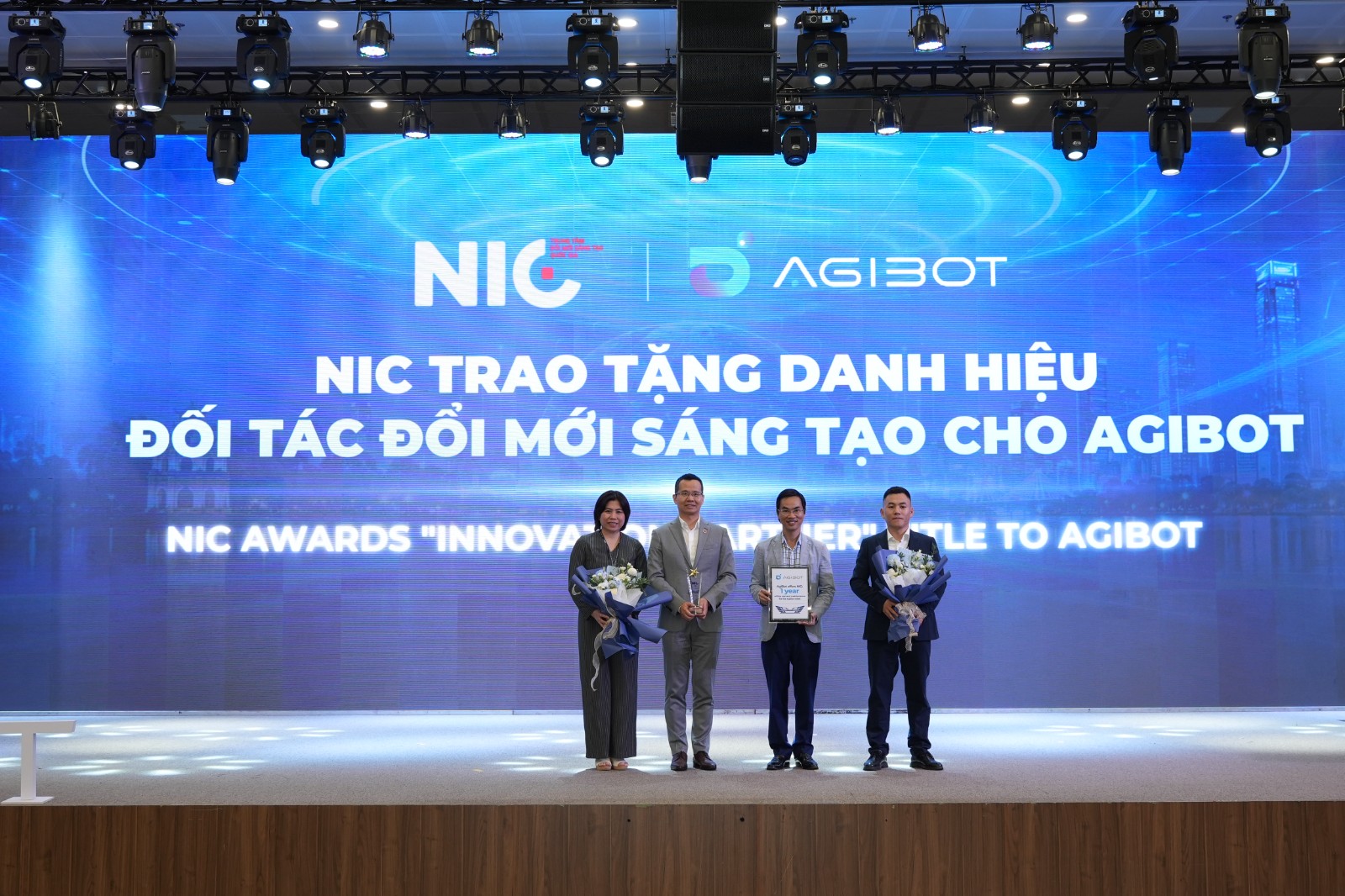
AGIBOT Collaborates with Vietnam National Innovation Center to Boost Embodied AI and Talent Development
AGIBOT has formed a partnership with the Vietnam National Innovation Center (NIC) to promote the embodied AI industry and talent ecosystem in Vietnam. This collaboration was showcased at the inaugural Vietnam Embodied AI Conference, emphasizing the importance of advancing this technology in the region. The partnership is significant as it includes the launch of the 'Yuan Sheng Program,' which aims to incorporate embodied intelligence into educational and research frameworks. Additionally, the introduction of the RaaS (Robot as a Service) model is expected to enhance the flexibility of robotic applications across various sectors, thereby fostering innovation. Looking ahead, stakeholders will be keen to observe the impact of the Yuan Sheng Program on education and research in embodied AI. The effectiveness of the RaaS model in facilitating diverse robotic applications will also be a critical area to watch as AGIBOT and NIC work together to strengthen Vietnam's position in the global AI landscape. No further timeline was disclosed at the time of publication.
Embodied AI Innovation Robotics Education Technology Development
Peter Wurman Inducted into National Inventors Hall of Fame for Kiva System Innovation
Peter Wurman was inducted into the National Inventors Hall of Fame in 2022 for his significant contributions to robotics. Alongside Mick Mountz and Raffaello D’Andrea, he co-invented the Kiva system, a mobile robotic solution that has transformed material handling in distribution centers. The Kiva system has revolutionized warehouse order fulfillment, enhancing efficiency and productivity in logistics operations. This innovation has set new standards in the industry, showcasing the potential of robotics in optimizing supply chain processes. Looking ahead, the impact of the Kiva system on the future of material handling and warehouse automation will be significant. As more companies adopt similar technologies, the landscape of distribution centers is expected to evolve further. No further timeline was disclosed at the time of publication.
Pittsburgh to Host 2026 IEEE/RSJ International Conference on Intelligent Robots and Systems
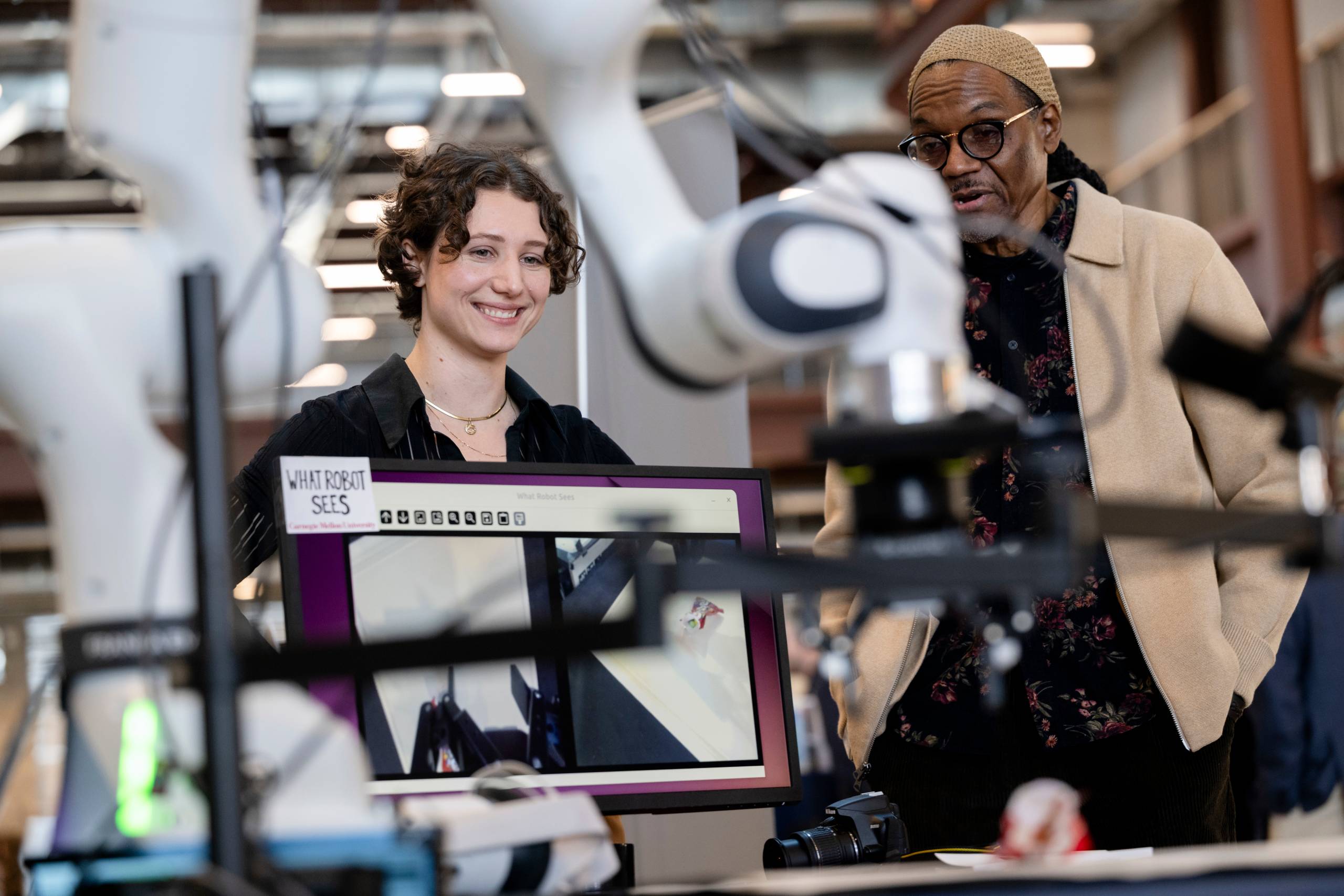
Pittsburgh is set to host the 2026 IEEE/RSJ International Conference on Intelligent Robots and Systems (IROS) from September 27 to October 3 at the David L. Lawrence Convention Center. This event will highlight Carnegie Mellon University's leadership in robotics. The conference is significant as it brings together experts and innovators in the field of robotics, showcasing advancements and fostering collaboration. Carnegie Mellon University, known for its pioneering work in robotics, will be at the forefront of this global gathering. As the date approaches, attendees can expect a rich program featuring discussions on the latest technologies and research in intelligent robotics. No further timeline was disclosed at the time of publication.
Uncategorized
Kall Morris Inc Tests REACCH System for Space Debris Removal on ISS
Kall Morris Inc (KMI) has successfully tested its robotic system, the Responsive Engaging Arms for Captive Care and Handling (REACCH), aboard the International Space Station (ISS). This innovative technology aims to capture and remove space debris, addressing a critical challenge in the space industry as the amount of non-functional objects in orbit continues to rise. The significance of this development lies in its potential to enhance satellite servicing and debris removal efforts. Space debris, which travels at speeds up to 10 times faster than a bullet, poses a serious threat to operational satellites and future missions. KMI's REACCH system, described as an orbital 'tow truck,' utilizes tentacle-like robotic arms with gecko-inspired adhesive pads to maneuver larger objects without needing to fully grasp them. Looking ahead, KMI is preparing for further testing beyond the ISS, with aspirations to deploy REACCH for operational missions focused on satellite life-extension and debris removal. As the number of satellites in low Earth orbit increases, the demand for effective debris management technologies is expected to grow significantly.
News Space aerospace autonomous robotics commercial space debris removal
SpaceX Proposes 1 Million AI Satellites to Address Ground Data Center Constraints
On January 30, 2026, SpaceX filed with the FCC to launch up to 1 million AI compute satellites, positioning orbital data centers as a solution to the increasing demand for AI computing power. Ground data centers are facing significant challenges, with energy consumption projected to reach approximately 1,050 TWh in 2026, making them the fifth-largest electricity consumer globally. The demand for new data center capacity is outpacing the growth of power generation infrastructure, leading to a critical bottleneck in the grid system. The significance of this initiative lies in the structural constraints faced by ground data centers, including power delivery limitations, high water consumption, and local opposition to new projects. The Uptime Institute's 2026 outlook identifies power as the primary constraint on data center growth, with capacity clearing prices in the PJM grid skyrocketing to $329.17/MW, driven by data center expansion. Additionally, cooling requirements are becoming increasingly unsustainable, with facilities consuming vast amounts of water, further complicating their operational viability. Looking ahead, SpaceX's orbital AI compute initiative aims to circumvent these challenges by leveraging the advantages of space, such as continuous solar power and minimal local opposition. The first AI prototypes are expected to launch in early 2027, with operational deployments planned for 2028. No further timeline was disclosed at the time of publication.

Airspace Management Systems Help Prioritize Emergency Drones
NASA is advancing its airspace management initiatives to enhance public safety for drones, particularly in response to the increasing challenges posed by congested urban environments. As urban areas become more populated and the use of drones expands, the agency is focusing on innovative solutions to ensure safe and efficient air traffic management. This initiative aims to address the complexities of integrating drones into existing airspace systems, thereby reducing the risk of accidents and improving overall safety for both drone operators and the public. Through research and development, NASA is exploring new technologies and strategies that will facilitate the seamless operation of drones in crowded cityscapes, ultimately paving the way for a safer and more organized airspace.
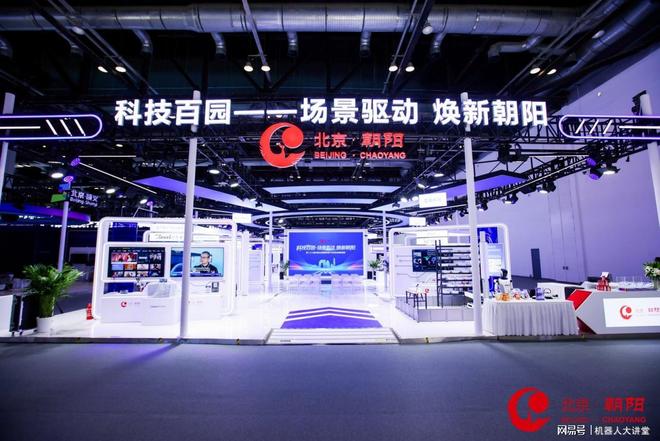
Weihan Power Showcases at the 28th Beijing International Science and Technology Industry Expo, Supporting the 'True Work' Robot Ecosystem
At the 28th Beijing International Science and Technology Industry Expo, Weihan Power showcased its latest innovations in integrated joint modules and advanced robotic applications. The event, held recently in Beijing, highlighted the company's commitment to delivering high-density power solutions designed to enhance the reliability and performance of robotic technologies. By demonstrating these advancements, Weihan Power aims to promote scalable robotic applications across diverse industries, positioning itself as a leader in the evolving tech landscape.
Robotic Technology Joint Modules Automation Solutions AI Robotics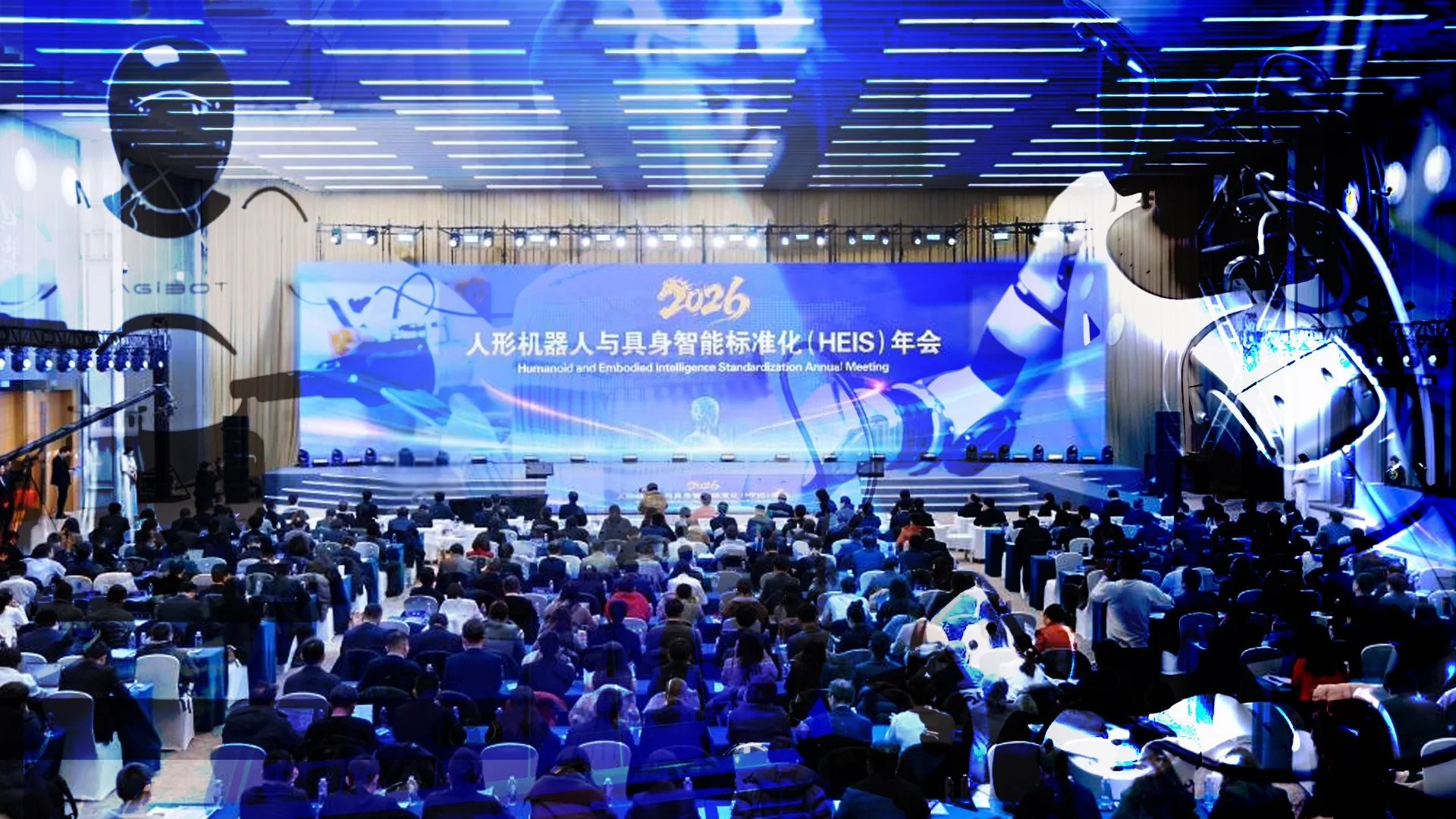
China Unveils National Standard System as Humanoid Leaders Pivot from "Kung Fu" to "Work Mode"
At the inaugural HEIS conference held in Beijing, prominent companies Unitree and AgiBot, alongside regulatory bodies, unveiled China's first comprehensive humanoid standard system. This significant development marks a pivotal shift toward enhancing industrial utility and ensuring reliability in mass production of humanoid robots. The introduction of these standards is expected to streamline the production process and foster innovation within the industry, ultimately paving the way for broader applications of humanoid technology across various sectors.
Unitree Robotics Market Wang Xing Xing China AGIBOT Peng Zhihui
Sealien Awarded International Contract to Deliver Phoenix 600 ROV Trencher System
Sealien has announced a significant contract to design, manufacture, and deliver its advanced Phoenix 600 ROV Trencher system to an international client. This agreement encompasses the ROV Trencher, a Launch and Recovery System (LARS), and a Control Cabin, all of which are engineered for subsea operations. The Phoenix 600 is rated for depths of up to 3,000 meters, making it particularly suitable for subsea cable installation, burial, and various seabed intervention tasks. This development highlights Sealien's commitment to enhancing underwater technology and meeting the growing demands of the subsea industry.
sealien contract award phoenix 600 rov trencher system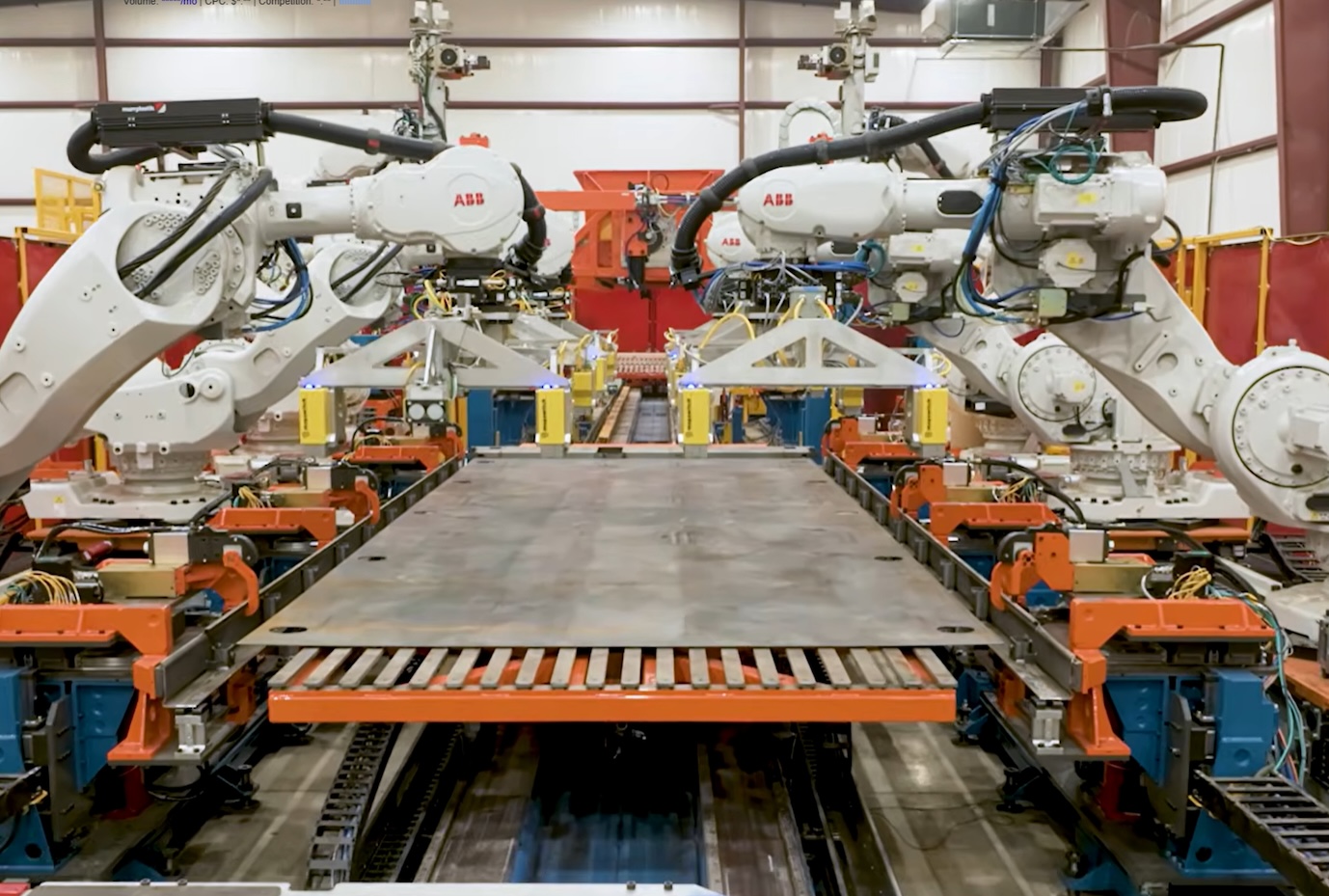
Estun Honored as "National Advanced Collective in the Industry and Information Technology System"!
On April 27, a significant event took place in Beijing, where the National Commendation Conference for Advanced Collectives in the Industry and Information Technology System recognized outstanding contributions within the sector. Estun Automation Co., Ltd. received the prestigious title of "National Advanced Collective in the Industry and Information Technology System." This accolade highlights the company's commitment to innovation and excellence in the rapidly evolving field of industry and information technology, underscoring its role in advancing technological development in China. The conference aimed to celebrate and promote high-performing organizations that contribute to the nation's industrial and technological progress.
ESTUN AUTOMATION ROBOTICS SERVO SYSTEMSRobotics needs a service framework.
RSF defines a common language for robot service capability, lifecycle operations, certification pathways, and service-provider networks.
Join the RobotToday community on LinkedIn
Daily robotics news, in-depth analysis, conference highlights, and discussions with professionals worldwide.