Industry Briefing
A single destination for timely, editor-curated robotics news from around the world.

China's Updated Defense Law Enhances Military Use of AI and Drones
China's revised defense law is set to facilitate the integration of artificial intelligence and drones into military operations. This legislative change aims to enhance the capabilities of the Chinese military, allowing for more advanced technological applications in defense strategies. The significance of this development lies in its potential to reshape military engagements and defense strategies globally. By embracing AI and drone technology, China is positioning itself to improve its military efficiency and effectiveness, which could have far-reaching implications for international security dynamics. Looking ahead, it will be crucial to monitor how this law influences China's military modernization efforts and its impact on regional and global military balances. No further timeline was disclosed at the time of publication.
Military
Military Engages Drones with AV Directed-Energy System at the Border
A military task force utilized an AV directed-energy system to engage and defeat drones suspected of reconnaissance activities. While the specific location of the drone engagement remains undisclosed, it is suggested that these drones may have been operated by a drug cartel. This operation highlights the increasing use of advanced technologies in military applications to counter aerial threats. The deployment of directed-energy systems represents a significant advancement in military capabilities, particularly in border security operations. By effectively neutralizing potential reconnaissance drones, the military aims to enhance its operational readiness against threats posed by illicit activities, such as drug trafficking. This incident underscores the importance of integrating innovative technologies to address evolving security challenges. Looking ahead, it will be crucial to monitor the military's ongoing efforts to implement directed-energy systems in various operational contexts. The effectiveness of these technologies in real-world scenarios will likely influence future military strategies and funding allocations. No further timeline was disclosed at the time of publication.
Land Warfare Aerovironment Army Counter UAS cUAS directed energy Drones
Rakuten Collaborates with German Startup Helsing to Introduce Military Drones in Japan
Rakuten Group Inc. is partnering with defense AI startup Helsing to introduce military drones to Japan. This collaboration aims to enhance Japan's defense capabilities by leveraging advanced drone technology from the German startup. The partnership is significant as it reflects Japan's growing interest in integrating cutting-edge military technology to bolster its defense strategy. By working with Helsing, Rakuten is positioning itself at the forefront of defense innovation in the region. Looking ahead, it will be important to monitor the progress of this collaboration and any developments regarding the deployment of these military drones in Japan. No further timeline was disclosed at the time of publication.
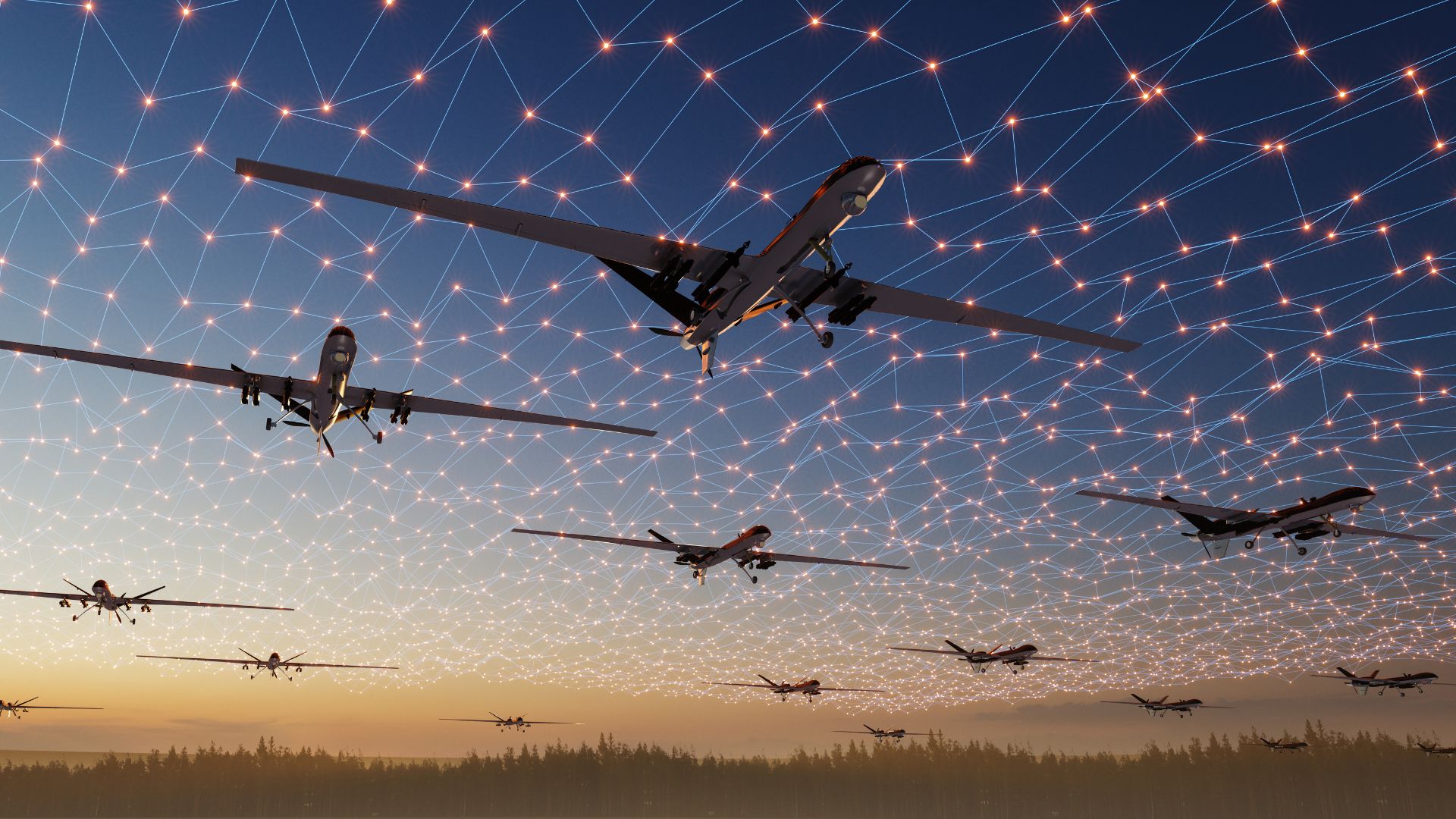
Air Force Funds Research on Wireless Power Beaming for Military Drones to Extend Flight Time
The Air Force has initiated a research project to explore wireless power beaming for drones, led by Reach Power and the University of Nebraska-Lincoln’s NIMBUS Lab. This effort aims to enable unmanned aircraft to operate longer without needing battery swaps, enhancing their role in military communications and ISR missions. This research is significant as it addresses the critical limitation of battery life in small drones, potentially allowing them to function as persistent communication and surveillance nodes. By reducing the need for frequent landings to recharge, the project could simplify logistics and operational demands on military personnel. Looking ahead, the study will assess the feasibility of using wireless power to sustain perched drones during extended missions. A successful outcome could revolutionize military drone operations, improving battlefield communications and expanding the use of unmanned systems in intelligence, surveillance, and reconnaissance roles. No further timeline was disclosed at the time of publication.
Innovation Military
Lantronix and Swarmer Develop New Edge-Computing Platform for Military Drones
U.S. defense technology firms Lantronix and Swarmer are collaborating to create a compact computing platform that enhances small military drones' onboard processing power by four times. This new system integrates Lantronix’s Open-Q 6490CS System-on-Module with Swarmer’s autonomy software, aiming to improve autonomous operations for Group 1 unmanned aircraft systems. The significance of this development lies in its potential to enable small, cost-effective drones to perform complex tasks such as visual navigation, automated target recognition, and object tracking without relying on cloud computing. This capability is particularly crucial for military operations in environments with disrupted GPS signals and electronic warfare, as highlighted by the ongoing needs of Ukraine and allied forces. Looking ahead, the collaboration aims for a production commitment exceeding 10 years, ensuring the platform's adaptability for future defense programs. No further timeline was disclosed at the time of publication.
Military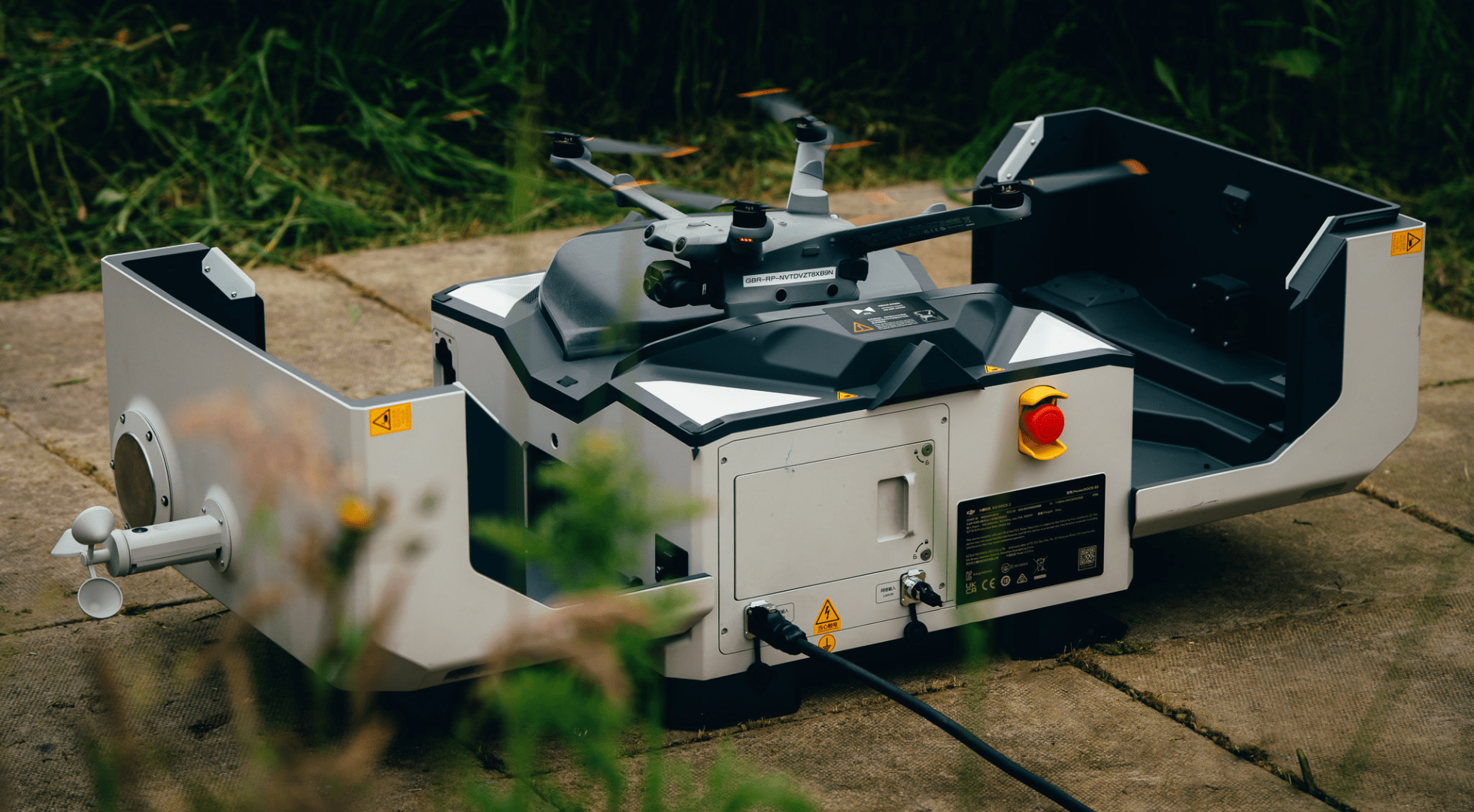
FCC Proposes Ban on Sales of Certain Military-Grade Foreign Drones to Reshape U.S. Market
The Federal Communications Commission (FCC) is advancing its initiative to reform the U.S. drone market by seeking public input on a proposed ban on the import, marketing, or sale of specific categories of foreign-produced military-grade drones listed on its Covered List. This move follows a previous decision to restrict certain foreign uncrewed aircraft systems due to national security concerns. This proposal is significant as it reflects the FCC's evolving strategy, which now includes establishing regulatory pathways for domestic manufacturers that comply with U.S. security standards. The FCC aims to provide greater certainty for companies investing in U.S.-based production while addressing potential national security risks associated with foreign drones. Comments on the proposed restrictions are due 30 days after the notice is published in the Federal Register. The FCC is also extending exemptions for trusted manufacturers until January 1, 2028, and has permanently removed expiration dates for certain approved drones and components, ensuring stability in the supply chain for compliant products.
Applications defense Defense Drone News Drone News Feeds Drone Swarms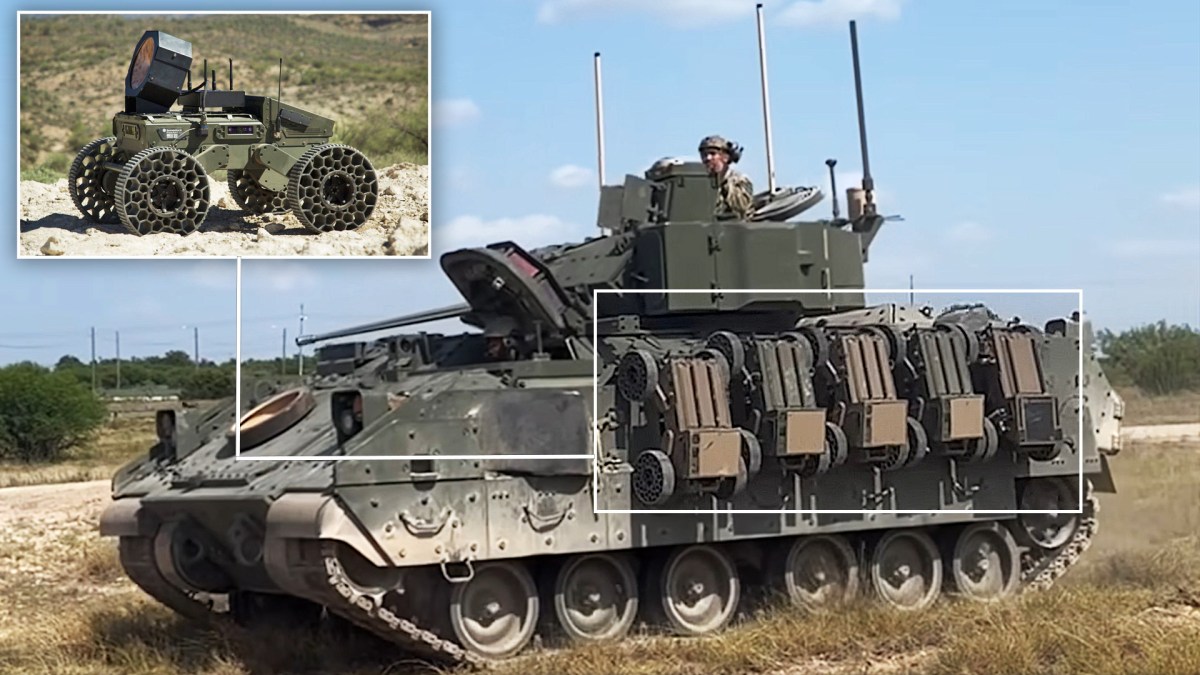
Bradley Fighting Vehicle Demonstrates Swarming Ground Drones in Recent Military Exercise
During a recent test exercise, U.S. Army soldiers utilized a Bradley Fighting Vehicle to transport FireAnt uncrewed ground vehicles (UGVs). These versatile 4×4 UGVs can be adapted for various missions, including electronic warfare and reconnaissance. The integration of Bradleys as carriers for swarms of UGVs like the FireAnt could significantly enhance operational capabilities. This development is crucial as it aligns with the U.S. Army's Transformation In Contact (TIC) modernization initiative, which aims to incorporate advanced technologies into military operations. Swarmbotics AI, the developer of the FireAnt, showcased this capability during the Pegasus Charge 3 exercise, where the Bradley was seen carrying five FireAnt UGVs. The potential for these UGVs to operate in swarms could revolutionize battlefield tactics and strategies. Looking ahead, the effectiveness of the FireAnts in operational scenarios remains to be fully understood, particularly regarding their deployment and control from the Bradley. As the Army continues to test and evaluate these systems, the focus will be on how these UGVs can be integrated into existing military frameworks and their impact on future combat operations. No further timeline was disclosed at the time of publication.
Land Armies Armored Vehicles M2/3 Bradley News & Features U.S. Army
Drones Transform Military and Infrastructure Protection Strategies
Drones are changing the landscape of military operations and the protection of critical infrastructure. They offer innovative solutions for safeguarding deployed forces and government sites, enhancing security measures significantly. The adoption of drones in these sectors is crucial as they provide a non-traditional approach to countering threats. This shift not only improves operational efficiency but also ensures better protection for citizens and vital assets. Looking ahead, the continued evolution of drone technology will likely lead to further advancements in military and infrastructure security. No further timeline was disclosed at the time of publication.
Features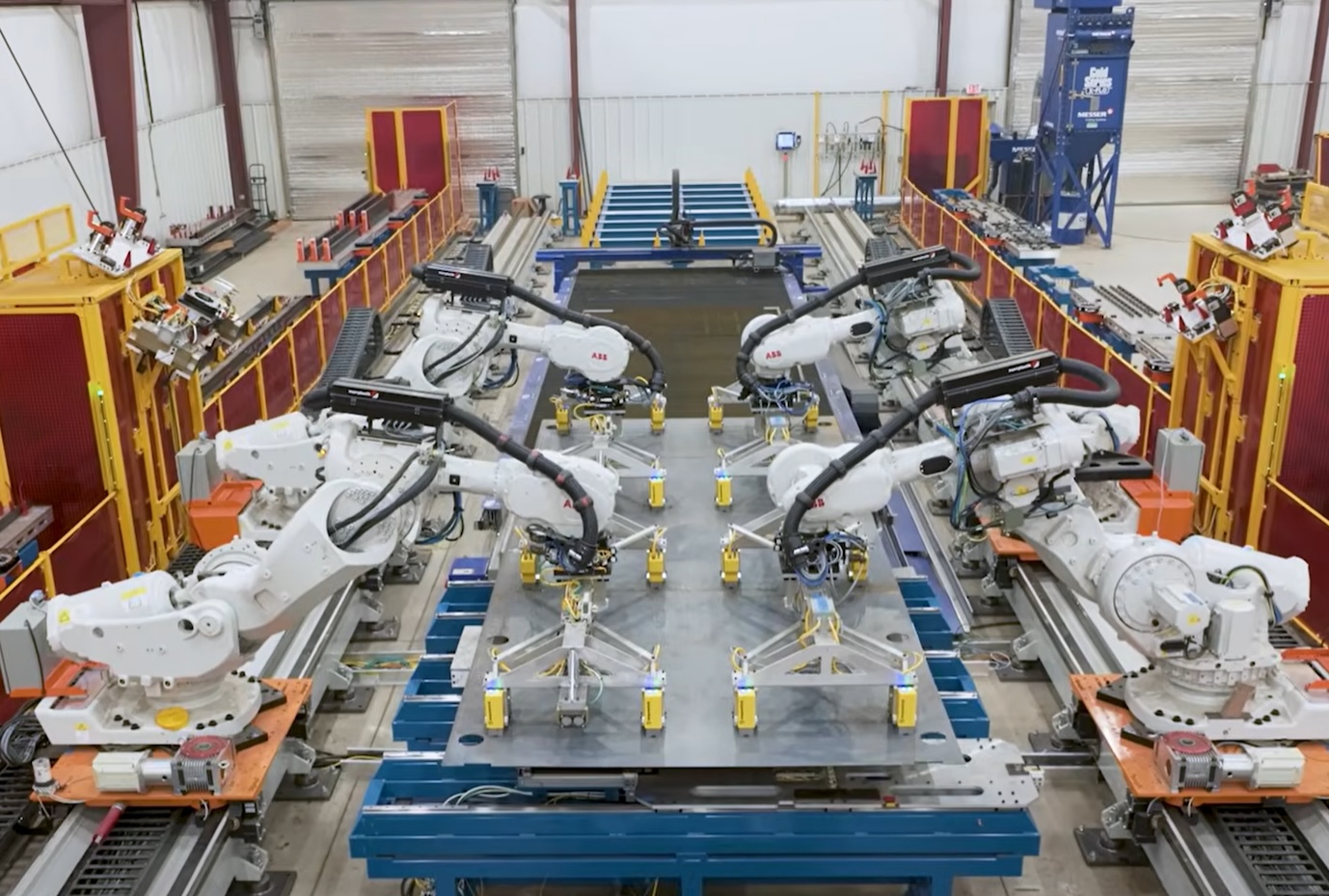
Drones Illuminate Atmospheric Boundary Layer for Military and Energy Traders
Drones are being utilized to gather data that sheds light on the poorly observed boundary layer of the atmosphere. This information is crucial for military strategists and energy traders who rely on accurate atmospheric data for decision-making. The ability to observe this boundary layer is significant as it can influence weather patterns and forecasts, which are essential for military operations and energy market strategies. By enhancing the understanding of this atmospheric layer, drones are providing valuable insights that can lead to more informed strategic planning. Looking ahead, the continued use of drones for atmospheric data collection may expand, potentially leading to improved weather forecasting and strategic military applications. No further timeline was disclosed at the time of publication.

Eurenco to Enter Drone Market with Production of Military-Specific Explosive Heads
At the Eurosatory exhibition held in mid-June in Villepinte, France, Eurenco announced its plans to enter the drone market by producing specific military explosive heads. The company stated it is capable of manufacturing between 10,000 and 15,000 explosive heads per month. This move is significant as it positions Eurenco to meet the growing demand for drone munitions, reflecting a broader trend in military technology where drones are increasingly utilized in combat scenarios. The production capacity of 10,000 to 15,000 units monthly indicates a strong commitment to scaling operations in this emerging market. Looking ahead, industry observers will be keen to see how Eurenco's entry into the drone munitions sector will influence competition and innovation in military applications. No further timeline was disclosed at the time of publication.
Drones
Israel Defense Forces Establish New Branch for Unmanned Systems and AI Integration
The Israel Defense Forces (IDF) are launching a new branch dedicated to unmanned systems and artificial intelligence, as announced by Chief of Staff Lt. Gen. Eyal Zamir. This initiative aims to adapt to the rapidly evolving battlefield, emphasizing the integration of robotics, drones, and AI technologies. The establishment of the Unmanned Systems and Artificial Intelligence Branch is a significant step for the IDF, reflecting a strategic shift towards modern warfare capabilities. Zamir highlighted that these advancements will enhance operational effectiveness and save lives, marking a transformative moment for military operations. Looking ahead, the IDF plans to fully inaugurate this new branch by early December. The focus will be on harnessing technologies across land, air, and sea domains, with an emphasis on maritime capabilities as part of the IDF’s broader multi-year plan, Hoshen. No further timeline was disclosed at the time of publication.
Air Warfare Global Land Warfare AI & Autonomy Air Force Army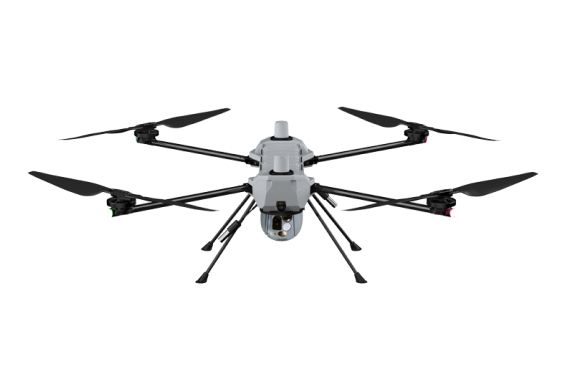
PDW CEO Emphasizes Domestic Drone Production and Component Manufacturing for U.S. Military
James Slider, CEO of PDW Holdings, highlighted the necessity of establishing domestic production for drones and their critical components to support the U.S. military. He emphasized that while America excels in innovation, the real challenge lies in scaling production effectively. PDW has secured a conditional loan of up to $820 million from the Department of War to enhance domestic manufacturing capabilities. The urgency for U.S. drone production is underscored by the ongoing conflict in Ukraine, which has shown the importance of rapid drone deployment and the need for resilient supply chains. Slider pointed out that the U.S. must learn from Ukraine's strategy, as innovation alone does not equate to capability without production. The reliance on foreign supply chains for essential drone components poses significant risks to U.S. defense readiness. Looking ahead, the focus will be on increasing domestic manufacturing to reduce dependence on foreign sources, particularly for critical components like rare-earth magnets. Slider's comments reflect a broader industry concern about maintaining a robust supply chain to ensure the U.S. military can effectively respond to emerging threats. No further timeline was disclosed at the time of publication.
DL Exclusive Drone News Drone News Feeds Dual Use Feature 1 News
Chinese Military Scientists Support Trump's Battleship Plan with Large-Caliber Gun Defense Against Drones
Chinese military scientists have endorsed a segment of Donald Trump’s proposed battleship fleet, suggesting that large-caliber naval guns could effectively counter drone swarms. Their research indicates that explosive shells could scatter fragments over a wide area, potentially damaging multiple drones in a single shot. This approach aligns with ongoing discussions within the US Navy regarding the need to adapt naval defense strategies in response to the increasing threat posed by inexpensive drones. The significance of this research lies in its implications for naval warfare, particularly as modern warships typically rely on advanced missile systems and lasers. The study highlights the potential for large-caliber guns to serve as area weapons, offering a cost-effective solution to engage swarms of drones without the need for direct hits. The findings suggest that a single shell could damage approximately 1.19 drones in a swarm of 30, emphasizing the need for a reevaluation of ammunition expenditure in the face of mass drone attacks. Looking ahead, the researchers advocate for a comprehensive defense strategy that integrates large-caliber guns with electronic warfare and laser systems. This multi-layered approach could enhance the defensive capabilities of warships, addressing the challenge posed by the cost disparity between inexpensive drones and costly interceptors. No further timeline was disclosed at the time of publication.
Military
Unidentified Drones Reported Over Diego Garcia, U.S.-U.K. Military Base
Unidentified drones were reported over the Diego Garcia military installation, a strategic U.S.-U.K. base in the Indian Ocean. This base has long been crucial for U.S. military operations, hosting various activities including Space Force operations and serving as a key port for naval vessels. The sightings raise concerns about potential threats to critical infrastructure, especially amid ongoing tensions between the U.S. and Iran. The presence of drones over Diego Garcia highlights the evolving nature of military threats, particularly the risk posed by sea-launched drones. The U.K. Defense Ministry confirmed awareness of the sightings but did not disclose specific details regarding the drones or any defensive measures taken. This situation underscores the importance of maintaining security at military installations, especially those in remote locations like Diego Garcia. As the situation develops, it will be crucial to monitor any further reports regarding the drone sightings and the response from military authorities. The potential implications for operational security and the safety of personnel stationed at Diego Garcia warrant close attention, especially given the base's strategic significance in U.S. military operations.
News & Features Air Air Forces Around The Globe Indo-Pacific Royal Air Force
The Shahed-136: A Key Player in Modern Aerial Warfare Discussions
The Shahed-136 has emerged as a prominent symbol in contemporary military conflicts, particularly noted for its role in Ukraine. This Iranian-designed loitering munition, characterized by its delta-wing shape and buzzing engine, has sparked global conversations about aerial warfare and air defense strategies. Its significance lies in its cost-effectiveness and operational simplicity, allowing for mass production and deployment. Unlike traditional drones, the Shahed-136 is a one-way attack UAV designed to strike targets and self-destruct, which presents a cost-exchange dilemma for defenders who must use expensive interceptors against these relatively inexpensive munitions. As the Shahed-136 gains traction in military operations, particularly in the U.S. conflict with Iran, its use alongside other long-range weapons complicates air-defense strategies. The ongoing production and deployment of the Shahed-136, also known as the Geran-2 in Russia, highlights a shift towards integrating loitering munitions into modern warfare tactics. No further timeline was disclosed at the time of publication.
Military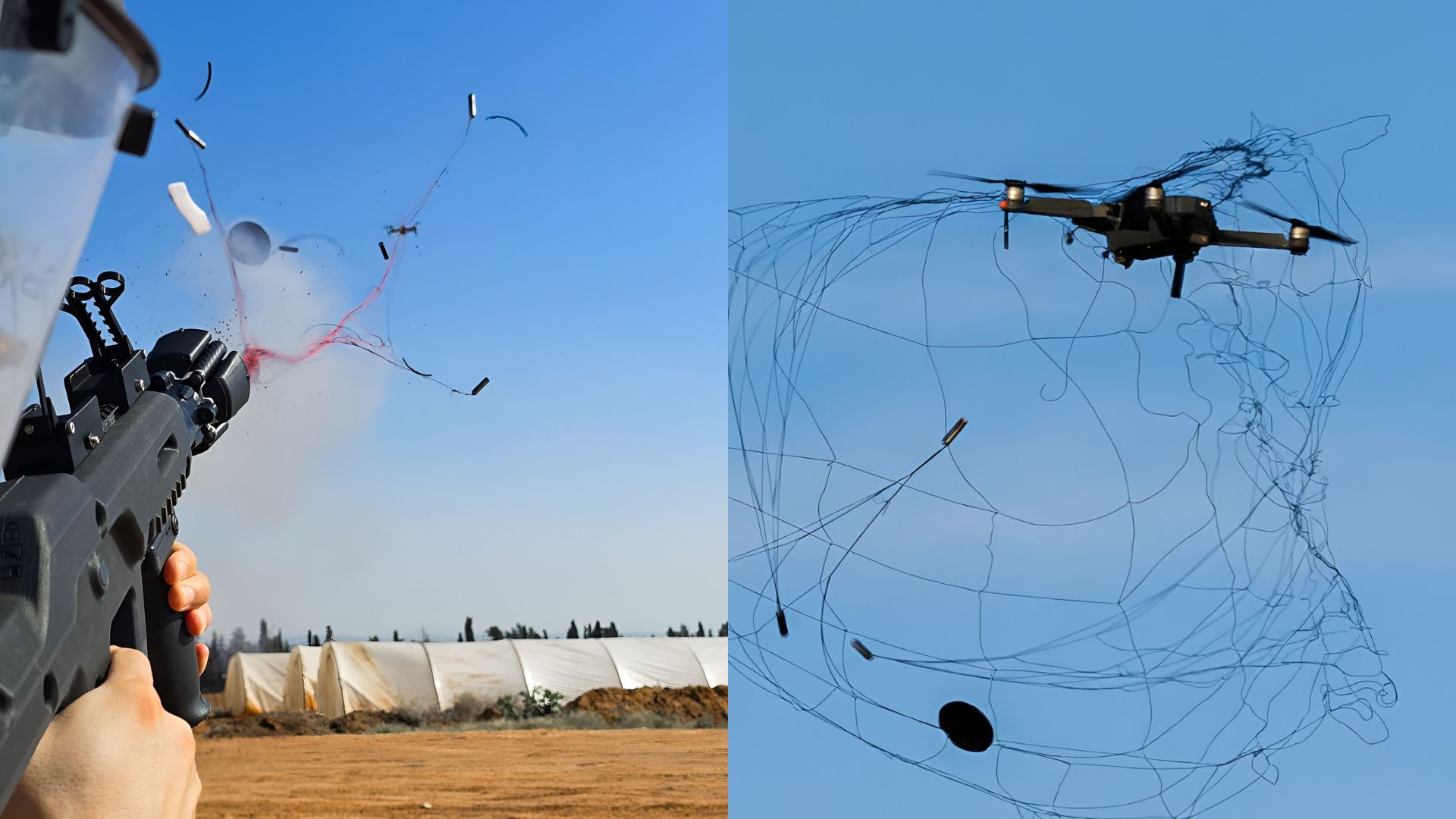
ParaZero Technologies Launches DefendAir for Autonomous Drone Interception in Military Applications
ParaZero Technologies has introduced its DefendAir platform, designed to intercept first-person view (FPV) drones autonomously before they can strike military vehicles. This system utilizes a non-explosive net-based interception method, creating a 360-degree defensive envelope around assets. The platform aims to enhance protection for both moving and stationary high-value military targets without the weight penalties of traditional armor. The rise of low-cost FPV drones has prompted militaries to seek effective countermeasures, as these drones have proven capable of damaging expensive military equipment. ParaZero's DefendAir addresses the limitations of conventional protective measures, such as steel cages, by offering a more agile and responsive solution. The system's ability to detect and neutralize threats rapidly is crucial for modern battlefield scenarios, where speed and precision are paramount. ParaZero is currently collaborating with Tier-1 defense companies to refine the DefendAir technology for operational requirements. While the company has not disclosed specific partners or a timeline for deployment, the focus on active counter-drone systems reflects a broader trend in military strategy, emphasizing the need for innovative solutions to counter evolving aerial threats. No further timeline was disclosed at the time of publication.
Military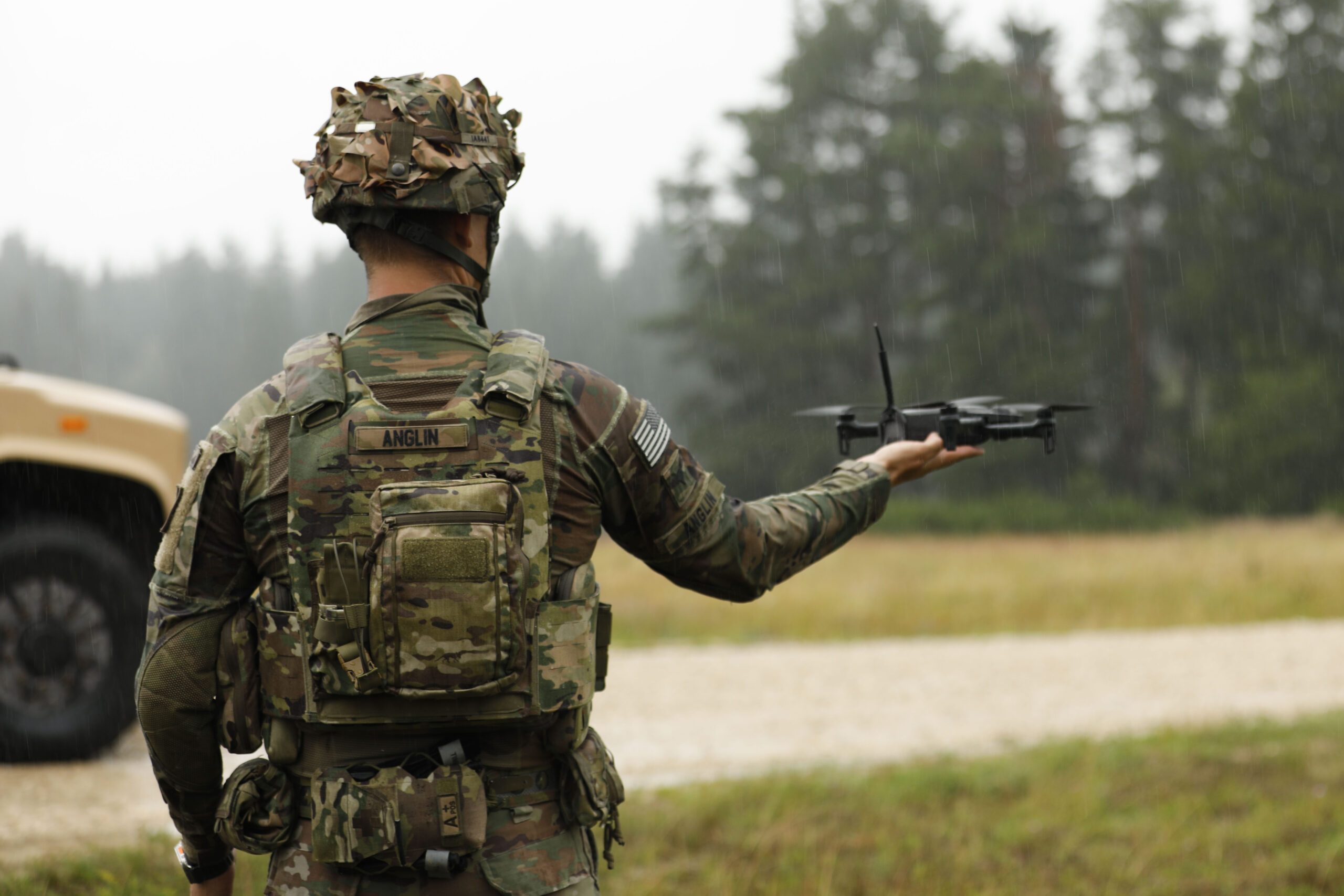
House FY27 NDAA Signals Drones Have Become Core Military Infrastructure
The House Armed Services Committee is shifting its focus regarding military drones, emphasizing the establishment of standards, training, doctrine, and sustainment necessary for integrating unmanned systems into the core infrastructure of the U.S. military. This strategic move comes after years of congressional discussions primarily centered on procurement and supply chain security. The committee's proposal signals a significant transition in how the military views and utilizes drone technology, aiming to make these systems a permanent fixture within its operations. This change reflects a growing recognition of the importance of drones in modern warfare and military strategy.
Applications Defense defense DL Exclusive Drone News Drone News Feeds
SPH Engineering and Vets to Drones Partner to Expand Career Paths for Military Veterans
SPH Engineering has launched a new training initiative in collaboration with Vets to Drones, aimed at equipping military veterans with advanced flight planning skills essential for surveying, mapping, and inspection work in the commercial drone industry. This partnership responds to the growing demand for skilled drone operators capable of managing complex missions. By providing veterans with specialized training, the initiative seeks to expand their career opportunities in a rapidly evolving field. The program highlights the commitment of both organizations to support veterans in transitioning to civilian roles while addressing the industry's workforce needs.
Applications Drone News Drone News Feeds Drones in the News Mapping News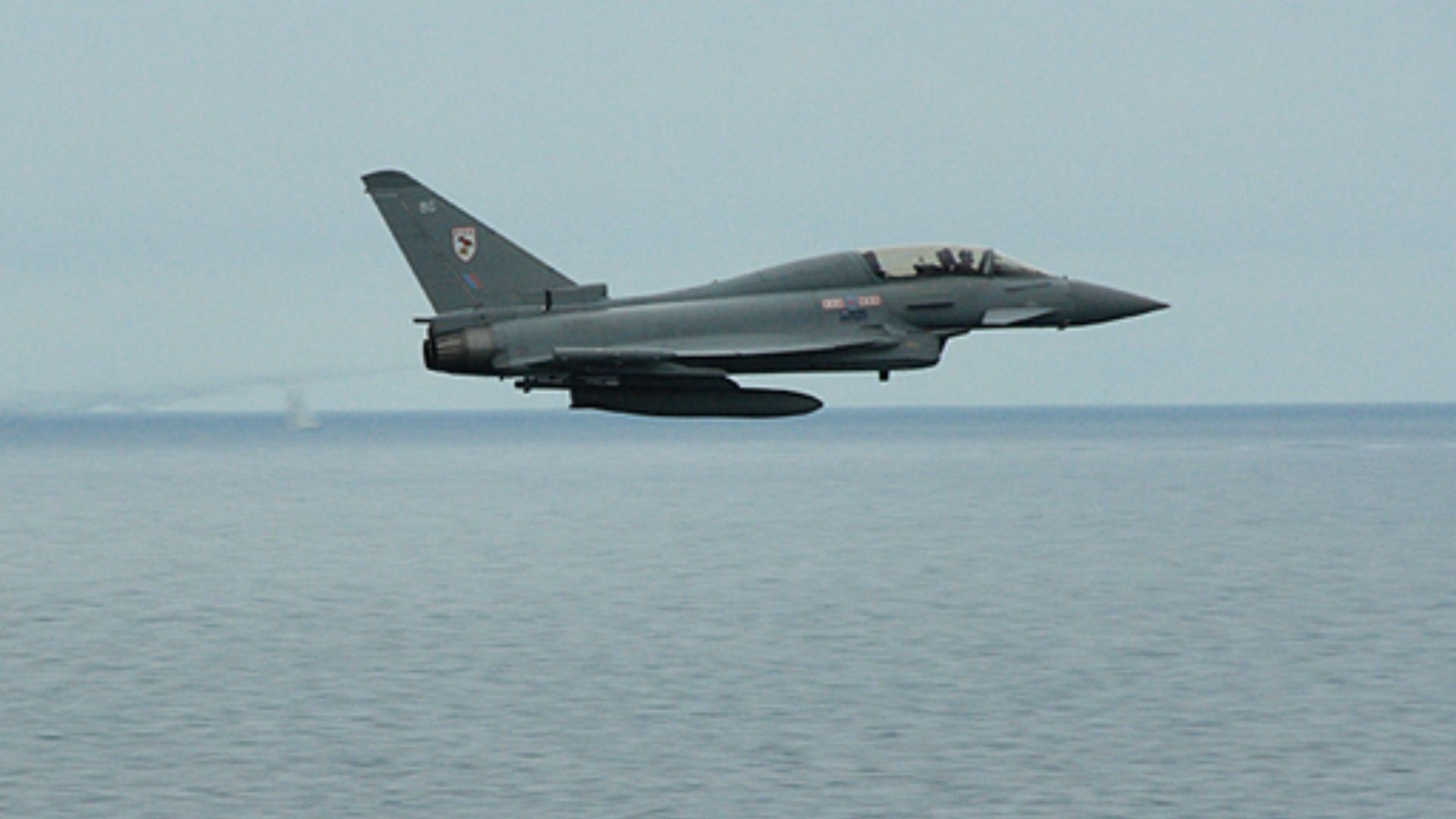
UK military deploys low-cost laser-guided rockets to destroy drones with precision defense
The Royal Air Force (RAF) has initiated the deployment of a cost-effective laser-guided counter-drone weapon system on its Eurofighter Typhoon aircraft. This move comes as part of the RAF's ongoing efforts to enhance its capabilities in addressing the growing threat posed by unmanned aerial vehicles (UAVs). The deployment began in October 2023, as the military seeks to bolster its defense strategies amid increasing concerns over drone-related security risks. By integrating this advanced technology into its fleet, the RAF aims to improve its operational effectiveness in neutralizing potential drone threats, ensuring the safety of airspace and ground operations. The laser-guided system is designed to provide precision targeting, allowing for effective engagement of hostile drones while minimizing collateral damage.
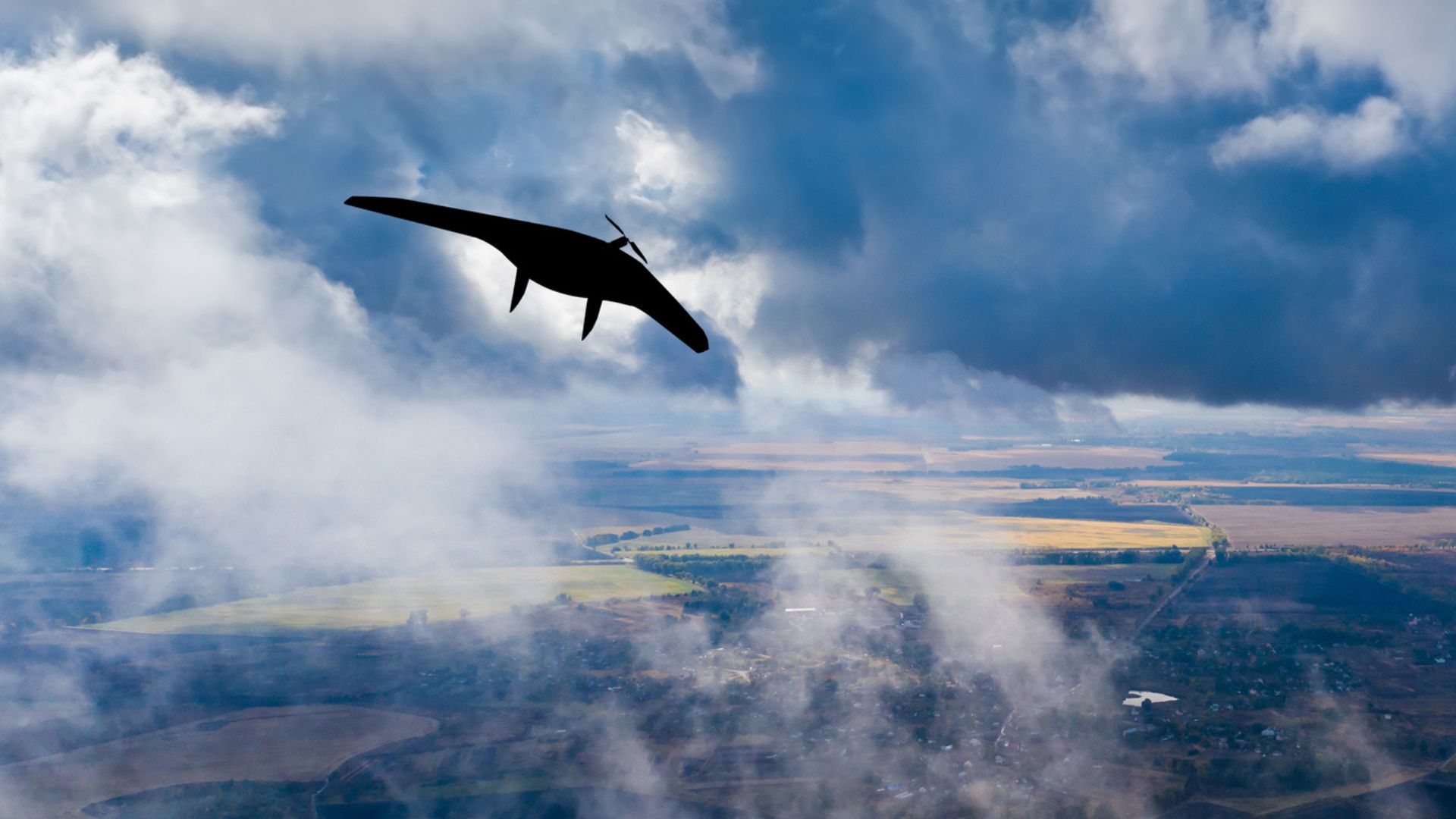
Japan eyes low-cost cardboard drones that could be hard to detect for military use
Japan is actively seeking innovative strategies in military technology, as evidenced by a recent meeting between Defense Minister Yasukazu Hamada and key defense officials. This gathering took place in Tokyo on October 10, 2023, and aimed to discuss the integration of advanced technologies into Japan's defense capabilities. The motivation behind this initiative stems from increasing regional security threats and the need for Japan to enhance its military readiness. By exploring unconventional methods, including potential collaborations with private sector tech firms, Japan aims to modernize its defense infrastructure and ensure a robust response to evolving challenges in the Asia-Pacific region. The discussions highlighted the importance of agility and adaptability in military operations, reflecting a shift in Japan's defense strategy to incorporate cutting-edge innovations.

Sion Power Launches Two High Energy Density Batteries for Military Drones
Sion Power has unveiled two advanced lithium-metal battery cells, the Licerion Strike and Licerion Echo, designed specifically for military drones. These new cells boast an impressive energy density of over 500 Wh/kg, significantly enhancing the operational capabilities of unmanned defense systems. With this technology, combat drones can achieve flight durations two to three times longer than those powered by traditional lithium-ion batteries. The launch of these high energy density batteries marks a significant advancement in drone technology, aimed at improving the effectiveness and endurance of military operations.
battery technology Defense defense Drone News Drone News Feeds Military
US Military Pushes for Boost in 2027 Spending on Drones and Air Defenses Used in Iran War
U.S. military officials are advocating for a significant budget increase in the upcoming fiscal year, proposing an allocation of tens of billions of dollars for advanced military technology. This funding is aimed at enhancing capabilities in drones, air defense systems, and fighter jets, which have played a crucial role in ongoing operations related to the conflict with Iran. The push for increased spending reflects a strategic response to evolving threats and the need to maintain military readiness. As tensions in the region continue, these investments are seen as essential for ensuring national security and supporting U.S. interests abroad. The proposal is expected to be a focal point in budget discussions as lawmakers assess the military's funding priorities for the coming year.
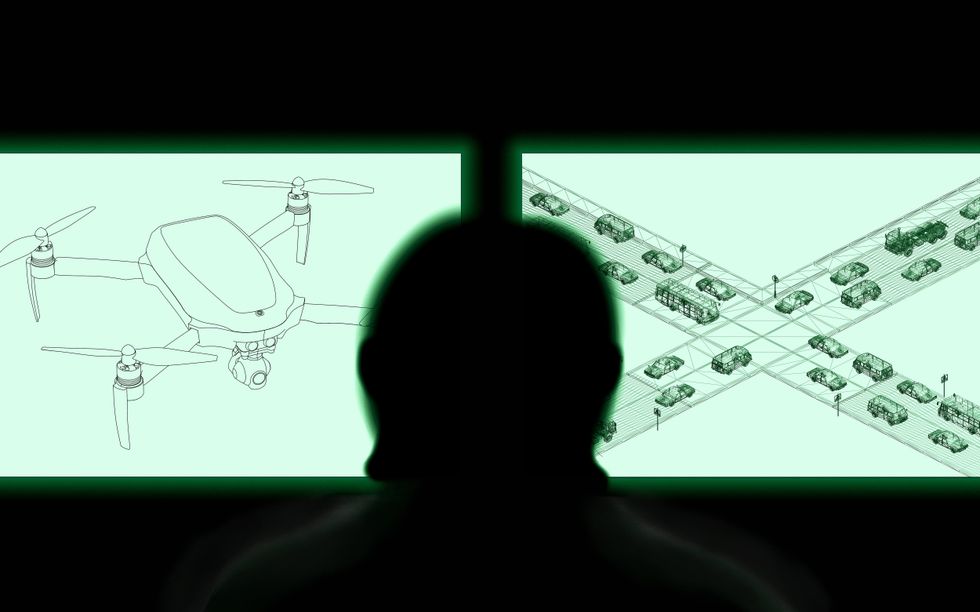
What Military Drones Can Teach Self-Driving Cars
Self-driving cars are facing significant challenges in navigating common driving scenarios, such as construction zones and interactions with pedestrians, often leading to unpredictable behavior and traffic disruptions. To mitigate these issues, companies in the autonomous vehicle sector employ human operators to remotely supervise and intervene when necessary. This practice, reminiscent of military operations with unmanned aerial vehicles (UAVs), has revealed that self-driving firms have not fully adopted critical lessons learned from decades of military experience. A recent analysis highlights the importance of addressing latency issues, as communication delays can severely impact the effectiveness of remote control. Historical data shows that early UAV operations suffered from high accident rates due to similar challenges. Furthermore, poor interface design and operator workload management have been identified as key factors contributing to errors in both military drone operations and self-driving car supervision. The military's extensive experience underscores the necessity for rigorous training programs and robust contingency planning, areas where self-driving companies currently lack transparency and standards. Incidents, such as the 2025 San Francisco power outage that left Waymo vehicles immobilized, illustrate the potential dangers of inadequate emergency protocols. As the self-driving industry continues to evolve, it is crucial for these companies to learn from military drone operations to enhance safety and reliability. A comprehensive paper on these findings will be presented at the 2026 IEEE International Conference on Human-Machine Systems in Singapore.
Drones Military-robots Self-driving-carsRobotics needs a service framework.
RSF defines a common language for robot service capability, lifecycle operations, certification pathways, and service-provider networks.
Join the RobotToday community on LinkedIn
Daily robotics news, in-depth analysis, conference highlights, and discussions with professionals worldwide.