Industry Briefing
A single destination for timely, editor-curated robotics news from around the world.
Micron is tech's new margin king as memory crisis pushes company past Nvidia and Meta
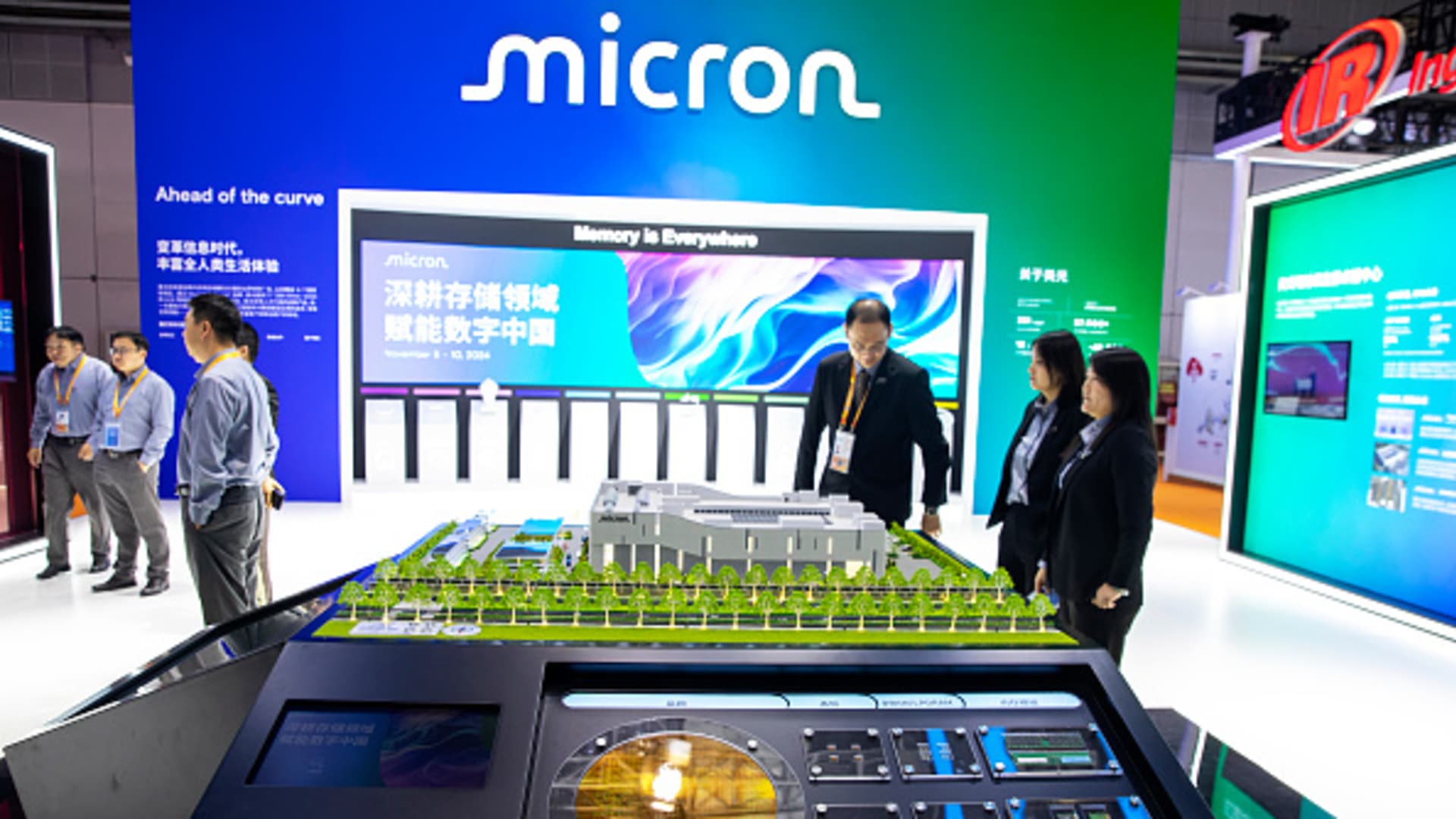
Micron Technology announced a significant increase in its gross margin, which rose to 84.9% in its latest earnings report, up from 39% during the same period last year. This remarkable improvement reflects the company's strategic efforts to enhance operational efficiency and capitalize on growing demand for memory and storage solutions. The earnings report, released on [insert specific date], highlights Micron's robust performance in the semiconductor industry, particularly as it navigates a competitive market landscape. The surge in gross margin is attributed to a combination of cost management initiatives and a favorable pricing environment for its products. As Micron continues to innovate and expand its offerings, the company aims to sustain this momentum and further strengthen its position in the technology sector.

The memory chip crunch is paying off for this US company
In a remarkable financial turnaround, a leading company reported a fourfold increase in revenue, reaching $41.45 billion compared to the same quarter last year. This surge in earnings was accompanied by a significant rise in profit, which soared from $1.88 billion to an impressive $28.2 billion year-over-year. The dramatic growth can be attributed to a combination of strategic initiatives, increased market demand, and effective cost management. These results highlight the company's robust performance and resilience in a competitive landscape, showcasing its ability to capitalize on emerging opportunities and drive substantial financial gains.
AI Hardware earnings In Brief memory chip shortage Micron
Micron: Robotics Supercycle Meets Fed Rate Hike Risks
Dmytro Lebid, an investment consultant and active trader, has downgraded Micron Technology's stock due to emerging risks, despite recognizing its long-term growth potential. In a recent analysis, he highlights that while the cyclical risks associated with the memory market are diminishing, a significant supply-demand imbalance is expected to persist until the end of 2027, driven by ongoing shortages. This situation is compounded by anticipated Federal Reserve rate hikes, which could negatively impact Micron's valuation in the short term. Lebid's insights are informed by his extensive experience in finance and economics, as well as his dual roles in investment consulting and trading. He aims to identify undervalued investment opportunities in the U.S. market to help build a balanced portfolio. His analysis serves as a cautionary note for investors, emphasizing the need for careful consideration of market dynamics and economic factors affecting Micron's stock performance.
SSNLF HXSCL KXIAY SNDK KXHCF MU


AI Is Insatiable
A recent analysis by Senior Editor Samuel K. Moore highlights the ongoing DRAM shortage, primarily driven by the increasing demand for high bandwidth memory (HBM) from AI hyperscalers like Google, Microsoft, OpenAI, and Anthropic. This shortage is significantly impacting the performance of large language models, as these companies invest heavily in building expansive data centers to support their AI operations. The report, published on February 10, has been updated to reflect the current state of the memory market, which is also affecting the prices of low-cost computers, such as the Raspberry Pi. The demand for memory is exacerbated by the energy consumption of AI technologies, which could account for up to 12 percent of all U.S. power by 2028. As companies like Nvidia and AMD require more memory for their processors, the pressure on supply chains continues to mount. Moore notes that any adjustments in production schedules from major HBM manufacturers—Micron, Samsung, and SK Hynix—could signal a potential easing of the shortage. Additionally, tech companies may need to adapt by opting for hardware that requires less memory or redesigning products to mitigate the impact of the constraints. The analysis emphasizes the importance of monitoring these developments as the tech industry navigates the challenges posed by the memory shortage. To stay informed on this evolving situation and broader technology trends, readers are encouraged to subscribe to the weekly newsletter, Tech Alert.
Semiconductors Dram Memory Chips Ai Data-centers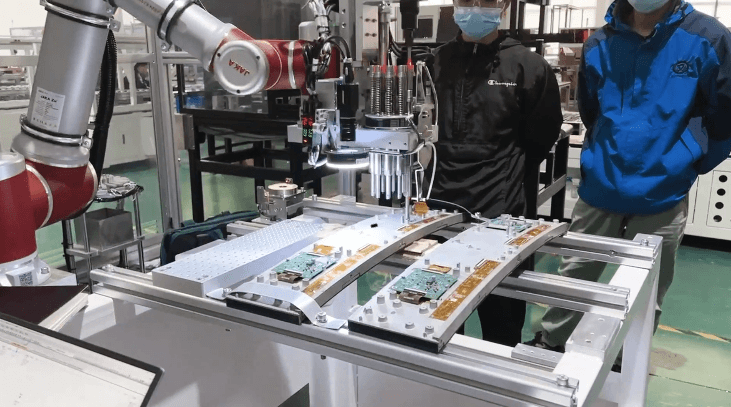
Robotic Arms for High-Precision Screw Driving and Fastening Applications
JAKA, a leader in collaborative robotics, is addressing the increasing demand for precision in modern manufacturing. The company’s robotic arms, equipped with advanced control algorithms and high-resolution sensors, achieve micron-level accuracy essential for industries such as electronics, automotive, and semiconductors. By integrating these systems, manufacturers can minimize human error, enhance production efficiency, and maintain stringent quality standards, particularly in high-stakes environments where minor deviations can lead to significant issues. The JAKA Zu7 Inspection platform exemplifies the flexibility and efficiency of automation, allowing seamless integration with vision systems and measuring instruments for non-destructive testing. This adaptability enables manufacturers to quickly adjust production lines for new product variants without extensive reconfiguration, thereby saving time and resources. Additionally, the robotic solutions alleviate workers from repetitive inspection tasks, enhancing workplace safety and operational efficiency. Safety is a core focus for JAKA, with features such as intelligent collision detection and user-friendly programming interfaces ensuring that operators can safely work alongside the robots. The systems are designed for ease of use, allowing even those without programming experience to manage complex tasks confidently. Through its innovative robotic solutions, JAKA aims to empower manufacturers to meet the demands of high-precision applications while reducing labor costs and improving overall production quality. The company's commitment to developing intelligent and flexible robotic systems positions it as a key player in the future of manufacturing automation.
Robot Arm Best Practices for High-Precision Electronics Assembly
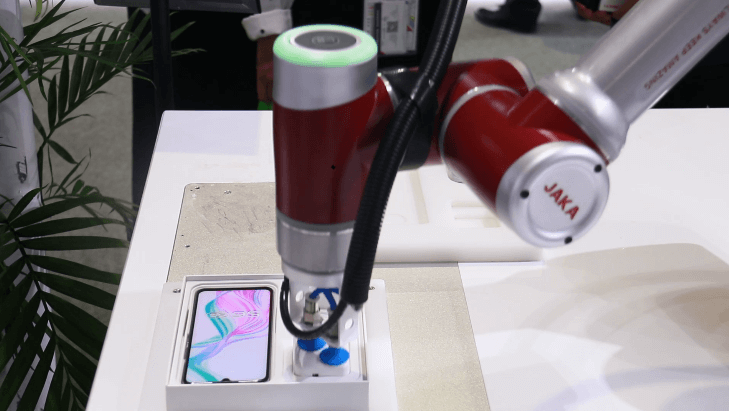
JAKA, a leader in electronics manufacturing solutions, has unveiled its latest industrial robot arm designed to meet the stringent demands of modern assembly applications. With a focus on achieving micron-level accuracy, the robot arm utilizes high-resolution encoders and adaptive servo algorithms to maintain precision within 0.2mm, crucial for tasks such as delicate component placement and precise assembly. The company emphasizes that precision must be coupled with consistency to avoid costly defects. To address this, JAKA implements low-noise circuit designs and stringent production controls, ensuring that their robots perform reliably throughout production shifts, even in challenging environments like semiconductor manufacturing. Additionally, JAKA's design philosophy prioritizes adaptability to high-density production lines and rapid model changeovers. The compact Zu series robot arm is engineered for confined spaces and features intuitive graphical programming, allowing operators to quickly redeploy systems for new product lines without requiring specialized programming skills. By integrating these principles into their assembly robots, JAKA aims to enhance the accessibility, reliability, and consistency of electronics assembly for manufacturers, ultimately transforming precision from a challenge into a standard practice.
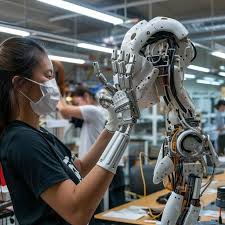
Micron cuts jobs in China, shifts focus away from mobile NAND
Micron Technology announced on Tuesday that it is implementing workforce reductions in its China operations due to ongoing challenges in the mobile NAND memory market. The company cited a significant slowdown in growth compared to other NAND sectors as the primary reason for these layoffs. As part of its strategic shift, Micron has also decided to halt all future development of mobile NAND products on a global scale. This decision reflects the firm’s efforts to realign its resources in response to market dynamics and ensure its competitiveness in the data storage industry.
News FeedRobotics needs a service framework.
RSF defines a common language for robot service capability, lifecycle operations, certification pathways, and service-provider networks.