Industry Briefing
A single destination for timely, editor-curated robotics news from around the world.

China Advances Toward Integrated Air, Land, and Sea Drone Swarm Systems
China is progressing from large formations of identical drones to a more complex network that coordinates uncrewed systems across air, land, and sea. The China Electronics Technology Group Corporation (CETC) highlights the evolution of drone swarms from mere numbers to distributed systems capable of communication and local decision-making. This shift is significant as it enhances operational capabilities in diverse environments, particularly in military applications. CETC identifies five key capabilities for effective swarm functionality: survivability, situational awareness, planning and decision-making, mission execution, and autonomous learning. While China has made strides in these areas, challenges remain, especially in integrating different types of uncrewed systems. Looking ahead, CETC envisions a heterogeneous swarm that allows various platforms to work together seamlessly. This integration could enable aerial drones, ground vehicles, and maritime systems to share information and resources, enhancing overall mission effectiveness. However, achieving this level of coordination presents substantial technical challenges.
Military
WB Group Introduces Warmate 30 Drone for Long-Range Target Engagement
WB Group has unveiled the Warmate 30, a new unmanned aerial vehicle (UAV) designed for reconnaissance and strike missions. This advanced drone aims to detect and engage high-value, time-sensitive targets from a considerable distance, enhancing operational capabilities in various scenarios. The introduction of the Warmate 30 is significant as it represents a step forward in drone technology, particularly in the context of military applications. The ability to engage targets at long range is crucial for modern warfare, allowing for strategic advantages while minimizing risks to personnel. Looking ahead, the defense sector will likely monitor the deployment and performance of the Warmate 30 closely. Its effectiveness in real-world operations could influence future developments in UAV technology and military strategies. No further timeline was disclosed at the time of publication.
Air Warfare Networks & Digital Warfare Air Force cyber security Drones MSPO 2026
Mara Secures $7 Million to Advance Automated Drone Swarm Defense System Spike
San Francisco-based Mara has successfully secured $7 million in funding to enhance its proprietary counter-drone system known as Spike. This funding will assist in bringing the technology to market, addressing the critical issue of neutralizing drone swarms effectively and affordably on modern battlefields. The significance of Spike lies in its innovative approach to countering the rising threat of inexpensive FPV drones, which can cost only a few hundred dollars. Traditional defense methods, including electronic warfare and interceptors, often incur much higher costs, making Spike a cost-effective alternative designed to provide close-in defense when conventional systems fail. Looking ahead, Mara aims to leverage this funding to refine Spike's capabilities, which include a dual-component system of a spotter and seeker for drone detection and interception. No further timeline was disclosed at the time of publication.
Military
NATO's Phoenix Drone Enhances Allied Warships' Threat Detection Capabilities
NATO has introduced the Phoenix drone, its only self-owned drone, to assist allied warships in detecting threats beyond their radar capabilities. This advancement is significant as it enhances situational awareness for naval forces, allowing them to respond more effectively to potential threats in their operational environment. The introduction of the Phoenix drone is crucial for NATO's defense strategy, as it represents a step forward in integrating advanced technology into military operations. By providing enhanced surveillance capabilities, the drone helps allied forces maintain a strategic advantage in maritime security and defense. Looking ahead, the continued development and deployment of the Phoenix drone will be important for NATO's operational readiness. As military technology evolves, the effectiveness of such systems in real-world scenarios will be closely monitored to assess their impact on naval operations and overall defense strategies.
Military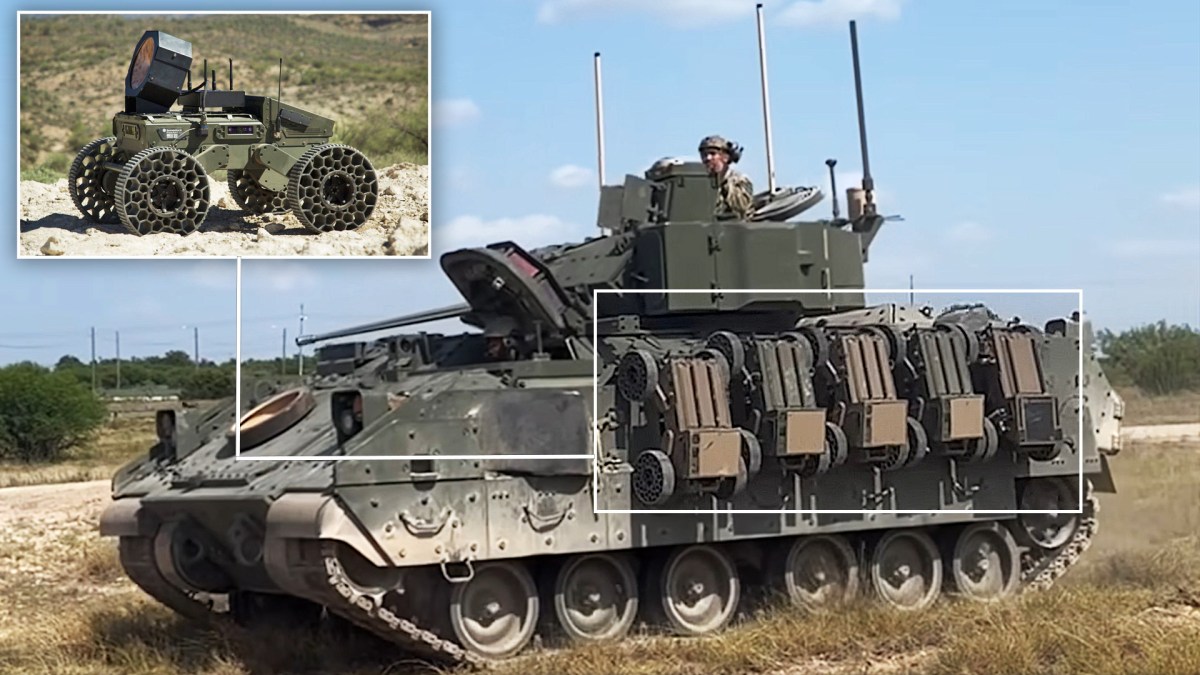
Bradley Fighting Vehicle Demonstrates Swarming Ground Drones in Recent Military Exercise
During a recent test exercise, U.S. Army soldiers utilized a Bradley Fighting Vehicle to transport FireAnt uncrewed ground vehicles (UGVs). These versatile 4×4 UGVs can be adapted for various missions, including electronic warfare and reconnaissance. The integration of Bradleys as carriers for swarms of UGVs like the FireAnt could significantly enhance operational capabilities. This development is crucial as it aligns with the U.S. Army's Transformation In Contact (TIC) modernization initiative, which aims to incorporate advanced technologies into military operations. Swarmbotics AI, the developer of the FireAnt, showcased this capability during the Pegasus Charge 3 exercise, where the Bradley was seen carrying five FireAnt UGVs. The potential for these UGVs to operate in swarms could revolutionize battlefield tactics and strategies. Looking ahead, the effectiveness of the FireAnts in operational scenarios remains to be fully understood, particularly regarding their deployment and control from the Bradley. As the Army continues to test and evaluate these systems, the focus will be on how these UGVs can be integrated into existing military frameworks and their impact on future combat operations. No further timeline was disclosed at the time of publication.
Land Armies Armored Vehicles M2/3 Bradley News & Features U.S. Army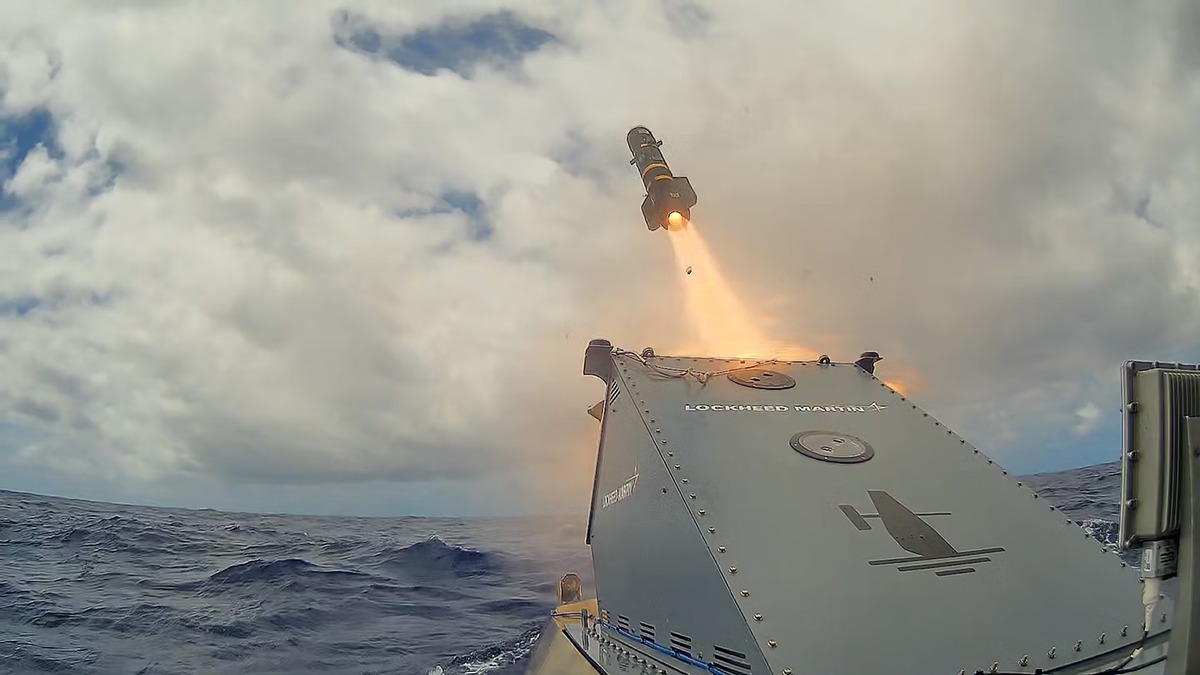
Saildrone and Lockheed Martin Enhance Autonomous Naval Warfare with RIMPAC Missile Launch
Saildrone successfully executed two Joint Air-to-Ground Missile launches from its Surveyor unmanned surface vehicle (USV) during the US Navy's Rim of the Pacific (RIMPAC) exercise. This marks a significant milestone as it is the first-ever missile launch from a Saildrone USV, showcasing the integration of Saildrone's technology with Lockheed Martin's missile capabilities. The demonstration is crucial as it highlights the potential of autonomous systems in modern naval warfare, allowing for extended operational capabilities in contested environments. The collaboration between Saildrone and Lockheed Martin, initiated in October 2025, aims to enhance the operational readiness of unmanned platforms, providing commanders with the necessary tools to project power effectively. Looking ahead, Saildrone plans to further develop its platform capabilities to meet evolving military requirements. The successful integration of electronic warfare sensors during the RIMPAC exercise also indicates the potential for future enhancements in autonomous naval operations. No further timeline was disclosed at the time of publication.
saildrone lockheed martin autonomous naval warfare rimpac demonstration usv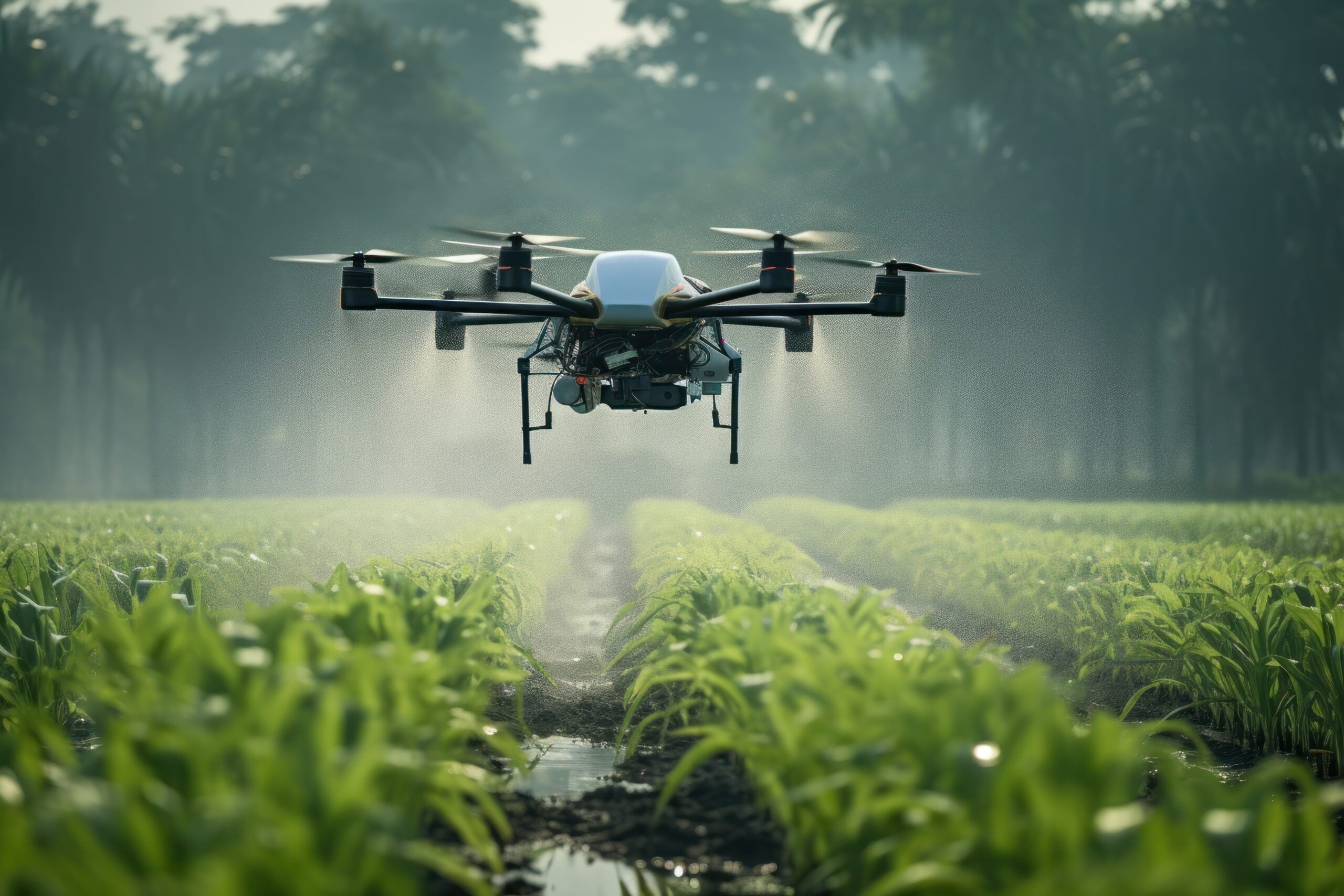
FCC Proposes New Rules for Drone Manufacturers on Software and Hardware Disclosure
The Federal Communications Commission (FCC) has initiated a rulemaking process that may require drone manufacturers to disclose comprehensive details about their hardware and software. This proposal, published on August 7, is part of the FCC's Third Further Notice of Proposed Rulemaking and aims to enhance transparency in the commercial drone industry. This rulemaking is significant as it could reshape the regulatory landscape for drone manufacturers, particularly through the proposed Hardware Bill of Materials (HBOM) and Software Bill of Materials (SBOM). Will Dawson from the Agricultural Drone Initiative emphasized that these requirements could be pivotal, as they would mandate certification applicants to provide detailed information about each component's producer and production location, potentially impacting supply chains and security protocols. As the FCC seeks public comment on these proposals, the industry should monitor the developments closely. The implications of the HBOM and SBOM requirements could lead to stricter certification processes and influence how drone manufacturers manage their supply chains. No further timeline was disclosed at the time of publication.
Agriculture Applications Drone News Drone News Feeds Feature 1 News
Leonardo DRS Combat Vehicle Successfully Engages 55-Pound Drones with Software Upgrade
A US armored air defense vehicle successfully engaged simulated Group 1 and Group 2 drones in a recent government test, showcasing its enhanced capabilities without new hardware. The demonstration, conducted by Leonardo DRS using the SGT STOUT mission equipment package on a Stryker armored fighting vehicle, utilized updated detection and fire-control functions to effectively counter smaller airborne threats. This advancement is significant as it supports the US Army’s Mobile Low, Slow UAS Integrated Defeat System program, which aims to improve air defense against evolving drone threats. The test specifically targeted drones weighing up to 55 pounds, which present unique challenges compared to larger aerial threats. The results indicate a promising direction for software-driven air defense capabilities that can adapt to changing operational needs. Looking ahead, the open architecture of the SGT STOUT system allows for future enhancements without major hardware changes, ensuring that the vehicle remains relevant as aerial threats evolve. No further timeline was disclosed at the time of publication.
Military
Autonomous Drones Use Virtual Rewards to Outmaneuver Pursuers in Tag Game
Autonomous drones are being trained using virtual rewards to enhance their evasion skills in a high-speed game of tag. This innovative approach focuses on machine learning and decision-making, allowing drones to effectively outmaneuver pursuers and reach their base. The significance of this development lies in its potential applications in various fields, including surveillance, search and rescue, and military operations. By mastering cooperative strategies and rapid responses, these drones could revolutionize how autonomous systems interact in dynamic environments. Looking ahead, it will be important to monitor advancements in drone technology and machine learning algorithms that facilitate these capabilities. No further timeline was disclosed at the time of publication.
Robotics
Bloomberg This Weekend Discusses USS Abraham Lincoln Conditions with Drone Swarm Insights
Bloomberg This Weekend hosts Joe Mathieu, Carol Massar, and Lisa Mateo provide insights into the latest headlines, including conditions aboard the USS Abraham Lincoln. They are joined by a panel of experts, including Navy Veteran Natalie Oliverio and Axios Business Reporter Nathan Bomey. The discussion highlights the significance of military readiness and the role of technology, such as drone swarms, in modern naval operations. This context is crucial for understanding the evolving landscape of defense and investment strategies. Viewers should keep an eye on future developments regarding military technology and its implications for both national security and economic factors. No further timeline was disclosed at the time of publication.
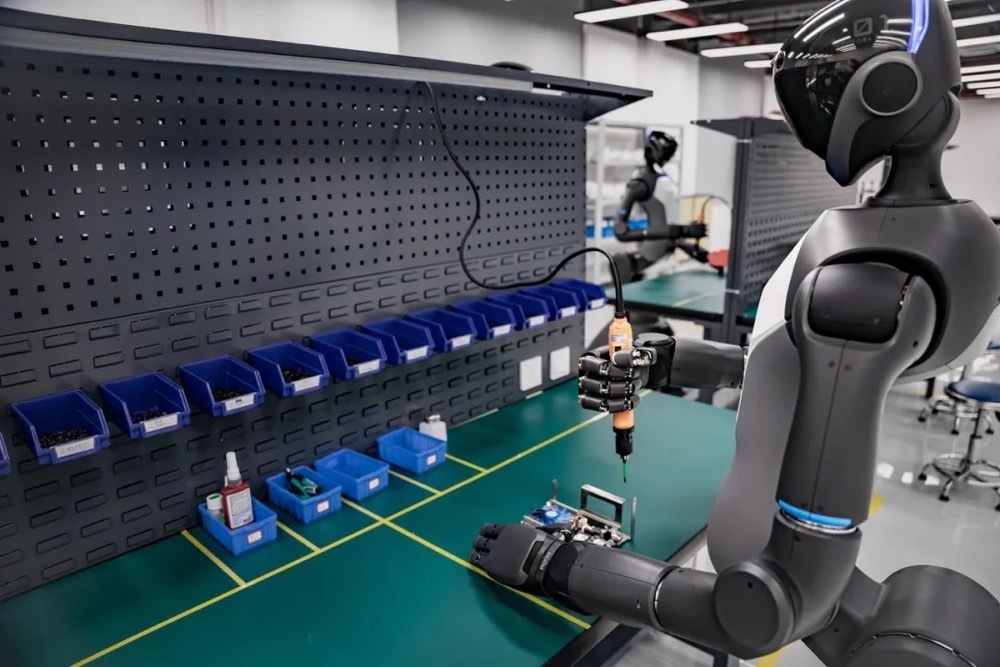
The Emergence of Autonomous Drone Swarms as Advanced Killing Machines
Autonomous drone swarms have officially been introduced, showcasing technology that transforms various uncrewed platforms into effective swarming killing machines. This development marks a significant advancement in drone capabilities, with companies now able to deploy everything from commercial quadcopters to larger drones resembling small rhinos. The introduction of these drone swarms is crucial as they represent a new frontier in military and surveillance applications. Their ability to operate collectively enhances their effectiveness in various scenarios, potentially changing the landscape of aerial combat and reconnaissance. The ongoing evolution of drone technology is likely to raise important discussions regarding ethics and regulations in warfare. Looking ahead, the continued development and deployment of autonomous drone swarms will be pivotal to watch. As more companies enter this space and refine their technologies, the implications for military strategy and defense procurement will become increasingly significant. No further timeline was disclosed at the time of publication.

DJI Mavic 4 Pro Drone Receives Firmware Update for Enhanced Flight Stability
DJI has released a firmware update for the Mavic 4 Pro drone, including updates for the DJI RC Pro 2, DJI RC 2, and DJI Fly app. The new aircraft firmware v01.00.0800 aims to fix known issues, enhancing the overall flight experience for users. While the update does not introduce new features, it emphasizes the importance of stability and reliability for drone pilots. This update is significant as it reinforces DJI's commitment to ongoing support for its flagship drone, which is known for its impressive 6K HDR video capabilities and versatile triple-camera system. The Mavic 4 Pro's features, including a 100MP Hasselblad camera and advanced obstacle avoidance, make it a preferred choice for photographers and filmmakers. Looking ahead, users should be mindful that camera settings will reset post-update, necessitating a review of shooting profiles. No further timeline was disclosed at the time of publication, but continued firmware updates are expected to maintain the Mavic 4 Pro's status as a leading consumer camera drone.
News
Optimizing Swarm Drone Formations for Enhanced Light Show Performances
Recent research published in the Journal of Field Robotics focuses on improving drone light shows through optimal allocation and trajectory planning for swarm formations. This study aims to enhance the visual impact and coordination of drone displays, making them more engaging for audiences. The significance of this research lies in its potential to revolutionize entertainment and advertising sectors by providing more sophisticated and synchronized drone performances. By optimizing the allocation of drones and their flight paths, the study addresses challenges related to coordination and visual aesthetics in large-scale drone shows. Looking ahead, the advancements in swarm drone technology could lead to more complex and captivating performances. No further timeline was disclosed at the time of publication.
RESEARCH ARTICLE
General Glen VanHerck Discusses Drone Swarms Over Langley AFB and NORAD's Preparedness
General Glen VanHerck, former head of NORAD and NORTHCOM, expressed that the drone swarms over Langley Air Force Base in December 2023 were anticipated threats. He highlighted the ongoing concerns regarding U.S. military installations' vulnerabilities to drone incursions, emphasizing that the military was not adequately prepared to address such threats. The incursions, which began on December 6, 2023, involved uncrewed aerial systems (UAS) that posed potential risks to flight safety, although they did not show hostile intent. VanHerck noted that he had previously communicated his frustrations about the lack of domain awareness and the need for enhanced capabilities to the Secretary of Defense, Lloyd Austin, in December 2021. Looking ahead, VanHerck's insights underline the necessity for improved policies and authority regarding drone defense at military installations. The challenges of jurisdiction and empowerment for installation commanders remain critical issues that need to be addressed to enhance national security against evolving aerial threats. No further timeline was disclosed at the time of publication.
News & Features Air Counter-Unmanned Aerial Vehicles (C-UAS) Drones Land Unmanned
DJI Warns FCC Proposal Could Retroactively Ban Agricultural Spray Drones
The US Federal Communications Commission (FCC) has proposed new regulations that could effectively ban the sale of foreign-made agricultural spray drones, according to DJI. This move follows a December 2025 ruling that blocks new foreign models and components, significantly impacting the agricultural drone market dominated by overseas manufacturers. DJI argues that the FCC's definition of 'military-grade' drones includes many civilian models used for crop spraying, which could lead to increased costs and limited availability for American farmers. The proposal, open for public comment until September 2, targets drones with specific capabilities, potentially crippling agricultural operations that rely on these technologies to enhance efficiency and reduce costs. As the situation develops, stakeholders in the agricultural sector should monitor the FCC's actions closely. The implications of this proposal could reshape the market for agricultural drones, affecting both current users and future sales of essential farming technologies. No further timeline was disclosed at the time of publication.
Agtech Policy & regulation Precision agriculture US & Canada drones
China Warns of Increased Vulnerability of Global Internet Data from Underwater Drones
Chinese military researchers have issued a warning regarding the heightened vulnerability of the global network of undersea internet cables to attacks from inexpensive underwater drones. In an article published in Science and Technology Daily, they emphasized that advancements in uncrewed underwater vehicles (UUVs) are facilitating undersea warfare and transforming the seabed into a strategic military zone. This warning is significant as nations are increasing their investments in underwater surveillance and infrastructure protection amid escalating geopolitical tensions. The researchers, Shi Guanglei and Shi Haiming from China’s National Defense University, noted that the affordability and effectiveness of autonomous underwater systems are enabling more countries to engage in undersea military operations, which were previously dominated by costly crewed submarines. Looking ahead, the researchers highlighted that undersea cables, which carry approximately 99 percent of global data and support around $10 trillion in daily cross-border financial transactions, are at risk. They pointed to recent incidents, including the Nord Stream pipeline sabotage, as evidence of vulnerabilities, although the International Cable Protection Committee maintains that accidental damage is the primary cause of cable failures. No further timeline was disclosed at the time of publication.
Military
U.S. Department of War Awards Kaizen $15 Million for Counter-Drone Marketplace
The U.S. Department of War has awarded Kaizen a $15 million contract to create a digital marketplace for validated counter-unmanned aircraft systems (C-UAS) technologies. This platform, developed for the Joint Interagency Task Force 401 (JIATF-401), aims to streamline the procurement process for military and law enforcement agencies by providing a centralized location for evaluating and acquiring counter-drone technologies. This initiative is crucial as the proliferation of low-cost commercial drones poses new challenges to security and military operations. Traditional procurement methods often lag behind the rapid evolution of drone technology, making it essential to have a more efficient system. The marketplace allows authorized users to search for products based on operational needs and access verified performance data, thereby expediting the acquisition process. Looking ahead, the marketplace will feature an AI-based Capability Planner that assists users in creating tailored C-UAS solutions. Kaizen anticipates this tool will be operational soon, enhancing the platform's functionality. No further timeline was disclosed at the time of publication.
Anti-drone technology Applications C-UAS Defense News US Government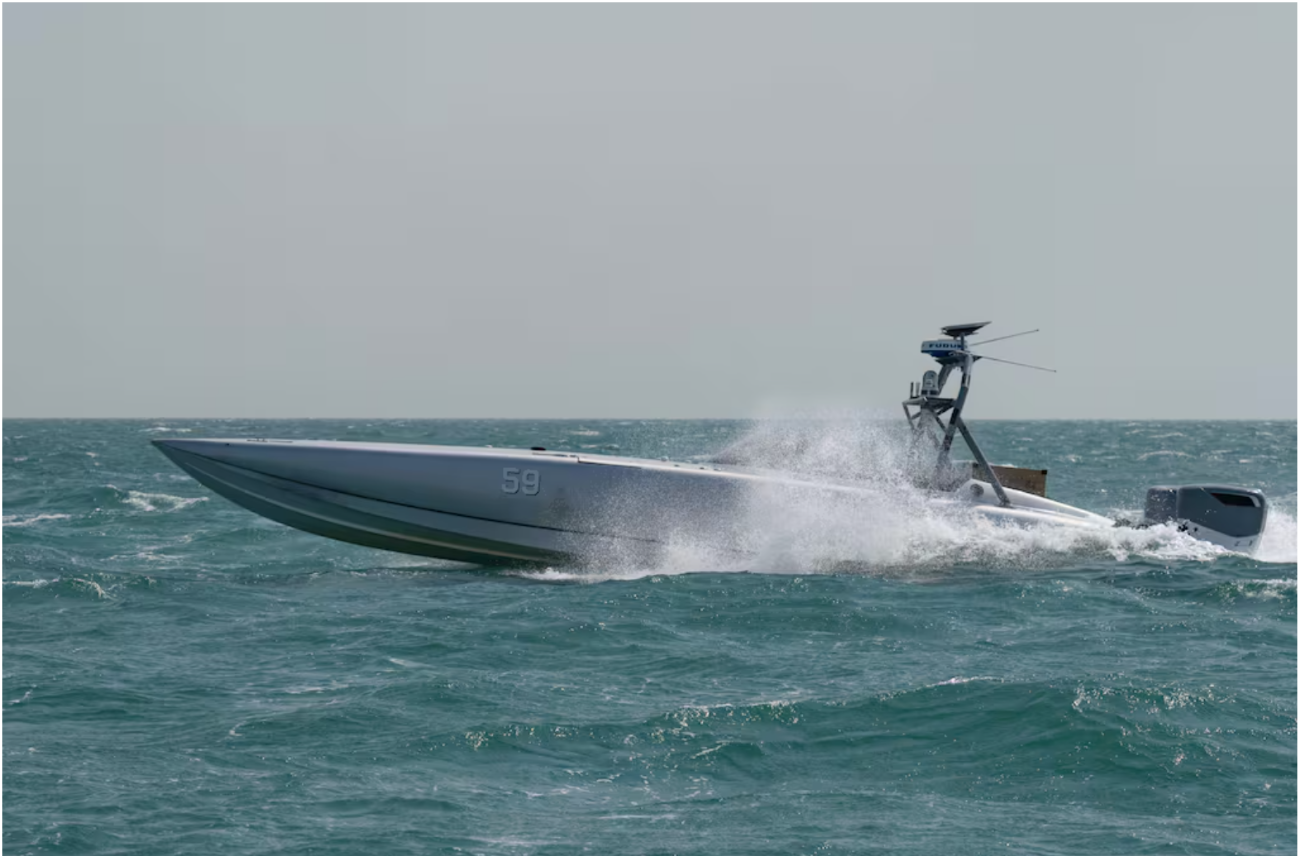
Pentagon Issues Urgent Request for Robotic Boats to Deploy Drone Swarms in 120 Days
The Pentagon has issued an urgent solicitation for the development of robotic boats capable of launching drone swarms within 120 days. This initiative, led by the Defense Innovation Unit (DIU) under the Department of Defense, aims to address the rising costs of modern warfare, where expensive naval vessels are increasingly vulnerable to cheaper unmanned threats. The DIU's project, codenamed SWAP-USV, seeks solutions that can autonomously track and intercept asymmetric maritime threats, such as high-speed smuggling boats and semi-submersibles. The robotic boats must carry at least two small drones with a combined payload capacity of 2 kilograms (approximately 4.4 pounds) for kinetic strikes, emphasizing the need for cost-effective defense mechanisms in contested environments. Looking ahead, the DIU has outlined a two-phase testing approach, with Sprint 1 requiring a fully mission-capable unmanned surface vehicle (USV) ready for testing within 29 days of selection, and a $40 million prize for successful solutions. The urgency of the 120-day timeline reflects the Pentagon's recognition of the need to adapt to evolving maritime threats and cost dynamics in warfare.
Robotic Boats Drone Technology Military Innovation Defense Technology
AeroVironment Enhances Mayhem 10 Drone with Autonomous Swarm Capabilities for Military Use
AeroVironment is enhancing its Mayhem 10 launched effects system by integrating autonomous swarm capabilities through a partnership with Applied Intuition. This new software allows multiple Mayhem 10 drones to coordinate missions under a single operator's supervision, addressing future U.S. Army requirements for autonomous systems that extend battlefield reach and reduce soldier workload. The integration of Applied Intuition’s Acuity ISR/Strike software enables collaborative behaviors among Mayhem 10 aircraft, allowing them to share targeting information and adapt to threats in real-time. A recent demonstration showcased the drones' ability to synchronize actions during various test scenarios, highlighting the importance of autonomous systems in modern military operations. Looking ahead, the flexibility of the Mayhem 10 platform, which can carry payloads of up to 10 pounds and operate in GPS-denied environments, positions it as a versatile tool for intelligence, surveillance, and precision strikes. No further timeline was disclosed at the time of publication.
Military
China Achieves 3D Mapping of Typhoon Noul Using Drone Swarm Technology
China has successfully created a three-dimensional map of Typhoon Noul from its inception to its conclusion using a swarm of drones. This innovative approach marks a significant advancement in meteorological technology, showcasing the capabilities of drone swarms in real-time environmental monitoring. The development is crucial as it enhances the accuracy of weather predictions and disaster response strategies, potentially saving lives and resources during severe weather events. By employing drone technology, China demonstrates its commitment to leveraging advanced tools for better understanding and managing natural disasters. Looking ahead, the implications of this technology could extend beyond meteorology, influencing various sectors that rely on real-time data collection and analysis. No further timeline was disclosed at the time of publication.
AI and Robotics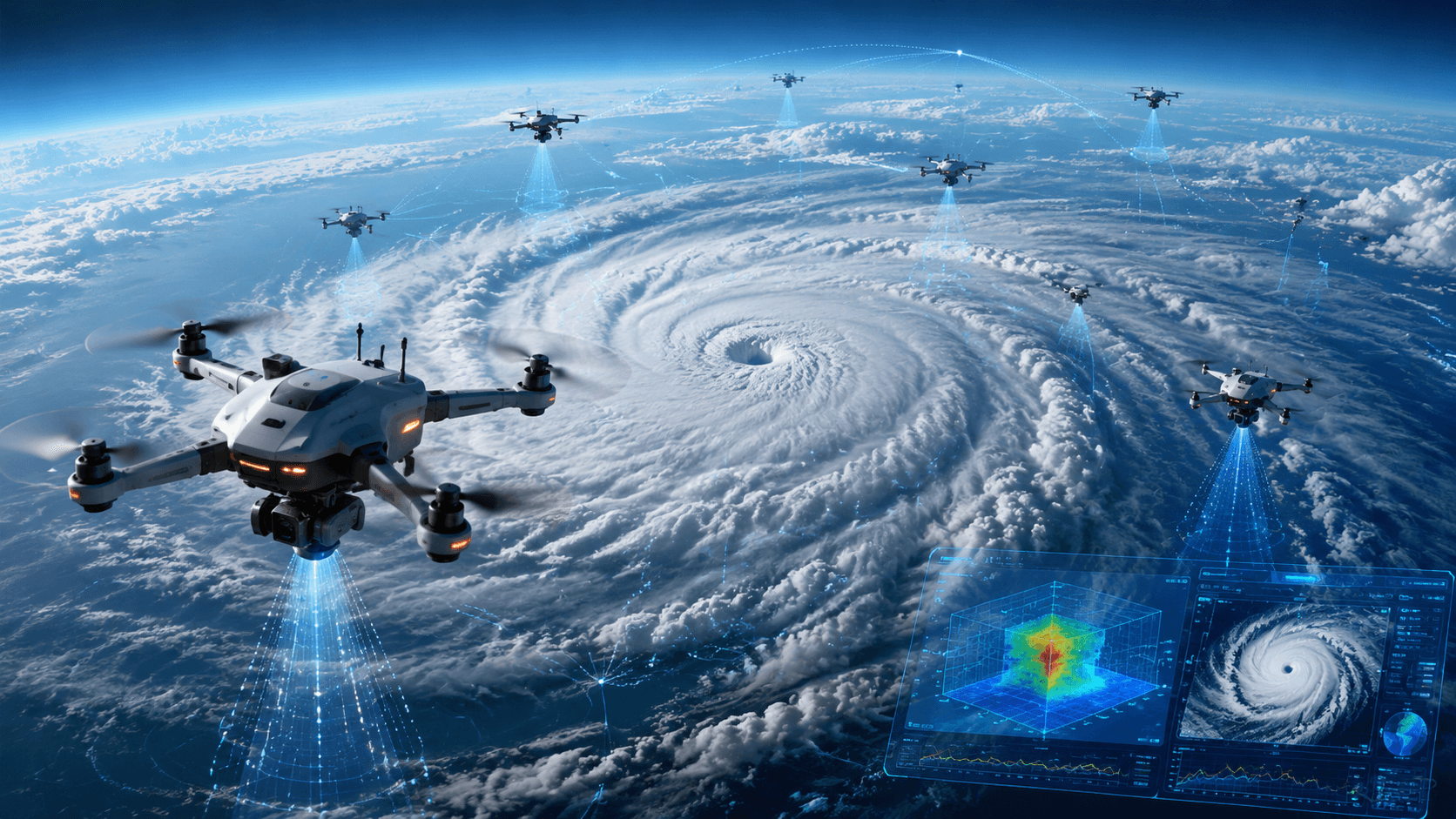
China Meteorological Administration Conducts First Full 3D Typhoon Observation Using Drone Swarm
The China Meteorological Administration has successfully utilized a bee colony drone swarm to conduct the first full-process three-dimensional observation of a typhoon. This coordinated array of unmanned aerial vehicles (UAVs) was deployed to gather critical data on temperature, humidity, wind, and turbulence during the typhoon's landfall. This achievement is significant as it enhances the understanding of typhoon dynamics and improves forecasting accuracy. By capturing data from multiple altitudes simultaneously, the drone swarm provides a comprehensive view of the typhoon's behavior, which is essential for disaster preparedness and response efforts. Looking ahead, the implications of this technology could lead to advancements in meteorological research and operational forecasting. No further timeline was disclosed at the time of publication.
Technology
Solapur Police Utilize ideaForge Q6 V2 Drones for Pandharpur Wari Pilgrimage Monitoring
ideaForge Technology Limited has deployed eight Q6 V2 drones equipped with megaphones for crowd monitoring and public address during the ongoing Pandharpur Wari pilgrimage. This marks the second consecutive year that ideaForge has supported this significant event, which spans a 250-kilometer route and attracts over 3 million warkaris. The deployment, announced on July 24, 2026, is crucial for managing the large-scale pilgrimage, which involves millions of devotees walking to seek the darshan of Lord Vitthal. The drones provide continuous aerial oversight, enabling real-time announcements and directions to ensure the safety and smooth flow of the crowd. As the pilgrimage progresses, the integration of AI-based video analytics by Bluesky Amida Pvt. Ltd. enhances the monitoring capabilities. The ongoing collaboration between ideaForge and local police underscores the importance of technology in managing large civil operations, with the drones ensuring that nothing goes unseen along the 250-kilometer route.
India Drone Industry India Drone News Indian Drone Technology Police Public Safety aerial surveillance
Seven AI Technologies Enhancing Military Drone Swarms' Intelligence and Effectiveness
Military drone swarms are becoming a pivotal advancement in autonomous warfare, enabling multiple unmanned systems to operate collectively rather than individually. This capability is heavily reliant on artificial intelligence, which aids drones in interpreting sensor data, navigating complex environments, and communicating effectively, thereby reducing the burden on human operators. The significance of these advancements lies in their ability to enhance operational resilience. Swarm intelligence allows drones to function as a coordinated unit, utilizing decentralized algorithms to manage interactions, maintain formations, and adapt to challenges, inspired by natural collective behaviors. Programs like DARPA’s OFFSET have explored these concepts, demonstrating how autonomous systems can collaborate in intricate missions, particularly in urban settings. Looking ahead, the integration of edge AI technology is crucial for military drone swarms. This innovation enables drones to process data onboard, ensuring functionality even when connectivity to command centers is compromised. As these technologies evolve, their impact on military operations and strategies will be significant, with ongoing developments to watch closely.
AI and Robotics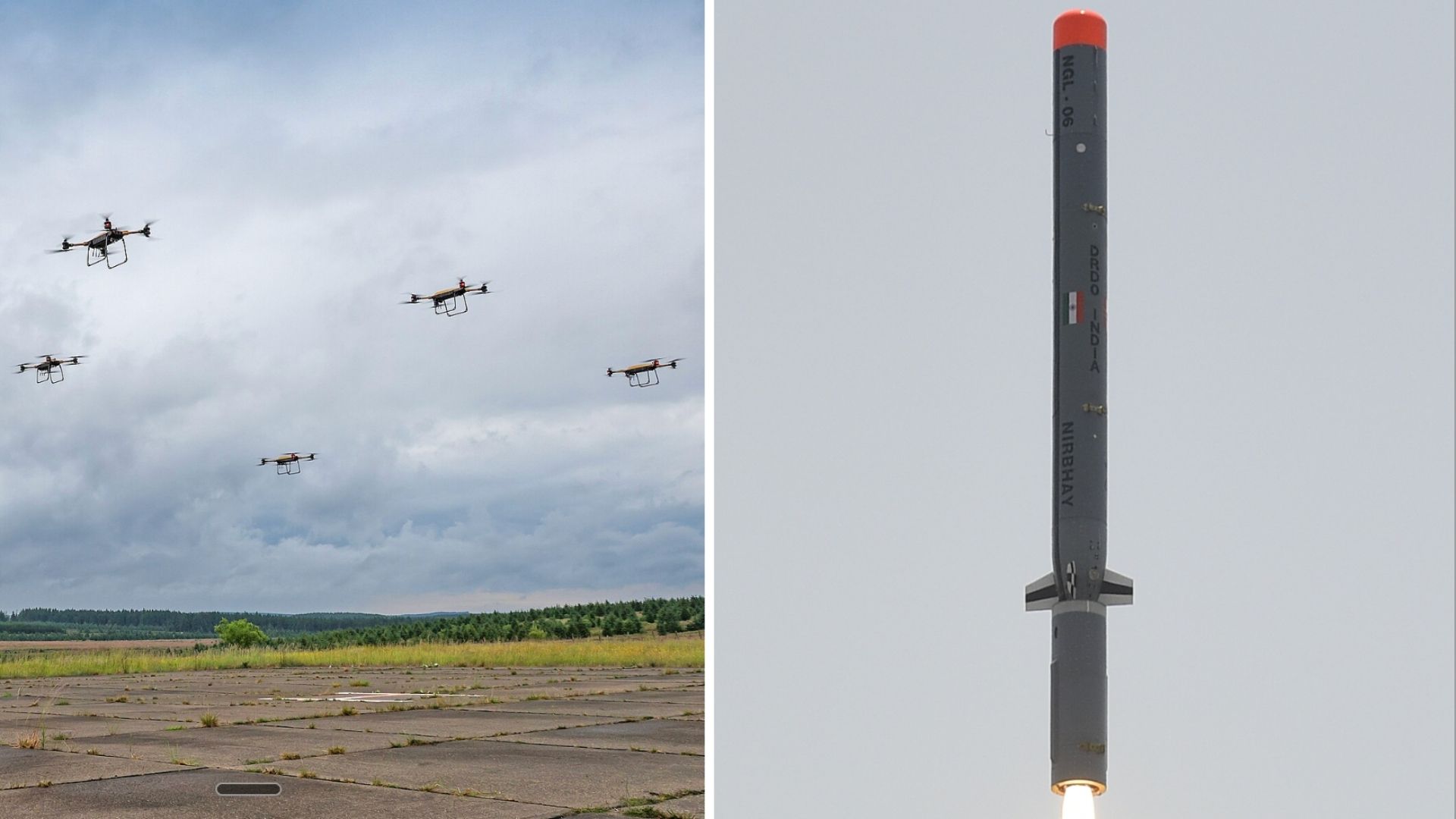
Comparative Analysis of Drone Swarms and Cruise Missiles: Range, Cost, and Power
Drone swarms and cruise missiles serve to challenge modern air-defense systems, albeit through distinct methodologies. Cruise missiles, such as the US Navy's Tomahawk, excel in long-range precision strikes, capable of traveling approximately 900 nautical miles (1,600 kilometers) and delivering powerful warheads. In contrast, drone swarms leverage quantity and coordination, saturating defenses despite their generally shorter ranges and smaller payloads. The significance of this comparison lies in the evolving landscape of military technology, where the choice between cruise missiles and drone swarms can influence operational strategies. While cruise missiles possess greater destructive power with warheads around 1,000 pounds, drone swarms can overwhelm targets through sheer numbers, allowing multiple simultaneous strikes. This capability makes drone swarms an appealing option for modern warfare, where cost-effectiveness and adaptability are crucial. Looking ahead, the development of both technologies will be critical in shaping future military engagements. As advancements continue, the balance between the sophistication of cruise missiles and the tactical advantages of drone swarms will likely dictate their respective roles in combat scenarios. No further timeline was disclosed at the time of publication.
Military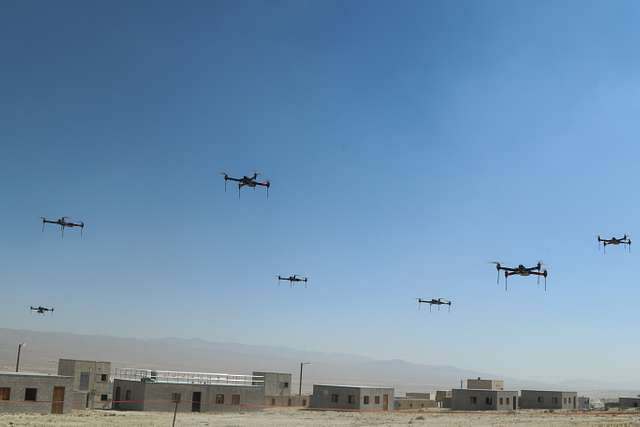
Auriga Space and U.S. Army Explore Electromagnetic Launchers for Countering Drone Swarms
Auriga Space has entered a three-year Cooperative Research and Development Agreement (CRADA) with the U.S. Army Combat Capabilities Development Command Armaments Center (DEVCOM AC) to investigate the potential of electromagnetic launch technology in countering drone swarms. This initiative aims to find a cost-effective alternative to traditional missile interceptors, which have proven expensive in engagements against low-cost drones. The significance of this research lies in the increasing need for modern militaries to address the economic challenges posed by drone warfare. Current missile interceptors can cost hundreds of thousands to millions of dollars, creating a cost imbalance when defending against inexpensive drones. The CRADA represents a broader commitment by the Department of War to explore innovative counter-drone technologies that can maintain high engagement rates while reducing operational costs. Looking ahead, Auriga plans to conduct the first outdoor flight test of its transportable electromagnetic launch platform, Hermes, later this summer. This platform is designed for rapid reloads and repeated engagements against multiple targets, potentially offering a new solution to the growing threat of drone swarms. No further timeline was disclosed at the time of publication.
Anti-drone technology Applications C-UAS Defense Drone News Drone News Feeds
UK Ministry of Defence Awards £3.16m Contracts for Low-Cost Drone Interceptors
The UK Ministry of Defence has allocated £3.16 million in contracts to three British SMEs for the development and testing of new low-cost drone interceptors. This initiative aims to enhance the UK's capabilities in countering drone threats effectively and affordably. The significance of this funding lies in its potential to bolster national security by enabling rapid development of innovative solutions to address emerging aerial threats. By engaging SMEs, the MoD is fostering a competitive environment that encourages technological advancements in drone interception. Looking ahead, the success of these trials could lead to further investments in drone defense technologies. No further timeline was disclosed at the time of publication.
News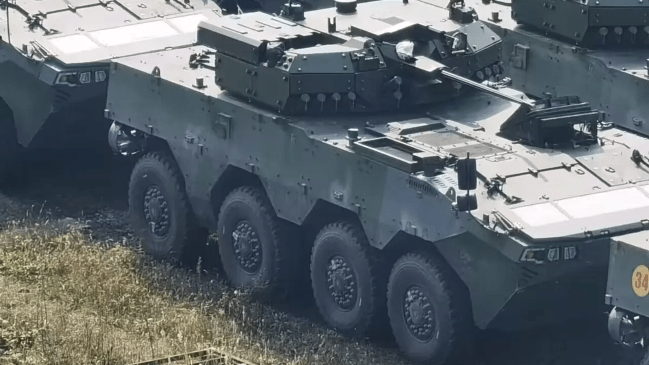
China Develops Type 19 Vehicle as Mobile Laser Defense Against Drone Threats
China is reportedly developing a new variant of its Type 19 amphibious 8×8 combat vehicle, equipped with a turret-mounted laser weapon and additional sensors. This modification aims to enhance protection for frontline troops against the increasing use of drones, particularly in potential conflicts involving Taiwan. The significance of this development lies in its potential application during military operations, especially as Taiwan expands its drone capabilities. The modified Type 19 could provide crucial counter-drone protection for PLA forces during amphibious landings, although the impact of the new equipment on the vehicle's performance remains uncertain. Looking ahead, the effectiveness of the Type 19 variant will depend on overcoming engineering challenges related to weight and operational capabilities. As Taiwan enhances its drone warfare strategies, the need for effective counter-drone systems becomes increasingly critical for the PLA, particularly in scenarios involving drone swarms targeting their forces.
Military
WB Electronics SA Anticipates Revenue Growth Ahead of Possible Warsaw IPO
WB Electronics SA, Poland's largest drone manufacturer, is forecasting significant revenue growth in the upcoming years as it prepares for a potential initial public offering (IPO) in Warsaw. This anticipated surge in revenue is crucial for WB Electronics SA as it positions itself strategically in the competitive drone market. The company's efforts to go public could provide the necessary capital to expand its operations and enhance its product offerings. Investors and industry watchers should keep an eye on WB Electronics SA's developments regarding the IPO, as it may influence the drone manufacturing landscape in Poland. No further timeline was disclosed at the time of publication.

Chinese Military Scientists Support Trump's Battleship Plan with Large-Caliber Gun Defense Against Drones
Chinese military scientists have endorsed a segment of Donald Trump’s proposed battleship fleet, suggesting that large-caliber naval guns could effectively counter drone swarms. Their research indicates that explosive shells could scatter fragments over a wide area, potentially damaging multiple drones in a single shot. This approach aligns with ongoing discussions within the US Navy regarding the need to adapt naval defense strategies in response to the increasing threat posed by inexpensive drones. The significance of this research lies in its implications for naval warfare, particularly as modern warships typically rely on advanced missile systems and lasers. The study highlights the potential for large-caliber guns to serve as area weapons, offering a cost-effective solution to engage swarms of drones without the need for direct hits. The findings suggest that a single shell could damage approximately 1.19 drones in a swarm of 30, emphasizing the need for a reevaluation of ammunition expenditure in the face of mass drone attacks. Looking ahead, the researchers advocate for a comprehensive defense strategy that integrates large-caliber guns with electronic warfare and laser systems. This multi-layered approach could enhance the defensive capabilities of warships, addressing the challenge posed by the cost disparity between inexpensive drones and costly interceptors. No further timeline was disclosed at the time of publication.
Military
Countering Evolving Drone Threats with Layered Tactical Radar Systems
The threat posed by Shahed-136 one-way attack drones highlights the urgent need for advanced counter-drone strategies. As the unmanned aircraft system (UAS) environment evolves, operational users are adapting to new challenges by employing scalable, layered sensing teams capable of detecting and tracking small, fast, and swarming aerial threats. This approach is crucial for effective air defense in complex scenarios, whether on land or at sea. Ray Bischoff, senior director of business development at Leonardo DRS, emphasizes the importance of integrating various sensor systems, particularly tactical radars, into a networked architecture. This layered defense strategy allows for enhanced coverage and response times, which are critical in high-stakes situations like those in the Strait of Hormuz. By utilizing a combination of technologies, including electro-optic and infrared sensors, the defense systems can maintain functionality even if some sensors are compromised. Looking ahead, the focus will remain on refining these layered systems to address emerging drone threats. The integration of diverse sensor technologies will be key to improving decision-making and operational effectiveness. No further timeline was disclosed at the time of publication.
Sponsored Content Counter-Unmanned Aerial Vehicles (C-UAS) Land
DCMA's US-X Commander Warns Against Cost-Driven Drone Purchases
The commander of the DCMA’s Unmanned Systems – Experimental Command (US-X) cautions against prioritizing unit cost in the acquisition of small drones. He emphasizes that focusing solely on price can lead to stockpiling obsolete technology, which may hinder operational effectiveness. This warning is significant as the demand for drones continues to rise, driven by advancements in unmanned systems. The commander’s insights highlight the importance of evaluating the long-term value and capabilities of drone technology rather than just the initial purchase cost. Looking ahead, stakeholders in the drone market should consider the implications of their purchasing decisions on future operational capabilities. No further timeline was disclosed at the time of publication.
Air Warfare Opinion Pentagon Air Force blue list Defense Contract Management Agency DCMA
Dronetag Integrates Remote ID Data into Airwise Nexus for Enhanced Airspace Awareness
Dronetag and Airwise Solutions have announced a new integration that incorporates Remote ID data into the Airwise Nexus common operating picture. This partnership aims to provide operators with a comprehensive view of low-altitude airspace activity, enhancing the management of complex drone missions, including beyond visual line of sight (BVLOS) operations. The integration is significant as it combines Dronetag's Remote ID transmitters and receivers with Airwise's drone operations management platform, airwiseOS. This collaboration allows users to access a unified interface that displays Remote ID detections alongside telemetry, radar information, and other sensor data, improving situational awareness and coordination for public safety and critical infrastructure teams. Looking ahead, the integration is available to Airwise customers utilizing Dronetag receivers or transmitters, allowing them to enable the connection through their app account settings. No further timeline was disclosed at the time of publication.
Drone News Drone News Feeds News Remote ID airspace awareness Airwise Solutions
Avidrone Aerospace Achieves Significant Milestone in Heavy-Lift Drone Performance
Avidrone Aerospace, a Canadian drone manufacturer, recently won a contest organized by a U.S. Department of Defense agency, achieving a remarkable payload-to-weight ratio of 3.84:1 at the DARPA Lift Challenge in Dayton, Ohio. This competition required drones to weigh 55 pounds or less while lifting four times their weight over a five-mile course. The achievement is significant as it approaches a benchmark previously deemed nearly impossible, akin to breaking the four-minute mile in running. Avidrone's CEO, Scott Gray, emphasized the challenge of redesigning their drone to meet these stringent requirements, ultimately creating a 29-pound aircraft capable of lifting up to 115 pounds. Looking ahead, Avidrone plans to refine this prototype further, with potential commercialization of the drone anticipated as early as next year. This development highlights the advancements in drone technology and the increasing capabilities of heavy-lift drones in various applications.
Applications defense Delivery Drone News Drone News Feeds Heavy Lift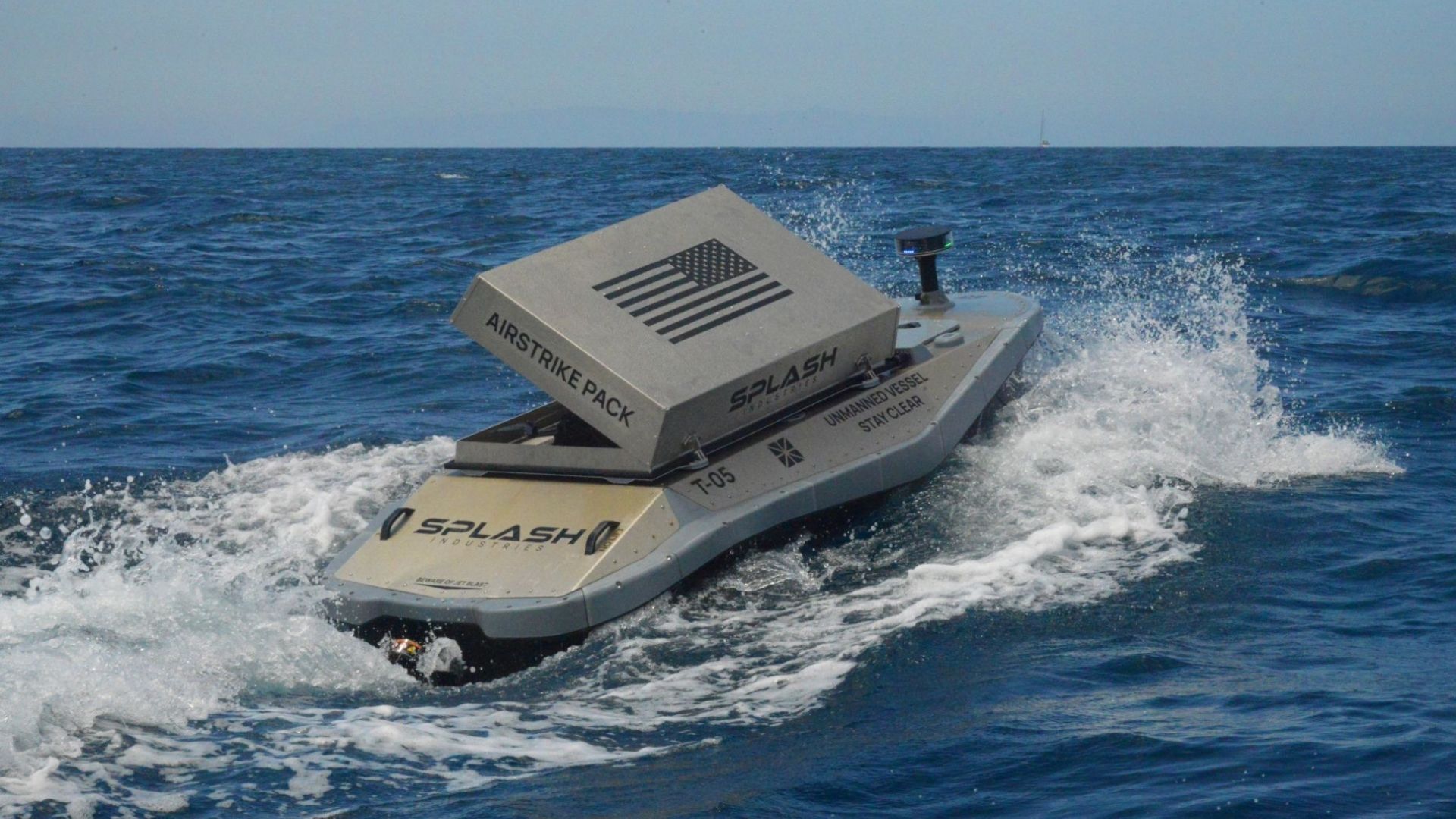
Splash Industries Enhances Typhoon USV with Airstrike Pack for Drone Launching
Splash Industries has introduced the Airstrike Pack, a modular payload for its Typhoon uncrewed surface vessel (USV), enabling the launch of one-way aerial drones from the sea. This innovation enhances the vessel's capabilities for missions such as maritime surveillance and cargo delivery, allowing drones to be deployed closer to operational areas. The significance of this development lies in its potential to streamline drone operations, as the Typhoon USV can carry aerial drones and launch them at the press of a button using Splash's proprietary Splash C2 command-and-control software. The Airstrike Pack exemplifies the trend of integrating autonomous systems across different domains, providing a cost-effective UAV deployment solution. Looking ahead, the Typhoon's operational range exceeds 600 nautical miles, and its speed capabilities make it suitable for various missions. The recent demonstration of the Typhoon's autonomous resupply of a US Navy warship further showcases its versatility. No further timeline was disclosed at the time of publication.
Military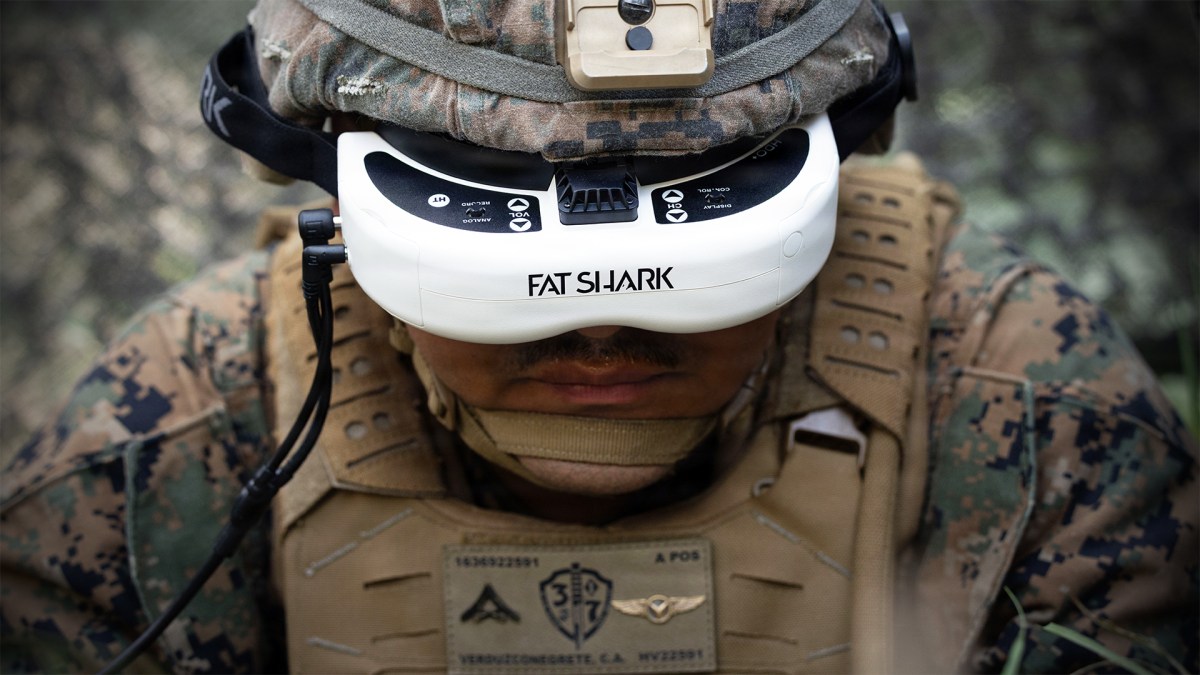
U.S. Marine Corps Reveals Ground Combat Element 2040 Strategy for Future Warfare
The U.S. Marine Corps has introduced its Ground Combat Element (GCE) 2040 strategy, outlining future ground combat operations. This plan emphasizes the need for enhanced training and equipment to address the challenges posed by advanced technologies, particularly drones, in potential Pacific conflicts. The GCE 2040 strategy is crucial as it prepares Marines for a rapidly evolving battlefield characterized by peer-level adversaries like China and Russia. Lt. Gen. Jay M. Bargeron highlighted the importance of adapting to technological advancements, including artificial intelligence and drone warfare, to ensure the effectiveness of smaller Marine units in combat. Looking ahead, the Marine Corps aims to implement layered defenses against drone threats, which pose significant risks to ground maneuverability. The introduction of systems such as the Marine Air Defense Integrated System (MADIS) and the classified “Home Alone” counter-drone solution will be vital in protecting Marine squads. No further timeline was disclosed at the time of publication.
Sea Air Counter-Unmanned Aerial Vehicles (C-UAS) Drones Land News & Features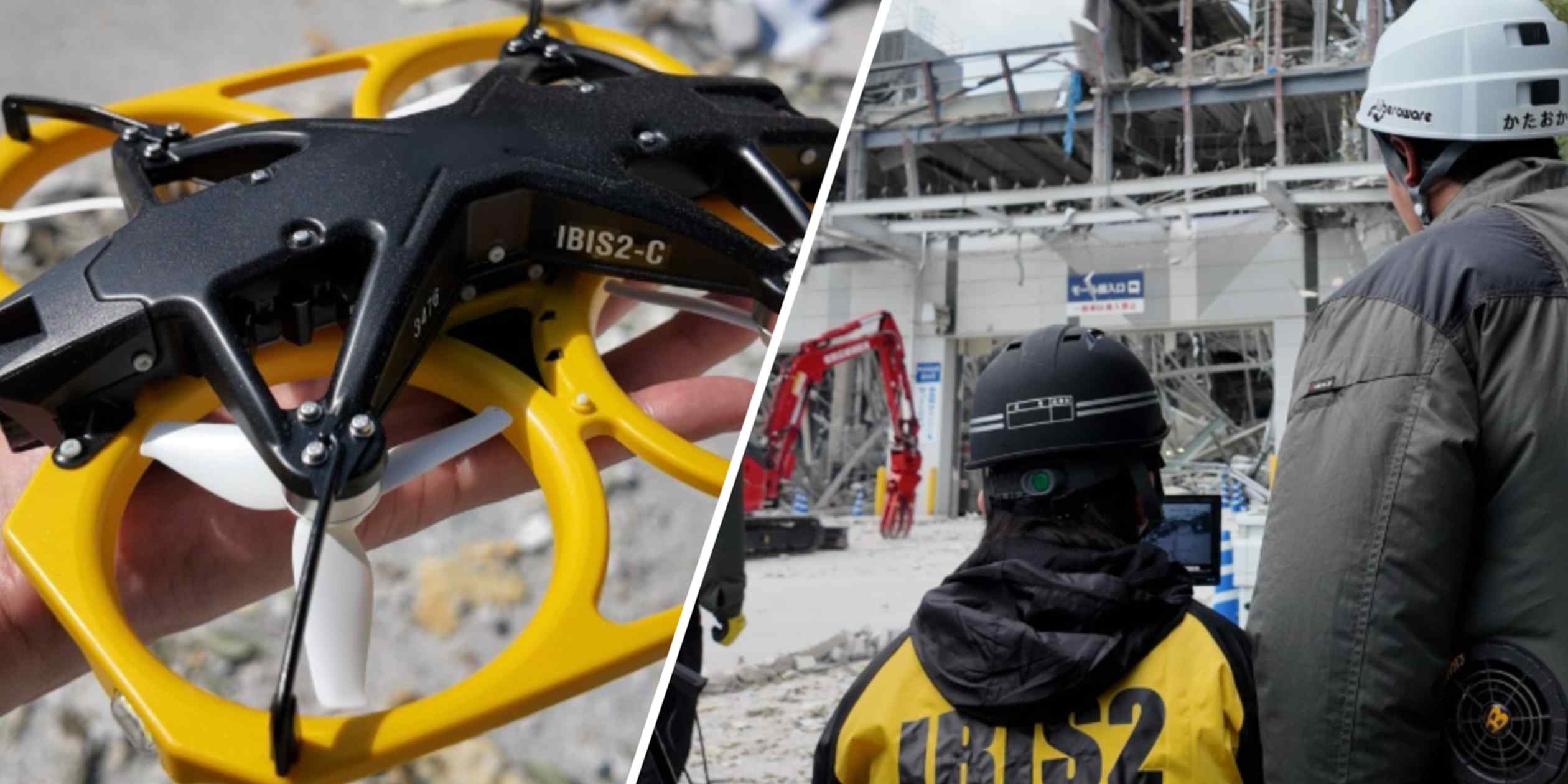
Kumamoto Earthquake Highlights Role of Japanese Drone Maker Liberaware in Rescue Efforts
The Kumamoto earthquake in late July 2026 showcased the capabilities of Japanese drones, particularly the lightweight IBIS2 from Liberaware, which supported rescue and recovery operations. This event not only raised the profile of Liberaware but also underscored the ongoing challenges faced by the Japanese drone industry, which is largely overshadowed by Chinese manufacturers. The involvement of drones in disaster response efforts is significant as it illustrates advancements in technology and the potential for improved outcomes in emergency situations. Liberaware's experience during the Kumamoto earthquake reflects the lessons learned from previous disasters, emphasizing the importance of preparedness and innovation in the drone sector. Looking ahead, the Japanese drone industry must navigate various hurdles to scale production and compete effectively on a global stage. No further timeline was disclosed at the time of publication.
Study Reveals China Can Only Meet 60% of Military Drone Demand in Conflict
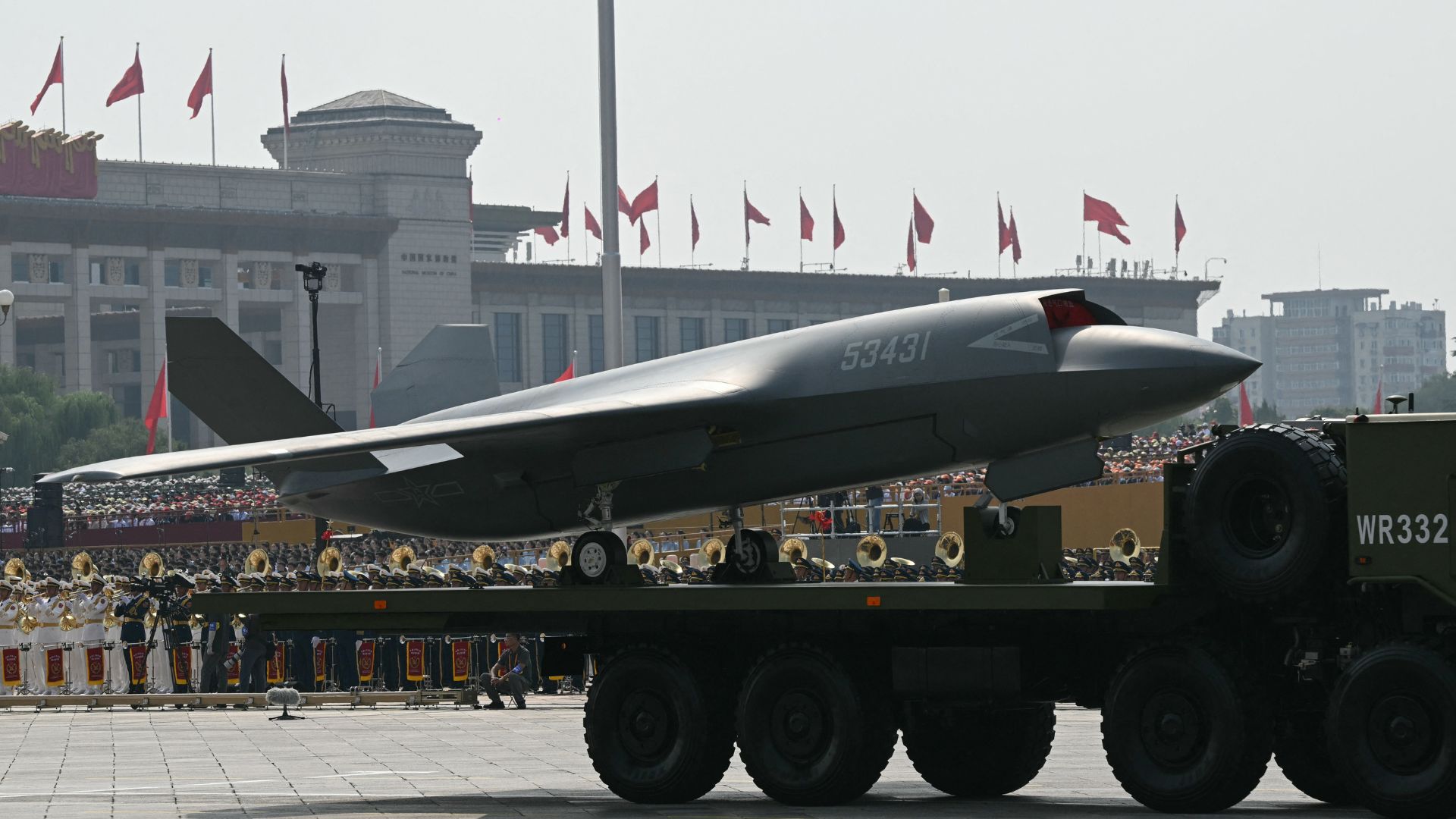
A recent study from the Beijing Institute of Technology indicates that China's drone industry may only fulfill about 60% of military drone orders during a high-intensity conflict. This estimate was derived from an AI model simulating a threefold increase in wartime demand, taking into account factors such as inventories and supplier capabilities. The significance of this finding lies in the understanding that modern warfare is increasingly reliant on industrial capacity and production mobilization for military equipment. The research led by Professor Zhang Jihai highlighted that even with measures like overtime and converting civilian factories, the supply chain struggles to meet demand, achieving only 63.4% order fulfillment under simulated high-intensity conditions. Looking ahead, the study compared various mobilization strategies, revealing that an AI-led approach outperformed traditional methods, achieving a fulfillment rate of approximately 58%. As military demand continues to evolve, the ability to adapt supply chains and increase funding will be crucial for meeting future military needs. No further timeline was disclosed at the time of publication.
Military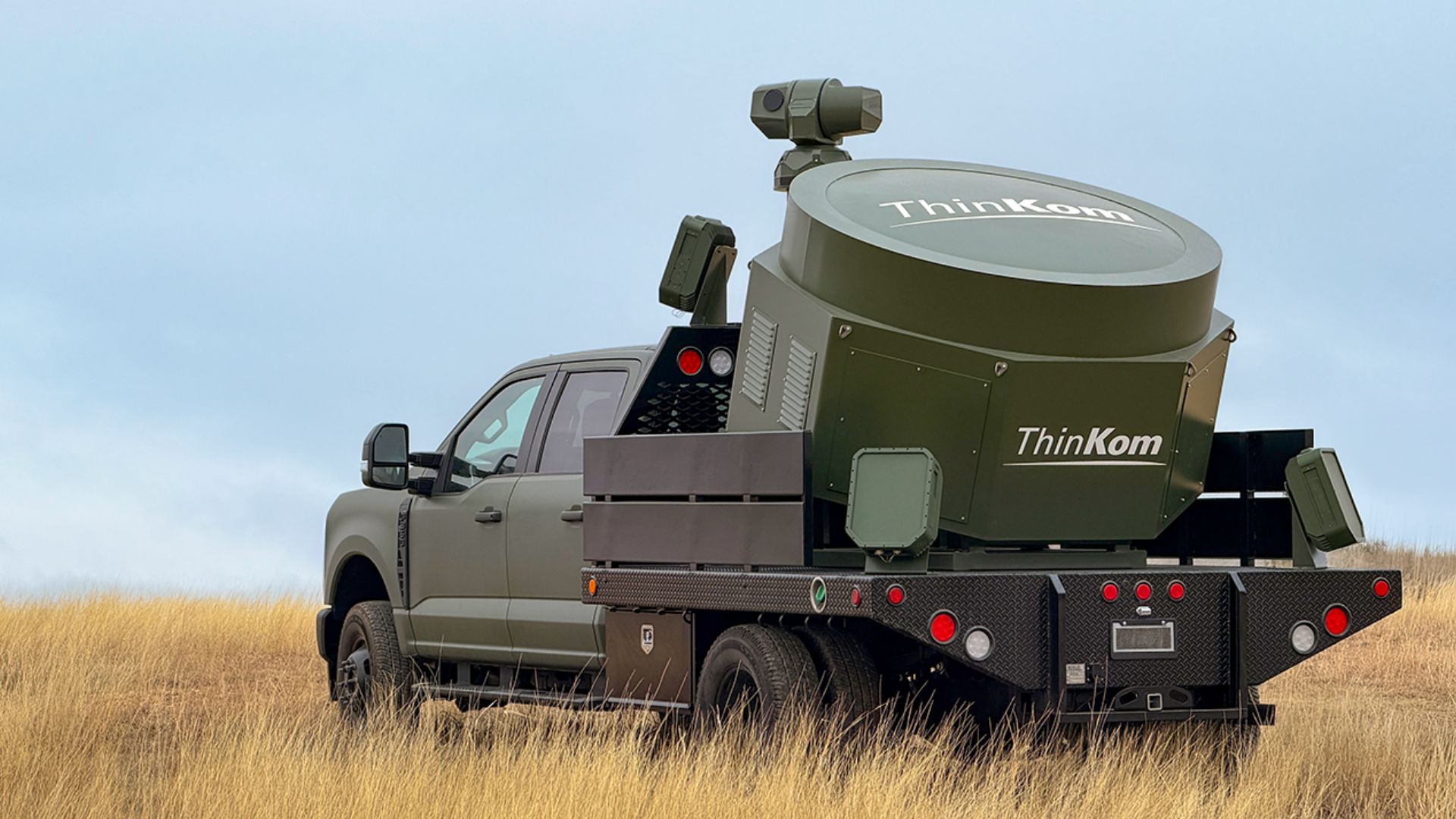
U.S. Army Awards ThinKom $49 Million for Mobile High-Power Microwave Drone Defense System
The U.S. Army has awarded ThinKom Solutions a prototype contract valued at up to $49 million to develop a mobile high-power microwave system aimed at countering drones. Announced on August 19, 2026, this contract will fund the testing of ThinKom’s Alecto system, which is designed to target unmanned aircraft from a moving vehicle. This initiative is significant as it addresses the increasing demand for mobile counter-unmanned aircraft systems (C-UAS) due to the rapid proliferation of drones. The Alecto system utilizes ThinKom’s patented VICTS antenna technology to deliver high-power electromagnetic energy to neutralize Group 1 and Group 2 unmanned aircraft, enabling Army units to respond to threats without halting their operations. Field testing of the Alecto system is scheduled for 2027, allowing the Army to evaluate its performance against emerging drone threats. The results will inform future requirements and potential production decisions, although the current agreement does not guarantee procurement of additional systems beyond the prototype phase.
Military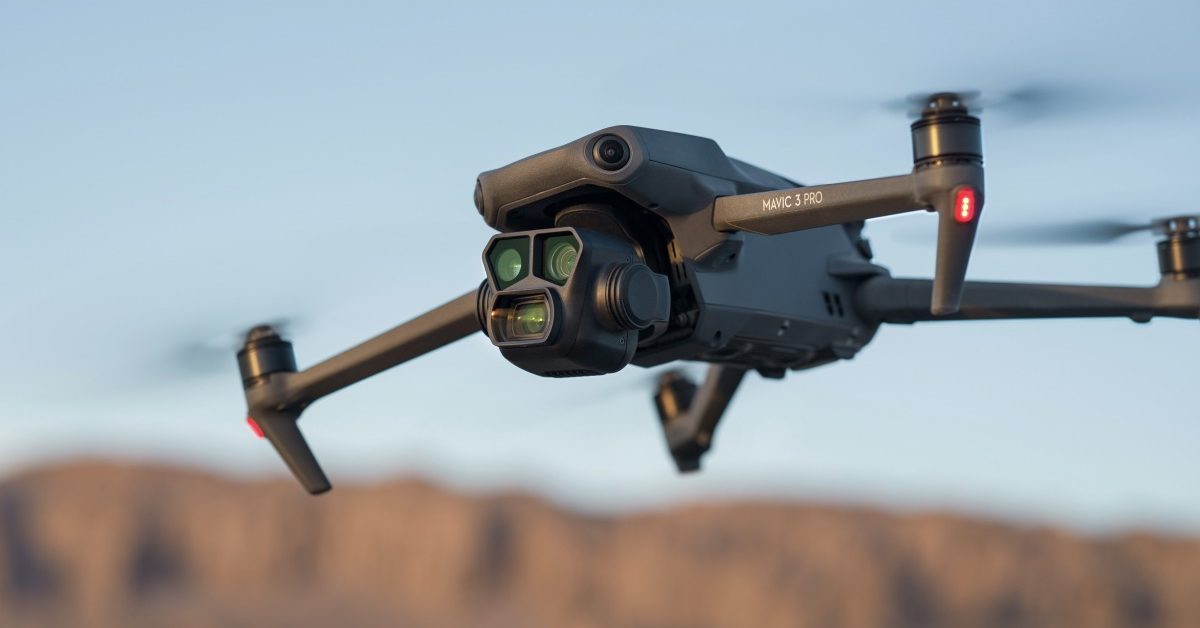
US Air Force to Acquire DJI Drones for Counter-Drone Training at F.E. Warren Base
The US Air Force is set to purchase refurbished DJI drones for counter-drone training at F.E. Warren Air Force Base in Wyoming. This initiative aims to enhance the preparedness of security personnel against potential drone threats, particularly as DJI dominates the global drone market with an estimated 80% to 85% share. The decision to utilize DJI drones, rather than American-made alternatives, stems from the unique capabilities and characteristics of DJI aircraft that cannot be replicated by US manufacturers. The Air Force's procurement documents highlight the operational necessity of training with the technology most likely to be encountered in real-world scenarios, as evidenced by a significant rise in drone incursions at military installations. Looking ahead, the Air Force's acquisition of these drones is part of a broader strategy to address the evolving landscape of drone threats. The training will incorporate US-made RIZER software to ensure cybersecurity, aligning with Defense Secretary Pete Hegseth’s memorandum that permits limited foreign drone purchases for military training and electronic warfare testing. No further timeline was disclosed at the time of publication.
News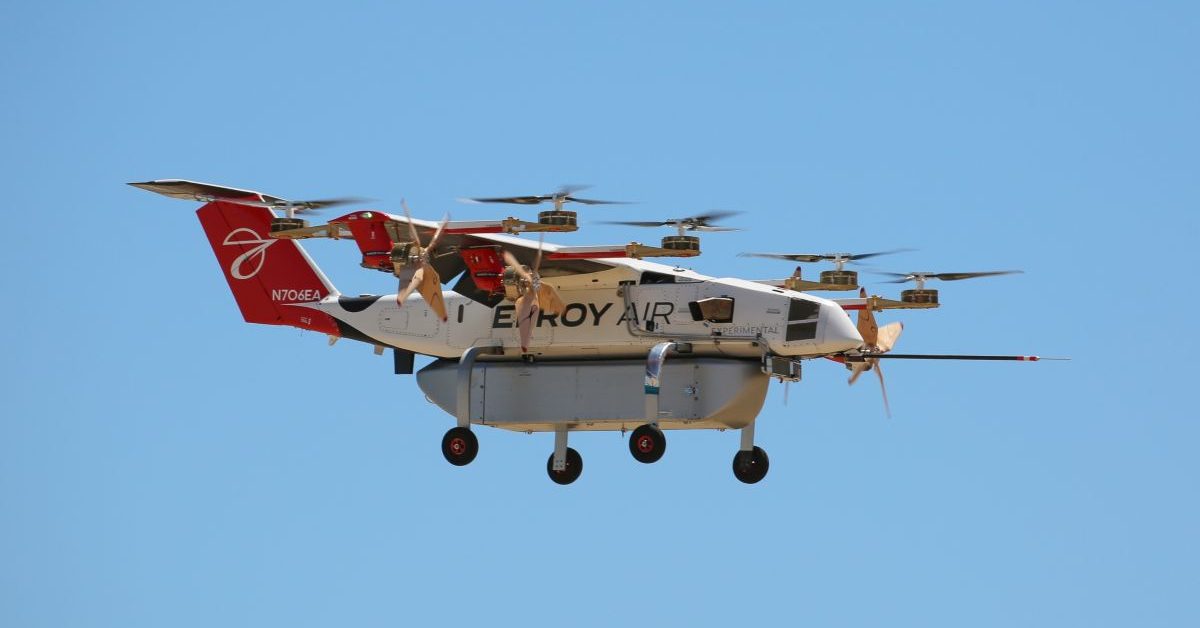
Elroy Air Receives $46 Million from US Army for Advanced Heavy-Lift Drone Development
Elroy Air has secured a $46 million multi-year contract from the US Army to enhance its autonomous hybrid-electric VTOL cargo drone, the Chaparral. This contract aims to improve the drone's capabilities in challenging military environments, focusing on modular cargo delivery and operational efficiency alongside troops. The significance of this contract lies in its alignment with the Army's emphasis on 'contested logistics,' ensuring supply continuity amid disruptions. Elroy Air's Chaparral drone, capable of carrying over 500 pounds, is designed for operations without fixed infrastructure, making it ideal for remote or damaged locations. Looking ahead, Elroy Air plans to start manufacturing the Chaparral in the US later this year, partnering with Kratos Defense & Security Solutions. While the current focus is military, the company also aims to expand the drone's applications in commercial logistics and disaster response, indicating a broader market potential for autonomous cargo delivery.
News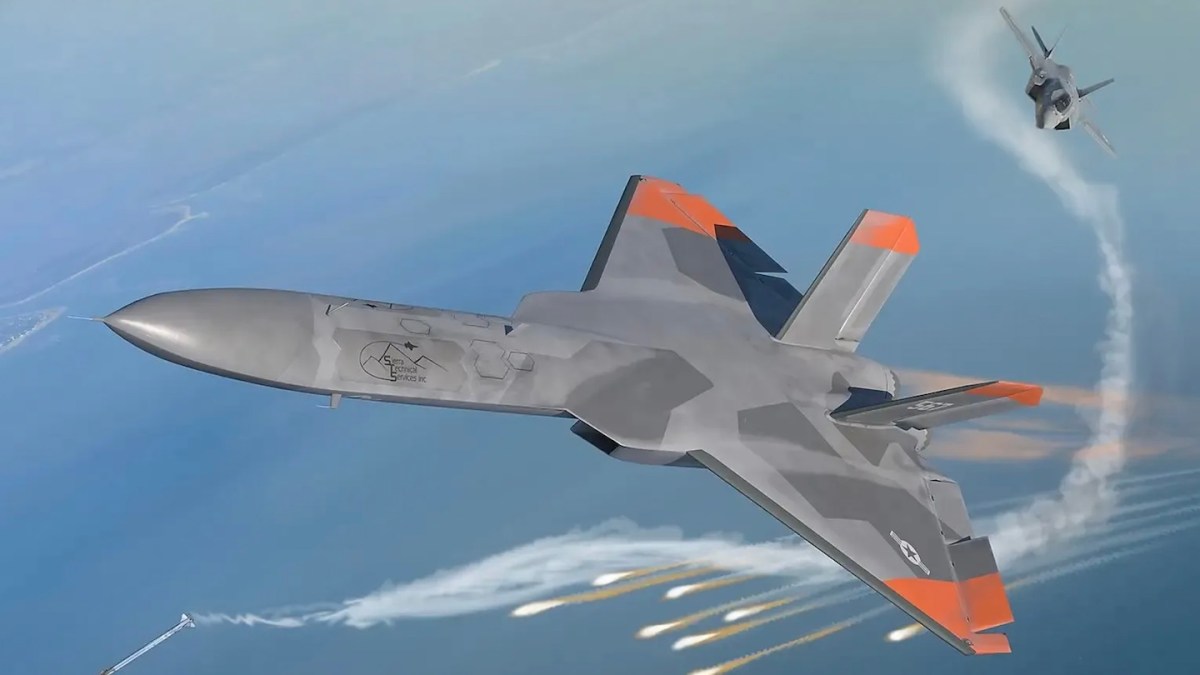
U.S. Air Force Seeks New Family of Expendable Target Drones for Diverse Threat Simulation
The U.S. Air Force is pursuing a new family of aerial targets designed to replicate a wide range of airborne threats, including stealth fighters and UAV swarms. This initiative aims to create realistic yet cost-effective targets that can be routinely used and destroyed during testing, as outlined in a recent Request for Information (RFI). The Air Force's requirements emphasize the need for these targets to be inexpensive and simple to manufacture, allowing them to be treated as expendable. This marks a shift from existing aerial targets like the QF-16, which is based on a converted fighter aircraft. The new targets are expected to leverage commercial technologies and manufacturing methods to enhance scalability and reduce costs. The proposed systems will cater to various threat categories, with specific requirements for advanced fighter aircraft, including supersonic capabilities and advanced radar cross-section profiles. Responses to the RFI are due by September 28, and the Air Force is particularly interested in non-traditional solutions that can offer advantages over legacy systems.
Air Air Forces Drones News & Features U.S. Air Force
U.S. Military Unprepared for Domestic Drone Swarm Attacks, Says NORAD Deputy Commander
The Deputy Commander of United States Northern Command (NORTHCOM) and North American Aerospace Defense Command (NORAD), Army Lt. Gen. Joseph Jarrard, stated that the U.S. is currently unprepared to defend against drone swarm attacks within its homeland. During the Space and Missile Defense Symposium in Huntsville, Alabama, he emphasized the lack of necessary sensors and effectors to address such threats. Jarrard's remarks highlight significant gaps in U.S. military capabilities, particularly in domain awareness and response systems for drone threats. He pointed out that while drone attacks are increasingly common globally, the U.S. has yet to develop effective mitigation strategies. This admission follows previous concerns raised about the military's readiness, especially after incidents like the Chinese spy balloon event in 2023. Looking ahead, the military must prioritize enhancing its drone defense systems to counter threats similar to Ukraine's Operation Spiderweb, which successfully targeted Russian air bases. The evolving drone technology landscape necessitates urgent action to safeguard critical infrastructure and personnel from potential domestic drone attacks.
Air Americas Around The Globe Counter-Unmanned Aerial Vehicles (C-UAS) Drones Land
NORTHCOM Deputy Commander Admits U.S. Unprepared for Domestic Drone Swarm Attacks
The deputy commander of United States Northern Command (NORTHCOM), Army Lt. Gen. Joseph Jarrard, stated that the U.S. is currently unprepared to defend against potential drone swarm attacks within its borders. Speaking at the Space and Missile Defense Symposium in Huntsville, Alabama, he highlighted significant gaps in sensor capabilities and response systems necessary to mitigate such threats. Jarrard's remarks underscore a critical vulnerability in U.S. homeland defense, particularly in light of recent global drone usage, including Ukraine's Operation Spiderweb, which effectively targeted Russian air bases. The general emphasized the need for improved domain awareness and the right systems to neutralize drone threats, which have become increasingly sophisticated and accessible. As drone technology continues to advance, the potential for domestic attacks using longer-range drones poses additional challenges for U.S. defenses. No further timeline was disclosed at the time of publication regarding improvements to address these vulnerabilities.
Air Americas Around The Globe Counter-Unmanned Aerial Vehicles (C-UAS) Drones Land
US Marine Corps Awards $11 Million Contract for Epirus' HAVOC Microwave Weapon System
The US Marine Corps has awarded Epirus an $11 million contract for the HAVOC system, a vehicle-mounted high-power microwave weapon designed to disable drone swarms. This system is derived from Epirus' Leonidas weapon and will be integrated into both manned and unmanned Marine Corps vehicles, enhancing their counter-drone capabilities. The HAVOC system represents a significant advancement in the Marine Corps' efforts to combat drone threats, providing three times the power and improved range compared to its predecessor, the Expeditionary Directed Energy Counter-Swarm system (ExDECS). This capability allows for simultaneous electronic effects against multiple drones, ensuring effective protection for high-value assets and personnel. Looking ahead, the HAVOC system's software-driven architecture will enable continuous updates to counter evolving drone technologies. The universal sled mount design will facilitate its deployment across various Marine Corps vehicles, enhancing operational flexibility. No further timeline was disclosed at the time of publication.
Military
U.S. Army Intercepts Over 1,400 Iranian Missiles and Drones During Recent Conflicts
The U.S. Army successfully intercepted more than 1,400 Iranian missiles and drones during two recent Middle East conflicts, as reported by Lt. Gen. John Rafferty, commander of the U.S. Army Space and Missile Defense Command. This significant achievement highlights the Army's role in air and missile defense, particularly during the 12-day war between Iran and Israel, where 125 ballistic missiles were engaged. This operation underscores the importance of U.S. military capabilities in the region, especially as concerns grow over the depletion of interceptor stocks. The Army's 32nd Air and Missile Defense Command adapted to counter advanced threats, utilizing systems like THAAD and Patriot, which are regarded as leading technologies globally. The collaborative defense efforts with partner nations further emphasize the strategic significance of integrated air defense systems. Looking ahead, the U.S. military's ongoing challenges with interceptor inventory and the need for replenishment will be critical to monitor. As the region continues to face missile threats, the effectiveness of the U.S. and allied air defense systems will be pivotal in maintaining security and operational readiness. No further timeline was disclosed at the time of publication.
Land Armies Around The Globe Iran Israel Land-Based Ballistic Missile Defense
DJI Raises Concerns Over FCC Proposal Impacting Commercial Drone Operations
DJI has issued a warning to U.S. drone operators regarding a Federal Communications Commission (FCC) proposal that could have far-reaching implications for commercial drones. The proposal, which targets certain foreign-made 'military-grade' drones, may inadvertently encompass a range of commercial products, including those with thermal imaging and LiDAR capabilities, agricultural spraying drones, and docking stations. This situation is significant as it highlights the potential for regulatory definitions to impact widely used technologies in various sectors, including agriculture, public safety, and small business operations. DJI emphasizes that many of the technologies under scrutiny are not inherently military and are essential for civilian applications, thus raising concerns about the classification of drones based on their capabilities rather than their intended use. Looking ahead, the ongoing discussion around the FCC's proposal will be crucial for the future of drone regulations in the U.S. No further timeline was disclosed at the time of publication, but DJI's response underscores the importance of distinguishing between military and civilian applications in regulatory frameworks, which could shape the landscape for drone operators and manufacturers alike.
Agriculture Applications Delivery DJI Drone News Drone News Feeds
Firestorm Labs 3D-prints Over 1,000 Parts and Assembles 12 Drones on USS Essex
Firestorm Labs successfully manufactured over 1,000 components and assembled 12 Squall drones aboard the USS Essex during a two-week trial. This operation took place while the US Navy warship was en route from San Diego to Hawaii for RIMPAC 2026, showcasing the potential for on-site production of military hardware during maritime missions. The significance of this trial lies in its demonstration of the xCell manufacturing platform's capabilities, which allowed for the production of drone components and repair parts despite challenging sea conditions. By reducing reliance on shore-based resupply, the operation enhances combat readiness and supports repairs directly at sea, marking a pivotal shift in military logistics. Looking ahead, the successful deployment of the xCell platform under operational conditions opens avenues for future maritime manufacturing initiatives. Firestorm Labs' ability to produce critical components on demand could revolutionize military operations, particularly in remote or hostile environments. No further timeline was disclosed at the time of publication.
Innovation Military
The Importance of Adaptation Over Drones in Ukraine's Conflict
The ongoing conflict in Ukraine has drawn significant attention to the use of drones in warfare. However, the real lesson lies in Ukraine's remarkable ability to adapt its strategies and tactics in response to evolving battlefield conditions. This adaptability has proven crucial in countering various challenges faced during the conflict. Understanding Ukraine's adaptive strategies is vital for military analysts and defense planners worldwide. While drones play a role in modern warfare, it is the capacity to innovate and adjust tactics that can determine the outcome of conflicts. This insight emphasizes the need for military forces to prioritize flexibility and responsiveness over reliance on specific technologies. Looking ahead, observers should monitor how Ukraine continues to evolve its military strategies in the face of ongoing challenges. The focus should remain on the broader implications of adaptability in warfare, rather than solely on the technological aspects. No further timeline was disclosed at the time of publication.
Air Warfare Opinion acquisition Air Force autonomy Drones
Lantronix and Swarmer Develop New Edge-Computing Platform for Military Drones
U.S. defense technology firms Lantronix and Swarmer are collaborating to create a compact computing platform that enhances small military drones' onboard processing power by four times. This new system integrates Lantronix’s Open-Q 6490CS System-on-Module with Swarmer’s autonomy software, aiming to improve autonomous operations for Group 1 unmanned aircraft systems. The significance of this development lies in its potential to enable small, cost-effective drones to perform complex tasks such as visual navigation, automated target recognition, and object tracking without relying on cloud computing. This capability is particularly crucial for military operations in environments with disrupted GPS signals and electronic warfare, as highlighted by the ongoing needs of Ukraine and allied forces. Looking ahead, the collaboration aims for a production commitment exceeding 10 years, ensuring the platform's adaptability for future defense programs. No further timeline was disclosed at the time of publication.
Military
DJI Releases Firmware Update for Mini 5 Pro with Key Improvements
DJI has announced a new firmware update for the Mini 5 Pro, upgrading the aircraft to firmware v01.00.0700. While the update is not feature-rich, it addresses known issues and is essential for optimal performance. Users are encouraged to install it before their next flight, especially since all Mini 5 Pro bundles are currently offered at a 10% discount. This update reflects DJI's commitment to refining the Mini 5 Pro, which boasts impressive specifications, including a 50MP 1-inch CMOS sensor and the ability to record 4K/120fps video. The drone's advanced features, such as Nightscape omnidirectional obstacle sensing and an upgraded ActiveTrack 360° system, enhance safety and usability, making it suitable for both novice and experienced pilots. Looking ahead, users should be aware that camera settings will reset post-update, necessitating a review of preferences before flying. No further timeline was disclosed at the time of publication.
NewsRobotics needs a service framework.
RSF defines a common language for robot service capability, lifecycle operations, certification pathways, and service-provider networks.
Join the RobotToday community on LinkedIn
Daily robotics news, in-depth analysis, conference highlights, and discussions with professionals worldwide.