

Industry Briefing
A single destination for timely, editor-curated robotics news from around the world.

The Limitations of Robotics and Automation Without Proper Data Management
Manufacturers are increasingly investing in robotics and automation, yet many fail to address the foundational issue of manual data management. This oversight significantly limits the return on investment (ROI) for new technologies. As automation does not inherently solve workforce challenges, the focus must shift to training and upskilling employees to enhance productivity in the automotive and machine-building sectors. The gap between automation investments and effective data management is critical, as it can stifle the potential benefits of new technologies. Without a robust data foundation, companies may find their automation efforts falling short of expectations, leading to inefficiencies and missed opportunities for growth. This situation highlights the importance of integrating data management strategies alongside automation initiatives. Looking ahead, companies must prioritize the development of comprehensive data management systems to fully leverage their investments in robotics and automation. No further timeline was disclosed at the time of publication, but the ongoing skills gap in the workforce remains a pressing concern for manufacturers aiming to optimize their operations and achieve sustainable growth.

Data-Driven Quality Control Enhances Manufacturing by Preventing Costly Defects
Data-driven quality control is transforming modern manufacturing by identifying variations in processes before defects occur. This proactive approach allows teams to monitor conditions that lead to nonconforming parts, reducing scrap, rework, and delivery pressures while maintaining quality costs. The significance of this method lies in its ability to shift from reactive to proactive quality control. By focusing on process changes rather than merely sorting defective products, manufacturers can prevent issues before they escalate, ultimately protecting production capacity and minimizing hidden costs associated with defects. Looking ahead, the integration of statistical process control (SPC) will be crucial for operators and engineers. By training teams to read control charts and understand process capability, manufacturers can ensure stable processes that meet specifications, thus avoiding the costly errors of mismanaging process variations.
Computing Digital Automation Manufacturing Software continuous improvement data-driven quality control
AI Enhances Software-Driven Automation by Reducing Operational Bottlenecks
Recent insights reveal that industrial automation is evolving beyond traditional definitions, which included PLCs, sensors, and robotics. Today, a significant challenge in manufacturing and engineering is not just physical bottlenecks but also delays caused by inefficient information workflows. Teams often wait for data to be manually rebuilt or reformatted, leading to operational inefficiencies. This shift in focus towards software-driven workflows highlights a critical opportunity for industrial organizations. While investments in physical automation have made machines faster and smarter, the surrounding workflows remain largely manual. The disconnect between various systems—such as engineering platforms and asset-management systems—creates unnecessary delays, as data handoffs often rely on human intervention. Going forward, organizations should prioritize connecting existing systems rather than seeking new software platforms. By addressing these software-driven bottlenecks, companies can unlock significant improvements in operational efficiency and streamline their processes. No further timeline was disclosed at the time of publication.
Factory / Sensors
Data-Driven Review of Hexapod Locomotion on Various Terrains: Modeling and Control Insights
A recent review published in the Journal of Field Robotics examines hexapod locomotion across both structured and unstructured terrains. The study highlights advancements in modeling, control strategies, and validation techniques for hexapod robots, providing a comprehensive overview of current methodologies. This review is significant as it consolidates various approaches to hexapod locomotion, emphasizing the importance of adapting to different terrain types. Understanding these locomotion strategies is crucial for enhancing the performance and versatility of hexapod robots in real-world applications. Looking ahead, researchers and developers in the field should monitor ongoing advancements in hexapod locomotion technologies and their potential applications in diverse environments. No further timeline was disclosed at the time of publication.
SURVEY ARTICLE
Emerson Unveils DeltaV Automation Platform for AI-Scale Data Center Management
Emerson has introduced its DeltaV Automation Platform for Data Centers, which features an automation portfolio tailored for AI-scale data centers. This platform integrates thermal, mechanical, and electrical subsystems within a scalable architecture, enhancing the monitoring and control of data center infrastructure. The significance of this development lies in its ability to reduce engineering efforts, simplify integration, and improve consistency across commissioning, operations, and maintenance. Nathan Pettus, president of Emerson’s process systems and solutions business, emphasized that data center performance is increasingly reliant on the collaboration of critical systems rather than individual components. Looking ahead, the DeltaV Automation Platform aims to provide operators with unified visibility and coordinated control, enabling predictable project commissioning and reliable large-scale operations. Emerson's platform includes the DeltaV distributed control system and DeltaV programmable logic controllers, both of which leverage AI technologies for enhanced integration of optimization models.
Factory / Analytics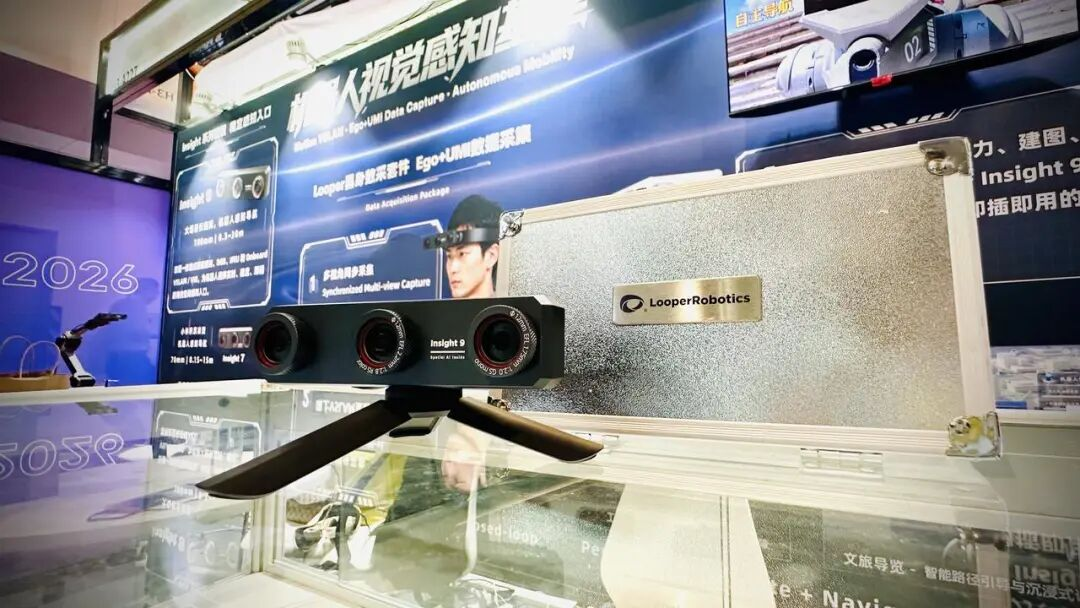
WAIC Highlights Embodied Intelligence with Data-Driven Innovations and New Players
Embodied intelligence emerged as a leading focus at this year's WAIC, attracting significant attention at the Expo Center. Numerous familiar companies showcased their production lines and scenarios, while new entrants like Guanglun Intelligent and Wuwen Zhike displayed data streams and algorithm demonstrations, drawing industry professionals eager to address data challenges. The shift in competition from 'building bodies' to 'establishing foundations' emphasizes the critical role of data in embodied intelligence. However, the industry faces a substantial bottleneck due to a lack of high-quality data. Chen Yilun, founder of Shizhi Hang, highlighted that at least 10 million hours of qualified data is needed for embodied operations, ten times that required for autonomous driving, with only about 500,000 hours available globally by early 2026. Looking ahead, the demand for data is projected to increase dramatically, with companies like Guanglun Intelligent leading the charge. The company, founded in 2023, aims to scale data collection and has already achieved a valuation exceeding 15 billion yuan. As the industry evolves, the need for effective data solutions will continue to create opportunities for innovation and growth.
Data Collection Embodied Intelligence AI Technology Robotics Data Analytics
Doug Pagnutti Discusses Time Series Databases Enhancing Robotics and Automation
In Episode 254 of The Robot Report Podcast, Doug Pagnutti, a developer advocate at Tiger Data, elaborates on the role of time series databases, particularly TimescaleDB, in advancing industrial automation, robotics, and AI applications. He highlights the integration of these databases with various sensors and the management of data at scale, which is crucial for optimizing performance in both cloud and edge environments. This discussion is significant as it addresses the challenges faced by teams in managing time-series data infrastructure for Industrial Internet of Things (IIoT) deployments. Pagnutti's extensive background in oil and gas, manufacturing automation, and industrial software development positions him uniquely to bridge the operational technology and information technology gap, thereby enhancing the efficiency of automation engineers. Looking ahead, the conversation emphasizes the importance of time series databases in maintaining fast queries and performance as data volumes grow. No further timeline was disclosed at the time of publication.
6-Axis Artificial Intelligence Autonomous Mobile Robots (AMRs) Energy / Solar / Renewables News Opinion
Siemens collaborates with Databricks and FFT to enhance production data with AI insights.
Siemens has unveiled a new edge-to-cloud integration in collaboration with Databricks, a leading Data and AI company, and its long-time automation partner, FFT Produktionssysteme. This innovative partnership aims to streamline the connection of production data directly to enterprise AI, eliminating the need for complex IoT middleware. By facilitating this direct integration, Siemens and its partners intend to empower industrial customers to transform their production data into actionable insights, thereby enhancing the scalability of industrial AI solutions on a global scale. This initiative underscores the growing importance of data-driven decision-making in the manufacturing sector, enabling companies to leverage advanced analytics for improved operational efficiency and competitiveness.
Artificial Intelligence Automation Industry News artificial intelligence cloud computing
Humanoid Robots Enhance Mobility with AI-Driven Sprinting and Spin Kicks
Recent advancements in humanoid robots have led to the development of systems capable of sprinting and executing spin kicks, utilizing AI trained on human motion data. This progress signifies a leap in the capabilities of humanoid robots, which have traditionally been limited in their movement repertoire. The ability of humanoid robots to perform complex movements like sprinting and spin kicks is crucial for their potential application in assisting humans with manual tasks across various environments. Enhanced mobility could enable these robots to engage more effectively in real-world scenarios, thereby increasing their utility and acceptance in society. Looking ahead, the focus will likely be on further refining the movement capabilities of humanoid robots and exploring their practical applications in industries such as healthcare, logistics, and personal assistance. No further timeline was disclosed at the time of publication.
Robotics
Fanuc and Google Collaborate on AI-Driven Welding Robots for Enhanced Automation
Japanese industrial automation firm Fanuc has partnered with Google to create an AI-automated welding system. This innovative solution utilizes robots equipped with artificial intelligence that can interpret blueprints directly, thus removing the need for manual programming. Deliveries of this advanced system are expected to commence in December 2026. This collaboration is significant as it represents a leap forward in automation technology, potentially streamlining manufacturing processes and improving efficiency in welding tasks. By enabling robots to read blueprints autonomously, Fanuc and Google aim to reduce labor costs and enhance productivity in industrial settings, which is crucial for maintaining competitiveness in the global market. Looking ahead, industry stakeholders should monitor the rollout of this AI-driven welding system, particularly its impact on manufacturing workflows and labor dynamics. The anticipated deliveries in December will be a key milestone, and the performance of these robots in real-world applications will be critical to assessing their effectiveness and adoption in various sectors.

Real-Time Data Emerges as Essential Layer in Warehouse Automation
Recent insights from Oana Jinga, Co-Founder & Chief Commercial & Product Officer at Dexory, highlight the critical role of real-time data in warehouse automation. Despite advancements in technology, many warehouses still operate on outdated information, leading to inefficiencies in decision-making and operations. The next significant improvement in warehouse performance will stem from integrating accurate, continuously updated operational intelligence rather than merely increasing automation. The reliance on outdated data creates a disconnect between what warehouse systems perceive and the actual conditions on the floor. This gap can hinder the effectiveness of automated systems, which depend on accurate inputs to optimize operations. By enhancing data visibility, warehouse teams can make informed decisions, respond swiftly to changes, and better utilize resources, ultimately improving overall productivity. As supply chains face increasing pressures and fluctuating demands, the future of warehouse operations will hinge on the integration of automation with real-time data intelligence. This approach will enable warehouses to proactively address challenges, ensuring that decisions are based on the most accurate understanding of current conditions, thus enhancing operational resilience.
AI AMR and AGV Computing and Scanners IT in Logistics Magazine Features WMS & SCM Software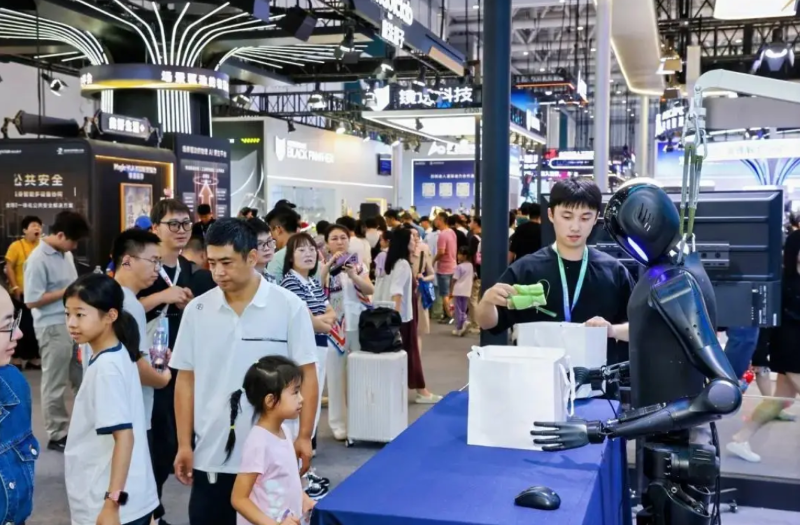
2026 WRC Highlights Robotics Industry's Shift Towards Data-Driven Intelligence
The 2026 World Robot Conference (WRC) opened in Beijing on August 19, showcasing over 2,000 exhibits from more than 300 companies, including 150 new products. Notable demonstrations included TianGong Omni's pole walking and Yaskawa's cable assembly robots. However, the event highlighted a critical shortage of high-quality training data for robots, with only 22 types of embodiments and over one million real trajectories available publicly. The significance of this shortage lies in the growing demand for robots to prove their capabilities through real-world experience rather than mere demonstrations. The conference emphasized the importance of data-driven embodied intelligence, marking 2026 as a pivotal year for this sector. Companies are increasingly focusing on gathering extensive human behavior data, with Lightwheel Intelligent and JD.com leading efforts to collect millions of hours of data to enhance robotic training. Looking ahead, the robotics industry is witnessing a shift towards creating a robust data ecosystem to support robotic learning. The emergence of companies like Mifeng Technology, which showcased its MEgo Gripper and MEgo View, reflects a trend towards data collection without traditional robotic embodiments. No further timeline was disclosed at the time of publication.
Robotics Data-Driven Intelligence AI Training Industrial Automation
Blum-Novotest to Showcase Innovative Measuring Technology for Automation at IMTS 2026
Blum-Novotest, a prominent supplier of advanced measuring and testing technology, will present key innovations at IMTS 2026 in Chicago, IL. The company aims to demonstrate how its products can enhance automation in machining processes, contributing to the concept of lights-out manufacturing. The significance of Blum-Novotest's participation lies in its commitment to advancing automation in the manufacturing sector. By showcasing its innovative solutions, the company emphasizes the importance of precision and efficiency in machining, which are critical for achieving fully automated production environments. As IMTS 2026 approaches, industry professionals should watch for Blum-Novotest's product demonstrations and insights into how their technology can facilitate seamless automation. No further timeline was disclosed at the time of publication.
Walden Robotics Launches AI-Driven Factory Robots for Real-World Automation
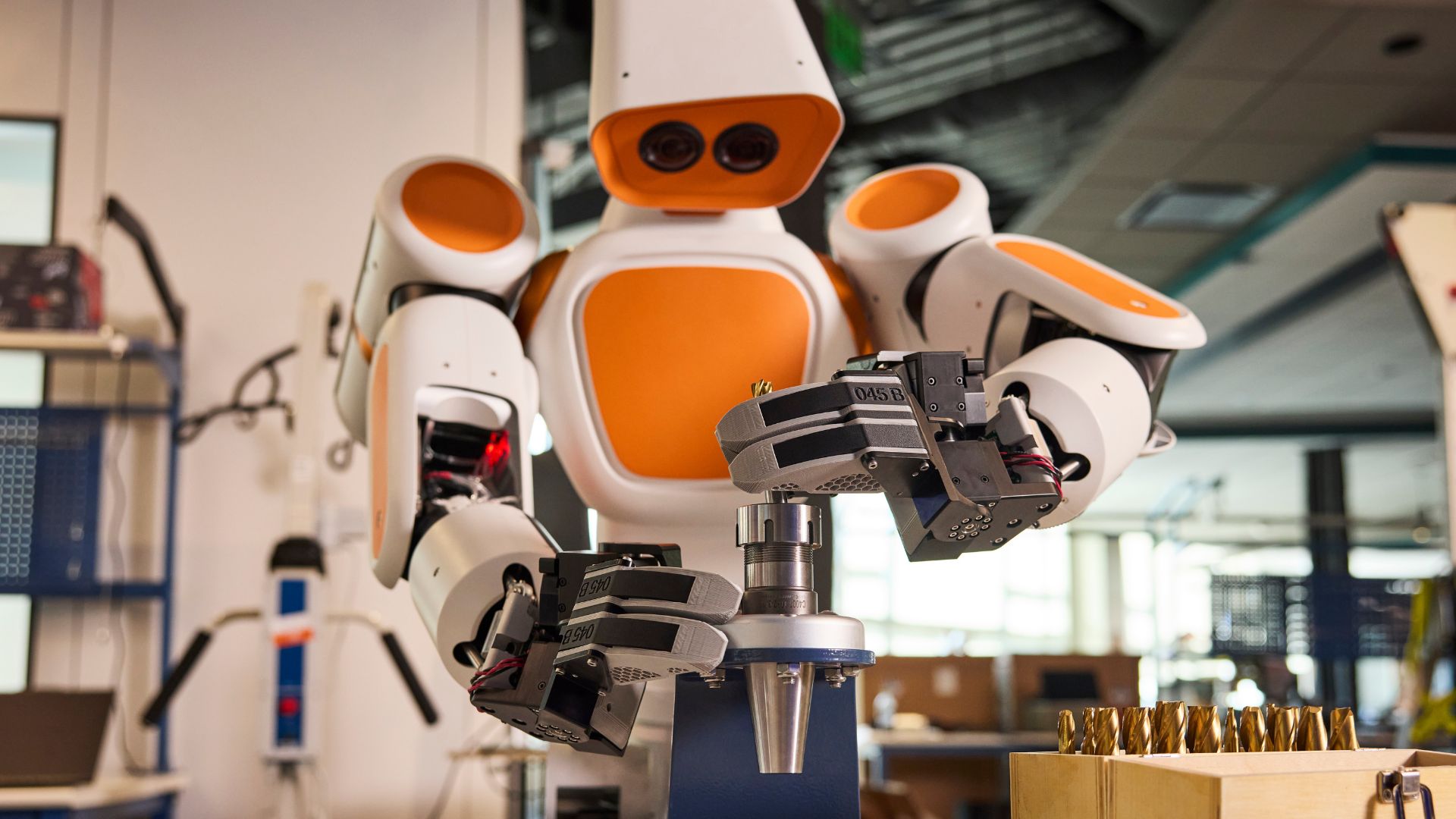
Walden Robotics, a US-based startup, has unveiled a general-purpose robotics platform that enables Physical AI robots to learn and adapt while performing real work. Unlike traditional robots that follow pre-programmed workflows, Walden's robots continuously improve through real-world operations, making them suitable for complex tasks alongside human workers from the outset. The significance of Walden Robotics lies in its full-stack approach, which integrates hardware, AI, and deployment software to create robots that evolve in capability over time. With $300 million in funding and a valuation of $1.1 billion, the company is addressing the growing demand for flexible automation in sectors like automotive, aerospace, and logistics, driven by labor shortages and increasing product complexity. Looking ahead, Walden Robotics has already begun deploying its robots in production environments, including a Toyota manufacturing plant in North America. The company aims to enhance its robots' skills through real-world experience, utilizing advanced AI techniques such as Large Behavior Models and Diffusion Policy. No further timeline was disclosed at the time of publication.
AI and Robotics Innovation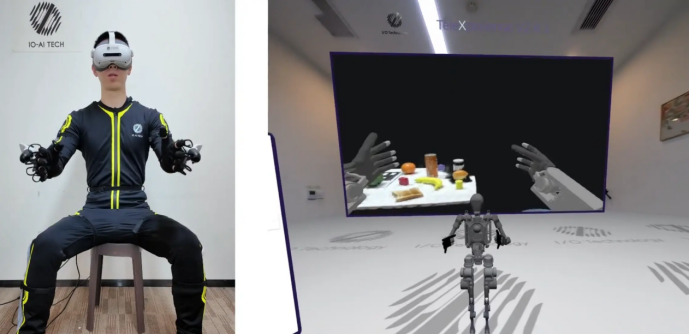
Data-Driven Unicorns: $2 Billion Valuation in Robotics Without Profit
In response to the growing demand for effective robot training, companies in the robotics sector are increasingly prioritizing the generation of high-quality multimodal training data over the mere construction of robots. This shift highlights a significant trend towards recognizing data as a vital resource for enhancing embodied intelligence in robotics. Several firms have successfully secured substantial funding to develop innovative solutions that cater to this emerging need. As the industry evolves, the focus on data-driven approaches is expected to play a crucial role in advancing the capabilities of robotic systems, marking a transformative phase in the field.
Robotics Data Training VR Technology AI
3 Questions: Beyond data-driven aesthetics
Alexandros Haridis, a recent graduate with a master's degree in 2017 and a PhD in 2022, is showcasing his work in a new exhibition at the Keller Gallery. The exhibition delves into the evolution of aesthetic judgment over the centuries and examines the role of design in rendering complex computational systems more accessible and understandable. By highlighting the intersection of art and technology, Haridis aims to foster a deeper appreciation for how design influences our perception of intricate data. The exhibition is set to attract visitors interested in both the historical context of aesthetic principles and contemporary design practices.
School of Architecture and Planning Architecture Computer science and technology Artificial intelligence Machine learning Algorithms
Outracing a National Level Model Racing Car Champion: A Hybrid Model‐Based Data‐Driven Approach
A recent study published in the Journal of Field Robotics highlights advancements in autonomous robotic systems designed for agricultural applications. Conducted by a team of researchers from various universities, the study was released in early October 2023. The research focuses on the development of robots capable of performing tasks such as planting, harvesting, and monitoring crops with minimal human intervention. The motivation behind this innovation stems from the increasing demand for efficient agricultural practices to address food security challenges and labor shortages in the farming sector. By utilizing advanced sensors and artificial intelligence, these robots can navigate complex terrains and adapt to varying environmental conditions, enhancing productivity and sustainability in agriculture. The researchers conducted extensive field trials to validate the robots' effectiveness, demonstrating their ability to operate autonomously while maintaining high levels of accuracy and efficiency. The findings suggest that integrating these robotic systems into farming operations could significantly reduce labor costs and improve crop yields, paving the way for a more sustainable future in agriculture.
RESEARCH ARTICLE
First in Industry: JianZhi Robotics and Ant Lingbo Collaborate on Human Data-Driven Intelligent Evolution
On May 26, JianZhi Robotics and Ant Lingbo unveiled a strategic partnership aimed at advancing embodied intelligence by utilizing human data. This collaboration seeks to address existing limitations within the industry by innovating model training and cognitive evolution, setting a new standard for general embodied intelligence. By harnessing high-quality human behavioral data, the partnership intends to enhance model capabilities and promote the practical application of embodied intelligence in various sectors.
Embodied Intelligence Human Data Robotics Collaboration AI Innovation
Comprehensive Task Coverage and Real Data-Driven! SenseTime Launches Smart Convenience Store Robot
SenseTime has introduced the SenseMartGo robot convenience store, marking a significant step in the integration of artificial intelligence into retail. The company plans to expand this innovative shopping model across various cities by 2026. Utilizing advanced AI and data analytics, the SenseMartGo store promises to enhance the shopping experience while achieving notable operational efficiency. This launch not only showcases SenseTime's commitment to technological advancement in retail but also aims to capture a growing market interested in automated shopping solutions. As the demand for convenient and efficient shopping options rises, SenseTime's initiative positions it as a leader in the evolving landscape of retail technology.
Retail Robotics AI Technology Smart Stores Data Analytics
KUKA and Visual Components Drive Next Era of Simulation-driven Automation
KUKA Group, in collaboration with Visual Components, is enhancing the development of simulation-driven solutions aimed at streamlining automation processes. This initiative focuses on improving planning and virtual commissioning, ultimately facilitating smoother operations. By leveraging these advanced solutions, the companies aim to optimize processes from the outset, mitigate risks, and expedite the execution of intricate automation projects. The partnership reflects a commitment to innovation in the automation sector, addressing the growing demand for efficient and reliable automation systems.

Massachusetts Leads in Robotics Innovation with Warehouse Automation and AI-Driven Technologies
Massachusetts is at the forefront of robotics innovation, showcasing advancements in warehouse automation and logistics. Local companies are leveraging AI-driven robotics to enhance operational efficiency and streamline processes across various sectors. The significance of these developments lies in their potential to transform industries by improving productivity and reducing costs. As robotics technology evolves, Massachusetts firms are positioned to play a crucial role in shaping the future of automation and logistics. Looking ahead, it will be important to monitor how these innovations impact local economies and the broader robotics landscape. No further timeline was disclosed at the time of publication.

OSARO’s AI-Driven Automation Enhances Fulfillment Speed and Accuracy
OSARO has achieved a significant milestone by successfully deploying its AutoModel™ at Korea's largest e-commerce company. This implementation highlights the potential of AI-driven automation to transform fulfillment centers, demonstrating the technology's effectiveness in enhancing operational efficiency. Following this success, OSARO is now poised to expand its solutions to other leading e-commerce firms worldwide. The deployment not only marks a pivotal moment for OSARO but also underscores the growing trend of integrating advanced technologies in logistics and supply chain management.
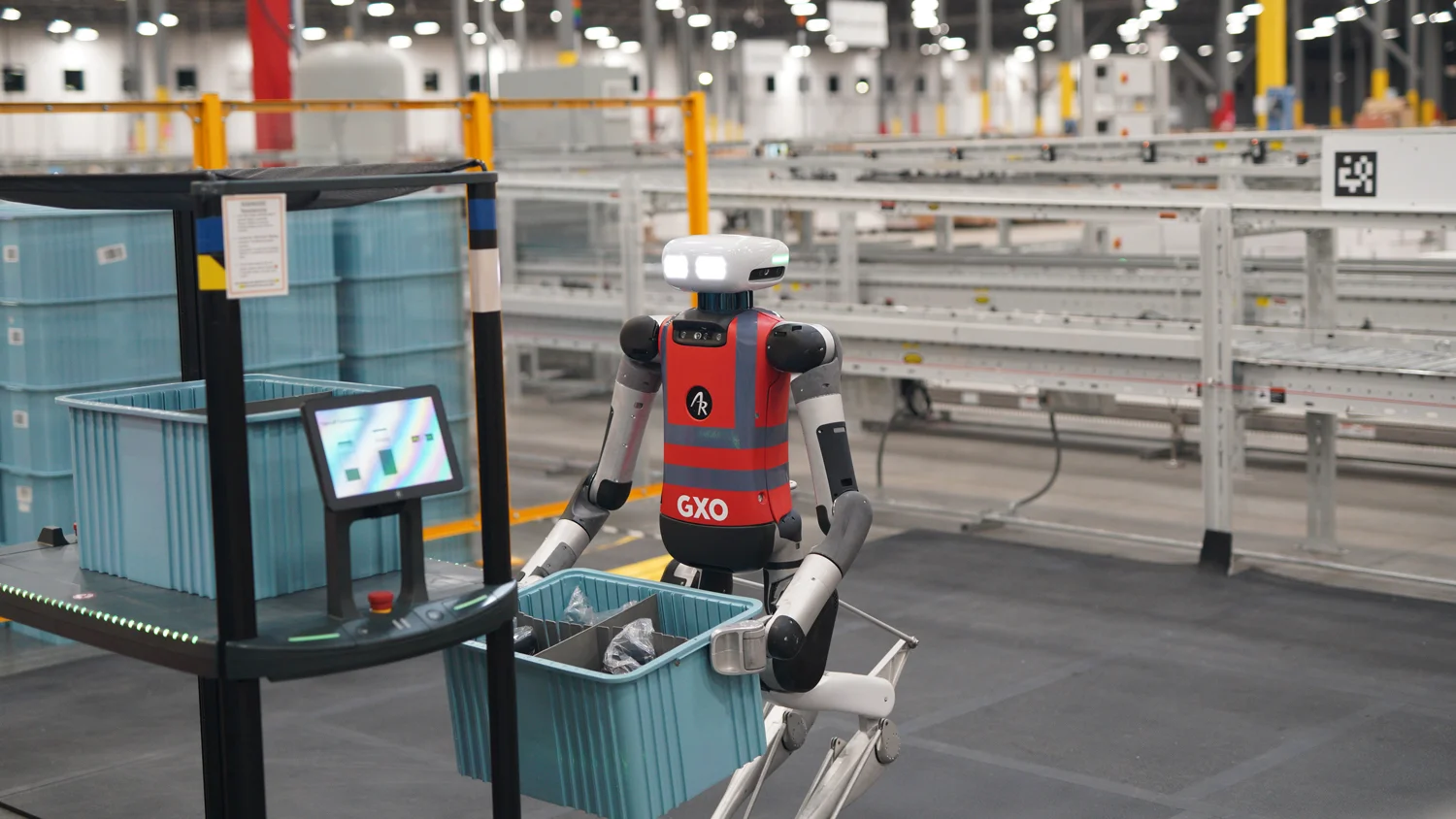
Agility Robotics Hits 100,000 Totes Milestone, Firing a Data-Driven Shot in the Humanoid Wars
Agility Robotics has reported that its Digit robot has successfully moved over 100,000 totes at GXO Logistics, showcasing its operational capabilities amidst increasing competition in the robotics industry. This achievement, which highlights the efficiency and effectiveness of the Digit robot, comes as Agility seeks to establish its position in a market that is becoming increasingly crowded with new entrants. The milestone was reached recently, demonstrating the robot's practical application in logistics and supply chain management. By providing concrete operational data, Agility aims to counter the claims made by competitors about their own robotic solutions, reinforcing the reliability and performance of its technology in real-world scenarios.
Digit Agility Robotics
Teradyne Robotics and Analog Devices Enter Strategic Partnership to Accelerate the Adoption of AI and Advanced Robotics-Driven Collaborative Automation in Manufacturing
Teradyne Robotics, a division of Teradyne, Inc., has announced the launch of its latest advanced robotics solutions aimed at enhancing automation in various industries. This development, revealed during a press event in North Reading, Massachusetts, underscores the company's commitment to innovation in robotics technology. The new solutions are designed to improve efficiency and productivity for manufacturers facing increasing demands for automation. By leveraging cutting-edge technologies, Teradyne Robotics aims to address the challenges of labor shortages and rising operational costs that many businesses are currently experiencing. This initiative reflects the growing trend towards automation as companies seek to streamline operations and remain competitive in a rapidly evolving market.
Robotics needs a service framework.
RSF defines a common language for robot service capability, lifecycle operations, certification pathways, and service-provider networks.
Join the RobotToday community on LinkedIn
Daily robotics news, in-depth analysis, conference highlights, and discussions with professionals worldwide.








