Industry Briefing
A single destination for timely, editor-curated robotics news from around the world.

U.S. Air Force Enhances $500M Counter-Drone Shield with New Multi-Sensor Technology
The U.S. Air Force is enhancing its counter-drone capabilities by integrating Teledyne FLIR Defense’s Argus XL platform into AeroVironment’s Titan Multi-Sensor system. This initiative is part of a three-year, $500 million contract under the Domestic Shield Program, aimed at protecting military installations from aerial threats. This expansion is significant as it strengthens the layered counter-unmanned aircraft system (UAS) coverage across domestic sites, addressing the growing concern of small unmanned aircraft that pose risks to sensitive locations. The Argus XL platform enhances detection and tracking capabilities, allowing operators to respond more effectively to potential threats. Looking ahead, the integration of Argus XL is expected to improve operational efficiency and situational awareness for military users. The system's ability to incorporate third-party sensors and adapt to emerging threats will be crucial as drone technology continues to evolve. No further timeline was disclosed at the time of publication.
Military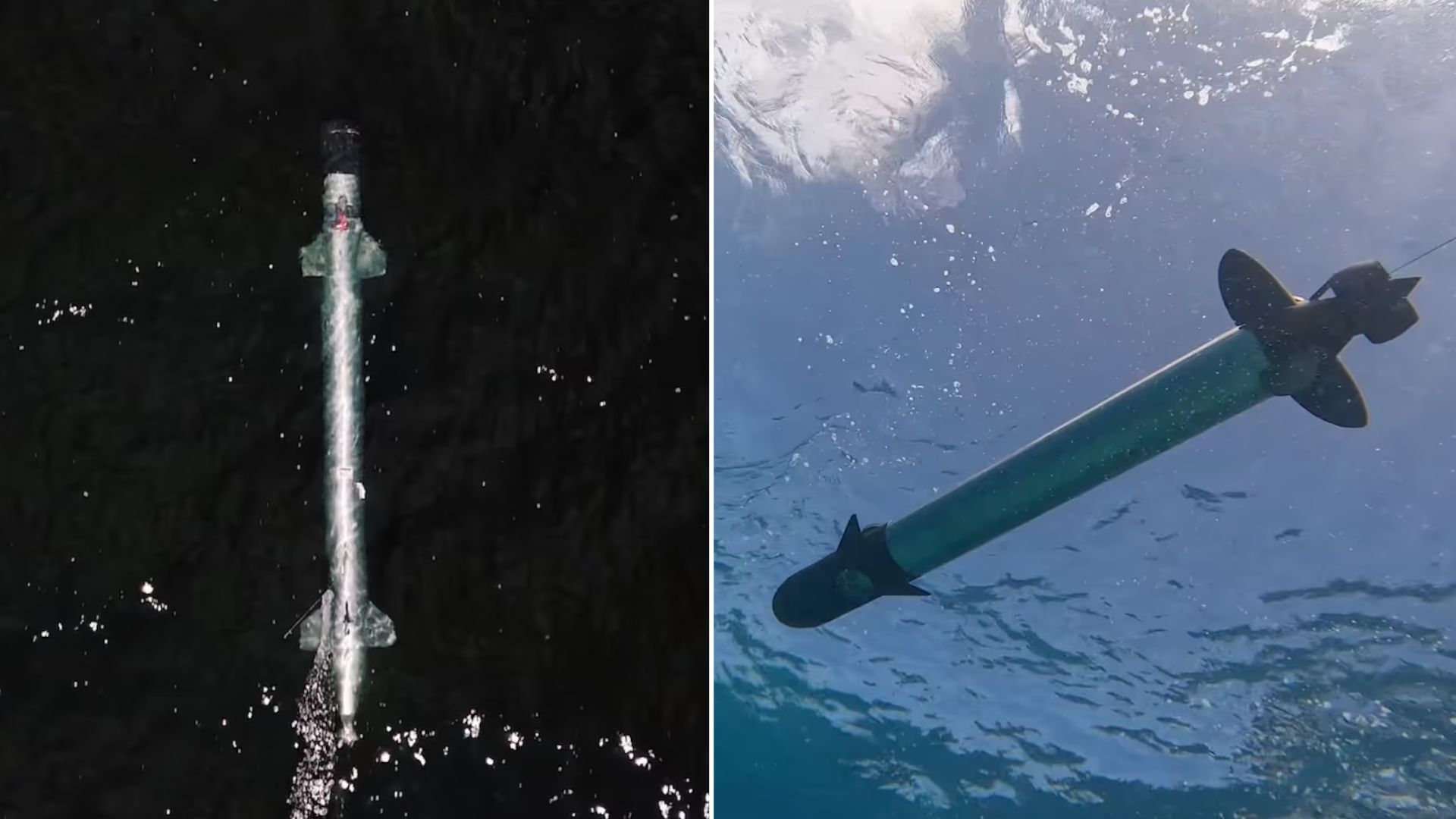
Taiwan Collaborates with U.S. Startup Vatn Systems on 200 nm Submarine Drone Technology
Taiwan has entered into a partnership with U.S. defense startup Vatn Systems to develop autonomous underwater vehicles (AUVs) aimed at enhancing maritime surveillance and defense capabilities. The agreement, signed with the National Chung-Shan Institute of Science and Technology (NCSIST), focuses on AI-enabled command-and-control systems and establishing a local supply chain for AUV technology. This collaboration is significant as it combines Vatn's expertise in undersea autonomy with Taiwan's industrial capabilities, allowing for the development of affordable AUVs like the Skelmir S12. These vehicles can perform various missions, from seabed mapping to mine countermeasures, without the risks associated with manned vessels, thus expanding Taiwan's underwater capabilities. Looking ahead, the partnership not only aims to enhance Taiwan's defense but also supports dual-use applications in critical infrastructure inspection and offshore industries. The initiative is part of a broader strategy by NCSIST to develop indigenous underwater technology while collaborating with foreign firms, including ongoing efforts with Anduril Industries and the Huilong program for local AUV development.
Military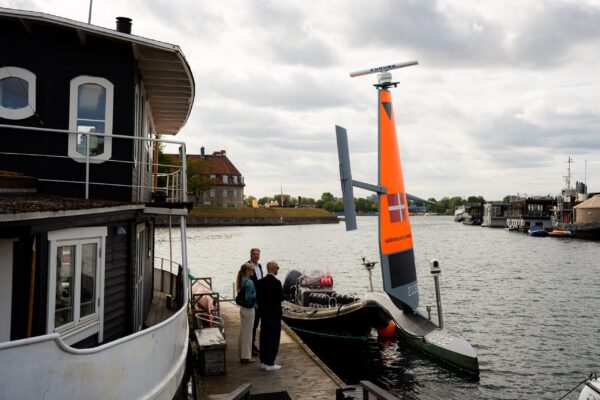
Saildrone Expands European Operations with New Copenhagen HQ and Three Build Contracts
Saildrone has announced a significant expansion in Europe, establishing its new headquarters in Copenhagen and securing three build contracts across Northern Europe. This expansion, revealed on August 18, 2026, includes partnerships with Van Der Valk Shipyard in the Netherlands for the construction of the first European-produced 52-meter Saildrone Spectre, Umoe Mandal in Norway for the next-generation Surveyor, and Southern Spars in Poland for the production of wings. This move is crucial for Saildrone as it aims to enhance its presence in the European market, targeting unmanned surface vehicles (USVs) for local customers. The new headquarters, located at the historic Quintus Bastion, will support business development, maintenance, and piloting activities across Europe. Richard Jenkins, Saildrone's founder and CEO, emphasized the importance of these projects in reinforcing the company's commitment to European operations. Looking ahead, Saildrone's participation in DALO Industry Days on August 19-20, 2026, will be an opportunity to showcase its capabilities and foster partnerships within the region. No further timeline was disclosed at the time of publication.
Drone News Drone News Feeds News ocean Oceans seadrones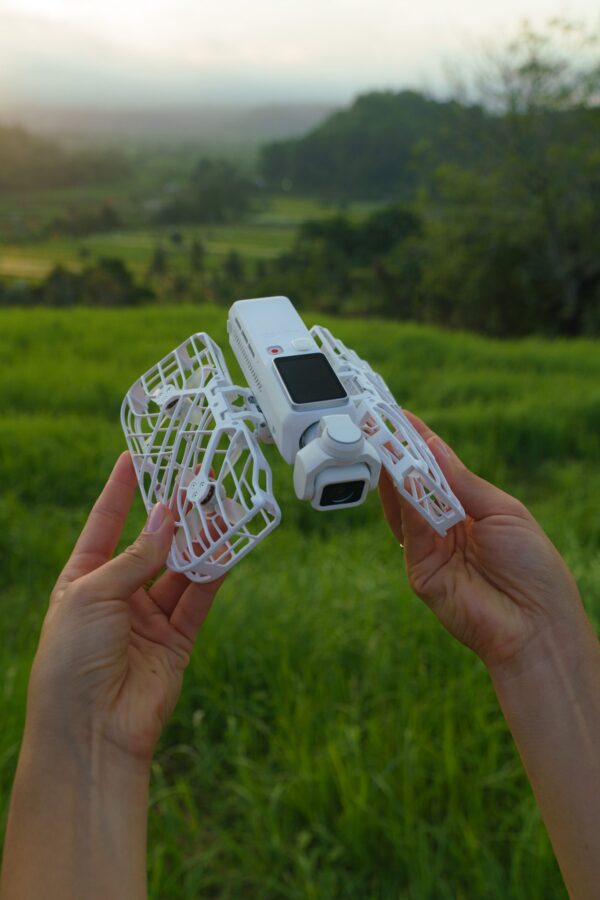
HOVERAir Unveils VERSA, a Versatile 2-in-1 Gimbal and Drone Camera
HOVERAir has launched the VERSA, a 2-in-1 device that functions as both a handheld gimbal camera and a self-flying drone. This innovative product from ZeroZero Robotics is designed for creators seeking both stability and aerial perspectives, featuring lightweight snap-on propeller accessories that allow for seamless transitions between modes. The VERSA captures high-quality 4K video at 60 frames per second and includes advanced features such as AI tracking and multiple creative shooting modes. With a 1/1.3-inch CMOS sensor, it offers a dynamic range of up to 17.5 stops and supports professional workflows with 10-bit HDR recording. The device weighs 230 grams and boasts a maximum flight time of 14 minutes, making it a compact and versatile tool for content creators. Looking ahead, the VERSA's unique capabilities, including its modular design and various control options, position it as a significant player in the evolving drone market. No further timeline was disclosed at the time of publication.
Drone News Drone News Feeds News 1/1.3-inch CMOS 10-bit HDR drone 12 MP photos
Amazon Prime Air to Expand Drone Delivery Service to Nearly 500 U.S. Locations by 2026
Amazon is set to significantly expand its Prime Air drone delivery service, aiming to reach nearly 500 cities and towns across the United States by the end of 2026. This expansion will increase the service's operational footprint approximately sixfold, enhancing its current operations from 11 sites in 10 metro areas. The importance of this expansion lies in Amazon's commitment to providing faster delivery options. With drone deliveries capable of arriving in as little as 30 minutes, the company aims to enhance customer satisfaction and convenience. David Carbon, vice president of Amazon Prime Air, highlighted that the service has already delivered hundreds of thousands of packages this year, with plans to serve a broader customer base by 2026. Looking ahead, Amazon plans to launch drone delivery services in additional metro areas, including Chicago, Syracuse, Cleveland, Atlanta, and Boise, later this year. The expansion reflects Amazon's ongoing investment in its drone delivery capabilities, which began commercial operations in 2020 under FAA regulations, allowing for beyond visual line of sight operations, crucial for scaling its delivery network.
Applications Delivery Drone News Drone News Feeds News amazon drone delivery
HoverAir Versa Combines Handheld Gimbal and Drone Technology for Versatile Filming
HoverAir has officially launched the Versa, a hybrid device that merges a professional handheld camera with autonomous flying capabilities. This innovative product allows users to capture stabilized footage and aerial shots without the need for multiple devices, appealing to a wide range of creators. The Versa is designed to simplify the filming process by enabling users to switch between handheld and aerial modes seamlessly. With features like AI subject tracking and a high-quality image sensor, it aims to deliver professional-grade video quality, making it suitable for various filming scenarios. Looking ahead, HoverAir has confirmed that the Versa has received the necessary FCC certification, positioning it for availability in the US market. This is significant given the regulatory challenges faced by previous products, indicating a more favorable launch environment for the Versa.
News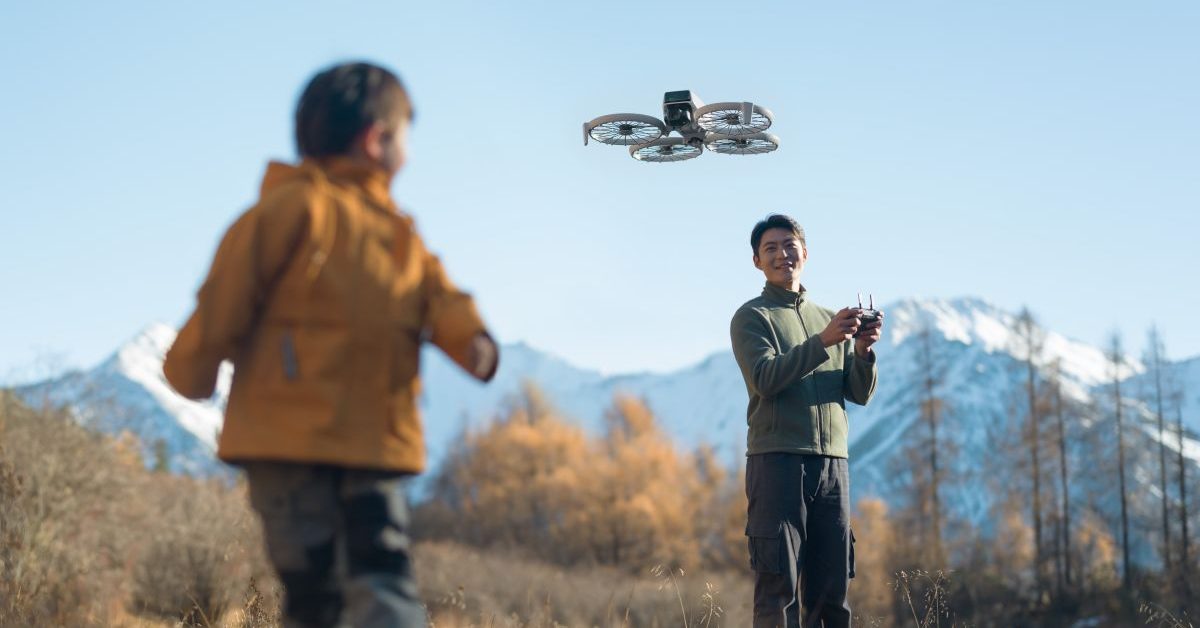
DJI Flip Discounts Gain Importance Amid New Drone Tariff Announcements
The DJI Flip has emerged as a top choice for travelers and novice pilots, especially with new tariffs on imported drones announced by the Trump administration. These tariffs, which include a 25% duty on smaller consumer drones and up to 100% on larger models, have raised concerns about future pricing and availability in the US market. This policy change makes current discounts on the DJI Flip more significant than typical sales. The two-battery combo is priced at $309, down from $389, while bundles with various controllers are also discounted. The Flip's portability, ease of use, and safety features make it appealing for first-time buyers, addressing common concerns about drone ownership. As uncertainty looms over future import costs, consumers may benefit from purchasing the DJI Flip now. The drone's advanced features, including AI Subject Tracking and high-quality imaging capabilities, position it as a valuable investment for those looking to capture memorable moments during their travels.
News
SES.AI Highlights Challenges in Building America's Drone Supply Chain Ecosystem
SES.AI, based in Massachusetts, is addressing the complexities of establishing a secure U.S. drone supply chain. The company focuses on developing advanced battery technologies crucial for drone performance, while also leveraging its 'Molecular Universe' database to explore new materials for battery innovation. The significance of this initiative lies in the U.S. drone policy's push for secure supply chains and reduced reliance on foreign components, particularly from China. As U.S. manufacturers shift towards domestic production, they face the challenge of not just assembling drones but also rebuilding the entire ecosystem of batteries, motors, and electronics that support them. Looking ahead, the urgency for alternatives in the U.S. drone industry is growing. SES.AI's operations in Chungju, South Korea, highlight the importance of a skilled workforce and supplier network, which are essential for scaling production. No further timeline was disclosed at the time of publication.
battery technology Blue UAS defense DL Exclusive Drone Manufacturing Drone News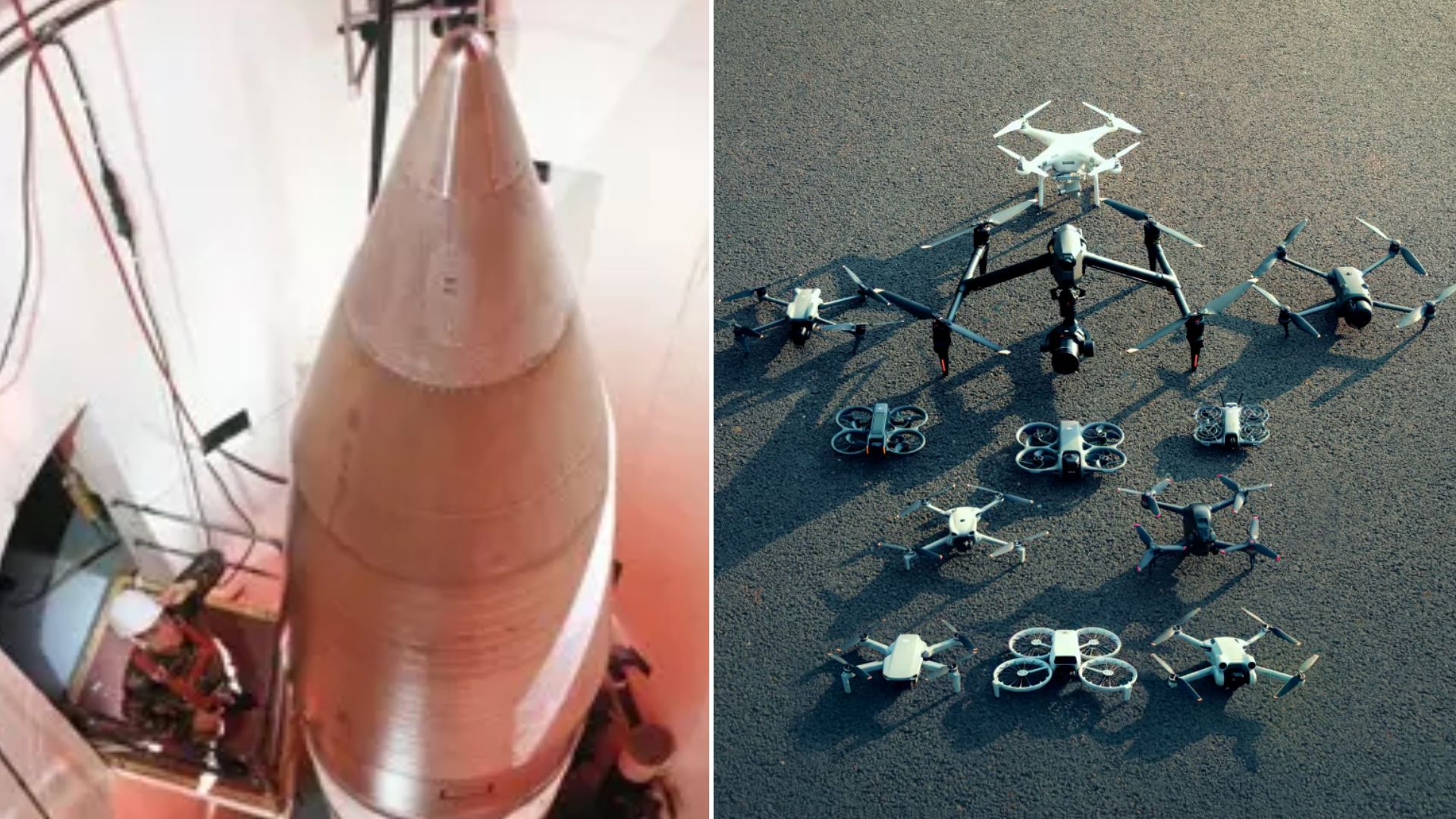
U.S. Air Force Plans to Acquire DJI Drones for Counter-Drone Training at Missile Base
The U.S. Air Force intends to purchase DJI drones for counter-drone training at F.E. Warren Air Force Base, which is part of the Minuteman III missile system. This initiative, led by the 90th Missile Security Operations Squadron, aims to enhance personnel's ability to detect and neutralize drone threats in the vicinity of the base. This procurement is significant as DJI drones dominate the commercial market, accounting for 80% to 85% of global sales, making them ideal for realistic training scenarios. The Air Force's decision to use these drones, despite existing restrictions on Chinese technology, highlights the need for effective training against prevalent drone threats, especially given the 350 reported incursions over U.S. military installations in 2024. Looking ahead, the Air Force plans to modify the acquired drones with RIZER software to ensure data security while allowing personnel to train against the unique characteristics of DJI systems. No further timeline was disclosed at the time of publication.
Military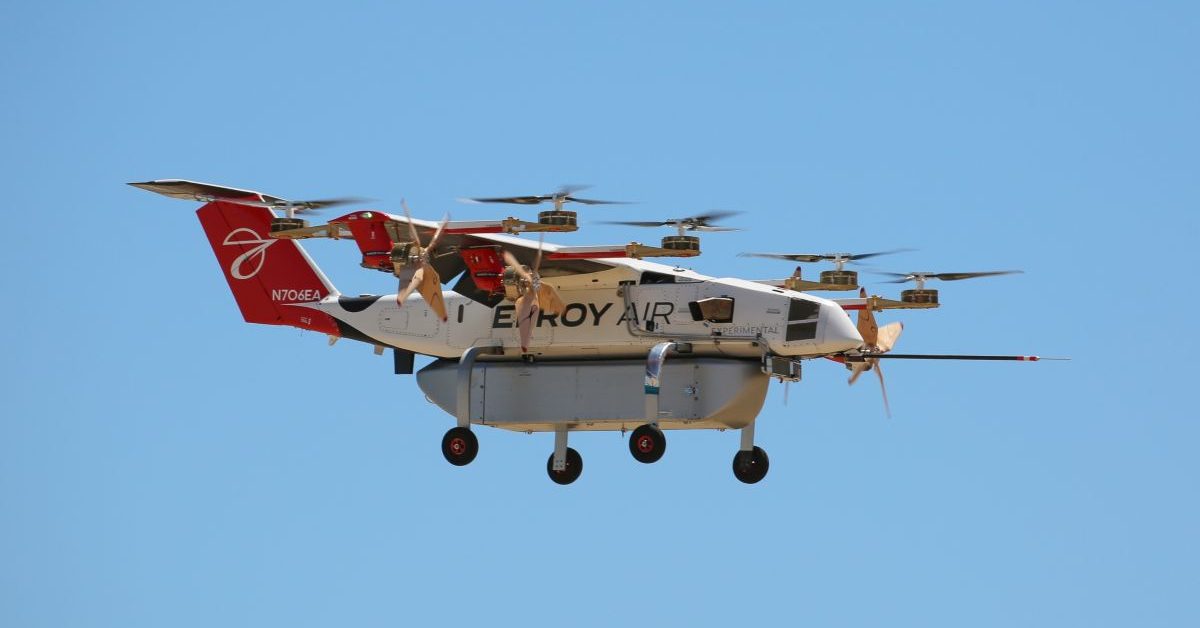
Elroy Air Receives $46 Million from US Army for Advanced Heavy-Lift Drone Development
Elroy Air has secured a $46 million multi-year contract from the US Army to enhance its autonomous hybrid-electric VTOL cargo drone, the Chaparral. This contract aims to improve the drone's capabilities in challenging military environments, focusing on modular cargo delivery and operational efficiency alongside troops. The significance of this contract lies in its alignment with the Army's emphasis on 'contested logistics,' ensuring supply continuity amid disruptions. Elroy Air's Chaparral drone, capable of carrying over 500 pounds, is designed for operations without fixed infrastructure, making it ideal for remote or damaged locations. Looking ahead, Elroy Air plans to start manufacturing the Chaparral in the US later this year, partnering with Kratos Defense & Security Solutions. While the current focus is military, the company also aims to expand the drone's applications in commercial logistics and disaster response, indicating a broader market potential for autonomous cargo delivery.
News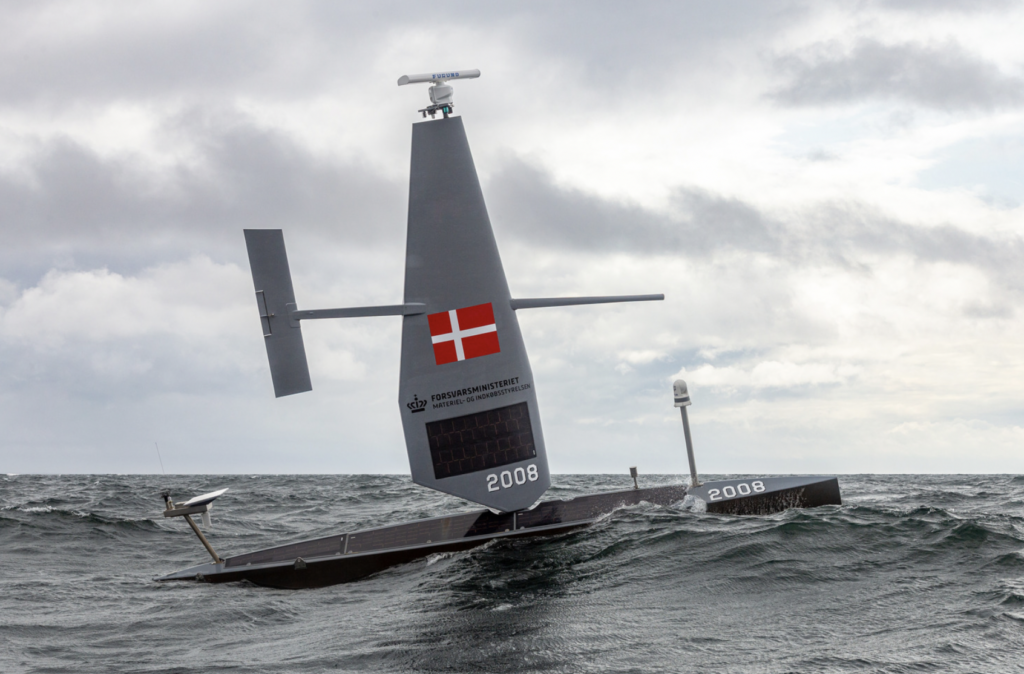
Saildrone Expands European Operations with Production Facilities in Three Nations
Saildrone, a US manufacturer of unmanned surface vessels, is broadening its European presence by establishing production facilities in the Netherlands, Norway, and Poland. This expansion coincides with the upcoming DALO Industry Days in Denmark, where Saildrone has also set up its EU headquarters earlier this year. The company is initiating three construction projects aimed at enhancing its capacity to quickly build and deploy unmanned surface vessels (USVs) across European waters. The first 52-meter Saildrone Spectre will be constructed at Van Der Valk Shipyard in the Netherlands, while the next generation Saildrone Surveyor will be produced in Norway. Additionally, Southern Spars will manufacture the wings of the Surveyor USVs in Poland. Looking ahead, Saildrone's operations will support maritime surveillance and intelligence-gathering efforts, particularly with the Danish Armed Forces trialing Saildrone Voyager USVs in 2026. The company emphasizes its commitment to meeting demand in Europe, although specific future contracts remain undisclosed at this time.
Naval Warfare Denmark Europe Navy Netherlands Norway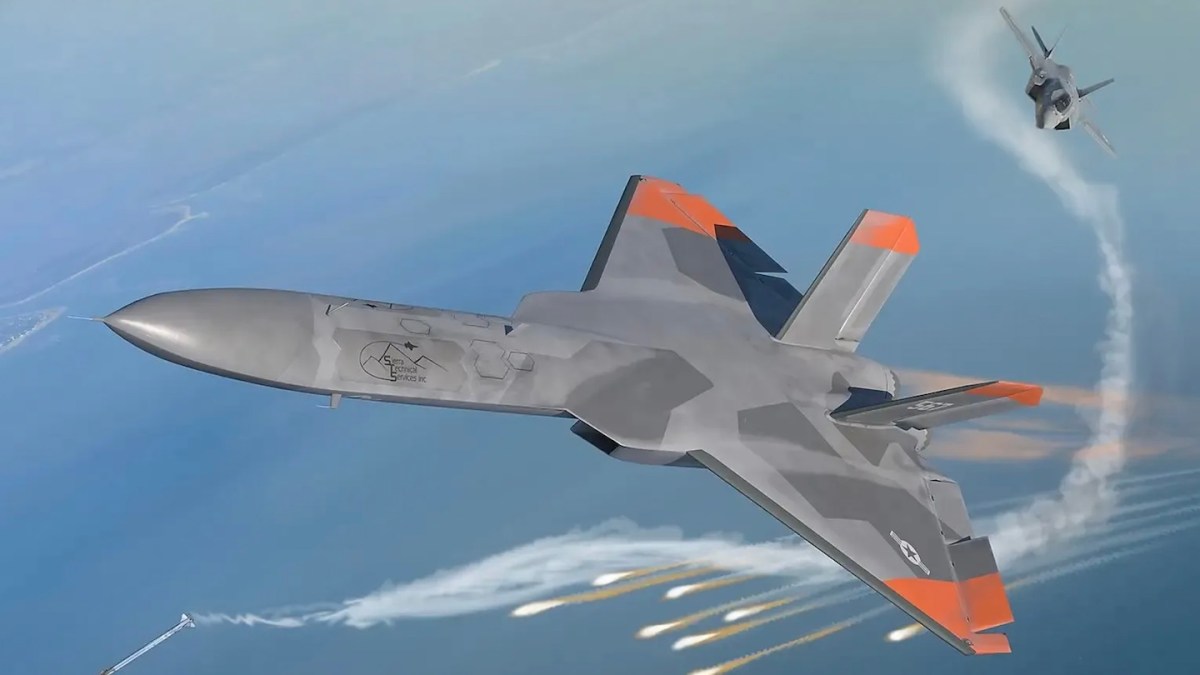
U.S. Air Force Seeks New Family of Expendable Target Drones for Diverse Threat Simulation
The U.S. Air Force is pursuing a new family of aerial targets designed to replicate a wide range of airborne threats, including stealth fighters and UAV swarms. This initiative aims to create realistic yet cost-effective targets that can be routinely used and destroyed during testing, as outlined in a recent Request for Information (RFI). The Air Force's requirements emphasize the need for these targets to be inexpensive and simple to manufacture, allowing them to be treated as expendable. This marks a shift from existing aerial targets like the QF-16, which is based on a converted fighter aircraft. The new targets are expected to leverage commercial technologies and manufacturing methods to enhance scalability and reduce costs. The proposed systems will cater to various threat categories, with specific requirements for advanced fighter aircraft, including supersonic capabilities and advanced radar cross-section profiles. Responses to the RFI are due by September 28, and the Air Force is particularly interested in non-traditional solutions that can offer advantages over legacy systems.
Air Air Forces Drones News & Features U.S. Air Force
Saildrone Expands European Operations with New Manufacturing and Headquarters in Copenhagen
Saildrone has announced a significant expansion in Europe, establishing multiple manufacturing sites and its EU headquarters in Copenhagen. This expansion includes contracts for building the 52-meter Saildrone Spectre in the Netherlands, the next-generation Saildrone Surveyor in Norway, and Surveyor wings in Poland. This move is crucial as it enhances Saildrone's capacity to support European customers with unmanned surface vehicles (USVs) that address maritime challenges such as illegal fishing and drug trafficking. The establishment of local operations will enable Saildrone to provide direct support and maintenance for its USVs in the region. Looking ahead, Saildrone's new headquarters will facilitate business development and operational activities across Europe. The company aims to strengthen its presence and capabilities in the European market, responding to the growing demand for advanced maritime technology solutions. No further timeline was disclosed at the time of publication.
saildrone major european expansion production operations usv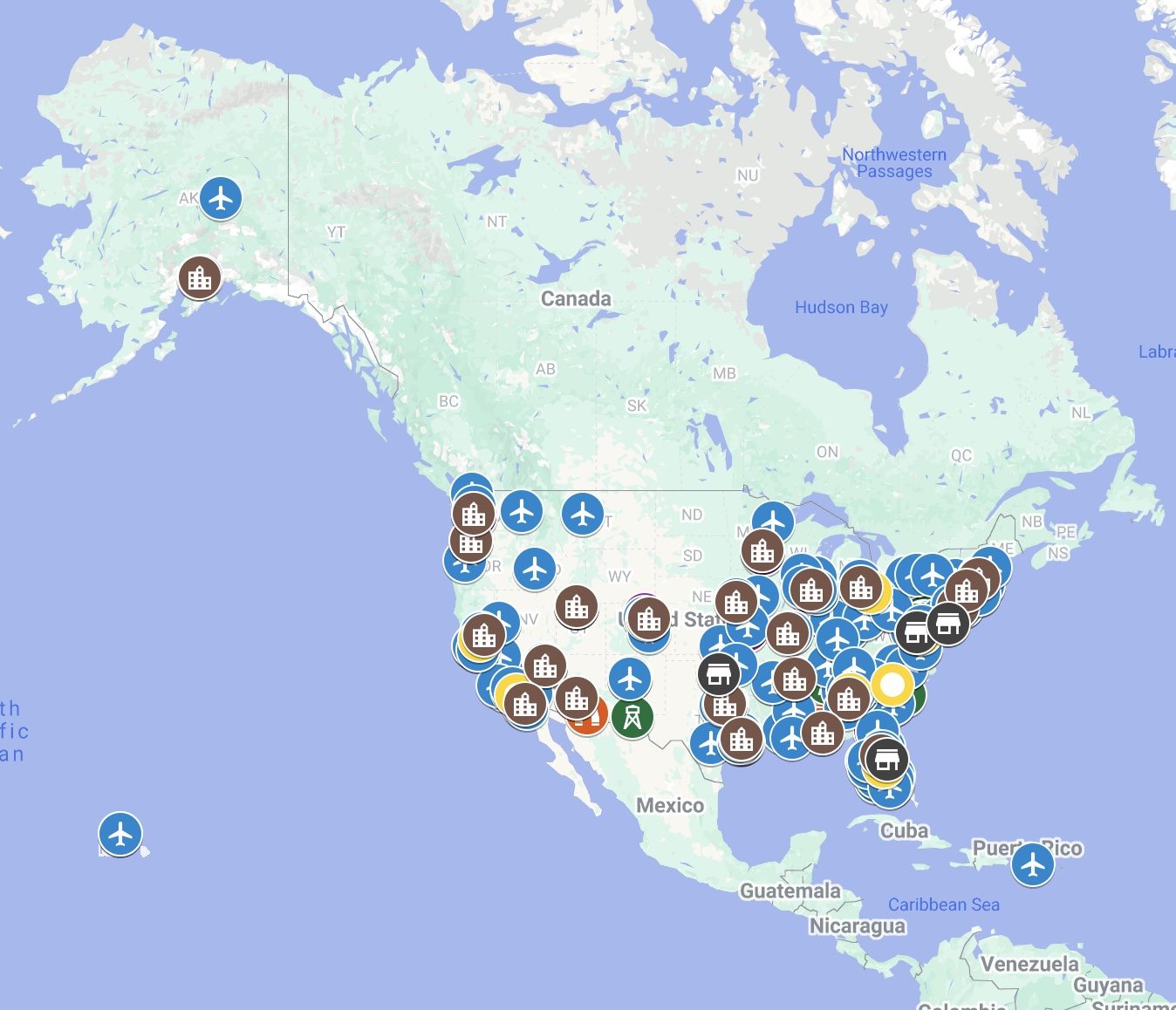
FAA NextGen Fact Sheet Highlights Future Integration of Drones and Aircraft
On August 17, the Federal Aviation Administration (FAA) released a NextGen fact sheet detailing updates to the National Airspace System (NAS) and ongoing modernization efforts. The Next Generation Air Transportation System, or NextGen, has significantly advanced U.S. air traffic management technology, transitioning to digital communications, satellite navigation, and integrated data sharing. The FAA reports that NextGen programs are now operational and have generated $10.9 billion in benefits from 2010 to 2023. The modernization efforts include the implementation of over 20 capabilities across the country, enhancing air traffic management through technologies like Automatic Dependent Surveillance-Broadcast (ADS-B) and Performance Based Navigation. These advancements allow for more precise navigation and real-time data sharing, shifting the focus from traditional air traffic control to a more strategic, integrated management approach. The FAA emphasizes the importance of accommodating non-traditional aviation forms, including uncrewed aircraft systems (UAS). Looking ahead, the FAA is developing traffic management concepts to safely integrate UAS and other emerging aircraft into the NAS. Technologies such as DroneZone and the Low Altitude Authorization and Notification Capability (LAANC) are pivotal in supporting this growth. The agency is also exploring concepts for UAS Traffic Management and Urban Air Mobility, indicating a significant shift in airspace management strategies in the coming years.
Drone News Drone News Feeds Drones in the News FAA News ADS-B
Rakuten Collaborates with German Startup Helsing for AI Defense Drones in Japan
Rakuten Group is set to partner with German defense technology startup Helsing to introduce AI-powered attack drones for the Japanese Self-Defense Forces. This collaboration aims to enhance Japan's defense capabilities through advanced drone technology. The partnership is significant as it marks Rakuten's strategic move to support startups in the defense sector, potentially transforming this initiative into a substantial revenue stream. By leveraging Helsing's expertise in AI and defense technology, Rakuten seeks to contribute to Japan's national security. Looking ahead, the collaboration could expand into the production of autonomous equipment in Japan. No further timeline was disclosed at the time of publication.

Taiwan's Counter-Drone Network Faces Challenges Amid Testing Failures and Evolving Threats
Taiwan's counter-drone network is under scrutiny following an audit revealing technical deficiencies in a $111 million defense program. The system, designed to safeguard military facilities, struggles to detect and jam frequencies utilized by advanced Chinese drones, highlighting vulnerabilities in Taiwan's defense strategy. The findings coincide with the termination of a procurement for 26 fixed-site systems due to repeated testing failures, raising concerns about Taiwan's ability to adapt to rapidly evolving drone technology. The significance of these issues extends beyond Taiwan, as they reflect a global challenge for military forces adapting to the fast-paced advancements in drone capabilities. Analysts emphasize the need for a layered defense approach that integrates electronic warfare, radar, and lower-cost interceptors, rather than relying solely on expensive missile systems. Taiwan's defense ministry acknowledges the need for upgrades to address the identified gaps, but questions remain regarding the speed of these developments. Looking ahead, Taiwan's defense officials are working on enhancements to counter emerging threats, including fiber-optic and AI-guided drones. However, the effectiveness of these upgrades and the overall adaptability of Taiwan's defense systems will be critical in addressing the evolving landscape of drone warfare. No further timeline was disclosed at the time of publication.
Military
Trump Implements 100 Percent Tariffs on Specific Drones and Aircraft Parts
President Donald Trump has announced a 100 percent tariff on imports of drones equipped with thermal cameras and those weighing over 25kg, along with all parts for unmanned aircraft of the same weight. Additionally, a 25 percent tariff will apply to smaller drones under 250 grams. This move follows a previous ban on foreign drones and aims to increase costs for existing imports. The tariffs are part of a broader strategy to encourage domestic production of unmanned aerial systems (UAS) and their components. Companies can avoid these tariffs by committing to manufacture drones or parts in the United States. The tariffs also feature reduced rates for certain countries, including a 15 percent tariff for the EU and others, contingent on local production of technology. Looking ahead, the Secretary of Commerce has been authorized to create a program to incentivize investment in U.S. production facilities for UAS. However, the legality of these tariffs has been challenged in court, raising questions about their long-term viability and impact on consumers and companies alike. No further timeline was disclosed at the time of publication.
News Policy
New 5G-Based System Enables Real-Time Drone Tracking Using Existing Infrastructure
The United States is testing an innovative method to detect drones by utilizing its existing 5G networks. Lockheed Martin, along with its partners, showcased this technology near Miami in July, demonstrating how commercial wireless infrastructure can effectively support drone detection in busy environments. The system, named NetSense Airspace Awareness-as-a-Service, analyzes radio-frequency disturbances to identify and track unmanned aircraft. This development is significant as it provides airports, hospitals, power plants, and government facilities with an additional layer of airspace protection. The technology not only helps monitor drone activity around sensitive locations but also leverages existing cellular networks, making large-scale deployment more feasible for infrastructure operators. The collaboration of Verizon, ODC, NVIDIA, and Keysight Technologies highlights the potential of integrating various commercial technologies to enhance drone detection capabilities. Looking ahead, the open architecture of the NetSense system allows for future expansions as new technologies emerge. During the Miami demonstration, the system successfully detected a drone and maintained tracking custody, underscoring its effectiveness as the prevalence of drones in populated areas continues to rise. No further timeline was disclosed at the time of publication.
Innovation
BRINC Enhances LiveOps with Wildfire and Smoke Tracking Features for Drones
BRINC has introduced wildfire and smoke tracking capabilities to its LiveOps platform, enhancing support for public safety agencies during fire responses. Announced on August 10, the new features include two map layers that display active fire detections and current smoke conditions, available to all customers at no extra cost since August 7. This integration utilizes data from the National Oceanic and Atmospheric Administration (NOAA). The addition of these features is significant as it provides responders with a comprehensive operational overview without the need to switch between different systems. Fire departments and emergency managers can utilize this information to coordinate wildfire responses effectively, while law enforcement can monitor smoke conditions that may hinder visibility in affected areas. BRINC's CEO, Blake Resnick, emphasized the importance of streamlining information access for agencies stretched thin during wildfire incidents. Looking ahead, BRINC continues to focus on integrating various public safety data sources into its LiveOps platform. The company has previously responded to customer feedback by incorporating features like live traffic information from Google Maps. No further timeline was disclosed at the time of publication.
Applications Drone News Drone News Feeds emergency response Featured – Safety and Security Fire and Police
FAA Proposes $289,215 Penalty Against Gorge Drones for Unauthorized Agricultural Flights
The Federal Aviation Administration (FAA) has proposed a civil penalty of $289,215 against Gorge Drones, located in Stevenson, Washington, for allegedly conducting unauthorized agricultural drone operations in early 2025. The FAA claims that the company operated an unmanned aircraft to dispense fertilizer during 15 flights without the necessary agricultural aircraft operator certificate, and that the drone was neither registered with the FAA nor had an airworthiness certificate. This proposed enforcement action highlights the FAA's stringent regulations governing agricultural drone operations, which differ from those for drones used solely for imaging or inspection. The agency emphasizes that operators dispensing agricultural materials must adhere to additional federal requirements, including obtaining specific exemptions and operational authority for agricultural aircraft operations. As the agricultural drone sector continues to expand rapidly, compliance with FAA regulations is critical for operators. The FAA's announcement serves as a reminder of the importance of adhering to aviation regulations, as a proposed civil penalty indicates an allegation rather than a final determination. No further timeline was disclosed at the time of publication.
Agriculture Applications Drone News Drone News Feeds Drones in the News FAA
Kyiv Enhances Drone Interception Strategies with Western Fighter Jets and Modified Aircraft
Since last year, Kyiv has adopted Western fighter jets to counter aerial threats, while also implementing dispersed air defense teams. This multifaceted approach aims to improve the effectiveness and affordability of Ukraine's drone interception capabilities against Russian drones. The reliance on both advanced Western technology and modified aircraft highlights Ukraine's strategic shift in addressing aerial threats. By diversifying its defense methods, Kyiv seeks to enhance its operational readiness and resilience in the face of ongoing challenges posed by Russian drone activities. Looking ahead, it will be crucial to monitor how these strategies evolve and whether additional support from Western allies will further bolster Ukraine's air defense capabilities. No further timeline was disclosed at the time of publication.
Air Warfare Global Land Warfare air defense Air Force Army
Explosive Drone Incident Near Ukrainian An-124 in Germany Highlights New Security Threats
Recent drone-related incidents at Leipzig/Halle Airport in Germany have raised significant security concerns. An explosive-laden drone was discovered near a Ukrainian An-124 cargo jet, marking the first such finding in Europe far from the Ukrainian border. This incident has prompted a counter-terror investigation and temporary airport closure, underscoring the escalating threat of drone incursions in Europe. The presence of an explosive drone signifies a new level of danger, according to German Interior Minister Armin Schuster. The drone was found in a security area, and its discovery has led to heightened fears regarding the safety of parked aircraft. Ukrainian officials have pointed fingers at Russia, suggesting a deliberate escalation in hostilities as the war continues. Looking ahead, the investigation into these incidents is being conducted by multiple law enforcement agencies, including the Central Office for Extremism Saxony. The outcome of this investigation could have implications for security protocols at critical infrastructure sites across Europe, especially as tensions remain high in the region. No further timeline was disclosed at the time of publication.
News & Features Air Around The Globe Drones Europe Germany
The Importance of Adaptation Over Drones in Ukraine's Conflict
The ongoing conflict in Ukraine has drawn significant attention to the use of drones in warfare. However, the real lesson lies in Ukraine's remarkable ability to adapt its strategies and tactics in response to evolving battlefield conditions. This adaptability has proven crucial in countering various challenges faced during the conflict. Understanding Ukraine's adaptive strategies is vital for military analysts and defense planners worldwide. While drones play a role in modern warfare, it is the capacity to innovate and adjust tactics that can determine the outcome of conflicts. This insight emphasizes the need for military forces to prioritize flexibility and responsiveness over reliance on specific technologies. Looking ahead, observers should monitor how Ukraine continues to evolve its military strategies in the face of ongoing challenges. The focus should remain on the broader implications of adaptability in warfare, rather than solely on the technological aspects. No further timeline was disclosed at the time of publication.
Air Warfare Opinion acquisition Air Force autonomy Drones
China Implements Stricter Export Controls on Drones, Impacting U.S. Supply Chains
China has introduced new export control measures affecting specific drones and related technologies bound for the United States, as announced by the Ministry of Commerce on August 5, 2026. These measures require stricter case-by-case reviews for exports already listed on China's dual-use export control list, which could complicate supply chains for U.S. manufacturers reliant on Chinese components. The significance of these controls lies in their potential impact on U.S. drone manufacturers, many of whom still depend on Chinese suppliers for essential components like motors, batteries, and sensors. While the announcement does not ban all drone exports, it imposes tighter licensing requirements that could lead to longer lead times and increased compliance burdens, particularly for smaller manufacturers with limited sourcing options. Looking ahead, the new licensing requirements may slow product introductions and extend delivery schedules, affecting manufacturing more than field operations. The evolving regulatory landscape on both sides of the supply chain underscores the growing importance of navigating export controls and national security policies in the global drone market. No further timeline was disclosed at the time of publication.
Drone Manufacturing Drone News Drone News Feeds Drones in the News Dual Use Feature 1
Monava Secures Funding to Enhance AI Drone Detection Amid Growing Security Concerns
Monava, a Swedish-Finnish defense technology company, has successfully raised new funding to bolster its AI-driven drone detection capabilities. This investment round, led by Gungnir Capital with participation from Foundry Ventures and Hede Capital, aims to commercialize Monava's technology and expand operations to meet the rising demand from defense customers. The significance of this funding lies in the increasing investment in counter-uncrewed aircraft system (C-UAS) technologies, driven by heightened security concerns globally. As drones become integral to modern conflicts, Monava's passive acoustic systems, which detect and classify drones without emitting detectable signals, position the company favorably in the defense sector. Looking ahead, Monava's CEO, Alexander Hebbe, noted a sharp increase in demand for their technology, indicating a growing order book necessitating production scaling. No further timeline was disclosed at the time of publication.
Applications C-UAS defense Defense Drone News Drone News Feeds
Navy Extends Saildrone's Counter-Drug Mission with Voyager USVs in Caribbean and Eastern Pacific
The U.S. Navy has renewed its task order for Saildrone, extending the deployment of Voyager unmanned surface vehicles (USVs) in the Caribbean and Eastern Pacific regions. This extension aims to enhance maritime surveillance and counter-drug operations in these critical areas. The significance of this mission lies in the Navy's commitment to combating drug trafficking and ensuring maritime security. By utilizing advanced technology like the Voyager USVs, the Navy can effectively monitor vast ocean areas, making it a vital asset in the fight against illegal drug activities. Looking ahead, the continued operation of Voyager USVs will be crucial in maintaining a strong presence in the Caribbean and Eastern Pacific. No further timeline was disclosed at the time of publication.
Naval Warfare Adm. Daryl Caudle Caribbean Sea Drones Eastern Pacific Navy
Saildrone Voyager Aids U.S. Navy in Seizing $81 Million Worth of Cocaine
The U.S. Navy has successfully utilized the Saildrone Voyager unmanned surface vehicle (USV) to assist in a significant drug bust, seizing over $81 million in cocaine during an operation in October 2025. This operation highlights the effectiveness of unmanned systems in maritime security, particularly in patrolling the expansive southern maritime border. The integration of Saildrone's USVs into Navy operations underscores the strategic importance of unmanned systems in enhancing maritime domain awareness. The Saildrone Voyager has been continuously operating in support of the Navy's Fourth Fleet since 2023, demonstrating its capability to remain on mission for extended periods, which is crucial for countering drug smuggling and other illicit activities. Looking ahead, the Navy has awarded Saildrone a $16.3 million task order to extend the operations of the Voyager fleet in the Caribbean and Eastern Pacific. This partnership aims to bolster the Navy's efforts in maintaining persistent surveillance and operational integration between manned and unmanned forces in the region. No further timeline was disclosed at the time of publication.
saildrone saildrone voyager usv usv u.s. navy drugs cocaine
UK Civil Aviation Authority's New Vision for BVLOS Drone Operations in Airspace
The UK Civil Aviation Authority has unveiled its Airspace Architecture Concept of Operations, aiming to transition Beyond Visual Line of Sight (BVLOS) drone operations from isolated trials to widespread commercial use across UK airspace. Published on July 30, 2026, the document outlines how drones and other airspace users can operate routinely at scale, emphasizing the need for integrated commercial operations rather than bespoke approvals. This initiative is part of the CAA’s Airspace Modernisation Strategy and Future of Flight programme, which recognizes the current limitations of BVLOS flights that rely on dedicated airspace arrangements. The Concept of Operations builds on the UK BVLOS Roadmap and introduces five key technology and process pillars, including electronic detection systems, conflict-avoidance systems, reliable communication links, digital traffic management services, and information sharing among operators and air traffic services. The CAA envisions a future where drone technology can deliver significant economic and societal benefits, with target use cases including faster inspections of critical infrastructure and support for emergency services. As technology evolves, the CAA expects the document to adapt, paving the way for a more integrated airspace system that maintains safety standards while fostering innovation. No further timeline was disclosed at the time of publication.
Drone News Drone News Feeds News aerial infrastructure inspection Airspace Architecture Concept of Operations Airspace Modernisation Strategy
Fire Point CEO Discusses Development of Missiles and Drones Against Russian Forces
Fire Point CEO Iryna Terekh recently shared insights on the company's evolution from a garage startup to a key player in missile and drone production. Amid ongoing threats from Russian missiles, Terekh highlighted the effectiveness of their FP-1 and FP-2 drones, as well as the new Flamingo cruise missiles, which enhance Ukraine's long-range capabilities. The significance of Fire Point's advancements lies in their strategic aim to counter Russian aggression. The FP-9 ballistic missile, designed to strike targets up to 500 miles away, and the FP-7.x interceptor, intended as a cost-effective alternative to Patriot systems, are pivotal in strengthening Ukraine's defense. Terekh's leadership has been crucial in navigating the challenges of weapon development under constant threat. Looking ahead, the status of the FP-9 program and the development of indigenous missile systems will be critical. Terekh's insights into the use of AI in weapon systems and the challenges faced during production highlight the innovative approaches being taken to ensure Ukraine's defense capabilities remain robust. No further timeline was disclosed at the time of publication.
News & Features Around The Globe Europe Land Land-Based Ballistic Missile Defense Russia
GeoComm and SkyfireAI Enhance Drone Response with New DFR Routing Integration
GeoComm and SkyfireAI have unveiled a new integration aimed at enhancing Drone as First Responder (DFR) programs' efficiency in emergency situations. By merging GeoComm’s DFR Routing technology with SkyfireAI’s autonomous drone platform, public safety agencies can access comprehensive location intelligence immediately upon receiving a 9-1-1 call. This integration addresses a significant challenge faced by DFR programs, as timely drone deployment is only part of the equation. Accurate incident location and access information are crucial for effective response. The new system incorporates operational details like buildings and access routes, enabling drone operators and first responders to gain a clearer understanding of the situation before ground units arrive. Looking ahead, the partnership between GeoComm and SkyfireAI aims to streamline the workflow from emergency call to drone deployment and ground response. As DFR programs grow across the U.S., the focus is shifting towards integrating various data sources to enhance situational awareness and improve emergency response outcomes. No further timeline was disclosed at the time of publication.
AI Applications Drone News Drone News Feeds Fire and Police Law Enforcement
European Commission Allocates €3.47bn to Enhance Ukraine's Defence with Drones and Gripen Jets
The European Commission has announced the release of an additional €3.47 billion to bolster Ukraine's defence capabilities. This funding is part of the larger €90 billion Ukraine Support Loan initiative aimed at strengthening Ukraine's military resources amidst ongoing conflict. This financial support is crucial for Ukraine as it seeks to enhance its defence infrastructure, particularly through the acquisition of drones and Gripen jets. The infusion of funds is expected to significantly improve Ukraine's operational capabilities and readiness in the face of external threats. Looking ahead, stakeholders will be monitoring how this funding will be utilized in terms of procurement and deployment of military assets. No further timeline was disclosed at the time of publication.
News
DoorDash Achieves FAA Certification for Drone Delivery, Launches DoorDash Air Program
DoorDash has received FAA Part 135 air carrier certification, enabling the launch of DoorDash Air, its in-house drone delivery program. This milestone marks DoorDash as the eighth drone operator in the U.S. authorized for commercial drone delivery services, indicating a significant shift in logistics. The certification allows DoorDash to operate its own drone fleet, moving beyond partnerships with companies like Wing and Flytrex. With millions of Americans expecting rapid deliveries, DoorDash aims to enhance efficiency, particularly for mid-range orders that often take longer to fulfill. Drones are expected to significantly reduce delivery times for lightweight, time-sensitive items. DoorDash emphasizes that drones will complement human delivery drivers rather than replace them, focusing on lightweight deliveries while maintaining human involvement for complex orders. The company’s Autonomous Delivery Platform will optimize delivery methods in real time, ensuring customers receive the fastest option available. No further timeline was disclosed at the time of publication.
News
Drone AI Enhances Combat Readiness Through Synthetic and Federated Training
Militaries are increasingly focusing on real-time battlefield learning for drone operations to adapt to evolving threats. This approach emphasizes the importance of synthetic and federated training methods, which allow for rapid adaptation and improved decision-making in combat scenarios. The significance of this development lies in its potential to enhance the effectiveness of drone operations in dynamic environments. By leveraging advanced training techniques, military forces can better prepare their drones to counter new and emerging threats, ensuring operational superiority on the battlefield. Looking ahead, the integration of synthetic and federated training in drone AI will be crucial for military strategists. As threats continue to evolve, the ability to adapt training methodologies in real-time will be essential for maintaining a tactical advantage. No further timeline was disclosed at the time of publication.
Features
Ukraine and NATO Initiate Joint Funding Program for Counter-Drone Innovations
Ukraine's defense technology cluster Brave1, in collaboration with NATO, has launched a new innovation program aimed at funding defense companies. This initiative, which opened on Tuesday, focuses on developing counter-drone systems specifically targeting FPV and Shahed-type drones. The program allows for funding of up to €500 million ($569.6 million) per partner for joint ventures between Ukrainian firms and NATO member companies. This program is significant as it addresses the urgent need for advanced counter-drone technologies amid ongoing conflicts, particularly with the increasing use of drones by Russian forces. Brave1 has identified five key areas of interest for development, including active protection systems and electromagnetic attack technologies. The initiative aims to leverage Ukraine's expertise in drone warfare while enhancing the capabilities of NATO allies in countering drone threats. Looking ahead, stakeholders will be monitoring the progress of applications and the development of technologies funded through this program. The collaboration between Ukraine and NATO is expected to strengthen defense capabilities against the growing number of unmanned systems deployed by Russia. No further timeline was disclosed at the time of publication.
Air Warfare Global Land Warfare Air Force Army Business & Industry
DoorDash Launches DoorDash Air for Drone Delivery Service Expansion
DoorDash has announced the launch of DoorDash Air, a new drone delivery program, following its receipt of Part 135 air carrier certification from the FAA. This certification allows DoorDash to deliver small packages via drone, positioning the company alongside other industry players like Alphabet’s Wing and Amazon. The significance of this development lies in DoorDash's commitment to enhancing local commerce through drone technology. The company plans to design and assemble its drones in-house at DoorDash Labs, aiming to address the challenges of midrange deliveries that often take longer due to courier availability. By utilizing drones, DoorDash seeks to streamline operations and improve delivery efficiency. Looking ahead, DoorDash has not disclosed specific markets for the initial launch of its drone delivery service but promises to provide further details in the coming months. The company emphasizes the importance of building the necessary ground-level infrastructure to support drone operations, which will be crucial for successful implementation.
Drones Food News Science Tech Transportation
Comparing Surface-to-Air Missiles and Interceptor Drones for Air Defense
The evolution of air defense strategies has been significantly influenced by the rise of drones, which present new challenges for traditional systems. While surface-to-air missiles (SAMs) are powerful against high-speed threats like fighter jets and cruise missiles, their high cost makes them less effective against inexpensive drones. This has led militaries to explore drone interceptors as a more economical alternative for neutralizing UAVs. Drone interceptors are designed to engage slower-moving targets, making them ideal for small reconnaissance and attack drones. These interceptors often utilize simpler airframes and components, allowing for a cost-effective response to low-value threats. The goal is to avoid using expensive missiles against cheaper drones, thus optimizing resource allocation in modern air defense. As military strategies continue to adapt, the effectiveness of both SAMs and drone interceptors will be crucial to watch. While SAMs excel in speed and engagement capabilities against fast-moving threats, the development of specialized drone interceptors may reshape air defense dynamics. No further timeline was disclosed at the time of publication.
Military
USA Drone Motors Launches to Address Domestic Drone Supply Chain Needs
USA Drone Motors has officially launched to manufacture large electric motors, actuators, and electronic speed controllers for agricultural and heavy-lift drones in southern California. Founder Jon Facer identified a significant market opportunity as U.S. drone manufacturers seek to lessen their reliance on Chinese suppliers due to recent FCC restrictions on foreign-made drones and components. This development is crucial as it comes at a time when U.S. drone manufacturers are scrambling to reshore production amid the inability of companies like DJI to introduce new models in the U.S. market. Facer's insights from an agricultural drone conference highlighted the industry's urgent need for domestic solutions, particularly for components that are currently dominated by a few Chinese suppliers. Looking ahead, USA Drone Motors aims to enhance U.S. assembly and engineering capabilities while gradually localizing its supply chain. Although initial production will not fully utilize U.S. materials due to sourcing challenges for key components, the company is focused on developing initial designs and gathering feedback from drone manufacturers and users to refine its offerings. No further timeline was disclosed at the time of publication.
Agtech Precision agriculture Startups & funding US & Canada drones
US Eases Export Controls for UAE, Enhancing Access to Drones and AI Technology
Washington's recent decision to ease export controls for the UAE is expected to enhance the country's domestic production of advanced drones and military hardware. The US Commerce Department's upgrade of the UAE to the A:5 export country group allows for easier access to dual-use technologies, including computer chips, which are vital for defense applications. This change is significant as it positions the UAE as a key player in the defense market, providing more flexibility for acquiring subsystems and components. Analysts believe this regulatory shift will not directly impact major arms deals like the F-35 or MQ-9 Reaper exports, but it creates a more permissive environment for the movement of controlled technologies, potentially shortening procurement timelines and fostering closer cooperation between American and Emirati defense firms. Looking ahead, the A:5 classification could benefit Emirati companies such as EDGE Group, allowing them to access essential components and technical cooperation. While the immediate effects on specific weapons sales remain uncertain, this designation opens doors for various defense programs, including potential collaborations in drone manufacturing.
Air Warfare Global Networks & Digital Warfare AI & Autonomy Air Force Arab countries
US Manufacturer to Produce Ukraine-Designed Magura Sea Drones for First Time
A US manufacturer is preparing to produce the Magura sea drones, which were designed and battle-tested in Ukraine. This initiative marks the first time these drones will be manufactured in the United States, reflecting a strategic move by the White House to enhance military production capabilities. The production of the Magura sea drones is significant as it aligns with the US government's efforts to expand its unmanned military arsenal. By incorporating these battle-tested drones into its inventory, the US aims to strengthen its defense capabilities and support Ukraine amid ongoing conflicts. Looking ahead, industry stakeholders will be monitoring the production timeline and potential deployment of the Magura sea drones. No further timeline was disclosed at the time of publication.
Low-Altitude Economy Experiences Rapid Growth with Logistics Drones and eVTOL Aircraft
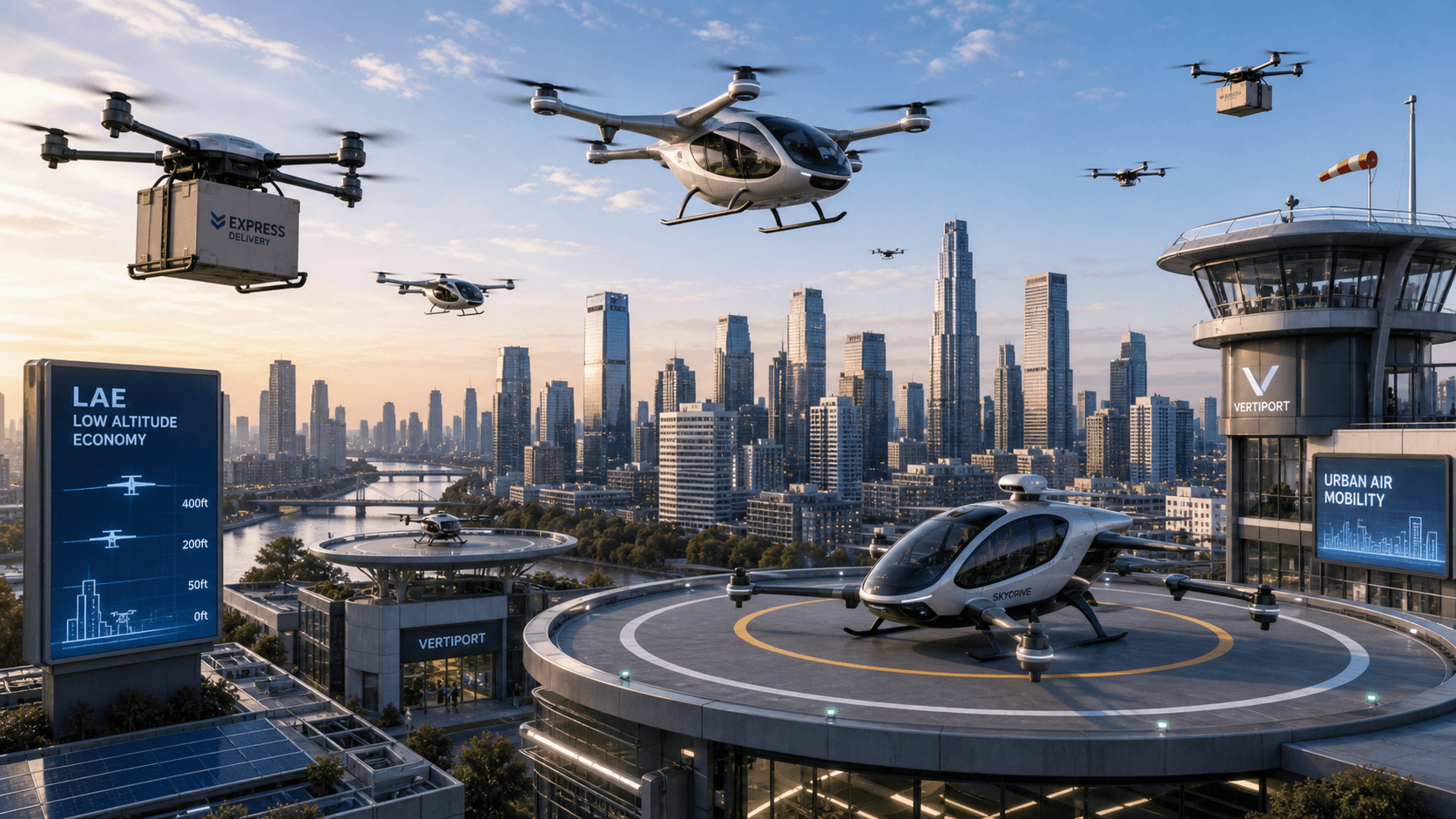
The low-altitude economy is entering a significant growth phase as logistics drones, eVTOL aircraft, and airspace management systems converge. This convergence is marked by the commercialization of delivery drones and inspection robots, which are at the forefront of this emerging market. This development is crucial as it signifies an inflection point for the industry, highlighting the increasing demand for efficient logistics solutions and advanced airspace management. The integration of these technologies is expected to enhance operational capabilities and streamline delivery processes in various sectors. Looking ahead, stakeholders should monitor advancements in airspace management infrastructure and the deployment of logistics drones and eVTOL aircraft. No further timeline was disclosed at the time of publication.
Industry
Skyfall Introduces Advanced Drone Interceptor with Enhanced Speed Against Russian Shaheds
Skyfall has unveiled a new variant of its drone interceptor designed to target Russian Shahed drones more effectively. This latest model boasts a maximum speed of 370 km/h, surpassing the previous interceptor's top speed of 310 km/h. The enhanced speed is a critical feature that aims to improve response times and interception capabilities in the ongoing conflict. The introduction of this advanced interceptor is significant as it addresses the urgent need for faster and more efficient defense mechanisms against drone threats. With the ongoing use of Shahed drones by Russian forces, the ability to intercept these threats quickly is crucial for maintaining airspace security. The increased speed of the Skyfall interceptor could provide a tactical advantage in counter-drone operations. Looking ahead, the effectiveness of this new interceptor will be closely monitored, particularly in real-world applications against Shahed drones. As the conflict evolves, the performance of this technology may influence future developments in drone defense systems. No further timeline was disclosed at the time of publication.
Air Warfare Air Force Drones Europe Farnborough 2026 interceptors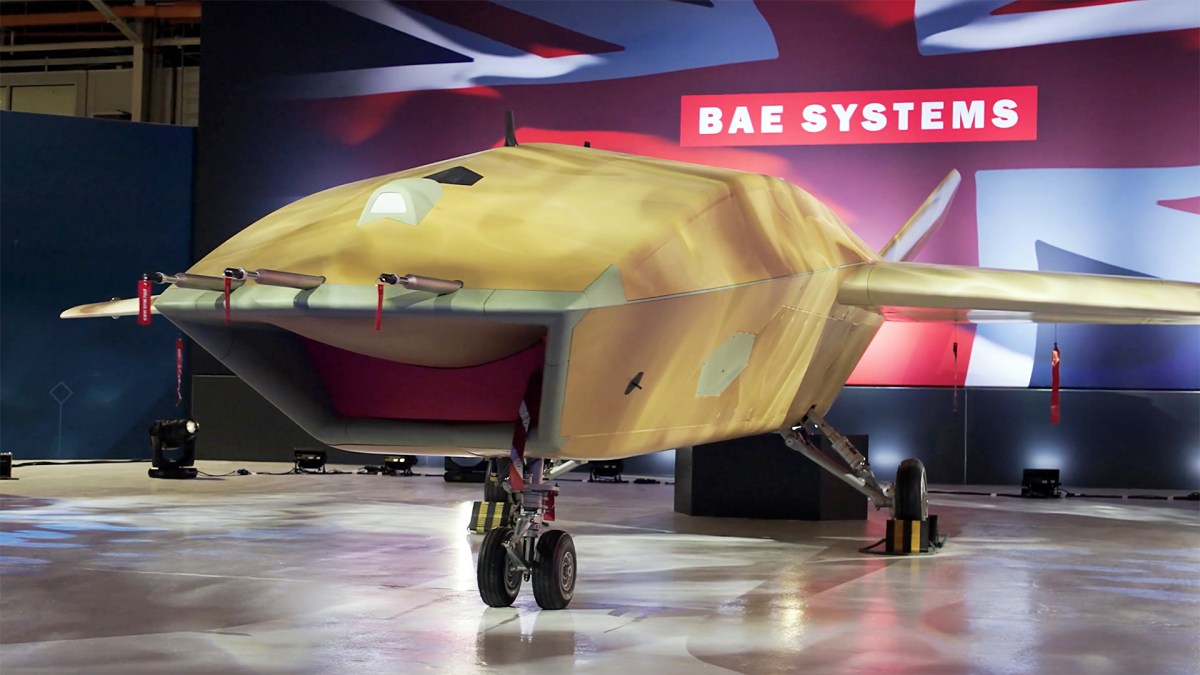
BAE Systems Unveils Brontanax Fighter Drone for UK Royal Air Force's Collaborative Combat Program
BAE Systems has introduced the Brontanax, a new collaborative combat aircraft (CCA) drone designed for the U.K. Royal Air Force. This unveiling coincides with the launch of the Storm Fighter program, aimed at establishing Europe’s first sixth-generation air force. The Brontanax prototype was showcased at the Farnborough International Airshow, attended by the U.K. Defense Secretary Wes Streeting. The significance of the Brontanax lies in its role as an operational prototype, built in secret at BAE Systems’ Warton facility. It is set for ground testing before flight trials in U.K. airspace, with potential participation in a NATO exercise as early as next year. This development reflects the U.K.'s commitment to advancing its military capabilities and integrating new technologies into its air force. Looking ahead, the Brontanax is expected to inform the design of future drones accompanying the U.K. F-35 and Tempest combat jets. While specific performance details remain undisclosed, the drone features a stealthy design with advanced aerodynamics, suggesting a focus on operational versatility and mission capability in various combat scenarios. No further timeline was disclosed at the time of publication.
Air Air Forces Around The Globe Collaborative Combat Aircraft Europe News & Features
Skypuzzler Proposes Mathematical Algorithms for Airspace Safety Amid Drone Traffic Surge
As the FAA seeks effective management of low-altitude airspace due to rising UAV traffic, Skypuzzler, a Copenhagen-based technology firm, offers a solution based on mathematical algorithms rather than AI. Their air traffic management system integrates strategic and tactical deconfliction to prevent airspace conflicts, allowing real-time traffic management without requiring additional drone hardware. Skypuzzler collaborates with major aerospace and logistics companies, including Thales Group and DSV, to implement its platform in Europe, notably at the Port of Rotterdam. With nearly 100 drone operators in the port, the company addresses the complexities of coordinating diverse drone missions in shared airspace, emphasizing the need for effective deconfliction strategies. Recently, United Airlines Ventures invested in Skypuzzler, facilitating its entry into the U.S. airspace management market, particularly in the Dallas-Fort Worth area. Skou warns that existing U.S. coordination models may not sustain as drone and manned aviation traffic increases, advocating for Skypuzzler's software integration into current UTM systems to enhance airspace safety and scalability.
Applications DL Exclusive Drone News Drone News Feeds Europe Drone Industry News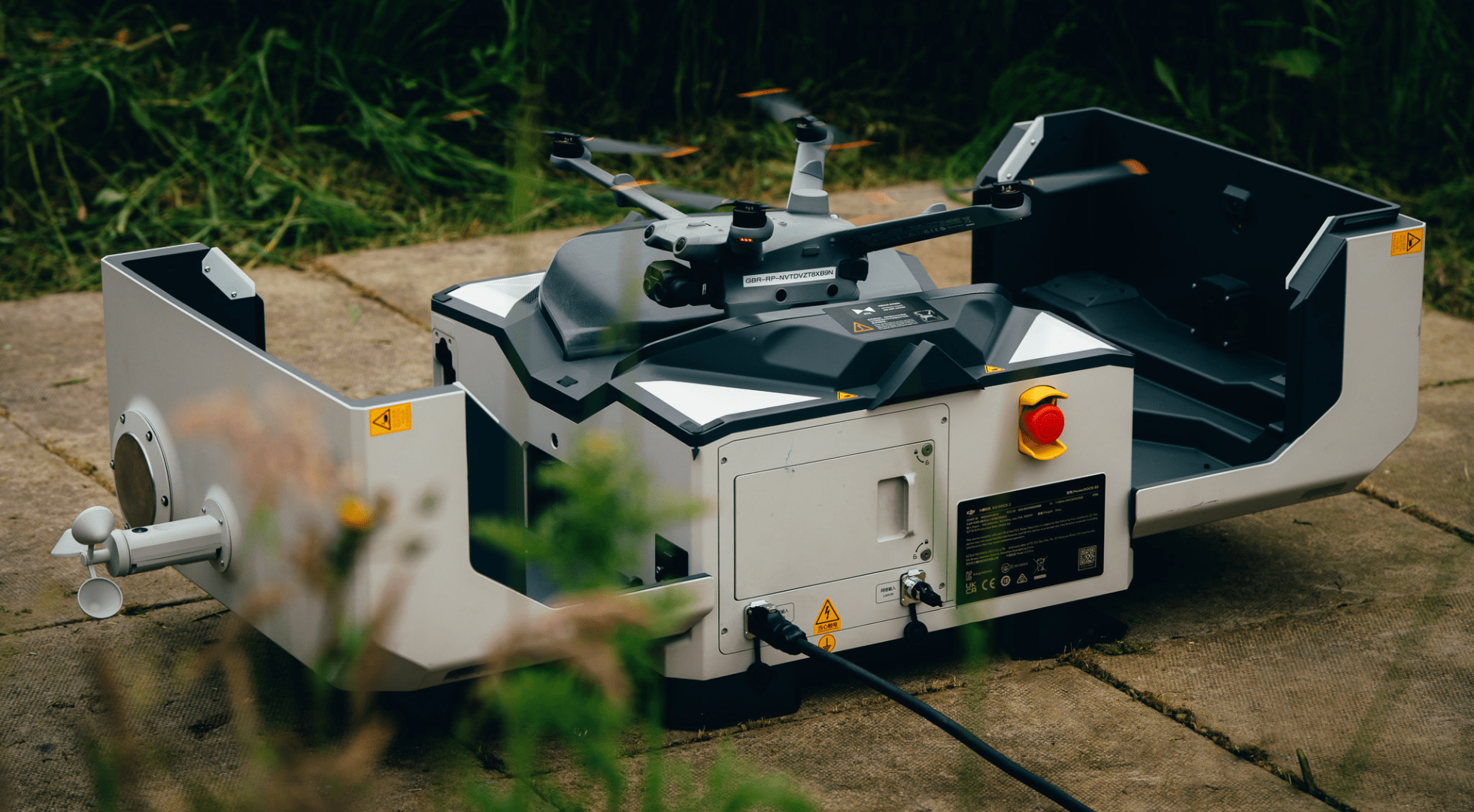
FCC Proposes Ban on Sales of Certain Military-Grade Foreign Drones to Reshape U.S. Market
The Federal Communications Commission (FCC) is advancing its initiative to reform the U.S. drone market by seeking public input on a proposed ban on the import, marketing, or sale of specific categories of foreign-produced military-grade drones listed on its Covered List. This move follows a previous decision to restrict certain foreign uncrewed aircraft systems due to national security concerns. This proposal is significant as it reflects the FCC's evolving strategy, which now includes establishing regulatory pathways for domestic manufacturers that comply with U.S. security standards. The FCC aims to provide greater certainty for companies investing in U.S.-based production while addressing potential national security risks associated with foreign drones. Comments on the proposed restrictions are due 30 days after the notice is published in the Federal Register. The FCC is also extending exemptions for trusted manufacturers until January 1, 2028, and has permanently removed expiration dates for certain approved drones and components, ensuring stability in the supply chain for compliant products.
Applications defense Defense Drone News Drone News Feeds Drone Swarms
Seven AI Technologies Enhancing Military Drone Swarms' Intelligence and Effectiveness
Military drone swarms are becoming a pivotal advancement in autonomous warfare, enabling multiple unmanned systems to operate collectively rather than individually. This capability is heavily reliant on artificial intelligence, which aids drones in interpreting sensor data, navigating complex environments, and communicating effectively, thereby reducing the burden on human operators. The significance of these advancements lies in their ability to enhance operational resilience. Swarm intelligence allows drones to function as a coordinated unit, utilizing decentralized algorithms to manage interactions, maintain formations, and adapt to challenges, inspired by natural collective behaviors. Programs like DARPA’s OFFSET have explored these concepts, demonstrating how autonomous systems can collaborate in intricate missions, particularly in urban settings. Looking ahead, the integration of edge AI technology is crucial for military drone swarms. This innovation enables drones to process data onboard, ensuring functionality even when connectivity to command centers is compromised. As these technologies evolve, their impact on military operations and strategies will be significant, with ongoing developments to watch closely.
AI and Robotics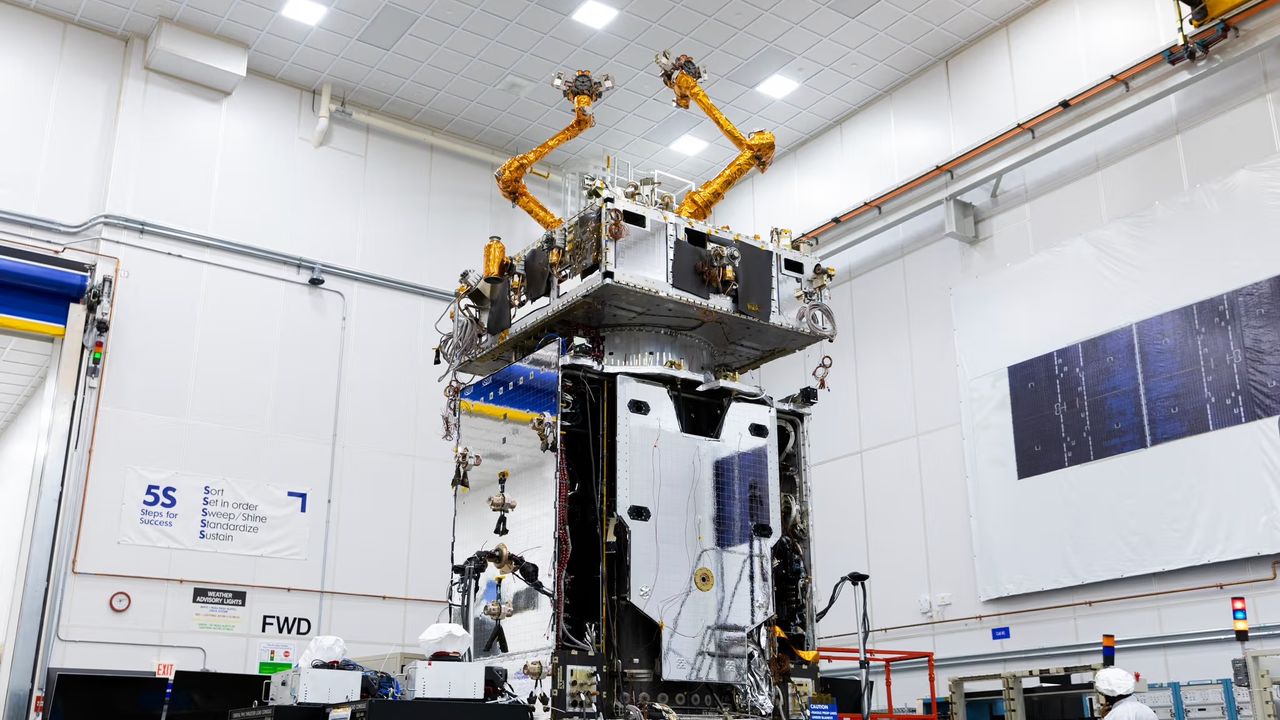
SpaceX Launches Innovative Satellite Repair Drone with Robotic Arms to Earth Orbit Today
SpaceX is set to launch a groundbreaking satellite-servicing mission today, July 21, using a Falcon 9 rocket from Cape Canaveral Space Force Station. The mission, named MRV-MEV, will deploy a Mission Robotic Vehicle (MRV) and three Mission Extension Pods (MEPs) to geostationary orbit (GEO) at an altitude of 22,236 miles (35,786 kilometers). The MRV, equipped with two robotic arms, will attach the MEPs to client satellites, extending their operational lives. This mission is significant as it marks the first launch of MEPs, which are designed to provide up to eight years of life extension for satellites in GEO. The MRV will not only install MEPs but also has capabilities to relocate, inspect, repair, and upgrade satellites in orbit. This advancement in satellite servicing technology is expected to enhance the resilience of space assets, as noted by Northrop Grumman, the parent company of SpaceLogistics, which operates the spacecraft. Looking ahead, the MRV will remain in GEO after installing the MEPs, awaiting future missions. The successful deployment of this technology could pave the way for more complex satellite servicing operations, building on Northrop Grumman's previous experiences with the Mission Extension Vehicle projects. No further timeline was disclosed at the time of publication.
Launches & Spacecraft Space Exploration
Elistair and Exail Collaborate on Tethered Drone Maritime Surveillance for Autonomous Vessels
Elistair has partnered with Exail to integrate its Khronos DroneBox with Exail's DriX unmanned surface vessel, enabling tethered drone maritime surveillance. This collaboration allows operators to maintain a persistent aerial view from shore, enhancing capabilities for naval, coast guard, and port security operations. The integration of the Khronos DroneBox with the DriX vessel marks a significant advancement in maritime surveillance technology. The tethered drone can operate for up to 24 hours at a height of 60 meters, providing real-time, encrypted video feeds even in challenging environments. This capability extends surveillance beyond traditional surface radar limits, making it ideal for various applications including coastal surveillance and search and rescue missions. Looking ahead, the partnership between Elistair and Exail is expected to evolve as they explore further applications of the Khronos system in maritime contexts. No further timeline was disclosed at the time of publication.
Drone News Drone News Feeds News safety and security seadrones Security
L3Harris and Shield AI Achieve Milestone with First Autonomous DiSCO EW Drone Flight
L3Harris Technologies and Shield AI have successfully completed the inaugural live flight trial of their Distributed Spectrum Collaboration and Operations (DiSCO) system. This achievement marks a significant step in the development of autonomous electronic warfare capabilities. The successful flight trial is crucial as it demonstrates the potential of the DiSCO system to enhance operational effectiveness in electronic warfare. By leveraging advanced technologies, this collaboration aims to improve situational awareness and decision-making in complex environments. Looking ahead, industry stakeholders will be keen to observe further developments and potential applications of the DiSCO system in military operations. No further timeline was disclosed at the time of publication.
News
Ukraine Aims to Double Drone Production to 20 Million Annually with EU Support
Ukrainian President Volodymyr Zelenskyy announced that Ukraine is currently producing 10 million drones each year. With the assistance of partners, the country aims to increase its drone production capacity to 20 million annually. This initiative is significant as it highlights Ukraine's commitment to enhancing its unmanned systems capabilities amid ongoing challenges. The collaboration with partners, particularly the EU, is expected to accelerate the production process and improve the technological advancements in drone manufacturing. Looking ahead, stakeholders will be keen to monitor the progress of this production increase and the potential impact on Ukraine's defense capabilities. No further timeline was disclosed at the time of publication.
Air Warfare Air Force Drones EU Europe Fincantieri
Blue Water Autonomy and Saildrone Sue Navy Over MUSV Marketplace Proposals
Blue Water Autonomy and Saildrone have initiated legal action against the U.S. Navy, asserting that their submissions met the requirements for the new MUSV marketplace. The lawsuits highlight the companies' contention that their proposals were compliant with the Navy's specifications, which is crucial for their competitive positioning in the defense sector. This legal dispute is significant as it underscores the challenges faced by companies in meeting military procurement standards and the implications of such lawsuits on future contracts. The outcome could influence how the Navy evaluates proposals and the overall dynamics of the MUSV marketplace, which is vital for advancing unmanned surface vehicle technologies. As the case unfolds, stakeholders should monitor the Navy's response and any potential changes to the MUSV marketplace criteria. The resolution of this dispute may set precedents for future engagements between defense contractors and military branches, impacting the broader landscape of defense procurement.
Naval Warfare Blue Water Autonomy Drones MUSV Navy SaildroneRobotics needs a service framework.
RSF defines a common language for robot service capability, lifecycle operations, certification pathways, and service-provider networks.
Join the RobotToday community on LinkedIn
Daily robotics news, in-depth analysis, conference highlights, and discussions with professionals worldwide.