

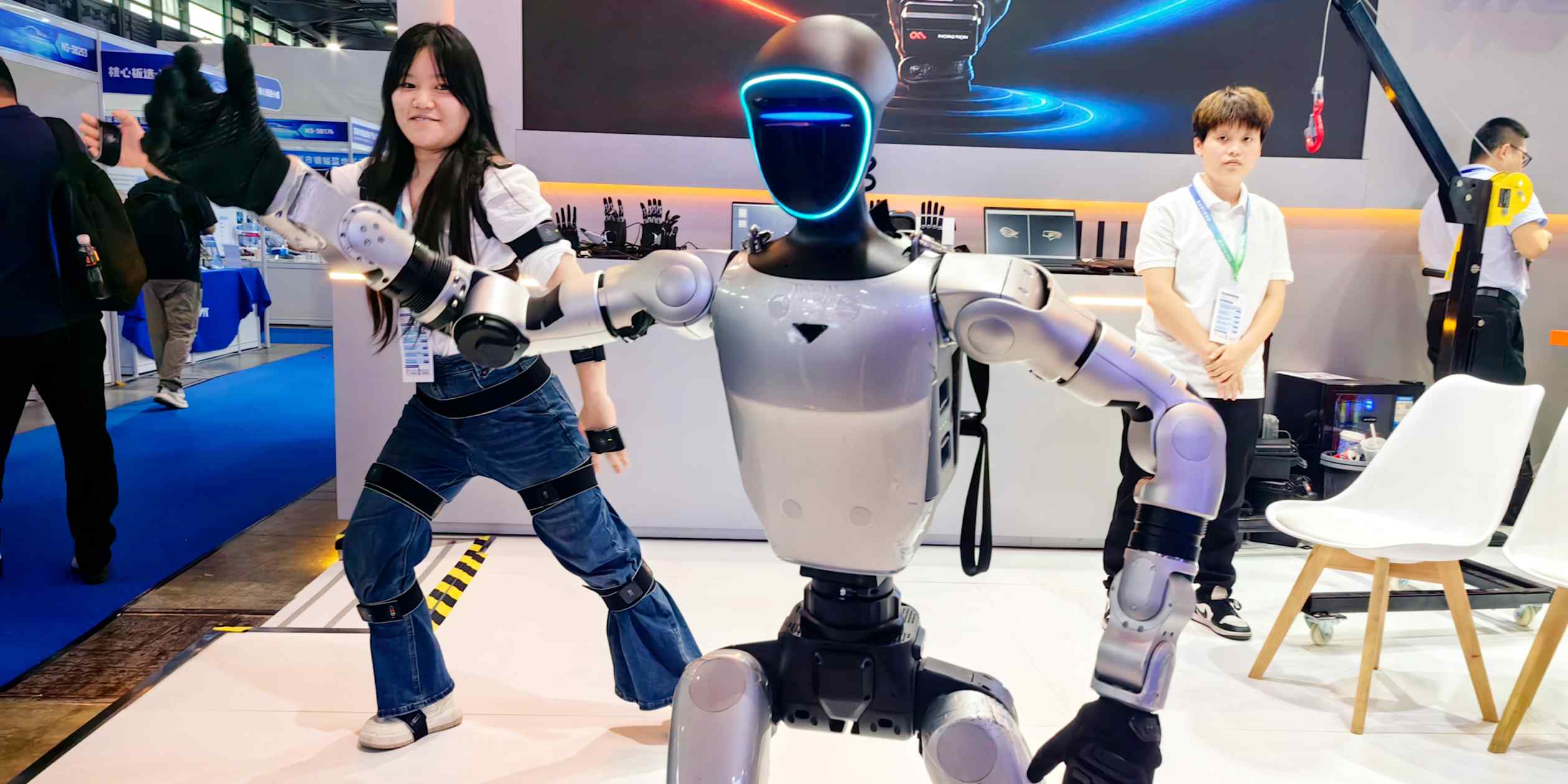
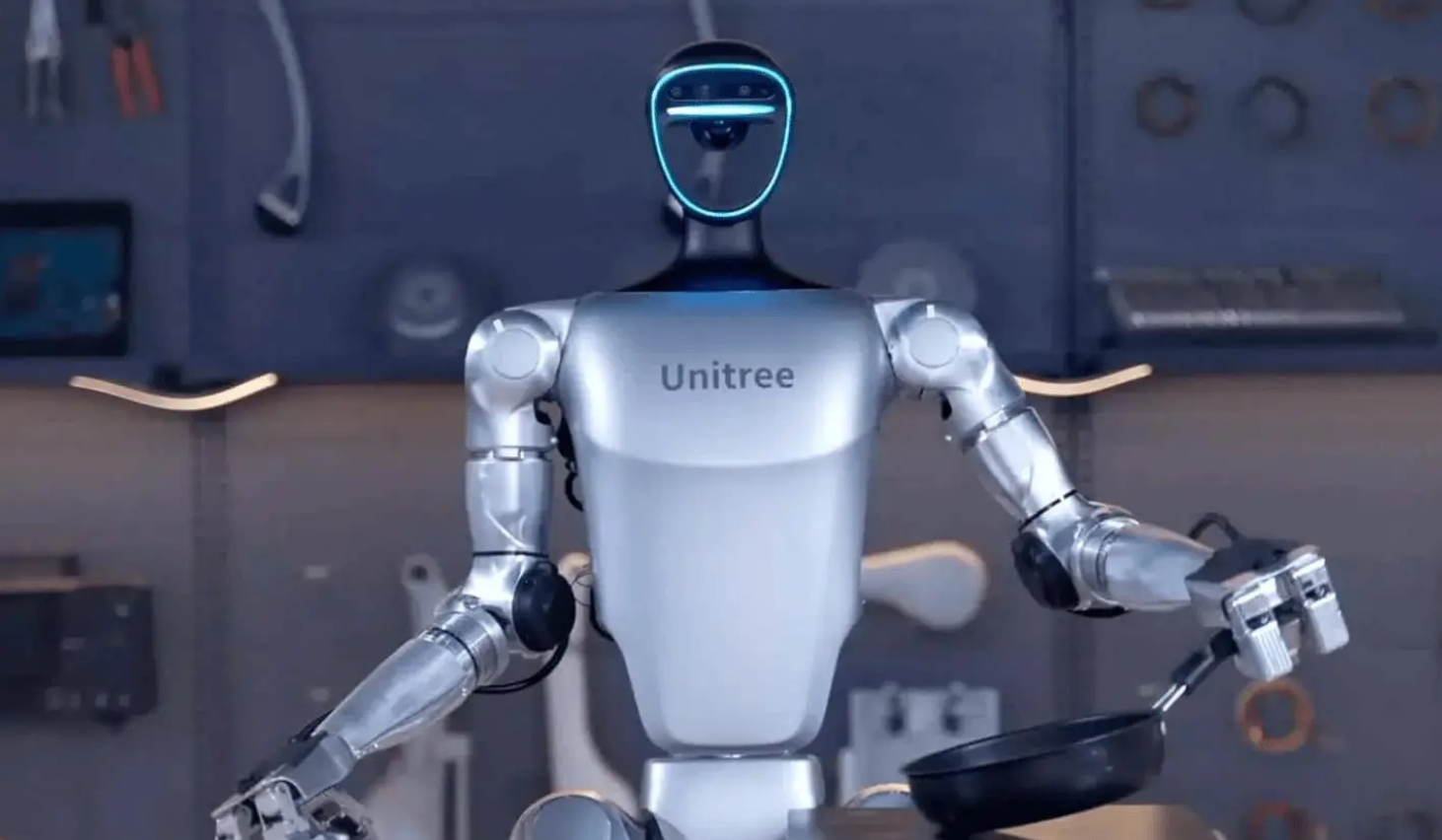
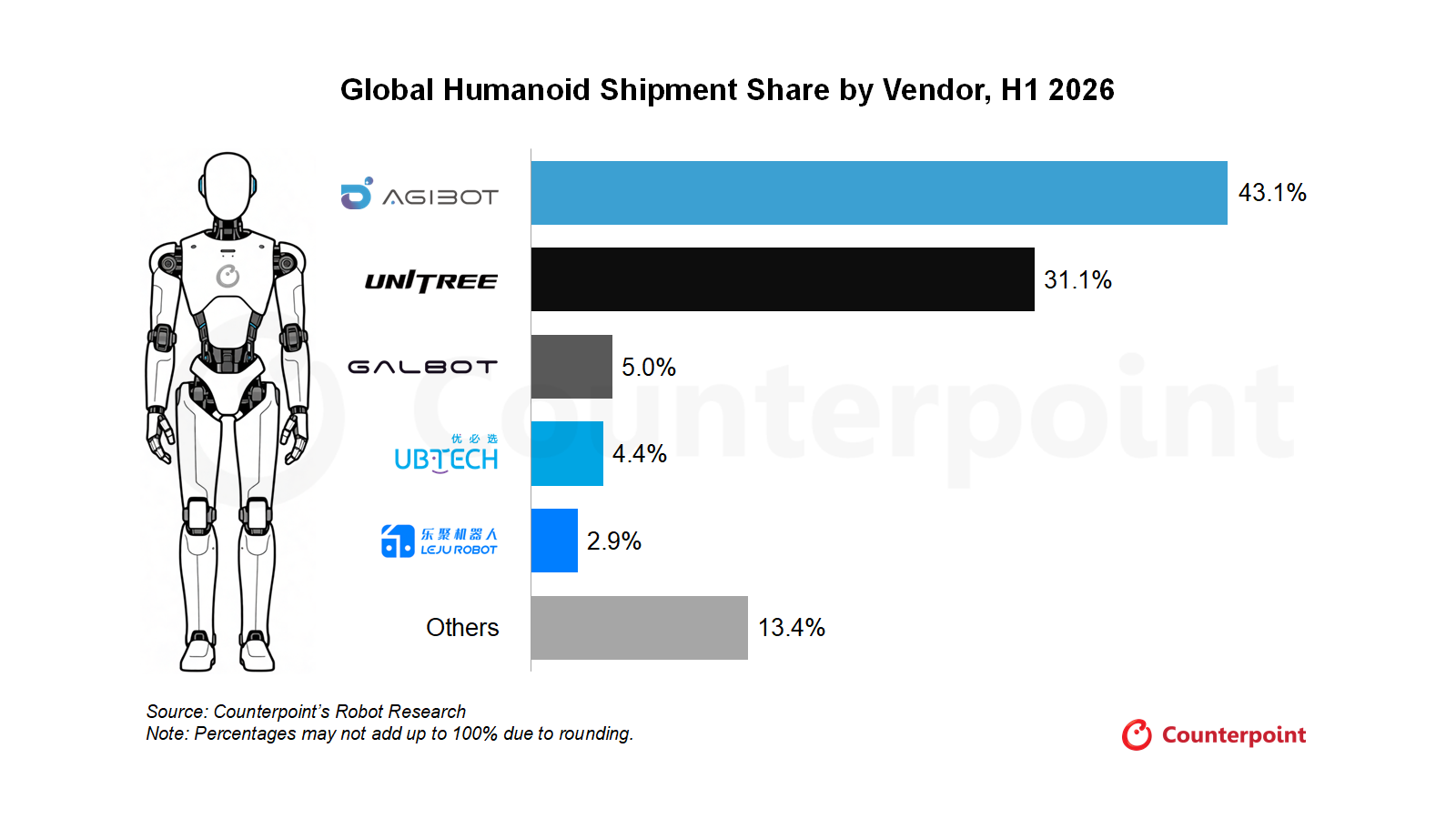
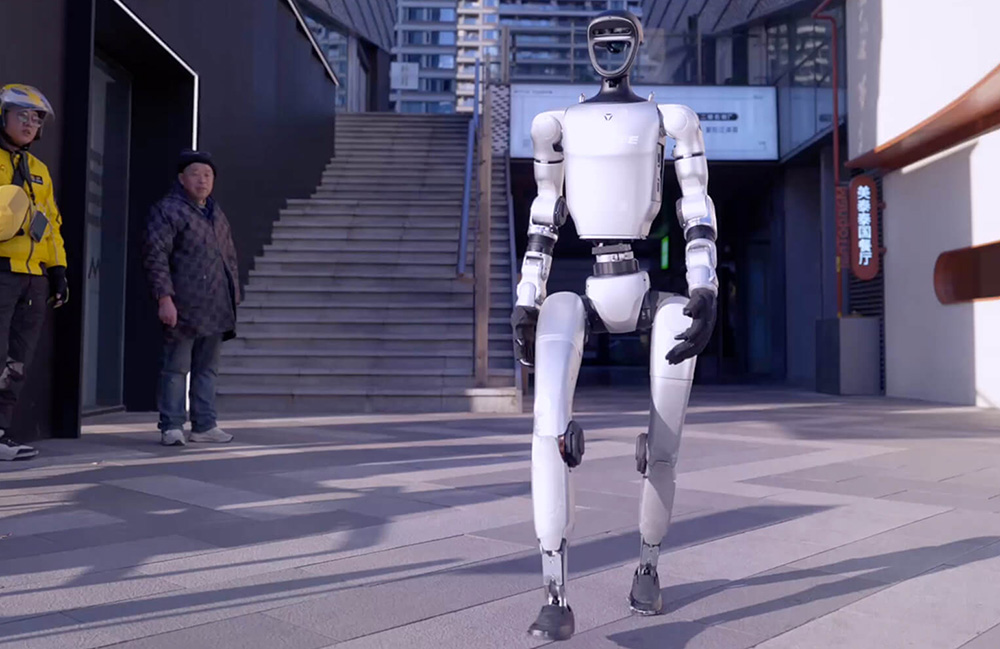
Recent advancements in humanoid robots, particularly from Chinese firms, have led to remarkable capabilities. At the Nikkei Asia Forum, Unitree Robotics showcased its humanoid model 'Superman,' which can jump two meters and run at 12.66 meters per second, exceeding human athletic records.
These developments highlight the potential for humanoids to perform tasks traditionally reserved for Olympic athletes. However, the integration of advanced AI is crucial for these robots to realize their full potential in practical applications. Unitree's current revenue is primarily from research and education, indicating a need for broader industrial adoption.
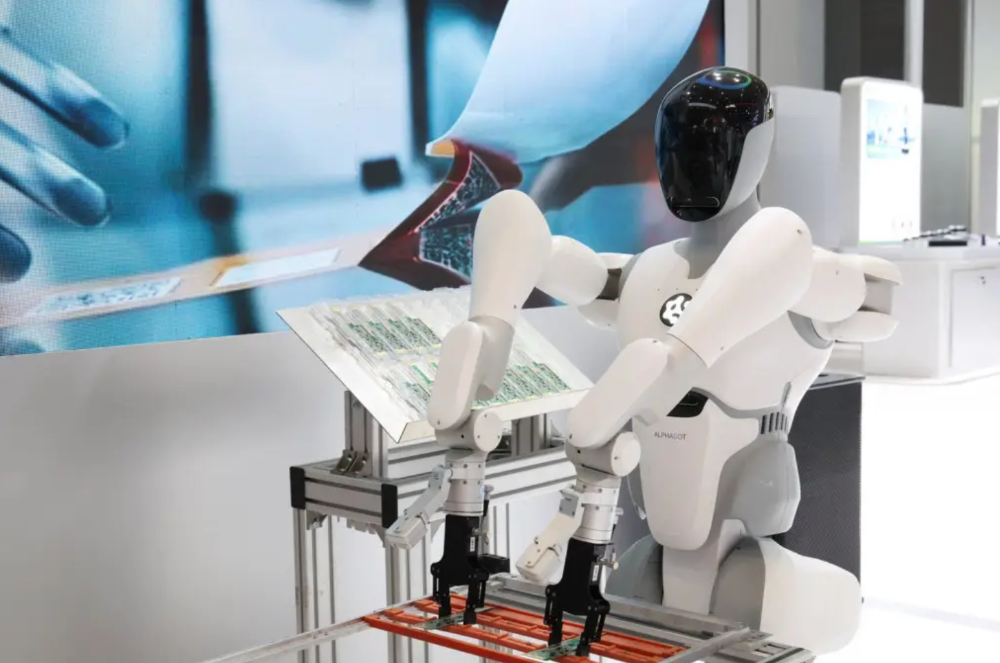
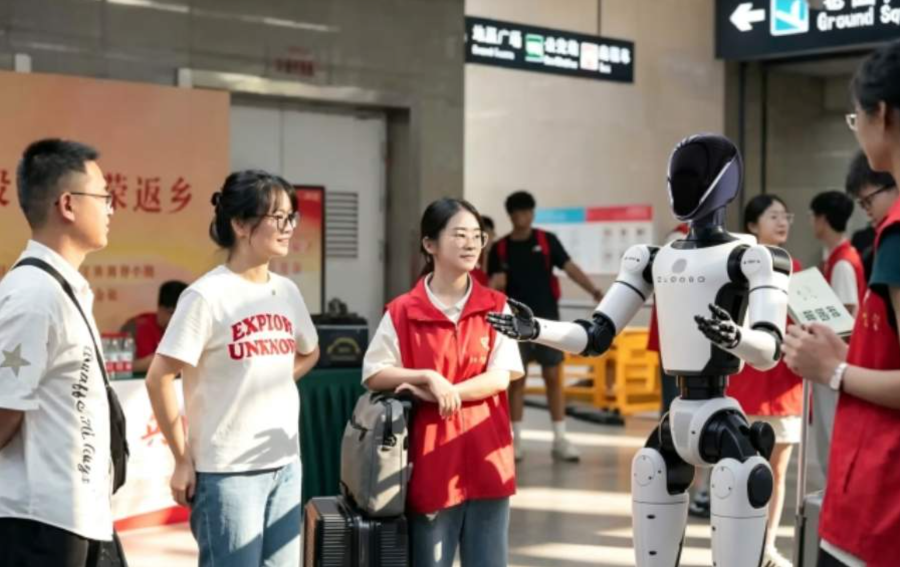
Looking ahead, the robotics industry anticipates a significant breakthrough in AI integration within the next two to five years. As humanoids evolve, they may take on roles in logistics and caregiving, transforming various sectors. The future of humanoid robots raises questions about their societal impact and the balance between assistance and autonomy.
Editor's Note
The rapid evolution of humanoid robots presents both opportunities and challenges for industries looking to integrate advanced automation. As companies like Unitree Robotics push the boundaries of physical capabilities, the focus must shift towards developing intelligent systems that can operate effectively in real-world scenarios. This dual challenge of enhancing AI and reducing costs will be critical for widespread adoption in sectors such as logistics and healthcare.

























Leave a comment