

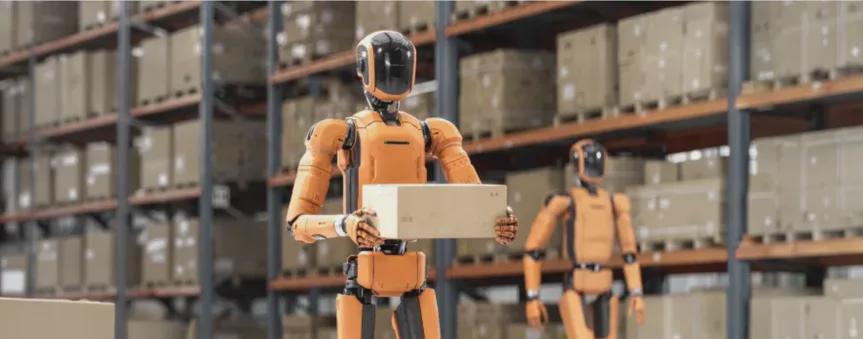
On September 1, 2026, Goldman Sachs analysts released an 80-page report predicting a significant increase in global humanoid robot shipments. The forecast for 2026 was raised from 51,000 to 75,000 units, and for 2035, from 1.4 million to 6.5 million units, marking an almost fourfold increase. This adjustment reflects a broader trend among major financial institutions, including Morgan Stanley and Deutsche Bank, which have also revised their projections upward, indicating a collective shift in market expectations.
The importance of these revised forecasts lies in their implications for the humanoid robot industry, which is experiencing exponential growth rather than the linear increases typically seen in traditional industries. Goldman Sachs highlighted that by 2035, the market size for humanoid robots could reach approximately $138.3 billion, with shipment volumes expected to increase over a hundredfold in just ten years. This shift in expectations is prompting traders to reassess their strategies in light of new data.
Looking ahead, the report indicates that each humanoid robot will generate a semiconductor demand of $3,000 to $6,000, underscoring the significance of silicon-based computing in the pricing of physical intelligence. As the industry transitions from two-dimensional to three-dimensional applications, the implications for technology adoption and market dynamics will be critical to monitor in the coming years. No further timeline was disclosed at the time of publication.
Editor's Note
The recent upward revisions in humanoid robot shipment forecasts by Goldman Sachs and Morgan Stanley signal a transformative shift in the robotics market. This exponential growth challenges traditional linear forecasting methods, highlighting the need for industry stakeholders to adapt to rapidly changing market dynamics. The implications for semiconductor demand and technology integration will be crucial for future developments in robotics and automation.



























Leave a comment