

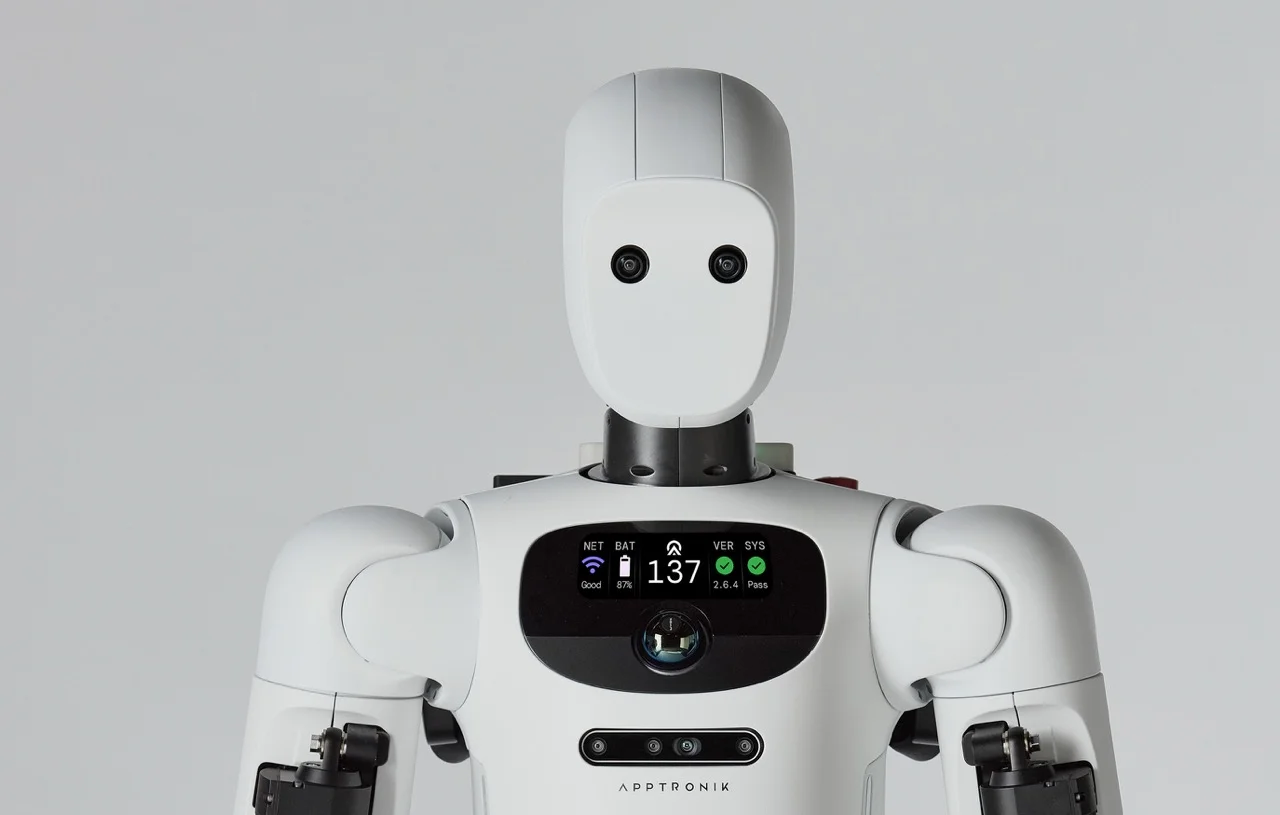
Austin-based Apptronik has quietly introduced Apollo 2, its next-generation humanoid robot, through a website update rather than a public event. This approach aligns with CEO Jeff Cardenas's philosophy of prioritizing substance over hype in the commercialization of Physical AI. Unlike competitors, Apptronik emphasizes hardware verification in real-world settings.
Apollo 2 features a modular mobility architecture, allowing it to function as either a bipedal humanoid or a wheeled robot, catering to various industrial needs. The design improvements focus on mass manufacturability and operational efficiency, with a patented actuator technology that achieves over 90% energy efficiency. Additionally, the robot incorporates a swappable battery system to minimize downtime.
With a significant $520 million Series A-X extension, Apptronik is targeting six distinct industrial applications for Apollo 2. The robot is designed to support advanced machine intelligence, making it a versatile tool for logistics and manufacturing while ensuring safety and effective human interaction through its user-friendly design.
Editor's Note
Apptronik's strategic decision to launch Apollo 2 without fanfare reflects a growing trend in the robotics industry where companies prioritize practical deployment over marketing spectacle. This approach may influence how future robotics products are introduced, emphasizing real-world capabilities and operational readiness.
Copyright Notice
This briefing is an independently written summary based on publicly available reporting and is provided for industry information and news discovery. The original report and source publication are credited and linked where applicable. RobotToday does not claim ownership of third-party source material.
Rights concerns? If you believe any material in this briefing infringes your copyright or other rights, please contact [email protected] with the relevant URL and details. We will review the matter and take appropriate action where warranted.









Leave a comment