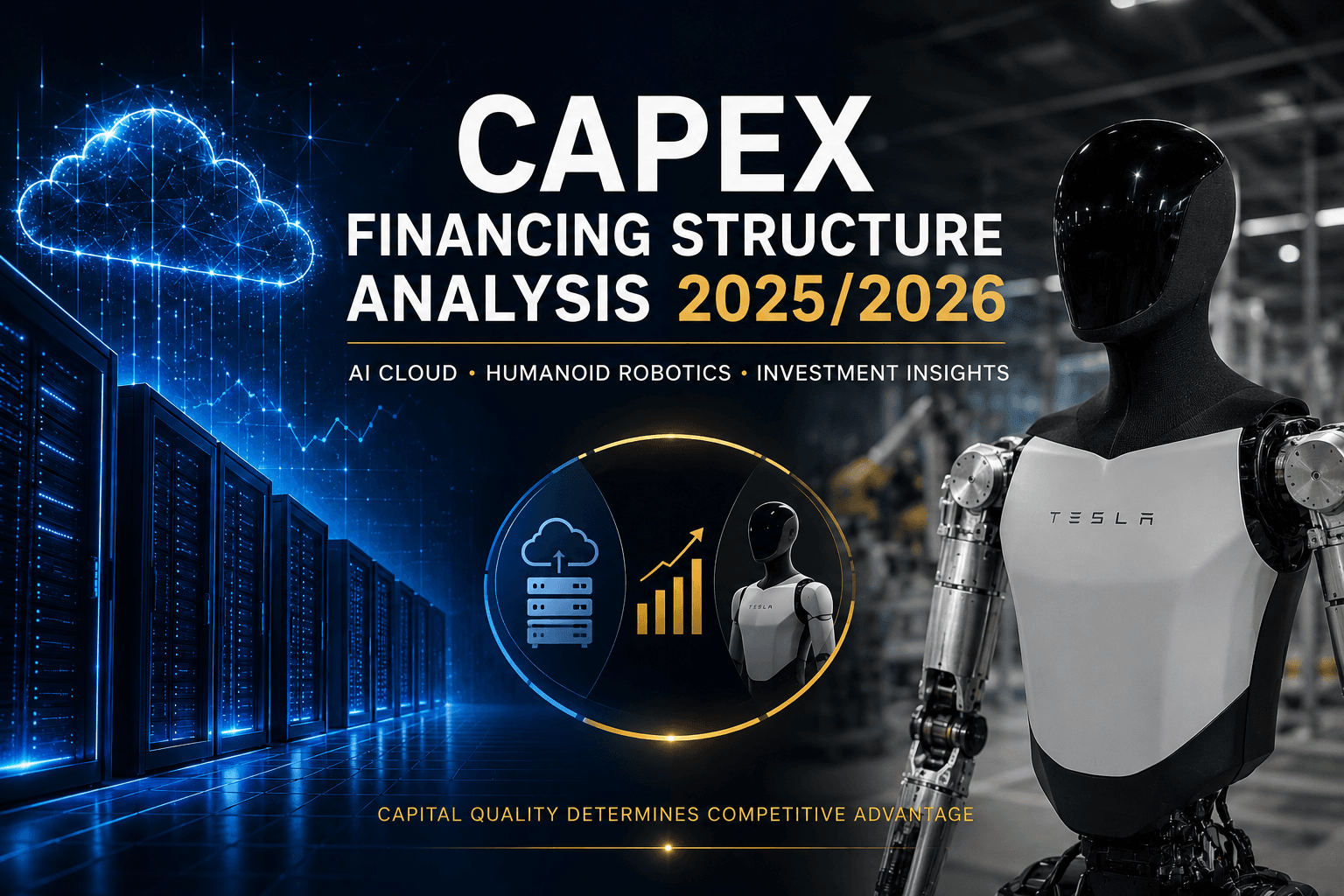
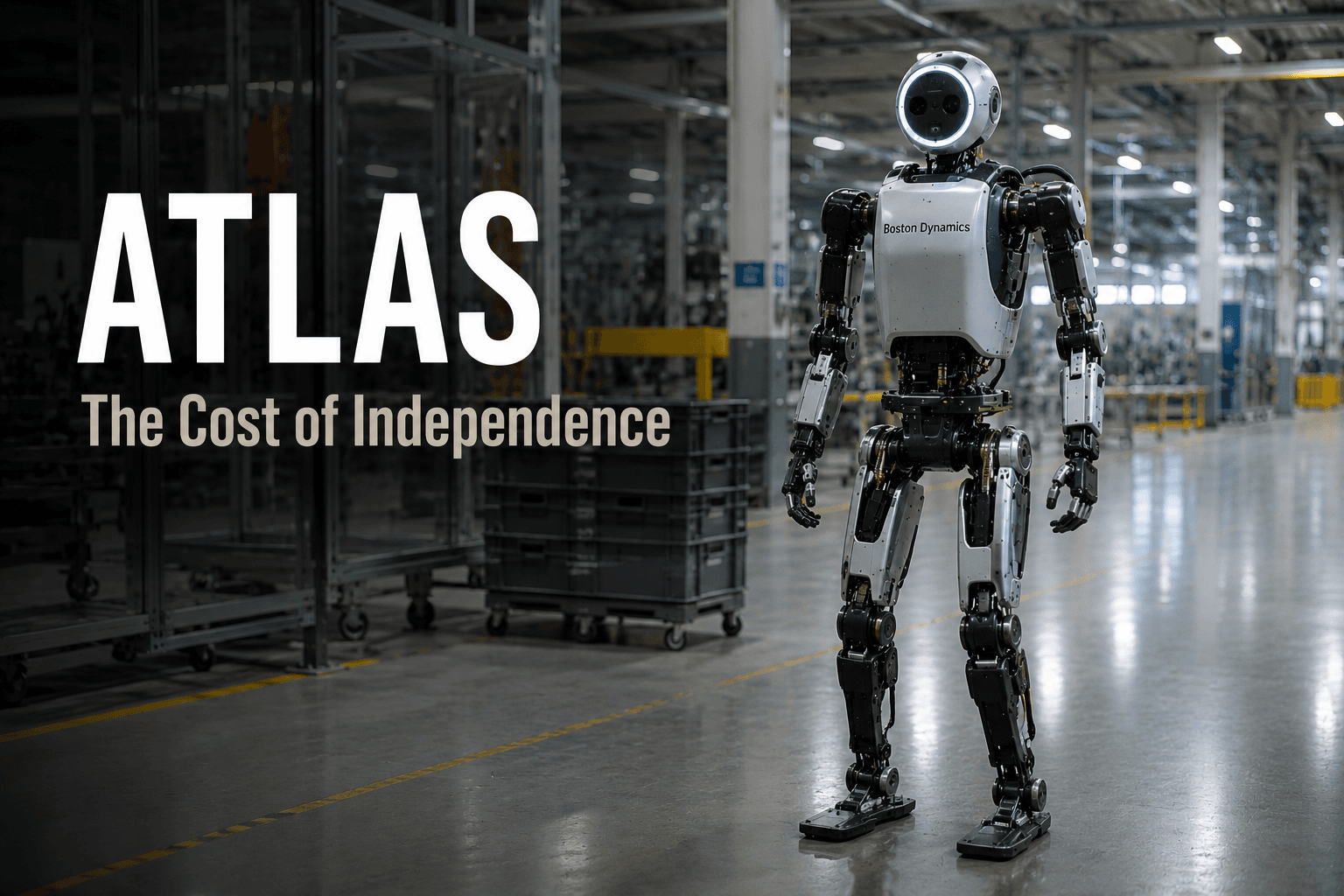
Search Result for: https://investors.teradyne.com/news-events/press-releases/detail/436/teradyne-introduces-photon-100
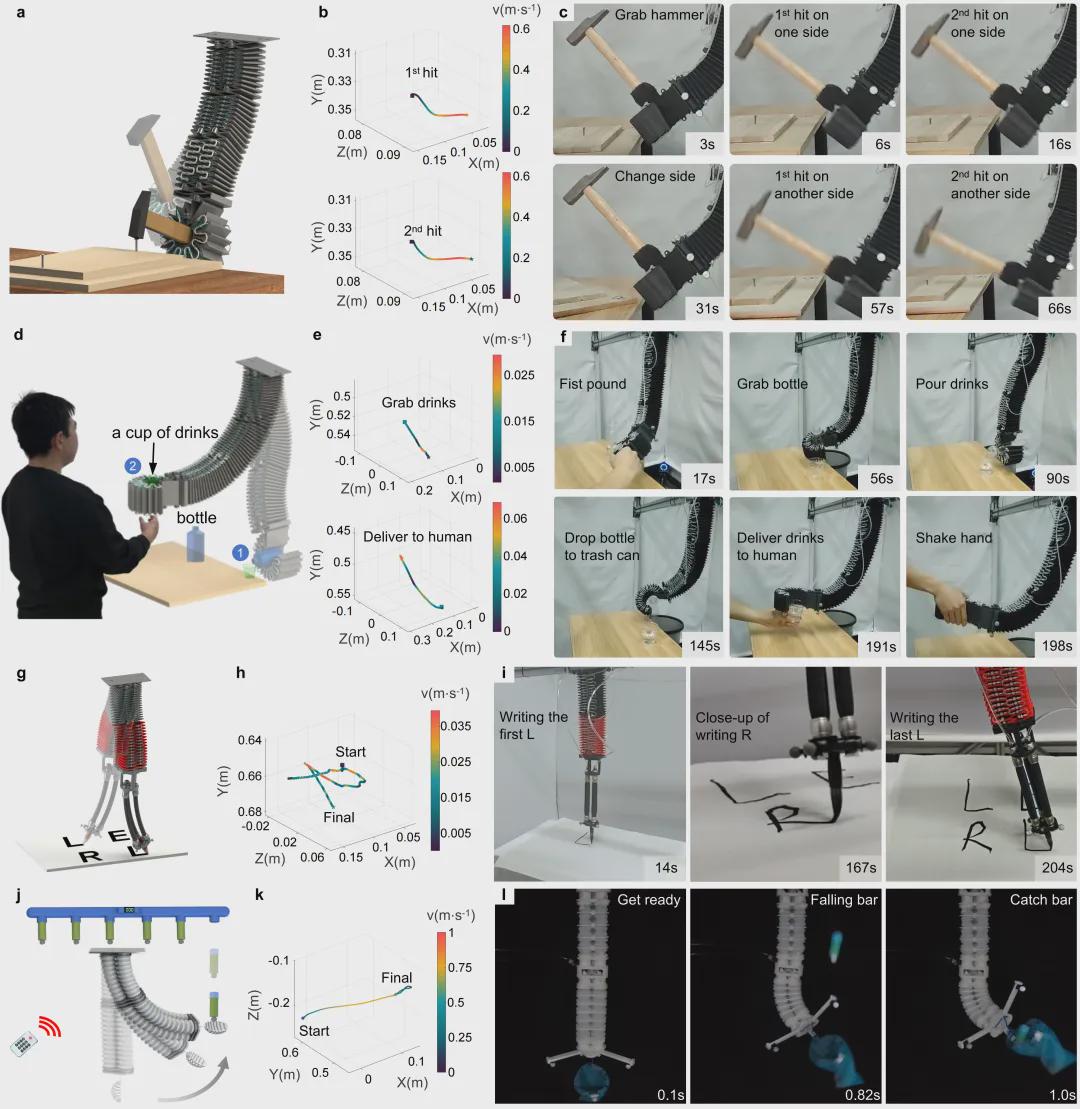
Nature Communications | Soft robots can quickly adapt to a new body, linear embedding...
Researchers have made significant advancements in soft robotics, demonstrating that these machines can rapidly adjust to new physical forms. This breakthrough was detailed in a study published in Nature Communications, highlighting the potential for soft robots to enhance their adaptability in various environments. The research team conducted experiments that showcased how these robots can seamlessly integrate with different structures, allowing them to perform tasks more efficiently. This development is particularly relevant in fields such as healthcare, where soft robots could assist in surgeries or rehabilitation, adapting to the unique needs of patients. The findings underscore the importance of flexibility in robotic design, paving the way for more versatile applications in the future.

LLMs help robots understand vague instructions and focus on key details
Researchers at MIT have developed an innovative approach to enhance the efficiency of robots in performing chores in various environments, including homes and factories. This new method employs a dual-language model system: the first model is designed to interpret and clarify user instructions, while the second model focuses on filtering out irrelevant information that may hinder task execution. This advancement aims to improve the interaction between humans and robots, making it easier for machines to understand and carry out complex tasks effectively. The initiative reflects MIT's commitment to advancing robotics technology and its potential applications in everyday life.

"Featured in Science, a New Biomimetic Approach! Soft Actuators for Minimally Invasive Autonomous Tumor Removal"
Researchers have introduced a groundbreaking biomimetic approach for minimally invasive tumor removal, as detailed in a recent publication in the journal Science. This innovative method utilizes soft actuators designed to autonomously navigate and eliminate tumors with precision. The study, conducted by a team of scientists, aims to enhance surgical techniques and reduce recovery times for patients undergoing cancer treatment. By mimicking natural movements found in certain organisms, the soft actuators can adapt to various tissue types, ensuring minimal damage to surrounding healthy cells. This advancement represents a significant step forward in the field of medical robotics and could revolutionize how tumors are treated in clinical settings. The research highlights the potential for these soft actuators to transform surgical practices, making them safer and more efficient for patients in need of tumor removal.

This $5 Billion Startup Is Putting Humanoid Robots To Work
A $5 billion startup is deploying humanoid robots in Texas, marking a significant step towards a machine-powered future. This initiative, detailed by journalist Joshua Brustein, showcases the startup's ambition to integrate advanced robotics into various sectors, potentially transforming industries and labor dynamics. The move comes amid growing interest in automation and artificial intelligence, as businesses seek innovative solutions to enhance productivity and efficiency. By leveraging cutting-edge technology, the startup aims to address labor shortages and streamline operations, indicating a shift in how work may be conducted in the coming years. The deployment of these robots in Texas serves as a pilot for broader applications, reflecting the increasing acceptance of robotics in everyday tasks.
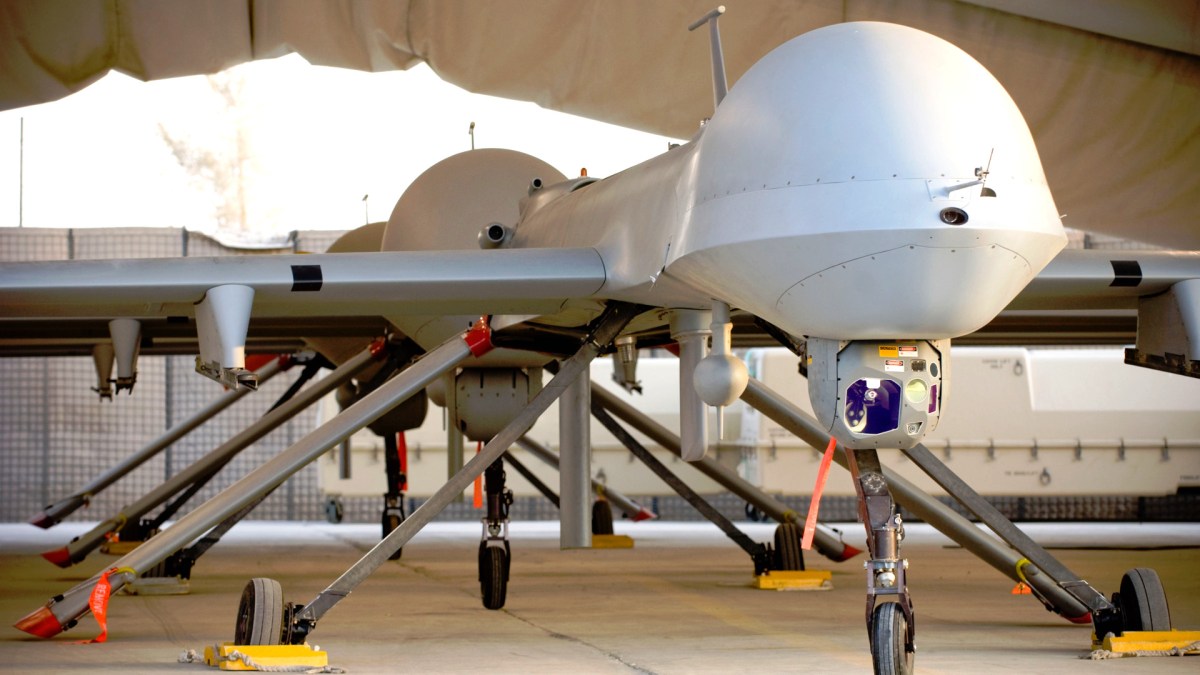
Pocket Fleet Of Unseen MQ-1 Predators Still Flying In Specialized Role
Formerly retired MQ-1 Predator drones, once a staple of the U.S. Air Force, are now being repurposed for specialized missions, showcasing their continued relevance in modern military operations. These drones, which had been phased out of active service, are being utilized in roles that require their unique capabilities, allowing them to contribute to missions that demand surveillance and reconnaissance. This resurgence of the MQ-1s comes as military strategists seek cost-effective solutions to meet evolving operational needs. The drones are primarily being deployed in less conventional environments, where their stealth and adaptability provide a tactical advantage. While the exact locations and details of their current missions remain classified, the ongoing use of these drones highlights the military's commitment to maximizing existing resources. The decision to keep the MQ-1s operational reflects a broader trend within the defense sector to extend the lifespan of proven technologies amidst budget constraints and the need for versatile aerial platforms. As of October 2023, these unmanned aerial vehicles continue to play a crucial role in enhancing situational awareness and intelligence gathering, proving that even retired military assets can find new life in the ever-evolving landscape of defense operations.
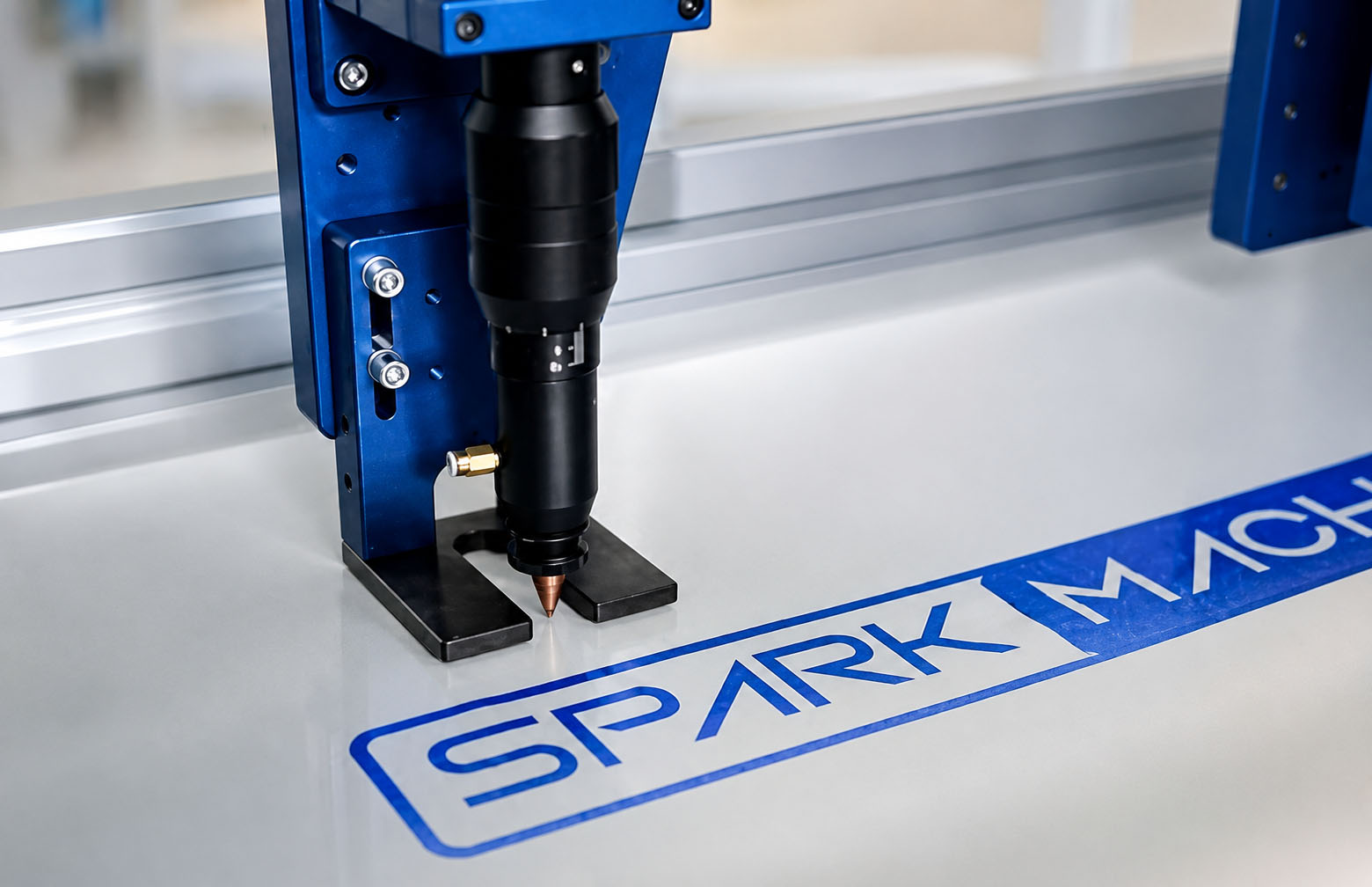
Laser micro-perforation with camera: enhancing reliability in packaging films through industrial vision.
In the contemporary flexible packaging industry, achieving excellence extends beyond aesthetics to become a critical functional requirement. The optimization of permeability has emerged as a fundamental pillar in preserving the freshness of products, where every technical detail plays a vital role in extending shelf life and minimizing food waste. Recent advancements in laser micro-perforation technology, combined with industrial vision systems, are enhancing the reliability of packaging films. This innovative approach not only improves product preservation but also addresses the growing demand for sustainable packaging solutions. The integration of these technologies is transforming how the industry approaches packaging efficiency and effectiveness.

Deep dive into ARM’s physical AI and robotics strategies with Drew Henry
Drew Henry, a representative from ARM, recently shared insights into the evolving landscape of physical AI, robotics, and autonomous systems, emphasizing their development to meet real-world challenges. In a detailed discussion, Henry outlined ARM's strategic approach to integrating advanced technologies in these fields, highlighting the necessity for systems that can operate effectively within the constraints of everyday environments. This conversation comes at a time when the demand for intelligent automation solutions is rapidly increasing, driven by the need for efficiency and innovation across various industries. The dialogue took place in a recent interview featured on The Robot Report, showcasing ARM's commitment to pioneering advancements in robotics and AI.

2026 Munich Shanghai Electronics Show: Exhibitor List and Floor Plan Released
The 2026 Munich Shanghai Electronics Show is set to occur from July 1 to July 3 at the Shanghai New International Expo Center. This prominent event will showcase over 2,000 exhibitors, including industry giants such as Texas Instruments, STMicroelectronics, and Infineon. In addition to the exhibition, the show will feature several technology forums and live broadcasts, drawing an anticipated crowd of more than 70,000 professionals from the electronics sector. Attendees can register online for complimentary entry and access detailed information regarding the exhibition layout and associated activities.

What changes will the upcoming Windows 11 update "26H2" bring for UI evolution and speed by 2027?
Microsoft is preparing for the upcoming major update of Windows 11, known as "26H2." This update will build upon the existing core features of the operating system and is expected to extend support periods for users. In addition to detailing the benefits of this extended support, the company will also provide insights into the latest developments within the restructured Windows Insider Program, which has been divided into three distinct channels. The update is part of Microsoft's ongoing commitment to enhance user experience and ensure that Windows 11 remains competitive in the evolving tech landscape.

Ultraefficient chip could help tiny robots traverse complex environments
Researchers at MIT have developed an innovative chip designed to enhance the navigation capabilities of small, low-power unmanned aerial vehicles (UAVs) as they maneuver through confined spaces, such as industrial HVAC systems, to detect gas leaks. This breakthrough, announced recently, enables these autonomous robots and other battery-operated devices to create detailed three-dimensional maps of their surroundings in real time while consuming minimal energy—approximately the same amount as a single LED light. By utilizing these maps, the robots can effectively plan collision-free routes to their objectives, significantly improving their operational efficiency and safety in complex environments.
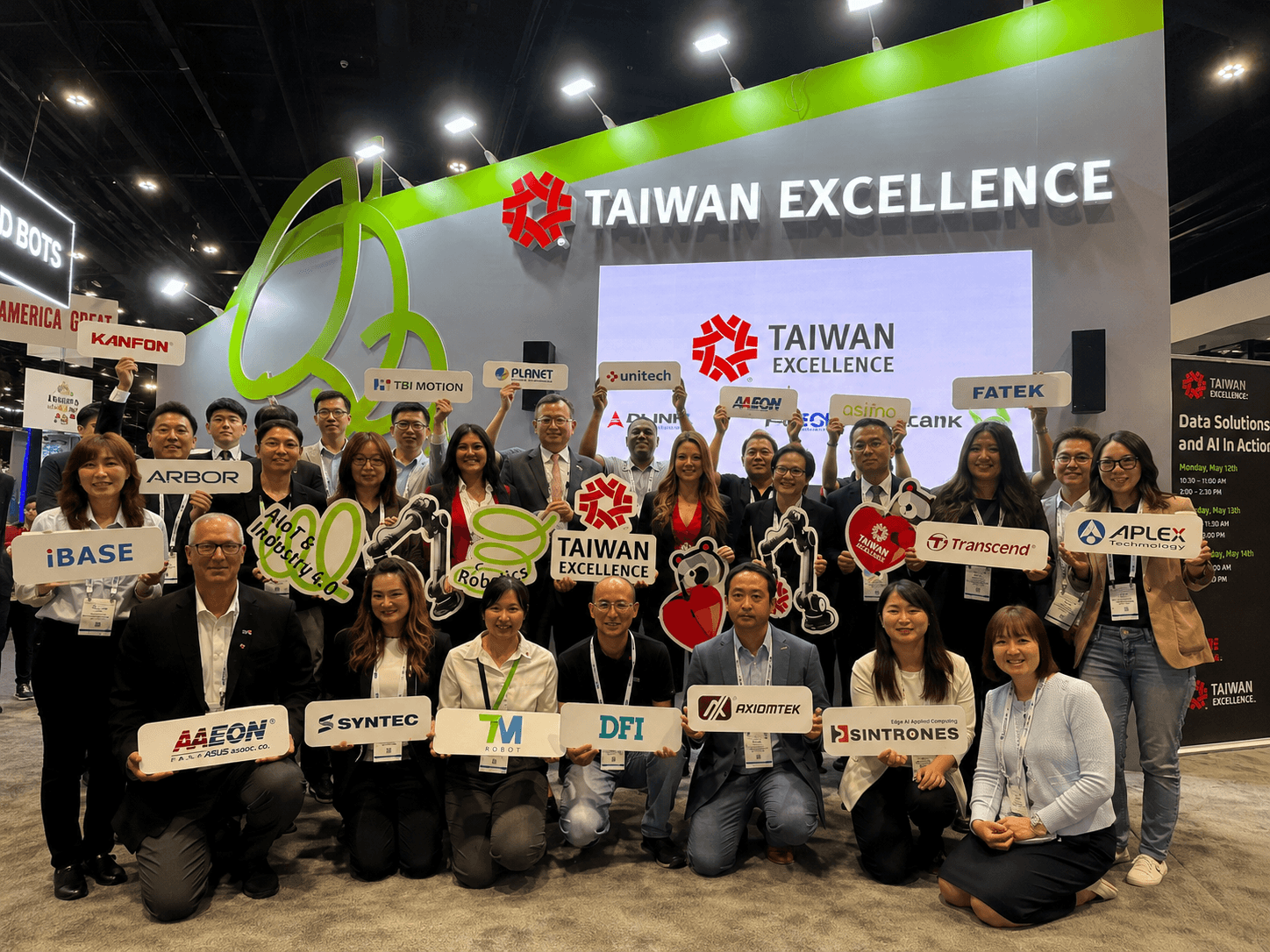
Taiwan Excellence Pavilion at Automate 2026: 23 Companies Showcase Edge AI and Robotics
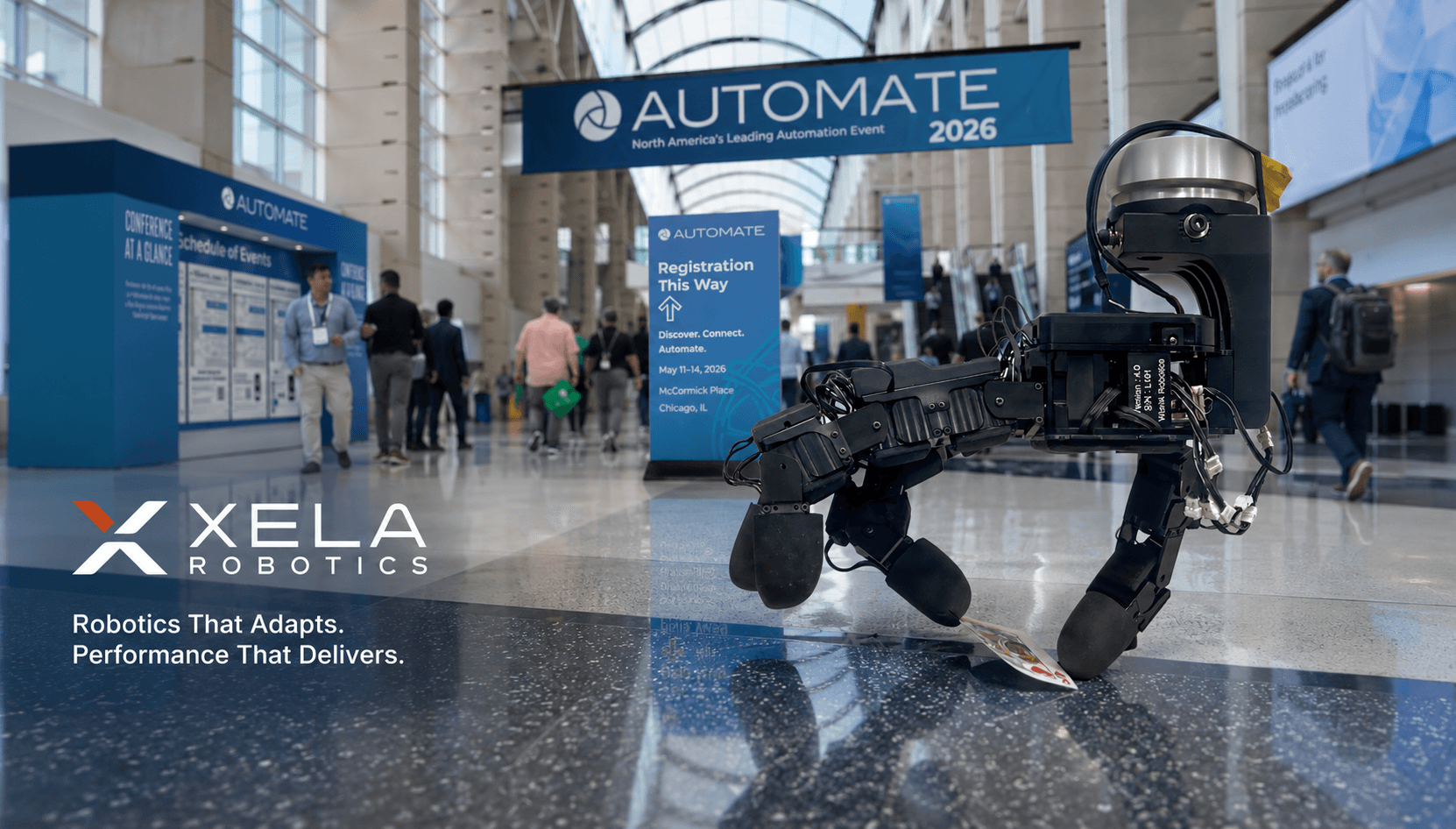
Taiwan Excellence Pavilion brings 23 certified companies to Automate 2026 in Chicago (June 22–25), showcasing edge AI, collaborative robots, precision motion and industrial computing solutions for U.S. smart manufacturing.

Roundtable Forum: The Real Landscape of AI Venture Capital Beyond Consensus
In a recent roundtable discussion on the evolving landscape of artificial intelligence (AI) investment, industry leaders emphasized the importance of acting ahead of consensus to seize opportunities. The forum featured prominent figures such as Zhu Tianyu, managing partner at BlueRun Ventures, and Qin Shentao, founder and CEO of OriginFlow, who shared insights on their early investment strategies. Zhu, who joined BlueRun in 2009, highlighted his early investments in successful companies like Li Auto and Genspark, noting that he made quick decisions based on a structured understanding of global challenges rather than just project details. He expressed confidence in OriginFlow’s potential, which focuses on non-invasive neural interfaces for embodied intelligent robots, aligning with key trends in artificial general intelligence (AGI), robotics, and 3D interaction. Qin, a Tsinghua University PhD, explained that OriginFlow aims to revolutionize how intelligent systems interact with the physical world, addressing a significant gap in data collection and processing. Within just five months of operation, the company secured over 500 million RMB in funding, demonstrating strong market interest. Both leaders acknowledged the challenges of navigating the current AI investment climate, characterized by rapid funding influxes and potential market bubbles. They stressed the need for investors to discern genuine innovation from fleeting trends, emphasizing that true value lies in solving fundamental problems rather than chasing hype. As the discussion concluded, they reiterated their commitment to fostering groundbreaking advancements in AI and embodied intelligence.

Beyond the Gantt Chart: How Skody AI Explains Why Orders Are Late
Skody AI goes beyond traditional APS by decomposing job lead times into specific delay causes — material waits, bottleneck queues, and off-shift gaps — giving discrete manufacturers a continuous, explainable finite-capacity schedule.

Design and Testing of a Minimal Configuration Underwater Micro‐Glider: Automating Lake and Reservoir Monitoring
The Journal of Field Robotics has recently published an early view article highlighting advancements in robotic technology and its applications in various fields. This publication, which became available in October 2023, showcases innovative research conducted by a team of engineers and scientists from leading universities and research institutions. The article focuses on the development of autonomous robots designed for complex tasks in environments such as agriculture, disaster response, and exploration. The research aims to address the growing need for efficient and reliable robotic systems capable of operating in challenging conditions, driven by the increasing demand for automation in various industries. Through rigorous testing and experimentation, the authors detail the methodologies employed in creating these advanced robotic systems, emphasizing their potential to enhance productivity and safety. The findings presented in this publication are expected to contribute significantly to the ongoing discourse on the future of robotics and its integration into everyday life. As the field of robotics continues to evolve, this early view article serves as a timely reminder of the transformative impact that innovative technologies can have on society, paving the way for further research and development in the coming years.
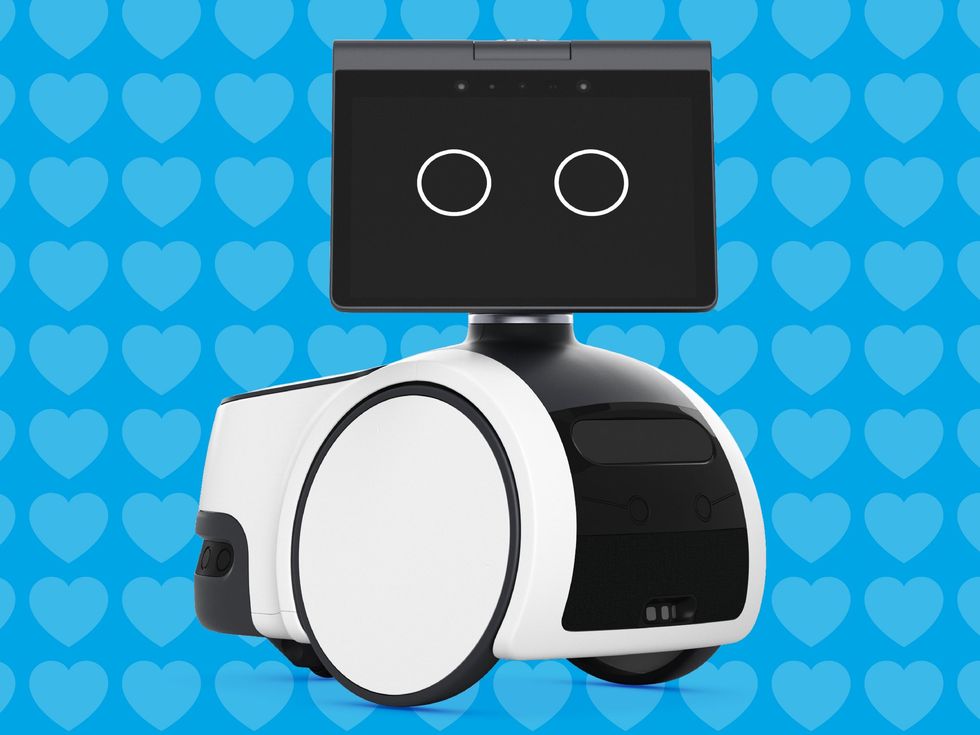
What Amazon’s Astro Taught Me About Giving Robots a Soul
In 2018, Amazon appointed a lead UX Sound Designer to develop Astro, its first consumer home robot capable of navigating and interacting within homes. The team faced a critical decision: whether to position Astro as an extension of Alexa or as a distinct character. Ultimately, user testing revealed that people preferred Astro as its own entity, leading to the decision to have Alexa serve as a supporting character while Astro communicated through sound, motion, and facial expressions. The design process involved defining Astro's character, which included determining its emotional range and how it would express uncertainty without losing user trust. The team emphasized the importance of a cohesive character, as inconsistencies could lead to a disjointed user experience. Astro's wake-up sequence, characterized by a blend of sound and motion, became a highlight during testing, with users describing it as "alive." Despite progress, the team acknowledged that character development often takes a backseat in product design, which can lead to lifeless devices. The designer urged product leaders to prioritize character definition early in the design process, integrate story and sound into character development, and design for adaptability to create more engaging and responsive products. The full narrative detailing these insights is available on Medium.

IEEE Rolls Out Large Language Models Virtual Training Course
Large language models (LLMs) have transitioned from research labs to everyday use in engineering, significantly altering how digital infrastructures are developed and maintained. As technical professionals increasingly rely on LLMs for complex tasks—such as identifying vulnerabilities in source code and converting fragmented discussions into detailed specifications—the demand for expertise in this technology is surging. According to MarketsandMarkets, the LLM technology market is projected to grow by approximately 33% annually through 2030. To effectively utilize LLMs, engineers must move beyond basic interactions and understand the underlying transformer architecture that enables these models to process vast datasets simultaneously. This knowledge is crucial to mitigate risks associated with inaccuracies, often referred to as "hallucinations," and to ensure reliable performance in coding and data handling. Key advancements include integrating LLMs with application programming interfaces (APIs) for direct database connections, addressing hallucination issues through retrieval-augmented generation (RAG), and prioritizing data security by establishing private model instances. Additionally, LLMs automate repetitive tasks, allowing engineers to focus on higher-level design and problem-solving. To bridge the growing knowledge gap, IEEE has launched an online program titled "Large Language Models Demystified," designed to equip technical professionals with a deeper understanding of LLMs. The curriculum covers the evolution of AI technology, transformer architectures, and practical model-building exercises. Participants will earn professional development credits and a digital badge upon completion, enhancing their credentials in this rapidly evolving field. Organizations interested in training their teams can consult with IEEE for tailored enrollment options.

'It's quite a bit more than we expected': Satellite reveals immense scale of GPS signal tampering
An experimental satellite has successfully mapped the extent of GPS jamming across Europe and the Middle East, marking a significant advancement in space-based monitoring technology. This groundbreaking achievement was reported recently, showcasing the satellite's ability to detect and analyze interference in GPS signals from a vantage point in space. The initiative aims to enhance understanding of the growing issue of GPS jamming, which poses risks to navigation and communication systems. By employing advanced sensors and data processing techniques, the satellite collected and transmitted detailed information about the locations and intensity of jamming activities. This development is crucial for improving the resilience of GPS-dependent services and ensuring the reliability of navigation systems in the affected regions.
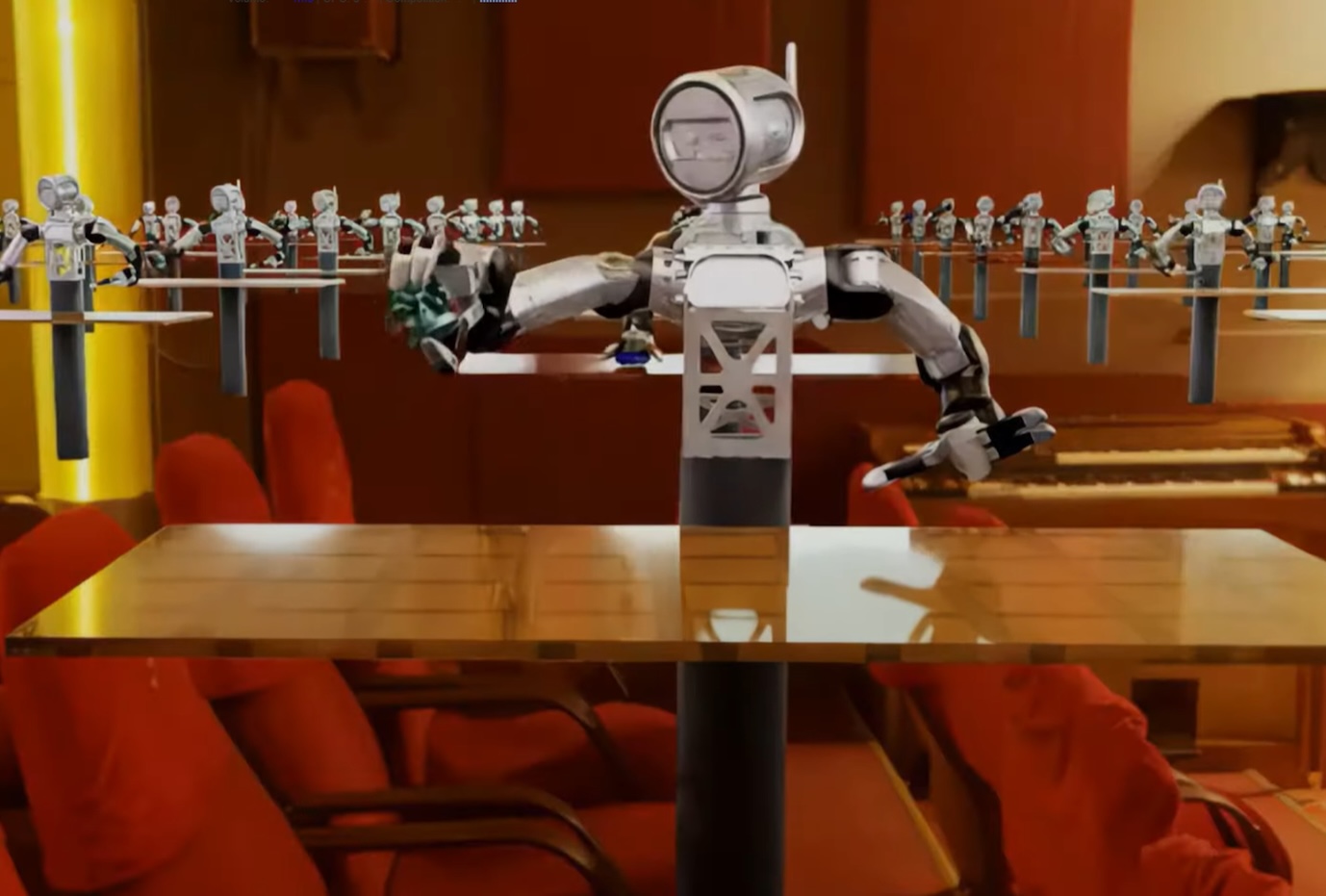
Design and Verification of a Multi‐Feature Wind Field Generation Device Based on Array‐Type Rotors
A recent study published in the Journal of Field Robotics explores advancements in robotic technology aimed at enhancing agricultural efficiency. Conducted by a team of researchers from various universities, the study highlights the development of autonomous robots capable of performing tasks such as planting, weeding, and harvesting crops. This research, which was initiated in early 2023, took place at agricultural fields across multiple locations in the Midwest United States. The motivation behind this initiative stems from the growing need for sustainable farming practices and the increasing labor shortages faced by the agricultural sector. By integrating advanced robotics into farming operations, the researchers aim to reduce reliance on manual labor while simultaneously increasing productivity and minimizing environmental impact. The study details the design and implementation of these robots, which utilize machine learning algorithms to navigate fields and make real-time decisions based on environmental conditions. Initial trials have shown promising results, indicating that these robots can significantly improve crop yields while reducing resource consumption. As the agricultural industry faces mounting challenges, this research represents a critical step toward the future of farming, showcasing how technology can play a pivotal role in addressing food security and sustainability. The findings are expected to influence future developments in agricultural robotics and encourage further investment in this innovative sector.
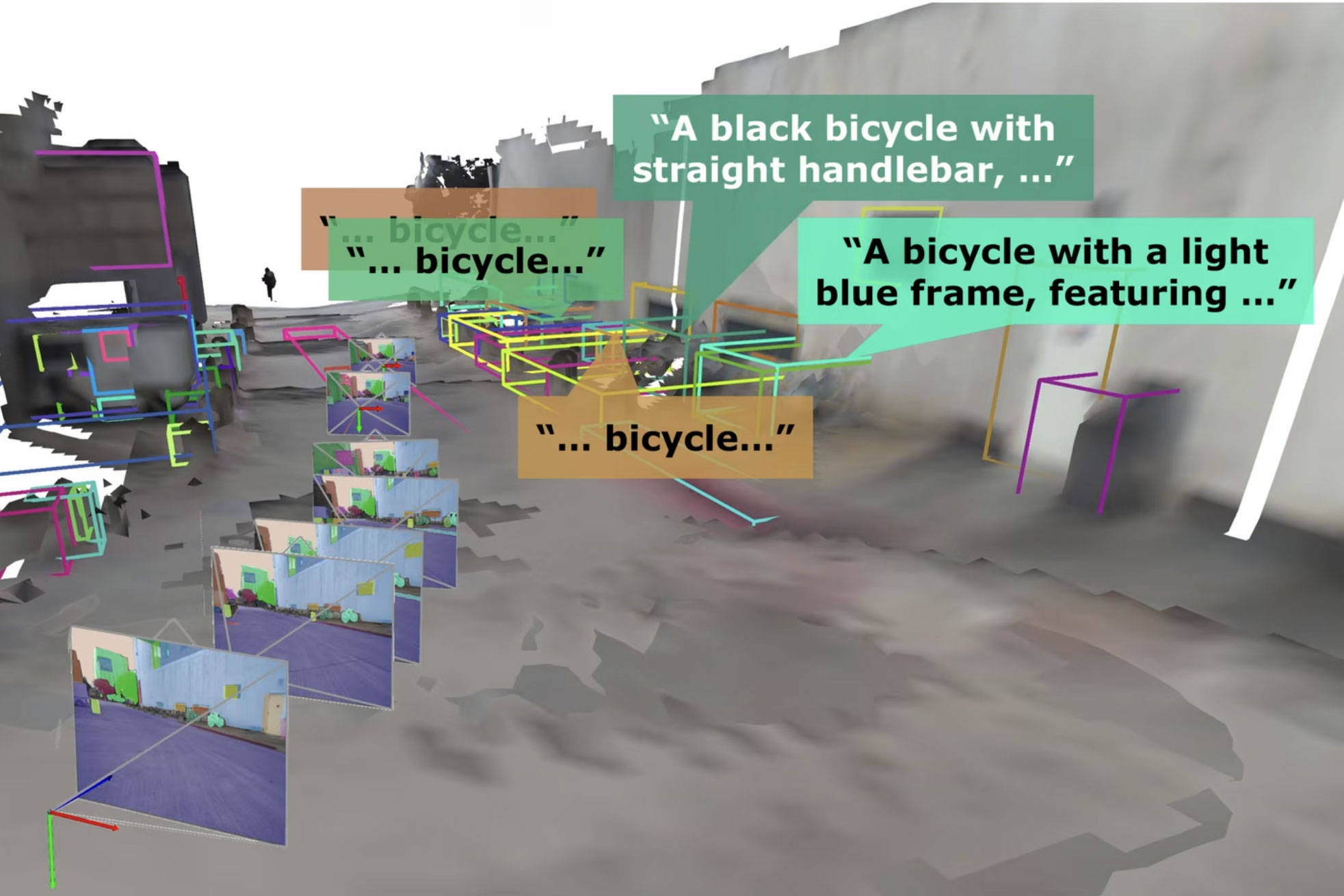
Could AI tell you where you left your keys?
Researchers have developed an innovative spatial memory system designed for robots, enabling them to effectively capture and retain detailed information about objects encountered during environmental exploration. This advancement, which leverages cutting-edge technology, aims to enhance the robots' ability to navigate and interact with their surroundings more intelligently. The system was introduced in a study published in October 2023, showcasing its potential to improve robotic perception and memory capabilities. By integrating sophisticated algorithms, the robots can now better recognize and remember various objects, ultimately leading to more autonomous and efficient operations in diverse settings. This breakthrough is expected to have significant implications for fields such as robotics, artificial intelligence, and automation, as it allows for more nuanced interactions between machines and their environments.

Mach Industries wins DIU contract for maritime, long-range strike drone
The U.S. Navy is pursuing the development of an unmanned aerial system capable of launching from smaller vessels that lack extensive flight decks. This initiative aims to enhance the Navy's long-range strike capabilities, allowing for more versatile and efficient operations at sea. The move comes as part of the Navy's broader strategy to modernize its fleet and adapt to evolving maritime threats. By leveraging unmanned technology, the Navy seeks to extend its operational reach while minimizing risk to personnel and resources. The project is currently in the planning stages, with further details expected to emerge as the Navy refines its requirements and explores potential partnerships with defense contractors.

Thales reveals AAR platform for Gladiator trainer at Eurosatory 2026.
A new AI platform designed for military applications has been finalized and is set to be officially launched at the Eurosatory defense exhibition. The platform has already undergone trials with various armies, although specific details about these military tests have not been disclosed. The launch at this prominent defense event highlights the growing interest in advanced technology for enhancing military capabilities. The introduction of this AI solution aims to improve operational efficiency and decision-making processes within armed forces. As defense organizations increasingly seek innovative tools to maintain strategic advantages, this platform represents a significant step forward in the integration of artificial intelligence into military operations.

Hobbyist converts SEM into transmission electron microscope for sub-nanometer imaging
A home machinist and microscopy enthusiast has undertaken a comprehensive technical conversion of a scanning electron microscope (SEM) to enhance its capabilities. This project, which began recently, is being conducted in the machinist's workshop, where he meticulously documents each step of the process. The motivation behind this endeavor is to improve the performance and accessibility of the SEM for hobbyists and researchers alike. By sharing his detailed findings and techniques online, he aims to inspire others in the field of microscopy and promote DIY scientific exploration. The conversion involves intricate modifications and adjustments to the microscope's components, showcasing the machinist's skills and passion for the craft. As he progresses, the machinist hopes to contribute valuable insights to the community, making advanced microscopy more approachable for enthusiasts and professionals.
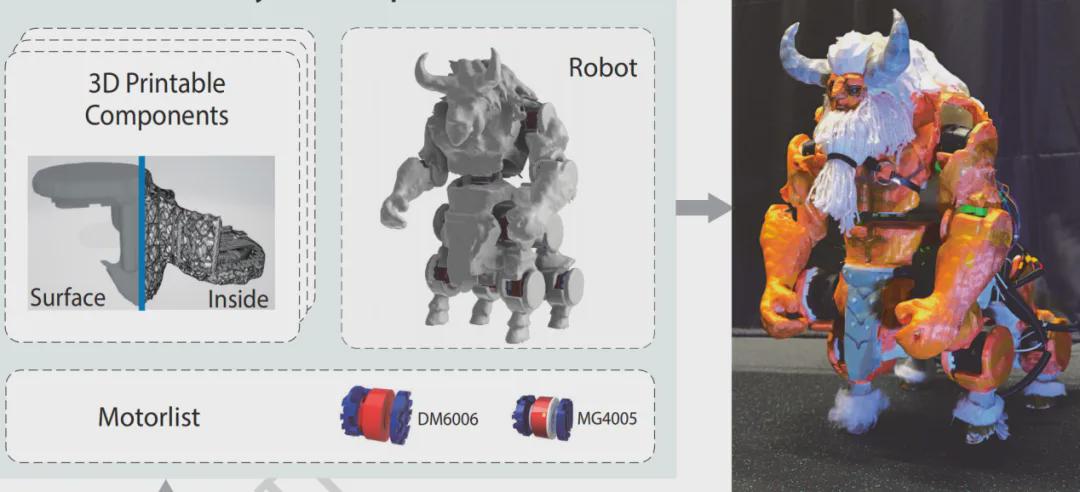
Customizable Robots: AI Transforms Game Characters into Reality
Researchers from Shanghai AI Lab and Delft University have unveiled a groundbreaking framework for automating robot design, utilizing images or models as input. This innovative system streamlines the creation of mechanical components and optimizes designs specifically for 3D printing. Notably, the framework has successfully produced a 15 kg centaur robot capable of walking and posing, marking a significant leap forward in robotics technology. By integrating motor selection, structural modifications, and assembly details, this development enhances the efficiency and effectiveness of the robot design process, showcasing the potential for future advancements in the field.

Bell-Everman to Run Long-Travel Gantry Robots in Live Demos at Automate 2026
Bell-Everman will showcase its advanced motion control systems, including long-travel gantry robots, at Automate 2026, taking place from June 22 to 25 at McCormick Place in Chicago. In Booth 34036, attendees will witness live demonstrations featuring a ServoBelt™ dual-bridge gantry and a 12-foot beam pick-and-place gantry, both actively operating rather than displayed statically. The demonstrations highlight the company's expertise in multi-axis Cartesian and gantry systems, designed for large-format automation needs. Visitors will have the opportunity to engage with Bell-Everman engineers, who will provide insights on configuring these gantry robots for specific applications. For further details, interested parties can visit bell-everman.com.

NVIDIA Stockholder Meeting Set for June 24; Individuals Can Participate Online
NVIDIA has announced that its 2026 Annual Meeting of Stockholders will be conducted online on June 24, 2026, at 9 a.m. PT. The virtual meeting will be accessible to shareholders via the dedicated website, https://www.virtualshareholdermeeting.com/NVDA2026. This decision reflects the company's commitment to providing a convenient platform for stockholders to engage with corporate governance and participate in discussions regarding the company's future.

Defining Autonomy for Wellness Robots in Senior Care
A recent examination highlights the potential of socially assistive wellness robots in enhancing senior wellness across seven key dimensions. This analysis, aimed at addressing the escalating senior care crisis, underscores the challenges posed by demographic shifts, workforce shortages, and gaps in daily wellness programming that traditional care models face. The study defines wellness robots distinctly from companion and medical devices, emphasizing their unique features and functions. It introduces a framework for measuring the autonomy of these robots using the Care Robot Autonomy Scale (CRAS), a six-level scale inspired by the SAE J3016 driving standard, which assesses four critical care dimensions. Furthermore, the research outlines a roadmap for achieving full autonomy in wellness robots, detailing necessary technical capabilities, clinical evidence, and a phased approach leading into the early 2030s. This comprehensive analysis aims to inform stakeholders about the transformative role of wellness robots in senior care and the urgent need for innovative solutions in the face of growing demands. A free whitepaper summarizing these findings is available for download.
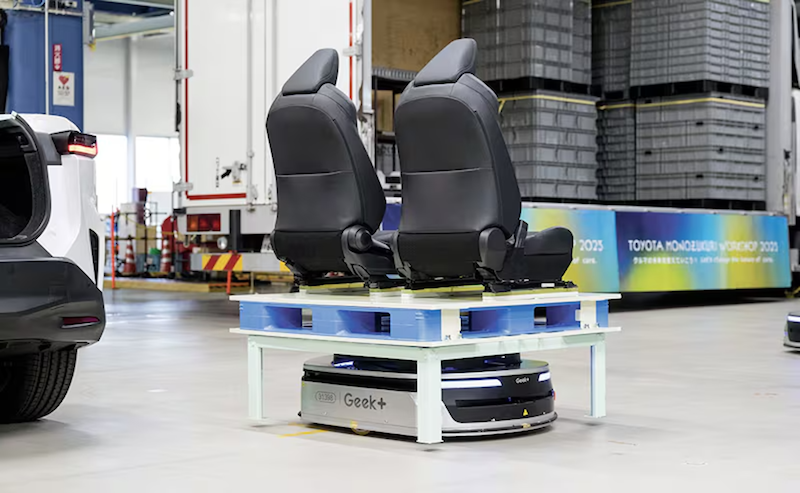
Geekplus intalls more than 400 autonomous mobile robots at multiple Toyota plants
Geekplus has initiated the deployment of moving-type Autonomous Mobile Robots (AMRs) at multiple Toyota Motor Corporation plants across Japan. This strategic move comes in response to labor shortages stemming from the country's declining population and evolving labor market dynamics. Currently, 436 Geekplus AMRs are actively operating within Toyota's manufacturing facilities, with each system managing around 200 units. The integration of these robots aims to enhance operational efficiency and address workforce challenges, reflecting a growing trend in automating production processes within the automotive industry.

New HySIL lens design makes high-resolution 3D brain and cancer imaging widely accessible
A team from Columbia University has unveiled a groundbreaking microscopy technology that promises to significantly enhance three-dimensional imaging capabilities. This innovative approach, announced in October 2023, aims to improve the visualization of biological structures at unprecedented resolutions. The development is driven by the need for more detailed imaging techniques in various scientific fields, including biology and materials science. By utilizing advanced optical methods, the researchers have created a system that allows for clearer and more accurate representations of complex samples. This advancement could lead to major breakthroughs in understanding cellular processes and developing new materials, ultimately transforming research methodologies across multiple disciplines.
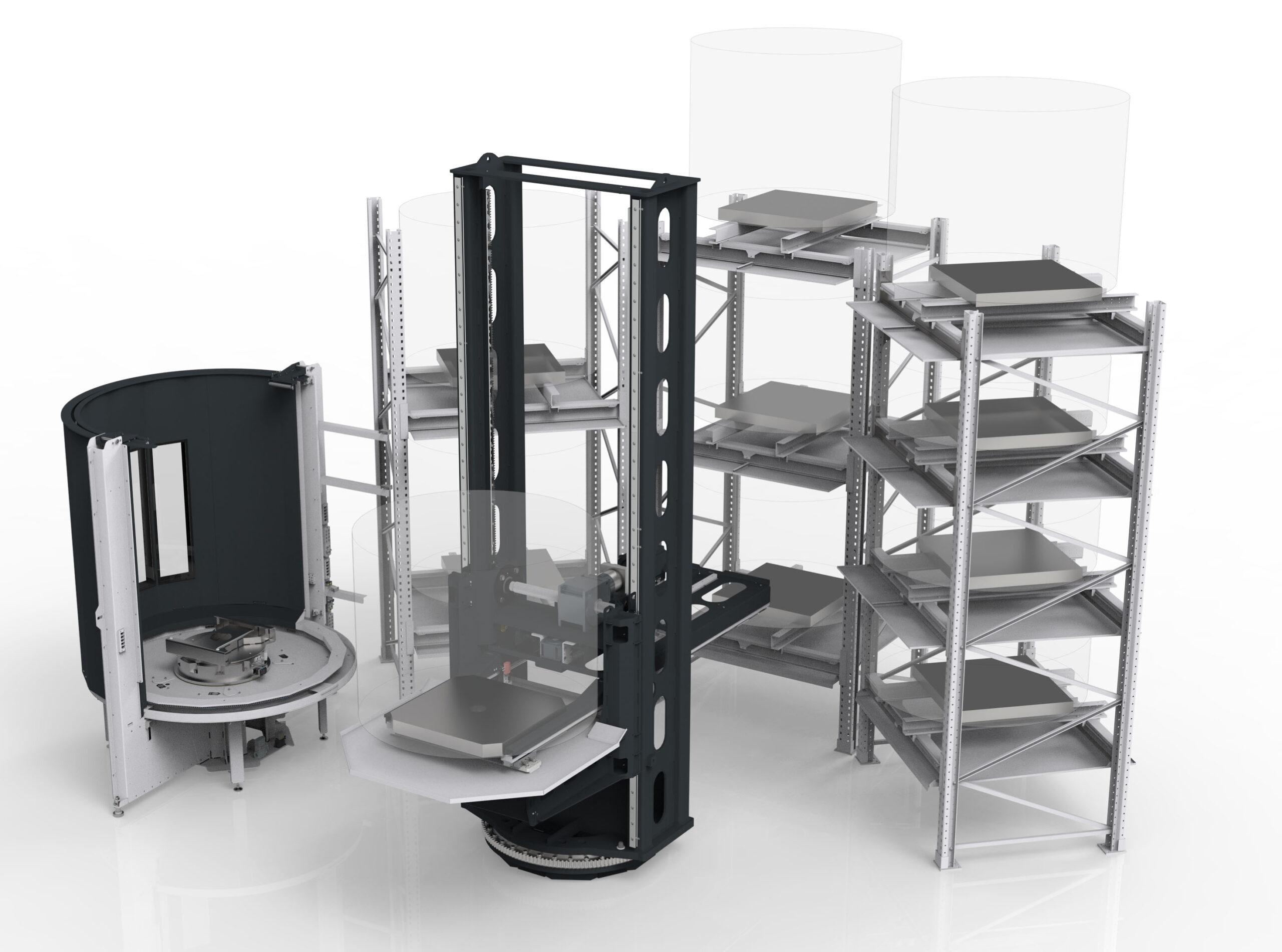
Complete Guide to CNC Pallet Changers in Machining Automation Centers
The manufacturing industry is experiencing increasing pressure to enhance productivity by producing more quickly and with fewer human errors. In response to these challenges, the automation of machining centers is emerging as a documented and effective solution. Central to this transformation are automatic pallet changers and CNC loading systems, which facilitate a seamless transition to more efficient operations. This shift towards automation is detailed in a comprehensive guide featured in Robot Magazine, highlighting the significance of these technologies in modern manufacturing processes.

Teradyne Introduces Integrated Test Solution for AI and Data Center Devices in Collaboration with Tokyo Electron
Teradyne has announced the integration of its UltraFLEXplus platform with Tokyo Electron's advanced probing technology, a collaboration aimed at enhancing known good device screening for sophisticated semiconductor applications. This development, revealed in October 2023, is set to take place at Teradyne's facilities, where the two companies will work together to optimize the screening process. The motivation behind this partnership is to improve the reliability and efficiency of semiconductor testing, addressing the growing demand for high-quality devices in the technology sector. By combining their respective technologies, Teradyne and Tokyo Electron aim to streamline the testing process, ensuring that only devices meeting stringent quality standards are delivered to manufacturers. This initiative reflects the ongoing efforts within the semiconductor industry to innovate and maintain competitiveness in a rapidly evolving market.

Appetronix acquires Cibotica to expand robotic foodservice automation beyond pizza
Appetronix, a developer specializing in robotic kitchen systems, has acquired Cibotica, a company focused on food robotics, to enhance its automation platform by incorporating a wider range of food categories beyond pizza. The financial details of the acquisition remain undisclosed. This strategic move allows Appetronix to integrate Cibotica’s advanced automated ingredient dispensing and portioning technology into its existing offerings, including the Remy robotic system. The acquisition is part of Appetronix's ongoing efforts to innovate and expand its capabilities in the food service industry.

Top Ten Scenarios and Three Major Competitions at the 'Robot+' Innovation Development Conference in July
The 'Robot+' Innovation Development Conference is set to occur from July 11 to 13 in Zoucheng, Shandong. This event aims to enhance the integration of robotics into various industries by showcasing application scenarios through exhibitions, competitions, and supply-demand matching activities. Renowned experts in the field will present their insights, and a white paper detailing application scenarios will be unveiled, highlighting the significant potential of China's burgeoning robotics industry. The conference seeks to foster collaboration and innovation, positioning itself as a pivotal platform for advancing robotic technologies.
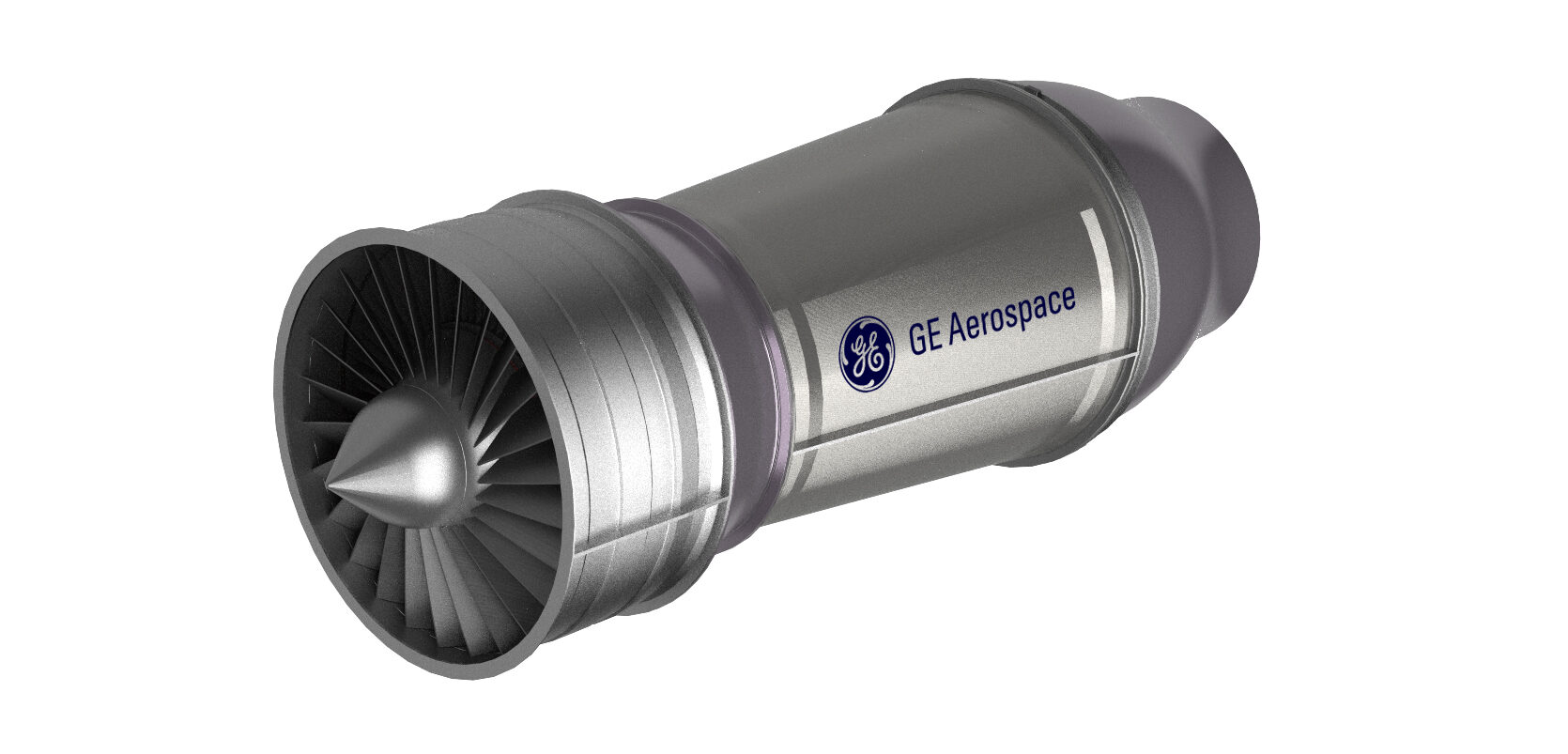
Air Force awards GE, Rolls-Royce for ‘medium thrust’ drone engines
Two prominent engine manufacturers are set to collaborate on developing advanced designs for medium thrust class drones, as confirmed by a spokesperson from the Air Force in a statement to Breaking Defense. This initiative aims to enhance the capabilities of unmanned aerial vehicles, reflecting a growing interest in drone technology within military operations. The partnership underscores the military's commitment to integrating innovative solutions to meet evolving defense needs. Further details regarding the timeline and specific locations for the development efforts have yet to be disclosed.

LLMs help robots understand vague instructions and focus on key details
In a future workplace scenario, employees may find themselves training robots as new colleagues. This innovative approach involves a method akin to "show and tell," where human workers demonstrate tasks physically while explaining the processes involved. This training method aims to enhance the integration of robots into various environments, such as warehouses and offices, by providing them with practical, hands-on learning experiences. As industries increasingly adopt automation, the need for effective training techniques for robotic assistants becomes essential to ensure smooth operations and collaboration between humans and machines. This shift reflects a broader trend towards the incorporation of advanced technology in the workforce, emphasizing the importance of adaptability and skill development in an evolving job landscape.

Stanford’s new iISM microscope images living cells at 120-nanometer resolution
Researchers at Stanford University have developed an innovative microscope that can image nanostructures within living cells, marking a significant advancement in cellular imaging technology. This breakthrough was announced in October 2023 and aims to enhance our understanding of cellular processes at the nanoscale. By enabling scientists to observe these structures in real-time, the new microscope offers insights into cellular functions and interactions that were previously difficult to study. The motivation behind this development is to provide a more detailed view of cellular mechanisms, which could lead to advancements in medical research and treatments. The microscope employs advanced imaging techniques that allow for high-resolution visualization of nanostructures, paving the way for new discoveries in biology and medicine.

GE Vernova Acquires Robotech Automation to Accelerate Robotics and Automation Capabilities
GE Vernova Inc. has announced its acquisition of Canada-based Robotech Automation, a specialized robotics and automation systems integrator, in a move aimed at enhancing its robotics and automation capabilities. The deal, which was revealed on May 21, is expected to close in the third quarter of 2026, although financial details were not disclosed. This acquisition comes as GE Vernova seeks to bolster its operational efficiency and competitive edge in the energy sector, where it provides a range of products and services related to electricity generation and management across multiple regions, including the U.S., Europe, and Asia. Robotech Automation, which currently employs around 35 people, has been collaborating with GE Vernova on various projects, particularly within the company's supply chain at its factories in New York and Pennsylvania. Scott Strazik, CEO of GE Vernova, emphasized that the acquisition will bring in specialized talent and proprietary systems that are crucial for advancing the company's robotics initiatives. This strategic step aligns with GE Vernova's commitment to enhancing its operational capabilities and establishing a leading robotics deployment capability at its Advanced Research Center. The announcement follows a strong performance by GE Vernova, which recently reported record profits and revenue, contributing to an increased backlog of $13 billion. The company has also raised its revenue and free cash flow guidance for the full year 2026, reflecting its robust growth trajectory.

SpaceX skeptics have added reason for concern after Musk comments diverge from IPO filing
Elon Musk recently shared insights on X regarding SpaceX's partnership with Anthropic, revealing information that was not included in the company's initial public offering (IPO) prospectus. This announcement sheds light on the strategic collaboration between the two companies, highlighting the potential implications for advancements in artificial intelligence and aerospace technology. The timing of Musk's disclosure comes as SpaceX prepares for its upcoming IPO, aiming to attract investor interest by clarifying the significance of its relationship with Anthropic. This partnership is expected to enhance SpaceX's capabilities in AI, which is increasingly becoming a critical component in the aerospace sector. Musk's decision to provide these details on a social media platform underscores his approach to transparency and engagement with the public as he navigates the complexities of the IPO process.

SMILE-FX Launches AI Braces System, Bringing Predictive Treatment Planning to South Florida
Dr. Tracy M. Liang, a board-certified orthodontist, has unveiled a groundbreaking orthodontic treatment at SMILE-FX Orthodontic Studio in Miramar, Florida. On April 3, 2026, the clinic launched its AI Braces system, which uniquely combines artificial intelligence with advanced 3D CBCT (Cone Beam Computed Tomography) imaging. This innovative approach aims to enhance the precision and effectiveness of orthodontic treatments by providing detailed, data-informed mapping for each patient's needs. The integration of cutting-edge technology is designed to improve patient outcomes and streamline the orthodontic process, reflecting a significant advancement in the field.

DIU ups Hermeus contract for high-speed drone
The Defense Innovation Unit has awarded a contract that increases the total ceiling to $219 million for Hermeus, a company focused on advanced aerospace technology. This funding will support the ongoing development of the Quarterhorse drone, which is designed to release payloads at speeds reaching Mach 3. CEO Zach Shore shared these details in an interview with Breaking Defense, highlighting the significance of this advancement in military and defense capabilities. The initiative aims to enhance rapid response and operational efficiency in defense applications.

Pea-size liquid-metal pump runs robot butterfly on under 0.1 V
Engineers at the University of Bristol have developed a groundbreaking liquid-metal pump that promises to enhance the portability and agility of future soft robotics and wearable devices. This innovative technology, detailed in a recent publication in the journal Nature Communications, utilizes a low-voltage power source, which could revolutionize robotic systems across various applications, including robotic legs and haptic gloves utilized in medical and industrial environments. The advancement aims to address the growing demand for more efficient and versatile robotic solutions in diverse fields.

Exoskeleton News, May 23 2026 – Week 21 – Newsletter Archive
The exoskeleton and wearable robotics industry experienced a significant week, as detailed in the latest newsletter released on May 23, 2026. This edition highlights key developments and innovations within the sector, showcasing the ongoing advancements and applications of exoskeleton technology. The newsletter serves as a vital resource for industry professionals and enthusiasts, providing insights into trends and breakthroughs that are shaping the future of wearable robotics. To stay informed about these rapid changes and to receive updates directly, readers are encouraged to subscribe to the newsletter.

CVPR 2026 fields 16,000+ paper submissions on technical advances in AI
The program committee for the 2026 Conference on Computer Vision and Pattern Recognition (CVPR), a premier event in artificial intelligence and computer vision research, has unveiled the details of this year's technical program. Co-sponsored by the IEEE Computer Society and the Computer Vision Foundation, the conference has attracted a record number of submissions, reflecting the growing interest and advancements in the field. Scheduled to take place in 2026, CVPR will serve as a platform for researchers and industry professionals to share their latest findings and innovations. The committee's announcement highlights the importance of collaboration and knowledge exchange in advancing computer vision technologies.

VETS Indexes Names Teradyne 2026 Recognized Employer
Teradyne, Inc., a prominent provider of automated test solutions and advanced robotics, announced significant advancements in its product offerings during a recent event held in North Reading, Massachusetts. The company showcased its latest technologies aimed at enhancing efficiency and performance in various industries, including electronics and manufacturing. This initiative comes as part of Teradyne's ongoing commitment to innovation and meeting the evolving needs of its clients. By integrating cutting-edge robotics with automated testing solutions, Teradyne aims to streamline operations and reduce costs for businesses. The event highlighted the company's strategic focus on leveraging technology to drive growth and maintain its competitive edge in the market.

Allient Inc. to Demonstrate Advanced Motion Solutions at Robotics Summit & Expo 2026
Allient Inc., a global leader in specialty motion, controls, and power solutions, will showcase its advanced motion technologies at the Robotics Summit & Expo 2026 on May 27-28 at the Boston Convention and Exhibition Center in Massachusetts. The company aims to highlight its innovative solutions for robotics and automation applications, demonstrating its capabilities through live and static displays at Booth #222. Attendees can expect to see a range of products, including the Pyxmos™ drive operating a frameless motor, custom integrated motors, and various frameless motor assemblies designed for specific applications. Allient’s offerings also feature high-performance motors such as the Electroflux Series and the Megaflux™ torque motors, which are engineered for demanding robotic environments. Robert Mastromattei, Chief Commercial Officer & Group President at Allient, emphasized that the event will showcase the precision and performance required in advanced robotics systems, underscoring the company's commitment to delivering high-value solutions across multiple industries. For more details on Allient's participation and other upcoming events, interested parties can visit their official website.

Scientists build first-of-its-kind robot to clean and inspect underwater bridge piles
Underwater inspections of bridge foundations have been identified as one of the most perilous tasks in the field of civil engineering. Conducted by specialized divers and engineers, these inspections are crucial for ensuring the structural integrity and safety of bridges. The inspections typically take place during scheduled maintenance periods, which can vary throughout the year depending on weather conditions and operational requirements. The inspections are primarily carried out in various locations across the country, where aging infrastructure poses significant risks to public safety. The motivation behind these inspections stems from the need to prevent catastrophic failures and to comply with regulatory standards that mandate regular assessments of bridge conditions. To perform these inspections, teams utilize advanced technology, including remotely operated vehicles (ROVs) and sonar imaging, which allow for detailed examinations of underwater structures without compromising diver safety. Despite these innovations, the inherent risks associated with underwater work, such as strong currents and visibility challenges, remain a concern for professionals in the field. As infrastructure continues to age, the demand for thorough inspections is expected to increase, highlighting the importance of ongoing training and the development of safer inspection methods. This proactive approach aims to enhance the safety of bridges and ensure the reliability of transportation networks for the public.

Robots could learn to predict, plan navigation with new ‘bio-inspired’ framework
A recent study highlights the advanced capabilities of robot vacuums in home cleaning. Researchers observed that when placed in a living room, these devices effectively create detailed maps of their surroundings, allowing them to navigate and clean efficiently. This development comes as more households adopt smart home technology, seeking convenience and improved cleaning solutions. The study, conducted in various residential settings, demonstrates how robot vacuums utilize sensors and algorithms to optimize their cleaning paths. As the demand for automated home care increases, manufacturers are focusing on enhancing these technologies to meet consumer expectations for efficiency and thoroughness.

New microscopy method speeds 3D brain scans while using fewer measurements
Researchers at the University of Hong Kong have unveiled an innovative microscopy technique that enhances the ability to reconstruct detailed images of biological samples. This breakthrough, announced on October 15, 2023, aims to significantly improve the visualization of cellular structures, which is crucial for advancements in medical research and diagnostics. By utilizing advanced imaging algorithms and high-resolution optics, the team has managed to achieve unprecedented clarity and depth in imaging, allowing scientists to observe intricate cellular processes in real-time. This development is expected to facilitate a deeper understanding of diseases at the cellular level, potentially leading to more effective treatments. The researchers believe that this technique could revolutionize the field of microscopy, making it a vital tool for biologists and medical professionals alike.

Radar Can Tell the Difference Between Insect Species
Researchers at the Technological University of Denmark have developed a groundbreaking radar system aimed at monitoring pollinators, such as bees and wasps, in a cost-effective and non-invasive manner. Traditional methods of tracking these vital insects have been labor-intensive and often harmful, as they typically require capturing and killing specimens for identification. The new approach, detailed in a study published on April 28 in the journal PNAS Nexus, leverages millimeter-wave radar technology to analyze micro-Doppler signatures generated by insect wingbeats. The team, led by associate professor Adam Narbudowicz, trained a machine learning model using radar data from five species of pollinators captured on the campus of Trinity College Dublin. By focusing on the unique radar reflections produced by the insects, the researchers achieved an impressive 85 percent accuracy in species classification and 96 percent accuracy in distinguishing between bee and wasp species. The accuracy improved with the duration of time the insects remained in the radar beam, suggesting potential for further refinement. This innovative radar system not only promises to enhance the monitoring of pollinators but could also be adapted to track pests and invasive species. The researchers aim to create a portable version of the technology and establish a global database of insect radar signatures, which could include environmental factors to better understand how conditions affect pollinator behavior. This advancement could ultimately contribute to more effective conservation efforts and agricultural practices.
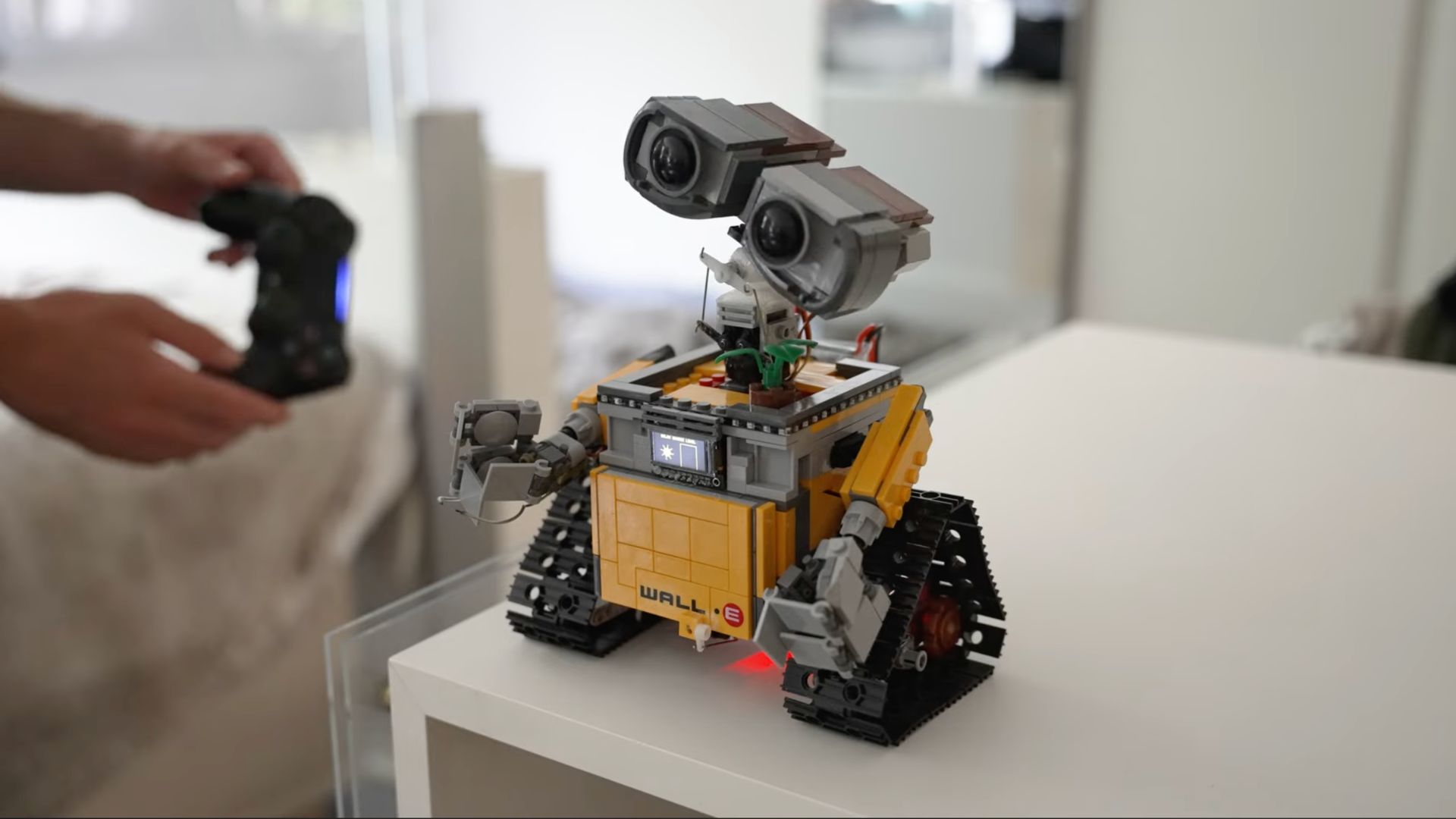
Watch: YouTuber turns LEGO WALL-E into real robot with sounds, gyros, and 2,000V taser
A YouTuber has successfully modified the official LEGO WALL-E set, creating a fully functional remote-controlled robot. This innovative project showcases the creator's engineering skills and creativity, allowing fans of the beloved Pixar character to experience a new level of interactivity. The transformation was shared on the YouTuber's channel, where they detailed the process of integrating remote control technology into the LEGO model. The project not only highlights the versatility of LEGO sets but also inspires other enthusiasts to explore similar modifications. This engaging demonstration of creativity and technical prowess has garnered significant attention online, reflecting the growing trend of customizing LEGO builds for enhanced playability.

Navy green lights seven MUSV marketplace submissions to advance to prototype phase
The U.S. Navy has announced that it has selected certain designs to advance in its ongoing procurement process, although specific companies involved have not been disclosed. This decision is part of the Navy's efforts to enhance its capabilities and modernize its fleet. The announcement comes as the Navy seeks to address evolving maritime challenges and improve operational readiness. The selection process is expected to play a crucial role in shaping future naval operations and ensuring that the Navy remains competitive in a rapidly changing defense landscape. Further details regarding the selected designs and the companies behind them are anticipated in the coming weeks.