


From January 6, 2026 to January 9, 2026

CES 2026 Robotics: From Physical AI to Real Deployment
Introduction: CES Has Crossed the Robotics Threshold
For years, robotics at CES lived in an awkward middle ground—too industrial for consumer tech, too conceptual for factory floors. CES 2026 marks the moment that changed.
This year, robotics is no longer framed as a novelty category or an AI sideshow. Instead, it is positioned by organizers, exhibitors, and system integrators as a core manifestation of Physical AI—intelligence that perceives, reasons, and acts in the real world.
The key shift is subtle but decisive:
The industry is no longer asking whether robots can move. It is asking whether robots can work—reliably, repeatedly, and at scale.It is asking whether robots can work—reliably, repeatedly, and at scale.
The Organizers’ Signal: Robotics as AI Infrastructure
From the Consumer Technology Association’s (CTA) own framing, CES 2026 is designed around AI as infrastructure, not as an application layer. Robotics sits at the center of this transition.
Three organizer-level priorities directly reshape robotics at CES:
- Physical AI and Embodied Intelligence
- Edge AI and system-level autonomy
- Deployment quality over demo spectacle
This explains why robotics is no longer concentrated in a single “cool gadgets” zone, but distributed across North Hall, Eureka Park, Digital Health, and industrial automation clusters.
Physical AI Becomes the Defining Robotics Theme
Beyond Humanoids
While humanoid robots remain visually dominant, CES 2026 makes it clear that form factor is no longer the primary metric. Instead, robotics innovation is evaluated through:
- Perception quality (vision, force, spatial awareness)
- Planning depth (task chains, not single actions)
- Action reliability (repeatability, safety, endurance)
- World understanding (environmental context, prediction)
This shift applies equally to humanoids, home robots, logistics systems, and medical devices.
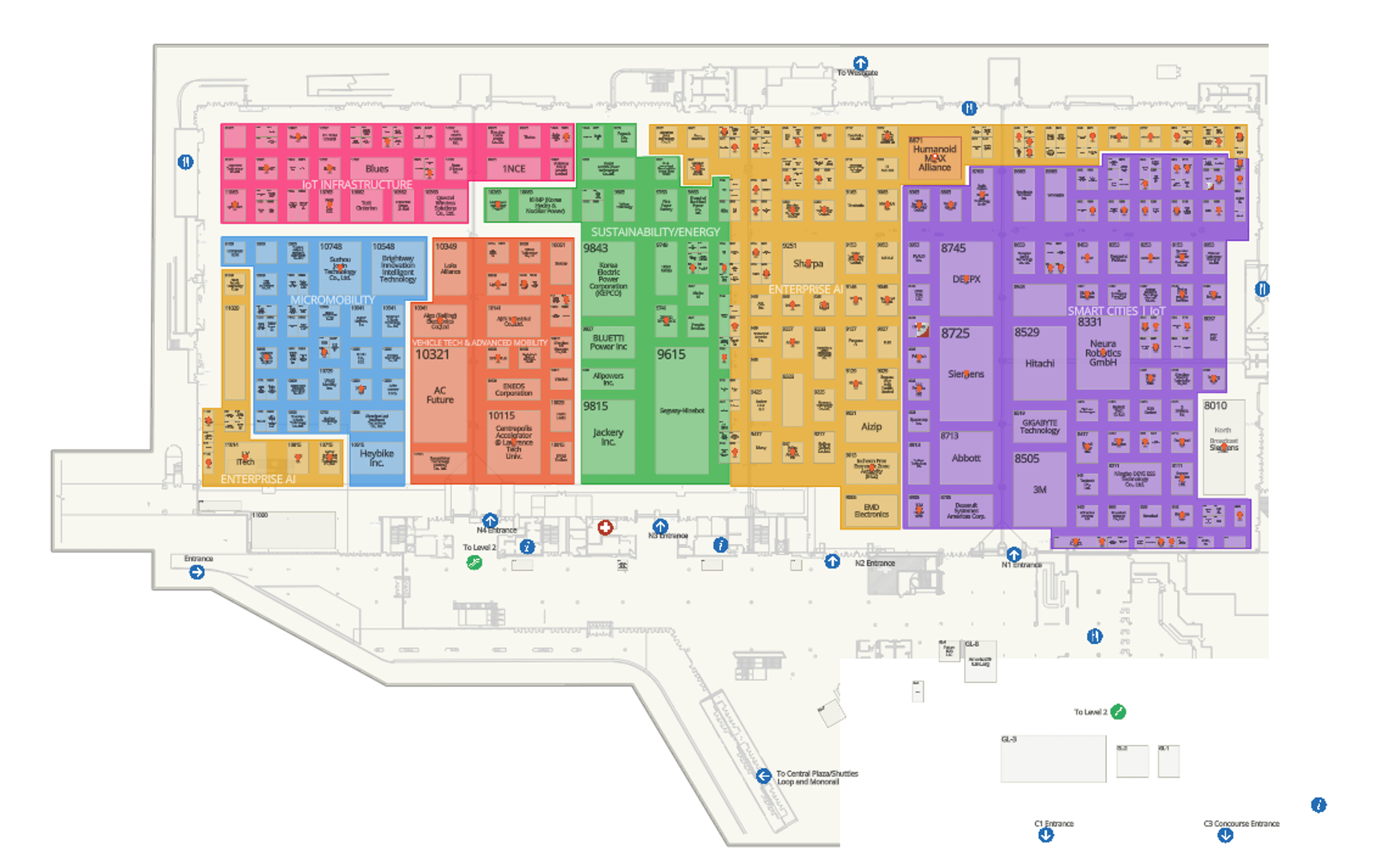
Where Robotics Lives at CES 2026
A Practical Floor Map for Robotics Professionals
LVCC North Hall — The Robotics Core
North Hall is the undisputed center of robotics at CES 2026.
Key focus areas:
- Artificial Intelligence & Robotics
- Industrial and service robots
- Home robots and intelligent devices
- Software platforms, sensors, and autonomy stacks
Highlight: K-Humanoid Alliance Robot Pavilion
A dedicated national-scale robotics pavilion organized by South Korea’s K-Humanoid Alliance underscores a new trend: robotics as an organized industrial system, not isolated startups.
If you only visit one hall for robotics, North Hall captures roughly 70% of the meaningful industry signal.
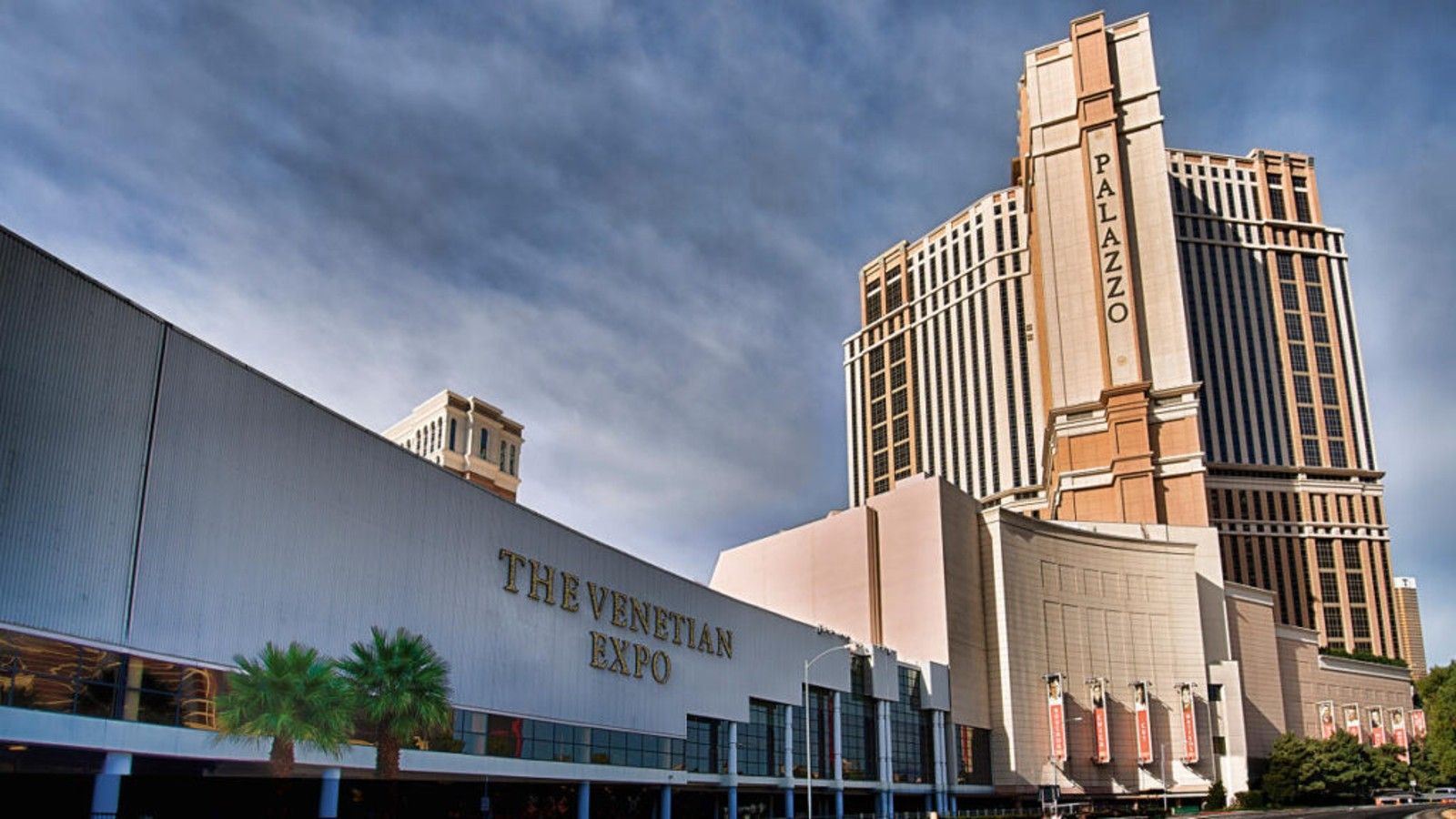
Venetian Expo — Eureka Park (Level 1)
Early-Stage Robotics and Embodied AI
Eureka Park remains the best place to spot:
- Early humanoid concepts
- Companion and social robots
- Vertical-specific automation ideas
This is not where you judge mass production readiness—but it is where you identify future trajectories.
Venetian Expo — Digital Health (Level 2)
Medical, Rehab, and Assistive Robotics
Here, robotics increasingly appears as part of care systems, combining hardware, data platforms, and AI analytics.
The trend is clear: Medical robotics is shifting from devices to system-level care solutions.
The World Model Transition: Why It Matters
A recurring undercurrent at CES 2026 is the shift from language-centric AI to world-centric AI.
World models allow robots to:
- Interpret spatial context
- Predict outcomes of actions
- Coordinate behavior dynamically
This transition is essential for robotics to move beyond scripted automation into true autonomy.
Conclusion: CES 2026 as a Robotics Inflection Point
CES 2026 does not promise instant breakthroughs—but it confirms something more important:
Robotics has entered its Physical AI phase.
Success is no longer defined by appearance or novelty, but by world understanding, reliability, and integration into real systems.
For robotics professionals, CES 2026 is not about what looks impressive. It is about what can work—every day, in the real world.
Related coverage from RobotToday:
- CES 2026 Robotics: From Physical AI to Real Deployment
Why humanoid development paths diverged sharply in readiness and execution - From iREX 2025 to CES 2026, Two Consecutive Stress Tests for the Global Robotics Industry
Why consecutive flagship events exposed structural pressure across the industry - CES 2026 Exposes a Structural Divide in Humanoid Robotics
The overarching framework connecting Physical AI concepts with real deployment





Leave a comment