


Over the past several years, special purpose acquisition companies (SPACs) have become a favored route for robotics firms seeking rapid access to public capital. At their peak, SPAC listings promised speed, valuation certainty, and a receptive investor base eager for exposure to automation, artificial intelligence, and “next-generation” industrial technologies.
Yet as the market matures and regulatory scrutiny tightens, a growing gap has emerged between the narrative of going public and the reality of operating as a public robotics company. For many firms, the SPAC transaction marks not a culmination, but the beginning of a far more demanding phase—one defined by execution risk, capital discipline, and sustained scrutiny.
From Capital Shortcut to Operational Stress Test
In earlier SPAC cycles, robotics companies were often evaluated primarily on long-term vision: autonomous factories, robotic workforces, or fully automated security and logistics networks. Public investors tolerated extended commercialization timelines, heavy cash burn, and limited near-term revenue as long as growth narratives remained intact.
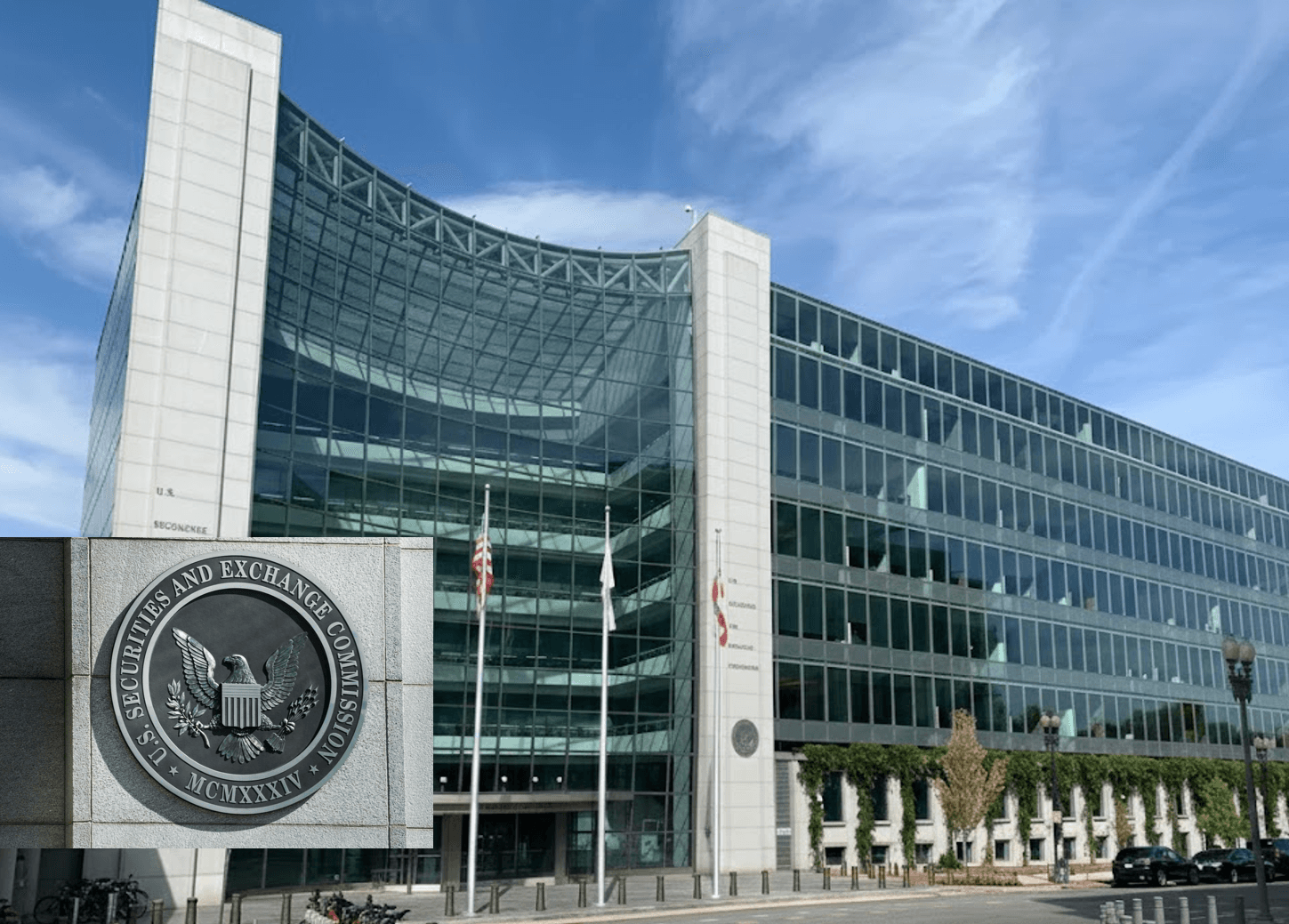
That environment has changed. Since 2024, new regulatory requirements in the United States have aligned de-SPAC transactions more closely with traditional IPO standards. Financial projections now face stricter disclosure rules, sponsor incentives are more transparent, and forward-looking statements carry greater legal and reputational weight.
As a result, robotics companies entering public markets today face a fundamentally different expectation: proof of execution matters more than promise.
Valuation Headlines vs. Usable Capital
One of the most persistent misconceptions surrounding SPAC listings is the assumption that headline valuation equates to financial strength. In practice, robotics companies frequently emerge from de-SPAC transactions with far less deployable capital than their enterprise values suggest.
Redemptions by SPAC shareholders, underwriting fees, deferred expenses, and limited PIPE participation can significantly reduce post-merger cash reserves. For hardware-centric robotics firms—where R&D, manufacturing coordination, inventory, and field deployment all require sustained funding—this mismatch creates immediate pressure.
Public markets increasingly focus not on how large a valuation appears on paper, but on how long a company’s available capital can sustain real-world operations.
The Commercialization Gap in Robotics
Robotics differs from software in one critical respect: progress is constrained by physics, supply chains, and customer environments. Transitioning from prototypes to scalable deployment often takes years, not quarters.
Many SPAC-listed robotics companies entered public markets with products still in pilot stages, limited customer references, or narrowly defined use cases. While such positioning may be acceptable in private funding rounds, public investors now demand visibility into repeatable deployments, not isolated demonstrations.
The central question has shifted from “What could this technology become?” to “Who is paying for it today, and under what conditions?”
Supply Chain Dependence as a Structural Risk
As robotics companies scale, supply-chain structure becomes a defining risk factor. Dependence on single-source manufacturers, specialized components, or geographically concentrated suppliers introduces vulnerabilities that can derail delivery schedules and inflate costs.
In public filings, investors increasingly scrutinize supplier concentration, contract flexibility, and manufacturing redundancy. For companies attempting to expand production while managing tight cash positions, even minor disruptions can have outsized financial impact.
In this context, supply-chain resilience is no longer an operational detail—it is a valuation driver.
Margins, Services, and the RaaS Promise
To justify long-term public valuations, many robotics companies point to future margin expansion driven by software, data services, or Robotics-as-a-Service (RaaS) models. In theory, these approaches can stabilize revenue, improve gross margins, and reduce customer adoption barriers.
In practice, achieving this transition is difficult. RaaS models require robust fleet management, reliable uptime, customer support infrastructure, and clear value propositions that outperform traditional labor or automation alternatives.
Public markets are increasingly skeptical of margin forecasts that assume smooth transitions from hardware sales to high-margin recurring revenue without demonstrated traction.
Governance, Disclosure, and Market Credibility
Beyond operational performance, robotics companies must adapt to the governance demands of public markets. Concentrated ownership structures, limited independent oversight, or weak internal controls can quickly undermine investor confidence.
Quarterly reporting cycles amplify both progress and setbacks. Missed milestones, delayed deliveries, or opaque disclosures carry consequences far beyond those experienced in private markets. Over time, credibility compounds—positively or negatively.
For robotics firms, consistency and transparency now matter as much as innovation.
A Sector-Wide Reality Check
The cooling of the SPAC market does not signal the end of robotics innovation. Demand for automation, security, logistics, and industrial robotics continues to grow globally. What has changed is the tolerance for ambiguity.
Public markets are no longer willing to finance long commercialization paths without clear evidence of adoption, disciplined capital management, and operational resilience. Robotics companies that cannot meet these expectations may face valuation compression, financing challenges, or strategic retrenchment.
Conclusion: Listing Is the Beginning, Not the Finish Line
The SPAC era offered robotics companies a fast track to public capital, but the post-SPAC era demands something far more difficult: sustained execution under scrutiny.
For robotics firms in the public market, success will not be determined by how compelling their original listing story was, but by how effectively they convert technology into deployable products, revenue into cash flow, and vision into operational discipline.
In this environment, going public is no longer a validation of potential. It is a test of endurance.
Related Analysis | Robotics After SPAC
- Beyond the SPAC Narrative: The Hard Reality of Robotics in the Public Market
Industry-wide performance patterns after robotics companies go public - S-4 Projections vs. 10-K Reality: Robotics After De-SPAC
How forecasted growth diverges from disclosed financials - Security Robotics After SPAC: Capital Reality and Supply-Chain Risk in the AlphaVest Merger
A case study of post-SPAC risk in a capital-intensive vertical





Leave a comment