Search Result for: 231/detail/33.html
XAG Introduces RM80 Electric Mower and X Series Drone System for Autonomous Farming
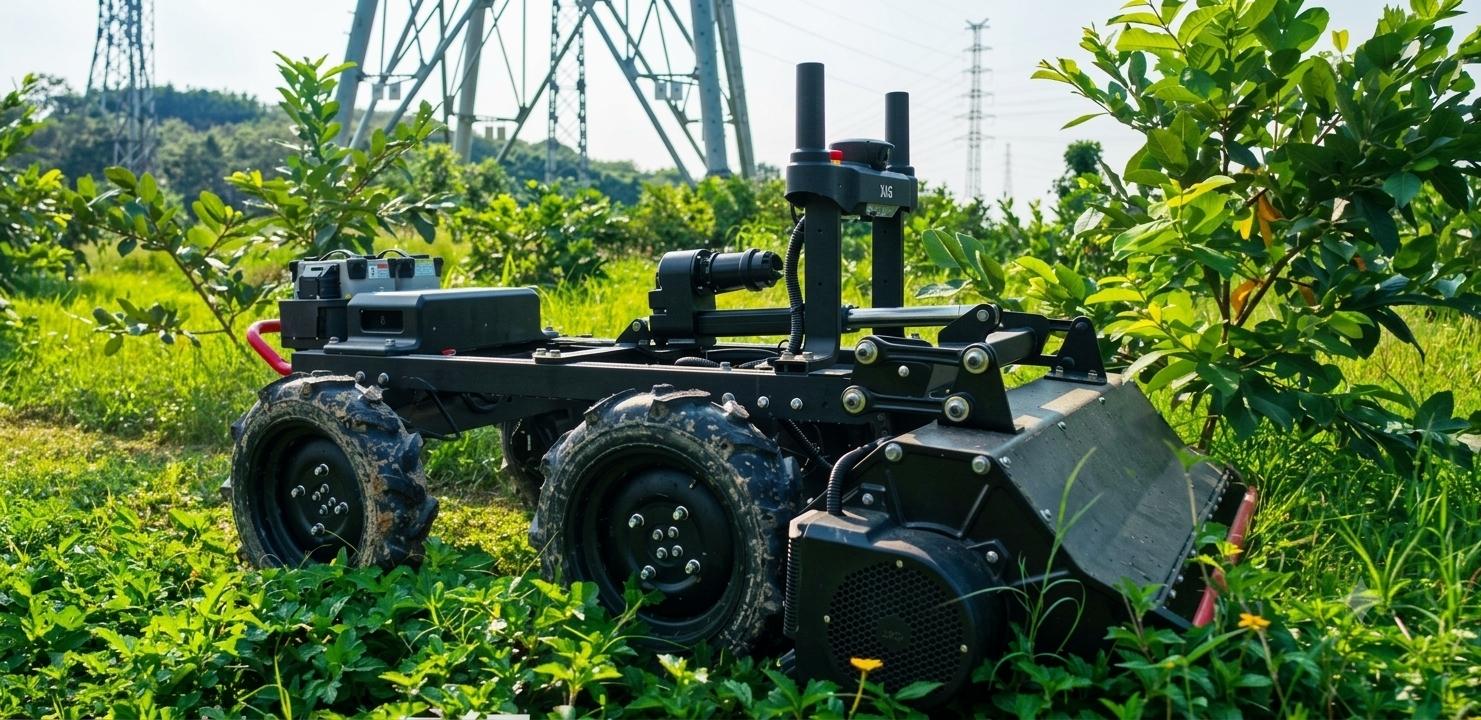
XAG has launched the RM80, a 143 kg all-electric unmanned mower, at the Agricultural Robot Conference in Guangzhou, China. Designed for orchard management and land reclamation, the RM80 operates for up to 40 minutes per charge and can autonomously cover 0.33 to 0.53 hectares per hour. It features advanced navigation through the SuperX 5 Ultra control system and can also perform stubble removal for effective weed control. The introduction of the RM80 coincides with the unveiling of XAG's new X Series drone system, aimed at creating a fully autonomous farming workflow. This system includes the X Series drone, XA1 docking station, and LM1 chemical mixing unit, enhancing automation in tasks like charging and chemical refilling. The drone boasts improved computing power and perception capabilities, allowing it to survey up to 300 hectares in a single mission, while the docking station ensures precise automatic charging and refilling. XAG has not disclosed pricing details for the RM80 or the X Series system, with market packages expected to vary based on local dealer offerings. The company's strategy emphasizes integrating various robotic functions into a coordinated workflow, positioning its equipment as essential components of modern smart farming rather than standalone tools. No further timeline was disclosed at the time of publication.

JD.com (JD) Founder Says Company Will Retrain Couriers for Robot Shift
JD.com (JD) Founder Says Company Will Retrain Couriers for Robot Shift Jeff Lewis Sun, July 5, 2026 at 4:35 AM PDT 1 min read 9618.HK CEC.DE JD JD.com, Inc. (NASDAQ:JD) is one of the 9 Most Oversold Strong Buy-Rated Stocks to Invest In Now. On June 23, 2026, JD.com, Inc. (NASDAQ:JD) founder and chair Richard Liu warned that 700,000 delivery workers will be replaced by robots "sooner or later," Joe Leahy of The Financial Times reported. Liu said JD.com signed contracts with 120 schools to retrain couriers for other work, including repairing and maintaining robots. Liu said there will be a day when couriers are "basically no longer needed," but added that he does not want the company's 700,000 workers to lose jobs or meals. Late in May, Brussels was set to launch an in-depth foreign subsidies investigation into JD.com, Inc. (NASDAQ:JD)'s bid for German electronics retailer Ceconomy, Financial Times' Barbara Moens and Florian Muller reported. The expected probe would be the first time a Chinese takeover became the target of a detailed investigation under the EU's foreign subsidies rules, according to people familiar with the matter. Is Cloudflare (NET) the Best High Growth Cybersecurity Stock to Buy Now? Image by drobotdean on Freepik JD.com, Inc. (NASDAQ:JD) operates as a supply chain-based technology and service provider in the People's Republic of China and Europe. While we acknowledge the potential of JD as an investment, we believe certain AI stocks offer greater upside potential and carry less downside risk. If you're looking for an extremely undervalued AI stock that also stands to benefit significantly from Trump-era tariffs and the onshoring trend, see our free report on the best short-term AI stock. READ NEXT: 33 Stocks That Should Double in 3 Years and Cathie Wood 2026 Portfolio: 10 Best Stocks to Buy. Disclosure: None. Follow Insider Monkey on Google News. View Comments Terms and Privacy Policy Your Privacy Choices CA Privacy Notice More Info

IEEE Rolls Out Large Language Models Virtual Training Course
Large language models (LLMs) have transitioned from research labs to everyday use in engineering, significantly altering how digital infrastructures are developed and maintained. As technical professionals increasingly rely on LLMs for complex tasks—such as identifying vulnerabilities in source code and converting fragmented discussions into detailed specifications—the demand for expertise in this technology is surging. According to MarketsandMarkets, the LLM technology market is projected to grow by approximately 33% annually through 2030. To effectively utilize LLMs, engineers must move beyond basic interactions and understand the underlying transformer architecture that enables these models to process vast datasets simultaneously. This knowledge is crucial to mitigate risks associated with inaccuracies, often referred to as "hallucinations," and to ensure reliable performance in coding and data handling. Key advancements include integrating LLMs with application programming interfaces (APIs) for direct database connections, addressing hallucination issues through retrieval-augmented generation (RAG), and prioritizing data security by establishing private model instances. Additionally, LLMs automate repetitive tasks, allowing engineers to focus on higher-level design and problem-solving. To bridge the growing knowledge gap, IEEE has launched an online program titled "Large Language Models Demystified," designed to equip technical professionals with a deeper understanding of LLMs. The curriculum covers the evolution of AI technology, transformer architectures, and practical model-building exercises. Participants will earn professional development credits and a digital badge upon completion, enhancing their credentials in this rapidly evolving field. Organizations interested in training their teams can consult with IEEE for tailored enrollment options.

Robots can now 'see' touch thanks to a new color-changing tactile sensor
Engineers at Queen Mary University of London have developed an innovative color-changing tactile sensor that enables robots to perceive their environment through both sight and touch in real-time. The groundbreaking invention, led by postdoctoral researcher Giacomo Sasso from the School of Engineering and Materials Science, utilizes a unique mechanism that converts invisible forces into vibrant color patterns. This technology allows for the immediate generation of high-resolution maps detailing contact, strain, and pressure, significantly enhancing robotic interaction with their surroundings. The advancement promises to improve the capabilities of robots in various applications, from manufacturing to healthcare, by providing them with a more nuanced understanding of their physical interactions.
Tesla Optimus at AWE 2026 Shanghai: Gen 3 Reveal Events
At the Augmented World Expo (AWE) 2026 in Shanghai, Tesla unveiled its latest iteration of the humanoid robot, Optimus Gen 3, marking a significant advancement in robotics technology. The event took place on June 1, 2026, and attracted considerable attention from industry experts and tech enthusiasts alike. Tesla's decision to showcase Optimus at AWE instead of the Consumer Electronics Show (CES) was driven by the desire to reach a more specialized audience focused on augmented reality and robotics innovations. During the presentation, Tesla highlighted the robot's enhanced capabilities, including improved mobility, advanced AI integration, and practical applications in various sectors such as manufacturing and healthcare. The company provided a detailed timeline of the development process, emphasizing the rigorous testing and iterative improvements that led to the Gen 3 model's launch. This strategic move not only reinforced Tesla's commitment to leading in robotics but also aimed to position the company as a key player in the future of automation. By opting out of CES, Tesla sought to engage directly with a community that shares its vision for the future of technology, fostering collaboration and innovation in the field. The unveiling of Optimus Gen 3 represents a pivotal moment for Tesla as it continues to push the boundaries of what is possible in robotics and artificial intelligence.

"Featured in Science, a New Biomimetic Approach! Soft Actuators for Minimally Invasive Autonomous Tumor Removal"
Researchers have introduced a groundbreaking biomimetic approach for minimally invasive tumor removal, as detailed in a recent publication in the journal Science. This innovative method utilizes soft actuators designed to autonomously navigate and eliminate tumors with precision. The study, conducted by a team of scientists, aims to enhance surgical techniques and reduce recovery times for patients undergoing cancer treatment. By mimicking natural movements found in certain organisms, the soft actuators can adapt to various tissue types, ensuring minimal damage to surrounding healthy cells. This advancement represents a significant step forward in the field of medical robotics and could revolutionize how tumors are treated in clinical settings. The research highlights the potential for these soft actuators to transform surgical practices, making them safer and more efficient for patients in need of tumor removal.
Nature Communications | Soft robots can quickly adapt to a new body, linear embedding...
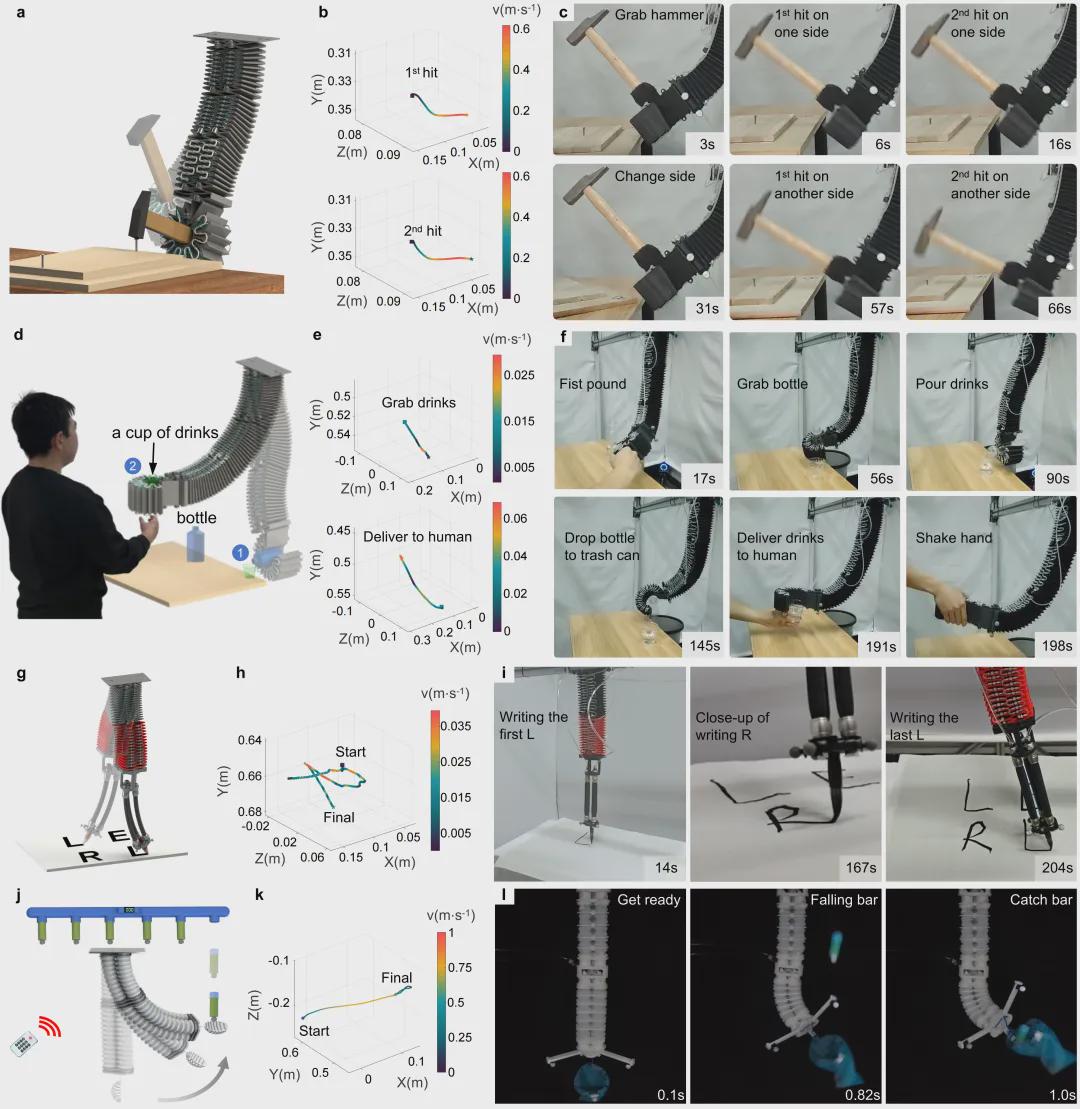
Researchers have made significant advancements in soft robotics, demonstrating that these machines can rapidly adjust to new physical forms. This breakthrough was detailed in a study published in Nature Communications, highlighting the potential for soft robots to enhance their adaptability in various environments. The research team conducted experiments that showcased how these robots can seamlessly integrate with different structures, allowing them to perform tasks more efficiently. This development is particularly relevant in fields such as healthcare, where soft robots could assist in surgeries or rehabilitation, adapting to the unique needs of patients. The findings underscore the importance of flexibility in robotic design, paving the way for more versatile applications in the future.

Defining Autonomy for Wellness Robots in Senior Care
A recent examination highlights the potential of socially assistive wellness robots in enhancing senior wellness across seven key dimensions. This analysis, aimed at addressing the escalating senior care crisis, underscores the challenges posed by demographic shifts, workforce shortages, and gaps in daily wellness programming that traditional care models face. The study defines wellness robots distinctly from companion and medical devices, emphasizing their unique features and functions. It introduces a framework for measuring the autonomy of these robots using the Care Robot Autonomy Scale (CRAS), a six-level scale inspired by the SAE J3016 driving standard, which assesses four critical care dimensions. Furthermore, the research outlines a roadmap for achieving full autonomy in wellness robots, detailing necessary technical capabilities, clinical evidence, and a phased approach leading into the early 2030s. This comprehensive analysis aims to inform stakeholders about the transformative role of wellness robots in senior care and the urgent need for innovative solutions in the face of growing demands. A free whitepaper summarizing these findings is available for download.

Appetronix acquires Cibotica to expand robotic foodservice automation beyond pizza
Appetronix, a developer specializing in robotic kitchen systems, has acquired Cibotica, a company focused on food robotics, to enhance its automation platform by incorporating a wider range of food categories beyond pizza. The financial details of the acquisition remain undisclosed. This strategic move allows Appetronix to integrate Cibotica’s advanced automated ingredient dispensing and portioning technology into its existing offerings, including the Remy robotic system. The acquisition is part of Appetronix's ongoing efforts to innovate and expand its capabilities in the food service industry.

Stanford’s new iISM microscope images living cells at 120-nanometer resolution
Researchers at Stanford University have developed an innovative microscope that can image nanostructures within living cells, marking a significant advancement in cellular imaging technology. This breakthrough was announced in October 2023 and aims to enhance our understanding of cellular processes at the nanoscale. By enabling scientists to observe these structures in real-time, the new microscope offers insights into cellular functions and interactions that were previously difficult to study. The motivation behind this development is to provide a more detailed view of cellular mechanisms, which could lead to advancements in medical research and treatments. The microscope employs advanced imaging techniques that allow for high-resolution visualization of nanostructures, paving the way for new discoveries in biology and medicine.

SMILE-FX Launches AI Braces System, Bringing Predictive Treatment Planning to South Florida
Dr. Tracy M. Liang, a board-certified orthodontist, has unveiled a groundbreaking orthodontic treatment at SMILE-FX Orthodontic Studio in Miramar, Florida. On April 3, 2026, the clinic launched its AI Braces system, which uniquely combines artificial intelligence with advanced 3D CBCT (Cone Beam Computed Tomography) imaging. This innovative approach aims to enhance the precision and effectiveness of orthodontic treatments by providing detailed, data-informed mapping for each patient's needs. The integration of cutting-edge technology is designed to improve patient outcomes and streamline the orthodontic process, reflecting a significant advancement in the field.

Pea-size liquid-metal pump runs robot butterfly on under 0.1 V
Engineers at the University of Bristol have developed a groundbreaking liquid-metal pump that promises to enhance the portability and agility of future soft robotics and wearable devices. This innovative technology, detailed in a recent publication in the journal Nature Communications, utilizes a low-voltage power source, which could revolutionize robotic systems across various applications, including robotic legs and haptic gloves utilized in medical and industrial environments. The advancement aims to address the growing demand for more efficient and versatile robotic solutions in diverse fields.

New microscopy method speeds 3D brain scans while using fewer measurements
Researchers at the University of Hong Kong have unveiled an innovative microscopy technique that enhances the ability to reconstruct detailed images of biological samples. This breakthrough, announced on October 15, 2023, aims to significantly improve the visualization of cellular structures, which is crucial for advancements in medical research and diagnostics. By utilizing advanced imaging algorithms and high-resolution optics, the team has managed to achieve unprecedented clarity and depth in imaging, allowing scientists to observe intricate cellular processes in real-time. This development is expected to facilitate a deeper understanding of diseases at the cellular level, potentially leading to more effective treatments. The researchers believe that this technique could revolutionize the field of microscopy, making it a vital tool for biologists and medical professionals alike.
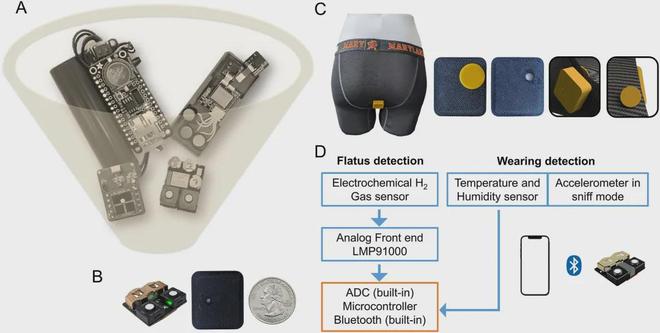
Is 32 Times Flatulence a Day Normal? Scientists Invent 'Smart Underwear' to Create a 'Human Flatulence Map' with 3,500 People Already in Line
Researchers at the University of Maryland have unveiled a new type of 'smart underwear' capable of measuring flatulence, a development that has garnered significant public attention. Their research indicates that healthy adults typically experience an average of 32 flatulence episodes per day, which is double the previously accepted estimates. This innovative project aims to create a detailed map of human gut activity, providing insights into digestive health. The high level of interest in the product has resulted in a long waiting list, reflecting the growing curiosity surrounding gut health and its implications for overall well-being.
Improved Ivy Algorithm for an Enhanced Fractional Order Proportional‐Integral‐Derivative Controller: Applications From Winding Tension Control to Hybrid System
In May 2026, the Journal of Field Robotics published a comprehensive study examining advancements in robotic technologies and their applications in various fields. The research, featured in Volume 43, Issue 3, spans pages 1375 to 1414 and highlights the increasing integration of robotics in sectors such as agriculture, healthcare, and manufacturing. The study aims to address the growing demand for automation and efficiency in these industries, driven by the need for improved productivity and cost-effectiveness. Researchers from leading institutions collaborated to analyze the latest innovations in robotic systems, including autonomous vehicles, drones, and robotic arms, showcasing their potential to revolutionize traditional practices. Through a series of case studies and experimental results, the authors detail how these technologies are being implemented in real-world scenarios, demonstrating significant improvements in operational efficiency and safety. The findings underscore the importance of continued investment in robotic research and development to meet future challenges and enhance human-robot collaboration. This publication serves as a vital resource for industry professionals, policymakers, and academics, providing insights into the current state of robotics and its future trajectory. As the field continues to evolve, the study emphasizes the necessity of adapting to technological advancements to harness the full potential of robotics across various sectors.
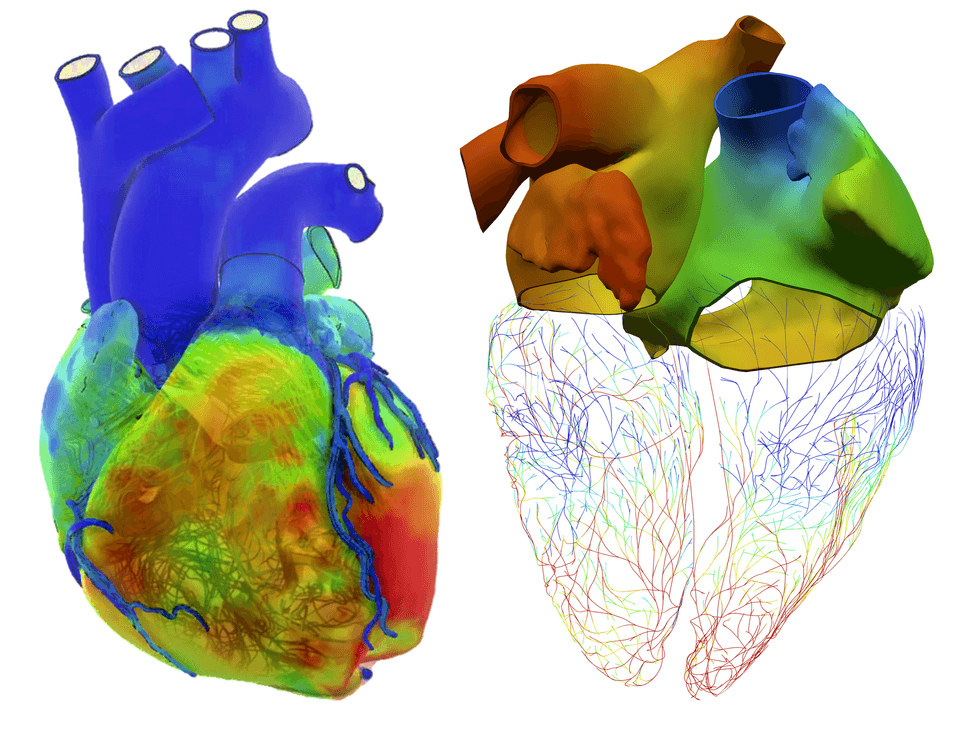
How Your Virtual Twin Could One Day Save Your Life
In May 2019, a cardiac surgeon at Boston Children’s Hospital successfully performed a complex heart surgery on a child with a severe congenital defect, utilizing advanced virtual twin technology. This innovative approach involved creating a detailed 3D model of the child's heart and vascular system from MRI and CT scans, allowing the surgical team to simulate various strategies and predict outcomes before the operation. The procedure was critical due to the unique nature of the child's heart condition, which had no established surgical manual. The Living Heart Project, initiated in 2014, has since guided nearly 2,000 surgeries by employing virtual twin modeling, which combines engineering principles with medical expertise to enhance surgical precision and patient outcomes. This project, now involving over 150 organizations globally, aims to revolutionize medical treatment by providing a dynamic, predictive tool that can simulate the human body's responses. The technology not only aids in surgical planning but also has the potential to streamline clinical trials. By creating virtual patient cohorts, researchers can test treatments more efficiently, reducing the time and costs associated with traditional trials. The FDA has recognized the significance of this approach, collaborating with the project to establish guidelines for in silico clinical trials, marking a significant shift in how medical innovations are developed and validated. As virtual twins expand beyond cardiac applications to other organs, they promise to transform healthcare by enabling personalized medicine and fostering a deeper understanding of patient physiology, ultimately improving treatment outcomes and patient engagement in their health management.

Japan Science and Technology Agency Develops NVIDIA-Powered Moonshot Robot for Elderly Care
A groundbreaking advancement in technology is on the verge of emergence, potentially rivaling the smartphone's impact on daily life. The Japan Science and Technology Agency is funding the Moonshot research program, which aims to develop innovative solutions in AI and robotics. This initiative is being propelled forward by NVIDIA, a leader in artificial intelligence and computing technology. While details remain under wraps, experts suggest that this new technology could significantly alter various sectors, although it may come with a higher price tag compared to current devices. The project is expected to push the boundaries of what is possible in technology, promising to deliver transformative tools that could reshape user experiences and interactions in the near future.

Ocean Robotics Planet Buyer's Guide 2025
A new report has been released by the World Health Organization (WHO) detailing the global impact of climate change on public health. The document, published on October 10, 2023, highlights alarming trends in health risks associated with rising temperatures, air pollution, and extreme weather events. The report emphasizes that vulnerable populations, particularly in low-income countries, are disproportionately affected due to limited resources and inadequate healthcare systems. The WHO urges governments worldwide to take immediate action to mitigate climate change and protect public health. This includes implementing policies aimed at reducing greenhouse gas emissions, promoting sustainable practices, and enhancing healthcare infrastructure to better prepare for climate-related health challenges. The findings underscore the urgent need for a coordinated global response to address the intertwined crises of climate change and health, as the effects are expected to worsen in the coming years if no significant measures are taken. This comprehensive analysis serves as a call to action for policymakers, health professionals, and communities to prioritize environmental health and work collaboratively towards sustainable solutions that safeguard both the planet and public health.
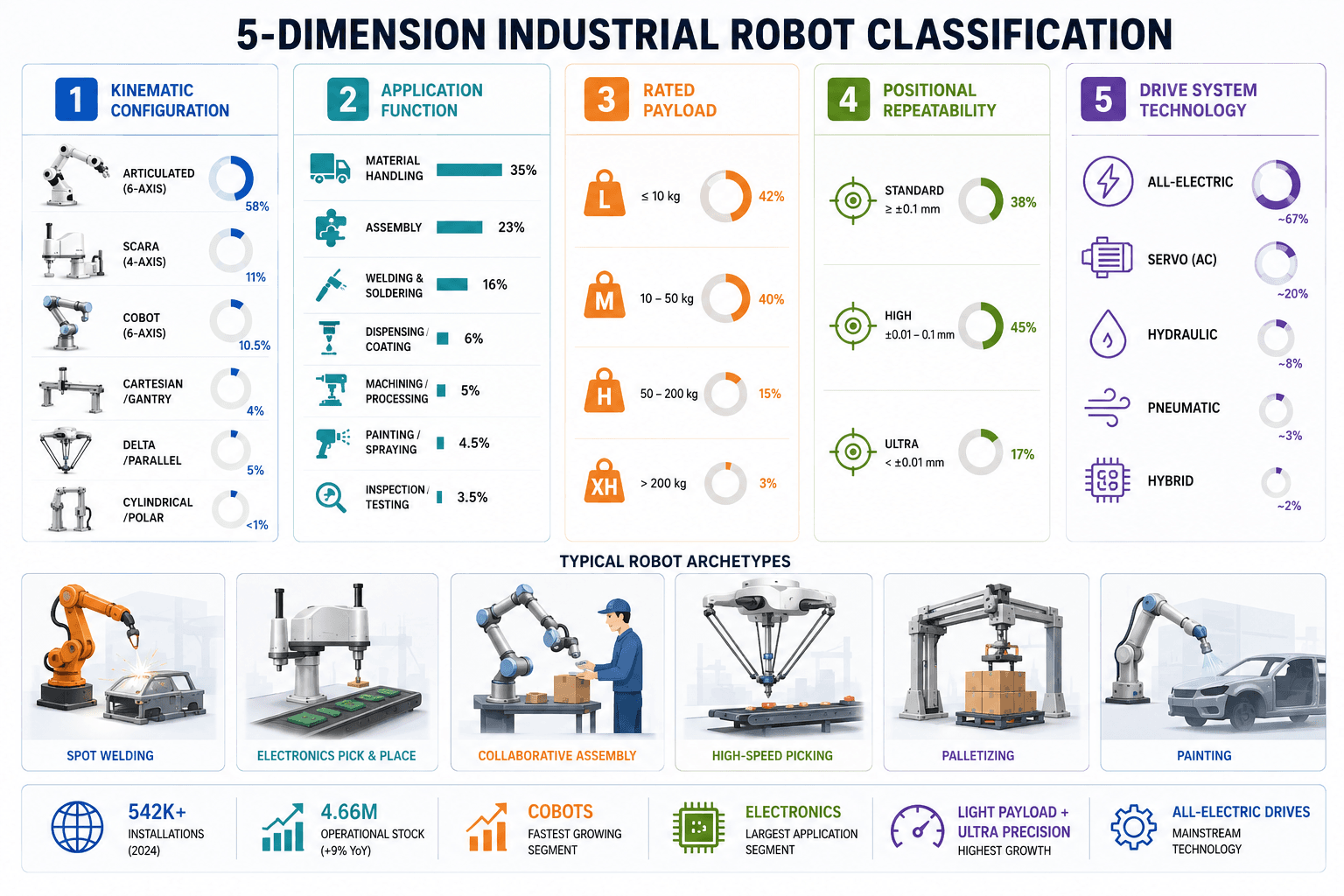
Industrial Robot Classification: 5-Dimension Framework & Market Data
A five-dimensional framework classifying industrial robots by kinematic type, application, payload, repeatability, and drive system. IFR 2024 data: 542,000 global installations across articulated, SCARA, cobot, and delta types.

Robotics Innovator Lens Unveils Ambitious Production Goals Amid AI Surge
LENS sets bold production targets as AI-augmented robotics demand soars, promising high-volume manufacturing and next-gen automation tech.