


XDOF
"Defining motion for autonomous systems."
US robotics-data infrastructure startup founded October 2024; raised $70M to build teleoperation datasets for training robot foundation models.

Company Facts
Founded
2024
Primary Role
Software/Algorithm
Company Size
-
Primary Region
North America
Annual Sales
-
Funding Stage
Early-Stage VC
Funding Total
-
Keywords
- XDOF
- robotics data
- teleoperation
- AI infrastructure
- open-source dataset
- robot training data
- teleoperation dataset
- bimanual manipulation
- ABC-130K
- GELLO
- embodied AI infrastructure
- robot foundation model
- Software/Algorithm
- Component Supplier
- Control & Software
- Cloud & Data
- Manufacturing
- Logistics & Supply Chain
- Education & Research
- Pick and Place
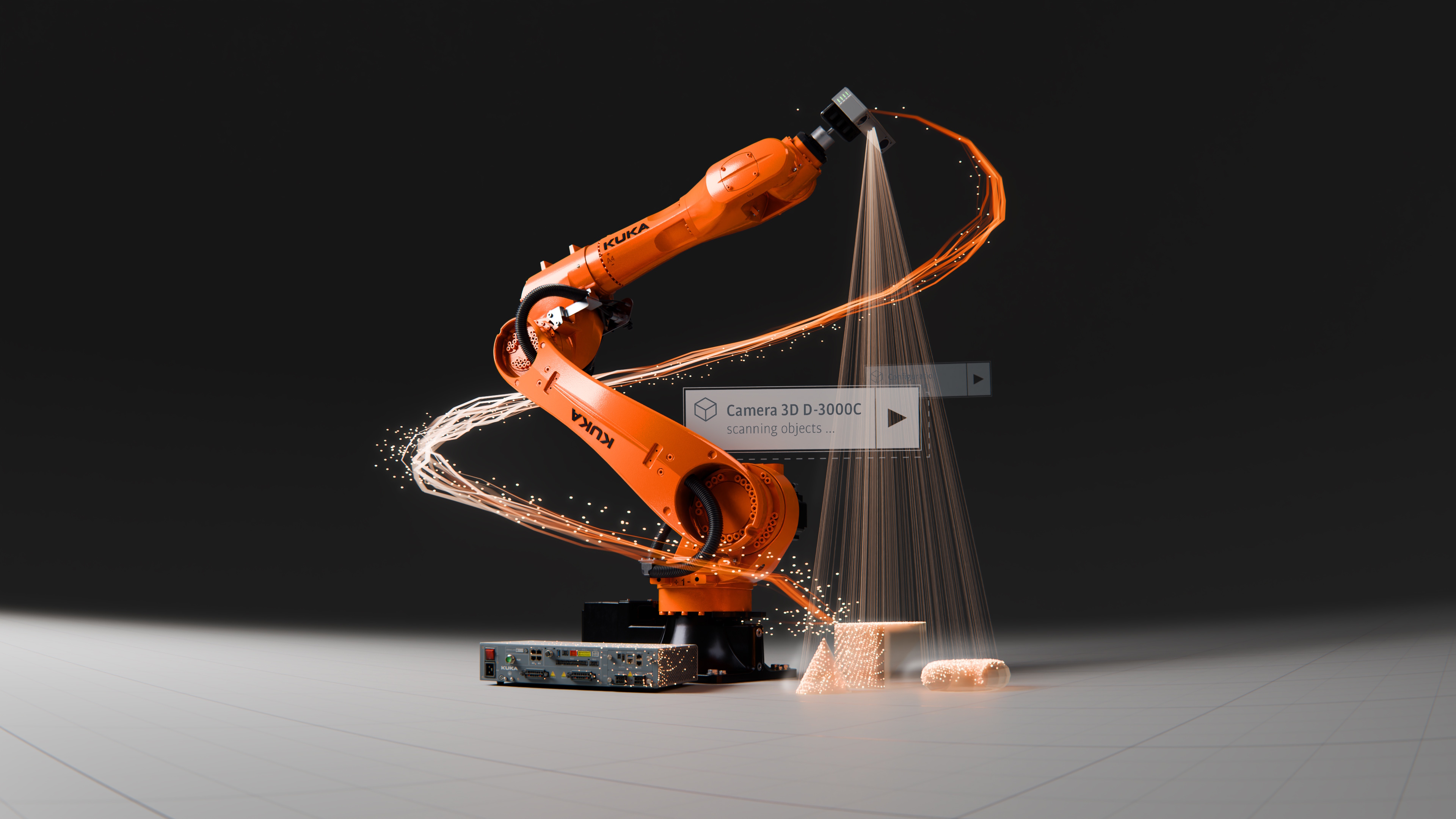
iiQKA.AI Vision Enhances Industrial Image Processing with User-Friendly Interface
iiQKA.AI Vision has introduced a standalone vision application within iiQWorks, designed to simplify industrial image processing. This application features a graphical user interface that allows users to implement vision applications efficiently, utilizing drag-and-drop functionality, pre-built templates, and guided workflows from setup to commissioning. The significance of this development lies in its ability to ensure process reliability through robust image processing capabilities, including precise 2D and 3D object recognition, automatic position determination, and gripper point calculation. The system is designed to perform reliably under varying component conditions and changing lighting, making it suitable for diverse industrial applications. Looking ahead, the seamless integration of iiQKA.AI Vision with iiQWorks and the robot controller facilitates a unified system from engineering to operation. This integration supports a consistent workflow from configuration to deployment, along with centralized management and monitoring via a web interface. No further timeline was disclosed at the time of publication.
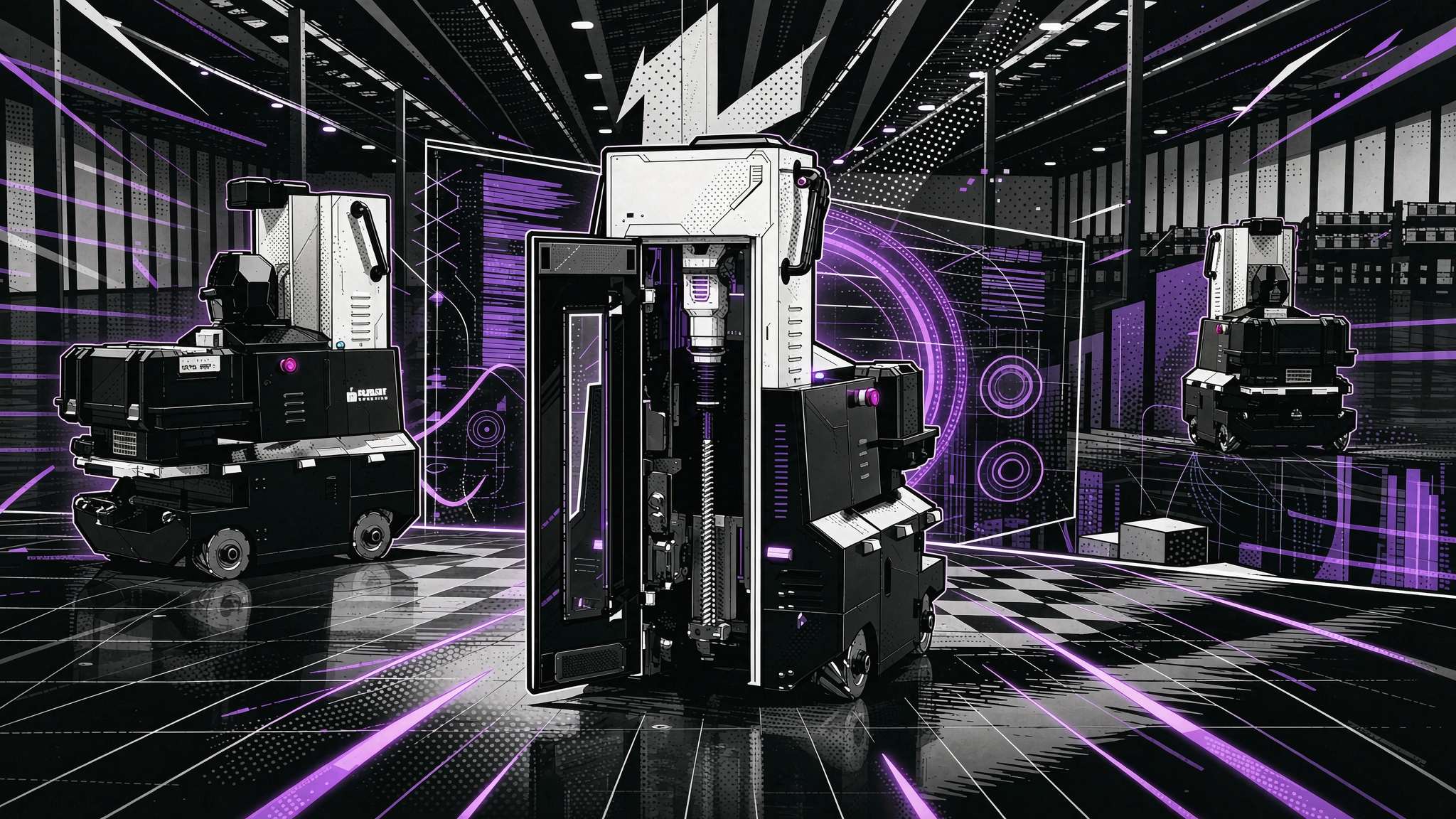
First Coordinated Drilling Robot Achieves 10x Speed and 99% Accuracy
A groundbreaking drilling robot has been developed, showcasing the ability to perform coordinated operations with a speed ten times greater than traditional methods and an accuracy rate exceeding 99%. This innovation marks a significant advancement in drilling technology, potentially transforming various industrial applications. The introduction of this robot is crucial as it addresses the limitations of conventional drilling techniques, which often suffer from slower speeds and lower precision. By enhancing operational efficiency, this technology could lead to cost savings and improved outcomes in sectors that rely on drilling processes. Looking ahead, industry stakeholders should monitor the deployment and performance of this drilling robot in real-world scenarios. No further timeline was disclosed at the time of publication.
Robotics Automation AI
IROS 2026 Best Paper Finalists: South Korea Leads
Ten papers made the IROS 2026 Best Paper and Best Student Paper shortlist, four from South Korea. What each one does and what it means for industry.
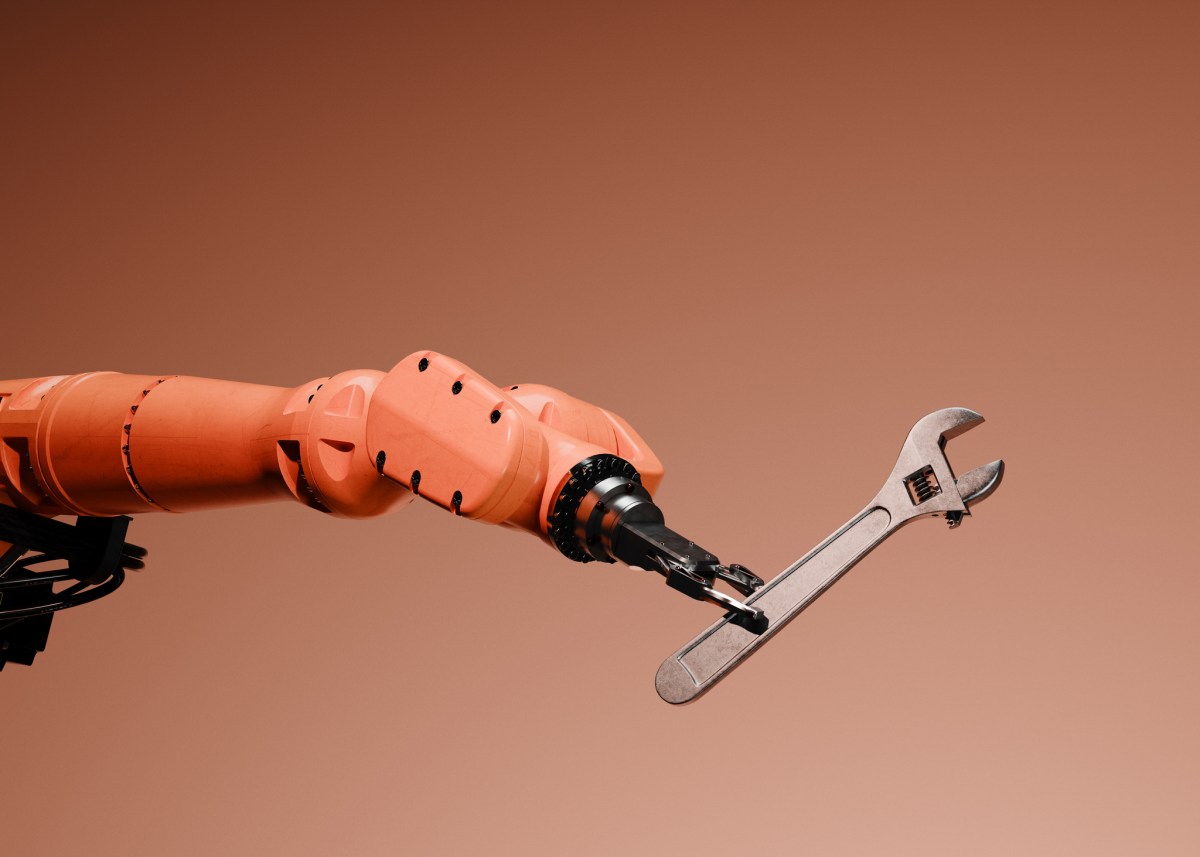
Mecka AI Secures $60 Million in Series B Funding Led by Sequoia
Mecka AI, a startup focused on collecting and analyzing human motion data for training humanoid and other robots, has successfully raised $60 million in a Series B funding round led by Sequoia. Notable participants in this funding include Nvidia and Microsoft's venture fund M12, among others. This funding is significant as it positions Mecka AI to replicate the success of data-labeling companies like Scale AI and Mercor, which have been instrumental in training large language models (LLMs). With a valuation of $500 million, Mecka AI aims to enhance robotics by paying individuals to perform everyday tasks while wearing body sensors and using smartphones to capture motion data. Looking ahead, the robotics sector is witnessing a surge in startups focused on real-world data collection for robot training, with competitors like XDOF also seeking funding. The expansion of human-data platforms into robotics, as seen with Scale AI and Micro1, indicates a growing trend that could reshape how robots learn and interact with their environments. No further timeline was disclosed at the time of publication.
TC Venture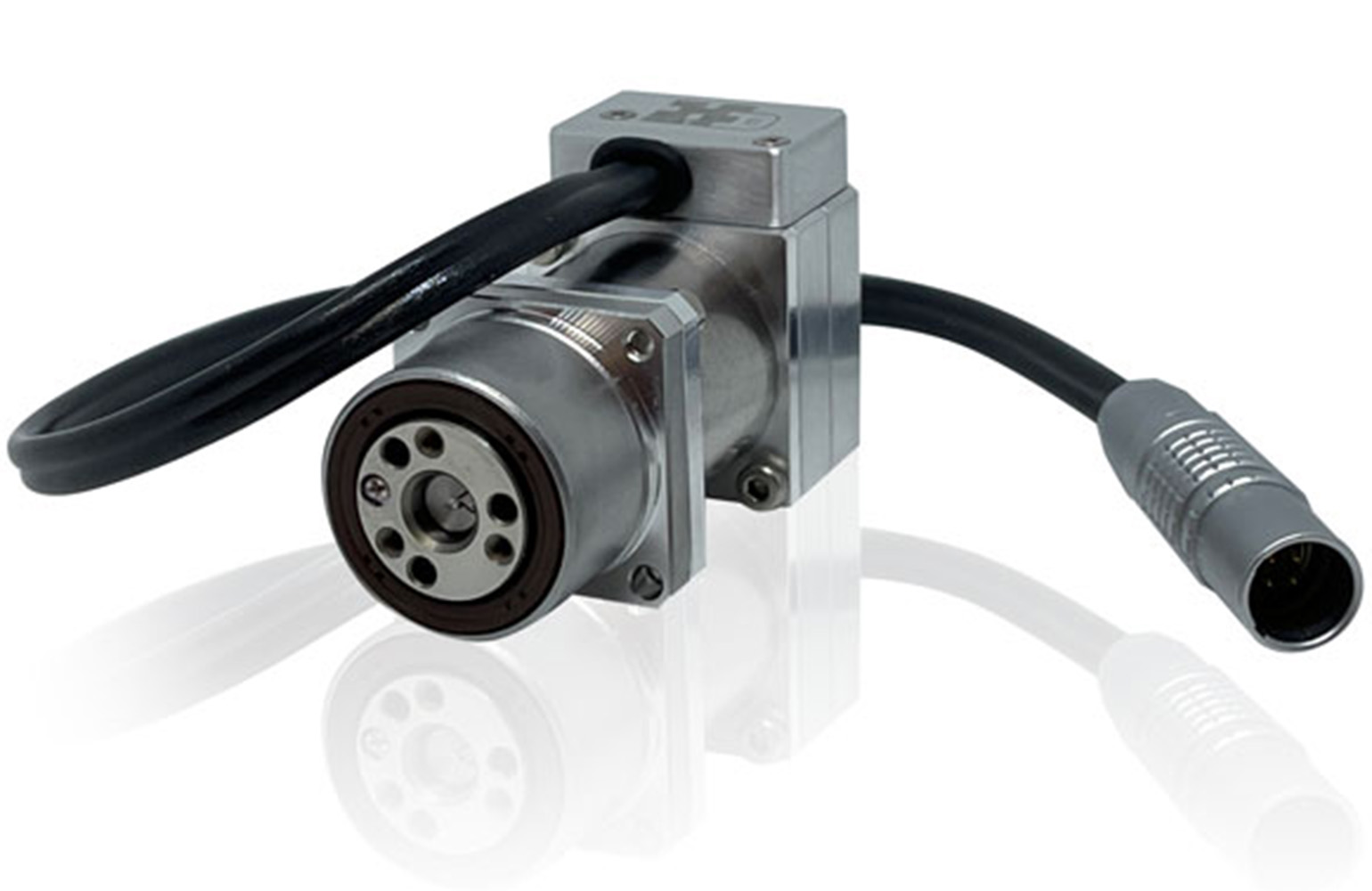
Harmonic Drive to Present on Integrated Actuators at RoboBusiness 2026
At RoboBusiness 2026, Marcel Almonte from Harmonic Drive will lead a session on integrated drive actuator design. Scheduled for October 20 at 10:30 a.m. PT in Santa Clara, California, the session will explore the benefits of integrated actuators in reducing engineering complexity and enhancing system performance. This presentation is significant as it addresses the critical decision-making process in selecting motion architectures for robotics. Attendees will learn how integrated actuators can streamline system integration, reduce cabling complexity, and accelerate time-to-market, ultimately leading to more efficient robotic designs. Participants should watch for practical insights on selecting motion solutions tailored to specific application requirements and constraints. No further timeline was disclosed at the time of publication.
Actuators / Motors / Servos Events Motion Control News Robot Components Technologies
Elmo Motion Control Introduces Innovative Titanium and Platinum Servo Solutions
Elmo Motion Control has unveiled its latest innovations, the Titanium multi-axis motion controller family and the Platinum servo drive series. These products integrate multi-axis control, high computing power, and functional safety into a compact design, enabling machine builders to enhance performance while minimizing component complexity. This development is significant as it addresses the growing demands in sectors like semiconductors, robotics, medical devices, and defense, where traditional machine designs often rely on multiple controllers and external safety systems. Elmo's integrated approach allows for smaller, faster, and safer machines, ultimately reducing the total cost of ownership for OEMs. Looking ahead, the focus will be on how these advancements can further streamline installation and commissioning processes, particularly with the introduction of Elmo’s Application Studio III (EASIII). No further timeline was disclosed at the time of publication.

IEEE CASE 2027 Linz: Aug 23–27 | Automation Science
IEEE CASE 2027, the 23rd Conference on Automation Science and Engineering, runs Aug 23–27, 2027 in Linz, Austria. Chairs, deadline and scope.

Transforming Industrial Maintenance: The Role of Agentic and Physical AI in Repair Efficiency
The industrial sector has long relied on predictive maintenance to foresee equipment failures, but this approach often leads to administrative bottlenecks. Alerts generated by AI models trigger slow, manual processes that hinder timely repairs. To overcome these challenges, industries are shifting towards a model that incorporates agentic AI and physical AI, enabling autonomous orchestration of logistics and execution of repairs. Agentic AI allows for the autonomous management of maintenance tasks, optimizing scheduling and logistics without human intervention. This transition is crucial for enhancing operational efficiency, as it transforms maintenance from a reactive process into a self-optimizing engine. For instance, in high-volume manufacturing, agentic AI can immediately address issues flagged by predictive models, significantly reducing downtime and improving return on investment. Looking ahead, the integration of agentic and physical AI is set to redefine maintenance operations. As organizations adopt these technologies, they must ensure safety through deterministic bounding to mitigate risks associated with autonomous decision-making. The future of industrial maintenance will likely see a seamless blend of AI-driven logistics and physical execution, paving the way for more efficient and effective repair processes.
Factory / Analytics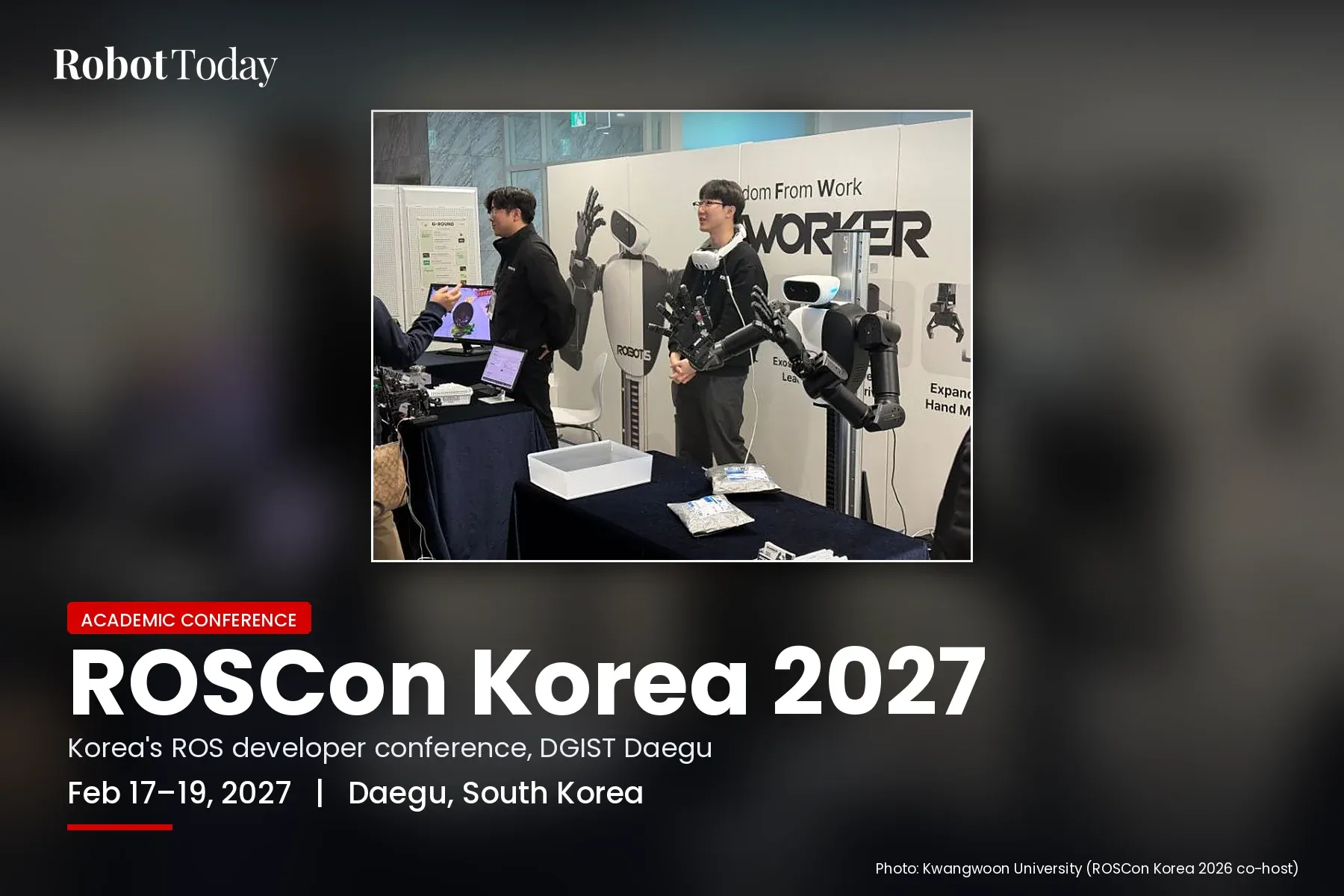
ROSCon Korea 2027: Feb 17–19 at DGIST, Daegu
ROSCon Korea 2027, Korea's official ROS developer conference, runs Feb 17–19, 2027 at DGIST in Daegu, after a sold-out 2026 debut.

Tuning the Brain Like a Radio: Synapse Symphony’s Plan to Treat Chronic Pain at Home
COO Vishal Jain on Synapse Symphony's DARPA-rooted wearable brain-stimulation headset for chronic pain, its FDA plans, and a second use: motor-health checks.

RobotToday Weekly September 21 – 25, 2026
Cognex buys RealSense, Qualcomm acquires PickNik, the IFR counts 5 million factory robots, AGIBOT deploys 300 robots at Chimelong, and Tekever raises $580 million.

Glacian: Physics Model Vets AI Data Center Cooling
Glacian Technologies pairs AI with a physics-based digital twin that rejects unsafe commands. CEO Jie Zhao on cutting data center cooling energy 15-30%.

Siemens on Robots, Agentic AI and the "Last 3%" Problem
Siemens tells RobotToday at IMTS 2026 why AI robot demos are only the tip of the iceberg, and why agentic AI depends on PLM data and business context.

Innovation Works Venture Expo 2026: 58 Pittsburgh Startups Pitch to Investors
58 health, deep tech and robotics startups pitched at Innovation Works Venture Expo 2026 in Pittsburgh. Full company list, program and 2025 funding data.

SimScale Engineering AI Moves Physics Simulation to the Exact Moment a Design Decision Gets Made, Inside Onshape
SimScale’s Engineering AI Agent runs CFD, thermal, EMag and FEA from one prompt inside PTC’s Onshape, starting from CAD that isn’t simulation-ready.

Mecka AI Approaches $500 Million Valuation in Sequoia Capital Funding Round
Mecka AI, a startup focused on collecting and analyzing human motion data for training humanoid robots, is nearing a funding round led by Sequoia Capital at a valuation of approximately $500 million. This new financing follows a $60 million round raised just three months prior, led by Framework Ventures with participation from Menlo Ventures, SV Angel, and Kindred Ventures. The significance of this funding lies in Mecka AI's innovative approach to addressing the shortage of physical-world data essential for developing general-purpose robots. By employing body sensors and smartphones, the startup captures real-world interactions, which are critical for robotics companies and AI labs that rely on this data to enhance their models. Looking ahead, Mecka AI projects an annual run rate of $100 million by the end of 2026. As the demand for robot training data intensifies, it will be important to monitor how Mecka AI's initiatives evolve and how they compare to other startups in the space, such as XDOF and Scale AI, which are also focused on real-world data collection for robotics.
AI Robotics data Exclusive Sequoia
XDOF Engages in Series B Funding Talks at $1.2 Billion Valuation
XDOF, a startup specializing in real-world teleoperation data for training robots, is in advanced discussions for a Series B funding round, aiming for a valuation of approximately $1.2 billion. The funding is reportedly led by 8VC, following the company's rapid growth and annualized revenue nearing $50 million. The significance of this funding round lies in XDOF's role in addressing a critical bottleneck in robotics: the lack of large-scale real-world datasets. Co-founded by UC Berkeley researchers Philipp Wu and Fred Shentu, XDOF aims to provide outsourced data solutions for the robotics industry, similar to what Scale AI offers for AI applications. Looking ahead, XDOF is set to release what it claims is the largest collection of high-quality robot training data, known as ABC, in collaboration with UC Berkeley's AI Research lab. The startup is also planning to expand its workforce of data collectors globally, which will enhance its capabilities in generating essential training data for robots. No further timeline was disclosed at the time of publication.
AI Robotics Startups 8VC
ROBOTTODAY Weekly, June 15 – 19, 2026
This week in robotics: Japan commits $65B to physical AI, UBTECH’s U1 humanoid companion robot nears 5,000 pre-orders, XDOF raises $70M for robot foundation model infrastructure, and Waymo recalls ~3,900 robotaxis after construction-zone failures. June 15–19, 2026.

Robotics Infrastructure Startup XDOF Emerges from Stealth with $70M in Funding
XDOF has officially launched after securing $70 million in funding to create infrastructure for robot foundation models. The company aims to develop essential datasets, robotic systems, and software tools that will enable robotics firms and research institutions to enhance the capabilities of physical AI systems. This significant investment comes from prominent venture capital firms, including Thrive Capital, Andreessen Horowitz, Spark Capital, Lux, and WnderCo. The funding will support XDOF's mission to advance the field of robotics and artificial intelligence, addressing the growing demand for more sophisticated and efficient robotic solutions.
AI AI Funding & Investment Robotics Amazon Andreessen Horowitz Carnegie Mellon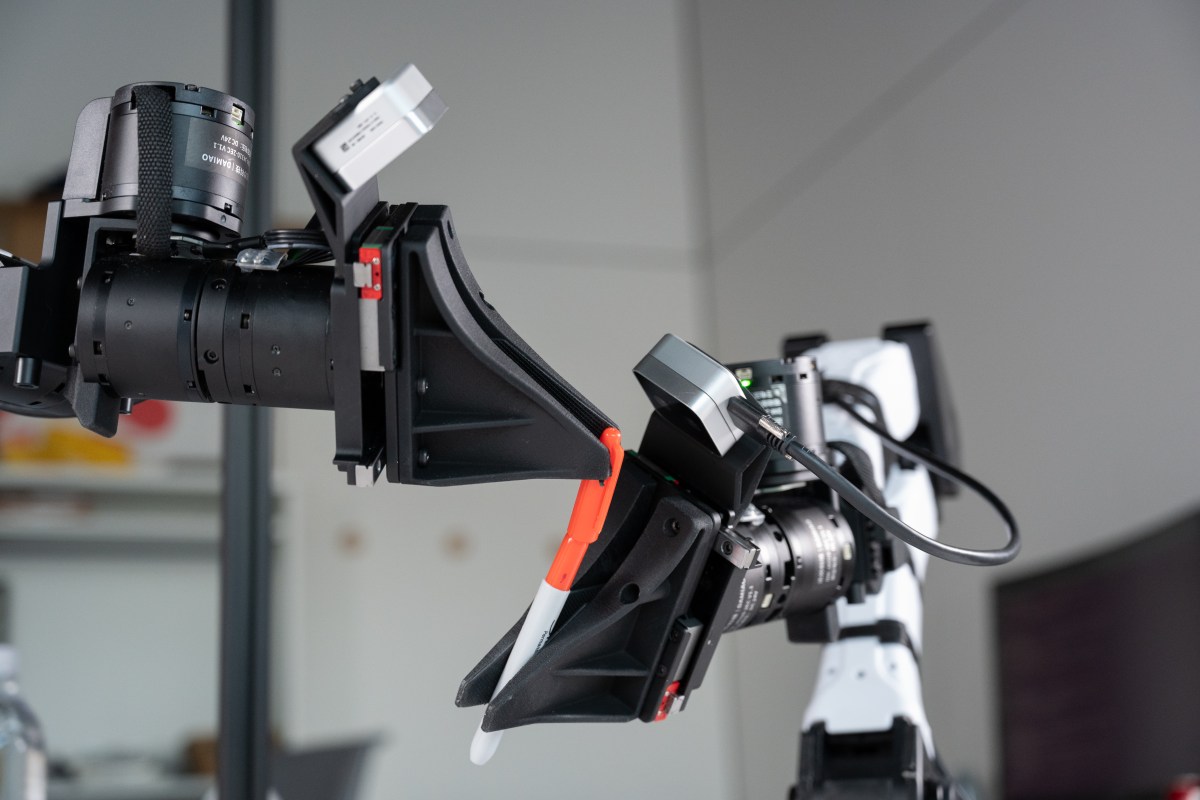
Collecting robot training data is dirty, unglamorous work. Some AI labs are already paying XDOF to do it.
Recent discussions in the field of artificial intelligence highlight a significant challenge facing the development of physical AI systems. Experts emphasize that in order for physical AI to achieve milestones comparable to those of large language models (LLMs), a critical data issue must be addressed. As of October 2023, the existing datasets are insufficient to support the complex learning and operational needs of physical AI. This gap in data could hinder progress and innovation in creating AI that can effectively interact with and navigate the physical world. Addressing this problem is essential for advancing the capabilities of physical AI, ensuring that it can perform tasks with the same proficiency as its software counterparts.
AI Startups a16z robots Thrive Capital
