


Welker Engineered Products
US manufacturer of shot pins, clamps, slides & ejectors for automotive, aerospace, and industrial automation; ISO 9001:2015 certified; Troy, MI since 1972.
Contact Welker Engineered Products
WEBSITE
https://www.welkerproducts.comPHONE
+1 800-229-0890HEADQUARTERS
United States

Company Facts
Founded
1972
Primary Role
Manufacturer
Company Size
-
Primary Region
North America
Annual Sales
-
Funding Stage
-
Funding Total
-
Certifications & Memberships
Keywords

Hitachi Collaborates with Agile Robots to Advance Physical AI for Manufacturing Automation
Hitachi has entered into a partnership with Agile Robots to develop physical AI systems aimed at automating complex factory tasks that require human adaptability. This collaboration merges Hitachi's expertise in AI, manufacturing, and edge computing with Agile Robots' advanced robotics platform, including their humanoid robot and AI-driven software. The significance of this partnership lies in its potential to enhance manufacturing processes by enabling robots to recognize changing conditions and make autonomous decisions. This aligns with Hitachi's broader initiative to create an HMAX Industry ecosystem, which aims to promote more autonomous manufacturing solutions globally. Looking ahead, the partnership is expected to expand Agile Robots' applications in various sectors, including automotive manufacturing and healthcare. No further timeline was disclosed at the time of publication.
Business & Markets Humanoids Physical AI AI Germany humanoid robotics
Panasonic Plans to Develop Humanoid Robots, Targeting Production by 2029
Panasonic Holdings has announced its intention to develop humanoid robots, as confirmed by Akira Sakakibara, the company's chief AI officer, in a recent interview. The Japanese technology firm aims to commence production of these robots by the year 2029, focusing on their application in plants and warehouses. This initiative is significant as it highlights Panasonic's strategic move to leverage its existing battery business in the robotics sector. The development of humanoid robots could enhance operational efficiency in various industrial settings, aligning with the growing trend of automation and AI integration in manufacturing processes. Looking ahead, industry observers will be keen to see how Panasonic's plans unfold and whether they can successfully integrate their battery technology into the design and functionality of these humanoid robots. No further timeline was disclosed at the time of publication.
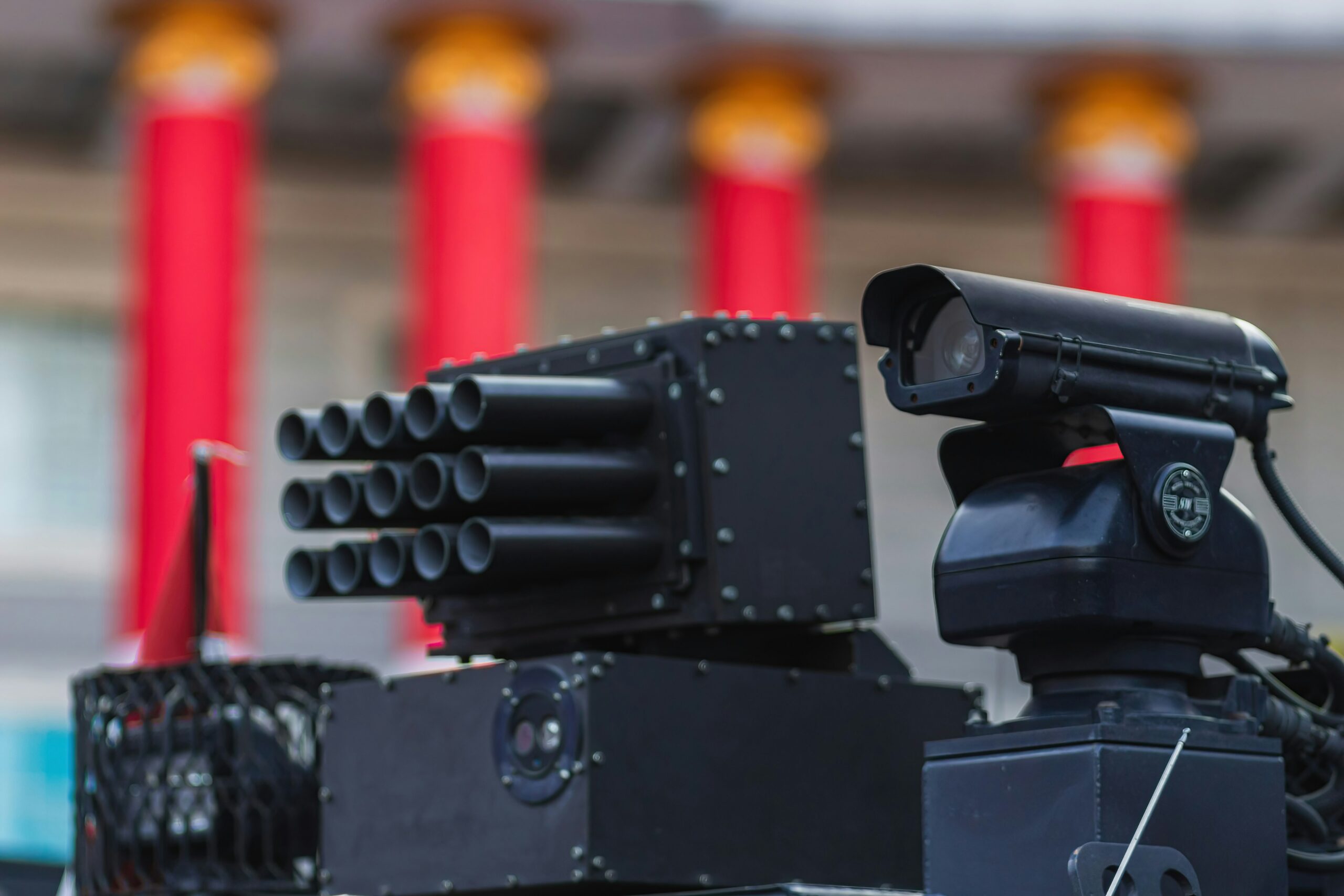
Robotics and Physical AI Addressing Key Physical Security Challenges in 2026
In 2026, over $23 billion has been invested in enhancing the integration of robotics and artificial intelligence for physical security. This investment aims to address the increasing complexity of threats against critical infrastructure, such as data centers and manufacturing plants. The adaptive capabilities of these technologies are essential for organizations to protect their assets effectively. The intersection of cybersecurity and physical protection presents new challenges, as demonstrated by the Jaguar Land Rover incident, where cyber breaches led to significant operational disruptions. Organizations must adapt to a rapidly changing security landscape, where legacy systems can exacerbate vulnerabilities. The need for proactive security measures is more pressing than ever, particularly in critical industries. At GTC Taipei 2025, companies like Foxlink showcased innovations such as the “robot dog,” designed to enhance physical security through adaptive functions and smart sensors. This technology represents a shift towards a more proactive security environment, enabling organizations to respond to complex threats effectively. No further timeline was disclosed at the time of publication.
Artificial Intelligence Artificial Intelligence / Cognition Automotive Autonomous Mobile Robots (AMRs) Cameras / Imaging / Vision Manufacturing
UC3M and UPNA Develop Advanced Soft Robotic Gripper for Object Manipulation
Professors at Universidad Carlos III de Madrid (UC3M) and Universidad Pública de Navarra (UPNA) have created a soft robotic gripper that can pick up, hold, and manipulate objects. This innovative gripper is designed to reposition items securely between its fingers without losing grip. The development of this soft robotic gripper is significant as it enhances the dexterity and functionality of robotic systems, making them more versatile in handling various objects. This advancement could lead to improved applications in fields such as logistics, manufacturing, and healthcare, where precise manipulation is essential. Looking ahead, the implications of this technology could reshape how robots interact with their environment. No further timeline was disclosed at the time of publication.
Robotics
The Patent Office Will Determine Winners in the Physical AI Race
Lightbringer's co-founders emphasize that advancements in AI, machine learning, and automation have transformed robotic capabilities. As competition escalates, success in the physical AI race is increasingly tied to ownership of the technology that governs robot behavior rather than the robots themselves. This complex intellectual property landscape requires robotics founders to strategically patent their innovations to avoid being outmaneuvered by competitors. The importance of a robust patent strategy is underscored by the experiences of startups, which often falter when they delay patenting their core technologies. The legal battle between Boston Dynamics and Ghost Robotics over core technology illustrates the critical nature of intellectual property in robotics. Startups, particularly in swarm robotics, face unique challenges in patenting behaviors that emerge from interactions among machines, raising questions about the patentability of such innovations. As the robotics industry evolves, the potential for patent disputes is expected to grow, reminiscent of the smartphone industry's past. A strong patent portfolio is essential for startups to navigate this landscape effectively, ensuring they protect their innovations before competitors can claim them. No further timeline was disclosed at the time of publication.
Artificial Intelligence Business Resources Manufacturing News Opinion Software / Simulation
Recent Developments in South Korea's Physical AI Sector Highlight Key Innovations
This week, South Korea's physical AI sector saw significant advancements, including a collaboration between Semifive and Mobilint on outdoor robotics AI chips. Aidin Robotics joined a Doosan-led cobot initiative, while Hanwha Ocean and Korea Expressway Corp. signed agreements for shipbuilding robots and highway automation. These developments are crucial as they reflect South Korea's commitment to enhancing automation in various industries. The $7.2 million multi-agent autonomous-manufacturing project led by SKPack and the successful KOSDAQ IPO of Brills, which raised approximately $17 million, further underscore the growing investment in physical AI technologies. Looking ahead, stakeholders should monitor the progress of these projects, particularly the ongoing work on AI chips and the integration of robotics in manufacturing and infrastructure. No further timeline was disclosed at the time of publication.
AI Funding & Investment Humanoids Physical AI AI Aidin Robotics Brills
Exploring OMRON's Advanced LD Mobile Robots and Their Impact on Automation
In Episode 264 of The Robot Report Podcast, Miguel Garcés Moreno, the product marketing manager for OMRON Industrial Automation Europe, discusses the company's next-generation LD mobile robots. He emphasizes the importance of autonomous mobile robots (AMRs) in transforming modern factory floors with flexible and fully automated intralogistics systems. Garces Moreno's expertise in industrial automation, AI vision, and motion control highlights the significance of integrating advanced technologies to enhance operational efficiency. The collaboration with WiBotic for wireless charging solutions further underscores OMRON's commitment to increasing the uptime and safety of robotic fleets, which is crucial for manufacturers aiming to optimize their production processes. Listeners should keep an eye on OMRON's developments in AMRs and their partnerships, particularly with WiBotic, as these innovations could redefine intralogistics and factory automation. No further timeline was disclosed at the time of publication.
Artificial Intelligence Autonomous Mobile Robots (AMRs) Industrial Robots Markets / Industries News Opinion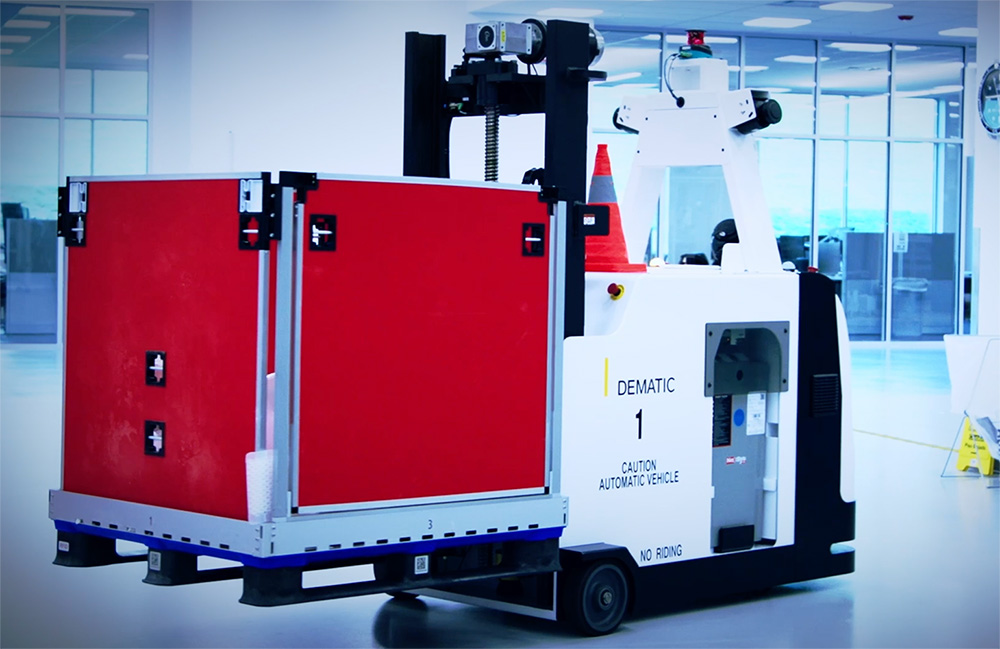
Eli Lilly and Purdue University to Present Human-Robot Interaction Insights at RoboBusiness 2026
At RoboBusiness 2026, Eli Lilly's Faraz Yousuf and Purdue University's Dr. Anastasia Kouvaras Ostrowski will discuss their findings on human-robot interaction (HRI) in manufacturing. Their presentation will focus on the challenges of conducting HRI research in live production environments and the insights gained from working with automated guided vehicles (AGVs). This collaboration is significant as it bridges the gap between academic research and practical applications in industrial settings, addressing the need for effective HRI to enhance safety and efficiency. The insights shared at the event could pave the way for more successful partnerships between academia and industry, fostering innovation in robotics. Attendees can expect to learn about the perceptions of robots on the manufacturing floor and the strategies developed to facilitate ongoing collaboration. The talk is scheduled for October 20 at 11:45 a.m. PT, highlighting the importance of HRI in the future of industrial automation. No further timeline was disclosed at the time of publication.
Artificial Intelligence Design / Development Events Human Robot Interaction / Haptics Logistics Manufacturing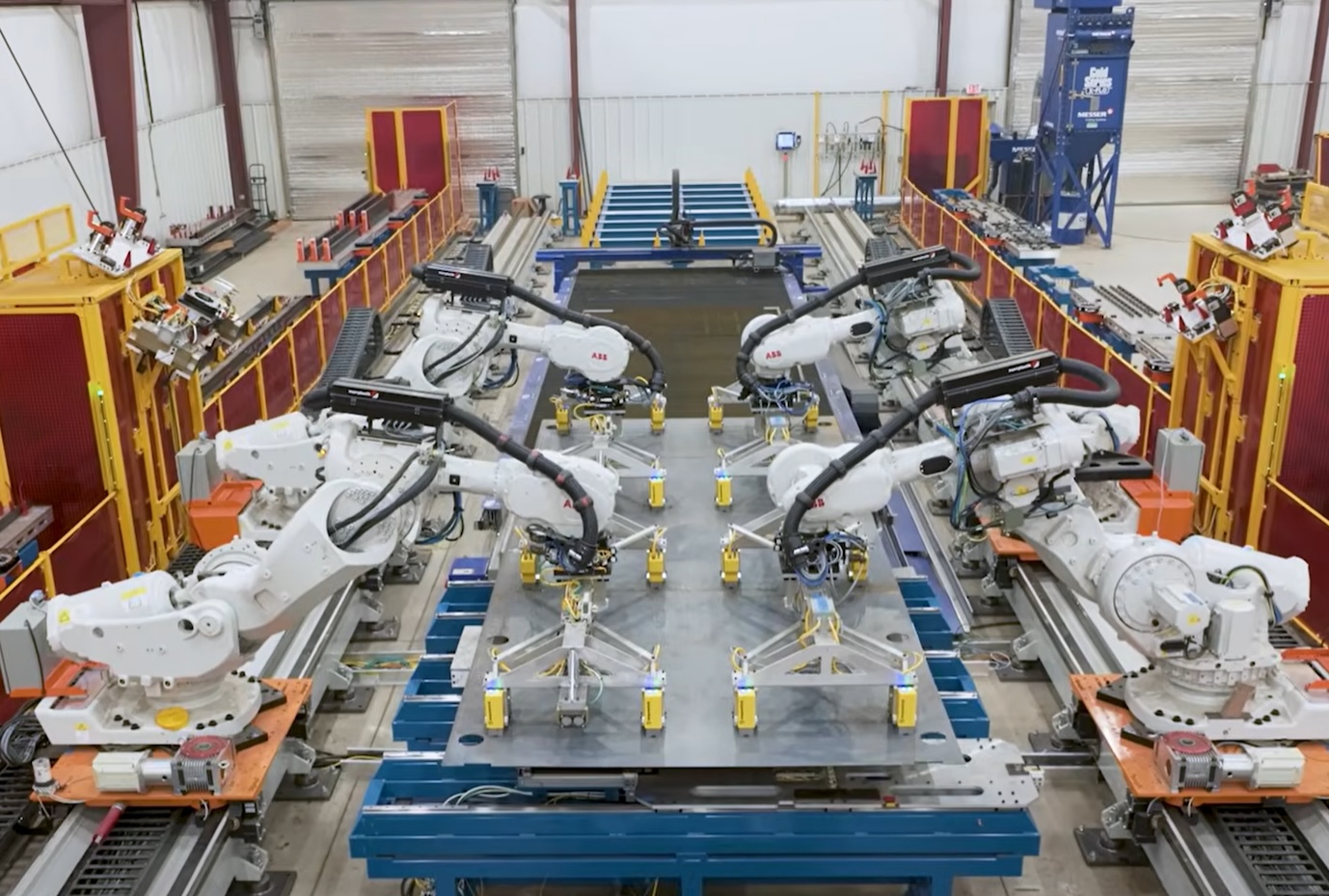
Lockheed Martin and Industry Leaders Discuss Innovations in Defense Technology
Bloomberg's Ed Ludlow reported live from Lockheed Martin's Skunk Works facility in Southern California, where key figures in defense technology shared insights on innovation. OJ Sanchez and Sarah Hiza from Lockheed Martin elaborated on the company's commitment to advancing defense tech, while Fortem CEO Jon Gruen provided an overview of the evolving drone warfare landscape. Additionally, Divergent CEO Lukas Czinger highlighted how his startup is revolutionizing weapon production by making it faster, cheaper, and scalable. This discussion is significant as it underscores the ongoing advancements in defense technology, particularly in the areas of drone warfare and weapon manufacturing. The insights from industry leaders reflect a broader trend towards innovation and efficiency in defense systems, which is crucial for maintaining competitive advantages in national security. Looking ahead, it will be important to monitor how these innovations impact the defense sector and the potential implications for military strategies. No further timeline was disclosed at the time of publication.

Fortem Secures $50 Million in Series B Funding with Lockheed Martin's Support
Fortem Technologies has successfully raised $50 million in Series B funding, with Lockheed Martin participating in this investment. This funding will enable Fortem to accelerate its manufacturing capabilities and increase bookings for its counter-drone solutions. The collaboration with Lockheed Martin signifies a shift from mere venture investment to a partnership focused on deploying counter-drone technology in real-world scenarios. CEO Jon Gruen highlighted the valuable lessons learned from operating in active conflict zones, which will inform their future strategies. Looking ahead, Fortem aims to leverage this funding to enhance its production and expand its market presence. No further timeline was disclosed at the time of publication.

RobotToday Weekly September 14 – 18, 2026
Toyota weighs 400,000 factory robots, SoftBank buys Hyundai's Robotics and AI Institute, Agility unveils Digit 5, Figure's Helix 2.5 generalises to 30 homes, and August robotics funding hits $4.87 billion.

The Missing Price: What Non-Disclosure Reveals About the Humanoid Market
Of 131 announced robot models, 33 publish no price. US makers withhold at twice the rate of Chinese ones — and the reason is stage, not strategy.
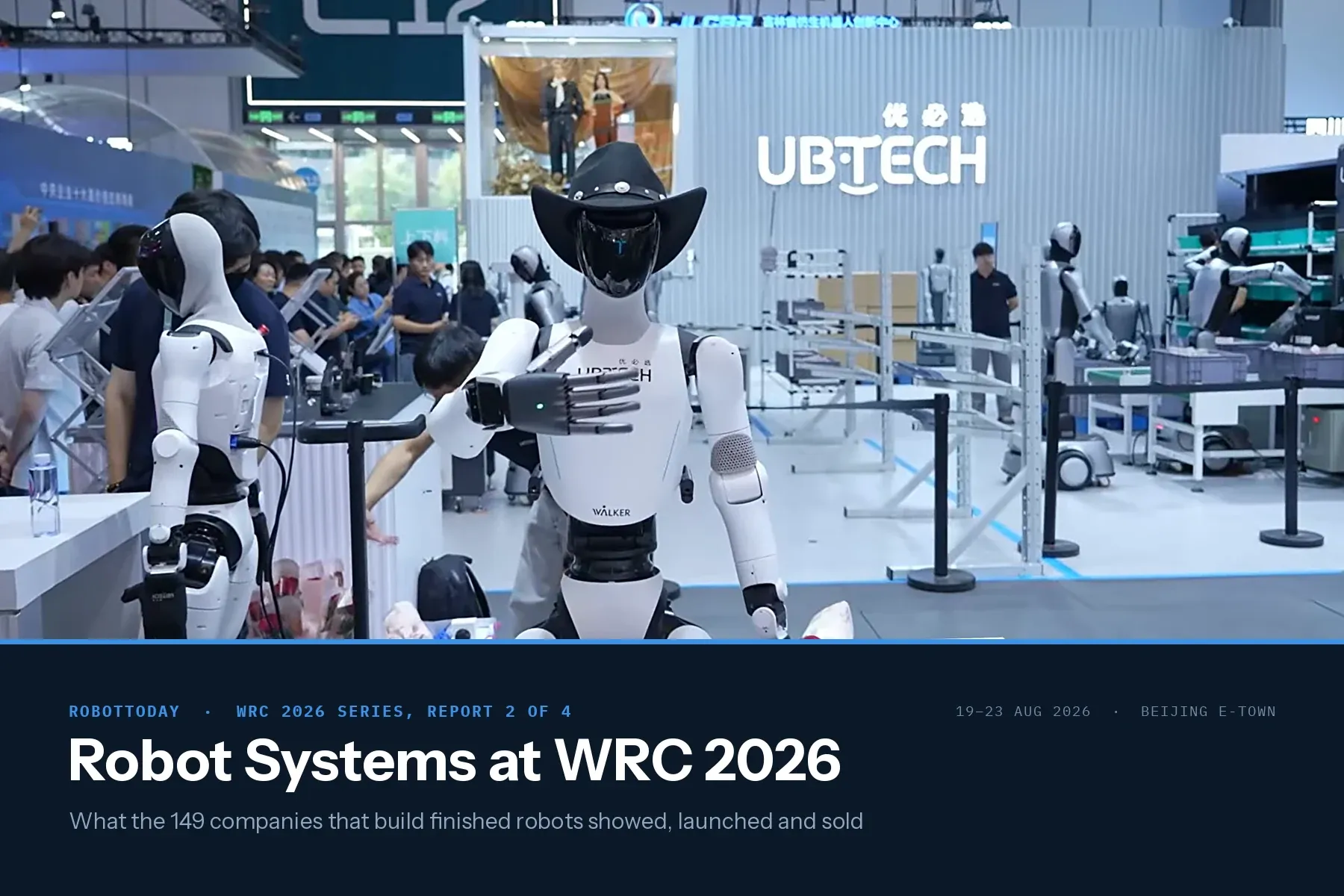
WRC 2026 Robot Systems: 149 Companies That Build Robots
149 of the 248 classified WRC 2026 exhibitors build finished robots. 93 build humanoid or legged machines. The audited humanoid sales number is one unit.

ROBOTTODAY Weekly June 30 – July 4, 2026
Unitree wins CSRC approval for China’s first humanoid IPO, Korea unveils ₩312T AI investment, RoboCup 2026 opens in Incheon, and Paris launches Europe’s inaugural Physical AI summit.
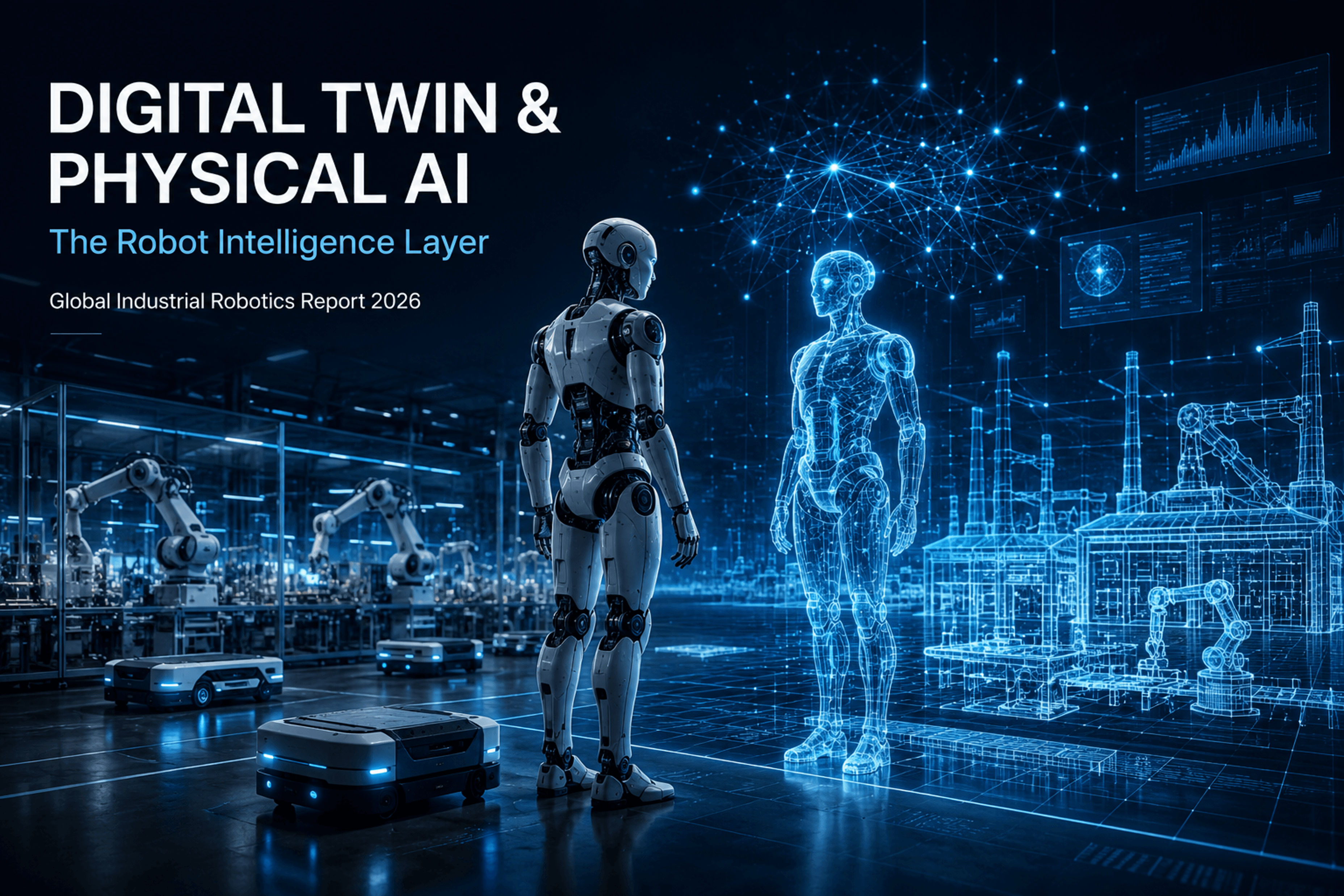
Digital Twin, Physical AI & Robot OEM Readiness 2026: Platforms, VLA Models, LLM Programming
A balanced analysis of the robot intelligence revolution: multi-vendor digital twin platforms (NVIDIA, Siemens, Dassault, ABB, Rockwell, Hexagon), Physical AI VLA models (RT-2, pi0, GR00T N1, AgiBot), current Physical AI limitations, LLM robot programming, and the OEM readiness matrix across US, European, and Chinese manufacturers.

ROBOTTODAY Weekly May 23 – 29, 2026
This week in robotics: the Humanoids Summit debuts in Tokyo, China assigns every humanoid robot a digital ID, Figure signs a Catalyst Brands deployment deal, and Unitree heads to a June 1 IPO hearing. May 23–29, 2026.

ROBOTTODAY Weekly April 5 – 11, 2026
This week in robotics: UniX AI’s Panther becomes the first household humanoid in real deployment, Hyundai reveals a mass-production factory robot, ShengShu raises $293M for physical AI, and Spirit AI closes $420M in 30 days. April 5–11, 2026.
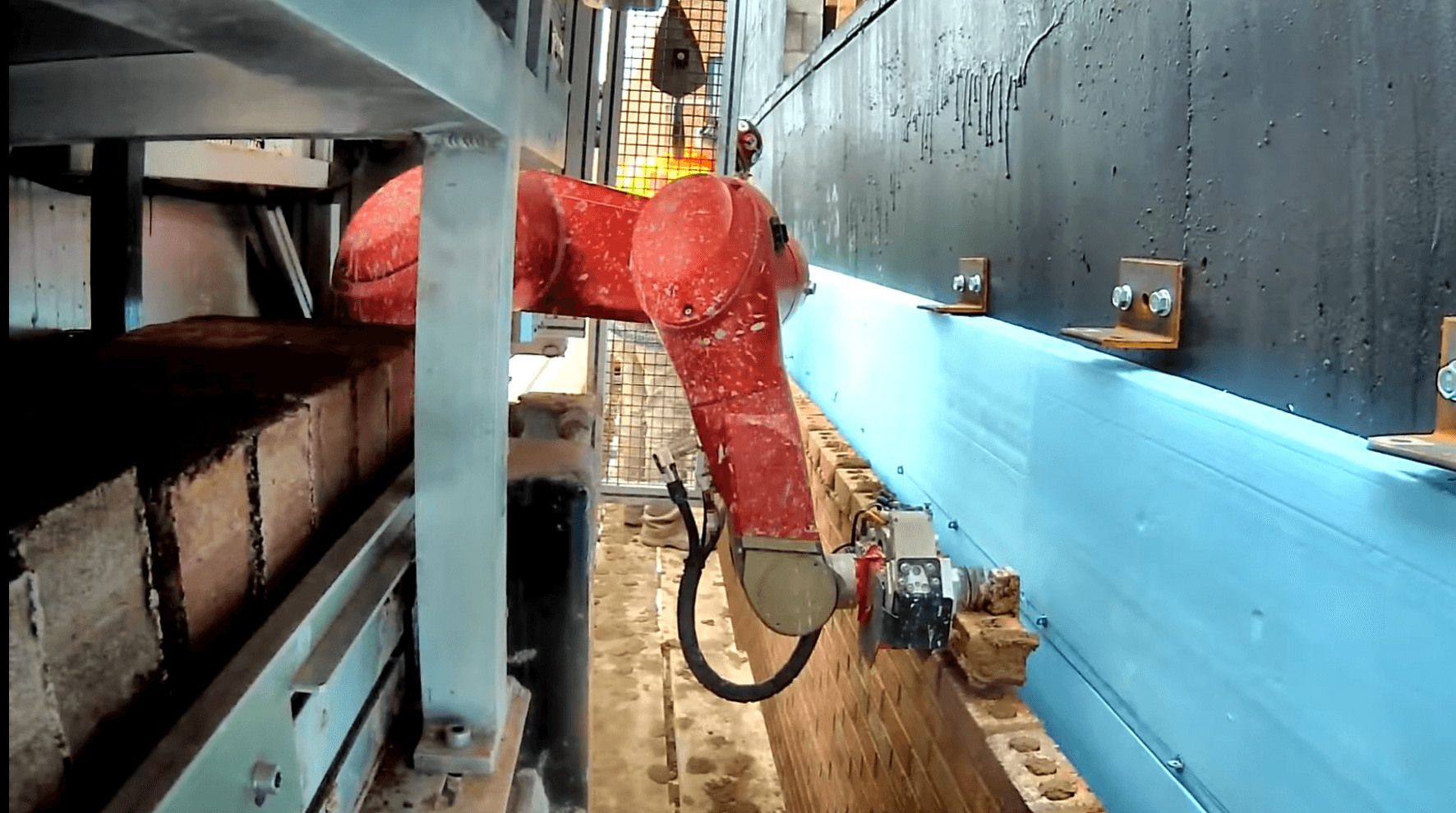
Construction Robots vs. Unions: A $500K Battle
Construction robots can lay 6× more bricks than humans—but unions, labor law, and political calculus are keeping them off U.S. sites. How Japan, Singapore, and Europe are winning the race instead.
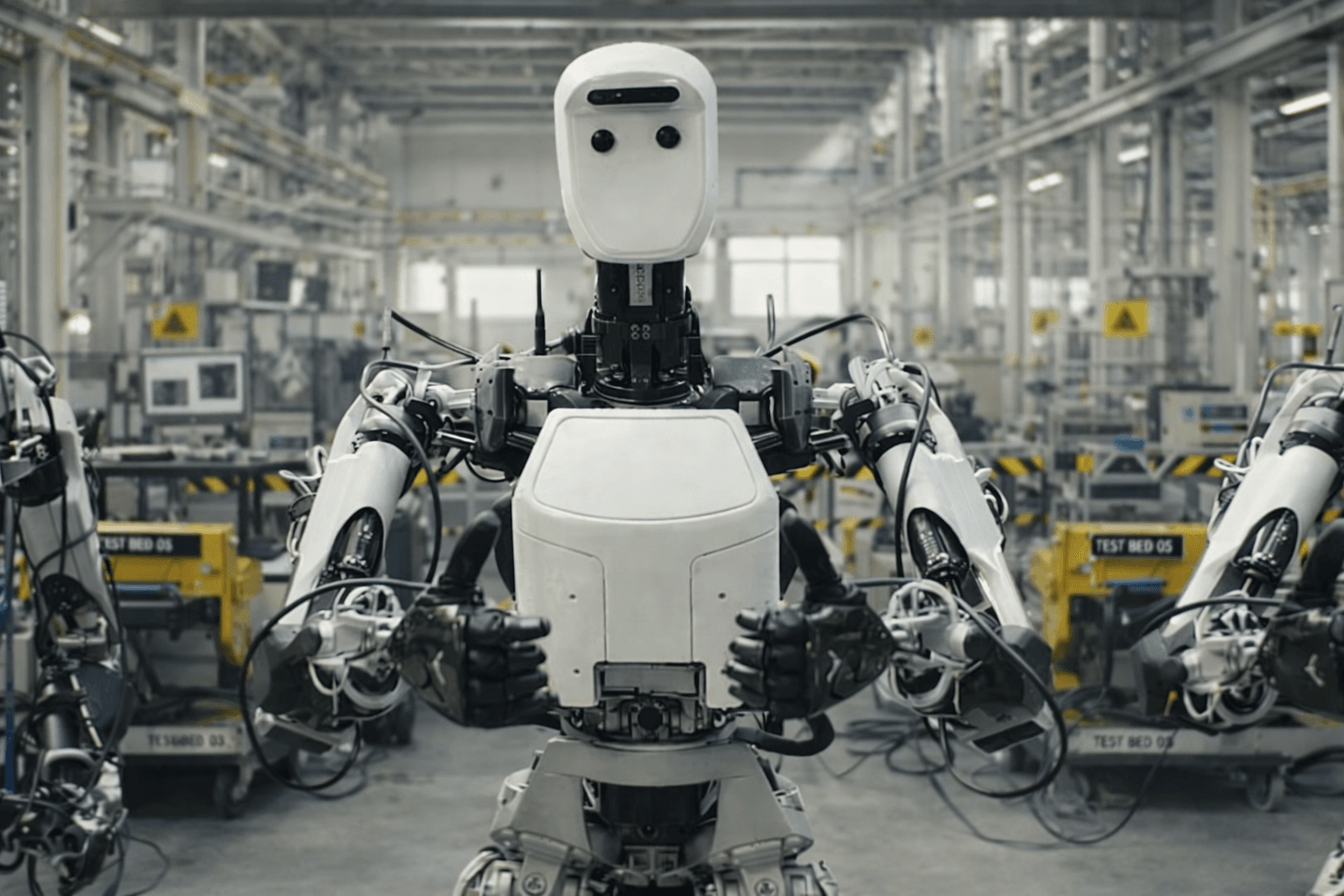
Why Fewer Than 20 Humanoid Robot Companies Will Define the Industry
An in-depth analysis of why fewer than 20 humanoid robot companies may reach scale by 2028—and how this “filtering period” will reshape robotics ecosystems, deployment models, and ROI.
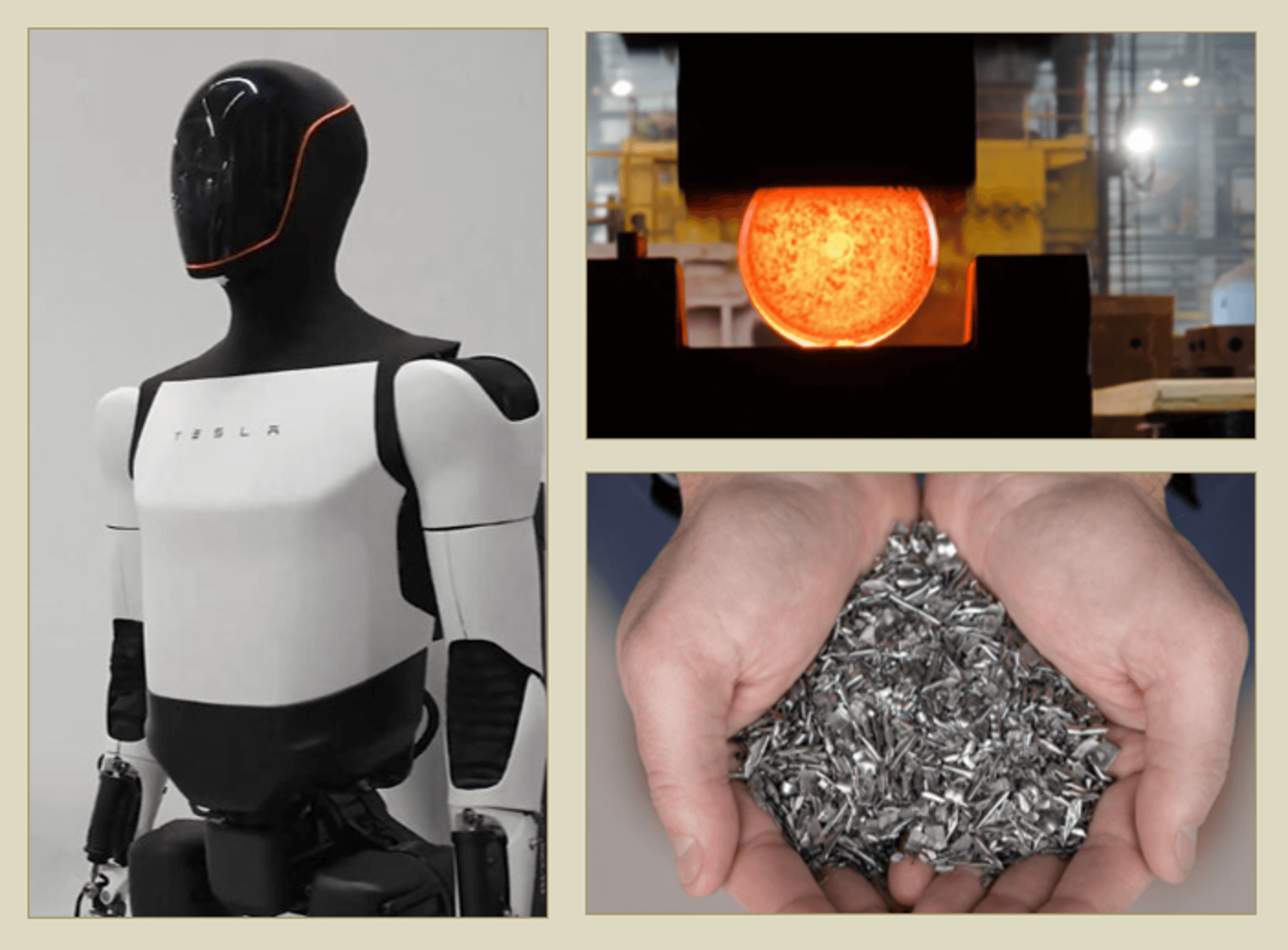
How Titanium Is Quietly Rewiring the Future of Robotics
Titanium’s strength-to-weight and corrosion resistance are reshaping robotics hardware, from lighter limbs to durable joints that unlock next-gen performance.

