


UVeye
Israeli AI vehicle inspection startup founded 2016; drive-through systems scan undercarriage, tires, and exteriors in seconds. $380.5M raised.
Contact UVeye
WEBSITE
https://uveye.comPHONE
+972 3-911-3000HEADQUARTERS
Israel

Company Facts
Founded
2016
Primary Role
Manufacturer
Company Size
employees 100-500
Primary Region
Middle East
Annual Sales
-
Funding Stage
-
Funding Total
-

University of Southern Denmark Develops Touch-Based Robot Inspired by Star-Nosed Moles
The University of Southern Denmark's robotics team has proposed a concept robot that relies on touch rather than vision, inspired by the star-nosed mole. This mammal is known for its exceptional tactile sensitivity, using its unique nose structure to detect food with remarkable precision. The team's design mimics the functionality of the mole's Eimer organs, which are sensitive structures that allow the mole to perceive its environment through touch. This innovative approach is significant as it addresses the limitations of visual-based robotics, which struggle with transparent, obscured, or hidden objects. By utilizing a flexible liquid-filled tube equipped with pressure sensors, the robot can generate tactile signals in response to external pressure, offering a different sensory pathway compared to traditional visual systems. This could be particularly valuable for robots operating in dark or confined spaces where vision is inadequate. Currently, the prototype remains in the conceptual stage and has not been officially released. However, it signifies a shift towards multimodal perception in robotics, complementing visual information with tactile feedback. As robots are expected to navigate various unstructured environments, the integration of touch could enhance their operational capabilities, similar to the evolutionary adaptations seen in star-nosed moles.
Robotics Tactile Sensors Artificial Intelligence Sensor Technology
Faraday Future's Chris Chen Discusses Robotics as an Extension of Intelligent Vehicles
Faraday Future, primarily recognized as an electric vehicle manufacturer, is expanding its technological applications to include robotics. The company emphasizes that various technologies initially developed for intelligent electric vehicles, such as artificial intelligence, computer vision, and sensor fusion, are highly relevant to robotic systems. This shift is significant as it highlights the versatility of Faraday Future's technology base, suggesting that advancements in electric vehicle technology can drive innovation in robotics. By leveraging their expertise in localization, connectivity, and simulation, the company aims to enhance the capabilities of robots, potentially transforming multiple industries. Looking ahead, it will be important to monitor how Faraday Future integrates these technologies into robotic applications and the impact this may have on both the automotive and robotics sectors. No further timeline was disclosed at the time of publication.
Artificial Intelligence Automotive Features Robotics AIxCrypto artificial intelligence
Kazakhstan Police Utilizes Robotic Dogs for Patrol at Nomad Alemi Festival
During the Nomad Alemi cultural festival in Ulan District, Kazakhstan, police deployed robotic dogs for actual patrol duties. This marks the first time robotic systems have been used for maintaining public order at a large event in the region. The robotic dogs can autonomously patrol designated areas, conduct continuous video surveillance, perform video analysis, and recognize faces, relaying real-time information back to the operations control center. The deployment of robotic dogs is significant as it addresses the challenge of limited police presence at large events while needing to monitor numerous points. These robots can cover areas not reachable by fixed cameras and can navigate through crowds, enhancing public safety. The East Kazakhstan police emphasized that these robotic systems are now part of the region's digital security framework, moving from trial and demonstration to regular operational use. Looking ahead, the capabilities of facial recognition integrated into the robotic dogs raise important questions regarding data retention, comparison permissions, and error handling. While the current deployment is limited in scale and focused on controlled environments, it provides a sample for observing the role of robotic dogs in public safety. Future developments will reveal whether this model expands to routine street patrols and how the data collected will integrate into broader security networks.
Robotic Dogs Public Safety Surveillance Technology Law Enforcement AI
Growing Demand for Robot Electronic Skin: Market Insights and Projections
The demand for electronic skin in humanoid robots is projected to reach 1.525 million square meters by 2030, with a market size of approximately 27.4 billion yuan. This shift indicates that electronic skin is transitioning from experimental samples to regular procurement items, as evidenced by a company receiving 13,000 orders for biomimetic skin in June alone. The significance of this demand lies in the evolving role of electronic skin, which enhances robots' capabilities in unstructured environments where visual data alone is insufficient. High-performance electronic skin, which collects various physical attributes, is essential for training models to understand object interactions, making it a critical component for robots operating in real-world scenarios. As humanoid robot manufacturers begin small-scale deliveries, the increase in electronic skin orders aligns with this trend. However, the integration of electronic skin with the design of the robots presents challenges, as factors like finger size and sensor layout must be collaboratively defined. The anticipated increase in demand and decrease in price hinges on the manufacturers' production capacity and the ability of electronic skin companies to maintain tactile precision while reducing costs.
Humanoid Robots Electronic Skin Tactile Sensors Robotics Technology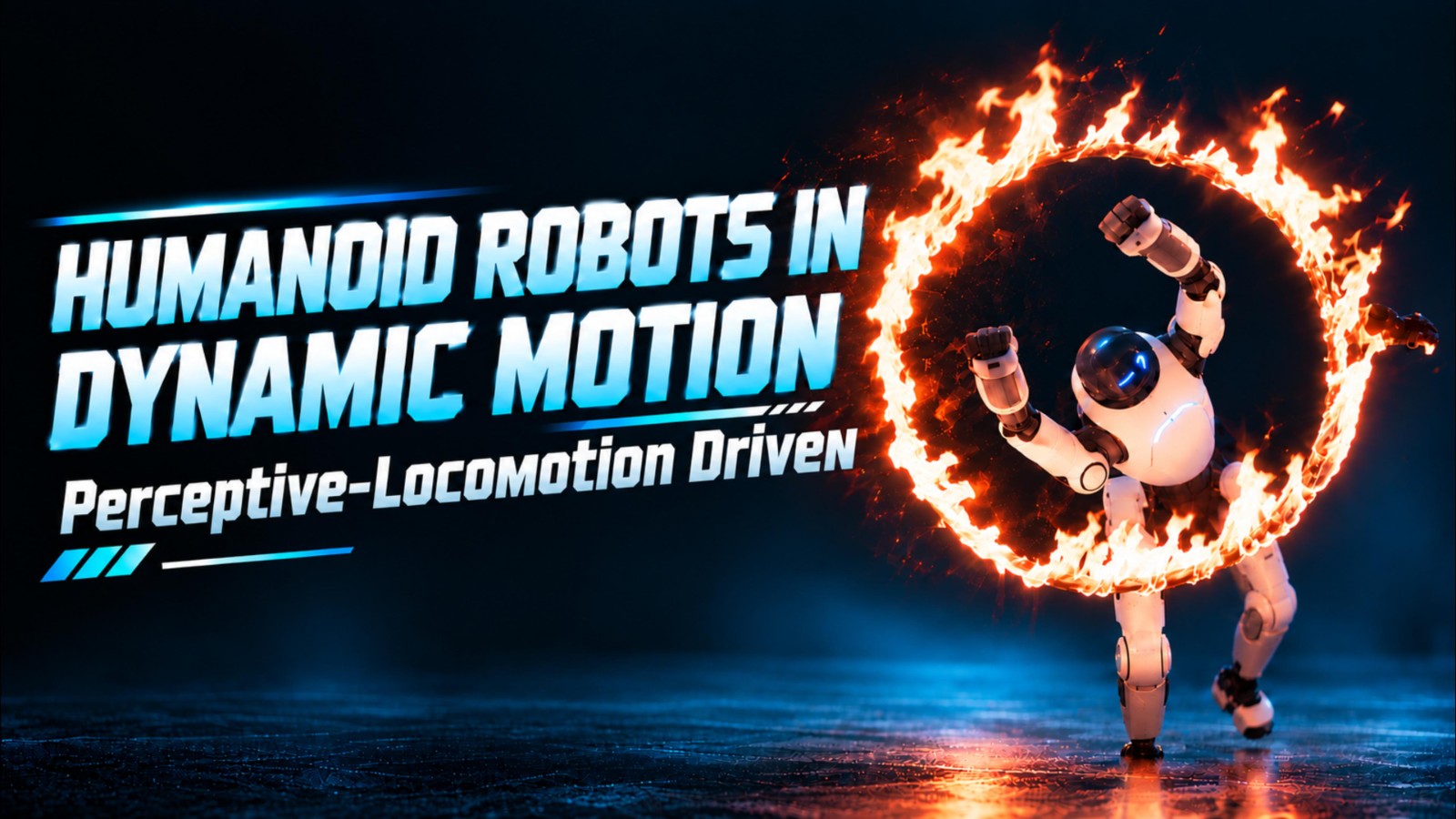
AGIBOT Introduces AGILE 2.0 for Enhanced Perception in Humanoid Robots
AGIBOT has unveiled AGILE 2.0, a sophisticated framework designed for perception-driven locomotion and comprehensive control in humanoid robots. This new system allows for real-time modifications to movement and manipulation based on environmental feedback, significantly enhancing robot adaptability. The introduction of AGILE 2.0 is significant as it showcases AGIBOT's commitment to advancing robotic capabilities. The framework was demonstrated with AGIBOT X2 robots executing intricate tasks, illustrating their enhanced ability to coordinate and adapt in dynamic real-world environments. Looking ahead, the industry will be keen to observe how AGIBOT's AGILE 2.0 framework influences the development of humanoid robots and their applications. No further timeline was disclosed at the time of publication.
robotics AI humanoid robots automation technology
MIT Researchers Develop New AI Technique for Safety-Critical Applications
MIT researchers have introduced a novel method that enhances generative artificial intelligence models for high-stakes problem-solving. This technique allows models to generate outputs that not only provide plausible solutions but also adhere to strict safety and task-specific requirements, known as hard constraints. By allowing more freedom during the generation process and enforcing constraints only on the final output, the method consistently delivers better solutions across various applications, including robotics and computer vision. The significance of this development lies in its potential to improve the reliability of AI in safety-critical environments. Traditional methods often struggle to balance the generative capabilities of AI with the necessity of meeting stringent safety standards. The new approach enables pretrained generative models to be adapted for use in scenarios where compliance with safety rules and physical laws is essential, thus expanding their applicability in real-world situations. Looking ahead, the adaptability of this technique suggests a promising future for generative AI in complex environments. As industries increasingly rely on AI for tasks like robot path planning, the ability to enforce hard constraints without compromising output quality will be crucial. No further timeline was disclosed at the time of publication.
Research Computer science and technology Artificial intelligence Machine learning Algorithms Mechanical engineering
SegCert-PCR: Certifiable Point Cloud Registration for Ground Segmentation in Unstructured Environments
The Journal of Field Robotics has published an early view article on SegCert-PCR, a method for certifiable point cloud registration focused on ground segmentation in unstructured field environments. This innovative approach addresses the challenges of accurately registering point clouds, which is crucial for various robotic applications in unpredictable terrains. The significance of SegCert-PCR lies in its potential to enhance the reliability and safety of robotic systems operating in complex environments. By ensuring certifiable registration of point clouds, this method can improve the performance of robots in tasks such as navigation, mapping, and environmental monitoring, where precision is paramount. Looking ahead, the adoption of SegCert-PCR could lead to advancements in robotic technologies that require robust ground segmentation capabilities. As the field of robotics continues to evolve, monitoring the implementation and effectiveness of this method will be essential for future developments in autonomous systems. No further timeline was disclosed at the time of publication.
RESEARCH ARTICLE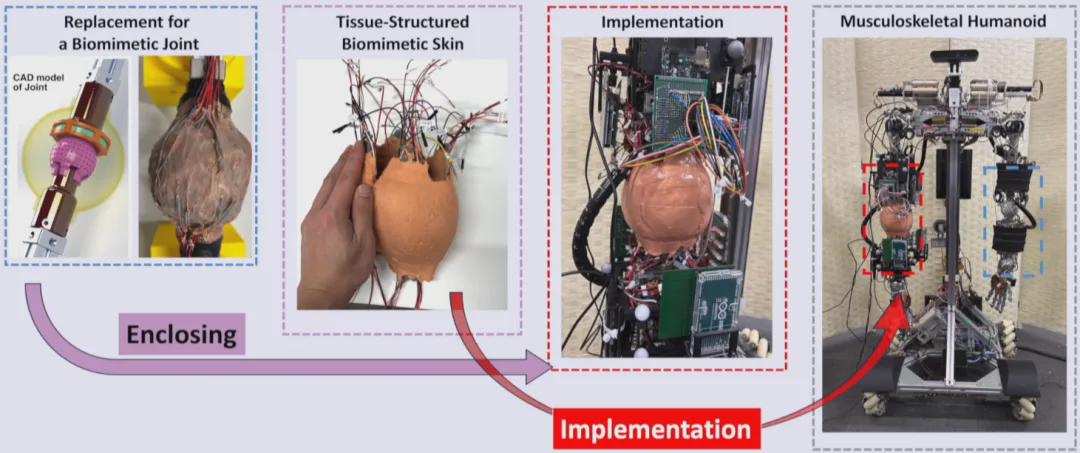
Tokyo University Innovates Artificial Skin for Enhanced Joint Angle Sensing in Robots
Tokyo University's research team has developed an artificial skin that enables robots to accurately sense joint angles through its deformation. This bionic skin, designed with a tissue-like layered structure, was tested on the Musashi-W humanoid robot. The results indicated that the average estimation error for joint angles could be maintained within approximately 3 degrees, and further accuracy was achievable by integrating skin and muscle information. This advancement is significant as traditional muscle-driven humanoid robots face challenges in measuring joint angles directly, unlike conventional robotic joints that utilize encoders. Current methods rely on limited sensors, such as muscle length and tension sensors, to infer joint angles. The research team's approach mimics biological structures by embedding numerous small sensors within soft tissues, enhancing the robot's ability to discern between external disturbances and internal state changes. Moving forward, the integration of these sensors into robotic systems could revolutionize how robots perceive their own movements and interactions with the environment. No further timeline was disclosed at the time of publication.
Humanoid Robots Proprioception Biomimetic Technology Robotic Sensors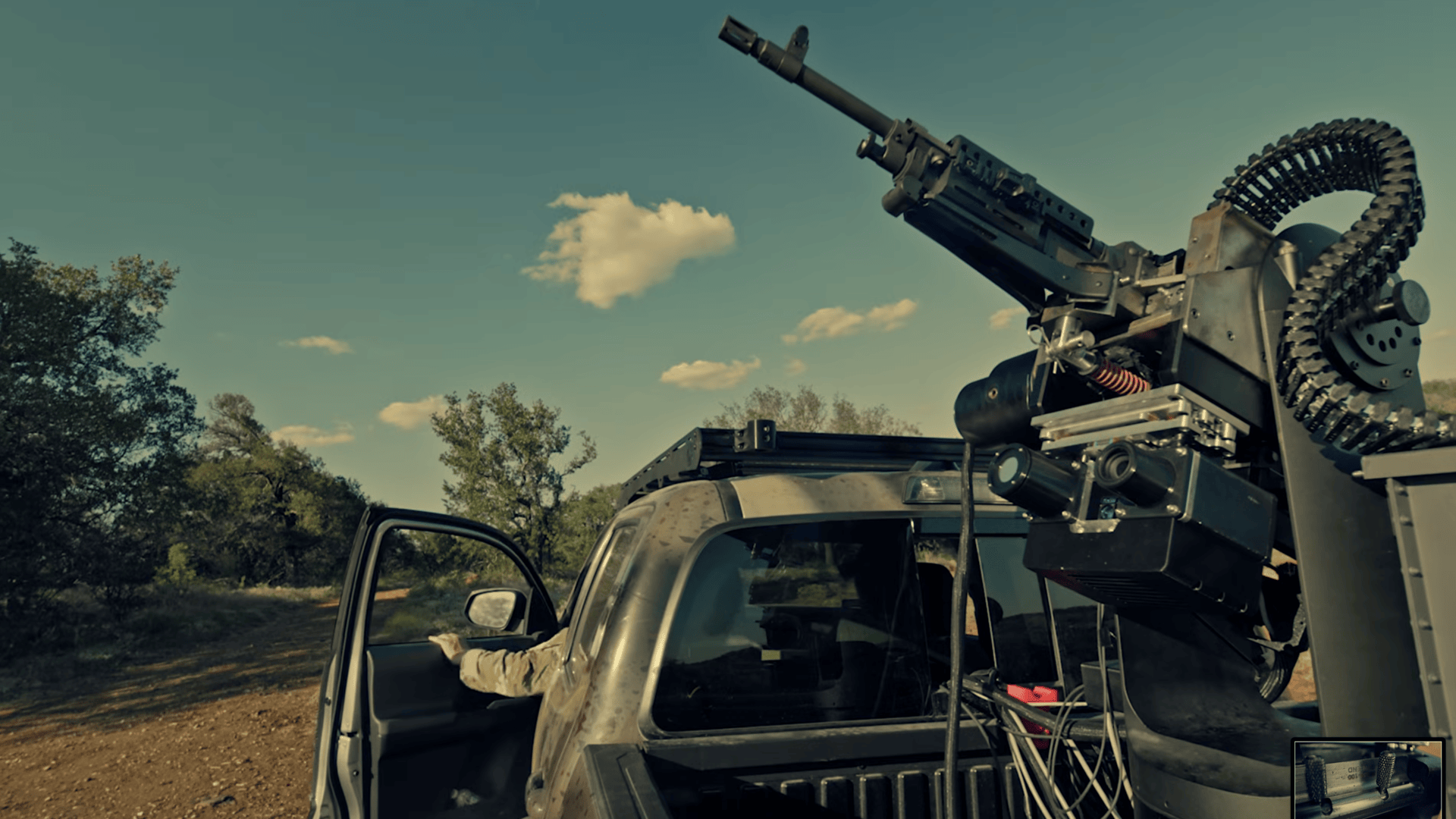
Alien Control Systems Opens 191,000-Square-Foot Facility for Bullfrog Counter-Drone Production
Alien Control Systems (ACS) is launching a new 191,000-square-foot manufacturing facility in Austin, Texas, to enhance production of its Bullfrog counter-drone system. This expansion is a direct response to increased demand from the U.S. and allied nations for effective countermeasures against weaponized drones. The new facility will allow ACS to rapidly scale production of Bullfrog, which integrates computer vision, autonomous control, and precision robotics. The system has already been deployed by the U.S. Army and Navy, and it has contracts with Joint Interagency Task Force 401 and several allied militaries, underscoring its significance in safeguarding critical infrastructure. Looking ahead, ACS aims to further expand Bullfrog's deployment across U.S. military services, following its recent selection by the U.S. Marine Corps for the Ground Based Air Defense program. No further timeline was disclosed at the time of publication.
Military
UltraSense Proposes Ultrasound as a Solution for Tactile Intelligence in Robotics
UltraSense has introduced ultrasound technology as a solution to enhance tactile sensing in robotics, addressing the wear and tear associated with traditional electronic skin. As robots evolve to interact more effectively with their environments, reliable touch sensing becomes crucial for various applications, including humanoid hands and industrial systems. The challenge lies in developing a scalable tactile architecture that can withstand harsh mechanical conditions while maintaining signal integrity over time. The significance of this development is underscored by the limitations of current tactile sensing technologies, which often struggle with durability and accuracy due to environmental factors. Traditional methods, such as capacitive and piezoelectric sensors, face challenges like wear, hysteresis, and recalibration burdens, particularly in high-duty-cycle applications. UltraSense's approach aims to provide a more robust solution that can sustain performance across millions of contact cycles, making it a potential game-changer in the field of physical AI. Looking ahead, the industry will need to monitor advancements in ultrasound technology and its integration into robotic systems. As physical AI continues to gain traction, the ability to maintain accurate and reliable tactile sensing will be critical for the success of various robotic applications. No further timeline was disclosed at the time of publication.
Artificial Intelligence / Cognition Grippers Human Robot Interaction / Haptics Humanoids Microprocessors / SoCs News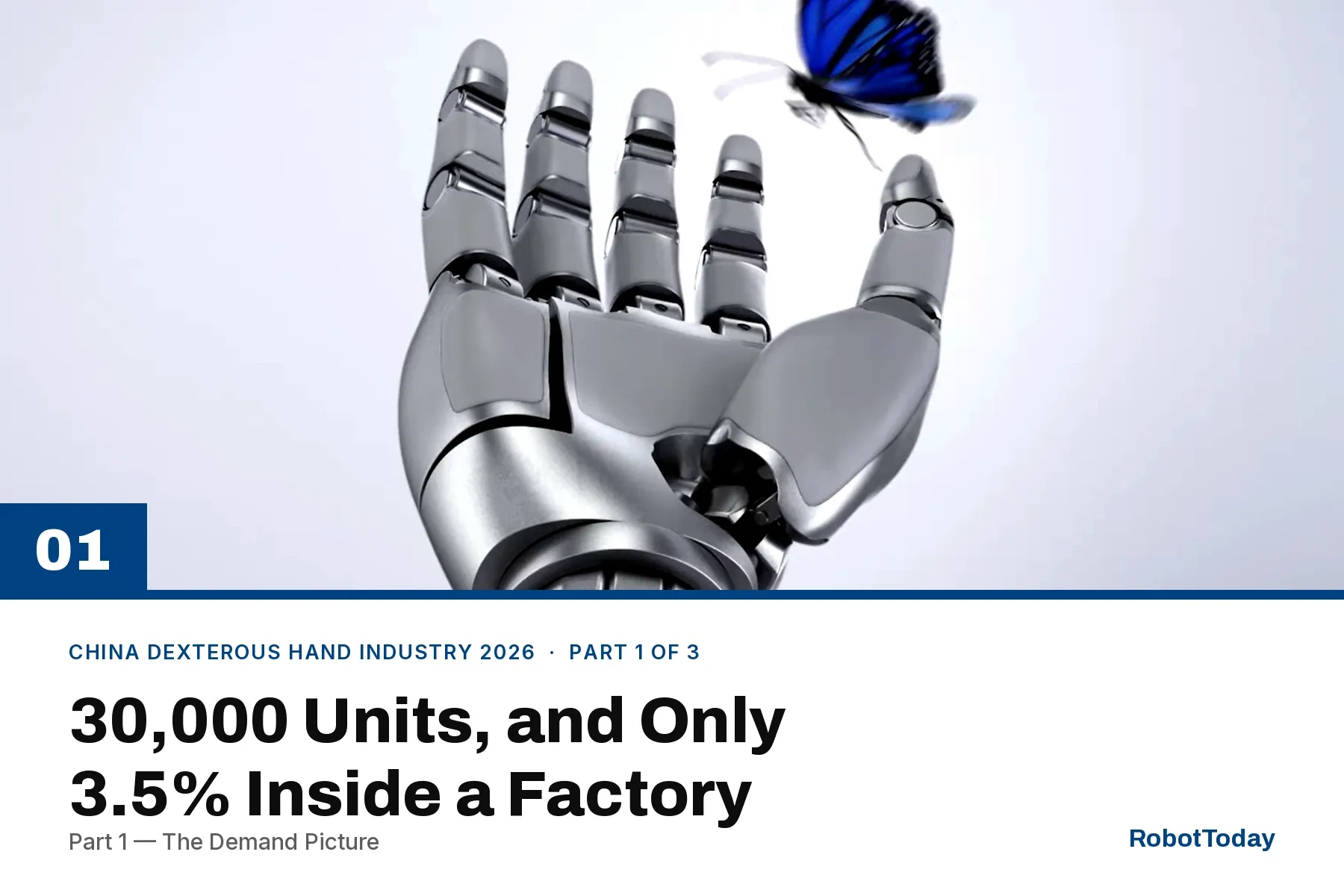
China’s Dexterous Hand Industry, 2026 Part 1 — The Demand Picture
MIR Databank puts China dexterous hand shipments above 30,000 units in 2026, yet only 3.5% of 2025 demand came from factory production. Part 1 of 3.
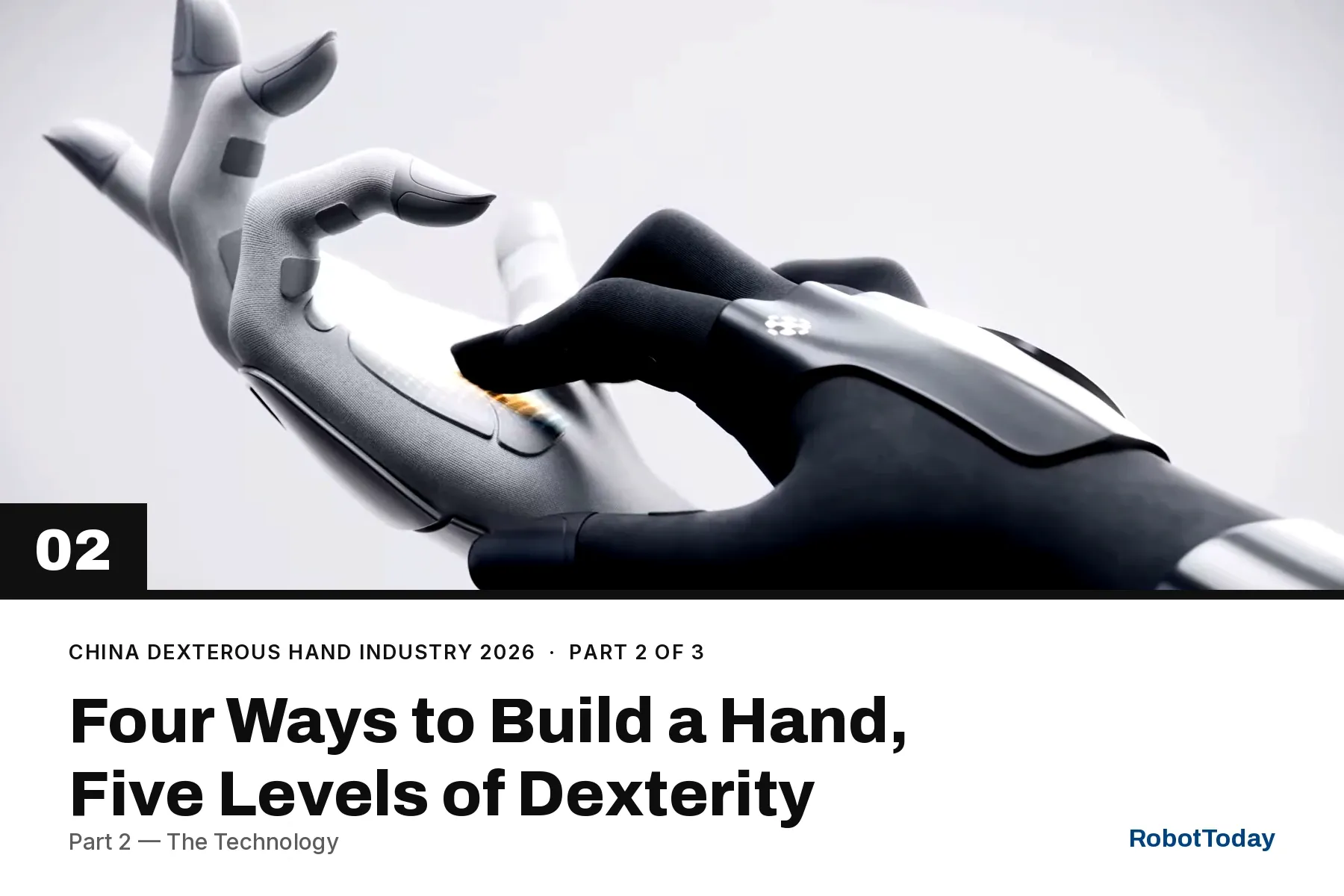
China’s Dexterous Hand Industry, 2026 Part 2 — The Technology
Linkage, tendon, direct drive or hybrid — and why hardware is converging while the DL1–DL5 manipulation scale decides who wins. Part 2 of 3.
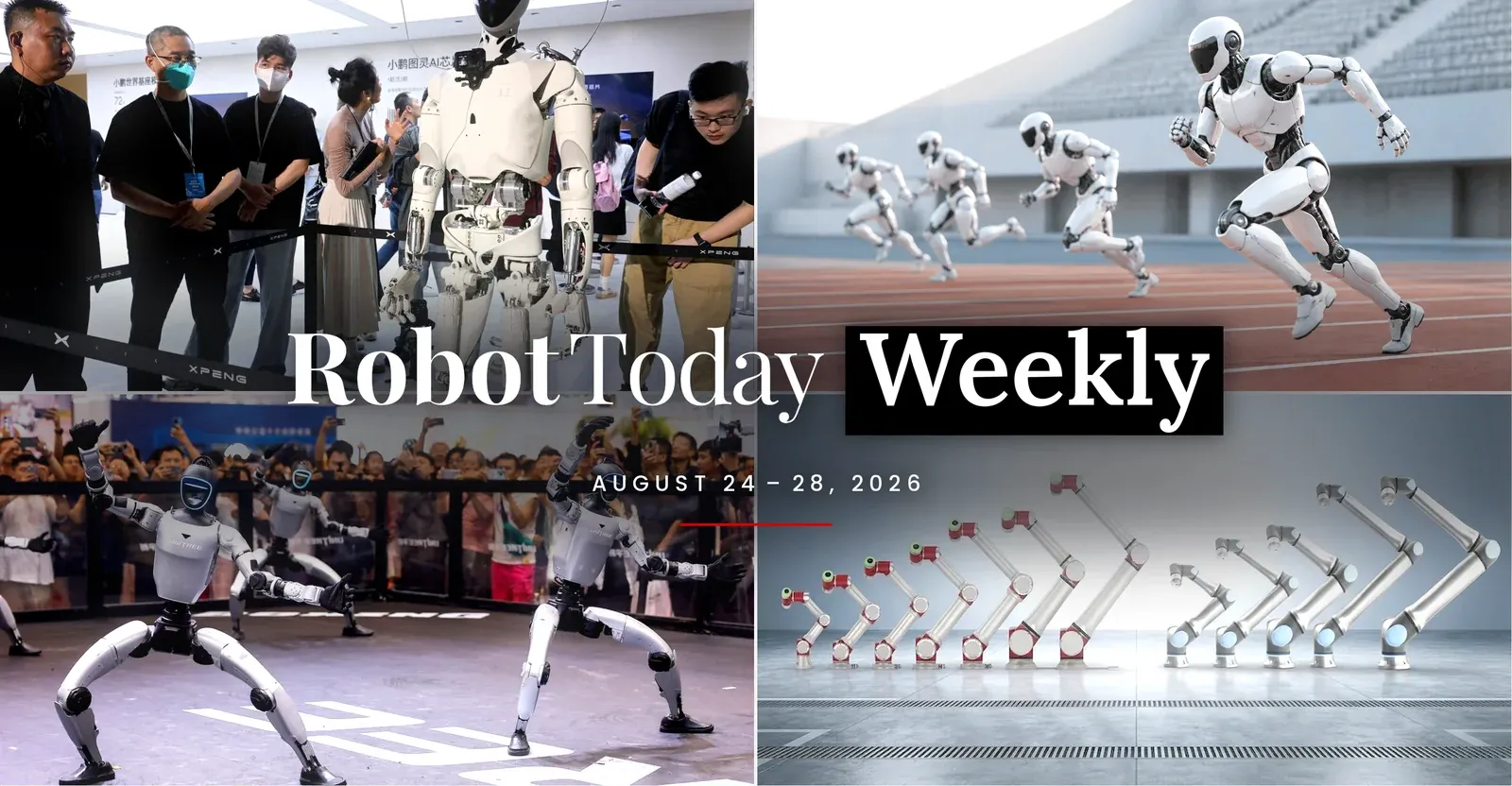
ROBOTTODAY WEEKLY BRIEFING August 24 – 28, 2026
This week in robotics: XPeng's Dogotix raises over $900 million at a $6.3 billion valuation, Unitree's post-IPO slump revives bubble talk, Beijing's World Humanoid Robot Games close with a shift to real-world tasks, and Teradyne sues JAKA at Europe's Unified Patent Court. August 24–28, 2026.
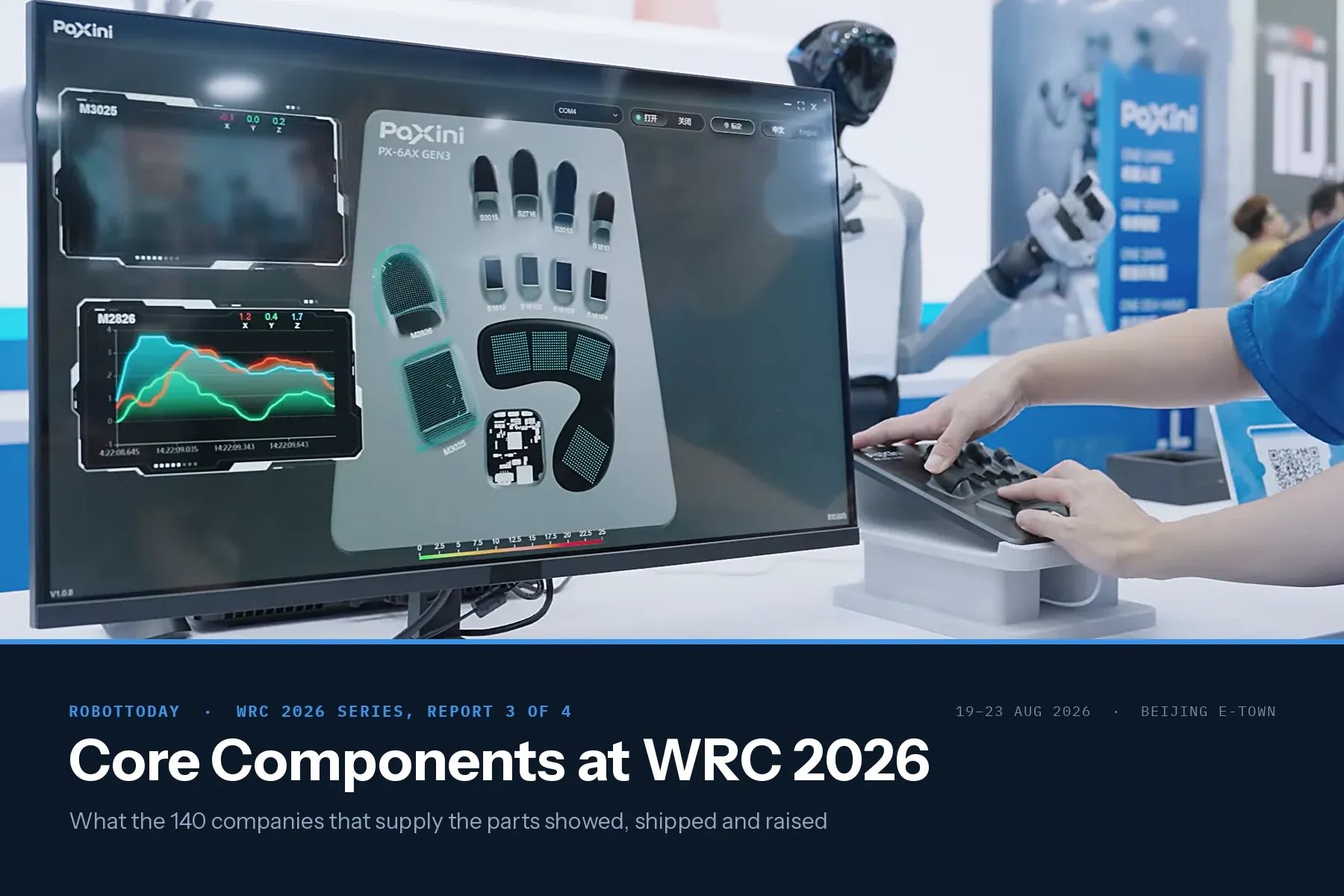
WRC 2026 Core Components: 137 Robot Parts Suppliers
The third report in the WRC 2026 series. Report 1 mapped all 248 exhibitors by category and Report 2 covered the 139 that build finished robots. This one covers the 137 that build what goes inside them.
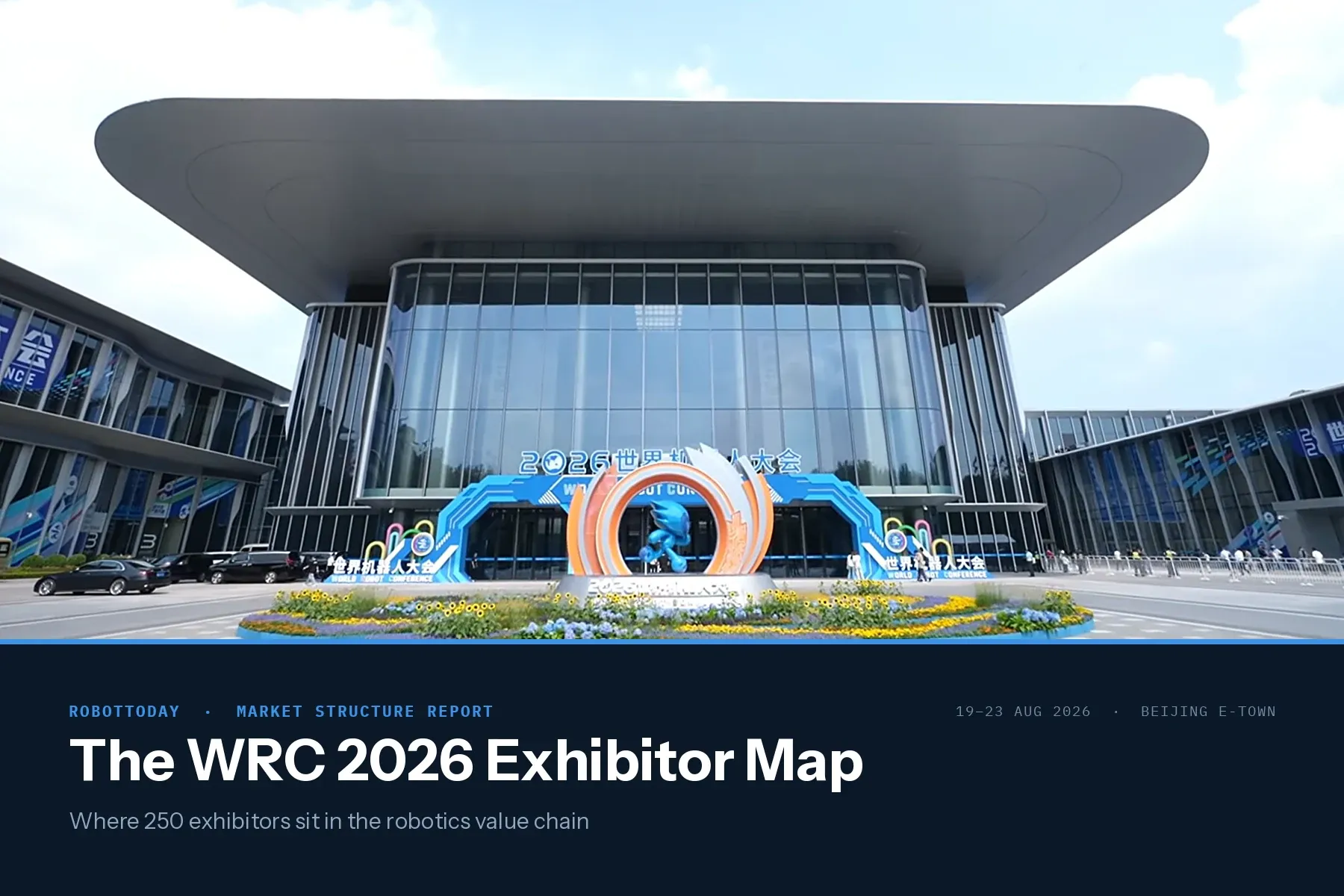
WRC 2026 Exhibitor Map: 248 Robotics Companies Mapped
We classified 248 WRC 2026 exhibitors with the RobotToday taxonomy. Motion & Actuation leads at 75 companies, Humanoid at 72, and compute stays thin at 12. (Modified 2026-08-27)

Handbook of Marine Craft Hydrodynamics and Motion Control Thor I. Fossen — RSF Specialist Shelf · Book S1 of 6
Added mass, wave loading, DVL navigation: the marine GNC reference for USV, ROV and AUV service engineers. The hardest book on the RSF list, 5/5.

Small Unmanned Aircraft: Theory and Practice Beard & McLain — RSF Specialist Shelf · Book S2 of 6
Beard & McLain derive the fixed-wing autopilot the RSF Top 10 never does: successive loop closure on roll, pitch, altitude and airspeed. 4/5.

Reinforcement Learning: An Introduction Richard S. Sutton & Andrew G. Barto — RSF Specialist Shelf · Book S5 of 6
“It's the AI” will not satisfy an OEM support call. Sutton & Barto turn that into something a service engineer can investigate. Free PDF, Part I 4/5.

Planning Algorithms Steven M. LaValle — RSF Specialist Shelf · Book S4 of 6
The reference that treats planning as a subject in its own right: configuration space, sampling-based methods, RRT. Free online, dual difficulty 4/5-2/5.
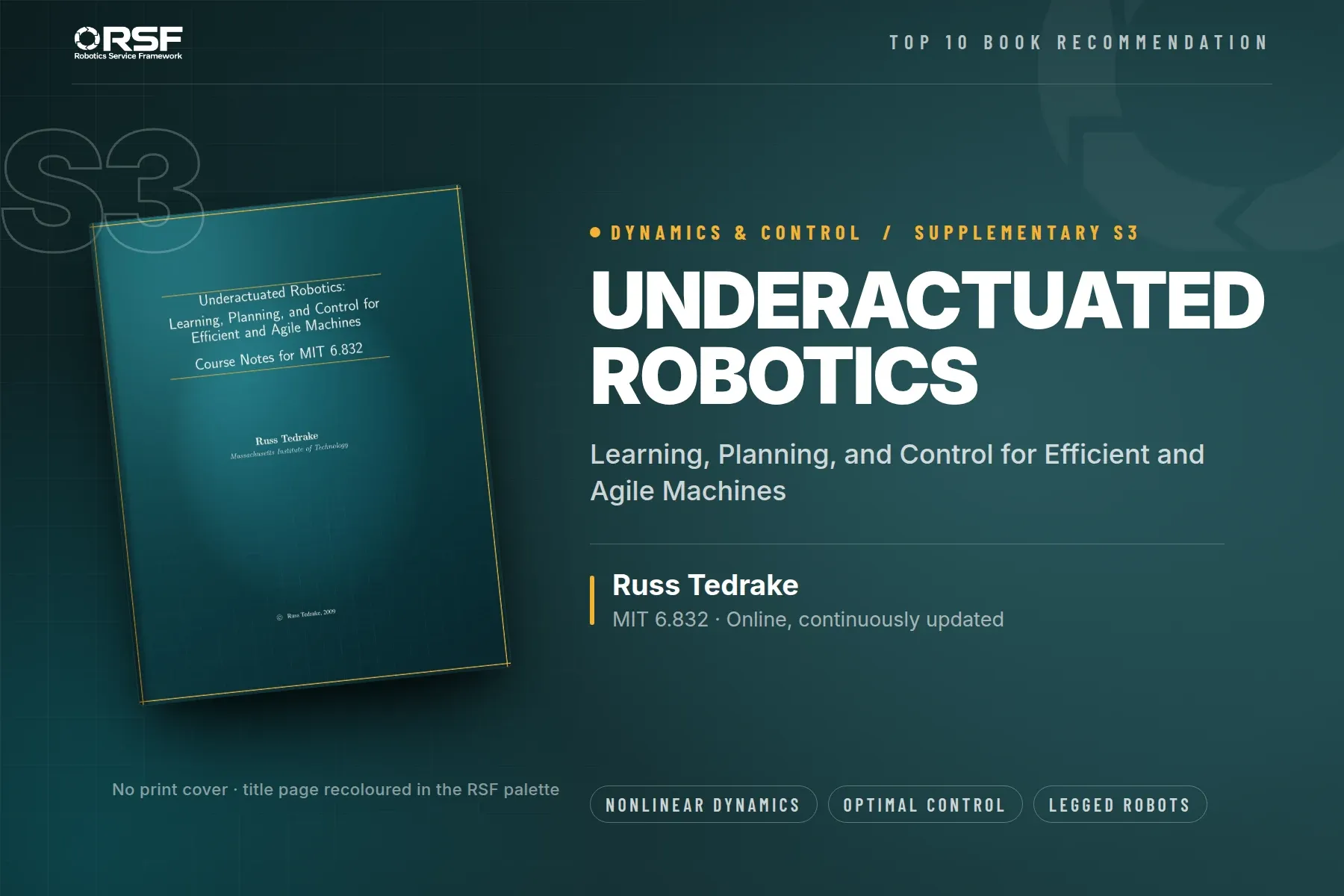
Underactuated Robotics Russ Tedrake — RSF Specialist Shelf · Book S3 of 6
Legged robots fall over for control reasons, not mechanical ones. Tedrake's free MIT 6.832 notes explain why, and what a controller must do about it.


