Systematix (CA)

Systematix is a Canadian industrial automation and robotic systems integrator. Designs and deploys automated production lines, robotic cells, and custom automation equipment for manufacturing clients across North America.

Share
Systematix (CA)
Rd
Cambridge, Ontario N3H 4R7
RobotToday Initiative

Robotics needs a service framework.

RSF defines a common language for robot service capability, lifecycle operations, certification pathways, and service-provider networks.

Share

Related Content

The Rise of Force Sensing Technology in China's Robotics Industry

The Rise of Force Sensing Technology in China's Robotics Industry

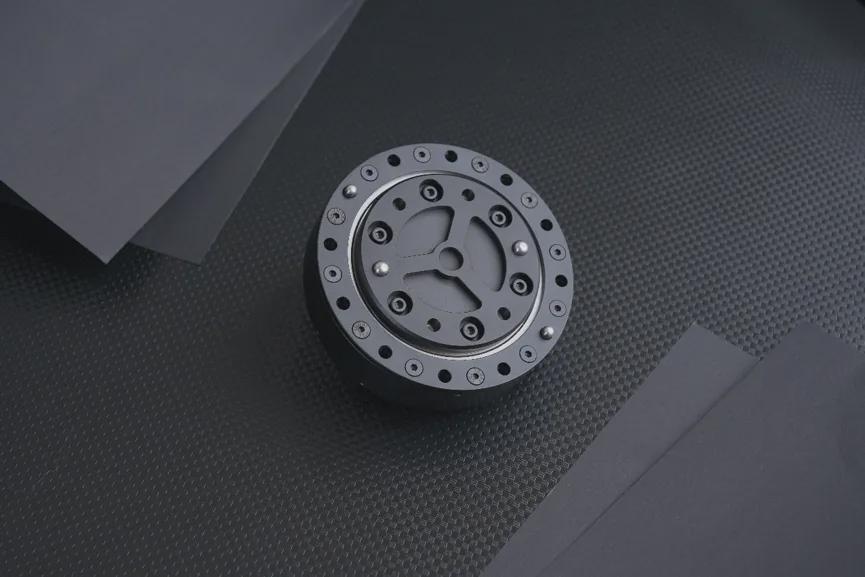
Recent trends in the robotics industry indicate a shift from mere mobility to operational intelligence, particularly in humanoid robots. Companies are now focusing on practical applications such as tool handling and assembly, highlighting the importance of force sensing technology. As robots engage in physical tasks, understanding the force exerted becomes crucial for effective operation. This transition underscores the growing significance of six-dimensional force sensors, which are evolving from optional components in industrial robots to essential infrastructure for next-generation intelligent robots. The recent funding rounds exceeding 100 million yuan reflect a broader interest from both traditional investors and state-owned enterprises, signaling a pivotal moment in the industry's development. Looking ahead, the demand for comprehensive sensing, control, and manufacturing infrastructure will likely increase as the humanoid robotics sector matures. The complexity of enabling robots to perform sustained tasks, such as assembly and material handling, will challenge developers to innovate beyond flashy capabilities and focus on the intricate details that drive commercialization.

Humanoid Robots Force Sensing Technology Industrial Automation Robotics Innovation
MoSense Secures Angel Funding for Comprehensive Robotic Tactile System Development

MoSense Secures Angel Funding for Comprehensive Robotic Tactile System Development

MoSense, a company specializing in multimodal tactile solutions for robotics, has successfully completed an angel funding round worth several million yuan. Investors include Sequoia China, Hillhouse Capital, and Zhiyuan Robotics. The funds will primarily accelerate research and development, team expansion, computational power investment, and production testing system establishment. Founded in May 2026 and headquartered in Shanghai, with a research center in Shenzhen, MoSense focuses on developing a comprehensive multimodal tactile perception system for robots. The company aims to enhance robots' environmental perception capabilities, which are crucial for their deployment in complex real-world scenarios such as industrial manufacturing and logistics. Looking ahead, MoSense plans to commercialize its multimodal tactile solutions across various industries beyond humanoid robotics. The company is developing a tactile feedback system that integrates multiple sensory modalities, which is essential for improving robots' interaction with their environments. No further timeline was disclosed at the time of publication.

Exotec's Managing Director Discusses Key Warehouse Automation Trends for 2026

Exotec's Managing Director Discusses Key Warehouse Automation Trends for 2026

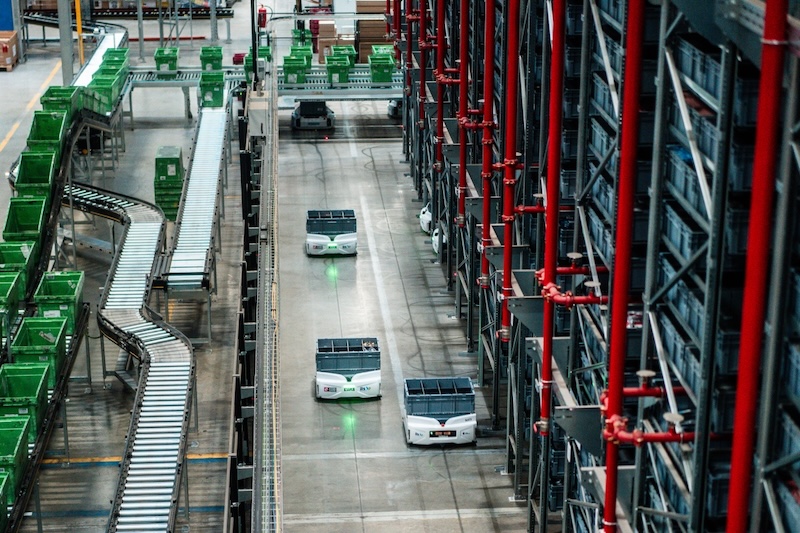
Thomas Genestar, managing director of western Europe at Exotec, emphasizes the necessity of automation and AI in logistics due to the e-commerce boom. He identifies resilience, reliability, and operational continuity as critical pillars influencing supply chain strategies for 2026 and beyond. Genestar highlights the growing adoption of Goods-to-Person (G2P) solutions, which enhance warehouse efficiency by delivering items directly to operators. This innovation reduces unnecessary movement, increases task consistency, and minimizes physical strain on workers, addressing the significant costs associated with non-automated warehouses. Additionally, he notes the shift from traditional forecasting to AI/ML models that allow for dynamic demand sensing, enabling organizations to better align production with demand. This evolution supports more sustainable and resilient supply chain practices, including improved reverse logistics inspired by e-commerce return models. No further timeline was disclosed at the time of publication.

Features Logistics ai automation circular logistics demand sensing
Robbyant Launches Upgraded LingBot-VLA 2.0 AI Model for Advanced Robotics

Robbyant Launches Upgraded LingBot-VLA 2.0 AI Model for Advanced Robotics

Robbyant, a company specializing in embodied AI under Ant Group, has unveiled the upgraded LingBot-VLA 2.0 model. This next-generation vision-language-action model enhances morphological generalization, degrees of freedom support, and deployment efficiency, addressing a critical gap in the embodied AI industry. The significance of LingBot-VLA 2.0 lies in its extensive pre-training on 60,000 hours of real-world data, which includes interactions from 20 different robot morphologies. This upgrade allows for improved whole-body control and dual-arm manipulation, achieving leading scores on benchmarks, thus demonstrating its effectiveness in industrial-scale deployment. Looking ahead, the introduction of a version optimized for efficient post-training and a threefold increase in inference efficiency positions LingBot-VLA 2.0 as a strong contender for real-time commercial applications. No further timeline was disclosed at the time of publication.

Computing Robot simulation artificial intelligence dual-arm robots embodied ai humanoid robots
Noetra Initiates Development of Japan's Multimodal AI Foundation Model for Robotics

Noetra Initiates Development of Japan's Multimodal AI Foundation Model for Robotics

Noetra, in collaboration with key partners including Sony, SoftBank, NEC, and Honda Motor, has launched extensive R&D for a multimodal foundation model aimed at enhancing AI-enabled robotics in Japan. This initiative is part of a broader effort to develop sovereign AI technologies within the country, supported by investments from 44 companies across various sectors, primarily manufacturing. The significance of this development lies in its potential to position Japan as a leader in physical AI. By creating a robust multimodal foundation model, Noetra aims to improve industrial competitiveness and address societal challenges through advanced AI capabilities, including natural language processing and multimodal data understanding. Looking ahead, Noetra plans to construct AI computing infrastructure with Nvidia's advanced GPUs, with operations expected to commence in June 2028. The phased development will culminate in a comprehensive omni-modal foundation model by fiscal 2028, ultimately striving for a “Real-world Native AI” by fiscal 2030, which will be capable of understanding physical properties in real-world applications.

Artificial Intelligence News Robot simulation ai agents AI infrastructure artificial intelligence
WeRide Launches WITT: A Physical AI Foundation Model for Multimodal Scene Understanding

WeRide Launches WITT: A Physical AI Foundation Model for Multimodal Scene Understanding

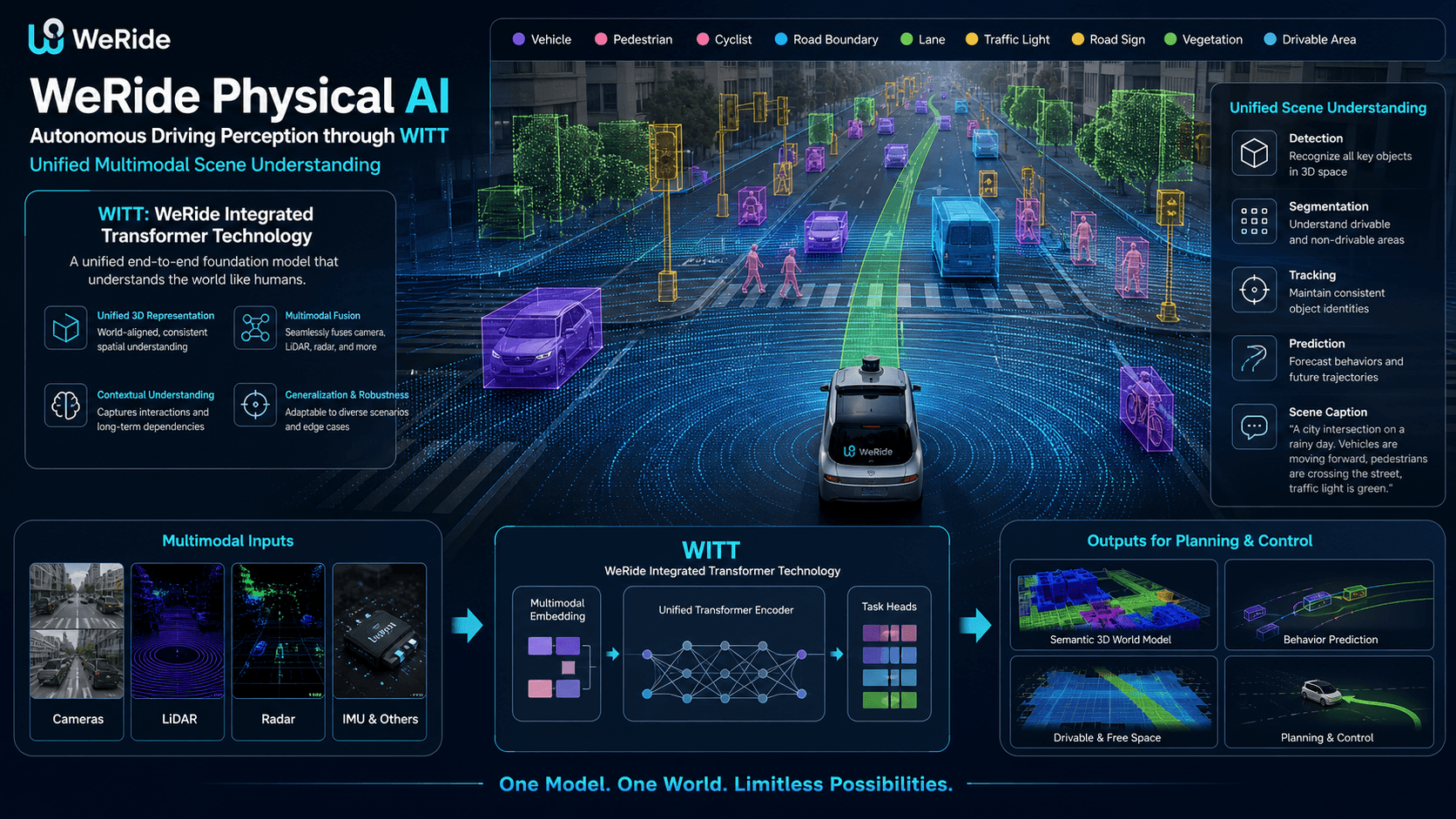
WeRide has introduced WITT, a groundbreaking physical AI foundation model designed to enhance multimodal scene understanding. This model utilizes minimal physical fact units, which are crucial for applications in autonomous driving and robotics. The launch of WITT is significant as it aims to streamline the integration of various data types, improving the efficiency and effectiveness of AI systems in interpreting complex environments. This advancement could lead to more reliable autonomous systems that can better navigate real-world scenarios. Looking ahead, the implications of WITT's capabilities in the fields of autonomous driving and robotics will be closely monitored. No further timeline was disclosed at the time of publication.

Technology
Highline Commerce Expands in Industry City, Utilizing Ultra Robotics for E-commerce Fulfillment

Highline Commerce Expands in Industry City, Utilizing Ultra Robotics for E-commerce Fulfillment

Highline Commerce, a third-party logistics provider, has expanded its operations to 60,000 square feet in Industry City, Brooklyn. This growth allows the company to fulfill up to 30 percent of its clients' orders using humanoid robots from Ultra Robotics, another tenant in the area. With e-commerce booming in New York City, Highline Commerce supports over 200 brands by providing essential distribution services. The significance of this expansion lies in the strategic positioning of Industry City as a hub for logistics and retail technology. New York has become a critical location for moving retail goods, with Amazon operating over 40 facilities in the region. Highline Commerce's growth reflects a shift in the narrative of New York as a manufacturing and fulfillment center, moving beyond its historical role as merely a sales market. Looking ahead, Highline Commerce's innovative use of humanoid robots in its fulfillment process marks a notable trend in the logistics sector. As the company continues to scale, it will be important to monitor how this integration of robotics influences efficiency and competitiveness in the rapidly evolving e-commerce landscape. No further timeline was disclosed at the time of publication.

Business Industry 3pl automation Brooklyn e-commerce
BYD Advances Humanoid Robot Production, Targeting 40 Million Vehicle Market

BYD Advances Humanoid Robot Production, Targeting 40 Million Vehicle Market

At the 2025 Shanghai Auto Show, BYD showcased its humanoid robot, marking a significant step in its production phase. This move signals BYD's ambition to enter a new trillion-yuan market, leveraging its extensive dealership network for customer service roles. The strategy is noteworthy as it reflects BYD's ability to integrate manufacturing capabilities across various sectors, including electric vehicles and robotics. With over 4,000 sales outlets, the company aims to replace rising labor costs with humanoid robots, enhancing customer engagement while controlling operational expenses. Looking ahead, BYD's humanoid robots will compete directly with Tesla's Optimus, highlighting two distinct approaches to robotics development. As competition intensifies, particularly with the entry of Hyundai's Kia brand, the landscape of global manufacturing and robotics is set for significant transformation in the coming years.

Humanoid Robots Automotive Technology Manufacturing Innovation AI Integration
Mercedes 4S Dealerships Partner with UBTECH to Sell Humanoid Robots in China

Mercedes 4S Dealerships Partner with UBTECH to Sell Humanoid Robots in China

Mercedes-Benz's core dealer, Bosh Group, has announced a partnership with UBTECH to become the first official 4S store for humanoid robots in the Beijing-Tianjin-Hebei region. This strategic move targets high-net-worth consumers who are more receptive to new technologies, leveraging the dealership's established trust and experience. The significance of this partnership lies in the unique advantages of 4S dealerships, including access to affluent customers, interactive display spaces, and existing trust relationships. The humanoid robot, priced at 990,000 yuan, is aimed at ultra-high-net-worth families, making the dealership an ideal retail channel for such products. The introduction of robots into 4S stores marks a fundamental shift in how robots are perceived and sold, moving from technology showcases to commercial products. This trend is expected to become standard in luxury brand dealerships within three to five years, as competitors are likely to follow once the model proves successful.

Humanoid Robots Luxury Retail Robotics Commercialization High-Net-Worth Consumers
Humanoid Robots Poised to Revolutionize Service Sector, Not Manufacturing Lines

Humanoid Robots Poised to Revolutionize Service Sector, Not Manufacturing Lines

The humanoid robot industry is shifting focus towards service applications by 2026, as evidenced by Robot.com's R-noid robot, which can be deployed in just 8 to 12 weeks. This rapid deployment is particularly suited for commercial kitchens, warehousing logistics, and chain hotels, rather than traditional manufacturing environments. This shift is crucial due to the high turnover rates in the service industry, with the restaurant sector experiencing over 300% annual turnover and hotel housekeeping positions facing similar challenges. Traditional industrial robots cannot address these issues, as they require extensive planning and facility modifications, which are not feasible for service businesses. The R-noid robot's ability to integrate into existing workflows without requiring renovations makes it an attractive solution for service operators. As deployment times decrease, the return on investment for businesses facing high turnover becomes more appealing, making humanoid robots a viable option for addressing the pressing needs of the service industry.

Humanoid Robots Service Automation Restaurant Technology Warehouse Logistics
Physical AI Landscape: From Digital Intelligence to the Embodied Physical World

Physical AI Landscape: From Digital Intelligence to the Embodied Physical World

A comprehensive industry analysis of Physical AI — covering Embodied AI, Field AI, Factory AI, VLM, World Model, VLA, and the VLA vs WAM architecture debate. Includes 20+ companies, 28 references, and the RobotToday Physical AI Landscape diagram. July 2026.

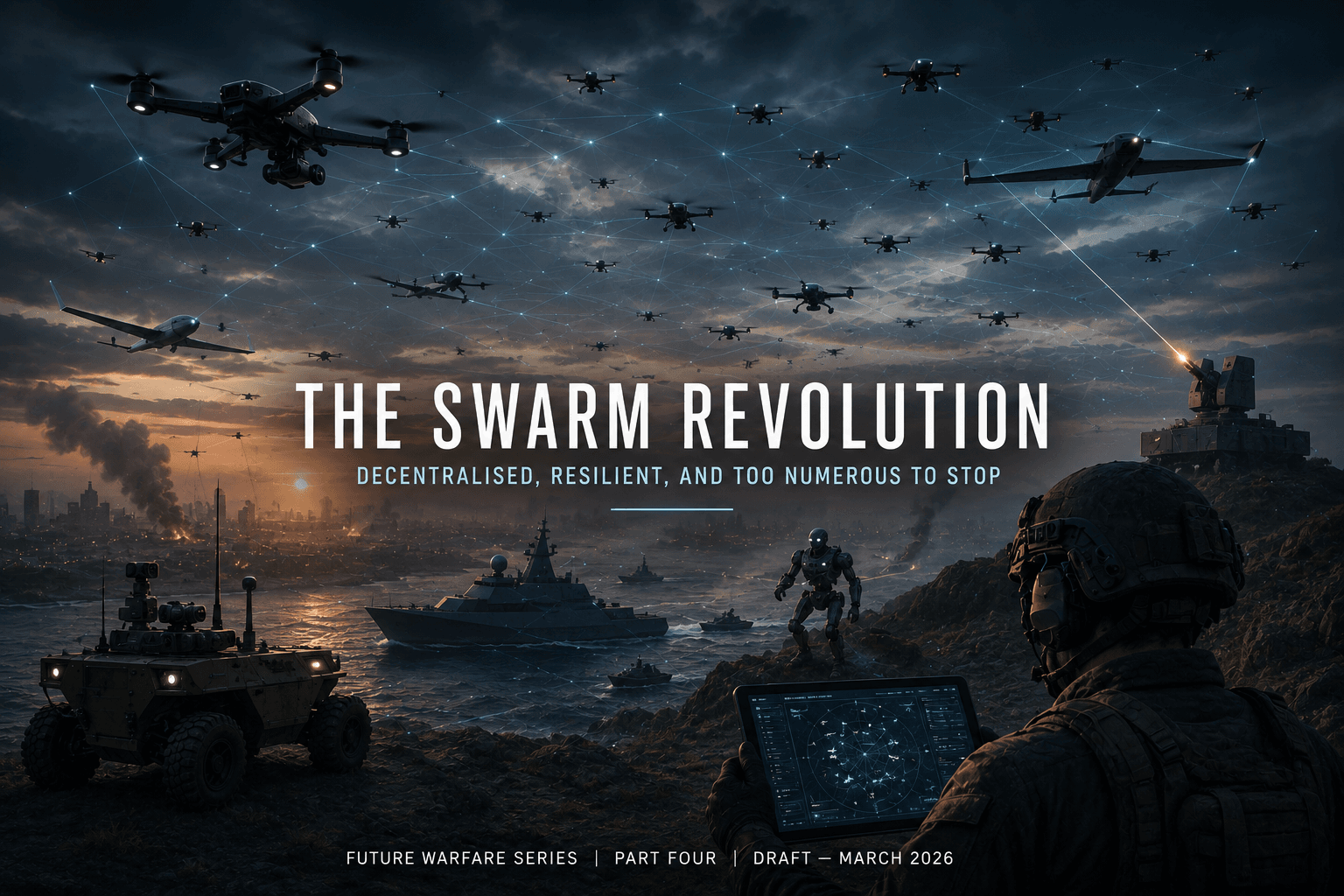
FUTURE WARFARE | The Swarm Revolution - Decentralised, Resilient, and Too Numerous to Stop

FUTURE WARFARE | The Swarm Revolution - Decentralised, Resilient, and Too Numerous to Stop

Inside the drone swarm revolution: Discover how Ukraine’s Swarmer tech, China’s AI formations, and the Pentagon's Orchestrator Prize are reshaping warfare.

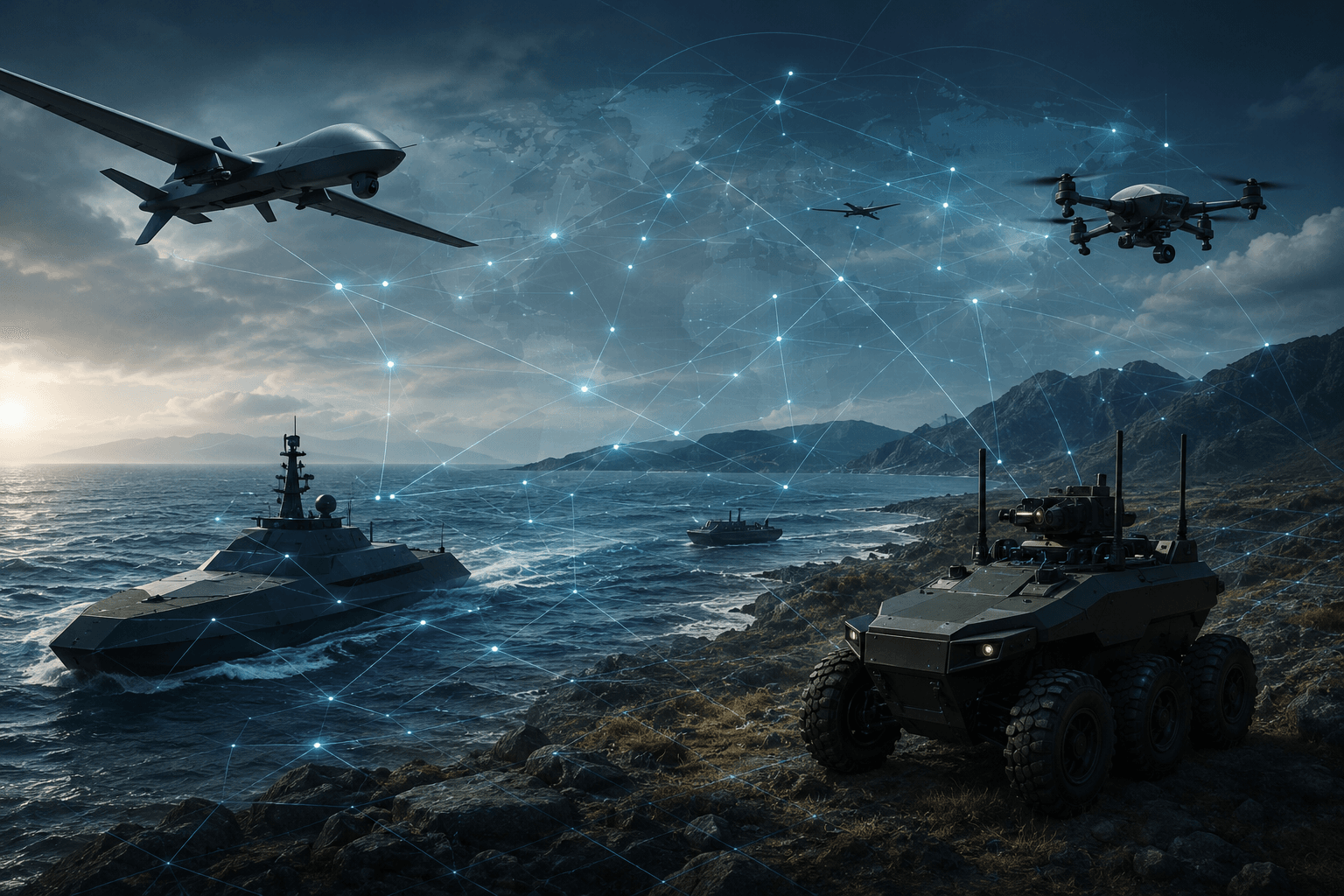
FUTURE WARFARE | Cross-Domain Integration - Integration How Land, Sea, Air and Software Are Converging Into a Single Kill Chain

FUTURE WARFARE | Cross-Domain Integration - Integration How Land, Sea, Air and Software Are Converging Into a Single Kill Chain

Cross-domain robotics is reshaping modern warfare as drones, UGVs, AI targeting systems, and autonomous logistics converge into a single networked kill chain across land, sea, air, and software.

CONSTRUCTION ROBOTICS | EXOSKELETONS & HUMAN AUGMENTATION

CONSTRUCTION ROBOTICS | EXOSKELETONS & HUMAN AUGMENTATION

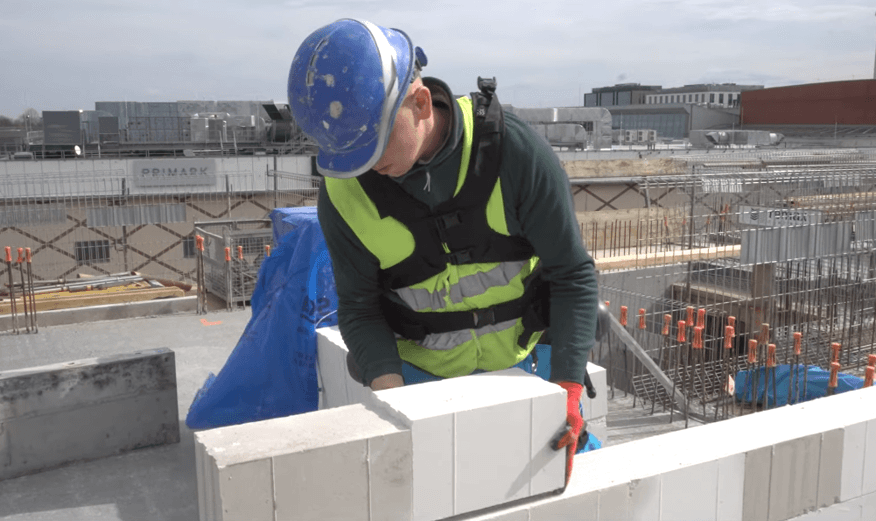
Construction musculoskeletal injuries cost US employers over $2 billion annually. Exoskeletons are moving from pilots to standard practice. Ottobock, German Bionic, Hyundai, and Innophys launched major products in 2024–2025. Korea and Japan lead adoption. AI is turning passive suits into connected safety platforms.

FUTURE WARFARE | Sea - Autonomous Surface Vessels & Unmanned Underwater Vehicles — The Hybrid Fleet Takes Shape

FUTURE WARFARE | Sea - Autonomous Surface Vessels & Unmanned Underwater Vehicles — The Hybrid Fleet Takes Shape

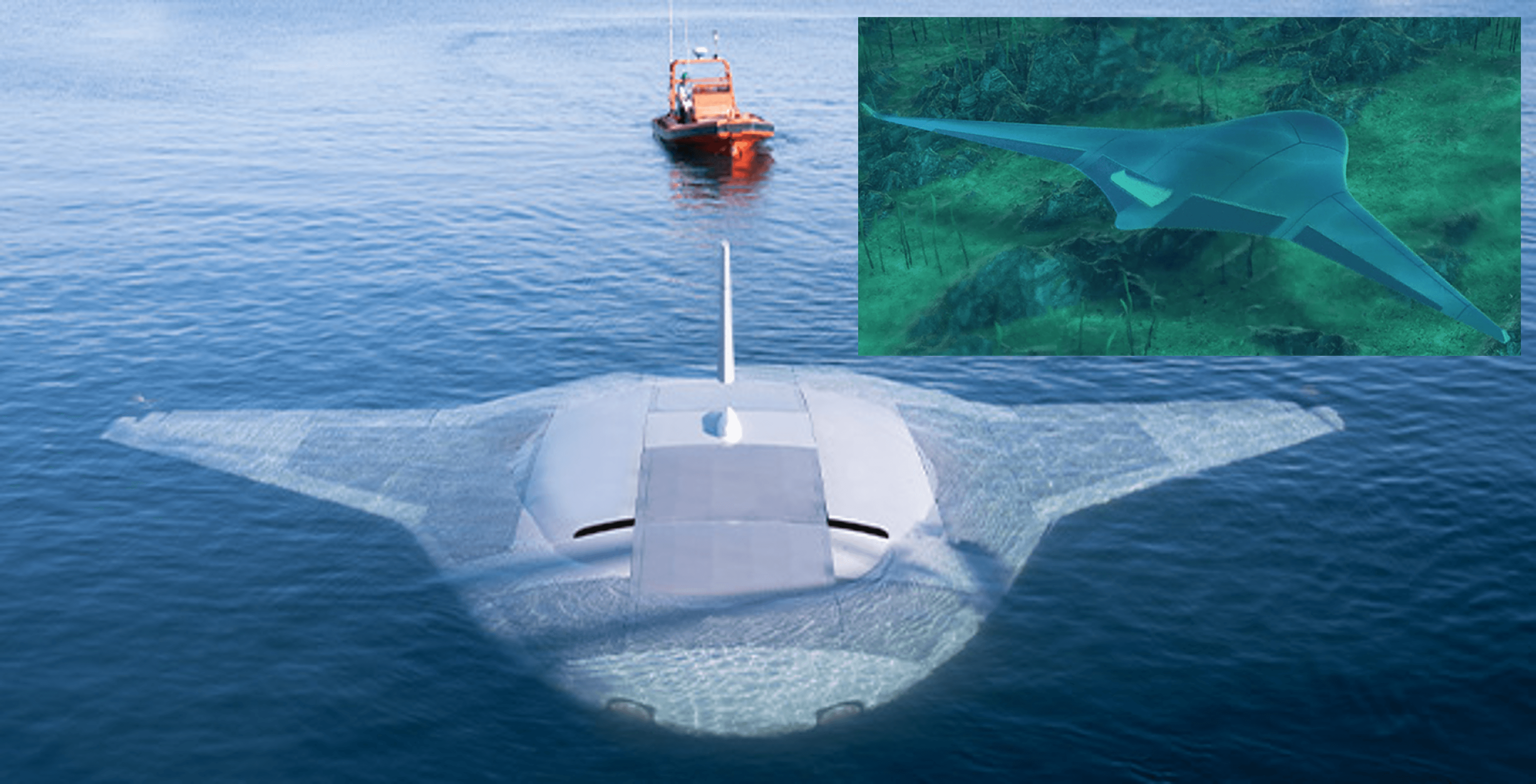
Ukraine’s ‘Sub Sea Baby’ autonomous torpedo struck a Russian Kilo-class submarine inside Novorossiysk harbour in December 2025 — the first confirmed underwater drone attack on a submarine in history. The U.S. Navy is requesting $5.3 billion for unmanned maritime systems in FY2026, a 70 percent year-on-year increase. Saronic Technologies went from prototype to $392 million production contract in under 12 months. And DARPA’s Manta Ray XL-UUV completed full-scale sea trials. This article maps the maritime autonomous systems revolution — from Ukraine’s improvised Black Sea fleet to the Pentagon’s hybrid manned–unmanned force of the 2030s, and from Saronic’s Franklin, Louisiana shipyard to Boeing’s 85-tonne robot submarine.

China's 15th Five-Year Plan and the Space Robotics Imperative

China's 15th Five-Year Plan and the Space Robotics Imperative

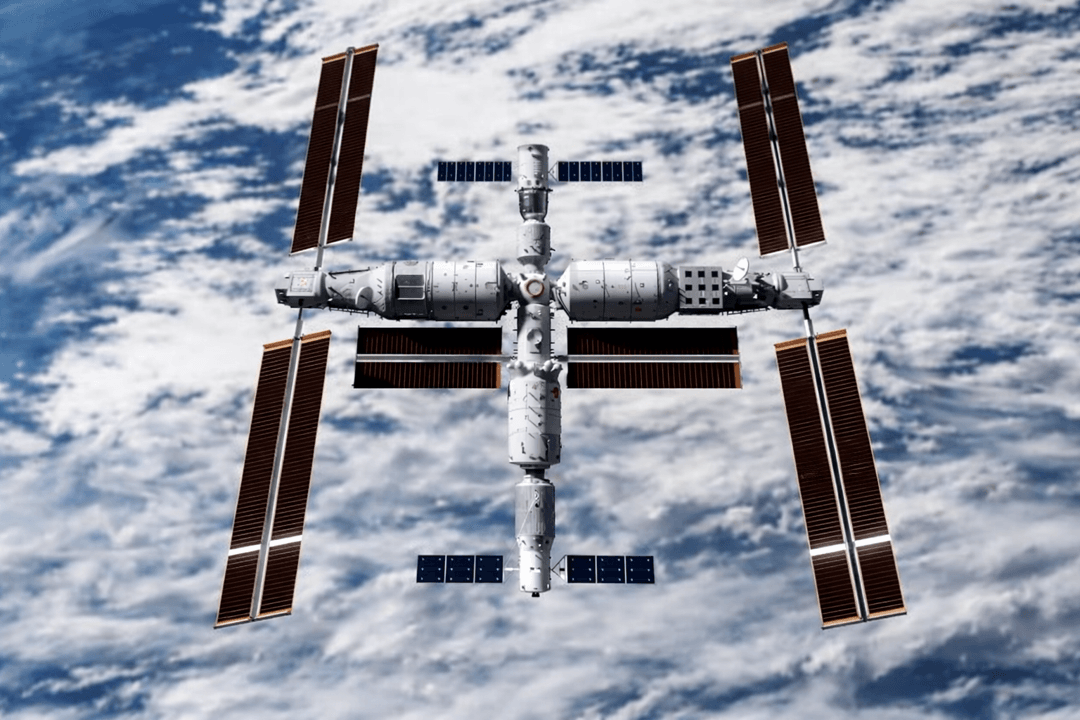
China's 15th Five-Year Plan names aerospace a strategic pillar industry alongside semiconductors and sets hard mission schedules — Chang'e-7, Chang'e-8, crewed lunar landing — that make space robotics one of the most consequential engineering battlegrounds of the late 2020s.

China's Humanoid Robot & Embodied Intelligence Standard System (HEIS 2026)

China's Humanoid Robot & Embodied Intelligence Standard System (HEIS 2026)

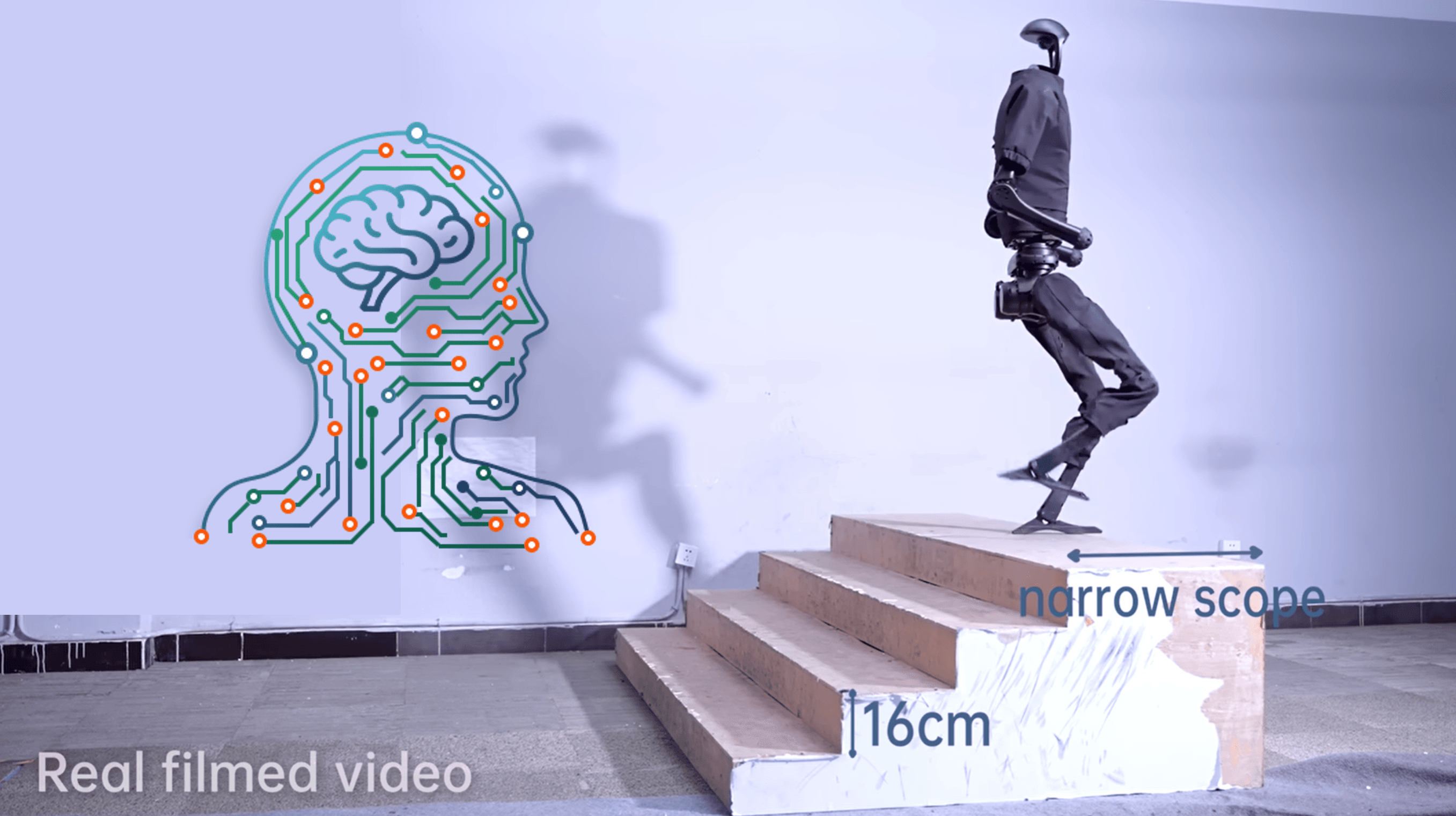
China's HEIS 2026 framework — the world's first comprehensive national standard for humanoid robots and embodied AI — sets technical specs across six pillars covering AI models, components, safety, and ethics. Here's what every EU and North American robotics manufacturer, integrator, and policy maker needs to know, and why the international standards race is already underway.

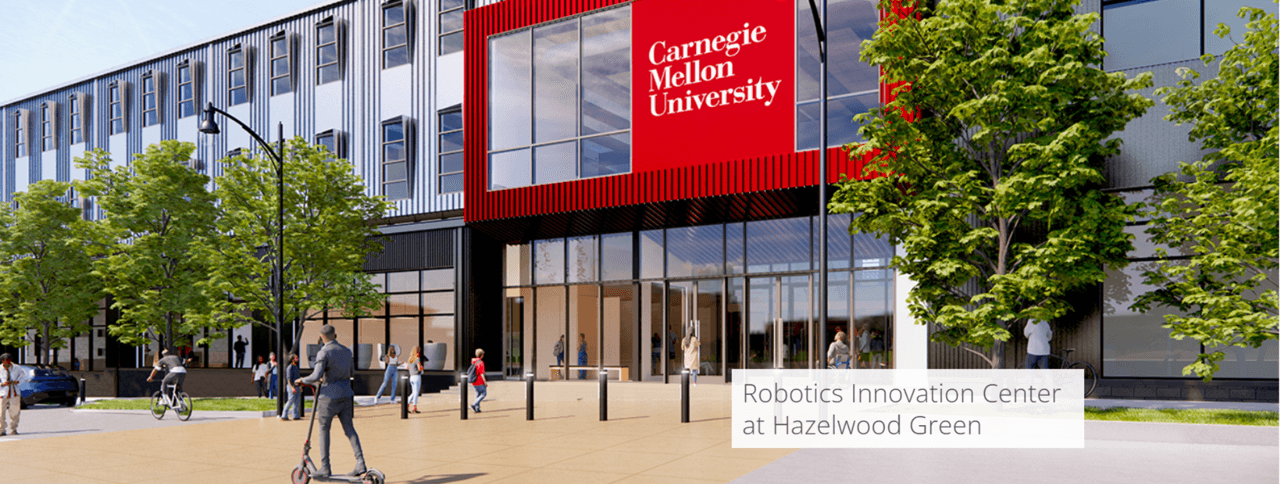
The World's Top 10 Universities in Robotics — And Why CMU Leads the Field

The World's Top 10 Universities in Robotics — And Why CMU Leads the Field

A strategic briefing on the world’s top 10 robotics universities, led by Carnegie Mellon University, examining institutional history, DARPA-era field deployment, commercialization models, and next-generation embodied AI infrastructure across MIT, Stanford, Berkeley, ETH Zurich, and others.

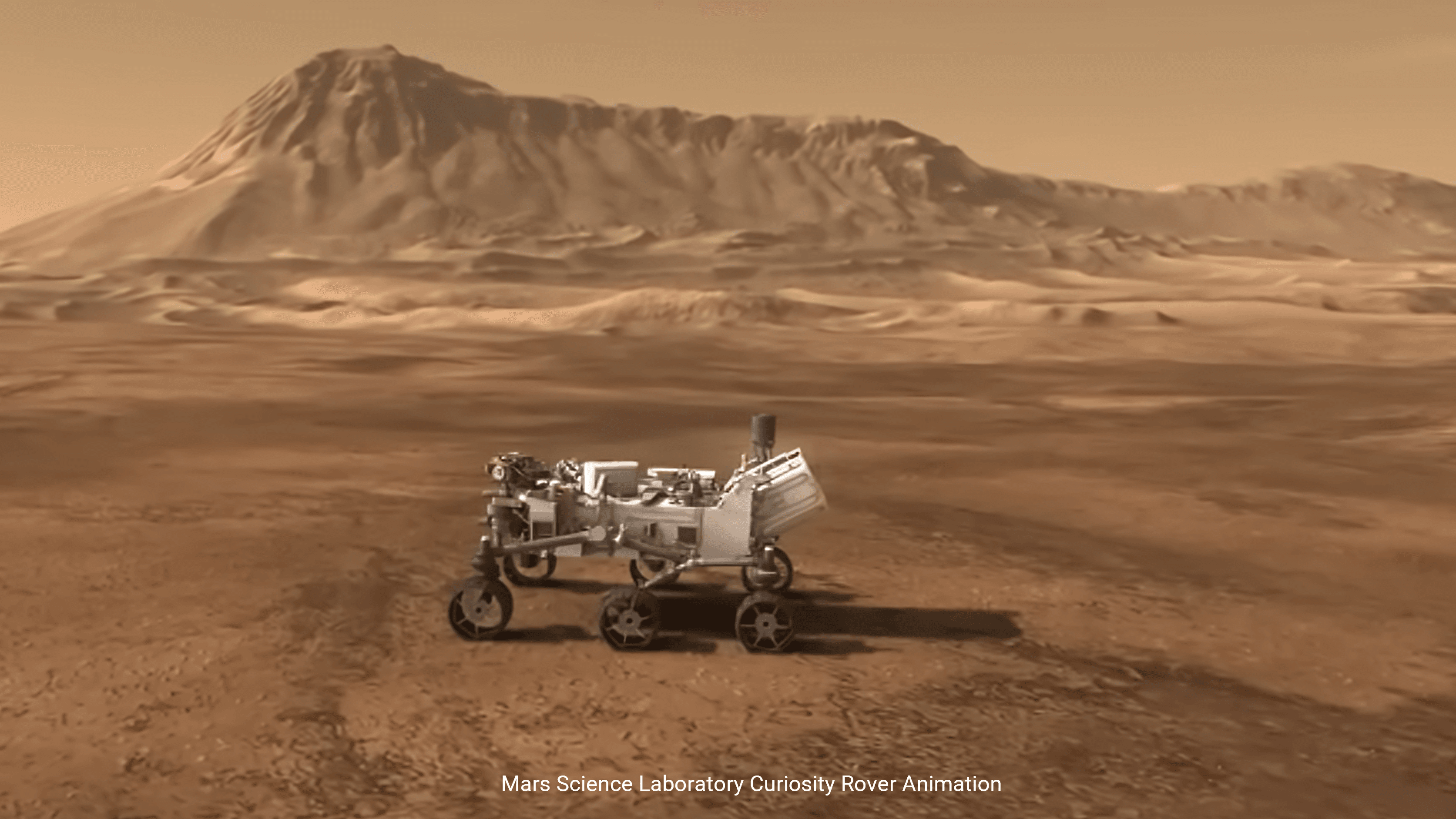
Space Robot- Lunar Rovers: Building Infrastructure on the Moon

Space Robot- Lunar Rovers: Building Infrastructure on the Moon

Lunar rovers face -180°C nights and glass-sharp dust while building moon infrastructure. Inside the engineering challenges, commercial strategies, and international competition shaping planetary robotics.

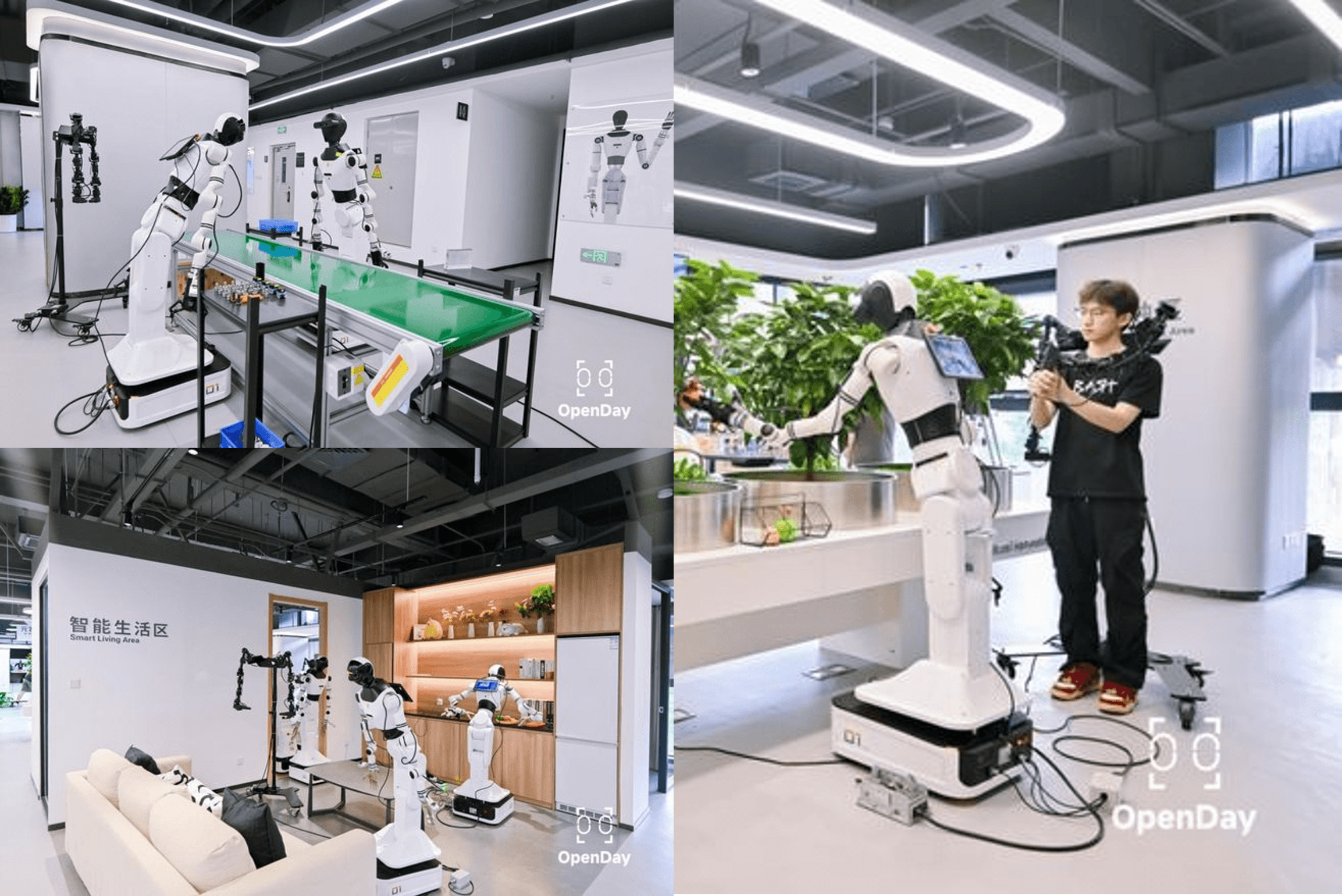
Realman Robotics Open-Sources World's First High-Quality Multimodal Real-Robot Dataset

Realman Robotics Open-Sources World's First High-Quality Multimodal Real-Robot Dataset

Realman Robotics has open-sourced the world's first high-quality, multimodal real-robot dataset, collected across ten real-world application scenarios at Beijing's humanoid robot data training center. The dataset features hardware-level temporal synchronization, sub-0.5% frame drop rate, and complete modality coverage including joint kinematics, six-axis end-effector force/torque, and calibrated multi-camera imagery.