Scripps Research Inst.

Independent US biomedical research institution conducting basic science research in chemistry, biology, and neuroscience. Website content was unavailable at time of scrape; not a robotics or automation supplier but has research programs involving lab automation.

Share
Scripps Research Inst.
10550 North Torrey Pines Rd
La Jolla, California 92037
RobotToday Initiative

Robotics needs a service framework.

RSF defines a common language for robot service capability, lifecycle operations, certification pathways, and service-provider networks.

Share

Related Content

WAIC 2026: Insight AI Unveils First Embodied Semantic Intelligence System, insightOS Semantic

WAIC 2026: Insight AI Unveils First Embodied Semantic Intelligence System, insightOS Semantic

At the 2026 World Artificial Intelligence Conference in Shanghai, Insight AI launched the world's first embodied semantic intelligence system, insightOS Semantic. This system represents a pivotal shift in the embodied intelligence industry, moving from mere demonstration capabilities to practical applications in real-world scenarios. The significance of this development lies in its comprehensive approach to embodied intelligence, which now requires not only technical prowess but also a robust operating system, scenario validation, and a thriving developer ecosystem. Insight AI aims to address the critical challenges of understanding, adaptability, and evolution in robotics, which have hindered the large-scale deployment of embodied systems. Looking ahead, Insight AI's insightOS Semantic is designed to facilitate seamless communication between humans and robots, enabling task execution through natural language. The system's architecture integrates semantic understanding with physical operation capabilities, promising to enhance the efficiency and intelligence of robots in dynamic environments. No further timeline was disclosed at the time of publication.

Embodied Intelligence Robotic Systems AI Technology Natural Language Processing
Yimu Technology Showcases Physical AI's Capabilities at WAIC 2026

Yimu Technology Showcases Physical AI's Capabilities at WAIC 2026

At WAIC 2026, Yimu Technology attracted significant attention with its demonstration involving two identical peanuts. The exhibit illustrated the concept that while visual cues may be indistinguishable, tactile feedback reveals critical differences in texture and resilience. This highlights the importance of physical interaction in understanding the physical world. The significance of this demonstration lies in its implications for Physical AI. Traditional robots have struggled to interpret tactile information, often failing in tasks requiring sensitivity, such as handling fragile items. Yimu Technology emphasizes that the key to advancing robotics is not merely increasing model size but ensuring robots receive accurate physical feedback from their environment. Looking ahead, the focus will be on how effectively robots can integrate this tactile feedback into their operations. Yimu Technology's approach, which utilizes optical systems to measure minute deformations, could revolutionize how robots interact with their surroundings. No further timeline was disclosed at the time of publication.

Physical AI Tactile Sensors Robotics Machine Learning
MIT Develops GIFT Framework to Enhance CAD Design Accuracy Using AI Failures

MIT Develops GIFT Framework to Enhance CAD Design Accuracy Using AI Failures

Researchers from MIT, IBM, and Red Hat have introduced the Geometric Inference Feedback Tuning (GIFT) framework, which enhances AI's ability to convert 2D images into functional CAD programs. This innovation significantly improves design accuracy while reducing inference computation by approximately 80%. The GIFT framework addresses the challenge of limited high-quality CAD training data by utilizing the AI's own mistakes as a learning tool. The importance of this development lies in its potential to streamline the CAD design process, which is often hindered by the need for extensive datasets linking images to CAD programs. By focusing on 'near-misses'—outputs that are close to correct—the GIFT framework provides valuable insights into the AI's understanding, ultimately leading to better training examples and more reliable designs. Looking ahead, the GIFT framework's dual techniques, including GIFT-REJECT, promise to further refine AI-generated CAD outputs. As the research progresses, the effectiveness of GIFT in real-world applications will be closely monitored, particularly in industries reliant on precise CAD designs, such as aerospace and automotive engineering. No further timeline was disclosed at the time of publication.

AI and Robotics
Vertical Aerospace to Showcase First Public eVTOL Flight Demonstrations at Farnborough Airshow

Vertical Aerospace to Showcase First Public eVTOL Flight Demonstrations at Farnborough Airshow

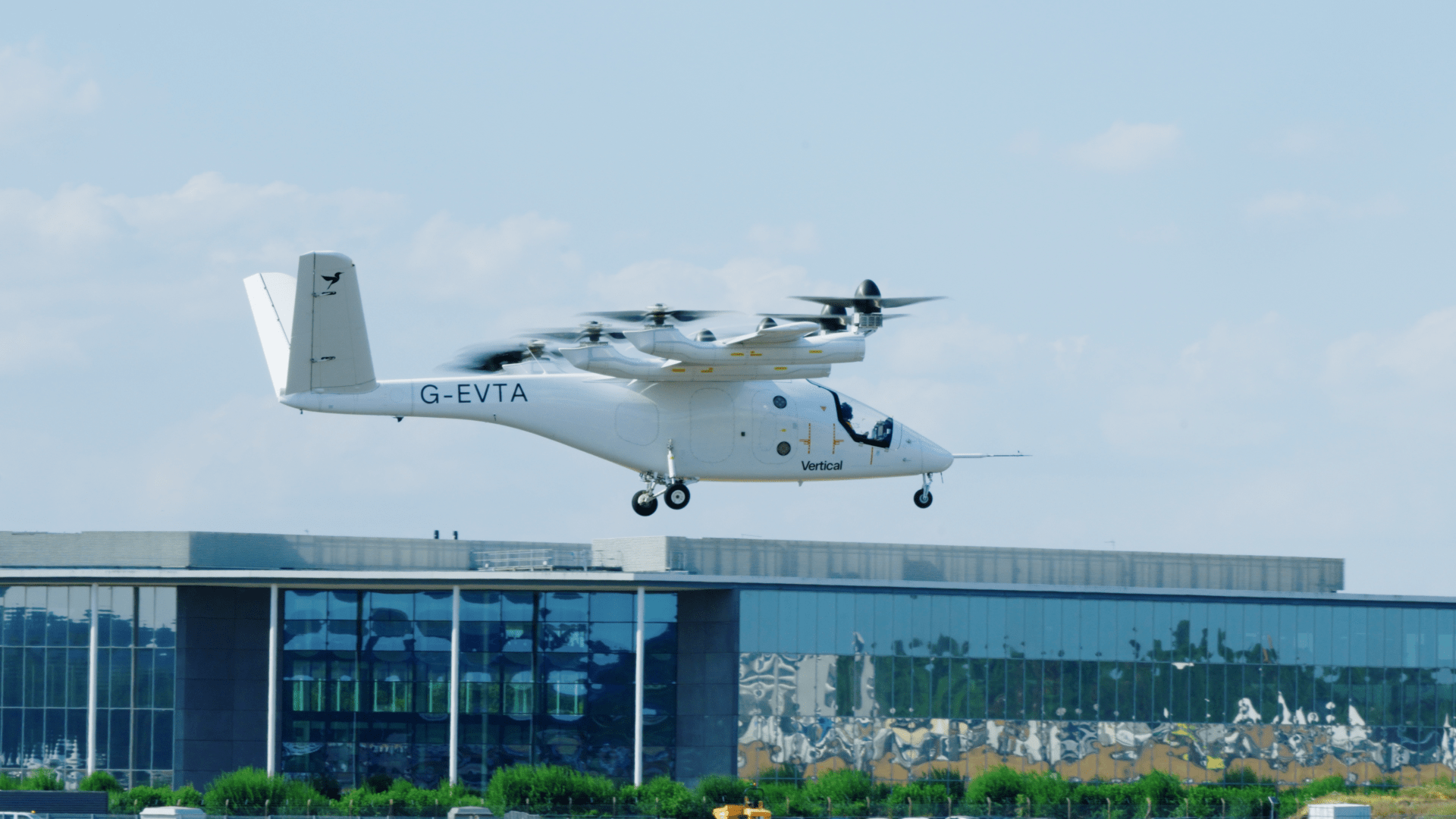
British aerospace company Vertical Aerospace is preparing to conduct its inaugural public electric vertical take-off and landing (eVTOL) flight demonstrations at the Farnborough International Airshow. This event marks a significant milestone in the company's journey toward certification and the launch of commercial electric aircraft services. The demonstrations are crucial as Vertical Aerospace has recently unveiled its Valo aircraft and completed successful piloted transition flights. The company has also strengthened its financial position and expanded its global technology partnerships, all while advancing its certification program. CEO Stuart Simpson emphasized that these milestones are vital for reducing risk and enhancing the company's competitive stance in the electric aerospace sector. Looking ahead, Vertical Aerospace aims to complete its Critical Design Review by the end of 2026, which will establish the certifiable design baseline for its aircraft. The company plans to bring its early production aircraft assembly facility online in Q3 2026 and begin hybrid-electric flight testing in the first half of 2027. No further timeline was disclosed at the time of publication.

Transportation
Palm Garden AI Introduces Coherence Guard for Enhanced Human-Robot Interaction

Palm Garden AI Introduces Coherence Guard for Enhanced Human-Robot Interaction

Palm Garden AI has developed Coherence Guard, a relational decision layer aimed at improving the behavior of service robots in human environments. This platform-agnostic technology evaluates actions before execution, ensuring they are relationally coherent by considering factors such as timing, proximity, and emotional tone. The significance of Coherence Guard lies in its potential to enhance the interaction between humanoid robots and humans in various sectors, including hospitality, care, and education. CEO Joachim Scheuerer emphasized that the technology does not replace existing systems but adds a crucial layer for evaluating social appropriateness, which is essential as robots become more integrated into everyday life. Looking ahead, the demand for such relational decision-making capabilities is expected to grow as service robots become more prevalent in human-centric environments. No further timeline was disclosed at the time of publication.

Artificial Intelligence Artificial Intelligence / Cognition Development Tools / SDKs / Libraries Healthcare Robotics Human Robot Interaction / Haptics Humanoids
Faraday Future's FFAI Accelerates Robotics Expansion and Exceeds Shipment Goals at Automate 2026

Faraday Future's FFAI Accelerates Robotics Expansion and Exceeds Shipment Goals at Automate 2026

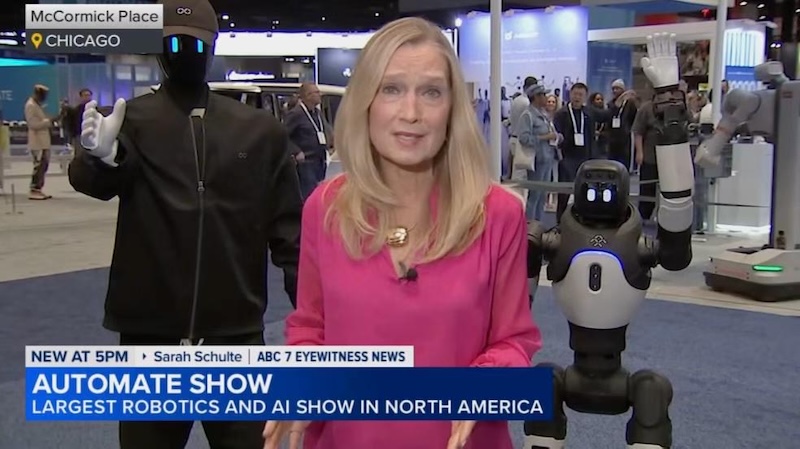
Faraday Future's AI subsidiary, FFAI, announced its accelerated expansion into commercial robotics at Automate 2026 in Chicago. The company showcased its 'one brain, multiple forms' robotics platform and revealed that June robot shipments are expected to exceed 100 units, bringing total first-half deliveries to over 220 units, surpassing its initial target ahead of schedule. This milestone is significant as it marks FFAI's transition from an education-focused robotics business to industrial automation, targeting commercial deployments across manufacturing, logistics, and research. The company presented a range of robotics products, including the All-New Futurist humanoid robot and the FF Faber mobile manipulator series, highlighting its commitment to integrating advanced AI technologies into various applications. Looking ahead, FFAI outlined a broader strategy focused on an open embodied AI ecosystem, which includes its EAI Brain software platform and an EAI Data Factory for operational data collection. No further timeline was disclosed at the time of publication.

Artificial Intelligence Events News ai All-New Futurist Automate 2026
Nvidia and Hugging Face Enhance LeRobot with Advanced Open Robotics AI Tools

Nvidia and Hugging Face Enhance LeRobot with Advanced Open Robotics AI Tools

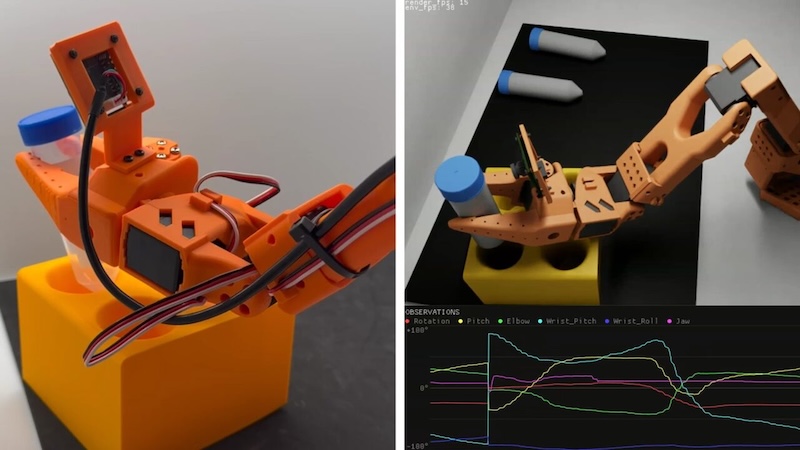
Nvidia and Hugging Face have expanded their partnership to introduce new AI models and robotics frameworks to the LeRobot platform, enhancing accessibility for developers. The integration of Nvidia Isaac GR00T 1.7, a vision-language-action foundation model, and the Isaac Teleop framework aims to streamline the development process for AI-powered robots. This collaboration is significant as it combines Nvidia's community of over three million robotics developers with Hugging Face's 16 million AI developers, fostering a broader access to physical AI technologies. The new tools will enable standardized workflows for data collection, model training, and performance evaluation, making it easier for developers to create and deploy robotic solutions. Looking ahead, the planned support for Nvidia Cosmos 3 will further empower developers by allowing the generation of synthetic data and simulation of environments. No further timeline was disclosed at the time of publication.

Artificial Intelligence Computing ai Hugging Face humanoid robots Isaac GR00T 1.7
Fujitsu Collaborates with Fanuc, Yaskawa, and Kawasaki to Enhance Physical AI with Nvidia

Fujitsu Collaborates with Fanuc, Yaskawa, and Kawasaki to Enhance Physical AI with Nvidia

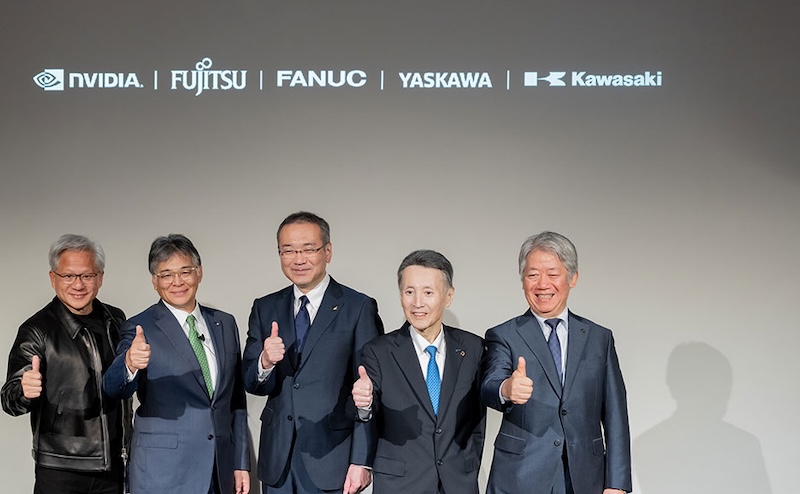
Fujitsu has initiated a partnership with Japanese robotics firms Fanuc, Yaskawa Electric, and Kawasaki Heavy Industries to advance the development and deployment of physical AI in sectors such as manufacturing, logistics, and healthcare. This collaboration will leverage Nvidia's physical AI technologies to create a collaborative control platform that connects digital systems with robots and physical equipment. The initiative aims to accelerate the adoption of physical AI, addressing challenges like labor shortages and an aging workforce while enhancing global competitiveness. The platform will optimize production planning in manufacturing, automate material handling in logistics, and improve healthcare operations by automating the transport of medical supplies and assisting with patient interactions. Fujitsu plans to develop an open collaborative control platform that integrates AI, robotics, and data analysis technologies, ensuring interoperability and addressing cybersecurity concerns. No further timeline was disclosed at the time of publication.

Artificial Intelligence Industry News ai factory automation fanuc
Ofo Resurfaces After Five Years, Still Operational Amid Refund Concerns

Ofo Resurfaces After Five Years, Still Operational Amid Refund Concerns

On July 15, Ofo, the bike-sharing company, unexpectedly updated its official WeChat account after nearly five years of silence. The post was a recruitment notice for patients with skin diseases, unrelated to its bike-sharing business, yet it sparked significant public interest regarding unrefunded deposits. Many users expressed their concerns, asking when their deposits would be returned. Despite widespread belief that Ofo had ceased operations, records indicate that its associated operational entity, Beijing Baike Lock Technology Co., Ltd., remains active. However, the company faces high-risk information, including numerous legal cases and enforcement actions, which raises questions about its future viability. As Ofo navigates this uncertain landscape, stakeholders should monitor any developments regarding its operational status and the potential for deposit refunds. No further timeline was disclosed at the time of publication.

Robbyant Launches LingBot-World 2.0 with Enhanced Real-Time World Generation Features

Robbyant Launches LingBot-World 2.0 with Enhanced Real-Time World Generation Features

Robbyant, an embodied AI company under Ant Group, has released LingBot-World 2.0, an open-source interactive world model. This updated version supports hour-long real-time world generation, high-definition output, and enhanced interactive capabilities, marking a significant improvement over LingBot-World 1.0. The new model allows for continuous world generation sessions while maintaining visual quality and enabling real-time user interaction. It produces 720p video at 60 frames per second and is designed to generate, stream, and display content simultaneously, which reduces latency and enhances user engagement with the evolving environment. LingBot-World 2.0 features a dual-agent mechanism for dynamic interaction and supports multiple users in a shared virtual space. Additionally, Robbyant has open-sourced LingBot-Video, a video generation model aimed at robotics applications, which enhances efficiency and realism in AI-generated video for real-world robotic systems. No further timeline was disclosed at the time of publication.

Robot simulation AI models ai simulation Ant Group artificial intelligence embodied ai
ROBOTTODAY Weekly June 23 – 27, 2026

ROBOTTODAY Weekly June 23 – 27, 2026

This week in robotics: Agility Robotics $2.5B SPAC deal for first humanoid IPO, BMW Figure 03 logistics deployment, Morgan Stanley doubles China humanoid forecast, ON Semiconductor acquires Synaptics for $7B, Sony halts aibo in Japan. June 23–27, 2026.

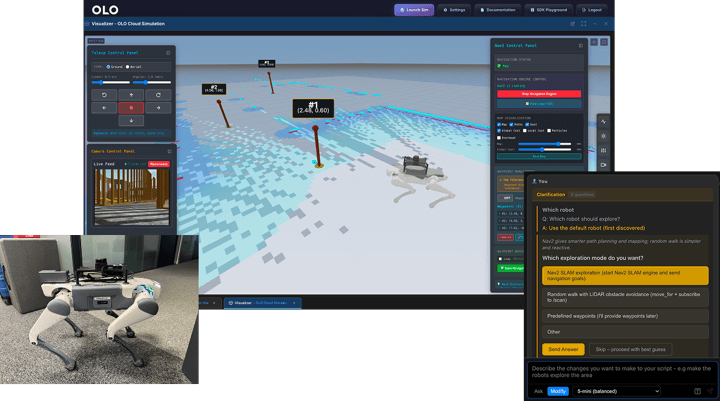
Inside OLO Robotics: a technical look at browser-based ROS 2 development and hardware integration

Inside OLO Robotics: a technical look at browser-based ROS 2 development and hardware integration

OLO Robotics brings ROS 2, Gazebo, Nav2 and MoveIt 2 into one browser-based platform. Discover how its appliance, Cloud Sim, and live data handling accelerate robot development.

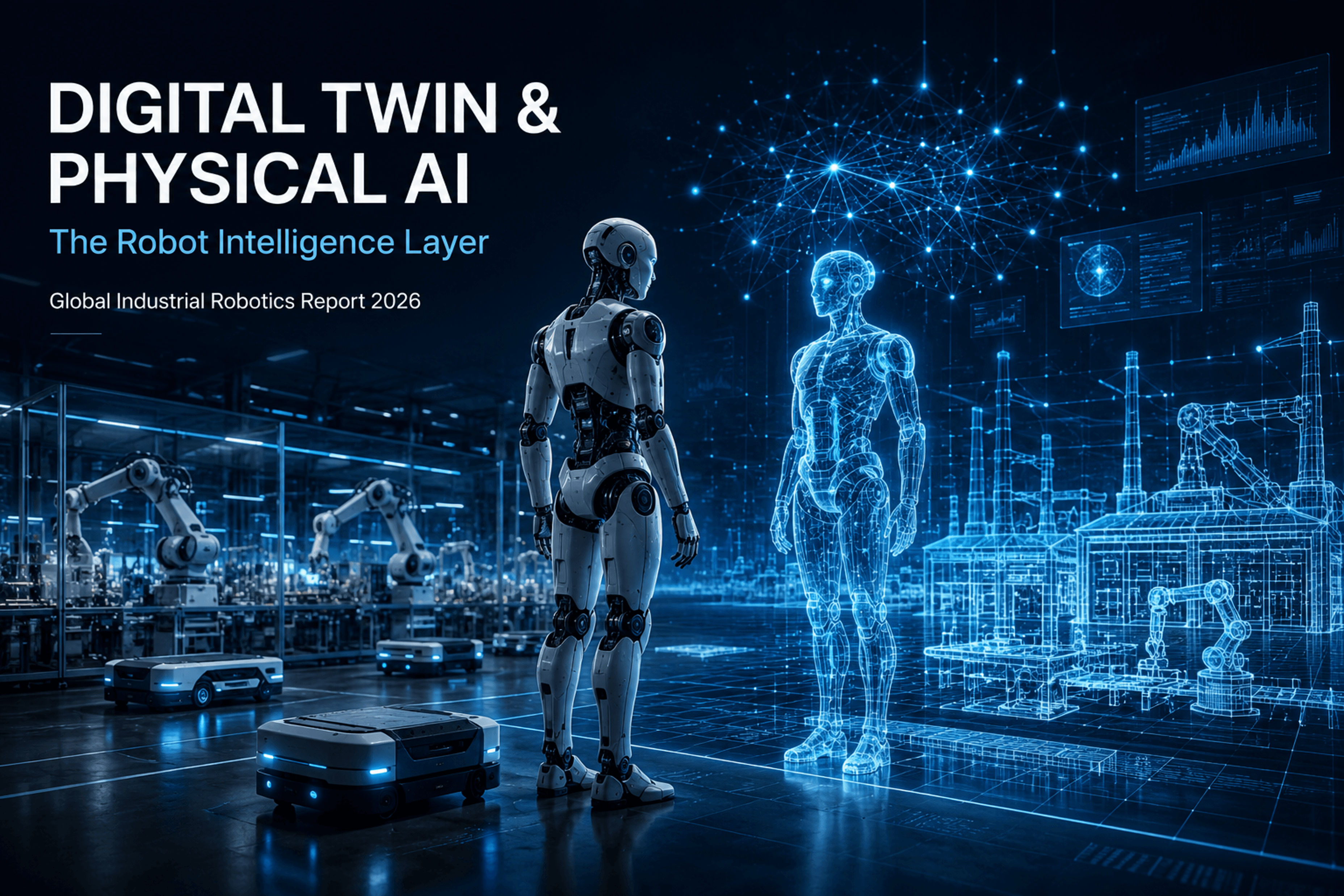
Digital Twin, Physical AI & Robot OEM Readiness 2026: Platforms, VLA Models, LLM Programming

Digital Twin, Physical AI & Robot OEM Readiness 2026: Platforms, VLA Models, LLM Programming

A balanced analysis of the robot intelligence revolution: multi-vendor digital twin platforms (NVIDIA, Siemens, Dassault, ABB, Rockwell, Hexagon), Physical AI VLA models (RT-2, pi0, GR00T N1, AgiBot), current Physical AI limitations, LLM robot programming, and the OEM readiness matrix across US, European, and Chinese manufacturers.

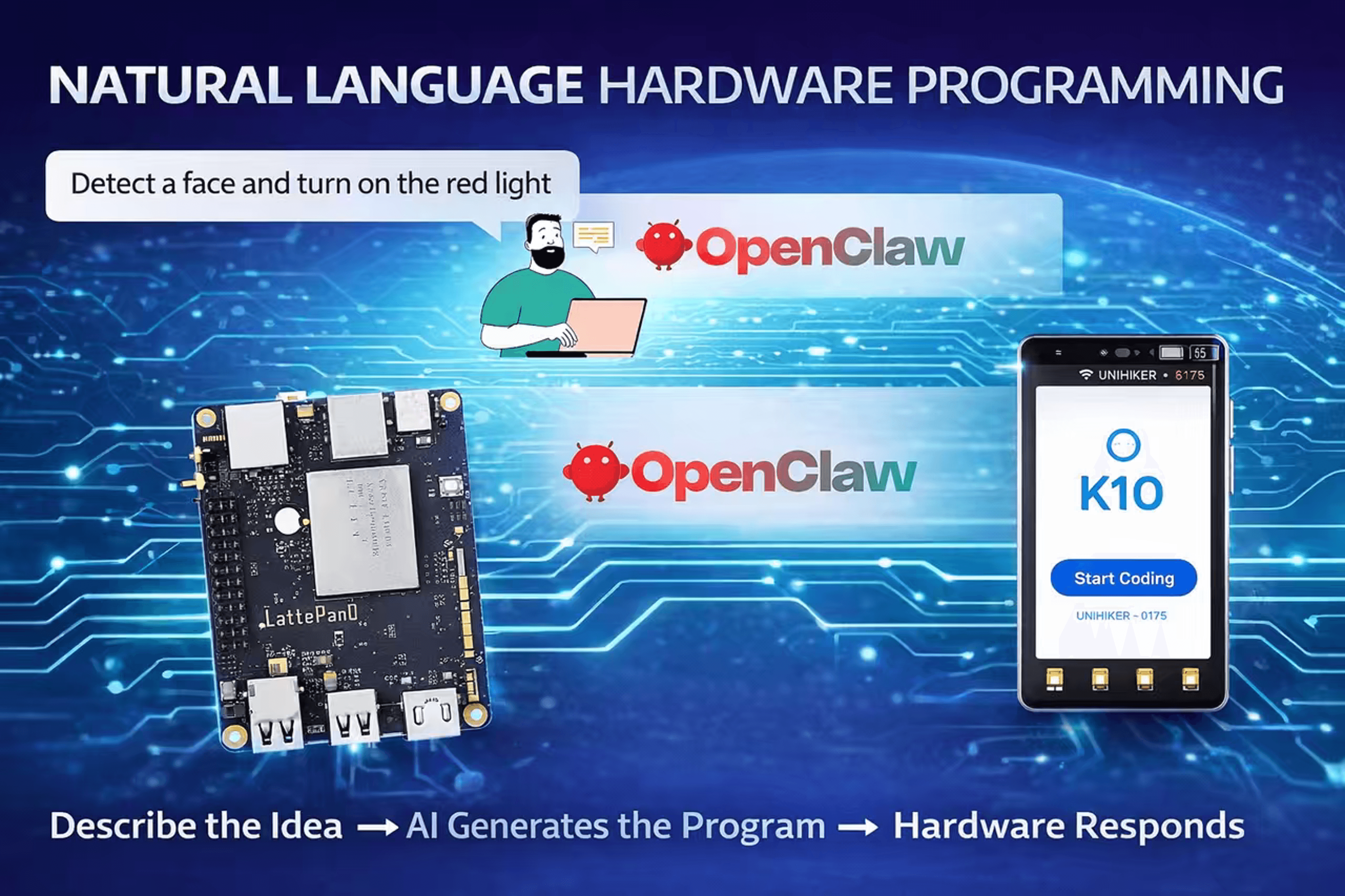
OpenClaw + UNIHIKER K10: Natural Language Hardware Programming in Minutes

OpenClaw + UNIHIKER K10: Natural Language Hardware Programming in Minutes

Learn how OpenClaw enables natural language hardware programming on UNIHIKER K10, automating code generation, debugging, and deployment in minutes.

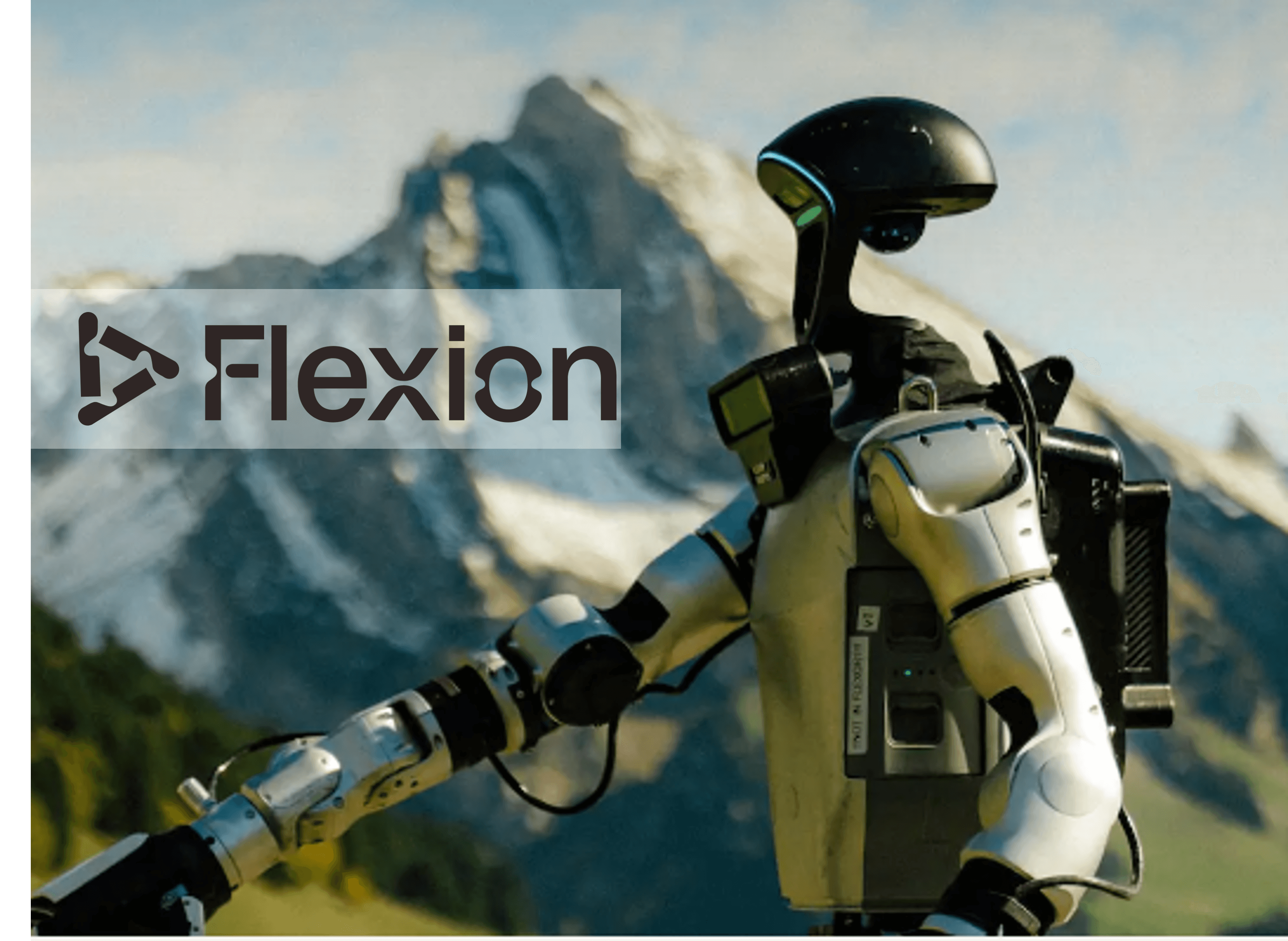
Flexion: The ETH Zurich Robotics Startup Building the Next-Generation AI “Robot Brain” for Embodied Intelligence

Flexion: The ETH Zurich Robotics Startup Building the Next-Generation AI “Robot Brain” for Embodied Intelligence

Learn how ETH Zurich-backed Flexion is building next-generation AI “robot brains” that enable embodied intelligence and adaptive autonomy for humanoid robots.