

Precision Planting
"Believe in Better"
Tremont, Illinois precision-agriculture firm founded 1993 by Gregg and Cindy Sauder; makes DeltaForce and SymphonyNozzle retrofit kits, now an AGCO brand.
Contact Precision Planting
WEBSITE
https://www.precisionplanting.comPHONE
+1 309 925 5050HEADQUARTERS
United States

Company Facts
Founded
1993
Primary Role
Manufacturer
Company Size
-
Primary Region
North America
Annual Sales
-
Funding Stage
-
Funding Total
-

Doosan Robotics Selected for Two Government-Funded R&D Projects in Physical AI
Doosan Robotics has been chosen for two government-funded R&D projects aimed at advancing Physical AI technologies. Announced on October 6, the projects focus on a next-generation collaborative robot and an intelligent welding solution, with a combined budget of approximately KRW 98.9 billion, including KRW 68.1 billion in government funding. These initiatives are significant as they aim to enhance robot capabilities in perception, decision-making, and control, which are crucial for high-complexity manufacturing processes. The first project will develop collaborative robots that can operate independently using AI semiconductors, while the second will automate complex welding tasks, particularly in nuclear power equipment manufacturing. Looking ahead, Doosan Robotics plans to commercialize these technologies by 2031, targeting industries where data security and communication latency are critical. The projects will run for 54 and 45 months, respectively, with various academic and industry partners involved, reflecting a strategic move to bolster Korea's manufacturing competitiveness through advanced robotics.

AI Streamlines Large-Scale Control System Migration Processes
Large-scale control system migrations often involve extensive repetitive engineering tasks, such as processing thousands of control loops and legacy files. A recent project demonstrated the effectiveness of artificial intelligence in automating these processes, significantly reducing the time needed to develop scripts for data transfer from days to minutes. By utilizing AI, engineers could efficiently manage large-scale revisions and improve standardization across migration efforts. The integration of AI into control system migrations is crucial as it addresses the challenges posed by outdated or incomplete documentation. AI models can convert scanned pages into searchable formats, enabling engineers to quickly locate specific terms or hardware references. However, while AI enhances efficiency, it is not infallible and requires careful oversight, particularly when interpreting legacy information or generating operator graphics. Looking ahead, teams should approach AI implementation with caution, starting with small, measurable tasks to ensure effectiveness. Cleaning and standardizing source data is essential to maximize AI's potential. As AI technology continues to evolve, its role in control system migrations will likely expand, but human expertise will remain vital for ensuring accuracy and usability.
Factory / Analytics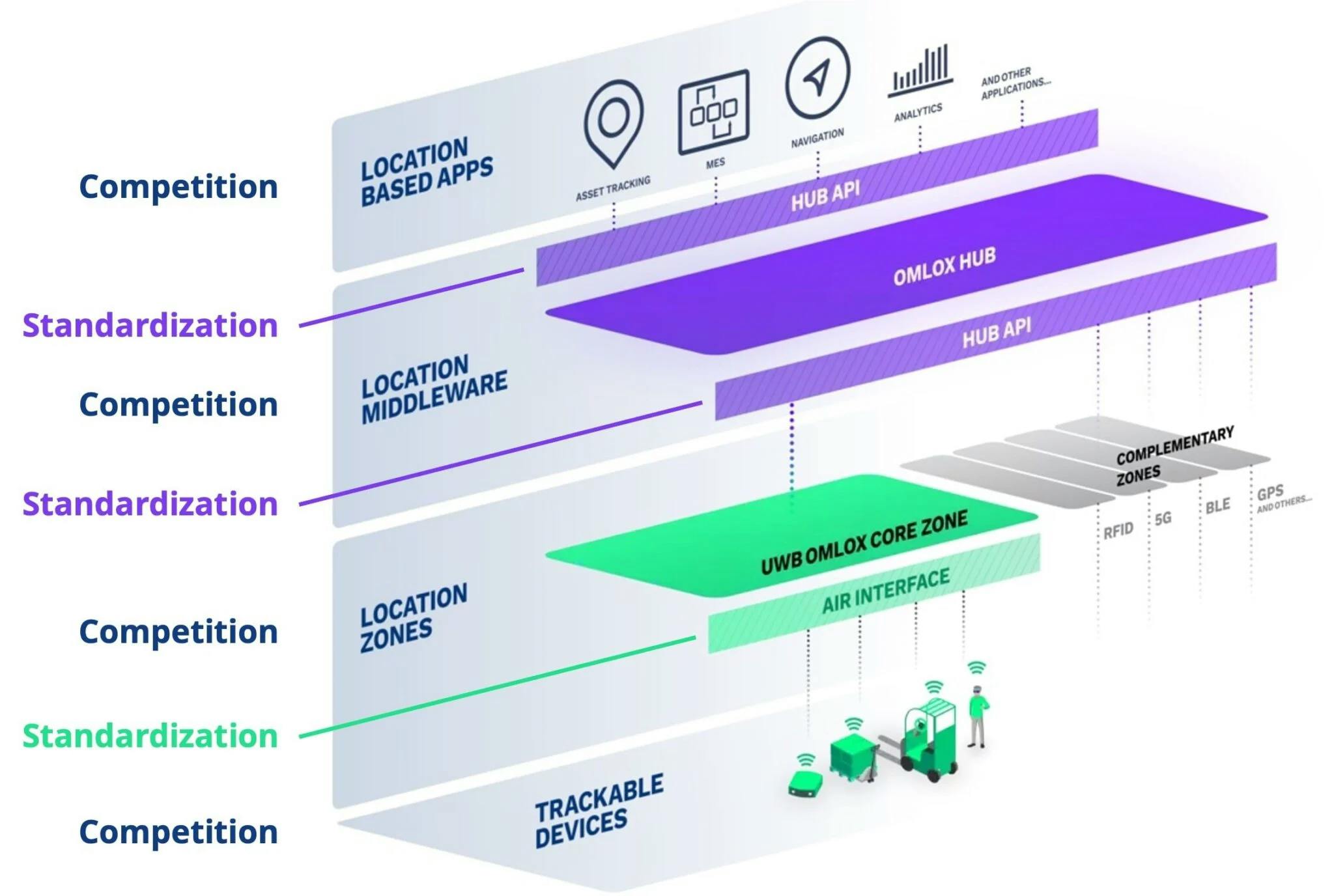
PI North America Supports FCC Proposal to Update Ultra-Wideband Spectrum Regulations
PI North America has expressed its endorsement for the Federal Communications Commission's Notice of Proposed Rulemaking aimed at modernizing Ultra-Wideband (UWB) spectrum regulations. This initiative is expected to create new opportunities for UWB deployment in industrial environments, where the technology is crucial for tracking equipment, vehicles, robots, and personnel with precision. The significance of this proposal lies in its potential to adapt outdated UWB rules that have remained unchanged for over twenty years, failing to align with the current extensive use of UWB in industrial applications. As mobile robots and other automated systems increasingly operate in dynamic environments alongside human workers and machinery, a reliable understanding of spatial awareness is essential for safety and efficiency. Looking ahead, the modernization of UWB regulations could facilitate the integration of various locating technologies, enhancing operational capabilities in logistics and industrial automation. No further timeline was disclosed at the time of publication.
Factory / Communication
Camtastic GigE Cameras Deliver Reliability and Precision in Sugar-Cube Format
Camtastic has announced its GigE cameras, which provide exceptional image processing capabilities through a GigE-Vision platform. This platform ensures seamless integration and rapid deployment within a comprehensive GigE ecosystem. The introduction of these cameras is significant as they enhance the reliability and precision of image processing tasks, catering to various industrial applications. The GigE-Vision platform allows for efficient connectivity and interoperability, which is crucial for modern automation and imaging systems. Looking ahead, industry professionals should monitor the adoption of Camtastic's GigE cameras in various sectors that require high-performance imaging solutions. No further timeline was disclosed at the time of publication.
Allgemein
XTEND AI Robotics, Inc. Receives U.S. Patent for Real-Time Smart Payload Navigation System
XTEND AI Robotics, Inc. has been granted U.S. Utility Patent No. 12,743,960 for a system that allows a smart payload to provide real-time navigation instructions to its platform. This innovative technology enables the platform to actively direct missions while keeping the operator in control of decision-making. The significance of this patent lies in its potential to enhance operational efficiency in various applications, allowing for more dynamic and responsive mission execution. By integrating smart payloads that can communicate real-time instructions, XTEND AI Robotics is poised to advance the capabilities of its platforms in the field. Looking ahead, industry stakeholders should monitor how this patented technology will be implemented in XTEND's products and the impact it may have on mission-critical operations. No further timeline was disclosed at the time of publication.
Manufacturers Face Challenges in Implementing AI on the Shop Floor
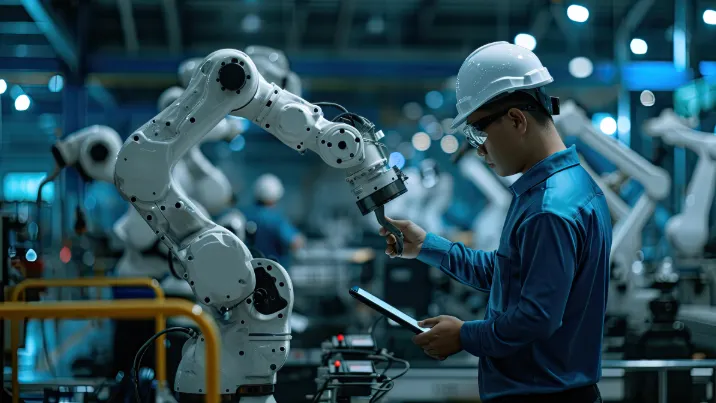
A recent report highlights that while 75% of manufacturers have integrated AI into their enterprise strategies, only 20% of these initiatives achieve their business goals. This gap underscores the need for better integration of AI with operational systems and human decision-making processes. The Infosys Manufacturing Tech Index: AI Pulse indicates that the success of AI in manufacturing is closely tied to the convergence of information technology (IT) and operational technology (OT). Effective AI applications require a cohesive operating view that combines data from various sources, including production telemetry, enterprise systems, and maintenance records. Looking ahead, manufacturers must focus on bridging the IT/OT divide to enhance AI's impact on production decisions. The integration of predictive maintenance, digital twins, and computer vision systems will be crucial for enabling real-time responses and improving operational efficiency. No further timeline was disclosed at the time of publication.

SafeWorld Secures $12.2 Million to Advance Robot Safety Simulation Technology
SafeWorld has emerged from stealth mode with $12.2 million in seed funding, co-led by Shine Capital and a16z Speedrun, to develop robot safety simulation technologies. This funding will support the creation of a platform that provides safety testing and simulation software, enabling enterprises to evaluate and deploy robots safely and responsibly. The significance of SafeWorld's technology lies in its ability to address the complexities of AI-powered robots, which require extensive safety testing beyond traditional methods. As billions of AI-driven robots are expected to operate alongside humans in the coming decades, the need for scalable safety validation becomes critical. Current testing methods are slow and expensive, often limiting robot productivity and collaboration due to safety constraints. Looking ahead, SafeWorld's platform aims to transform how enterprises test robots in various scenarios, ensuring safety in real-world deployments. Continuous testing capabilities will allow teams to adapt to new risks introduced by software updates and environmental changes. No further timeline was disclosed at the time of publication.
Nucleus Demonstrates Humanoid Robot Performing Factory Tasks with 60% Autonomy
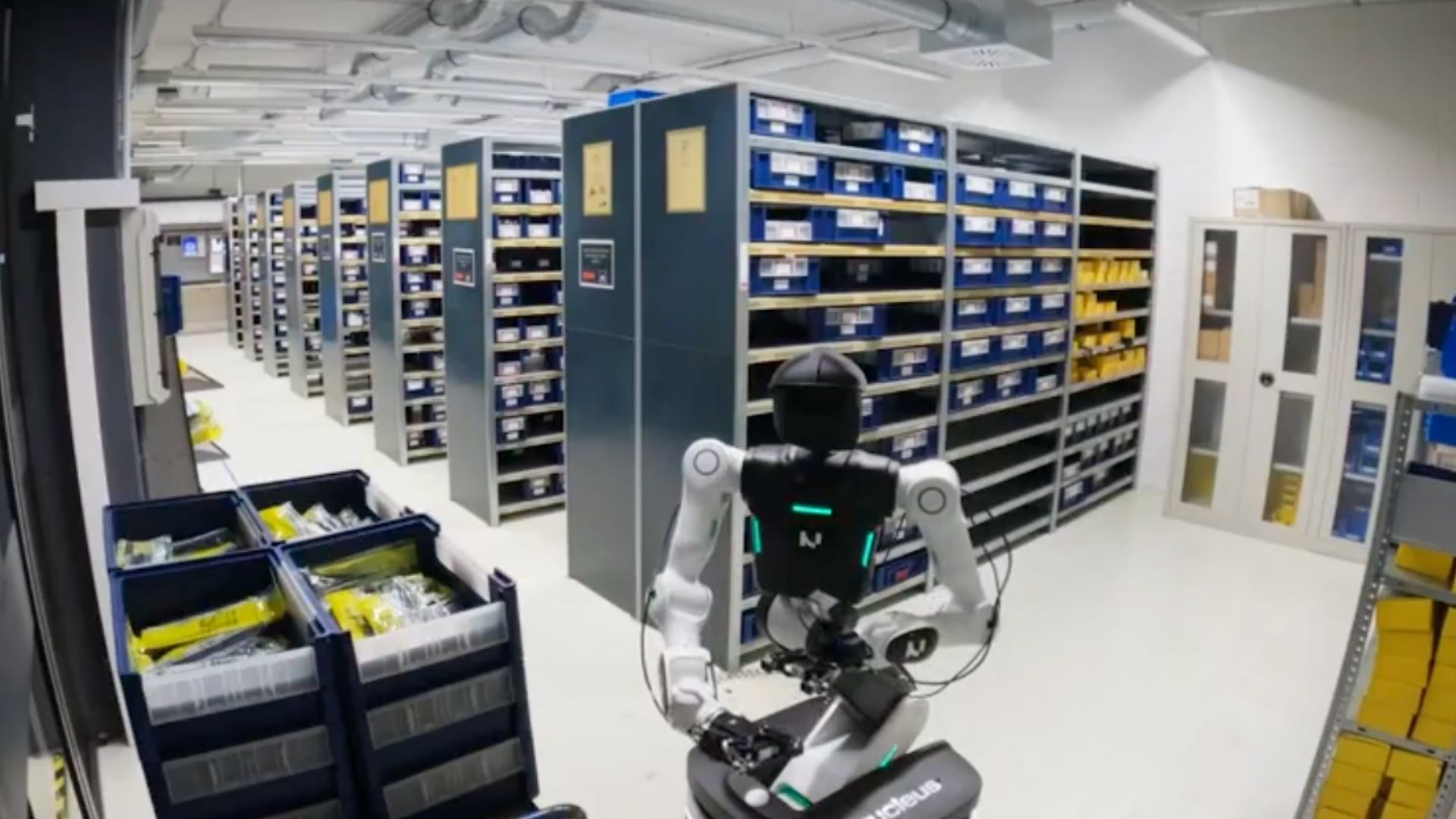
Nucleus has released nearly two hours of uncut footage showcasing its humanoid robot performing factory tasks, revealing a reliance on human assistance. The demonstration, shared by CEO Melvin Schwarz on October 1, indicated that the robot operated approximately 60% autonomously and 40% through teleoperation, although the method for calculating these percentages was not disclosed. This demonstration is significant as it highlights the ongoing challenge of maintaining useful robotic work over extended periods. Nucleus aims to prove that its robots can effectively integrate into industrial workflows, running shifts of four to six hours while completing tasks from start to finish, albeit with necessary human intervention. Looking ahead, Nucleus is focused on refining its AI systems through real-world applications, capturing data from both successful operations and instances requiring human guidance. This feedback loop is essential for improving the robot's capabilities, particularly in adapting to varying factory conditions and ensuring consistent performance across different tasks.
AI and Robotics
Podcast Discusses Smarter Predictive Asset Management and Its Operational Benefits
In a recent episode of Automation World Gets Your Questions Answered, Chris McNamara interviews Steve Kaminski from Banner Engineering. Kaminski discusses how condition monitoring transforms machine data into actionable insights, enabling manufacturers to maintain efficiency and prevent failures. He emphasizes starting with critical equipment like compressors and pumps for optimal results. This conversation is significant as it underscores the importance of condition monitoring in enhancing operational efficiency. By utilizing Banner’s Snap Signal ecosystem, manufacturers can integrate various sensors into a cohesive data network, which aids in early detection of mechanical issues and optimizes maintenance schedules. This proactive approach can lead to reduced downtime and lower operational costs. Looking forward, Kaminski anticipates advancements in user-friendly systems that will facilitate both basic monitoring and automated maintenance workflows. No further timeline was disclosed at the time of publication.
Sponsored
Solar-Powered Precision Planting Robot Reaches 98.8% Accuracy in Seed Placement
A new solar-powered precision planting robot has achieved an impressive seed-placement accuracy of up to 98.8%. This innovative technology integrates remote control, electric seed metering, and adjustable planting depth, making it a significant advancement in energy-efficient maize seeding. The development of this robot is crucial as it addresses the growing need for sustainable agricultural practices. By utilizing solar power, the robot not only reduces reliance on fossil fuels but also enhances the efficiency of maize planting, which is vital for food production. Looking ahead, the agricultural sector will likely observe increased adoption of such technologies that promote precision farming. No further timeline was disclosed at the time of publication.
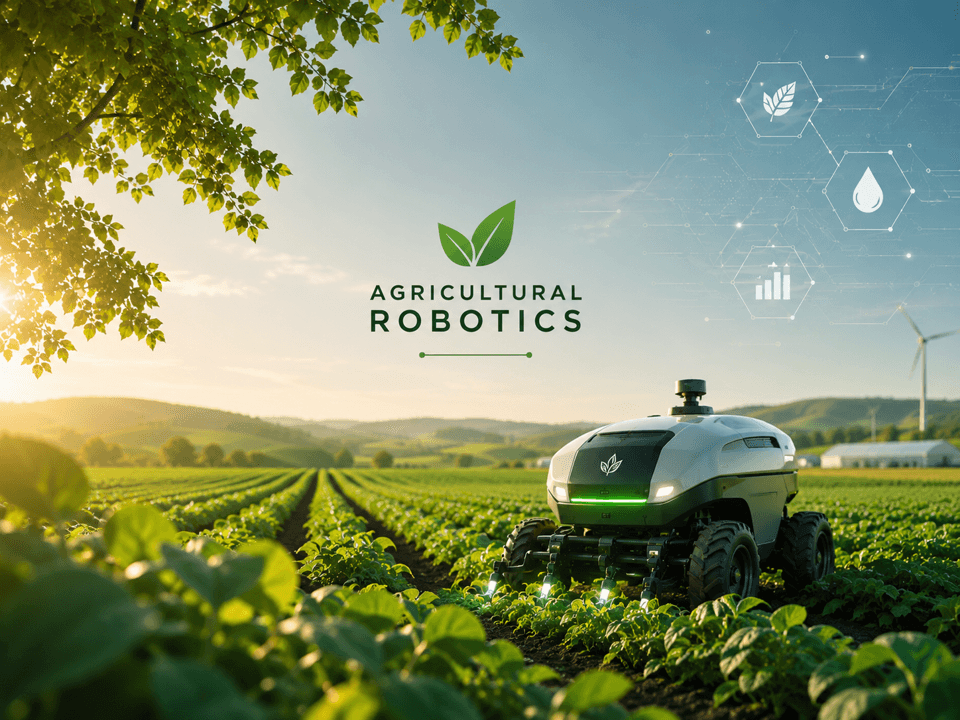
AGRICULTURAL ROBOTICS SERIES — Company Directory 2026
Access the definitive 2026 directory of 150+ agricultural robotics companies. A comprehensive reference guide covering autonomous tractors, harvest automation, precision weeding, and AI data platforms across the global agtech ecosystem.

Agricultural Robotics | 2025–2030 Outlook: The Labor Cost Reckoning
Agricultural robotics is projecting a $28–48 billion market by 2030 outside China, driven purely by labor cost replacement. Part 10 synthesizes the series: forecasting penetration ceilings, emerging technologies, and regional winners in the most consequential farming transformation since mechanization.

Agricultural Robotics | Post-Harvest Automation: The $7.5B System Shaping the Food Supply
Post-harvest robotics automate sorting, grading, packing, and cold storage across the $7.5B equipment market. Deep-dive on TOMRA, Unitec, MAF Roda, Greefa, JBT, Bühler, and the AI-driven platforms replacing 450,000+ packhouse workers by 2030.
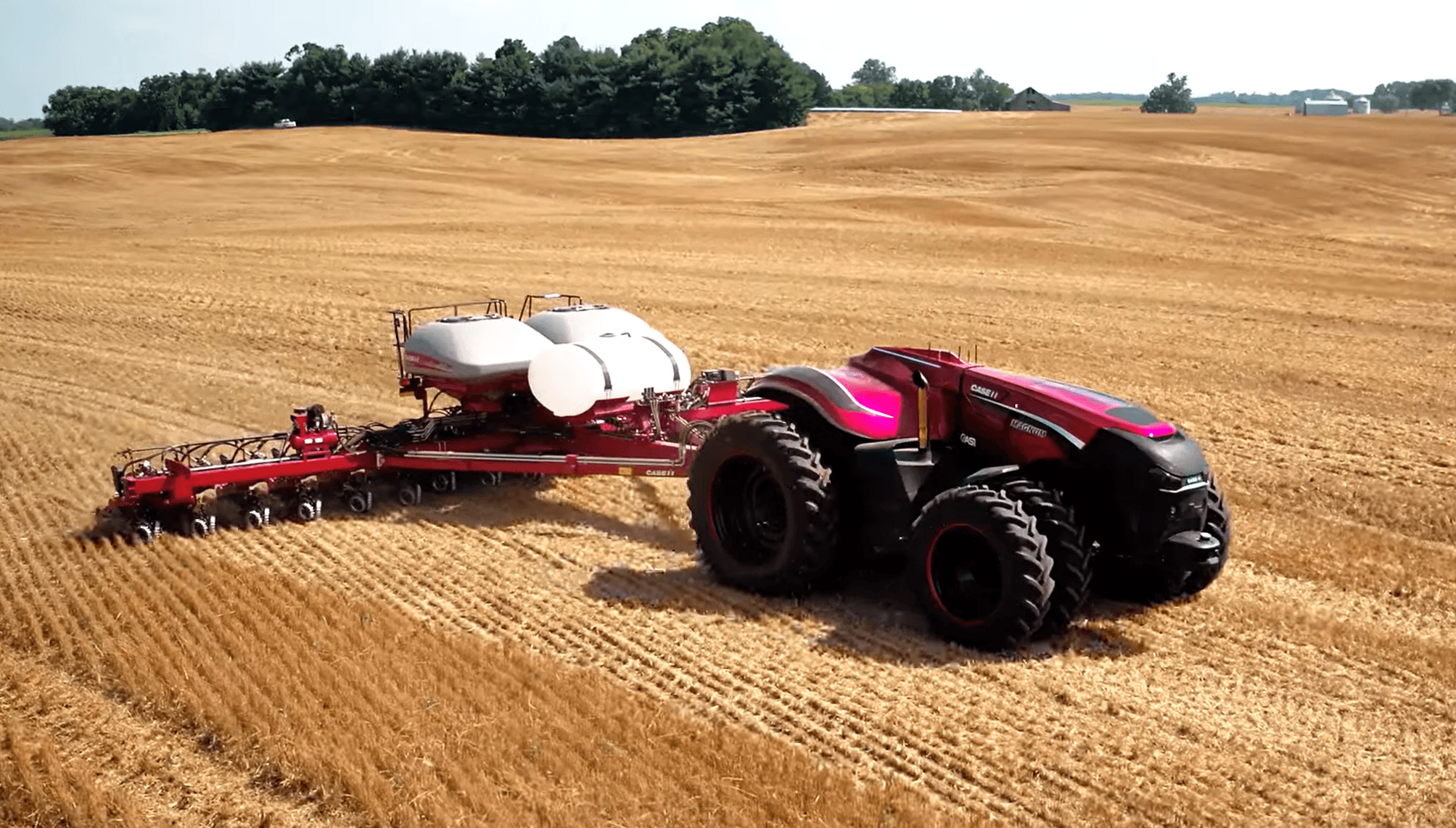
Agricultural Robotics | Autonomous Tractors: The $13B Platform Battle in Plain Sight
Autonomous tractors target a $2.7B market growing at 22% CAGR to 2032. Deep-dive on John Deere 8R, AGCO Fendt, CNH Industrial, Kubota AgriRobo, and Monarch MK-V — and why the platform war matters more than the hardware.
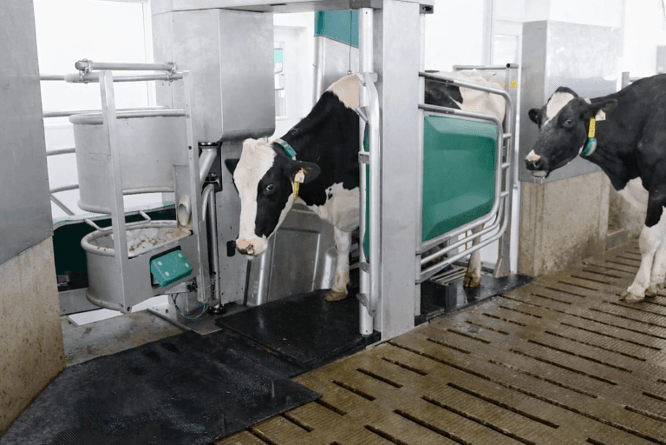
Agricultural Robotics | Dairy & Livestock Automation: Where Robots Already Lead
Dairy robots hold 37% of the global agricultural robotics market — yet US farm penetration is just 5%. This deep-dive covers the $3.2B milking robot market, ROI economics, competitive profiles of Lely, DeLaval, GEA, and Afimilk, and why EU, North America, Japan, and Israel each follow a different adoption path to 2030.
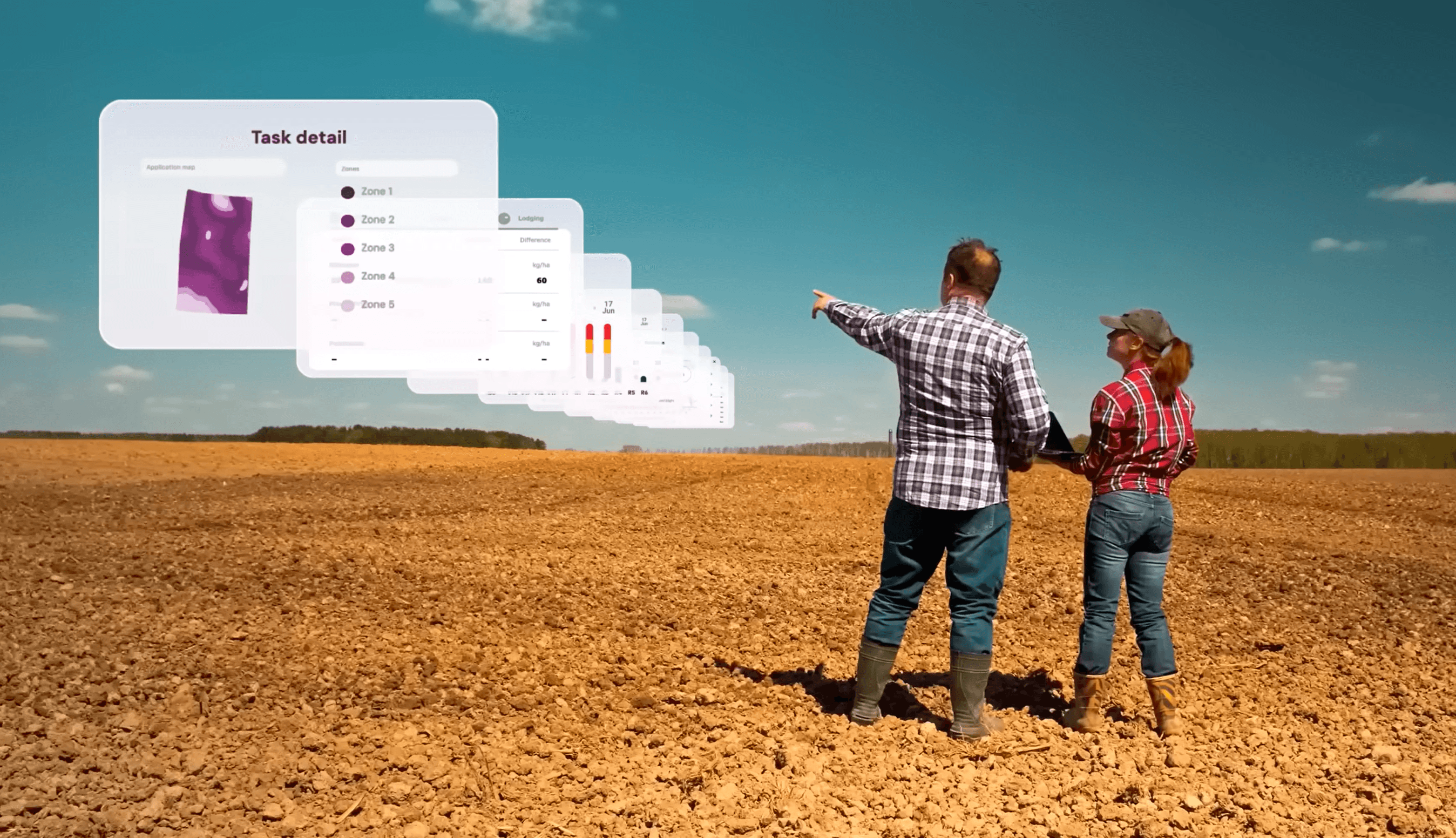
Agricultural Robotics: Crop Monitoring and Aerial Scouting
An evidence-based deep dive into the crop monitoring and aerial scouting segment of agricultural robotics. Covers the market opportunity (ex-China) across North America, EU, Japan, and Israel; key players including Taranis, BASF xarvio, and DJI; emerging technologies such as edge AI, hyperspectral imaging, and satellite–drone fusion; and the structural challenges limiting wider adoption — connectivity gaps, false positives, data fragmentation, and small-farm exclusion.
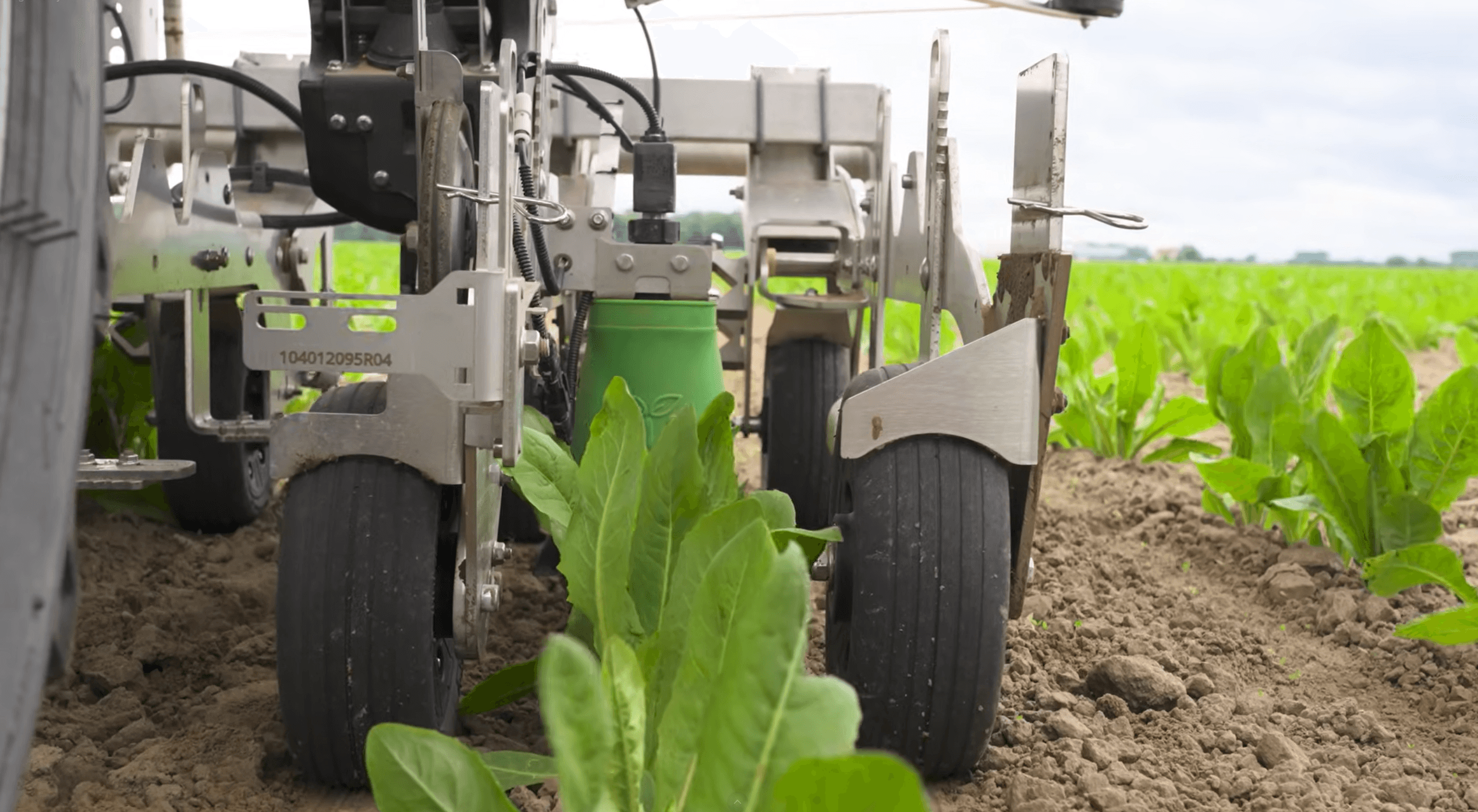
AGRICULTURAL ROBOTICS | Precision Planting & Seeding
Precision planting and seeding robots are emerging as one of the fastest-ROI segments in agricultural robotics. This deep dive examines market size, key technologies, and leading players across North America, Europe, Japan, and Israel, including RTK-GPS planters, autonomous tractors, and swarm seeding systems.
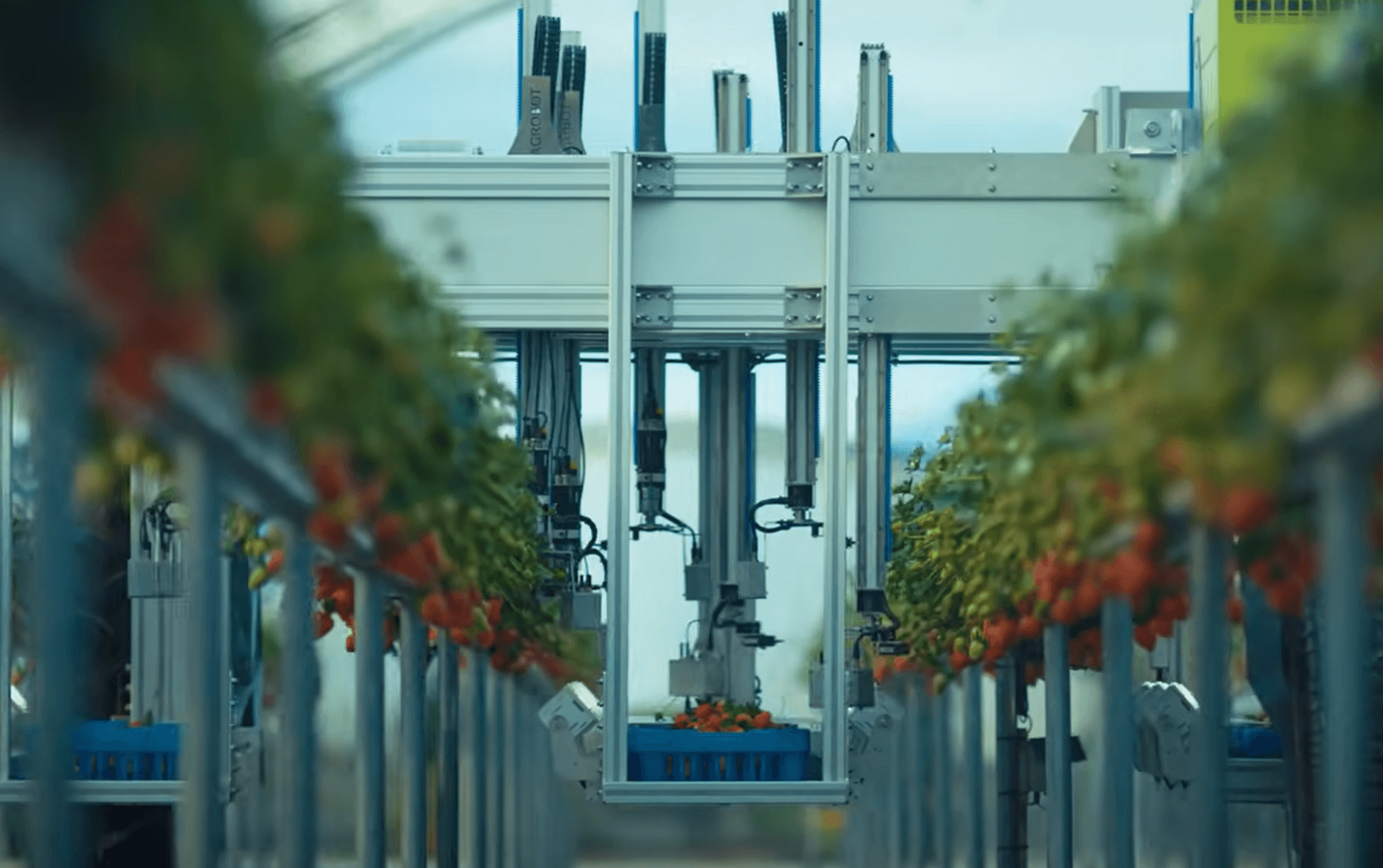
AGRICULTURAL ROBOTICS | Harvesting Robots: $6.9B Market
Harvesting robots hit $2.24B in 2024 and are targeting a $50B labor market at less than 5% penetration. Deep-dive: market data, 14 companies, economics, and 2030 outlook.
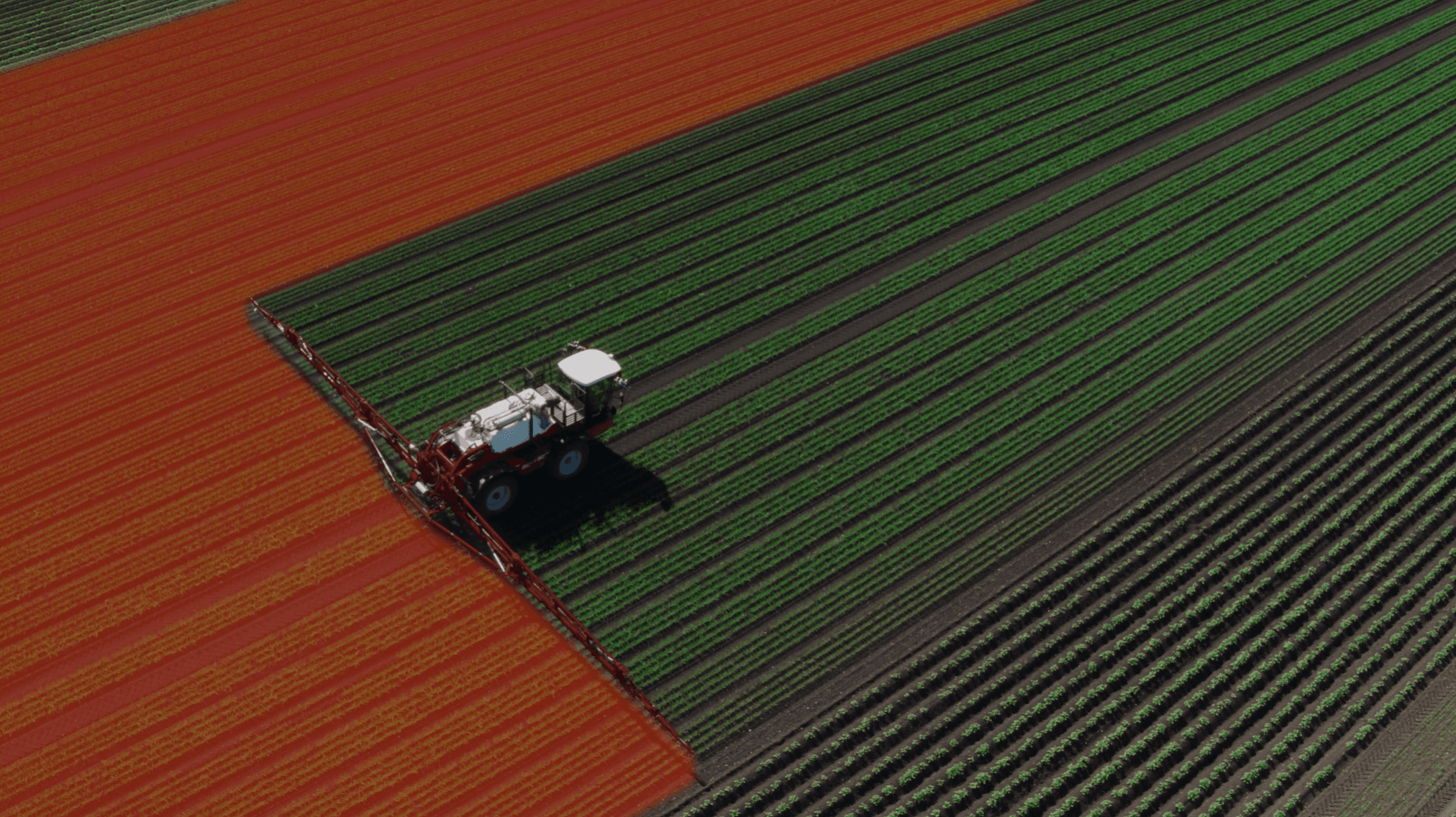
AGRICULTURAL ROBOTICS | $34B Weeding Robot Market
Weeding & crop management robots target a $34–42B herbicide market. Deep-dive on Carbon Robotics, Ecorobotix, Verdant, FarmWise, and the four tech platforms reshaping chemical-free farming by 2030.
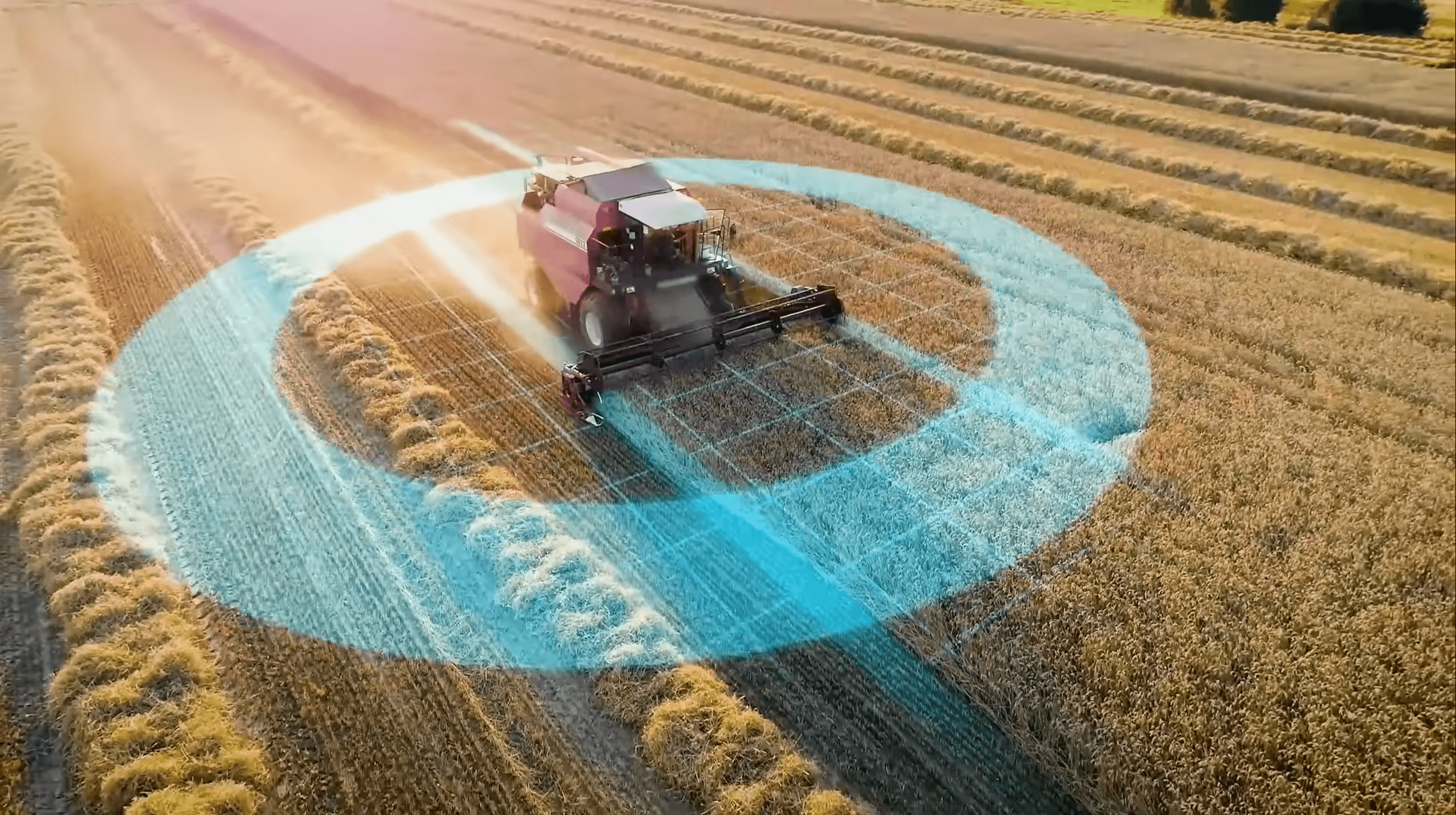
AGRICULTURAL ROBOTICS | Market Leaders, Regional Analysis & Top Countries
John Deere, DJI & 340+ companies compete for the $48–56B Western market and China’s $80–150B parallel ecosystem. Regional analysis across 5 top countries.


