


Orbital Systems (Bombay) Pvt. Ltd.
Indian manufacturer of precision industrial assembly automation machinery including orbital riveting machines, cam indexing tables, clinching machines, and.
Contact Orbital Systems (Bombay) Pvt. Ltd.
WEBSITE
https://orbitalsystems.netPHONE
+91 7710052533HEADQUARTERS
India

Company Facts
Founded
1985
Primary Role
Manufacturer
Company Size
-
Primary Region
Asia-Pacific
Annual Sales
-
Funding Stage
-
Funding Total
-
Certifications & Memberships
Martina Gartner Joins Schmalz Executive Management Team Effective October 1
Martina Gartner has officially joined the executive management team at Schmalz as of October 1. This appointment marks a significant addition to the leadership structure of the company, which specializes in vacuum technology and automation solutions. The inclusion of Gartner in the management team is important as it reflects Schmalz's commitment to enhancing its operational capabilities and strategic direction. Her experience is expected to contribute positively to the company's growth and innovation in the automation sector. Looking ahead, it will be interesting to observe how Gartner's leadership influences Schmalz's initiatives and market positioning. No further timeline was disclosed at the time of publication.
Allgemein Menschen & Meinungen
Camtastic GigE Cameras Deliver Reliability and Precision in Sugar-Cube Format
Camtastic has announced its GigE cameras, which provide exceptional image processing capabilities through a GigE-Vision platform. This platform ensures seamless integration and rapid deployment within a comprehensive GigE ecosystem. The introduction of these cameras is significant as they enhance the reliability and precision of image processing tasks, catering to various industrial applications. The GigE-Vision platform allows for efficient connectivity and interoperability, which is crucial for modern automation and imaging systems. Looking ahead, industry professionals should monitor the adoption of Camtastic's GigE cameras in various sectors that require high-performance imaging solutions. No further timeline was disclosed at the time of publication.
Allgemein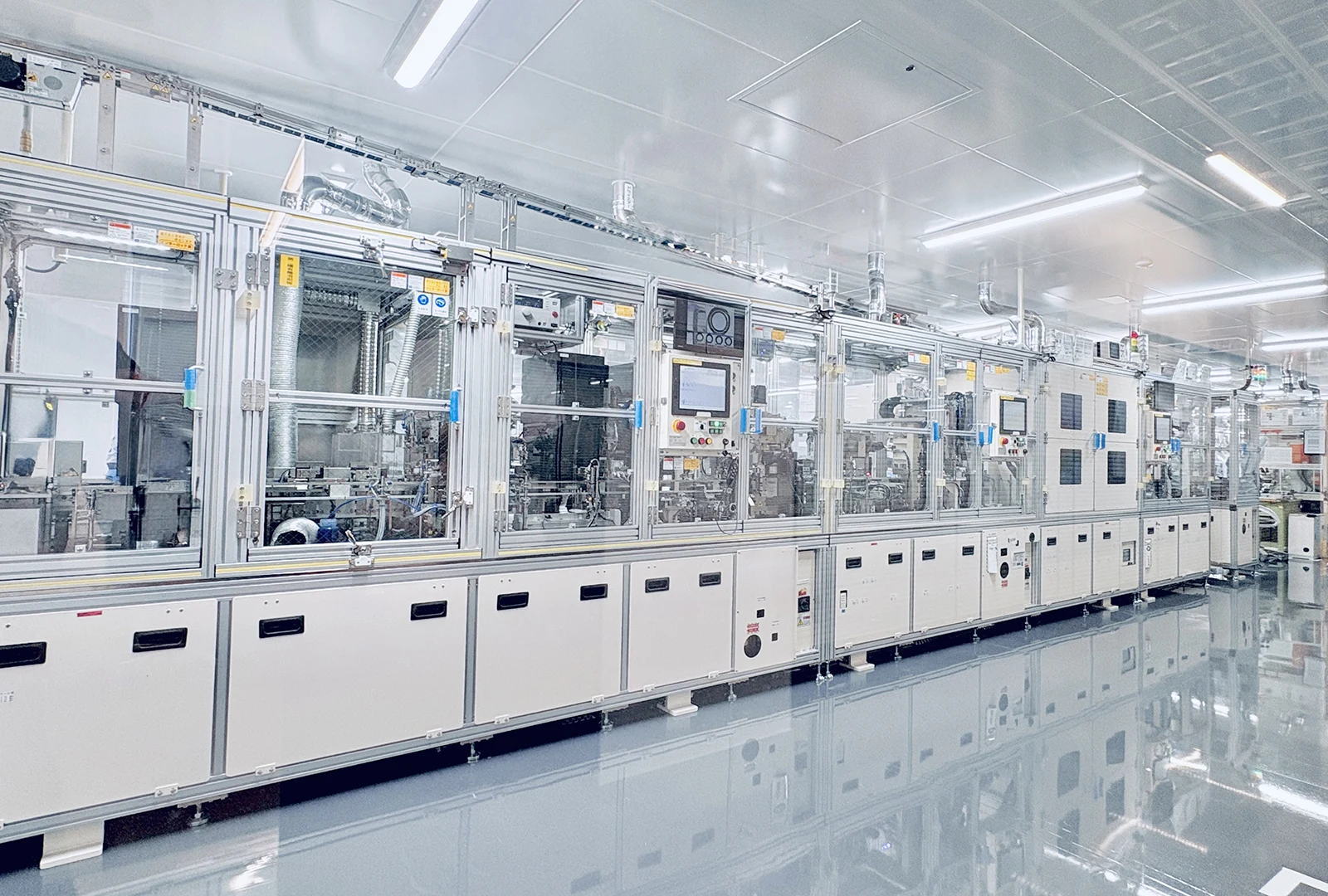
Panasonic Aims for Humanoid Robot Production by 2029, Emphasizing Battery Safety
Panasonic Holdings has announced its intention to develop humanoid robots, with production slated to begin by 2029, as stated by Chief AI Officer Akira Sakakibara. The company plans to target factory production lines and warehouses, although the project is still in its early stages. Research and development on necessary AI models and technologies has commenced, but specific achievements remain undisclosed. The significance of this initiative lies in Panasonic's focus on battery safety, which Sakakibara believes is crucial for overcoming barriers to the adoption of humanoid robots. He noted that Panasonic Energy's batteries have not been linked to serious fire incidents, positioning the company to potentially lead in safer humanoid robotics. Panasonic's existing components for humanoid robotics, such as power-management devices and sensors, provide a solid foundation for this new venture. Looking ahead, the next milestone to observe will be the unveiling of a robot design or a working demonstration that showcases the capabilities of the planned humanoids. No further timeline was disclosed at the time of publication.
Panasonic Japan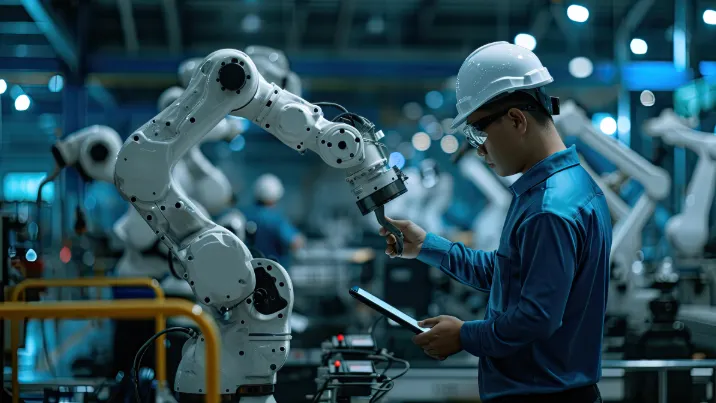
Manufacturers Face Challenges in Implementing AI on the Shop Floor
A recent report highlights that while 75% of manufacturers have integrated AI into their enterprise strategies, only 20% of these initiatives achieve their business goals. This gap underscores the need for better integration of AI with operational systems and human decision-making processes. The Infosys Manufacturing Tech Index: AI Pulse indicates that the success of AI in manufacturing is closely tied to the convergence of information technology (IT) and operational technology (OT). Effective AI applications require a cohesive operating view that combines data from various sources, including production telemetry, enterprise systems, and maintenance records. Looking ahead, manufacturers must focus on bridging the IT/OT divide to enhance AI's impact on production decisions. The integration of predictive maintenance, digital twins, and computer vision systems will be crucial for enabling real-time responses and improving operational efficiency. No further timeline was disclosed at the time of publication.

Hitachi Collaborates with Agile Robots to Advance Physical AI for Manufacturing Automation
Hitachi has entered into a partnership with Agile Robots to develop physical AI systems aimed at automating complex factory tasks that require human adaptability. This collaboration merges Hitachi's expertise in AI, manufacturing, and edge computing with Agile Robots' advanced robotics platform, including their humanoid robot and AI-driven software. The significance of this partnership lies in its potential to enhance manufacturing processes by enabling robots to recognize changing conditions and make autonomous decisions. This aligns with Hitachi's broader initiative to create an HMAX Industry ecosystem, which aims to promote more autonomous manufacturing solutions globally. Looking ahead, the partnership is expected to expand Agile Robots' applications in various sectors, including automotive manufacturing and healthcare. No further timeline was disclosed at the time of publication.
Business & Markets Humanoids Physical AI AI Germany humanoid robotics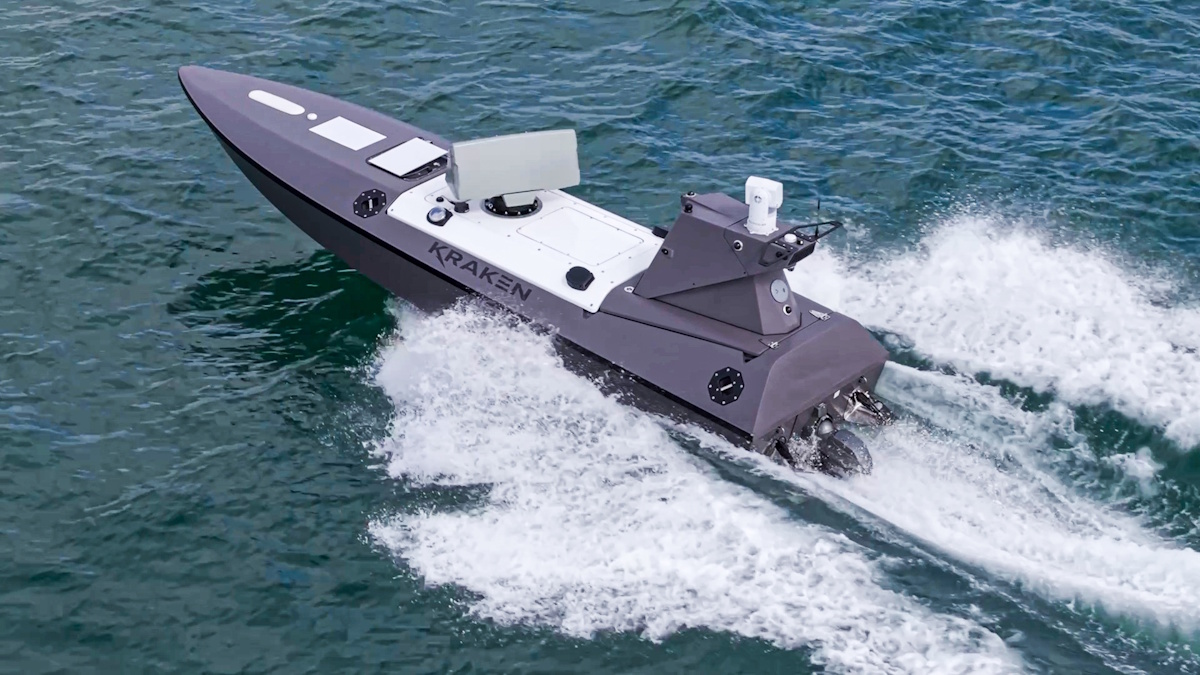
Saab UK and Kraken Develop Experimental Autonomous 'Drone Seeker' Vessel
Saab UK and Kraken have announced the development of an experimental autonomous 'drone seeker' vessel aimed at enhancing maritime security against aerial threats. This prototype integrates Saab's Giraffe 1X radar with Kraken's K3 Scout platform, creating a counter-UAS system that can operate independently or alongside traditional vessels. The collaboration is significant as it aligns with the UK Government's Defence Investment Plan, promoting a hybrid navy concept where autonomous vessels work in tandem with conventional assets. The Giraffe 1X radar is designed to detect and track airborne threats, providing early warnings of drone incursions, which is crucial for protecting shipping and critical infrastructure. Currently in the experimental phase, the prototype has undergone sea trials to assess its radar performance. The rapid development, completed in under seven months, showcases the capabilities of both companies to address evolving maritime security needs. No further timeline was disclosed at the time of publication.
saab uk kraken collaboration autonomous ‘drone seeker’ vessel
Panasonic Plans to Develop Humanoid Robots, Targeting Production by 2029
Panasonic Holdings has announced its intention to develop humanoid robots, as confirmed by Akira Sakakibara, the company's chief AI officer, in a recent interview. The Japanese technology firm aims to commence production of these robots by the year 2029, focusing on their application in plants and warehouses. This initiative is significant as it highlights Panasonic's strategic move to leverage its existing battery business in the robotics sector. The development of humanoid robots could enhance operational efficiency in various industrial settings, aligning with the growing trend of automation and AI integration in manufacturing processes. Looking ahead, industry observers will be keen to see how Panasonic's plans unfold and whether they can successfully integrate their battery technology into the design and functionality of these humanoid robots. No further timeline was disclosed at the time of publication.
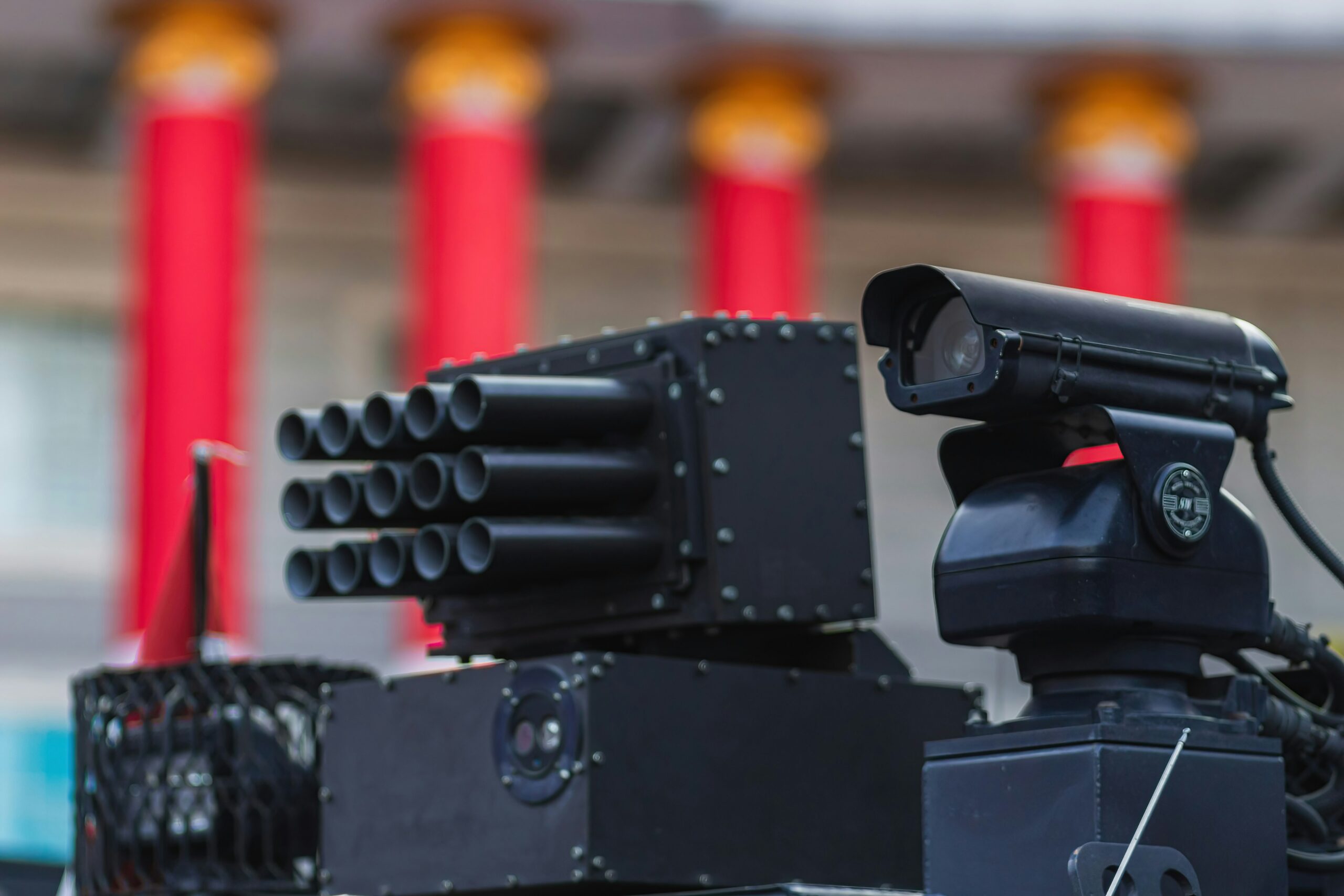
Robotics and Physical AI Addressing Key Physical Security Challenges in 2026
In 2026, over $23 billion has been invested in enhancing the integration of robotics and artificial intelligence for physical security. This investment aims to address the increasing complexity of threats against critical infrastructure, such as data centers and manufacturing plants. The adaptive capabilities of these technologies are essential for organizations to protect their assets effectively. The intersection of cybersecurity and physical protection presents new challenges, as demonstrated by the Jaguar Land Rover incident, where cyber breaches led to significant operational disruptions. Organizations must adapt to a rapidly changing security landscape, where legacy systems can exacerbate vulnerabilities. The need for proactive security measures is more pressing than ever, particularly in critical industries. At GTC Taipei 2025, companies like Foxlink showcased innovations such as the “robot dog,” designed to enhance physical security through adaptive functions and smart sensors. This technology represents a shift towards a more proactive security environment, enabling organizations to respond to complex threats effectively. No further timeline was disclosed at the time of publication.
Artificial Intelligence Artificial Intelligence / Cognition Automotive Autonomous Mobile Robots (AMRs) Cameras / Imaging / Vision Manufacturing
UC3M and UPNA Develop Advanced Soft Robotic Gripper for Object Manipulation
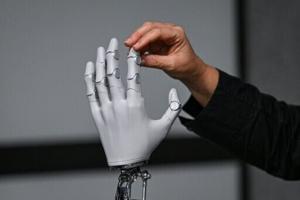
Professors at Universidad Carlos III de Madrid (UC3M) and Universidad Pública de Navarra (UPNA) have created a soft robotic gripper that can pick up, hold, and manipulate objects. This innovative gripper is designed to reposition items securely between its fingers without losing grip. The development of this soft robotic gripper is significant as it enhances the dexterity and functionality of robotic systems, making them more versatile in handling various objects. This advancement could lead to improved applications in fields such as logistics, manufacturing, and healthcare, where precise manipulation is essential. Looking ahead, the implications of this technology could reshape how robots interact with their environment. No further timeline was disclosed at the time of publication.
Robotics
The Patent Office Will Determine Winners in the Physical AI Race
Lightbringer's co-founders emphasize that advancements in AI, machine learning, and automation have transformed robotic capabilities. As competition escalates, success in the physical AI race is increasingly tied to ownership of the technology that governs robot behavior rather than the robots themselves. This complex intellectual property landscape requires robotics founders to strategically patent their innovations to avoid being outmaneuvered by competitors. The importance of a robust patent strategy is underscored by the experiences of startups, which often falter when they delay patenting their core technologies. The legal battle between Boston Dynamics and Ghost Robotics over core technology illustrates the critical nature of intellectual property in robotics. Startups, particularly in swarm robotics, face unique challenges in patenting behaviors that emerge from interactions among machines, raising questions about the patentability of such innovations. As the robotics industry evolves, the potential for patent disputes is expected to grow, reminiscent of the smartphone industry's past. A strong patent portfolio is essential for startups to navigate this landscape effectively, ensuring they protect their innovations before competitors can claim them. No further timeline was disclosed at the time of publication.
Artificial Intelligence Business Resources Manufacturing News Opinion Software / Simulation
SpaceX S-1 Flags Orbital AI Data Centres as High-Risk, Early-Stage Ventures
SpaceX's confidential IPO filing frames orbital AI data centres as early-stage and commercially unproven, flagging Starship dependency and extreme space environment risks as key uncertainties.

AI Space Data Centers: Power the Next Generation of Robotics
From Starcloud's $170M Series A to Google's Project Suncatcher and China's operational LEO constellations, AI space data centers are moving from concept to infrastructure. Here's what the robotics industry needs to know.
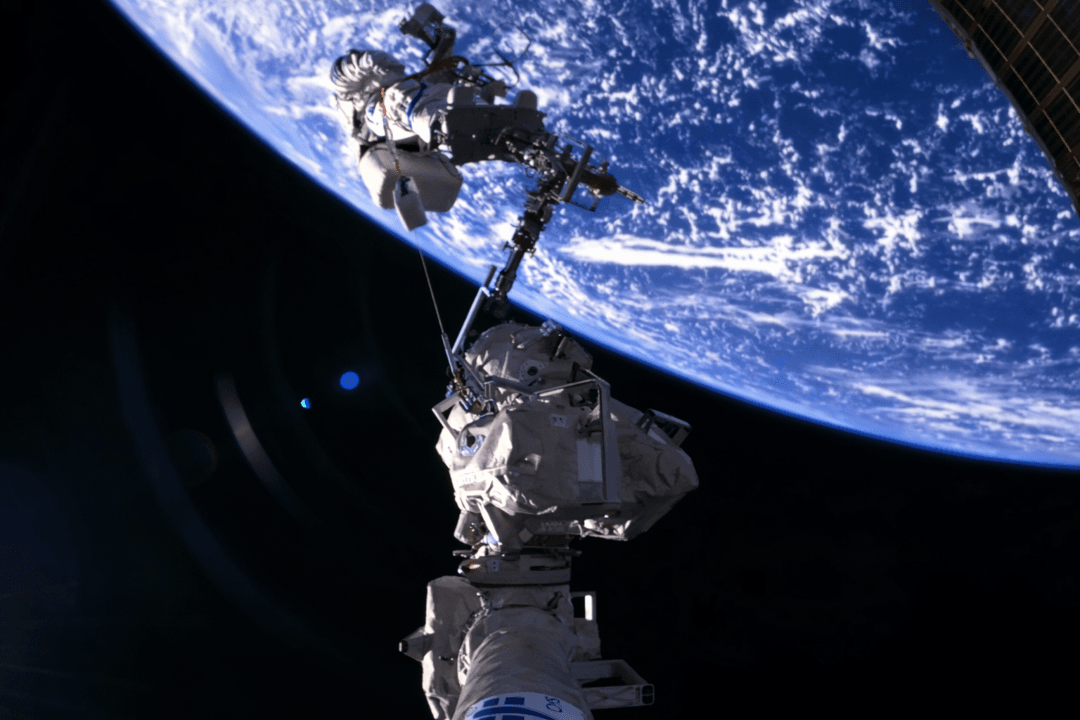
China vs. The World: A Space Robotics Competitive Analysis
A domain-by-domain competitive benchmark of China versus the international space robotics field — covering on-orbit servicing, lunar ISRU, space station
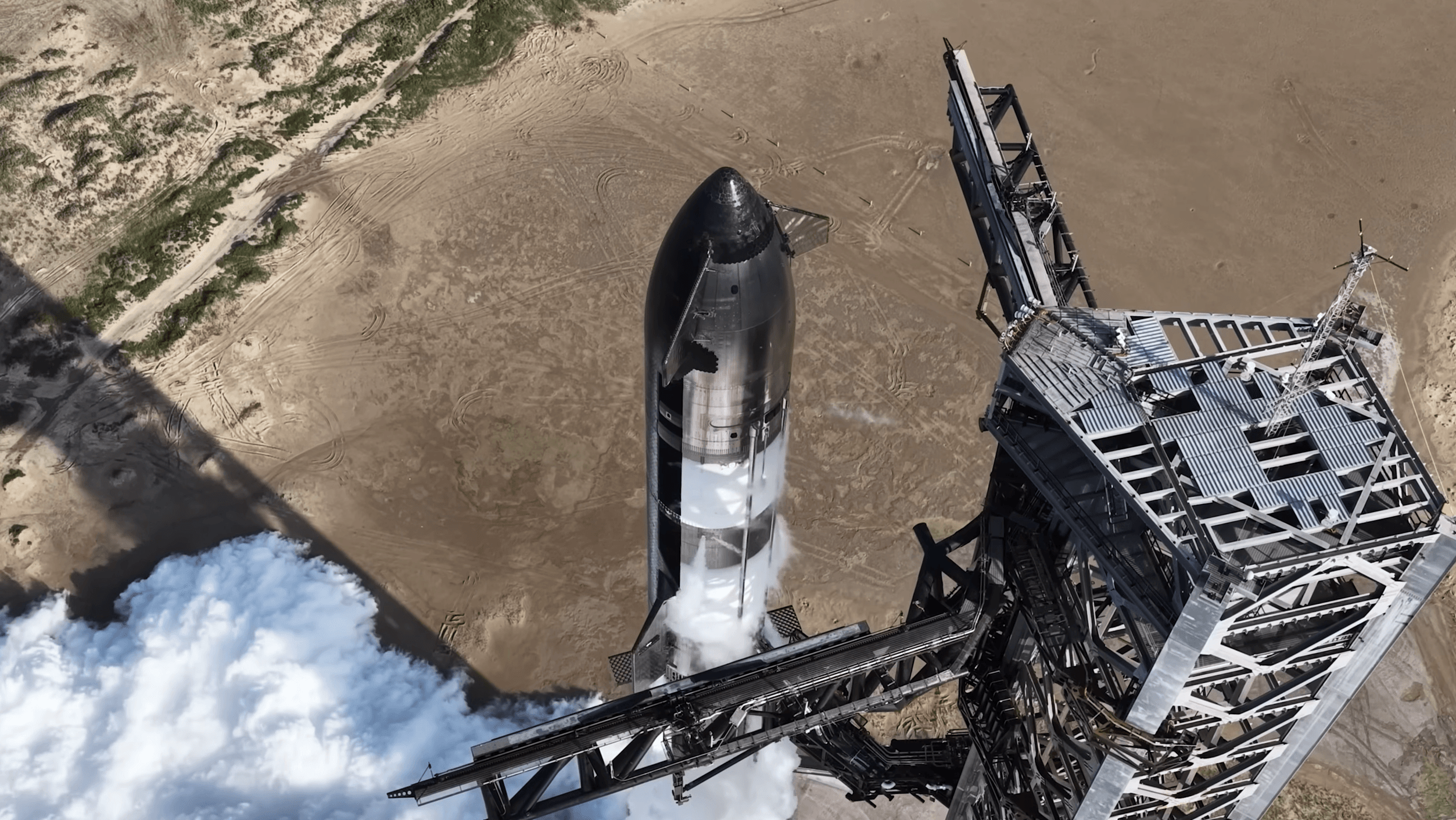
EXECUTIVE BRIEFING: The 2026 Space Robotics Landscape
Explore the definitive 2026 directory of 95+ space robotics leaders, covering orbital servicing, lunar rovers, and in-space manufacturing. Download the complete RobotToday reference guide to track the companies, funding, and technologies driving the $24B orbital economy.
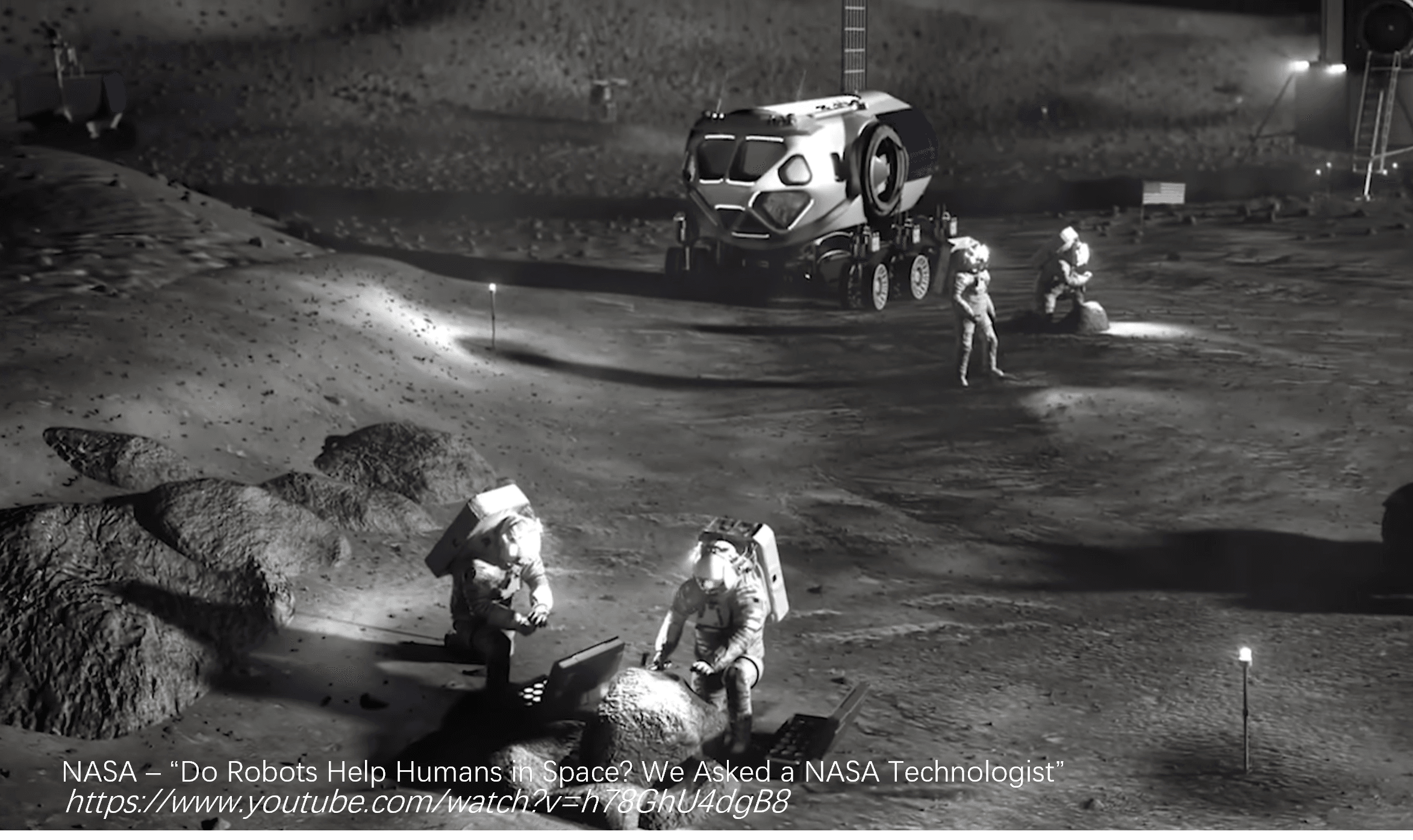
Space Robot- Building Skyscrapers in Space: ISMA's Industrial Revolution
ISAM technology breaks rocket fairing limits through robotic space manufacturing. Market grows from $3.5B to $14.5B by 2032. See how 3D printing, autonomous assembly, and orbital fabrication are creating off-Earth factories.

RobotToday Weekly Industry Briefing: Feb 9 – 13, 2026
Feb 9-13, 2026: Apptronik raises $520M for humanoid production, GE Aerospace deploys AI robots for jet maintenance, Weave ships first laundry-folding robot, and IFR releases AI in robotics position paper. Physical AI reaches commercial scale across industry and home.
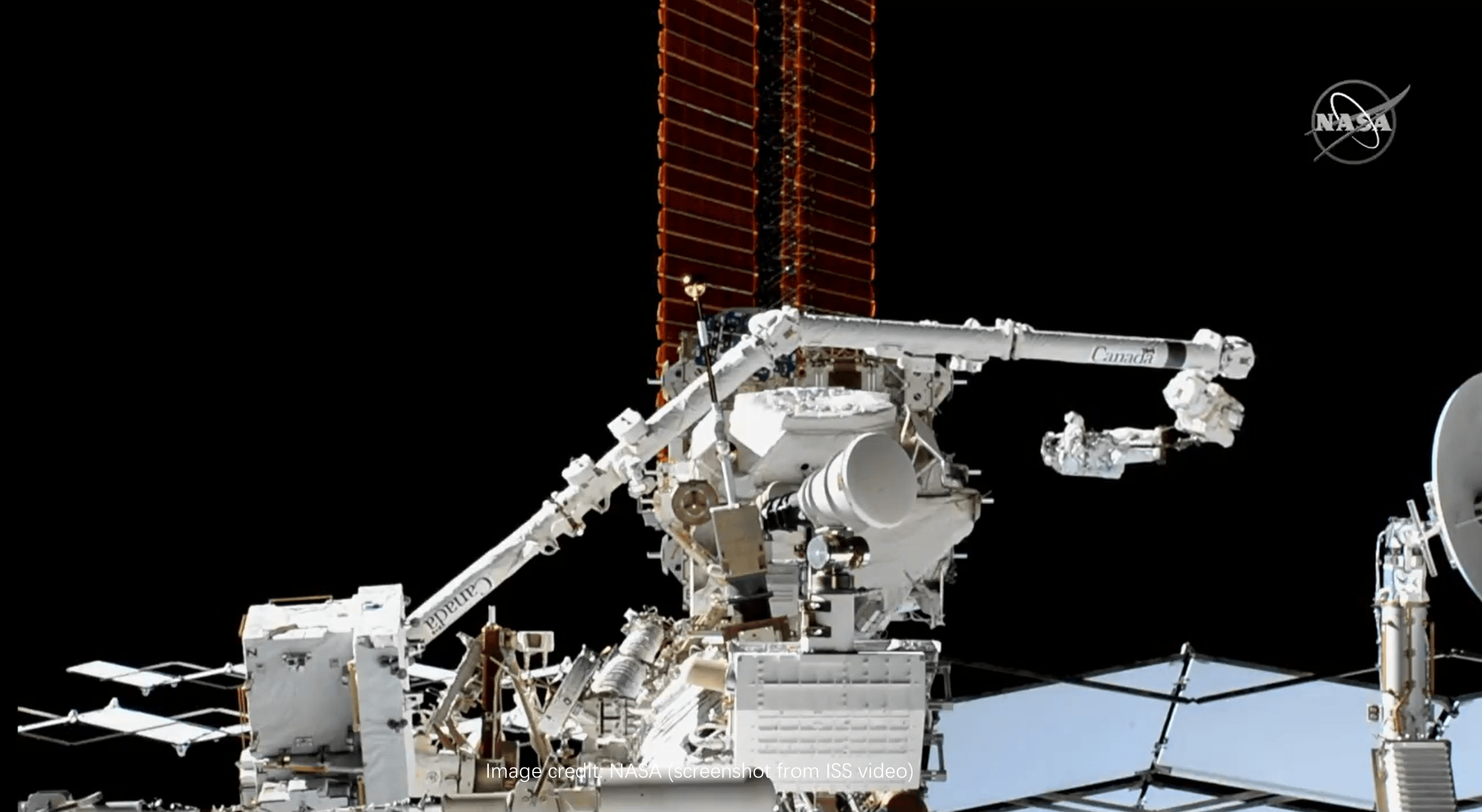
Space Robot - Space Station's AI Assistants: From Robotic Arms to Autonomous Partners
Space station robots evolve from remote tools to autonomous AI partners. How embodied intelligence reshapes human-robot collaboration in orbit.
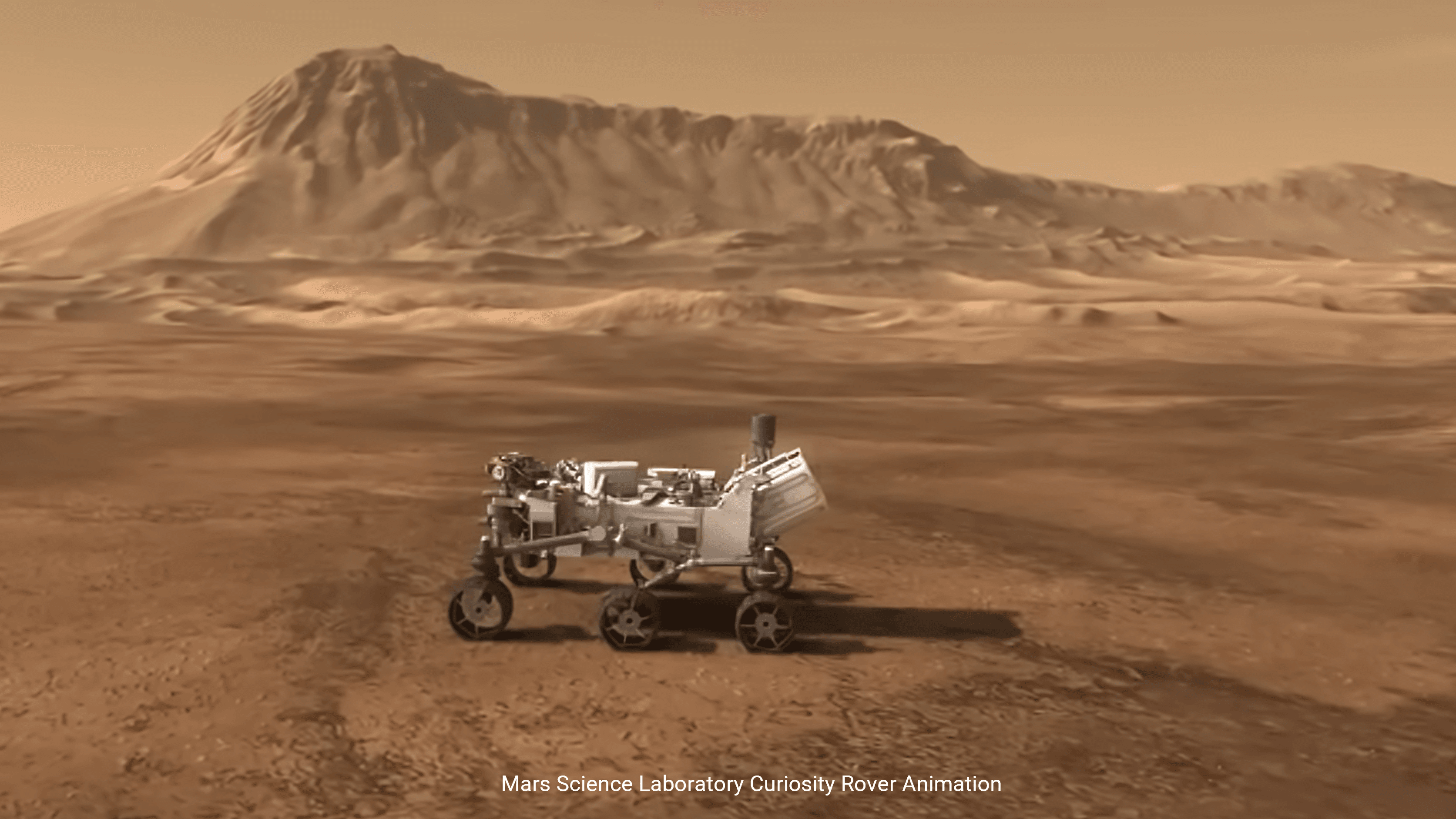
Space Robot- Lunar Rovers: Building Infrastructure on the Moon
Lunar rovers face -180°C nights and glass-sharp dust while building moon infrastructure. Inside the engineering challenges, commercial strategies, and international competition shaping planetary robotics.

RobotToday Weekly Industry Briefing: Feb 2 – 6, 2026
Robotics shifted from demos to deployment post-CES 2026, led by China’s humanoid scale, AI robot brains, and accelerating industrial adoption.
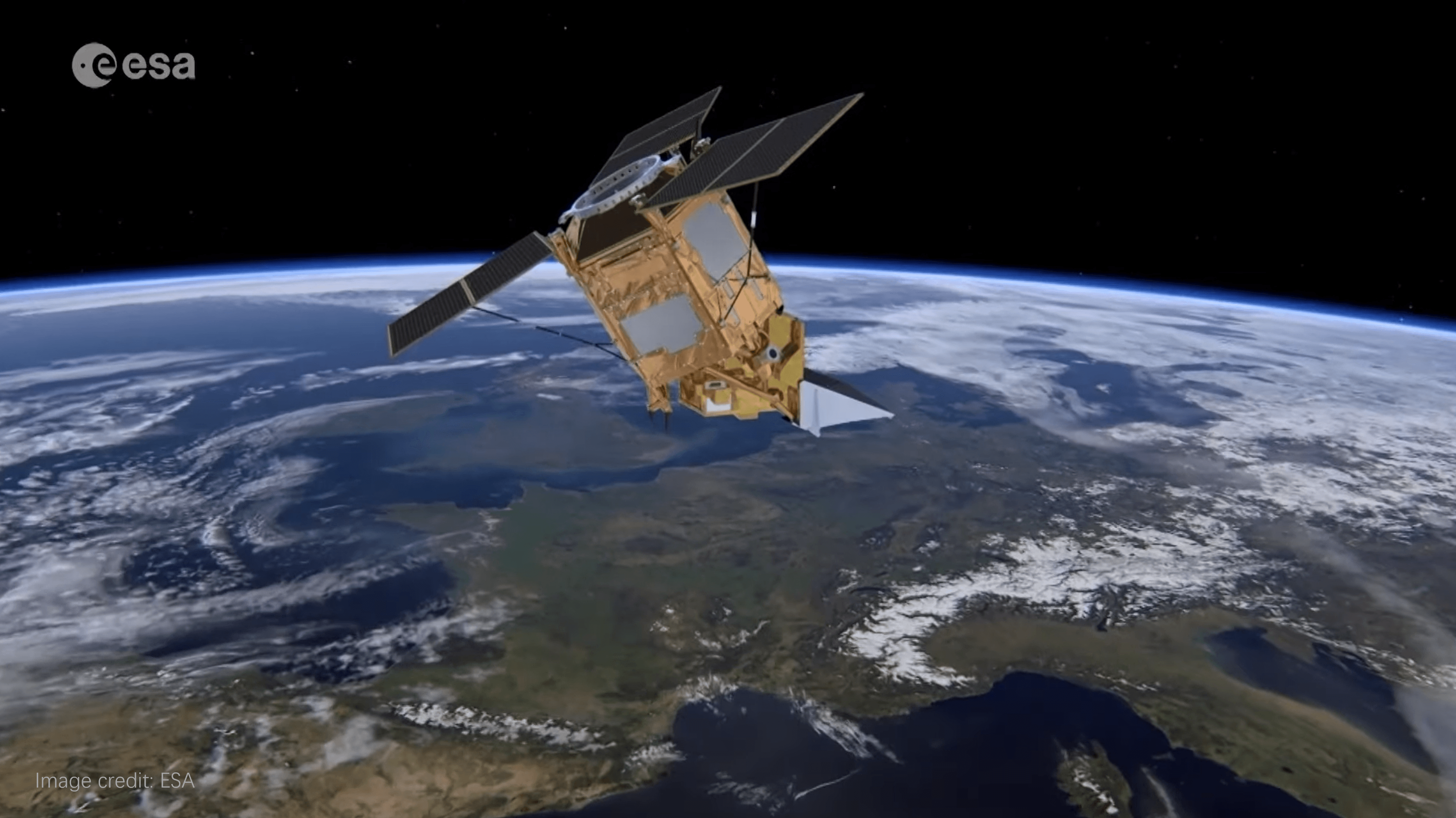
Space Robot - Killer App: The $30B Satellite Servicing Market
Orbital servicing is transforming space economics: $2B wasted annually on premature satellite deaths. Market growing from $500M to $20-30B by 2040. Deep dive into Astroscale, Northrop Grumman MEV, and the business of satellite refueling and debris removal.


