


Nimble
"Fully Autonomous Fulfillment"
San Francisco robotic 3PL founded 2017; AI picking robots in autonomous fulfillment centers; $1B valuation after $106M Series C led by FedEx.
Contact Nimble
WEBSITE
https://www.nimble.ai/HEADQUARTERS
United States

Company Facts
Founded
2017
Primary Role
Manufacturer
Company Size
-
Primary Region
North America
Annual Sales
-
Funding Stage
-
Funding Total
-
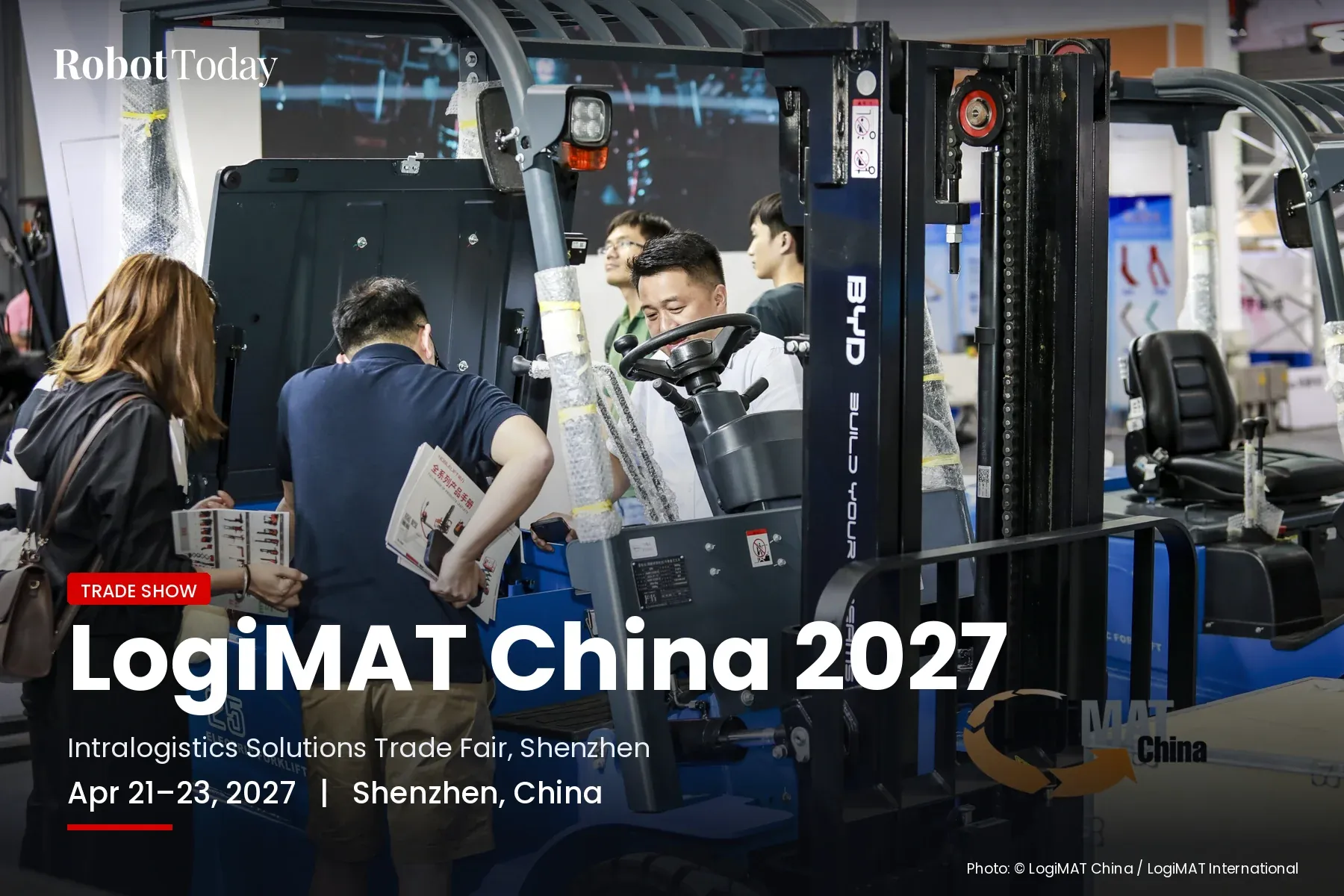
LogiMAT China 2027: April 21–23, Shenzhen
LogiMAT China 2027 runs April 21–23 in Shenzhen, featuring AMRs, smart sorting, 3D-vision picking and AI logistics from the Greater Bay Area robotics base.
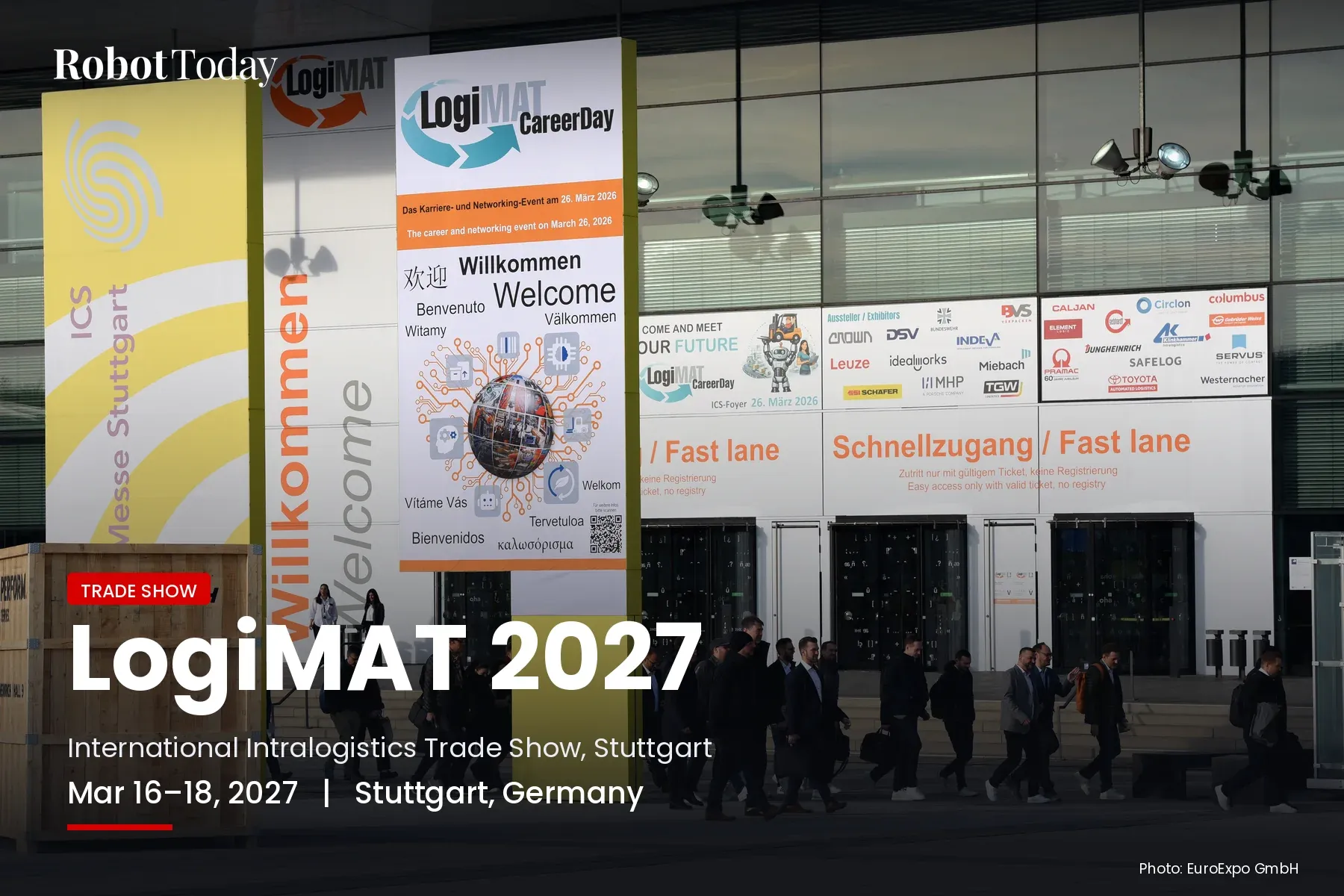
LogiMAT 2027: March 16–18, Messe Stuttgart
Meta description LogiMAT 2027 runs March 16–18 at Messe Stuttgart under the theme "MIND MEETS MACHINE", with AI, AMRs and humanoid robots in focus for intralogistics.

Camtastic GigE Cameras Deliver Reliability and Precision in Sugar-Cube Format
Camtastic has announced its GigE cameras, which provide exceptional image processing capabilities through a GigE-Vision platform. This platform ensures seamless integration and rapid deployment within a comprehensive GigE ecosystem. The introduction of these cameras is significant as they enhance the reliability and precision of image processing tasks, catering to various industrial applications. The GigE-Vision platform allows for efficient connectivity and interoperability, which is crucial for modern automation and imaging systems. Looking ahead, industry professionals should monitor the adoption of Camtastic's GigE cameras in various sectors that require high-performance imaging solutions. No further timeline was disclosed at the time of publication.
Allgemein
Manufacturers Face Challenges in Implementing AI on the Shop Floor
A recent report highlights that while 75% of manufacturers have integrated AI into their enterprise strategies, only 20% of these initiatives achieve their business goals. This gap underscores the need for better integration of AI with operational systems and human decision-making processes. The Infosys Manufacturing Tech Index: AI Pulse indicates that the success of AI in manufacturing is closely tied to the convergence of information technology (IT) and operational technology (OT). Effective AI applications require a cohesive operating view that combines data from various sources, including production telemetry, enterprise systems, and maintenance records. Looking ahead, manufacturers must focus on bridging the IT/OT divide to enhance AI's impact on production decisions. The integration of predictive maintenance, digital twins, and computer vision systems will be crucial for enabling real-time responses and improving operational efficiency. No further timeline was disclosed at the time of publication.
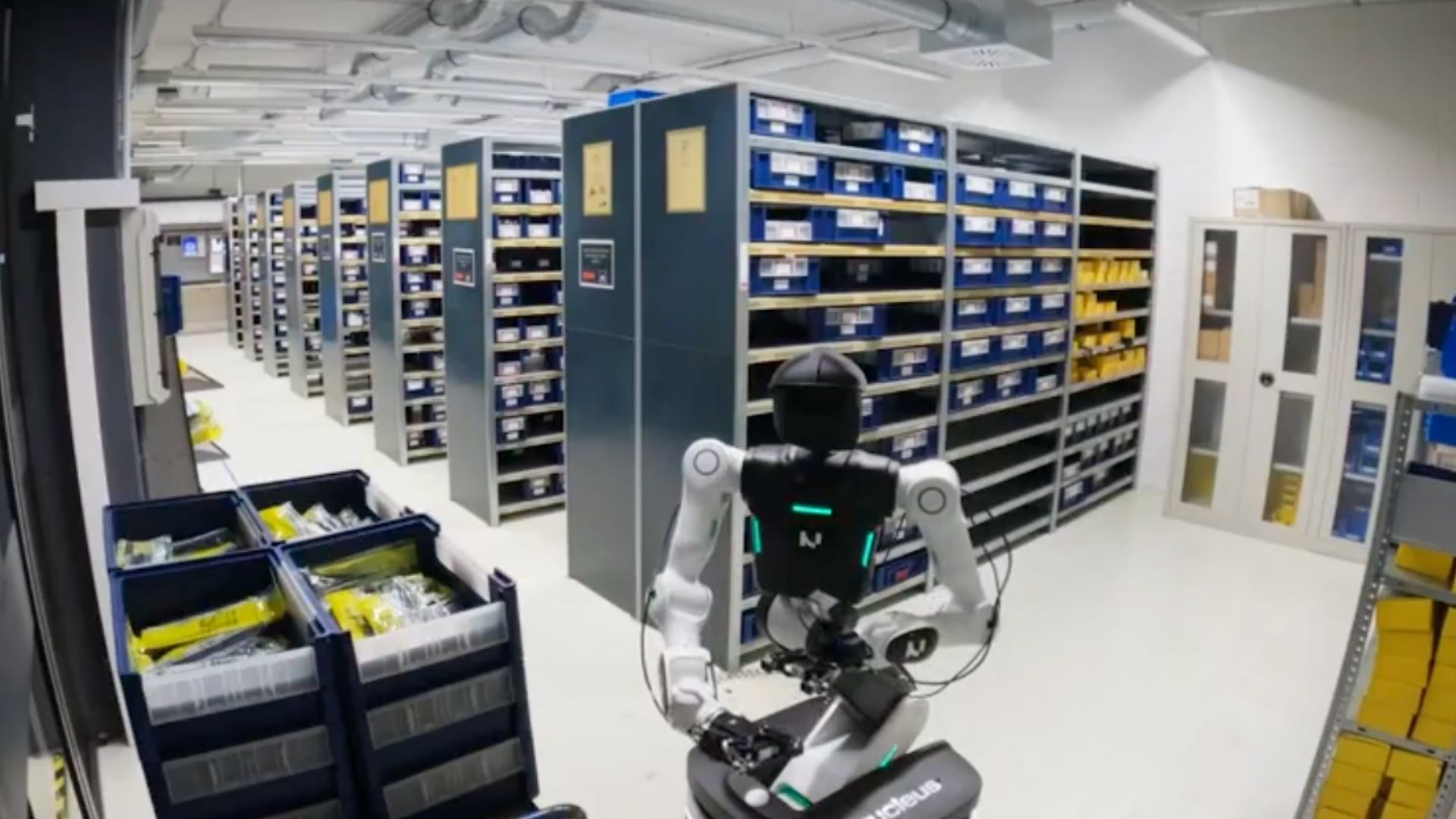
Nucleus Demonstrates Humanoid Robot Performing Factory Tasks with 60% Autonomy
Nucleus has released nearly two hours of uncut footage showcasing its humanoid robot performing factory tasks, revealing a reliance on human assistance. The demonstration, shared by CEO Melvin Schwarz on October 1, indicated that the robot operated approximately 60% autonomously and 40% through teleoperation, although the method for calculating these percentages was not disclosed. This demonstration is significant as it highlights the ongoing challenge of maintaining useful robotic work over extended periods. Nucleus aims to prove that its robots can effectively integrate into industrial workflows, running shifts of four to six hours while completing tasks from start to finish, albeit with necessary human intervention. Looking ahead, Nucleus is focused on refining its AI systems through real-world applications, capturing data from both successful operations and instances requiring human guidance. This feedback loop is essential for improving the robot's capabilities, particularly in adapting to varying factory conditions and ensuring consistent performance across different tasks.
AI and Robotics
Podcast Discusses Smarter Predictive Asset Management and Its Operational Benefits
In a recent episode of Automation World Gets Your Questions Answered, Chris McNamara interviews Steve Kaminski from Banner Engineering. Kaminski discusses how condition monitoring transforms machine data into actionable insights, enabling manufacturers to maintain efficiency and prevent failures. He emphasizes starting with critical equipment like compressors and pumps for optimal results. This conversation is significant as it underscores the importance of condition monitoring in enhancing operational efficiency. By utilizing Banner’s Snap Signal ecosystem, manufacturers can integrate various sensors into a cohesive data network, which aids in early detection of mechanical issues and optimizes maintenance schedules. This proactive approach can lead to reduced downtime and lower operational costs. Looking forward, Kaminski anticipates advancements in user-friendly systems that will facilitate both basic monitoring and automated maintenance workflows. No further timeline was disclosed at the time of publication.
Sponsored
FMC³ Robotics, Vector Informatik, and PEM Motion Form Joint Venture for Embodied AI Development
At the Humanoid Robots Summit 2026 in Stuttgart, FMC³ Robotics, Vector Informatik, and PEM Motion signed a memorandum of understanding to develop a standardized data infrastructure for industrial embodied AI. This collaboration aims to enhance the collection, processing, training, validation, deployment, and continuous improvement of AI-powered robotic systems in manufacturing environments. The partnership is significant as it combines the strengths of the three companies in production engineering, standardized industrial data technologies, and embodied AI. As robots transition from pilot projects to real production, the need for high-quality data and a robust infrastructure becomes critical for reliable performance in manufacturing settings. Looking ahead, the focus will be on creating a unified data infrastructure based on standardized protocols to support multimodal data collection and processing. No further timeline was disclosed at the time of publication.

Understanding the Concept of 'Open' in Industrial Automation
The term 'Open' has become ubiquitous in industrial automation, but its meaning is often vague. It encompasses various measures, and suppliers may be open in some aspects while closed in others. Buyers should ask specific questions to discern the true openness of a platform or system. Historically, Open Automation 1.0 focused on interoperability, allowing different systems to communicate without custom drivers. With standards like OPC UA and MQTT, this challenge has largely been addressed. Open Automation 2.0 shifts the focus to application freedom, enabling users to run third-party software on devices, which enhances flexibility and reduces costs. As suppliers navigate the balance between openness and security, buyers must recognize that openness involves trade-offs. While opening systems can increase vulnerability, established standards like ISA/IEC 62443 provide frameworks for maintaining security. Understanding these dynamics is crucial for making informed decisions in industrial automation.
Exploring the Impact of Manipulated Inputs on Robot Safety Functions
VicOne LAB R7 investigates how manipulated inputs can affect robot behavior and safety. Mobile robots, collaborative arms, and humanoids rely on accurate environmental data to function safely. When inputs are incorrect, whether due to faults or deliberate manipulation, robots may respond inappropriately, raising concerns about safety protocols. Understanding the implications of these findings is crucial for safety and security teams. Research indicates that adversarial inputs can lead to unintended robot actions, as demonstrated in various tests involving vision-language-action models and audio manipulation. These studies highlight the need for robust safety assessments that account for both accidental faults and deliberate cyber threats. Looking ahead, organizations must evaluate their safety measures to ensure they can detect manipulated inputs effectively. The potential for attackers to exploit vulnerabilities in robot systems necessitates a reevaluation of risk assessments and safety protocols. No further timeline was disclosed at the time of publication.
Sponsored Content VicOne
New Theory Suggests Cognition and Consciousness Stem from Analog Computations in the Brain
A new theory published in The Journal of Neuroscience by scientists at MIT's Picower Institute explains that the brain produces cognition and consciousness through traveling waves of rhythmic neural activity. This process coordinates nimble neural networks using analog computations rather than relying solely on the slower chemical processes of synapses. The research, led by Picower Professor Earl K. Miller, emphasizes that while circuits and synapses are fundamental, the brain's ability to generate waves allows for efficient computation and coordination among millions of neurons. This insight not only enhances our understanding of cognitive processes but also suggests potential clinical applications for manipulating brain wave dynamics in treatments. Miller and his colleagues highlight the significance of mixed selectivity in neurons, which enables them to participate in multiple functional networks simultaneously. The theory posits that different frequency brain waves, such as alpha and beta waves, regulate cognitive functions and sensory processing, providing a framework for understanding how the brain organizes information rapidly and flexibly.
Research Brain and cognitive sciences Anesthesia Learning Memory Autism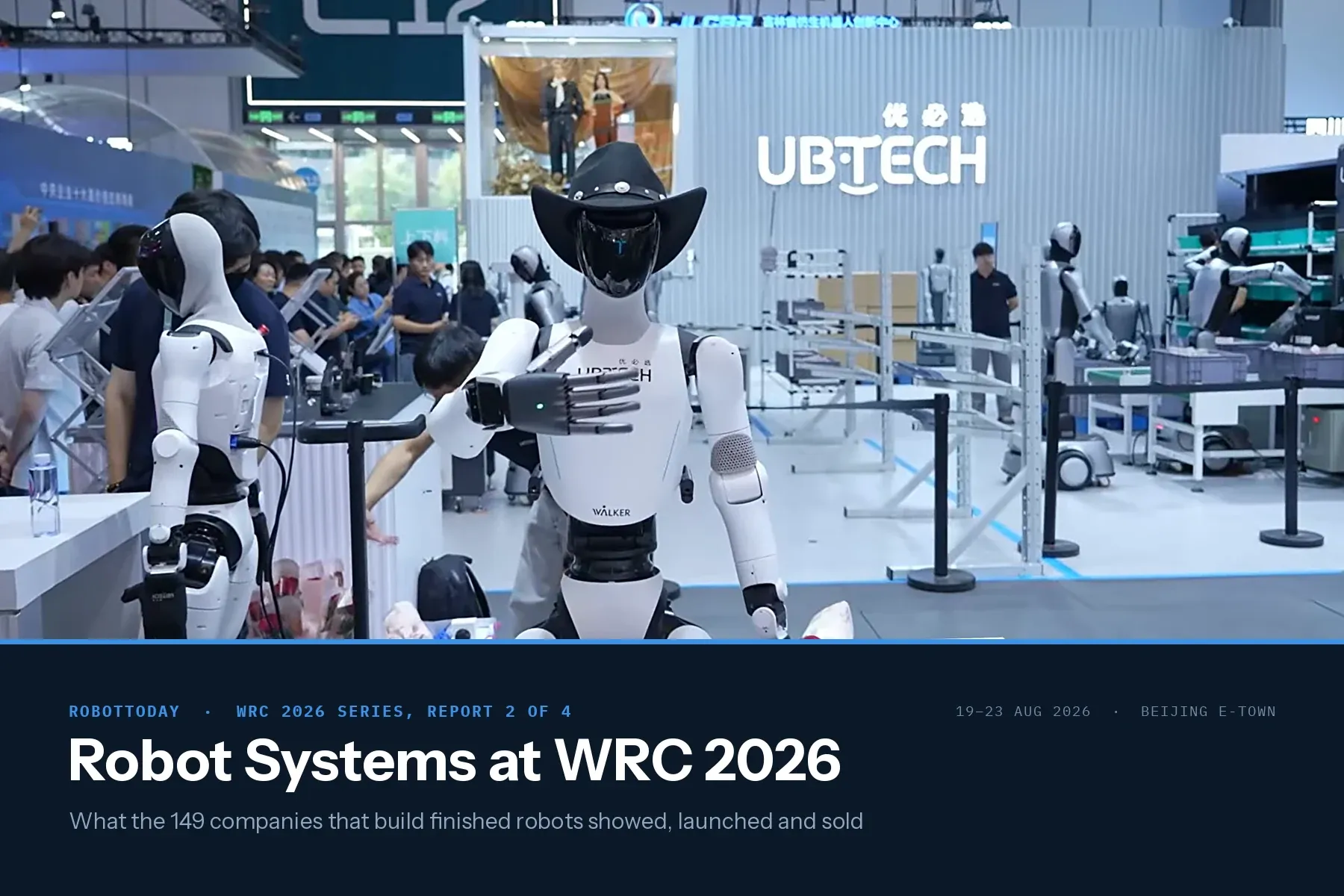
WRC 2026 Robot Systems: 149 Companies That Build Robots
149 of the 248 classified WRC 2026 exhibitors build finished robots. 93 build humanoid or legged machines. The audited humanoid sales number is one unit.
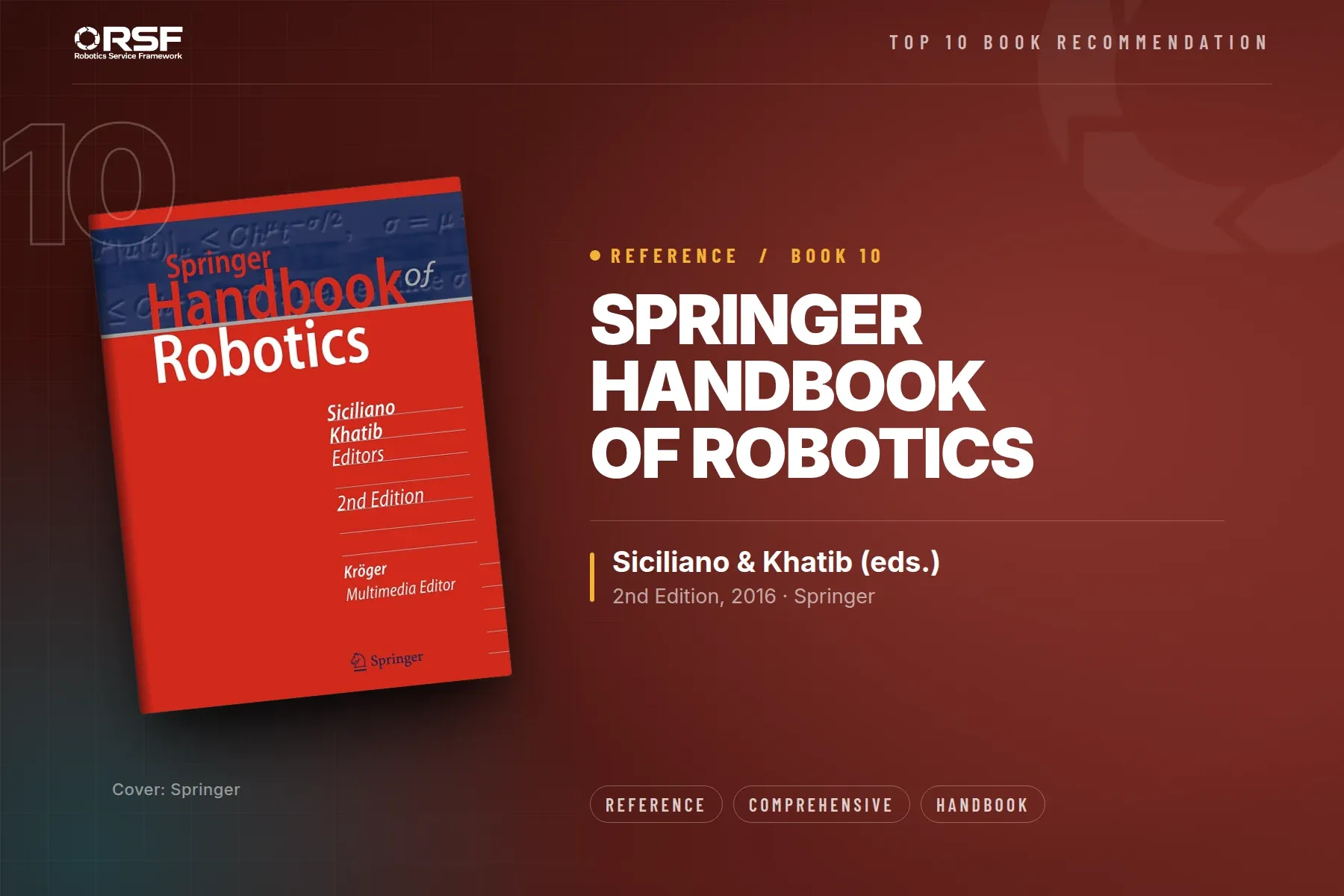
Springer Handbook of Robotics B. Siciliano & O. Khatib (eds.) — RSF Top 10 Robot Education Textbooks · No. 10
Eighty-plus chapters, 2,300 pages, nobody reads it cover to cover. It ranks for one reason: when a fault crosses domains, this is the reference of record.

Autonomous Mobile Robots Siegwart, Nourbakhsh & Scaramuzza — RSF Top 10 Robot Education Textbooks · No. 3
AMR and AGV fleets are the biggest robot service market. Siegwart decodes the vendor manual: odometry, localization, cost maps.

Robotics, Vision and Control Peter Corke — RSF Top 10 Robot Education Textbooks · No. 5
Most books you read; Corke's you run. Every concept ships as executable Python via the open Robotics Toolbox. The code softens the maths.
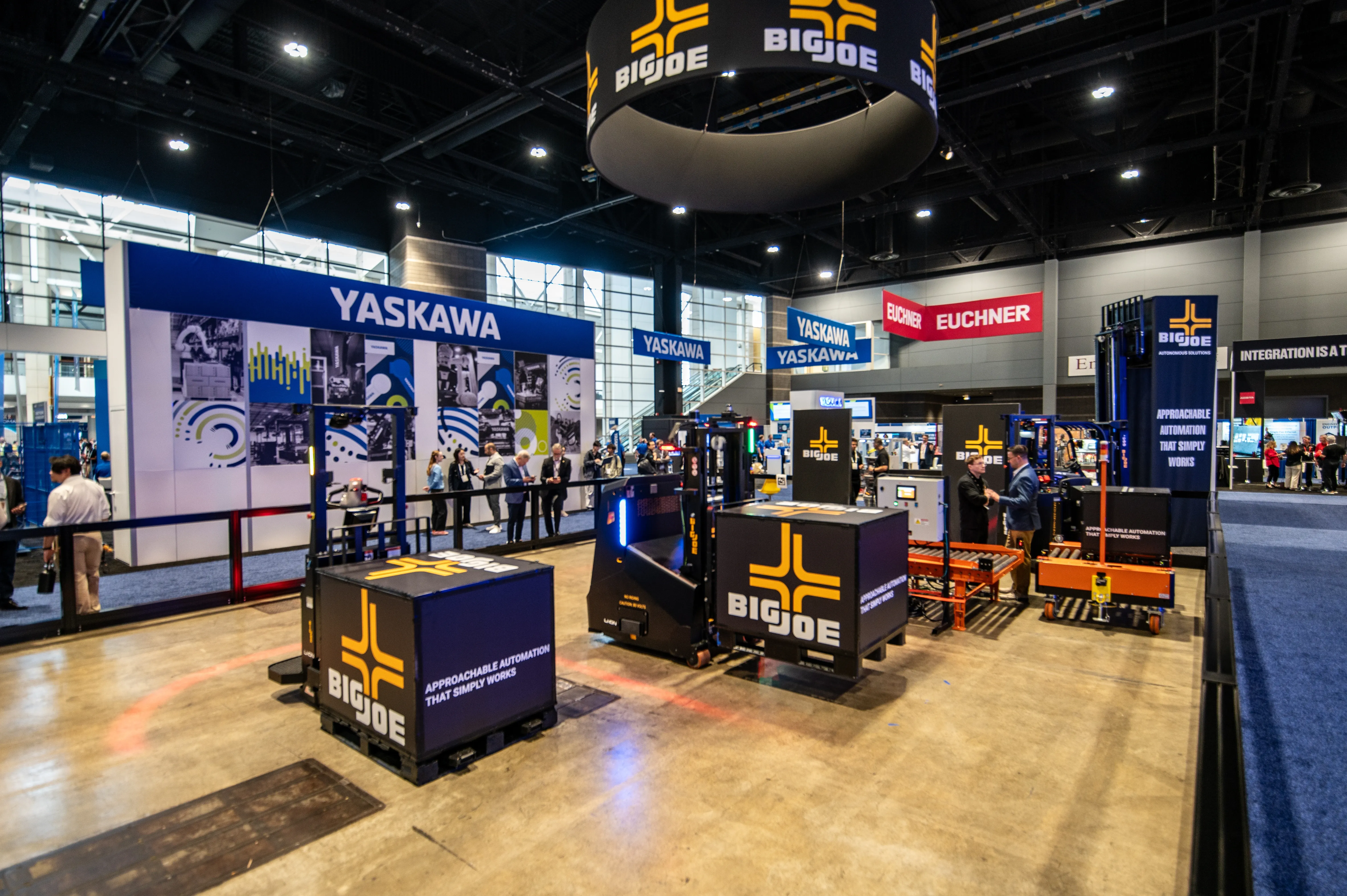
Big Joe's Four-Product AMR Push at Automate 2026: What It Reveals About the North American Warehouse Automation Market
RobotToday analyzes Big Joe's four new autonomous vehicles launched at Automate 2026 — AP44, ASC40, ATC100, ACV40 — in the context of North America's warehouse labor shortage and AMR market growth.
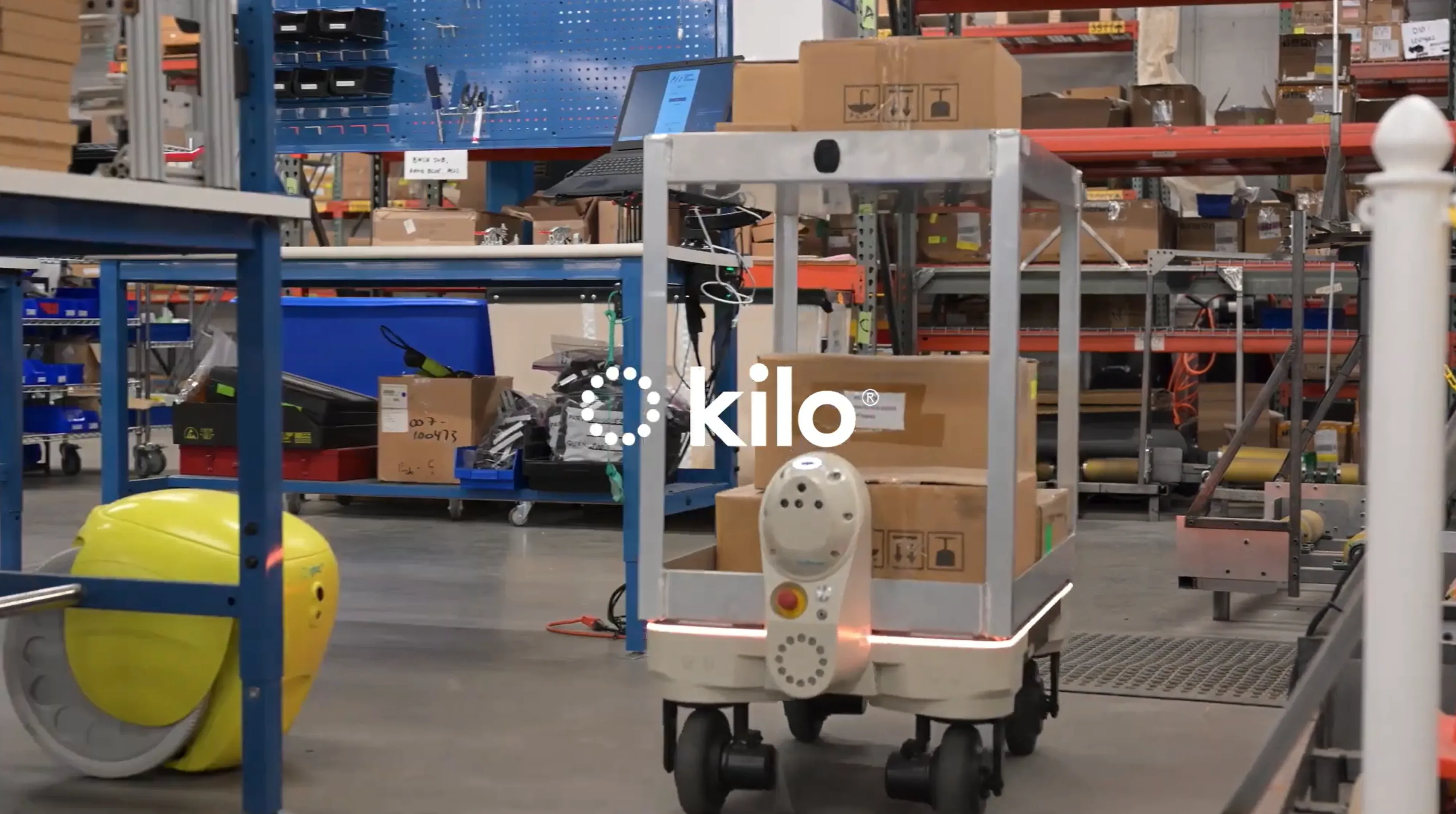
Piaggio Fast Forward Brings kilo® Autonomous Mobile Robot to Automate 2026
Piaggio Fast Forward showcases kilo®, an infrastructure-free collaborative AMR (300 lb payload, 360° LiDAR), at Automate 2026 booth #17054.
![[David Ignatius] A US industrial revolution](/uploads/2026/05/9722277339112679.jpg)
[David Ignatius] A US industrial revolution
A Pittsburgh-based start-up, Gecko Robotics, is pioneering advancements in manufacturing and maintenance within the defense industry through the use of innovative robotic technology. The company's co-founder and CEO, Jake Loosararian, showcased a nimble robot designed to inspect for flaws on a large steel tube, which simulates a nuclear submarine reactor. This development represents a significant shift in how routine tasks are performed in both the defense sector and potentially across American manufacturing. By integrating robotics into these processes, Gecko Robotics aims to enhance efficiency and accuracy, marking a transformative moment in industrial practices.
All News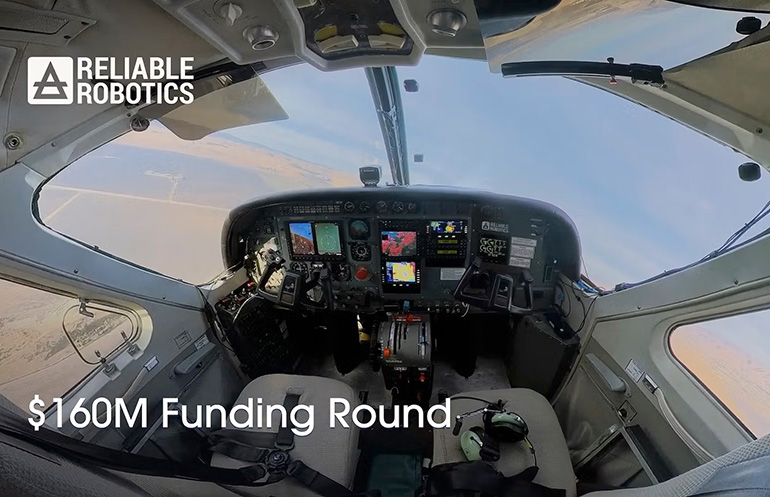
Reliable Robotics raises funding for fully automated aircraft
Reliable Robotics has successfully secured $160 million in funding to advance its development of the Reliable Autonomy System, aimed at achieving FAA certification for fully automated aircraft. This significant investment will support the company's efforts to enhance both civilian and military aviation through automation technology. As the demand for innovative solutions in the aerospace sector grows, Reliable Robotics is positioning itself at the forefront of this transformation, striving to revolutionize how aircraft operate autonomously.
Aerospace Defense / Security Drones Investments Mobility / Navigation News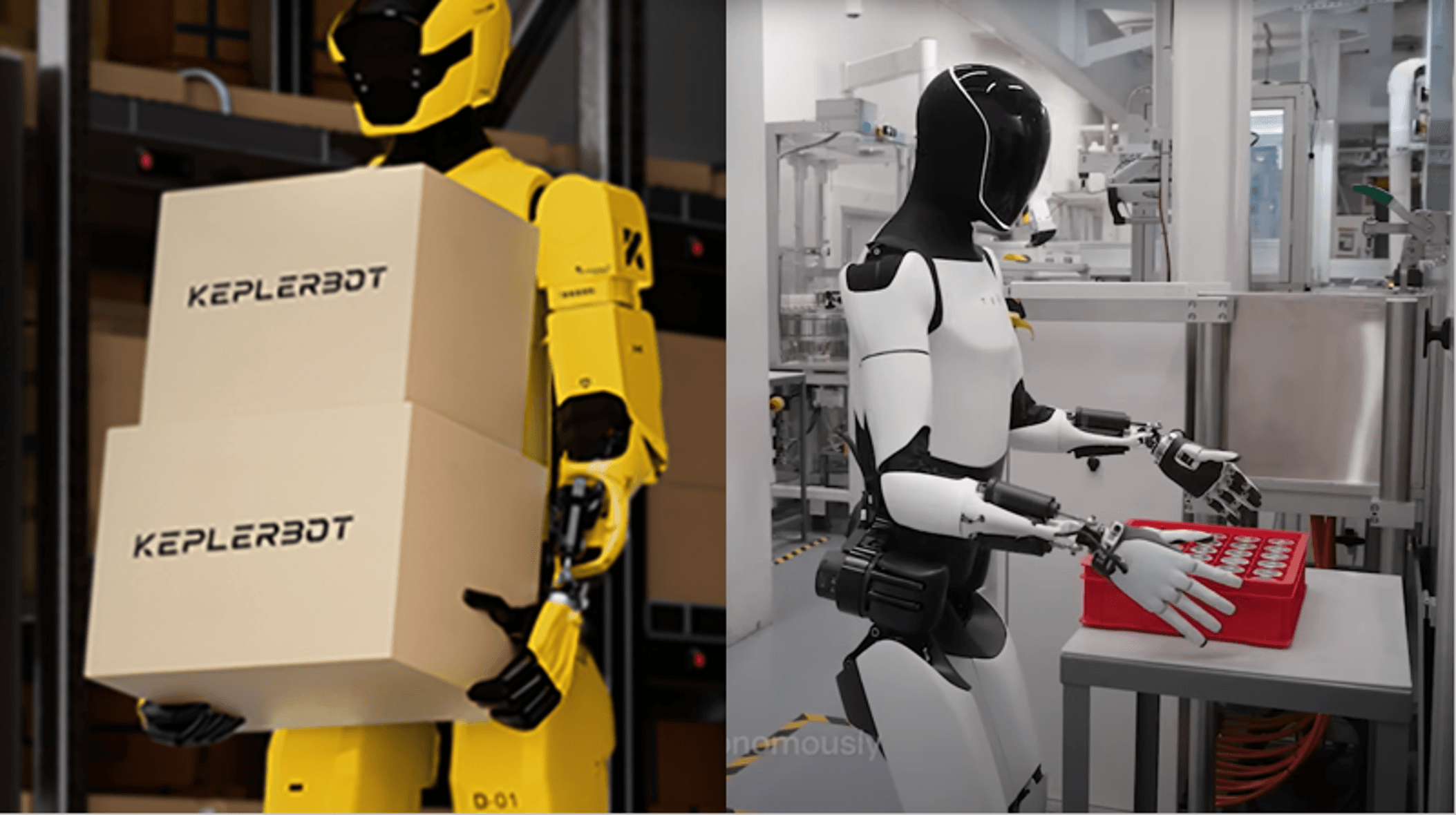
The Battle Between Optimus and K2: Hybrid Humanoids Enter Mass Production
Tesla’s Optimus and Korea’s K2 humanoid robots are entering mass production, setting the stage for a competitive era in hybrid robot deployment and scale-up.
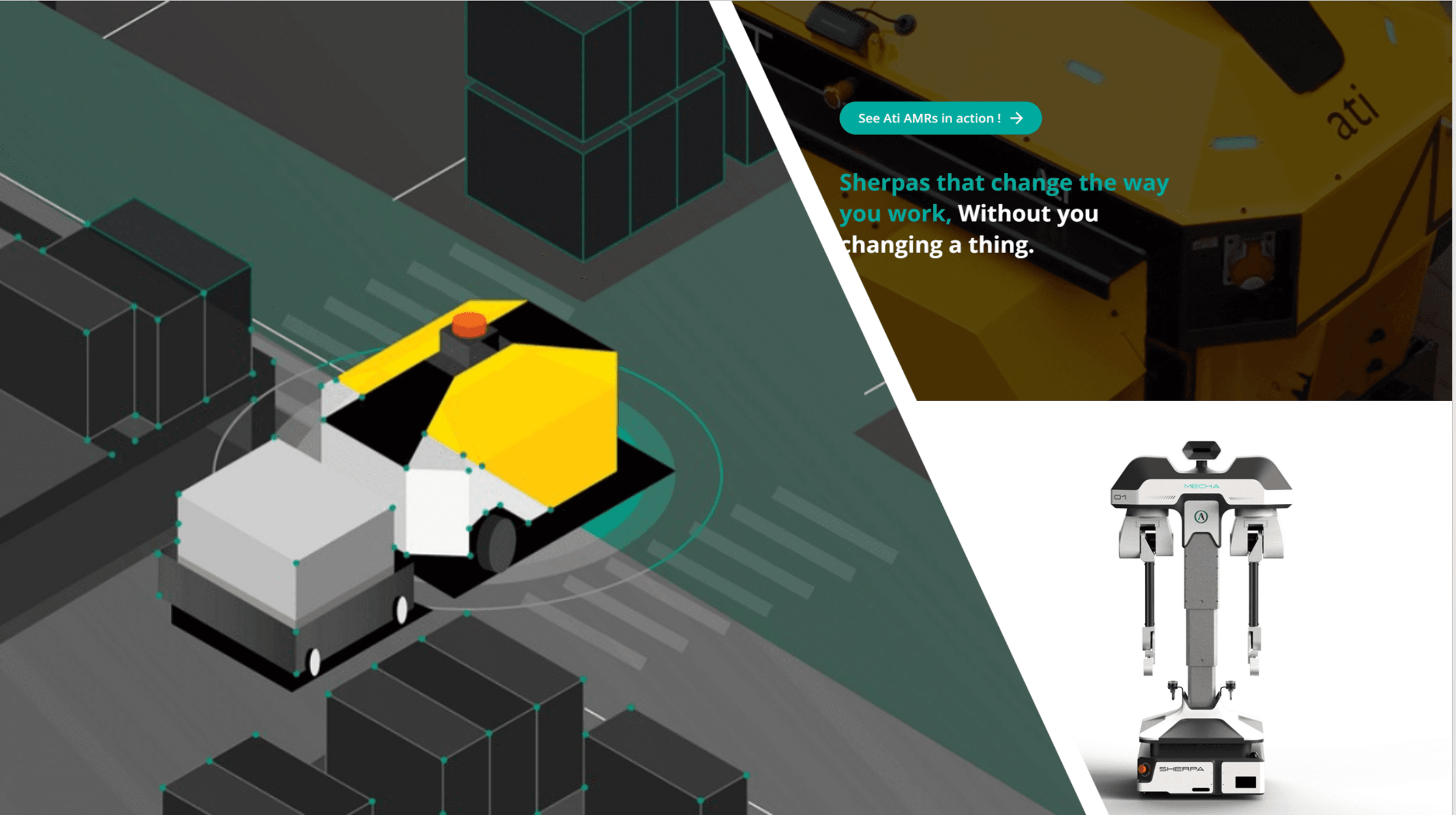
ATI Motors Launches Sherpa Mecha: The World's First Pragmatic, Industrial Humanoid for the Factory Floor
Ati Motors introduces Sherpa Mecha, a practical industrial humanoid robot designed to handle real factory tasks with AI‑driven precision and durability.


