NavVis

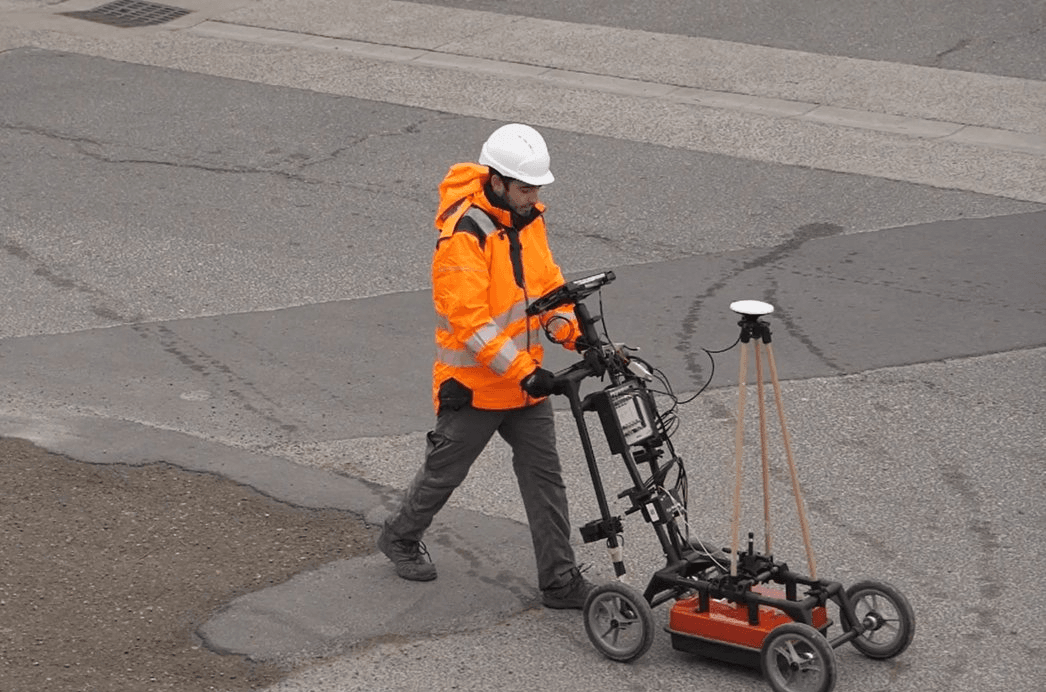
Indoor spatial intelligence platform; 3D mapping/scanning (likely LiDAR-based mobile systems). Reality capture for construction; point clouds/BIM integration. Specific hardware specs (accuracy/range) not detailed publicly here.

Share
Blutenburgstr. 18
Munich 80636
RobotToday Initiative

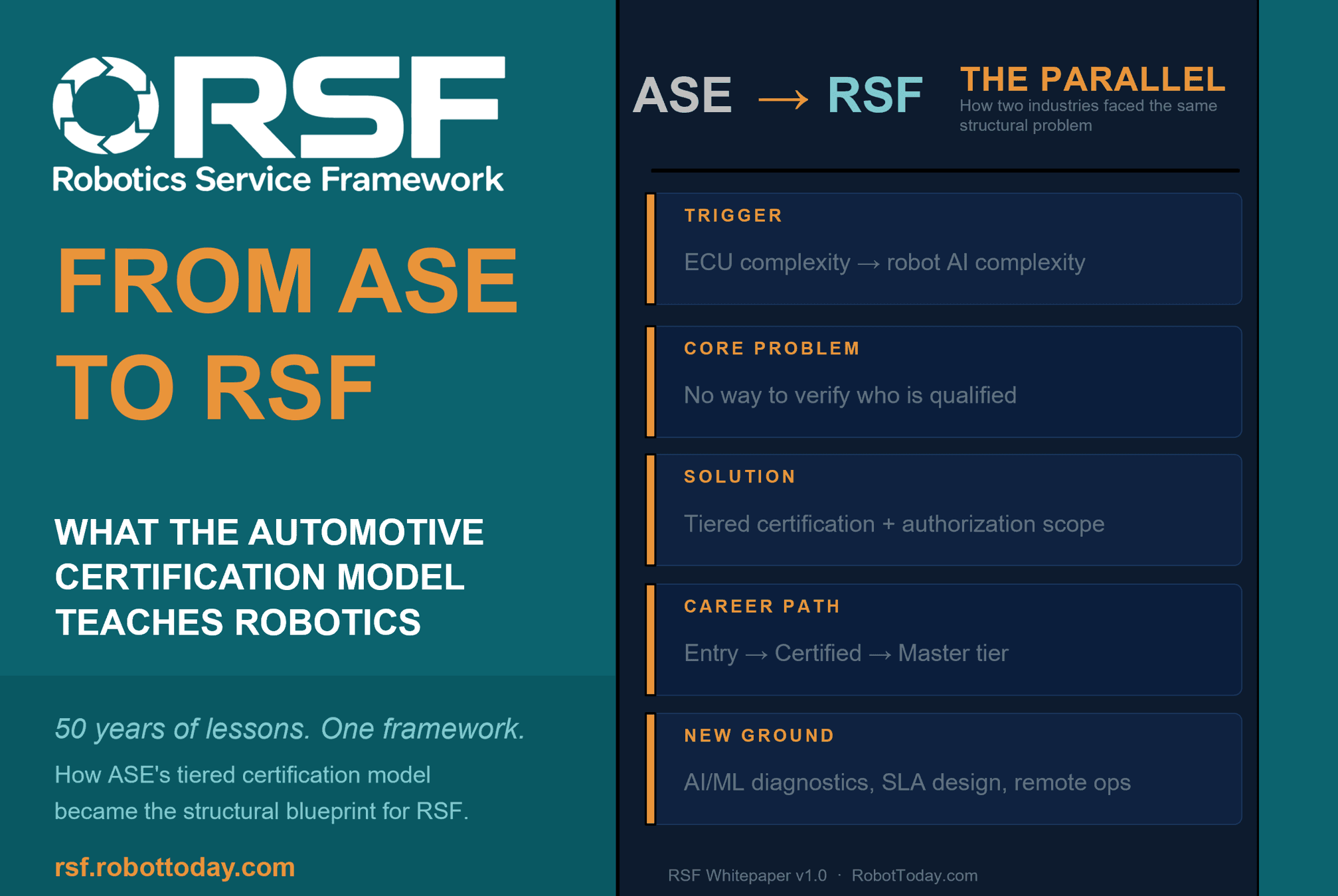
Robotics needs a service framework.

RSF defines a common language for robot service capability, lifecycle operations, certification pathways, and service-provider networks.

Share

Related Content

Anthropic Leads Growth Rate in AI Tools, Microsoft 365 Tops Account Numbers According to Okta Survey

Anthropic Leads Growth Rate in AI Tools, Microsoft 365 Tops Account Numbers According to Okta Survey

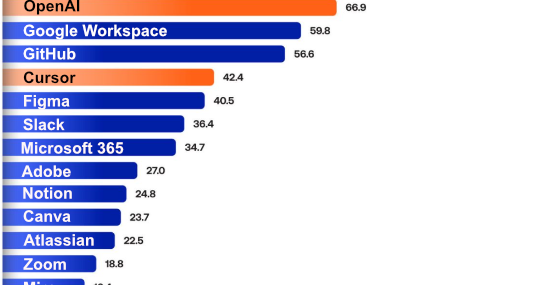
Okta, a U.S.-based identity management service provider, released findings based on anonymized access data from over 20,000 companies regarding the usage of AI tools in enterprises. The survey revealed that Anthropic achieved the highest growth rate among AI tools from June 2022 to June 2026, with a growth score of 100, while OpenAI and Google Workspace followed with scores of 66.9 and 59.8, respectively. The significance of this growth is underscored by the fact that over half (approximately 57%) of companies are utilizing two or more AI platforms simultaneously, indicating a trend towards a tailored approach in selecting optimal AI tools for various applications. This shift highlights the increasing reliance on AI technologies in enterprise settings. Looking ahead, it is noted that from January 2026, Anthropic's enterprise account numbers are expected to grow rapidly, while the growth rates for OpenAI and Cursor may stabilize. No further timeline was disclosed at the time of publication.

AgiBot and Others Transition to Domestic Chips Amid Rising Costs in Robotics

AgiBot and Others Transition to Domestic Chips Amid Rising Costs in Robotics

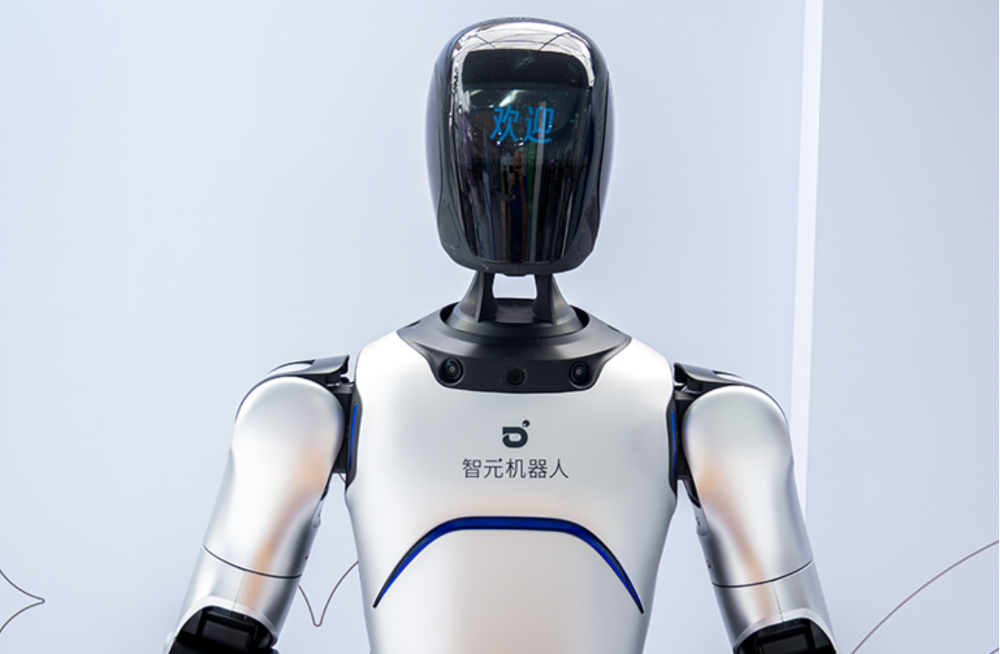
As Chinese robotics companies ramp up production, domestic chips are increasingly replacing Nvidia's offerings due to cost pressures. On July 22, Wang Chuang, Senior Vice President of AgiBot, revealed that the company has begun integrating domestic chips into its robots, including the 'cerebellum' for joint motion control and communication chips, collaborating with various chip manufacturers. This shift is significant as it reflects a broader trend in the industry where high costs of foreign chips, which can account for one-third of hardware procurement costs, are driving companies like AgiBot and UBTECH to seek local alternatives. UBTECH has even formed a joint venture with domestic chip maker MetaX to focus on the research and mass production of intelligent chips. Looking ahead, the transition to domestic chips is expected to reshape not only supply chains but also the entire cost structure and competitive landscape of the robotics industry. By 2025, Chinese companies are projected to dominate the global humanoid robot market, with AgiBot leading the way with approximately 5,168 units shipped.

Humanoid Robots Domestic Chips Robotics Industry AI Cost Efficiency
CMR and NVIDIA Enhance Surgical Robots with Predictive Capabilities

CMR and NVIDIA Enhance Surgical Robots with Predictive Capabilities

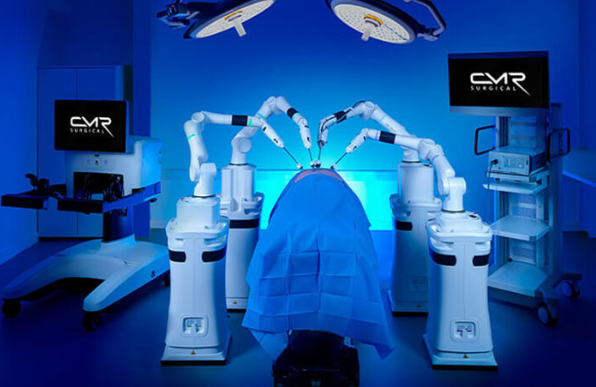
CMR Surgical and NVIDIA have unveiled a new capability of the Versius Plus surgical robot at the 2026 SRS conference, allowing it to predict post-action scenarios in surgical environments. This advancement marks a shift from mere execution to predictive intelligence in surgical procedures. The ability to foresee changes in the surgical area enhances decision-making for surgeons, potentially transforming the role of surgical robots from simple tools to intelligent assistants. CMR's CTO, Chris Fryer, emphasized the importance of leveraging global surgical data to provide deeper insights and support informed decisions. No further timeline was disclosed at the time of publication. The collaboration utilizes NVIDIA's Cosmos-H-Dreams platform, which refines the Open-H Embodiment dataset, enabling the prediction of anatomical changes based on current scenarios and proposed actions. This innovation represents a significant step towards the realization of AI-assisted surgery.

Surgical Robots AI in Healthcare Medical Technology Robotic Surgery
Jiangsu Leili Addresses Robot 'Fingertip Stiffness' with Innovative Micro Motor Solutions

Jiangsu Leili Addresses Robot 'Fingertip Stiffness' with Innovative Micro Motor Solutions

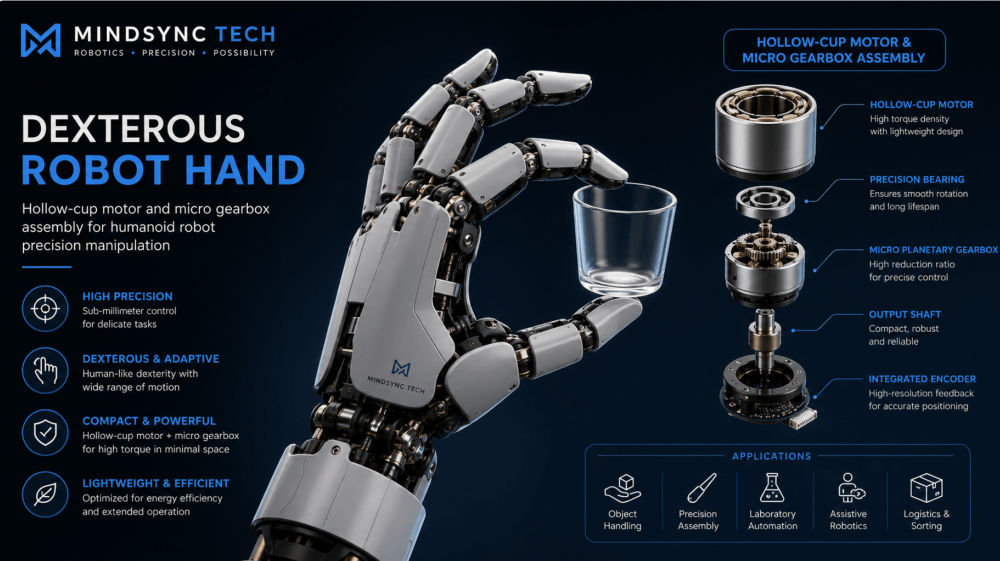
Jiangsu Leili Electric Motor is tackling the critical issue of mechanical stiffness in humanoid robots, which affects their ability to balance flexibility and stability. Their subsidiary, MINDSYNC TECH, showcased a dexterous robotic hand capable of performing tasks such as calligraphy and operating precision instruments, demonstrating significant advancements in addressing stiffness. The dexterous hand requires multiple micro motors for human-like joint movements. Traditional iron-core motors are bulky and inefficient, while hollow cup motors offer higher power density and lighter weight, making them essential for high-end dexterous hands. Jiangsu Leili's subsidiary has developed a full range of hollow cup motors and achieved automated production, enhancing their capabilities in gearboxes and precision gear transmission. Currently, the price of a single dexterous hand ranges from 10,000 to 60,000 yuan. MINDSYNC TECH's General Manager, Wang Wenwei, noted that most humanoid robots in factories still use basic two-finger grippers, limiting their functionality. The industry anticipates that large-scale industrial applications of dexterous hands will take 1-2 years, aligning with the maturation of humanoid robot cost curves.

Robotics Micro Motors Dexterous Manipulation Industrial Automation
AI's Final Mile: Transitioning from Demonstration to Real-World Application

AI's Final Mile: Transitioning from Demonstration to Real-World Application

At the WAIC 2026, while humanoid robots showcased impressive feats, a closed-door discussion titled 'Chain π Roundtable' addressed the gap between AI technology demonstrations and real-world applications. Wu Liming, Chairman of Huamao Technology, highlighted that Moore's Law has failed beyond 5nm, with chip performance now limited by physical constraints. Advanced packaging and optical interconnects are crucial, with advanced packaging sales expected to surpass traditional packaging by 2025. The conversation also introduced the concept of 'native AI in factories' by Wei Jie, Chairman of Shanghai Jingzhi. He noted that many industrial AI projects excel in labs but struggle in factories due to issues like data fragmentation and insufficient validation scenarios. He emphasized that AI must grow from real manufacturing data to ensure operational stability. The roundtable concluded with three key insights: the bubble in computing infrastructure will not burst before fall 2028, the speed of AI adoption depends on data loop iterations, and the focus should be on profitability rather than trends. The overarching theme was the need for AI to operate sustainably and profitably in real environments, underscoring the importance of stable revenue for technology development.

Industrial AI Data Integration Advanced Packaging Healthcare AI Robotics
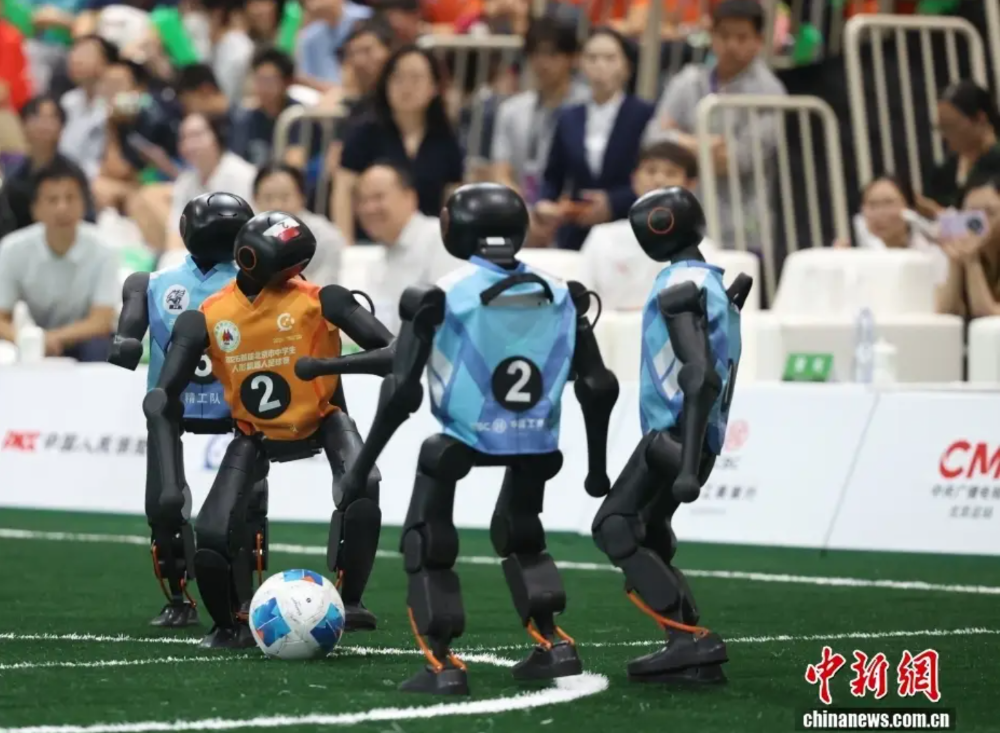
Beijing Hosts First Humanoid Robot Soccer Championship for High School Students

Beijing Hosts First Humanoid Robot Soccer Championship for High School Students

On July 22, the inaugural Beijing High School Humanoid Robot Soccer Championship concluded at Tsinghua University High School. Launched on April 11, the competition involved 55 teams from 16 districts in Beijing and Xiong'an New Area, divided into two groups: Group A with 24 teams and Group B with 31 teams. The championship aimed to integrate artificial intelligence education with practical technology application. Students not only programmed their robots but also developed algorithms, fine-tuned motion controls, and optimized visual recognition and teamwork strategies, enabling robots to make autonomous decisions during matches. The event served as a unique platform to enhance students' technological literacy and engineering skills through hands-on experience. As students watched their programmed robots navigate the field, AI transformed from a theoretical concept into a tangible reality, showcasing the potential of the next generation of engineers who have already coded their own robots at just 16 years old.

Humanoid Robots AI Education Robotics Competitions STEM Education
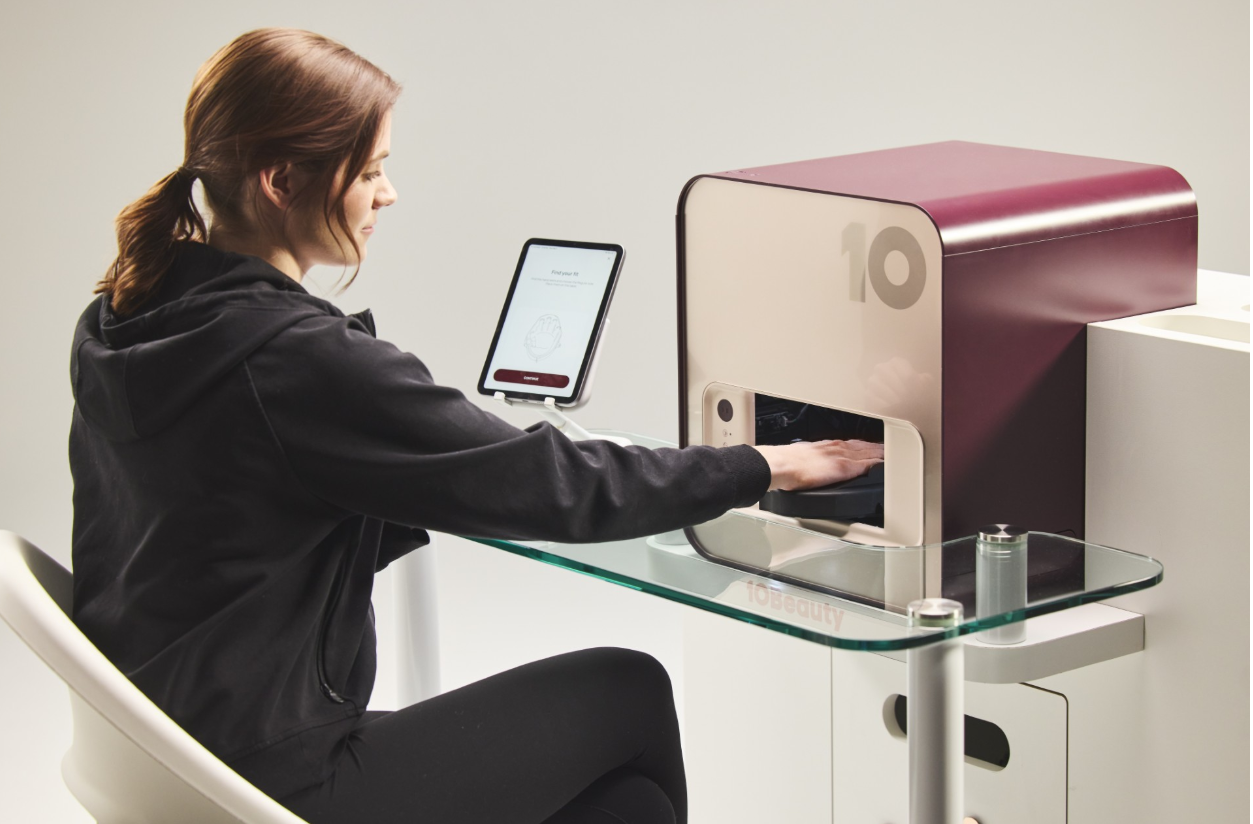
10Beauty Launches First Robot Nail Salon in New York with Automated Services

10Beauty Launches First Robot Nail Salon in New York with Automated Services

In July, 10Beauty opened its first store in New York's Yonkers ULTA Beauty, introducing robotic nail services to the East Coast. The company's automated nail system performs a complete five-step process, including nail polish removal, shaping, cuticle care, coloring, and drying, all guided by computer vision and robotic arms. The use of single-use capsule systems for nail polish eliminates cross-contamination, ensuring a hygienic experience for customers. This innovative approach to nail care matters as it offers a standardized, repeatable service akin to a coffee machine using capsules, according to co-founder Alex Shashou. Customers can choose from 16 allergen-free natural nail polish colors, with prices ranging from $30 to $35 per service, comparable to traditional nail salons. The design prioritizes safety, with no blades used inside the machine and thorough disinfection after each use, garnering positive feedback for precision and cleanliness. Looking ahead, 10Beauty anticipates that by the end of this decade, 90% of people will interact with AI robots daily, with nail services being just the beginning. The company is preparing to offer more customization options, new colors, and faster services, betting that most customers prioritize cleanliness and precision over personal interaction during their nail care experience. No further timeline was disclosed at the time of publication.

Automated Nail Services Robotics AI Technology Hygiene Solutions
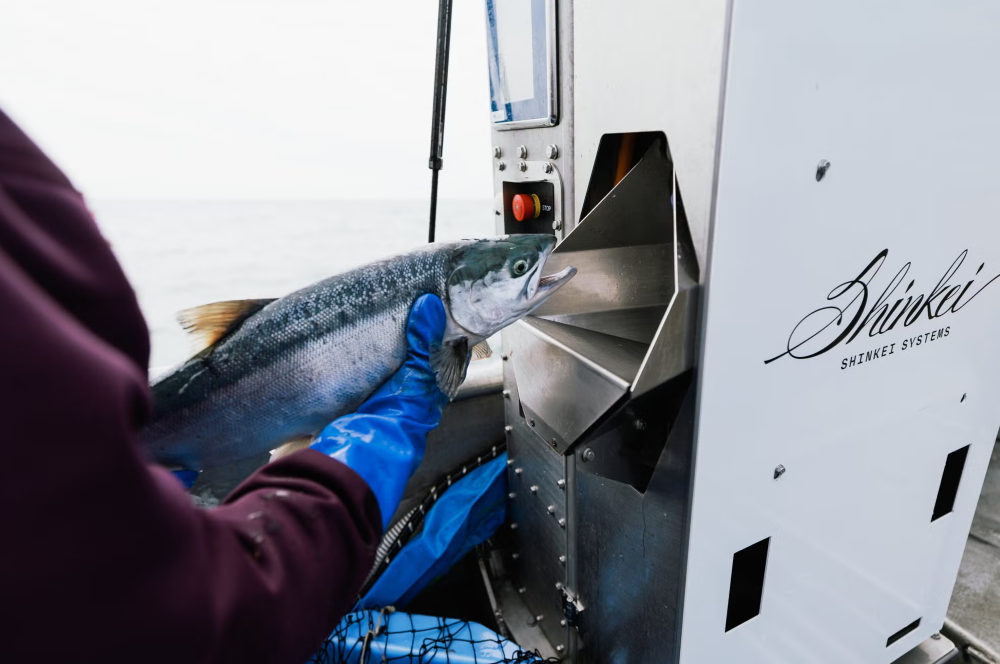
Shinkei Systems Introduces AI Robotics for Enhanced Fresh Fish Processing

Shinkei Systems Introduces AI Robotics for Enhanced Fresh Fish Processing

Shinkei Systems, based in California, has developed a robotic solution for fish processing on fishing boats. Utilizing computer vision, the robot identifies fish species and performs precise slaughter within six seconds, adhering to the Japanese 'ike jime' technique to maintain meat quality. This innovation addresses the issue of stress hormones affecting fish taste during capture. The significance of this technology lies in its potential to improve the quality of seafood while providing fishermen with a stable supply of premium products. Shinkei offers its robots to Alaskan fishermen for free, purchasing their catch at above-market prices, and markets the fish under the 'Seremoni' brand. The company plans to introduce a new harvesting robot designed for small fishing vessels in the Cook Inlet by 2026. Currently, over 40 Michelin-starred restaurants across the U.S. are using Shinkei's technology, with retail chains like Wegmans and FreshDirect also stocking their products. Shinkei recently secured $22 million in Series A funding to expand its operations, including a new processing center in Tacoma, aiming to make high-quality seafood more accessible while preventing overfishing.

Robotic Processing AI Technology Seafood Industry Sustainable Fishing
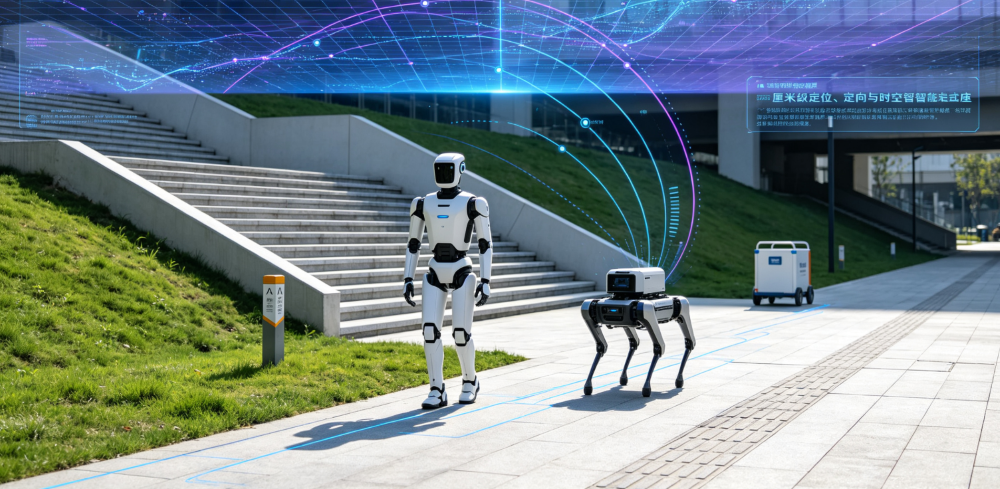
Advancing Embodied Intelligence: Practical Applications from the 2026 AI Conference

Advancing Embodied Intelligence: Practical Applications from the 2026 AI Conference

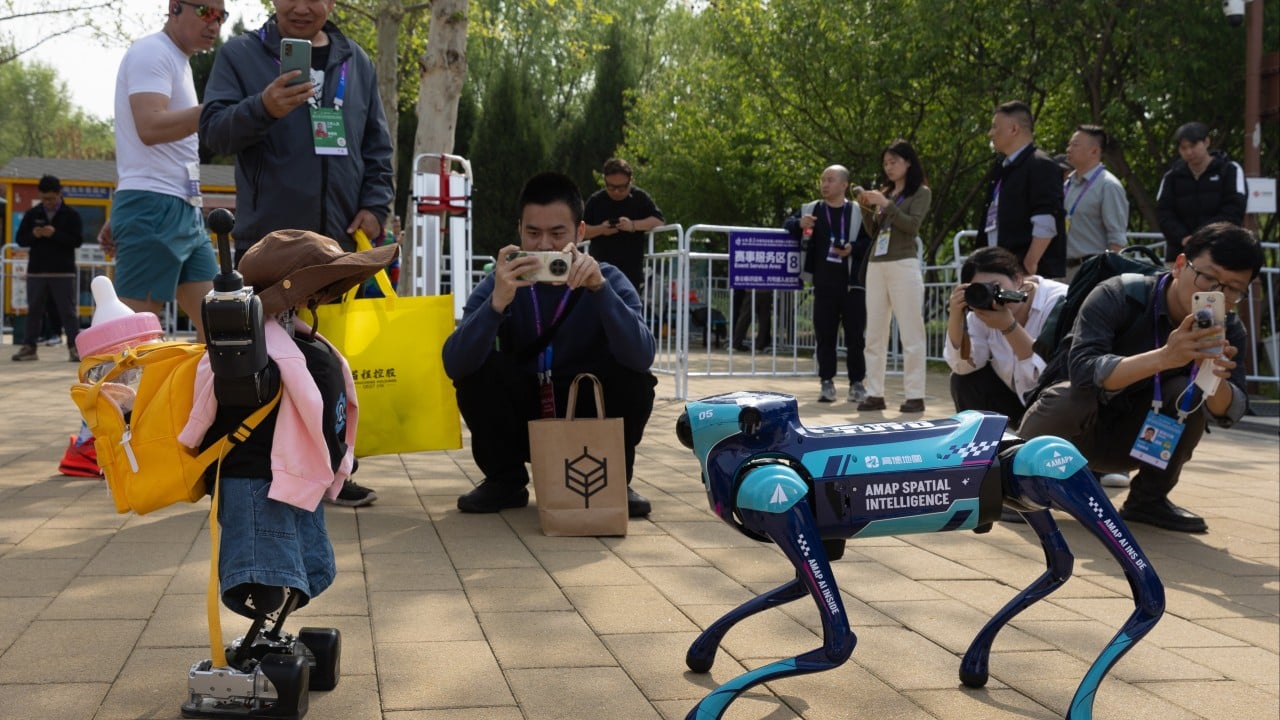
The 2026 World Artificial Intelligence Conference highlighted embodied intelligence, with over 300 robots showcased. Companies like Qianxun Positioning and 58 Intelligent participated, indicating a deeper integration of spatial intelligence into the embodied intelligence supply chain. For robots, large models are essential for understanding and decision-making, but they also need to know their location and movement dynamics. Qianxun Positioning introduced the SpatiXBot, a spatial intelligence platform that aids various embodied forms like robots and drones in autonomous navigation and environmental perception. This was exemplified during the Beijing Yizhuang Humanoid Robot Half Marathon, where Qianxun provided spatial intelligence kits to over two-thirds of the autonomous navigation teams, enabling precise positioning and orientation for independent running. The shift towards practical applications was further demonstrated at the 2026 Hangzhou International Embodied Robot Application Competition, where Qianxun and 58 Intelligent helped quadruped robots navigate real-world obstacles. Qianxun's technology also supported training exercises in urban scenarios. CEO Chen Jinpei emphasized the importance of spatial intelligence in enhancing robotic capabilities, bridging the gap between demonstration and industrial productivity.

Embodied Intelligence Spatial Intelligence Robotics AI Technology
Amap Unveils ABot Framework for Unified Robot Intelligence and Mobility

Amap Unveils ABot Framework for Unified Robot Intelligence and Mobility

Amap, a unit of Alibaba Group Holding, has introduced the ABot framework, which integrates a robot's essential functions into a cohesive system. This innovative technology combines five specialized AI models—ABot-N1, ABot-M0.5, ABot-ER, ABot-AgentOS, and ABot-C0—to address the industry's challenge of fragmented robot capabilities. The significance of the ABot framework lies in its ability to enhance robot performance by enabling self-evolving systems that share data and experiences. Amap highlighted that traditional models often operate in isolation, limiting their effectiveness. The ABot-N1 model, for instance, achieves a 92.9% success rate in outdoor navigation using standard cameras, eliminating the need for expensive high-definition maps. Looking ahead, the integration of these models could revolutionize how robots navigate and interact with their environments. Amap's approach to combining movement and manipulation functions through the ABot-M0.5 model is particularly noteworthy, as it allows robots to grasp objects while in motion. No further timeline was disclosed at the time of publication.

CONSTRUCTION ROBOTICS |  INSPECTION, SCANNING & DIGITAL TWIN

CONSTRUCTION ROBOTICS | INSPECTION, SCANNING & DIGITAL TWIN

Inspection, scanning, and digital twin robots are construction's widest adoption curve. BCA-mandated drone façade inspections in Singapore, DroneDeploy's 3M+ sites, Boston Dynamics Spot Cam 2, and Exodigo's $214M funding define the segment. Key stat: Inspection/scanning commands 30% of construction robot applications (FactMR, 2025; unverified).