


Komatsu Ltd. 小松制作所
Japanese construction and mining equipment firm founded 1921, operator of the first commercial autonomous haulage system for mining trucks; Smart Construction.
Contact Komatsu Ltd.
WEBSITE
https://www.komatsu.comPHONE
+33 (0)3 74 47 22 99HEADQUARTERS
Japan

Company Facts
Founded
1921
Primary Role
Manufacturer
Company Size
-
Primary Region
Asia-Pacific
Annual Sales
-
Funding Stage
-
Funding Total
-

Microsoft Reports Surge in Phishing Attacks Using AI Brand Names Like ChatGPT
Microsoft has reported a significant increase in phishing attacks impersonating well-known AI brands such as ChatGPT, Microsoft Copilot, and Claude. These attacks have involved sending up to 100,000 fraudulent emails daily, aimed at stealing personal and credit card information under the guise of payment updates for ChatGPT Plus. The rise in these attacks highlights the exploitation of consumer trust in AI brands, as attackers leverage the popularity of these services to enhance the credibility of their phishing schemes. Microsoft emphasizes that these incidents do not indicate a breach of the AI services themselves but rather a manipulation of brand trust and curiosity. Looking ahead, organizations should be vigilant as attackers continue to refine their tactics, making social engineering attacks more targeted and sophisticated. Microsoft advocates for a comprehensive defense model that integrates prevention, detection, investigation, and response across the entire attack vector, as the threat landscape evolves with increasing interest in AI technologies.

SiMa.ai Achieves $1.45 Billion Valuation with $150 Million Series C Funding Round
SiMa.ai has successfully raised $150 million in Series C financing, increasing its total funding to $500 million and achieving a valuation of $1.45 billion. This funding round was co-led by Fidelity Management & Research Company and Amplify, with new investments from AllianceBernstein, Baron Capital, J.P. Morgan, and the State of Michigan. The significance of this funding lies in SiMa.ai's position as a leader in Physical AI, which is crucial for advancing technologies in humanoids, automotive applications, and drones. The participation of notable investors highlights the growing interest and confidence in the potential of Physical AI to transform various industries. Looking ahead, SiMa.ai's continued focus on scaling its technology will be critical. The company aims to leverage this funding to enhance its capabilities in Physical AI, although no further timeline was disclosed at the time of publication.
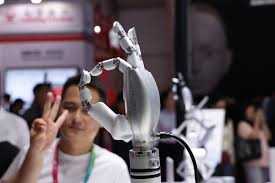
Visual Components Introduces FactoryLens Powered by Nvidia for Enhanced Digital Twins
Visual Components has launched FactoryLens, a new viewport integrated into its simulation platform, utilizing Nvidia Omniverse libraries. This innovation allows manufacturers to transition their existing factory layouts into a realistic digital twin environment, enhancing real-time rendering capabilities within the familiar software. The introduction of FactoryLens represents a significant advancement in the collaboration between Visual Components and Nvidia, enabling users to visualize large-scale layouts, control materials, and export configurations seamlessly. The importance of FactoryLens lies in its ability to improve the accuracy of simulations, which are critical in modern manufacturing processes. As manufacturers increasingly rely on simulations to design and test equipment and facilities, the realism provided by FactoryLens ensures that these validations closely reflect real-world conditions. This tool not only enhances existing workflows but also sets the stage for future applications in digital twin technology and physical AI. Looking ahead, Visual Components envisions FactoryLens as a foundational element for various digital twin and AI use cases, including vision-based virtual commissioning and synthetic data generation. No further timeline was disclosed at the time of publication, but the integration of Nvidia technologies is expected to enhance collaboration and interoperability within the Visual Components ecosystem.
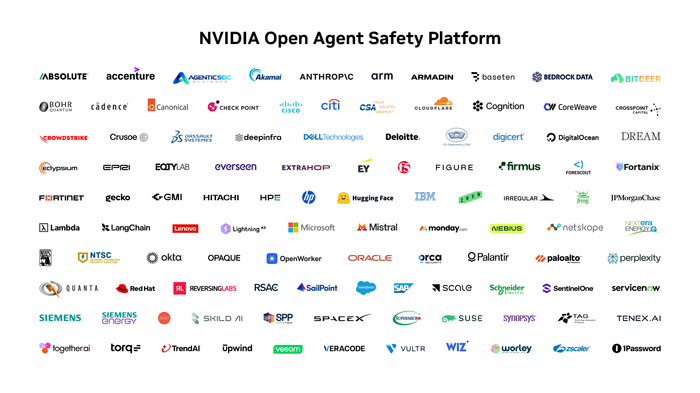
NVIDIA Introduces Open Agent Safety Platform for Enhanced AI Security from Testing to Deployment
NVIDIA has launched the NVIDIA Open Agent Safety Platform, a comprehensive software platform designed to enhance AI security throughout the lifecycle of agents, from testing to deployment. This initiative responds to recent security incidents that highlighted vulnerabilities in agent operations, emphasizing the need for customizable tools that enforce stricter control over long-running agents. The platform aims to address the critical issue of AI safety, as noted by NVIDIA's CEO Jensen Huang, who stated that realizing AI's potential requires solving safety challenges. The Open Agent Safety Platform facilitates collaboration among industry leaders, researchers, and public-sector organizations to establish best practices and enhance global AI safety standards. Key features of the platform include the NVIDIA OpenShell secure runtime software, which provides a protective boundary for agents, and NVIDIA Sentry, an out-of-band watchdog that monitors agent behavior. Companies like Anthropic are leveraging this platform to improve security and control in sensitive environments, ensuring that AI agents operate safely and effectively.
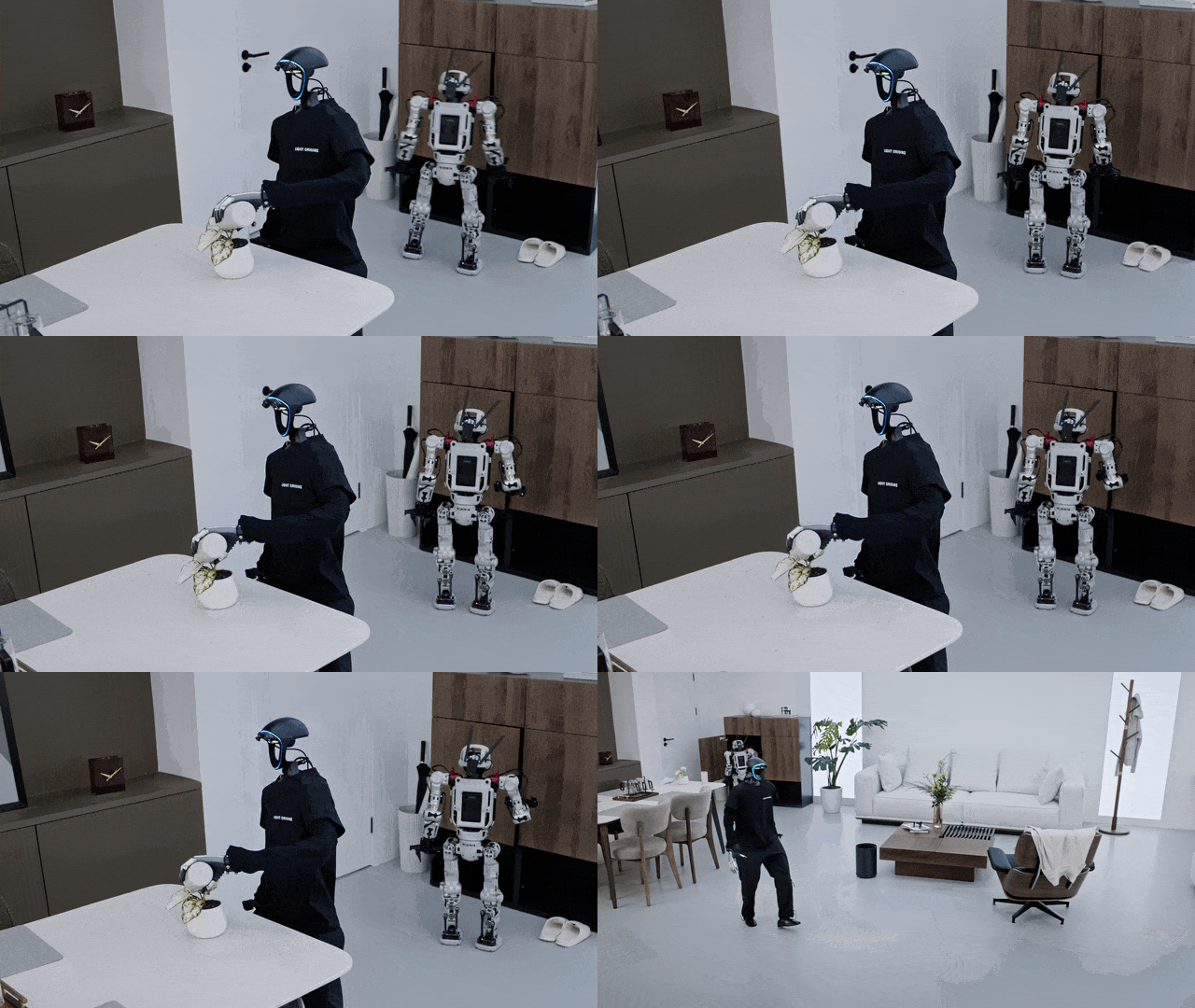
Three Companies Shift Focus Away from Collecting Real Machine Data
Three companies have decided to stop collecting real machine data, indicating a significant shift in their operational strategies. This change reflects a broader trend in the industry, where organizations are exploring alternative methods for data utilization and management. The implications of this decision could reshape how machine data is perceived and leveraged in various applications. The move is noteworthy as it highlights the evolving landscape of data collection and usage in technology sectors. By stepping away from traditional data collection methods, these companies may be seeking to innovate or streamline their processes, potentially leading to new business models. This shift could also influence how other firms approach data strategies in the future. Looking ahead, it will be important to monitor how these companies adapt to their new strategies and what impact this will have on their market positions. No further timeline was disclosed at the time of publication.
Robotics Automation AI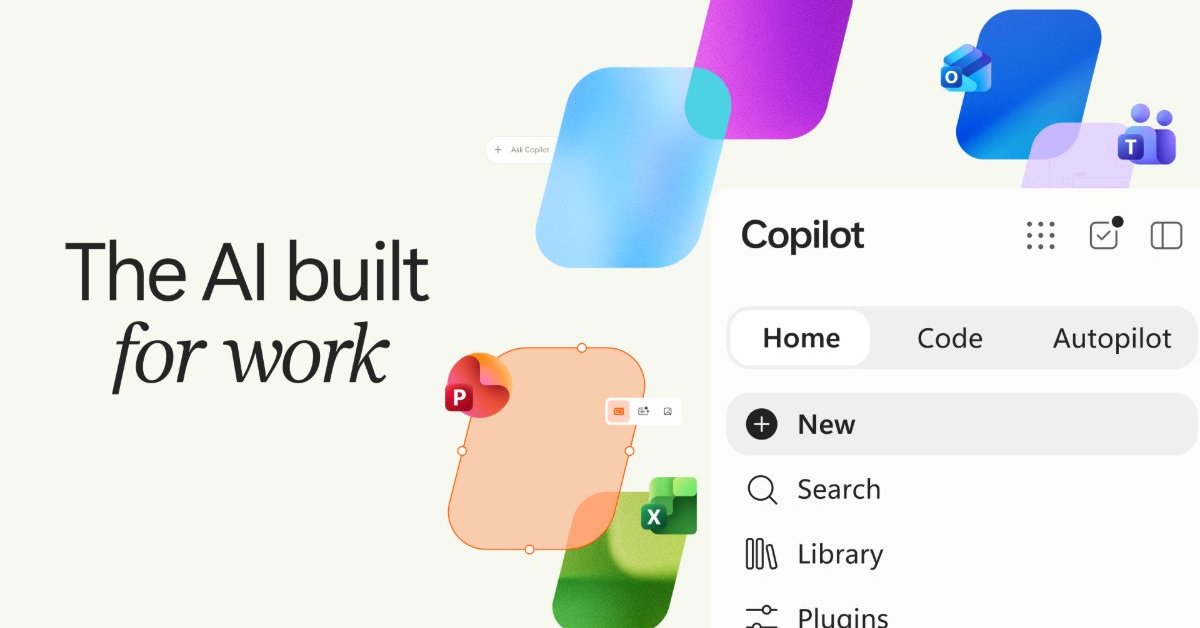
Microsoft Revamps Copilot, Introducing a New OS for Work, Says CEO Satya Nadella
On September 25, Microsoft announced a significant overhaul of its AI assistant, Microsoft Copilot. The new Copilot app will feature three tabs: Home, Code, and Autopilot, integrating Word, Excel, and PowerPoint into 'Office in Copilot'. CEO Satya Nadella stated that just as Office defined work in the PC era, Copilot aims to define work in the AI era. This update is crucial as it aims to embed AI into workflows, enhancing productivity by automating tasks and providing instant responses to queries. The Home tab will serve as the starting point for users, consolidating features like Chat and Copilot Cowork, while the Code tab allows users to create applications using natural language, making it accessible to non-developers. Looking ahead, the rollout of the new Copilot will be phased, with Home and Code launching in the coming weeks through the Frontier program. Autopilot will expand its private preview by the end of September. The new Copilot is primarily targeted at enterprises, with individual access to Code planned for Microsoft 365 Premium and Pro subscribers later this year.

Chinese AI Models Experience Significant Growth in Global Adoption Amid U.S. Concerns
Chinese AI models have seen a remarkable increase in global usage in 2026, particularly on platforms like OpenRouter and Vercel, where their token usage surged significantly. This rise is attributed to lower costs and improved performance, especially for coding tasks, although U.S. models still dominate in overall spending. The growing popularity of Chinese AI models has raised alarms in Washington, prompting investigations by U.S. House Committees into the implications of this trend for technology competition and national security. Experts warn that the integration of these models could enhance China's influence in global technology. Looking ahead, the trend suggests that regions like Southeast Asia may increasingly adopt Chinese AI models due to their cost-effectiveness and the region's economic ties to China. No further timeline was disclosed at the time of publication.

SkyfireAI and DBOX Collaborate to Enhance Autonomous Drone Operations in the U.S.
SkyfireAI and Lithuania-based DBOX have entered a collaboration to advance integrated autonomous drone operations in the United States. The Memorandum of Understanding (MOU) was signed at the Lithuania–U.S. Business Forum in Miami, attended by Lithuanian President Gitanas Nausėda. The partnership aims to combine expertise in autonomous drone infrastructure, mission-control software, and operational capabilities. This collaboration is significant as it reflects a growing need for comprehensive solutions in autonomous drone operations, which require more than just aircraft and docking stations. The integration of various technologies, including safety systems and airspace management, is crucial for successful deployment. SkyfireAI's experience in Drone as First Responder (DFR) and Beyond Visual Line of Sight (BVLOS) operations complements DBOX's autonomous docking infrastructure. Looking ahead, the companies plan to demonstrate their integrated solution by the fourth quarter of 2026. Initial efforts will focus on integration, testing, safety systems, and regulatory approvals, with operator training and commercialization also being key components of the project. No further timeline was disclosed at the time of publication.
Drone News Drone News Feeds News autonomous drone operations autonomous drones BVLOS
Microsoft Enhances Copilot App to Compete with Anthropic's AI Solutions
Microsoft has unveiled an updated version of its Copilot app aimed at corporate users, integrating coding capabilities with productivity tools to compete with Anthropic's Claude. This strategic shift is designed to attract more Office 365 customers, as less than 7% of the 450 million commercial Office 365 seats currently utilize the AI features. The new Copilot app combines functionalities that were previously offered separately, allowing users to engage in AI-driven programming and create custom agents for tasks in Teams and Outlook. Microsoft aims to enhance user value and output quality, moving away from traditional subscription models to a usage-based payment system for its new features. As Microsoft enters a competitive AI agent market, it faces challenges from emerging tools like Meta's Muse and others. The new app is expected to be available to companies in Microsoft's Frontier program soon, with the Autopilot feature in private preview by the end of the month. No further timeline was disclosed at the time of publication.

SkyeBrowse Launches Crash Analysis Tools and Drone-Based Crowd Counting Features
SkyeBrowse has unveiled new tools designed for vehicle crash analysis and crowd estimation using drone imagery. The update introduces Impact, a multi-vehicle collision review tool, and Crowd Counter, which is now integrated into the SkyeBrowse Flight App on the DJI RC Pro. These enhancements aim to streamline the workflow for public safety teams by transforming drone and camera footage into 3D models for effective crash documentation and analysis. The significance of these tools lies in their potential to improve the efficiency of public safety operations. Crush Analysis allows for detailed damage assessment by aligning scanned vehicles with 3D reference models, measuring damage at six points, and calculating collision metrics. The Claims tool aids in reviewing photos and suggests necessary repairs, while the new Impact tool facilitates a comprehensive review of multi-vehicle collisions, including speed estimates and animated replays. Looking ahead, SkyeBrowse's tools are expected to empower more personnel within public safety agencies to participate in crash reviews without relying solely on specialized mapping experts. The Crowd Counter feature is available for enterprise users, providing unlimited counts, while Crush Analysis and Claims will remain free until October 31, 2026, after which they will be included in specific service models.
Applications Drone News Drone News Feeds First Responder Mapping News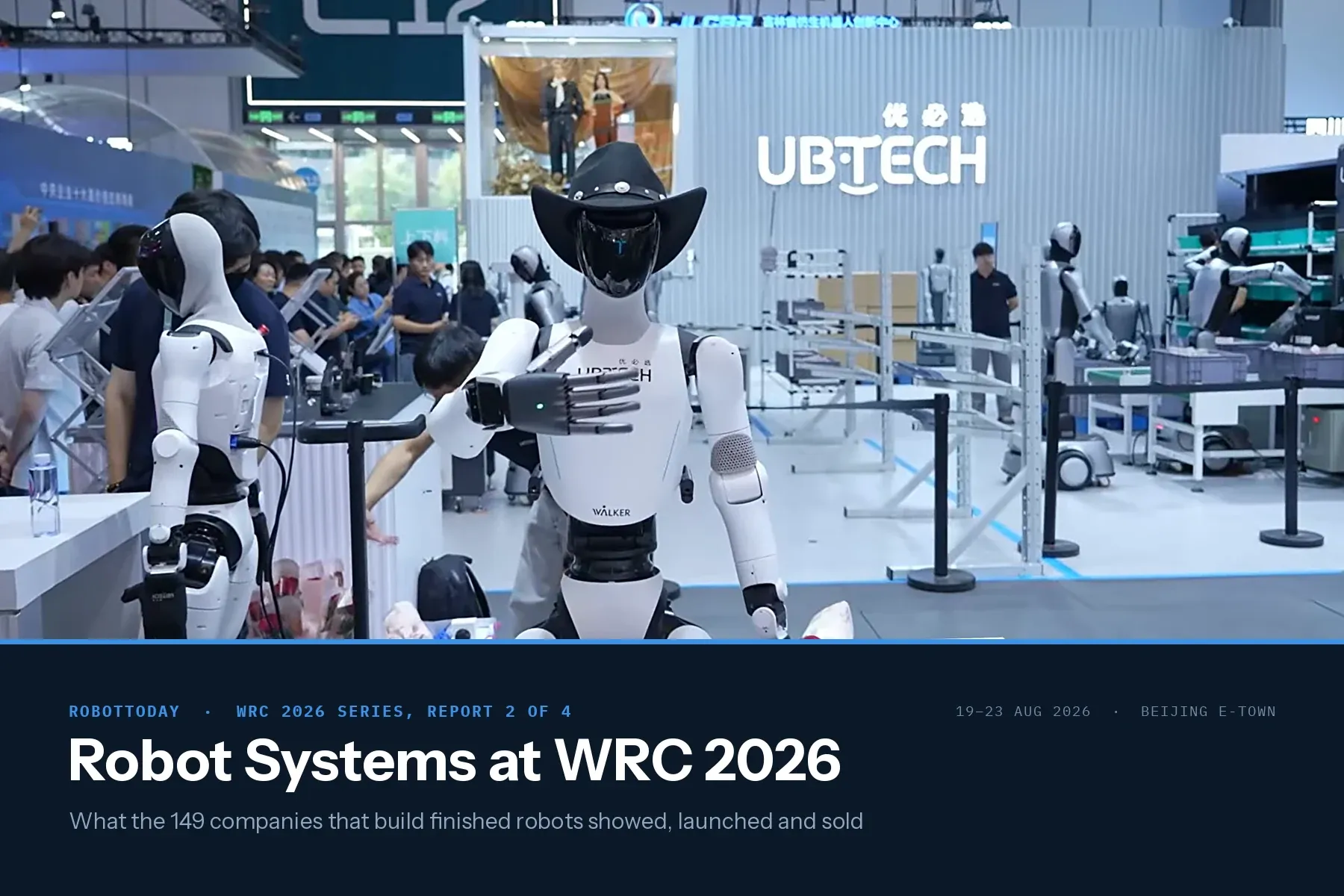
WRC 2026 Robot Systems: 149 Companies That Build Robots
149 of the 248 classified WRC 2026 exhibitors build finished robots. 93 build humanoid or legged machines. The audited humanoid sales number is one unit.

ROBOTTODAY Weekly July 20 – 24, 2026
Your weekly robotics briefing: AGIBOT unveils four new robots at WAIC 2026, the NDAA bars Chinese humanoids from the U.S. military, SoftBank eyes Gravis Robotics for its Roze vehicle, and Anduril reveals its Thunder autonomous attack tiltrotor at Farnborough.
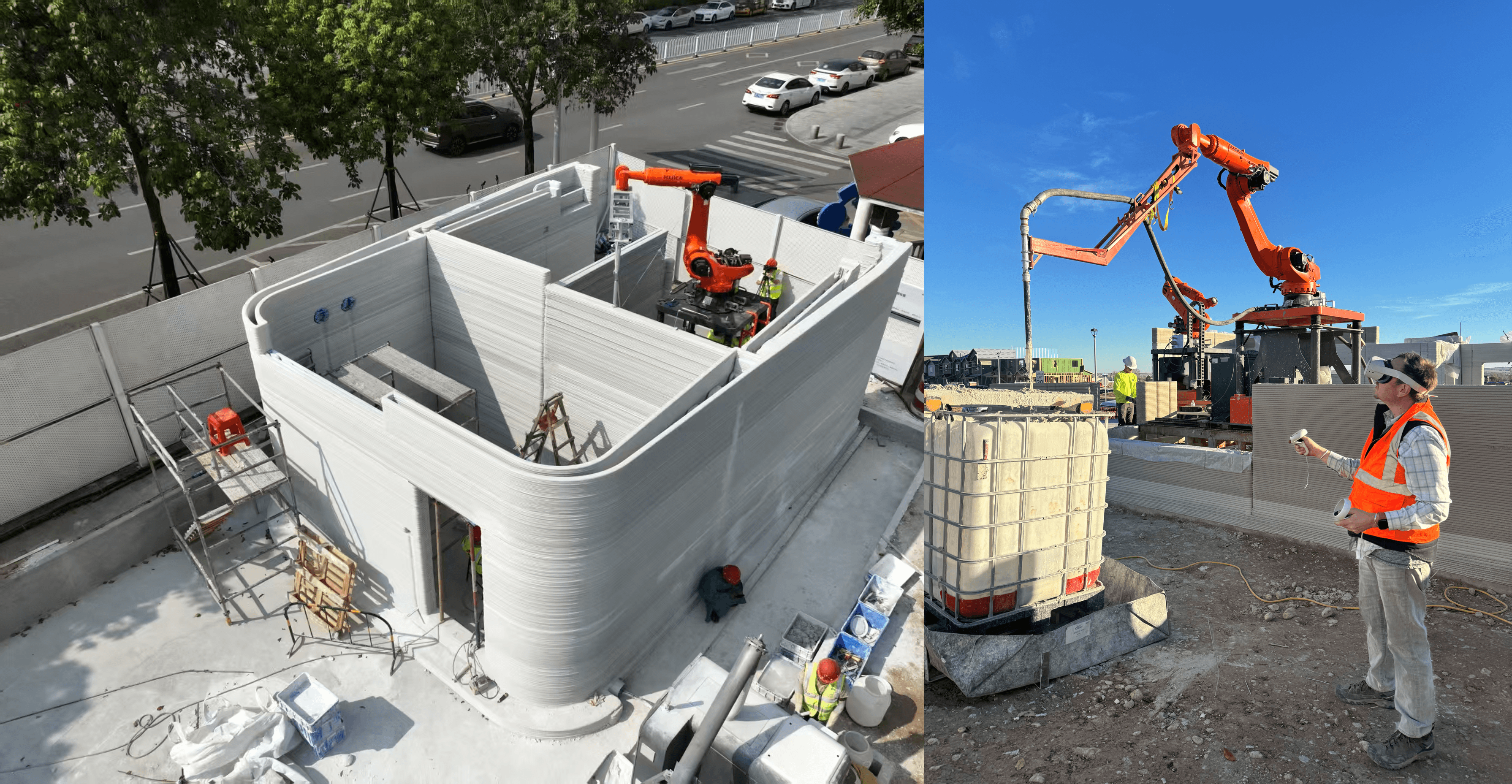
CONSTRUCTION ROBOTICS | FUTURE HORIZONS: 2025–2030 & BEYOND
Construction robotics is entering its decisive decade. Autonomous jobsites, swarm coordination, humanoid integration, and a potential $60 billion market reshape every strategic decision in the industry.

FUTURE WARFARE | The Geopolitical Competitive Landscape
Military robotics is no longer a U.S.-centric story. Global defence spending crossed $2.75 trillion in 2026; defence-tech VC hit a record $49.1 billion in 2025; and a multipolar robotics order is crystallising in real time — with China’s 15th Five-Year Plan institutionalising civil-military fusion, Europe’s €381 billion defence budget financing its own AI champions, and Turkey and Israel reshaping the export market with affordable, combat-proven systems. Part Five of the Future Warfare Series maps the country-by-country competitive landscape, the collapsing regulation race, and the investment forces reshaping who builds — and who controls — the autonomous weapons of the next decade.
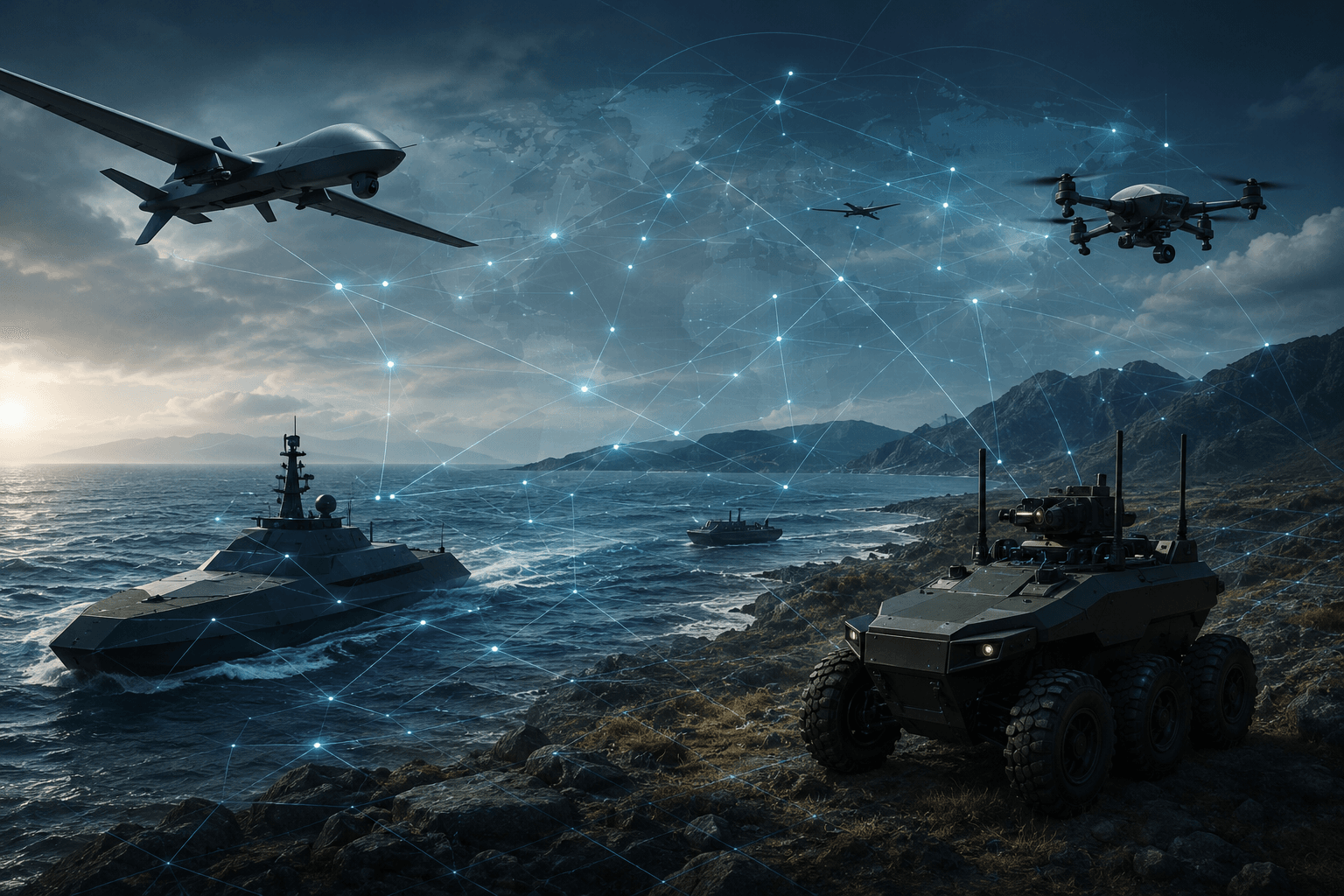
FUTURE WARFARE | Cross-Domain Integration - Integration How Land, Sea, Air and Software Are Converging Into a Single Kill Chain
Cross-domain robotics is reshaping modern warfare as drones, UGVs, AI targeting systems, and autonomous logistics converge into a single networked kill chain across land, sea, air, and software.

CONSTRUCTION ROBOTICS | BUSINESS MODELS & INVESTMENT LANDSCAPE
Construction robotics attracted $4.4 billion in built environment tech funding through Q3 2025. SoftBank acquired ABB Robotics for $5.375 billion. RaaS is displacing capex models. AI-native platforms command 39x revenue multiples. This is where money meets machines.
GLOBAL ROBOTICS INDUSTRY Comprehensive Sector Overview
A comprehensive global robotics industry overview for 2025, analyzing 14 key market segments — from industrial and humanoid robots to logistics AMRs, military systems, and service robots — with expert market sizing, US case studies, five-year forecasts, and bilingual English-Chinese analysis for executives and investors.
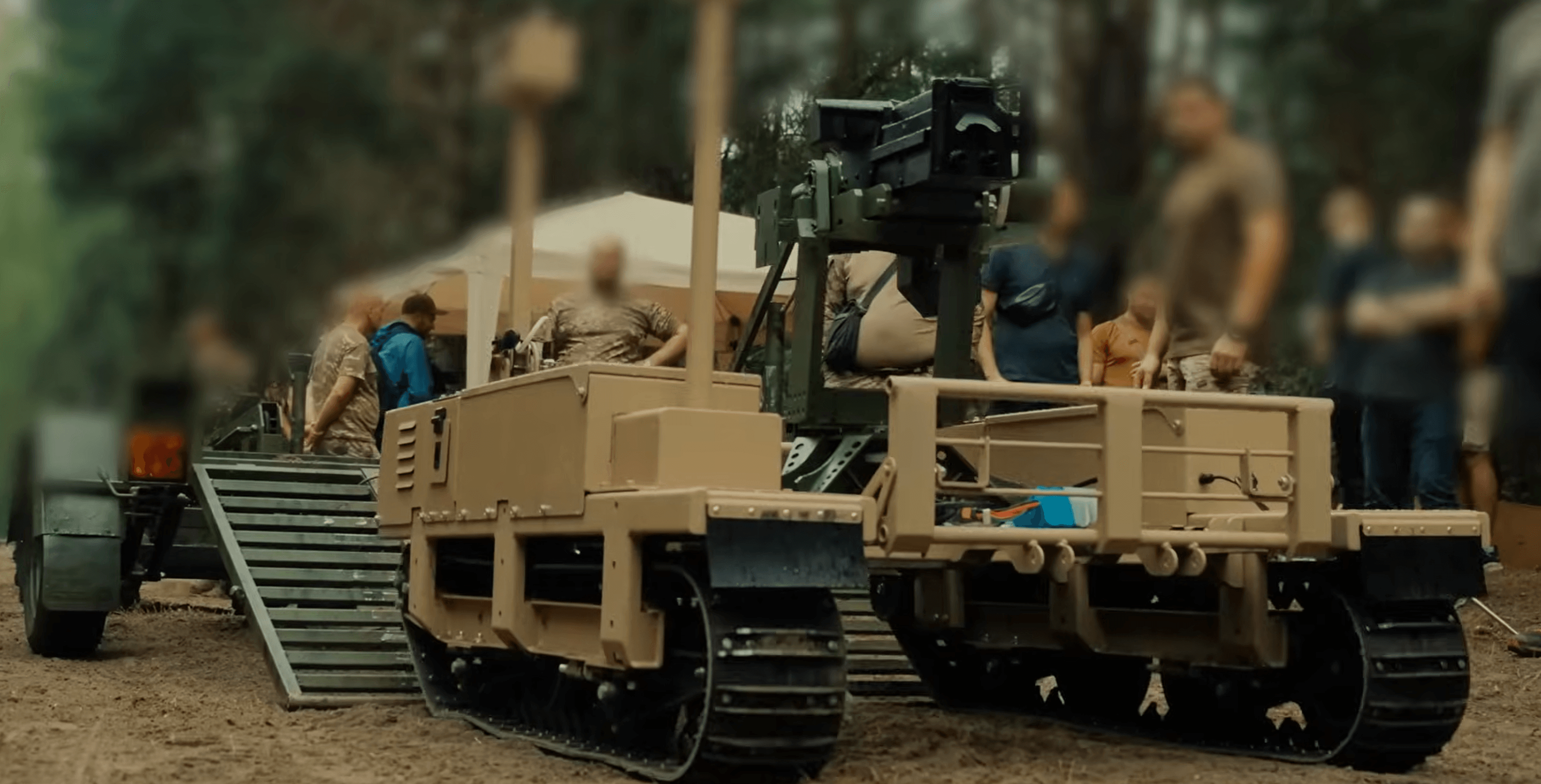
FUTURE WARFARE | Land - Unmanned Ground Vehicles — From Logistics Mules to Front-Line Robots
Ukraine fielded 15,000 unmanned ground vehicles in 2025 — surpassing its own procurement targets by over 100 percent. A single UGV held a front-line position for 45 days. Up to 90 percent of supplies to Pokrovsk now move by robot, not truck. The U.S. Army cancelled its $3 million Robotic Combat Vehicle and is starting over. China is deploying $3,000 robot dogs in PLA urban-warfare exercises. This article maps the emerging UGV battlefield — from Ukraine’s garage-built logistics fleet to the Pentagon’s stalled combat-vehicle ambitions, and from Ghost Robotics’ Vision 60 to the quadruped proliferation problem no treaty has yet addressed.

EU Bets €1.5B on Drones and AI: Inside EDIP's 2026–2027 Defence Industry Programme
The EU's €1.47 billion European Defence Industry Programme (EDIP) 2026–2027 targets drones, counter-UxS systems, AI-enabled autonomy, and loitering munitions across six major funding calls — allocating over €232 million directly to unmanned systems and related electronics supply chains.

CONSTRUCTION ROBOTICS | Market Landscape & Regional Battleground
Six incumbent categories and 17+ venture-backed challengers compete for $1.37–6.8 billion in construction robotics. China's 295,000 annual robot installations run on state capital. The US leads on innovation. This analysis maps tiers, business models, and regional dynamics — using the Agricultural Robotics Series methodology.


