

Intelligent Robotics Laboratory (Ishiguro Lab)
Osaka University research lab led by Prof. Hiroshi Ishiguro, pioneering android science and HRI with robots including Geminoid, Telenoid, and ERICA.
Contact Intelligent Robotics Laboratory (Ishiguro Lab)
WEBSITE
https://eng.irl.sys.es.osaka-u.ac.jp/PHONE
-13653HEADQUARTERS
Japan

Company Facts
Founded
-
Primary Role
Research Institute
Company Size
-
Primary Region
Asia-Pacific
Annual Sales
-
Funding Stage
-
Funding Total
-

Astribot T1 Showcased at IROS 2026 with Diverse Applications in Logistics and Service
On October 3, 2026, Astribot showcased its humanoid robot, Astribot T1, at IROS 2026 in Pittsburgh, USA, releasing a video summarizing its applications. The video highlights three key use cases: Efficient Training, Rapid Deployment, and Long-Horizon Execution. These applications demonstrate the robot's capabilities in logistics sorting, where it can collect necessary data in just 10 hours, and in service tasks like autonomously serving popcorn while engaging in voice interaction. The robot's base model, Lumo-2, is designed for high-speed ball catching, showcasing its advanced World Action Model for accurate predictions. The T1 is priced starting at $18,000, and the company emphasizes its vision of "AI That Grows by Doing." No further timeline was disclosed at the time of publication.

Humanoid Robots' Emerging Role in Military Operations and Logistics
Humanoid robots are being integrated into military operations, not as replacements for soldiers, but as specialized tools for hazardous tasks in human-designed environments. Their potential lies in performing dangerous physical work that traditional unmanned systems cannot safely or economically accomplish, such as urban breaching and explosive ordnance disposal. The ongoing war in Ukraine has highlighted the increasing reliance on unmanned ground systems, with Ukrainian forces conducting approximately 24,500 missions in early 2026. As the military explores humanoid robots, the focus is on their ability to enhance operational capabilities rather than replace existing systems. The Ukrainian Ministry of Defense plans to contract 25,000 ground robots, indicating a significant shift towards robotic logistics. Future developments to watch include the evaluation of humanoid robots like the Phantom MK-1 in Ukraine and China's teleoperated humanoid demonstrations. The key question remains whether humanoids can perform essential tasks that other robotic systems cannot, particularly in complex environments where human-like dexterity is required.
Land Warfare Opinion Army Brave1 Drones humanoid robots
RoboParty Unveils RP1 Humanoid Robot for Open-Source Robotics Research
Chinese robotics company RoboParty has introduced the RP1, a full-stack open-source humanoid robot aimed at advancing robotics research, education, and embodied AI development. The robot was showcased at the 2026 IEEE/RSJ International Conference on Intelligent Robots and Systems (IROS 2026) on September 28, marking its global debut. RP1 is designed to provide researchers and developers with access to a high-performance humanoid system, following the company's earlier RPO project launched in January 2026. The RP1 features dynamic stability demonstrated through an interactive “Kick Me” display, allowing visitors to test the robot's balance and recovery capabilities. This is supported by PartyOS, RoboParty’s open research platform, which integrates the UFO framework for unsupervised reinforcement learning. The robot's design emphasizes a full-stack approach, integrating hardware, actuator modules, and AI algorithms into a cohesive development system, enabling comprehensive testing and collaboration in humanoid robotics. Looking ahead, RoboParty aims to progressively open its motion-control systems and training tools, fostering reproducible research and algorithm development. The RP1 is built to support demanding movements with a peak joint torque of 160 Nm, leveraging technologies from previous projects to enhance its capabilities in dynamic humanoid robotics. No further timeline was disclosed at the time of publication.
AI and Robotics
Agility Robotics CEO Peggy Johnson Joins MITRE's Project Meridian for Defense Logistics Study
Agility Robotics CEO Peggy Johnson is set to participate in Project Meridian, a study led by MITRE and commissioned by the U.S. Department of War. Johnson aims to leverage her experience in commercial humanoid deployments to enhance discussions on military logistics and operational support. The initiative is expected to yield recommendations over a 10- to 20-year horizon. This collaboration is significant as it bridges the gap between commercial humanoid robotics and military applications. Johnson highlighted the potential for humanoids to assist service personnel by managing physically demanding logistics tasks, thereby improving supply chain efficiency and allowing personnel to focus on higher-value work. The project aims to explore various technologies and operational concepts relevant to future warfare. Looking ahead, the role of commercial humanoid expertise in defense studies raises questions about the potential for specific humanoid programs to emerge from these discussions. No further timeline was disclosed at the time of publication.
US Agility Robotics
RoboParty Unveils Open Source Humanoid Robot RP1 with Advanced Motion Capabilities
On September 28, 2026, RoboParty introduced the humanoid robot RP1 (ROBOTO 01) at IROS 2026. The company positions RP1 as a high-performance, full-stack open-source bipedal humanoid robot aimed at researchers, educators, and developers, allowing them to use, modify, and expand the system in real-world applications. This initiative builds on the foundation laid by RoboParty's earlier project, RPO (ROBOTO ORIGIN), which garnered significant interest and over 2,500 stars on GitHub. RP1 integrates the company's proprietary actuator module, Romomo, and a dexterous robot hand, RP Hand, alongside the development platform PartyOS, enhancing the robot's capabilities for dynamic stability and interaction. During the event, attendees experienced an interactive demo called "Kick Me," showcasing RP1's ability to quickly regain balance after being pushed or kicked. This demonstration highlighted the robot's robust performance and the collaborative functionality of its actuator module and control systems, supported by the PartyOS framework, which incorporates unsupervised reinforcement learning for humanoid control. No further timeline was disclosed at the time of publication.
University of Glasgow Research Aims to Enhance Social Robot Design with Emotional Appeal
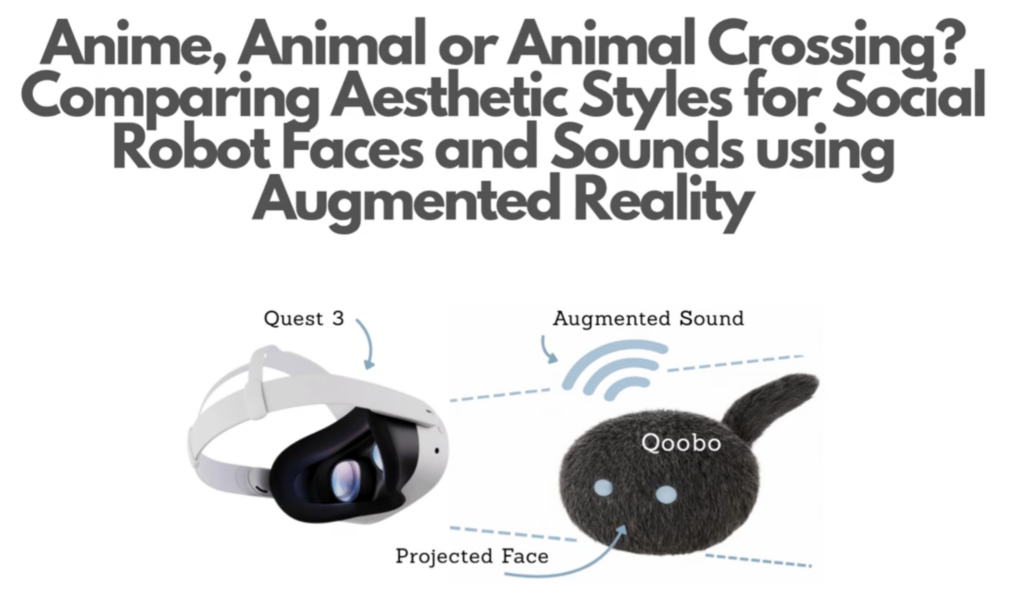
Researchers from the University of Glasgow have conducted a study to improve the design of social robots, focusing on their emotional appeal. By utilizing augmented reality, they tested various combinations of faces and voices on the Qoobo robot, which has a cushion-like body and a swinging tail. The findings suggest that animal-like and anime-inspired designs resonate well with users, enhancing the robots' ability to convey emotions. This research is significant as it addresses the lack of systematic studies in the design of social robots, which are increasingly used to provide companionship and alleviate feelings of loneliness, especially among older adults. The study indicates that aesthetic choices can greatly influence user engagement and emotional connection, paving the way for more personalized and appealing robotic companions. Looking ahead, the insights gained from this research could lead to the development of customizable social robots that adapt their appearances to meet individual user preferences. The team plans to further explore the implications of their findings on future social robot designs, although no specific timeline for future developments was disclosed at the time of publication.
Kawasaki to Deploy Noetra-Enhanced Kaleido Humanoid by 2030 with Gradual Autonomy Expansion
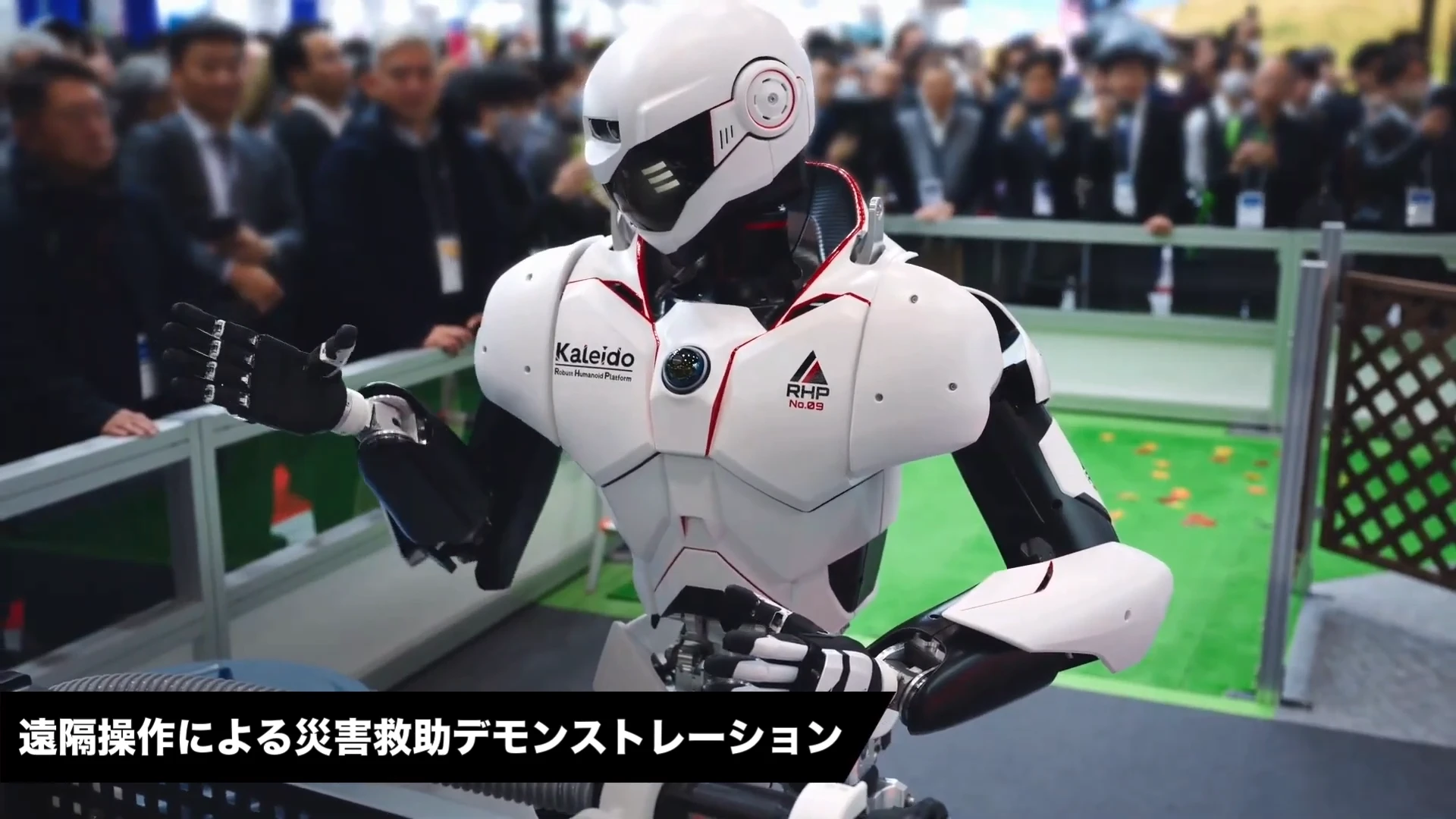
Kawasaki Heavy Industries plans to integrate Noetra’s Japanese physical AI platform into its Kaleido humanoid, aiming for a rollout as early as 2030. Kaleido will be the first to utilize Noetra’s technology, which will initially operate through a combination of remote human control and AI, gradually increasing its autonomous capabilities as Noetra’s platform evolves. The significance of this development lies in the phased approach to autonomy, with initial tasks focused on simpler operations such as patrolling and moving parts. While the goal is full autonomy, the rollout will begin with a hybrid model. Kawasaki’s roadmap indicates that remote-assisted work is expected around 2030, with full autonomous operation targeted for 2040, although the Noetra report does not confirm that all tasks will be autonomous at launch. Looking ahead, Kawasaki's collaboration with Noetra and NVIDIA aims to enhance the complexity and precision of autonomous movements. The company envisions deploying tens of thousands of robots across various applications by 2040, indicating a broader ambition beyond just humanoids, which will be crucial to watch in the coming years.
Kawasaki Japan
Panasonic Aims for Humanoid Robot Production by 2029, Emphasizing Battery Safety
Panasonic Holdings has announced its intention to develop humanoid robots, with production slated to begin by 2029, as stated by Chief AI Officer Akira Sakakibara. The company plans to target factory production lines and warehouses, although the project is still in its early stages. Research and development on necessary AI models and technologies has commenced, but specific achievements remain undisclosed. The significance of this initiative lies in Panasonic's focus on battery safety, which Sakakibara believes is crucial for overcoming barriers to the adoption of humanoid robots. He noted that Panasonic Energy's batteries have not been linked to serious fire incidents, positioning the company to potentially lead in safer humanoid robotics. Panasonic's existing components for humanoid robotics, such as power-management devices and sensors, provide a solid foundation for this new venture. Looking ahead, the next milestone to observe will be the unveiling of a robot design or a working demonstration that showcases the capabilities of the planned humanoids. No further timeline was disclosed at the time of publication.
Panasonic Japan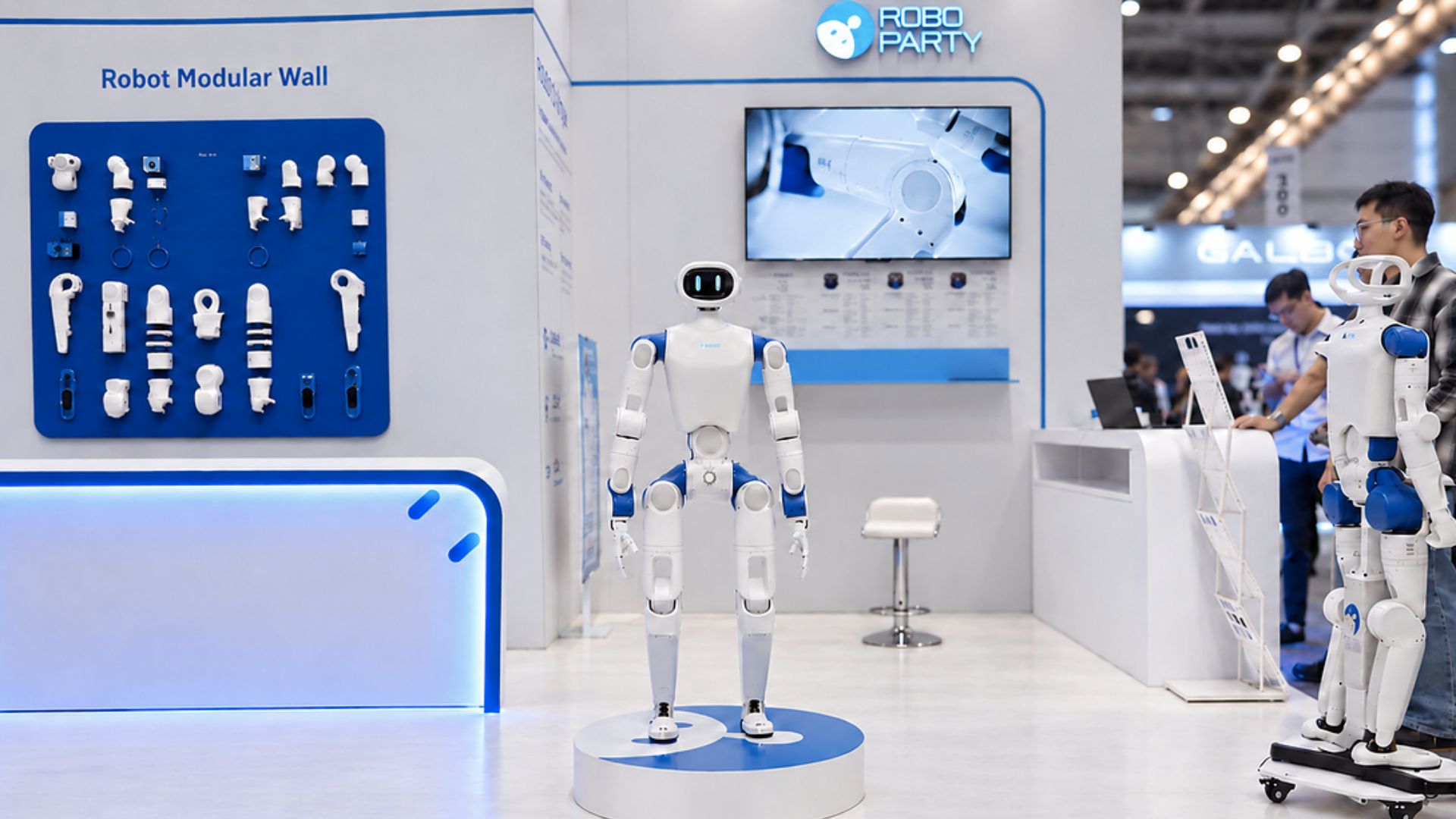
RoboParty Unveils RP1: The First High-Performance Open-Source Bipedal Humanoid Robot
RoboParty, a firm based in Pittsburgh, has introduced RP1 (ROBOTO 01), the world's first high-performance full-stack open-source bipedal humanoid robot, at IROS 2026. This robot aims to serve researchers, educators, and robotics developers by providing a customizable humanoid system that can be modified and trained in real development workflows. The significance of RP1 lies in its open-source nature, allowing a broader range of developers to engage with humanoid robotics. Founder Yi Huang emphasized the importance of accessibility in robotics, stating that the goal is to create an open foundation for continuous improvement and innovation. The robot's capabilities were showcased through an interactive demonstration, where visitors could test its dynamic stability and control performance by applying external disturbances. Looking ahead, RoboParty plans to further develop RP1 as part of its full-stack open-source roadmap, which began with the RPO project. The robot features impressive specifications, including a peak joint torque of 160 N•m, and is designed for dynamic motion and embodied AI model training. No further timeline was disclosed at the time of publication.
Innovation
Hitachi Collaborates with Agile Robots to Advance Physical AI for Manufacturing Automation
Hitachi has entered into a partnership with Agile Robots to develop physical AI systems aimed at automating complex factory tasks that require human adaptability. This collaboration merges Hitachi's expertise in AI, manufacturing, and edge computing with Agile Robots' advanced robotics platform, including their humanoid robot and AI-driven software. The significance of this partnership lies in its potential to enhance manufacturing processes by enabling robots to recognize changing conditions and make autonomous decisions. This aligns with Hitachi's broader initiative to create an HMAX Industry ecosystem, which aims to promote more autonomous manufacturing solutions globally. Looking ahead, the partnership is expected to expand Agile Robots' applications in various sectors, including automotive manufacturing and healthcare. No further timeline was disclosed at the time of publication.
Business & Markets Humanoids Physical AI AI Germany humanoid robotics
China’s Dexterous Hand Industry, 2026 Part 3 — The Players
Five vendor archetypes, MIR’s composite top ten, eight company profiles and six field deployments — every firm linked to the RobotToday supplier directory.

China’s Dexterous Hand Industry, 2026 Part 2 — The Technology
Linkage, tendon, direct drive or hybrid — and why hardware is converging while the DL1–DL5 manipulation scale decides who wins. Part 2 of 3.

China’s Dexterous Hand Industry, 2026 Part 1 — The Demand Picture
MIR Databank puts China dexterous hand shipments above 30,000 units in 2026, yet only 3.5% of 2025 demand came from factory production. Part 1 of 3.

WAIC Review 4/4: From Port AGVs to Hospital Night Shifts: What WAIC 2026 Reveals About Real Robot Deployments
From 530+ AGVs at a Singapore port to robots on Apple's line, WAIC 2026 speakers shared concrete data on where embodied AI robots are actually working today.

WAIC 2026 Ten Flagship Exhibits
WAIC 2026 named ten Flagship Exhibits from 3,000+ products — spanning domestic AI superclusters, humanoid robots, general-purpose agents, AI wearables, and protein design AI. Engineering breakdown by RobotToday.

AI for Science 2026: The Global Race for Scientific Discovery
2026 AI for Science landscape report: WAIC 2026 exhibitor breakdown, MIT Boltz-2 and CMU Coscientist case studies, US/China/EU policy comparison, Anthropic Claude Science, and US academic cautionary views.
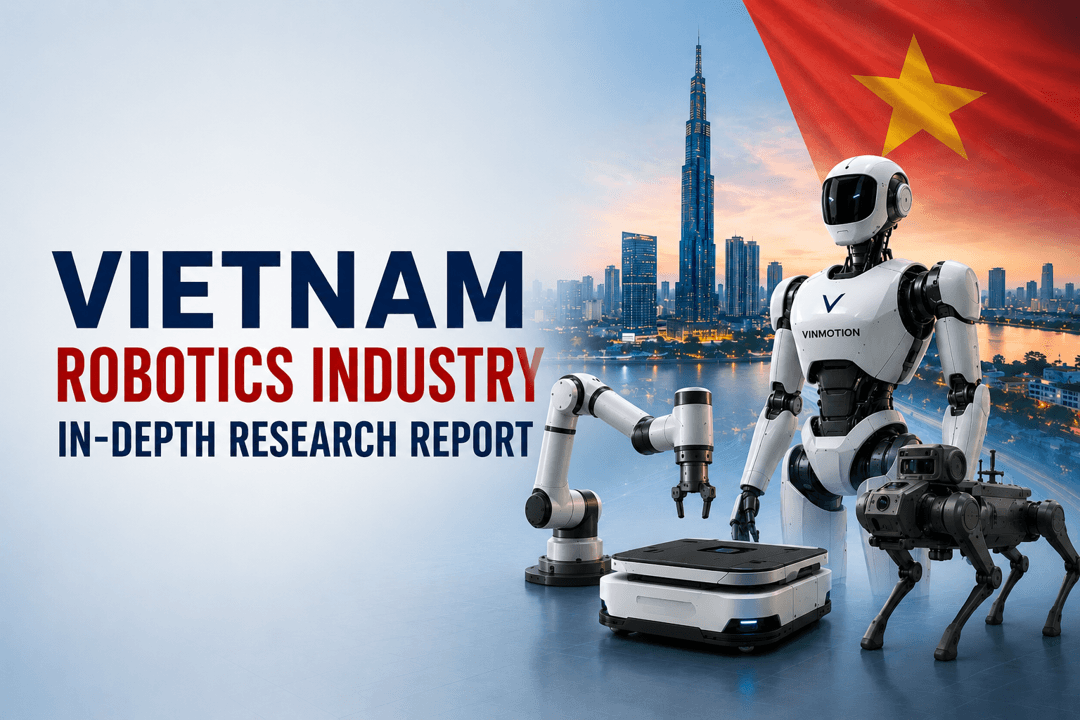
Vietnam Robotics Industry Report 2026
Comprehensive analysis of Vietnam's robotics industry: market size, industrial policy, key companies (Vingroup, Apicoo, Phenikaa-X), geopolitical dynamics, and 2030 growth opportunities.

Agricultural Robotics | Post-Harvest Automation: The $7.5B System Shaping the Food Supply
Post-harvest robotics automate sorting, grading, packing, and cold storage across the $7.5B equipment market. Deep-dive on TOMRA, Unitec, MAF Roda, Greefa, JBT, Bühler, and the AI-driven platforms replacing 450,000+ packhouse workers by 2030.
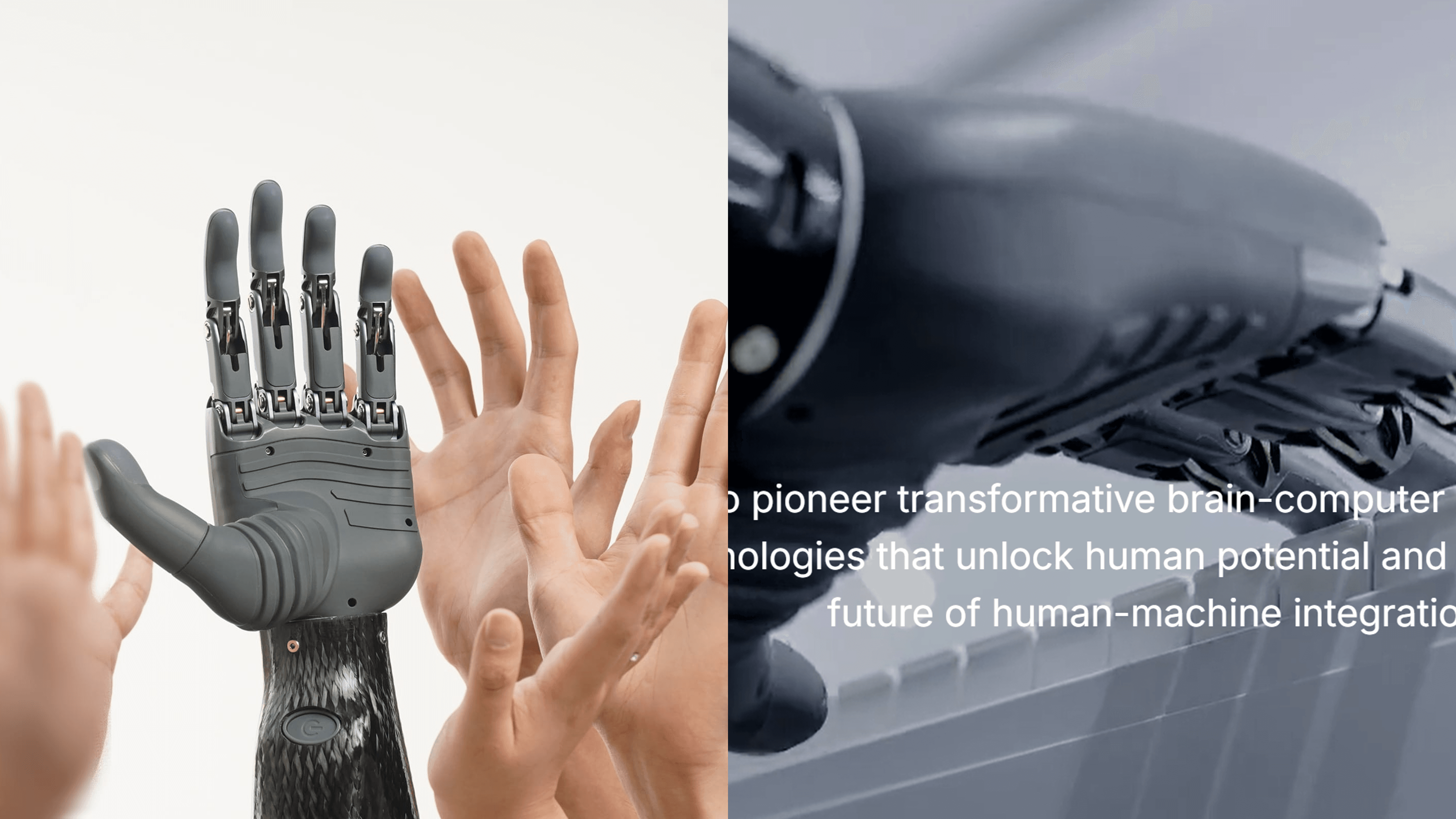
BrainCo Unveils Revo 3: A 21-DOF Dexterous Hand Built to Feel
BrainCo has launched Revo 3, a 21-DOF dexterous robot hand with full-palm tactile sensing and visuotactile fingertips. Read the full product briefing on RobotToday.
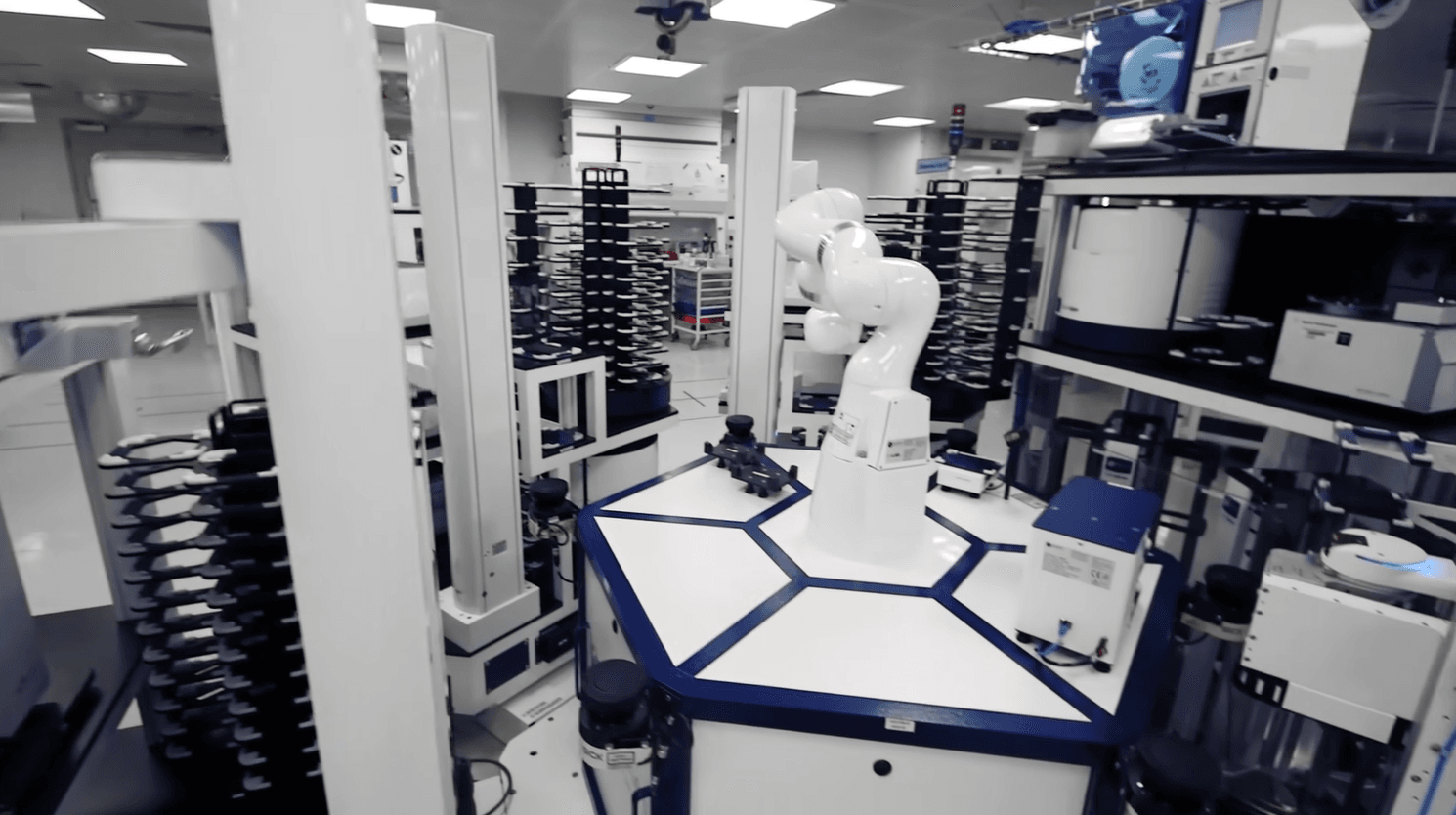
Laboratory Robotics in 2026: Technology, Companies & Vertical Maturity
From clinical diagnostics to self-driving labs: a deep analysis of laboratory robotics technologies, mass-production maturity timelines across 12 vertical sectors, 26 key companies, and the investment landscape shaping lab automation through 2030.


