


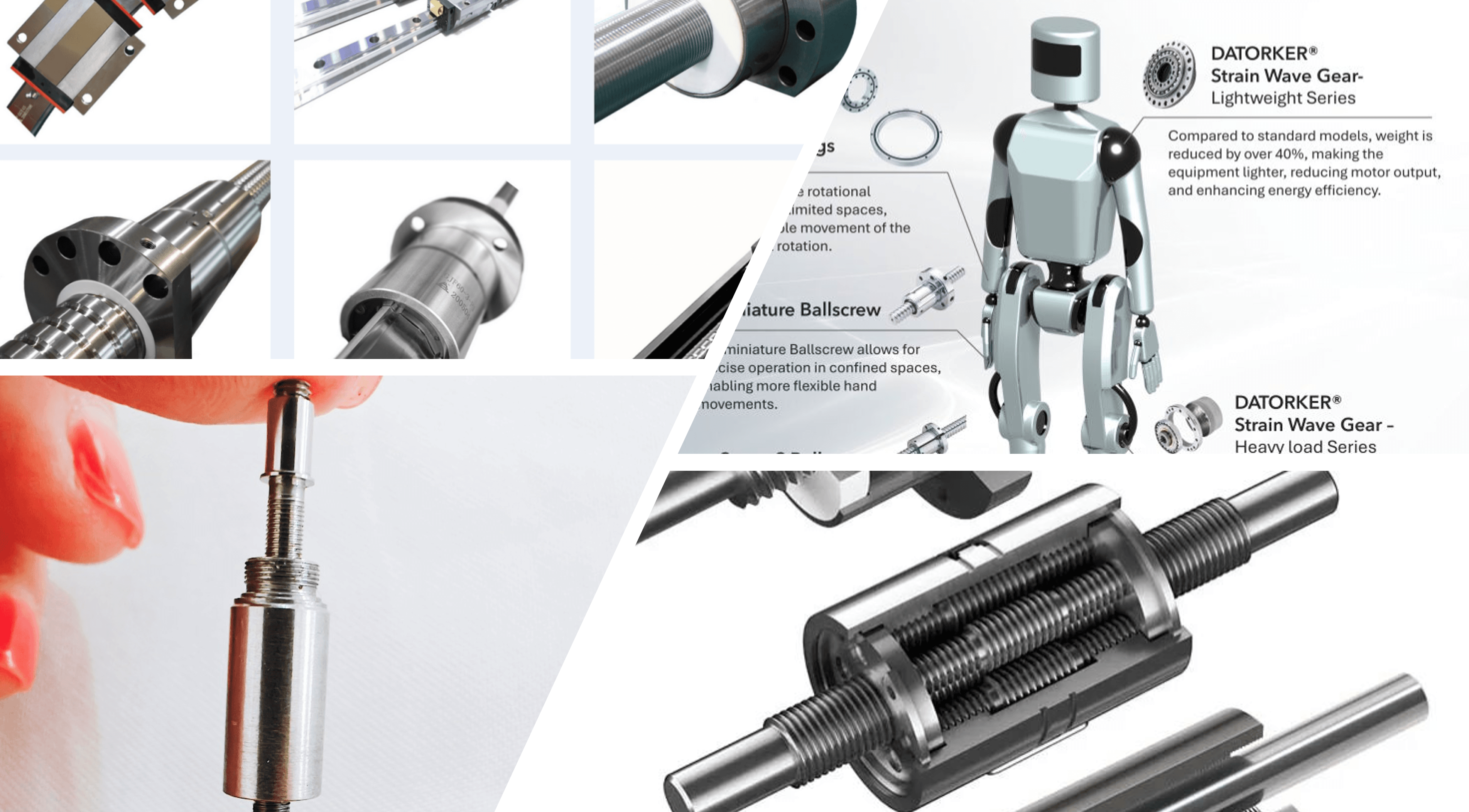
The race to scale humanoid robotics is heating up, and the battleground is the humble ball and roller screw. Tesla recently announced via its official Weibo channel that it is aggressively pursuing expansion, with plans to launch its third-generation humanoid by the end of 2025 and kick off mass production in 2026. CEO Elon Musk projects a massive output of one million units annually by 2030.
This aggressive scaling—and the constant march of iteration—hinges entirely on the performance of key components.
The $50 Billion Backbone
At the core of a humanoid robot's linear actuators, the "spine" of its movement, is the screw drive. This critical component dictates the robot’s load capacity, motion precision, and battery life, accounting for approximately 20% of the robot's total value.
A single humanoid typically requires 10 to 16 planetary roller screws. As titans like Tesla move toward mass production, the market potential for these components is enormous. China Securities estimates the global market will reach $50 billion by 2030.
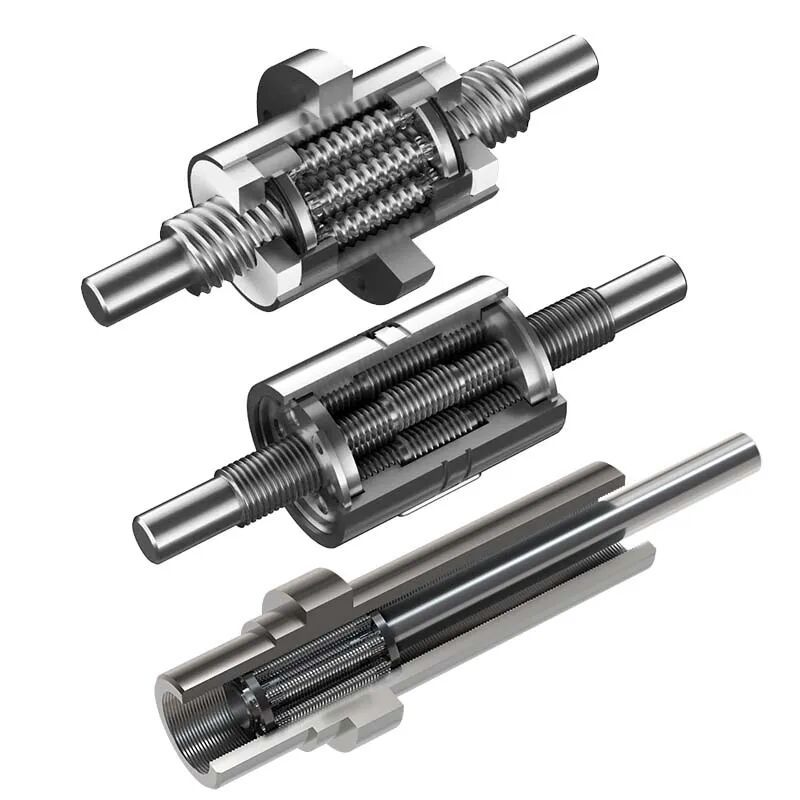
The technological evolution of screw drives has followed a clear path: from basic sliding screws to precision ball screws to the high-performance leap of planetary roller screws. The latter has become the undisputed choice for humanoid manufacturers, offering a larger contact area, higher transmission efficiency, superior load capacity, and extended lifespan.
For decades, this high-end roller screw market has been dominated by legacy companies in Europe, the U.S., and Japan. However, a cohort of Chinese industrial firms is now aggressively moving to break this international monopoly, fueling a crucial push for domestic substitution.
The Key Players in China's Screw Drive Push
Several domestic firms are rapidly developing and commercializing advanced screw drive and actuator technology to capture this emerging market:
Zhenyu Technology
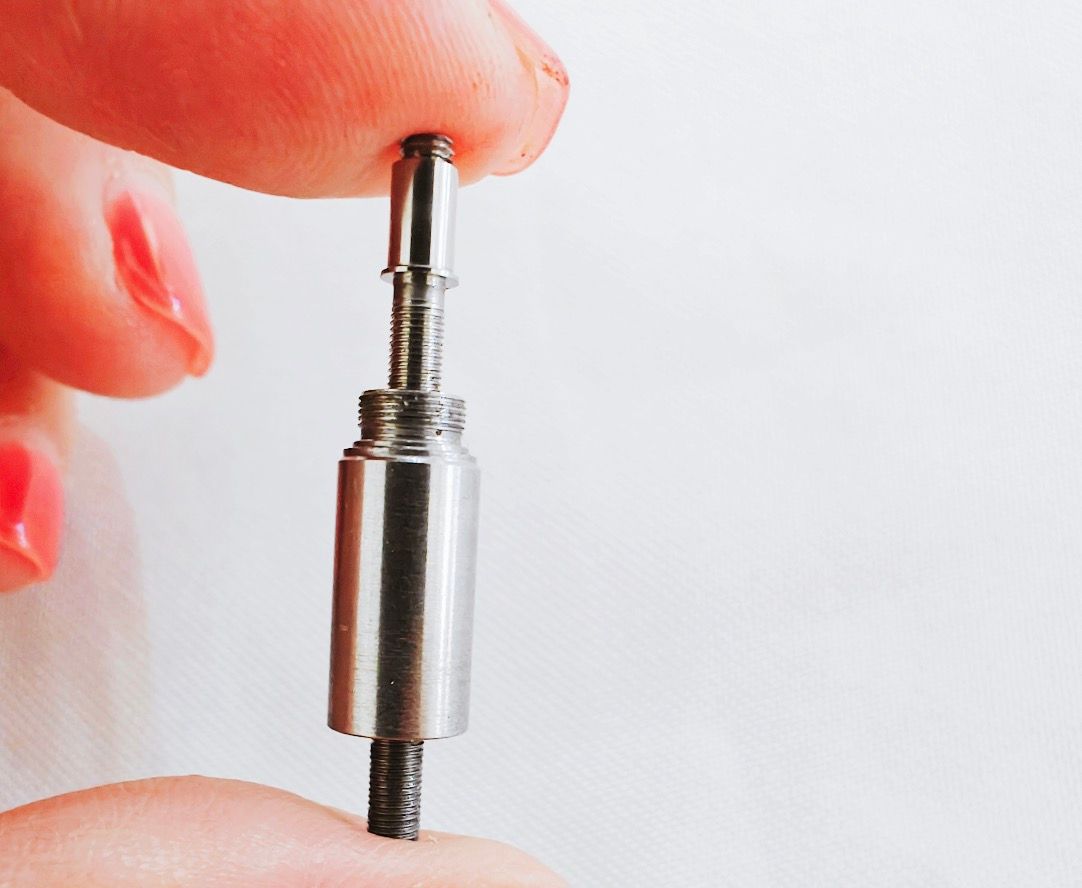
Founded in 1994, Zhenyu built its reputation on precision progressive stamping dies and structural parts for home appliances, auto, and industrial control. Recognizing the robotics boom, the company launched a subsidiary in October 2024 to serve as its development platform for emerging sectors, including humanoids.
Zhenyu is leveraging its expertise from high-volume production in the EV sector to establish fully automated assembly lines for products like inverted planetary roller screws. Its strategy is to continually upgrade its offerings from components (micro roller screws, micro planetary gear sets) to fully integrated systems, accelerating the iteration cycle from inverted planetary roller screw to linear actuator module to a highly integrated bionic arm. Ultimately, the firm aims to be a comprehensive hardware service provider for humanoid robot body manufacturers.
Market Traction: Its linear actuator modules and inverted planetary roller screws are reportedly verified by leading domestic and international humanoid robot clients. The company has already set up a semi-automated production line and a dedicated testing laboratory for the inverted planetary roller screw.
Nous Robotics
Despite being founded in July 2023, Noots has deep roots, spinning out of a family enterprise with over 30 years of screw manufacturing experience. The company is focused on original design and full-process in-house production of planetary roller screws and actuators.
Strategic Investment: In April 2025, Noots secured an exclusive Angel+ round of financing from SAIC Venture Capital, the professional investment arm of SAIC Group. This marks SAIC VC’s first investment in the upstream core components of humanoid robotics, intended to accelerate the mass production of Noots' C5-grade planetary roller screw products.
Product Line: Leveraging its three decades of expertise for fast development and cost control, Noots offers a comprehensive range, including: Micro differential roller screws (for dexterous hands, new energy, 3C), Inverted roller screws (for humanoid limb actuators), Differential roller screws (for new energy EMB actuators), and various other recirculating and standard roller screw series.
Nanjing Process Equipment Manufacturing
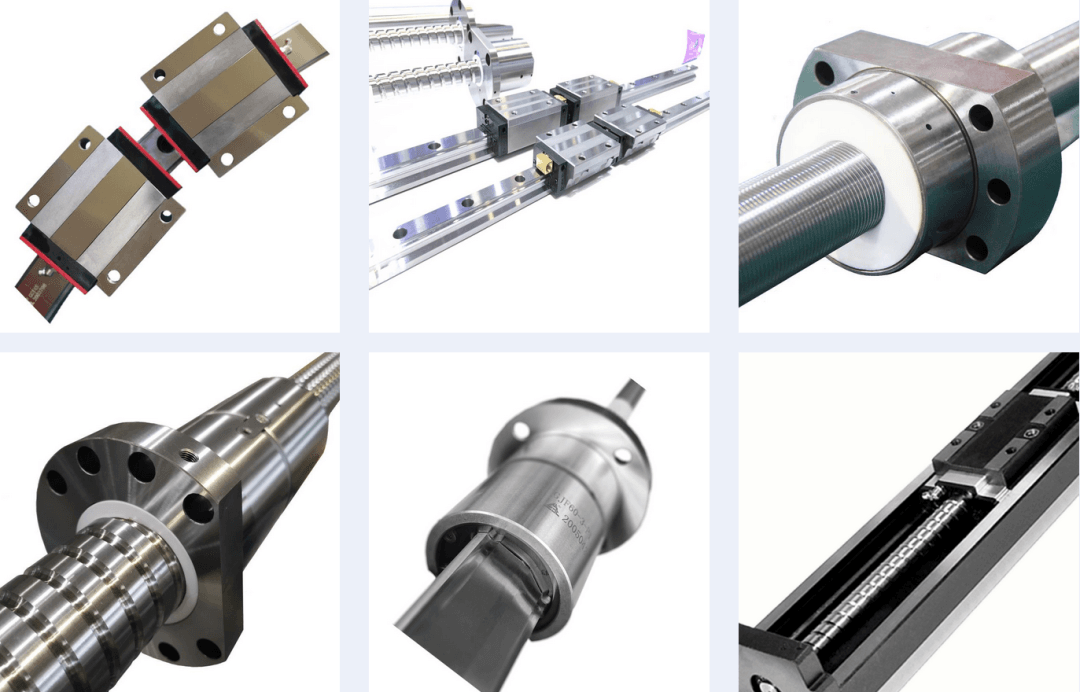
Established in 1952, Nanjing Process is a veteran in the field and is currently the largest, most comprehensive, and highest-quality base in China for industrializing precision rolling functional components. Its main products include ball screw pairs and linear guides used across high-end CNC machines, new energy, AI, and robotics.
With over 70 years of experience, Nanjing Process has developed unique strengths in "large-scale, high-speed, high-precision, and import substitution."
Humanoid Breakthrough: The company has made a successful breakthrough in the inverted planetary roller screw domain, with products capable of integration into humanoid joint electric linear actuators, and has already secured orders.
Qinchuan Machine Tool Group
Qinchuan Machine Tool is a major player in China’s machine tool industry, operating across numerous subsidiaries that cover CNC machines, complex tools, industrial robot reducers, and high-precision transmission components.
While known for its comprehensive precision equipment, its CNC screw and thread grinding machines can process high-end ball and roller screws with extreme precision (up to P0 grade for internal threads).
Robotics Initiative: Qinchuan has confirmed R&D and trial production work on planetary roller screw pairs specifically targeting the humanoid robotics sector.
HIWIN Technologies
Founded in 1989, Taiwan-based HIWIN is a globally recognized manufacturer of high-end precision products, including ball screws, linear guides, industrial robots, and harmonic reducers. Its proprietary HIWIN brand has been instrumental in challenging the long-standing dominance of Japanese and German firms in the precision machinery market.
HIWIN has already mastered the three key core technologies for robotics—reducers, motors, and controllers—achieving 100% in-house production of its harmonic reducers early on.
Integrated Solutions: Based on this foundational technology, HIWIN is positioned to offer a suite of critical components for humanoids, including precision ball screws, lightweight harmonic gear reducers, and ultra-thin cross-roller bearings. It also pioneered the i4.0BS intelligent ball screw, which uses integrated sensors to monitor performance and prevent unscheduled downtime, aligning with the industry's push for "smart manufacturing."
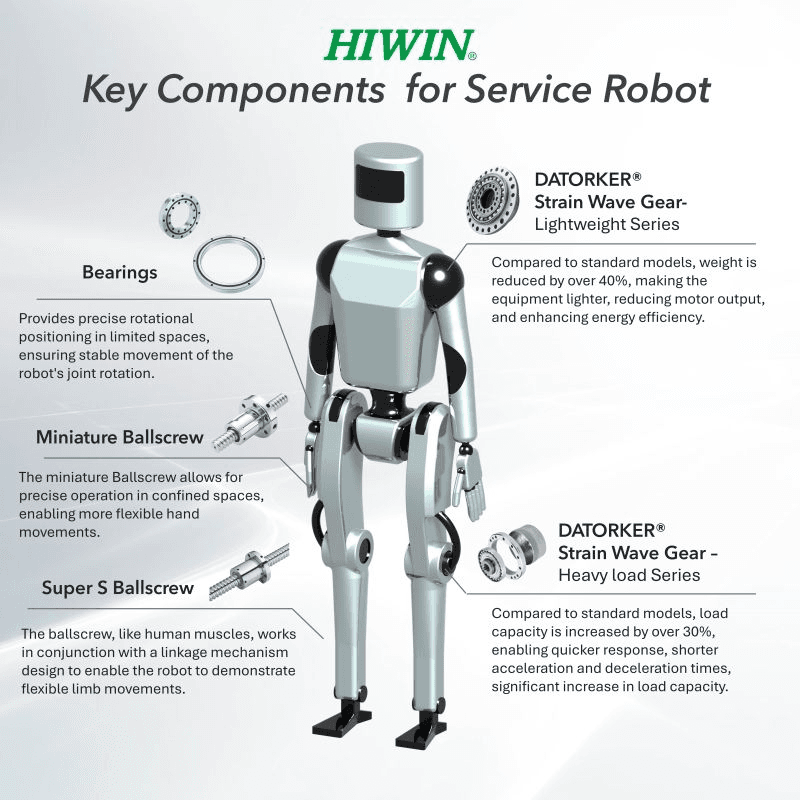
The rapid investment and technological advancements from these firms underscore the strategic importance of the screw drive in the next generation of automation. The world’s shift to humanoid robots is creating a massive market opportunity, and China is determined to control the core technology driving it.
What aspect of the humanoid robot supply chain do you find most interesting: the actuators, the processors, or the software stack?









Leave a comment