CLAAS 科乐收
"Agricultural Machinery by CLAAS"
German agricultural machinery manufacturer and world market leader in self-propelled forage harvesters and European leader in combine harvesters.
Contact CLAAS
WEBSITE
https://www.claas.comPHONE
+49 5247 120HEADQUARTERS
Germany

Company Facts
Founded
1913
Primary Role
Manufacturer
Company Size
-
Primary Region
Europe
Annual Sales
-
Funding Stage
-
Funding Total
-

China Achieves First AI-Guided Surgery for Congenital Heart Disease Using Intelligent Robotics
Recently, a medical team in China completed the world's first AI ultrasound robot-assisted interventional procedure for congenital heart disease. Conducted by the Cardiovascular Medicine Department of the Sixth Medical Center of the PLA General Hospital, this surgery marks a significant milestone in the clinical application of intelligent technology in healthcare. This breakthrough is crucial as it signifies the integration of artificial intelligence into one of the most critical aspects of surgical procedures: interpreting images, assessing positions, and aiding doctors in formulating operational plans. Traditionally, cardiovascular interventions heavily relied on physician experience, particularly in complex cases where accurate understanding of heart structure changes is essential. Looking ahead, the focus may shift from merely achieving higher precision with robotic arms to whether robots can comprehend medical images, analyze patient conditions, and adapt strategies in real-time. The integration of AI models, medical imaging, and robotic control systems will be vital for advancing surgical capabilities, especially in areas lacking experienced specialists.
AI in Healthcare Surgical Robotics Medical Imaging Cardiovascular Surgery
Challenges in Implementing Predictive Maintenance for Robot Fleets
Many predictive maintenance initiatives in robotics face a common hurdle: after installing sensors and training models, progress often halts. The anomaly score generated by these systems does not equate to actionable decisions, leading to a gap in the maintenance process. Without a technician assigned, confirmation of spare parts availability, and scheduling for repairs, the potential benefits of predictive maintenance remain unrealized. This issue is significant as it highlights the limitations of current predictive maintenance strategies in robotics. The inability to transition from data insights to actionable work orders can lead to increased downtime and inefficiencies in robot fleet management. Organizations investing in predictive maintenance technologies must address these operational challenges to fully leverage their investments and enhance productivity. Looking ahead, it will be crucial for companies to develop streamlined processes that connect predictive maintenance insights with practical maintenance actions. No further timeline was disclosed at the time of publication, but advancements in this area could lead to more effective management of robotic systems and improved operational efficiency.
Artificial Intelligence Computing Factories Internet asset management condition monitoring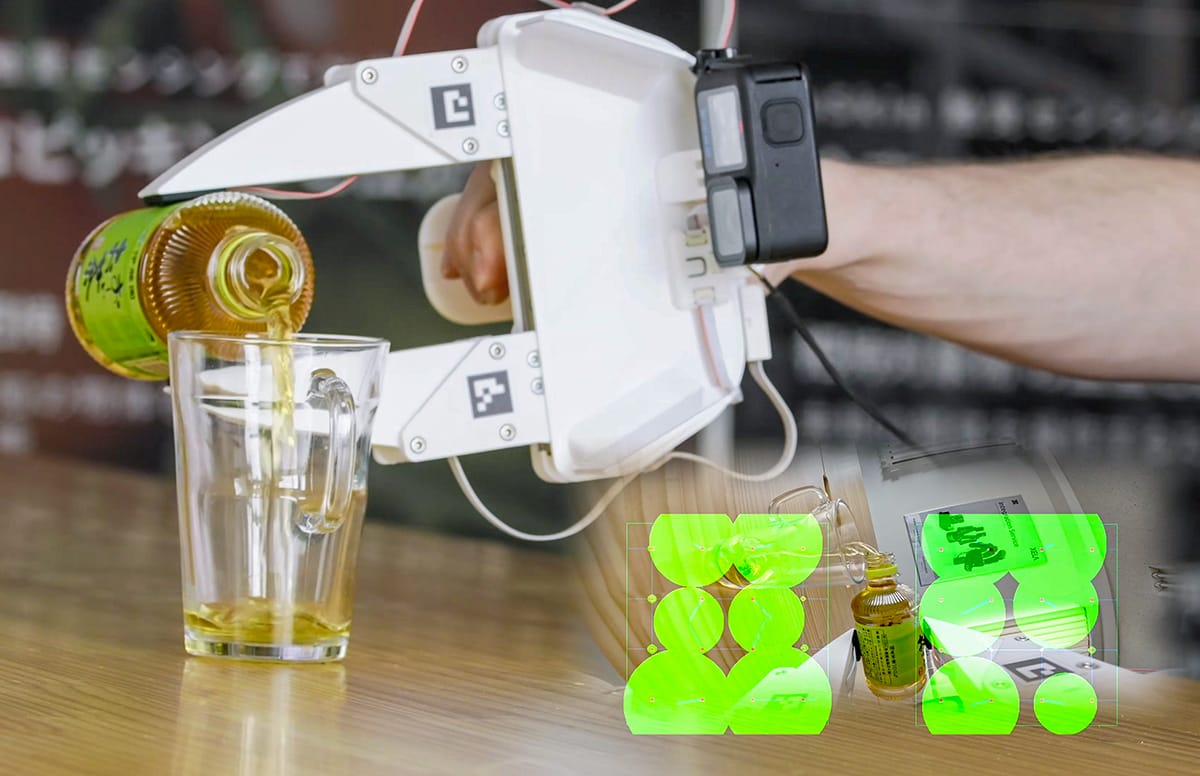
Pressure Sensors Enhance Robotic Gripping Accuracy and Interaction Control
The integration of pressure sensors into robotic grippers, such as the UMI gripper from XELA Robotics, significantly improves gripping accuracy. Unlike traditional methods that rely solely on motor current and position, pressure sensors provide critical real-time data on contact interactions, enabling better control during gripping tasks. This advancement is particularly crucial in industrial applications like bin picking and mixed-part handling, where the nature of contact can vary widely. By measuring distributed mechanical stress at the contact interface, pressure sensors allow for a nuanced understanding of how different materials respond to gripping forces, thus enhancing the reliability of robotic operations. Looking ahead, the continued development of pressure sensing technology in robotic systems will likely lead to more sophisticated interaction controls. No further timeline was disclosed at the time of publication.
End Effectors / Grippers Grippers Human Robot Interaction / Haptics News Sensors / Sensing Systems
AI Framework PACMAN Enables Rapid Control of Fusion Plasma at Princeton Lab
Researchers at the U.S. Department of Energy's Princeton Plasma Physics Laboratory and Princeton University have developed PACMAN, an AI software framework that controls fusion plasma faster than human operators can react. This innovation is crucial as fusion systems can experience instabilities in mere milliseconds, making human intervention impractical. The PACMAN framework allows for real-time decision-making while ensuring safety protocols are upheld, with human operators setting the system's objectives. This capability is vital for maintaining the stability of fusion reactions, which rely on precise adjustments to heating equipment and magnetic fields to keep plasma conditions optimal. The initial tests of PACMAN were conducted in five experiments, demonstrating its effectiveness in managing fusion plasma. As researchers continue to explore practical fusion energy solutions, the integration of multiple AI models within PACMAN represents a significant advancement in the field. No further timeline was disclosed at the time of publication.

China’s Dexterous Hand Industry, 2026 Part 2 — The Technology
Linkage, tendon, direct drive or hybrid — and why hardware is converging while the DL1–DL5 manipulation scale decides who wins. Part 2 of 3.

Teradyne’s IP Offensive and the Next Phase of Cobot Competition
Teradyne Robotics filed two European IP actions against Chinese cobot makers Elite Robots and JAKA within six months of 2026. This briefing maps the timeline, the differences between the cases, each side’s position, and what it signals about collaborative robot market competition.

Exploring the Role of FPGAs in Enhancing Physical AI Security
In Episode 260 of The Robot Report Podcast, Eric Sivertson, vice president of security at Lattice Semiconductor, discusses the significance of FPGAs in physical AI security. He highlights how these field-programmable gate arrays are crucial for building safe and secure robots, emphasizing their role in enhancing trust in embedded systems. The conversation underscores the growing importance of security in robotics, particularly as the industry shifts towards more advanced AI applications. Sivertson's extensive experience in developing technologies for security and connectivity positions him to provide valuable insights into the challenges and opportunities within this sector. Listeners should pay attention to the evolving landscape of physical AI security and the potential for FPGAs to serve as foundational elements in safeguarding robotic systems. No further timeline was disclosed at the time of publication.
Artificial Intelligence Autonomous Mobile Robots (AMRs) Humanoids Manufacturing Markets / Industries Microprocessors / SoC
iRobot Introduces the Roomba Duo, a Dual Robot Vacuum Concept
iRobot unveiled the Roomba Duo at the IFA tech show in Berlin, showcasing a concept that integrates a heavy-duty floor-washing machine with a smaller Roomba vacuum. The Duo features a mechanical arm that lowers the smaller unit for cleaning tight spaces, while the main unit handles larger areas with advanced navigation capabilities. This innovation is significant as it combines multiple cleaning functionalities into one device, potentially simplifying home cleaning for consumers. iRobot's Adam Pope emphasized that the main vacuum is the most powerful the company has produced, comparable to traditional upright vacuums, and can effectively handle solid messes while also steaming floors. As a concept product, the Roomba Duo lacks a price and release date, with ongoing development based on user feedback. Observers should watch for updates on its specifications and market readiness, as the device aims to redefine floor care in homes, despite concerns about its long-term durability.
IFA 2026 News Robot Smart Home Tech
Can Improved Hydraulic Systems Propel Humanoid Robots Towards Greater Versatility?
The humanoid robot industry faces a paradox: the pursuit of versatility necessitates specialized power solutions. Tesla's Optimus, Figure AI's tests at BMW, and Agility Robotics' Digit at Amazon showcase advancements but reveal structural weaknesses in execution. Issues like insufficient power, range anxiety, and adaptability to extreme environments remain unresolved. Experts, including Zhang Jianwei and Wang Jian, emphasize that the fundamental challenges lie in the physical properties of materials used in motors, which are limited by cost and efficiency. They argue that hydraulic systems, often deemed 'non-scientific' due to their complexity, could redefine actuator capabilities if the basic problems are solved. The economic paradox of traditional robotic actuators is highlighted by the high integration costs associated with systems like Boston Dynamics' Atlas. As the humanoid robot sector evolves, it inherits the complexities of traditional hydraulic systems, which require numerous sensors and intricate control networks. The real question is not whether hydraulics can provide power, but whether that power can be easily harnessed by robots. ClearZhu Power aims to address this challenge with its digital hydraulic technology.
Hydraulic Systems Humanoid Robots Robotics Technology Automation
U.S. Army Awards $464.8 Million Contract for 30-kW LOCUST Laser Systems
The U.S. Army has awarded AeroVironment a $464.8 million contract for the production of LOCUST laser systems under the Enduring-High Energy Laser (E-HEL) program. This contract marks a significant milestone as it is the first production contract for a directed-energy weapon in U.S. history, indicating a shift from experimental systems to operational capabilities. The LOCUST X3, a 30-kilowatt laser weapon, is designed to counter Group 1–3 unmanned aircraft systems and can be integrated onto various platforms, including the Army's Joint Light Tactical Vehicle. The contract aims to provide a scalable and cost-effective air defense solution against drones, which have become increasingly prevalent on modern battlefields. Looking ahead, AeroVironment is expanding its production capacity with a $30 million investment in its Albuquerque facility to support the ramp-up of LOCUST systems. The E-HEL program is expected to enhance the Army's defenses against drone threats, marking a significant step towards the routine use of laser weapons in military operations. No further timeline was disclosed at the time of publication.
Military
Tsubaki KabelSchlepp Introduces Robotrax System for Protecting Industrial Robot Cables
Tsubaki KabelSchlepp has launched the Robotrax System, a specialized three-dimensional cable carrier designed to protect electrical cables and hoses in six-axis articulated robots. This innovative system addresses the mechanical stress caused by rapid movements and torsional twists, which often lead to conductor fatigue and costly production halts. The Robotrax System features a central steel cable that absorbs tensile loads, preserving conductor integrity and extending cable service life. Its unique spherical link design allows for smooth flexing across three axes, while modular cable routing prevents signal interference and mechanical abrasion. This design significantly reduces installation and maintenance time, making it a valuable solution for automated manufacturing environments. Looking ahead, the Robotrax System's active retraction mechanism minimizes collision risks during complex robot movements. With tailored protective accessories, it is built to withstand demanding industrial conditions. No further timeline was disclosed at the time of publication.
Articulated-robots Robot-uptime Automation Robot-arms Manufacturing Factory-robots
RMCS V1.0 Launches to Address Robot Mass Delivery Challenges in the Industry
The launch of RMCS V1.0 by ZK Wireless Semiconductor marks a significant step in overcoming the engineering gap in robot mass production. This integrated platform, centered around the CT-2001A intelligent chip, aims to facilitate the transition from prototype validation to scalable delivery, addressing critical pain points in the robotics industry. The importance of RMCS V1.0 lies in its ability to streamline the development process, which has traditionally been hampered by long development cycles, high talent requirements, and complex maintenance. By providing a standardized platform for motion control, RMCS V1.0 allows companies to focus on application development rather than foundational algorithm creation, thus lowering the barriers to entry for mass production. Looking ahead, the industry will be watching how RMCS V1.0 impacts the robotics landscape, particularly in terms of reducing costs and improving efficiency in robot deployment. No further timeline was disclosed at the time of publication.
Robot Motion Control Intelligent Chips Robotics Development Automation Solutions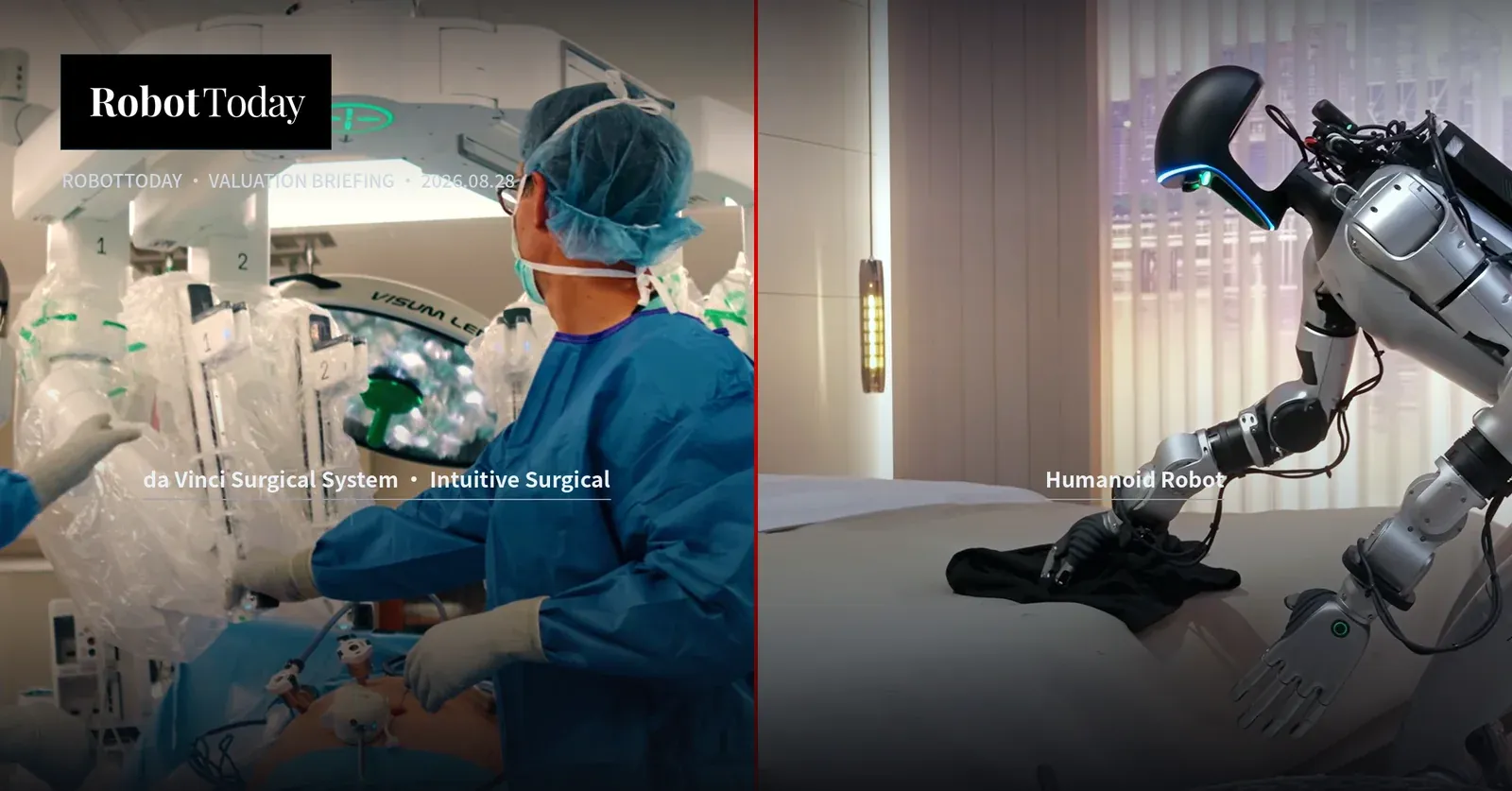
Robotics Investing: Intuitive Surgical or Unitree?
Unitree (STAR 688836) trades near 410x earnings after a 46% drawdown; Intuitive Surgical sits at 42.5x. A definition-aligned comparison of both companies.
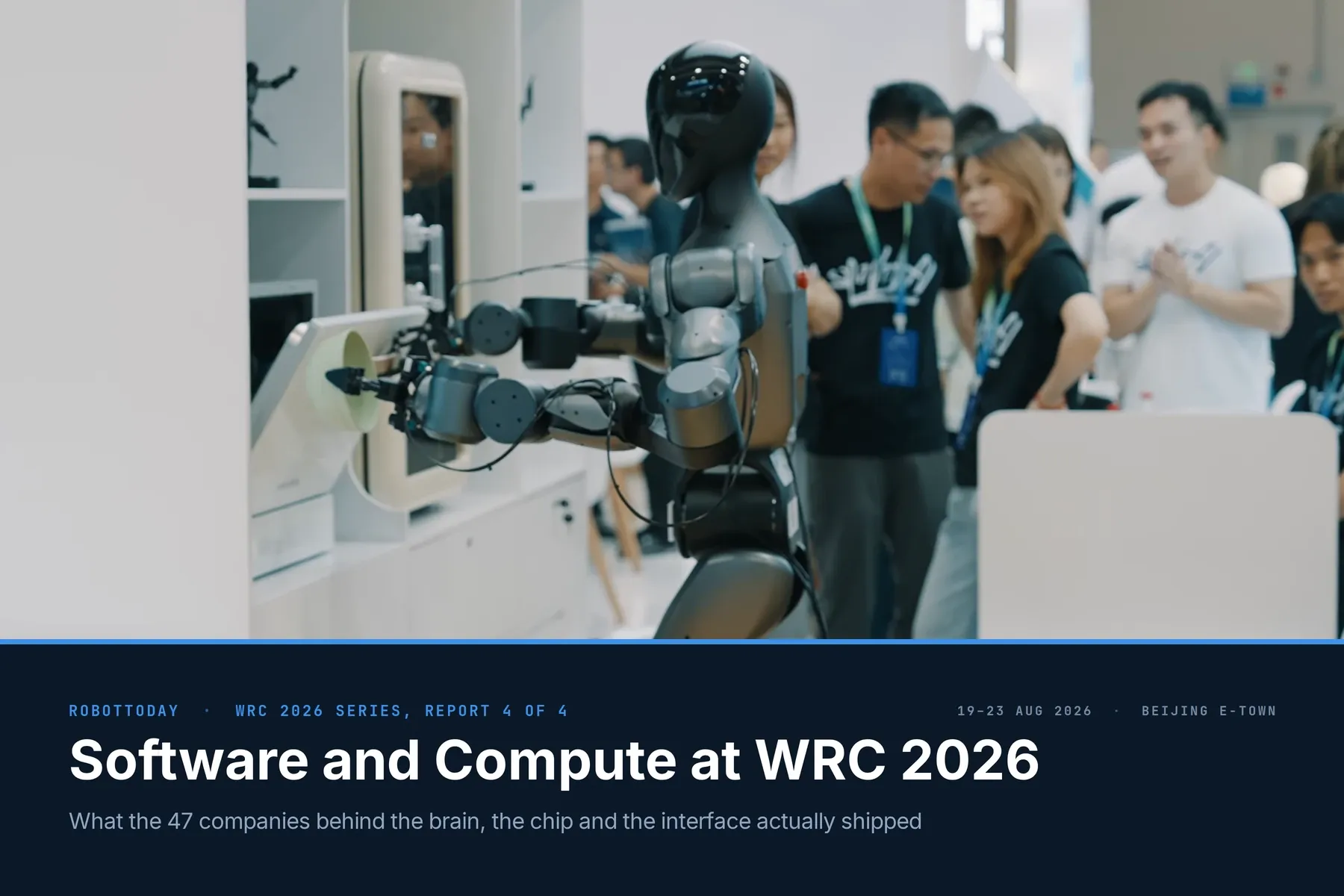
Software, Compute and Interaction at WRC 2026
47 WRC 2026 exhibitors supply robot software, compute or interaction — but only 19 call themselves software companies. Five open artefacts, licence-checked.

WRC 2026 Core Components: 137 Robot Parts Suppliers
The third report in the WRC 2026 series. Report 1 mapped all 248 exhibitors by category and Report 2 covered the 139 that build finished robots. This one covers the 137 that build what goes inside them.
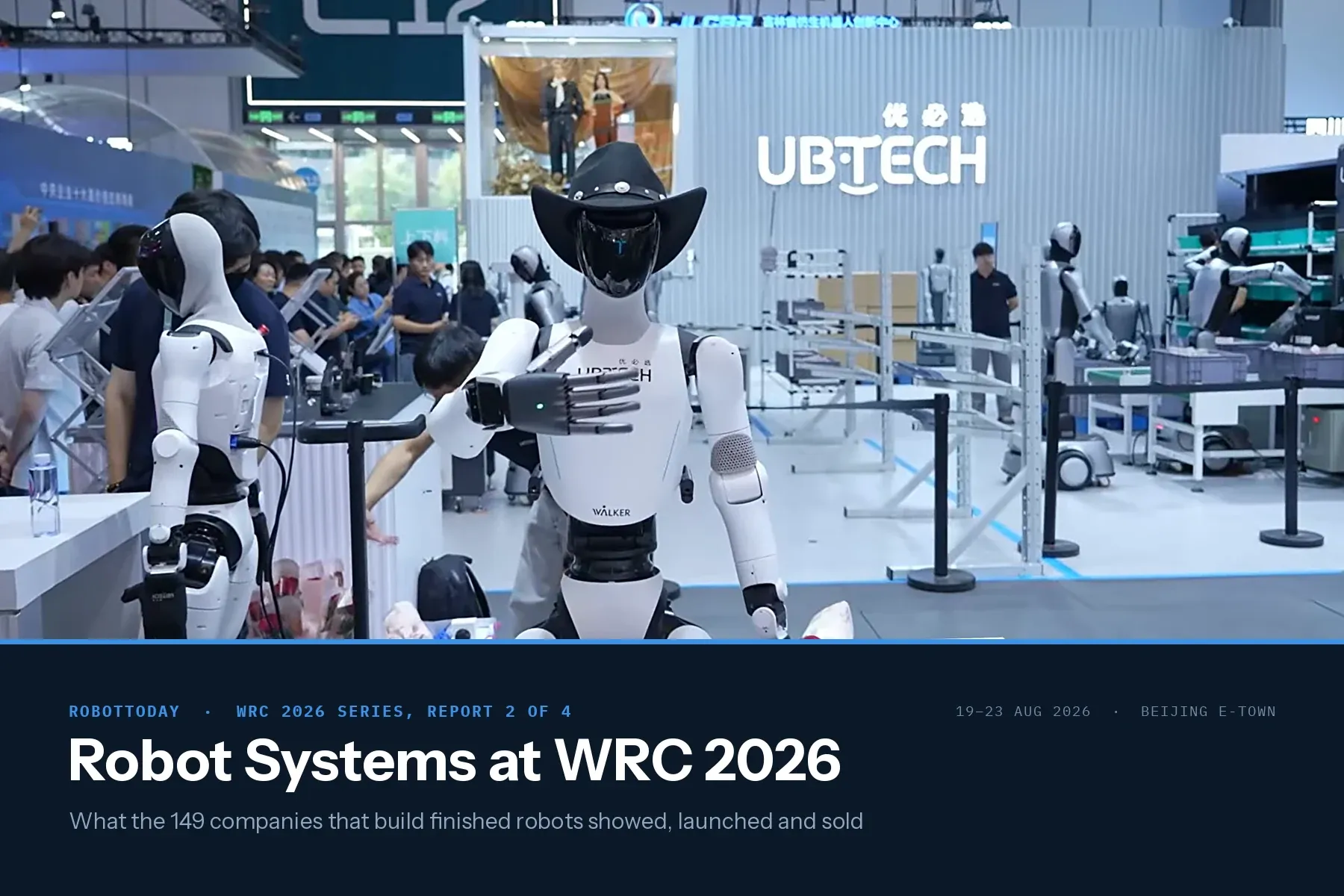
WRC 2026 Robot Systems: 149 Companies That Build Robots
149 of the 248 classified WRC 2026 exhibitors build finished robots. 93 build humanoid or legged machines. The audited humanoid sales number is one unit.
AGRICULTURAL ROBOTICS SERIES — Company Directory 2026
Access the definitive 2026 directory of 150+ agricultural robotics companies. A comprehensive reference guide covering autonomous tractors, harvest automation, precision weeding, and AI data platforms across the global agtech ecosystem.

Agricultural Robotics | 2025–2030 Outlook: The Labor Cost Reckoning
Agricultural robotics is projecting a $28–48 billion market by 2030 outside China, driven purely by labor cost replacement. Part 10 synthesizes the series: forecasting penetration ceilings, emerging technologies, and regional winners in the most consequential farming transformation since mechanization.
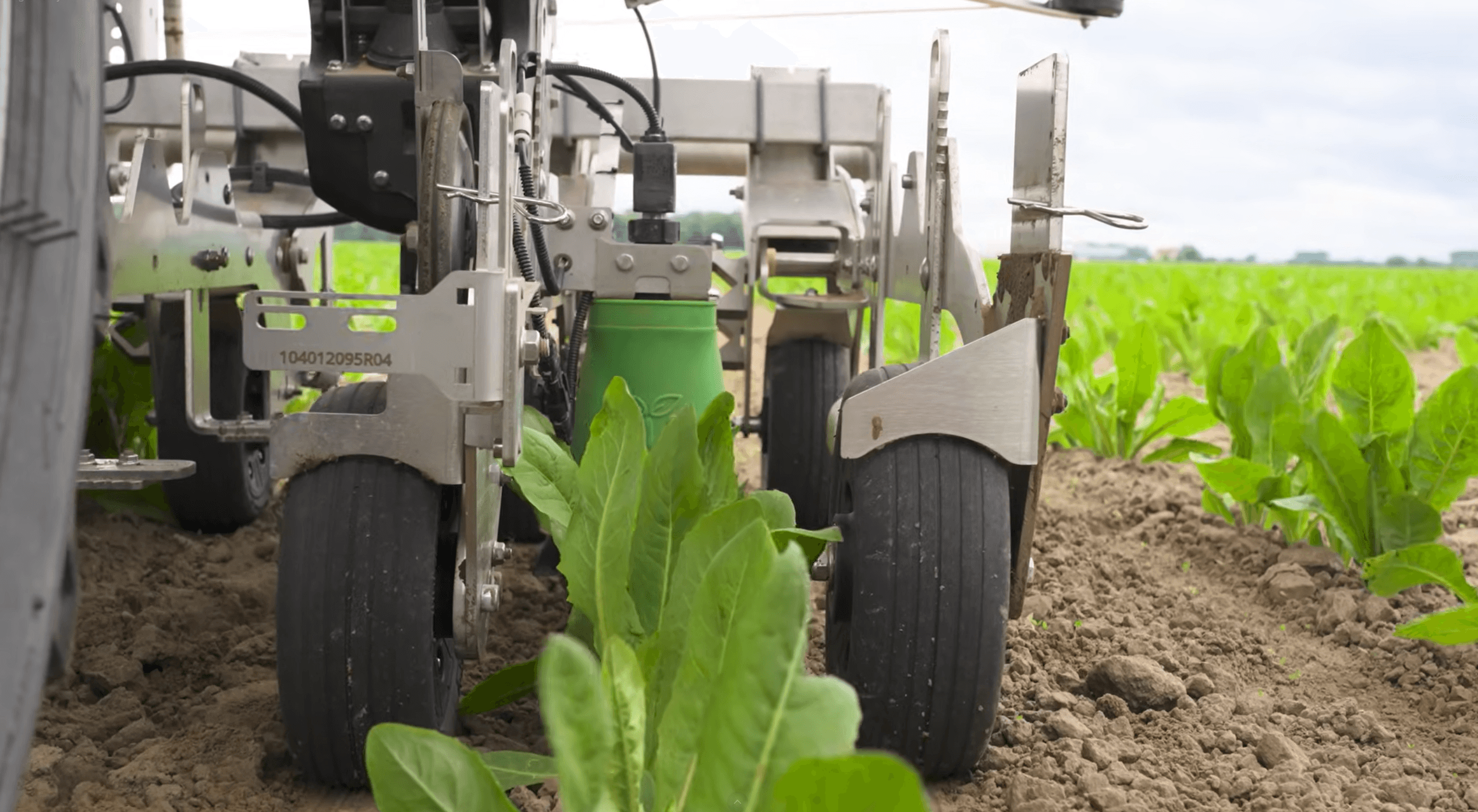
AGRICULTURAL ROBOTICS | Precision Planting & Seeding
Precision planting and seeding robots are emerging as one of the fastest-ROI segments in agricultural robotics. This deep dive examines market size, key technologies, and leading players across North America, Europe, Japan, and Israel, including RTK-GPS planters, autonomous tractors, and swarm seeding systems.
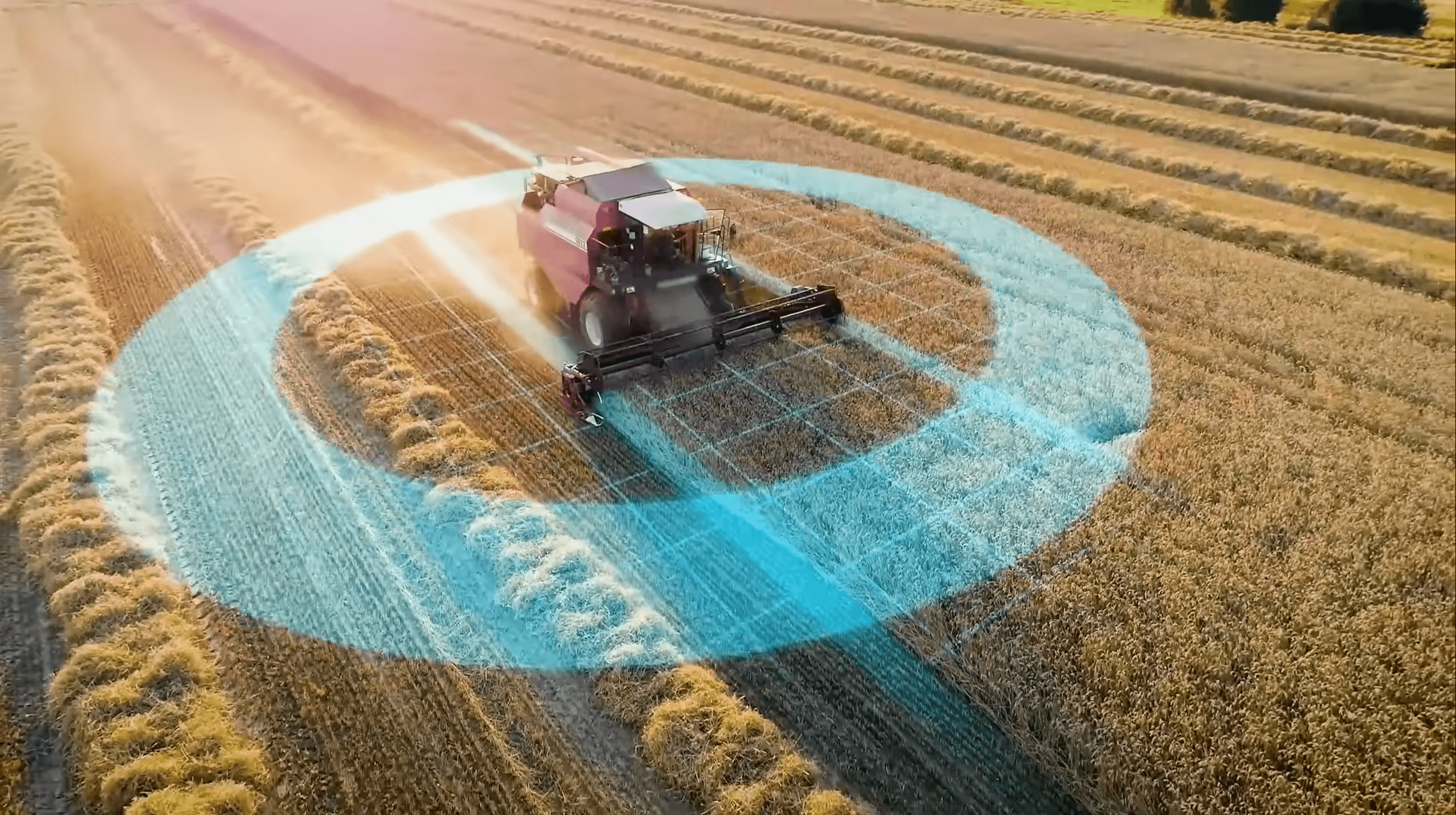
AGRICULTURAL ROBOTICS | Market Leaders, Regional Analysis & Top Countries
John Deere, DJI & 340+ companies compete for the $48–56B Western market and China’s $80–150B parallel ecosystem. Regional analysis across 5 top countries.