

AI2 Robotics 智平方(深圳)科技有限公司
Develops autonomous wheeled-humanoid robots powered by the AlphaBrain embodied AI platform, targeting manufacturing, logistics, and commercial service.
Contact AI2 Robotics
WEBSITE
https://ai2robotics.com/HEADQUARTERS
China

Company Facts
Founded
2023
Primary Role
Manufacturer
Company Size
-
Primary Region
Asia-Pacific
Annual Sales
-
Funding Stage
-
Funding Total
-
Keywords
- AI2 Robotics
- 智平方(深圳)科技有限公司
- AlphaBot
- AlphaBrain
- GOVLA
- embodied AI
- wheeled humanoid
- VLA
- Shenzhen
- Manufacturer
- Software/Algorithm
- Humanoid
- Mobile Manipulator
- Commercial Service Robot
- Control & Software
- Human-Machine Interaction
- Manufacturing
- Logistics & Supply Chain
- Retail & Hospitality
- Special / Extreme Environments
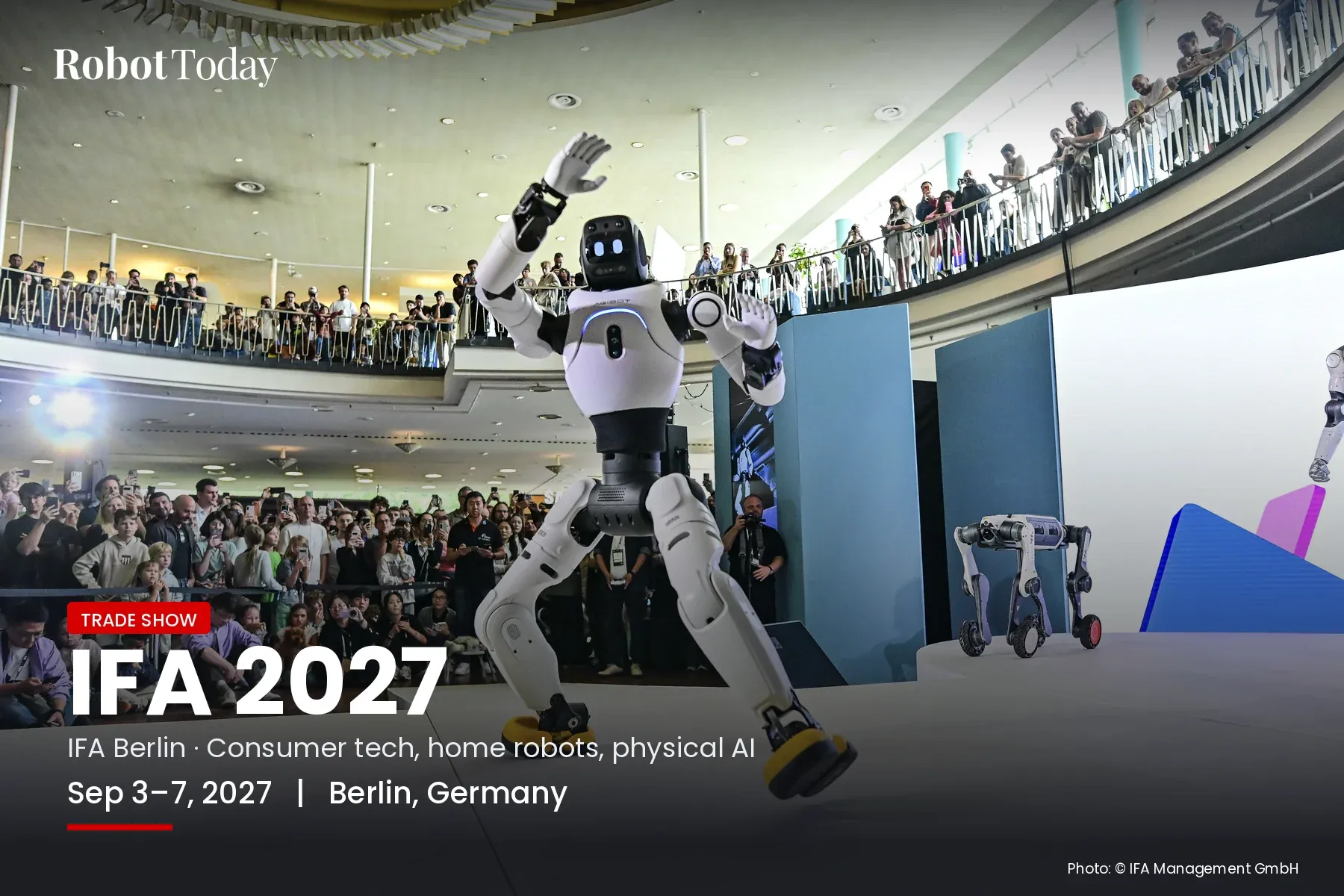
IFA 2027 – Berlin, Sep 3–7, 2027
IFA 2027 runs Sep 3–7 at Messe Berlin, with media days Sep 1–2. The 2026 show featured 11 humanoid robot brands and drew 240,000 visitors.
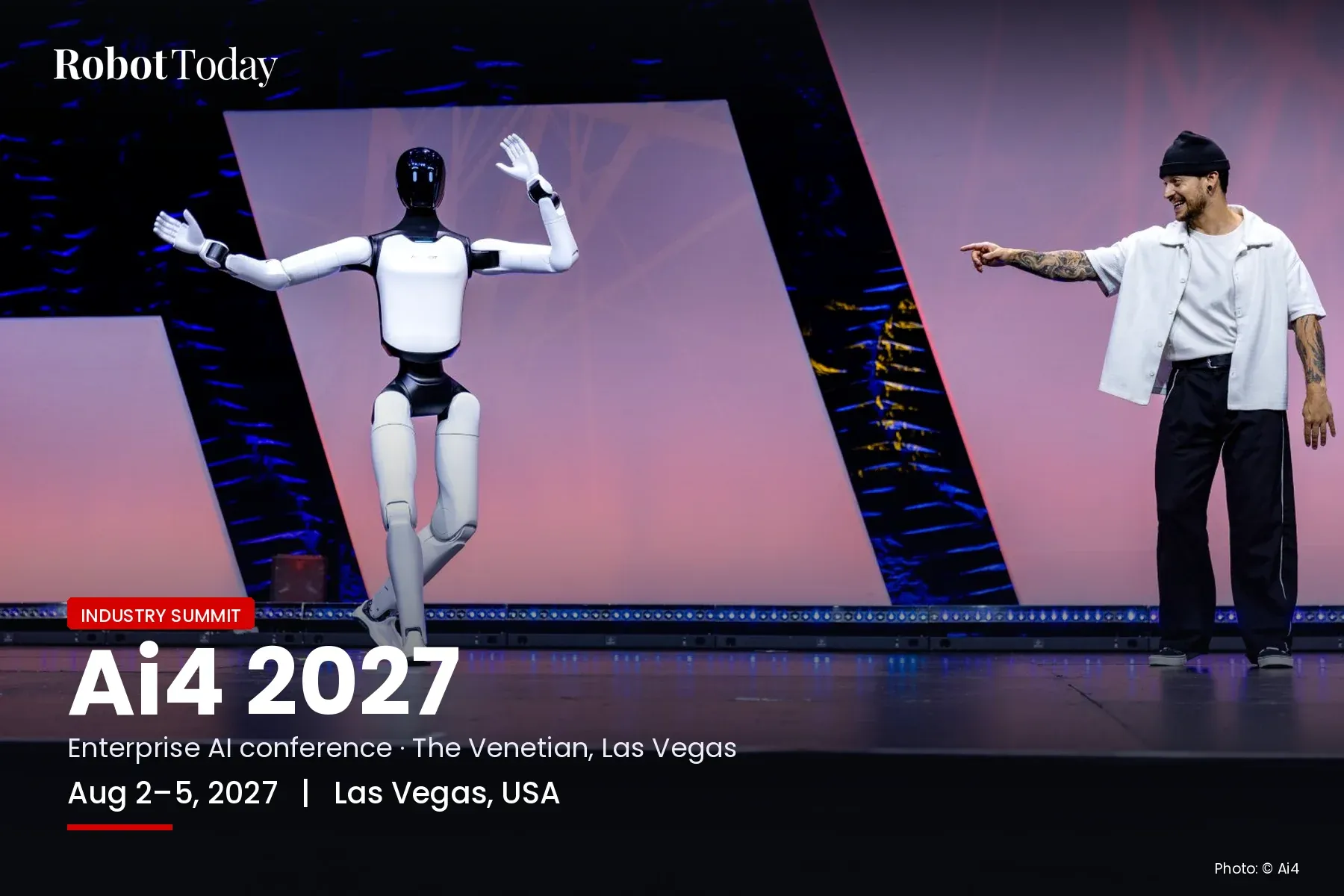
Ai4 2027 – Las Vegas, Aug 2–5, 2027
Ai4 2027 runs Aug 2–5 at The Venetian, Las Vegas: enterprise AI tracks, a startup stage and humanoid robot demos. Free passes for qualified AI buyers and media.
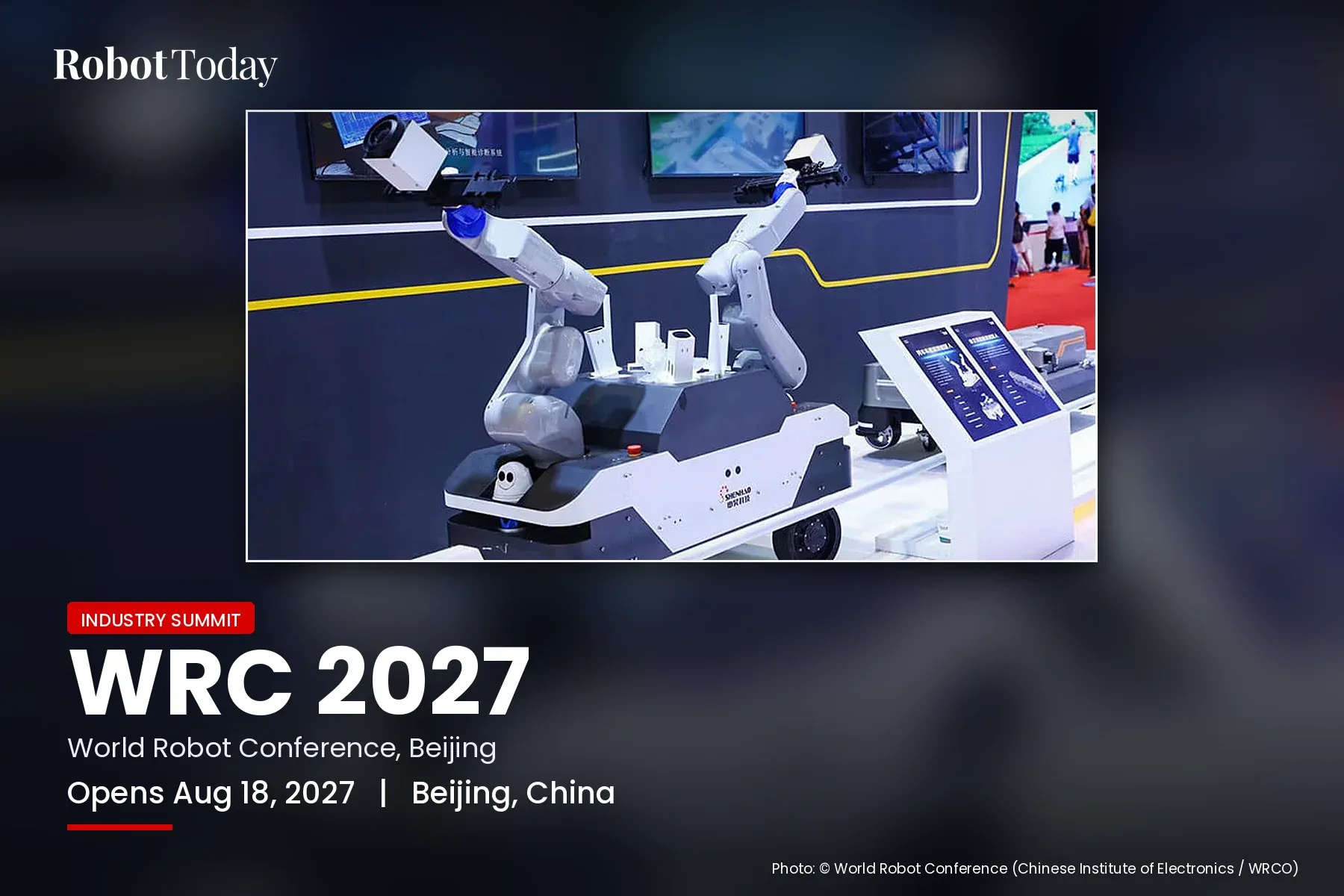
WRC 2027: World Robot Conference, Beijing, opens Aug 18
WRC 2027 opens Aug 18, 2027 in Beijing. The 2026 edition had 373 exhibitors, 311 product debuts and 557,000 on-site visits.
Doosan Robotics Secures W98.9b for AI Manufacturing Platform Development
Doosan Robotics announced it has obtained two significant R&D contracts from the Korean government to create South Korea's first physical AI manufacturing platform. The initiative will integrate domestic semiconductors into collaborative robots, with a total funding of 98.9 billion won ($50.7 million) from government subsidies and additional investment from Doosan. This development is crucial as it aims to enhance manufacturing efficiency and security by processing multimodal data directly within the robots, thereby reducing reliance on external systems. The projects will focus on creating advanced cobot models and an industrial humanoid, targeting sectors such as defense, nuclear energy, and biopharmaceuticals, with commercialization expected by 2031. Looking ahead, the second project will leverage AI and digital twin technology for high-precision welding in nuclear energy components, aiming for a significant reduction in production time. Field trials will be conducted at Doosan Enerbility’s facilities, with plans to extend this technology into shipbuilding and defense industries. No further timeline was disclosed at the time of publication.
All News
Minerva Humanoids Secures $10M Funding to Develop Robots for Hazardous Environments
Minerva Humanoids has emerged from stealth mode, announcing approximately $10 million in pre-seed funding aimed at developing semi-autonomous humanoid robots for hazardous work environments. The funding round was led by General Catalyst, with Long Journey Ventures and Credo Ventures as co-leads, and will support advancements in robot hardware and AI systems as the company prepares for its initial paid pilots this fall. The significance of this funding lies in Minerva's focus on enhancing safety in high-risk sectors such as energy operations, public safety, and explosive ordnance disposal. The company's first robot, Roger, is designed to allow trained specialists to perform dangerous tasks remotely, minimizing the need for human presence in hazardous areas. This approach aims to improve efficiency and safety in operations where traditional robots may fall short. Looking ahead, Minerva plans to produce its robots in both the U.S. and Germany, while avoiding reliance on single-source Chinese components. The company is also exploring partnerships with academic institutions to address challenges in hazardous environments. No further timeline was disclosed at the time of publication.
AI Funding & Investment Business & Markets Humanoids Physical AI AI Chaotica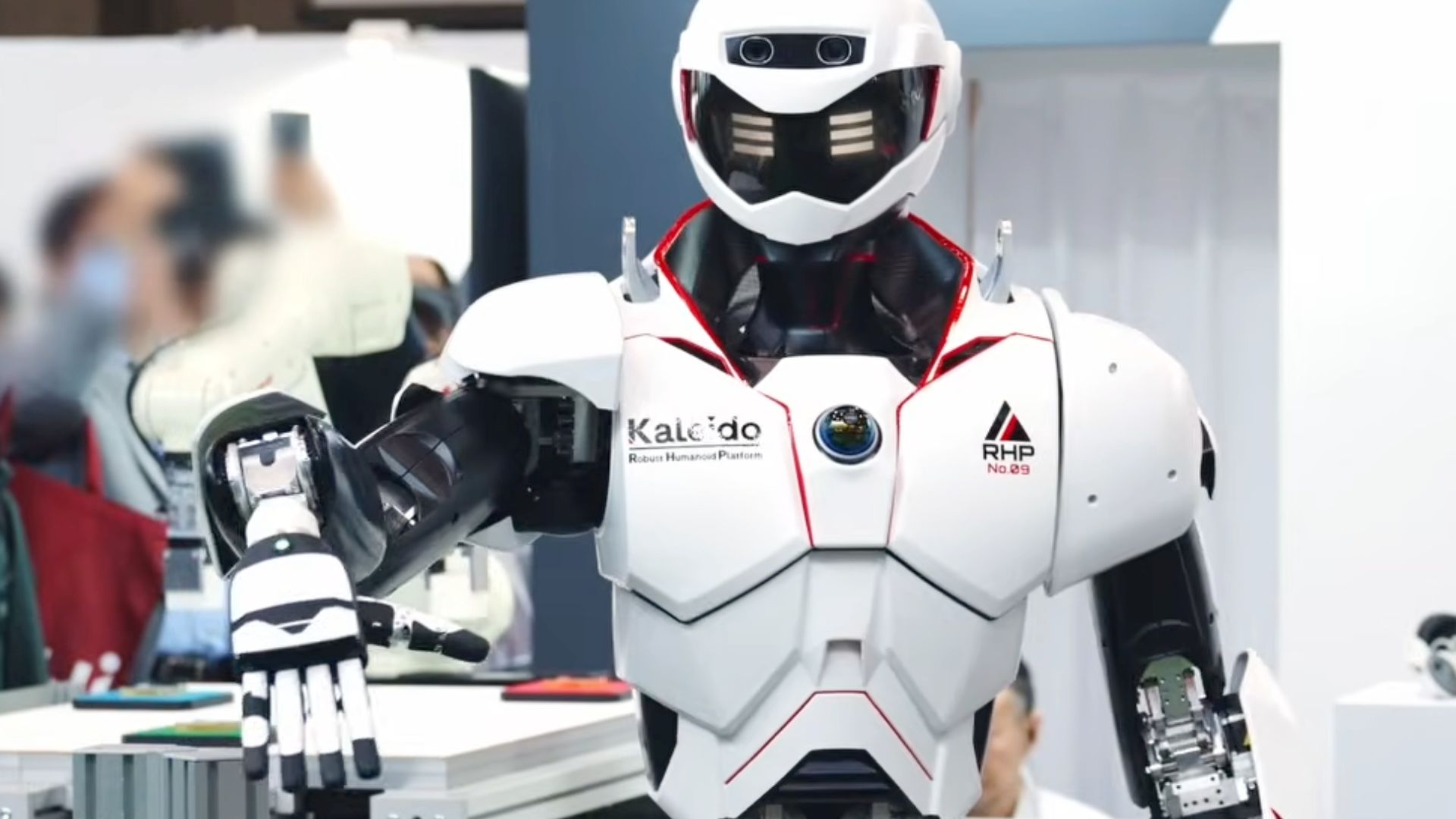
Kawasaki Integrates Noetra's Physical AI to Enhance Kaleido Humanoid Robot Autonomy
Kawasaki Heavy Industries is set to incorporate Noetra's physical AI platform into its Kaleido humanoid robot, marking a significant step toward full autonomy. This integration positions Kaleido as the first planned adopter of Noetra's technology, with initial deployments expected to combine remote human control and AI, gradually moving toward greater autonomy. The initiative is crucial as it reflects Kawasaki's strategy to expand the role of humanoid robots in industrial operations, starting with simple tasks like facility patrols and parts transportation. As the technology evolves, the company aims to transition to more complex applications, including assembly tasks that require higher precision and coordination. Looking ahead, Kawasaki's roadmap indicates that remote-assisted work in controlled environments is targeted for 2030, while fully autonomous operations in unstructured environments are planned for around 2040. The collaboration with Noetra and NVIDIA aims to enhance Kaleido's capabilities, potentially allowing it to perform more demanding tasks in the future.
AI and Robotics
Evaluating the Five-Year Cost of Humanoid Robots in Warehousing Operations
Humanoid robots are increasingly being considered for warehousing applications, but users must evaluate their five-year total ownership costs, according to Jonathan Sp, co-founder of RobixOne. While the initial purchase price may seem manageable, the total cost of ownership often exceeds 1.6 times the list price when factoring in service, repairs, and energy costs. The importance of understanding these costs is critical as downtime can significantly impact throughput in distribution centers. Humanoids currently function as supervised assistants, requiring proper mapping and task management, which complicates their deployment. Businesses must assess whether humanoids can effectively handle narrow, repeatable tasks before committing to their use. Looking ahead, companies should focus on the long-term economic viability of humanoids versus traditional labor and automation solutions. Key questions regarding total costs, maintenance, and performance metrics should be addressed before making capital expenditures. No further timeline was disclosed at the time of publication.
AI Materials Handling Robotic Picking bipedal robot humanoids RobixOne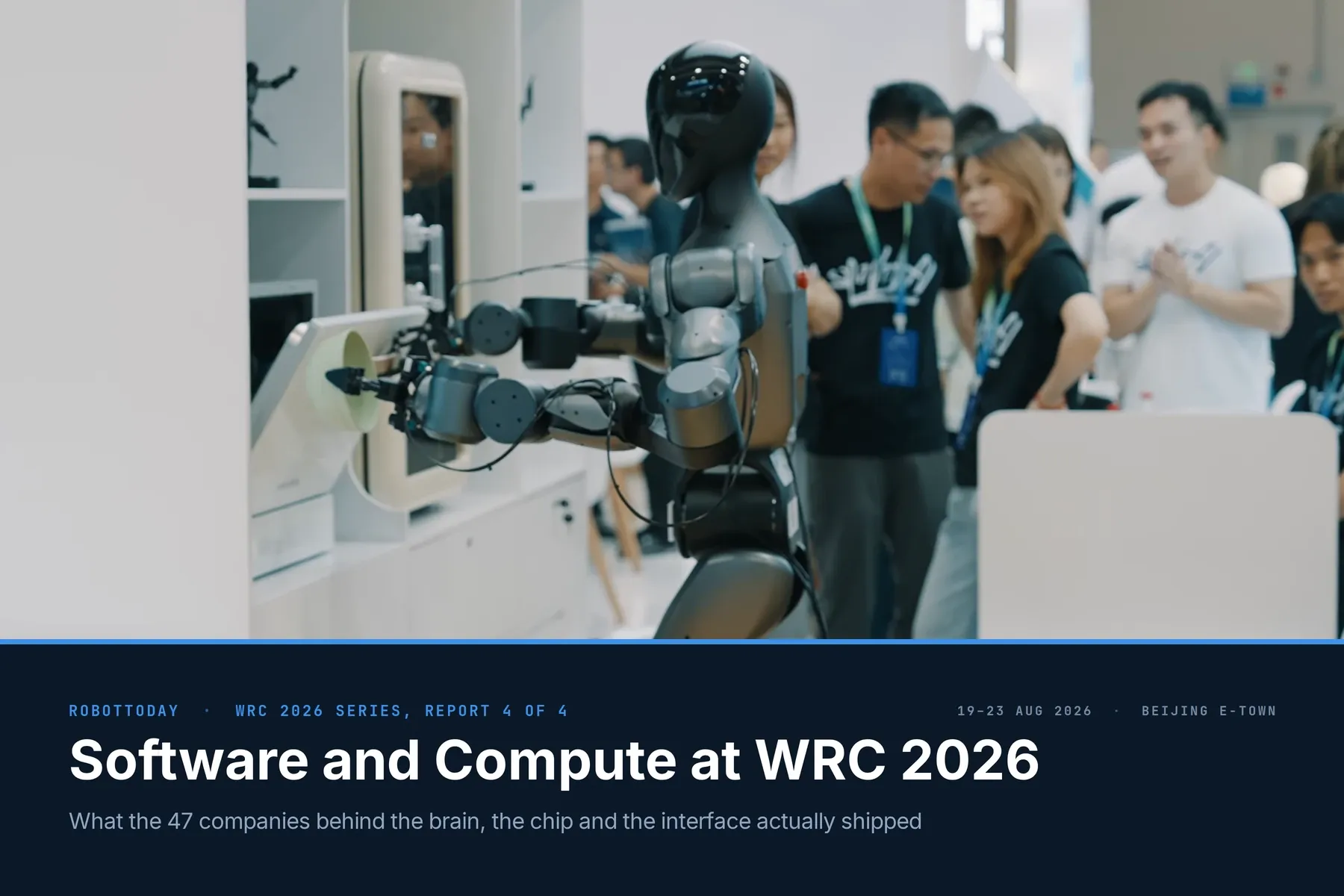
Software, Compute and Interaction at WRC 2026
47 WRC 2026 exhibitors supply robot software, compute or interaction — but only 19 call themselves software companies. Five open artefacts, licence-checked.
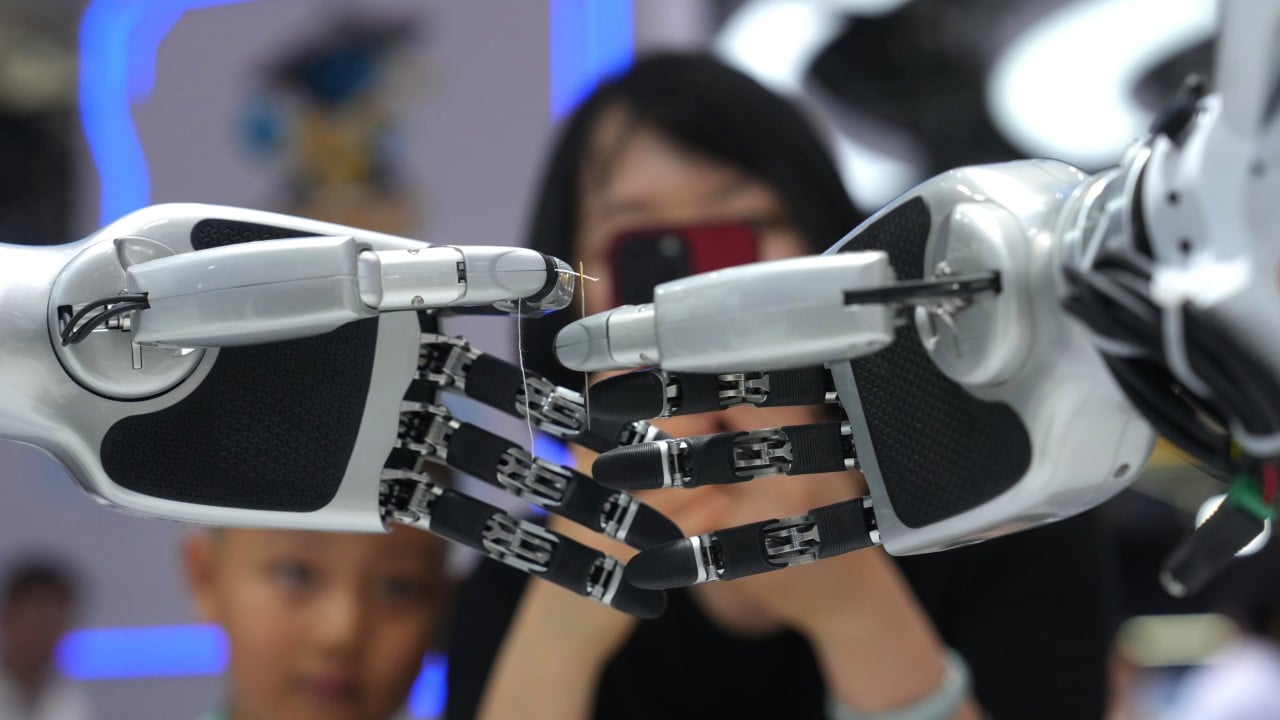
Chinese Robotics Industry Shifts Focus from Humanoid Designs to Practical Applications
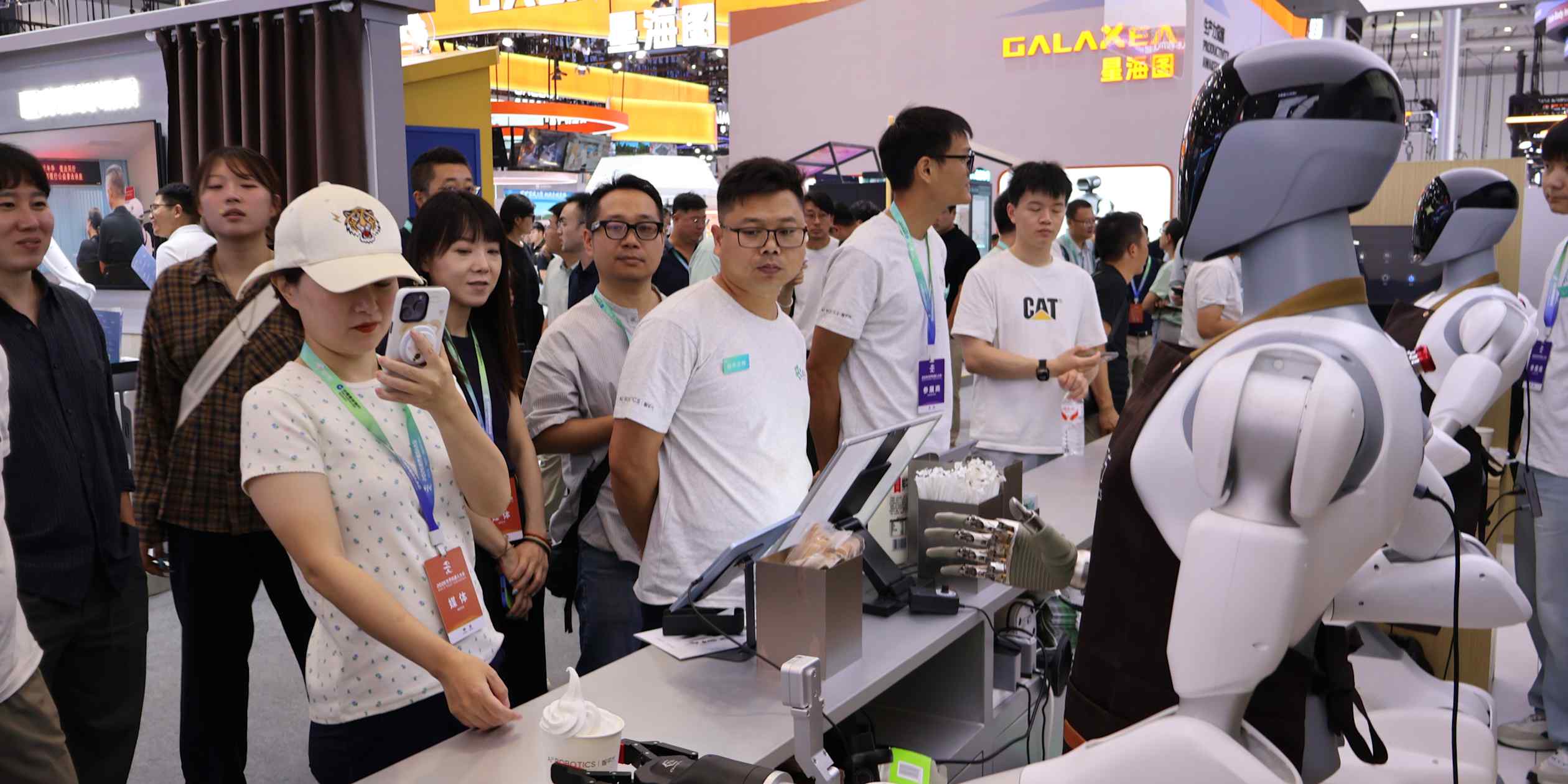
The robotics industry is witnessing a transition from showcasing humanoid robots to practical deployments. At Unitree Robotics' booth, bipedal robots demonstrated impressive skills in activities like table tennis and combat, showcasing advancements in speed and balance. However, other exhibitors highlighted robots that efficiently sorted parcels and moved materials, emphasizing functionality over form. This shift is significant as it reflects a growing preference for robots that can perform specific tasks effectively. Yang Li, a senior engineer at X Square Robot, questioned the necessity of bipedal designs, noting that their two-armed WALL-B model sorted 1,816 packages in a controlled test, outperforming the bipedal Figure 03 robot from Figure AI, which managed 1,248 parcels per hour. This trend indicates a move towards more practical robotic solutions in various industries. Looking ahead, the focus on efficiency and task-oriented designs is likely to continue shaping the robotics landscape. With companies like AI2 Robotics showcasing versatile wheeled robots capable of making coffee and ice cream, the industry may prioritize robots that can adapt to different functions over traditional humanoid forms. No further timeline was disclosed at the time of publication.
Beijing Expos Highlight China's Robotics and AI Innovations Amid IPO Race
The 2026 World Robot Conference commenced in Beijing, showcasing various robotic capabilities, including ice cream making and kickboxing. This event is pivotal for Chinese startups, such as Shenzhen-based AI2 Robotics, as they seek to enhance investor confidence in their journey towards going public. The significance of this conference lies in its role as a platform for startups to demonstrate their technological advancements and attract potential investors. With the increasing focus on robotics and AI, events like this are crucial for companies to showcase their innovations and secure funding in a competitive market. Looking ahead, the robotics industry in China is expected to continue evolving rapidly, with startups racing to establish themselves before going public. No further timeline was disclosed at the time of publication.

AI² Robotics Explores Potential IPO in Hong Kong to Capitalize on Market Interest
AI² Robotics, a Chinese robotics manufacturer, is reportedly contemplating an initial public offering (IPO) in Hong Kong. This move aims to leverage the increasing interest in the robotics sector, which has been gaining momentum in recent years. The potential IPO is significant as it reflects the growing confidence in the robotics industry, particularly in Asia, where demand for automation and advanced technologies is on the rise. By entering the public market, AI² Robotics could secure the necessary capital to expand its operations and enhance its product offerings. Investors and industry watchers should keep an eye on AI² Robotics as it navigates the IPO process. No further timeline was disclosed at the time of publication.
WAIC Review 1/4: Embodied AI's Industrialization Wave: Financing Data, Unit Economics, and a Widening Split
China's embodied AI sector raised $12.5B in H1 2026, but WAIC 2026 speakers detailed ROI demands, power bottlenecks, and the mass-production-to-sales gap.

WAIC Review 3/4: What Scientists and Skeptics Really Think About Embodied AI: The Sober Voices at WAIC 2026
UCL and HKUST researchers, plus robotics CEOs, challenged embodied AI hype at WAIC 2026, citing generalization limits and no third-party evaluation standard.
Key Robotics Developments and Funding Highlights from July 2026
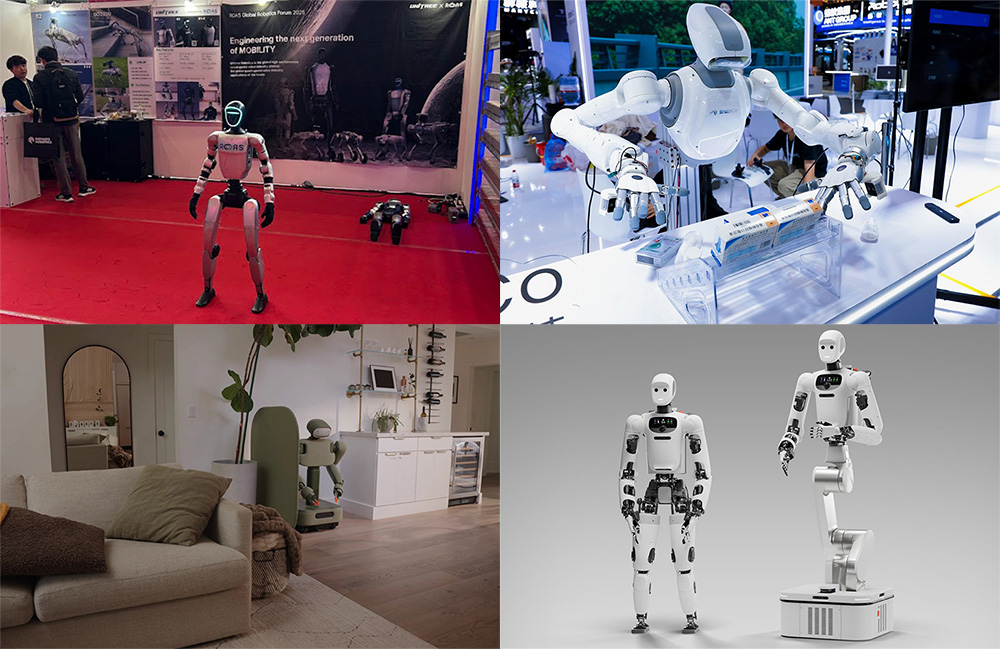
In July 2026, significant funding rounds and advancements in robot training captured attention in the robotics sector. AI² Robotics secured approximately $735 million, elevating its valuation to over $2.8 billion, positioning it as a leader in China's physical AI market. Meanwhile, the U.S. government announced new restrictions on importing certain foreign robots, citing national security concerns. The evolving landscape of robotics emphasizes the need for adaptability in robots, moving beyond simple task automation to addressing complex environments. Companies like Humanoid and Walden Robotics are pioneering advancements in robotic manipulation and continuous learning, respectively, showcasing the industry's shift towards physical AI and general-purpose robotics. Looking ahead, the introduction of innovative products such as Apptronik's Apollo 2 humanoid robot and Weave Robotics' Isaac 1 consumer robot highlights the ongoing competition in the market. As investment in robotics continues to grow, stakeholders should monitor regulatory changes and technological advancements that could reshape the industry landscape.
Artificial Intelligence Artificial Intelligence / Cognition Autonomous Mobile Robots (AMRs) Controllers Design / Development Financial
ROBOTTODAY Weekly July 6 – 10, 2026
This week in robotics: AI² Robotics raises $735M for wheeled humanoids, Unitree G1 performs first live surgery, Dexmal launches DexOS platform, Agility Robotics announces SPAC, and Ondas acquires DZYNE for $875.8M. July 6–10, 2026.

Physical AI Landscape: From Digital Intelligence to the Embodied Physical World
A comprehensive industry analysis of Physical AI — covering Embodied AI, Field AI, Factory AI, VLM, World Model, VLA, and the VLA vs WAM architecture debate. Includes 20+ companies, 28 references, and the RobotToday Physical AI Landscape diagram. July 2026.
AI² Robotics Secures $735 Million Funding for Wheeled Humanoid Robots Development
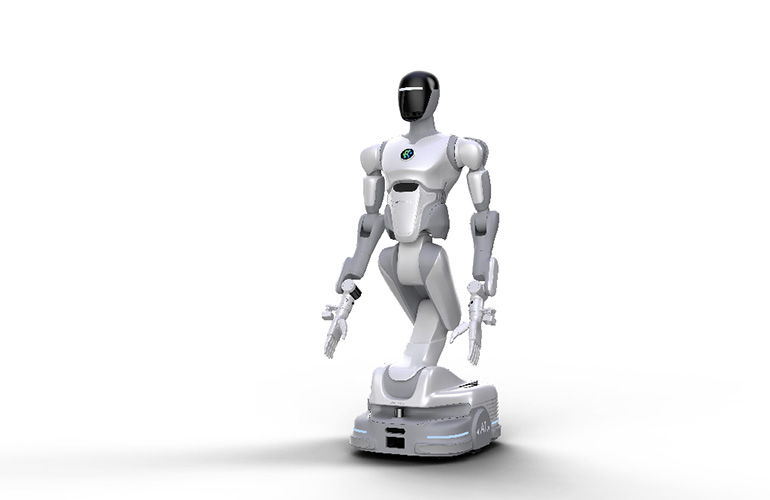
AI² Robotics has successfully raised approximately $735 million in a recent funding round, elevating its valuation to around $2.8 billion. The Shenzhen-based company specializes in wheeled humanoid robots, which feature a humanoid torso and five-fingered hands, offering a unique alternative to traditional bipedal systems. This funding round attracted a diverse group of investors, including government-backed entities and major corporations, highlighting the growing importance of physical AI technology in China. The strategic choice to develop wheeled robots instead of bipedal models allows AI² Robotics to focus on mechanical simplicity and durability, making their robots more cost-effective and easier to deploy in public spaces. With over 34 degrees of freedom and a custom lifting mechanism, the robots are designed for various industrial applications, including logistics, manufacturing, and retail. The company’s proprietary Alpha Brain software enhances the robots' capabilities in real-time spatial reasoning and task planning, positioning them as practical solutions in structured environments. Looking ahead, AI² Robotics aims to further penetrate industrial markets while steering clear of the consumer robotics hype. The company is actively deploying its AlphaBot 2 in practical settings, emphasizing its utility in sectors such as biotech and public service. No further timeline was disclosed at the time of publication regarding future funding or product releases.
Artificial Intelligence / Cognition China Financial Humanoids Investments News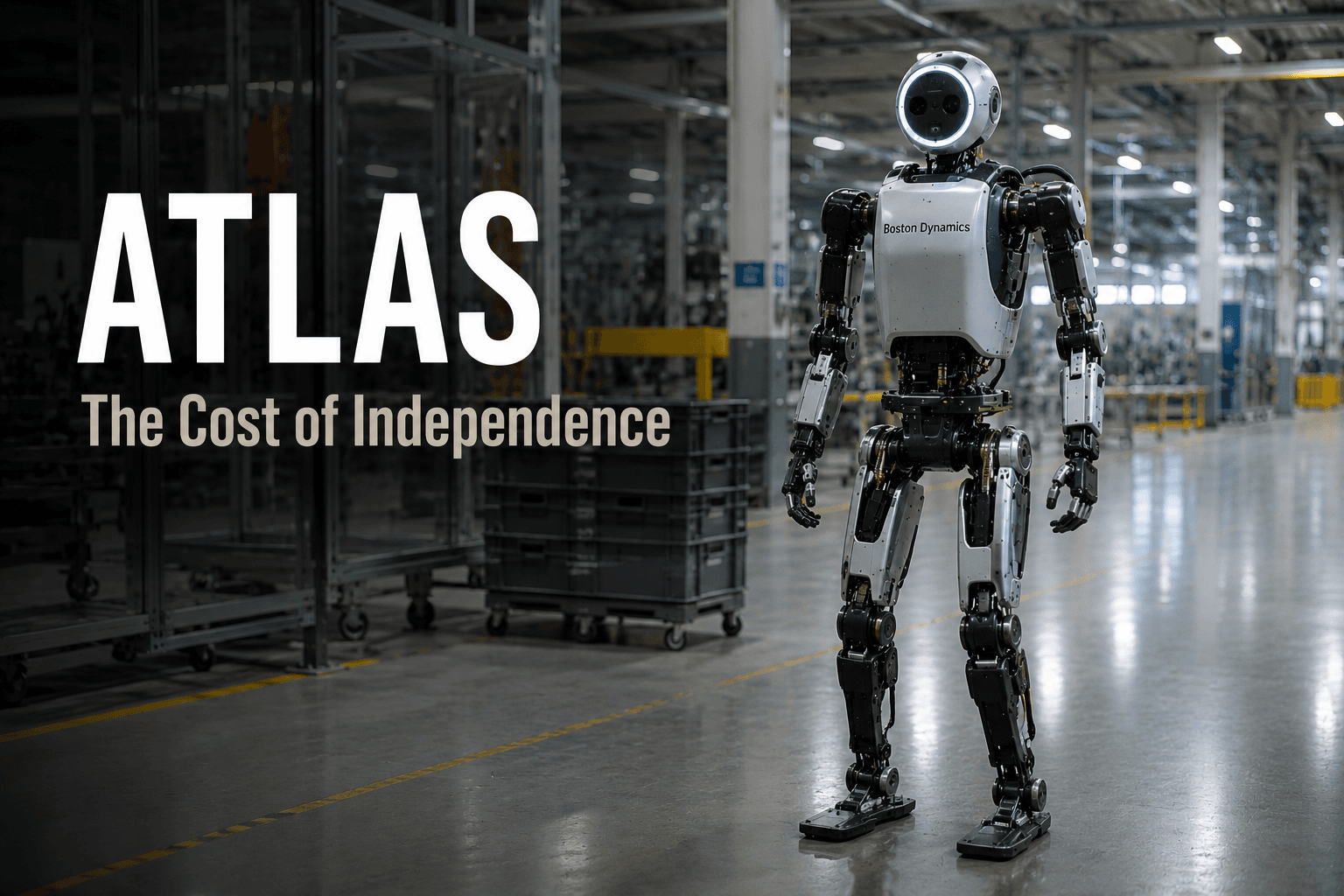
Supply Chain Reckoning: Can Boston Dynamics Avoid Becoming the Next iRobot?
A data-driven analysis comparing Boston Dynamics Atlas and Tesla Optimus supply chain strategies in 2026. Examines actuator costs, production ramp speeds, and how Boston Dynamics can avoid iRobot's bankruptcy by adopting a tiered supply chain approach. Includes component cost tables, risk heat maps, and strategic frameworks.

ROBOTTODAY WEEKLY May 4 - 8, 2026
RobotToday Weekly covers the week's top robotics developments: Meta acquires humanoid robotics startup ARI, Genesis AI unveils GENE-26.5 foundation model, Hugging Face launches Reachy Mini robot app store, and 1X begins NEO humanoid production in California. Plus SoftBank's $100B robotics spinoff plans, $200M+ funding for humanoid robots, and 20 curated product launches across foundation models, robotaxi, surgical robotics, drone policy, and more. Curated for industry executives, investors, and robotics engineers.
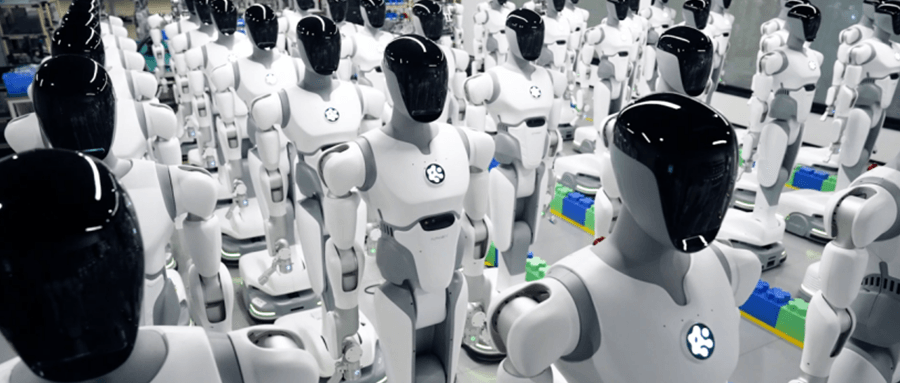
AI² Robotics Founder Defends VLA, Launches NeuroVLA Model
Guo Yandong, the founder of AI² Robotics, recently defended the VLA architecture as essential for advancing embodied intelligence. During a presentation, he introduced the NeuroVLA, a brain-inspired model designed to enhance cognitive processing in robotics. Additionally, Yandong unveiled the AlphaBrain Platform, an open-source toolkit that supports plug-and-play world models, allowing developers to easily integrate and customize their robotic systems. This initiative aims to foster innovation in the field of robotics by providing accessible resources for researchers and developers. The announcement highlights AI² Robotics' commitment to pushing the boundaries of artificial intelligence and robotics technology.
News

