Industry Briefing
A single destination for timely, editor-curated robotics news from around the world.
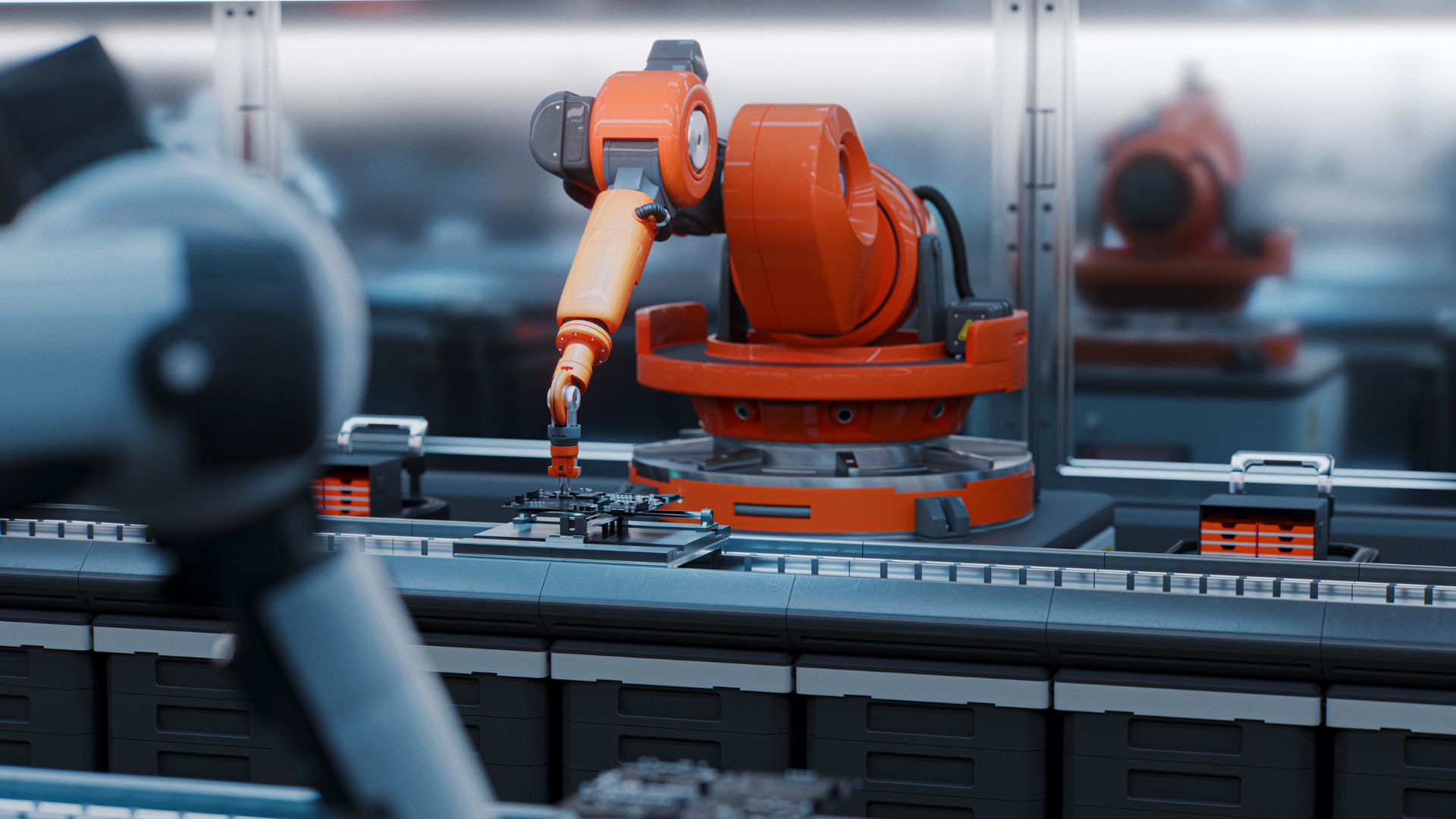
I-care Group Enhances Predictive Maintenance with AI from Amiral Technologies Acquisition
I-care Group has announced the acquisition of Amiral Technologies' assets, including its DiagFit technology, on September 17. This AI system is designed to detect equipment anomalies without relying on historical failure data, allowing for advanced analysis of complex equipment behavior. DiagFit can utilize data from various sensors and operating conditions to identify deviations from normal operating patterns. The significance of this acquisition lies in its potential to improve predictive maintenance in industries where equipment failures are costly and historical failure data is scarce. By establishing a baseline of normal operating behavior, DiagFit can alert engineers to changes, making it particularly useful for monitoring equipment that rarely fails, such as satellites and helicopters. This capability is crucial in sectors like defense and nuclear operations, where early detection is vital. Looking ahead, I-care plans to integrate DiagFit into its AI-enhanced predictive maintenance platform, I-see, enhancing its reliability offerings. The technology also supports on-premises deployment, providing customers with an alternative to cloud-based solutions. No further timeline was disclosed at the time of publication.
AI and Robotics
Challenges in Implementing Predictive Maintenance for Robot Fleets
Many predictive maintenance initiatives in robotics face a common hurdle: after installing sensors and training models, progress often halts. The anomaly score generated by these systems does not equate to actionable decisions, leading to a gap in the maintenance process. Without a technician assigned, confirmation of spare parts availability, and scheduling for repairs, the potential benefits of predictive maintenance remain unrealized. This issue is significant as it highlights the limitations of current predictive maintenance strategies in robotics. The inability to transition from data insights to actionable work orders can lead to increased downtime and inefficiencies in robot fleet management. Organizations investing in predictive maintenance technologies must address these operational challenges to fully leverage their investments and enhance productivity. Looking ahead, it will be crucial for companies to develop streamlined processes that connect predictive maintenance insights with practical maintenance actions. No further timeline was disclosed at the time of publication, but advancements in this area could lead to more effective management of robotic systems and improved operational efficiency.
Artificial Intelligence Computing Factories Internet asset management condition monitoring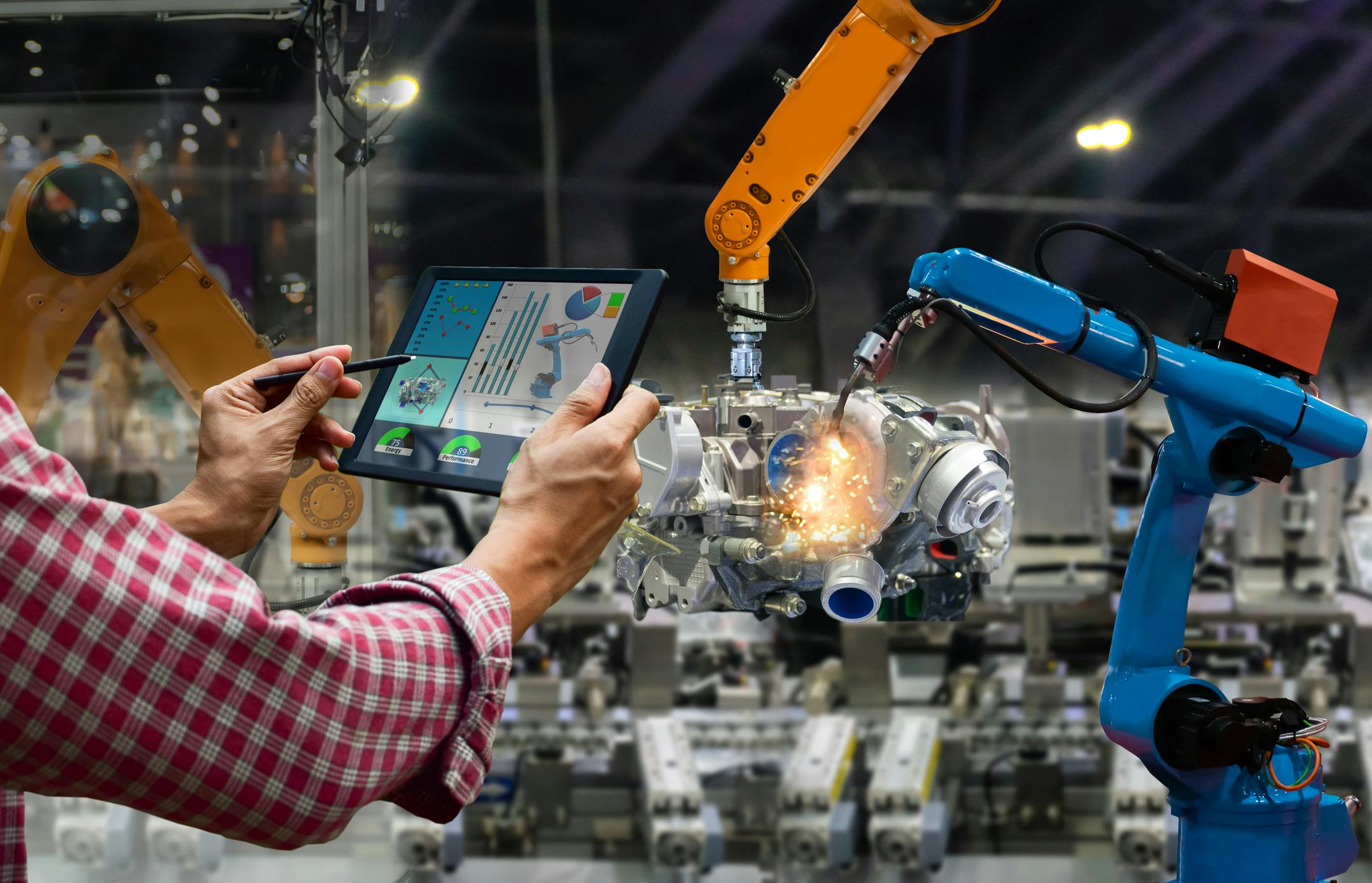
The Evolution of Predictive Maintenance Through AI and Machine Learning
Predictive maintenance is transforming asset management by integrating machine learning, AI, and failure analysis. Historically, maintenance relied on scheduled strategies, often leading to unnecessary overhauls. The shift to informed preventive maintenance, utilizing route-based vibration data, has improved insights into asset health. Today, continuous online monitoring represents a significant advancement, allowing teams to intervene early in asset degradation. However, simply collecting more data does not guarantee value; actionable workflows are essential for enhancing performance. The challenge lies in balancing maintenance costs with safety margins to prevent unplanned downtime. Successful reliability teams are adopting machinery health software that employs machine learning and pattern recognition to provide clear asset health scores. This software enables technicians to quickly assess conditions and receive tailored remediation guidance, with advanced systems capable of detecting failure patterns up to 90 days in advance. As these technologies are implemented, predictive maintenance evolves into a vital decision support system.
Factory / Plant Maintenance
maxon MIND Enhances Condition Monitoring and Predictive Maintenance Using Motor Data
maxon has introduced maxon MIND, a solution designed to elevate condition monitoring and predictive maintenance by analyzing data from machine controllers. This innovative system uses machine learning to detect patterns indicative of wear or malfunctions, transforming motors into effective sensors for monitoring the entire drive system. The significance of maxon MIND lies in its ability to identify deviations early, which is crucial for enhancing personnel safety and minimizing downtime in industrial applications. By leveraging motor signals, the system can uncover issues that traditional testing methods might overlook, making it particularly beneficial in production environments with interconnected machines. Looking ahead, maxon MIND's integration of explainable artificial intelligence ensures traceability in diagnostics, a vital aspect for safety-critical applications. As the system continues to learn from real-world operations and adapt to customer-specific needs, its potential for retrofitting existing applications and improving maintenance planning will be key areas to monitor.
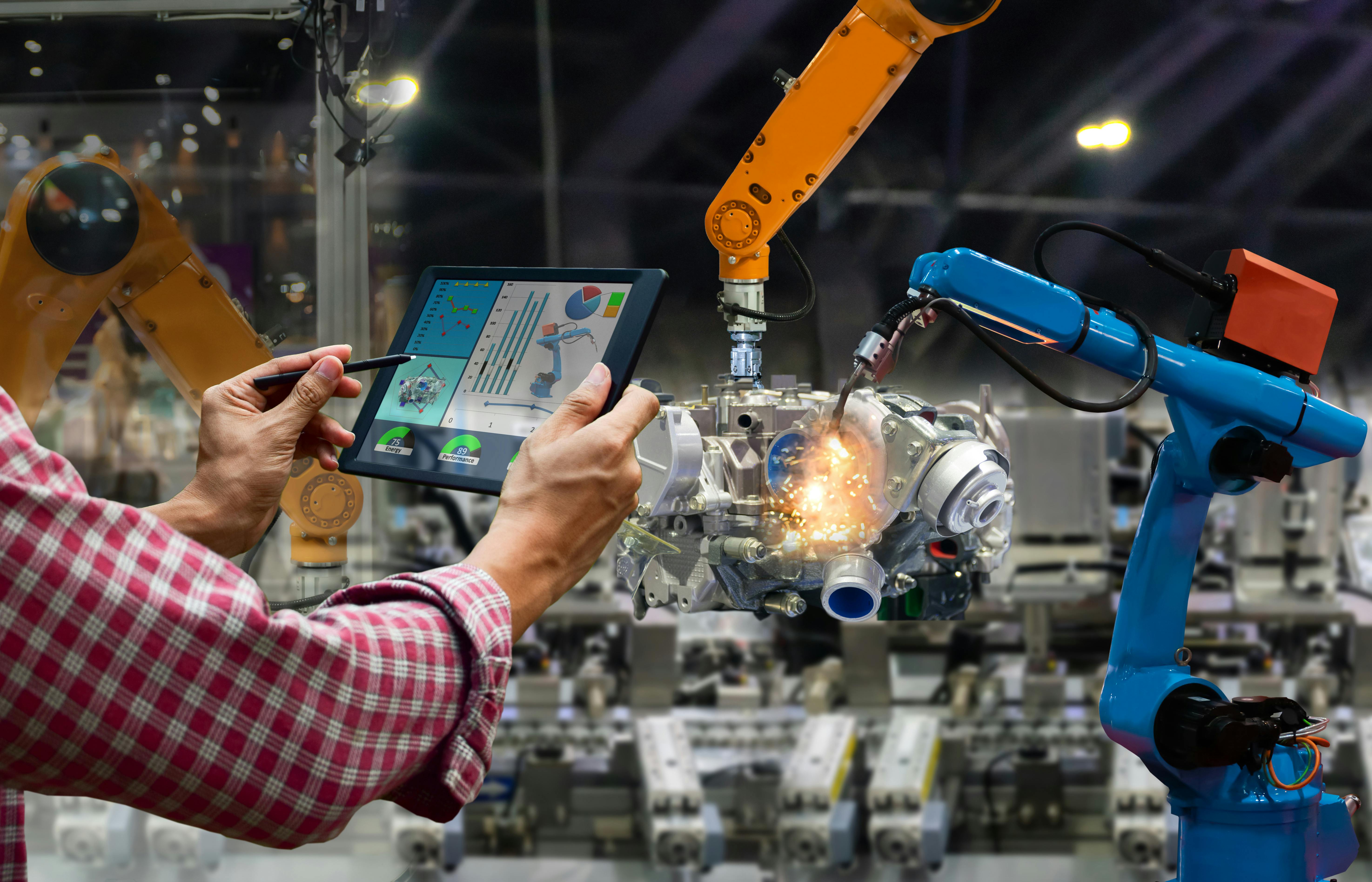
How to Get Predictive Maintenance Off the Ground
Matt Bernhard from TwinThread and Michael Cooper from Rockwell Automation recently discussed the transformative potential of predictive maintenance in a session aimed at industry professionals. The event, held in October 2023, focused on practical strategies for organizations looking to implement predictive maintenance solutions effectively. Both experts emphasized the importance of leveraging data analytics to enhance operational efficiency and reduce downtime. They provided actionable insights on how companies can initiate their predictive maintenance journey, highlighting the need for a structured approach to data collection and analysis. The discussion underscored the growing significance of predictive maintenance in optimizing asset management and driving innovation across various sectors.
Factory / Plant Maintenance
Closing the Insight-to-Action Gap: An Integration Architecture for Automated Predictive Maintenance
Recent research highlights that the primary challenge in industrial predictive maintenance is not the inaccuracy of models, but rather the ineffective transition from anomaly detection to actionable response. The study proposes a new integration architecture designed to link machine learning-based anomaly detection systems directly with maintenance execution systems within plants. This innovative approach aims to transform traditional monitoring dashboards into dynamic systems that not only identify issues but also facilitate immediate corrective actions. By addressing the critical gap between detection and response, this integration seeks to enhance operational efficiency and reduce downtime in industrial settings.
Factory / Plant Maintenance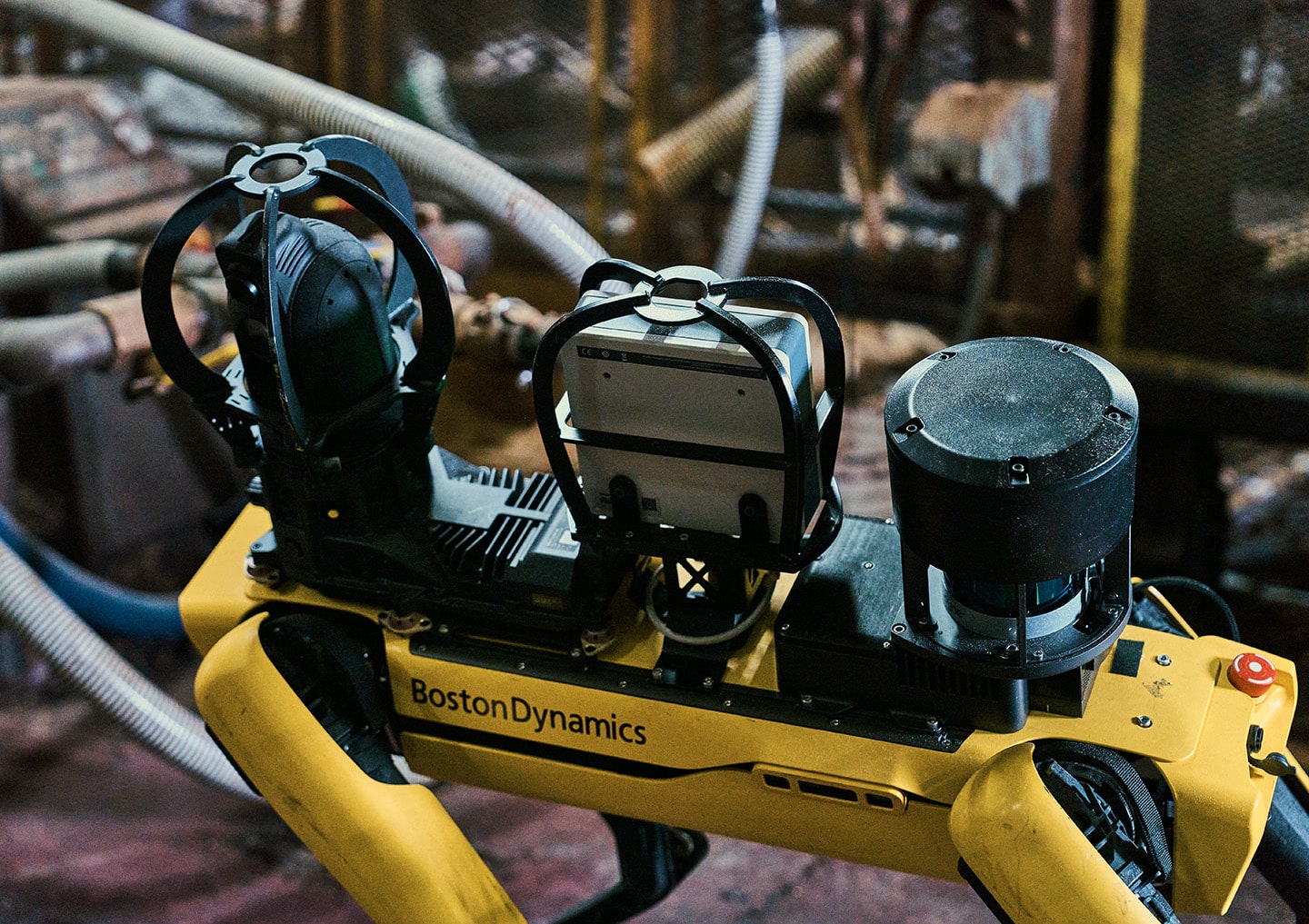
A New Approach to Predictive Maintenance Challenges | Boston Dynamics
A recent report highlights the critical role of AI-based predictive maintenance in enhancing operational efficiency across various industries. This innovative approach relies on timely and accurate data to monitor the condition of assets automatically. By implementing automated asset condition monitoring systems, organizations can anticipate equipment failures before they occur, thus minimizing downtime and reducing maintenance costs. The increasing adoption of these technologies is driven by the need for businesses to optimize their operations and extend the lifespan of their assets. As industries continue to evolve, the integration of AI in maintenance strategies is becoming essential for staying competitive.
Robotics needs a service framework.
RSF defines a common language for robot service capability, lifecycle operations, certification pathways, and service-provider networks.
Join the RobotToday community on LinkedIn
Daily robotics news, in-depth analysis, conference highlights, and discussions with professionals worldwide.