Industry Briefing
A single destination for timely, editor-curated robotics news from around the world.

Huawei Unveils OceanStor M900 Context Memory Storage with PB-Scale KV Cache
At HUAWEI CONNECT 2026, Huawei launched the OceanStor M900 Context Memory Storage, which features a petabyte-scale shared key-value cache pool. This innovative storage solution offers one-hop access from the NPU to SSDs in approximately 60 microseconds, significantly enhancing data retrieval speeds. The introduction of the OceanStor M900 is significant as it addresses the growing demand for high-performance storage solutions in data-intensive environments. With an impressive aggregate cluster bandwidth of up to 40 TB/s, this technology is poised to support advanced applications and workloads that require rapid data access and processing. Looking ahead, industry stakeholders should monitor the adoption of the OceanStor M900 in various sectors, particularly those focused on big data and real-time analytics. No further timeline was disclosed at the time of publication.

Fugro Collaborates on EU's OCEANITY Project for Digital Twin Ocean Development
Fugro has joined the Horizon Europe-funded OCEANITY project to develop decision-ready applications for coastal and marine stakeholders as part of the European Digital Twin Ocean initiative. This project aims to provide insights for navigating climate and environmental challenges by allowing users to test decision outcomes before implementation. The significance of this initiative lies in its potential to enhance decision-making for coastal communities and maritime industries facing complex challenges due to climate change and environmental stressors. By integrating advanced modeling, AI, and socio-economic data, the OCEANITY project seeks to empower stakeholders with the tools necessary to explore various scenarios and their impacts on ecosystems and economies. Running from September 2026 to August 2029, the project will focus on developing three user-driven applications related to Coastal & Urban Resilience, Marine Spatial Planning, and Sustainable Maritime Operations. The collaboration involves a consortium led by CMCC, ensuring that the developed tools address real-world needs and challenges across Europe’s four sea basins.
fugro eu europe digital twin ocean oceanity
Ocean Business USA to Launch in Rhode Island from September 28 to 30, 2027
Ocean Business, a premier ocean science and technology event, will debut its first North American edition in Rhode Island from September 28 to 30, 2027. This inaugural event will take place at Safe Harbor New England Boatworks in Newport, featuring a blend of exhibitions, training, networking, and live demonstrations focused on ocean science, maritime defense, and autonomous systems. The significance of this event lies in its potential to enhance Rhode Island's reputation as a leader in ocean technology. With over 1,500 expected participants and 100+ global equipment manufacturers, the event aims to foster collaboration and innovation within the ocean technology sector. Governor Dan McKee emphasized the state's strengths in maritime defense and marine industries, highlighting the importance of this event for job growth and technological advancement. Looking ahead, attendees can anticipate a unique experience that combines hands-on access to cutting-edge marine technology with opportunities for meaningful networking. No further timeline was disclosed at the time of publication.
ocean business usa 2027 events
Purdue University's New Underwater Robot Enhances Ocean Mission Reliability
Purdue University's College of Engineering has developed a new underwater robot that is currently patent-pending. This innovative robot is designed to enhance ocean research, underwater infrastructure inspection, and search-and-rescue operations by adapting to mission requirements in real time. It can function as a drifter, a glider, or a thruster-driven vehicle as needed. The significance of this development lies in its potential to improve the reliability and efficiency of various underwater missions. By being able to switch between different operational modes, the robot can better meet the specific demands of each task, thereby increasing the effectiveness of ocean exploration and safety operations. Looking ahead, the adaptability of this underwater robot could pave the way for more advanced applications in marine technology. No further timeline was disclosed at the time of publication.
Robotics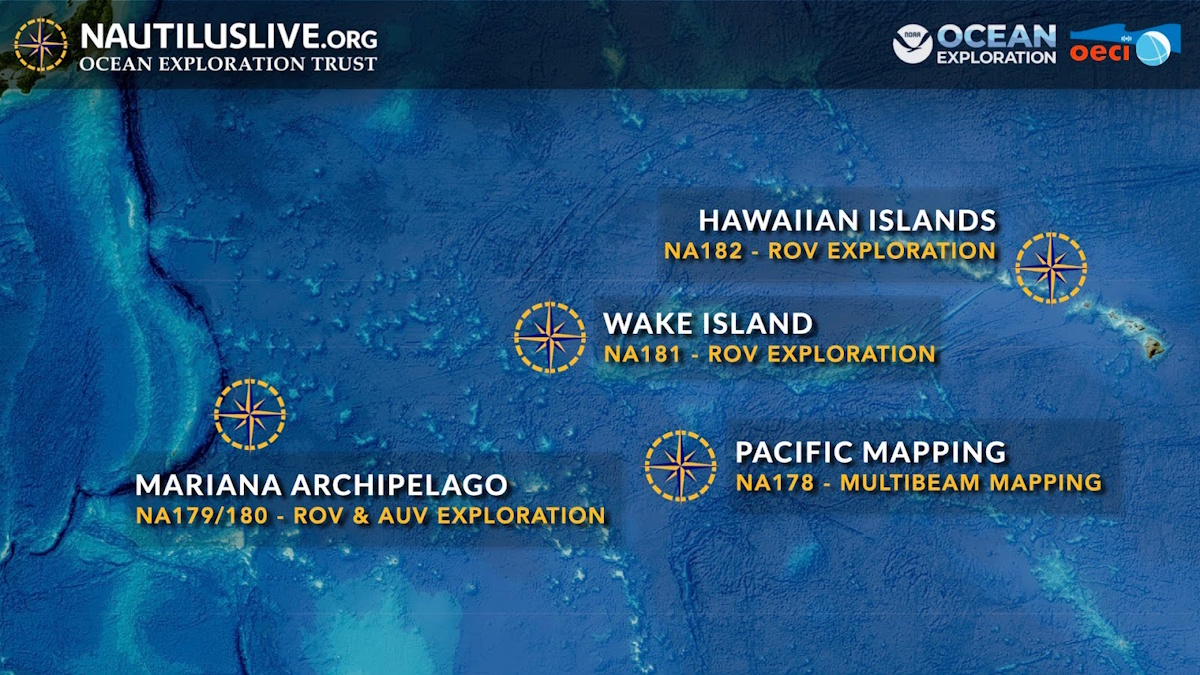
Ocean Exploration Trust Initiates 31-Day Expedition to Survey Remote Pacific Waters
The Ocean Exploration Trust (OET) has launched a 31-day expedition aboard the Exploration Vessel (E/V) Nautilus to explore the remote Pacific waters surrounding Wake Island. Funded by NOAA Ocean Exploration, this mission aims to gather critical baseline data on biodiversity, geology, and maritime heritage sites, particularly those linked to the World War II Battle of Wake. This expedition is significant as it targets one of the most poorly surveyed areas under US jurisdiction, covering approximately 407,241 square kilometers of seafloor. Co-lead scientist Steve Auscavitch emphasizes the diverse mission objectives and the importance of collecting rigorous scientific data to characterize the seafloor environment and its biological and geological resources. The team will utilize remotely operated vehicles (ROVs) to explore deep-sea habitats up to 6,000 meters deep, capturing high-resolution imagery and environmental data. This data will be publicly archived, ensuring long-term access for future research and resource management efforts. No further timeline was disclosed at the time of publication.
ocean exploration trust (oet) exploration vessel (e/v) nautilus noaa ocean exploration na181 expedition world war ii battle of wake
Impossible Metals' Eureka II Achieves Autonomous Recovery from Ocean Surface
Impossible Metals has released new footage demonstrating its underwater vehicle, Eureka II, autonomously locating and recovering its surface vessel from beneath the ocean waves. This significant achievement showcases the vehicle's ability to align, attach, and return to the deck without any human intervention, marking a crucial step towards scalable ocean robotics. The successful autonomous recovery of Eureka II is important as it addresses one of the major challenges in ocean technology, paving the way for more advanced and efficient underwater operations. This capability could enhance various applications, including marine research, resource recovery, and environmental monitoring, by reducing the need for human oversight. Looking ahead, industry observers will be keen to see how Impossible Metals continues to develop its ocean robotics technology and what further advancements will be made in autonomous underwater operations. No further timeline was disclosed at the time of publication.
Oceaneering Becomes Authorized Starlink Reseller to Enhance Digital Operations
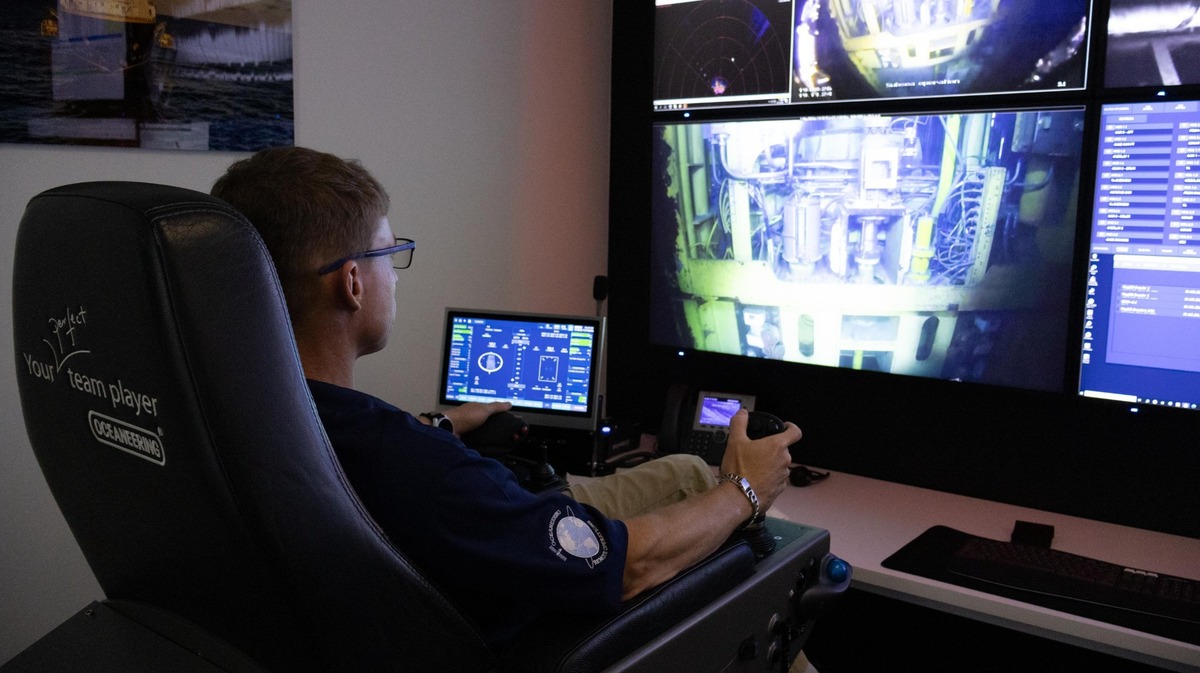
Oceaneering International, Inc. has announced its status as an authorized Starlink reseller, broadening its digital solutions for offshore and industrial clients. This move allows Oceaneering to integrate Starlink's connectivity into its offerings, enhancing operational continuity in remote environments. The significance of this development lies in the critical role reliable connectivity plays in modern offshore operations. By offering Starlink as part of its digital solutions, Oceaneering aims to improve data access, remote collaboration, and operational visibility for its customers, thereby supporting informed decision-making. Looking ahead, Oceaneering's expanded connectivity options will cater to various applications, including remote monitoring and technical support. No further timeline was disclosed at the time of publication.
oceaneering digital operations starlink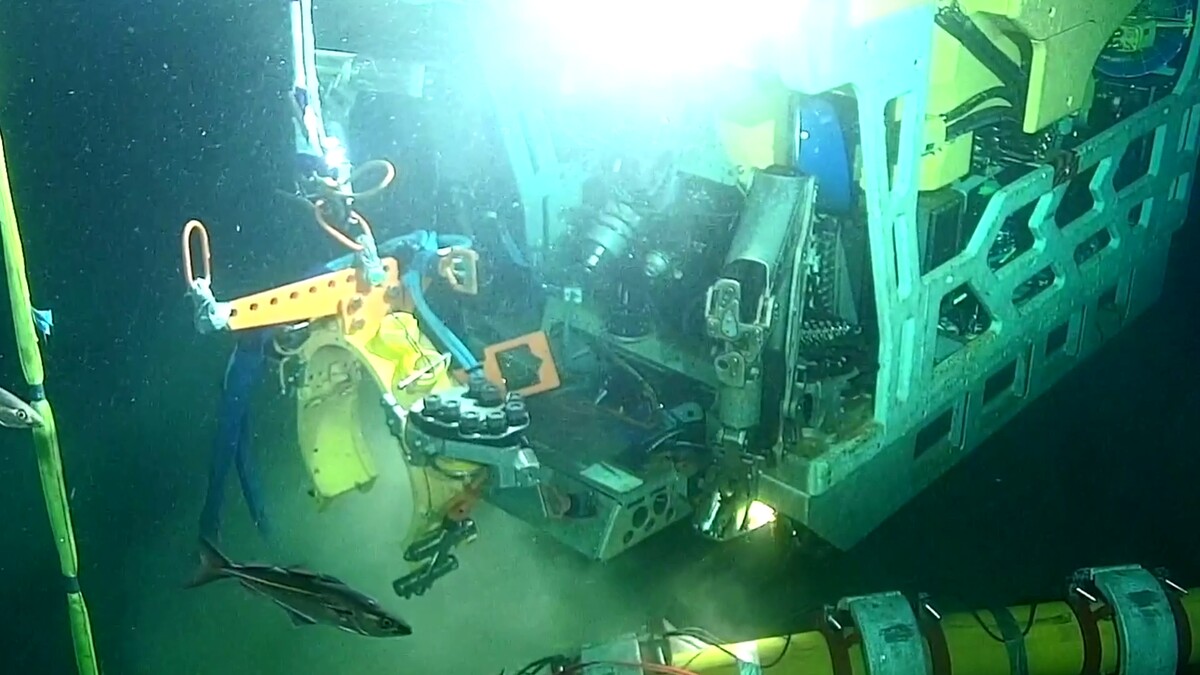
DeepOcean Finalizes Subsea Construction for Teal West Development Project
DeepOcean has successfully completed the subsea construction and tie-in work for the Teal West development, located on the UK Continental Shelf, for Anasuria Operating Company. This project involved the installation of a flexible production riser, flowline, and umbilical to connect the Teal West subsea Christmas tree to the Anasuria FPSO. The completion of the Teal West project is significant as it showcases the collaboration between operators, contractors, and service companies in the UK North Sea, particularly during uncertain times for the industry. Richard Beattie, CEO of Anasuria, emphasized the importance of such projects in maximizing the value of existing infrastructure and supporting domestic energy production. Looking ahead, the Teal West development includes two production wells and a water injection well, with the first production well connected to the Anasuria FPSO via approximately three kilometers of subsea flowlines. No further timeline was disclosed at the time of publication.
Ocean Robotics Planet Magazine Issue 48 Now Available for Professionals
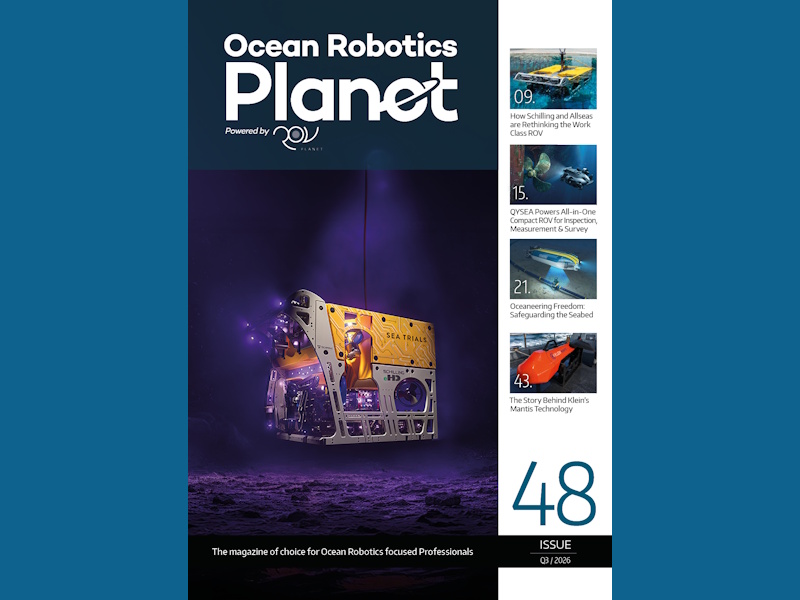
Ocean Robotics Planet Magazine has released its 48th issue, featuring a variety of articles focused on advancements in ocean robotics. Highlights include discussions on how Schilling and Allseas are innovating work class ROVs, and QYSEA's all-in-one compact ROV designed for inspection and survey tasks. This issue emphasizes the importance of marine robotics in safeguarding energy supplies and addressing climate science challenges. Articles also cover the integration of uncrewed systems in subsea surveillance and the preparation of EUROATLAS's Greyshark AUV for production, showcasing the evolving landscape of marine technology. Readers should look out for insights into the future of work class ROV power and the upcoming 2026 Underwater Glider User Group Workshop. The magazine serves as a key resource for professionals in the ocean robotics sector, providing valuable information on current trends and innovations.
rov planet magazine ocean robotics planet magazine no:48 2026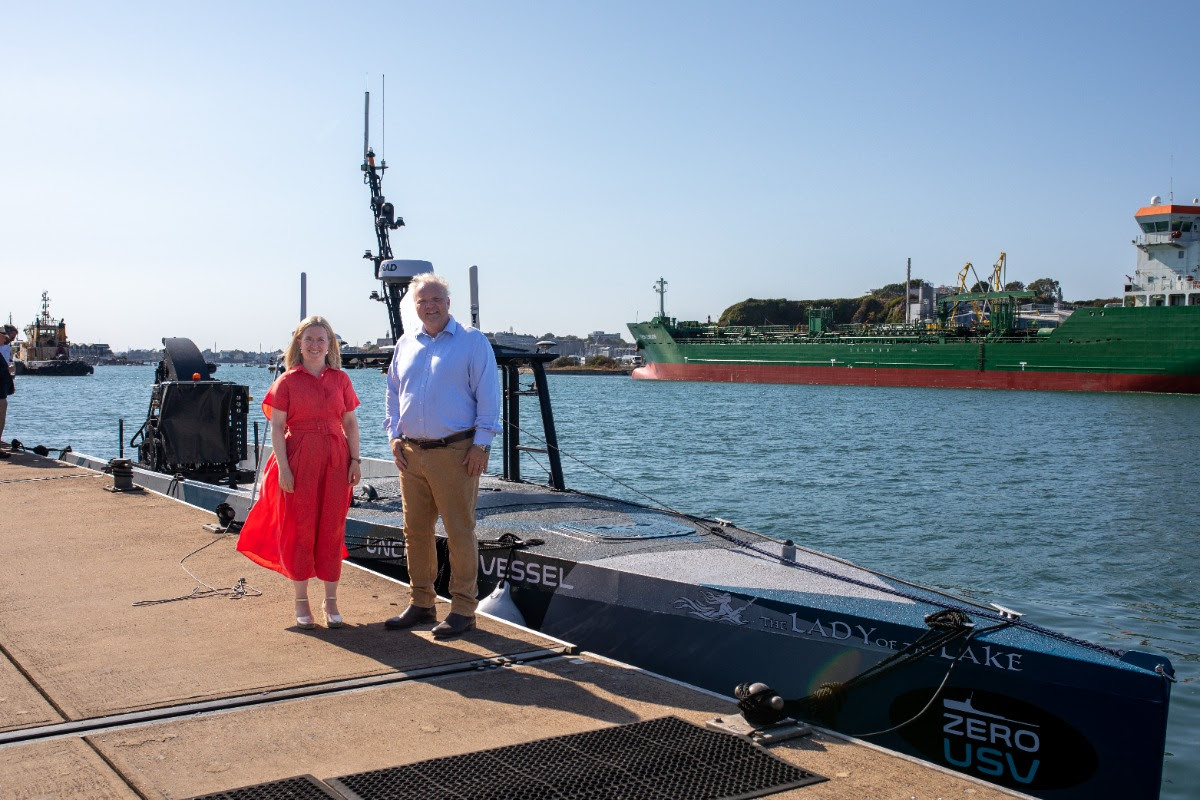
ZeroUSV Unveils Oceanus17 USV Named The Lady of the Lake at Ceremony
ZeroUSV has officially launched its Oceanus17 class unmanned surface vessel (USV), named The Lady of the Lake, during a ceremony at Plymouth’s British National Firework Championships. This vessel signifies a leap in UK maritime innovation, showcasing advanced capabilities for extended missions and multi-tasking operations. The Oceanus17 boasts a payload capacity of 4,000 kg and mission endurance exceeding 50 days, with a top speed nearing 15 knots. This development underscores ZeroUSV's commitment to enhancing the UK's sovereign capabilities in maritime technology, following the successful launch of the Oceanus12 USV just over a year ago. Looking ahead, ZeroUSV aims to continue its trajectory of innovation in the autonomous vessel sector. The integration of advanced technologies, such as level-four autonomous navigation, positions the Oceanus17 as a key player in both defense and commercial maritime operations. No further timeline was disclosed at the time of publication.
zerousv oceanus17 usv official naming ceremony
BMT Partners with Seabed 2030 to Enhance Ocean Mapping in Asia Pacific and Globally
BMT has officially joined the Seabed 2030 Project, a collaborative initiative aimed at mapping the world's oceans. This partnership will leverage BMT's extensive maritime expertise to support the project's goal of creating a comprehensive ocean map, which is crucial for understanding marine risks and opportunities. The Seabed 2030 Project, endorsed by the UN Ocean Decade, seeks to compile all ocean floor data into the freely available GEBCO Ocean Map. Despite its significance, much of the ocean remains unmapped, which hinders decision-making in marine environments. BMT's involvement is expected to enhance collaboration within the geospatial and maritime communities, accelerating the mapping process. As BMT expands its maritime capabilities across Australia and the Asia Pacific, this partnership will integrate its knowledge in maritime design and environmental solutions with Seabed 2030's mission. No further timeline was disclosed at the time of publication.
bmt usv ocean mapping
Unique Group Completes Engineering for Vanguard, America's First Open-Ocean Human Habitat in 40 Years
Unique Group has successfully delivered the engineering and infrastructure for Vanguard, the first open-ocean subsea human habitat in the U.S. in over four decades. Developed by DEEP and installed at Tennessee Reef in the Florida Keys National Marine Sanctuary, Vanguard allows crews of up to four aquanauts to live underwater for extended missions. This project is significant as it addresses complex engineering challenges, ensuring long-term human habitation in a protected marine environment while withstanding extreme weather conditions. Unique Group's comprehensive approach included geophysical surveys, structural engineering, and life-support systems integration, all designed to meet stringent safety and environmental standards. Looking ahead, the focus will be on the operational performance of Vanguard and its ability to support scientific missions over its 20-year design life. No further timeline was disclosed at the time of publication.
U.S. Navy Selects Blue Water Autonomy for Autonomous Ocean Surveying Contract
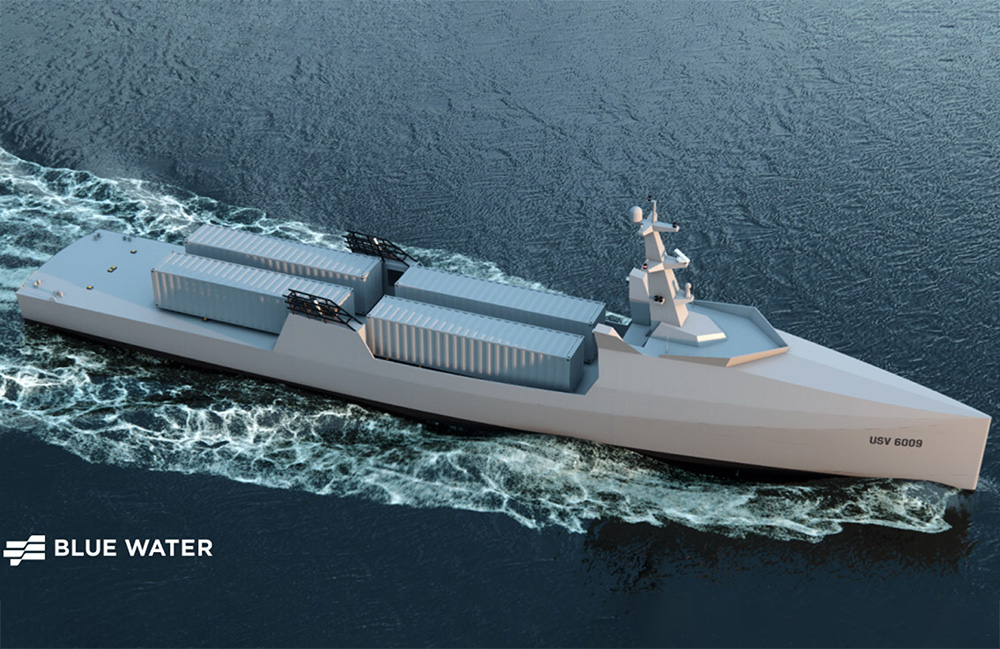
Blue Water Autonomy has been awarded a multiple-award contract by the Naval Oceanographic Office (NAVOCEANO) to conduct high-resolution ocean floor mapping using its autonomous vessels. This contract, which has a ceiling of $40 million, allows Blue Water Autonomy to leverage its technology for deep ocean surveys across the Indian and Pacific oceans. The significance of this contract lies in the Navy's increasing reliance on uncrewed systems to perform demanding ocean surveys, which traditionally require costly crewed ships. By utilizing autonomous vessels, the Navy aims to reduce operational costs and risks to personnel while enhancing its surveying capabilities over vast ocean areas. Looking ahead, Blue Water Autonomy plans to complete its first Liberty Class vessel for the U.S. Navy this year. This 190-foot autonomous ship is designed for long-duration missions and can operate over 10,000 nautical miles, showcasing the company's commitment to advancing autonomous maritime technology.
Artificial Intelligence Artificial Intelligence / Cognition Design / Development Maritime Markets / Industries News
Mocean Energy Launches Blue Core to Enter AI Data Centre Market
Mocean Energy has announced its entry into the AI infrastructure sector with the introduction of Blue Core, an innovative offshore data centre concept. This initiative aims to generate its own power, significantly reducing the energy costs typically associated with data centres. The Edinburgh-based company is currently seeking Pre-Series A funding to advance the development of Blue Core while continuing its operations in the offshore power industry. This move is significant as it addresses the growing demand for sustainable energy solutions in the data centre market, which is increasingly reliant on AI technologies. Looking ahead, stakeholders should monitor Mocean Energy's progress in securing funding and the subsequent development of Blue Core. No further timeline was disclosed at the time of publication.
Film-Ocean Establishes Newcastle Office to Enhance Support for UK Energy Sector Clients
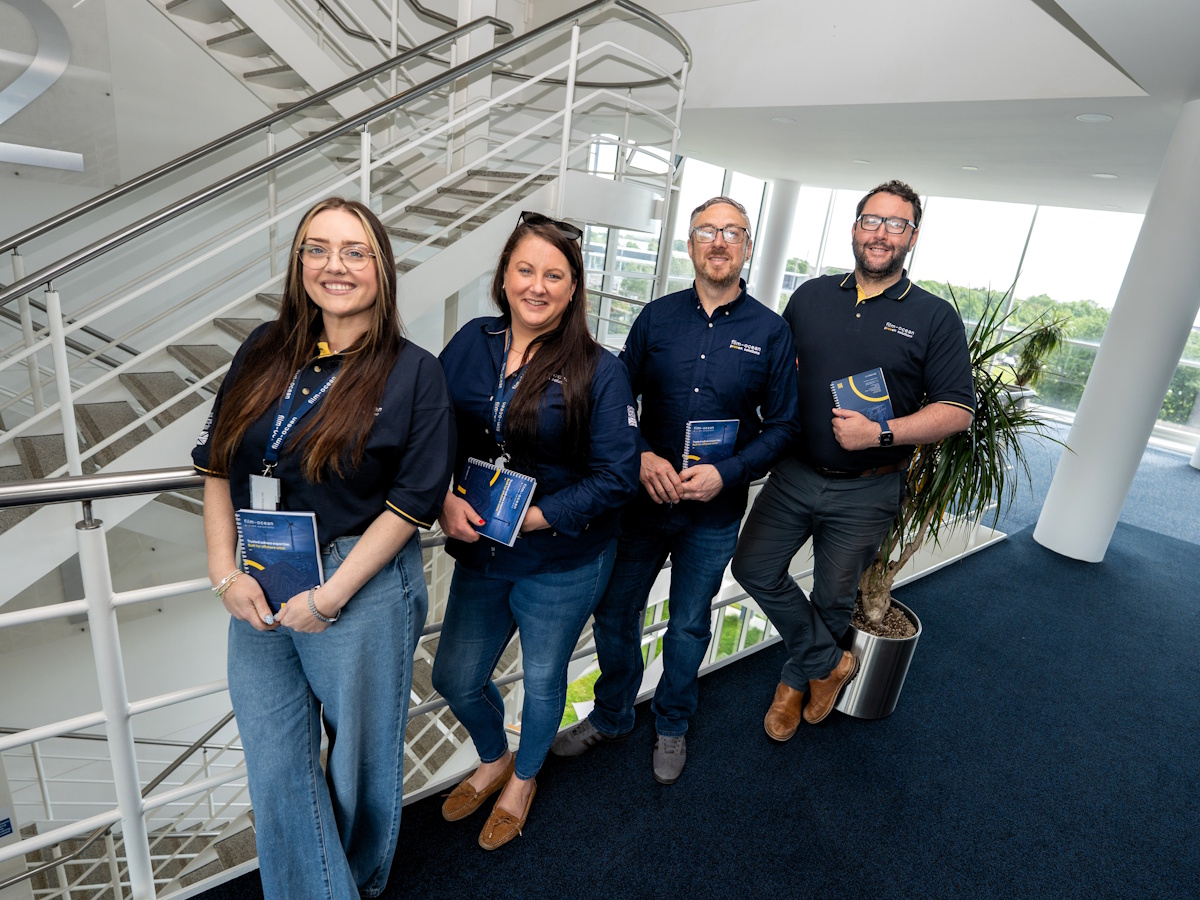
Film-Ocean, a subsea ROV inspection and intervention specialist, has opened a new office at the Cobalt Business Exchange near Newcastle. This strategic move is aimed at strengthening the company's operations and commitment to the offshore energy sector, responding to the growing demand for its services worldwide. The North East of England is becoming increasingly vital to the subsea and offshore energy industry, boasting a robust talent pool in ROV project management and technical support. By establishing a presence in this region, Film-Ocean gains direct access to local expertise, enhancing its operational capacity and project oversight, which ultimately benefits its clients. Looking ahead, Film-Ocean's expansion reflects its confidence in the sector's future and its commitment to sustainability. The new office will facilitate closer collaboration with clients and partners, ensuring faster response times and increased project capacity. No further timeline was disclosed at the time of publication.
film-ocean new office ofshore energy
ACUA Ocean and Teledyne FLIR Defense Complete UKDI Funded Demonstration of Integrated Tethered UAS and USV
ACUA Ocean and Teledyne FLIR Defense have successfully conducted a two-day demonstration funded by UK Defence Innovation (UKDI). This event showcased the integration of a tethered uncrewed aerial system (T-UAS) and an uncrewed surface vessel (USV) capability, specifically using Teledyne FLIR’s SkyCarrier™ UAS platform and the USV Pioneer. The demonstration validated the operational performance of the combined system in open-ocean conditions, addressing a critical operational gap for the Royal Navy and UK defence. The USV Pioneer, which has already completed multiple ISR contracts, exhibited superior seakeeping capabilities, significantly enhancing maritime intelligence, surveillance, and reconnaissance. Looking ahead, the successful integration of the T-UAS with the USV Pioneer opens avenues for further development and potential commercial deployment. No further timeline was disclosed at the time of publication.
acua ocean teledyne flir defense ukdi funding demonstration tethered uas uncrewed surface vessel (usv)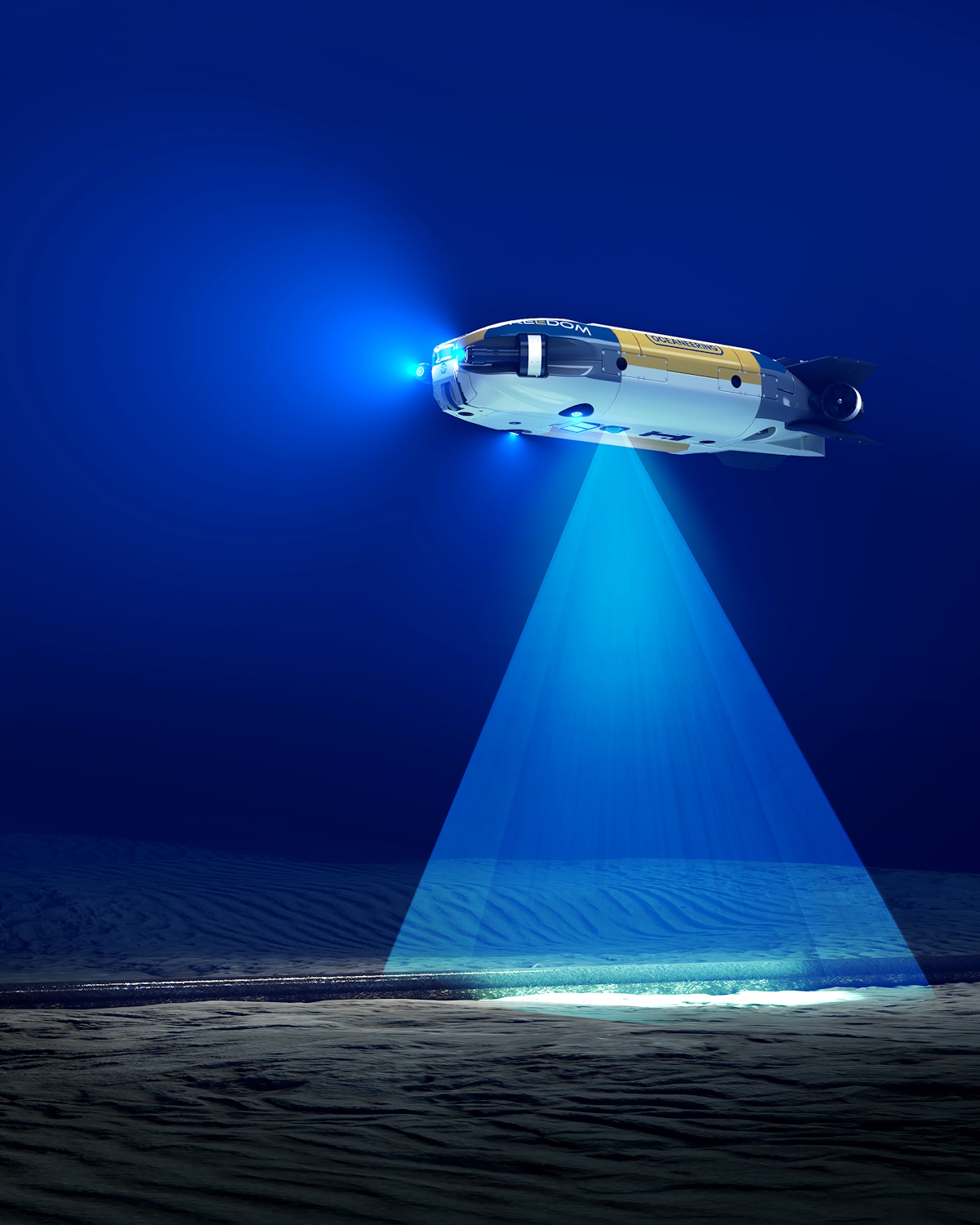
KONGSBERG and OCEANEERING Selected by U.S. Department of War for XLUUV CAMP Program
KONGSBERG and Oceaneering International, Inc. have been chosen by the U.S. Department of War’s Defense Innovation Unit (DIU) to support the Combat Autonomous Maritime Platform (CAMP) program. This initiative focuses on developing an Extra-Large Uncrewed Undersea Vehicle (XLUUV) for future U.S. Navy operations. The CAMP program aims to expedite the integration of mature commercial and defense technologies into operational capabilities for the Navy. The collaboration will emphasize concept definition, system architecture, and design trade studies, with a focus on modularity and interoperability. The design for the XLUUV is expected to be delivered in the third quarter of this year. This partnership leverages KONGSBERG's extensive maritime engineering legacy and Oceaneering's expertise in subsea robotic services, enhancing their ability to deliver advanced uncrewed undersea platforms.
kongsberg oceaneering u.s. department of war diu camp program xluuv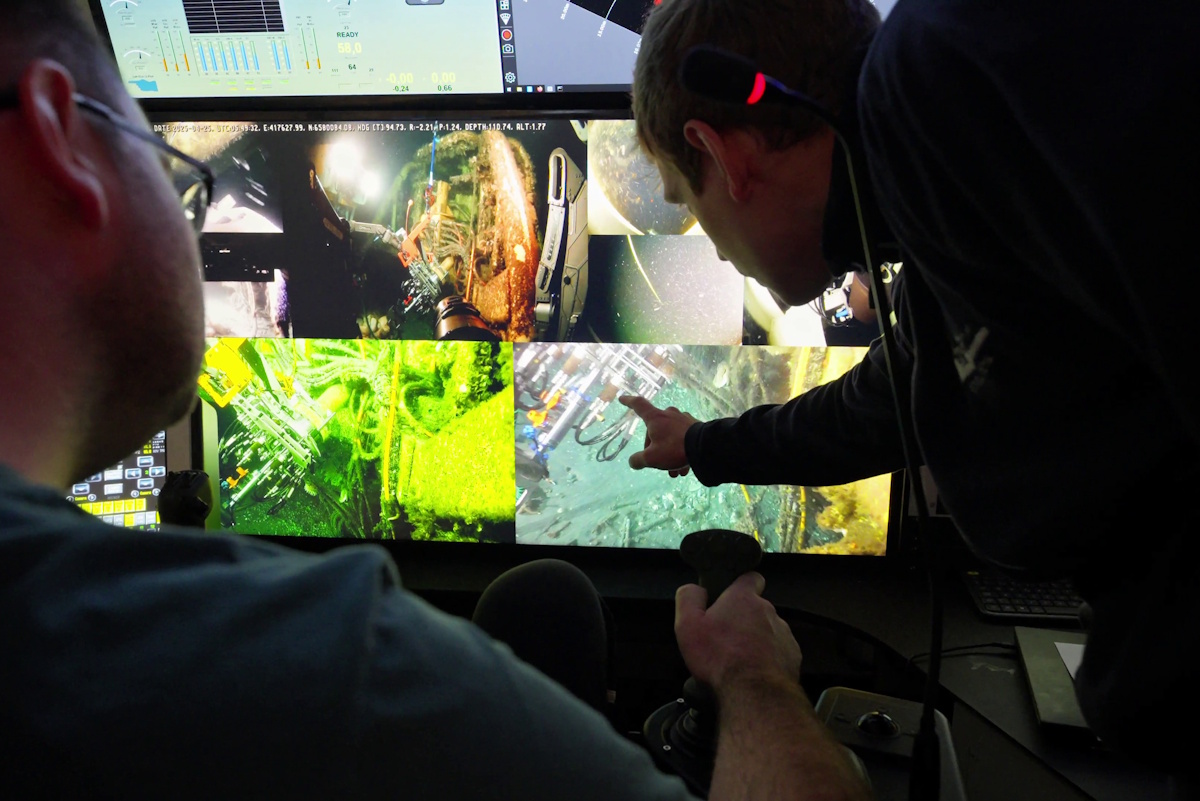
DeepOcean Completes Subsea Infrastructure Removals for Spirit Energy in North Sea
DeepOcean has successfully completed the recovery of the subsea wellhead protection structure at Spirit Energy's Seven Seas field and disconnected subsea infrastructure at the Grove West field in the North Sea. This operation utilized proprietary tooling developed in-house for decommissioning and was executed using the high-specification construction vessel Edda Freya. The project is part of Spirit Energy's broader decommissioning program for the Seven Seas and Grove West fields, aiming to maximize material recovery and minimize waste. DeepOcean's operations, managed from Aberdeen, UK, have ensured that all recovered materials are either reused, recycled, or disposed of responsibly, contributing to environmental sustainability. Looking ahead, DeepOcean's successful execution of these subsea removals positions them well for future projects with Spirit Energy. The company has demonstrated its capability in subsea decommissioning, with a focus on efficiency and environmental responsibility, as highlighted by the recycling of over 95% of materials from decommissioned assets.
deepocean subsea removals spirit energy seven seas grove west field oil and gas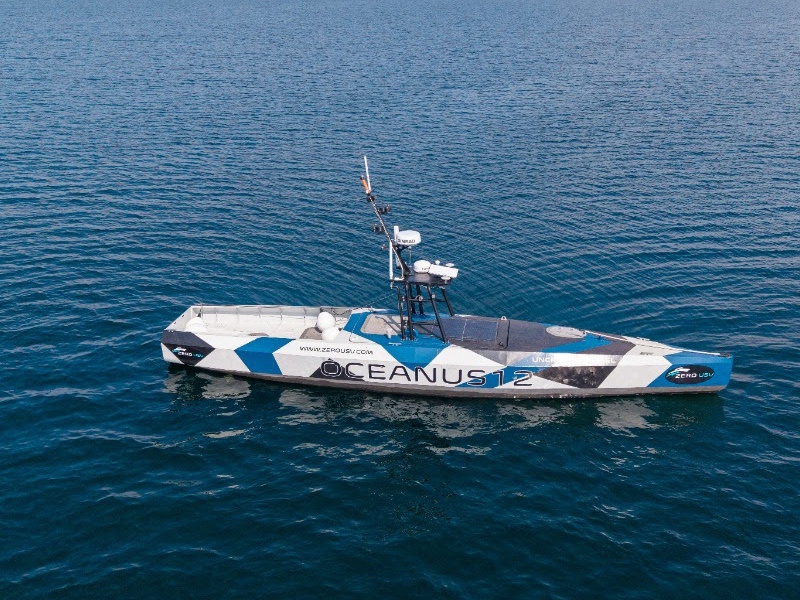
ZeroUSV Showcases Oceanus12 Uncrewed Surface Vessel to Royal Danish Navy
ZeroUSV recently showcased its Oceanus12 uncrewed surface vessel (USV) to the Royal Danish Navy in a demonstration held two hours northwest of Copenhagen, Denmark. This event was part of a competitive selection process by Danish Defence, aimed at evaluating the capabilities of the Oceanus12 USV over two days. The demonstrations highlighted the ease of mobilization and logistics involved in deploying the Oceanus12, showcasing its modular payload capabilities for various defense and security missions. Matthew Ratsey, Managing Director of ZeroUSV, expressed pride in being selected to demonstrate the platform, emphasizing its technological maturity and versatility for different mission roles. These demonstrations are part of ZeroUSV's ongoing international engagement efforts as the company seeks to expand its uncrewed maritime capabilities within allied defense markets. No further timeline was disclosed at the time of publication.
zerousv demo oceanus12 royal danish navy usv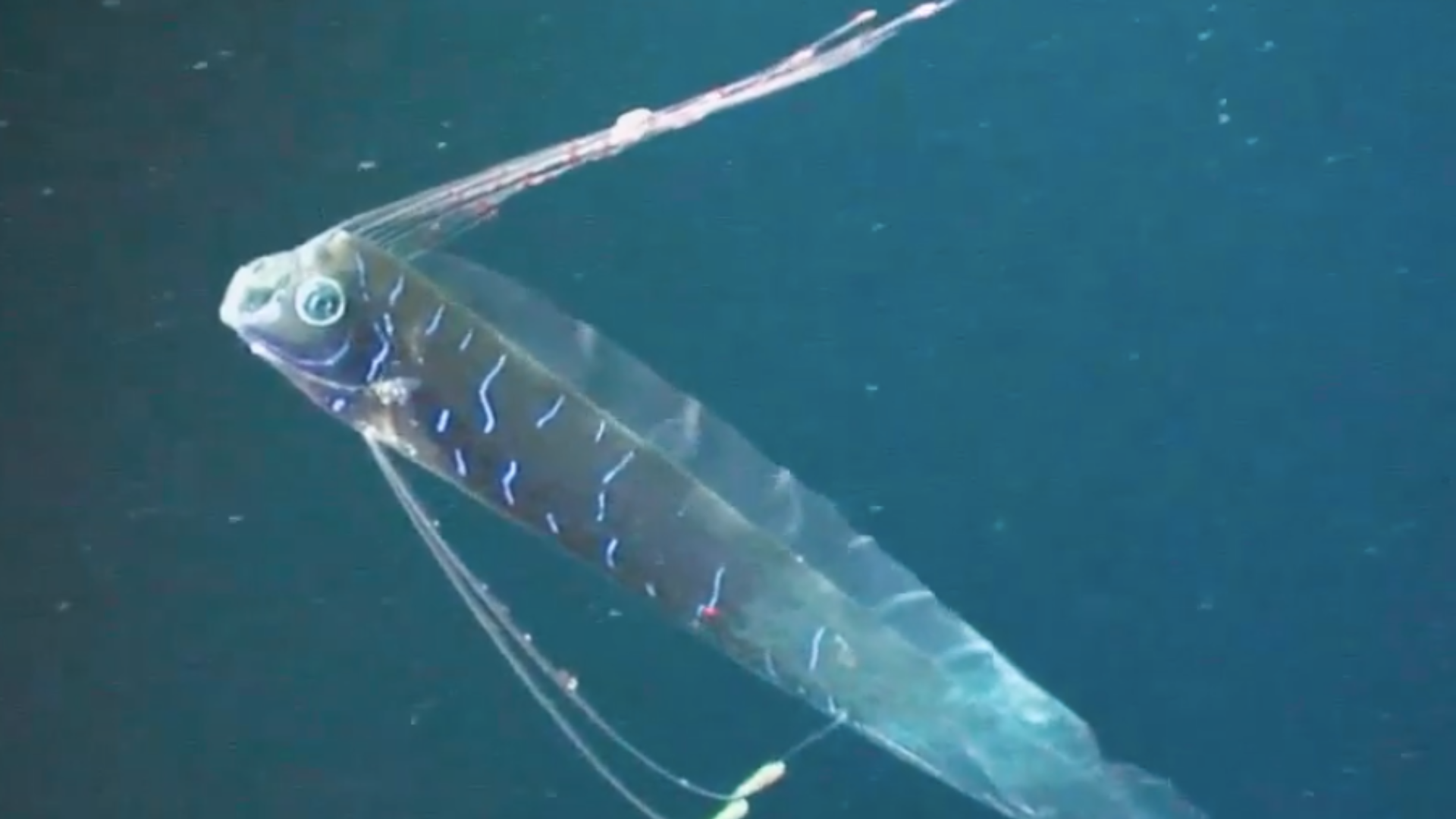
Oarfish Inspiration Drives Development of Silent Underwater Robots for Ocean Monitoring
Cornell engineering professor Rob Shepherd is designing a large, silent underwater robot inspired by the deep-sea oarfish to monitor ocean health. The oarfish's unique swimming mechanics, relying on a single dorsal fin, enable stealthy movement without startling marine life, making it an ideal model for biomimetic propulsion systems. This innovation is crucial for the Office of Naval Research, which seeks to develop a stealthy ocean-monitoring platform. Traditional naval propellers create noise that drives fish away, while the oarfish's silent gliding offers a solution for long-term marine life observation and mapping. Understanding the oarfish's propulsion mechanics could lead to advancements in underwater robotics. Future research will focus on further analyzing the oarfish's unique anatomy and propulsion capabilities. No further timeline was disclosed at the time of publication.
Innovation
Iran Claims Capture of US Underwater Drone Capable of 20,000 Feet Missions
Iran's Islamic Revolutionary Guard Corps announced the capture of an American underwater drone near the Strait of Hormuz. The drone, resembling Anduril's Dive-LD, is designed for Intelligence, Surveillance, and Reconnaissance missions and can operate at depths of up to 6,000 meters. This incident highlights the growing significance of unmanned underwater vehicles in naval operations, as they can conduct extended missions without risking crew safety. The Dive-LD's flexibility allows it to be equipped with various sensors and payloads, making it suitable for diverse tasks, from mine warfare to seabed surveys. As nations invest in autonomous underwater systems, the focus will be on the development of larger vehicles alongside smaller models like the Dive-LD. No further timeline was disclosed at the time of publication.
Military
Impossible Metals' Eureka II Autonomous Robot Successfully Recovers from Ocean Without Human Help
Impossible Metals has demonstrated its Eureka II autonomous underwater vehicle's ability to autonomously locate and recover itself from the ocean. This significant achievement occurred during an offshore test in Halifax, Nova Scotia, showcasing the robot's advanced capabilities without human intervention. The importance of this technology lies in its potential to simplify underwater operations for commercial use. According to Jason Gilham, Impossible Metals' chief technology officer, reliable autonomous recovery is crucial for scaling subsea platforms in real ocean conditions, as traditional recovery methods can be challenging and labor-intensive. Looking ahead, the Eureka II's successful demonstration highlights the growing interest in autonomous underwater vehicles amid rising demand for critical minerals and ocean data. No further timeline was disclosed at the time of publication.
AI and Robotics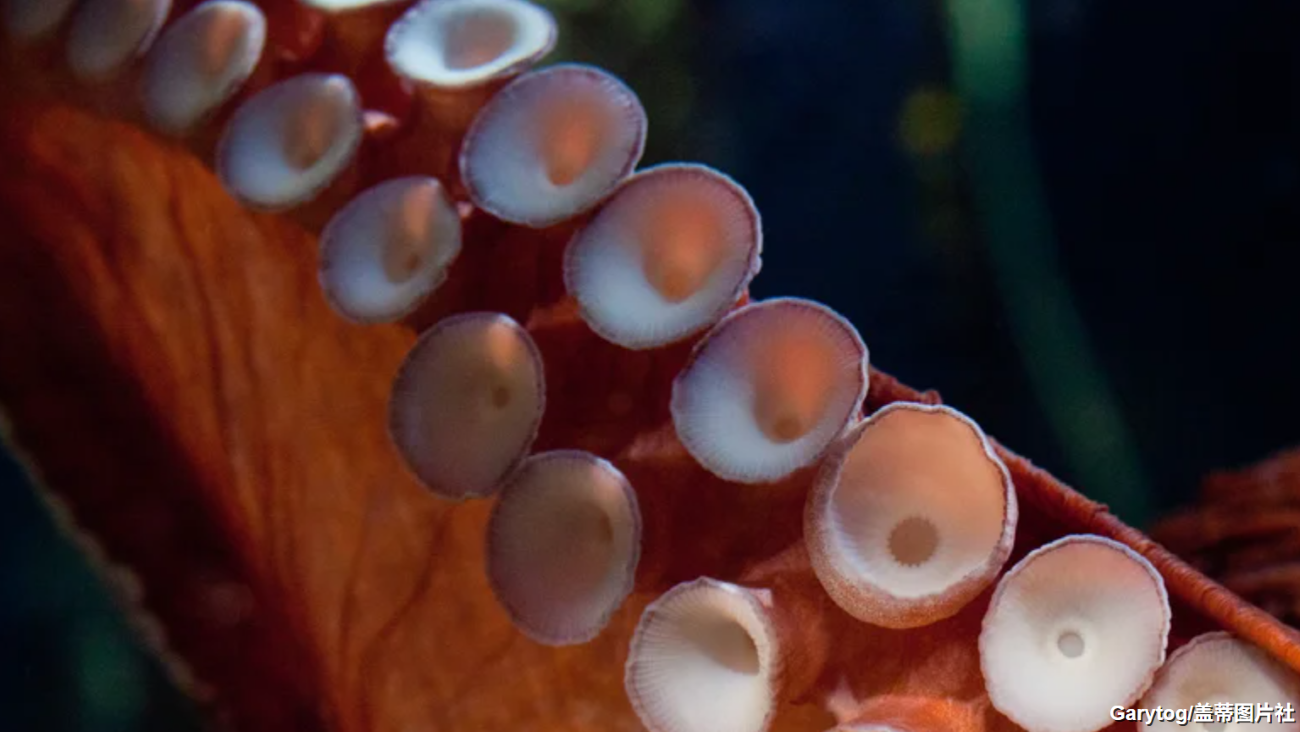
Italian Institute of Technology Develops Soft Robotic Arm Inspired by Octopus Design
A team from the Italian Institute of Technology (IIT) has developed a soft robotic arm inspired by the octopus, utilizing a distributed perception design philosophy. Unlike traditional robots with centralized control, this arm mimics the octopus's ability to independently sense and respond through its tentacles, allowing for more agile and nuanced movements underwater. This innovation matters as it enhances the speed and simplicity of robotic control, eliminating the need for high-frequency data processing from a central system. The arm's design incorporates optoelectronic sensors and micro-LEDs in each suction cup, enabling real-time assessment of contact direction and force, thus allowing for immediate actions without centralized commands. The soft robotic arm has demonstrated its capabilities in complex environments, accurately grasping fragile objects without visual feedback. Its potential applications include assisting in medical procedures, handling delicate components in manufacturing, and performing underwater archaeology or deep-sea sampling, showcasing the advantages of biological problem-solving approaches in robotics.
Soft Robotics Robotic Arms Biomimicry Underwater Robotics
MIT Professor Emeritus Chiang Chung Mei, Influential Hydrodynamicist, Passes Away at 91
Chiang Chung "C.C." Mei, a prominent figure in the MIT Department of Civil and Environmental Engineering, passed away at the age of 91 on July 16 in Waltham, Massachusetts. His extensive research in hydrodynamics significantly advanced the understanding of ocean waves and their interactions with coastal structures, influencing both theoretical and practical applications in the field. Mei's contributions spanned over four decades, during which he published more than 300 works and was cited over 14,000 times. His research addressed critical issues such as sediment transport, wave-induced stresses, and biofluid dynamics, making him a respected mentor and leader in academia. His legacy includes the establishment of the C.C. Mei Distinguished Speaker Series at MIT, which continues to honor his impact on the field. Looking ahead, the ongoing influence of Mei's work on ocean-based environmental challenges remains significant. His mentorship shaped the careers of many engineers who now lead in various sectors. No further timeline was disclosed at the time of publication.
Faculty Obituaries Civil and environmental engineering Oceanography and ocean engineering Fluid dynamics Environment
NOC and ARDITI Forge Strategic Partnership for Ocean Research Advancement
The National Oceanography Centre (NOC) and ARDITI have signed a Memorandum of Understanding (MoU) on June 25, 2026, to enhance collaboration in ocean observation and deep-sea research in Madeira. This partnership aims to leverage the region's unique access to the ultra-deep ocean and its strategic position in the Northeast Atlantic. The MoU outlines a commitment to develop new technologies for ocean observation, combining observational capabilities across various marine environments and utilizing digital tools such as AI and diverse datasets. This collaboration builds on ARDITI's previous acquisition of two NOC Autosub Long Range (ALR) autonomous underwater vehicles, marking a significant step in establishing a collaborative ecosystem focused on ocean research. Looking ahead, the partnership is expected to foster methodologies, data sharing, and operational insights that will enhance ocean observation capabilities. No further timeline was disclosed at the time of publication.
noc arditi memorandum of understanding (mou)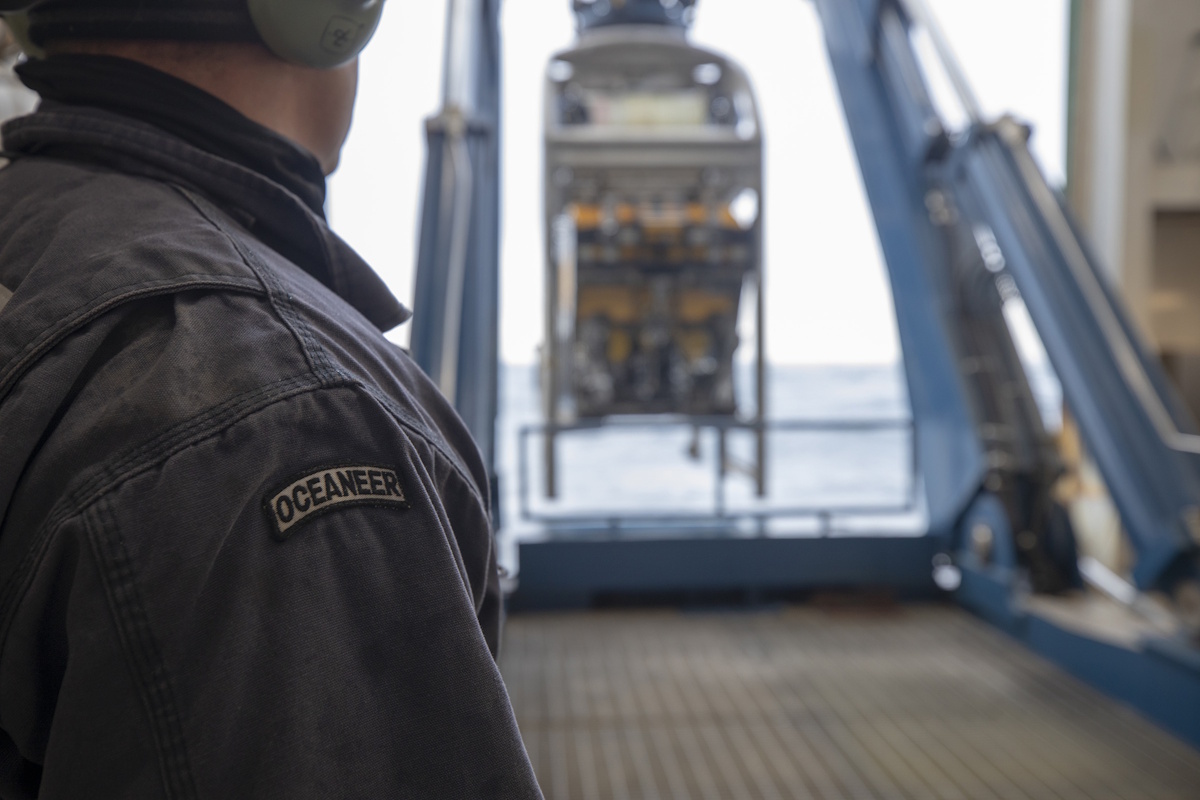
Oceaneering Secures Petrobras Contract for ROV Services Offshore Brazil
Oceaneering International, Inc. (“Oceaneering”) announced that its Brazilian subsidiary, Marine Production Systems do Brasil LTDA (“MPS”), won a contract from Petróleo Brasileiro S.A. (“Petrobras”) to deliver ROV services offshore Brazil. The award follows a competitive tender process. The contract term is four years and operations are expected to begin in 2027.
oceaneering petrobras contract rov services offshore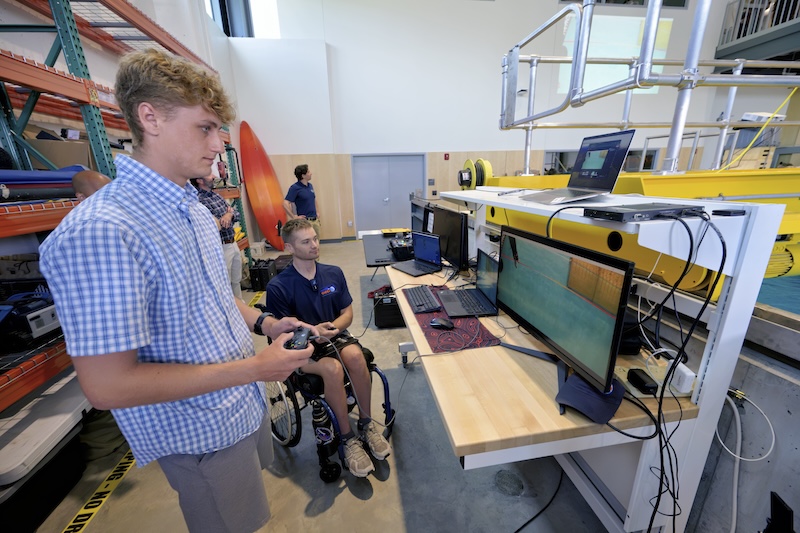
University of Rhode Island opens advanced Ocean Robotics Laboratory for autonomous marine research
Event marked milestone for Narragansett Bay Campus The University of Rhode Island celebrated a major milestone in the $300 million, multi-phase revitalization of the Narragansett Bay Campus with an underwater ribbon cutting ceremony for the new Ocean Robotics Laboratory on June 25. Students Elliot Roman and Jake Bonney piloted URI’s remotely operated vehicle Rhody to […]
Features Robotics Science autonomous systems autonomous underwater vehicles blue economy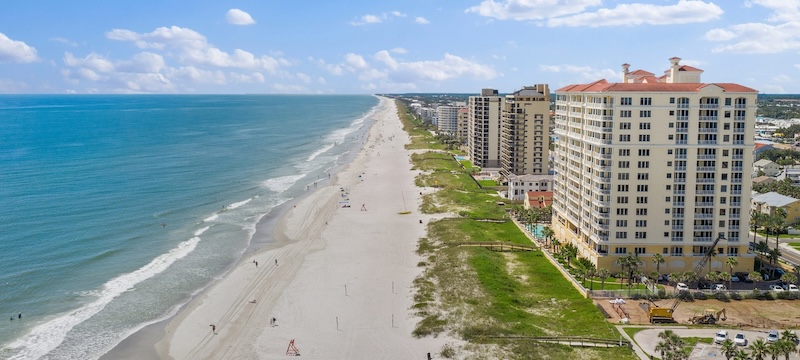
What to Look for When Buying an Oceanfront Condo in Myrtle Beach
The demand for oceanfront condominiums continues to surge as buyers from various parts of the country seek properties that offer immediate access to the beach. This trend highlights a growing interest in coastal living, driven by the allure of scenic views and a desirable lifestyle. Potential homeowners are increasingly recognizing that the value of these properties extends beyond their picturesque locations; they also represent long-term investment opportunities. As the market evolves, savvy buyers are advised to carefully consider their options to ensure they make informed decisions that align with their lifestyle preferences and financial goals.
Culture Economy Beach condos Beachfront property Coastal real estate Condo association
Underwater ribbon cutting ushers in new URI Ocean Robotics Laboratory
The Narragansett Bay Campus recently celebrated a significant milestone, marking a pivotal moment in its development and contributions to marine research and education. The event, which took place on October 15, 2023, brought together faculty, students, and community members to recognize the campus's achievements and future goals. This gathering highlighted the institution's commitment to advancing knowledge in marine sciences and fostering collaboration among researchers. Attendees participated in various activities, including presentations and discussions, aimed at showcasing the campus's innovative projects and its role in addressing environmental challenges. The celebration underscored the importance of the Narragansett Bay Campus as a hub for scientific inquiry and community engagement, reinforcing its mission to enhance understanding of marine ecosystems and promote sustainability efforts in the region.

E/V Nautilus Embarks on Two Expeditions to Explore Mariana Deep-Sea Regions
The Ocean Exploration Trust's Exploration Vessel (E/V) Nautilus has set sail for two expeditions to explore the deep sea around the Mariana Islands. These expeditions, taking place from June to August 2026, will utilize the vessel's remotely operated vehicle (ROV) and telepresence systems, alongside Woods Hole Oceanographic Institution's autonomous underwater vehicle (AUV) Sentry, to investigate previously unsurveyed areas. These missions are significant as they aim to enhance understanding of abyssal plain habitats and ancient seamounts east of the Mariana Trench, a region known for its tectonic activity and unique geological features. The expeditions are supported by NOAA Ocean Exploration and the Bureau of Ocean Energy Management, highlighting the collaborative effort to advance oceanographic research and fill knowledge gaps in this critical area. Looking ahead, the E/V Nautilus will focus on characterizing deep ocean habitats and biodiversity, as well as geological formations, including marine critical minerals. The outcomes of these expeditions are expected to contribute to both US and international scientific priorities, addressing the need for comprehensive data on the largely unexplored deep-sea environments around the Mariana Islands.
e/v nautilus marianas deep-sea exploration ocean exploration trust
OCEANS 2026 Monterey - Registration is Open!
A significant global gathering focused on marine research, technology, and innovation is set to take place, bringing together leading institutions such as the Monterey Bay Aquarium Research Institute (MBARI), the Naval Postgraduate School, and Hopkins Marine Station. This event aims to foster collaboration and exchange of ideas among experts in the field, highlighting advancements and challenges in marine science. Scheduled for later this year, the gathering will provide a platform for researchers, educators, and industry professionals to discuss the latest developments and explore innovative solutions to pressing marine issues. Participants will engage in workshops, presentations, and networking opportunities, enhancing their understanding of marine ecosystems and the technologies that support their study and preservation. This initiative underscores the importance of collective efforts in addressing global marine challenges and promoting sustainable practices in ocean research.
oceans 2026 monterey events registration is open
Norway sends deep-sea drone 20,000 feet down to uncover hidden ocean secrets
Norway has initiated the inaugural expedition of its advanced robot submarine, designed to reach depths of nearly 6,000 meters. This groundbreaking mission commenced recently in the North Atlantic, showcasing the submarine's capabilities in deep-sea exploration. The project aims to enhance scientific research and environmental monitoring in the region, addressing the growing need for innovative technology in oceanography. The submarine is equipped with state-of-the-art sensors and imaging systems, allowing it to gather critical data on marine ecosystems and geological formations. This expedition marks a significant step forward in Norway's commitment to advancing underwater research and understanding the complexities of ocean environments.
Science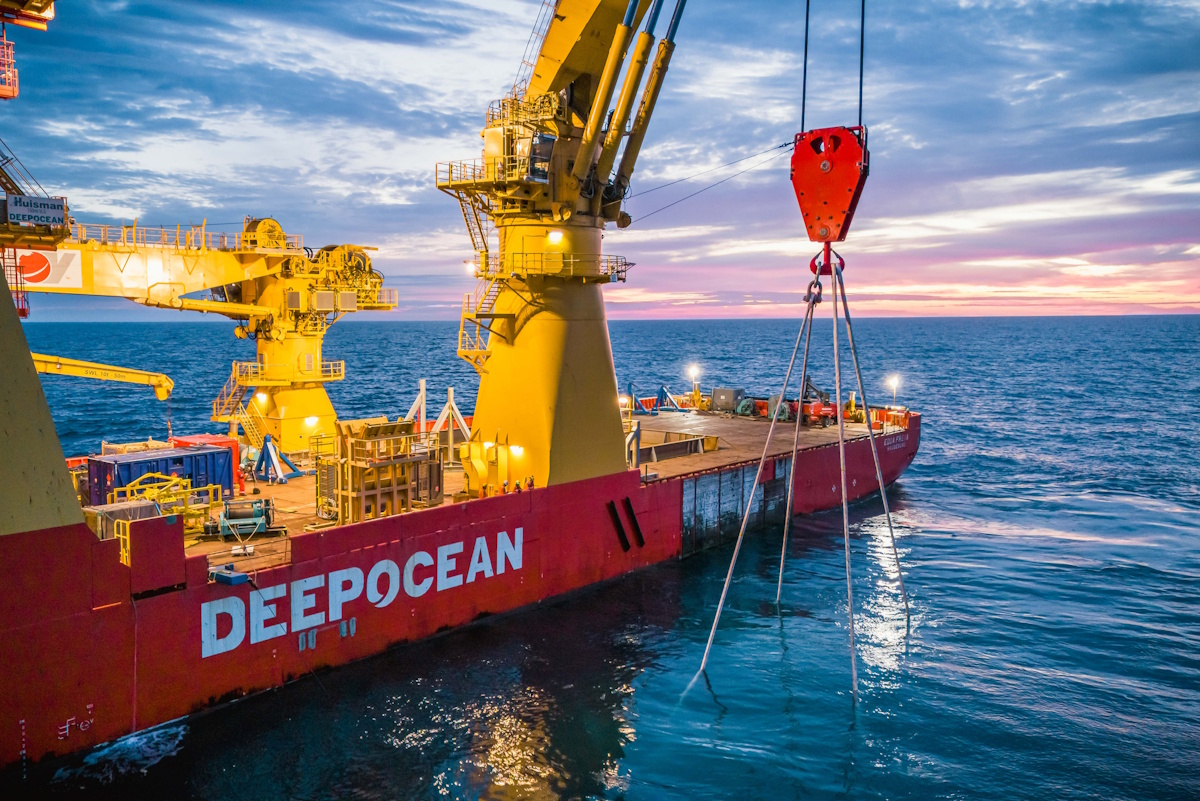
DeepOcean Awarded Foinaven Contract
DeepOcean, a global ocean services provider, has secured a contract with bp to assist in the decommissioning and recycling of subsea equipment at the Foinaven field, located west of Shetland in the UK. This collaboration aims to ensure the environmentally responsible dismantling of infrastructure as bp transitions away from active operations in the area. The agreement underscores the growing emphasis on sustainable practices within the energy sector, particularly in the context of decommissioning aging offshore facilities. The project is set to commence shortly, reflecting both companies' commitment to minimizing environmental impact while adhering to regulatory standards.
deepocean contract award foinaven
NOC to Co-lead REV Ocean Sargasso Sea Expedition
REV Ocean has announced the launch of its Maiden Voyage Science Program, which will feature ten partner-led missions across the South Atlantic, Caribbean, and Eastern Tropical Pacific. This initiative marks the inaugural operational research season for REV, a new vessel added to the global philanthropic fleet dedicated to ocean research and conservation. The program aims to address critical environmental issues and promote sustainable practices in marine ecosystems. Through collaborative efforts with various partners, REV Ocean seeks to enhance scientific understanding and foster innovative solutions to protect the world's oceans.
national oceanography centre (noc) rev ocean sargasso sea expedition (rose)
Innocean, SBVA launch startup growth platform
Innocean, the advertising and marketing division of Hyundai Motor Group, announced on Monday its collaboration with SBVA, a venture capital firm previously known as SoftBank Ventures Asia. This partnership aims to establish UP 2026, a growth platform focused on fostering collaboration with high-growth startups and exploring new business opportunities. SBVA, affiliated with the SoftBank Group, has a diverse investment portfolio that includes over 100 startups across various sectors such as artificial intelligence, the Internet of Things, and robotics. The initiative reflects Innocean's commitment to innovation and strategic growth in an evolving market landscape.
All News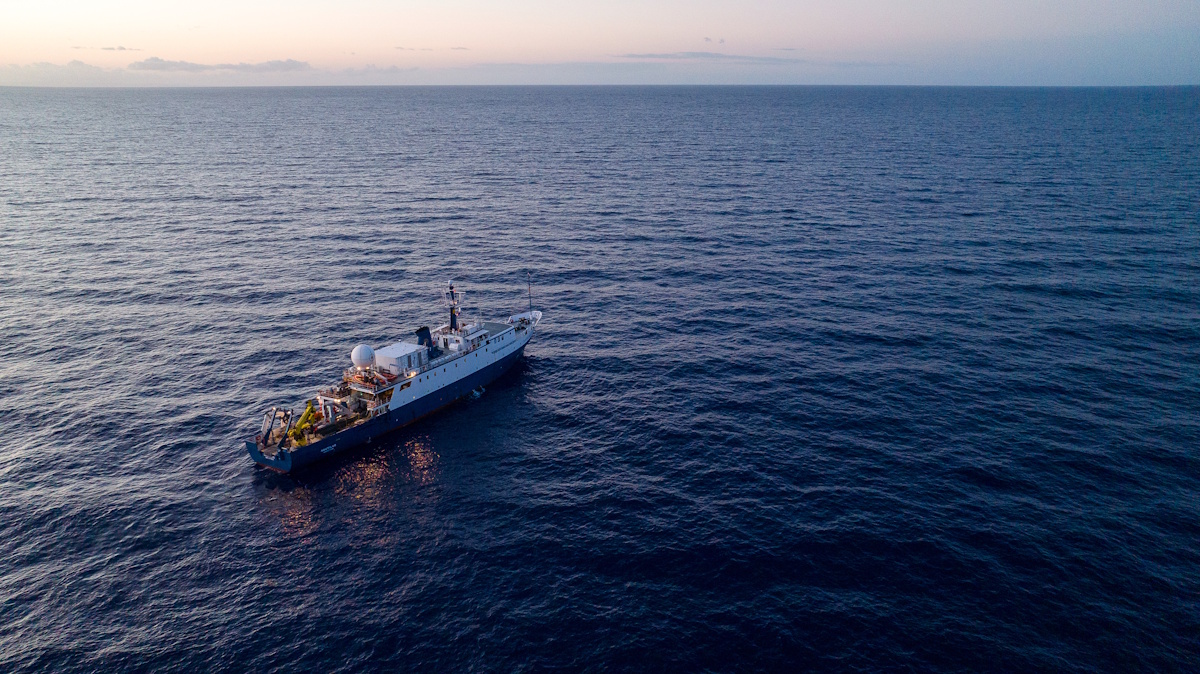
Ocean Exploration Trust Launches Expedition with New Mapping Sonar to Explore Deeper than Ever!
The Ocean Exploration Trust (OET) launched its Exploration Vessel (E/V) Nautilus today for the inaugural expedition of 2026, marking a significant advancement in deep-sea exploration. This expedition, named Pacific Mapping (NA178), features the first operational deployment of the newly installed Kongsberg EM 304 MKII multibeam sonar technology, which enhances the vessel's capability to explore ocean depths more effectively than ever before. The initiative aims to expand our understanding of the Pacific Ocean's underwater landscapes and ecosystems, leveraging cutting-edge technology to gather critical data. The expedition underscores OET's commitment to marine research and exploration, as it seeks to uncover the mysteries of the ocean and contribute to scientific knowledge.
ocean exploration trust’s (oet) e/v nautilus expedition 2026
NC AI develops welding AI for Hanwha Ocean
NC AI, the artificial intelligence division of gaming company NCSoft, announced on Thursday that it has secured a project with Hanwha Ocean to create AI-driven autonomous welding technology for shipbuilding. This initiative will utilize a vision-based welding model alongside a collaborative robot system, enabling the identification of welding targets and execution of tasks with reduced human involvement. The innovative technology is set to be implemented at Hanwha Ocean's production facilities for both commercial and specialized vessels, aiming to enhance efficiency and precision in the welding process.
All News
GE propulsion selected for US Navy’s next-generation ocean surveillance vessels
GE Aerospace has announced a significant contract to supply propulsion systems for the U.S. Navy's next-generation aircraft. This order, which underscores the company's commitment to advancing military aviation technology, was finalized recently and marks a pivotal step in enhancing the Navy's operational capabilities. The propulsion systems are expected to improve performance and efficiency for the upcoming fleet of aircraft, contributing to national defense objectives. GE Aerospace will leverage its advanced engineering and manufacturing expertise to fulfill this contract, ensuring timely delivery and adherence to the Navy's stringent requirements. This partnership highlights the ongoing collaboration between the defense sector and aerospace manufacturers, aimed at modernizing military assets and maintaining technological superiority.

Maritime UK SW launches Ocean Tech Expo 2026
Plymouth, known as Britain’s Ocean City, is set to welcome the Ocean Tech Expo this June, marking the region’s largest marine and maritime event. Organized by Maritime UK South West, the biennial expo will take place at the University of Plymouth on Wednesday, June 17, and Thursday, June 18. The event aims to bring together hundreds of industry leaders to discuss advancements and innovations in marine technology, fostering collaboration and knowledge sharing within the sector. This year’s expo promises to highlight the importance of maritime industries in the South West and their role in driving economic growth and sustainability.
maritime uk sw ocean tech expo 2026 events
OceanSight Expands Global Dealer Network for Ocean Floor Geophysics
OceanSight has expanded its global dealer network by appointing six new regional channel partners for its subsidiary, Ocean Floor Geophysics (OFG). This strategic move, announced today, aims to enhance the company's market presence and improve access to its innovative geophysical solutions. The addition of these partners is expected to facilitate better service delivery and support for clients in various regions. The expansion reflects OceanSight's commitment to strengthening its distribution capabilities and meeting the growing demand for advanced oceanographic technologies.
oceansight expansion global dealer network ocean floor geophysics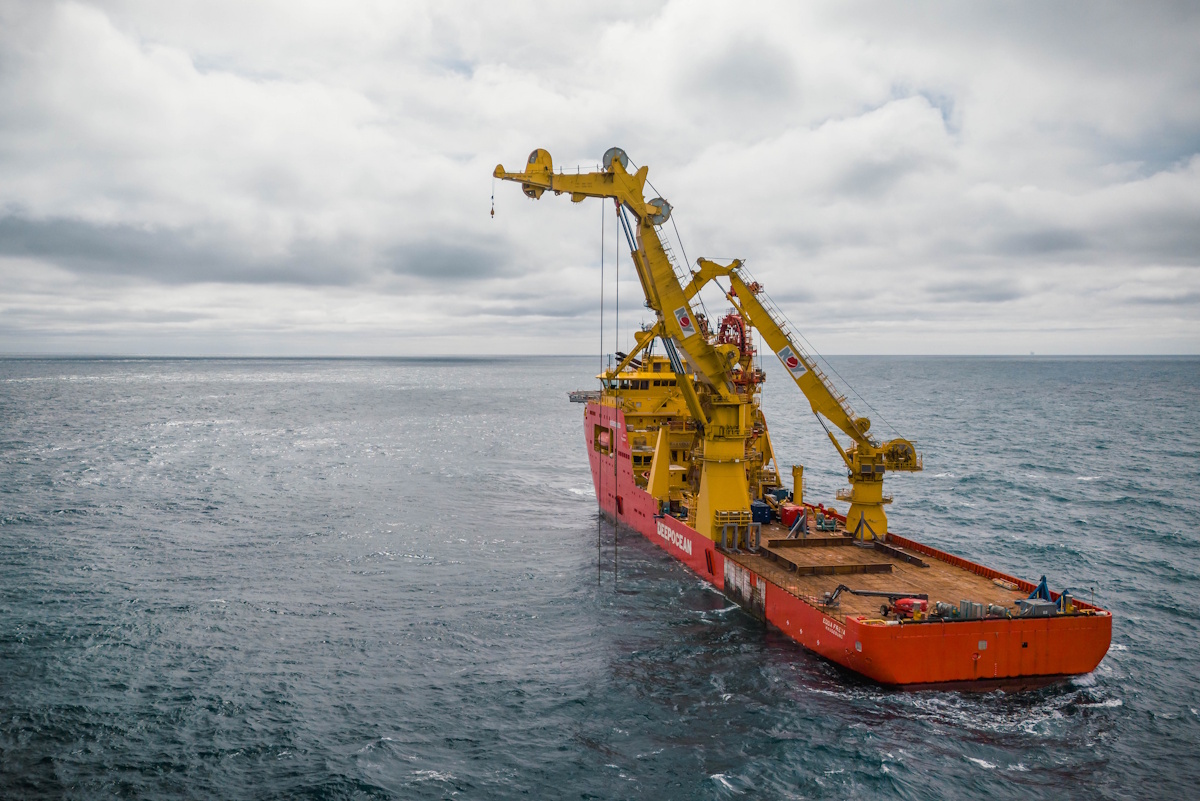
DeepOcean awarded subsea contracts by Equinor
DeepOcean, a global leader in ocean services, has secured a substantial subsea contract from Equinor for various fields located on the Norwegian continental shelf, including the Barents Sea. The offshore operations are scheduled to take place over two years, from 2027 to 2028. This contract underscores DeepOcean's commitment to supporting Equinor's initiatives in the region, reflecting the growing demand for subsea services in the energy sector. The collaboration aims to enhance the efficiency and sustainability of operations in these vital offshore areas.
deepocean contract award equinor
A Depth Control Method for Full Ocean Depth AUV
A recent study published in the Journal of Field Robotics highlights advancements in autonomous robotic systems designed for agricultural applications. Researchers from various institutions conducted the study to address the growing need for efficient farming solutions amid increasing global food demands. The findings, released in early October 2023, showcase innovative technologies that enhance crop monitoring and management through the use of drones and ground-based robots. The research, conducted in diverse agricultural settings, demonstrates how these autonomous systems can optimize resource usage, reduce labor costs, and improve yield quality. By integrating artificial intelligence and machine learning, the robots are capable of analyzing vast amounts of data in real-time, allowing farmers to make informed decisions quickly. This initiative is particularly significant as it responds to the challenges posed by climate change and labor shortages in the agricultural sector. The study emphasizes the potential of robotics to transform traditional farming practices, making them more sustainable and efficient. As the global population continues to rise, the implementation of such technologies could play a crucial role in ensuring food security for the future.
RESEARCH ARTICLE
Ocean Robotics Planet Magazine Issue 47 is out now!
A recent announcement from a leading technology company revealed the launch of its latest smartphone model, set to hit the market next month. The unveiling took place during a high-profile event in San Francisco, where executives showcased innovative features aimed at enhancing user experience and connectivity. This new device is designed to compete with other flagship smartphones by integrating advanced artificial intelligence capabilities and improved camera technology. The company aims to capture a larger share of the market, responding to growing consumer demand for cutting-edge technology. The smartphone will be available for pre-order starting next week, with a full retail launch scheduled for the following month.
rov planet magazine ocean robotics planet magazine no:47 2026
Remote Launch and Recovery of ROV in Operational Use with DeepOcean
Evotec has introduced Evotec CORE™ Remote, an innovative solution designed to automate the launch and recovery of remotely operated vehicles (ROVs) from shore. This advancement streamlines operations, allowing these processes to be conducted as a single, cohesive automated task. The launch of this technology marks a significant step forward in enhancing the efficiency and safety of marine operations, particularly in challenging environments. By enabling remote handling of ROVs, Evotec aims to reduce the need for extensive on-site personnel and equipment, ultimately lowering operational costs and minimizing risks associated with traditional methods. This development is expected to have a profound impact on industries reliant on underwater exploration and monitoring, providing a more effective means of conducting marine activities.
remote launch and recovery (rlars) rov deepocean evotec core™
OCEANS 2026 Monterey: Charting the Future of Ocean Innovation on California’s Coast
The global marine technology community is set to gather in Monterey, California, from September 21 to 24, 2026, for OCEANS 2026 Monterey, taking place at the Monterey Conference Center. This event will unite industry leaders, researchers, students, policymakers, and innovators to discuss and showcase the latest advancements in ocean and freshwater technology, as well as sustainable practices and maritime operations. The choice of Monterey, recognized as a leading hub for marine science, underscores the event's commitment to fostering collaboration and innovation in addressing the challenges facing marine environments.
oceans 2026 monterey events ocean innovation
DeepOcean Delivers First Remote Subsea Intervention with Offshore Management Based Onshore
DeepOcean, a global leader in ocean services, has achieved a significant milestone by completing its inaugural subsea intervention project with offshore operational leadership managed from onshore. This project, which underscores the company's commitment to advancing remote subsea capabilities, highlights the growing trend of utilizing onshore resources to enhance operational efficiency in offshore environments. The successful execution of this project marks a pivotal moment in DeepOcean's development strategy, reflecting the industry's shift towards innovative solutions in subsea operations.
deepocean remote subsea intervention offshore management
World’s Largest Animal Migration and Ocean Gyres Play Critical Roles in Global Carbon Cycle
Scientists have successfully concluded two significant research expeditions in the Southwest Atlantic Ocean aimed at enhancing the understanding of the biological pump, a crucial process for carbon transfer from the ocean's surface to its depths, which plays a key role in climate regulation. These cruises, conducted between January and April, were supported by the Schmidt Ocean Institute and the Schmidt Sciences’ Ocean Biogeochemistry Virtual Institute (OBVI), utilizing the research vessel Falkor (too). The expeditions sought to address critical knowledge gaps regarding how this natural mechanism functions, thereby contributing to broader efforts in climate science and oceanography.
animal migration ocean gyres global carbon cycle schmidt ocean institute schmidt sciences ocean biogeochemistry virtual institute (obvi)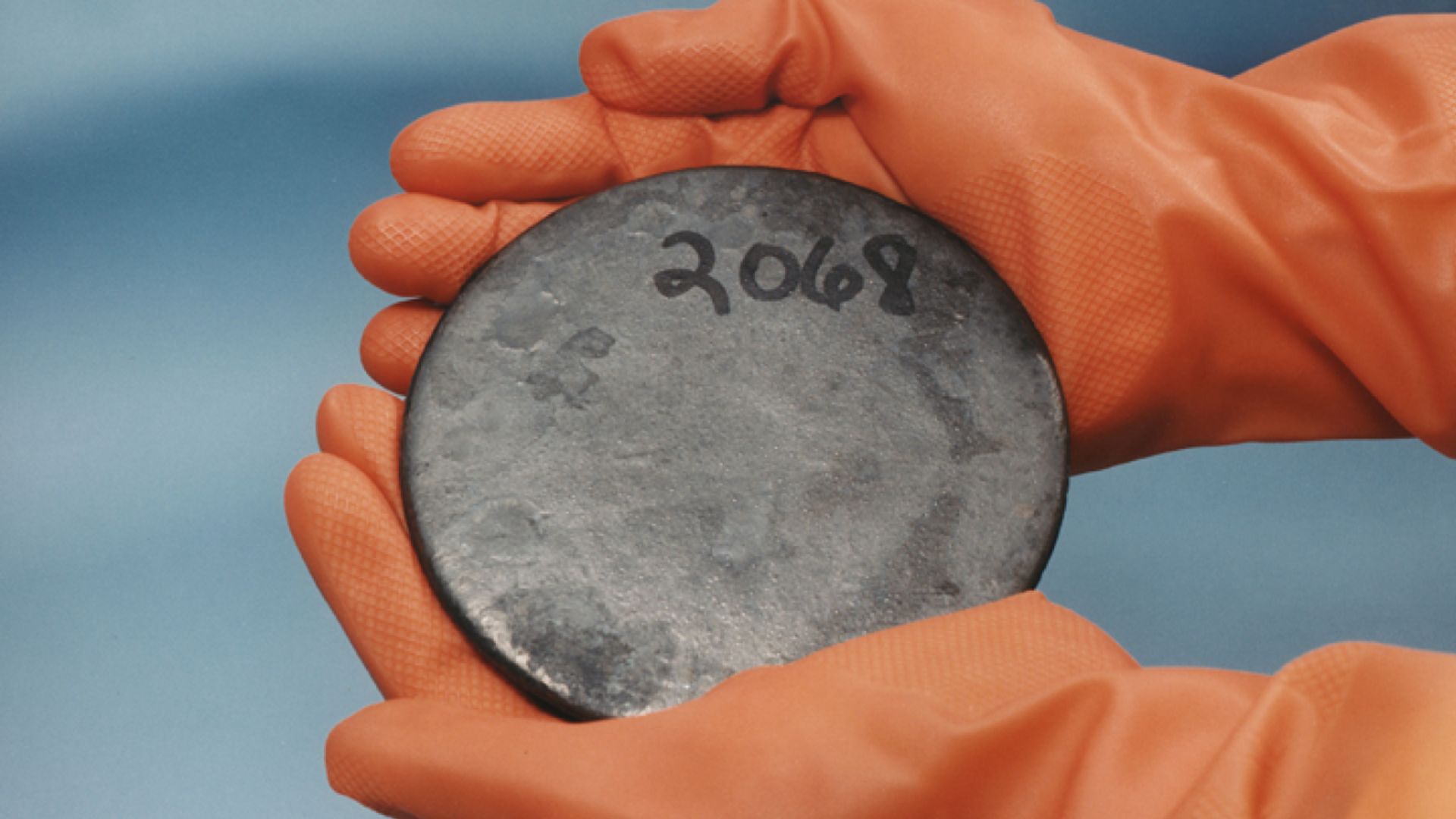
‘Predator-like’ light-powered micromotors to mine uranium from oceans, wastewater
Researchers at the Qinghai Institute of Salt Lakes in China have made a significant breakthrough by developing a new microscopic material that has the potential to revolutionize various industries. This innovative material, created using advanced techniques, was unveiled during a recent scientific conference held in Xining, the capital of Qinghai Province. The development aims to address challenges in fields such as energy storage, environmental protection, and biomedical applications. The motivation behind this research stems from the growing need for more efficient and sustainable materials that can enhance performance while reducing environmental impact. By leveraging unique properties at the microscopic level, the scientists have demonstrated that this new material can improve energy efficiency and offer enhanced functionality compared to existing alternatives. The team utilized a combination of nanotechnology and material science to synthesize the material, which exhibits remarkable strength and versatility. Initial tests have shown promising results, indicating its potential for practical applications in batteries, water purification systems, and drug delivery mechanisms. As the research progresses, the scientists are optimistic about the material's future applications and its ability to contribute to technological advancements. They plan to collaborate with industry partners to further explore its commercial viability and to bring this innovative solution to market, potentially transforming how various sectors approach material challenges.

Oceaneering Completes First Onshore‑Piloted Remote ROV Operation on an Offshore Rig in Brazil
Oceaneering International, Inc. has successfully tested its onshore remote operations center (OROC) capabilities through its Subsea Robotics segment and Brazilian subsidiary, Marine Production Systems do Brasil LTDA (MPS). The operation involved piloting a remotely operated vehicle (ROV) from the OROC in Macaé, Brazil, to support Petrobras’s offshore drilling activities. This significant advancement in remote operations was conducted recently, showcasing Oceaneering's commitment to enhancing operational efficiency and safety in subsea environments.
oceaneering onshore‑piloted remote rov operation offshore rig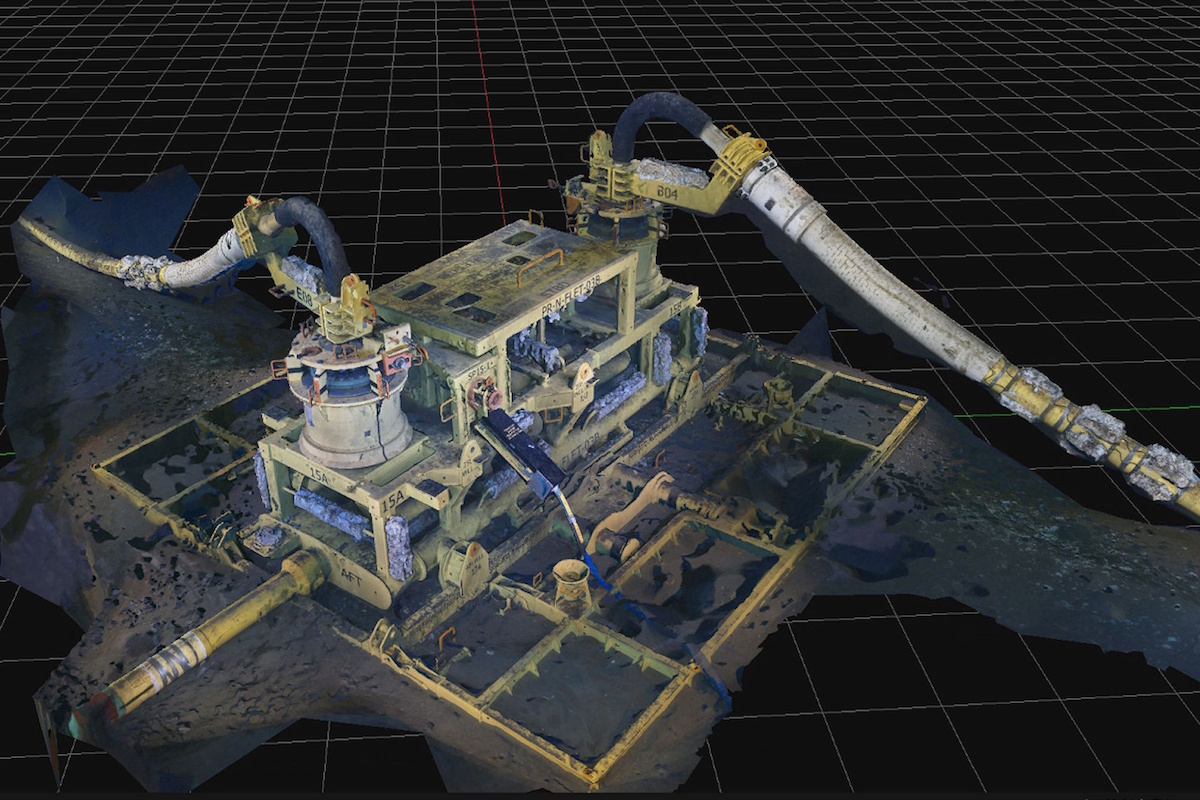
DeepOcean and Woodside Advance Subsea Efficiency Through Dual-scope Approach
DeepOcean, a global ocean services provider, has partnered with Woodside Energy (Senegal) B.V. to conduct simultaneous inspections and 3D scanning of subsea infrastructure at the Sangomar field, located offshore Senegal. This operation, which took place recently, aims to enhance the understanding and management of the subsea assets in the area. By utilizing advanced technology for inspection and scanning, the collaboration seeks to ensure the integrity and safety of the infrastructure, which is crucial for ongoing energy operations. The successful execution of this project underscores the commitment of both companies to leveraging innovative solutions for efficient subsea management in the energy sector.
deepocean woodside subsea efficiencyRobotics needs a service framework.
RSF defines a common language for robot service capability, lifecycle operations, certification pathways, and service-provider networks.
Join the RobotToday community on LinkedIn
Daily robotics news, in-depth analysis, conference highlights, and discussions with professionals worldwide.