Industry Briefing
A single destination for timely, editor-curated robotics news from around the world.
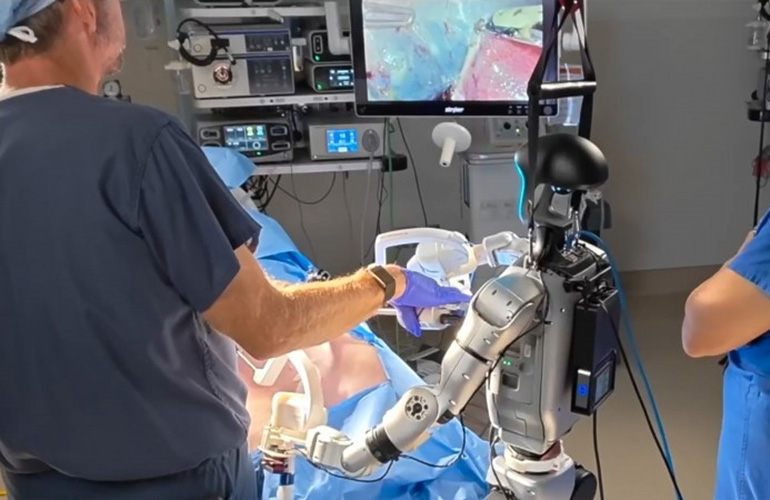
UC San Diego Trials Teleoperated Humanoid Robots for Surgical Procedures
In a groundbreaking preclinical trial at UC San Diego, teleoperated humanoid robots successfully conducted surgeries, marking a significant advancement in surgical technology. This trial represents the first instance of humanoid robots being utilized in a surgical context, showcasing their potential to enhance precision and efficiency in medical procedures. The significance of this development lies in the versatility of humanoid robots, which may offer improved capabilities over traditional robotic systems like the da Vinci Surgical System. By integrating advanced teleoperation techniques, these robots could potentially reduce the need for human intervention, thereby minimizing risks and improving patient outcomes in complex surgeries. Looking ahead, the next steps involve further trials to assess the long-term effectiveness and safety of these humanoid robots in surgical environments. No further timeline was disclosed at the time of publication, but the results of this trial could pave the way for broader applications in healthcare robotics.
Healthcare Robotics Human Robot Interaction / Haptics Humanoids News Surgical / Interventional Systems Surgical Systems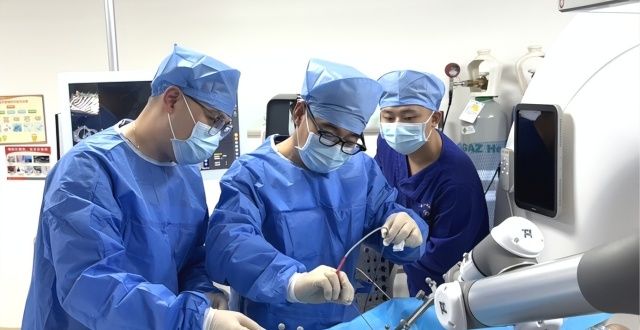
Chinese Surgical Robots Surpass Da Vinci in Domestic Market Share, Expanding into Global Remote Surgery
China's surgical robot industry has achieved a significant milestone, with the MicroPort MedBot Toumai surpassing the Da Vinci system in domestic market share from January to May 2026. This development marks a pivotal moment for the country's medical technology sector, showcasing its rapid advancements and growing competitiveness in the global market. Additionally, the MicroPort MedBot Toumai is leading the way in remote surgery, expanding its reach across multiple countries. This progress reflects China's commitment to innovation in healthcare technology and its ambition to establish a strong presence in the international surgical robotics arena.
News
Siemens collaborates with Databricks and FFT to enhance production data with AI insights.
Siemens has unveiled a new edge-to-cloud integration in collaboration with Databricks, a leading Data and AI company, and its long-time automation partner, FFT Produktionssysteme. This innovative partnership aims to streamline the connection of production data directly to enterprise AI, eliminating the need for complex IoT middleware. By facilitating this direct integration, Siemens and its partners intend to empower industrial customers to transform their production data into actionable insights, thereby enhancing the scalability of industrial AI solutions on a global scale. This initiative underscores the growing importance of data-driven decision-making in the manufacturing sector, enabling companies to leverage advanced analytics for improved operational efficiency and competitiveness.
Artificial Intelligence Automation Industry News artificial intelligence cloud computing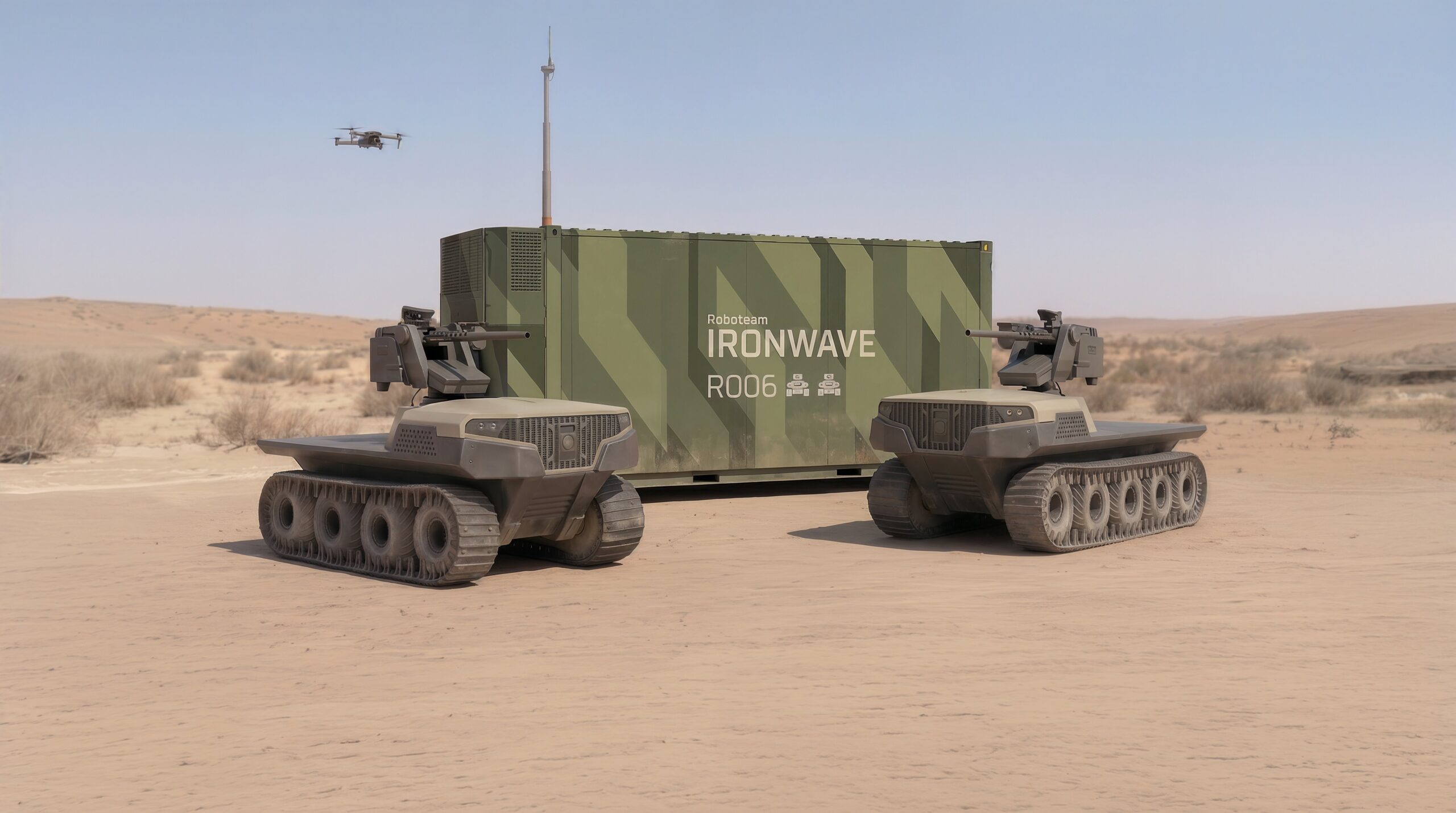
Ondas Unveils New Autonomous Counter-Drone and Robotic Combat Systems
Ondas Holdings has introduced two innovative autonomous defense systems, MODUS and IRON WAVE, aimed at assisting military forces in countering the escalating threats posed by drones and enhancing the deployment of robotic systems. This announcement highlights the company's commitment to addressing critical challenges faced by modern military operations. The unveiling of these systems comes at a time when the proliferation of drone technology and robotic warfare is reshaping the battlefield landscape. By providing advanced solutions, Ondas Holdings seeks to empower frontline troops with enhanced capabilities to effectively neutralize aerial threats and integrate robotic support into their operations.
Anti-drone technology Applications C-UAS defense Defense Drone News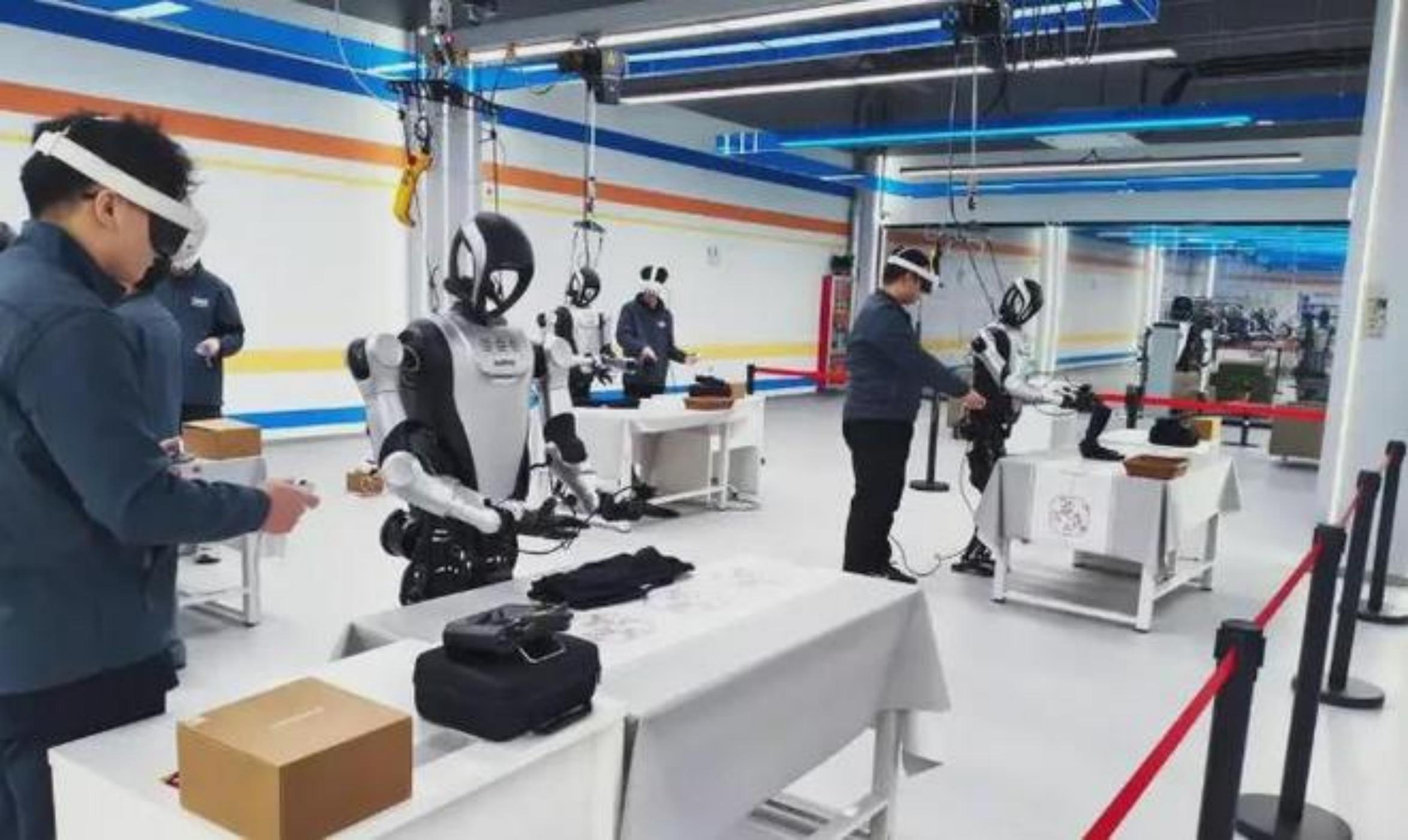
Building a Highway for Embodied Intelligence: From Data Collection to Ecosystem Development, Leju's Training Ground 2.0
Leju has introduced an innovative training ground model designed to enhance embodied intelligence in robotics through improved data collection efficiency and consistency. This initiative, which emphasizes the importance of real-world data application, aims to create a robust ecosystem that significantly advances robotic capabilities. By focusing on gathering and utilizing data effectively, Leju seeks to drive forward the development of intelligent systems that can better interact with their environments. The model represents a strategic effort to harness data as a critical resource in the ongoing evolution of robotics, positioning Leju at the forefront of this technological advancement.
Embodied Intelligence Data Collection Robotics AI Ecosystem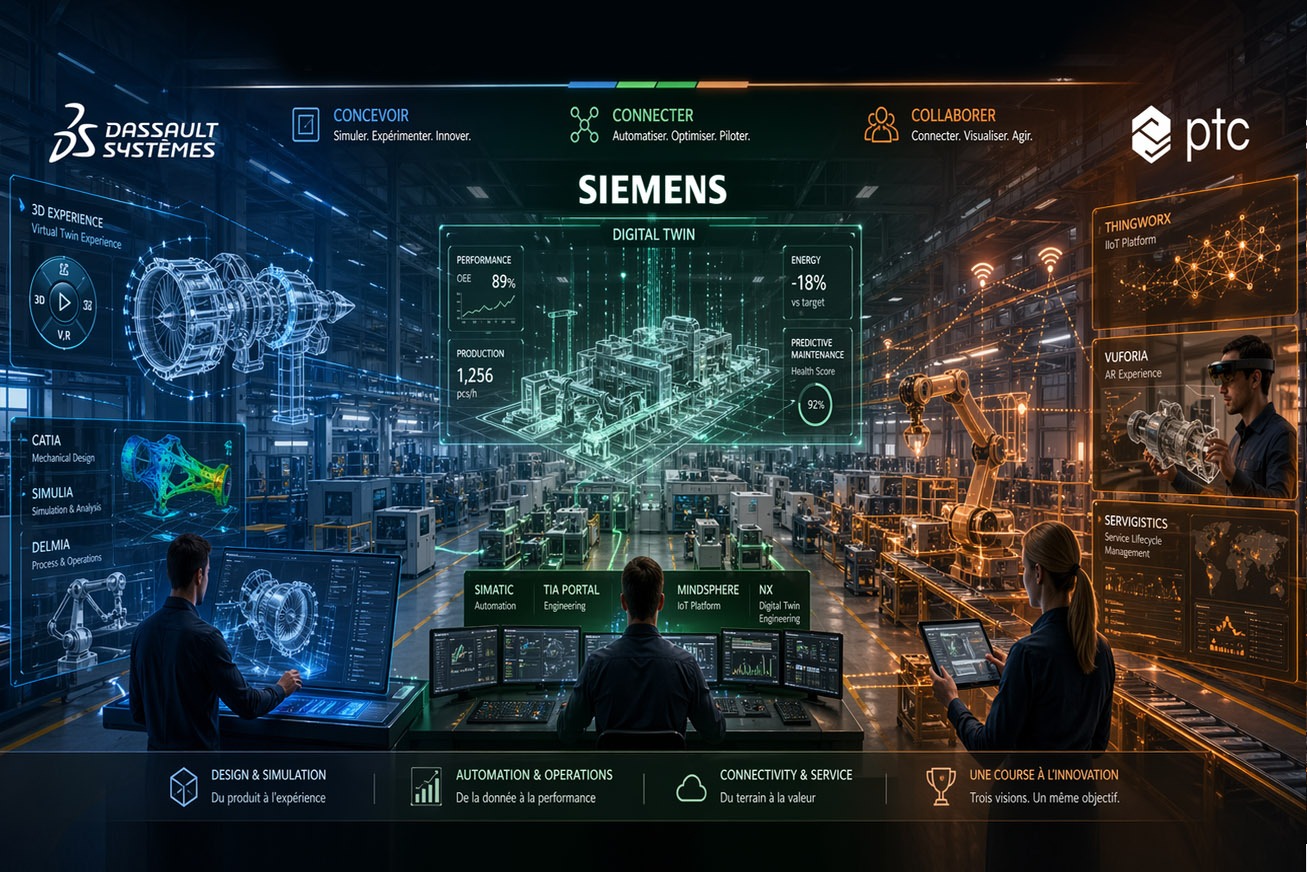
Dassault Systèmes vs Siemens vs PTC : qui gagne la bataille du digital twin ?
The digital twin technology is emerging as a cornerstone of the future industry, aiming to create accurate virtual representations of products, processes, or entire systems. This innovation enables real-time simulation, optimization, and prediction of behaviors. In this competitive landscape, three major players—Dassault Systèmes, Siemens, and PTC—are leading the charge in the battle for dominance in the digital twin market. The ongoing rivalry among these companies highlights the strategic importance of digital twins in enhancing operational efficiency and driving technological advancement. The article originally appeared in Robot Magazine, exploring the competitive dynamics shaping this transformative field.
À la une Actualités IA Industriel Robotique automatisation industrielle.
Saab Awarded ASIMOV Contract by DARPA to Develop Responsible AI Benchmarks for Autonomous Systems
The Defense Advanced Research Projects Agency (DARPA) has contracted a team led by Saab, Inc.’s newly established accelerator, Skapa by Saab, in collaboration with the Massachusetts Institute of Technology (MIT). This partnership is part of DARPA's Autonomy Standards and Ideals with Military Operational Values (ASIMOV) program, which seeks to create benchmarks for objectively and quantitatively assessing the ethical complexities of future autonomous systems and their readiness for military applications. The initiative underscores the growing importance of integrating ethical considerations into the development of autonomous technologies in defense.
saab contract award asimov darpa ai autonomous systems
Echodyne Launches 86,350-Square-Foot Radar Facility to Boost MESA Production
Echodyne, a radar manufacturer based in Kirkland, Washington, has inaugurated an 86,350-square-foot facility designed to produce over 30,000 MESA radars annually. This new plant, announced on July 9, 2026, aims to address the growing global demand for counter-unmanned aerial systems (C-UAS) technology, enhancing the company's production capabilities significantly. The expansion is crucial as the market for counter-UAS solutions continues to grow, driven by increasing security concerns and the proliferation of drones. Echodyne's MESA radar technology is known for its advanced capabilities, making it a key player in the C-UAS sector. This facility will allow the company to scale operations and meet the rising needs of both domestic and international clients. Looking ahead, Echodyne's new manufacturing site is expected to play a pivotal role in fulfilling orders and enhancing supply chain efficiency. No further timeline was disclosed at the time of publication regarding additional production milestones or expansion plans for the facility.
Drone News Drone News Feeds NDAA Compliant News US Government $490 million contract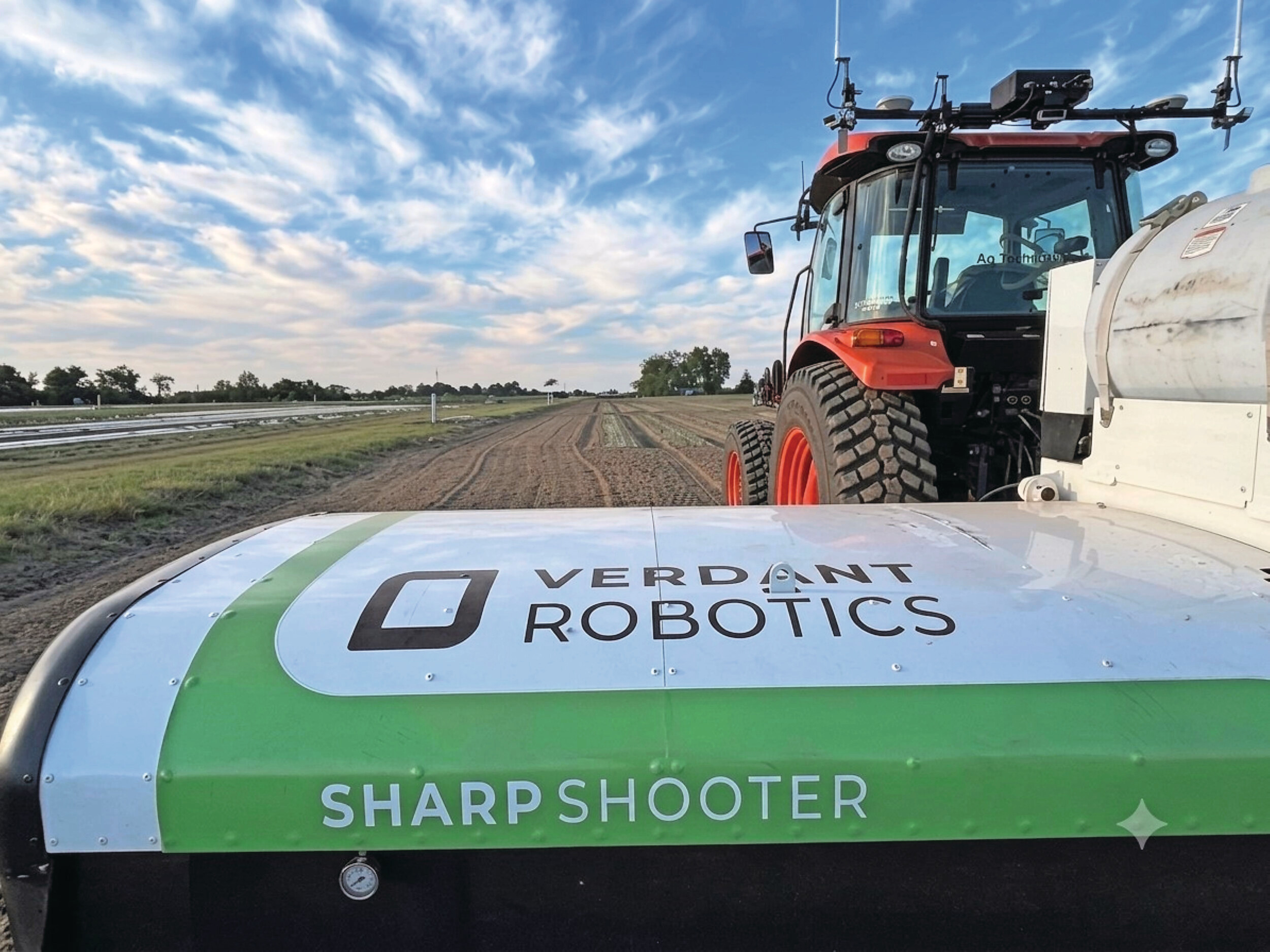
Sabanto and Verdant Robotics integrate autonomy and precision application systems
U.S. companies Sabanto Inc. and Verdant Robotics have announced a groundbreaking integration of their systems, marking a significant advancement in agricultural automation. This collaboration allows producers to automate various fieldwork tasks, including navigation and plant-level input application, without the need for an operator present in the cab. The integration aims to enhance efficiency and productivity in farming operations, responding to the growing demand for innovative agricultural solutions. By leveraging advanced technology, both companies are paving the way for a new era of autonomous farming, which could transform traditional practices and address labor shortages in the industry.
Autonomous/semi-autosteering systems autonomous farm equipment autonomous tractors crop management systems retrofit kits
ND UAS Council Adds Grand Forks DDA to Strengthen Drone Ecosystem
The North Dakota UAS Council has announced the addition of the Grand Forks Downtown Development Association (DDA) as its newest member, a move aimed at strengthening the connection between the state’s drone industry and its downtown community. This announcement was made on June 9, highlighting the council's commitment to fostering collaboration and innovation within the drone ecosystem in North Dakota. By integrating the DDA, the council seeks to enhance local economic development and promote the growth of drone-related initiatives in the region.
Drone News Drone News Feeds News State Government State Policy Autonomous Systems
Microsoft CEO Satya Nadella posts on X: "A frontier without an ecosystem is unstable," two days after Fable 5 halt.
Two days after the U.S. government halted the global deployment of Anthropic's "Claude Fable 5" due to export control directives, Microsoft CEO Satya Nadella took to X to share his insights on the importance of building independent learning systems for companies. In his post, titled "An Ecosystem-less Frontier is Unstable," Nadella did not directly reference the Fable 5 situation but emphasized the necessity for businesses to avoid reliance on specific models. His comments come amid growing concerns about the stability of AI ecosystems in light of regulatory challenges.

UMass Amherst Researchers Developing AI Architecture That Uses a Fraction of the Energy Required by Today’s AI Systems
Researchers at the University of Massachusetts Amherst have unveiled a groundbreaking artificial intelligence architecture aimed at significantly lowering the energy consumption of advanced AI systems while maintaining their learning capabilities. This innovative approach, inspired by brain function, was developed with funding from the U.S. National Science Foundation and the Air Force Office of Scientific Research. By mimicking the efficiency of the human brain, the new architecture seeks to address the growing energy demands associated with AI technologies, which have raised concerns regarding sustainability and environmental impact. The research, which highlights the potential for more eco-friendly AI solutions, could pave the way for advancements in various fields reliant on artificial intelligence, ultimately promoting a more sustainable future for technology.
AI AI Research & Advances Robotics architecture energy consumption Research
SMILE-FX Launches AI Braces System, Bringing Predictive Treatment Planning to South Florida
Dr. Tracy M. Liang, a board-certified orthodontist, has unveiled a groundbreaking orthodontic treatment at SMILE-FX Orthodontic Studio in Miramar, Florida. On April 3, 2026, the clinic launched its AI Braces system, which uniquely combines artificial intelligence with advanced 3D CBCT (Cone Beam Computed Tomography) imaging. This innovative approach aims to enhance the precision and effectiveness of orthodontic treatments by providing detailed, data-informed mapping for each patient's needs. The integration of cutting-edge technology is designed to improve patient outcomes and streamline the orthodontic process, reflecting a significant advancement in the field.
Design Health 3D CBCT imaging 3d printing AI braces AI diagnostics
Davie and Kraken set to Join Forces on the Production of Autonomous Vessels and Systems in Canada
Québec-based Davie and the UK’s Kraken Technology Group have entered into a strategic collaboration aimed at enhancing the production, integration, and development of Kraken's advanced autonomous solutions in Canada. This partnership, announced today, seeks to leverage Davie’s expertise in shipbuilding and marine technology to bolster the capabilities of Kraken’s innovative offerings. By establishing a Canadian base for these operations, the collaboration aims to strengthen local industry and support the growing demand for autonomous technologies in maritime applications. The initiative reflects a commitment to advancing technological development in the region while fostering international cooperation in the field of autonomous systems.
davie kraken technology group production autonomous vessels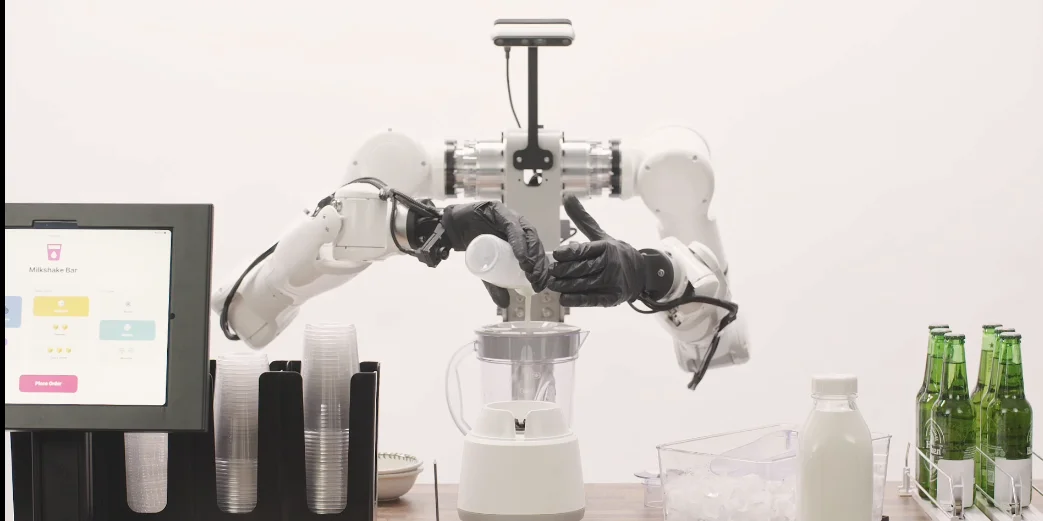
Genesis AI Unveils Foundation Model, Hand & Data Collection System to Develop Human-Level Physical Manipulation for Robotics
Genesis AI has introduced a groundbreaking robotics foundation model named GENE-26.5, accompanied by a proprietary robotic hand and a data collection system aimed at enhancing the ability of robots to learn complex physical tasks by observing human behavior. This innovative system seeks to tackle the challenges associated with gathering substantial amounts of usable training data necessary for teaching robots to perform intricate tasks effectively. The unveiling of GENE-26.5 marks a significant advancement in the field of robotics, as it promises to streamline the learning process for robots, making them more adept at mimicking human actions.
AI AI Use Cases Robotics Eclipse Eric Schmidt Foundation AI Model for Robotics
Ouster Brings Support for REV8 Digital Lidar to Robotics and Edge AI Ecosystem
Ouster has announced the integration of its Rev8 OS digital lidar technology with the NVIDIA Jetson platform, enhancing the capabilities of the NVIDIA Robotics ecosystem. This development, which aims to introduce native color lidar sensing, is set to advance the field of Physical AI. By leveraging the powerful processing capabilities of the Jetson platform, Ouster's technology will enable more sophisticated and responsive robotic applications. This integration marks a significant step forward in the evolution of robotics, allowing for improved perception and interaction with the physical world. The collaboration is expected to drive innovation and expand the potential uses of lidar in various industries, including autonomous vehicles and smart infrastructure.
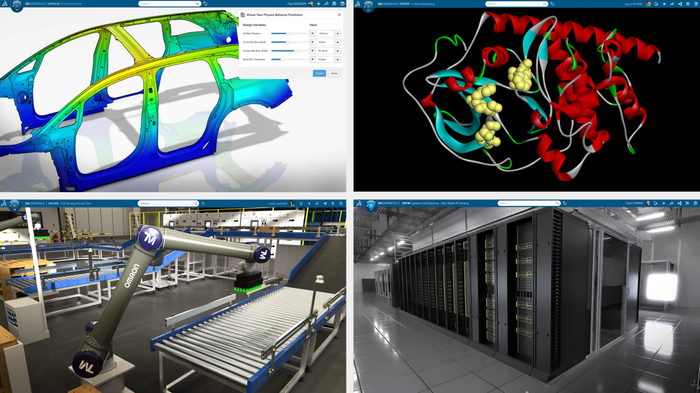
Dassault Systèmes and NVIDIA Partner to Build Industrial AI Platform Powering Virtual Twins
Dassault Systèmes and NVIDIA have entered into a long-term strategic partnership aimed at creating a unified industrial architecture for mission-critical artificial intelligence applications across various industries. This collaboration, announced recently, seeks to leverage both companies' expertise to enhance the integration and deployment of AI technologies in industrial settings. By combining Dassault Systèmes' advanced simulation and modeling capabilities with NVIDIA's powerful computing platforms, the partnership aims to drive innovation and efficiency in sectors that rely heavily on AI. The initiative reflects a growing trend among technology firms to collaborate in order to address the increasing demand for sophisticated AI solutions that can operate reliably in critical environments.
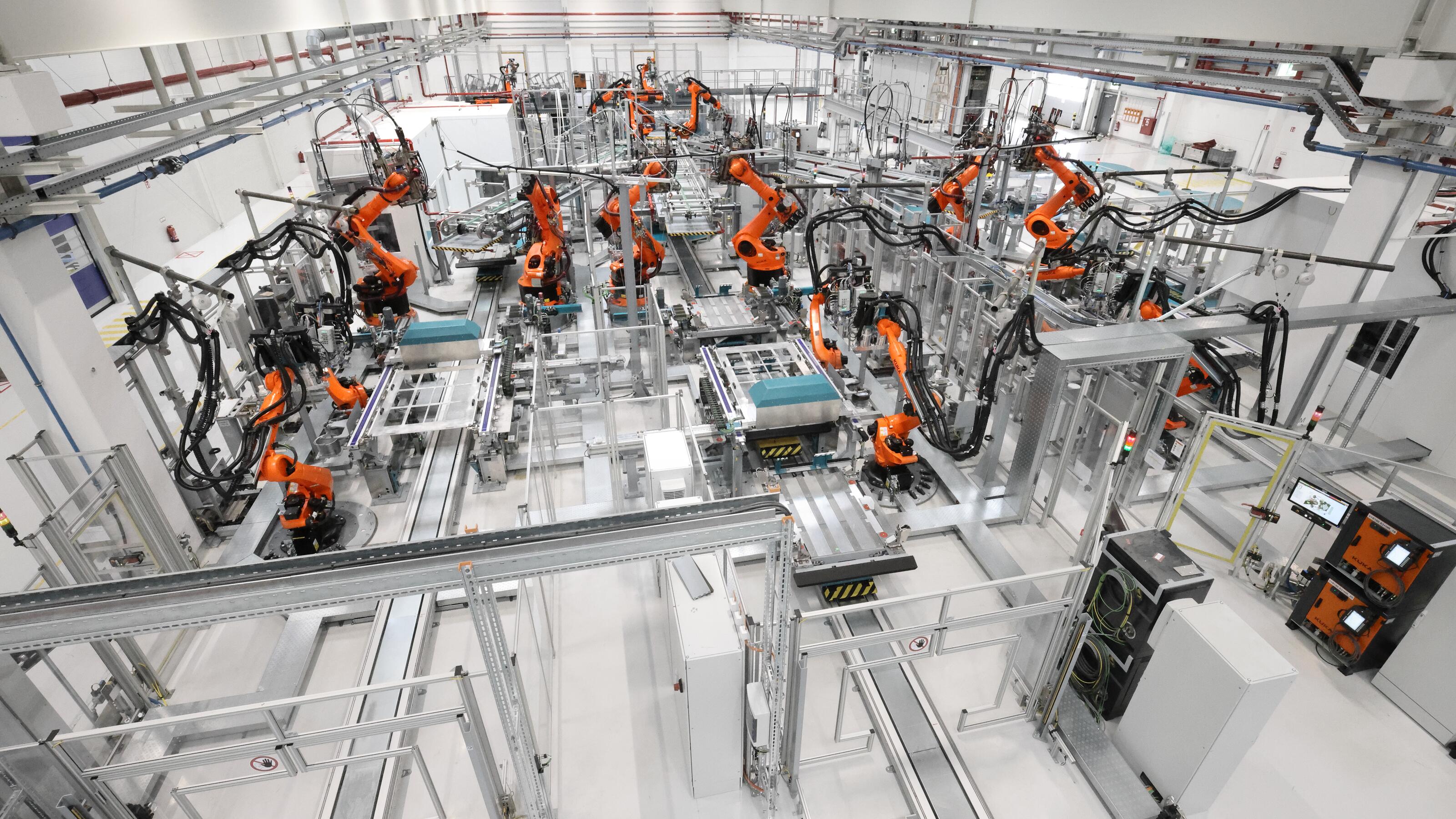
Dassault Systèmes and KUKA Partner to Boost Robotics and Automation Efficiency for Manufacturers
Dassault Systèmes has entered into a partnership with KUKA, a leading global player in industrial automation and robotics, to deliver advanced solutions tailored for the manufacturing sector. This collaboration aims to address the increasing demands for enhanced robotics and automation capabilities within the industry. The announcement was made today, highlighting both companies' commitment to innovation and efficiency in manufacturing processes. By leveraging their respective expertise, Dassault Systèmes and KUKA plan to develop comprehensive solutions that will help manufacturers optimize operations and improve productivity in a rapidly evolving technological landscape.

Heavy‐UUV Docking System for a Fixed Seabed Station Based on Differential Optical‐Guidance Beacons
The Journal of Field Robotics has recently published an early view article highlighting advancements in robotic technology. Researchers from various institutions have collaborated to develop a new autonomous navigation system that enhances the efficiency and safety of field operations. This innovative system was tested in agricultural settings in California during the summer of 2023, where it demonstrated significant improvements in crop monitoring and resource management. The motivation behind this research stems from the growing need for precision agriculture, which aims to optimize farming practices and reduce environmental impact. By integrating advanced sensors and machine learning algorithms, the team was able to create a robotic platform capable of navigating complex terrains while collecting valuable data on soil health and crop conditions. The successful implementation of this technology could revolutionize the agricultural sector, providing farmers with tools to make informed decisions and increase productivity. The findings are expected to contribute to ongoing discussions about sustainable farming practices and the role of robotics in addressing global food security challenges.
RESEARCH ARTICLE
Saab unveils new Giraffe ABM Digital radar at Eurosatory 2026.
At the Eurosatory defense and security international exhibition, Saab unveiled its latest Giraffe AMB D radar system. This launch comes shortly after the Swedish Defence Materiel Administration (FMV) confirmed that it had placed an order for several units in the weeks leading up to the event. The Giraffe AMB D radar is designed to enhance surveillance and air defense capabilities, reflecting Saab's commitment to advancing military technology. The exhibition, held in Paris, serves as a significant platform for defense industry innovations, making it an ideal venue for Saab to showcase its new product and secure further interest from potential clients.
News
Preview of the Complete Agenda for the 2026 Embodied Intelligence Industry Ecosystem Conference
The 2026 Embodied Intelligence Industry Ecosystem Conference is set to take place, featuring a comprehensive agenda that promises to address pivotal topics and showcase influential speakers in the realm of embodied intelligence and technological advancements. This event aims to gather industry leaders, researchers, and innovators to explore the latest developments and future directions in this rapidly evolving field. Scheduled for early 2026, the conference will serve as a platform for collaboration and knowledge sharing, fostering discussions that could significantly impact the landscape of embodied intelligence. Attendees can expect in-depth sessions and networking opportunities designed to inspire and drive forward the integration of intelligent technologies into various sectors.
Embodied Intelligence Industry Conference Technology Trends AI Development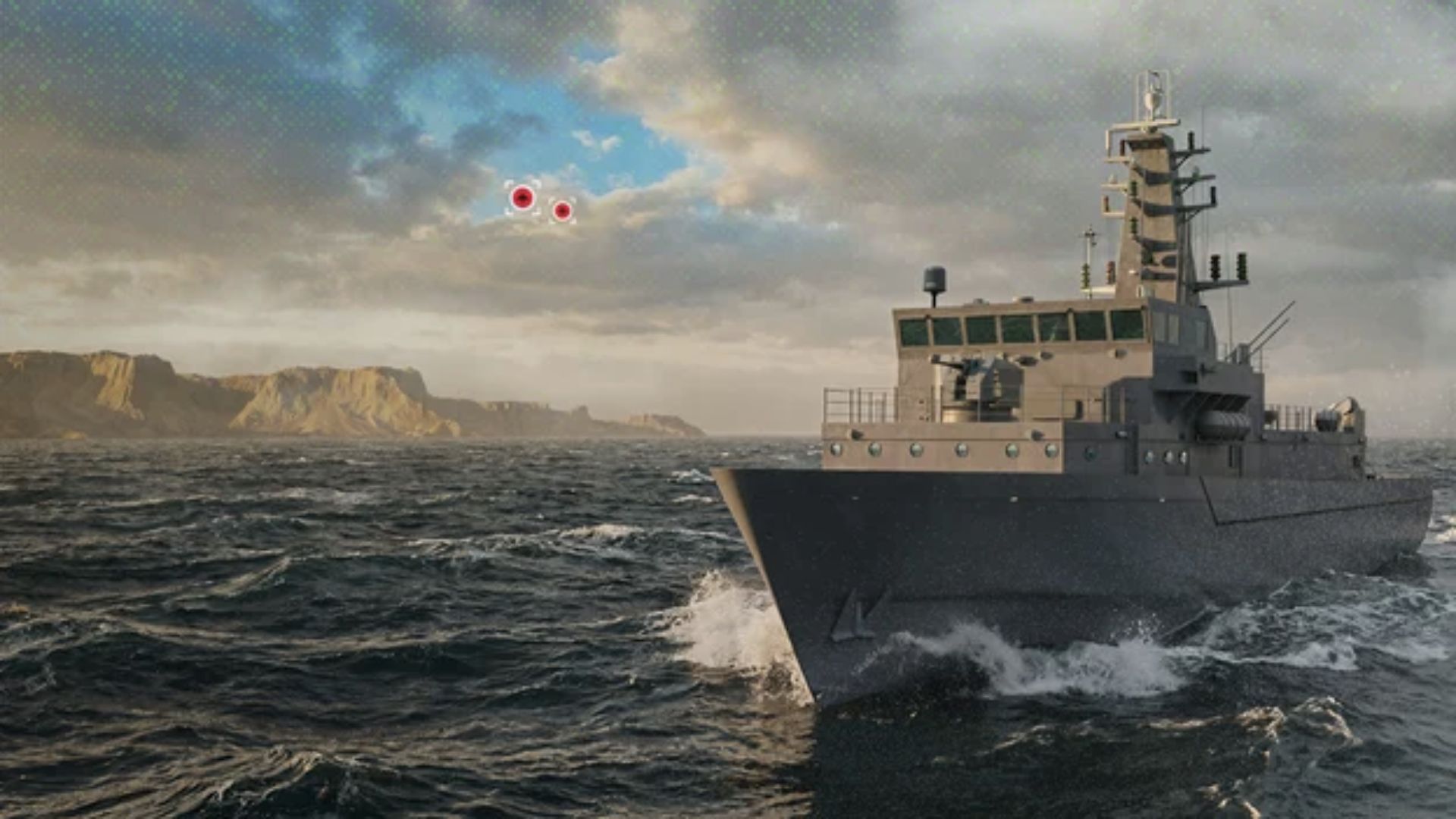
New radar system can detect high-speed drones nearby ports, vessels in extreme environment
A cutting-edge radar system has been developed to enhance the detection of drones operating near ports, vessels, harbors, and other critical maritime areas. This innovative technology aims to bolster maritime security by providing real-time surveillance and threat assessment capabilities. The radar is designed to identify and track drones, which have increasingly become a concern for safety and security in busy maritime environments. The system's deployment is expected to take place in the coming months, with trials set to occur at various strategic locations along coastlines. By integrating advanced detection algorithms and high-resolution imaging, the radar will enable authorities to respond swiftly to potential threats, ensuring the safety of maritime operations and protecting vital infrastructure. This initiative reflects a growing recognition of the need for enhanced security measures in response to the rising prevalence of drone activity in sensitive areas.
Innovation Military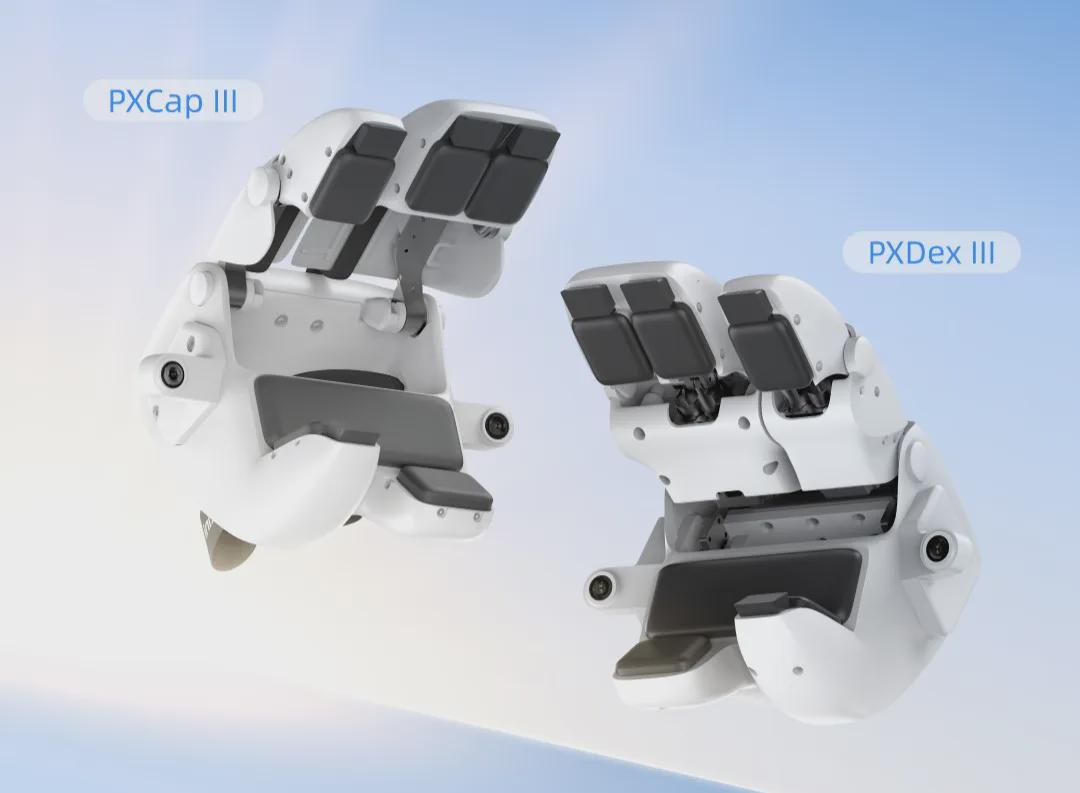
PaXini Launches World's First Mass-Produced Data Collection and Execution System PXCap III × PXDex III
PaXini has introduced its latest technological advancements, the PXCap III data collection gloves and the PXDex III execution end-effector, which together represent a significant leap in the integration of data capture and robotic execution. This innovative dual-end system aims to improve data quality for embodied intelligence by addressing the persistent structural discrepancies that have historically existed between data collection devices and robotic execution. The launch of these products is expected to facilitate the seamless deployment of high-quality data, enhancing the efficiency and effectiveness of robotic applications.
Data Collection Robotic Systems Embodied Intelligence Sensor Technology
MBDA showcases hybrid high-energy laser, interceptor counter-drone system
The European missile manufacturer has announced plans for a new hybrid defense platform aimed at countering the increasing threat posed by small, fast, and low-cost unmanned aerial vehicles (UAVs). This innovative system is expected to be operational in Germany by the end of the decade. The initiative reflects a strategic response to evolving aerial threats, highlighting the need for advanced defense solutions in modern warfare. The development of this platform underscores the commitment to enhancing national security and adapting to the changing landscape of military challenges in Europe.
Air Warfare Global Air Force Drones Europe ILA Berlin 2026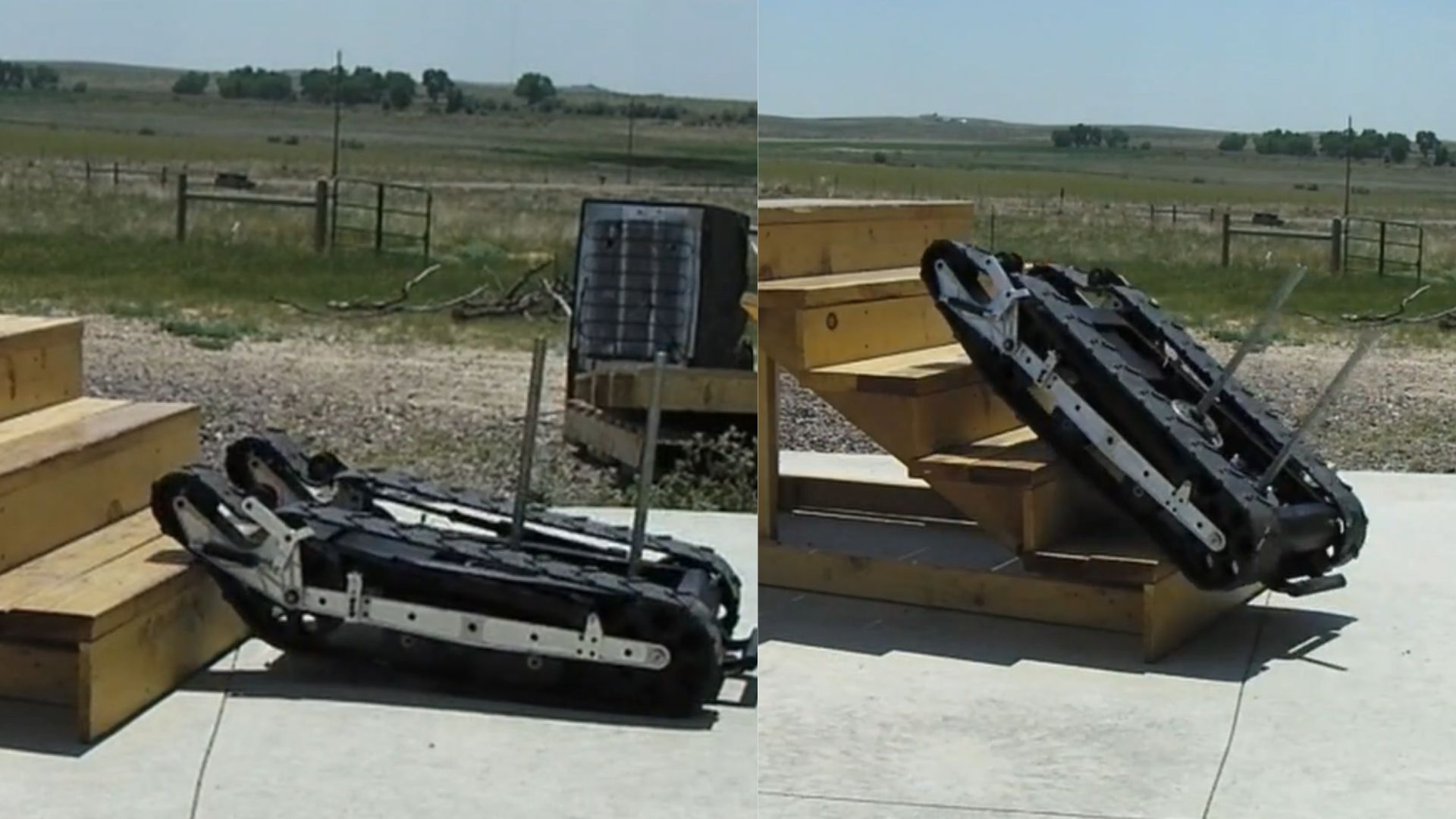
Robots learn to recover from dangerous stair falls using smart stabilising system
Researchers are addressing a significant safety issue faced by robots designed to navigate staircases, as their tendency to lose balance can lead to dangerous falls. This challenge has become increasingly relevant as the development of robotic technology progresses, particularly for applications in environments like homes and public spaces where stairs are common. The issue has been highlighted in recent studies, prompting engineers to explore innovative solutions to enhance the stability and reliability of these robots. By incorporating advanced sensors and algorithms, developers aim to improve the robots' ability to assess their surroundings and maintain balance while traversing stairs. The ongoing research is crucial for ensuring that robotic systems can operate safely and effectively in real-world scenarios, ultimately paving the way for broader adoption of robotics in everyday life.
A minimally invasive robotic spinal surgical system for anterior lumbar nerve decompression
In May 2026, a groundbreaking study published in Science Robotics highlights the advancements in robotic technology aimed at enhancing human-robot collaboration. Researchers from leading universities and tech companies gathered to explore innovative methods for integrating robots into various industries, including manufacturing and healthcare. The study reveals that the increasing complexity of tasks in these sectors necessitates a more sophisticated approach to robotics, emphasizing the need for machines that can adapt to dynamic environments and work alongside human counterparts effectively. The research team conducted extensive experiments to develop algorithms that enable robots to learn from their interactions with humans, improving their efficiency and safety. This initiative is driven by the growing demand for automation and the potential for robots to alleviate labor shortages while increasing productivity. By focusing on collaborative robots, or cobots, the researchers aim to create systems that not only perform tasks but also understand and respond to human cues, fostering a more intuitive working relationship. The findings are expected to pave the way for the next generation of robotic systems that can seamlessly integrate into the workforce, ultimately transforming how industries operate and enhancing overall productivity. As the field of robotics continues to evolve, this research marks a significant step towards realizing the full potential of human-robot collaboration.
Research Article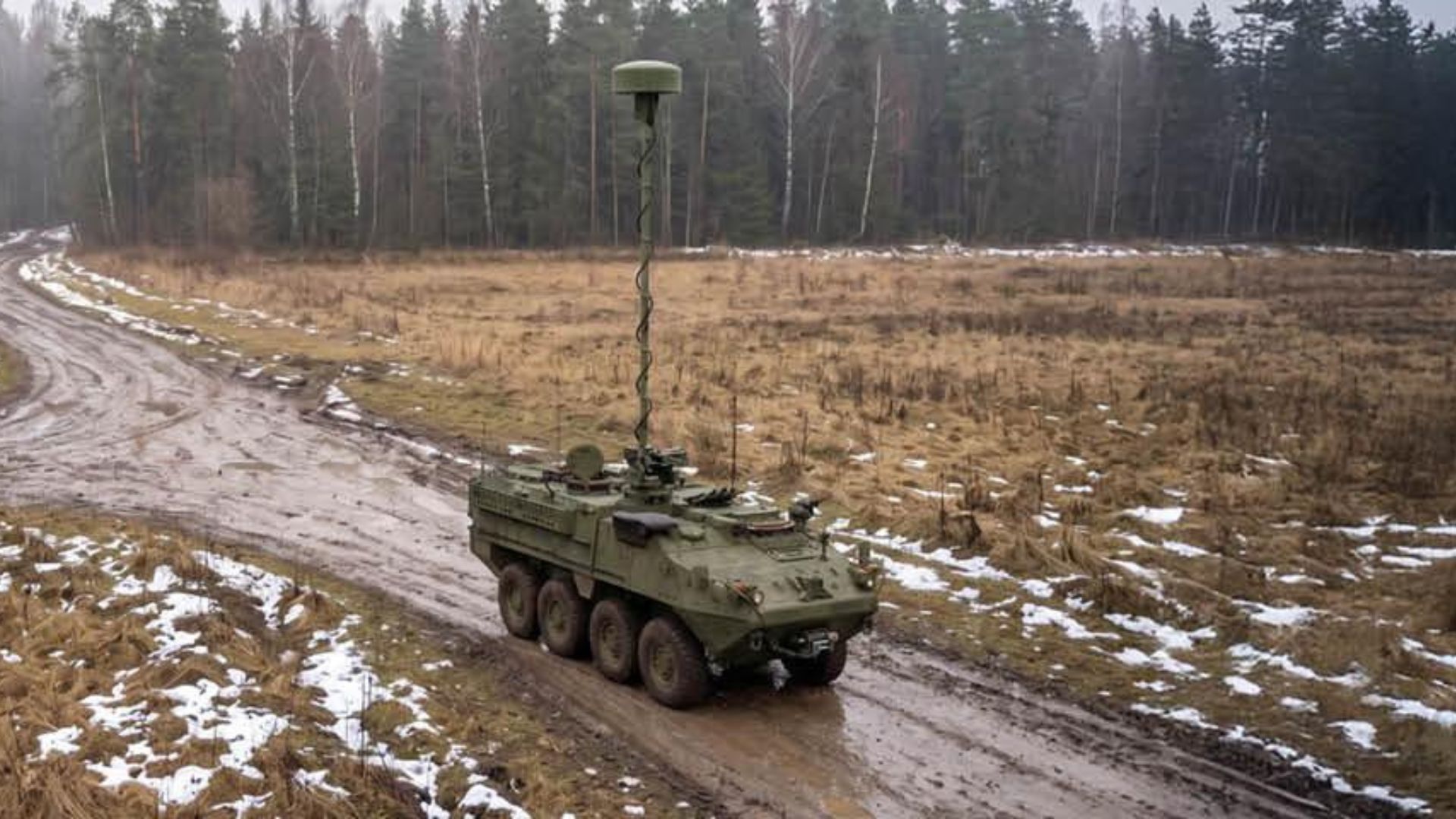
New electronic warfare system can locate enemy drones, radars without sending signals
Leonardo has unveiled a cutting-edge electronic warfare and signals intelligence system designed to enhance the capabilities of military troops. This innovative technology was introduced during a recent defense exhibition held in London, showcasing the company's commitment to advancing military operations. The system aims to provide armed forces with improved situational awareness and the ability to counteract potential threats in real-time. By integrating advanced data processing and analysis features, the new system allows for more effective communication and coordination among units on the battlefield. Leonardo's development of this technology reflects the growing need for enhanced defense solutions in an increasingly complex global security environment.

Chef Robotics Advances Bi-Manual Physical AI System for Prep Table Food Assembly Powered by a Food Foundation Model
Chef Robotics has announced the development of a bi-manual physical AI system aimed at enhancing food assembly tasks on prep tables, such as burger and burrito preparation. This innovative system, which is set to launch on May 19, 2026, will cater to various sectors including ghost kitchens, fast-casual restaurants, and catering services, focusing on lower-volume yet more complex meal assembly compared to traditional food manufacturing processes. The new AI system utilizes two robotic arms for coordinated and dexterous manipulation, mimicking human-like capabilities to handle a variety of food items and utensils. It is powered by Chef's Food Foundation Model (FFM), which employs imitation learning to adapt quickly to diverse tasks and environments, overcoming the limitations of existing robotic systems that struggle with the variability of food materials. Chef Robotics aims to automate manual prep table assembly, a critical area in the food industry that has remained largely reliant on human labor. By leveraging the FFM, the system is designed to learn from demonstrations, allowing it to generalize across different tasks and robotic platforms. This advancement is expected to improve operational efficiency, yield, and consistency in food preparation, ultimately transforming how food assembly is approached in various culinary settings.
ICEYE delivers Poland’s radar satellite system in under 12 months
ICEYE has successfully delivered the MikroSAR radar satellite reconnaissance system to the Polish Armed Forces, achieving this milestone in under a year following the contract signing. This swift deployment underscores ICEYE's commitment to enhancing Poland's defense capabilities through advanced satellite technology. The MikroSAR system is designed to provide critical reconnaissance data, enabling improved situational awareness and operational effectiveness for military operations. The delivery marks a significant step in strengthening Poland's defense infrastructure and showcases ICEYE's efficiency in fulfilling defense contracts.
News
May 14 Live Broadcast Preview | The Boundaries of Unmanned Systems: Challenges in Cluster Coordination and Engineering in Complex Environments
A live broadcast is set to take place, showcasing the latest advancements in unmanned systems, with a particular emphasis on cluster coordination in complex environments. Scheduled for an upcoming date, this event will feature a panel of experts who will delve into the evolving challenges faced in the field and explore the significant impact of artificial intelligence on research methodologies. The session aims to foster audience interaction, allowing participants to engage directly with the experts and share valuable academic resources. This initiative highlights the growing importance of unmanned systems and AI in addressing contemporary challenges in various sectors.
Unmanned Systems Cluster Coordination AI in Research Engineering Challenges
SynapX Launches SYNData: Multimodal Data Collection System for Embodied AI Era
SynapX has unveiled SYNData, an innovative multimodal data collection system designed to enhance dexterous manipulation capabilities in robotics. This cutting-edge system integrates ego vision, electromyography (EMG) signals, and data from exoskeleton gloves, facilitating the scalable collection of human manipulation data essential for advancing robot learning. The launch of SYNData aims to bridge the gap between human dexterity and robotic functionality, providing researchers and developers with comprehensive tools to improve robotic performance. This development is particularly significant as it addresses the growing demand for more sophisticated and adaptable robotic systems in various applications.
Robotics
SynapX Launches SYNData: Multimodal Data Collection System for Embodied AI Era
SynapX has introduced SYNData, an innovative multimodal data collection system designed to enhance dexterous manipulation capabilities. Launched recently, this system integrates ego vision, electromyography (EMG) signals, and data from exoskeleton gloves, facilitating the scalable collection of human manipulation data essential for advancing robot learning. The development aims to improve the interaction between humans and robots, ultimately contributing to more sophisticated robotic applications in various fields. By harnessing diverse data sources, SYNData promises to provide valuable insights that can drive the evolution of robotic dexterity and functionality.
Robotics
Johnson & Johnson completes clinical study for OTTAVA robotic surgical system
Johnson & Johnson has successfully completed a clinical study showcasing the feasibility of its OTTAVA robotic surgical system, specifically designed for small operating rooms. This development marks a significant advancement in surgical technology, as the compact design of OTTAVA aims to enhance surgical procedures in constrained spaces. The study's results indicate that the system can effectively operate within the limited dimensions of smaller surgical environments, potentially improving accessibility and efficiency in various medical settings. The announcement highlights Johnson & Johnson's commitment to innovation in healthcare and its ongoing efforts to address the challenges faced by surgeons in smaller operating rooms.
Healthcare Robotics Markets / Industries News Robots / Platforms Surgical / Interventional Systems Johnson & Johnson
Reliable Robotics Pursues FAA Certification for Network-Agnostic UAS Datalink System
Reliable Robotics, based in Mountain View, California, is making significant strides in enhancing the certifiability of its safety-critical command-and-control datalink system for uncrewed aircraft. On May 4, 2026, the company announced its efforts to demonstrate the capability of remotely piloted aircraft to operate safely within the National Airspace System and existing airport infrastructure. This initiative involves collaboration with industry partners, adherence to established standards, and active flight testing. The advancements aim to ensure that these aircraft can be integrated into commercial airspace, ultimately enhancing the safety and efficiency of air travel.

Neura Robotics and Dassault Systèmes Partner to Scale Physical AI Through Virtual Twins and Real World Learning
Neura Robotics has announced a partnership with Dassault Systèmes aimed at enhancing the training and deployment of robots. This collaboration integrates Neura's robotics platform with Dassault's 3DEXPERIENCE virtual twin platform, establishing a closed-loop system that allows robots to learn in simulated environments before operating in real-world settings. The initiative, which was revealed recently, seeks to facilitate continuous improvement of robotic systems by bridging the gap between virtual training and physical application. This innovative approach is expected to advance the efficiency and effectiveness of robotic operations across various industries.
AI AI Use Cases Robotics Dassault Systèmes Europe France
Countdown to the Launch Ceremony of the Humanoid Robot Industry Ecosystem Training and Evaluation Base: 1 Day to Go!
On April 24, a launch ceremony will be held for the Humanoid Robot Industry Ecosystem Training and Evaluation Base, aimed at bolstering the development of robotic technologies. Located in an undisclosed venue, this facility is designed to offer extensive testing, certification, and consulting services, which are crucial for advancing the industry. The initiative seeks to enhance the capabilities of humanoid robots, thereby fostering innovation and ensuring that new technologies meet industry standards. By providing these essential services, the base aims to support manufacturers and developers in navigating the complexities of the robotic landscape, ultimately contributing to the growth and sustainability of the sector.
Humanoid Robots Robot Testing Robot Certification Industrial Robotics AI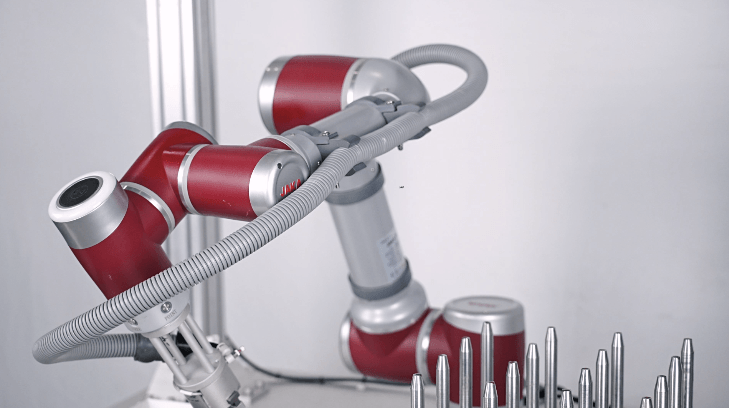
Implementing Vision Systems in Advanced Robotics Technology for Adaptive Tasks
A company specializing in advanced robotics is enhancing production efficiency by integrating vision systems into its industrial cobot solutions. This innovative approach allows robots, such as the JAKA Pro16, to perceive and adapt to changing conditions on the production line, enabling them to identify parts, detect orientation, and adjust movements in real time. The implementation of these vision systems minimizes the risk of misplacement and reduces human error during loading and unloading tasks. The company’s cobot platforms are designed for flexibility, allowing them to efficiently respond to diverse production requirements. By detecting subtle variations and unexpected obstacles, these robots enhance the resilience of production lines. The JAKA Pro16 features simple programming capabilities that facilitate quick adjustments to production setups, thereby minimizing downtime and improving overall efficiency and product quality. Additionally, the company emphasizes user-friendly programming interfaces, enabling operators with minimal training to manage complex tasks effectively. The drag-and-drop teaching and graphical interfaces of the JAKA Pro16 maximize robot utilization while allowing human resources to focus on strategic activities. This combination of visual perception and intelligent control algorithms ensures high precision and adaptability in various manufacturing scenarios. In summary, the integration of vision systems into robotics technology is pivotal for creating flexible manufacturing solutions. The company remains committed to developing adaptive robotics that enhance task accuracy, optimize workforce allocation, and support high-quality production outcomes.

DAS‐SLAM: A Novel Visual‐Inertial SLAM System in Dynamic Environments Integrating Object Detection Network and Scene Flow Technology
A recent study published in the Journal of Field Robotics explores the advancements in robotic technology and its applications in various fields. Researchers from leading universities conducted the study to assess how these innovations can enhance efficiency and safety in industries such as agriculture, construction, and disaster response. The findings, released in early October 2023, highlight the potential of autonomous robots to perform tasks that are hazardous for humans, thereby reducing risks and improving productivity. The research team utilized a combination of field tests and simulations to evaluate the performance of different robotic systems in real-world scenarios. Their work emphasizes the importance of integrating artificial intelligence and machine learning to enable robots to adapt to dynamic environments. As industries increasingly seek automation solutions, this study provides valuable insights into the future of robotics and its role in transforming traditional practices. The motivation behind this research stems from the growing demand for innovative technologies that can address labor shortages and enhance operational capabilities. By showcasing successful implementations of robotic systems, the study aims to encourage further investment and development in this rapidly evolving field. The implications of these findings could lead to significant changes in how industries approach tasks that require precision and safety, ultimately paving the way for a more automated future.
RESEARCH ARTICLE
China Unveils National Standard System as Humanoid Leaders Pivot from "Kung Fu" to "Work Mode"
At the inaugural HEIS conference held in Beijing, prominent companies Unitree and AgiBot, alongside regulatory bodies, unveiled China's first comprehensive humanoid standard system. This significant development marks a pivotal shift toward enhancing industrial utility and ensuring reliability in mass production of humanoid robots. The introduction of these standards is expected to streamline the production process and foster innovation within the industry, ultimately paving the way for broader applications of humanoid technology across various sectors.
Unitree Robotics Market Wang Xing Xing China AGIBOT Peng Zhihui
Guidance and Flocking Algorithm for a Distributed FW‐UAV Swarm System Under Coordinated Surveillance Missions in an Occluded Environment
A recent study published in the Journal of Field Robotics highlights advancements in robotic technology aimed at enhancing agricultural efficiency. Researchers from various institutions collaborated to develop a new autonomous robotic system designed to optimize crop monitoring and management. The study, released in early October 2023, emphasizes the growing need for innovative solutions in agriculture due to increasing global food demands and labor shortages. The robotic system employs advanced sensors and artificial intelligence to gather real-time data on crop health, soil conditions, and environmental factors. This technology allows farmers to make informed decisions, ultimately leading to improved yields and reduced resource waste. The research team conducted field tests in diverse agricultural settings, demonstrating the robot's effectiveness in various crops and terrains. By addressing the challenges faced by modern agriculture, this initiative aims to contribute to sustainable farming practices and food security. The findings underscore the potential of robotics to transform traditional farming methods, making them more efficient and environmentally friendly. As the agricultural sector continues to evolve, such innovations are crucial in meeting the demands of a growing population while minimizing ecological impact.
RESEARCH ARTICLE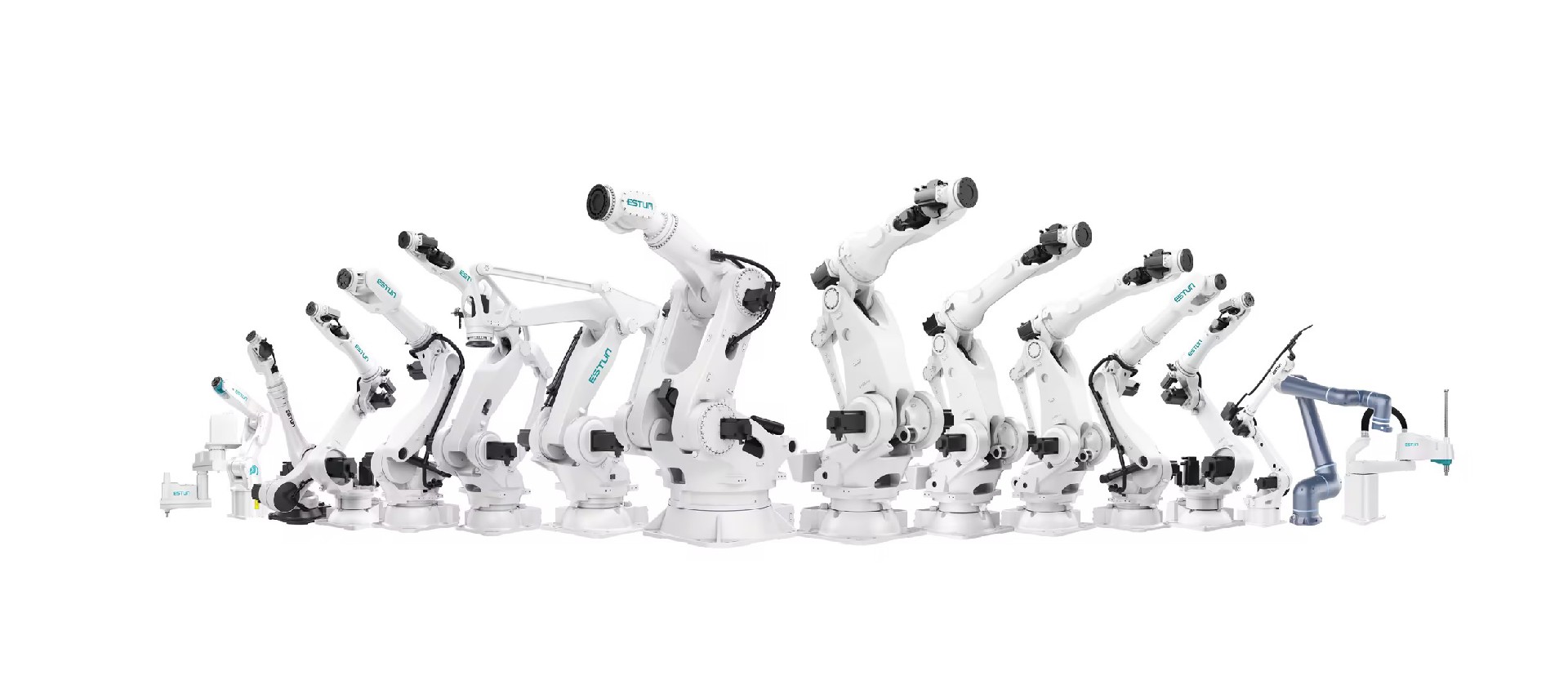
Estun's iER Series Intelligent Industrial Robots Launch with Impact! Redefining Standards and Ushering in a New Era of Ecosystem!
Estun, a prominent robotics brand in China, has unveiled its latest innovation, the iER series of robotic products. This launch marks a significant advancement in robotic technology, showcasing a comprehensive overhaul of its software system. The iER series is designed to enhance operational efficiency and adaptability in various industrial applications. By integrating cutting-edge technology, Estun aims to solidify its position as a leader in the robotics sector and meet the growing demands of automation in the market. The introduction of the iER series reflects Estun's commitment to continuous innovation and excellence in robotics.
ESTUN AUTOMATION ROBOTICS SERVO SYSTEMS
Simulation tools in the ROS ecosystem: Testing and validating robots virtually
In a significant advancement for robotics, researchers are increasingly relying on virtual environments to develop and refine robots before they are deployed in the real world. This trend allows robots, such as those used in warehouses, autonomous vehicles, and humanoid designs, to undergo extensive training and testing in simulated settings. By utilizing these virtual platforms, developers can enhance the robots' navigation and operational skills without the risks and costs associated with real-world trials. This approach not only accelerates the development process but also improves the overall safety and efficiency of robotic systems. As the technology evolves, the reliance on virtual training is expected to grow, paving the way for more sophisticated and capable robots in various industries.
Computing Features Robot simulation Software automation news Autonomous robots
Rail system with inductive charging solution
Siempelkamp has enhanced its efficiency and sustainability by integrating Wiferion's inductive charging solution into its operations. This innovative system allows for seamless energy transfer, reducing downtime and improving overall productivity. The implementation of this technology reflects Siempelkamp's commitment to advancing its manufacturing processes while prioritizing environmental responsibility. The integration marks a significant step forward in the company's efforts to modernize its facilities and adopt greener practices.
Allgemein Automation Fördertechnik & Handling Lagerlogistik & Materialfluss Mobile Robotik
Tech Week Shanghai founding edition to connect global tech players with China’s data ecosystem
Tech Week Shanghai will take place on May 6 and 7 in Shanghai, marking its inaugural event. This conference and exhibition aims to unite leaders from the enterprise technology sector, including exhibitors, policymakers, and industry practitioners. Participants will engage in discussions and showcase innovations across various domains such as cloud computing, cybersecurity, data center infrastructure, data governance, data services, artificial intelligence, and enterprise digital transformation. The event seeks to foster collaboration and knowledge sharing among professionals to drive advancements in these critical areas of technology.
Events
Stronger Cybersecurity for Today's Connected Automation Systems
Bosch Rexroth is hosting an event focused on the Cyber Resilience Act (CRA) to address the growing challenges of cyber threats and regulatory requirements faced by manufacturers. Scheduled for October 2023, this session aims to provide attendees with practical strategies for securing connected automation systems. The discussion will emphasize the importance of proactive vulnerability management and lifecycle security, highlighting how these measures can transform cybersecurity into a competitive advantage for businesses. By integrating built-in cybersecurity into automation platforms, manufacturers can enhance their operational efficiency while navigating the complexities of modern cyber risks.

2026 Embodied Intelligence Industry Ecosystem Conference Unveils Agenda with Key Reports and Forums
The 2026 Embodied Intelligence Industry Ecosystem Conference is set to take place from July 2 to 4 at the National Exhibition and Convention Center in Shanghai. This significant event will showcase the exclusive launch of the 'China Embodied Intelligence Industry Development Report (2026).' Participants will have the opportunity to engage in five vertical forums that will address various aspects of the industry chain, offering valuable insights into market trends, technological advancements, and talent development. Leading experts in the field will share their knowledge, making this conference a pivotal gathering for stakeholders in the embodied intelligence sector.
Embodied Intelligence Industry Conference Market Trends Technology Development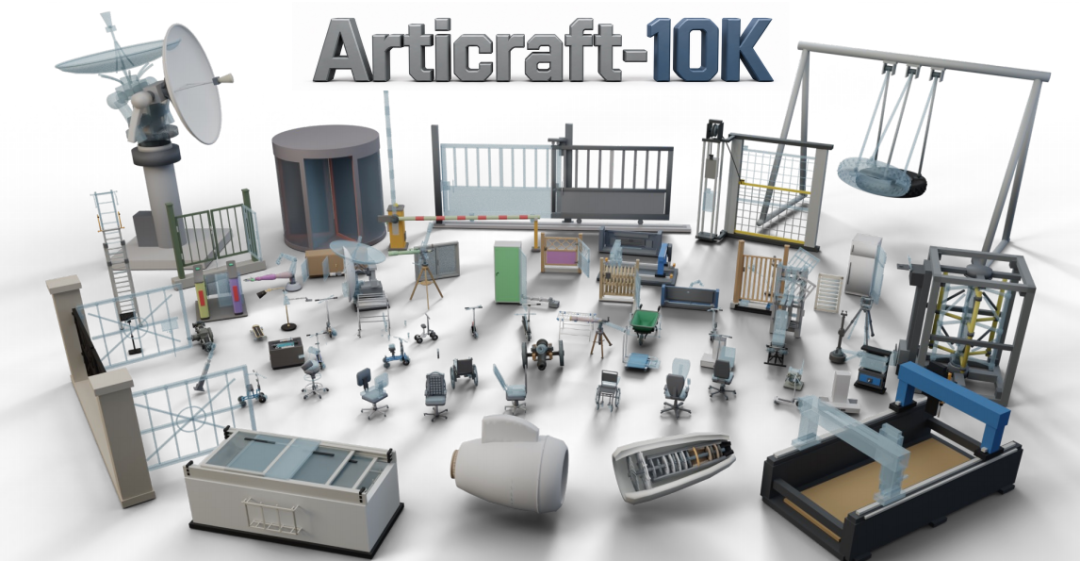
Cambridge Team Develops AI System to Generate 10,000 3D Models in One Day
A collaborative research team from Cambridge and Oxford has developed an innovative AI system named Articraft, which can produce more than 10,000 interactive 3D models within a 24-hour timeframe. This groundbreaking technology employs a specialized software development kit (SDK) that enables large language models to generate code for 3D object creation directly, eliminating the need for conventional modeling software. This advancement not only enhances efficiency but also significantly reduces costs associated with 3D modeling.
3D Modeling AI Technology Machine Learning Robotics
Precision Drive Systems Adds William Adams as Operations Manager
William has been appointed as the Operations Manager, a role in which he will be responsible for overseeing daily manufacturing operations. His focus will be on ensuring efficient production workflows and maintaining high standards in spindle repair and rebuilds. This appointment is part of the company's commitment to continuous improvement across all processes. By implementing strategic oversight, William aims to enhance productivity and quality within the manufacturing sector, contributing to the overall success of the organization.
A Field‐Adaptive Mechanical Weeding System Coupling Oscillating Pneumatic Mechanism With Deep Learning for Intra‐Row Weed Control in Lettuce
The Journal of Field Robotics has published an early view article highlighting recent advancements in autonomous robotic systems. Researchers from leading universities and technology firms presented their findings on October 15, 2023, during a virtual conference focused on robotics innovation. The study emphasizes the growing importance of these systems in various sectors, including agriculture, search and rescue, and environmental monitoring. The motivation behind this research stems from the increasing demand for efficient and reliable robotic solutions capable of operating in complex environments. By integrating advanced artificial intelligence and machine learning algorithms, the researchers demonstrated how these autonomous systems can enhance operational capabilities and decision-making processes. The article details various case studies showcasing successful implementations of robotic technologies, illustrating their potential to revolutionize traditional practices. The findings suggest that as technology continues to evolve, the integration of autonomous robots will become crucial in addressing global challenges, such as food security and disaster response. This publication marks a significant contribution to the field of robotics, providing insights into future trends and encouraging further exploration of autonomous systems' applications. Researchers and industry professionals are urged to collaborate and innovate, ensuring that the benefits of these technologies are realized across multiple domains.
RESEARCH ARTICLE
Constrained Adaptive Fractional‐Order Sliding‐Mode Controller for Stabilizing the Two‐Degree‐of‐Freedom Gimbal System With Limited Field‐of‐View Sensors: Theoretical and Experimental Discussion
A recent study published in the Journal of Field Robotics highlights advancements in autonomous robotic systems designed for agricultural applications. Conducted by a team of researchers from various universities, the study was released in early October 2023. The research focuses on the integration of artificial intelligence and machine learning technologies to enhance the efficiency and precision of farming practices. The study was carried out in agricultural fields across multiple locations, showcasing the robots' capabilities in tasks such as planting, monitoring crop health, and harvesting. The motivation behind this research stems from the growing need for sustainable farming solutions that can address labor shortages and improve crop yields in the face of climate change. The researchers employed a combination of field trials and simulations to test the robots' performance under various conditions, demonstrating significant improvements in operational efficiency compared to traditional farming methods. This innovative approach not only aims to reduce the environmental impact of agriculture but also seeks to empower farmers with advanced tools for better decision-making. As the agricultural sector continues to evolve, the findings from this study could pave the way for the widespread adoption of autonomous robots, ultimately transforming the future of farming.
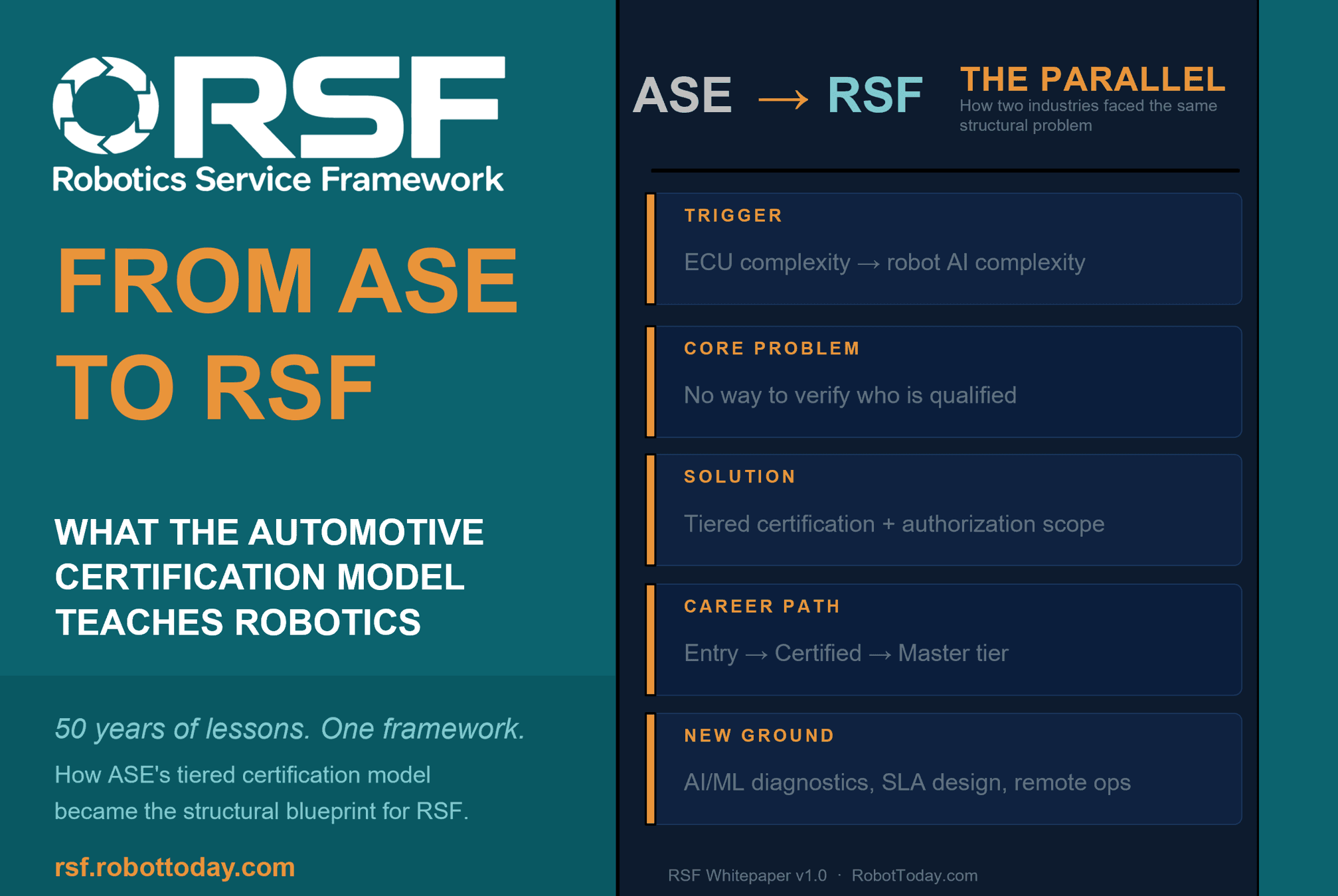
RESEARCH ARTICLERobotics needs a service framework.
RSF defines a common language for robot service capability, lifecycle operations, certification pathways, and service-provider networks.