Industry Briefing
A single destination for timely, editor-curated robotics news from around the world.
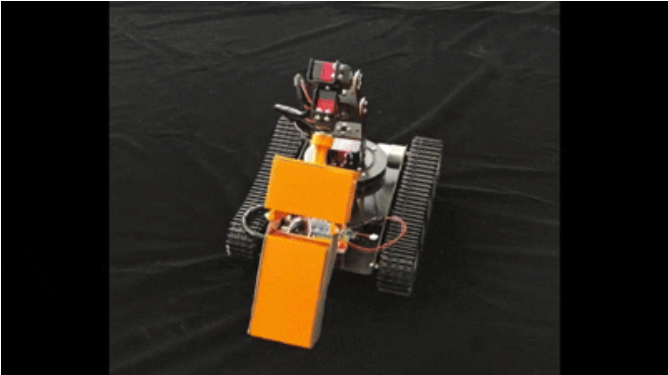
Breakthrough in Mobile Electrostatic Grippers: Soft on Contact, Rigid During Transport
Researchers at Harbin Institute of Technology have unveiled a groundbreaking electrostatic gripper capable of adjusting its stiffness on demand. This innovative device remains soft when in contact with objects, allowing for improved adherence, and transitions to a rigid state during transport to mitigate the risk of drop-offs caused by inertia. The development aims to enhance the stable handling of diverse surfaces and has been integrated into mobile robots, significantly boosting their operational performance. This advancement represents a significant step forward in robotic manipulation technology, promising to improve efficiency in various applications.
Electrostatic Grippers Robotics Mobile Manipulation Variable Stiffness Technology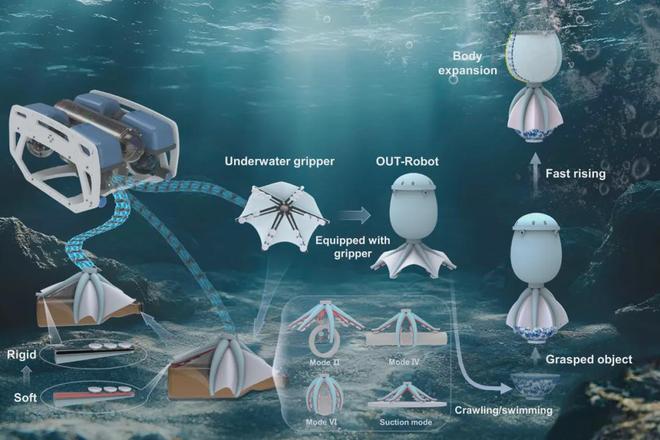
Rapid Stiffness Switching Technology: Peking University Team Develops Biomimetic Octopus Gripper to Solve Underwater Soft Robot's Slow Response Issue
A research team from Peking University, headed by Professor Xie Guangming, has developed a groundbreaking biomimetic octopus gripper capable of transitioning between soft and hard states in less than one second. This advancement enhances the efficiency of underwater robotic operations, enabling more effective and energy-efficient execution of tasks. The team's findings were published in the journal 'Cyborg and Bionic Systems', highlighting the potential applications of this technology in various underwater environments.
Underwater Robotics Soft Robotics Biomimetic Design Robotic Grippers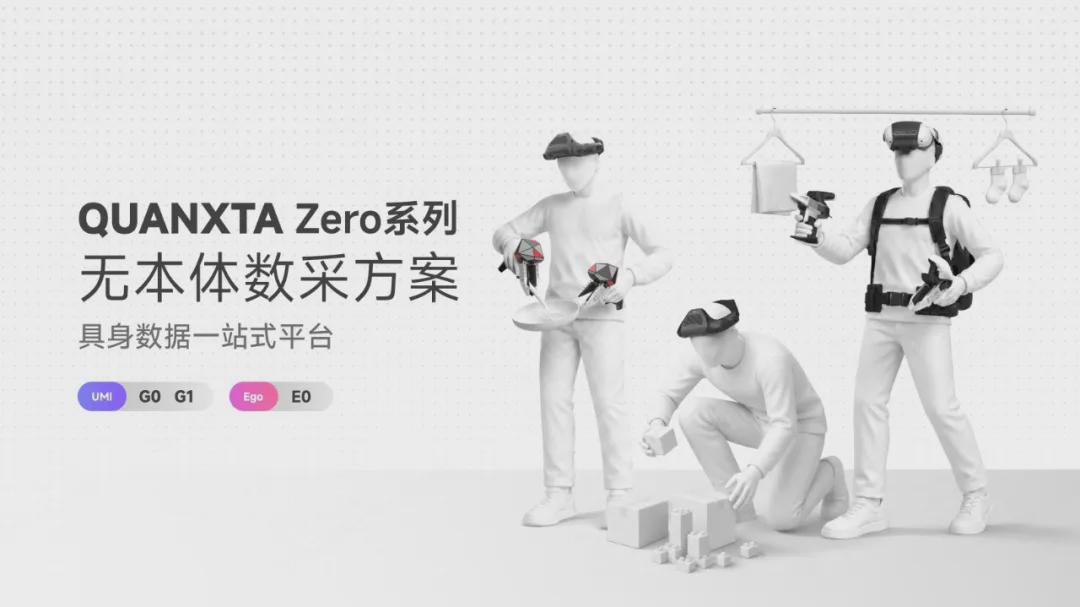
"Breaking Through the 'Data Wall'! Independent Variable Releases QUANXTA Zero Series, Full-Stack Players Redefine Embodied Intelligent Data Collection..."
Independent Variable has announced the launch of its QUANXTA Zero Series, a groundbreaking advancement in embodied intelligent data collection. This release aims to address the challenges posed by the so-called "data wall," which has hindered effective data utilization in various sectors. The unveiling took place in October 2023, showcasing the innovative capabilities of the new series designed to enhance data gathering and analysis processes. The QUANXTA Zero Series is positioned to redefine how full-stack players in technology and data management approach the collection and interpretation of data. By integrating advanced technologies, Independent Variable seeks to empower organizations to overcome existing barriers and harness the full potential of their data assets. This initiative reflects a growing demand for more efficient and intelligent data solutions, driven by the need for businesses to make informed decisions based on comprehensive data insights. The launch is expected to attract significant interest from industries looking to enhance their data strategies and improve operational efficiencies.
Robotics Automation AI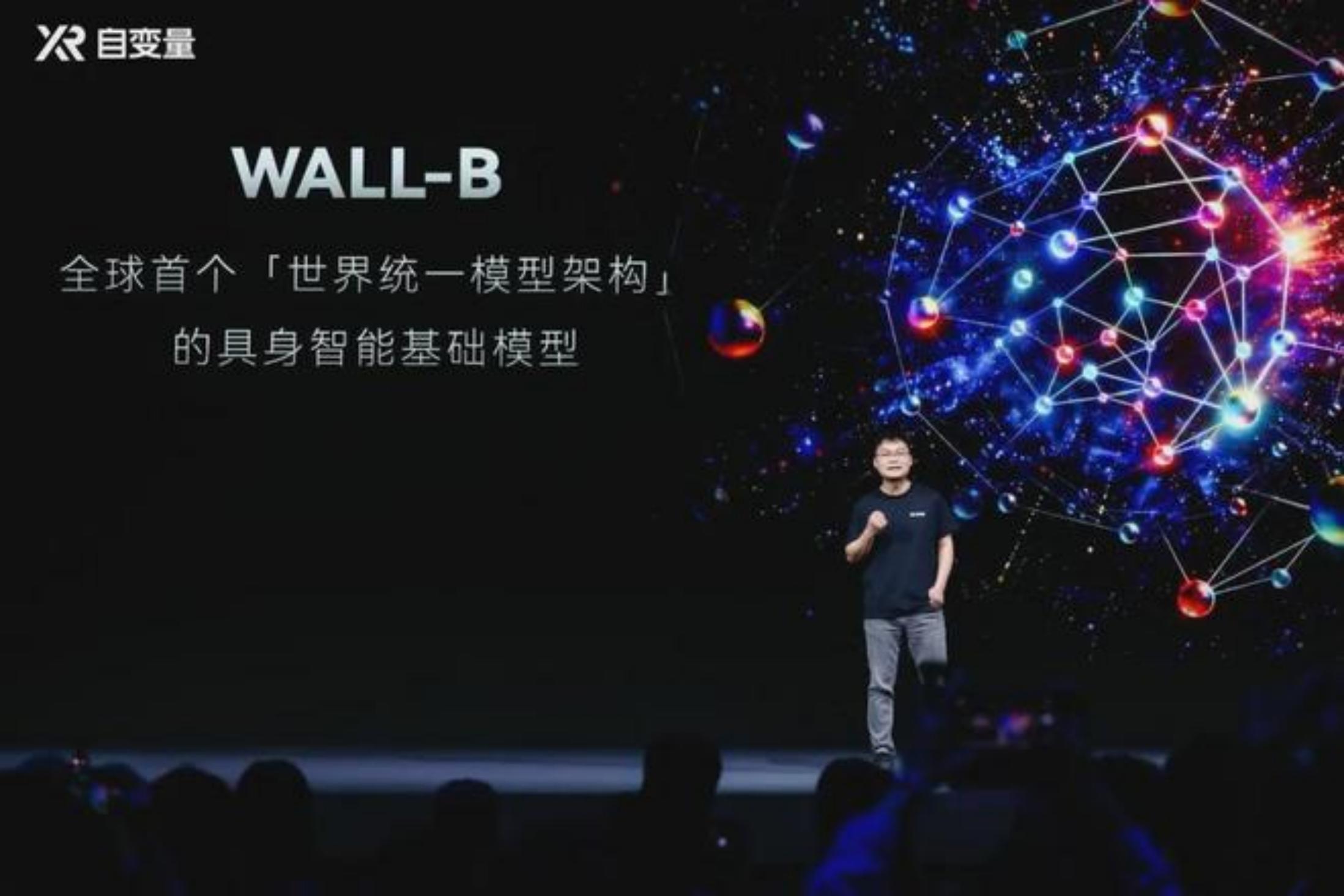
Revolutionizing Robotics: Self-Variable Launches the World's First 'World Unified Model'
Self-Variable Robotics has introduced WALL-B, a revolutionary World Unified Model (WUM) that transforms the concept of embodied intelligence in robotics. This innovative robot distinguishes itself from conventional models by not only mimicking actions but also by integrating various modalities to achieve genuine understanding and interaction with its surroundings. This advancement represents a significant progression in the capabilities of robotic technology, showcasing the potential for more sophisticated and responsive machines. The unveiling of WALL-B marks a pivotal moment in the field of robotics, promising to enhance how robots engage with the world around them.
Embodied Intelligence Robotics AI Machine Learning Automation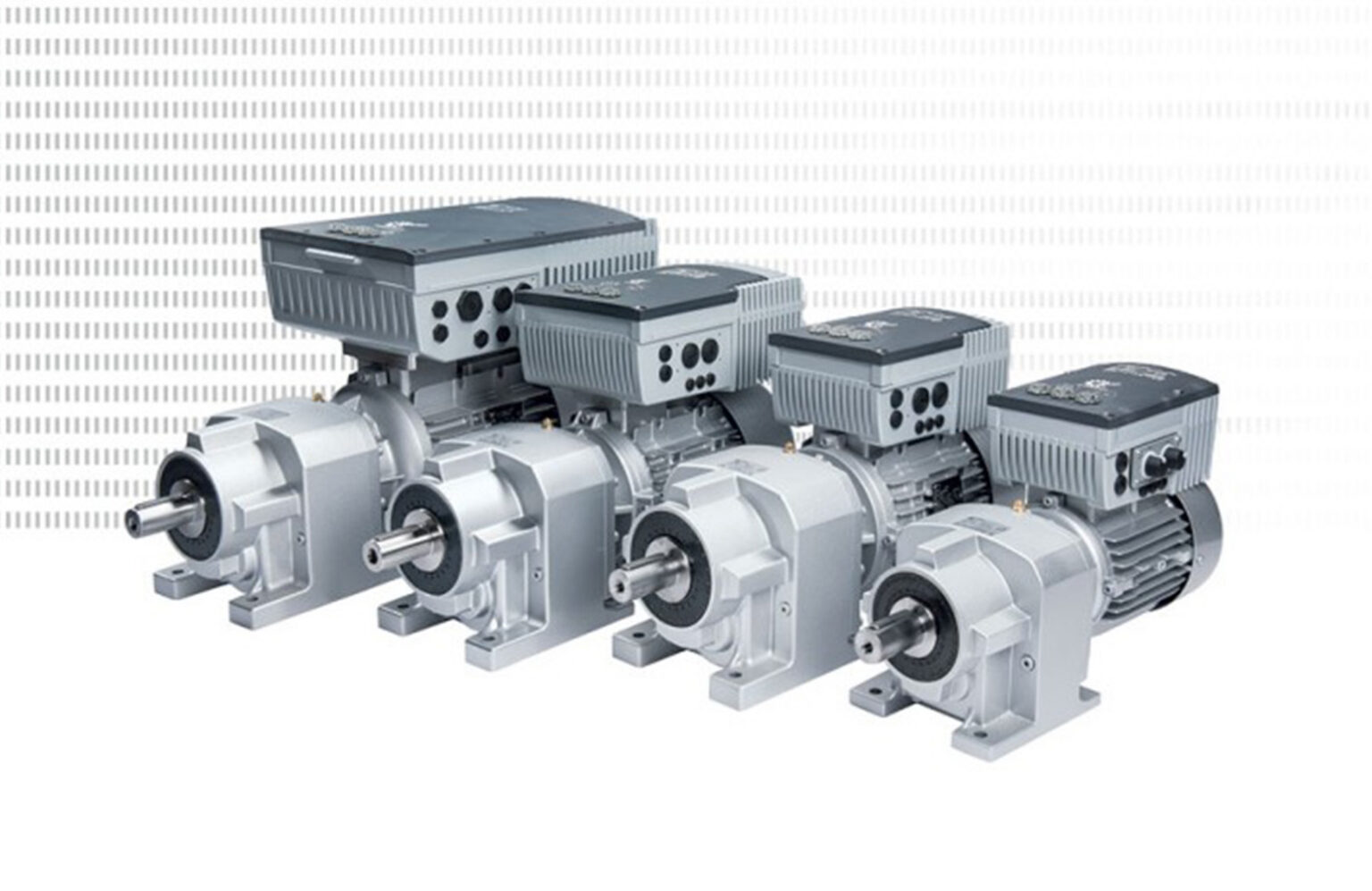
NORD Drivesystems releases motor starters, variable frequency drives
NORD Drivesystems has announced the launch of its latest motor starters and variable-frequency drives, designed to facilitate seamless integration and scalability for various applications. This new product line aims to enhance operational efficiency and adaptability in industrial settings. The release underscores NORD's commitment to providing innovative solutions that meet the evolving needs of the market. The announcement was made recently, highlighting the company's ongoing efforts to advance technology in drive systems.
Actuators / Motors / Servos Controllers Motion Control Networking / Connectivity News NORD Drivesystems
ShengShu Technology Unveils Motubrain: A Unified "World Action Model" to Solve the Robotics Scaling Problem
ShengShu Technology has unveiled Motubrain, an innovative robotic brain designed to integrate perception and action seamlessly. This new technology aims to surpass traditional Variable-Length Architecture (VLA) models in performance on global benchmarks. The announcement was made recently, showcasing ShengShu's commitment to advancing robotics and artificial intelligence. By creating a hardware-agnostic solution, Motubrain allows for greater flexibility and efficiency in robotic applications, potentially transforming various industries that rely on automation and intelligent systems. The development of Motubrain reflects the growing demand for more sophisticated robotic technologies that can adapt to diverse environments and tasks.
WAM China ShengShu Technology world-model MotuBrain
Stop Losing Money to Process Variability with These Proven Multi-Variable Process Control Strategies
Food manufacturers are increasingly turning to advanced Model Predictive Control (MPC) systems to enhance their operational efficiency. These sophisticated systems enable companies to optimize complex production processes, significantly reduce waste, and ensure consistent product quality. As the industry faces growing pressure to improve sustainability and meet consumer demands for high-quality products, the adoption of MPC technology has become a strategic priority. By leveraging real-time data and predictive analytics, manufacturers can make informed decisions that streamline operations and minimize resource consumption. This trend is expected to continue as companies seek innovative solutions to remain competitive in a rapidly evolving market.
Process / Control
Variable Structure Adaptive Soft Robot for Complex Pipeline Environments
In a recent publication by the Journal of Field Robotics, researchers have unveiled groundbreaking advancements in autonomous robotic systems designed for agricultural applications. This study, released in early October 2023, highlights the innovative use of robotics to enhance efficiency and productivity in farming practices. Conducted by a team of engineers and agricultural scientists, the research focuses on the integration of machine learning algorithms and sensor technology to enable robots to perform complex tasks such as planting, harvesting, and monitoring crop health. The motivation behind this initiative stems from the increasing demand for sustainable farming solutions and the need to address labor shortages in the agricultural sector. The experiments were carried out in various agricultural settings, showcasing the robots' ability to adapt to different environments and crop types. By employing advanced data analysis techniques, the researchers demonstrated how these autonomous systems can optimize resource use while minimizing environmental impact. This pioneering work not only aims to revolutionize farming methods but also seeks to provide a viable solution to the challenges posed by climate change and food security. The findings are expected to pave the way for further developments in agricultural robotics, ultimately contributing to a more sustainable and efficient food production system.
RESEARCH ARTICLE
New tech keeps power grids stable as data centers put more strain on electricity
Researchers at Sandia National Laboratories have unveiled a groundbreaking software platform designed to enhance the management of distributed energy resources. This innovative tool aims to optimize the integration of renewable energy sources into existing power grids, addressing the growing demand for sustainable energy solutions. The announcement was made on October 10, 2023, during a technology showcase at the laboratory's facilities in Albuquerque, New Mexico. The motivation behind this development stems from the increasing need for efficient energy management systems that can accommodate the variable nature of renewable energy sources, such as solar and wind. By utilizing advanced algorithms and real-time data analytics, the platform enables utilities and energy providers to better predict energy supply and demand, ultimately leading to a more reliable and resilient power infrastructure. The software operates by aggregating data from various energy sources and employing machine learning techniques to enhance decision-making processes. This allows for improved coordination among energy producers, consumers, and grid operators, facilitating a smoother transition to a more sustainable energy landscape. As the world moves towards cleaner energy solutions, this platform represents a significant step forward in harnessing the potential of distributed energy resources.
AI and Robotics
First $20 Billion Embodied Intelligence Unicorn Emerges in Greater Bay Area
Shenzhen-based Zivariable Robotics has reached a significant milestone by securing over $20 billion in valuation through four rounds of funding completed within two months. The company attracted investments from prominent industry leaders, including Meituan, Alibaba, and Xiaomi. Zivariable Robotics is at the forefront of developing embodied intelligence technology, which is already being integrated into homes and factories. This advancement represents a notable leap forward in the robotics sector, showcasing the growing interest and potential in intelligent automation solutions.
Embodied Intelligence Robotics Artificial Intelligence Investment Automation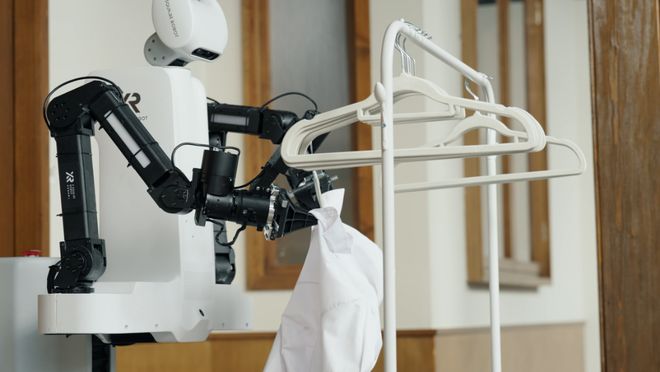
First Embodied Intelligence Company in Greater Bay Area Surpasses 20 Billion Valuation
Zivariable, an embodied intelligence company based in the Greater Bay Area, has achieved a significant milestone by completing four rounds of funding, surpassing a valuation of 20 billion yuan. This accomplishment marks Zivariable as the first firm in its sector within the region to reach such a valuation. The company has attracted investments from prominent firms, including China Mobile and Sequoia China, highlighting the strong recognition of its technology and market potential. The funding will enable Zivariable to further deploy its innovative solutions across various real-world applications, solidifying its position in the rapidly evolving tech landscape.
Embodied Intelligence Investment Robotics Artificial Intelligence
ThinKom Develops Self-Funded Mobile HPM Weapon to Counter Drone Swarms
ThinKom Solutions, a company based in Hawthorne, California, has introduced Alecto, a self-funded mobile high-power microwave (HPM) directed energy weapon aimed at neutralizing swarms of unmanned aircraft systems (UAS). Announced on May 4, 2026, the development of Alecto leverages ThinKom's proprietary Variable Inclination Continuous Transverse Stub (VICTS) antenna technology. This innovation is specifically designed to meet the Counter-UAS (C-UAS) needs of the Department of Defense, addressing growing concerns over the increasing use of drone swarms in military and security operations. The introduction of Alecto represents a significant advancement in directed energy capabilities, providing a new tool for defense against aerial threats.
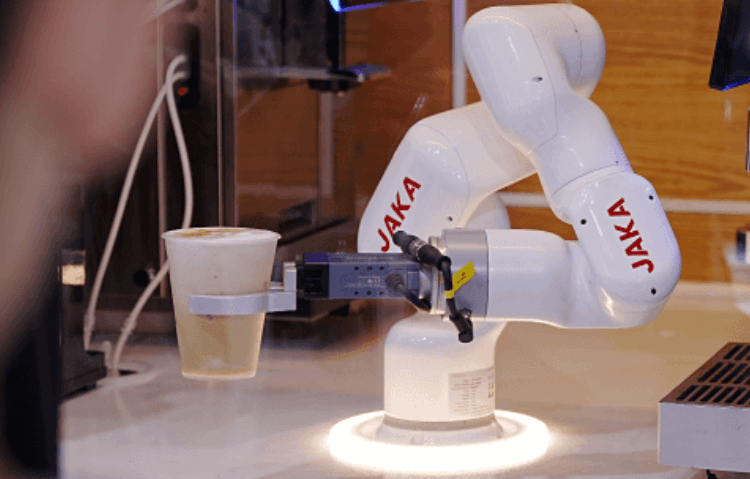
How a Robot Barista System Guarantees Drink Consistency Across Multiple Locations
In the competitive food and beverage sector, JAKA is addressing the challenge of maintaining product consistency across multiple locations with its innovative robot barista solutions. By leveraging precision automation and intelligent control, JAKA ensures that customers receive the same taste and quality in every cup, regardless of the outlet they visit. The JAKA MiniCobo, a versatile mini robot arm, automates the preparation and assembly of drinks, controlling critical variables such as ingredient measurement, temperature, and mixing speed. This technology not only standardizes beverage quality but also integrates with vision systems for automated inspection, minimizing human error and enhancing customer trust. Scalability is a key feature of JAKA's robot barista systems, allowing for quick deployment in new outlets based on demand. Automated inspection tools further streamline operations, ensuring that every component meets strict quality standards. The MiniCobo performs non-destructive testing of equipment, directly impacting beverage consistency and reducing waste. Additionally, the MiniCobo's compatibility with existing equipment enables seamless integration into various shop layouts, allowing for high-precision measurement and monitoring of production data. This adaptability helps store managers maintain uniform quality and swiftly address any discrepancies. Through a combination of intelligent automation, scalable deployment, and thorough inspection, JAKA is committed to delivering consistent drink quality across its locations. The company’s innovative approach not only enhances operational efficiency but also strengthens customer satisfaction and brand reputation, ensuring that every beverage meets the highest standards.
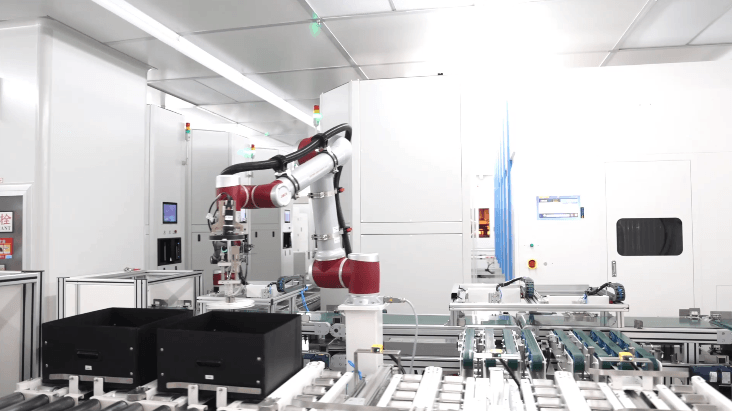
Expert Tips on Getting the Most Out of Your 6 Axis Robot Arm
In the evolving landscape of manufacturing, production teams are increasingly re-evaluating the role of automation in their operations. JAKA, a leader in robotic technology, emphasizes the practicality of 6-axis robotic arms for tasks requiring consistent motion control and adaptability. These systems are particularly effective for surface finishing and material handling, allowing for multiple processes to be executed within limited floor space. To optimize the use of jointed arm robots, JAKA focuses on aligning robot kinematics with specific application needs, ensuring that complex paths and variable part positions are managed effectively. Early planning regarding payload, reach, and motion smoothness is crucial, as it minimizes the need for adjustments on the shop floor. The 6-axis robots are designed to enhance tasks such as spraying, packing, and handling while maintaining stable cycle times, thus avoiding overengineering and ensuring scalability as production volumes fluctuate. Precision and repeatability are key factors in improving operational efficiency. JAKA's Zu7 packing setup is engineered to maintain high motion accuracy, which protects product quality and reduces costs associated with rework and scrap. By integrating these robotic systems, manufacturers can alleviate labor pressures, allowing operators to focus on supervision and quality checks rather than repetitive tasks. Ultimately, JAKA advocates for a balanced approach to automation that aligns with real manufacturing needs, fostering long-term value through structured integration of robotic systems. This strategy not only enhances quality and cost control but also supports operational stability, enabling manufacturers to adapt their automation strategies in line with evolving production goals.

This AI finds simple rules where humans see only chaos
Researchers at Duke University have developed a groundbreaking artificial intelligence system capable of distilling complex systems into simple, readable rules. This innovative AI analyzes the evolution of various systems over time, effectively condensing thousands of variables into concise equations that accurately reflect real-world behavior. The technology has broad applications across multiple fields, including physics, engineering, climate science, and biology. By providing a clearer understanding of systems where traditional equations are either absent or overly complicated, this new method aims to enhance scientific comprehension and facilitate advancements in these disciplines.

Crop cameras broaden the view on real-time nitrogen application
Recent advancements in crop camera technology are transforming the way farmers apply fertilizers, shifting from a static approach to a dynamic, real-time decision-making process. These innovative camera systems continuously monitor crop growth and biomass across entire fields, enabling immediate adjustments to nitrogen application rates as conditions change. This development not only promotes more precise fertilizer use but also reduces waste and enhances the efficiency of autonomous farming systems. Future Farming is exploring these technological advancements, examining emerging suppliers, and assessing the future trajectory of this impactful agricultural innovation.
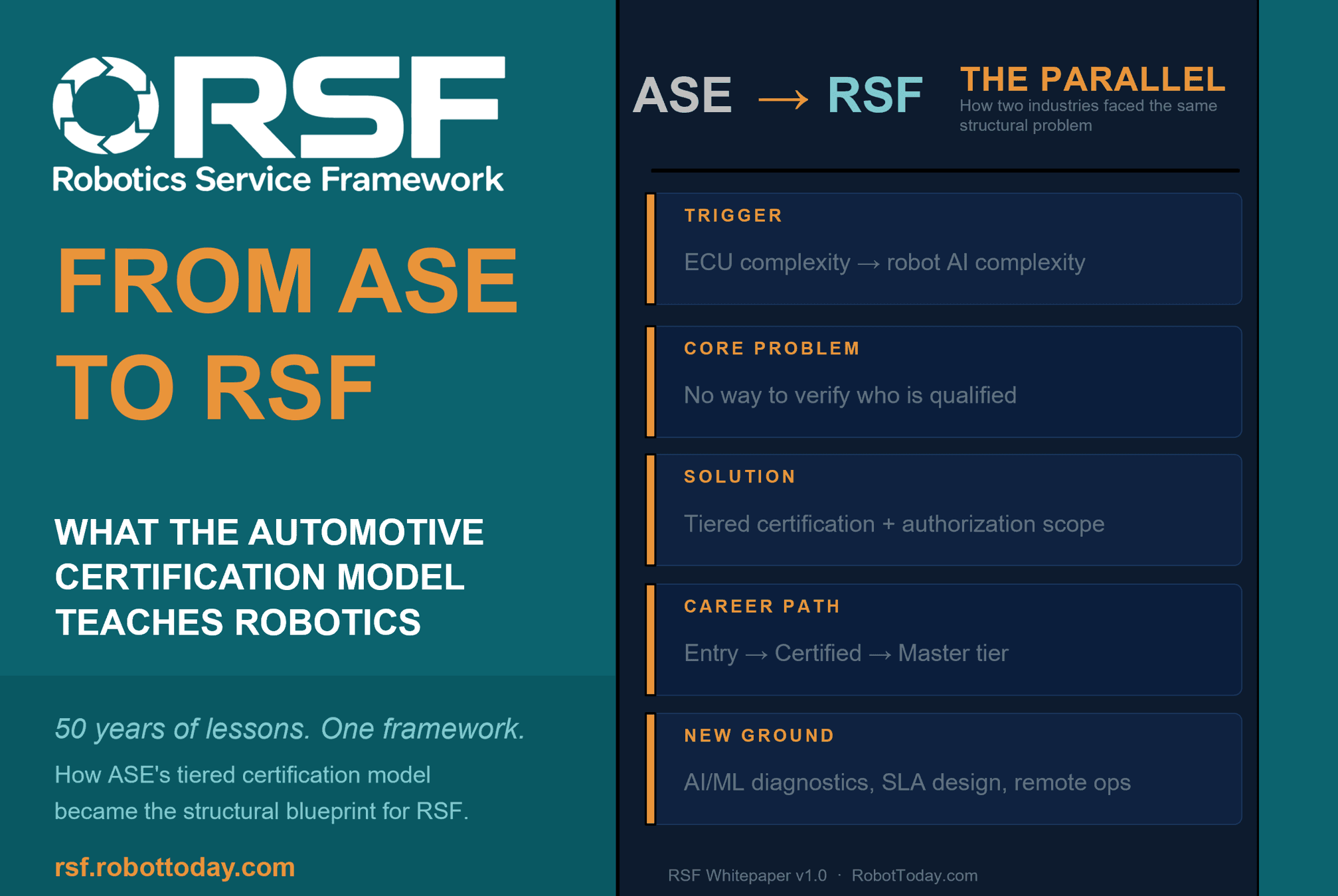
Smart farming multispectral sensors nitrogen management precision agriculture variable rate applicationRobotics needs a service framework.
RSF defines a common language for robot service capability, lifecycle operations, certification pathways, and service-provider networks.