Industry Briefing
A single destination for timely, editor-curated robotics news from around the world.
Deliveroo and Coco Robotics Launch Robot Delivery Service Across the UK
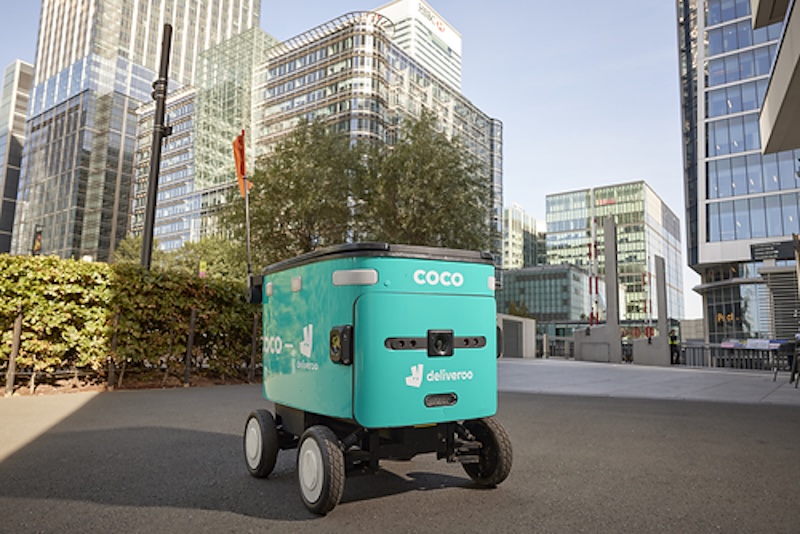
Deliveroo and Coco Robotics have announced a strategic partnership to introduce robot deliveries in various UK towns and cities, starting with Canary Wharf in London this October. This initiative is expected to enhance local job creation and support from local authorities, marking a significant step in the adoption of autonomous delivery services. The partnership is crucial as it represents Deliveroo's first deployment of autonomous delivery vehicles in the UK, aligning with its strategy to diversify last-mile delivery methods. Coco's fully electric robots are designed for urban environments, providing a zero-emission delivery option that can help alleviate congestion while offering flexibility to local businesses. As the service expands, consumers will have access to a variety of merchants, including Patty&Bun and independent brands. Future launches in cities like Milton Keynes and Leeds are anticipated, with ongoing discussions with local councils to further enhance the service's reach. No further timeline was disclosed at the time of publication.

Coco Robotics Partners with Deliveroo to Launch Robot Deliveries in the UK
Coco Robotics has announced an exclusive partnership with Deliveroo to initiate robot deliveries in the UK. This collaboration marks Coco's entry into the UK market, with plans to begin operations in London's Canary Wharf before expanding to additional towns and cities in the upcoming months. The significance of this partnership lies in Coco Robotics' strategy to accelerate its expansion across Europe, following successful collaborations with DoorDash and Wolt in the U.S. and other regions. This move is expected to enhance the efficiency of food delivery services in urban areas, leveraging robotic technology. Looking ahead, the rollout of robot deliveries in London is the first step in a broader strategy to establish a presence in multiple locations across the UK. No further timeline was disclosed at the time of publication.

KUKA Achieves Security Level 2 Certification for Robotics Automation Solutions
KUKA has successfully attained Security Level 2 certification, showcasing its dedication to cybersecurity in automation solutions. This certification is crucial as manufacturers increasingly adopt connected technologies, emphasizing the need for secure robot controllers and operating systems to mitigate cybersecurity risks. As the industry evolves, KUKA's achievement highlights the importance of reliable operations in protecting critical production assets.
SmartScape and TsukArm Robotics Showcase Pick&Place Automation at ROBOMECH2026
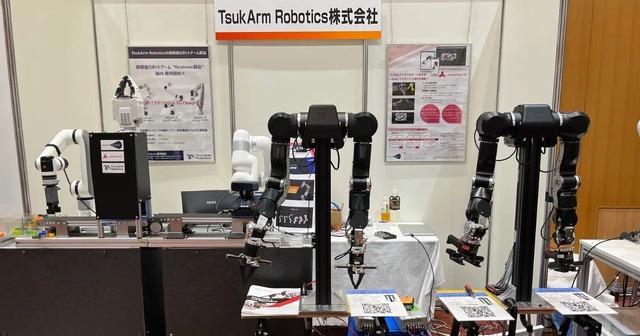
SmartScape Inc. is enhancing its offerings of physical AI solutions that integrate AI, digital twins, and robotics. At the prominent robotics and mechatronics event, ROBOMECH2026 in Fukuoka, the company collaborated with TsukArm Robotics to showcase their automation solutions. The event attracted over 2,500 attendees, primarily from research institutions and manufacturing sectors, facilitating discussions on verification methods prior to robot implementation and the use of digital twins. The rising interest in physical AI, which addresses real-world challenges through robot control, is significant for industries facing labor shortages and productivity demands. SmartScape's digital twin technology allows for high-precision virtual environments to test robot operations before actual deployment, contributing to reduced development time and lower implementation risks. The showcased Pick&Place automation solution combined SmartScape's digital twin technology with TsukArm Robotics' capabilities, drawing considerable attention from visitors. Looking ahead, SmartScape plans to further strengthen its physical AI solutions, particularly in manufacturing and logistics, while responding to needs from research institutions. The company is set to participate in the 44th Annual Conference of the Robotics Society of Japan in Kanazawa from September 1 to 4, 2026, continuing its collaboration with TsukArm Robotics.
SmartScape and TsukArm Robotics Showcase Pick&Place Automation at ROBOMECH2026
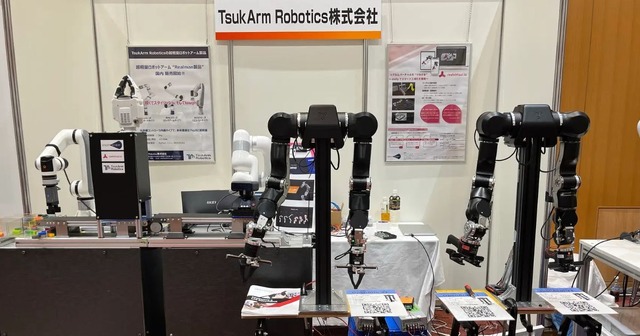
SmartScape Inc. has strengthened its offerings of physical AI solutions that integrate AI, digital twins, and robotics. At the prominent robotics and mechatronics event, ROBOMECH2026 in Fukuoka, the company collaborated with TsukArm Robotics to showcase their automation solutions. The event attracted over 2,500 attendees, facilitating discussions on verification methods prior to robot implementation and the use of digital twins. The growing interest in physical AI, which controls actual robots and equipment to solve real-world challenges, is significant for industries facing labor shortages and productivity demands. SmartScape utilizes digital twin technology to create high-precision virtual environments for pre-verification of robot operations, contributing to reduced development time and risks before actual deployment. During ROBOMECH2026, the showcased Pick&Place automation solution combined SmartScape's digital twin technology with TsukArm Robotics' robotics expertise. The event highlighted themes such as reducing verification workloads before robot implementation and the integration of simulation environments with real-world applications. No further timeline was disclosed at the time of publication.

Muka Robotics' LJM Model Secures Global Second Place at WorldArena Using 32 GPUs
Muka Robotics has achieved a remarkable feat with its LJM Latent Joint-conditional Model, securing the second position globally at WorldArena with a motion quality score of 89.17 using only 32 Zhenwu 810E GPUs. This accomplishment highlights the model's innovative dual-expert architecture, which emphasizes physical understanding rather than solely focusing on video generation quality. This achievement is significant as it showcases Muka Robotics' commitment to advancing the field of robotics by prioritizing physical logic in its models. The successful integration of a limited number of GPUs to achieve high motion quality demonstrates the potential for efficiency in computational resources while maintaining performance standards in robotics applications. Looking ahead, it will be important to monitor how Muka Robotics continues to develop its technologies and whether this dual-expert architecture will influence future models in the industry. No further timeline was disclosed at the time of publication.
Technology
Milrem Robotics Utilizes Ukraine Battlefield Insights to Enhance Unmanned Systems
Milrem Robotics, based in Tallinn, Estonia, is leveraging battlefield experiences from Ukraine to advance its unmanned ground vehicle technology. The THeMIS platform, which is currently deployed for logistics missions in Ukraine, demonstrates the growing reliance on unmanned systems in high-risk areas, reducing the danger to personnel and providing strategic advantages. The significance of this development lies in the ongoing challenges faced by conventional logistics on the front lines, as highlighted by Milrem's CEO Kuldar Vaarsi. With reconnaissance and attack drones making traditional vehicles vulnerable, Ukrainian forces are increasingly adopting unmanned vehicles for supply transport over distances of 10 to 20 kilometers, with over 200 units expected to be operational by year-end. Looking ahead, Milrem is adapting its designs based on combat feedback, emphasizing simplicity and ease of operation for soldiers with minimal training. The company’s ARCOS software aims to integrate various robotic systems, enhancing interoperability across different platforms, which is crucial for future military operations.
All News
GDLS-UK and ARX Robotics Collaborate on Autonomous Wingman Technology for British Army
General Dynamics Land Systems-UK (GDLS-UK) has partnered with ARX Robotics to enhance the integration of autonomous systems into crewed vehicles for the British Army. This collaboration aims to develop advanced 'wingman' technology that can support military operations. The significance of this partnership lies in its potential to improve operational efficiency and safety for soldiers in the field. By integrating autonomous systems, the British Army can leverage advanced technologies to enhance situational awareness and reduce risks during missions. Looking ahead, it will be important to monitor the progress of this collaboration and any subsequent developments in autonomous military technologies. No further timeline was disclosed at the time of publication.
News
Swarmer Signs Agreement to Acquire Ratel Robotics for Up to $224 Million
Swarmer Inc. has announced an agreement to acquire Ratel Robotics, a prominent Ukrainian manufacturer of uncrewed ground vehicles (UGVs), for up to $224 million. This acquisition aims to enhance Swarmer's capabilities in providing autonomous systems, leveraging Ratel's expertise in UGVs that have been deployed for various defense operations in Ukraine. The significance of this acquisition lies in the growing demand for cost-effective autonomous systems in defense, particularly as Ukrainian companies have demonstrated their ability to develop advanced technologies at lower costs compared to Western counterparts. Swarmer's integration of Ratel's battle-tested UGVs with its own autonomy software is expected to create versatile solutions for modern warfare. Looking ahead, Swarmer plans to combine ground and aerial capabilities with increased autonomy levels, marking a pivotal evolution in military operations. Ratel Robotics, founded in 2023, has already developed systems for battlefield logistics and reconnaissance, and its collaboration with Swarmer could lead to further advancements in unmanned systems. No further timeline was disclosed at the time of publication.
Defense / Security Drones Mergers & Acquisitions Mobility / Navigation Networking / Connectivity News
Swarmer to Acquire Ratel Robotics, Expanding into UGV Market for $224 Million
Swarmer has announced its agreement to acquire Ukrainian unmanned ground vehicle manufacturer Ratel Robotics for up to $224 million. This acquisition aims to enhance Swarmer's autonomy software business by integrating Ratel's battlefield-tested ground systems, which have secured $86 million in contracts this year and are utilized for various military applications. The significance of this acquisition lies in Swarmer's strategy to expand beyond its core software offerings into unmanned ground systems. Ratel's products accounted for approximately 37% of the Ukrainian Ministry of Defense's UGV spending earlier this year, highlighting the demand for such technologies in military operations. The combined workforce of Swarmer and Ratel is expected to reach nearly 500 employees post-acquisition. Looking ahead, the integration of Ratel's UGVs with Swarmer's autonomy software could lead to innovative solutions for military operations, including the potential for unmanned systems to take on more dangerous missions. No further timeline was disclosed at the time of publication.
AI AI Funding & Investment Robotics autonomous warfare Ratel Robotics Swarmer
UK Government Initiates £20 Million Funding Competition for Agricultural Robotics Development
The UK government has introduced a £20 million funding competition aimed at enhancing the development of robots and automated technologies in agriculture. This initiative, announced by farming minister Stephen Morgan, seeks to assist farmers in boosting productivity and reducing reliance on seasonal labor. The funding is directed towards agri-tech businesses collaborating with researchers and farmers to create robotic systems for planting, monitoring, and harvesting crops. This funding competition is part of the government’s Farming Innovation Programme and follows a previous £53 million funding package, bringing the total funding for farming research and technology in 2023 to £123 million. The initiative aims to support the development of automation technologies that can alleviate labor shortages during peak harvest times. Fieldwork Robotics, known for its raspberry-picking robot, is one of the companies benefiting from prior government support to enhance its technology. Looking ahead, the competition is being executed in collaboration with Innovate UK, emphasizing the growing significance of robotics in agriculture. As stated by Chris Danks from Innovate UK, this initiative will facilitate the transition of innovative concepts into practical applications on farms, ultimately improving productivity and resilience in the agricultural sector. No further timeline was disclosed at the time of publication.
Agriculture News agricultural innovation agricultural robotics agricultural robots agricultural technology
KUKA Robotics Enhances Worker Safety with Automated Trailer Unloading Solutions
KUKA Robotics is advancing worker safety in warehouses and distribution centers by implementing automated trailer unloading solutions. These innovations aim to reduce the physical strain associated with repetitive tasks such as lifting, bending, and twisting, which are common causes of employee injuries. The significance of KUKA's automation solutions lies in their ability to create safer working environments, addressing the growing demand for robotics in physically demanding tasks. By providing flexible and reliable automation, KUKA helps companies mitigate risks associated with manual unloading processes, ultimately enhancing employee well-being. Looking ahead, the focus will be on the continued adoption of KUKA's automated solutions in various distribution settings. No further timeline was disclosed at the time of publication.
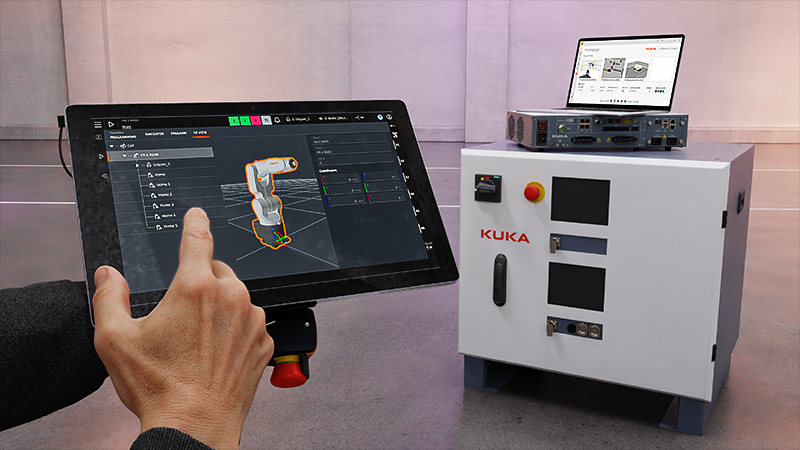
KUKA Achieves Security Level 2 Certification for iiQKA.OS2 and KR C5 Controller
KUKA has achieved Security Level 2 certification for its iiQKA.OS2 operating system and KR C5 controller platform, in accordance with IEC 62443-4-2. This certification signifies that KUKA's robotic systems are equipped to handle the increasing demands for security in digitalized production environments. The importance of this certification lies in its alignment with the growing need for security and regulatory compliance as production processes become more digital and connected. KUKA's compliance with Regulation (EU) 2024/2847 Cyber Resilience and EN ISO 10218-1:2025 positions it as a leader in secure automation solutions. Looking ahead, KUKA's certification sets a benchmark for the robotics industry, emphasizing the necessity of robust security measures in automation. No further timeline was disclosed at the time of publication.
Dogtooth Technologies Secures £14 Million for AI-Powered Strawberry Harvesting
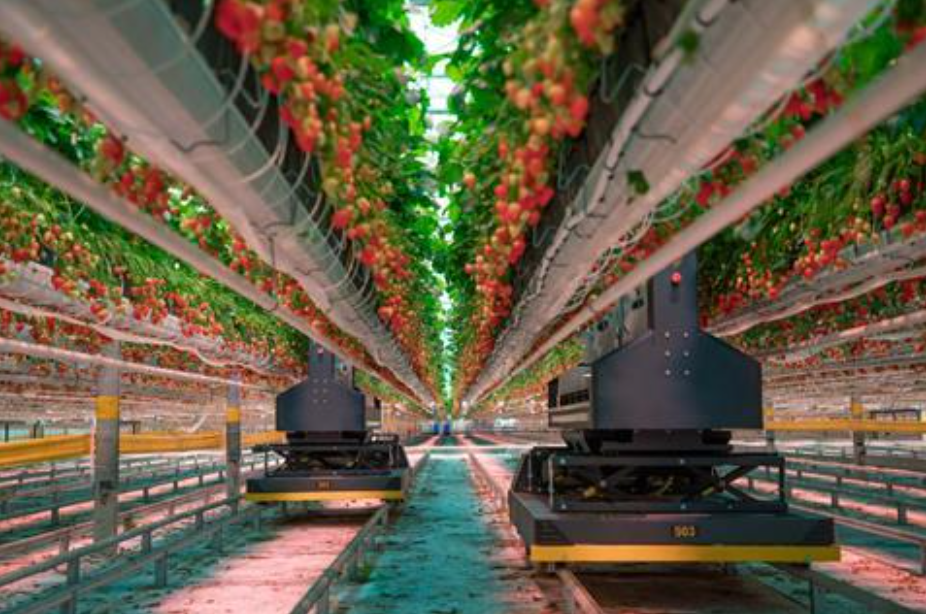
UK-based Dogtooth Technologies has successfully raised over £14 million in funding to enhance its AI-driven strawberry picking robots. The financing, provided by 24 Haymarket, EMV Capital, and ACF Investors, along with a grant from Innovate UK, aims to accelerate the deployment of these robots in both the UK and international markets. The company has already established a fleet of approximately 70 robots operating on commercial farms in the UK and Australia, harvesting tens of tons of fruit each season. The significance of this funding lies in addressing the ongoing labor shortages in agriculture, which have made robotic harvesting a necessity rather than a luxury. Dogtooth's robots utilize advanced computer vision and precision mechanical arms to autonomously navigate complex growing environments, identify ripe fruit, and perform harvesting without damage. This technology allows for continuous operation, even in cooler night conditions, thereby extending the shelf life of harvested produce. Looking ahead, Dogtooth Technologies is poised to expand its market presence, having recently delivered systems to Dyson Farming, a UK indoor berry producer. As the global horticultural industry grapples with seasonal labor shortages and rising costs, the successful deployment of these agricultural robots could signal a shift towards more widespread adoption of embodied intelligence in farming. No further timeline was disclosed at the time of publication.
Agricultural Robotics AI Technology Fruit Harvesting Embodied Intelligence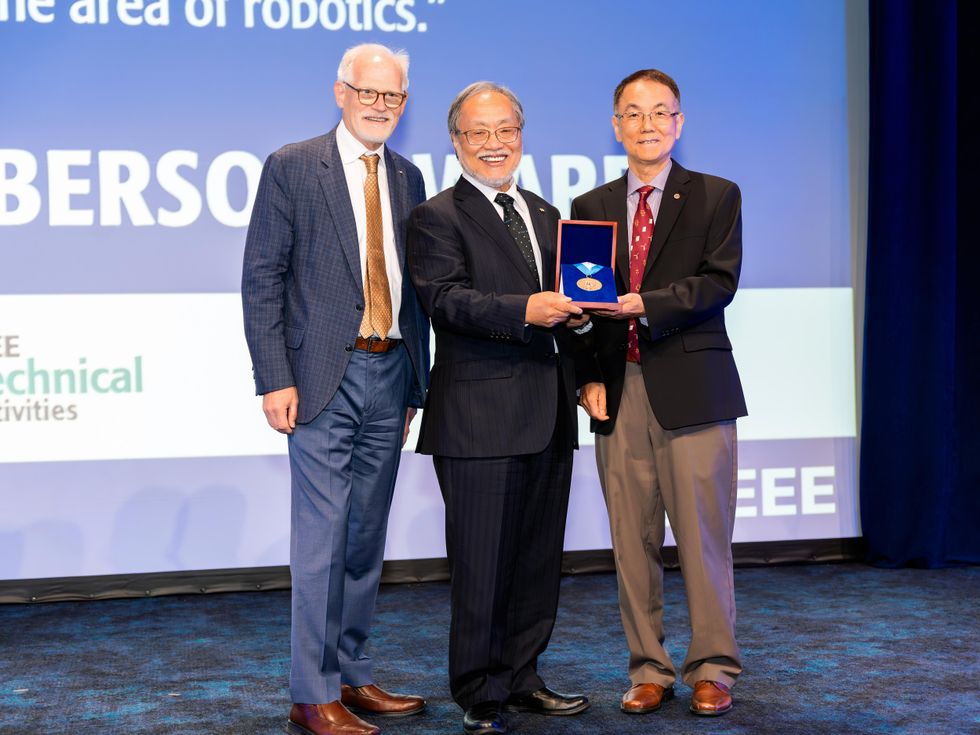
IEEE Honors Robotics Pioneer Toshio Fukuda
Toshio Fukuda has been blazing trails for most of his career. He is considered to be one of the most prolific scholars in robotics, writing more than 2,000 research papers and authoring several books on the field. He’s an influential figure thanks to his pioneering work developing biomedical robotic systems, industrial robots, micro-nano robotics, mechatronics, and AI-driven automation.Fukuda launched one of the first robotics conferences, the IEEE/RSJ International Conference on Intelligent Robots and Systems (IROS). It is still popular almost 40 years later.Toshio FukudaEmployerEgypt-Japan University of Science and Technology, in Alexandria TitleProfessor and vice president of research Member gradeLife Fellow Alma matersWaseda University, in Tokyo; University of Tokyo An IEEE Life Fellow, he is a professor emeritus in the department of micro-nano systems engineering and a visiting professor at Nagoya University, in Japan, where he taught for nearly 25 years. Currently, he is a vice president of research at the Egypt-Japan University of Science and Technology, in Alexandria, Egypt.Within IEEE, Fukuda has held top volunteer positions including the organization’s highest office: He served as IEEE president in 2020, becoming the first person of Asian descent to hold the role.He’s a former program director of Japan’s Moonshot program, which by 2050 intends to develop advanced AI robots.Born in Japan, Fukuda has been recognized by the country for his contributions to science with two of its highest awards: the Medal of Honor with a purple ribbon in 2015 and the Order of the Sacred Treasure in 2022.IEEE honored him with this year’s Richard M. Emberson Award for “distinguished service advancing the technical objectives of IEEE, especially in the area of robotics.” The IEEE Board-level award is sponsored by the IEEE Technical Activities Board. Fukuda received the award on 24 April at a ceremony in New York City.As a former IEEE president who has served as a master of ceremonies at several of the organization’s major award events, Fukuda noted that he is more accustomed to bestowing awards than receiving them.“It’s very interesting to be on the receiving end,” he says.The journey into robotics researchAs a teenager, Fukuda spent his summer breaks teaching himself how to build things including transistor radios and steam engines.“It was very nice to have a hands-on hobby and make these kinds of things myself,” he says. His experimentation led him to study engineering.He earned a bachelor’s degree in engineering in 1971 from Waseda University, in Tokyo. He says one of his professors there—Ichiro Kato, regarded as the father of Japanese robotics research—was a good mentor who made a positive impact.Fukuda’s research interests were robotics and mechatronics, a field that combines robotics, electronics, computer science, and control systems.He went on to earn a master’s degree and a doctorate in science from the University of Tokyo, in 1971 and 1977. During those years, he also attended Yale, where he conducted research on advanced control theory in 1973.He reflects fondly on his time at Yale: “It was a very nice environment and a kind of free-thinking atmosphere. It motivated me to study more.”“IEEE doesn’t care who you are, what you do, what country you are from, or whether you are male or female. IEEE accepts people who have energy and passion.”While at Yale, Fukuda served as an assistant to his advisor—which led him to consider a career in academia, he says, because he enjoyed the freedom that research work afforded him.But he realized that such freedom comes with a price. University researchers are expected to raise the money that funds their work. He compares researchers to small-business owners who have to bring in money to keep their enterprise afloat.That realization led him to select robotics as his field because he intended to develop technologies useful to industry, he says.After earning his doctorate, he returned to Japan in 1977 to work as a research scientist at the government’s Mechanical Engineering Laboratory, later renamed the National Institute of Advanced Industrial Science and Technology, in Tsukuba.“There was a lot of research going on at the lab, including practical robotics and theory,” he says.He left Japan in 1979 to become a visiting research fellow at the University of Stuttgart, in Germany. During his year there, he studied systems, software problems, and related topics.He returned to Japan and was hired as an associate professor of mechanical engineering at the Tokyo University of Science. He conducted research into practical uses for robots by visiting industrial plants. He decided to develop robots that inspect industrial equipment such as those used in assembly plants, oil refineries, and power stations—places that “can be hostile environments for humans,” he says.His work drew interest from chemical, oil, and utility companies.“I got a lot of money from them for this very practical application, which funded my research,” he says, laughing.Developing popular robotic systemsFukuda grew tired of making those robots, he says, so he switched to creating ones for scientific applications. He developed many techniques, but he probably is best known for his modular, cellular robotic systems (CEBOTs), which he introduced in 1985.He has described how CEBOTs work in numerous papers published in the IEEE Xplore Digital Library.The CEBOT system is composed of a number of autonomous robotic cells that stick together like interlocking Lego plastic bricks, he says.Each cell is a fundamental modular unit that has a function. When a simple task is given, the system can analyze it and generate the structure of the cellular manipulator. The cells connect to and detach from each other through connection mechanisms and cooperate mutually, creating complex structures and configurations.“You start developing from the component-wise to the cell-wise to a small functional unit—and then you come up with clusters that make bigger systems. We can make a society of robot beings like that,” he explained in his oral history published on the Engineering and Technology History Wiki. “It’s a distributed robotic system, a self-organized robotic system, and also an evolutionary robotic system.“It’s also a fault-tolerant robot system because if something is wrong, you just remove those things and make a new one. You keep the system working. That’s a great thing.”Today CEBOTs are used for a variety of tasks such as delivering medication in hospitals, assisting with planting crops, and transporting products in distribution centers. Check out IEEE Spectrum’s Robots Guide for news from the world of robotics.In 1989 Fukuda joined Nagoya University as a professor of mechanical engineering and micro-nano systems engineering. During his 24-year career there, he was director of the university’s Center for Micro-Nano Mechatronics. He developed a long list of technologies at the university, including many for medical applications. He also conducted groundbreaking research into intelligent robotic systems and micro- and nano-robotics.Another technology he is known for is brachiation robots, which he helped develop in 1988. He calls them monkey robots because they’re based on the pendulum-like movement of monkeys swinging from tree to tree. The gravity-based locomotion enables continuous movement.Brachiation robots now are inspecting high-voltage transmission towers and bridges, searching damaged buildings for survivors, and performing maintenance on pipelines and cables.Fukuda retired from the university in 2013 and was named professor emeritus.He didn’t stay retired for long, though. He next held a teaching appointment at Meijo University, in Nagoya, until he left in 2022 to join the Egypt-Japan University.A prominent volunteerHe joined IEEE in 1980 at the encouragement of one of his research advisors, Professor Fumio Harashima, now an IEEE Life Fellow. After attending conferences and reading the organization’s publications, Fukuda says, he looked forward to becoming more involved.“I wanted to know how to organize a conference and how to edit a paper for one of its Transactions,” he says. “I wanted to know what was going on from inside the organization, not just the outside.”In 1988 he was the founding chair and organizer of IROS, in Tokyo. The conference had 330 attendees that year, and was supported by Harashima. Today it is one of the largest and most prestigious conferences on the topic, attracting more than 9,000 people annually. Out of 120,000 conferences, it was the only conference in the Nature Index database for this year, Fukuda says.In 1996 he and other members launched IEEE Transactions on Mechatronics.He was the founding president of the IEEE Nanotechnology Council, which was established in 2002. He is considered a pioneer in nanotechnology research, particularly regarding how it relates to robotics.Over the years, he has held numerous volunteer positions on IEEE editorial boards and committees.He was the 1998–1999 president of the IEEE Robotics and Automation Society, becoming the first non-U.S. member to hold the title.He was director of IEEE Division X (2001–2002 and 2017–2018), which covers intelligent systems, biological engineering, robotics, control systems, and photonic technologies. He served as the 2013–2014 director of IEEE Region 10 (Asia-Pacific).As the 2020 IEEE president, Fukuda saw the organization through the early part of the COVID-19 pandemic. Because of travel restrictions, he realized IEEE should change how it offered its in-person services, specifically educational programs. He encouraged IEEE Educational Activities to develop an online learning platform. The IEEE Learning Network started with just three courses and now offers nearly 2,000 courses, webinars, and learning materials.An award-winning memberThe Emberson Award joins a slew of other recognitions Fukuda has received from IEEE. They include several from the IEEE Robotics and Automation Society: a 2004 Pioneer Award, a 2009 Saridis Leadership Award, and the 2011 Harashima Award for Innovative Technologies. He is also a recipient of the Board-level 2010 IEEE Robotics and Automation Technical Field Award.He says he feels strongly that IEEE should be a diverse organization that is welcoming to all. As IEEE president, he led efforts to devise a diversity, equity, and inclusion program. Several policies, procedures, and bylaws were revised to give members a safe, inclusive place for discourse.“It’s important for IEEE to make everyone feel comfortable,” he says. “DEI programs are important. All people should be equal. IEEE doesn’t care who you are, what you do, what country you are from, or whether you are male or female. IEEE accepts people who have energy and passion.“It accepted me, from the Far East. That’s why I like it.”You can learn more about Fukuda and his career from the oral history conducted by the IEEE History Center.
Robotics Robots Ieee-member-news Type-ti Ieee-awards Toshio-fukuda
AGIBOT Hosts UK APC2026 in London, Advancing Commercial Deployment of Humanoid Robotics in Europe
AGIBOT held the UK AGIBOT Partner Conference 2026 in London, emphasizing its dedication to promoting the commercial use of humanoid robotics across Europe. The conference marked the European debut of the AGIBOT A3 and introduced a new Robot-as-a-Service (RaaS) model. This event showcased AGIBOT's partnerships with local organizations aimed at exploring practical applications of robotics and improving access to advanced robotic technologies in multiple sectors. Through these initiatives, AGIBOT seeks to drive innovation and enhance the integration of robotics into everyday business operations.
Humanoid Robotics Embodied AI Robot-as-a-Service Commercial Deployment Technology Innovation
Saab UK Marks 40 Years of Subsea Robotics Innovation
Saab UK is celebrating four decades of advancements in subsea robotics through its Seaeye division, which has significantly enhanced safety and performance in underwater operations. Established in 1983, Seaeye has pioneered innovative technologies that have transformed the industry, making underwater exploration and operations more efficient and secure. This milestone reflects Saab UK's commitment to engineering excellence and its ongoing efforts to address the challenges faced in subsea environments. The anniversary highlights the company's role in shaping the future of underwater robotics and its dedication to continuous improvement in this vital sector.
saab uk saab seaeye subsea robotics innovation
KUKA Showcases Scalable Machine Tending Robotics at IMTS 2026
At booth #236807 in the North Building, KUKA is showcasing live demonstrations that illustrate their innovative approach to robotic machine tending. This initiative aims to simplify automation for manufacturers by offering a scalable, service-based solution that minimizes complexity and adapts to changing production requirements. The demonstrations are designed to engage visitors and provide insights into how KUKA's technology can enhance manufacturing processes.

Polestar Automotive Holding UK PLC (PSNY) Presents at Global Autos, Mobility & Robotics Conference 2026 - Slideshow
Polestar Automotive Holding UK PLC has released a new slide deck in conjunction with its recent event, showcasing the company's ongoing developments and strategies. This initiative is part of a broader effort by Seeking Alpha's transcripts team, which is responsible for producing and publishing thousands of quarterly earnings call transcripts each quarter. The team aims to enhance its coverage and provide valuable insights to readers interested in transcript-related content. This release highlights Polestar's commitment to transparency and communication with its stakeholders as it navigates the evolving automotive market.
PSNY PSNYW PLSAY SA Transcripts
KUKA to Highlight Advanced Robotics for Easy Machine Tool Tending, Handling and Milling at IMTS 2026
KUKA is set to showcase advancements in robotic machine tool automation through a series of integrated demonstrations in collaboration with several CNC machine tool OEM partners, including EMAG, Matsuura, and SYIL. Scheduled for later this year, these demonstrations will take place at various industry events, emphasizing the versatility and efficiency of KUKA's standardized robotic systems. The initiative aims to provide flexible machine-tending solutions that streamline deployment across diverse production environments, responding to the growing demand for automation in manufacturing. By integrating robotics with CNC machines, KUKA seeks to enhance productivity and simplify operations for manufacturers, ultimately driving innovation in the industry.

Foundation Robotics CEO Details Ukraine Pilot, "Super-Heavy" Phantom 2, and Rejection of Companion Bots
In a recent podcast, Sankaet Pathak, CEO of Foundation Robotics, discussed the company's strategic focus, highlighting an equal division between defense and commercial projects. He announced the launch of a pilot program in Ukraine, which aims to enhance operational capabilities in challenging environments. Additionally, Pathak hinted at the upcoming release of the ruggedized Phantom 2, designed to withstand harsh conditions. This initiative reflects Foundation Robotics' commitment to innovation in both military and civilian sectors, addressing the growing demand for advanced robotics solutions.
sankaet-pathak US phantom foundation
Cellula Robotics Selected for Canadian Technology Accelerators UK Maritime Defence and Security Program
Cellula Robotics, a Canadian company specializing in advanced robotics, has been chosen to join the Maritime Defence and Security Applications of Ocean Technologies program in the United Kingdom. This opportunity comes through the Canadian Technology Accelerators (CTA) initiative, which aims to support Canadian businesses in expanding their reach in international markets. The program, scheduled to take place in the coming months, focuses on enhancing maritime defense and security capabilities through innovative ocean technologies. By participating, Cellula Robotics seeks to leverage this platform to showcase its expertise and foster collaborations that could lead to advancements in maritime safety and security.
cellula roboticsl canadian technology accelerator uk maritime defence and security program
Showcase at LogiMAT 2026: KUKA presents mobile robotics in an interactive arena
At LogiMAT 2026, taking place from March 24 to 26 in Stuttgart, attendees will have the opportunity to explore a unique exhibit spanning over 600 square meters. The ‘Interoperability Arena’ will feature demonstrations by KUKA alongside partners including SYNAOS, WIFERION, and FPT Robotik. This showcase aims to highlight the seamless interaction between autonomous vehicles and 6-axis industrial robotics, illustrating advancements in automation technology and its applications in various industries. The event underscores the growing importance of interoperability in enhancing operational efficiency and productivity in logistics and manufacturing sectors.
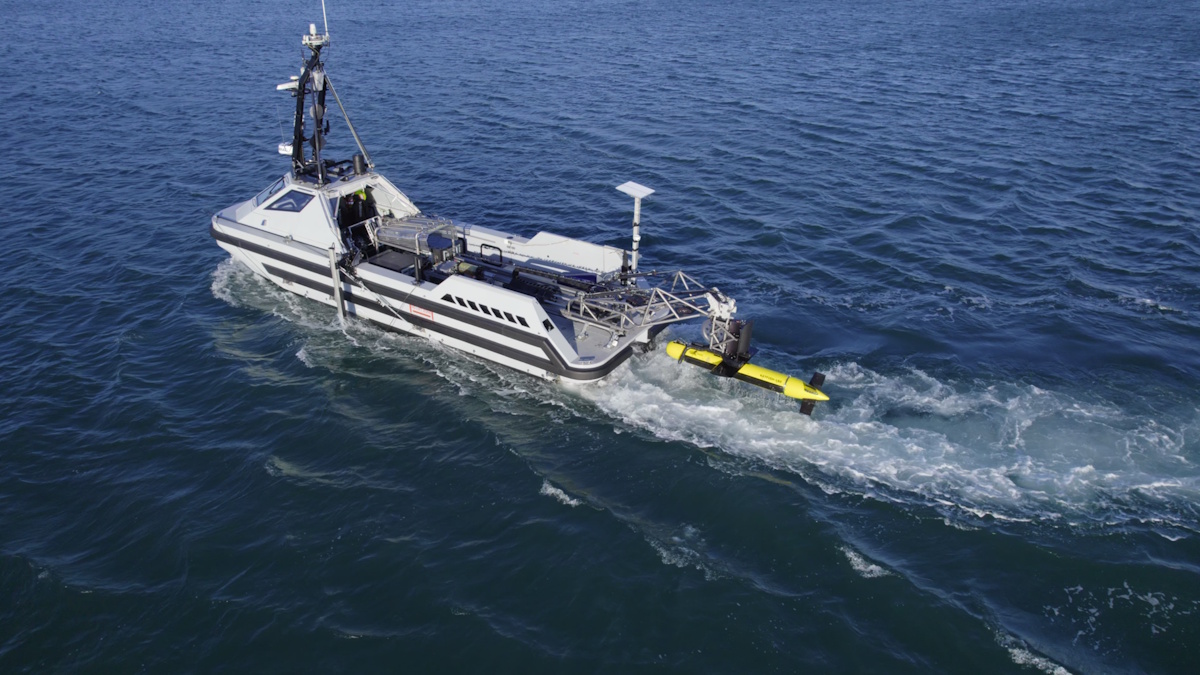
Kraken Robotics and TKMS ATLAS UK Demonstrate KATFISH USV Launch and Recovery System on an in-service UK Royal Navy ARCIMS USV
Kraken Robotics has successfully demonstrated its KATFISH Unmanned Surface Vessel Launch and Recovery System (USV-LARS) aboard TKMS ATLAS UK's 11-meter ARCIMS Unmanned Surface Vehicle (USV). This demonstration highlights a significant advancement in maritime security technology, as the integrated systems deliver a comprehensive autonomous survey solution tailored for mine countermeasure operations and the inspection of critical underwater infrastructure. Notably, the collaboration between ARCIMS and KATFISH USV-LARS marks the introduction of the industry's first air-deployable, 300-meter depth-rated autonomous towed Synthetic Aperture Sonar (SAS) survey system. This innovation aims to enhance operational efficiency and safety in maritime missions.
kraken robotics tkms atlas uk katfish usv launch and recovery system uk royal navy arcims usv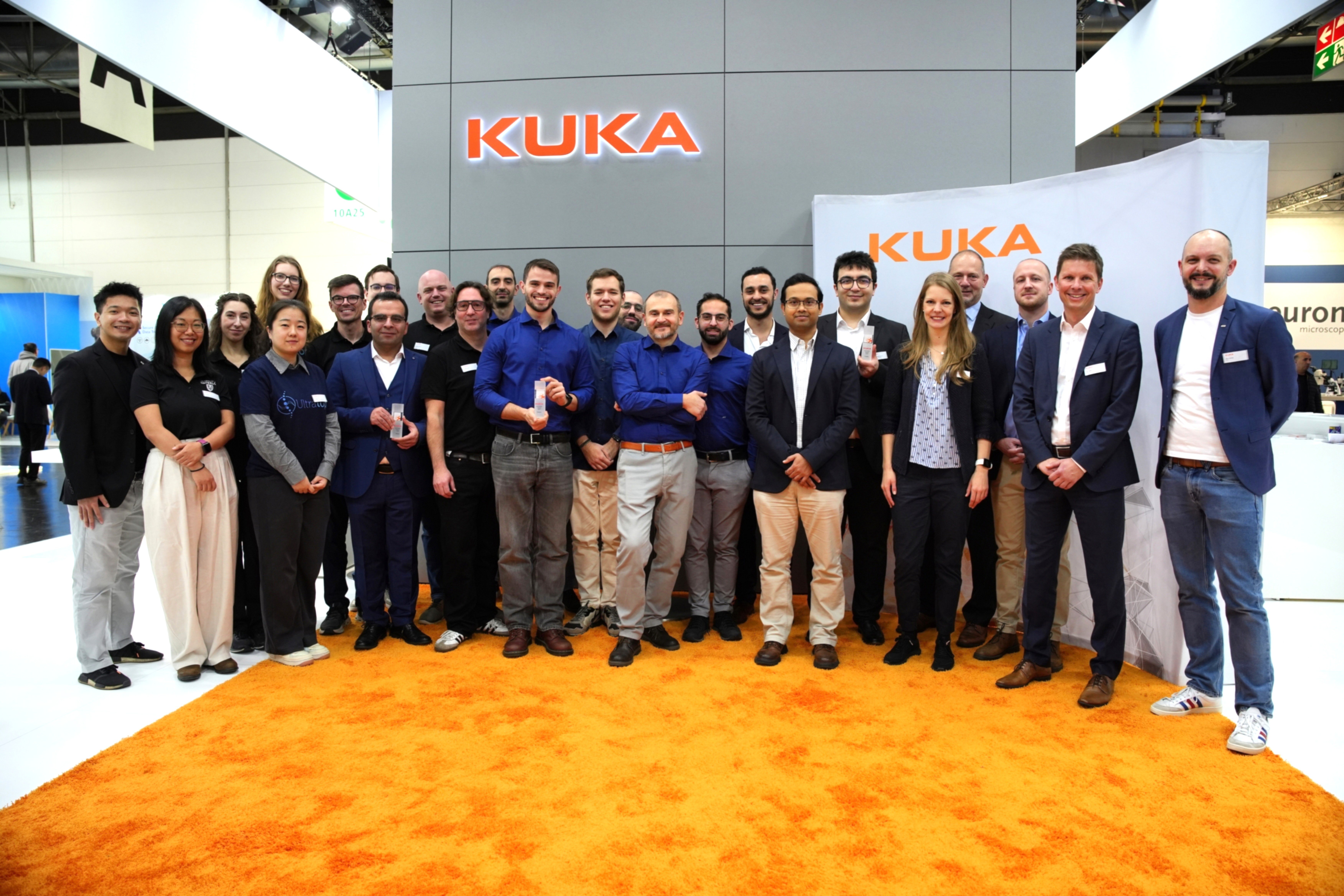
These are the winners of the Medical Robotics Challenge 2.0: Team ULTRATOPIA wins the KUKA Innovation Award 2025
A team of researchers from Belgium and Switzerland has achieved recognition in the field of medical robotics by winning the KUKA Innovation Award 2025. Their groundbreaking project focuses on utilizing ultrasound technology to examine the spine during surgical procedures. This innovative approach aims to enhance the precision and safety of spinal surgeries, addressing a critical need in the medical community. The award was presented following a competitive evaluation by a jury impressed by the potential impact of this technology on surgical practices. The team's success highlights the growing intersection of robotics and healthcare, showcasing how advanced technologies can improve patient outcomes and surgical efficiency.

SubSea Craft and Greenroom Robotics Strengthen AUKUS Technology Ecosystem
SubSea Craft (SSC), a prominent player in maritime technology, has partnered with Australian firm Greenroom Robotics by signing a teaming agreement aimed at enhancing collaboration within the AUKUS technology ecosystem. This agreement, announced recently, signifies a strategic move to leverage combined expertise in advanced robotics and underwater capabilities. The partnership seeks to foster innovation and strengthen ties between the UK, Australia, and the United States, as part of the broader AUKUS initiative focused on defense and security technologies. By working together, SSC and Greenroom Robotics aim to develop cutting-edge solutions that address emerging challenges in maritime operations.
subsea craft greenroom robotics aukus
KUKA at the European Robotics Week 2024
KUKA is set to showcase its advancements in robotics during European Robotics Week (ERW), taking place from November 14 to 24. The event will provide a platform for children, young people, and adults to engage with and explore the world of robotics. Attendees will have the chance to learn about KUKA's robot production, the current state of research in artificial intelligence, and the applications of robots in space exploration. This initiative aims to spark interest and enthusiasm for robotics and technology among participants, highlighting the importance of innovation in these fields. Through interactive demonstrations and educational activities, KUKA seeks to inspire the next generation of engineers and scientists.
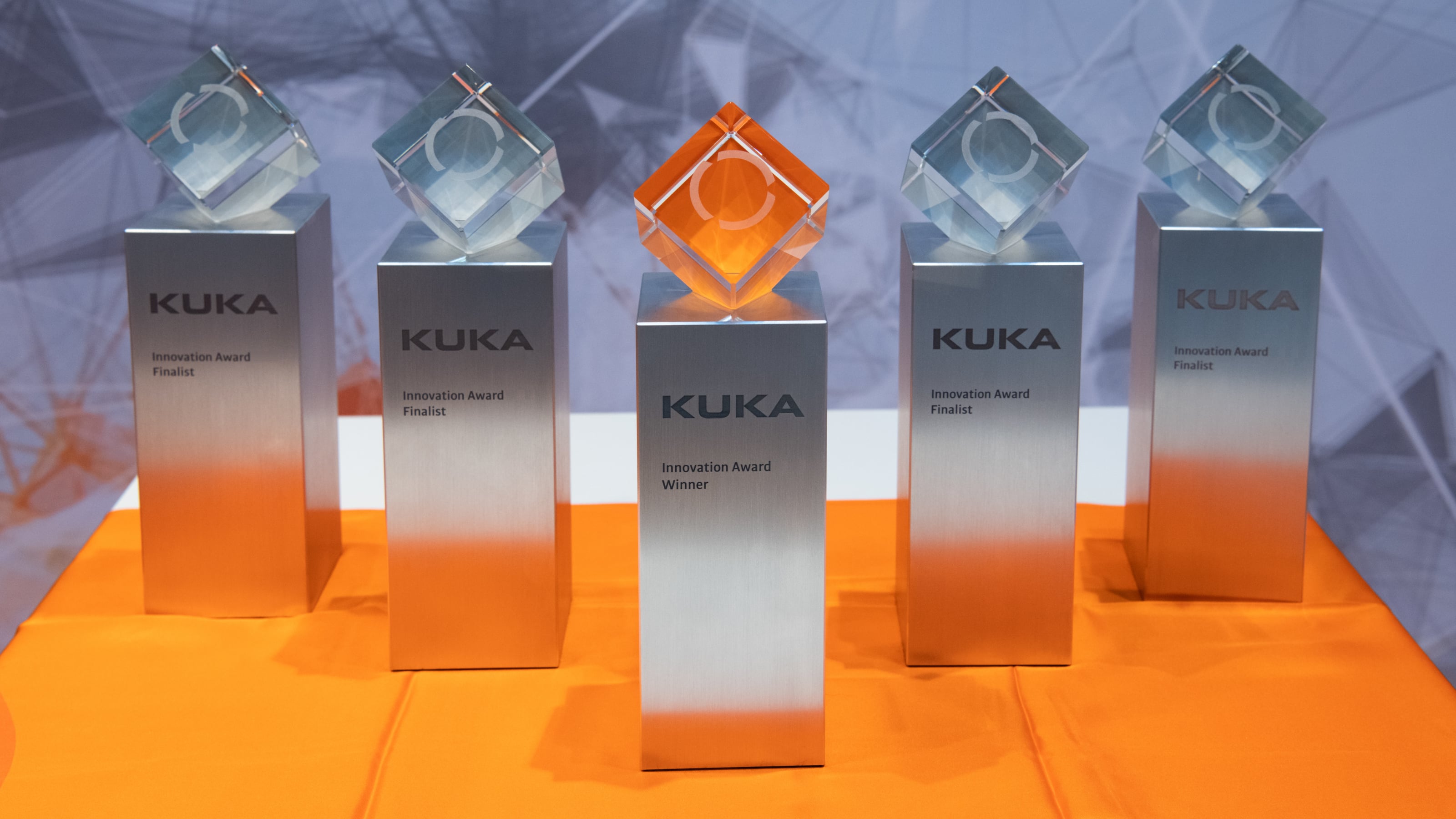
Rethinking packaging - with the help of robotics: Apply now for the KUKA Innovation Award 2026
The packaging industry, a crucial component of the modern economy, is undergoing significant transformation as it seeks to enhance sustainability. In response to this pressing need, KUKA has launched a new round of its Innovation Award, inviting participants to submit creative and innovative ideas that leverage robotics to improve packaging sustainability. This initiative aims to address the environmental challenges associated with packaging materials and processes, encouraging advancements that could lead to more eco-friendly solutions. The competition is open to innovators and thinkers who can contribute to a more sustainable future in packaging, showcasing the potential of robotics in this vital sector.

Licence to AUKUS: Aussie Greenroom Robotics Greenlit for Trilateral Tech Missions
Greenroom Robotics, a prominent maritime AI and autonomy firm based in Australia, has received AUKUS Authorised User status from the Australian Government. This designation, part of the AUKUS trilateral export agreement, enables the company to engage in licence-free exports to the United States and the United Kingdom. The move aims to expedite the delivery of advanced technologies among AUKUS nations, enhancing collaboration in maritime innovation.
greenroom robotics aukus
Dassault Systèmes and KUKA Partner to Boost Robotics and Automation Efficiency for Manufacturers
Dassault Systèmes has entered into a partnership with KUKA, a leading global player in industrial automation and robotics, to deliver advanced solutions tailored for the manufacturing sector. This collaboration aims to address the increasing demands for enhanced robotics and automation capabilities within the industry. The announcement was made today, highlighting both companies' commitment to innovation and efficiency in manufacturing processes. By leveraging their respective expertise, Dassault Systèmes and KUKA plan to develop comprehensive solutions that will help manufacturers optimize operations and improve productivity in a rapidly evolving technological landscape.
Robotics needs a service framework.
RSF defines a common language for robot service capability, lifecycle operations, certification pathways, and service-provider networks.
Join the RobotToday community on LinkedIn
Daily robotics news, in-depth analysis, conference highlights, and discussions with professionals worldwide.