Industry Briefing
A single destination for timely, editor-curated robotics news from around the world.
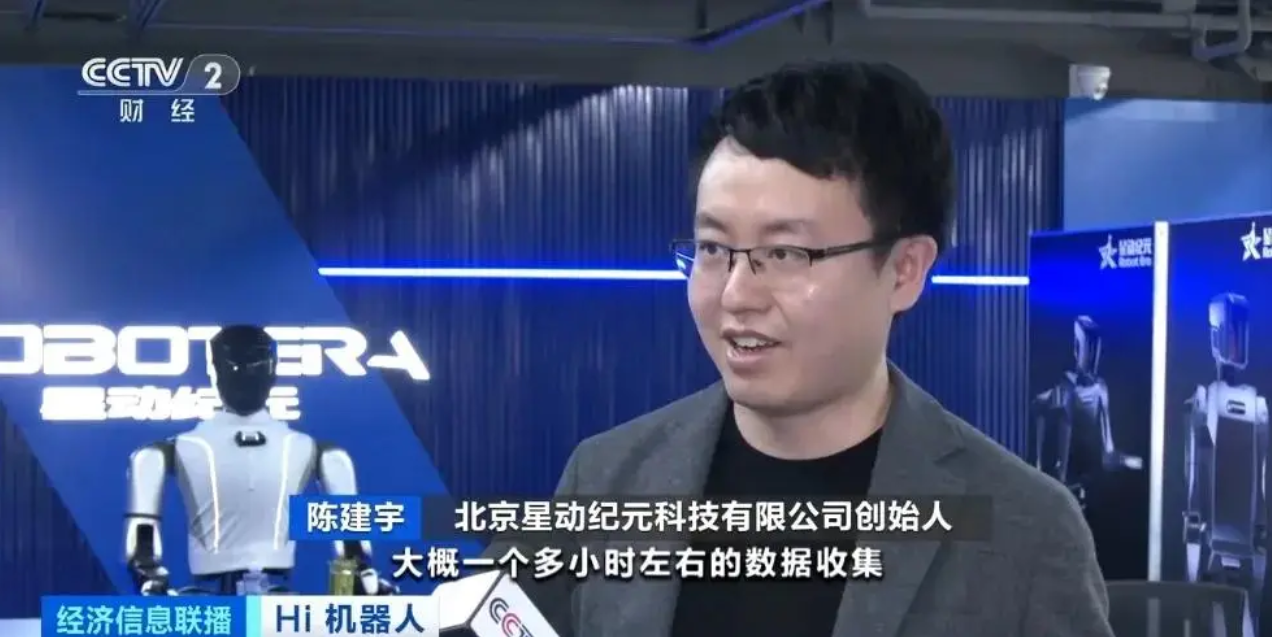
Embodied Intelligence Unicorn Secures $1.5 Billion Valuation with State-Owned Investment
Star Motion Era, an embodied intelligence startup, has successfully secured 1 billion RMB in its latest funding round, which was led by a state-owned investment fund. This recent influx of capital brings the company's total funding to 2.5 billion RMB within just two months and elevates its valuation to over 1 billion USD. The company specializes in robotics and artificial intelligence, with a strong focus on practical applications and data-driven development, particularly targeting the logistics and manufacturing sectors.
Embodied Intelligence Robotics AI Logistics Automation State-Owned Investment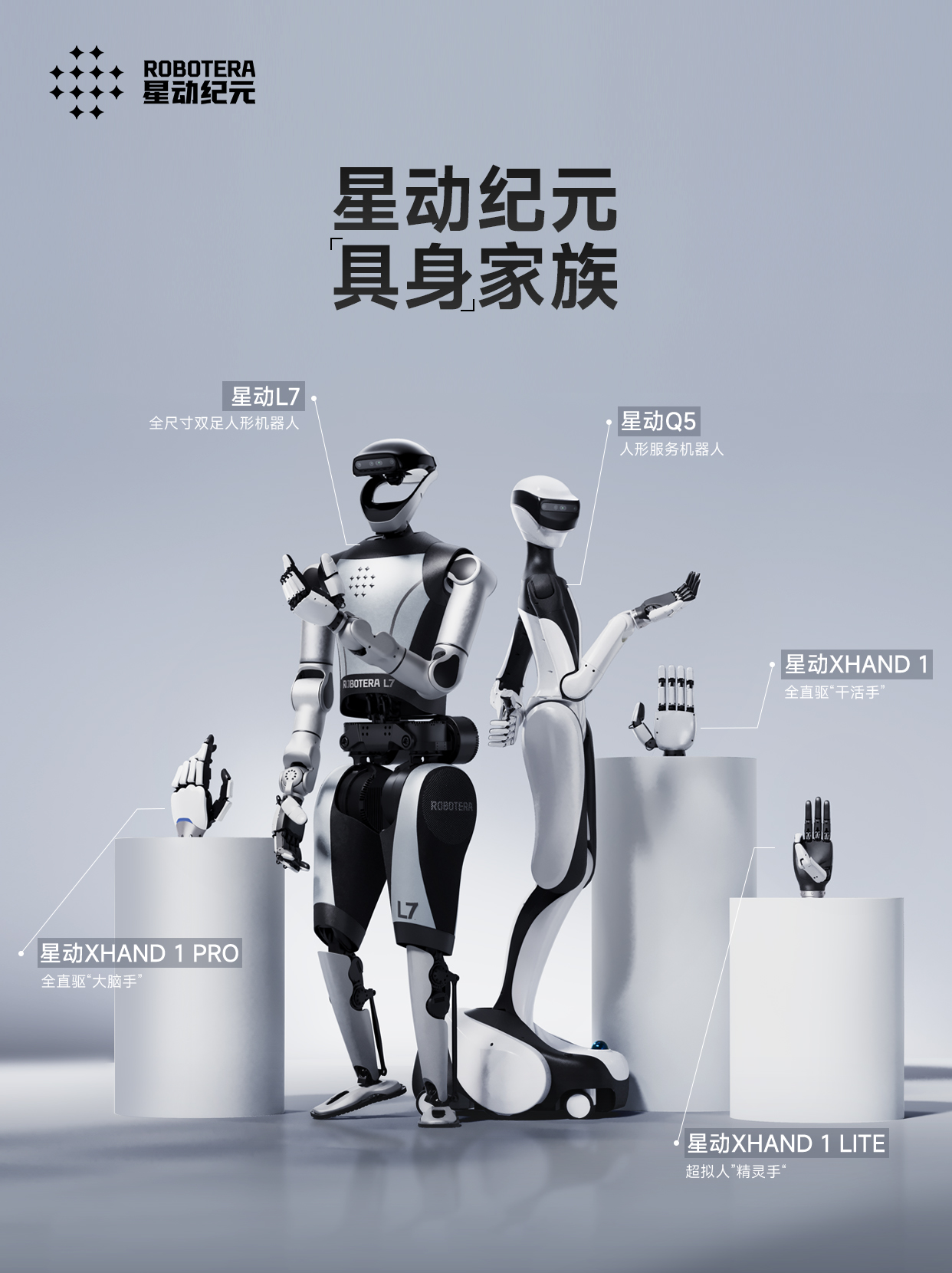
Xingdong Era Secures 2.5 Billion Yuan in Funding: State-Owned Enterprises Backing Intelligent Robotics
Xingdong Era has secured 2.5 billion yuan in funding over the past two months, with the investment primarily coming from state-owned enterprises and financial institutions. The company specializes in embodied intelligence, focusing on the development of advanced robotics solutions tailored for logistics and industrial applications. This significant financial backing will enable Xingdong Era to enhance its data-driven systems, ultimately aiming to improve operational efficiency across various sectors.
Embodied Intelligence Robotics Logistics Automation AI Data Systems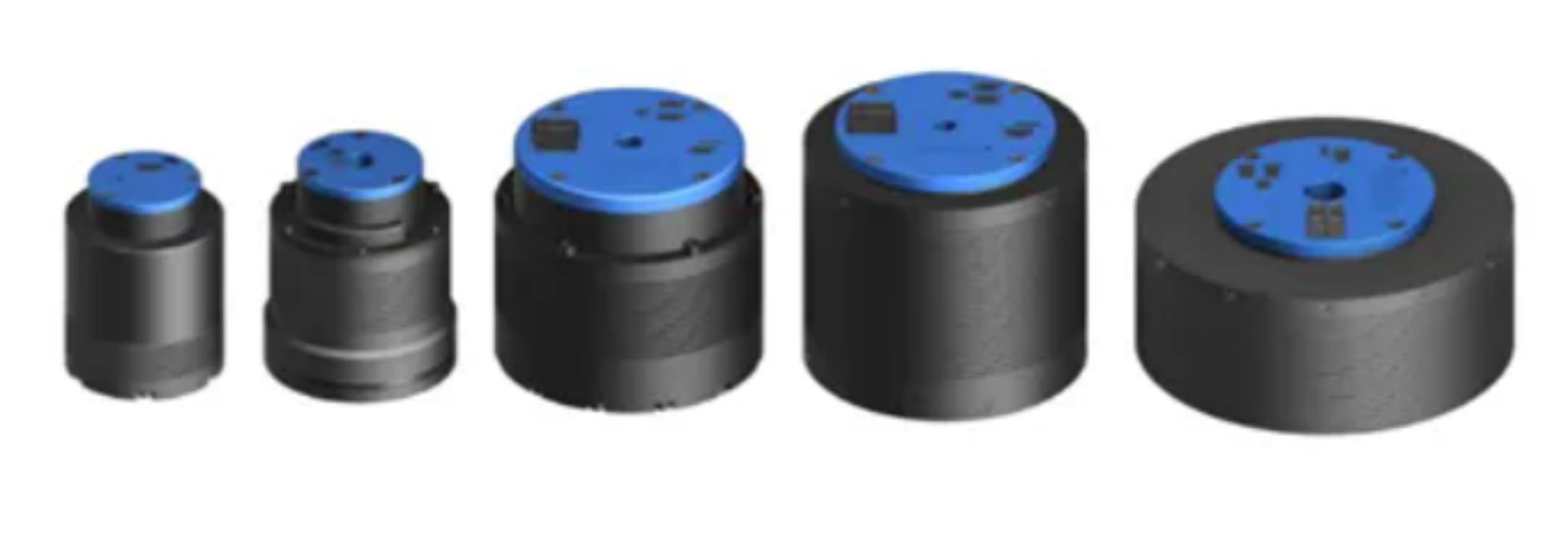
Leading VC Partners with Shanghai State-Owned Enterprises to Invest in Weiyi Technology's Multi-Million Pre-A Funding Round
Weiyi Technology, a prominent company specializing in core motion components for embodied intelligence, has secured a multi-million dollar Pre-A funding round. The investment was led by Xiaomiao Langcheng and Shanghai State-Owned Assets, highlighting the growing confidence in the company's technological innovations and its potential impact on the robotics industry. This funding round, which underscores Weiyi Technology's advancements, positions the company for further growth and development within the competitive landscape of robotics.
Robotics Motion Components Investment Embodied Intelligence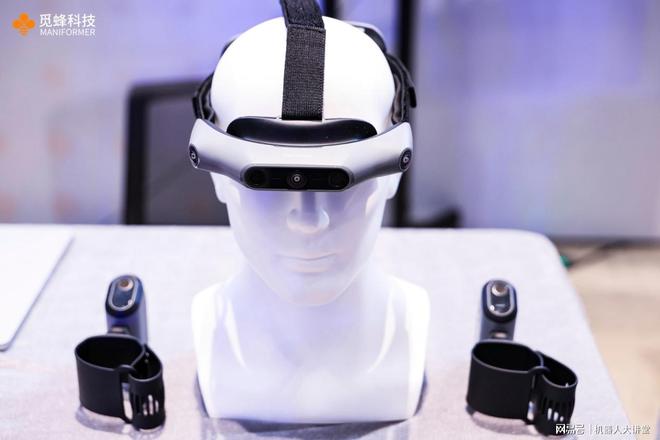
Bee Technology Secures Hundreds of Millions in Angel+ Round Financing with State-Owned and Industrial Partnerships
Bee Technology, a comprehensive physical AI data service platform, has secured hundreds of millions in a strategic financing round. This funding, spearheaded by Guofang Venture Capital and backed by several state-owned and industrial partners, is intended to bolster the company's data collection and governance capabilities. The initiative seeks to tackle significant challenges within the embodied intelligence sector, positioning Bee Technology for enhanced growth and innovation in this rapidly evolving field.
AI Data Services Data Governance Embodied Intelligence Robotics Investment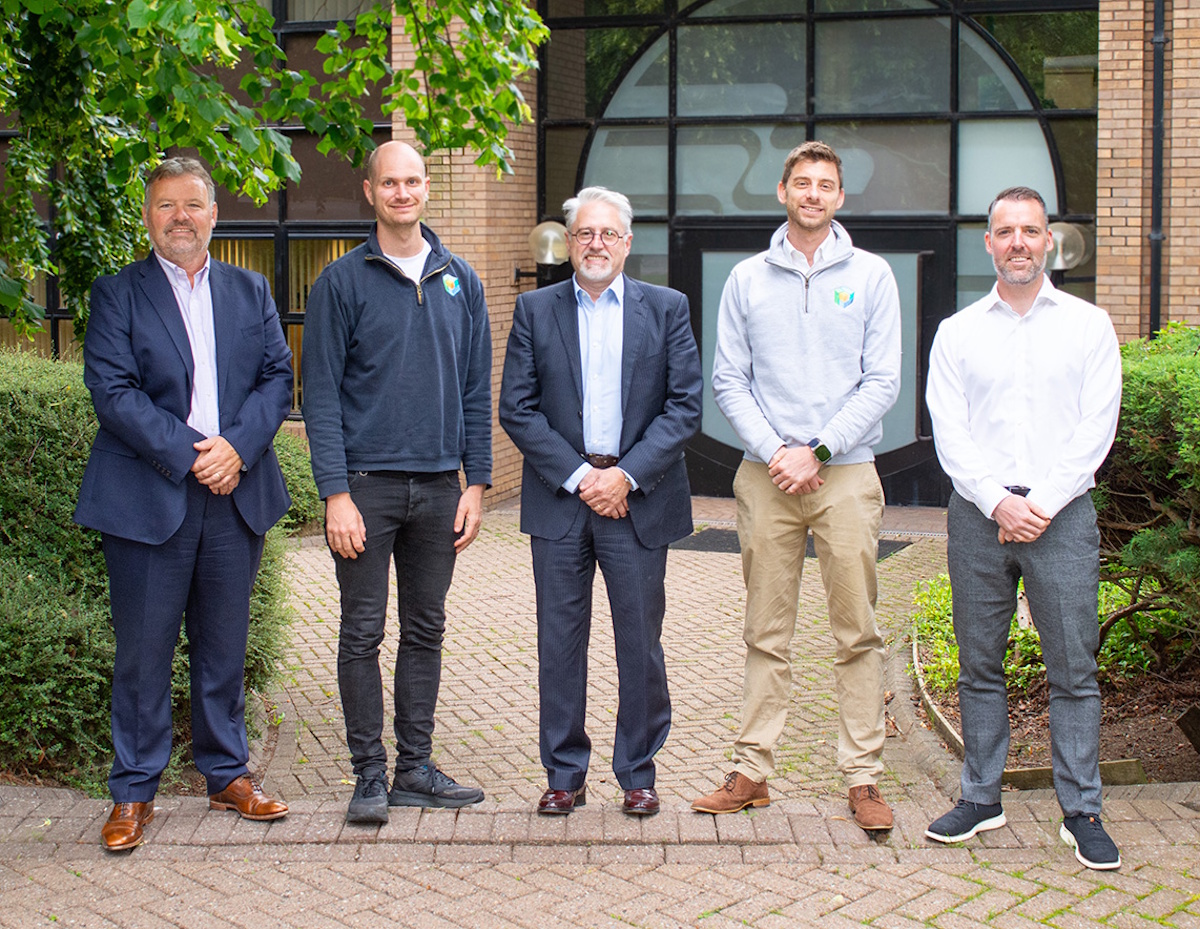
Imenco Future Technologies Makes Strategic Investment in Frontier Robotics
Imenco Future Technologies, a prominent player in remotely operated vehicle (ROV) technology, has announced a strategic investment in Frontier Robotics, a company renowned for its advanced subsea robotics innovations. This investment, revealed today, is part of Imenco's long-term strategy to enhance its innovation and growth in the subsea technology sector. By partnering with Frontier Robotics, Imenco aims to bolster its capabilities and expand its offerings in the rapidly evolving field of underwater robotics.
imenco future technologies strategic investment frontier robotics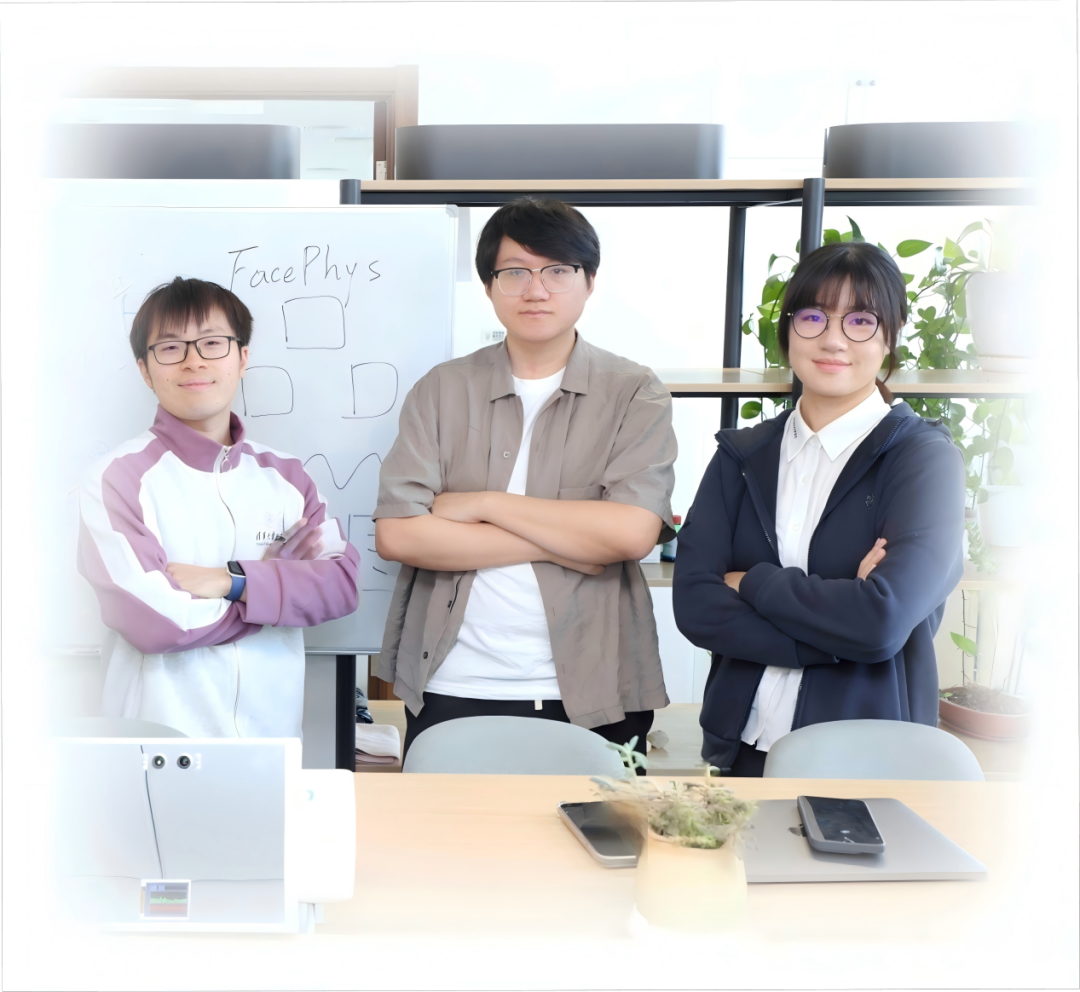
Tsinghua PhD Team Secures Exclusive Investment from Lei Jun for Innovative rPPG Technology
Microface Technology, a startup established by PhD graduates from Tsinghua University, has received exclusive investment from Shunwei Capital, led by prominent entrepreneur Lei Jun. The company has developed a groundbreaking remote photoplethysmography (rPPG) technology that allows for non-contact monitoring of physiological and emotional states using standard RGB cameras. This innovative approach has demonstrated high accuracy in detecting heart rates and emotional responses. After facing initial challenges, the team strategically shifted its focus to physiological emotion sensing, which has led to successful applications across various sectors, including healthcare and the automotive industry. This investment is expected to bolster Microface Technology's efforts in expanding its capabilities and market reach, further enhancing its contributions to the fields of health monitoring and emotional analytics.
Health Monitoring Emotion Recognition Wearable Technology AI Computer Vision
From $4 To $500? Eric Jackson's Bold Thesis Pitches Opendoor As Real Estate's Tesla Moment
Eric Jackson, founder of EMJ Capital, has proposed a bold investment thesis suggesting that Opendoor Technologies Inc., currently trading at approximately $4.34, could evolve into a $500 stock within the next five to seven years. This prediction stands in stark contrast to Wall Street analysts, who have set price targets ranging from $1 to $8. Jackson's optimism stems from a fundamental shift in the housing market, specifically the tokenization of real estate, which he believes will significantly lower homeownership costs and attract institutional capital. During a recent meeting with Opendoor CEO Kaz Nejatian in Toronto, Jackson outlined a "three-layer tokenization build" that separates land ownership from physical structures. He argues that this innovative approach positions Opendoor uniquely in the market, akin to the transformative trajectories of companies like Tesla and Shopify. Despite a challenging year for Opendoor, with a 25.56% decline in stock value year-to-date, Jackson maintains that the company's asset-class control and extensive pricing data give it a competitive edge over rivals. Jackson's thesis highlights the potential for substantial returns, estimating a 25-35x increase from current prices, while emphasizing the importance of recognizing architectural transitions in the real estate sector. As the market evolves, he believes investors will come to appreciate Opendoor's strategy and the significant upside it offers.

5 Dynamics Shaping Today's Investment Landscape
Markets are currently navigating a significant shift as macroeconomic factors, policy changes, and technological advancements increasingly intersect, according to Seema Shah, Chief Global Strategist at Principal Financial Group. This analysis highlights the immediate impact of geopolitical shocks on market stability, which often dissipates quickly despite initial volatility. In the United States, the ongoing affordability crisis reflects a disconnect between everyday experiences and economic data, complicating the landscape for central banks already grappling with persistent inflation. While the U.S. dollar continues to attract safe-haven demand during periods of stress, fluctuations in confidence regarding U.S. assets may arise due to unpredictable policy directions. Principal Financial Group, a leading global investment management firm with $519.3 billion in assets under management, serves nearly 20 million clients worldwide and emphasizes the importance of adapting to these rapidly evolving market conditions.
USO UNG UCO BNO SCO BOIL
XELA Robotics Deepens U.S. Market Commitment with Plug and Play Investment and New Sensor Capabilities to be Introduced at the Robotics Summit and Expo in Boston
XELA Robotics is intensifying its commitment to the U.S. market with the introduction of two significant enhancements to its uSkin® sensor family, designed in response to feedback from its expanding American customer base. The announcement coincides with a strategic investment from Plug and Play, a leading innovation platform based in Silicon Valley, and the company's participation in the Robotics Summit & Expo in Boston on May 27-28, 2026. The first enhancement involves magnetic interference compensation, which effectively eliminates complex magnetic interference, crucial for handling metals in industrial settings. The second improvement introduces CAN FD (Controller Area Network Flexible Data-Rate), a high-speed communication protocol that allows for more sensor modules to operate simultaneously without compromising data transfer rates. These advancements aim to enhance the performance of robotic applications, providing faster and more reliable measurements. Alexander Schmitz, CEO of XELA Robotics, emphasized the importance of the U.S. market and stated that these enhancements directly address customer needs. The new sensors will be available for immediate ordering, with initial deliveries scheduled for May 2026, while the magnetic interference compensation feature is expected to launch in the third quarter of the year. XELA Robotics will showcase these innovations at the upcoming Robotics Summit & Expo and ICRA 2026 in Vienna, Austria, from June 1-5.

Tesla Optimus Investment & Valuation: Analysts 2030
ARK Invest has set a bold price target of $2,600 for Tesla's stock, reflecting the firm’s optimistic outlook on the electric vehicle market and the company's future growth potential. This projection comes in light of recent statements from CEO Elon Musk, who claimed that Tesla's valuation could increase by as much as 80% in the coming years. The analysis, which spans the years 2026 to 2030, incorporates insights from major financial institutions, including Goldman Sachs and Wedbush, focusing on Tesla's advancements in technology and production capabilities, particularly with its upcoming Optimus robot. These developments are expected to significantly enhance Tesla's revenue streams and market position. As the automotive industry increasingly shifts towards electrification, ARK's forecast underscores the potential for substantial returns on investment in Tesla, driven by innovations and expanding market demand. The timeline for these projections aligns with the anticipated growth trajectory of the electric vehicle sector, which is expected to gain momentum in the next few years.

New York Robotics Formally Launches Amid Surge In Robotics Investment, Demand, And Talent
New York has established itself as a burgeoning global hub for robotics, with 160 startups now operating throughout the Tri-State Area. This development positions the region among the world's leading robotics capitals, reflecting a significant growth in innovation and technology. The surge in startups is driven by a combination of factors, including access to top-tier universities, a diverse talent pool, and substantial investment in research and development. As these companies continue to emerge, they are expected to contribute to advancements in automation and artificial intelligence, further solidifying New York's status in the tech landscape. The rise of this sector is not only transforming the local economy but also attracting attention from investors and entrepreneurs worldwide, eager to tap into the region's dynamic ecosystem.

Investment in Humanoid Robotics Heats Up with Dedicated ETFs Launching in South Korea, Proposed in US
New Exchange-Traded Funds (ETFs) targeting humanoid robotics are set to launch in South Korea, with similar proposals emerging in the United States. Major asset managers, including Samsung, KB, Hanwha, and Roundhill Investments, are spearheading this initiative, reflecting a rising investor interest in companies that are pioneering the development of human-like robots and associated technologies. This trend is largely fueled by advancements in artificial intelligence and the evolving demands of the labor market. However, the move comes with recognized technical and market risks that investors must consider. The introduction of these ETFs marks a significant step in the financial sector's response to the growing potential of robotics in various industries.
Tesla Figure Boston Dynamics
Valuation Exceeds 20 Billion Yuan: Major Investments in Leading Robotics Company
In the first quarter of 2026, Zivariable, a prominent player in the domestic embodied intelligence sector, experienced a remarkable influx of funding, successfully completing four financing rounds within a span of just over two months. This rapid financial growth propelled the company's valuation to exceed 20 billion yuan, making it the sole embodied intelligence firm in the Greater Bay Area to achieve such a milestone. The funding attracted interest from over 30 leading investors, including major internet companies and state-backed funds, underscoring a robust industry consensus regarding Zivariable's technological prowess and potential for future growth.
Embodied Intelligence Robotics Investment AI Technology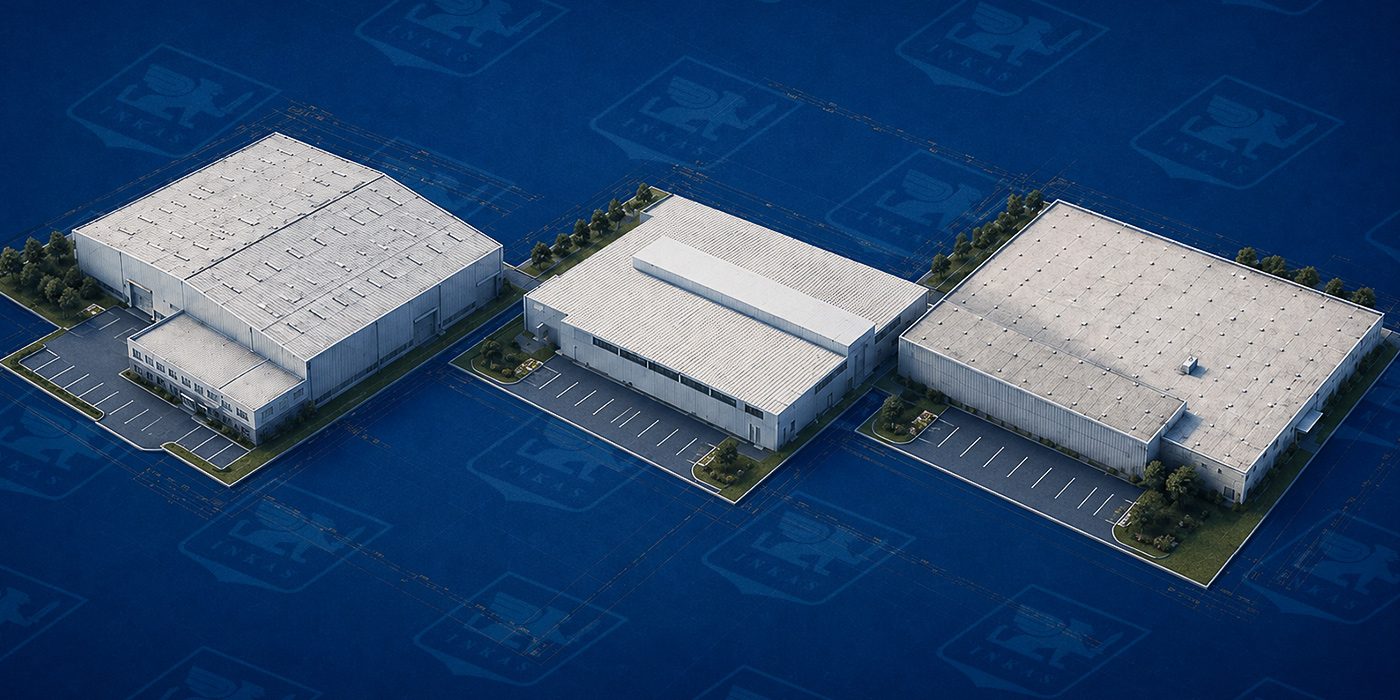
INKAS Expansion Highlights Growing Investment in North American Defense Manufacturing
Toronto-based INKAS has announced a significant expansion of its North American manufacturing capabilities with the addition of three new production facilities in Canada and the United States. This strategic move aims to more than double the company’s manufacturing space, enabling enhanced production of armored vehicles, unmanned systems, and special-purpose platforms. The expansion reflects INKAS's commitment to supporting growth in the defense manufacturing sector, responding to increasing demand for advanced military and security solutions. The new facilities are expected to bolster the company’s operational efficiency and capacity, positioning INKAS to better serve its clients in a rapidly evolving market.
Applications Canada Canadian Drone Industry Defense defense Drone Manufacturing
12 Graphs That Explain the State of AI in 2026
As major AI companies like OpenAI and Anthropic prepare for initial public offerings later this year, the landscape of artificial intelligence continues to evolve rapidly. The 2026 AI Index report from Stanford University reveals that the U.S. remains the leader in AI model development, with 50 notable models released in 2025, although China's advancements in robotics are noteworthy, having installed 295,000 industrial robots in 2024. The report highlights a staggering growth in global AI compute capacity, which has tripled annually since 2022, largely driven by Nvidia's GPUs. However, the environmental impact of AI training is concerning, with estimates indicating that training large language models can generate over 72,000 tons of carbon emissions. Despite these challenges, AI investment surged to a record $581 billion in 2025, primarily in the U.S., reflecting a growing enthusiasm for AI technologies among software engineers and researchers. Public sentiment towards AI has slightly improved, with 59% of survey respondents believing the benefits outweigh the drawbacks. However, trust in government regulation of AI remains low in the U.S., with only 31% expressing confidence. This mixed perception underscores the ongoing debate about AI's societal impact, as advancements in technology continue to outpace regulatory frameworks.
Ai-index Artificial-intelligence Stanford-university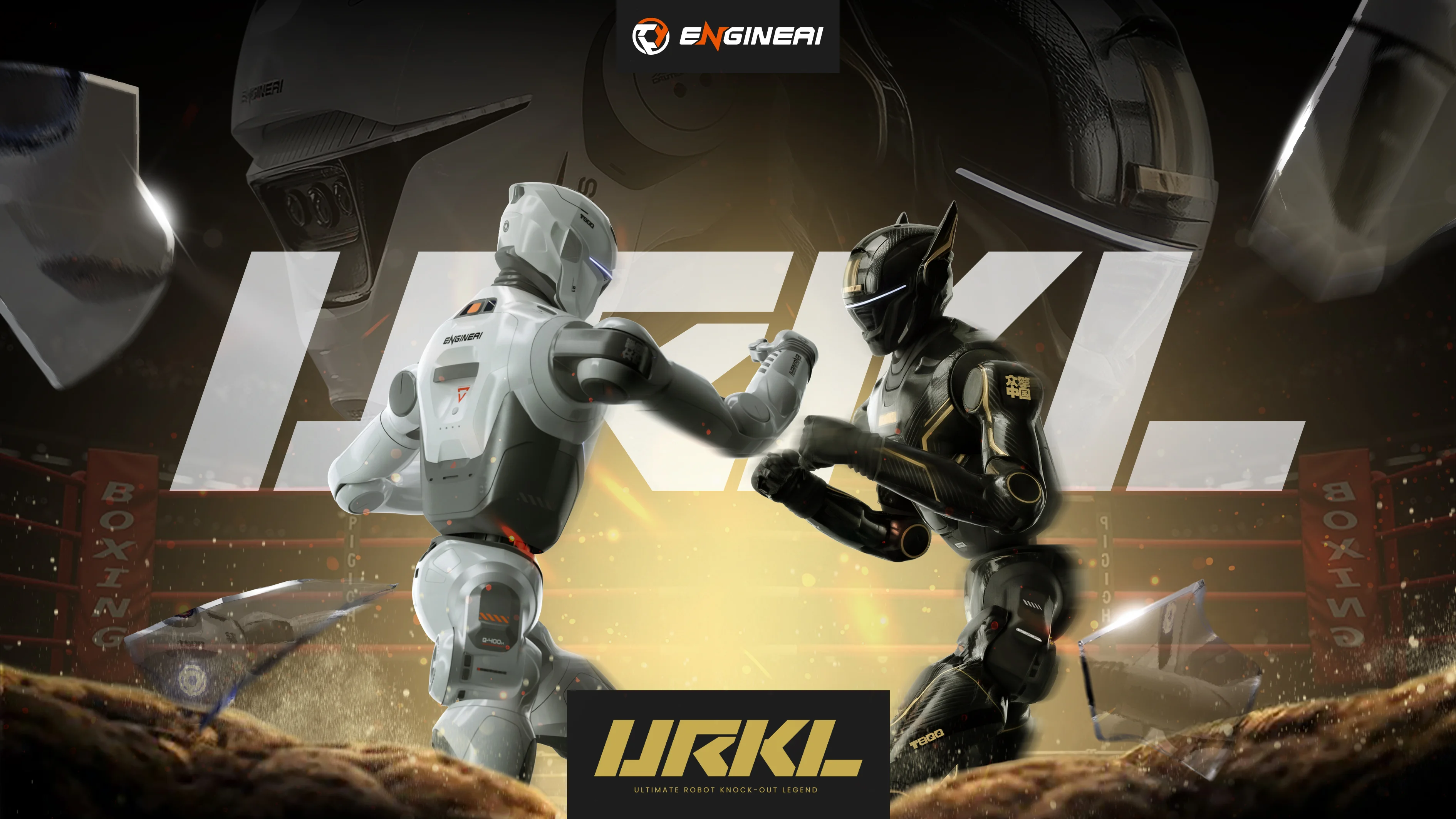
Arena Ready: EngineAI Slates URKL Debut Following CES Launch and State Endorsement
EngineAI is set to host its inaugural "Ultimate Robot Knock-out Legend" (URKL) competition on February 9, following a successful global debut at CES 2026. The event has garnered significant attention and acclaim, particularly from Premier Li Qiang, who praised the initiative. This competition aims to showcase advancements in robotics and artificial intelligence, reflecting the growing interest and investment in these technologies. The URKL will take place in a yet-to-be-announced location, promising to attract participants and spectators from around the world. The event is expected to highlight innovative designs and cutting-edge capabilities in robotics, further establishing EngineAI's position as a leader in the field.
EngineAI Humanoid Fighting REK T800 China PM01
5North and KUKA build state-of-the-art, fully automated production facility for 2D panels in Adelaide
5North, an Australian company renowned for its innovative construction solutions, has partnered with KUKA, a global leader in intelligent automation, to develop a cutting-edge, fully automated production facility for 2D panels. This collaboration marks a significant advancement in manufacturing technology and is set to take place at a new site in Adelaide. The initiative aims to enhance production efficiency and streamline operations in the construction industry, reflecting both companies' commitment to integrating automation into modern manufacturing processes. The facility is expected to leverage KUKA's expertise in automation and 5North's construction innovation to redefine standards in panel production.
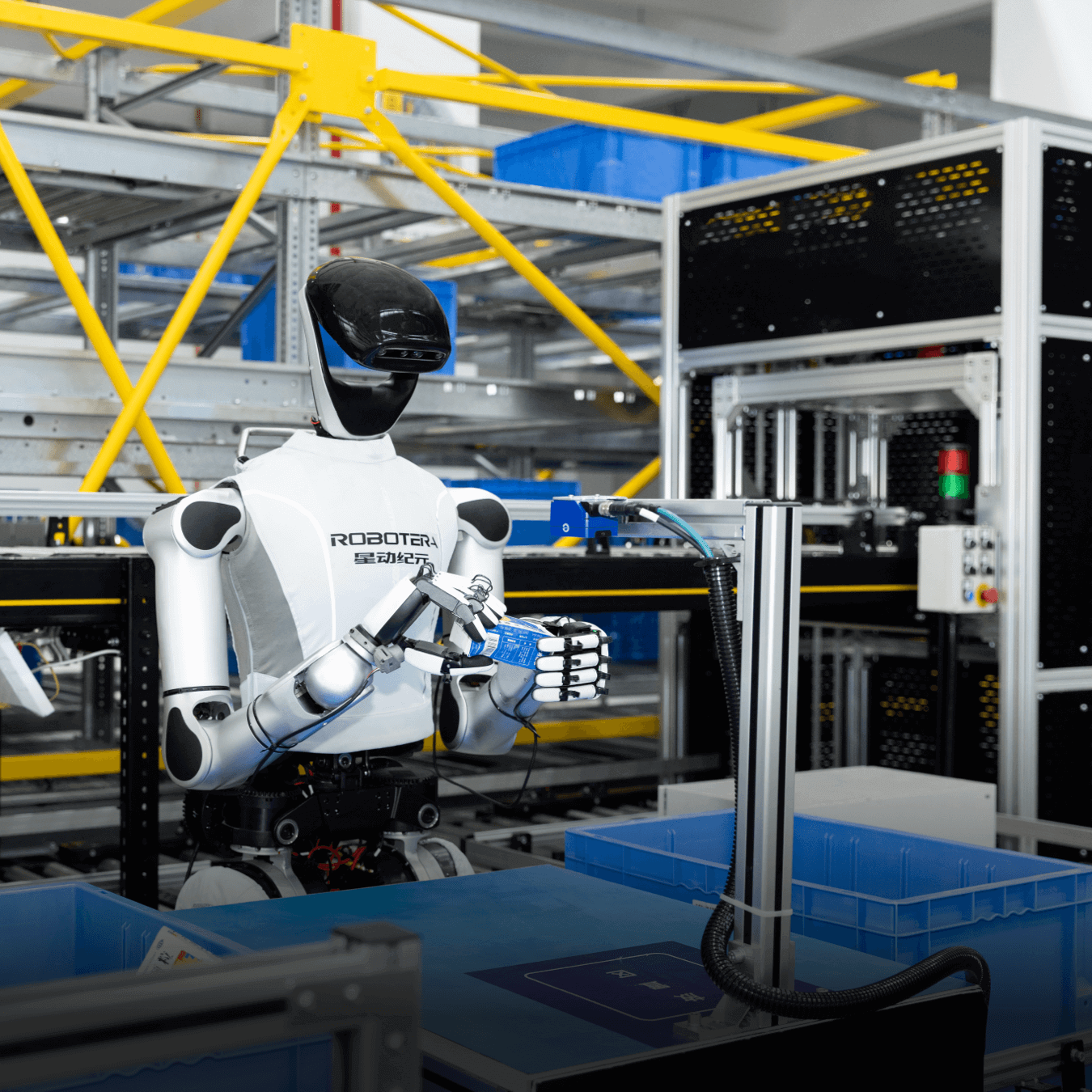
Xingdong Era Secures 1 Billion Yuan Funding: Why is the National Team Betting on This Tsinghua Robotics Company?
Xingdong Era Robotics has successfully secured 1 billion yuan in its latest financing round, led by state-owned enterprises such as Chengtong Fund. This funding marks the third major investment for the company in 2023, bringing its total capital raised this year to over 3.5 billion yuan. The influx of capital underscores a strategic shift towards industry collaboration and a commitment to advancing embodied intelligence, particularly in logistics applications. The company aims to enhance practical delivery and ensure operational stability, positioning itself for long-term growth in the evolving robotics sector.
Robotics Embodied Intelligence Logistics Automation Funding Tsinghua University
HKU professor's startup Yisheng Technology secures hundreds of millions in angel funding to develop memory systems for robots.
TranscEngram, a robotics startup focused on developing autonomous intelligence, has successfully secured hundreds of millions in angel funding. The investment round saw participation from a diverse group of industry and state-owned enterprises, including Charoen Pokphand Group’s China National Pharmaceutical, Pudong Venture Capital, and several others. Founded in September 2023 by leading AI experts, including Professor Ma Yi from the University of Hong Kong, TranscEngram aims to create a unified system for robots that mimics human cognitive processes through a "brain + cerebellum" architecture. This innovative approach seeks to advance the field of explainable embodied intelligence by enabling robots to learn through a closed-loop of perception, prediction, and interaction. The newly acquired funds will primarily support the development of advanced models for embodied control and physical world modeling, as well as the establishment of research and industrial bases in Shenzhen and Shanghai. The company’s technology promises to enhance robots' capabilities in self-correction and continuous evolution, moving towards commercial applications. TranscEngram's unique memory system allows robots to learn from vast amounts of data without relying on fixed programming, significantly improving their performance in multi-tasking scenarios. The startup is currently focusing on high-end service sectors, such as hotel operations and flexible manufacturing in aerospace, aiming to automate and optimize these industries. With research and data centers established in major cities, TranscEngram is collaborating with leading robotics firms to integrate its innovative solutions into existing production processes, enhancing efficiency and adaptability in real-world applications.

Manifold AI Secures Nearly 1 Billion in Pre-A Financing Within One Year
Manifold AI has secured nearly 1 billion yuan in its sixth round of financing, achieved within a year. This funding round, primarily led by state-owned and industry capital investors, underscores the growing recognition of world model technology in the market. The substantial investment reflects a robust demand for embodied intelligence applications across diverse sectors, including e-commerce logistics and manufacturing.
World Models Embodied Intelligence AI Technology Data Infrastructure Robotics
China establishes a venture capital fund in Hangzhou with 1 billion yuan; Tianjin opens AI sensor industrial park; Zhejiang plans
ZTO Express has established a new logistics company, Guangzhou Zhongjing Logistics Co., Ltd., in Guangzhou with a registered capital of 500 million RMB. The company, wholly owned by ZTO Express, will engage in domestic freight transportation, equipment leasing, and computer system services. OpenAI has announced its entry into the robotics sector, focusing on developing assistive robots. CEO Sam Altman stated the company is looking for engineers to create robots that can aid in building future infrastructure. The initiative, which has evolved from a world simulation research project, aims to integrate hardware and machine learning for practical applications. Nan Er, Vice President of Zhejiang Chint Electric, has been recognized as a "2026 Zhejiang Youth Technology Entrepreneur" as part of a program to support technology entrepreneurs in the region. Foxconn and French company Bull will collaborate to manufacture AI and cloud infrastructure, with an initial investment of over 120 million euros. The project will utilize facilities in both France and the Czech Republic. On June 1, new regulations for online food delivery were implemented, with Taobao Flash collaborating with various local regulatory bodies to label the first batch of "no dine-in" merchants, enhancing compliance among 60,000 restaurants this year. Muyu Group has partnered with Alibaba Cloud to develop an AI model for the livestock industry, significantly improving the efficiency of health checks for pigs. In investment news, a new venture capital fund, Guoxin Qianjiang, has been established in Hangzhou with a capital of 1 billion RMB, while Zhi Mi has opened a financing window with a pre-IPO valuation of approximately 70 billion RMB. In product developments, a new automotive brand resulting from a collaboration between Sairus and ByteDance is set to launch a hybrid vehicle this year, while Sharpa has introduced a humanoid robot equipped with advanced tactile capabilities in partnership with NVIDIA. Lastly, the Tianjin AI Sensor Industrial Park has officially opened, with ten companies signing contracts, and Shanghai is focusing on advancing core software technologies as part of its development plan. Zhejiang Province is also seeking to implement the "Spark Plan" to accelerate the application of quantum technology products.

Arbe Robotics: Impressive Technology, Challenging Financials (Rating Downgraded to Hold)
Arbe Robotics is shifting its focus from sluggish automotive sales to exploring new business verticals, although its revenue remains minimal. The company’s primary automotive contract is with a Chinese Tier-1 supplier for a state-owned OEM, likely linked to FAW's Hongqi Tiangong, with production expected to ramp up by late 2026. However, management has withdrawn guidance on securing additional automotive contracts and is now projecting revenues between $4 million and $6 million for 2026. Despite possessing robust technology and a significant potential market, Arbe's pathway to profitability remains uncertain, and further capital raises may be necessary unless substantial contracts are secured. The company's stock has seen a dramatic decline, plummeting 85% from a strong buy rating of $18 in January 2022 to $1.26. Stephen Tobin, an experienced investor and analyst, has been closely monitoring Arbe Robotics and leads the Strategic Wave Investments group, which focuses on emerging technology investments. He emphasizes a disciplined investment strategy aimed at identifying successful companies while minimizing losses. Despite the challenges facing Arbe, Tobin's firm continues to provide transparency and strategic insights to its members in navigating the evolving landscape of disruptive technologies.
ARBE Stephen Tobin
How Melbourne’s AI and Data Center Flywheel Is Accelerating Research Innovation
Melbourne is solidifying its status as a global hub for artificial intelligence (AI) research and advanced engineering, driven by significant investments in infrastructure and a growing concentration of talent. The city, renowned for hosting major events like the Australian Open and Formula 1 Grand Prix, is now leveraging its organizational capabilities to support large-scale compute and data-intensive research. In February 2026, Monash University unveiled MAVERIC, Australia's largest university-based AI supercomputer, developed in collaboration with NVIDIA and Dell Technologies. This state-of-the-art facility is designed to enhance medical research, enabling Australian scientists to work with sensitive datasets securely. The supercomputer exemplifies Melbourne's commitment to fostering cross-disciplinary collaborations and advancing research in fields such as cancer detection and drug discovery. Melbourne's infrastructure is further bolstered by the expansion of data centers, including CDC Data Centres' new campus, which will provide over 800 megawatts of digital capacity essential for AI workloads. The city's strategic investments, including a AUD $2 billion AI infrastructure hub in Fishermans Bend, are positioning it as a national leader in high-performance AI. Moreover, Melbourne's selection to host international technology conferences, such as Data Center World Australia and The AI Summit Australia in September 2026, underscores its growing influence in the global AI landscape. These events facilitate knowledge transfer and collaboration among researchers, reinforcing Melbourne's role as a key player in the future of AI and data-driven research.
Australia Artificial-intelligence Research-centers Applied-ai Conferences
DJI’s car tech unit raises new funds from Chinese automakers GAC and BAIC
DJI's automotive subsidiary has successfully secured several hundred million RMB, equivalent to approximately $13.9 million to $139.2 million, in new funding. This investment comes from the investment arms of two prominent Chinese state-owned automakers, GAC and BAIC. Sources familiar with the situation disclosed this information to the media outlet Late Post. The funding is expected to bolster the subsidiary's growth and development in the competitive automotive sector, reflecting the increasing interest and support from major players in the industry.
News Feed
What to Look for When Buying an Oceanfront Condo in Myrtle Beach
The demand for oceanfront condominiums continues to surge as buyers from various parts of the country seek properties that offer immediate access to the beach. This trend highlights a growing interest in coastal living, driven by the allure of scenic views and a desirable lifestyle. Potential homeowners are increasingly recognizing that the value of these properties extends beyond their picturesque locations; they also represent long-term investment opportunities. As the market evolves, savvy buyers are advised to carefully consider their options to ensure they make informed decisions that align with their lifestyle preferences and financial goals.
Culture Economy Beach condos Beachfront property Coastal real estate Condo association
Meta is building its first big Canadian data center as AI expansion crosses the border
Meta is set to establish its inaugural large-scale data center in Canada, marking a significant step in the company's expansion of artificial intelligence capabilities beyond the United States. The announcement comes as part of Meta's broader strategy to enhance its infrastructure to support AI technologies. This development is expected to create numerous jobs and stimulate local economies, reflecting the growing demand for data processing and storage solutions. The data center will be located in a yet-to-be-disclosed area in Canada, with construction anticipated to begin in the near future. Meta's investment underscores its commitment to harnessing AI advancements while also addressing the increasing need for robust data management systems in the tech industry.

Pakistan gives foreign banks an edge in shift to Islamic finance
FinancePakistan gives foreign banks an edge in shift to Islamic financeDomestic lenders required to convert to sharia-compliant model from 2028One currency, two banking systems. Pakistan's banks must all offer sharia-compliant services from 2028, but foreign banks will be able to continue offering non-Islamic services alongside -- giving them a possible advantage. © ReutersADNAN AAMIRJuly 7, 2026 14:31 JSTISLAMABAD -- In the run-up to its banking reform toward Islamic banking, the Pakistani government has decided to require domestically owned banks to operate under a fully sharia-compliant model from 2028 to eliminate interest-based finance.Read NextEnergyPakistan approves final link in 1,600-km national oil pipelineFinanceBangladesh bets $3.2bn to avert a banking crisis but reforms elusiveBusiness trendsPakistani gig workers' exports to hit record high but AI threats loomCommoditiesIndian families scale back on gold for weddings as prices hover near highsEnergyBangladesh power cuts deepen as government struggles to pay billsFood & BeverageIndia's sugar industry likely to exit exports and exist for ethanolDefensePakistan unfazed by Afghan-Russian military pact, say officialsTradeChinese firms brace for new EU rules as trade deficit tops $1bn a dayInternational relationsBangladesh courts China to drive infrastructure and trade pushBusiness dealsPakistan offers up 3 state-owned power distributors in privatization pushLatest on FinanceFinanceSingapore's Temasek to raise AI exposure 2.5-fold over 5 yearsFinanceJapan brokerages set sights on US mega-IPOs after strong SpaceX debutFinanceJapan's blockchain-based security tokens to open to foreign investorsSponsored ContentAbout Sponsored ContentThis content was commissioned by Nikkei's Global Business Bureau.
Small-AI Models Gain Traction Around the World
One morning in 2019, Adebayo Alonge was in a Cape Town hotel room, preparing to demonstrate his startup’s AI answer to a serious problem in African health care: counterfeit medication, which kills thousands of people across the continent every year.The RxScanner is a handheld spectrometer that scans a pill with infrared light, then sends the item’s molecular profile to an AI model equipped with a pharmaceutical database. In seconds, the AI identifies the medication from its molecular profile—or reports that it’s phony.Pharmacies were using the system in more than a dozen countries, including Ghana, Kenya, Myanmar, and Alonge’s native Nigeria. But that morning in South Africa, it didn’t work. “I was shocked,” Alonge says.The spectrometer connected to the AI model—but the data center was 14,000 kilometers away and bandwidth was limited. “Our server was in the United States, and just to get the result of a single scan was taking me over 5 minutes.”So Alonge immediately asked his engineers to shrink the AI model down to a smaller, low-power, unconnected version that could run entirely on his Android phone. They produced it 2 hours later, and that saved the demo.More importantly, the work birthed a new version of his device, which can authenticate a pill in places without broadband, computers, or even reliable electricity. It also turned Alonge into an advocate for this kind of “small AI.”Small AI for Global Health Care AccessSmall AI is a far cry from wealthy nations’ colossal large language models (LLMs), hyperscale data centers, multibillion-dollar investments, and debates about AI consciousness. But for millions of people around the world, the only AI that matters, and often the only kind available, is small. (According to a World Bank Report issued in November, only 0.7 percent of internet users in the world’s poorest countries have used ChatGPT, compared to a quarter of all internet users in the most developed nations.)“Most people are discussing AI from the LLM/generative side. But that needs a lot of computing power, electricity, massive data, and skilled people to manage it,” Ajay Banga, president of the World Bank, said last January at the World Economic Forum, in Davos. “Outside the developed world, other than maybe India and China, very few countries have that combination.”By contrast, small AI can deliver useful, even life-saving services to people in areas that have none of those things, Banga said. In India, where the government’s AI plans call for more development of small AI, many such systems are working for farmers.For example, a drone-based system developed by Bala Murugan and colleagues at the Vellore Institute of Technology, in India, takes photos of cashew plants and quickly identifies those with splotches that indicate disease. All the processing takes place on the drone itself, so there’s no need for a computer on-site, nor for a connection to a central server.Using small language models trained for a specific problem, and sometimes running on cheap, low-power devices, other small-AI implementations have been developed to identify ant infestations in a Uruguayan vineyard, detect the presence of malaria-carrying mosquitoes in a number of nations, and run electrocardiograms from an Arduino device in parts of Brazil that lack access to more complex equipment.“This is the most important area in AI nowadays,” says Marcelo José Rovai, a professor at the Institute of Engineering and Information Systems at the Federal University of Itajubá, in Brazil, who was involved in all three projects. “It’s growing very fast.”Low-Power, Small-AI Models on Devices Small AI models can run on a variety of low-power devices, including [from left to right] an Arduino Nano 33 BLE Sense, a Seeed Wio Terminal, and an Arduino Portenta.Moez AltayebFor Alonge, Rovai, and other advocates, small AI is not just “a promising trend,” as that November World Bank report calls it. It may be, in the long term, the form of AI that will touch the most lives and remain sustainable after some of the giant models become too costly for most users.“I think the future of AI is not like one giant model, at a center. I think it’s millions of small, precise models deployed at the edge, each one solving like a specific problem, a specific context,” Alonge says. This is partly because much of humanity—including people in parts of rich countries as well as the developing world—lives without access to cutting-edge frontier models. But, he says, it’s also because those models are not sustainable.“If someone is not subsidizing it, most people will not be able to afford those models. So those of us who are said to be small-AI developers are the ones who will have to build for the majority of the world,” Alonge says.There is no strict definition of “small AI,” but people often use the term for language models with at most a few billion parameters. (Compare that to cutting-edge models, which can include more than a trillion.) That’s small enough to run directly on a phone or a Raspberry Pi. That’s what allows these applications to run on devices without a connection to a data center and use only a few watts of power, often supplied by a battery or a solar panel.Despite their small footprint, these models aren’t fundamentally different technology from that of gigantic AI models, Rovai says. Many instances of small language models were created the same way the phone-based version of Alonge’s pharmaceuticals scanner was—by “pruning” large models, or removing the parameters that weren’t involved in the task. The result is a system that’s less capable generally but still very good at the specific job it was pruned for, Rovai says. A lighter version of RxAll’s RxScanner spectrometer sends its results to an AI model run locally on a phone to check that a drug’s molecular signature is genuine.RxAllOther small models are created by “distillation.” They are trained to mimic a large model, until their performance approaches that of their “teacher,” Rovai says. In other cases, a larger model’s precision is reduced, for example, so that a model run on 32-bit architecture can run on 8-bit designs. In situations where the machine learning application is being used to classify data or predict patterns (like an ant infestation), it’s trained from the beginning on a small device, not derived from a larger model at all. Running all these small, specialized systems is becoming easier, Rovai says, for two reasons.The first reason is that hardware is getting better and more capable while using less power, he says. This means more and more phones can run small AI—especially those equipped with neural processing units, which are specialized chips that handle AI tasks like facial recognition and changing the brightness, shadows, or contrast in a photo.In 2025, slightly more than a third of all smartphones shipped worldwide were capable of running generative AI, and that figure will reach 45 percent by the end of this year, according to the technology research firm Counterpoint. By the end of next year, slightly more than half of all smartphones will be able to run a small AI model.The second reason Rovai cites is the shrinking footprint of language models. Both Google DeepMind’s Gemma 4 (released in April) and Alibaba’s Qwen 3.5 are “fantastic” for small AI, Rovai says. Both models are “open weight,” meaning users can adjust the connections between parameters to suit their needs. This makes it easy, for example, “to take a lot of data from, say, the milk industry and retrain the model specifically on that,” Rovai says.Rovai illustrated these reasons on a Zoom call, using one of his most recent experiments. Holding up a device, he says, “This is the new Arduino UNO Q—a US $50 device with a Qualcomm chipset. I’m running a language model here, which collects data from sensors and analyzes that data to detect tiny pools of water where mosquitoes might be breeding. It takes 3 watts to run it.”Support for Small-AI DevelopmentConvinced that millions of people are already benefiting from these kinds of applications, the World Bank now actively promotes small AI with grants, mentorship programs, financing, technical advice, and models of government policies that are friendly for small-AI development. For example, in Rwanda, the World Bank is backing a government program to help low-income households get devices that can run AI.All that said, no one claims that large language models are going away entirely. To create a generative AI that can run on a phone or other small device requires the architectural insights, data processing, and results of a larger model, Rovai says. “We need the big models to create these smaller models.” And for all that small AI can benefit people without access to big AI, the technology can’t solve the larger problems of development and digital inequality, Alonge says. Implementing small AI won’t allow nations to escape the challenge of creating an ecosystem to support AI: reliable power, a supply chain that works, and an educational system that develops the talents needed to create AI tools.Though his drug-scanning system can run for days on a phone with no connection, “you still want to be able to enable periodic syncing for updates with new signatures for the medications and analytics,” Alonge says. “And even when you are using batteries, reliable power is important. That phone battery is not going to last forever.”In many parts of the world, the future of small AI isn’t assured, he says. “It works, and many places will eventually need to use it. The question is whether or not the political actors are wise enough to invest in infrastructure to support it long term.”
Small-language-models Artificial-intelligence Llms
Figure 03 Launches at BMW Plant: Physical AI Moves to Mass Production
BMW has introduced the Figure 03 humanoid robot at its Spartanburg factory, a move that signifies a notable advancement in the integration of physical AI within the automotive sector. This state-of-the-art robot is designed to improve assembly line efficiency by handling repetitive tasks, thereby enabling human employees to concentrate on more complex and valuable processes. The deployment of the Figure 03 is part of BMW's broader strategy, which includes a $1.7 billion investment aimed at expanding electric vehicle production by 2026. This initiative underscores the company's commitment to innovation and efficiency in response to the evolving demands of the automotive market.
Humanoid Robots Automotive Manufacturing AI Warehouse Automation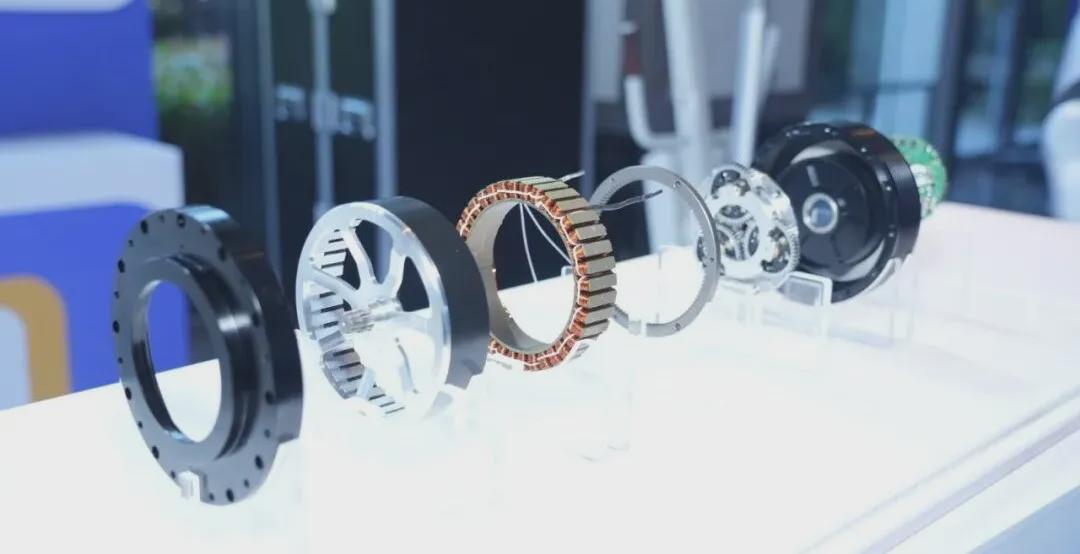
Leading Investors Back Multiple Robotics Firms to Define Joint Standards
On July 3, 2026, Wuxi Quan Zhibo Technology announced the successful completion of its A+++ funding round, which was led by GL Ventures and included strategic investments from Zhiyuan and Lingxin Qiaoshou. This significant financial boost aims to strengthen Quan Zhibo's capital structure by integrating leading investment firms, industry experts, and state capital. The company is positioning itself as a pivotal supplier in the robotics joint module sector, with a focus on standardizing joint technology across the industry. This funding is expected to enhance its competitive edge and drive innovation within the robotics field.
Robotics Investment Joint Modules Smart Manufacturing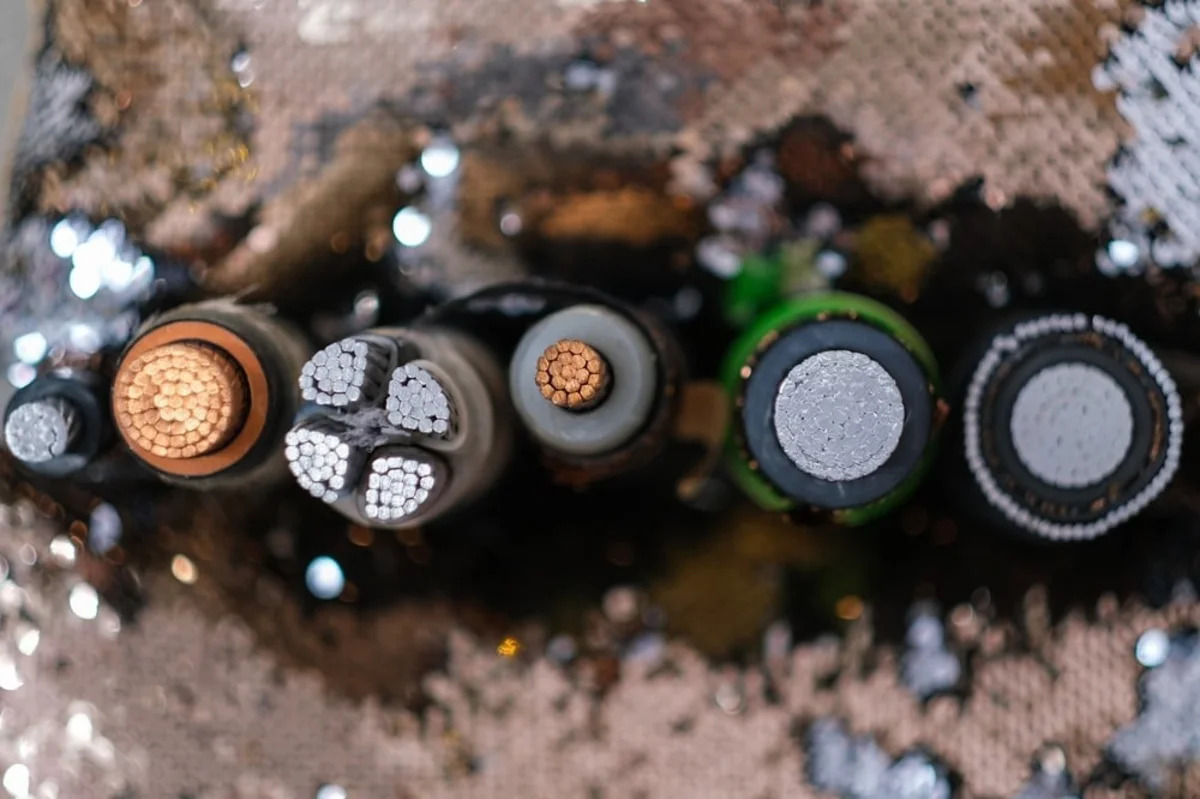
$4.1 Billion Deal Shows Why Ferrari and Tesla Are Ditching Copper for a Substitute
$4.1 Billion Deal Shows Why Ferrari and Tesla Are Ditching Copper for a Substitute $4.1 Billion Deal Shows Why Ferrari and Tesla Are Ditching Copper for a Substitute Stjepan Kalinic Sun, July 5, 2026 at 8:31 AM PDT 6 min read RACE.MI TSLA Benzinga and Yahoo Finance LLC may earn commission or revenue on some items through the links below. Substitution is one of the fundamental economic forces. If a product goes up in price, consumers have a direct incentive to switch to a cheaper substitute. While branding power dictates some price flexibility, such calculations are more straightforward for fungible commodities. When copper costs about $15,000 a metric ton, manufacturers have every right to ask – does every wire really need to be copper? With data centers, grid upgrades and green-energy projects tightening supply, the answer from automakers is increasingly no. Aluminum, trading at $3,100 per ton, is being promoted wherever physics allows. Don't Miss: A single bad hire can set a startup back years. Here are the 5 hires founders most often misjudge — and why Still Learning the Market? These 50 Must-Know Terms Can Help You Catch Up Fast Driving Investment and Corporate Consolidation Aside from being much cheaper, the metal is lighter and good enough for many vehicle applications. The appeal to save on weight is just a bonus for range-anxious electric vehicles. Ferrari has used aluminum in bodies, engines, and chassis for years and has recently begun using aluminum power cables in the 296 hybrid and other models. The payoff can be meaningful: wiring weight savings of up to 20%. "We are not choosing aluminum because it's cheaper; we choose the material that has better performance," the firm's communications executive Dario Esposito said per Reuters. Market interest is driving asset transactions, as Alcoa Corp. has just signed a binding agreement to acquire most of South32 Ltd.'s aluminum value chain for $4.1 billion. These include assets in Australia, South Africa and Brazil, but not the Mozal operation in Mozambique. The largest domestic aluminum producer expects the transaction will generate about $900 million in synergies. JPMorgan estimates the aluminum substitution could affect about 2% of global copper demand this year, and potentially as much as 6% by 2030. Trending: Avoid the #1 Investing Mistake: How Your 'Safe' Holdings Could Be Costing You Big Time A Partial Substitute Still, aluminum is not copper with a discount sticker. It is less electrically conductive, meaning cables often must be thicker to carry the same current. Those properties create problems in tight spaces – shared by both data centers and automobiles. For high-performance systems and specialized applications, copper's efficiency still remains ahead. Story Continues Then, there are environmental and geopolitical complications. The final phase of aluminum production is energy-intensive, often generating a much larger carbon footprint than copper. Energy prices have squeezed domestic producers and closed smelters, while trade frictions, including U.S. tariffs, further complicate sourcing. Cable makers provide some guidance on the issue. Xavier Mathieu, VP of Nexans, the second-largest global cable manufacturer, said buyers typically start switching when copper costs about 3.5 times as much as aluminum. The current ratio exceeds 4.2. The math means aluminum will keep swallowing market share where weight and space permit, but copper's performance edge still means it is the hedge, not the heir. Photo by laowaika via Shutterstock Read Next: Skip the Regrets: The Essential Retirement Tips Experts Wish Everyone Knew Earlier. Think you're saving enough for your kids? You might be dangerously off — see why Building Wealth Across More Than Just the Market Building a resilient portfolio means thinking beyond a single asset or market trend. Economic cycles shift, sectors rise and fall, and no one investment performs well in every environment. That's why many investors look to diversify with platforms that provide access to real estate, fixed-income opportunities, precious metals, and even self-directed retirement accounts. By spreading exposure across multiple asset classes, it becomes easier to manage risk, capture steady returns, and create long-term wealth that isn't tied to the fortunes of just one company or industry. Arrived Backed by Jeff Bezos, Arrived Homes makes real estate investing accessible with a low barrier to entry. Investors can buy fractional shares of single-family rentals and vacation homes starting with as little as $100. This allows everyday investors to diversify into real estate, collect rental income, and build long-term wealth without needing to manage properties directly. FarmTogether Farmland has historically held its value through market volatility and delivered returns uncorrelated to stocks and bonds. For accredited investors, FarmTogether offers direct access to high-quality U.S. farmland starting at $15,000 — fully ma
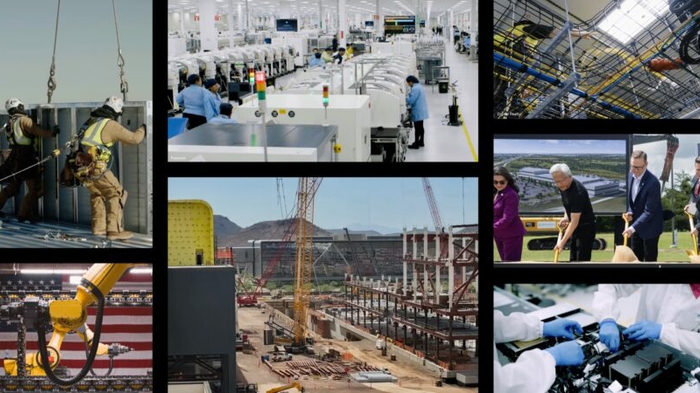
NVIDIA and Partners Build in America, for America
NVIDIA, alongside its partners, is making significant investments aimed at bolstering American manufacturing and supply chains, enhancing energy grids, and developing a skilled workforce. This initiative is designed to enable the United States to produce essential infrastructure that supports advancements in healthcare, fosters groundbreaking scientific discoveries, and strengthens industrial capabilities. The investment reflects a strategic effort to ensure that the U.S. remains competitive and self-sufficient in critical sectors, addressing both current and future challenges in technology and industry. By focusing on these key areas, NVIDIA and its collaborators are laying the groundwork for a more resilient economy and improved public health outcomes.

Smart Hand valued at $1 billion after 5 months, achieves profit in first quarter; DeepSeek plans to double all departments.
On June 26, 2026, Wuliangye announced the removal of Zeng Zongqin from his position as chairman due to his inability to fulfill his duties. The decision was made during the company's annual shareholder meeting, where a proposal to appoint Deng Min as the new chairman was approved. Zeng's departure, effective immediately, will not affect the company's operations, as he held no shares and had no outstanding commitments. In Yantai, JD Pharmacy has established a new company, JD Pharmacy (Yantai) Co., Ltd., with a registered capital of 100,000 RMB. The company, fully owned by JD Pharmacy (Qingdao) Chain Co., Ltd., will engage in retailing pharmaceuticals and providing medical device services. SpaceX, led by Elon Musk, plans to launch a new Starlink mobile service in the U.S. and develop its own ground mobile network, aiming to compete with major carriers like Verizon, AT&T, and T-Mobile. He Xiaopeng announced on June 25 that XPeng Motors is set to expand globally, with the second-generation VLA model expected to enter international markets by 2027, coinciding with new EU regulations on autonomous driving. Meanwhile, Lingqiao Shou, a company spun off from Zhiyuan Robotics, has achieved a valuation of $1 billion within just five months of its establishment, following significant funding rounds. Beijing Tongrentang Medical and Health Investment Co. plans to raise up to HKD 671.6 million through an IPO in Hong Kong, with shares priced between HKD 5.48 and HKD 6.21, expected to begin trading on July 7. Lastly, DeepSeek announced plans to double its workforce across all departments, while Apple reported a surge in memory demand due to the rapid expansion of AI data centers, presenting challenges for the electronics industry.
Zhang Yaqin: AI is not a bubble, but AI companies are.
In June, during an interview at the Tsinghua Wuxi Research Institute's Intelligent Industry Innovation Center, Academician Zhang Yaqin discussed the current state of AI investment and entrepreneurship, suggesting a more cautious approach to the rapidly growing sector. Zhang, who founded the Tsinghua University Intelligent Industry Research Institute (AIR) five years ago, noted that while AIR has successfully incubated ten companies with a combined valuation of 150 billion yuan, its primary focus remains on research rather than commercialization. Zhang, a prominent figure in AI and a fellow of the IEEE, likened the current AI investment climate to the internet boom of 1998-1999, emphasizing the importance of sustainable growth and cautioning against the potential for market bubbles. He highlighted the need for new AI algorithms to enhance efficiency and pointed out that while the AI sector holds significant long-term potential, many early-stage companies may face challenges in proving their viability. Every June, AIR hosts the "Taihu Dialogue" in Wuxi, fostering discussions on AI advancements. Zhang expressed concerns about the risks associated with high valuations and the necessity for a focused approach in startups. He emphasized that while funding is crucial, it should not overshadow the importance of developing robust products and technologies. Looking ahead, Zhang identified "physical AI" as a key area for development by 2026 and outlined the challenges of creating robots capable of performing complex tasks in real-world environments. He underscored the importance of collaboration between academia and industry to cultivate talent and drive innovation in AI, while also addressing the ethical and safety risks associated with advanced AI systems.

Roundtable: We Celebrate Adventure - Sooner, Smaller, and Deeper | 36Kr WAVES 2026 New Wave
In 2026, the investment landscape in China is witnessing a significant shift as artificial intelligence (AI) transitions from a conceptual technology to a mainstream industry force. The WAVES 2026 conference, hosted by 36Kr and AnYun, took place over two days in the Liangcang Creative Park in Panyu, Guangzhou, under the theme "This Summer." The event brought together top investors, industry leaders, and emerging entrepreneurs to explore key sectors such as AI, hard technology, healthcare, and international expansion through 14 in-depth roundtable discussions and numerous independent speeches. Prominent figures in the venture capital sector, including Liu Yuan from ZhenFund, Xu Shi from Shanhang Capital, Lin Haizhuo from Zhuoyuan Asia, and Xu Zhihao from Mingshi Capital, shared insights on the challenges and opportunities in early-stage investments. They discussed the current state of angel investments, which account for only 1.9% of the total equity market, emphasizing the need for a deeper understanding of the evolving technology landscape and the importance of backing resilient founders who can adapt to rapid changes. The conference highlighted the critical role of early-stage investors in identifying promising startups and supporting them through various funding rounds, despite the inherent risks and uncertainties. As the AI revolution continues to unfold, the dialogue among industry experts underscored the necessity of fostering innovation and collaboration to drive China's technological future.

Hyundai eyes full ownership of Boston Dynamics
Hyundai Motor Group is exploring a potential deal to exchange its artificial intelligence research division in the United States for SoftBank's remaining 9.65 percent stake in Boston Dynamics. This move, reported on Thursday, aims to grant Hyundai full ownership of the robotics company ahead of its anticipated initial public offering. If the transaction is finalized, Boston Dynamics would become a wholly owned subsidiary of Hyundai, enhancing the automaker's capabilities in robotics and AI technology. The strategic shift reflects Hyundai's commitment to expanding its portfolio in advanced technologies as it prepares for future market opportunities.
All News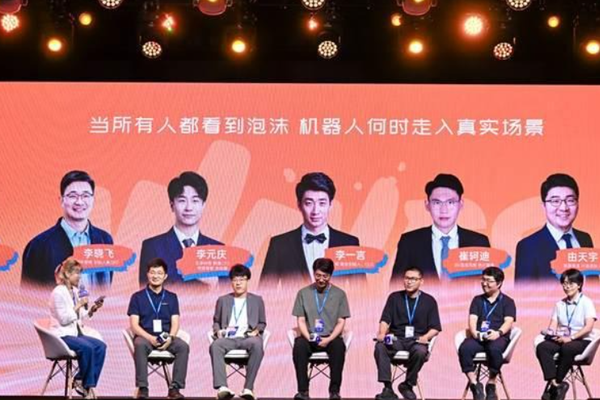
Roundtable: When Will Robots Enter Real Scenarios Amid Widespread Bubble Awareness?
In 2026, the investment landscape in China is witnessing a significant shift as artificial intelligence (AI) transitions from a conceptual technology to a driving force in various industries. The WAVES 2026 conference, hosted by 36Kr and AnYun, took place in Guangzhou's Panyu district, bringing together top investors, industry leaders, and emerging entrepreneurs to explore the evolving landscape of AI, hard technology, and healthcare through 14 in-depth roundtable discussions and numerous independent speeches. Prominent figures in the field, including CEOs and CTOs from leading tech companies, gathered to discuss the potential of embodied intelligence—a rapidly growing sector attracting substantial investment. The discussions highlighted the challenges and opportunities within this domain, particularly regarding the commercialization of robotics and AI technologies. Participants shared insights on the current state of the market, with some companies already generating revenue through innovative applications of AI in various sectors. However, concerns about market bubbles and the sustainability of investments were also raised, emphasizing the need for a deeper understanding of the underlying business models and real-world applications. As the conference concluded, the consensus among attendees was that while the industry is still in its infancy, the potential for growth and innovation remains vast, driven by a new generation of entrepreneurs eager to redefine the future of technology in China.

Agility Robotics to Go Public Through $2.5 Billion Merger with Churchill Capital Corp XI
A significant transaction is set to establish the first publicly listed company in the United States focused exclusively on humanoid robotics, which has demonstrated successful commercial applications. This landmark move is anticipated to enhance the visibility and investment potential of humanoid technology, reflecting growing interest in automation and robotics across various industries. The deal is expected to be finalized in the coming months, positioning the company as a leader in the rapidly evolving market for humanoid solutions. By leveraging proven technologies and existing deployments, the new entity aims to attract investors and drive innovation in the field, capitalizing on the increasing demand for advanced robotic systems.
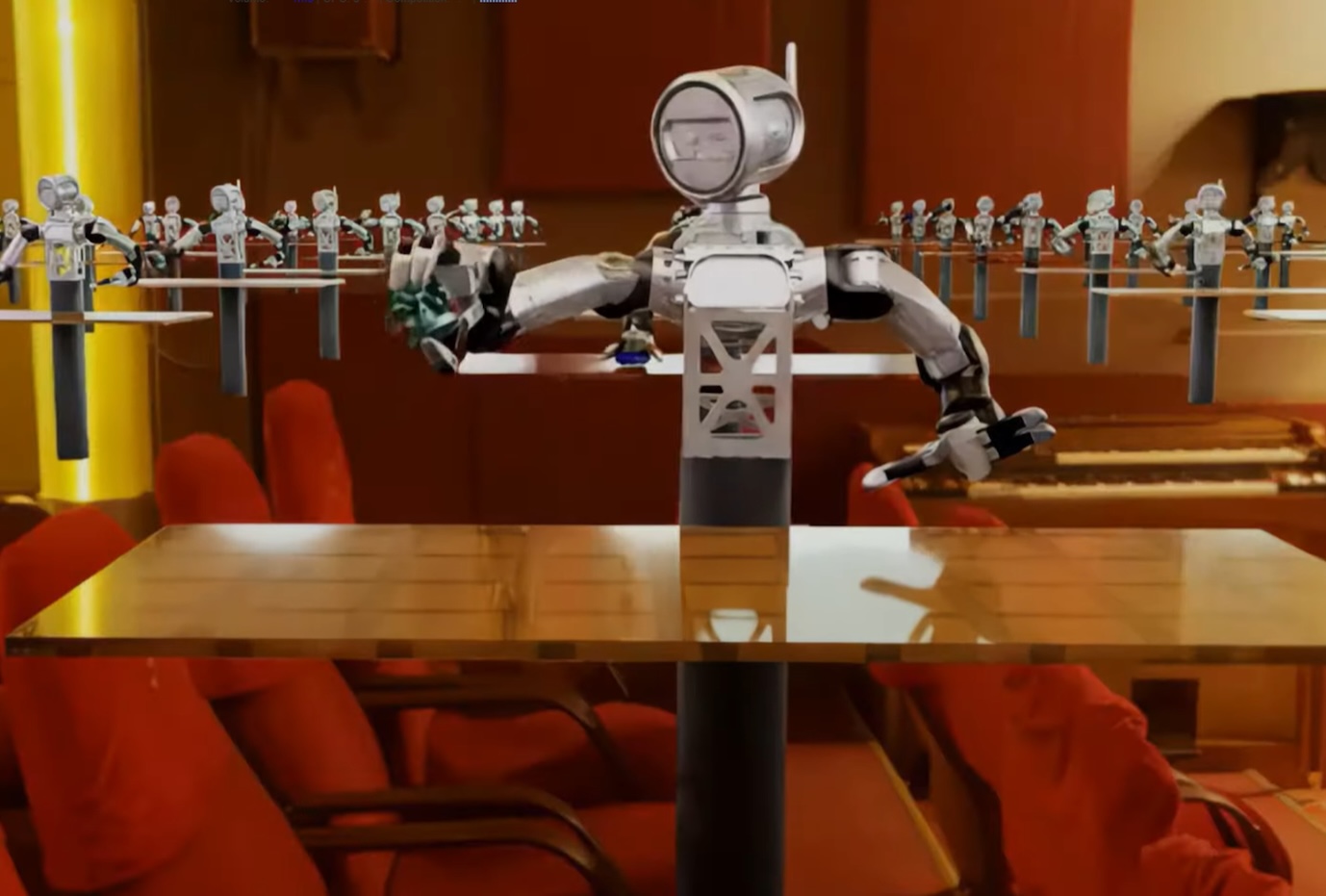
Design and Verification of a Multi‐Feature Wind Field Generation Device Based on Array‐Type Rotors
A recent study published in the Journal of Field Robotics explores advancements in robotic technology aimed at enhancing agricultural efficiency. Conducted by a team of researchers from various universities, the study highlights the development of autonomous robots capable of performing tasks such as planting, weeding, and harvesting crops. This research, which was initiated in early 2023, took place at agricultural fields across multiple locations in the Midwest United States. The motivation behind this initiative stems from the growing need for sustainable farming practices and the increasing labor shortages faced by the agricultural sector. By integrating advanced robotics into farming operations, the researchers aim to reduce reliance on manual labor while simultaneously increasing productivity and minimizing environmental impact. The study details the design and implementation of these robots, which utilize machine learning algorithms to navigate fields and make real-time decisions based on environmental conditions. Initial trials have shown promising results, indicating that these robots can significantly improve crop yields while reducing resource consumption. As the agricultural industry faces mounting challenges, this research represents a critical step toward the future of farming, showcasing how technology can play a pivotal role in addressing food security and sustainability. The findings are expected to influence future developments in agricultural robotics and encourage further investment in this innovative sector.
RESEARCH ARTICLE
Hyundai Steel partners with LSU on US mill project
Hyundai Steel announced on Wednesday that it has entered into a master research agreement with Louisiana State University (LSU) to enhance technology development and workforce training as part of its plans to construct a $5.8 billion steel mill in the United States. This agreement will facilitate collaborative research in various fields, including steelmaking, materials science, energy, robotics, automation, and environmental engineering. By establishing a framework for joint projects, Hyundai Steel aims to streamline the research process, allowing initiatives to advance without the need for separate negotiations for each endeavor. The partnership reflects Hyundai Steel's commitment to innovation and skill development in conjunction with its significant investment in the U.S. steel industry.
All News
Mobileye to launch robotaxi business in US next year
Mobileye Global announced on June 16, 2026, that it will launch its own robotaxi service in the United States next year, marking a significant move into direct competition with its existing customers in the self-driving technology market. The Jerusalem-based company plans to deploy approximately 100 autonomous vehicles in a major U.S. city by 2027, with ambitions to expand its fleet to around 17,000 vehicles over the next five years. This initiative comes as investment in driverless technology intensifies, prompting companies to seek greater control over deployment and revenue, which is reshaping partnerships within the autonomous vehicle sector. Despite this new venture, Mobileye reassured its clients that it remains committed to its core business of providing advanced driver-assistance systems. Notably, last year, Lyft, a U.S. ride-hailing platform, announced plans to deploy fully autonomous robotaxis in Dallas by 2026, utilizing Mobileye's technology. Following the announcement, Mobileye's shares rose over 5% in premarket trading.

SpaceX's valuation exceeds $2.1 trillion; Musk's wealth is seven times Buffett's; FIFA labubu sales surge 30 times.
On June 12, 2026, SpaceX made headlines by completing its initial public offering (IPO) on the Nasdaq, marking the largest IPO in history with a valuation of $1.77 trillion. The stock opened at $150 and surged by over 30% during trading, closing at $160.99, which pushed the company's market capitalization to $2.1 trillion. This surge significantly increased CEO Elon Musk's net worth to approximately $1.05 trillion, making him the world's first billionaire with a net worth exceeding $1 trillion. The IPO's success reflects investor confidence in SpaceX's growth potential, particularly in light of its ambitious Terafab project. In a separate development, Kimi announced the launch of the world's first AI-native credit card, which allows users to convert their spending into AI computing power. This initiative, revealed on the same day, is a collaboration with a major state-owned bank and aims to innovate the financial landscape by integrating AI services into credit card benefits. Additionally, SK Hynix reported a fire incident at its facility in Cheongju, South Korea, which was the second fire this month. Fortunately, there were no injuries or gas leaks, and the situation was quickly controlled. These events highlight significant advancements in technology and finance while also addressing operational challenges faced by major companies.

Drone rescue highlights US Navy's autonomous push
The recent deployment of a sea drone to rescue two U.S. Army aviators, reportedly downed by Iranian forces, highlights the increasing significance of unmanned vessels in the United States' naval strategies. Analysts noted that this incident, which took place on Wednesday, reflects a shift in military operations, emphasizing the role of advanced technology in modern warfare. The use of a sea drone not only showcases the capabilities of remote-operated vehicles but also illustrates the U.S. commitment to safeguarding its personnel in hostile environments. As tensions in the region escalate, the integration of such innovative tools into military operations may become a crucial factor in future engagements.
Robotics
New Infrastructure for Humanoid Robot Training Set to Surge by 2026
On June 8, the Ministry of Industry and Information Technology, alongside the State-owned Assets Supervision and Administration Commission, unveiled a collaborative initiative aimed at advancing humanoid robot training by 2026. This initiative seeks to establish practical training environments and validate applications in critical scenarios, signaling a transformative shift towards a data-driven infrastructure. The move is expected to redefine the humanoid robotics industry and enhance its competitive dynamics, reflecting a commitment to innovation and technological advancement in this rapidly evolving field.
Humanoid Robots Robot Training AI Data Infrastructure
Standard Bots raises $200M to expand U.S. manufacturing footprint
Standard Bots has announced a significant funding round, raising $200 million to enhance its manufacturing capabilities in the United States. The investment aims to bolster the competitiveness of U.S. manufacturing in the global market by integrating advanced robotics into production processes. This initiative comes at a time when the demand for innovative manufacturing solutions is increasing, highlighting the importance of technology in maintaining a strong industrial base. The funding will be utilized to expand Standard Bots' operations and develop cutting-edge robotic systems that can streamline manufacturing and improve efficiency.
Artificial Intelligence Artificial Intelligence / Cognition Collaborative Robots Design / Development Financial Industrial Robots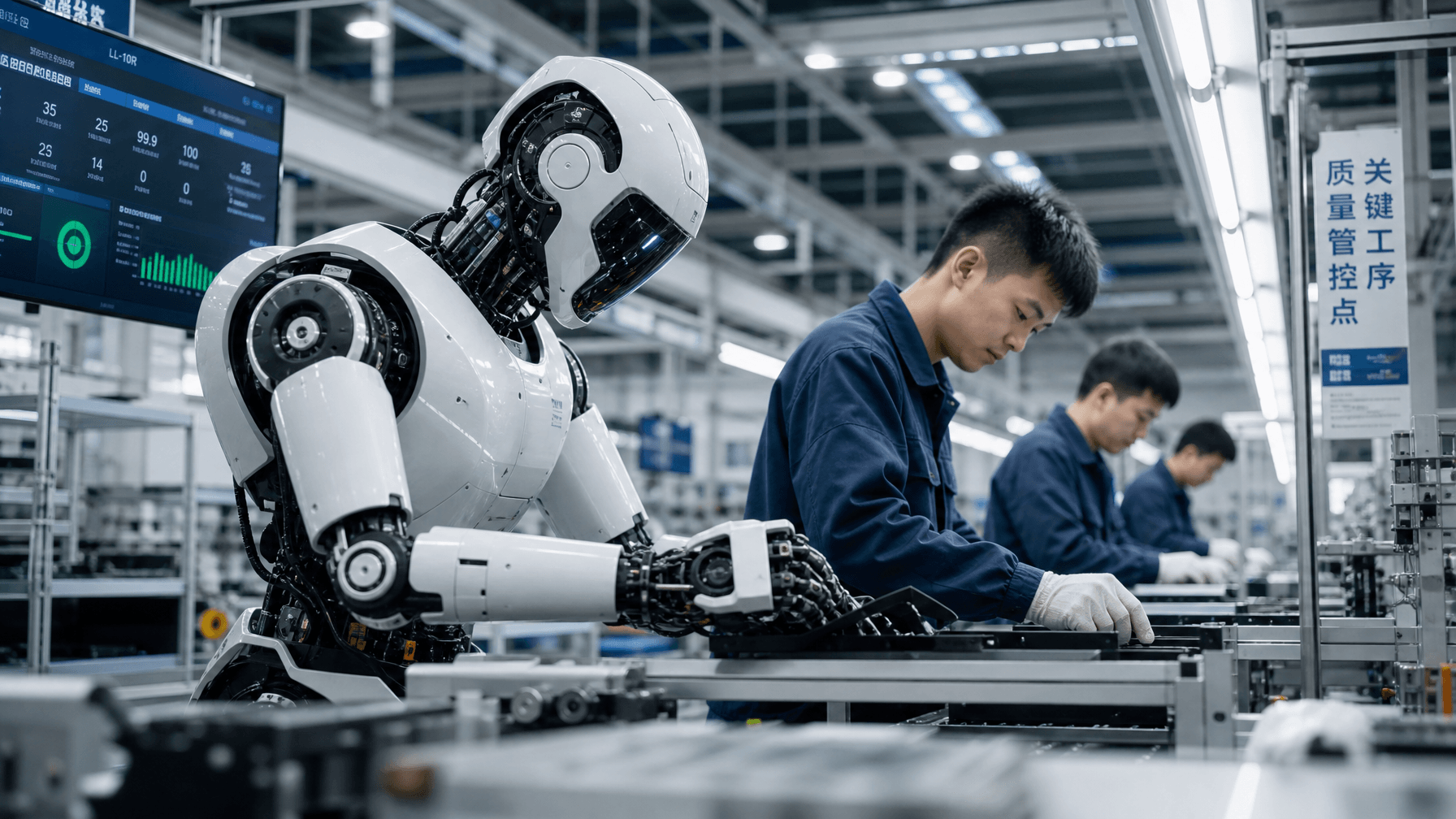
MIIT and SASAC Launch 2026 Humanoid Robot Real-Scene Training Initiative
China's Ministry of Industry and Information Technology (MIIT) and the State-owned Assets Supervision and Administration Commission (SASAC) have announced a comprehensive action plan aimed at deploying humanoid robots across various sectors by 2026. This initiative seeks to implement thousands of humanoid robots in real-world industrial, service, and specialized applications, with a focus on over 100 high-value scenarios. The plan underscores China's commitment to advancing its robotics industry and enhancing automation in key areas, reflecting a strategic move to boost productivity and innovation in the face of evolving market demands. The deployment strategy will involve collaboration between government bodies and private enterprises to ensure effective integration of these technologies into existing workflows.
HumanoidRobotics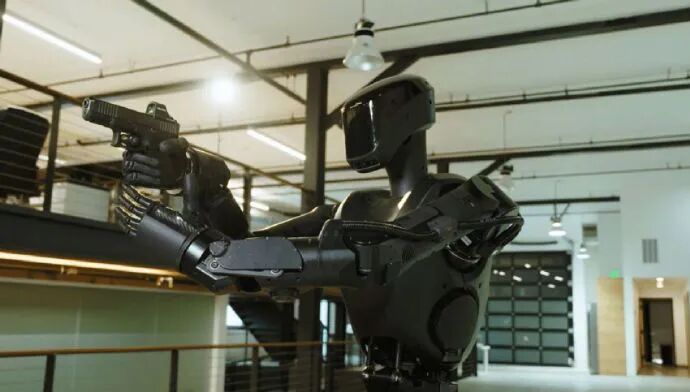
US Military Invests $18 Million in Humanoid Robots While China Develops Alternative Strategies
The landscape of military technology is rapidly evolving, with the United States making significant investments in humanoid robots designed for combat and reconnaissance, notably the Phantom MK-1. This initiative reflects the US's commitment to integrating advanced robotics into its military operations. Meanwhile, China is discreetly enhancing its military robotics capabilities, emphasizing systematic development over public announcements. As both nations advance their military robotics programs, they are adapting to a new era of warfare where the role of robots is becoming increasingly pivotal on the battlefield. The competition between the US and China underscores the strategic importance of robotics in modern military engagements, as both countries seek to leverage technology to gain an advantage in future conflicts.
Military Robotics Humanoid Robots Defense Technology Autonomous Systems
Is Tesla, Inc. (TSLA) among the Top 10 Stocks That Members of Congress Own?
Tesla, Inc. has emerged as one of the top 10 stocks owned by members of Congress, with 123 hedge fund holders reported as of the first quarter of 2026. On June 5, analysts from Erste Group upgraded Tesla’s stock rating from Sell to Hold, citing expectations for increased sales and profits this year driven by new product launches and improved operational performance. Despite concerns over its elevated valuation, the firm noted strengthening sales trends and improved operating margins, indicating favorable business fundamentals. On the same day, JPMorgan also upgraded Tesla's rating from Underweight to Neutral, significantly raising its price target from $145 to $475. The investment bank emphasized Tesla's leadership in physical artificial intelligence and its competitive advantages, including large-scale manufacturing, vertical integration, and rapid technological advancements. JPMorgan anticipates a substantial earnings growth beginning in 2028, with annual growth potentially exceeding 50% through 2030 as new business segments develop. Founded in 2003 and headquartered in Austin, Texas, Tesla is a prominent player in the automotive and clean energy sectors, specializing in electric vehicles, battery storage systems, and solar energy products. While acknowledging Tesla's investment potential, some analysts suggest that other AI stocks may offer greater upside with lower risk.
American Rheinmetall, Harbinger team up for R&D robotics, UGVs
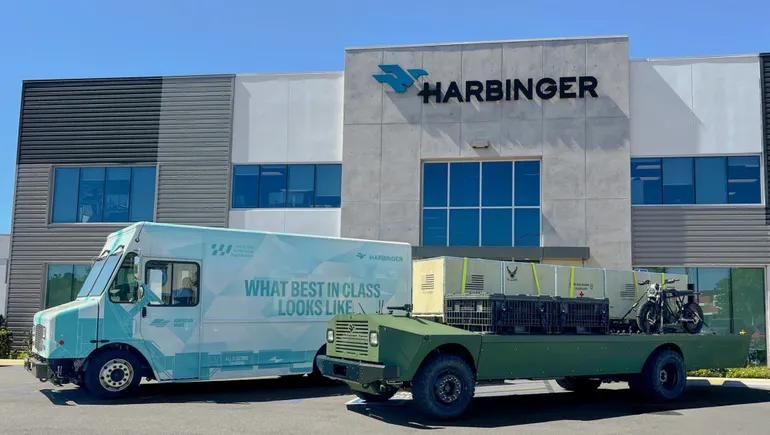
Rheinmetall, a prominent defense contractor, has announced a significant investment of $41 million aimed at enhancing its production capabilities across six manufacturing facilities in the United States. This initiative is part of the company's strategy to upgrade its operations and strengthen its supply chain. The investment reflects Rheinmetall's commitment to meeting increasing demand for defense products and ensuring operational efficiency in a competitive market. The expansion is expected to bolster the company's presence in the U.S. defense sector and support its long-term growth objectives.

ZhiYuan's New Venture: StarYuan Secures 1 Billion RMB in Pre-A Funding
StarYuan, a company specializing in embodied intelligence, has successfully raised 1 billion RMB in a Pre-A funding round completed within a span of 10 months. The funding was supported by a range of prestigious investors, including state-owned enterprises and industrial capital. With this financial backing, StarYuan is set to advance its development of sophisticated embodied interaction models. These innovations are designed to improve artificial intelligence's comprehension of the physical world, facilitating real-time decision-making in complex environments.
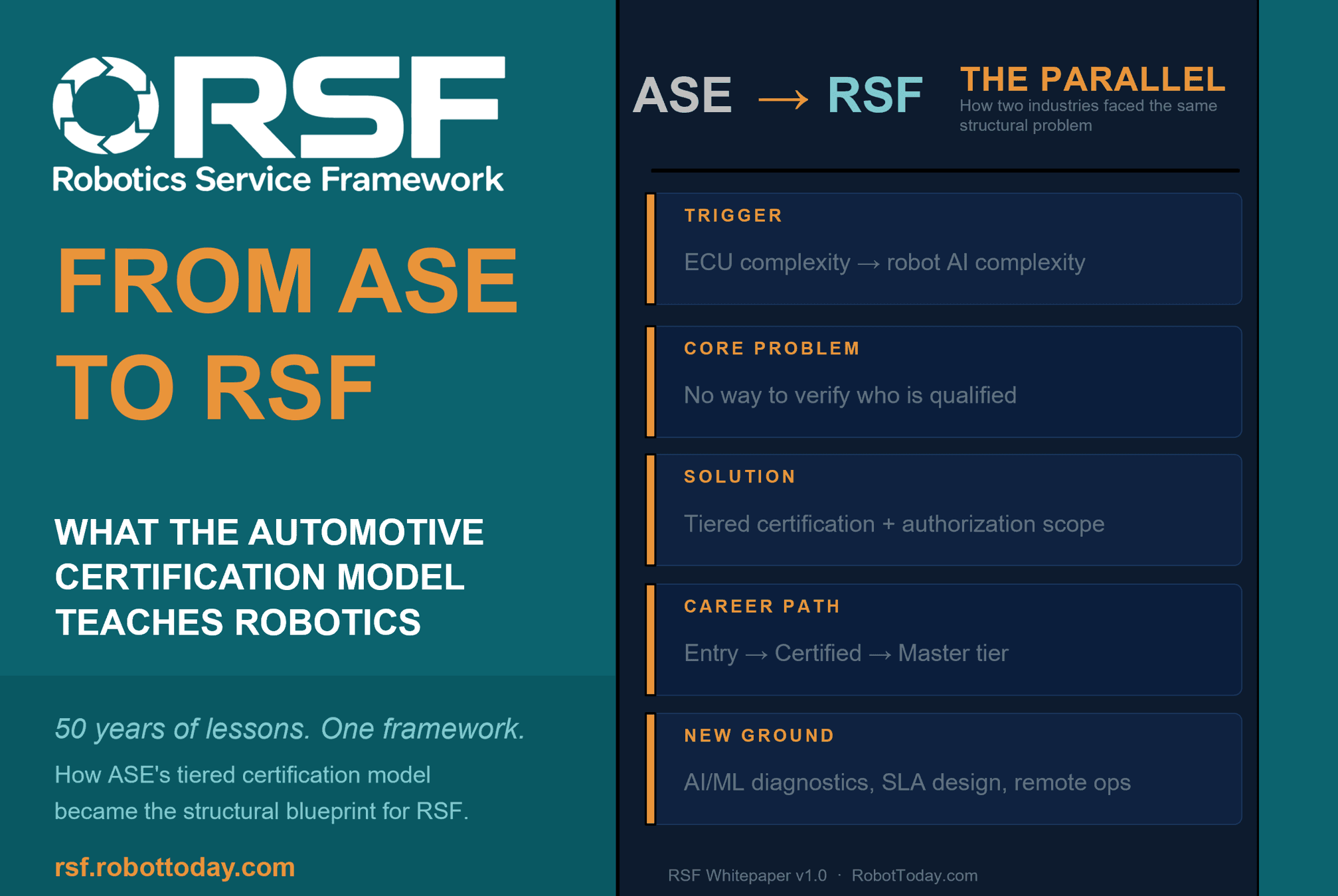
Embodied Intelligence AI Technology Robotics Funding Machine LearningRobotics needs a service framework.
RSF defines a common language for robot service capability, lifecycle operations, certification pathways, and service-provider networks.