Industry Briefing
A single destination for timely, editor-curated robotics news from around the world.
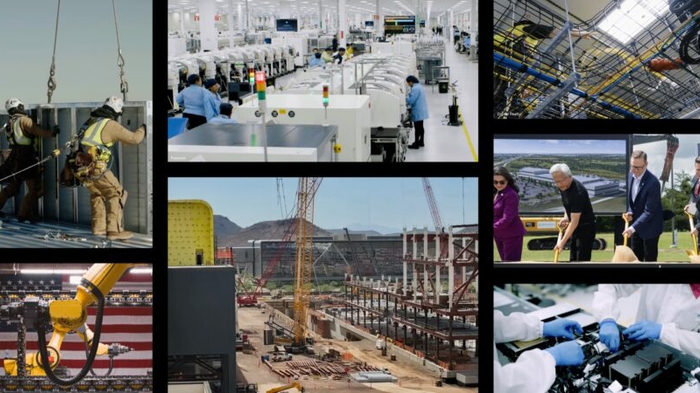
NVIDIA and Partners Build in America, for America
NVIDIA, alongside its partners, is making significant investments aimed at bolstering American manufacturing and supply chains, enhancing energy grids, and developing a skilled workforce. This initiative is designed to enable the United States to produce essential infrastructure that supports advancements in healthcare, fosters groundbreaking scientific discoveries, and strengthens industrial capabilities. The investment reflects a strategic effort to ensure that the U.S. remains competitive and self-sufficient in critical sectors, addressing both current and future challenges in technology and industry. By focusing on these key areas, NVIDIA and its collaborators are laying the groundwork for a more resilient economy and improved public health outcomes.

Eating fried potatoes three times a week increases diabetes risk by 20%, study finds.
Researchers from Harvard University and the University of Cambridge have conducted a study examining the impact of potato consumption and cooking methods on the risk of developing type 2 diabetes. The findings will be published in the British Medical Journal (The BMJ) in September 2025. This research draws on data from three cohort studies conducted in the United States, alongside a meta-analysis of prospective cohorts, to assess how different levels of potato intake may influence diabetes risk. The motivation behind this study stems from the increasing prevalence of type 2 diabetes and the need to understand dietary factors that could mitigate this health issue. By analyzing various preparation methods and consumption patterns, the researchers aim to provide insights that could inform dietary guidelines and public health recommendations.

OpenAI partners with US govt for bio-weapons detection and threat preparedness
OpenAI has unveiled a new biodefense initiative that leverages its advanced AI model, GPT-Rosalind, designed for specialized frontier reasoning. This initiative aims to enhance the understanding and response to biological threats, reflecting a growing concern over global health security. The launch took place in October 2023, as part of OpenAI's commitment to applying cutting-edge technology to address pressing societal challenges. By utilizing GPT-Rosalind, researchers and policymakers will be able to analyze complex biological data more effectively, facilitating informed decision-making in biodefense strategies. This development underscores the importance of integrating artificial intelligence into public health efforts, particularly in an era marked by increasing biological risks.

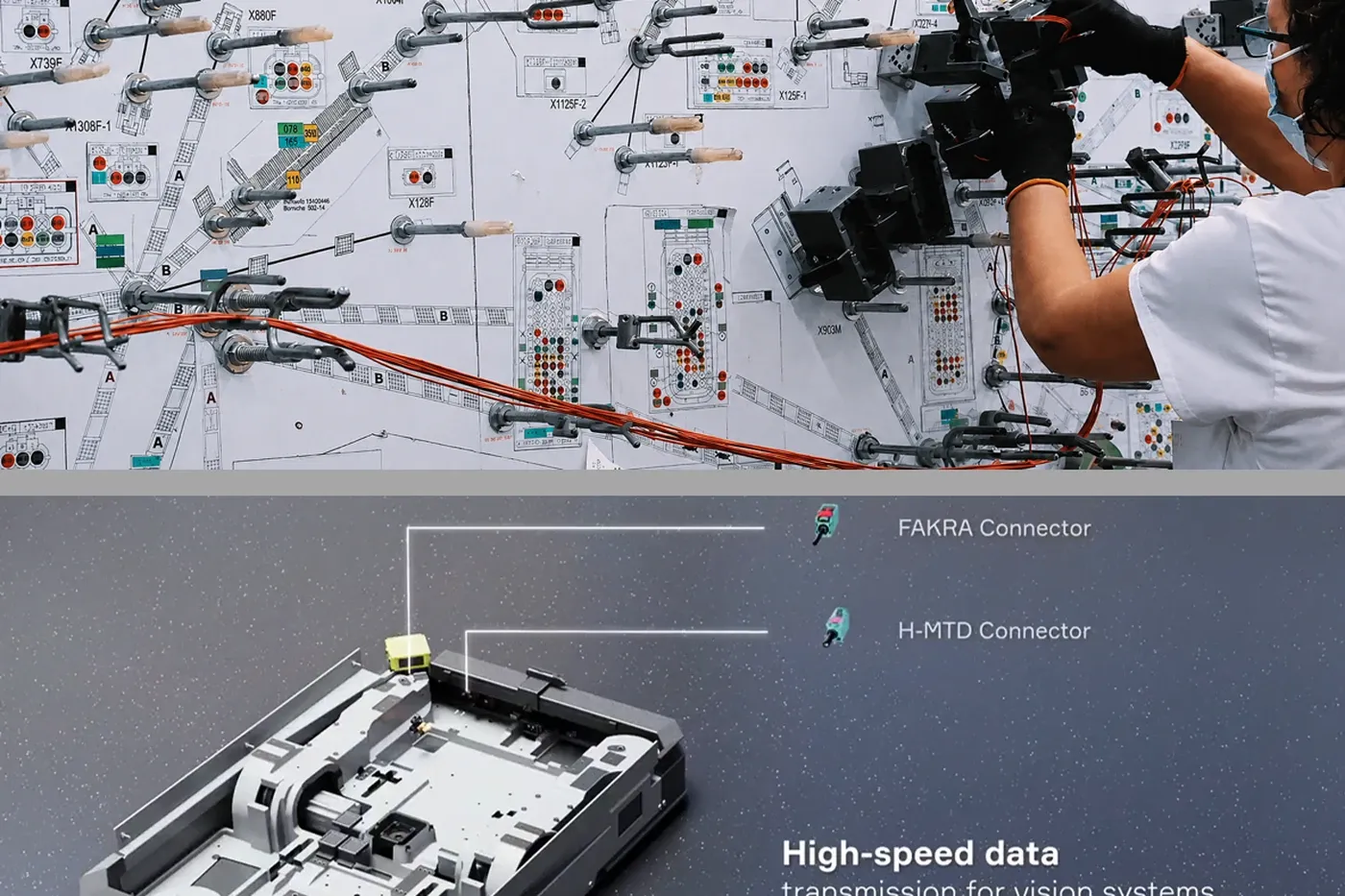
Arrow Electronics Addresses Rising Autonomous Mobile Robot Demand in Southeast Asia with System-Level Solutions
In a significant collaboration aimed at advancing antimicrobial resistance (AMR) solutions, technology partners showcased innovative systems in Singapore and Bangkok. The event, held in October 2023, brought together key stakeholders from the healthcare and technology sectors to address the pressing global challenge of AMR. By demonstrating cutting-edge technologies and collaborative approaches, the partners aimed to highlight effective strategies for combating resistant infections, which pose a growing threat to public health worldwide. The initiative underscores the urgent need for innovative solutions in the fight against AMR, fostering partnerships that leverage expertise and resources to enhance healthcare outcomes across the region.

Lilly to invest extra $4.5B across Indiana manufacturing
An Indianapolis-based company has announced a significant increase in its spending to accommodate the rising demand for genetic therapies and weight-loss medications. This strategic expansion aims to enhance the company’s capacity to develop and deliver innovative treatments in response to the growing interest and need in these sectors. The decision reflects the company's commitment to advancing healthcare solutions and addressing public health challenges. By investing in research and development, the company seeks to position itself as a leader in the rapidly evolving pharmaceutical landscape.

Ocean Robotics Planet - Critical Undersea Infrastructure (CUI) Protection Special Report 03/2025
A new report has been released by the World Health Organization (WHO) highlighting the urgent need for global action to combat the rising incidence of mental health disorders. The report, published on October 10, 2023, coincides with World Mental Health Day and emphasizes the alarming statistics showing that one in eight people worldwide are affected by mental health issues. The WHO is calling on governments and health organizations to prioritize mental health in their policies and allocate adequate resources for prevention and treatment. The report outlines the significant impact of mental health disorders on individuals and societies, including increased healthcare costs, lost productivity, and diminished quality of life. To address these challenges, the WHO recommends implementing comprehensive mental health strategies that include community-based services, early intervention programs, and public awareness campaigns. By fostering a supportive environment and reducing stigma, the organization believes that more individuals can access the help they need. This initiative aims to create a global movement towards better mental health support, ultimately improving the well-being of millions. The WHO's findings serve as a wake-up call for nations to take decisive action in addressing this growing public health crisis.
ocean robotics planet magazine rov planet magazine cui protection special report 2025
Ocean Robotics Planet Buyer's Guide 2025
A new report has been released by the World Health Organization (WHO) detailing the global impact of climate change on public health. The document, published on October 10, 2023, highlights alarming trends in health risks associated with rising temperatures, air pollution, and extreme weather events. The report emphasizes that vulnerable populations, particularly in low-income countries, are disproportionately affected due to limited resources and inadequate healthcare systems. The WHO urges governments worldwide to take immediate action to mitigate climate change and protect public health. This includes implementing policies aimed at reducing greenhouse gas emissions, promoting sustainable practices, and enhancing healthcare infrastructure to better prepare for climate-related health challenges. The findings underscore the urgent need for a coordinated global response to address the intertwined crises of climate change and health, as the effects are expected to worsen in the coming years if no significant measures are taken. This comprehensive analysis serves as a call to action for policymakers, health professionals, and communities to prioritize environmental health and work collaboratively towards sustainable solutions that safeguard both the planet and public health.
ocean robotics planet buyer's guide 2025 rov/auv parts & equipment suppliers
MIT Lincoln Laboratory Develops TOSSIT Sensor for Chemical Threat Detection
MIT Lincoln Laboratory has introduced the Tactical Optical Spherical Sensor for Interrogating Threats (TOSSIT), a baseball-sized device capable of detecting hazardous vapors and aerosols. Designed for military and first responder use, TOSSIT can be thrown, drone-dropped, or launched into areas of concern. The sensor utilizes an internal camera and a removable dye card to identify chemical threats, alerting users through an app or alarms when dangerous substances are detected. The significance of TOSSIT lies in its ability to address a critical gap in chemical detection capabilities. According to principal investigator Richard Kingsborough, this low-cost sensor option is essential for identifying toxic dust particles and other chemical threats that smaller deployed sensor systems typically overlook. This innovation is particularly relevant in contexts involving nerve agents, blister agents, and industrial chemical accidents, enhancing safety for military personnel and first responders. Looking ahead, TOSSIT is undergoing a transfer process to the U.S. military following extensive field testing. No further timeline was disclosed at the time of publication, but the deployment of such technology could significantly improve situational awareness and response capabilities in hazardous environments.
Research Sensors Public health Invention 3-D printing Mechanical engineering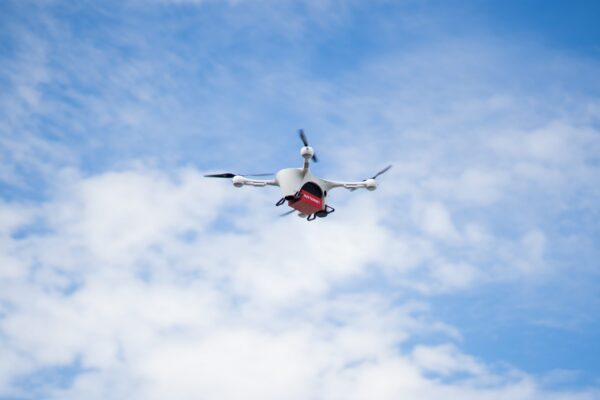
Matternet Drone Delivery Raises $33M and Goes Public in Reverse Merger
Matternet, a Mountain View-based drone delivery company, has made headlines by becoming the first publicly reporting pure-play operator in the sector after successfully raising approximately $33 million in an oversubscribed private placement. This funding comes as the company expands its operations in healthcare, retail, and restaurant sectors. The firm completed a reverse merger with Los Altos Ventures Corp., which has now been renamed Matternet, Inc. This strategic move not only enhances Matternet's visibility in the market but also positions it as a leader in the rapidly growing drone delivery industry.
Drone News Drone News Feeds News Ameriflight Andreas Raptopoulos autonomous aerial logistics
CVS, SkyfireAI, and Thales Outline Drone-Based Healthcare Response Network at XPONENTIAL 2026
At the XPONENTIAL 2026 conference held in Detroit this week, CVS Health unveiled plans for “CVS Air Response,” a pioneering drone-enabled network aimed at enhancing healthcare logistics and emergency response. Collaborating with SkyfireAI and Thales Aerospace, CVS Health highlighted the potential of drones in improving disaster resilience and healthcare delivery. The panel discussion emphasized the innovative use of drone technology to address urgent medical needs, showcasing how these advancements could transform emergency response efforts in healthcare settings.
Applications Delivery DL Exclusive Drone News Drone News Feeds News
Affordable humanoid robot kit at $15,000 pushes advanced robotics into public hands
The development of humanoid robots is increasingly shifting from confidential corporate laboratories to public demonstrations and collaborations. Major technology companies and startups are unveiling their advancements in robotics at various industry events and exhibitions, showcasing their latest prototypes and capabilities. This transition is occurring in 2023, as organizations aim to attract investment and public interest in the burgeoning field of robotics. The motivation behind this shift is to accelerate innovation and foster partnerships that can enhance the functionality and integration of humanoid robots into everyday life. By engaging with the public and potential investors, these companies hope to highlight the practical applications of their technologies, ranging from healthcare assistance to customer service. Demonstrations often involve live interactions with the robots, allowing audiences to witness their abilities in real-time. This hands-on approach not only showcases the robots' advanced features but also addresses public curiosity and concerns about the future of human-robot interaction. As the race to develop humanoid robots intensifies, the industry is poised for significant advancements that could reshape various sectors and redefine the relationship between humans and machines.
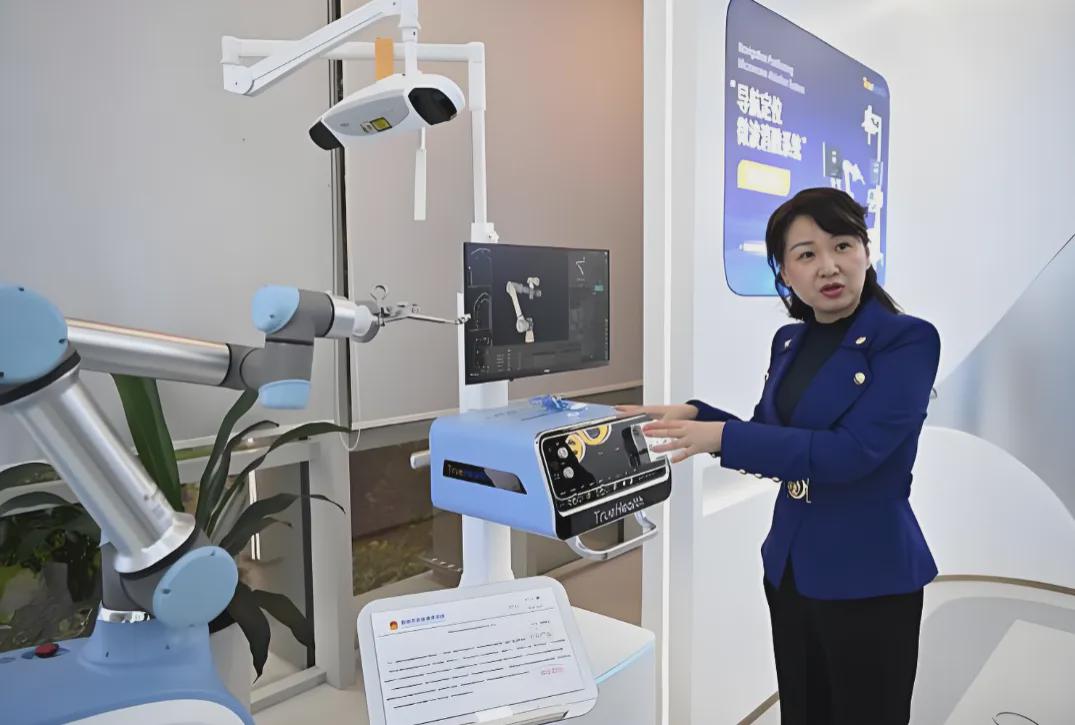
China's First Publicly Listed Percutaneous Surgery Robot Company Emerges
Zhenjiankang Medical Technology Co., Ltd. is preparing to launch its initial public offering (IPO) in Hong Kong, where it plans to offer more than 3.5 million shares. The company, which focuses on the development and commercialization of percutaneous surgery robots, has established a significant presence in the Chinese market. With robust financial performance and a well-defined business strategy, Zhenjiankang seeks to utilize its innovative technology to improve surgical efficiency and broaden its range of products in the rapidly expanding medical robotics sector.
Surgical Robots Medical Technology Healthcare Innovation Robotics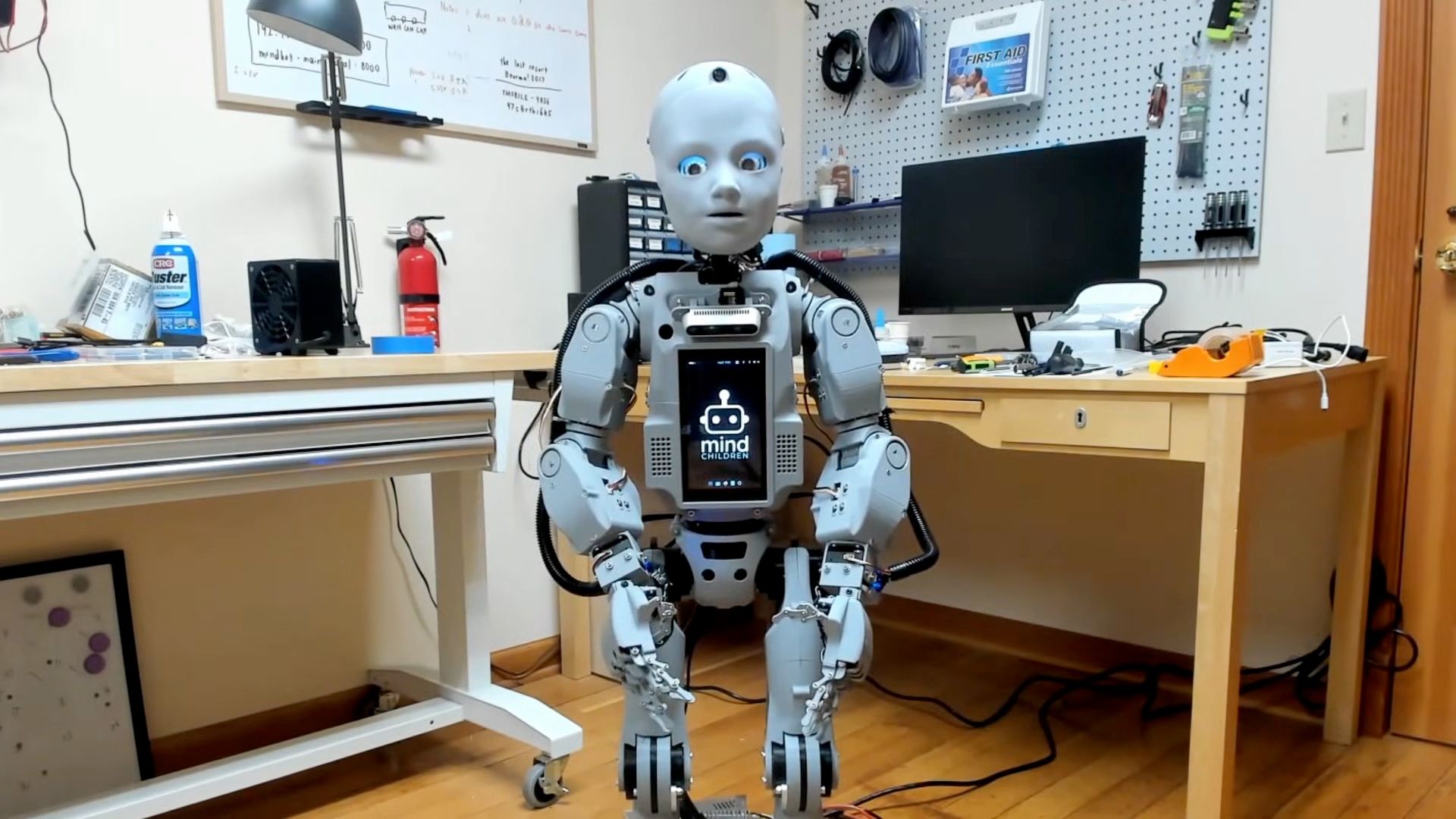
Video: Child-friendly Codey robot showcases embodied AGI future in education, healthcare
A Seattle-based robotics company has unveiled a three-foot-tall humanoid robot intended for public use, showcasing its potential to assist in various environments. The robot, which features advanced interaction capabilities, aims to enhance customer service and provide support in settings such as retail and hospitality. This development comes as part of a broader trend in the robotics industry, where companies are increasingly focusing on creating machines that can engage with people in everyday situations. The prototype was revealed during a technology expo held in Seattle last week, attracting attention from industry experts and potential investors. The creators believe that this humanoid robot could revolutionize the way businesses interact with customers, addressing labor shortages and improving efficiency. By integrating artificial intelligence and user-friendly interfaces, the robot is designed to learn from its interactions, adapting to the needs of its environment.
AI and Robotics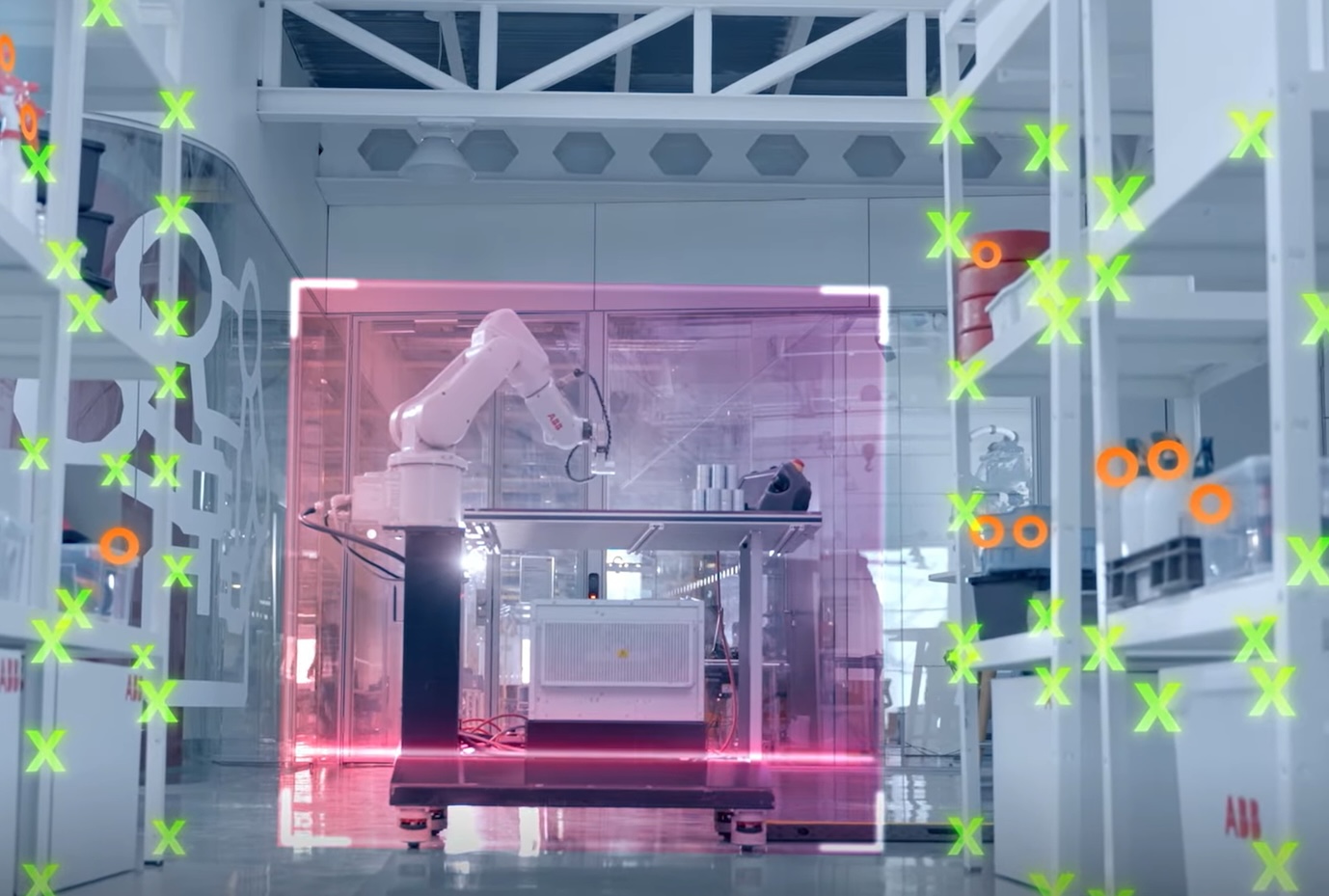
Eight tech giants deploy autonomous fleets across Singapore’s large-scale public test bed
Singapore is actively establishing itself as a global center for "physical AI," focusing on the development and deployment of robots and autonomous systems. This initiative is part of the country's broader strategy to enhance its technological landscape and drive economic growth. The government has been investing in research and development, fostering partnerships between academia and industry, and creating supportive regulatory frameworks to attract both local and international companies in the AI sector. The push for physical AI comes in response to the increasing demand for automation in various industries, including manufacturing, logistics, and healthcare. By 2025, Singapore aims to have a significant number of AI-driven solutions integrated into its economy, enhancing productivity and efficiency. The city-state's strategic location and advanced infrastructure further bolster its appeal as a destination for AI innovation. As part of this initiative, Singapore is hosting conferences and workshops to showcase advancements in robotics and autonomous technologies, encouraging collaboration among tech firms, researchers, and policymakers. This concerted effort not only aims to position Singapore as a leader in the AI field but also to address challenges such as labor shortages and the need for increased operational efficiency across sectors.
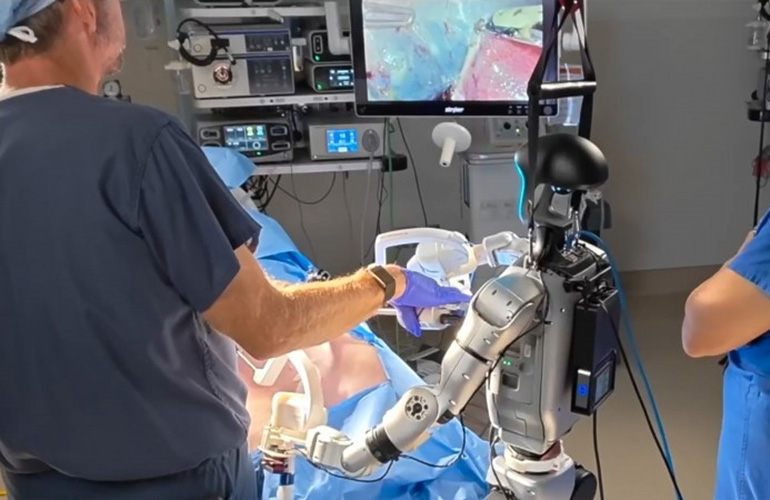
UC San Diego Trials Teleoperated Humanoid Robots for Surgical Procedures
In a groundbreaking preclinical trial at UC San Diego, teleoperated humanoid robots successfully conducted surgeries, marking a significant advancement in surgical technology. This trial represents the first instance of humanoid robots being utilized in a surgical context, showcasing their potential to enhance precision and efficiency in medical procedures. The significance of this development lies in the versatility of humanoid robots, which may offer improved capabilities over traditional robotic systems like the da Vinci Surgical System. By integrating advanced teleoperation techniques, these robots could potentially reduce the need for human intervention, thereby minimizing risks and improving patient outcomes in complex surgeries. Looking ahead, the next steps involve further trials to assess the long-term effectiveness and safety of these humanoid robots in surgical environments. No further timeline was disclosed at the time of publication, but the results of this trial could pave the way for broader applications in healthcare robotics.
Healthcare Robotics Human Robot Interaction / Haptics Humanoids News Surgical / Interventional Systems Surgical Systems
ABB Robotics and Roche Partner to Enhance Laboratory Efficiency with Intelligent Robotics
ABB Robotics has entered into a collaboration with Roche to develop digitally connected laboratories utilizing intelligent robotics. This partnership aims to improve laboratory workflows significantly, with initial applications focusing on pathology slide handling and enhancing intralogistics within Core Labs. The deployment will feature a variety of ABB Robotics technologies, including autonomous mobile manipulation and fixed articulating robots. This collaboration is significant as it represents a shift towards integrating advanced robotics in laboratory settings, which can lead to increased efficiency and reduced operational costs. By automating tasks such as slide handling, laboratories can expect to streamline processes, minimize human error, and enhance overall productivity. The use of intelligent robotics in this context is expected to set a new standard for laboratory operations. Looking ahead, the first applications of this collaboration are anticipated to roll out soon, although no specific timeline was disclosed at the time of publication. Stakeholders in the robotics and healthcare sectors should monitor this partnership closely, as it may pave the way for further advancements in laboratory automation and connectivity.
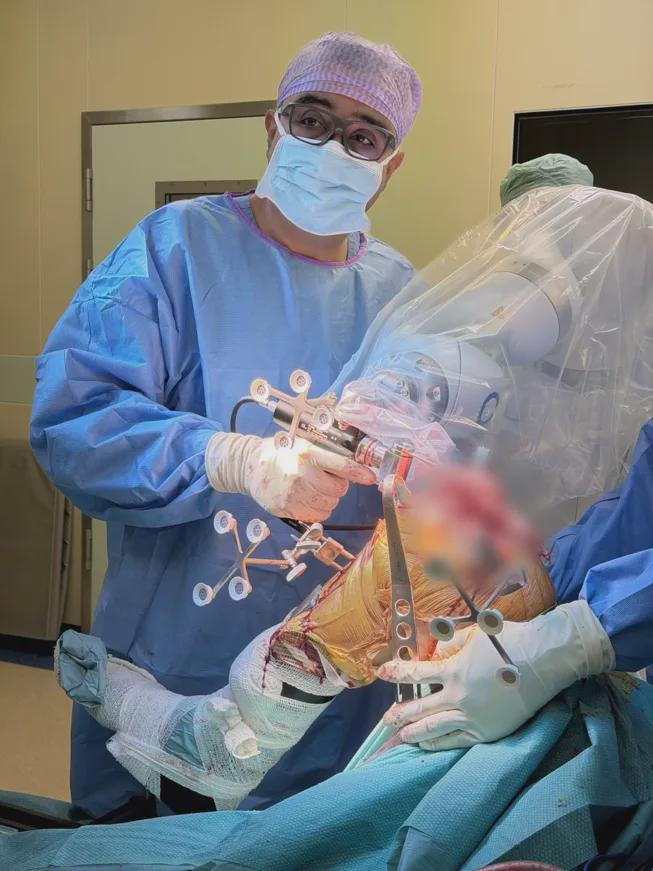
Kunlu® Orthopedic Surgery Robot Completes First Surgery in Malaysia
The Kunlu® orthopedic surgery robot successfully conducted its inaugural surgeries in Malaysia, led by Dr. Rajiv Rampal. The procedures involved complex knee replacements for two patients with severe deformities, demonstrating the robot's precision and adaptability in a clinical setting. This event marks a pivotal moment in the robot's international rollout, following its earlier success in Brazil, where it showcased compatibility with local implants. The significance of this achievement lies in the robot's advanced capabilities, which enhance surgical outcomes and improve patient care in orthopedic procedures. The successful surgeries in Malaysia indicate a growing acceptance of robotic assistance in healthcare, particularly in regions looking to adopt innovative medical technologies. The ability to perform complex surgeries with high precision positions Kunlu® as a competitive player in the global orthopedic market. Looking ahead, the next steps for Kunlu® include further international deployments and potential collaborations with local healthcare providers. No further timeline was disclosed at the time of publication, but the successful debut in Malaysia may pave the way for additional surgeries and expanded market presence in Southeast Asia.
Orthopedic Surgery Robots Medical Robotics Surgical Technology Healthcare Innovation
"Featured in Science, a New Biomimetic Approach! Soft Actuators for Minimally Invasive Autonomous Tumor Removal"
Researchers have introduced a groundbreaking biomimetic approach for minimally invasive tumor removal, as detailed in a recent publication in the journal Science. This innovative method utilizes soft actuators designed to autonomously navigate and eliminate tumors with precision. The study, conducted by a team of scientists, aims to enhance surgical techniques and reduce recovery times for patients undergoing cancer treatment. By mimicking natural movements found in certain organisms, the soft actuators can adapt to various tissue types, ensuring minimal damage to surrounding healthy cells. This advancement represents a significant step forward in the field of medical robotics and could revolutionize how tumors are treated in clinical settings. The research highlights the potential for these soft actuators to transform surgical practices, making them safer and more efficient for patients in need of tumor removal.
Robotics Automation AI
German Economy Calls for Faster Humanoid Robotics Adoption
A recent survey reveals that 82% of respondents believe humanoid robots will play a crucial role in driving future innovation. Conducted in October 2023, the study highlights the growing public interest in the potential of humanoid robotics across various sectors. Participants expressed optimism about the technology's ability to enhance productivity, improve efficiency, and address labor shortages in industries such as healthcare, manufacturing, and customer service. The findings suggest that as advancements in artificial intelligence and robotics continue, society may increasingly rely on humanoid robots to tackle complex challenges and foster economic growth. This shift reflects a broader trend towards automation and the integration of intelligent systems into everyday life, prompting discussions about the implications for the workforce and ethical considerations surrounding the use of such technology.

Commemorating 70 Years of Artificial Intelligence
Artificial intelligence (AI), a transformative technology of the 21st century, is reshaping various aspects of life and has seen unprecedented adoption rates since its formal establishment in 1956 at the Dartmouth Summer Research Project. Pioneers like John McCarthy and Marvin Minsky introduced the concept, envisioning machines that could simulate human intelligence. Over the past 70 years, AI has evolved significantly, impacting fields such as business, education, healthcare, and military applications. The journey of AI has been marked by innovation and setbacks, including periods known as "AI winters," where interest and funding waned. However, a resurgence in the 2010s, driven by advances in deep learning and generative AI, has led to the development of sophisticated systems like ChatGPT, which was publicly released in 2022. This evolution has enabled AI to perform cognitive tasks at unprecedented speeds, automate processes, and enhance creativity. Despite its advantages, AI poses significant risks, including biased outputs, privacy concerns, and the potential for misinformation. The IEEE has played a crucial role in guiding AI's development, promoting ethical standards, and fostering research through publications and conferences. As AI continues to advance, the focus remains on ensuring it is human-centered and beneficial for society, emphasizing the need for responsible governance and informed decision-making. The future of AI will depend on the choices made today, as the technology's trajectory is shaped by collective actions and ethical considerations.
Type-ti Ieee-history Artificial-intelligence Ai History-of-technology
Seeing through a robot's eyes: Augmented reality helps humans predict machine behavior
As robots expand their presence beyond factories into various sectors such as healthcare, logistics, and public areas, the need for clear communication regarding their actions has become crucial. This shift is occurring in response to the growing integration of robotic technology in everyday environments, prompting concerns about safety and efficiency. Experts emphasize that understanding robot behavior is essential for fostering trust and collaboration between humans and machines. To address this challenge, researchers and developers are exploring innovative ways to enhance the transparency of robotic functions, ensuring that individuals can anticipate and comprehend the robots' movements and tasks. This initiative aims to facilitate smoother interactions and improve overall operational effectiveness in diverse settings.
Robotics
Anthropic scales Claude Mythos to critical infrastructure in 15+ countries
Anthropic is broadening its Project Glasswing initiative, a program designed to address security vulnerabilities, by extending access to its Mythos platform to 150 organizations across 15 countries. This expansion focuses on critical infrastructure sectors, including power, water, healthcare, and communications, where potential cyberattacks could impact up to 100 million individuals. The move aims to bolster cybersecurity measures in these vital areas, reflecting the growing concern over the risks posed by cyber threats to essential services and public safety.
AI Security Anthropic Claude Mythos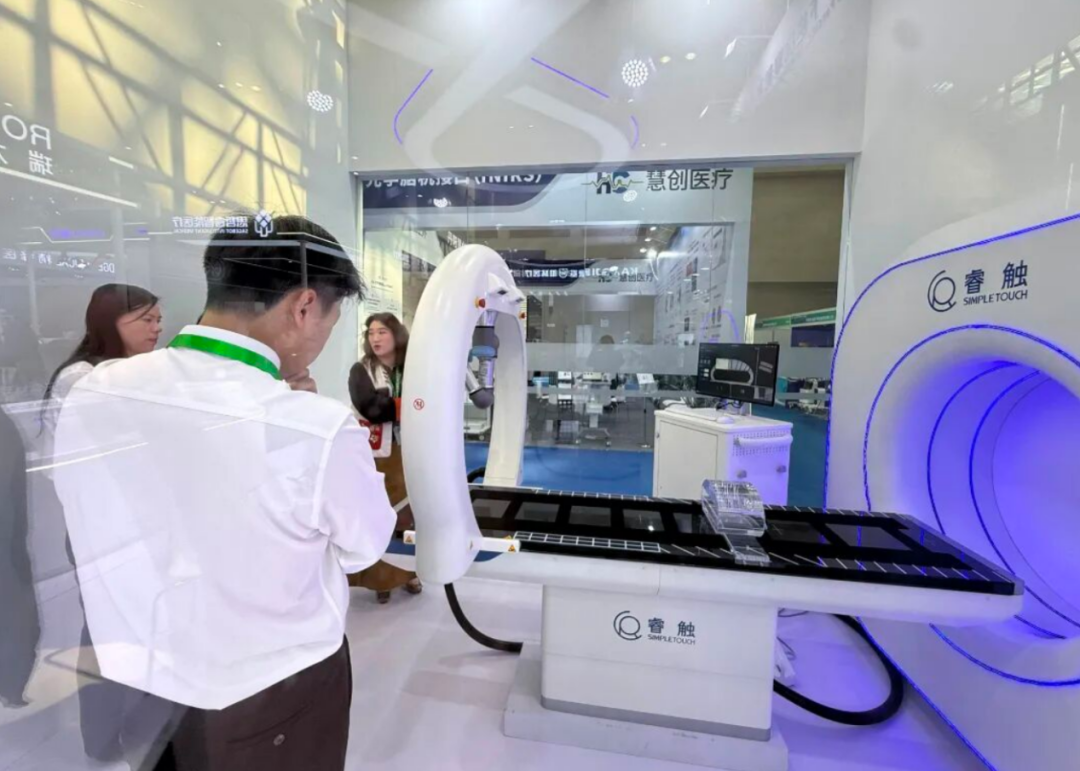
Domestic Surgical Robot RuiTouch Files for IPO on Hong Kong Stock Exchange
Shanghai RuiTouch Robotics has taken a significant step towards becoming a publicly traded entity by submitting its initial public offering (IPO) application to the Hong Kong Stock Exchange. The company aspires to be the first in the market to offer percutaneous surgical robots, leveraging its advanced CT imaging and intelligent sensing technologies. However, the IPO comes amid concerns regarding the company’s financial health, as it currently reports no revenue and has incurred substantial financial losses. The move is seen as a pivotal moment for the company, which aims to capitalize on the growing demand for innovative surgical solutions while navigating the challenges posed by its financial status.
Surgical Robots Medical Technology Healthcare Innovation IPO Robotics
Innovative Soft Material‐Assisted Robot Grasping Devices: From Design Concept to Fabrication and Application Scenarios
In June 2026, the Journal of Field Robotics published a comprehensive study examining the advancements in robotic technologies and their applications in various fields. The research highlights significant developments in autonomous navigation, sensor integration, and machine learning, showcasing how these innovations are transforming industries such as agriculture, healthcare, and logistics. The study, conducted by a team of leading researchers in robotics, aims to address the growing need for efficient and reliable robotic systems in response to increasing demands for automation and precision in operations. By analyzing recent case studies and experimental results, the authors provide insights into the effectiveness of these technologies in real-world scenarios. The findings suggest that as robotic systems become more sophisticated, they can enhance productivity and safety while reducing operational costs. The research emphasizes the importance of continued investment in robotics research and development to keep pace with technological advancements and meet future challenges. This publication serves as a critical resource for industry professionals, policymakers, and academics interested in the future of robotics and its potential to reshape various sectors.
SURVEY ARTICLE
Issue Information
In June 2026, the Journal of Field Robotics published a significant study highlighting advancements in robotic technology. Researchers from leading universities and tech companies collaborated to explore innovative applications of robotics in various fields, including agriculture, healthcare, and disaster response. The study emphasizes the growing importance of robotics in addressing complex challenges and improving efficiency in these sectors. The research was conducted over several years, involving extensive field tests and data analysis to assess the performance and reliability of robotic systems. By showcasing successful case studies, the authors aim to demonstrate the potential of robotics to enhance productivity and safety. The findings are expected to influence future developments in robotic design and implementation, encouraging further investment and research in this rapidly evolving field. This publication marks a pivotal moment in the ongoing discourse surrounding the integration of robotics into everyday life, underscoring the need for continued innovation and ethical considerations as these technologies become increasingly prevalent.
ISSUE INFORMATION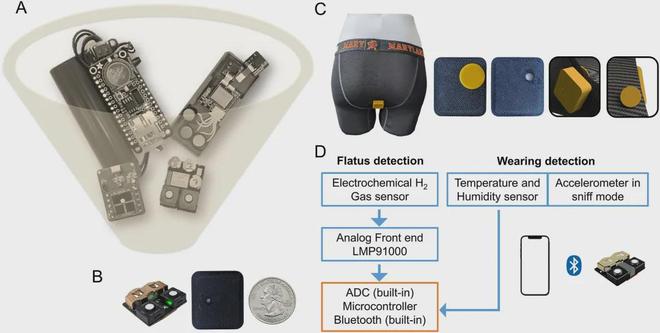
Is 32 Times Flatulence a Day Normal? Scientists Invent 'Smart Underwear' to Create a 'Human Flatulence Map' with 3,500 People Already in Line
Researchers at the University of Maryland have unveiled a new type of 'smart underwear' capable of measuring flatulence, a development that has garnered significant public attention. Their research indicates that healthy adults typically experience an average of 32 flatulence episodes per day, which is double the previously accepted estimates. This innovative project aims to create a detailed map of human gut activity, providing insights into digestive health. The high level of interest in the product has resulted in a long waiting list, reflecting the growing curiosity surrounding gut health and its implications for overall well-being.
Smart Wearables Health Monitoring Gut Microbiome Biotechnology
A Critical Review of Reinforcement Learning Algorithms for Mobile Robot Path Planning
The Journal of Field Robotics has published an early view article highlighting recent advancements in robotic technology. Researchers from various institutions have collaborated to explore innovative applications of robotics in diverse fields, including agriculture, healthcare, and disaster response. The findings, released in October 2023, underscore the growing importance of robotics in enhancing efficiency and safety across these sectors. The study emphasizes the integration of artificial intelligence and machine learning to improve the functionality and adaptability of robotic systems. By leveraging these technologies, the researchers aim to address complex challenges faced in real-world scenarios, such as precision farming and emergency management. This publication is part of an ongoing effort to disseminate cutting-edge research that can inform future developments in robotics. The collaborative nature of the research showcases a commitment to interdisciplinary approaches, fostering innovation that can lead to significant societal benefits. As the field continues to evolve, the implications of these advancements are expected to resonate across various industries, driving further investment and interest in robotic solutions.
SURVEY ARTICLE
Combining Neural Network and RRT*: A Novel Path Planning Method for Hyper‐Redundant Manipulators With 2N + 1 DOF
The Journal of Field Robotics has published an early view article highlighting recent advancements in robotic technology. This publication, released in October 2023, focuses on innovative applications of robotics in various fields, including agriculture, healthcare, and environmental monitoring. Researchers from multiple institutions collaborated to explore how these technologies can improve efficiency and accuracy in their respective sectors. The motivation behind this research stems from the increasing demand for automation and precision in tasks traditionally performed by humans. By utilizing advanced algorithms and machine learning techniques, the study demonstrates how robots can adapt to dynamic environments and perform complex tasks with minimal human intervention. This work is expected to contribute significantly to the ongoing discourse on the future of robotics and its potential to transform industries worldwide.
RESEARCH ARTICLE
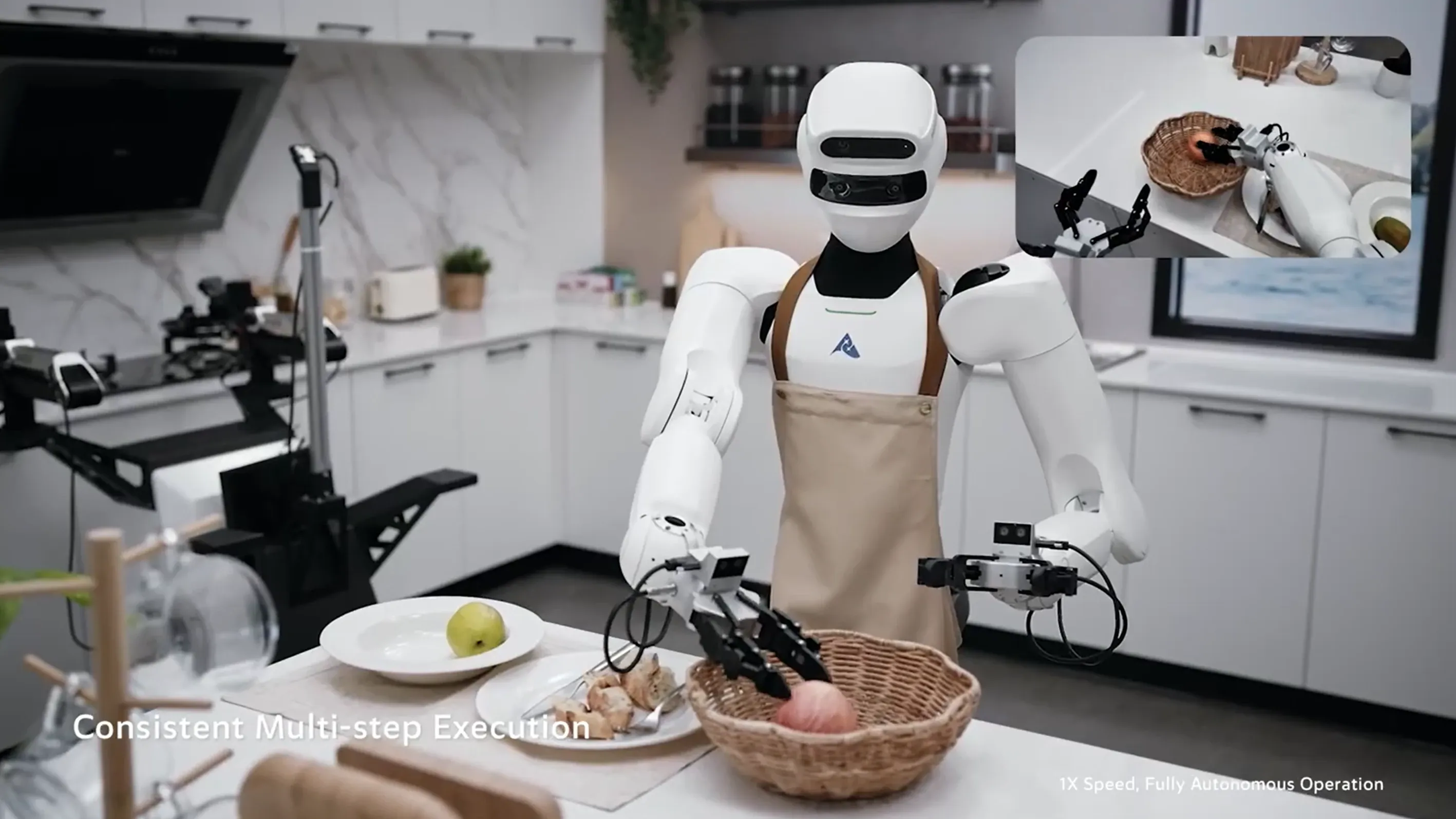
UniX AI introduces Panther, the world's first service humanoid robot to enter real household deployment, powered by its differentiated wheeled dual-arm architecture
A groundbreaking advancement in robotics has been unveiled with the introduction of the Panther, a wheeled dual-arm humanoid robot. This innovative machine is equipped with the world's first mass-produced eight-degree-of-freedom (8-DoF) bionic arms, enhancing its dexterity and functionality. Additionally, the Panther features an adaptive intelligent gripper mounted on a high-degree-of-freedom joint platform, allowing for versatile handling of various objects. The robot's design includes an omnidirectional four-wheel steering and four-wheel drive (4WS+4WD) chassis, enabling it to navigate complex environments with ease. This development marks a significant step forward in robotic technology, aimed at improving automation and efficiency in various industries. The Panther was revealed to the public in October 2023, showcasing its capabilities at a technology expo. The motivation behind its creation stems from the growing demand for advanced robotic solutions that can perform tasks traditionally handled by humans, particularly in sectors such as manufacturing, logistics, and healthcare. By integrating cutting-edge engineering with adaptive technology, the Panther is set to redefine the role of robots in everyday operations, paving the way for a future where humans and machines work side by side more effectively.
Improved Ivy Algorithm for an Enhanced Fractional Order Proportional‐Integral‐Derivative Controller: Applications From Winding Tension Control to Hybrid System
In May 2026, the Journal of Field Robotics published a comprehensive study examining advancements in robotic technologies and their applications in various fields. The research, featured in Volume 43, Issue 3, spans pages 1375 to 1414 and highlights the increasing integration of robotics in sectors such as agriculture, healthcare, and manufacturing. The study aims to address the growing demand for automation and efficiency in these industries, driven by the need for improved productivity and cost-effectiveness. Researchers from leading institutions collaborated to analyze the latest innovations in robotic systems, including autonomous vehicles, drones, and robotic arms, showcasing their potential to revolutionize traditional practices. Through a series of case studies and experimental results, the authors detail how these technologies are being implemented in real-world scenarios, demonstrating significant improvements in operational efficiency and safety. The findings underscore the importance of continued investment in robotic research and development to meet future challenges and enhance human-robot collaboration. This publication serves as a vital resource for industry professionals, policymakers, and academics, providing insights into the current state of robotics and its future trajectory. As the field continues to evolve, the study emphasizes the necessity of adapting to technological advancements to harness the full potential of robotics across various sectors.
RESEARCH ARTICLE
Why Autonomous Vehicles Are Not Ready Yet: A Multi‐Disciplinary Review of Problems, Attempted Solutions, and Future Directions
In May 2026, the Journal of Field Robotics published its latest issue, featuring a comprehensive collection of research articles that delve into advancements in robotic technology and its applications in various fields. The issue highlights innovative studies conducted by leading researchers and institutions, showcasing developments in autonomous systems, robotic perception, and human-robot interaction. This publication aims to address the growing interest in robotics and its potential to revolutionize industries such as agriculture, healthcare, and manufacturing. By presenting cutting-edge findings and methodologies, the journal seeks to foster collaboration and knowledge sharing among professionals in the field, ultimately contributing to the evolution of robotics and its integration into everyday life.
SURVEY ARTICLE
Giving Autonomy to Empty‐Headed Robots: Design and Deployment Challenges
The Journal of Field Robotics has published an early view article highlighting advancements in robotic technology. Researchers from various institutions have collaborated to explore innovative applications of robotics in diverse fields, including agriculture, healthcare, and environmental monitoring. This publication, released in October 2023, underscores the growing importance of robotics in addressing complex challenges faced by society. By leveraging cutting-edge algorithms and machine learning techniques, the study aims to enhance the efficiency and effectiveness of robotic systems. The findings are expected to contribute significantly to the ongoing discourse on the integration of robotics into everyday life, ultimately improving productivity and sustainability across multiple sectors.
RESEARCH ARTICLE
National Robotics Week 2026 Underscores Robotics as a Critical U.S. Industry and Workforce Engine
National Robotics Week 2026 is set to showcase the increasing significance of robotics in driving innovation and shaping the workforce in the United States. Scheduled for April 3-11, the event will take place across various locations nationwide, including educational institutions, research facilities, and community centers. This annual celebration aims to raise awareness about the advancements in robotics technology and its applications in diverse sectors such as manufacturing, healthcare, and education. The initiative seeks to engage the public, particularly students and young professionals, in understanding the potential of robotics to transform industries and create new job opportunities. Through workshops, demonstrations, and interactive exhibits, participants will have the chance to explore the latest robotic technologies and their implications for the future workforce. Organizers emphasize the importance of fostering interest in STEM (Science, Technology, Engineering, and Mathematics) fields, as well as encouraging collaboration between academia, industry, and government to drive further innovation. By highlighting the role of robotics in enhancing productivity and efficiency, National Robotics Week aims to inspire the next generation of engineers and innovators to pursue careers in this rapidly evolving field.
Optimized Object Detection in Road‐Vehicle Images Using Approximate Tree Multiplier‐Based Daubechies Wavelet Transform and YOLO Variant
The Journal of Field Robotics has recently published an early view article highlighting advancements in robotic technology. This publication, released in October 2023, focuses on innovative applications of robotics in various fields, including agriculture, healthcare, and disaster response. Researchers and engineers are exploring these technologies to enhance efficiency and safety in operations that are often hazardous or labor-intensive. The article emphasizes the growing importance of autonomous systems in addressing complex challenges faced by industries today. By integrating artificial intelligence and machine learning, these robots are designed to perform tasks with increased precision and adaptability. The research underscores the potential for robotics to revolutionize traditional practices, ultimately leading to improved outcomes and reduced costs. As the demand for automation continues to rise, the findings presented in this publication aim to inform stakeholders about the latest developments and encourage further investment in robotic solutions. The collaborative efforts of scientists and industry leaders are crucial for advancing this technology, which promises to reshape the future of work across multiple sectors.
RESEARCH ARTICLE
Unitree Completes IPO Tutoring, Clearing Key Hurdle for A-Share Listing
Unitree Robotics has completed its required IPO guidance process in collaboration with CITIC Securities, positioning the company to potentially become China’s first publicly traded humanoid robotics firm. This significant milestone marks a crucial step in the company's journey towards entering the stock market, reflecting the growing interest and investment in advanced robotics technology in China. The completion of the guidance process indicates that Unitree is preparing to attract investors and secure funding to further its innovations in humanoid robotics. As the company moves forward, it aims to capitalize on the increasing demand for robotics solutions in various sectors, including manufacturing, healthcare, and service industries.
Unitree Robotics China IPO
Large Tabular Models Excel Where LLMs Fail
A new generative AI model, known as NEXUS, has emerged from the startup Fundamental, which recently secured $275 million in funding. Launched on February 5, 2026, NEXUS is designed to analyze structured data, a task that traditional large language models (LLMs) like ChatGPT and Claude struggle with. While LLMs excel in generating human-like text and images, they falter when faced with complex tabular data, which is crucial for businesses across various sectors, including finance and healthcare. Fundamental's CEO, Jeremy Fraenkel, explained that LLMs are not suited for structured data due to their reliance on sequential input, making them less effective for tasks requiring deterministic predictions, such as fraud detection. In contrast, NEXUS utilizes a large tabular model (LTM) that directly models the structure of tabular data, allowing for more accurate reasoning and predictions. The development of NEXUS involved training on billions of tables, using a mix of proprietary and public datasets while ensuring customer data confidentiality. This innovative model has already been integrated into Amazon Web Services' SageMaker platform, enhancing its accessibility for businesses handling sensitive data. As the demand for effective data analysis solutions grows, other companies, including Feedzai and Google, are also developing similar technologies. Experts predict that the future of data processing will increasingly rely on automated systems, combining the strengths of LLMs and LTMs to improve efficiency and accuracy in data analysis.
Data-analytics Llms Foundation-models Databases
SpaceX, Tesla, and Alphabet All Fall in a Broad Tech Rout. Should You Rebalance Your Portfolio?
In a recent downturn, major tech stocks including Alphabet, Amazon, and Tesla have experienced significant declines, with Alphabet's shares dropping over 10% since mid-May. This decline follows a broader trend affecting the tech sector, as investors reassess the value of inflated artificial intelligence stocks. While Micron Technology saw a surge in its stock price after strong earnings, the overall sentiment remains cautious, particularly regarding SpaceX's initial public offering, which is losing momentum. Market analysts suggest that investors may need to consider rebalancing their portfolios, although the timing of such adjustments is critical. The recent market fluctuations serve as a reminder of the importance of diversification, which should ideally be established before downturns occur. For those feeling anxious about potential losses, exploring exit strategies may be prudent, though current prices may not be favorable compared to earlier levels. As the economic landscape shifts, particularly with rising inflation and interest rates, sectors like energy, healthcare, and consumer staples may begin to outperform tech stocks. While this may not spell the end for companies like Alphabet and Amazon, the recent market corrections highlight the need for investors to rethink their strategies, especially regarding the valuation of AI-related stocks. Ultimately, those who have prepared their portfolios for such changes may find themselves in a better position, while others may need to reassess their investment approaches moving forward.

Cerebras stock plunges after earnings as CEO says margin outlook was misunderstood
In its inaugural earnings report following its public debut, the AI chipmaker has projected a decline in gross margins within its primary business segment, raising concerns among investors. The announcement, which took place recently, has led to a cautious response from the market, reflecting apprehensions about the company's financial health and future profitability. The forecasted narrower margins signal potential challenges ahead, prompting investors to reassess their positions in light of the company's performance and outlook.
AI Cerebras In Brief
AI Is Learning to Read the Room
Recent advancements in emotion AI technology are reshaping how machines interpret human feelings, particularly in professional settings. Companies like Meta and startups such as Hume AI are developing systems that analyze facial expressions, voice tones, and behaviors to gauge emotions during interactions like performance reviews. This technology, which has applications in employee well-being, recruitment, and customer service, aims to enhance communication by providing real-time feedback. Despite its rapid growth, current emotion AI systems often struggle to capture the complexity of human emotions, typically categorizing feelings into simplistic labels like "happy" or "sad." Researchers are now focusing on a new approach called human-context AI, which combines multiple inputs—such as facial dynamics and voice modulation—with situational context to better understand emotional nuances. This shift aims to close the gap between human emotional expression and machine interpretation. The origins of emotion AI trace back to the MIT Media Lab, where Rosalind Picard pioneered the concept of affective computing. Over the years, advancements in data collection and analysis have improved the accuracy of emotion detection. However, ethical concerns remain, particularly regarding privacy and the potential for misuse in workplaces and public spaces. As this technology evolves, it promises to enhance various applications, from professional development platforms to health care, by providing a deeper understanding of human emotions. Yet, experts caution against over-reliance on AI for critical decisions, emphasizing the importance of human insight in interpreting emotional signals.
Emotions Affective-computing Facial-expressions Companion-robots Multimodal-ai Machine-learning
Bluesky was launched as a Twitter rival — but it's far less popular. Now it's eyeing Reddit for inspiration
Bluesky's Rose Wang expressed reservations about the future of public square platforms, emphasizing a preference for models inspired by companies like Reddit. In an interview with CNBC, Wang highlighted the importance of fostering community-driven environments that prioritize user engagement and content moderation. This statement reflects Bluesky's strategic direction as it seeks to differentiate itself in the competitive social media landscape. The comments come amid ongoing discussions about the role of social media in public discourse and the challenges of maintaining healthy online communities.

China establishes a venture capital fund in Hangzhou with 1 billion yuan; Tianjin opens AI sensor industrial park; Zhejiang plans
ZTO Express has established a new logistics company, Guangzhou Zhongjing Logistics Co., Ltd., in Guangzhou with a registered capital of 500 million RMB. The company, wholly owned by ZTO Express, will engage in domestic freight transportation, equipment leasing, and computer system services. OpenAI has announced its entry into the robotics sector, focusing on developing assistive robots. CEO Sam Altman stated the company is looking for engineers to create robots that can aid in building future infrastructure. The initiative, which has evolved from a world simulation research project, aims to integrate hardware and machine learning for practical applications. Nan Er, Vice President of Zhejiang Chint Electric, has been recognized as a "2026 Zhejiang Youth Technology Entrepreneur" as part of a program to support technology entrepreneurs in the region. Foxconn and French company Bull will collaborate to manufacture AI and cloud infrastructure, with an initial investment of over 120 million euros. The project will utilize facilities in both France and the Czech Republic. On June 1, new regulations for online food delivery were implemented, with Taobao Flash collaborating with various local regulatory bodies to label the first batch of "no dine-in" merchants, enhancing compliance among 60,000 restaurants this year. Muyu Group has partnered with Alibaba Cloud to develop an AI model for the livestock industry, significantly improving the efficiency of health checks for pigs. In investment news, a new venture capital fund, Guoxin Qianjiang, has been established in Hangzhou with a capital of 1 billion RMB, while Zhi Mi has opened a financing window with a pre-IPO valuation of approximately 70 billion RMB. In product developments, a new automotive brand resulting from a collaboration between Sairus and ByteDance is set to launch a hybrid vehicle this year, while Sharpa has introduced a humanoid robot equipped with advanced tactile capabilities in partnership with NVIDIA. Lastly, the Tianjin AI Sensor Industrial Park has officially opened, with ten companies signing contracts, and Shanghai is focusing on advancing core software technologies as part of its development plan. Zhejiang Province is also seeking to implement the "Spark Plan" to accelerate the application of quantum technology products.

NASA Satellites Track Harmful Algae With AI
NASA has developed an artificial intelligence tool that utilizes satellite data to detect harmful algal blooms, a significant environmental concern for coastal communities. This innovative technology aims to enhance response times and improve protective measures for both local economies and ecosystems. By analyzing satellite imagery, the AI can quickly identify the presence of these blooms, which can pose health risks to marine life and humans alike. The initiative is part of NASA's broader commitment to leveraging advanced technology for environmental monitoring and public safety. As coastal areas increasingly face the challenges posed by climate change and pollution, this tool represents a proactive approach to safeguarding vulnerable regions.

This Is What Tesla Inc. (TSLA) A15 Chip Tape-out Means
A significant event unfolded recently when a coalition of environmental organizations announced a major initiative aimed at combating climate change. This initiative, which was unveiled on October 15, 2023, in San Francisco, seeks to mobilize communities across the nation to adopt sustainable practices and reduce carbon footprints. The coalition, comprising over 50 groups, aims to raise awareness about the urgent need for action in light of increasing global temperatures and extreme weather events. The initiative focuses on educating the public about renewable energy sources, promoting energy efficiency, and encouraging local governments to implement greener policies. By harnessing the power of grassroots movements, the coalition hopes to create a widespread impact that can influence both individual behaviors and larger systemic changes. The announcement included a series of workshops and community events scheduled to take place over the next six months, designed to engage citizens and provide them with the tools necessary to make environmentally friendly choices. The coalition believes that by fostering a sense of collective responsibility, they can drive significant progress in the fight against climate change. This initiative comes at a critical time as scientists warn that immediate action is necessary to mitigate the effects of climate change, which poses a threat to ecosystems and human health. The coalition's efforts reflect a growing recognition of the need for collaborative action to address this global crisis effectively.
Optimization of Magnetic Adsorption Units for Wall‐Climbing Robots via Integrated Response Surface Methodology and Genetic Algorithm
The Journal of Field Robotics has published an early view article highlighting advancements in robotic technology aimed at enhancing agricultural practices. Researchers from various institutions collaborated on this study, which was released in October 2023. The article focuses on the development of autonomous robots designed to improve efficiency in crop monitoring and harvesting processes. The motivation behind this research stems from the growing need for sustainable agricultural solutions to meet the demands of an increasing global population. By integrating advanced sensors and machine learning algorithms, these robots can analyze soil conditions, monitor plant health, and optimize harvesting schedules, ultimately reducing labor costs and increasing yield. The study outlines the methodologies employed in the design and testing of these robots, including field trials that demonstrate their effectiveness in real-world agricultural settings. The findings suggest that the implementation of such robotic systems could significantly transform traditional farming practices, offering a more sustainable approach to food production. This publication underscores the importance of innovation in agriculture and the potential for robotics to address critical challenges in the sector. As the demand for food continues to rise, the integration of technology in farming is becoming increasingly essential for ensuring food security and sustainability.
RESEARCH ARTICLE
Ocean Robotics Planet Buyer's Guide 2026 is out NOW!
A recent announcement from the local government revealed plans for a new community center aimed at enhancing recreational opportunities for residents. The initiative, set to break ground in early 2024, will be located in the heart of downtown, making it easily accessible for all community members. Officials emphasized that the center is designed to address the growing demand for public spaces that promote physical activity and social interaction among citizens of all ages. The project is expected to be funded through a combination of municipal budgets and community fundraising efforts, showcasing a collaborative approach to improving local infrastructure. Community leaders are optimistic that the center will foster a sense of belonging and encourage healthier lifestyles within the population.
ocean robotics planet buyer's guide 2026 rov/auv parts & equipment suppliers
Variable Structure Adaptive Soft Robot for Complex Pipeline Environments
In a recent publication by the Journal of Field Robotics, researchers have unveiled groundbreaking advancements in autonomous robotic systems designed for agricultural applications. This study, released in early October 2023, highlights the innovative use of robotics to enhance efficiency and productivity in farming practices. Conducted by a team of engineers and agricultural scientists, the research focuses on the integration of machine learning algorithms and sensor technology to enable robots to perform complex tasks such as planting, harvesting, and monitoring crop health. The motivation behind this initiative stems from the increasing demand for sustainable farming solutions and the need to address labor shortages in the agricultural sector. The experiments were carried out in various agricultural settings, showcasing the robots' ability to adapt to different environments and crop types. By employing advanced data analysis techniques, the researchers demonstrated how these autonomous systems can optimize resource use while minimizing environmental impact. This pioneering work not only aims to revolutionize farming methods but also seeks to provide a viable solution to the challenges posed by climate change and food security. The findings are expected to pave the way for further developments in agricultural robotics, ultimately contributing to a more sustainable and efficient food production system.
RESEARCH ARTICLE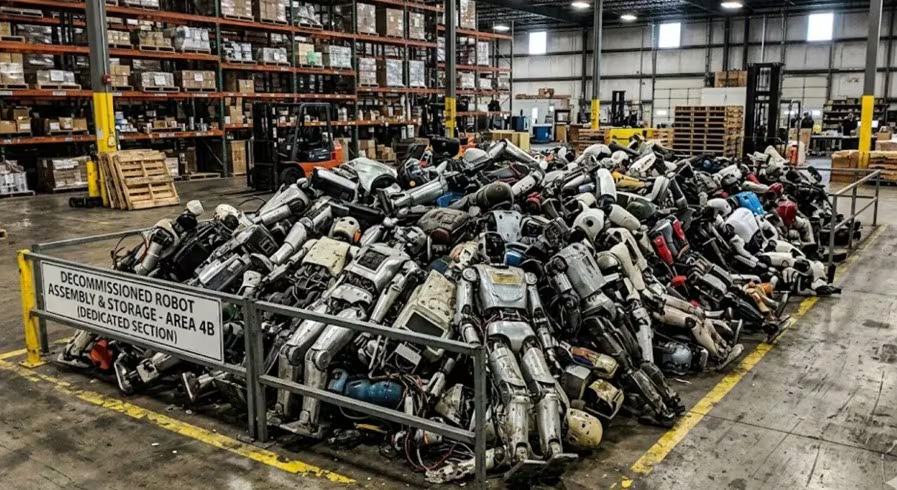
The Eve of the Humanoid Robot Scrapping Wave: Over Ten Thousand Parts, Data Leaks, and Risks of Thermal Runaway Await Resolution
As the deadline for the scrapping of humanoid robots approaches, industry experts are raising alarms over the potential risks associated with the disposal of over ten thousand robot parts. This wave of scrapping, set to occur in the coming weeks, has been prompted by concerns over data leaks and the dangers of thermal runaway, a phenomenon where overheating can lead to catastrophic failures. The situation has unfolded primarily in tech hubs where these robots were developed and deployed, highlighting the urgent need for effective disposal protocols. Experts warn that without proper management, the discarded components could pose significant environmental and safety hazards. In response to these concerns, companies are urged to implement stringent measures to secure sensitive data and safely dismantle the robots to mitigate risks. The industry is now under pressure to establish comprehensive guidelines for the responsible disposal of robotic technology, ensuring that both data integrity and public safety are prioritized as this unprecedented scrapping wave looms.
Robotics Automation AI
Boruikang's IPO: Over 100 Million in Revenue but 230 Million in Losses, Facing Commercialization Challenges
Boruikang Technology has launched its initial public offering (IPO) process with the goal of raising 2.5 billion yuan to further develop its brain-computer interface (BCI) technology. The company, which has generated over 100 million yuan in revenue from its non-invasive BCI products, is currently grappling with substantial financial losses. Its leading product, the NEO brain-computer interface, has recently gained regulatory approval; however, it faces significant challenges in the commercialization phase, particularly regarding market acceptance and the sustainability of its operations.
Brain-Computer Interfaces Medical Devices Healthcare Technology Clinical Applications
AirData UAV and LeoSight Bring Live Drone Data for DFR Programs
LeoSight has announced a new integration with AirData UAV that enables real-time streaming of flight data, telemetry, and operational insights directly into its command software, LeoCommand. This integration aims to enhance collaboration between dispatchers and field teams by providing shared visibility across drone and DFR (Drone First Response) operations. The partnership leverages AirData's status as one of the most widely used platforms in commercial drone operations, allowing public safety agencies to improve their operational efficiency. The integration is expected to streamline communication and data sharing, ultimately enhancing response capabilities in critical situations.
Disaster Response drone fleets Drone News Drone News Feeds emergency response Fire and Police
Pea-size liquid-metal pump runs robot butterfly on under 0.1 V
Engineers at the University of Bristol have developed a groundbreaking liquid-metal pump that promises to enhance the portability and agility of future soft robotics and wearable devices. This innovative technology, detailed in a recent publication in the journal Nature Communications, utilizes a low-voltage power source, which could revolutionize robotic systems across various applications, including robotic legs and haptic gloves utilized in medical and industrial environments. The advancement aims to address the growing demand for more efficient and versatile robotic solutions in diverse fields.
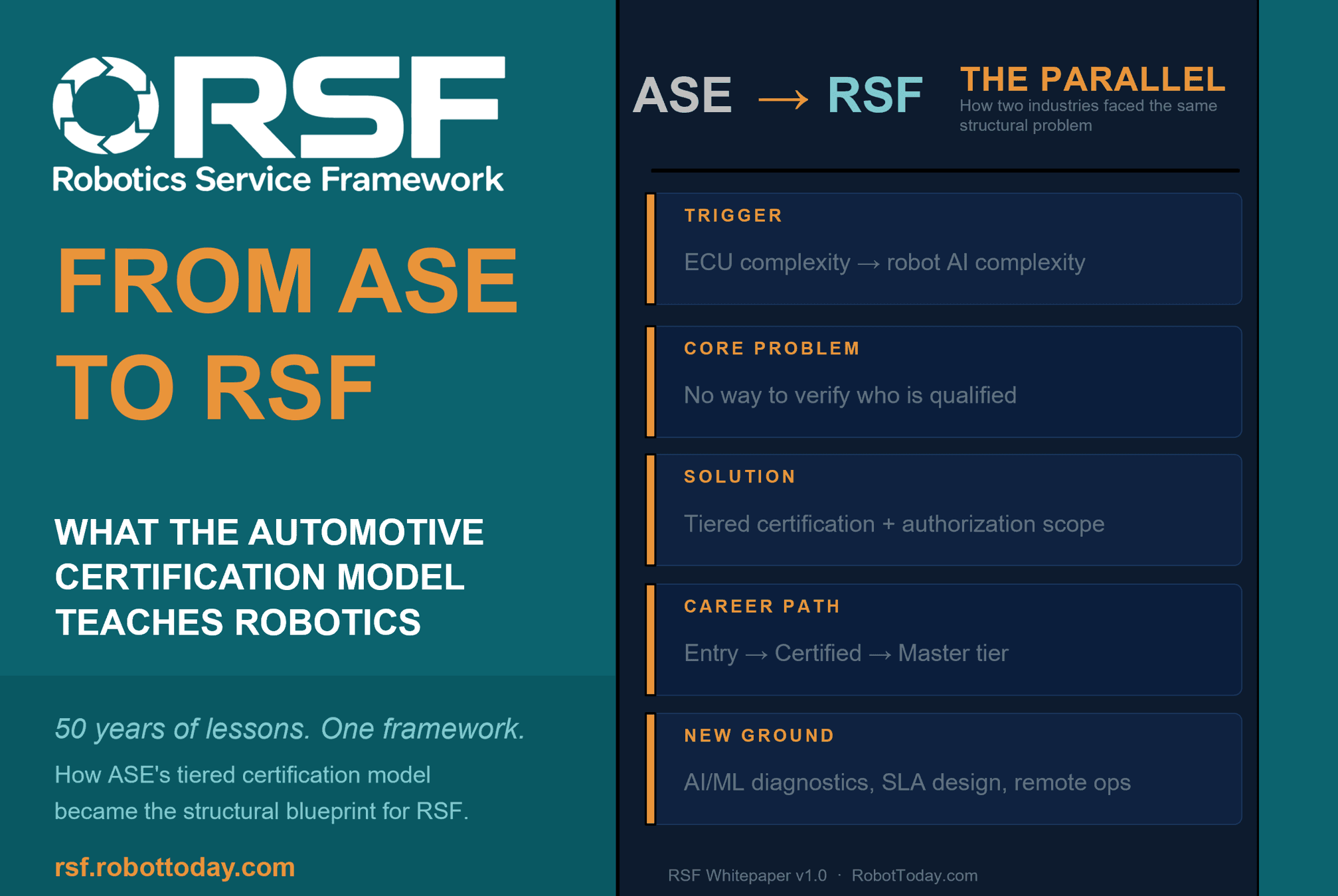
RoboticsRobotics needs a service framework.
RSF defines a common language for robot service capability, lifecycle operations, certification pathways, and service-provider networks.