Industry Briefing
A single destination for timely, editor-curated robotics news from around the world.
FAA NextGen Fact Sheet Highlights Future Integration of Drones and Aircraft
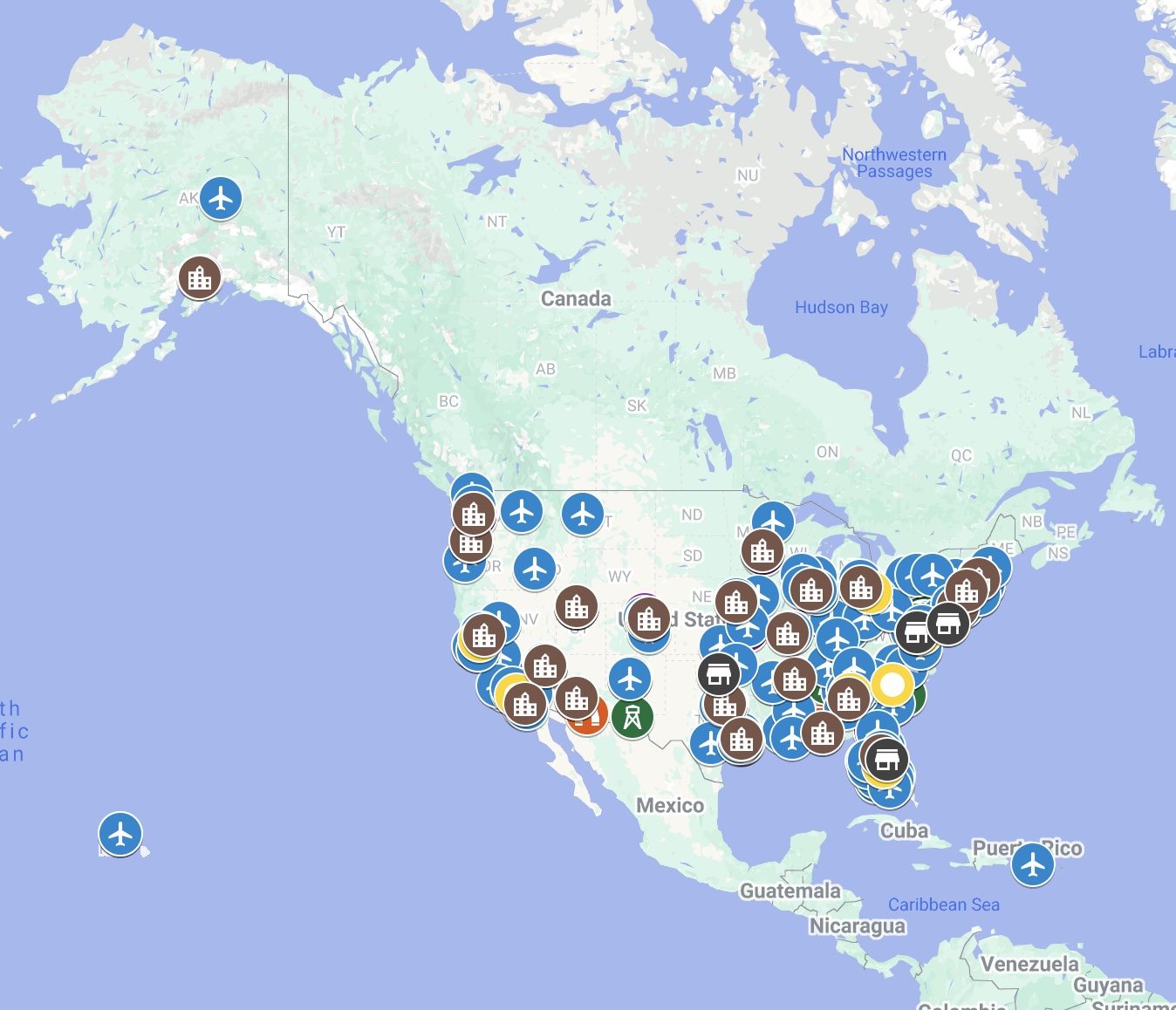
On August 17, the Federal Aviation Administration (FAA) released a NextGen fact sheet detailing updates to the National Airspace System (NAS) and ongoing modernization efforts. The Next Generation Air Transportation System, or NextGen, has significantly advanced U.S. air traffic management technology, transitioning to digital communications, satellite navigation, and integrated data sharing. The FAA reports that NextGen programs are now operational and have generated $10.9 billion in benefits from 2010 to 2023. The modernization efforts include the implementation of over 20 capabilities across the country, enhancing air traffic management through technologies like Automatic Dependent Surveillance-Broadcast (ADS-B) and Performance Based Navigation. These advancements allow for more precise navigation and real-time data sharing, shifting the focus from traditional air traffic control to a more strategic, integrated management approach. The FAA emphasizes the importance of accommodating non-traditional aviation forms, including uncrewed aircraft systems (UAS). Looking ahead, the FAA is developing traffic management concepts to safely integrate UAS and other emerging aircraft into the NAS. Technologies such as DroneZone and the Low Altitude Authorization and Notification Capability (LAANC) are pivotal in supporting this growth. The agency is also exploring concepts for UAS Traffic Management and Urban Air Mobility, indicating a significant shift in airspace management strategies in the coming years.
Drone News Drone News Feeds Drones in the News FAA News ADS-BRobotics needs a service framework.
RSF defines a common language for robot service capability, lifecycle operations, certification pathways, and service-provider networks.
Join the RobotToday community on LinkedIn
Daily robotics news, in-depth analysis, conference highlights, and discussions with professionals worldwide.