Industry Briefing
A single destination for timely, editor-curated robotics news from around the world.
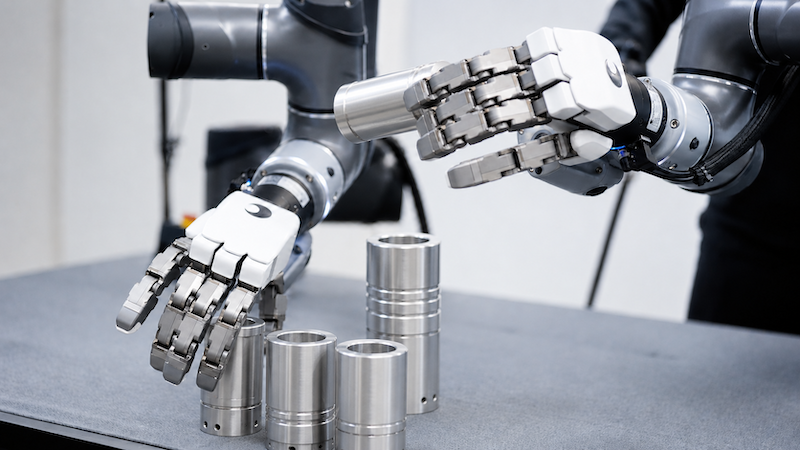
South Korean robotic hand developer Tesollo begins IPO preparations after Series B funding
Tesollo, a South Korean robotic hand specialist, has officially begun preparations for its initial public offering through Korea’s technology-special listing track. Tesollo appointed KB Securities as its lead underwriter in March and is currently preparing for a planned listing after 2027. The company also announced that it has recently completed its Series B funding round. […]
Components News Robotics Daesung Hi-Tech end effectors Enlight Ventures
Investment in Humanoid Robotics Heats Up with Dedicated ETFs Launching in South Korea, Proposed in US
New Exchange-Traded Funds (ETFs) targeting humanoid robotics are set to launch in South Korea, with similar proposals emerging in the United States. Major asset managers, including Samsung, KB, Hanwha, and Roundhill Investments, are spearheading this initiative, reflecting a rising investor interest in companies that are pioneering the development of human-like robots and associated technologies. This trend is largely fueled by advancements in artificial intelligence and the evolving demands of the labor market. However, the move comes with recognized technical and market risks that investors must consider. The introduction of these ETFs marks a significant step in the financial sector's response to the growing potential of robotics in various industries.
Tesla Figure Boston Dynamics
Crypto bros, scalpers and Logan Paul: Inside the world of Pokémon where cards are sold for millions
The recent surge in Pokémon card sales has captivated collectors and investors alike, fueled by a wave of nostalgia and the excitement surrounding blockbuster sales. This phenomenon has gained momentum in recent months, particularly as enthusiasts seek to relive their childhood memories associated with the beloved franchise. The resurgence of interest in Pokémon cards has been marked by record-breaking sales at auctions and retail outlets, drawing attention from both seasoned collectors and newcomers eager to capitalize on the trend. The combination of rare card finds and speculation about future value has created a vibrant market, with many viewing these collectibles as potential investments. As the Pokémon brand continues to expand its reach through various media and merchandise, the demand for its trading cards remains strong. This evolving landscape has prompted many to explore the world of card collecting, leading to a renewed appreciation for the artistry and history behind each card. In summary, the Pokémon card boom reflects a unique intersection of nostalgia, investment potential, and cultural relevance, making it a noteworthy trend in the collectibles market.
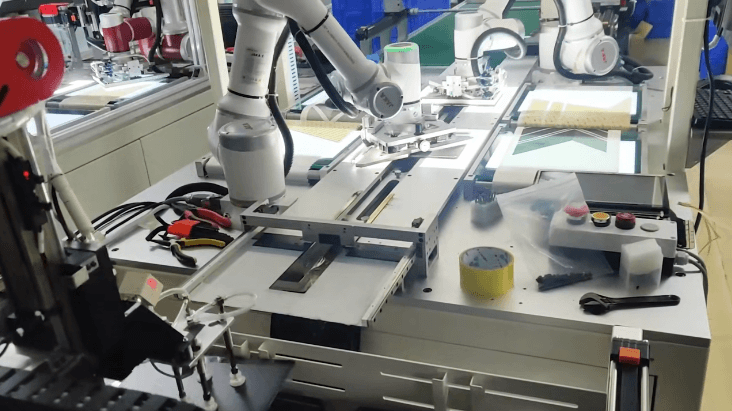
Collaborative Robot Arm vs. Traditional Arm: Safety, Speed, and Footprint
Manufacturers are increasingly weighing the benefits of collaborative robots (cobots) against traditional industrial 6-axis robot arms as they seek to automate production processes. This evaluation often hinges on which option offers a quicker return on investment. While traditional robots have dominated heavy manufacturing due to their high-speed capabilities, cobots present a more flexible and safer alternative, designed for close human-robot collaboration. The key distinction lies in safety measures. Traditional robots require extensive safety infrastructure, including cages and barriers, to protect workers from high-speed operations. In contrast, cobots, such as the JAKA Zu series, feature integrated sensors that allow them to stop immediately upon detecting an obstruction, enabling a workspace free of physical barriers. Speed is another critical factor. Traditional robots excel in mass production due to their ability to operate continuously at high speeds, while cobots prioritize safety, often running at slower speeds when humans are present. However, cobots can enhance efficiency and reduce downtime, making them suitable for high-mix applications where rapid setup is essential. Additionally, the physical footprint of robotic systems plays a significant role in decision-making. Traditional robots require substantial space due to safety cages, complicating integration into existing production lines. Conversely, cobots have a minimal footprint, allowing them to be mounted on workbenches or mobile carts, making automation feasible in tighter spaces. The JAKA Zu5 exemplifies this balance of performance and safety, offering industrial-grade capabilities in a compact design. With features like wireless programming and high precision, the JAKA Zu series aims to eliminate barriers to automation, providing manufacturers with adaptable solutions that enhance both efficiency and worker safety.
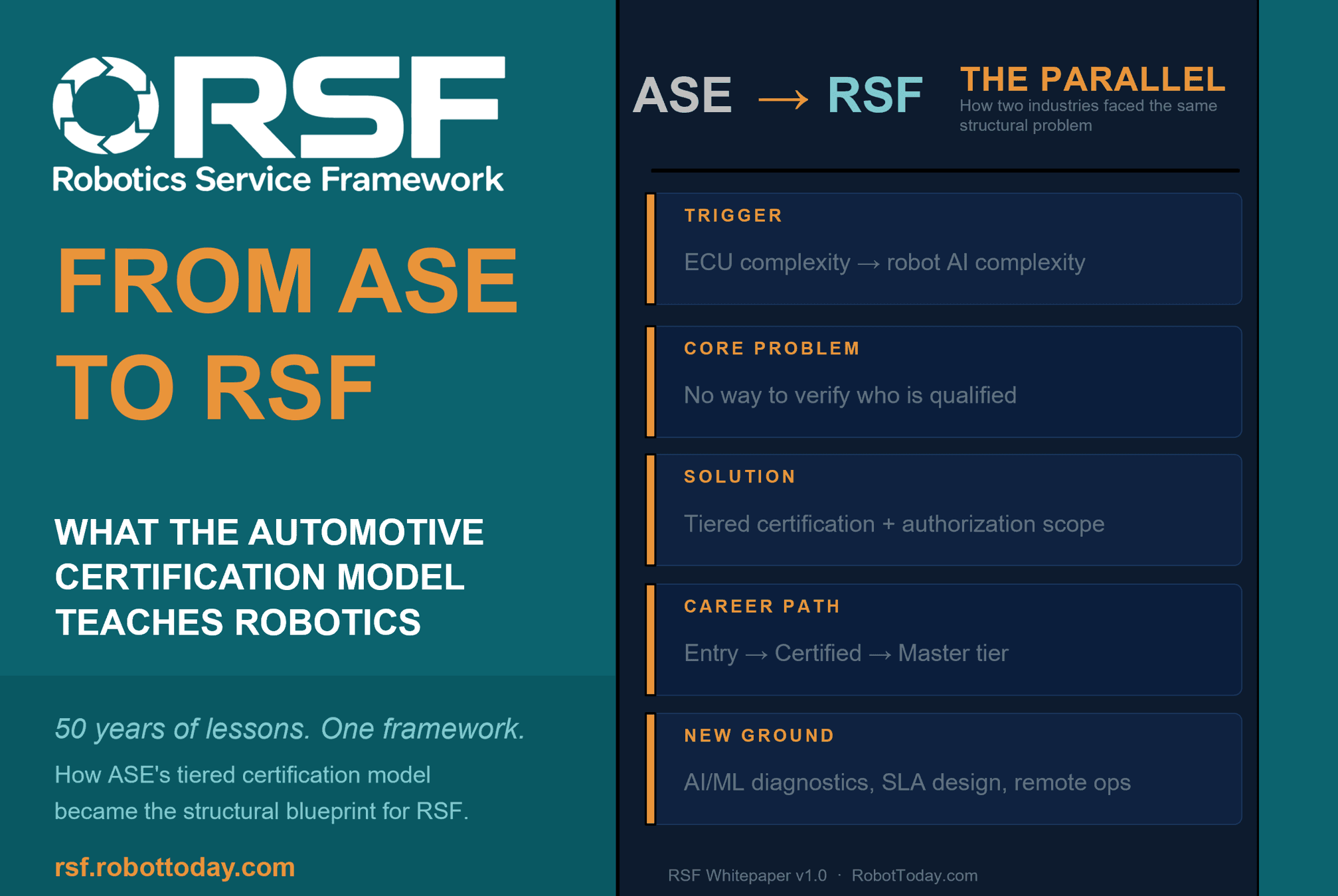
Robotics needs a service framework.
RSF defines a common language for robot service capability, lifecycle operations, certification pathways, and service-provider networks.