Industry Briefing
A single destination for timely, editor-curated robotics news from around the world.
Unitree R1 and Figure 03 Named to TIME's Best Inventions of 2025, Highlighting Humanoid Momentum
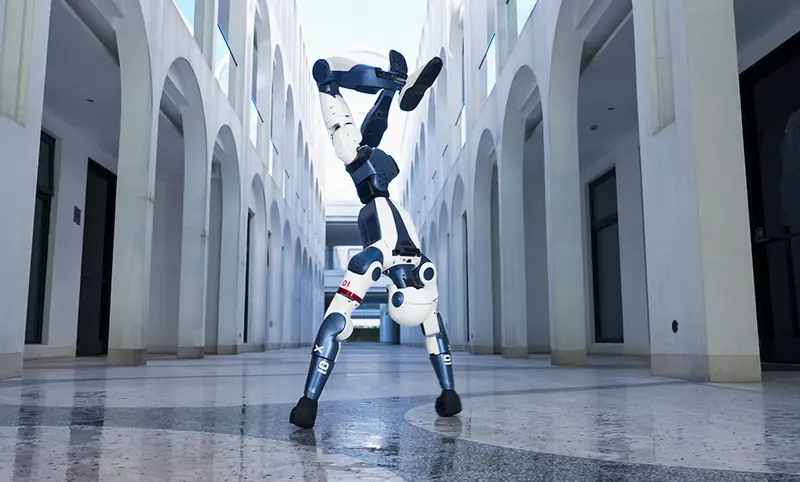
TIME Magazine has included two humanoid robots, the Unitree R1 and Figure 03, in its annual Best Inventions list, highlighting their significance in the evolving field of bipedal robotics. The recognition comes as the demand for affordable and domestically-oriented robotic solutions increases, showcasing the technology's potential to integrate into everyday life. The Unitree R1 is noted for its cost-effectiveness, while the Figure 03 is designed with a focus on home use. This acknowledgment by a prominent publication underscores the growing relevance and acceptance of robotics in mainstream society, reflecting advancements in technology and consumer interest.
Unitree Robotics Figure Figure-03 time-magazine R1 robotics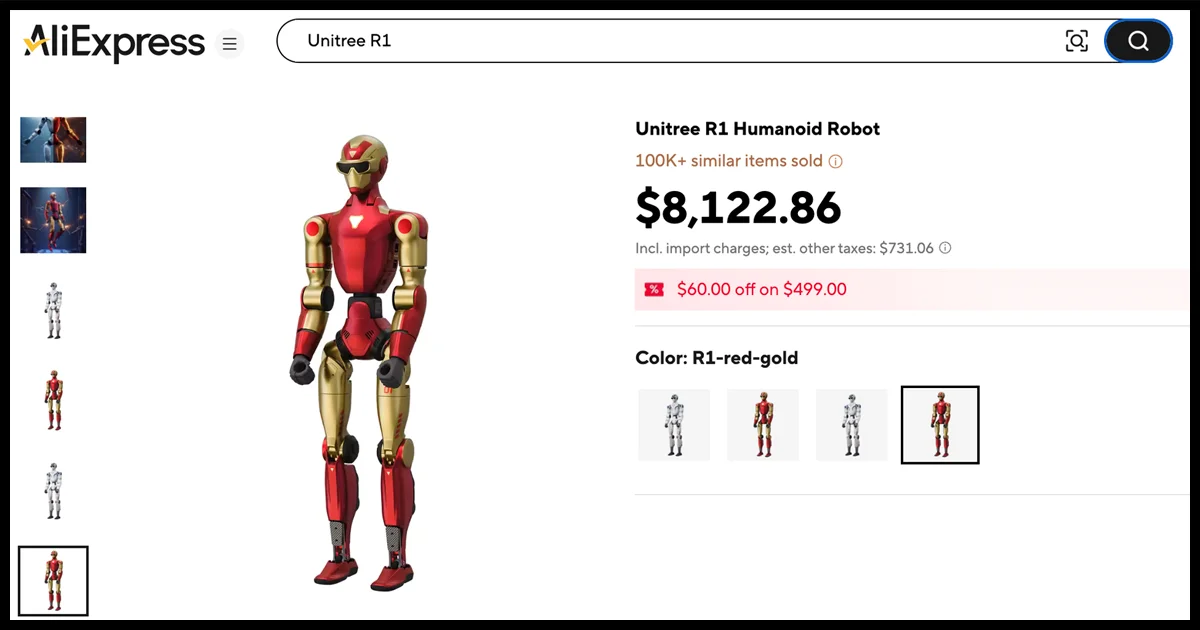
Unitree R1 Hits AliExpress: The TIME "Best Invention" Goes Global
Unitree Robotics has launched its R1 humanoid robot on AliExpress, a significant milestone in the company's efforts to expand internationally. The R1 is priced starting at $6,800, making advanced bipedal robotics more accessible to a wider audience. This development comes on the heels of a strategic partnership with Alibaba, aimed at promoting the democratization of robotics technology. The listing on AliExpress not only enhances Unitree's global presence but also reflects a growing interest in humanoid robots for various applications.
Unitree Robotics AliExpress R1
Robots can now 'see' touch thanks to a new color-changing tactile sensor
Engineers at Queen Mary University of London have developed an innovative color-changing tactile sensor that enables robots to perceive their environment through both sight and touch in real-time. The groundbreaking invention, led by postdoctoral researcher Giacomo Sasso from the School of Engineering and Materials Science, utilizes a unique mechanism that converts invisible forces into vibrant color patterns. This technology allows for the immediate generation of high-resolution maps detailing contact, strain, and pressure, significantly enhancing robotic interaction with their surroundings. The advancement promises to improve the capabilities of robots in various applications, from manufacturing to healthcare, by providing them with a more nuanced understanding of their physical interactions.
Robotics
SORA-Q: Baseball-sized shape-shifting rover that saved Japan’s SLIM moon mission
A groundbreaking development in robotics has emerged from Japan, where researchers have created a microscopic, shape-shifting robot inspired by children's toys. This innovative technology successfully demonstrated its potential by aiding in the preservation of Japan's rich historical narrative. The robot, which can alter its form and function, was unveiled during a recent scientific conference held in Tokyo. The motivation behind this invention lies in the desire to enhance preservation techniques for cultural artifacts and historical sites, making them more accessible and engaging for future generations. By utilizing advanced materials and engineering principles, the team was able to design a robot that can navigate intricate environments and perform delicate tasks, showcasing its versatility and effectiveness. This achievement not only highlights the intersection of technology and cultural heritage but also opens new avenues for research and application in the field of robotics.
Space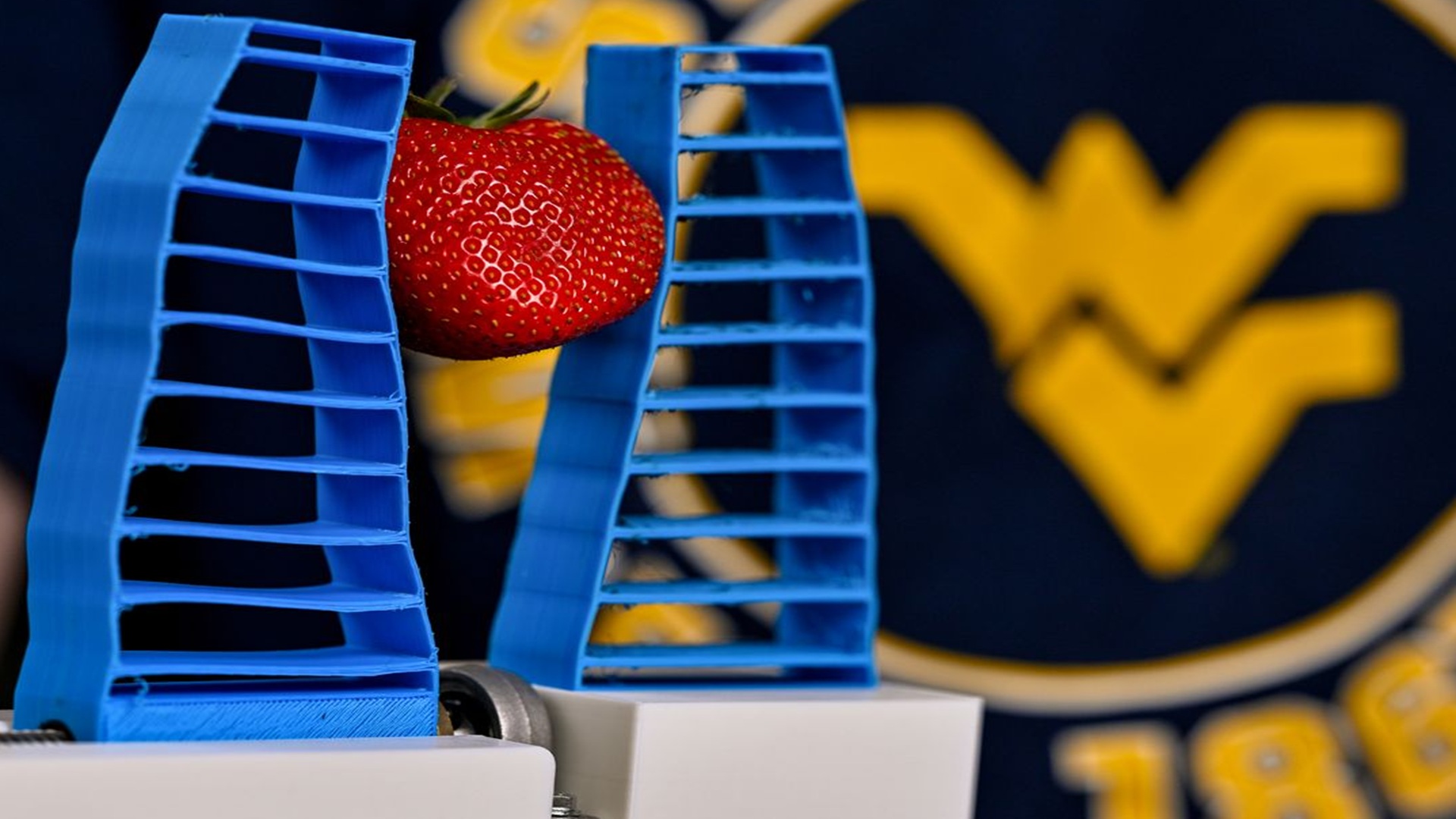
Robot hand uses touch and vision to harvest ripe fruit with near-100% accuracy
A team of researchers has created an innovative soft robotic gripper designed to assess the ripeness of fruit and facilitate harvesting. This development, which emerged from ongoing advancements in agricultural technology, aims to address the challenges faced by farmers in determining the optimal time for fruit picking. The gripper, equipped with advanced sensors, can gently handle delicate produce without causing damage, ensuring that only ripe fruits are collected. The project, which began in early 2023, took place at a leading agricultural research facility. The motivation behind this invention stems from the increasing demand for efficient and sustainable farming practices, as well as the need to reduce labor costs and improve the quality of harvested fruits. By automating the inspection and harvesting process, the researchers hope to enhance productivity and minimize waste in the agricultural sector. The robotic gripper operates through a combination of tactile sensing and machine learning algorithms, allowing it to analyze the texture and firmness of the fruit in real-time. This technology not only promises to streamline the harvesting process but also aims to improve the overall quality of produce reaching consumers. As the agricultural industry continues to evolve, innovations like this soft robotic gripper represent a significant step forward in the quest for smarter, more efficient farming solutions.
AI and Robotics
Custom-trained AI locks laser onto mosquitoes, eliminates pests in real time
A computer vision and robotics enthusiast has unveiled an innovative AI-powered laser system designed to detect and identify objects with remarkable precision. This groundbreaking technology, which was introduced during a tech conference in San Francisco on October 15, 2023, aims to enhance automation and safety in various industries, including manufacturing and security. The motivation behind this development stems from the increasing demand for advanced automation solutions that can improve operational efficiency and reduce human error. By integrating artificial intelligence with laser detection, the system can analyze its surroundings in real-time, allowing for swift and accurate responses to potential hazards or operational needs. The creator demonstrated the system's capabilities through a series of live tests, showcasing its ability to recognize different objects and respond accordingly. This innovative approach not only promises to streamline processes but also addresses safety concerns by minimizing the risk of accidents in environments where precision is critical. As industries continue to evolve with technology, this AI-powered laser system represents a significant step forward in the quest for smarter, safer operational tools. The developer hopes that this invention will inspire further advancements in robotics and computer vision, ultimately leading to a more automated and secure future.
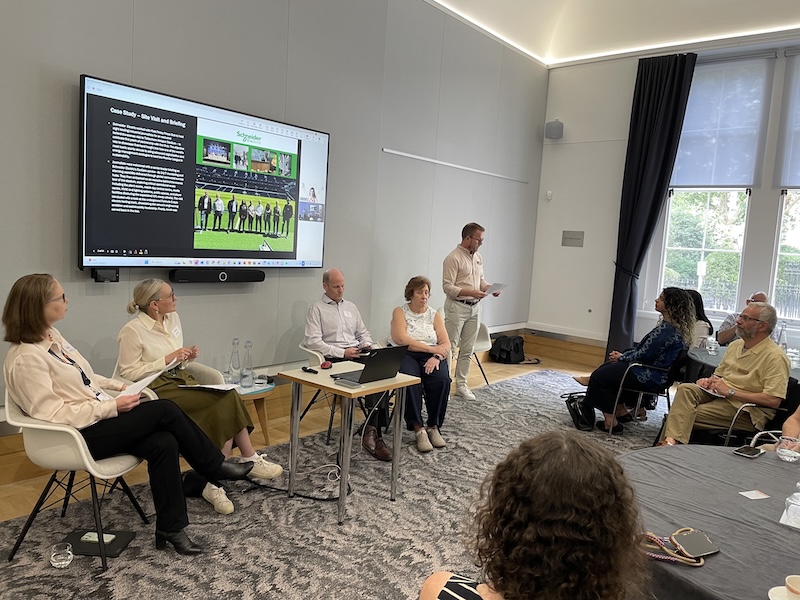
High-powered panel discussion: Why aren’t there more women in engineering?
Despite the common adage that "necessity is the mother of invention," women remain largely underrepresented in the field of engineering, a domain traditionally associated with innovation. This gender disparity persists globally, with historical and cultural factors contributing to the scarcity of female engineers. Efforts to address this imbalance are ongoing, as advocates highlight the importance of encouraging young women to pursue careers in engineering and related fields. By fostering an inclusive environment and promoting role models, the aim is to inspire the next generation of female innovators and change the narrative surrounding women in engineering.
Engineering Features automation news confidence gap diversity in engineering engineering careers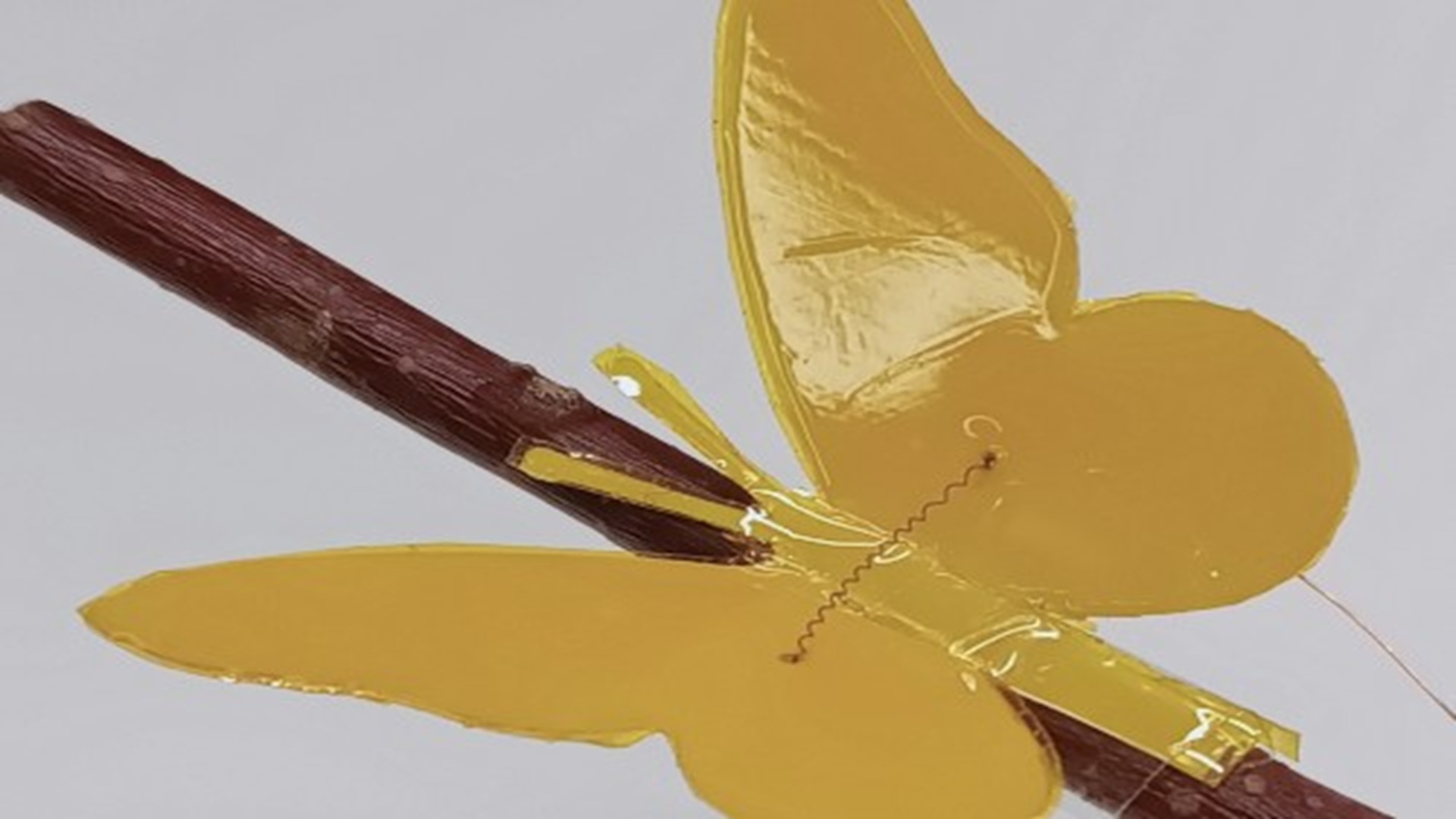
Pea-sized liquid-metal pump helps soft robots become lighter, portable, and more agile
Engineers at the University of Bristol have created a groundbreaking pea-sized liquid-metal pump that has the potential to revolutionize various industries. This innovative device, designed to be compact and efficient, could serve as a replacement for traditional pumps in applications ranging from medical devices to robotics. The development was announced recently, showcasing the university's commitment to advancing engineering technology. The motivation behind this invention stems from the need for more versatile and efficient pumping solutions that can operate in tight spaces and under varying conditions. By utilizing liquid metal, the pump offers enhanced performance and adaptability compared to conventional materials. The engineering team achieved this breakthrough through a combination of advanced materials science and innovative design techniques, allowing for the creation of a pump that is not only small but also highly effective. As industries seek to improve efficiency and reduce energy consumption, this new liquid-metal pump could play a crucial role in meeting those demands. With its potential applications still being explored, the University of Bristol's development marks a significant step forward in pump technology, promising to influence a wide range of fields in the near future.
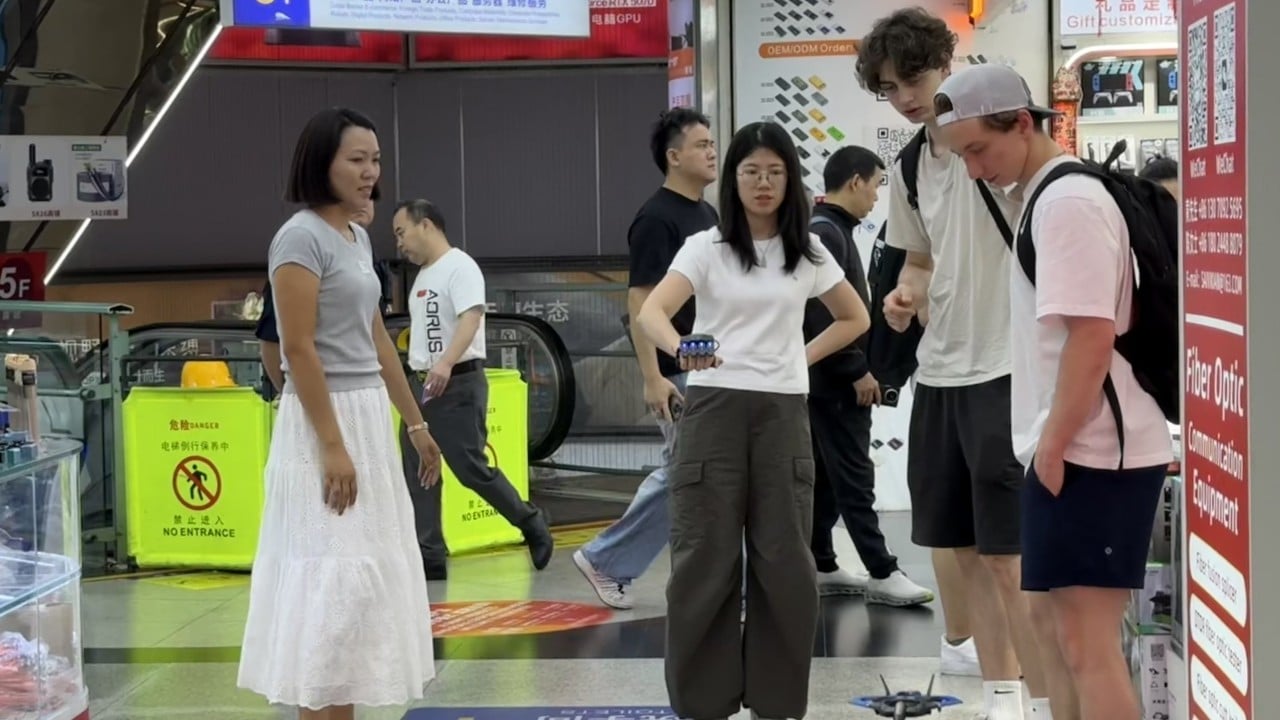
China’s Huaqiangbei bets on AI innovations to revive global appeal
Huaqiangbei, located in Shenzhen, China, is transforming into a global hub for artificial intelligence, attracting foreign traders and tourists eager to explore the latest technological innovations. This shift comes as the area, known for being the largest electronics marketplace in the world, seeks to revitalize its appeal amidst changing market dynamics. Visitors like Abigail Slagveer from Rotterdam, Netherlands, expressed amazement at the vastness of the marketplace, highlighting the experience of navigating through its extensive offerings. The reinvention of Huaqiangbei reflects a strategic move to capitalize on the growing interest in AI technologies, positioning itself as a premier destination for those seeking cutting-edge gadgets and advancements in the tech industry.

“Entanglement: A Brief History of Human Connection”
In a thought-provoking exploration of human connection, a recent discourse traces the evolution of communication from ancient cave drawings to the digital age. The narrative begins with early forms of storytelling, symbolized by a line etched in stone, and progresses through various historical milestones, including the invention of radio by Nikola Tesla and the development of the internet from ARPANET to the World Wide Web. The discussion highlights how these advancements have transformed the way people interact, emphasizing the importance of community and connection in an increasingly digital world. It reflects on the dual nature of technology, presenting both opportunities for deeper relationships and challenges such as distractions and misinformation. As artificial intelligence begins to engage with human emotions and experiences, the conversation raises questions about the essence of connection in the modern era. It posits that while the mediums of communication may change, the fundamental human desire for connection remains constant. The piece concludes with a call to action, urging individuals to be present and intentional in their interactions, reinforcing that the quality of our relationships ultimately shapes the quality of our lives.
Verse-becomes-electric Poetry Artificial-intelligence
Robot Talk Episode 131 – Empowering game-changing robotics research, with Edith-Clare Hall
In a recent conversation, Claire engaged with Edith-Clare Hall, a prominent figure at the Advanced Research and Invention Agency (ARIA) and a PhD student at the University of Bristol. Hall, who also leads Women in Robotics UK, discussed her efforts to accelerate scientific and technological advancements. Her research emphasizes the importance of critical interfaces where interconnected systems converge, aiming to enhance collaboration and innovation in the field. The dialogue highlights Hall's commitment to bridging gaps in technology and promoting diversity within the robotics sector. This exchange underscores the vital role of interdisciplinary approaches in driving progress and addressing complex challenges in modern science and technology.
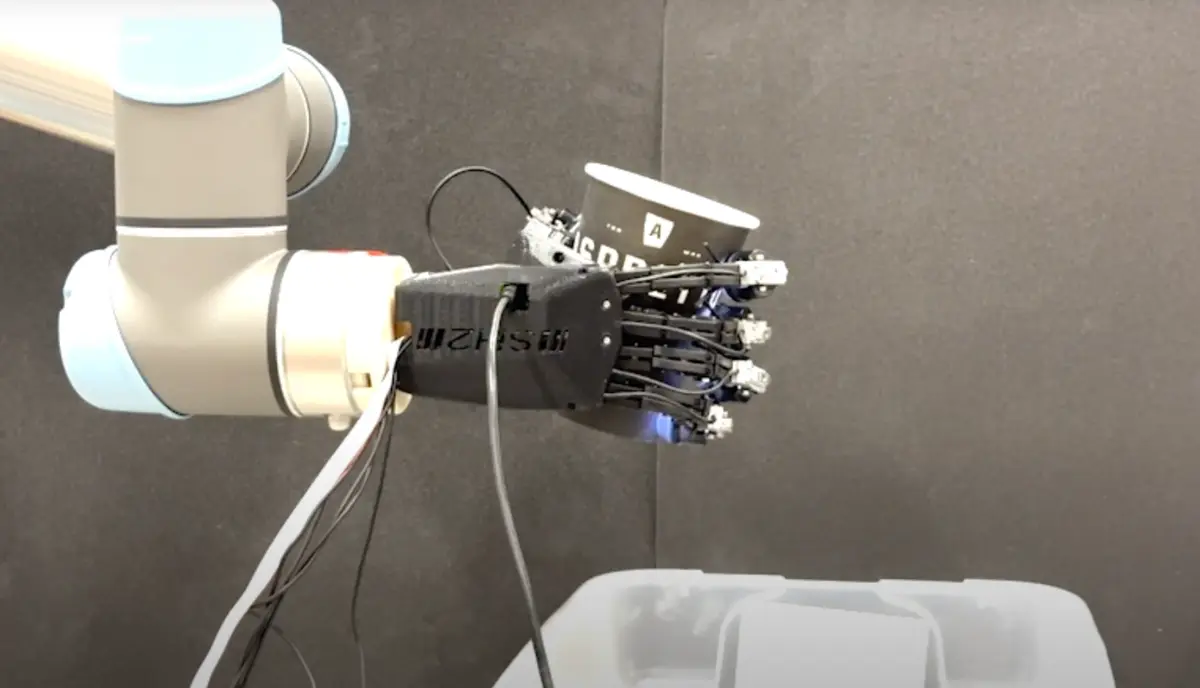
UK Team Secures £5M to Advance Human-Like Robot Dexterity with AI Co-Design
A research team from the University of Bristol and Imperial College London has been awarded a £5 million grant from the Advanced Research and Invention Agency (ARIA) to advance the development of AI-driven techniques for designing highly dexterous robotic hands and their control systems. This initiative, which aims to address existing challenges in robotic manipulation, seeks to democratize the creation of specialized robotic solutions for various tasks. The project underscores the growing importance of artificial intelligence in enhancing robotic capabilities and making advanced technology more accessible.
ARIA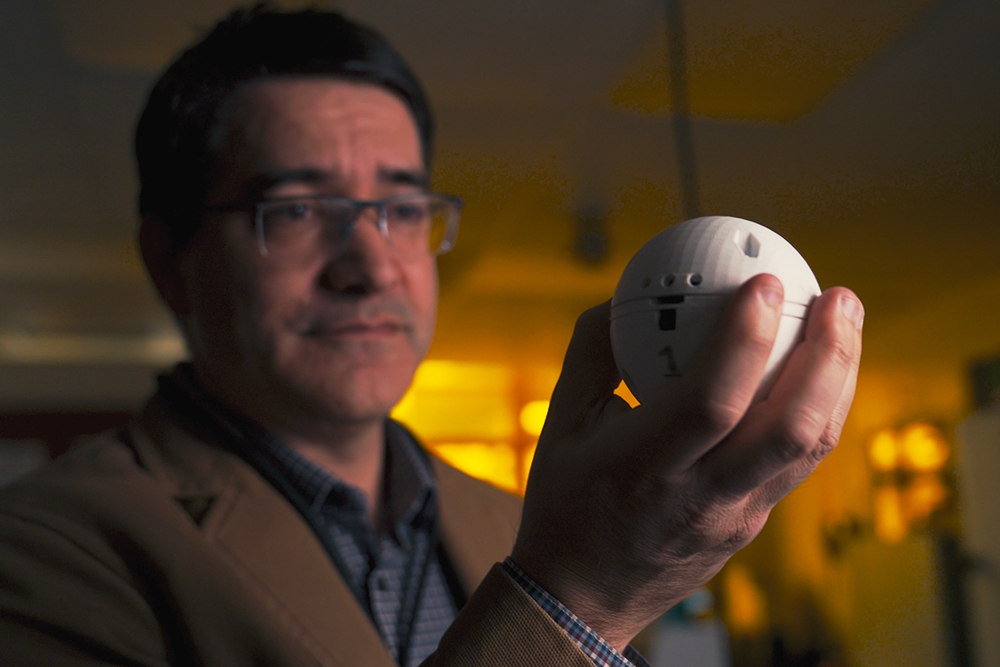
MIT Lincoln Laboratory Develops TOSSIT Sensor for Chemical Threat Detection
MIT Lincoln Laboratory has introduced the Tactical Optical Spherical Sensor for Interrogating Threats (TOSSIT), a baseball-sized device capable of detecting hazardous vapors and aerosols. Designed for military and first responder use, TOSSIT can be thrown, drone-dropped, or launched into areas of concern. The sensor utilizes an internal camera and a removable dye card to identify chemical threats, alerting users through an app or alarms when dangerous substances are detected. The significance of TOSSIT lies in its ability to address a critical gap in chemical detection capabilities. According to principal investigator Richard Kingsborough, this low-cost sensor option is essential for identifying toxic dust particles and other chemical threats that smaller deployed sensor systems typically overlook. This innovation is particularly relevant in contexts involving nerve agents, blister agents, and industrial chemical accidents, enhancing safety for military personnel and first responders. Looking ahead, TOSSIT is undergoing a transfer process to the U.S. military following extensive field testing. No further timeline was disclosed at the time of publication, but the deployment of such technology could significantly improve situational awareness and response capabilities in hazardous environments.
Research Sensors Public health Invention 3-D printing Mechanical engineering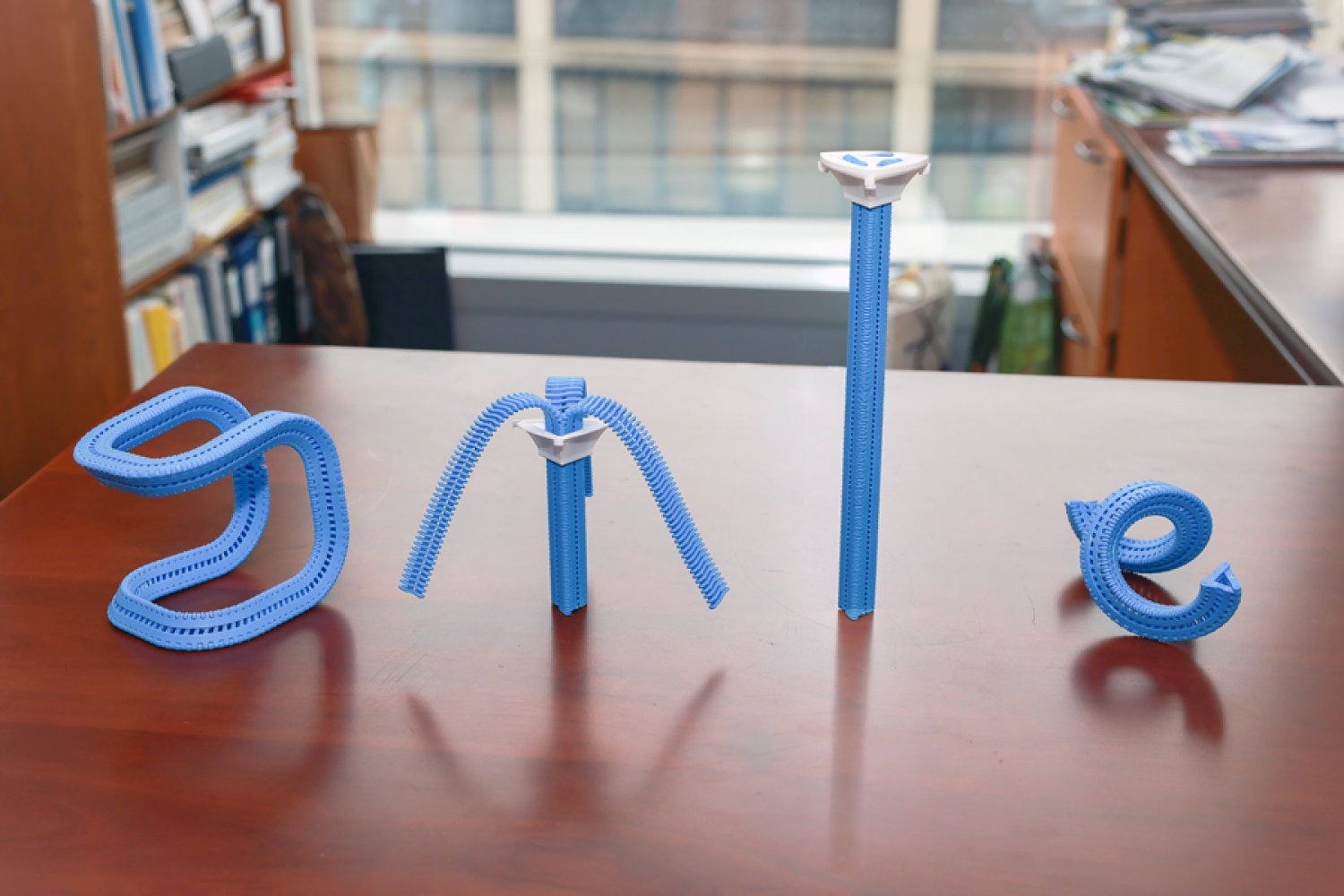
It took 40 years for technology to catch up to this zipper design
MIT Professor Bill Freeman has introduced an innovative fastener known as the "Y-zipper," which is designed to transform gear, robots, and art with ease. This three-sided fastener allows users to snap items into shape at the push of a button, significantly enhancing convenience and functionality. The concept draws inspiration from an old patent held by Freeman, showcasing the potential for advancements in design and technology. The development of the Y-zipper reflects a growing interest in creating user-friendly solutions that streamline the assembly and manipulation of various objects. As this technology gains attention, it could pave the way for new applications across multiple industries.
Research Invention Design Robotics 3-D printing Wearables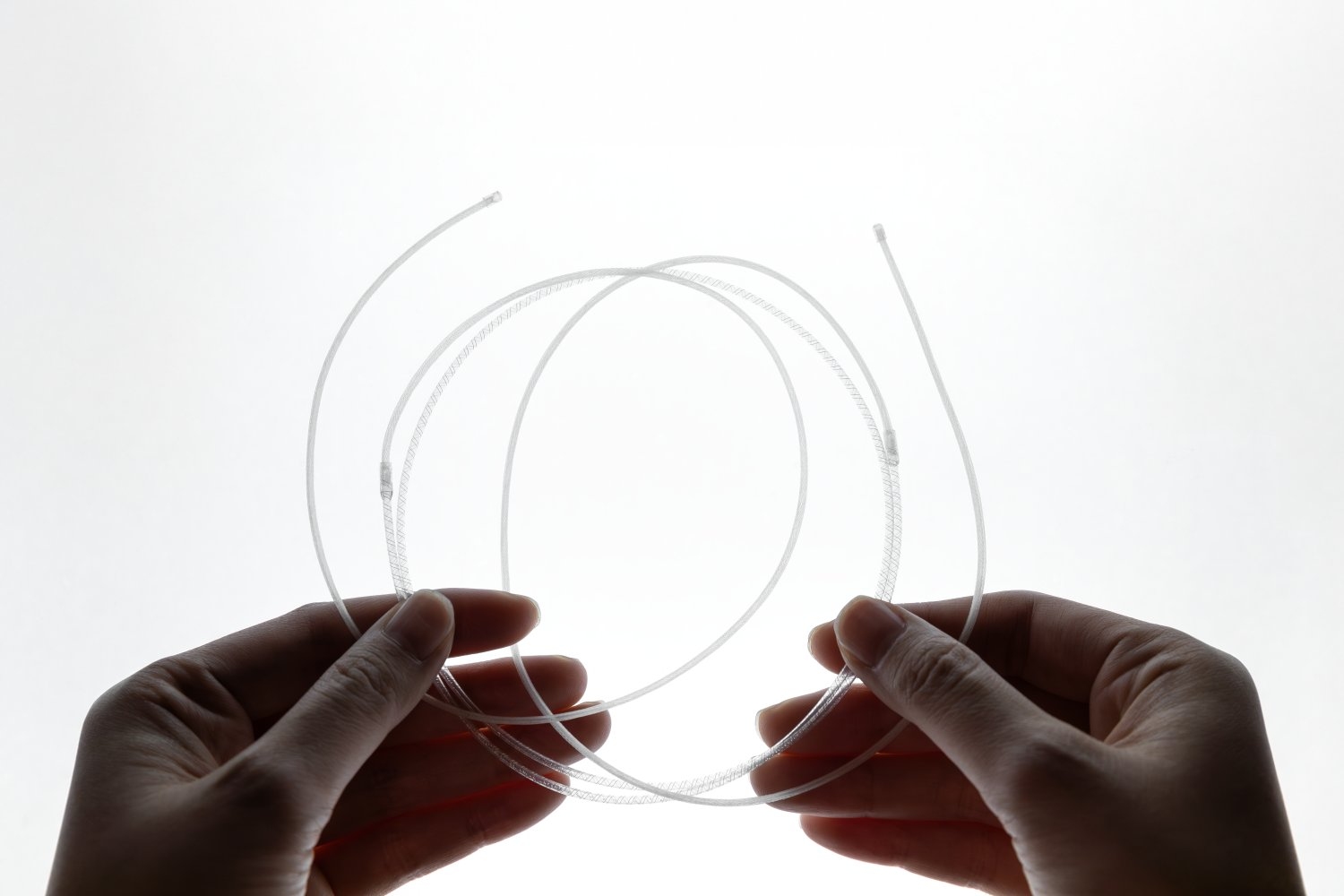
A new type of electrically driven artificial muscle fiber
Researchers have developed electrofluidic fibers that replicate the natural bundling of muscle fibers, a breakthrough that could revolutionize the design of compact and silent robotic systems as well as prosthetics. This innovative technology was unveiled in a recent study aimed at enhancing the functionality and efficiency of robotic and prosthetic devices. By mimicking the structure and behavior of biological muscles, these fibers offer the potential for more responsive and adaptable machines. The advancement is particularly significant as it addresses the growing demand for quieter and more efficient robotic solutions in various applications, from medical devices to industrial automation. The research team employed advanced materials and engineering techniques to create these fibers, which could lead to a new generation of devices that are not only more effective but also more closely aligned with human movement. This development marks a promising step forward in the integration of robotics into everyday life, providing users with improved mobility and interaction capabilities.
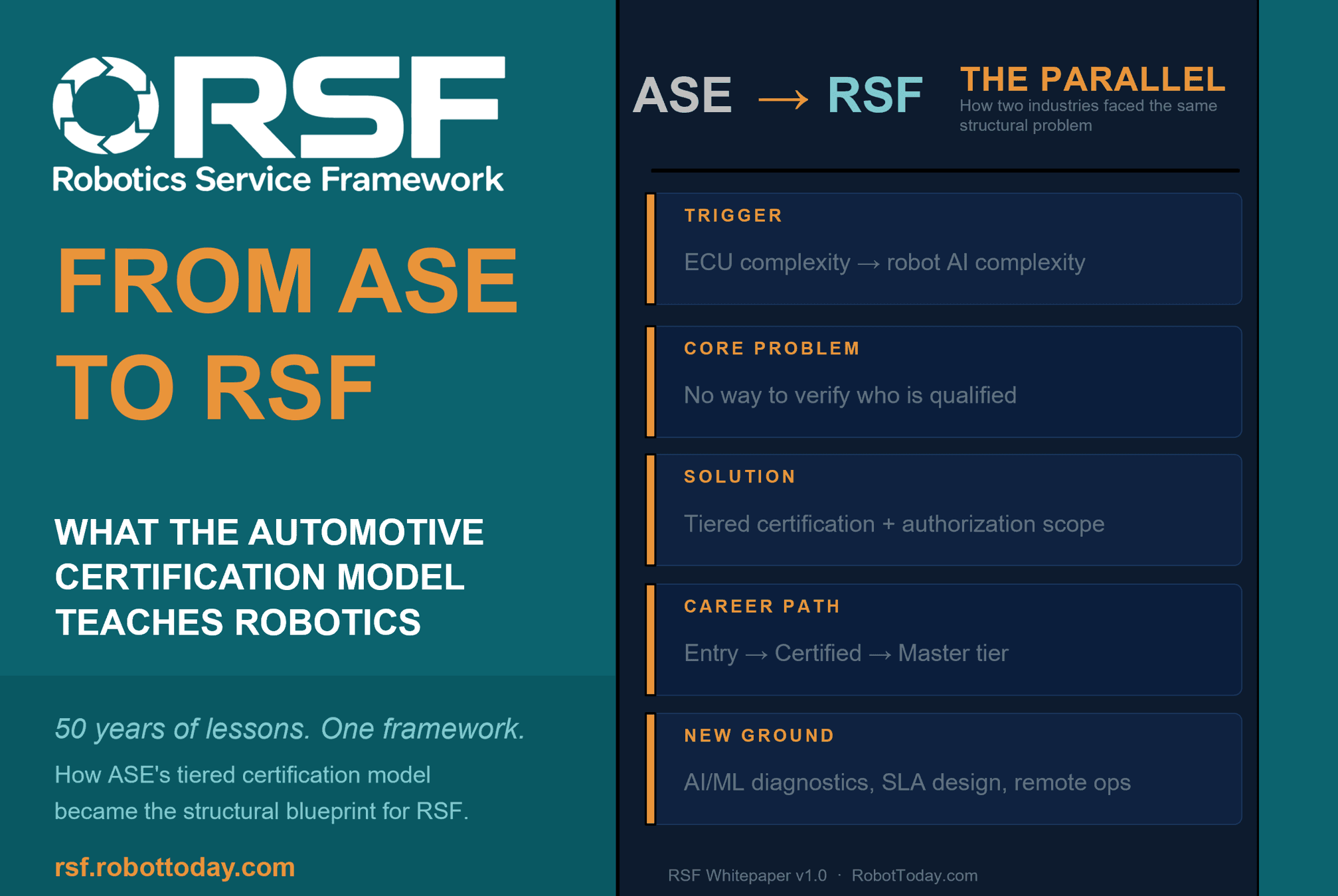
Research Invention Robotics Bioinspiration Fluid dynamics Media LabRobotics needs a service framework.
RSF defines a common language for robot service capability, lifecycle operations, certification pathways, and service-provider networks.