Industry Briefing
A single destination for timely, editor-curated robotics news from around the world.

Explosion-Proof Inspection Robots Utilize Custom Joint Motors for Hazardous Environments
In petrochemical facilities, an explosion-proof inspection robot extends its mechanical arm to accurately position an infrared thermal imager on a high-temperature pipeline flange, demonstrating smooth movements and precise positioning. In coal mines, another robot's arm performs micron-level rotational operations on valves. The motors driving these joints differ fundamentally from standard industrial robots, providing high torque density in confined spaces. These explosion-proof joint modules can achieve a peak torque of 450 N·m and a rated torque of 110 N·m, supporting continuous operations with a payload exceeding 20 kg. With a dual 17-bit encoder, the modules offer a repeat positioning accuracy of ±40 arc seconds and a backlash of ≤15 arc minutes, with response times in the millisecond range. Designed for flammable and explosive environments, these robots meet IP68 protection and Ex d IIB T4 explosion-proof standards, suitable for various scenarios including chemical, coal mining, and hazardous material warehouses. Jiangsu Huistone has over 20 years of experience in specialized motors, providing customized servo motor solutions for intelligent inspection robot arms. Their products cover a base size range from 40 mm to 400 mm, power from 50 W to 200 kW, and voltage from 24 V to 3000 V, ensuring compatibility with different power supply platforms. The successful application of their 130 mm base explosion-proof AC servo motor in petrochemical inspection robots highlights the precision and safety of these advanced technologies.
Explosion-Proof Robots Joint Motors Industrial Automation Hazardous Environment Technology
Lumos Robotics Introduces NexCore to Simplify Industrial Robot Skill Development
Lumos Robotics has unveiled Lumos NexCore, an embodied AI platform that significantly reduces the time needed to develop robotic skills from weeks to days. This innovation addresses a critical challenge in industrial robotics, where the gap between robot delivery and reliable task performance often complicates deployment for enterprises. The introduction of NexCore is crucial for factory owners and end customers who face the complexities of making robots work effectively in production environments. Traditionally, deploying a robot requires extensive programming and engineering capabilities, including data collection, algorithm development, and performance validation. NexCore streamlines this process, offering a more plug-and-play experience. Looking ahead, NexCore's integrated workflow allows users to define tasks in natural language, train skills, and deploy capabilities seamlessly. This closed-loop system not only simplifies robotic skill development but also enables continuous optimization, making it easier for enterprises to adapt robots to their specific needs. No further timeline was disclosed at the time of publication.
Computing News Software artificial intelligence embodied ai industrial robotics
EPFL Advances Sustainability Robotics to Address Environmental Challenges
EPFL is pioneering the concept of Sustainability Robotics, emphasizing the need for robots to contribute to sustainability goals. Aude Billard highlights the tension between robotic performance and sustainability, noting that energy-intensive systems and finite resources must be considered. Mirko Kovač's manifesto calls for a broader evaluation framework for robots, integrating their environmental, social, and economic impacts into their design and application. The initiative aims to redefine how robots are assessed, moving beyond technical performance to include their overall contribution to sustainability. Kovač proposes three core principles: minimal invasiveness, universal accessibility, and symbiosis with ecosystems. This approach encourages innovation in engineering solutions that address pressing challenges like climate change and biodiversity loss. Current research at EPFL includes projects like the eel-inspired Envirobot for water quality monitoring and an aquatic robot made from fish food, which can biodegrade and support aquatic life. These developments illustrate the potential of robots to not only minimize environmental impact but also actively enhance ecological health and sustainability efforts.

Agility Robotics Launches Digit 5 Humanoid Robot for Safe Collaborative Work Environments
Agility Robotics has introduced Digit 5, a next-generation humanoid robot designed for cooperative work in environments where safety is paramount. Built on over 65,000 hours of operation and commercial deployments, Digit 5 can handle full facility workflows and operate alongside humans without the need for physical safety barriers. The significance of Digit 5 lies in its ability to enhance operational efficiency in various settings by allowing robots to work closely with people. This innovation marks a shift in how humanoid robots can be integrated into workplaces, potentially transforming industries that require human-robot collaboration. Looking ahead, the deployment of Digit 5 could pave the way for broader acceptance of humanoid robots in diverse applications. As organizations seek to optimize workflows and improve safety, the capabilities of Digit 5 will be closely monitored to assess its impact on the future of cooperative robotics. No further timeline was disclosed at the time of publication.

Atlantas Marine Introduces Inflatable ROV Habitats for Hazardous Offshore Environments
Atlantas Marine has launched inflatable habitats designed specifically for their ROV systems, aimed at enhancing operational efficiency in hazardous offshore areas. These habitats provide a controlled workspace, allowing teams to set up and maintain ROVs effectively, addressing the common challenge of limited deck space on vessels. The introduction of these inflatable habitats is significant as they are tailored to meet the unique demands of offshore operations, including compliance with hazardous area classifications. Each unit is portable, can be mobilized quickly, and is constructed from materials that ensure durability and safety in challenging environments. Looking ahead, the first units are set to be shipped to Brazil for deployment on oil platforms. Atlantas Marine has completed testing and is eager to gather performance data from these initial deployments, which will inform future enhancements and operational practices.
atlantas marine inflatable rov habitats hazardous offshore areas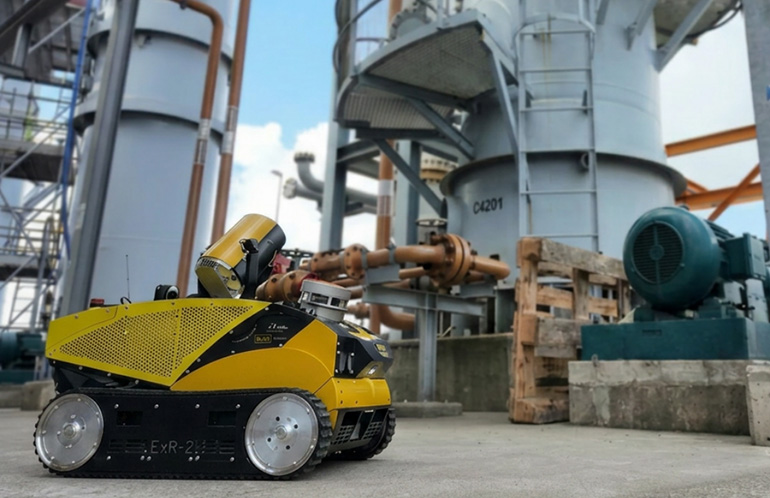
ExRobotics launches UL-certified inspection robot for hazardous environments
ExRobotics has announced that its ExR-2.5 inspection robot has received certification for safe operations in explosive environments across North America. This certification allows the robot to be deployed in hazardous settings, enhancing safety and efficiency in inspections where traditional methods may pose risks. The launch of the UL-certified ExR-2.5 marks a significant advancement in robotics technology, aimed at addressing the challenges faced in environments that are potentially dangerous for human operators.
Autonomous Mobile Robots (AMRs) Cameras / Imaging / Vision Mobility / Navigation News Oil and Gas Safety & Security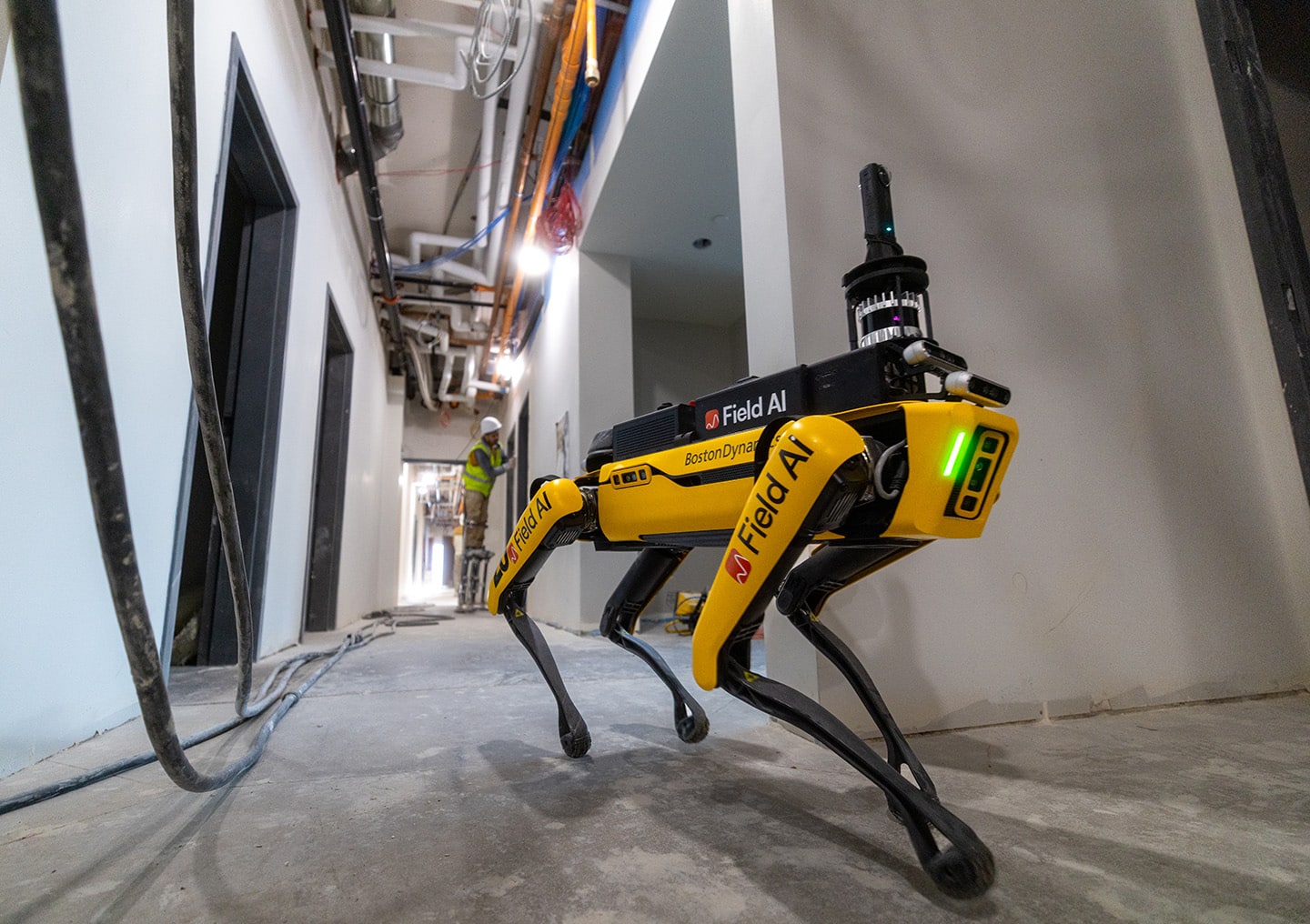
Boston Dynamics and FieldAI Collaborate to Enhance Robotics in Dynamic Construction Environments
Boston Dynamics and FieldAI have announced a partnership aimed at advancing robotics in construction and other complex environments. This collaboration merges Boston Dynamics' robotic platforms with FieldAI's Field Foundation Models™ (FFMs), enabling autonomous operations in unpredictable spaces, such as construction sites where conditions frequently change. The significance of this partnership lies in its potential to revolutionize construction operations, which are often labor-intensive and fraught with safety risks. By integrating FFMs with Boston Dynamics' Spot® robot, the collaboration aims to enhance the ability of robots to navigate dynamic terrains and workflows, ultimately improving efficiency and safety in construction projects. Looking ahead, the integration of FFMs with Spot is expected to enable robots to autonomously operate in uncharted environments, such as underground mines and rapidly evolving construction zones. No further timeline was disclosed at the time of publication.

Space Data Launches RobotBrain to Enhance Robotics Implementation and Learning in Real Environments
Space Data Corporation has commenced the provision of 'RobotBrain', a foundational platform designed to support the deployment, operation, and learning of robots in real-world settings. This initiative extends their existing technologies in digital twins, physical simulations, and spatial intelligence, previously utilized in defense, disaster prevention, urban development, and infrastructure sectors. The significance of RobotBrain lies in its ability to address the challenges faced by industries in integrating robots and drones into various environments, including factories, warehouses, construction sites, and commercial facilities. While the demand for robotic solutions is growing due to labor shortages, merely purchasing robots does not guarantee operational success. The platform aims to streamline the automation process and enhance decision-making during abnormal situations by integrating various robotic systems into a cohesive operational framework. Looking ahead, RobotBrain facilitates a continuous feedback loop between virtual and real environments, allowing robots to become smarter through repeated use. The platform supports the integration of multiple manufacturers' robots and sensors, ensuring compatibility without replacing existing systems. No further timeline was disclosed at the time of publication.
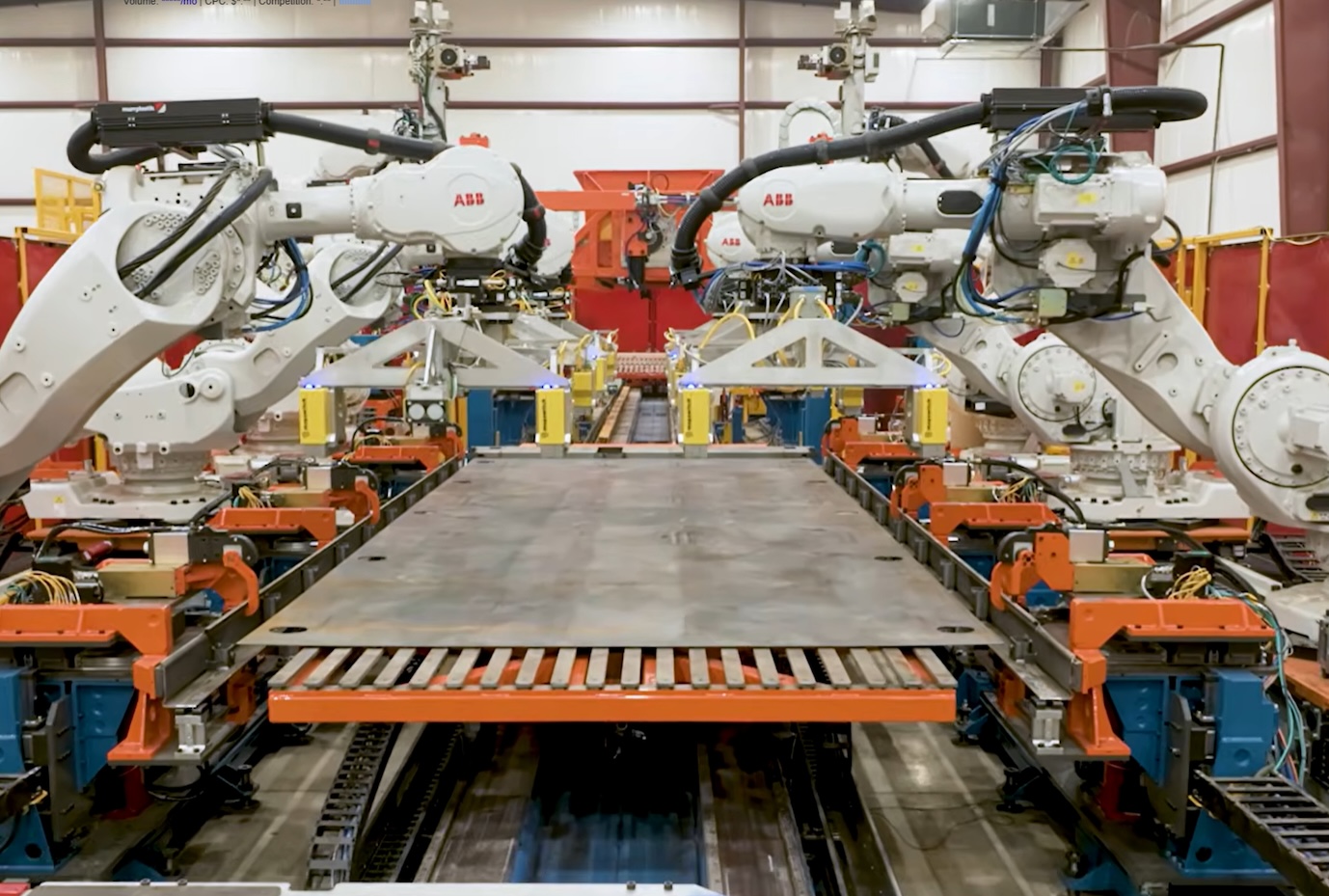
DEEP Robotics' Lynx Robot Operates in Extreme 55°C Desert Conditions
DEEP Robotics has released a video showcasing its Lynx wheeled-legged robot navigating extreme desert terrains, including soft sand and steep slopes. The robot's design combines wheeled movement for efficiency on flat surfaces with adjustable jointed legs for overcoming obstacles, making it suitable for narrow spaces like vineyards. The Lynx series operates in temperatures ranging from -30°C to 55°C and features an IP66 rating for dust and water resistance. For instance, the Lynx M20 weighs 33 kg, has a payload capacity of 15 kg, and can operate for 2.5 hours under load. It is equipped with dual 96-line LiDAR and dual-frequency cameras for real-time obstacle detection, significantly reducing manual labor in high-temperature environments. The robot has already been deployed in commercial vineyards in Xinjiang, reducing manual transport workload by over 70%. Additionally, it has been utilized for industrial inspections and public safety tasks, demonstrating its versatility in various applications. No further timeline was disclosed at the time of publication.
Robotics Industrial Automation Extreme Environment Technology Agricultural Robotics
NORINCO Launches Fuxi Humanoid Robot for Remote Operations in Dangerous Environments
On August 19, NORINCO unveiled its full-size humanoid robot, Fuxi, at the 2026 World Robot Conference in Beijing. This robot is designed for remote human control in hazardous areas, utilizing a system that allows operators to replicate their movements in real-time. Fuxi aims to operate in environments where humans cannot or should not go, such as nuclear disaster sites or areas under enemy fire. The significance of Fuxi lies in its advanced capabilities for reconnaissance, intelligent patrolling, and operations in dangerous zones. It can identify personnel and issue alerts, and multiple Fuxi robots can work collaboratively. During the conference, Fuxi demonstrated its ability to perform urban patrols at night, showcasing its practical capabilities in multi-robot management and response. Fuxi is built using entirely domestically developed technology, focusing on human-robot perception and coordination. This development marks a significant step for China in military and special operations robotics, distinguishing itself from consumer and industrial robots. No further timeline was disclosed at the time of publication.
Humanoid Robots Remote Operation Technology Military Robotics Hazardous Environment Robotics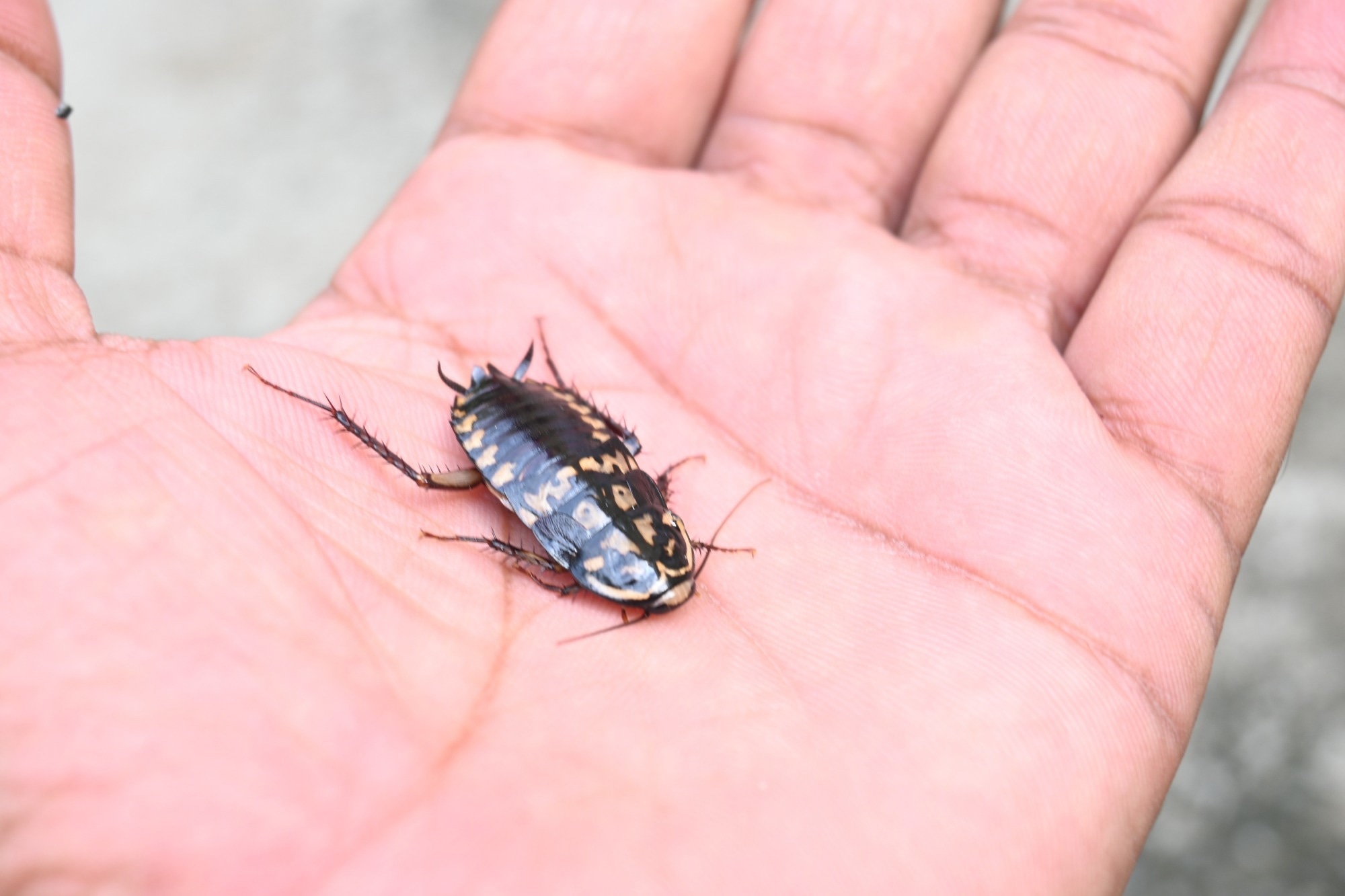
Cyborg Cockroaches Equipped with Diving Suits Achieve Three-Hour Submersion
Researchers have developed a miniature diving suit for cyborg cockroaches, allowing them to navigate both land and water environments. This innovation enables the cockroaches to survive underwater for up to three hours, showcasing their amphibious locomotion capabilities. The study highlights the potential applications of biohybrid systems in hazardous environments, where traditional robots may struggle to operate effectively. The significance of this development lies in its implications for search and rescue operations, environmental monitoring, and exploration of submerged terrains. By integrating biological organisms with robotic technology, researchers aim to enhance the adaptability and functionality of robotic systems in challenging conditions. This approach could lead to advancements in the field of biohybrid robotics, where living organisms and machines work in tandem. Looking ahead, the research team is expected to explore further enhancements to the diving suit's design and functionality. No further timeline was disclosed at the time of publication, but ongoing studies may reveal additional capabilities or applications for these cyborg cockroaches in various operational scenarios.
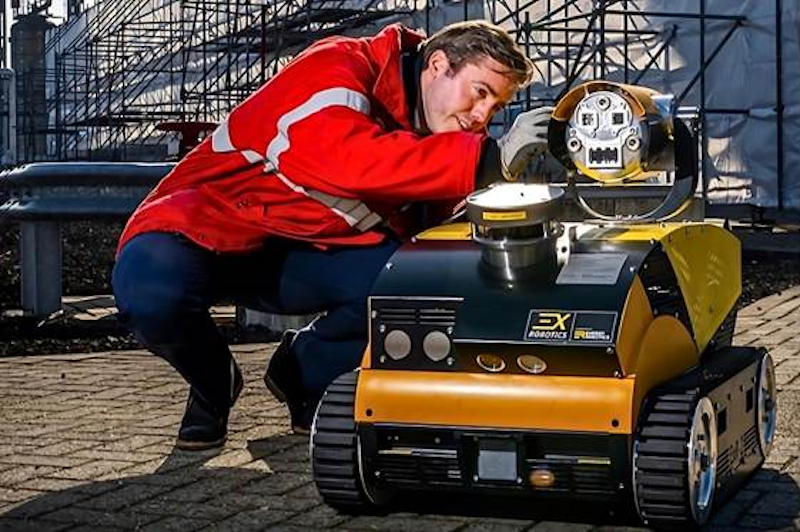
ExRobotics launches UL-certified inspection robot for hazardous industrial sites in North America
ExRobotics has announced the North American launch of its UL Certified ExR-2.5 autonomous inspection robot at the recent Energy Drone & Robotics Summit in Houston. This certification marks another industry first for ExRobotics. The ExR-2.5 is the only UL Certified inspection robot for potentially explosive industrial environments. This provides operators with a recognised pathway to […]
Energy News asset integrity autonomous inspection Autonomous robots bp
Real‐Time Terrain Traversability Analysis and Mapping for Autonomous Robotics in Dynamic Environments: Fusing Appearance‐ and Geometry‐Based Approaches
In a recent study published in the Journal of Field Robotics, researchers explored advancements in robotic technologies aimed at enhancing agricultural efficiency. The study, which appears in the May 2026 issue, highlights innovative approaches to integrating robotics into farming practices to address labor shortages and improve crop yields. Conducted by a team of experts in robotics and agriculture, the research was carried out in various agricultural settings to assess the effectiveness of these technologies in real-world applications. The findings suggest that the implementation of autonomous robots can significantly streamline farming operations, reduce costs, and increase productivity. This research is particularly timely as the agricultural sector faces increasing challenges due to a declining workforce and the need for sustainable practices. The study emphasizes the potential of robotics to transform the industry, paving the way for smarter, more efficient farming solutions.
RESEARCH ARTICLE
Explosion-Proof Robotics in ATEX/IECEx Environments: Progress, Challenges and Practical Pathways
Industrial robotics has significantly impacted various sectors, including manufacturing, logistics, and maintenance. However, their application in potentially explosive environments, such as refineries, petrochemical plants, offshore platforms, and battery production facilities, presents unique challenges. As industries seek to enhance safety and efficiency, the integration of robotics in these hazardous settings requires careful consideration of the risks involved. The need for advanced technology that can operate safely in such volatile conditions is driving innovation and research in the field. As of October 2023, experts are exploring solutions to ensure that robotic systems can effectively navigate these environments while minimizing the potential for accidents and ensuring compliance with safety regulations.

Google DeepMind Robotics Head Details 'Surprising' Cross-Embodiment AI, Calls Home 'The Hardest Environment'
In a recent interview, Carolina Parada from Google DeepMind highlighted the innovative features of Gemini Robotics 1.5, particularly its unique 'agentic' two-part brain. Parada emphasized the robot's impressive capability to transfer skills across different robotic platforms, showcasing a significant advancement in robotics technology. She also expressed her belief that the home environment represents one of the final frontiers for the application of such technology, suggesting a future where robots could play an integral role in daily household tasks. This discussion sheds light on the ongoing developments in robotics and the potential for transformative impacts in personal living spaces.
vla World-Models AI Gemini google-deepmind Carolina-Parada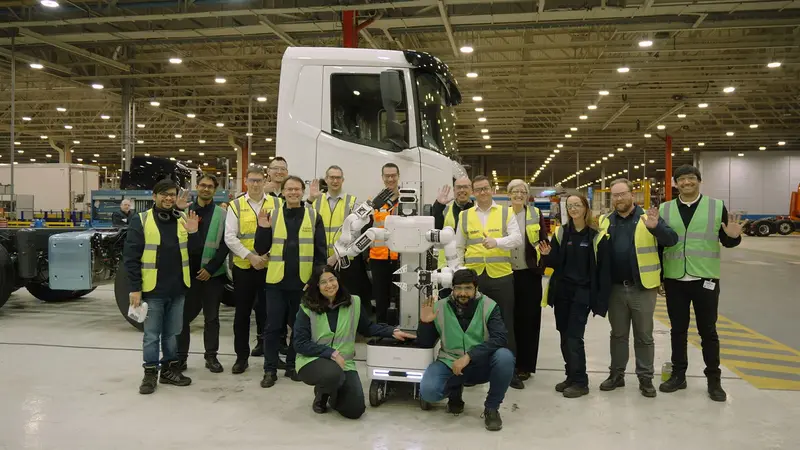
Video: Extend Robotics Tests VR-Controlled Humanoid Robot for Hazardous EV Truck Tasks at Leyland
Extend Robotics and Leyland Trucks are collaborating on innovative trials involving virtual reality-controlled robots aimed at enhancing safety in electric vehicle truck manufacturing. The initial phase of testing, which commenced recently, focuses on the remote operation of robots to safely connect high-voltage components, a task that poses significant hazards to human workers. This initiative not only seeks to mitigate risks associated with dangerous tasks but also explores the potential for artificial intelligence to learn from human demonstrations, thereby improving the efficiency and effectiveness of robotic operations. The partnership underscores a commitment to advancing technology in the automotive industry while prioritizing worker safety.
extend-roboticsRobotics needs a service framework.
RSF defines a common language for robot service capability, lifecycle operations, certification pathways, and service-provider networks.
Join the RobotToday community on LinkedIn
Daily robotics news, in-depth analysis, conference highlights, and discussions with professionals worldwide.