Industry Briefing
A single destination for timely, editor-curated robotics news from around the world.
Sami Robotics Advances Broccoli Harvesting with Multi-Crop Platform Development
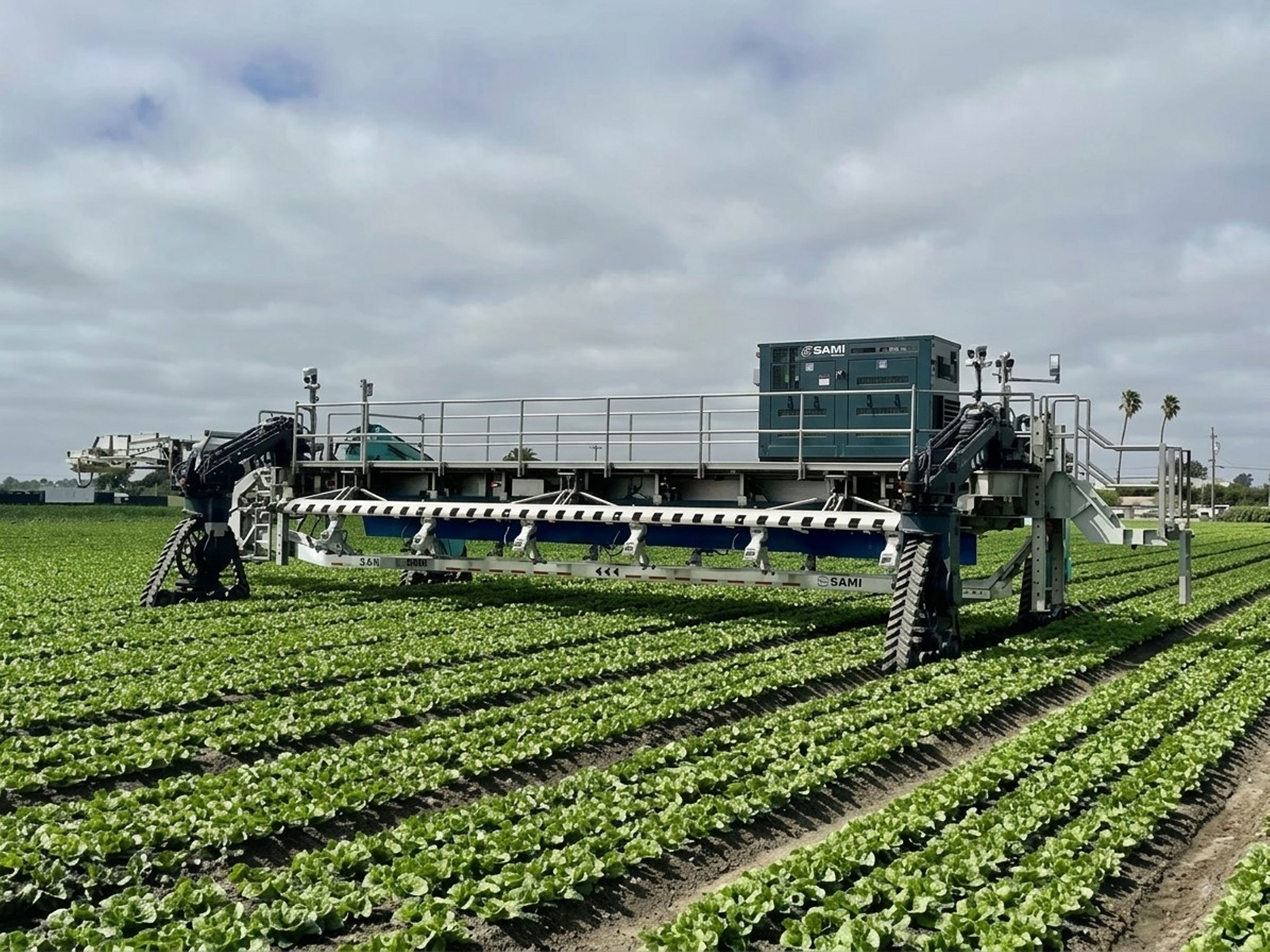
Sami Robotics, located in Varennes, Québec, has successfully transitioned its broccoli harvesting application from prototype to operational status, utilizing a scalable, multi-arm design. The platform employs 12 to 18 robotic arms that work in parallel to identify and harvest mature vegetables, although specific throughput figures are not disclosed due to varying field conditions. The significance of this advancement lies in Sami Robotics' commitment to automating labor-intensive agricultural tasks through advanced robotics, AI, and data analytics. CEO Pascal Labrecque emphasizes the platform's adaptability for multiple crops and agricultural operations, aiming to enhance efficiency and reduce labor dependency for growers. Looking ahead, Sami Robotics plans to scale commercial deployments while refining its technology. Romaine lettuce is next in line for development, with iceberg lettuce and cauliflower also generating interest. The company envisions a multifunctional platform that could eventually support various agricultural tasks beyond harvesting, although no additional capabilities are currently in development.
Crop solutions Harvest & storage harvest Harvest robot
Nanovel Develops Autonomous Citrus Harvesting Technology to Address Labor Challenges
Israeli ag robotics startup Nanovel is tackling the complexities of robotic citrus harvesting. Their patented autonomous harvester features robotic arms that can reach deep into citrus trees, using a vacuum gripper to collect fruit while minimizing damage. The system employs computer vision and AI to navigate the canopy and manage a fleet of robots. This innovation is significant as manual labor constitutes about 50% of production costs in citrus farming, particularly in regions sensitive to labor availability. Nanovel's technology aims to reduce these costs, with harvesting expenses estimated at $25-30 per 900-lb field bin compared to $42-43 for manual labor. The ability to schedule harvests reliably without dependence on seasonal workers enhances operational efficiency. Looking ahead, Nanovel plans to conduct trials with leading growers in southern Europe in 2027, followed by pilot deployments in 2028 and commercial rollout in 2029. The company has secured a €2.5 million grant from the European Innovation Council to support its development efforts.
Agtech Artificial intelligence Deeptech EMEA Precision agriculture Startups & funding
Hippo Harvest Secures Over $30 Million in Series C Funding for Agricultural Robotics Expansion
In July 2026, Hippo Harvest, a California-based agricultural technology company, announced the completion of a $30 million Series C funding round led by Cox Farms, with participation from Congruent Ventures and Hawthorne Food Ventures. This funding, combined with a previous $21 million Series B round in February 2024, brings the total raised to over $51 million in just two years. This funding is crucial for Hippo Harvest as it plans to expand its greenhouse operations from 1 acre to a new facility covering 30 acres, while also advancing technology iterations and channel development. The indoor agriculture sector has faced significant challenges, with many companies struggling, yet Hippo Harvest has managed to attract substantial investment by leveraging its innovative technology. The company utilizes AI and robotics to equalize greenhouse planting costs with those of outdoor farming, achieving USDA organic certification for its products. With a focus on resource efficiency, Hippo Harvest's systems reportedly reduce water usage by 92% compared to traditional methods, making it a notable player in the agricultural robotics space. No further timeline was disclosed at the time of publication.
Agricultural Robotics Indoor Farming AI Technology Greenhouse Automation
China Agricultural University's Professor Li Wei Advances Agricultural Harvesting Robots
Professor Li Wei's team at China Agricultural University is pioneering agricultural harvesting robots, marking a significant shift in modern farming practices. These robots integrate automation and intelligent technologies, enhancing productivity and transforming traditional agricultural labor methods. The team's research has led to the development of cucumber and tomato harvesting robots, which are gradually entering the market. The importance of this innovation lies in its potential to revolutionize agricultural practices, improving efficiency and supporting the growth of modern agriculture. The team's comprehensive research has culminated in a book titled 'Agricultural Harvesting Robots,' which discusses core algorithms such as machine vision and deep learning, and provides case studies on the robots they have developed. Looking ahead, the book serves as a valuable resource for researchers and students in agricultural robotics and intelligent agricultural equipment. No further timeline was disclosed at the time of publication.
Agricultural Robots Harvesting Technology Automation Machine Learning Robotics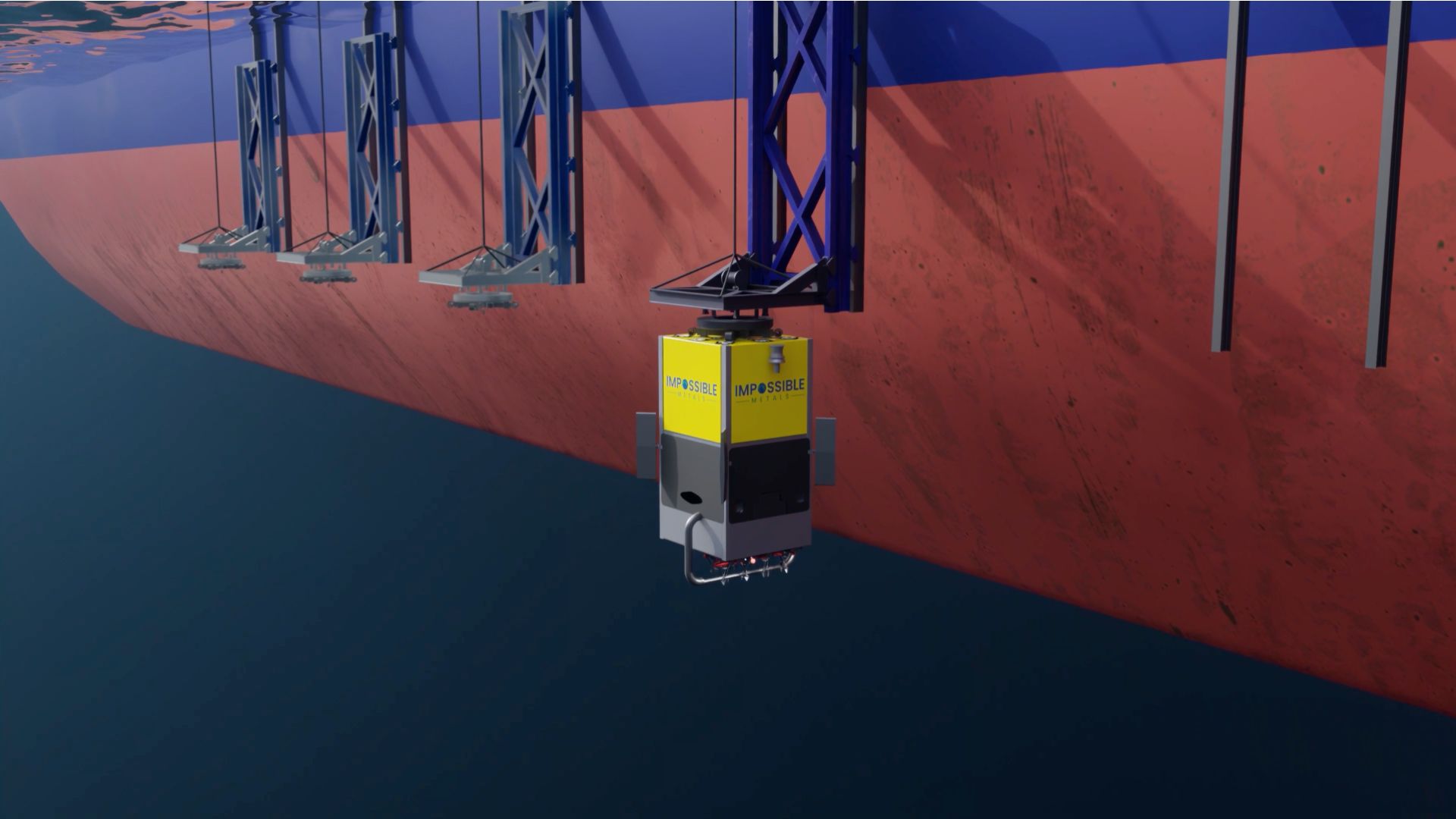
Impossible Metals to Launch Advanced Marine Robotics Hub for Deep-Sea Mineral Harvesting
Impossible Metals, a US mining technology company, has announced plans to establish an Advanced Marine Robotics Hub in Pittsburgh, Pennsylvania. This facility will focus on developing autonomous marine systems for the deep-sea collection of critical minerals, creating over a dozen high-paying engineering and science jobs. The hub aims to enhance US capabilities in marine robotics and critical mineral technologies through collaboration with local universities and researchers. The significance of this initiative lies in its potential to redefine deep-sea mining practices. According to Mike Regan, Chief Growth Officer at Impossible Metals, the hub will enable swarms of autonomous robots to harvest critical minerals like nickel, cobalt, copper, and manganese with minimal environmental impact. This approach not only promises to produce the lowest-cost critical metals on Earth but also aims to strengthen the US supply chain and reduce reliance on foreign sources of essential materials. Looking ahead, the Advanced Marine Robotics Hub will serve as the primary research center for advancing the Eureka autonomous underwater platform and Smart Launch and Recovery Systems. The company plans to continue developing dual-use technologies that cater to both commercial and naval applications. No further timeline was disclosed at the time of publication.
AI and Robotics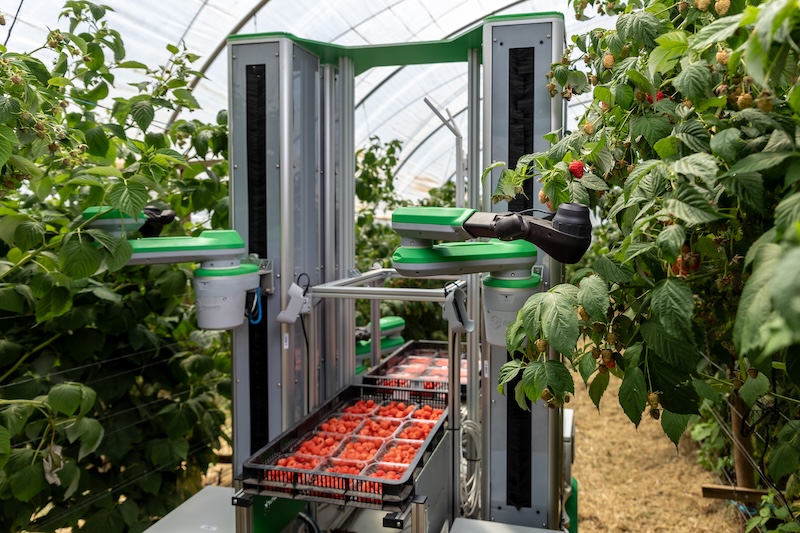
Fieldwork Robotics Receives £2.5 Million Investment for Berry Harvesting Automation
Fieldwork Robotics has secured a £2.5 million investment from SEED Innovations to enhance its selective and modular berry harvesting robots. This funding is part of a Seed+ fundraising initiative announced in April 2026, aimed at addressing labor shortages and rising costs in berry production. The investment will facilitate the transition from technology validation to commercial trials, with production robots already deployed in a two-year program in Norfolk and Stafford. The significance of this investment lies in its potential to alleviate pressing challenges faced by berry growers, including labor shortages and increased harvesting costs. By utilizing autonomous harvesting robots, Fieldwork aims to boost productivity and reduce reliance on seasonal labor, thereby minimizing food waste and stabilizing consumer prices. Jim Mellon, chairman of SEED Innovations, emphasizes the opportunity for robotics and AI to tackle real-world agricultural issues, aligning with Fieldwork's mission to enhance farm efficiency. Looking ahead, Fieldwork Robotics anticipates operating multi-robot fleets on farms by 2027, contingent on the success of ongoing trials. Additionally, the company plans to expand its operations internationally, with trials set to take place in Australia as part of its global growth strategy. No further timeline was disclosed at the time of publication.
Agriculture Financials & Investments agri robotics agricultural robotics agriculture automation
Hippo Harvest Secures $30 Million Series C to Expand Robotic Greenhouse Operations in California
Hippo Harvest has successfully closed a $30 million Series C funding round, led by Cox Farms, the largest greenhouse operator in North America. This funding will facilitate the expansion of Hippo Harvest's operations with a new 30-acre facility in Hollister, California, which is currently undergoing permitting. The company specializes in producing USDA-certified organic greens using robotics and machine learning technologies, aiming to scale its production capabilities significantly. The significance of this funding lies in Hippo Harvest's commitment to enhancing its robotic growing systems, which will increase its growing capacity from one acre to a much larger scale. This expansion is expected to accelerate the commercialization of indoor-grown spinach, tapping into the growing demand for organic produce. The integration of advanced technology in their greenhouses positions Hippo Harvest to meet retail buyers' needs more effectively. Looking ahead, Hippo Harvest is poised to make substantial advancements in the indoor agriculture sector. The timeline for the completion of the new facility and the rollout of the next-generation growing system remains undisclosed, but the company is focused on leveraging this investment to enhance its market presence and operational efficiency in the coming years.

EU Lowers Crop Harvest Predictions Due to Record Heat Wave in June
The European Union has revised its harvest forecasts downward following the hottest June on record for Western Europe. This unprecedented heat wave poses a significant threat to various crops, including sunflowers, grain maize, and potatoes. The implications of this adjustment are substantial, as reduced crop yields could impact food supply chains and prices across the region. Farmers and stakeholders in the agricultural sector are particularly concerned about the long-term effects of climate change on crop viability and productivity. Looking ahead, it will be crucial to monitor how these changes affect agricultural practices and market dynamics. No further timeline was disclosed at the time of publication.
Electric Modular Robot Assists Farmers in Early Detection of Crop Diseases
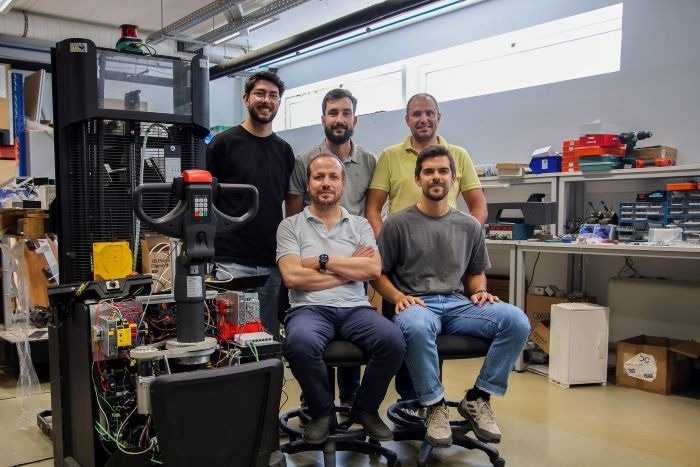
A new electric, modular robot has been introduced to farmers and agricultural producers, designed to move non-invasively through orchards and vineyards. This robot is equipped with advanced sensors that enable it to detect crop diseases before harvest. The introduction of this technology is significant as it allows for early intervention in crop management, potentially reducing losses and improving yield quality. By identifying diseases early, farmers can take necessary actions to mitigate the impact on their crops. Looking ahead, the adoption of such autonomous robots in agriculture may increase, leading to more efficient farming practices. No further timeline was disclosed at the time of publication.
Dogtooth Technologies Secures £14 Million for AI-Powered Strawberry Harvesting
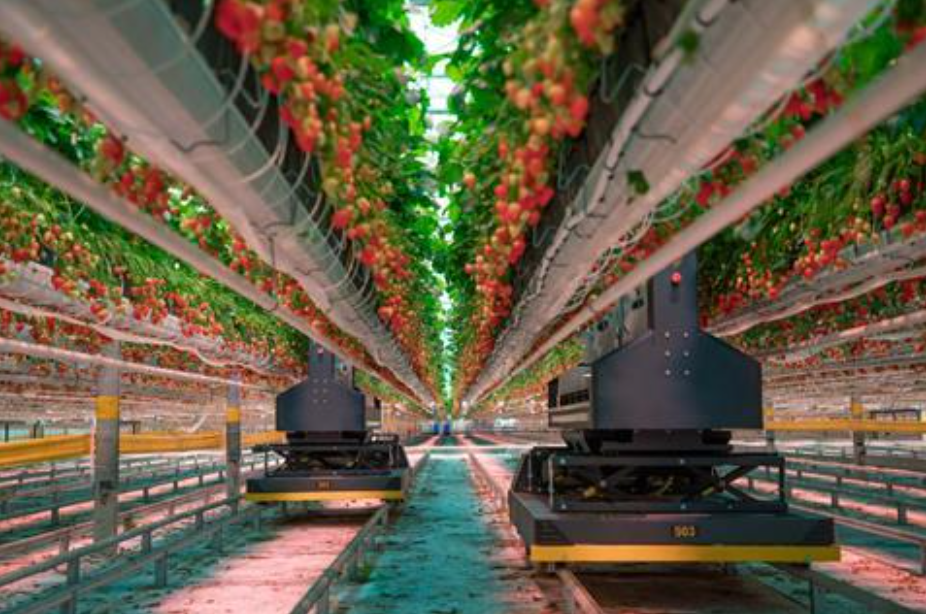
UK-based Dogtooth Technologies has successfully raised over £14 million in funding to enhance its AI-driven strawberry picking robots. The financing, provided by 24 Haymarket, EMV Capital, and ACF Investors, along with a grant from Innovate UK, aims to accelerate the deployment of these robots in both the UK and international markets. The company has already established a fleet of approximately 70 robots operating on commercial farms in the UK and Australia, harvesting tens of tons of fruit each season. The significance of this funding lies in addressing the ongoing labor shortages in agriculture, which have made robotic harvesting a necessity rather than a luxury. Dogtooth's robots utilize advanced computer vision and precision mechanical arms to autonomously navigate complex growing environments, identify ripe fruit, and perform harvesting without damage. This technology allows for continuous operation, even in cooler night conditions, thereby extending the shelf life of harvested produce. Looking ahead, Dogtooth Technologies is poised to expand its market presence, having recently delivered systems to Dyson Farming, a UK indoor berry producer. As the global horticultural industry grapples with seasonal labor shortages and rising costs, the successful deployment of these agricultural robots could signal a shift towards more widespread adoption of embodied intelligence in farming. No further timeline was disclosed at the time of publication.
Agricultural Robotics AI Technology Fruit Harvesting Embodied Intelligence
Dogtooth Secures £14M Investment for AI Robotics in Agriculture
Cambridge-based AI robotics company Dogtooth has successfully raised £14 million in funding to enhance its agricultural technology solutions. This investment aims to accelerate the development of advanced robotics designed for precision farming, addressing the growing demand for automation in the agtech sector. The funding round highlights the increasing interest in AI-driven solutions within the agricultural industry, particularly in the UK market. The significance of this funding lies in its potential to transform agricultural practices through the integration of AI and robotics. As the global agricultural sector faces challenges such as labor shortages and the need for sustainable practices, innovations like those from Dogtooth are crucial. The investment reflects a broader trend of increasing capital flow into agtech, with investors recognizing the importance of technology in enhancing productivity and sustainability. Looking ahead, Dogtooth's next steps will likely focus on scaling its technology and expanding its market presence. No further timeline was disclosed at the time of publication, but the company’s advancements in AI robotics could set new benchmarks in the agricultural sector, paving the way for future innovations and partnerships in agtech.
Agtech FoodTech
Research on Harvesting Robots for Fragile Fruit: A Review
A recent study published in the Journal of Field Robotics highlights advancements in autonomous robotics technology. Researchers from a leading robotics institute conducted experiments to improve the navigation and decision-making capabilities of robots in complex environments. The study, released in early October 2023, took place in various outdoor settings, including forests and urban areas, to test the robots' adaptability to different terrains. The motivation behind this research stems from the growing demand for autonomous systems in sectors such as agriculture, disaster response, and urban planning. By enhancing the robots' ability to process real-time data and make informed decisions, the team aims to increase their efficiency and reliability in real-world applications. Through a combination of machine learning algorithms and sensor integration, the researchers developed a new framework that allows robots to better interpret their surroundings and respond to dynamic changes. This innovative approach not only improves navigation but also enables robots to collaborate more effectively with human operators. The findings from this study are expected to pave the way for more sophisticated autonomous systems, ultimately contributing to the advancement of robotics technology and its integration into everyday life.
SURVEY ARTICLE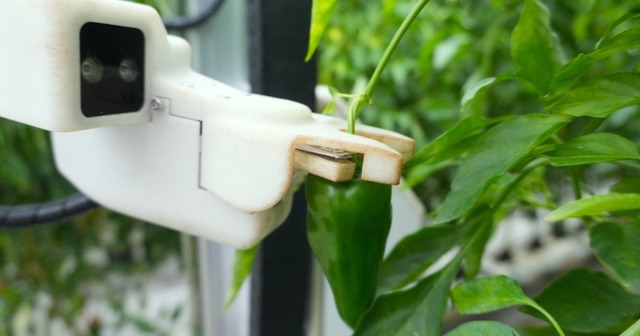
AGRIST partners with Microsoft to tackle global food challenges using AI harvesting robots in advanced agricultural applications.
AGRIST Corporation, based in Shintomi Town, Miyazaki Prefecture, showcased its innovative use of physical AI in smart agriculture at the Microsoft AI Co-Innovation Lab KOBE annual event. The event took place on June 10, 2026, at the Kobe Asahi Hall. AGRIST's presentation highlighted advanced examples of how artificial intelligence can enhance agricultural practices, demonstrating the company's commitment to integrating cutting-edge technology into farming. This initiative aims to improve efficiency and productivity in the agricultural sector, reflecting a broader trend towards modernization in farming techniques.

Fieldwork Robotics secures new funding to accelerate raspberry harvesting robot
Fieldwork Robotics, a UK-based company, has received a significant investment from SEED Innovations, led by entrepreneur Jim Mellon. This funding aims to expedite the commercial rollout of the company's innovative autonomous robot designed for raspberry harvesting. The investment comes at a crucial time as the agricultural sector increasingly seeks automation solutions to enhance efficiency and address labor shortages. By leveraging this financial support, Fieldwork Robotics plans to advance the development and deployment of its technology, positioning itself as a leader in agricultural robotics.
Smart farming autonomous technology harvesting technology investment robotics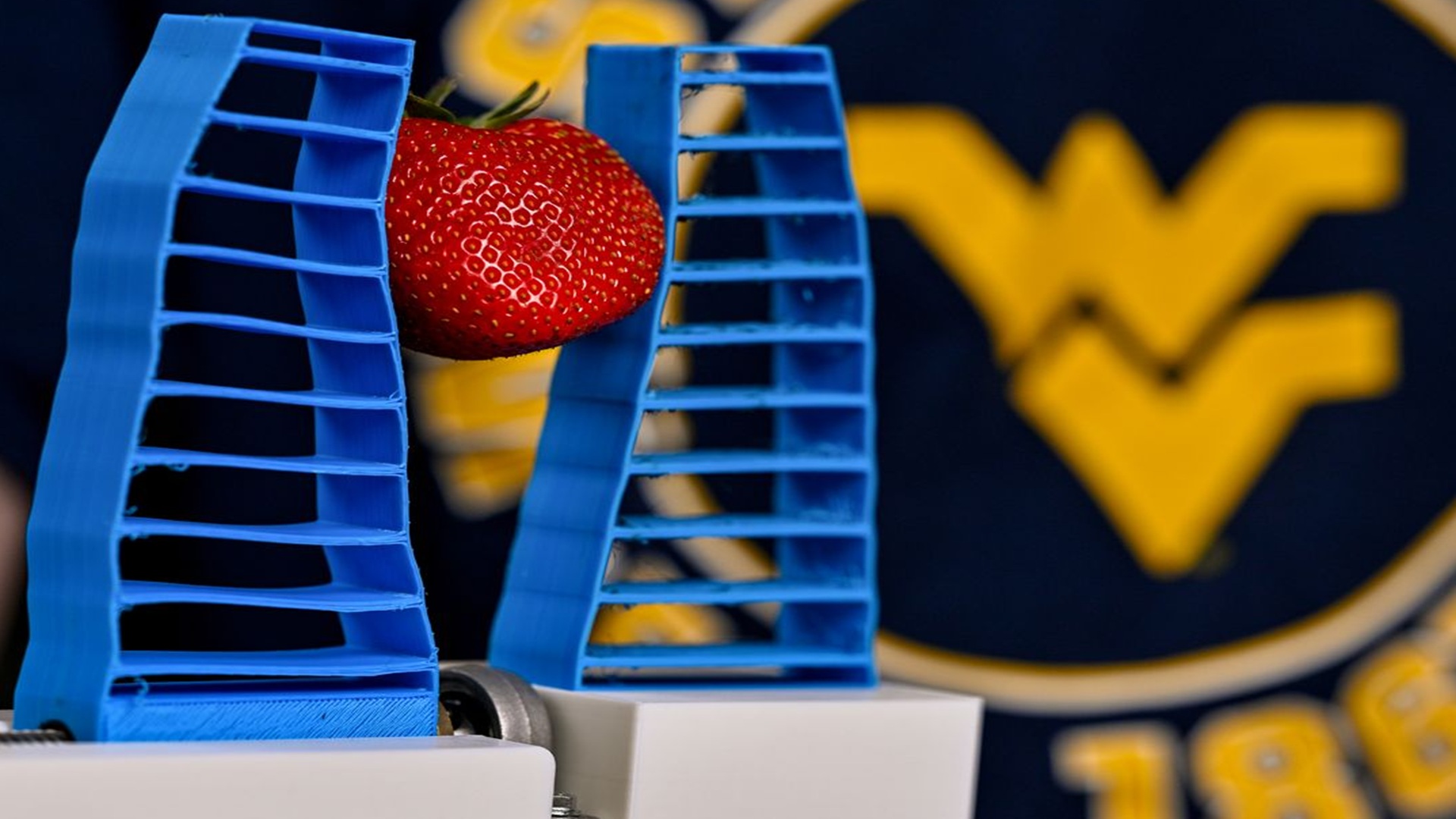
Robot hand uses touch and vision to harvest ripe fruit with near-100% accuracy
A team of researchers has created an innovative soft robotic gripper designed to assess the ripeness of fruit and facilitate harvesting. This development, which emerged from ongoing advancements in agricultural technology, aims to address the challenges faced by farmers in determining the optimal time for fruit picking. The gripper, equipped with advanced sensors, can gently handle delicate produce without causing damage, ensuring that only ripe fruits are collected. The project, which began in early 2023, took place at a leading agricultural research facility. The motivation behind this invention stems from the increasing demand for efficient and sustainable farming practices, as well as the need to reduce labor costs and improve the quality of harvested fruits. By automating the inspection and harvesting process, the researchers hope to enhance productivity and minimize waste in the agricultural sector. The robotic gripper operates through a combination of tactile sensing and machine learning algorithms, allowing it to analyze the texture and firmness of the fruit in real-time. This technology not only promises to streamline the harvesting process but also aims to improve the overall quality of produce reaching consumers. As the agricultural industry continues to evolve, innovations like this soft robotic gripper represent a significant step forward in the quest for smarter, more efficient farming solutions.
AI and Robotics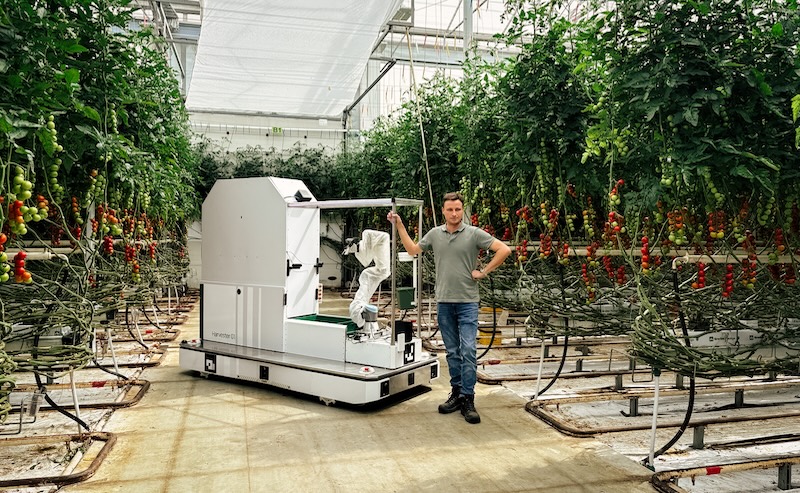
Eternal.ag scales fully-autonomous harvesting robots with first customer Van Noord Growers
Eternal.ag, a German agritech startup, has launched its fully-autonomous greenhouse harvesting robot, known as Harvester, at Van Noord Growers in Zeeland, Netherlands. This deployment is part of a long-term agreement aimed at enhancing the efficiency of Van Noord Growers, which cultivates tomatoes and cucumbers across an 8.5-hectare facility. The Harvester robot is specifically designed for truss harvesting, offering a solution to labor shortages and increasing productivity in greenhouse operations. The collaboration reflects a growing trend in the agricultural sector to integrate advanced technology to streamline processes and improve crop yields.
Agriculture News agribusiness technology agricultural AI agricultural automation agricultural innovation
Design, Development, and Field Testing of a Tomato Bunch Harvesting Robot
The Journal of Field Robotics has recently published an early view article highlighting advancements in robotic technology. This publication, which emerged in October 2023, focuses on the innovative applications of robotics in various fields, including agriculture, search and rescue, and environmental monitoring. Researchers and engineers from leading institutions contributed to the study, aiming to address pressing challenges faced in these sectors. The article emphasizes the importance of integrating advanced algorithms and machine learning techniques to enhance the efficiency and effectiveness of robotic systems. By showcasing real-world applications, the authors illustrate how these technologies can improve productivity and safety, particularly in hazardous environments. The motivation behind this research stems from the increasing demand for automation and precision in industries that require high levels of accuracy and reliability. As global challenges such as climate change and food security become more pronounced, the role of robotics is becoming increasingly vital. Through a combination of theoretical analysis and practical experimentation, the study presents a comprehensive overview of the current state of robotic technology and its potential future developments. This early view article serves as a significant contribution to the ongoing discourse in the field of robotics, paving the way for further innovations that could transform multiple industries.
RESEARCH ARTICLE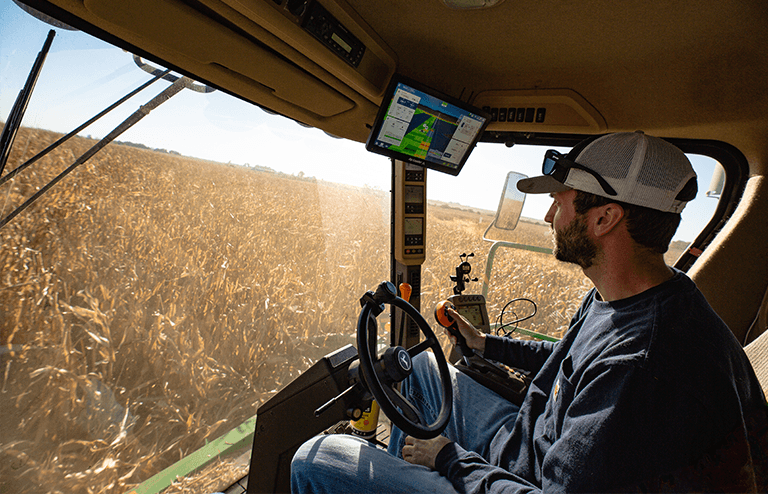
Ag Leader integrates corn row guidance into single harvest display
Ag Leader has launched Z-Row, an innovative row guidance system designed for combines that ensures precise alignment with corn rows. This new technology not only automates the steering of the combine but also consolidates steering and harvest data into a single, user-friendly display. The introduction of Z-Row aims to enhance efficiency and accuracy in corn harvesting, addressing the challenges faced by farmers in maintaining optimal row alignment. The system is expected to streamline operations and improve overall productivity in the field.
Field robots ag leader combines crop management systems Steering systems yield monitoring
Design, Development, and Field Test Analysis of a Multiarm Tomato Harvesting Robot
In June 2026, researchers published a significant study in the Journal of Field Robotics, focusing on advancements in autonomous robotic systems. The study, featured in Volume 43, Issue 4, highlights innovative methodologies for enhancing the navigation and operational efficiency of field robots. Conducted by a team of experts in robotics and artificial intelligence, the research aims to address the growing demand for autonomous technologies in various sectors, including agriculture, construction, and disaster response. The findings reveal novel algorithms that improve the robots' ability to adapt to dynamic environments, thereby increasing their effectiveness in real-world applications. By employing advanced sensor integration and machine learning techniques, the researchers demonstrated how these robots can better interpret their surroundings and make informed decisions in unpredictable situations. This research is particularly timely, as industries increasingly rely on automation to boost productivity and safety. The implications of these advancements could lead to significant improvements in operational capabilities, ultimately transforming how tasks are performed in challenging environments. The study not only contributes to the academic field but also provides practical insights for engineers and developers working on the next generation of autonomous systems.
RESEARCH ARTICLE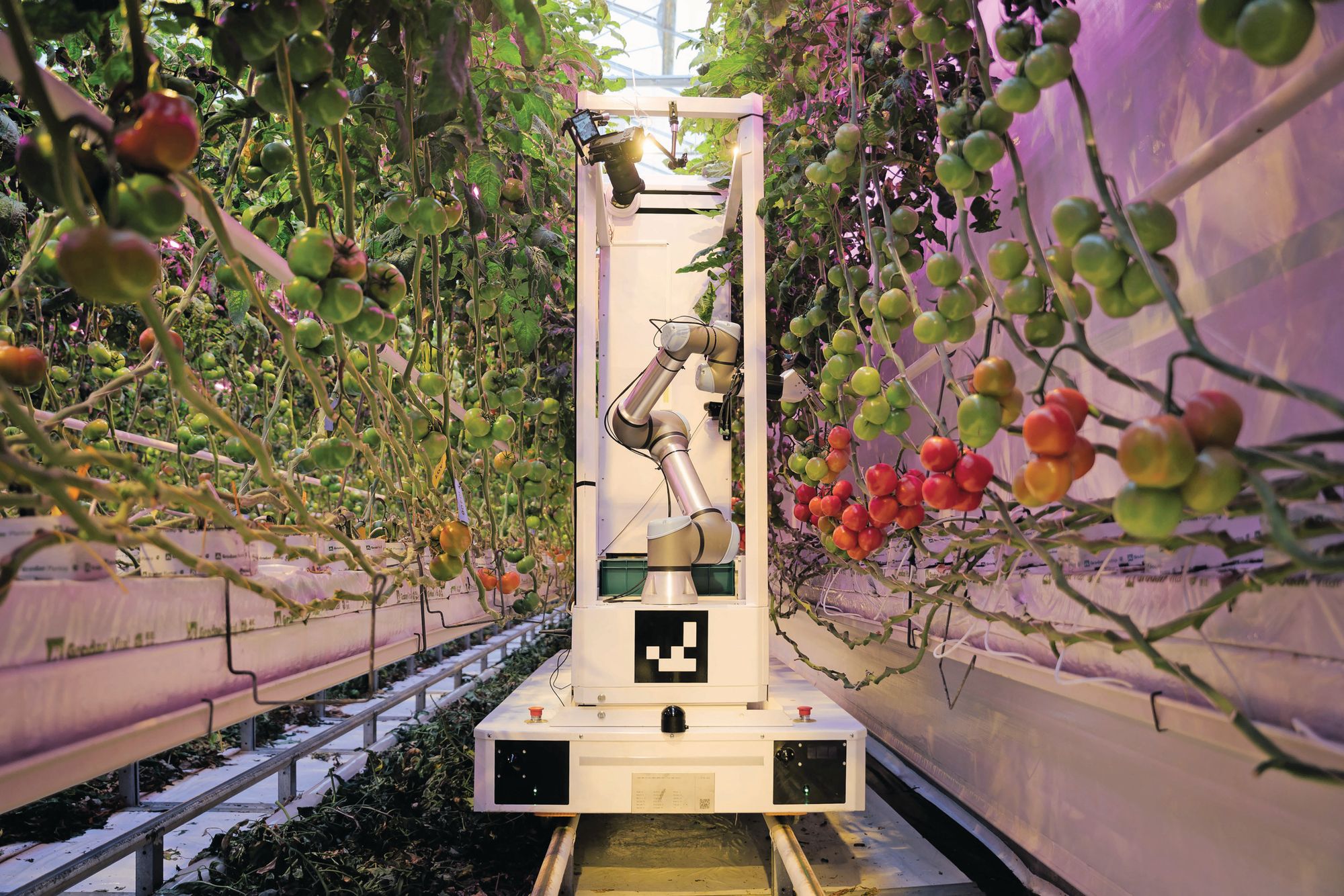
Eternal.ag launches Harvester: a fully autonomous tomato harvesting robot
Eternal.ag, a technology company specializing in agricultural automation, has unveiled its inaugural commercial product: a fully autonomous harvesting robot designed specifically for truss cocktail tomatoes. This innovative solution aims to revolutionize the harvesting process by eliminating the need for human operators, a significant advancement compared to existing robotic systems that typically require one operator for every five to six machines. Co-founder and CEO Renji John highlighted the efficiency of the new robot, stating that it can operate effectively with just one unit per hectare, making it suitable for larger farming operations. The launch of this robot marks a pivotal step in addressing labor shortages in agriculture and enhancing productivity in tomato harvesting.
Field robots field robots harvesting robots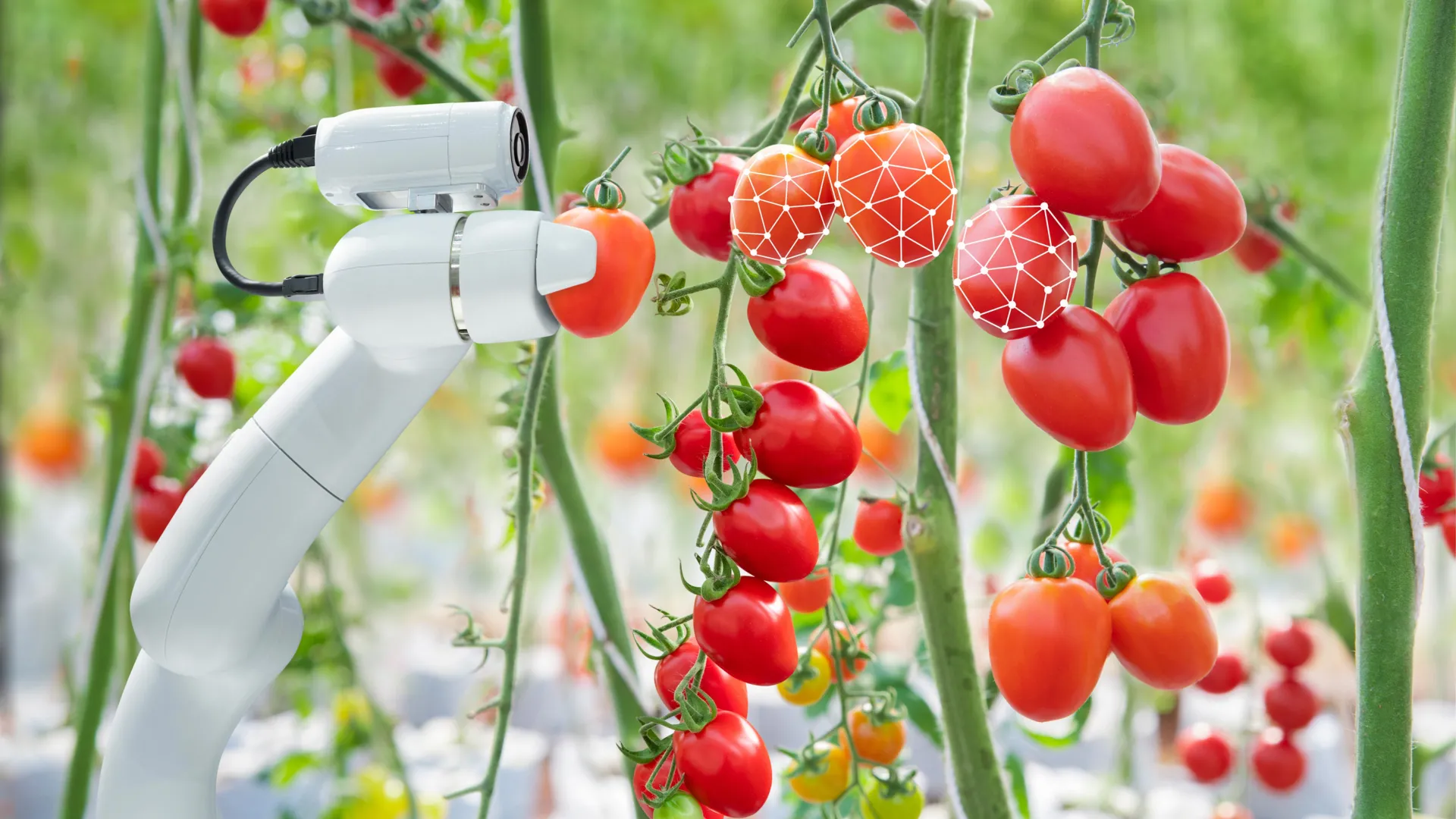
AI-powered robot learns how to harvest tomatoes more efficiently
A groundbreaking advancement in agricultural technology has emerged with the development of a new tomato-picking robot that employs predictive capabilities to enhance its harvesting efficiency. Unlike traditional robots that merely identify ripe tomatoes, this innovative machine assesses the ease of harvesting each fruit and adapts its approach accordingly. This intelligent strategy has resulted in an impressive success rate of 81%, with the robot even capable of adjusting its angles during the picking process. This significant leap in automation could facilitate a future where robots and human workers collaborate seamlessly on farms, revolutionizing the agricultural landscape.

A Breeding Cotton Harvesting Robot: Design, Integration, and Field Evaluation
A recent study published in the Journal of Field Robotics has highlighted significant advancements in robotic technology aimed at improving agricultural practices. Researchers from various institutions collaborated to develop autonomous systems capable of performing complex tasks such as planting, monitoring crop health, and harvesting. The study, released in early October 2023, emphasizes the growing need for innovative solutions in agriculture to address labor shortages and enhance efficiency. Conducted in various agricultural settings, the research showcases how these robots utilize advanced sensors and artificial intelligence to navigate fields and make real-time decisions. The motivation behind this initiative stems from the increasing demand for food production and the challenges posed by climate change, which necessitate more sustainable farming methods. The findings suggest that integrating robotic systems into farming operations can lead to higher yields and reduced environmental impact. As the agricultural sector faces mounting pressures, the introduction of such technology is seen as a crucial step towards modernizing practices and ensuring food security for the future.
RESEARCH ARTICLERobotics needs a service framework.
RSF defines a common language for robot service capability, lifecycle operations, certification pathways, and service-provider networks.
Join the RobotToday community on LinkedIn
Daily robotics news, in-depth analysis, conference highlights, and discussions with professionals worldwide.