Top News

Industry Briefing

A single destination for timely, editor-curated robotics news from around the world.

China's next AI focus is on robotics, says Toss Securities.

China's next AI focus is on robotics, says Toss Securities.

China is positioning humanoid robots as a key component of its artificial intelligence growth strategy, leveraging manufacturing techniques that previously propelled its success in the smartphone and electric vehicle markets. A recent report from Toss Securities, titled "Back from Shenzhen," highlights robotics as the next significant growth driver for China's AI sector, following insights gained from a visit to the southern technology hub. The report emphasizes the increasing focus on robotics, suggesting that this sector could play a crucial role in enhancing China's technological capabilities and economic expansion.

All News
China’s Z01 humanoid robot masters Tai Chi moves with human-like balance and control

China’s Z01 humanoid robot masters Tai Chi moves with human-like balance and control

A new humanoid robot from China has emerged as a highlight at a prominent technology exhibition held in Shanghai this week. The robot, designed to mimic human movements and interactions, showcases advanced artificial intelligence capabilities that have captivated attendees and industry experts alike. This development reflects China's growing investment in robotics and AI technology, aiming to position itself as a leader in the global tech landscape. Demonstrations of the robot's abilities, including its capacity for conversation and physical tasks, have sparked discussions about the future of automation and human-robot collaboration. The exhibition serves as a platform for innovation, drawing significant attention to the potential applications of such technology in various sectors, including healthcare, education, and entertainment. As interest in robotics continues to rise, this humanoid robot stands as a testament to the rapid advancements being made in the field.

AI and Robotics
Teleexistence reveals humanoid's success in autonomous convenience store bagging using VLA and NVIDIA's "DreamZero."

Teleexistence reveals humanoid's success in autonomous convenience store bagging using VLA and NVIDIA's "DreamZero."

On June 10, 2026, Teleexistence showcased a demonstration of autonomous operations using humanoid robots as part of the "Physical AI Fellowship 2026," a collaborative initiative supported by AWS, NVIDIA, and MassRobotics. The event highlighted the integration of NVIDIA's World Model, "DreamZero," showcasing advancements in robotic technology and artificial intelligence. This demonstration aims to illustrate the potential of physical AI in enhancing robotic capabilities and fostering innovation in the field.

Pudu Deploys 200 Cleaning Robots Across Swiss Supermarket Network

Pudu Deploys 200 Cleaning Robots Across Swiss Supermarket Network

Swiss supermarket chain Denner has announced the deployment of 200 autonomous floor-cleaning robots throughout its store network, marking a significant expansion of its cleaning operations. This initiative follows a successful pilot program conducted in four stores in 2025, which demonstrated the effectiveness of the technology. The partnership with Chinese robot manufacturer Pudu Robotics and regional distributor Robobee has facilitated this rollout, aimed at enhancing operational efficiency and maintaining cleanliness in stores. The move reflects Denner's commitment to innovation and improving customer experience through advanced automation solutions.

AI AI Funding & Investment AI Use Cases Robotics Denner Pudu Robotics
Researchers Develop Method To Train Ag AI Robots with Virtual Tomatos

Researchers Develop Method To Train Ag AI Robots with Virtual Tomatos

Researchers at Osaka Metropolitan University have introduced a groundbreaking method for creating synthetic training data aimed at enhancing agricultural AI systems. This innovative approach utilizes realistic virtual tomato farms, addressing a significant challenge in the development of autonomous harvesting robots. The findings of this study, published in the journal Smart Agricultural Technology, highlight the potential of virtual environments to effectively train AI models. By simulating diverse farming scenarios, the researchers aim to improve the efficiency and accuracy of AI systems in agricultural applications, ultimately paving the way for more advanced robotic solutions in the field.

AI AI Research & Advances Robotics agriculture AI autonomous harvesting robots Osaka Metropolitan University
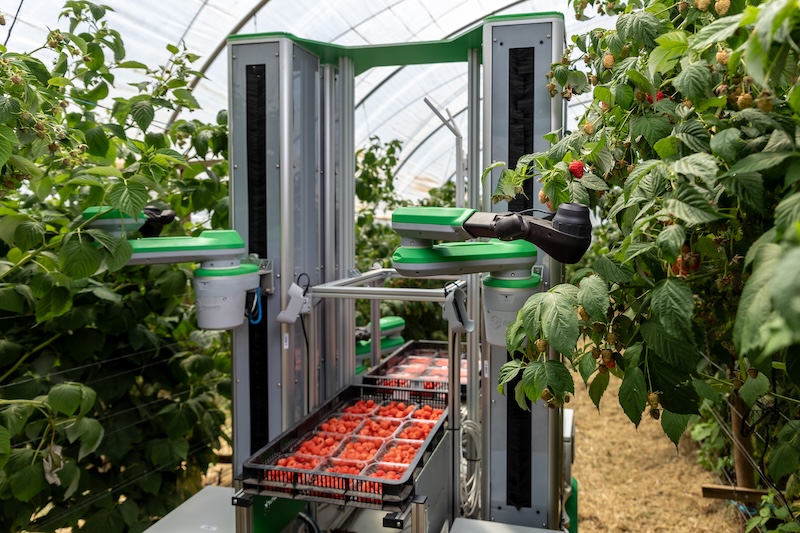
Robot Raggy taking on one of farming’s most persistent weed problems

Robot Raggy taking on one of farming’s most persistent weed problems

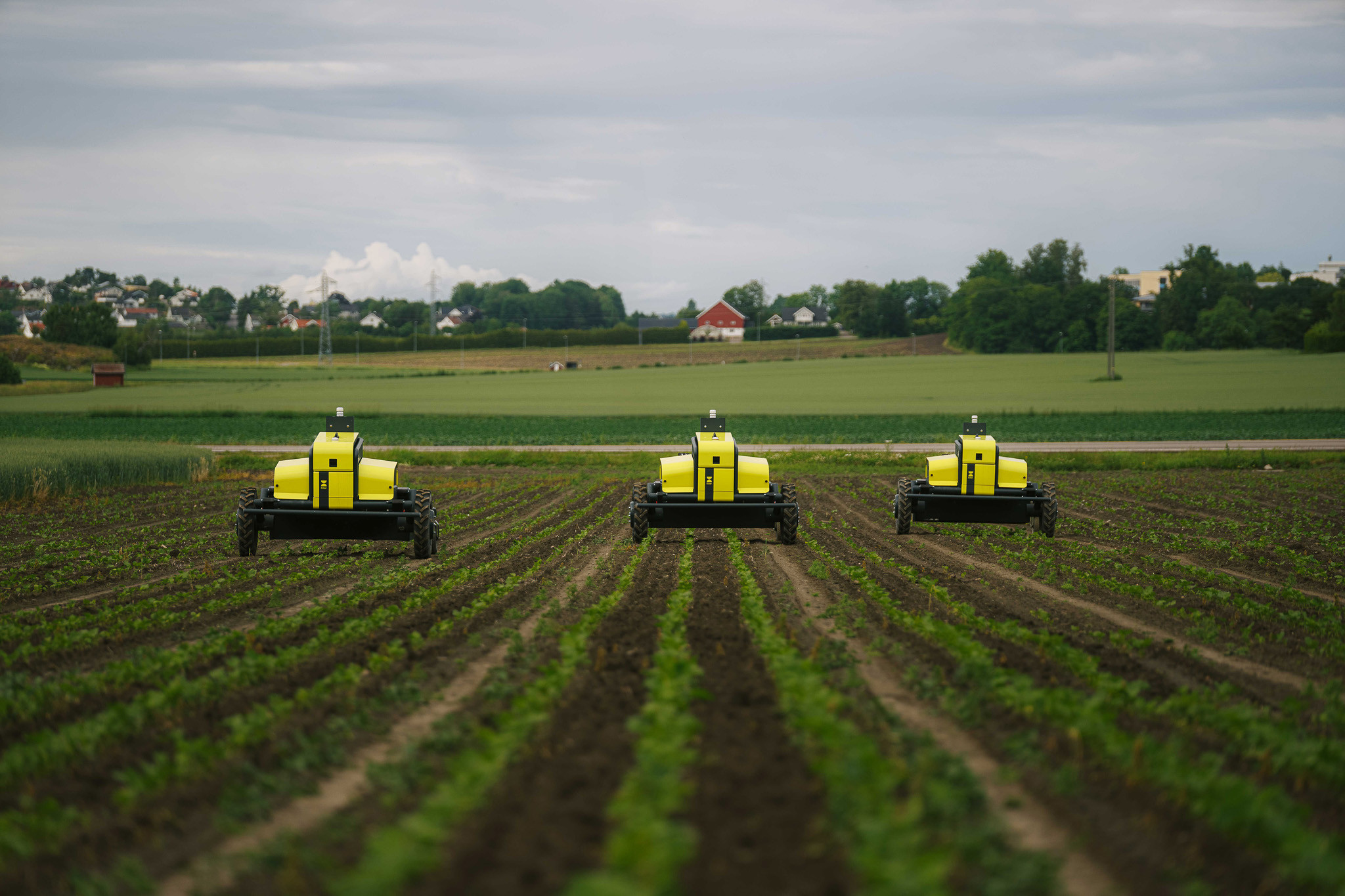
This summer, farmers in Dorset are closely monitoring the progress of Raggy, a small autonomous robot designed to combat ragwort infestations. Developed by the UK robotics firm Robotriks, Raggy has arrived at Dorset Innovation Park near Wareham for its final testing phase before launching field trials across various farms and land in the region. The introduction of this electrically powered robot is highly anticipated by local farmers and landowners, who are eager for an effective solution to manage the invasive weed that poses a threat to livestock and crops. The ongoing trials aim to demonstrate Raggy's capabilities in tackling this persistent agricultural challenge.

Field robots autonomous farm equipment electric tractors Machine vision robotics weed control systems
Chinese Humanoid Robots Take the Internet by Storm as Overseas Influencers

Chinese Humanoid Robots Take the Internet by Storm as Overseas Influencers

Unitree Robotics' G1 humanoid robots have gained international attention, becoming viral sensations across various countries. A Buddhist monk in South Korea has showcased the robot's capabilities, while a counselor in Japan has integrated it into therapeutic practices. In Poland, the G1 has captured the public's interest as a street celebrity, entertaining and engaging with passersby. Meanwhile, in the United States, a controversial influencer has sparked debate by using the robot in provocative social media content. This diverse range of applications highlights the G1's versatility and the growing fascination with robotics in everyday life. The robots' rapid rise to fame reflects a broader trend of increasing acceptance and curiosity about artificial intelligence and humanoid technology in different cultural contexts.

HumanoidRobotics
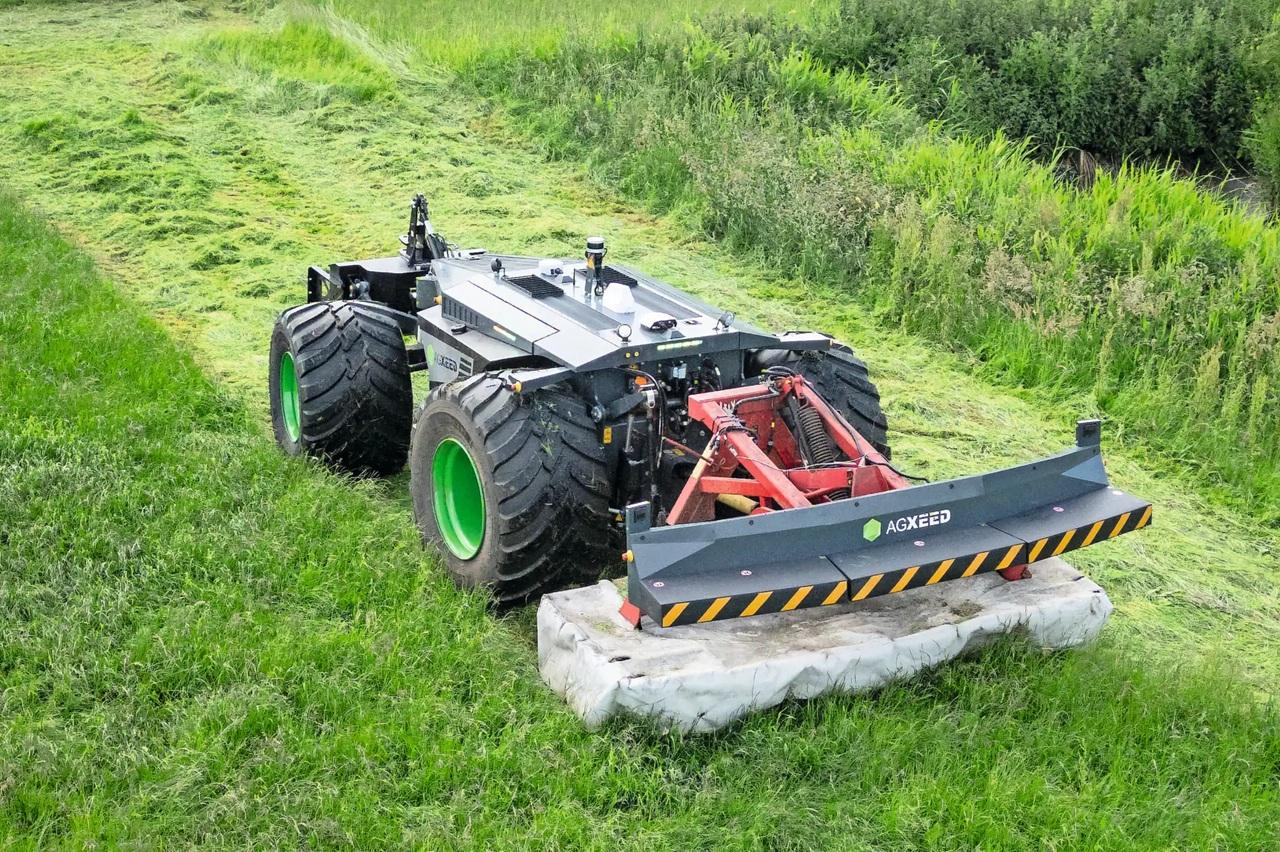
Automated Lawn Maintenance: An Agronomic and Operational Review of Turf Health, Biodiversity, and Field Performance

Automated Lawn Maintenance: An Agronomic and Operational Review of Turf Health, Biodiversity, and Field Performance

A recent study published in the Journal of Field Robotics highlights advancements in autonomous robotic systems designed for agricultural applications. Researchers from a leading university conducted the study to explore how these robots can enhance efficiency in farming practices. The research was carried out over the summer of 2023 at various agricultural sites across the Midwest. The motivation behind this initiative stems from the increasing demand for sustainable farming solutions that can address labor shortages and improve crop yields. By integrating advanced sensors and machine learning algorithms, the robots are capable of performing tasks such as planting, monitoring crop health, and harvesting with minimal human intervention. The study involved extensive field tests, where the robots demonstrated their ability to navigate complex terrains and adapt to changing environmental conditions. Results showed a significant increase in productivity compared to traditional farming methods, suggesting that the implementation of these technologies could revolutionize the agricultural sector. As the agricultural industry faces challenges related to climate change and population growth, this research underscores the potential of robotics to provide innovative solutions that promote sustainability and efficiency in food production. The findings are expected to pave the way for further developments in agricultural robotics, ultimately benefiting farmers and consumers alike.

SURVEY ARTICLE
Anthropic unveils Claude Fable 5, opening Mythos-class capabilities to all users

Anthropic unveils Claude Fable 5, opening Mythos-class capabilities to all users

Anthropic has launched its most advanced artificial intelligence system to date, marking a significant milestone in the field of AI development. The unveiling took place recently, showcasing the company's commitment to pushing the boundaries of AI technology. This new system is designed to enhance various applications, reflecting the growing demand for sophisticated AI solutions across industries. The motivation behind this launch stems from the increasing need for more capable and reliable AI systems that can assist in complex tasks and decision-making processes. By leveraging extensive data and advanced algorithms, Anthropic aims to address these challenges and provide users with a powerful tool for innovation and efficiency. The rollout of this AI system is expected to impact sectors such as healthcare, finance, and education, where advanced analytics and automation can drive significant improvements. As the technology continues to evolve, Anthropic is positioning itself as a leader in the competitive AI landscape, striving to create systems that are not only advanced but also ethical and aligned with human values.

AI and Robotics
Sharpa brings dexterous robot hands to Nvidia and Unitree humanoid reference design

Sharpa brings dexterous robot hands to Nvidia and Unitree humanoid reference design

Sharpa has unveiled the integration of its Wave tactile robot hands into the Unitree H2 Plus humanoid robot reference design, marking a significant advancement in robotics technology. This collaboration makes the Unitree H2 Plus the first dexterous humanoid platform to utilize Sharpa's tactile manipulation technology within Nvidia’s Isaac GR00T development framework. The companies aim to enhance the capabilities of robotics developers and researchers by providing a sophisticated platform that combines advanced tactile feedback with humanoid robotics. This integration is expected to facilitate innovative developments in the field, enabling more nuanced and effective interactions between robots and their environments.

Humanoids News automation news dexterous manipulation humanoid robots nvidia
Automation is Hiring Faster Than Schools Can Graduate Engineers

Automation is Hiring Faster Than Schools Can Graduate Engineers

Automation has become a critical component in various industries, including manufacturing, logistics, energy, and research, as companies increasingly implement robots and intelligent systems to enhance efficiency. This shift is occurring at an unprecedented pace, creating a pressing demand for skilled engineers capable of designing, maintaining, and improving these technologies. However, the rapid deployment of automation presents a significant challenge: the supply of qualified professionals is struggling to keep up with the growing need. As organizations strive to integrate advanced automation into their operations, the gap between the availability of skilled workers and the requirements of modern technology continues to widen, complicating efforts to fully realize the potential of automation in the workforce.

Engineering automation careers automation engineers automation news engineering jobs engineering skills shortage
Flexion Robotics demonstrates fully autonomous humanoid with over 95% success rate in 300 trials at ICRA 2026.

Flexion Robotics demonstrates fully autonomous humanoid with over 95% success rate in 300 trials at ICRA 2026.

Flexion Robotics announced on its official X account that it conducted a fully autonomous demonstration using humanoid robots at the International Conference on Robotics and Automation (ICRA 2026) from June 9 to June 11, 2026. The three-day event showcased the company's advancements in robotics technology, highlighting their commitment to innovation in the field. The demonstration aimed to illustrate the capabilities of humanoid robots in performing complex tasks autonomously, reflecting the growing interest and investment in robotics solutions across various industries.

NVIDIA and LG Group build AI factory to train robots and power future mobility

NVIDIA and LG Group build AI factory to train robots and power future mobility

Researchers and engineers are advancing the next frontier of artificial intelligence, focusing on the development of machines capable of movement, visual perception, and autonomous decision-making. This initiative, which has gained momentum in recent months, aims to enhance the functionality and adaptability of AI systems across various sectors, including healthcare, transportation, and robotics. The push for these advancements is driven by the increasing demand for intelligent systems that can operate in dynamic environments and perform complex tasks without human intervention. By integrating advanced sensors and machine learning algorithms, developers are working to create AI that not only processes information but also interacts with the physical world in real-time. This evolution in AI technology is taking place in research laboratories and tech hubs around the globe, with significant contributions from universities, private companies, and government agencies. As these entities collaborate, they are exploring innovative applications that could revolutionize industries and improve everyday life. The ongoing research is expected to culminate in prototypes and pilot programs by early 2024, showcasing the potential of these intelligent machines. As the field progresses, ethical considerations and safety measures are also being prioritized to ensure responsible deployment and integration into society. The ultimate goal is to create AI systems that enhance human capabilities and contribute positively to various aspects of life.

Robots learn to anticipate chaos, but still fail to read a decidedly human signal

Robots learn to anticipate chaos, but still fail to read a decidedly human signal

Researchers at Cornell University are exploring the integration of artificial intelligence into robotics to enhance social intelligence, enabling robots to interpret facial expressions, anticipate human needs, and interact effectively within societal contexts. In a recent study, the team evaluated vision language models (VLMs)—AI systems capable of processing and generating both visual and linguistic data. The research focused on assessing these models' ability to predict outcomes in tense scenarios depicted in short videos, such as a toddler precariously carrying an overflowing mug of coffee. This investigation aims to advance the development of robots that can better understand and respond to human emotions and behaviors, ultimately improving their functionality in everyday environments.

Robotics
Mesoware raises $1.5 million funding to build AI-powered robots for manufacturing

Mesoware raises $1.5 million funding to build AI-powered robots for manufacturing

Mesoware has secured $1.5 million in funding to advance its development of AI-powered robotics solutions aimed at automating manufacturing processes. The pre-seed funding round was spearheaded by Pillar VC. Joe Mattekatt, co-founder and CEO of Mesoware, emphasized the significance of this investment, stating that as hardware costs decrease and AI technology progresses, the primary challenge in robotics lies in integrating these advancements at scale. This funding will enable Mesoware to address that challenge and further its mission in the robotics industry.

Artificial Intelligence Industrial robots AI-powered robots automation news factory automation industrial robotics
Nebius and Nvidia launch Physical AI Living Lab for European robotics startups

Nebius and Nvidia launch Physical AI Living Lab for European robotics startups

Nebius, a prominent AI cloud company, has launched the Physical AI Living Lab, a six-month initiative aimed at supporting robotics startups across Britain and Europe. This program provides participants with access to Nvidia’s advanced physical AI development tools alongside Nebius’s robust AI cloud infrastructure. The initiative addresses a significant challenge faced by early-stage robotics companies, which often lack the resources to create large-scale simulations, generate synthetic data, and utilize accelerated computing necessary for their development. By offering these essential tools and support, Nebius aims to foster innovation and growth within the robotics sector, ultimately enhancing the capabilities of emerging technologies in the field.

Artificial Intelligence Computing AI cloud computing AI infrastructure automation news nebius
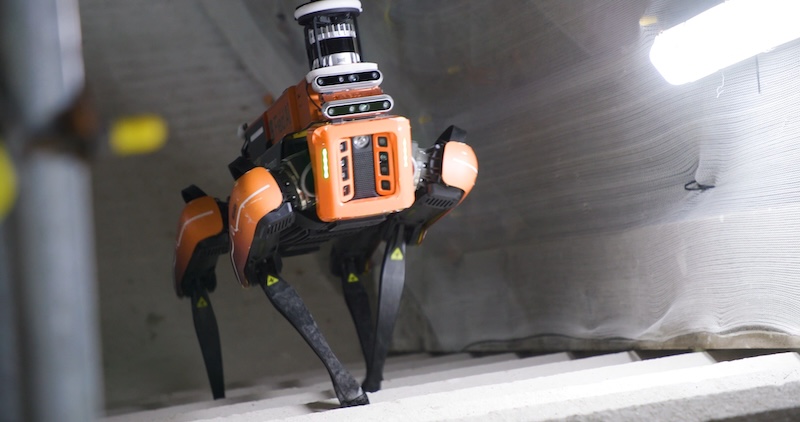
MFE Launches Robotic Gas Detection for Boston Dynamics’ Spot

MFE Launches Robotic Gas Detection for Boston Dynamics’ Spot

MFE Inspection Solutions has unveiled a new robotic gas detection solution that integrates Blackline Safety’s cloud-connected portable gas detector with Boston Dynamics’ Spot quadruped robot. This innovative integration allows for enhanced atmospheric awareness by streaming connected gas data from the Spot to Blackline Live, effectively combining MFE’s existing drone-based gas detection capabilities with advanced robotic technology. The launch, announced by the Houston-based company, aims to improve safety and efficiency in gas detection processes across various industries.

Drone News Drone News Feeds infrastructure Inspection News robots
Wing and Walmart Add Seven New Drone Delivery Markets

Wing and Walmart Add Seven New Drone Delivery Markets

Wing and Walmart have announced the expansion of their drone delivery network to seven new major metropolitan areas, including Memphis, New Orleans, Philadelphia, Phoenix, San Diego, the San Francisco Bay Area, and Salt Lake City. This initiative is part of their ongoing efforts to enhance delivery services across the United States. The addition of these cities marks a significant step in the rollout of the nation’s largest drone delivery network, aimed at improving convenience and efficiency for consumers. The partnership leverages advanced drone technology to facilitate faster deliveries, responding to the growing demand for quick and reliable service in urban areas.

Advanced Air Mobility BVLOS Delivery Drone News Drone News Feeds News
Güdel enhances robotic grinding capabilities with integrated vertical and horizontal movement.

Güdel enhances robotic grinding capabilities with integrated vertical and horizontal movement.

The automation of grinding and surface finishing for large fabricated parts is gaining attention as a solution to the challenges posed by traditional methods, which are often characterized as dull, dirty, and dangerous. However, the implementation of robotic systems in this area presents significant hurdles, including the need for multiple robots and intricate part repositioning. These factors contribute to increased costs and longer cycle times, while also introducing new variations into the manufacturing process. As industries seek to enhance efficiency and safety, the push for automation in grinding applications continues to evolve, highlighting the need for innovative solutions to streamline operations and reduce overhead.

Engineering Events Automate 2026 automation news factory automation fanuc
NVIDIA unveils 320 billion-parameter self-driving model "Alpamayo 2 Super" to accelerate Level 4 robo-taxi development.

NVIDIA unveils 320 billion-parameter self-driving model "Alpamayo 2 Super" to accelerate Level 4 robo-taxi development.

NVIDIA announced a significant expansion of its open AI model family, "NVIDIA Alpamayo," aimed at developing safe Level 4 robotic taxis. The announcement was made during the NVIDIA GTC Taipei event held on June 1, 2026, in Taipei, Taiwan. This initiative reflects NVIDIA's commitment to advancing autonomous vehicle technology, enhancing safety and efficiency in transportation. The expansion of Alpamayo is expected to play a crucial role in the future of urban mobility, as the company seeks to address the growing demand for innovative transportation solutions.

Effort to establish a National Commission on Robotics advances in Congress

Effort to establish a National Commission on Robotics advances in Congress

As discussions progress in Congress regarding the establishment of a National Commission on Robotics, industry leaders are advocating for a more cohesive national policy on robotics. The push for this commission reflects a growing recognition of the need for a unified approach to address the challenges and opportunities presented by advancements in robotics technology. Stakeholders emphasize that a coordinated policy framework is essential to foster innovation, ensure safety, and maintain competitiveness in the global market. The ongoing deliberations highlight the importance of aligning various interests within the robotics sector to effectively navigate the complexities of this rapidly evolving field.

Business Resources China Defense / Security Industrial Robots Manufacturing News
White House AI Adviser Sriram Krishnan to Leave Trump Administration at End of June

White House AI Adviser Sriram Krishnan to Leave Trump Administration at End of June

Sriram Krishnan, the senior policy adviser for artificial intelligence at the White House, will leave his position at the end of June after 18 months of contributing to the development of U.S. AI policy within the Trump administration. Krishnan, who has an extensive background in the tech industry as a former product leader at major companies including Microsoft, Twitter, Facebook, and Snap, has also served as a partner at the venture capital firm Andreessen Horowitz. His departure marks a significant transition in the administration’s approach to AI, as he has played a pivotal role in shaping the nation's strategies and regulations in this rapidly evolving field.

AI AI Funding & Investment AI Policy & Regulation Sriram Krishnan
Standard Bots Raises $200M in Series C Funding at $1B Valuation to Scale American-Made, AI-Native Industrial Robots

Standard Bots Raises $200M in Series C Funding at $1B Valuation to Scale American-Made, AI-Native Industrial Robots

Standard Bots, a U.S.-based robotics company, has successfully secured $200 million in a Series C funding round, primarily led by RoboStrategy. Existing investors, including General Catalyst, also contributed to this significant investment. This funding round elevates the company's valuation to $1 billion and is aimed at enhancing the production capabilities of its AI-powered industrial robots. The influx of capital will enable Standard Bots to expand its operations and meet the growing demand for advanced robotics solutions in various industries.

AI AI Funding & Investment Robotics funding General Catalyst industrial robotics
Video: New palm-sized robot with 8 smart actuators can walk, trot, and jump

Video: New palm-sized robot with 8 smart actuators can walk, trot, and jump

A new open-source quadruped robot, Q8botOne, has been introduced to the market, designed to offer an affordable and fully assembled robotic platform for enthusiasts and developers. This innovative project was launched recently by a team of engineers and robotics enthusiasts who recognized the growing demand for accessible robotic solutions. The Q8botOne is intended to facilitate learning and experimentation in robotics, making it easier for users to engage with advanced technology without the high costs typically associated with such platforms. The robot is equipped with various features that allow for customization and adaptability, catering to a wide range of applications from education to research. By utilizing open-source software, the developers encourage a collaborative approach, inviting users to contribute to its ongoing improvement and functionality. The initiative aims to democratize access to robotics, fostering innovation and creativity in the field. With its launch, Q8botOne is set to make a significant impact on the robotics community, providing a practical tool for those looking to explore the capabilities of quadruped robots.

Festo launches GripperAI software to simplify flexible robot handling

Festo launches GripperAI software to simplify flexible robot handling

Festo has launched GripperAI, an innovative AI-driven software designed to enhance robotic handling capabilities. This solution allows robots to manage a variety of mixed, unfamiliar, and randomly positioned products without requiring extensive programming or specialized vision systems. The introduction of GripperAI aims to provide manufacturers with increased flexibility in their automated handling processes. By automatically determining the best gripping point for each item, the software streamlines operations and improves efficiency in manufacturing environments. This advancement reflects Festo's commitment to integrating cutting-edge technology into automation solutions, catering to the evolving needs of the industry.

Components Industrial robots News AI software automation news cobots
Wing and Walmart expand drone delivery network to seven new US metro areas

Wing and Walmart expand drone delivery network to seven new US metro areas

Drone delivery company Wing, in partnership with retail giant Walmart, is expanding its residential drone delivery network across the United States, which they claim is the largest of its kind. This initiative will introduce drone delivery services to seven new metropolitan areas, including Memphis, New Orleans, Philadelphia, and Phoenix. The expansion aims to enhance accessibility and convenience for consumers, with a target of reaching 40 million Americans by 2027. The collaboration between Wing and Walmart is part of a broader strategy to leverage drone technology for efficient delivery solutions, responding to the growing demand for rapid and reliable delivery services in urban areas.

Drones News aerial delivery automation news autonomous drones commercial drones
MIT researchers channel AI to turn hand gestures into robot training data

MIT researchers channel AI to turn hand gestures into robot training data

Researchers have developed an innovative method to enhance the capabilities of humanoid robots, particularly in tasks such as grasping objects. This advancement involves the use of a specialized ultrasound wristband worn by a human instructor, which captures the intricate movements of muscles, tendons, and ligaments beneath the skin. By analyzing this data, the robots can learn to replicate these movements more effectively. The initiative, which began in late 2023, aims to improve the dexterity and functionality of robots in various applications, from manufacturing to personal assistance. The ultrasound technology provides real-time feedback, allowing the robots to adjust their movements based on the instructor's actions. This approach not only enhances the robots' ability to perform complex tasks but also opens new avenues for human-robot interaction. The research is being conducted at a leading robotics lab, where experts are focused on bridging the gap between human-like movement and robotic precision. By mimicking the natural motion of human hands, the robots are expected to achieve greater efficiency and adaptability in their operations. This breakthrough could significantly impact industries that rely on automation, making robots more versatile and capable of handling delicate tasks that require a human touch.

Robotics
Standard Bots reaches $1 billion valuation after raising $200 million Series C

Standard Bots reaches $1 billion valuation after raising $200 million Series C

Standard Bots, recognized as America’s largest manufacturer of AI-native industrial robotics, has successfully secured $200 million in a Series C funding round. The investment, led by existing investors alongside RoboStrategy, elevates the company’s valuation to $1 billion. This significant milestone comes as the U.S. industrial sector accelerates its modernization efforts, highlighting the growing demand for advanced robotics solutions. The new capital will enable Standard Bots to expand its operations and enhance its product offerings, positioning the company to meet the evolving needs of the market.

Industrial robots News AI-native robots american manufacturing automation news humanoid robots
Beyond Dexterity: Why Contact May Define the Next Era of Robotics

Beyond Dexterity: Why Contact May Define the Next Era of Robotics

At the 2026 IEEE International Conference on Robotics (ICRA) in Vienna, AGILINK showcased a captivating demonstration of robotic dexterity by creating a balloon dog, which drew significant attention from attendees. This seemingly playful task is recognized in the robotics community as a complex manipulation challenge due to the balloon's lightweight and highly deformable nature. The demonstration highlighted the intricate balance between motion and contact intelligence, essential for successful robotic manipulation. AGILINK's approach involved mapping the actions of professional balloon artists to robotic hands, allowing the robot to learn both successful manipulation sequences and recovery strategies during failures. This dual focus on motion and contact intelligence is crucial, as maintaining stable interaction with the balloon is as important as executing the correct sequence of actions. In conjunction with the balloon dog demonstration, AGILINK introduced the OmniHand 3 Ultra-M, a dexterous robotic hand designed to enhance contact intelligence through advanced sensing and faster response capabilities. The hand features 20 active degrees of freedom and a direct-drive architecture, enabling precise force regulation and tactile sensing across its surface. The significance of these advancements extends beyond balloon animals, addressing broader challenges in robotics related to unstable and deformable interactions, such as delicate assembly and household tasks. As robotics research increasingly prioritizes interaction dynamics, AGILINK's innovations may pave the way for more effective manipulation in unpredictable real-world environments.

Humanoid-robots Physical-ai Dexterous-hands Direct-drive-actuation Robotic-manipulation Reinforcement-learning
Unitree discusses its strategy for the Japanese market in an era where applications are more important than robots.

Unitree discusses its strategy for the Japanese market in an era where applications are more important than robots.

Unitree, a robotics manufacturer, participated in the Humanoids Summit held in Takanawa, Tokyo. Following their presentation, company representatives discussed their strategies for entering the Japanese market and outlined future business plans.

New HySIL lens design makes high-resolution 3D brain and cancer imaging widely accessible

New HySIL lens design makes high-resolution 3D brain and cancer imaging widely accessible

A team from Columbia University has unveiled a groundbreaking microscopy technology that promises to significantly enhance three-dimensional imaging capabilities. This innovative approach, announced in October 2023, aims to improve the visualization of biological structures at unprecedented resolutions. The development is driven by the need for more detailed imaging techniques in various scientific fields, including biology and materials science. By utilizing advanced optical methods, the researchers have created a system that allows for clearer and more accurate representations of complex samples. This advancement could lead to major breakthroughs in understanding cellular processes and developing new materials, ultimately transforming research methodologies across multiple disciplines.

New UgCS 6.0 flight planning software solves a major headache for drone surveyors

New UgCS 6.0 flight planning software solves a major headache for drone surveyors

SPH Engineering has announced the launch of UgCS 6.0, a significant update to its enterprise drone flight planning platform, aimed at addressing a longstanding challenge faced by drone survey teams operating in extensive mining, oil pipeline, and remote geological sites. The update provides a solution for efficiently dividing large survey areas into manageable flight sections, thereby preventing alignment issues that can compromise data quality. This innovation is expected to enhance the operational efficiency and accuracy of drone surveys, which are crucial for various industries reliant on precise geographical data. The introduction of UgCS 6.0 marks a notable advancement in drone technology, responding to the needs of professionals in the field.

News
US engineers make ‘artificial eyes’ to improve vision in robots, self-driving cars

US engineers make ‘artificial eyes’ to improve vision in robots, self-driving cars

Researchers at Penn State University have developed an innovative device inspired by the human eye, aimed at enhancing the vision capabilities of self-driving cars. This groundbreaking technology was unveiled recently as part of ongoing efforts to improve the safety and reliability of autonomous vehicles. The device mimics the eye's ability to adapt to varying light conditions, which is crucial for navigating complex environments. The motivation behind this advancement stems from the challenges faced by self-driving cars in low-light situations, where traditional sensors often struggle to provide accurate data. By integrating this eye-inspired technology, the researchers hope to significantly reduce the risk of accidents and improve the overall performance of autonomous systems. This development is part of a broader initiative to advance automotive technology and ensure that self-driving cars can operate effectively in diverse conditions. The research team utilized a combination of advanced materials and optical engineering to create a device that can dynamically adjust its sensitivity, much like the human eye does when transitioning from bright to dim environments. As the automotive industry continues to push towards fully autonomous vehicles, innovations like this are essential for addressing safety concerns and building public trust in self-driving technology. The research findings are expected to contribute to future advancements in vehicle design and functionality, paving the way for safer roads.

Simulation tools in the ROS ecosystem: Testing and validating robots virtually

Simulation tools in the ROS ecosystem: Testing and validating robots virtually

In a significant advancement for robotics, researchers are increasingly relying on virtual environments to develop and refine robots before they are deployed in the real world. This trend allows robots, such as those used in warehouses, autonomous vehicles, and humanoid designs, to undergo extensive training and testing in simulated settings. By utilizing these virtual platforms, developers can enhance the robots' navigation and operational skills without the risks and costs associated with real-world trials. This approach not only accelerates the development process but also improves the overall safety and efficiency of robotic systems. As the technology evolves, the reliance on virtual training is expected to grow, paving the way for more sophisticated and capable robots in various industries.

Computing Features Robot simulation Software automation news Autonomous robots
"BioGeometry" secures hundreds of millions in strategic funding to create a "microscopic world model" in life sciences.

"BioGeometry" secures hundreds of millions in strategic funding to create a "microscopic world model" in life sciences.

AI-native biotechnology company BaiAo Geometry has successfully secured several hundred million yuan in strategic financing, with investments led by the Shanghai Biomedical Innovation Transformation Fund, Guoke Investment, Dacheng Wisdom, and Xinglian Capital, alongside follow-on investments from GaoRong Capital and the Index AI Industry Innovation Fund. The funds will primarily support the ongoing development of their life sciences micro-world model, GeoFlow, and the advancement of their proprietary drug pipeline. Artificial intelligence is rapidly evolving along two main trajectories: digital AI, represented by large language and multimodal models, and physical AI, exemplified by autonomous vehicles and humanoid robots. Life AI is emerging as a promising frontier, a sentiment echoed by leading global investors and scientists. BaiAo Geometry's GeoFlow model, launched in 2024, aims to understand and design molecular interactions at an atomic level, enabling the creation of novel molecules that have never existed in nature. The company has iterated GeoFlow multiple times, achieving significant advancements in protein structure prediction and de novo design capabilities. By applying Test-Time Scaling technology, BaiAo Geometry enhances the success rate of protein designs without the need for extensive retraining. This innovation allows for the rapid generation and optimization of high-affinity binding molecules, significantly reducing the time and cost associated with traditional drug discovery processes. BaiAo Geometry has established over 20 business development collaborations with domestic and international pharmaceutical companies, focusing on high-specificity antibody design and vaccine development. The company is currently working on the next iteration of GeoFlow, which aims to expand modeling from individual molecules to entire molecular systems, further revolutionizing drug development in the biotechnology sector.

MIIT and SASAC Launch 2026 Humanoid Robot Real-Scene Training Initiative

MIIT and SASAC Launch 2026 Humanoid Robot Real-Scene Training Initiative

China's Ministry of Industry and Information Technology (MIIT) and the State-owned Assets Supervision and Administration Commission (SASAC) have announced a comprehensive action plan aimed at deploying humanoid robots across various sectors by 2026. This initiative seeks to implement thousands of humanoid robots in real-world industrial, service, and specialized applications, with a focus on over 100 high-value scenarios. The plan underscores China's commitment to advancing its robotics industry and enhancing automation in key areas, reflecting a strategic move to boost productivity and innovation in the face of evolving market demands. The deployment strategy will involve collaboration between government bodies and private enterprises to ensure effective integration of these technologies into existing workflows.

HumanoidRobotics
RGPB‐Planner: A Real‐Time Gaussian Potential B‐Spline Trajectory Planner for Unmanned Aerial Vehicles in Complex Environments

RGPB‐Planner: A Real‐Time Gaussian Potential B‐Spline Trajectory Planner for Unmanned Aerial Vehicles in Complex Environments

A recent study published in the Journal of Field Robotics explores advancements in autonomous robotic systems designed for agricultural applications. Researchers from various institutions conducted the study to address the growing need for efficient farming solutions amid increasing global food demands. The findings, released in early October 2023, highlight innovative technologies that enhance the capabilities of robots in tasks such as planting, harvesting, and monitoring crops. The research was conducted in diverse agricultural settings, showcasing how these robotic systems can adapt to different environments and crop types. By integrating artificial intelligence and machine learning, the robots are able to optimize their performance, reducing labor costs and increasing productivity for farmers. This initiative stems from the urgent necessity to improve agricultural efficiency and sustainability in response to climate change and population growth. The study emphasizes that the implementation of these robotic systems could significantly transform traditional farming practices, making them more resilient and resource-efficient. The research team utilized a combination of field tests and simulations to demonstrate the effectiveness of the robotic technologies, providing a comprehensive analysis of their potential impact on the agricultural sector. As the industry continues to evolve, the insights from this study may pave the way for broader adoption of robotics in farming, ultimately contributing to food security and environmental sustainability.

RESEARCH ARTICLE
RLWRLD and Nvidia launch DexBench to standardize humanoid robot dexterity

RLWRLD and Nvidia launch DexBench to standardize humanoid robot dexterity

RLWRLD, a company specializing in physical AI, has partnered with Nvidia to establish new industry standards for humanoid robot artificial intelligence. This initiative, announced recently, aims to enhance the capabilities of humanoid robots through three key components. The first is DexBench, a universal benchmark designed to assess dexterity performance in robotic systems. The second component focuses on creating a standardized data framework for training robots in dexterous manipulation. Lastly, the collaboration will ensure deep integration with Nvidia's open-source platforms, Isaac Lab and Isaac Lab-Arena, facilitating advanced development and testing of robotic technologies. This initiative is set to advance the field of robotics by providing essential tools and standards for evaluating and improving robot dexterity and functionality.

Computing Software automation news DexBench dexterous manipulation embodied ai
OMRON Robotics to Demonstrate Next-Generation Autonomous Mobile Robots at Automate 2026

OMRON Robotics to Demonstrate Next-Generation Autonomous Mobile Robots at Automate 2026

A leading technology company has unveiled its latest advancements in automated material handling with the introduction of the LD-150 and LD-300 autonomous mobile robots (AMRs). This launch took place in October 2023, showcasing the company's commitment to enhancing efficiency in logistics and warehouse operations. The new AMRs are designed to streamline material flow, addressing the growing demand for smarter and more flexible solutions in supply chain management. By integrating advanced navigation and sensing technologies, the LD-150 and LD-300 aim to optimize workflows, reduce operational costs, and improve safety in various industrial environments. This innovation reflects the company's strategy to leverage automation in response to evolving market needs and the increasing complexity of logistics operations.

Standard Bots Raises $200 Million Series C at $1 Billion Valuation to Scale American-Made, AI-Native Industrial Robots

Standard Bots Raises $200 Million Series C at $1 Billion Valuation to Scale American-Made, AI-Native Industrial Robots

Standard Bots is set to account for 10% of new industrial robot deployments in the United States by next year, reflecting a significant shift in the automation landscape. This anticipated growth comes as industries increasingly seek to enhance efficiency and productivity through advanced robotic solutions. The surge in demand for industrial robots is driven by the need to streamline operations and reduce labor costs amid a competitive market. Standard Bots, leveraging innovative technology and strategic partnerships, is positioning itself as a key player in this evolving sector. As companies across various industries adopt automation, the impact of Standard Bots’ contributions will likely reshape the future of manufacturing and logistics in the U.S.

Automate 2026 Product Preview

Automate 2026 Product Preview

Automate 2026, a prominent automation industry event, is set to occur from June 22nd to 25th in Chicago, Illinois. This year’s exhibition will showcase a wide array of innovative products and services, highlighting the latest advancements in automation technology. Attendees can expect to explore cutting-edge solutions designed to enhance efficiency and productivity across various sectors. The event aims to bring together industry leaders, experts, and enthusiasts to foster collaboration and knowledge sharing in the rapidly evolving automation landscape. With a focus on driving progress and addressing emerging challenges, Automate 2026 promises to be a pivotal gathering for professionals looking to stay ahead in the field.

Drive solutions for shuttles, automated guided vehicles, and autonomous mobile robots.

Drive solutions for shuttles, automated guided vehicles, and autonomous mobile robots.

At the SPS Italia exhibition, Bonfiglioli showcased its innovative mechatronic ecosystem, highlighting advanced drive solutions tailored for shuttles, automated guided vehicles (AGVs), and autonomous mobile robots (AMRs). This presentation underscores Bonfiglioli's commitment to enhancing automation and efficiency in various industrial applications. The event, held in Italy, serves as a platform for industry leaders to explore cutting-edge technologies and solutions that address the evolving needs of the market. Through its participation, Bonfiglioli aims to demonstrate its leadership in the field and foster collaborations that drive technological advancements in automation.

Allgemein Antriebs- und Lineartechnik Robotik
New Vice President of Defense at EDAG

New Vice President of Defense at EDAG

The EDAG Group has announced the appointment of Thomas Mailänder as the new Vice President of Defence, a position that has been newly created to enhance the company's management structure. This strategic move aims to strengthen EDAG's presence and capabilities within the defence sector, reflecting the company's commitment to expanding its operations and expertise in this critical field. The announcement marks a significant step for EDAG as it seeks to adapt to the evolving demands of the defence industry.

Allgemein Menschen & Meinungen
Cognizant Launches Sovereign Physical AI Platform-As-A-Service

Cognizant Launches Sovereign Physical AI Platform-As-A-Service

Cognizant has unveiled a new sovereign Physical AI Platform-as-a-Service aimed at assisting enterprises in the integration and management of autonomous systems, industrial equipment, and AI-driven operations through a unified software layer. This innovative platform, developed on the Cognizant Intelligence Spine architecture, is designed to seamlessly connect various technologies, including sensors, cameras, robots, and digital twins. By providing a comprehensive solution, Cognizant seeks to enhance operational efficiency and streamline the management of complex industrial environments. The launch reflects the company's commitment to advancing AI capabilities within the enterprise sector, enabling businesses to leverage cutting-edge technology for improved performance and productivity.

AI AI Funding & Investment AI Use Cases Robotics Cognizant Energy
Clear Robotics Raises $1.75M in Pre-Series A Funding to Expand Development of Zero-Emission Autonomous Ships

Clear Robotics Raises $1.75M in Pre-Series A Funding to Expand Development of Zero-Emission Autonomous Ships

Clear Robotics has successfully secured $1.75 million in a pre-Series A funding round aimed at enhancing the deployment of its autonomous vessels throughout Asia and the Middle East. The funding round, led by Shipsfocus Ventures, also saw participation from notable investors including Katapult Ocean, SGInnovate, M7 Holdings, and MGS Ventures, among others. This financial boost will enable Clear Robotics to accelerate its expansion efforts in the rapidly evolving maritime technology sector, addressing the growing demand for innovative shipping solutions in these regions.

AI AI Funding & Investment Robotics autonomous ships autonomous surface vessel Clear Robotics
China’s TARS Debuts Humanoid Robotic ‘DexHand’

China’s TARS Debuts Humanoid Robotic ‘DexHand’

TARS, a Chinese humanoid robotics company, has unveiled its latest innovation, the DexHand robotic hand, during a demonstration at the ICRA 2026 conference held in Vienna last week. This advanced system aims to closely mimic the structure and movement of the human hand, showcasing its capabilities through real-time sign-language gestures and mirror-control interactions. The demonstration highlighted the platform's dexterity, emphasizing TARS's commitment to advancing human-robot interaction and enhancing the functionality of robotic systems.

AI AI Use Cases Robotics Uncategorized China DexHand
YY Group Launches Training Lab, Deploys Pilot Robotics in Singapore

YY Group Launches Training Lab, Deploys Pilot Robotics in Singapore

YY Group Holding Limited, an AI-native workforce management and integrated facility management provider, has announced the launch of its Humanoid Robotics Training Lab as part of its ongoing AI training data strategy. This initiative, which was first introduced on April 22, 2026, aims to enhance the company's capabilities in developing advanced AI solutions. The lab will focus on training humanoid robots to improve efficiency in various operational tasks. The announcement marks a significant step for YY Group as it seeks to solidify its position in the rapidly evolving AI sector across Asia and beyond.

AI AI Use Cases Robotics humanoid robots Singapore training data
UMass Amherst Researchers Developing AI Architecture That Uses a Fraction of the Energy Required by Today’s AI Systems

UMass Amherst Researchers Developing AI Architecture That Uses a Fraction of the Energy Required by Today’s AI Systems

Researchers at the University of Massachusetts Amherst have unveiled a groundbreaking artificial intelligence architecture aimed at significantly lowering the energy consumption of advanced AI systems while maintaining their learning capabilities. This innovative approach, inspired by brain function, was developed with funding from the U.S. National Science Foundation and the Air Force Office of Scientific Research. By mimicking the efficiency of the human brain, the new architecture seeks to address the growing energy demands associated with AI technologies, which have raised concerns regarding sustainability and environmental impact. The research, which highlights the potential for more eco-friendly AI solutions, could pave the way for advancements in various fields reliant on artificial intelligence, ultimately promoting a more sustainable future for technology.

AI AI Research & Advances Robotics architecture energy consumption Research
3D-printed devices could streamline the production of drug-delivery microparticles

3D-printed devices could streamline the production of drug-delivery microparticles

A new development in particle production technology has emerged, utilizing cost-effective devices that can be constructed in just a few hours. These innovative devices employ electrospray emitter technology to efficiently generate three-layered particles on a large scale. This advancement is poised to enhance manufacturing processes across various industries by providing a faster and more economical method of particle creation. The introduction of these devices marks a significant step forward in the field, potentially leading to improved applications in pharmaceuticals, materials science, and other sectors that rely on precise particle engineering.

Research 3-D printing Additive manufacturing Electronics Medical devices Drug delivery