Top News

Industry Briefing

A single destination for timely, editor-curated robotics news from around the world.
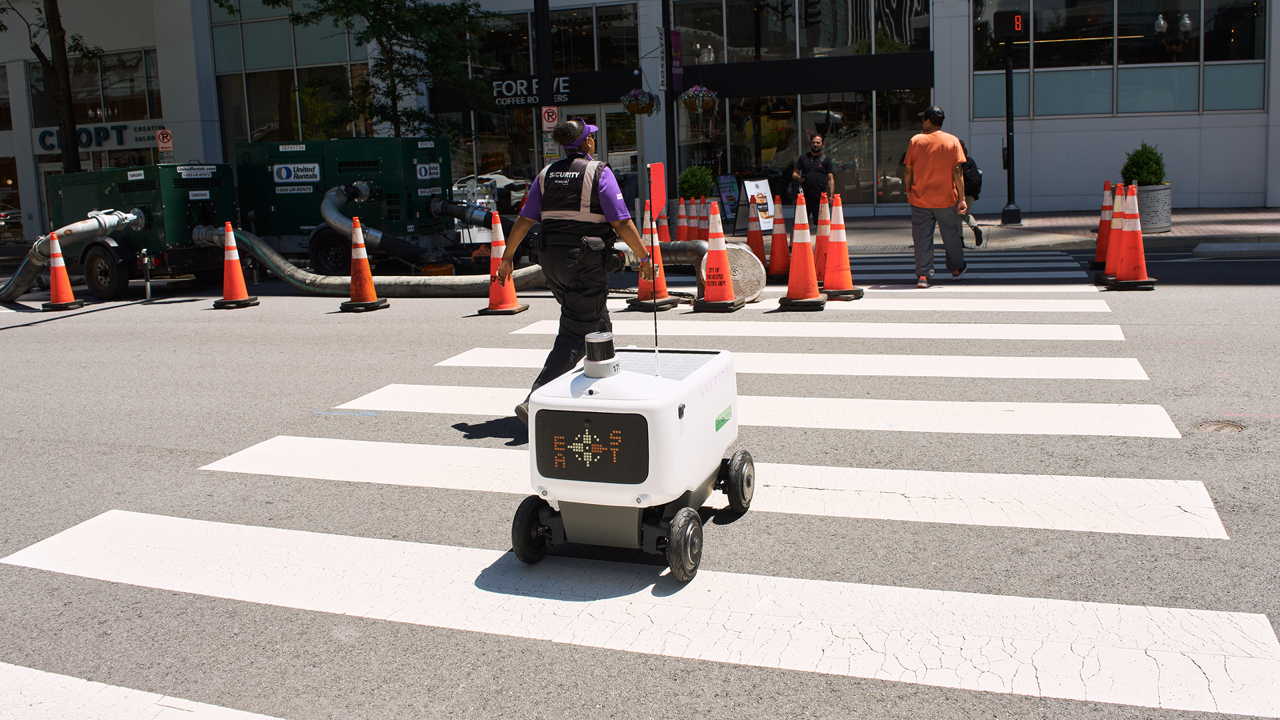
Context is king: How Avride uses cloud VLMs as a safety net for delivery robots

Context is king: How Avride uses cloud VLMs as a safety net for delivery robots

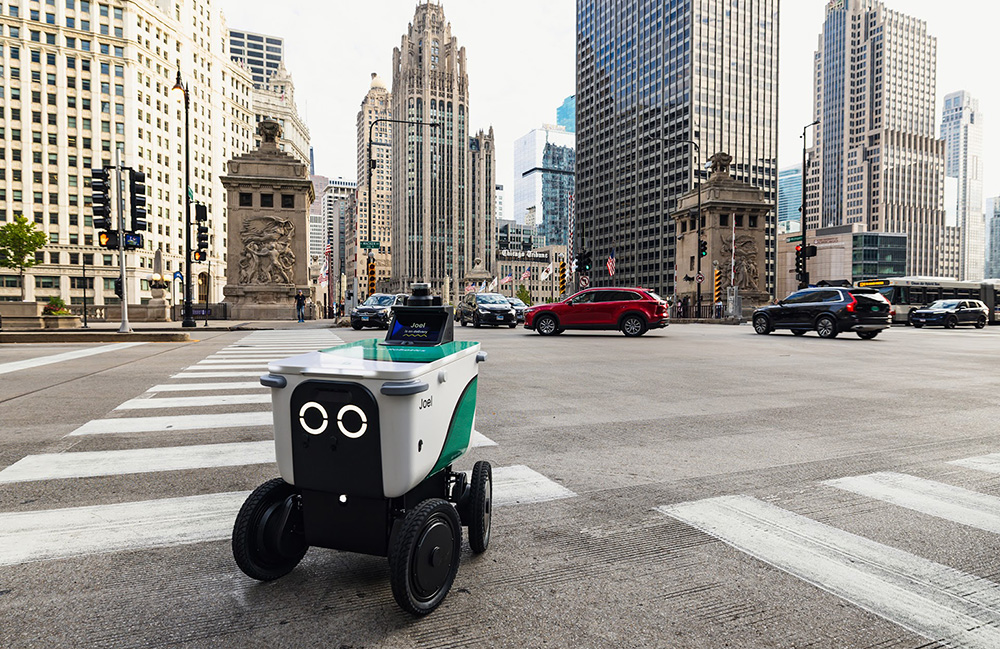
Avride is enhancing the environmental awareness of its delivery robots by utilizing vision-language models (VLMs). This innovative approach aims to improve the safety and efficiency of the robots as they navigate various environments. By integrating cloud-based VLM technology, Avride is able to provide its robots with a better understanding of their surroundings, enabling them to respond more effectively to dynamic conditions. The implementation of these advanced models is part of Avride's ongoing efforts to ensure safer delivery operations and to adapt to the complexities of real-world environments.

Artificial Intelligence Artificial Intelligence / Cognition Autonomous Mobile Robots (AMRs) Logistics Mobility / Navigation News
Coco Robotics Deploys Autonomous Delivery Robots with Uber Eats in San Jose

Coco Robotics Deploys Autonomous Delivery Robots with Uber Eats in San Jose

Coco Robotics, recognized as the largest urban robot delivery platform globally and recently honored as one of Fast Company’s World’s Most Innovative Companies in logistics, has launched its autonomous delivery service in San Jose, California. This expansion allows residents, workers, and businesses in the city’s urban core to benefit from the convenience of robotic deliveries. The service is now operational, enhancing accessibility and efficiency in local logistics.

AI AI Use Cases Robotics autonomous delivery robot California Coco Robotics
Toyota, GM-backed startup Momenta planning entry into last-mile autonomous delivery

Toyota, GM-backed startup Momenta planning entry into last-mile autonomous delivery

Chinese self-driving technology company Momenta is assembling a team to create Level 4 autonomous delivery robots, aiming to enhance its valuation ahead of a potential public listing. This initiative comes as the company seeks to capitalize on its existing partnerships with major automakers such as Toyota, General Motors, and Mercedes-Benz. While specific details about the project remain undisclosed, sources from the Chinese media outlet Xinliu Car indicate that this move is part of Momenta's broader strategy to solidify its position in the competitive autonomous vehicle market.

News Feed
Serve Robotics (SERV) Reveals Latest Collaboration with NoScrubs

Serve Robotics (SERV) Reveals Latest Collaboration with NoScrubs

Serve Robotics Inc. has announced a new collaboration with NoScrubs, marking its first commercial urban delivery partnership beyond food services. This initiative, which began on June 2, 2026, will utilize Serve's fleet of automated sidewalk robots to deliver laundry service orders directly to consumers in select neighborhoods of Los Angeles. The collaboration aims to expand Serve's last-mile delivery capabilities into a new sector of local commerce. Despite a recent downgrade from Freedom Broker, which shifted its rating from Buy to Hold due to concerns over increased dilution and execution risks, the company maintains a price target of $18, suggesting a potential upside of over 158%. Freedom Broker noted that while Serve Robotics demonstrated operational growth in its first quarter report, it also faced financial challenges. Serve Robotics specializes in AI-powered, low-emission delivery robots designed to enhance the efficiency and cost-effectiveness of delivery services. The partnership with NoScrubs reflects the company's strategy to diversify its service offerings and tap into the growing demand for automated delivery solutions in urban areas.

Robot Talk Episode 158 – Autonomous robot deliveries, with Ahti Heinla

Robot Talk Episode 158 – Autonomous robot deliveries, with Ahti Heinla

In a recent conversation, Claire spoke with Ahti Heinla, co-founder and CEO of Starship Technologies, a pioneer in the field of autonomous delivery. The discussion focused on the company's innovative AI-powered delivery robots, which are designed to navigate streets and pavements independently. Starship Technologies has established itself as a leader in the autonomous delivery market, leveraging advanced technology to create robots that operate seamlessly in real-world environments. Heinla, who was also instrumental in the development of Skype, highlighted the growing demand for efficient delivery solutions and the role of AI in transforming logistics. The conversation underscored the potential of these robots to enhance urban mobility and streamline last-mile delivery services, reflecting a significant shift in how goods are transported in increasingly congested cities.

Coco Robotics and BlindSquare Partner to Make City Sidewalks Safer and More Accessible for All

Coco Robotics and BlindSquare Partner to Make City Sidewalks Safer and More Accessible for All

Coco's delivery robots are now providing live data to enhance BlindSquare alerts, a navigation tool designed for individuals who are blind, visually impaired, or have mobility limitations. This integration aims to improve safety by helping users identify and avoid hazards on sidewalks. The collaboration between Coco and BlindSquare represents a significant advancement in assistive technology, enabling a more accessible urban environment. By utilizing real-time data from the delivery robots, the system enhances situational awareness for users, allowing them to navigate more confidently and independently. This initiative reflects a growing commitment to inclusivity and the use of innovative technology to address the challenges faced by those with disabilities.

BayCare Expands Autonomous Hospital Delivery with New Relay Robots at Winter Haven Hospitals

BayCare Expands Autonomous Hospital Delivery with New Relay Robots at Winter Haven Hospitals

In response to the ongoing healthcare labor shortage, a new initiative has been launched to expand the use of robotic technology in hospitals. This expanded fleet of robots is designed to automate non-clinical logistics, allowing healthcare professionals to focus more on direct patient care. By streamlining tasks such as inventory management and supply delivery, the robots aim to enhance efficiency within medical facilities. This initiative is particularly timely as healthcare systems face increasing pressure to optimize resources and improve patient outcomes. The deployment of these robots is expected to significantly reduce the burden on nursing staff, ultimately prioritizing nurse-to-patient interaction and enhancing the overall quality of care.

Ele.me deploys Unitree humanoid robots to promote flash delivery

Ele.me deploys Unitree humanoid robots to promote flash delivery

On May 6, Ele.me, a prominent Chinese food delivery service, introduced six Unitree robots in key locations throughout Hangzhou, including the Xixi and Zijin Tianjie malls. This initiative is part of an innovative air-land-sea themed marketing campaign designed to showcase the city's technological advancements. The campaign also incorporated the use of drones and helicopters, emphasizing Hangzhou's appeal as a hub for cutting-edge technology. According to Ele.me, the goal of this bold advertising strategy is to enhance the visibility of their services while celebrating the city's modern image.

News Feed
Pudu Robotics raises nearly $150M as it targets industrial applications

Pudu Robotics raises nearly $150M as it targets industrial applications

Pudu Robotics has successfully raised nearly $150 million in funding, which it plans to utilize for the development of its embodied artificial intelligence technology. The company aims to enhance its product portfolio and broaden its reach into global markets, moving beyond its current focus on service robots. This strategic investment is expected to facilitate Pudu's expansion into industrial applications, positioning the company to capitalize on emerging opportunities in the robotics sector.

Artificial Intelligence Artificial Intelligence / Cognition Autonomous Mobile Robots (AMRs) China Design / Development Financial
EngineAI Launches Shenzhen Intelligent Manufacturing Base as First Batch of T800 Humanoid Robots Roll Off the Production Line to Begin Mass Delivery

EngineAI Launches Shenzhen Intelligent Manufacturing Base as First Batch of T800 Humanoid Robots Roll Off the Production Line to Begin Mass Delivery

A leading logistics company has announced a significant advancement in its operational capabilities, achieving a milestone that enables it to scale its delivery services to 10,000 units. This development marks a pivotal moment in the company's growth strategy, allowing it to enhance efficiency and meet increasing customer demand. The announcement was made in October 2023, highlighting the company’s commitment to innovation and expansion in the competitive logistics sector. By implementing advanced technologies and streamlined processes, the firm aims to improve its service delivery and maintain a competitive edge in the market.

Serve Robotics expands beyond food delivery with autonomous laundry service

Serve Robotics expands beyond food delivery with autonomous laundry service

Serve Robotics has entered into a partnership with NoScrubs, an emerging on-demand laundry service, to expand its delivery offerings beyond prepared food. This collaboration, which marks Serve's inaugural venture into urban delivery for laundry, will kick off this week in select neighborhoods across Los Angeles. Utilizing Serve's fleet of autonomous sidewalk robots, the pilot program aims to deliver laundry orders directly to customers' doorsteps, enhancing convenience and efficiency in urban logistics.

Logistics News ai robotics automation news autonomous commerce autonomous delivery
Neolix partners with QuikBot to develop autonomous delivery network

Neolix partners with QuikBot to develop autonomous delivery network

Neolix, a developer specializing in Level 4 autonomous logistics vehicles, has formed a strategic partnership with Singapore's QuikBot Technologies to create a comprehensive autonomous delivery solution. This collaboration aims to facilitate deliveries across public roads, building interiors, and directly to doorsteps. The partnership will support Neolix's pilot deployment in Singapore and assist in meeting compliance requirements, while also enhancing the autonomous delivery capabilities of both companies throughout the Asia-Pacific region.

Autonomous Vehicles Logistics News ai robotics automation news autonomous delivery
Serve Robotics (SERV) Expands AI-Powered Robot Delivery Into Laundry Services Through NoScrubs Deal

Serve Robotics (SERV) Expands AI-Powered Robot Delivery Into Laundry Services Through NoScrubs Deal

Serve Robotics Inc. has announced a significant expansion of its AI-powered robot delivery services to include laundry, following a deal with NoScrubs. This partnership, revealed on June 2, 2026, allows Serve Robotics to utilize its fleet of approximately 2,000 autonomous sidewalk robots to pick up and deliver laundry orders in addition to its existing food delivery services. NoScrubs, which operates in seven major metropolitan areas, provides a comprehensive laundry service that includes washing, drying, and folding clothes. The collaboration aims to optimize delivery operations by scheduling laundry pickups and returns during off-peak hours for food deliveries. Orders will be assigned to Serve Robotics based on their availability and storage requirements. This move marks Serve Robotics' entry into a new vertical, with plans to explore further opportunities in grocery, pharmacy, retail, and dry cleaning markets. Despite a 45% decline in its stock value this year, analysts view this as a potential buying opportunity, projecting a 190% increase over the next year. The company continues to focus on expanding its delivery capabilities while serving thousands of restaurants across major cities in the U.S.

JD.com founder says delivery workers will no longer be needed in future

JD.com founder says delivery workers will no longer be needed in future

During the 2026 APEC China CEO Forum on Sunday, JD.com founder Liu Qiangdong announced the introduction of the company's internal Nirvana Plan. This initiative is designed to support the adaptation of its 700,000 delivery workers and other frontline employees to the challenges posed by artificial intelligence and automation. Liu emphasized the inevitability of robots taking over package deliveries in the future, highlighting the need for proactive measures to ensure that workers can transition effectively in an evolving job landscape.

News Feed
Robot Revolution Brewing: Cainiao's ZeeBot Climbing Robots Transform Global Warehousing

Robot Revolution Brewing: Cainiao's ZeeBot Climbing Robots Transform Global Warehousing

Cainiao, the logistics arm of Alibaba, has introduced over 100 ZeeBot climbing robots at its European fulfillment center, significantly enhancing operational efficiency. This deployment, announced recently, aims to triple floor efficiency and double labor productivity within the facility. The initiative is part of Cainiao's broader strategy to leverage advanced automation technologies to streamline logistics and meet the growing demands of e-commerce in Europe. By integrating these robots into their operations, the company seeks to optimize space utilization and improve the speed of order processing, ultimately enhancing service delivery to customers.

Technology
Coco Robotics Unveils Largest Multi-Brand Campaign on Autonomous Miami Delivery Fleet Across F1 Window

Coco Robotics Unveils Largest Multi-Brand Campaign on Autonomous Miami Delivery Fleet Across F1 Window

Coco, a company specializing in autonomous deliveries, has deployed over 100 robots in Miami, showcasing brand wraps that transform everyday deliveries into a prominent advertising platform. This initiative coincides with one of the year's major cultural events, leveraging the high visibility of the robots to enhance brand exposure. By integrating advertising into their delivery service, Coco aims to capitalize on the increased foot traffic and attention generated by the event. The robots navigate the city, providing a unique blend of convenience and marketing, thereby creating a new out-of-home advertising channel that engages consumers in a dynamic way.

Video Friday: These Robots Were Born to Run

Video Friday: These Robots Were Born to Run

IEEE Spectrum's weekly feature, Video Friday, showcases a collection of innovative robotics videos and highlights upcoming robotics events, including the International Conference on Robotics and Automation (ICRA) scheduled for June 1-5, 2026, in Vienna. This week’s videos introduce advanced modular building blocks that allow for the automatic design and rapid assembly of agile robots capable of navigating unstructured outdoor environments, a significant advancement from traditional legged robots that rely on predefined designs. Additionally, the RIVR project presents a concept for an ideal urban delivery robot, while KIMLAB introduces TRIP-Bag, a portable teleoperation system designed for high-fidelity data collection in various settings. TUM has developed an open-vocabulary semantic exploration system that enhances robots' ability to map and locate objects in dynamic environments. In a practical demonstration, a reconfigurable robot assists a team responding to a simulated radiation leak at a nuclear facility, showcasing its adaptability in challenging conditions. Meanwhile, Carnegie Mellon University's Robomechanics Lab reflects on a devastating flood that destroyed many of its robots, honoring them with a tribute video. Lastly, the 2025 Silicon Valley Humanoids Summit features a keynote by Disney Research's Moritz Baecher, discussing insights into robotic character development.

Robotics Humanoid-robots Video-friday Modular-robots Robot-videos Quadruped-robots
Video Friday: Autonomous Robots Learn By Doing in This Factory

Video Friday: Autonomous Robots Learn By Doing in This Factory

In a recent edition of Video Friday, IEEE Spectrum robotics showcased a variety of innovative robotics projects and developments. Notably, scientists at the Toyota Research Institute are collaborating with Toyota Manufacturing to implement autonomous robots on factory floors, enhancing production efficiency. Zipline shared insights into their drone delivery system, detailing the challenges faced and lessons learned in its development. Humanoid introduced KinetIQ, an AI framework designed for the orchestration of humanoid robot fleets, which integrates task allocation and execution through advanced cognitive layers. Meanwhile, researchers at VISTEC unveiled a decentralized adaptive resilient neural control system (DARCON) that enables legged robots to autonomously adapt to limb loss, ensuring mission success despite mechanical failures. NASA's Jet Propulsion Lab presented an animation of the Perseverance rover's drive along the Jezero Crater, captured on December 10, 2025, showcasing the rover's navigation capabilities. Additionally, Unitree's humanoid robot G1 made its mark on the snowfields of Altay, demonstrating its adaptability in extreme conditions. The Norwegian University of Science & Technology introduced a hierarchical 3D scene graph to enhance autonomous agents' understanding of their environments. Other highlights included the HoLoArm quadrotor, which features compliant arms for improved stability, and SkyDreamer, a pioneering vision-based autonomous-drone racing policy. The event also featured demonstrations of dexterous object manipulation by the AI Worker robot and advancements in swarm robotics for architectural applications.

Video-friday Autonomous-robots Humanoid-robots Industrial-robots Robot-ai Perseverance-rover
Video Friday: Humans and Robots Team Up in Battlefield Triage

Video Friday: Humans and Robots Team Up in Battlefield Triage

IEEE Spectrum robotics has released its latest edition of "Video Friday," showcasing a collection of innovative robotics videos and a calendar of upcoming robotics events. Among the featured highlights is the Lynx M20 quadruped robot, which successfully completed a field test in extreme cold conditions in Yakeshi, Hulunbuir, demonstrating its reliability in temperatures as low as -30°C. Additionally, a teaser video from KIMLAB presents a new teleoperation robot, set against the backdrop of the University of Illinois at Urbana-Champaign's Main Quad, where students enjoy the serene environment. The publication also includes commentary on the practicalities of using humanoid robots for specific tasks, emphasizing that just because a humanoid can perform a task, it does not necessarily mean it should. Other notable mentions include an autonomous urban delivery robot and the development of CLIO, an embodied tour-guide robot created by an undergraduate team at the University of Hong Kong, which utilizes advanced technologies such as large language models and computer vision to enhance visitor experiences. This weekly roundup not only highlights the advancements in robotics but also encourages collaboration and engagement between researchers and the public, reflecting the ongoing evolution of the field.

Robotics Video-friday Darpa Human-robot-interaction Quadruped-robots Humanoid-robots
JD Logistics unveils five-year plan to deploy millions of robots, autonomous vehicles, and drones

JD Logistics unveils five-year plan to deploy millions of robots, autonomous vehicles, and drones

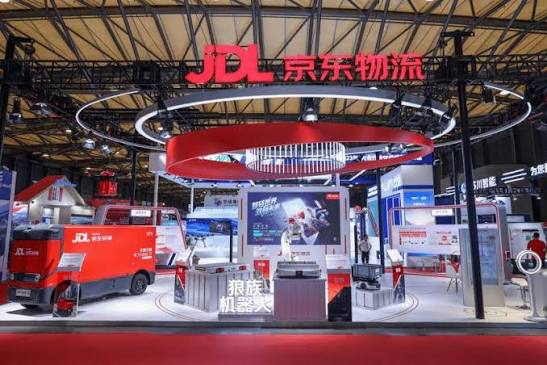
JD Logistics revealed on Friday its ambitious plan to acquire three million robots, one million autonomous vehicles, and 100,000 drones over the next five years. This initiative aims to significantly enhance automation within its logistics and supply chain network. The company has already successfully deployed its "Wolf Pack" series of robots across more than 20 provinces, showcasing its commitment to advancing operational efficiency and technological integration in its services. By investing in these advanced technologies, JD Logistics seeks to streamline its operations and improve service delivery, positioning itself as a leader in the rapidly evolving logistics sector.

News Feed
Another Major Restaurant Platform Turns to Drone Delivery

Another Major Restaurant Platform Turns to Drone Delivery

Wonder, a food technology platform, plans to introduce aerial meal delivery services in Dallas starting in 2027, signaling a significant advancement in the commercial use of drone delivery for food services. The company has partnered with Zipline to facilitate this initiative across various locations in Texas. This collaboration represents a strategic move to transition drone delivery from experimental phases to mainstream food service, allowing customers in select areas to receive their meals via drones. The decision to expand into aerial delivery is driven by the growing demand for innovative and efficient food delivery solutions.

Applications Delivery Drone News Drone News Feeds News autonomous delivery
Wing and Walmart Add Seven New Drone Delivery Markets

Wing and Walmart Add Seven New Drone Delivery Markets

Wing and Walmart have announced the expansion of their drone delivery network to seven new major metropolitan areas, including Memphis, New Orleans, Philadelphia, Phoenix, San Diego, the San Francisco Bay Area, and Salt Lake City. This initiative is part of their ongoing efforts to enhance delivery services across the United States. The addition of these cities marks a significant step in the rollout of the nation’s largest drone delivery network, aimed at improving convenience and efficiency for consumers. The partnership leverages advanced drone technology to facilitate faster deliveries, responding to the growing demand for quick and reliable service in urban areas.

Advanced Air Mobility BVLOS Delivery Drone News Drone News Feeds News
Wing and Walmart expand drone delivery network to seven new US metro areas

Wing and Walmart expand drone delivery network to seven new US metro areas

Drone delivery company Wing, in partnership with retail giant Walmart, is expanding its residential drone delivery network across the United States, which they claim is the largest of its kind. This initiative will introduce drone delivery services to seven new metropolitan areas, including Memphis, New Orleans, Philadelphia, and Phoenix. The expansion aims to enhance accessibility and convenience for consumers, with a target of reaching 40 million Americans by 2027. The collaboration between Wing and Walmart is part of a broader strategy to leverage drone technology for efficient delivery solutions, responding to the growing demand for rapid and reliable delivery services in urban areas.

Drones News aerial delivery automation news autonomous drones commercial drones
Amprius and Matternet Expand Drone Delivery Battery Partnership

Amprius and Matternet Expand Drone Delivery Battery Partnership

Amprius Technologies, a battery manufacturer, has partnered with drone delivery company Matternet to enhance the performance of commercial drone operations. This collaboration focuses on utilizing Amprius's advanced silicon anode lithium-ion cells, which are designed to improve the range, charging time, and overall delivery efficiency of drones. The partnership aims to address the growing demand for more efficient and reliable drone delivery systems, reflecting the increasing significance of drone technology in logistics and transportation. The announcement was made recently, highlighting the companies' commitment to advancing battery technology for the future of commercial drone services.

Applications Delivery News Amprius autonomous delivery battery energy density
Beyond Pizza Delivery: How AI Agents and Drones Are Building the Next Commerce Infrastructure

Beyond Pizza Delivery: How AI Agents and Drones Are Building the Next Commerce Infrastructure

Papa Johns and Wing, in collaboration with Google Cloud, are pioneering a future where artificial intelligence, autonomous logistics, and drone delivery converge into a unified ecosystem. This partnership marks a significant step for the commercial drone industry, moving beyond traditional narratives that emphasize the technical aspects of drones, such as payload capacity, battery life, and regulatory challenges. By integrating AI systems with drone technology, the collaboration aims to enhance the efficiency and effectiveness of delivery services, potentially transforming the landscape of commerce. This innovative approach not only promises to streamline operations but also to redefine consumer experiences in delivery logistics.

Applications Delivery DL Exclusive Drone News Drone News Feeds Feature 1
China deploys humanoid robots to sort 1,200 parcels per hour in massive postal hub

China deploys humanoid robots to sort 1,200 parcels per hour in massive postal hub

China has introduced humanoid robots into its extensive postal network, aiming to enhance efficiency and streamline operations in one of the busiest logistics systems globally. This initiative, which began recently, is part of a broader effort to integrate advanced technology into everyday services, reflecting the country's commitment to innovation and modernization. The deployment of these robots is expected to address labor shortages and improve delivery times, ultimately benefiting consumers and businesses alike. By utilizing cutting-edge robotics, China seeks to maintain its competitive edge in the rapidly evolving logistics sector.

Award Registration! Top Scholars Discuss Micro Robots and Autonomous Navigation Innovations

Award Registration! Top Scholars Discuss Micro Robots and Autonomous Navigation Innovations

A recent Cell Press Live event brought together three prominent experts to explore the latest advancements in autonomous navigation technologies. The discussion covered a range of applications, including self-driving cars, drones, and innovative drug delivery systems. Scheduled for a future date, the event offers free registration for attendees eager to gain insights into cutting-edge research in micro-robotics, light-driven robots, and optimization frameworks for enhancing autonomous systems. This initiative aims to inform and engage the public in the rapidly evolving field of autonomous technology, showcasing how these innovations can transform various industries.

Micro Robots Autonomous Navigation Soft Robotics AI Drug Delivery Systems
Electromate Announces Availability of Dobot Educational Robots and Accessories in Canada

Electromate Announces Availability of Dobot Educational Robots and Accessories in Canada

Electromate has announced the launch of Dobot’s educational robots and accessories, now available to customers throughout Canada. This expansion, revealed on May 25, 2026, aims to support academic institutions, training centers, and research labs by providing a comprehensive ecosystem of robotic platforms designed for teaching robot programming, automation systems, and mechatronics. The Dobot educational lineup caters to various instructional levels, from K-12 to higher education. It includes entry-level platforms like the Magician Lite, which focuses on foundational coding and robotics skills, and the more advanced Dobot Magician Educational Version, which offers enhanced capabilities and accessory integration. For institutions seeking to provide advanced training, models such as the MG400 and Magician E6 are available, featuring higher payload capacities and multi-axis control suitable for industrial applications. In addition to the robots, Electromate offers a range of accessories, including electric grippers, suction cups, vision kits, and linear rail kits, enabling educators to create practical exercises that cover material handling, pick-and-place operations, and system integration. Electromate collaborates with educators to ensure that the robotic platforms meet curriculum objectives and lab requirements. With these products in stock for immediate delivery, institutions can prepare for the upcoming academic terms.

China's Solution for Unmanned Front Warehouses: Why Youliqi Robots Are the Right Fit

China's Solution for Unmanned Front Warehouses: Why Youliqi Robots Are the Right Fit

Youliqi Robots has released a video showcasing the operational capabilities of humanoid robots in front warehouses, marking a significant advancement in robotics technology. This unveiling comes at a critical time for China's retail sector, which is grappling with inefficiencies in delivery processes. By integrating humanoid robots into warehouse operations, Youliqi aims to enhance efficiency and streamline workflows in these fast-paced environments. The demonstration illustrates the potential for robotics to transform logistics and address ongoing challenges in the industry.

Humanoid Robots Warehouse Automation AI E-commerce Logistics
5 Reasons Why Palletizing Robots Are Essential for Warehouse Throughput

5 Reasons Why Palletizing Robots Are Essential for Warehouse Throughput

In response to the growing demands of global supply chains for faster delivery and higher volume, companies are increasingly turning to automated palletizing solutions. Traditional manual stacking methods, which are labor-intensive and prone to errors, are becoming inadequate. The shift towards high-performance industrial robot arms, such as the JAKA Zu 20, is now seen as essential for maintaining competitiveness in logistics. This transition, which is taking place across various facilities, aims to enhance warehouse throughput by ensuring consistent speed and reliability. Automated systems can operate continuously without fatigue, significantly increasing the number of pallets processed daily. Additionally, by reducing the physical strain on workers, these robots help minimize musculoskeletal injuries, lower insurance costs, and allow human employees to focus on more complex tasks. The precision offered by automated palletizing systems is crucial for maintaining product integrity during transit, as they utilize advanced sensors to ensure accurate stacking. Furthermore, modern robots are designed to optimize floor space, allowing for efficient use of warehouse layouts. They also provide rapid adaptability to changing inventory needs, accommodating a wider variety of Stock Keeping Units (SKUs) with ease. JAKA's solutions exemplify this trend, offering user-friendly setups and safety features that promote human-machine collaboration. With a quick return on investment, often within six to twelve months, these innovations are revolutionizing logistics and setting new standards for warehouse efficiency.

Watch humanoid and dog-like robots team up to handle warehouse work together at LG

Watch humanoid and dog-like robots team up to handle warehouse work together at LG

A subsidiary of LG has unveiled an innovative logistics workflow featuring multiple autonomous robots designed to enhance efficiency in supply chain operations. This demonstration took place at the company's headquarters in Seoul, South Korea, on October 15, 2023. The initiative aims to address the growing demand for automation in logistics, driven by the need for faster and more reliable delivery systems in an increasingly competitive market. By integrating advanced robotics and artificial intelligence, LG's new system is set to streamline processes, reduce human error, and optimize resource management. The robots are capable of navigating complex environments and collaborating seamlessly with each other, showcasing the potential for significant advancements in the logistics sector. This initiative reflects LG's commitment to innovation and its strategic focus on leveraging technology to meet evolving industry challenges.

Phase stability regulator based on two dynamic parameters for autonomous mobile robots

Phase stability regulator based on two dynamic parameters for autonomous mobile robots

A researcher has highlighted the advantages of implementing a phase stability regulator featuring two real-time signals for autonomous mobile robots (AMRs). This innovation aims to enhance the operational efficiency and reliability of AMRs, which are increasingly utilized in various industries for tasks such as logistics and delivery. The findings were discussed in a recent publication on The Robot Report, emphasizing the importance of advanced regulatory systems in improving the performance of these robots. By integrating dynamic parameters into the phase regulation process, the researcher suggests that AMRs can achieve better stability and responsiveness in their operations, ultimately leading to more effective automation solutions.

Autonomous Mobile Robots (AMRs) Logistics Manufacturing Mobility / Navigation News Opinion
Honda's ASIMO Stopped in 2018, UBTECH's Walker Races into 2026: The Rise and Fall of Humanoid Robots is Set

Honda's ASIMO Stopped in 2018, UBTECH's Walker Races into 2026: The Rise and Fall of Humanoid Robots is Set

UBTECH's stock experienced a notable surge of 17% after the company released its financial report for 2025, which highlighted an extraordinary 2203.7% increase in revenue from humanoid robots. This impressive growth was underscored by the delivery of 1,079 full-sized humanoid robots, a significant achievement that positions UBTECH as a leader in industrial applications. The company's success has also paved the way for strategic partnerships, including a collaboration with Honda, aimed at further advancing their technological innovations in robotics. The report's findings reflect UBTECH's strong market performance and its commitment to expanding the capabilities and applications of humanoid robots in various industries.

Humanoid Robots Industrial Automation Robotics AI Technology
The Future of Joints: A New Core of Intelligent Manufacturing - QuanZhiBo's New Factory in Wuxi Begins Production, Accelerating Scalable Delivery

The Future of Joints: A New Core of Intelligent Manufacturing - QuanZhiBo's New Factory in Wuxi Begins Production, Accelerating Scalable Delivery

On April 2, 2026, QuanZhiBo unveiled its state-of-the-art integrated joint automation production line in Wuxi, representing a major advancement in the mass production of humanoid robots. The new facility boasts over 85% automation, significantly streamlining the manufacturing process and reducing the delivery cycle to just 90 seconds. This innovation is expected to greatly enhance production efficiency and facilitate the swift expansion of humanoid robot applications across various sectors.

Humanoid Robots Automation Manufacturing Technology Robotics Supply Chain Management
Case Study: Achieving 24/7 Operation with Productive Robots

Case Study: Achieving 24/7 Operation with Productive Robots

Manufacturers increasingly require continuous production to ensure stable output and reliable delivery schedules. JAKA, a leader in automation solutions, is addressing this need by designing industrial robot arms that support uninterrupted workflows while prioritizing safety and consistency. The company emphasizes that achieving true 24/7 operations hinges on the reliability of equipment under prolonged, high-intensity conditions. In a recent implementation, JAKA deployed its Pro12 robots to enhance production lines that operate day and night with minimal intervention. These robots are specifically engineered to withstand challenging environments, featuring IP68 protection that allows them to function effectively in dusty and humid conditions without additional shielding. Their maintenance-free integrated joint design ensures long-term precision, crucial for continuous operations. The deployment process was streamlined, even in space-constrained settings, allowing for easy integration into existing production layouts. Throughout the continuous operation, JAKA's robots demonstrated consistent motion control, significantly reducing unplanned downtime and minimizing routine maintenance typically associated with traditional automation setups. This initiative highlights JAKA's commitment to helping manufacturers achieve reliable, long-term automation solutions that adapt to real-world production needs. By focusing on thoughtful system integration and proven robot technology, JAKA aims to support production teams in building stable, manageable systems capable of sustained output over extended periods.

"Delivery no longer relies on subsidies, is the back kitchen world model starting to rewrite the restaurant industry?"

"Delivery no longer relies on subsidies, is the back kitchen world model starting to rewrite the restaurant industry?"

In a significant shift within the restaurant industry, the reliance on subsidies for delivery services is diminishing, prompting industry experts to question whether this marks the beginning of a new operational model. This transformation is occurring as restaurants seek to adapt to changing consumer behaviors and economic pressures. The trend has gained momentum in recent months, particularly as businesses strive to enhance profitability and streamline operations in the wake of the pandemic's impact. As restaurants explore innovative strategies to manage delivery logistics without financial support, many are investing in technology and partnerships that optimize efficiency. This evolution reflects a broader movement towards sustainability and self-sufficiency within the food service sector. Observers note that this change could lead to a more competitive landscape, where restaurants must differentiate themselves through quality and service rather than relying on discounts and promotions. Industry leaders are closely monitoring these developments, as the shift away from subsidies could redefine customer expectations and operational standards. The implications of this transition are significant, potentially reshaping the dynamics of food delivery and the overall restaurant experience. As the sector continues to navigate these changes, the future of dining may be characterized by a more resilient and innovative approach to delivery services.

Robotics Automation AI
Former Meituan delivery tech chief starts a venture for an "restaurant world model" in the era of embodied intelligence.

Former Meituan delivery tech chief starts a venture for an "restaurant world model" in the era of embodied intelligence.

AtomBite.AI, a company specializing in embodied intelligence, has secured a multi-million dollar seed funding round led by InnoTech Venture Capital, with participation from the Tsinghua Alumni Seed Fund and notable individual investors. This funding will primarily support the development of embodied world models for the restaurant industry and the implementation of core products. The company's founding team, which includes Dr. Wang Dong, a former technical lead at Meituan's food delivery division, aims to address inefficiencies in restaurant kitchens, particularly in the packaging and delivery processes that still heavily rely on manual labor. As global food delivery orders continue to rise, AtomBite.AI identifies the kitchen as a promising application area for embodied intelligence, given its universal demand and clear return on investment for businesses. The team plans to create a "World Action Model" tailored for the restaurant sector, emphasizing the integration of visual and tactile feedback to enhance robotic operations. Their approach focuses on developing a system that learns from real-world interactions rather than relying solely on generalized models. Currently, AtomBite.AI is targeting the packaging and transfer stages of food delivery, which are prone to errors and have quantifiable value. The company anticipates deploying its packaging model in commercial kitchens by 2026, with plans to expand into more complex kitchen operations and broader service industry applications in the future.

Taco Bueno brings Zipline drone delivery to Texas customers

Taco Bueno brings Zipline drone delivery to Texas customers

Taco Bueno, a fast-food chain based in Texas, is set to enhance its service offerings by partnering with Zipline to introduce drone delivery for its Tex-Mex meals. This initiative marks Taco Bueno's entry into the expanding drone delivery sector, aiming to provide customers with a quicker and more efficient way to enjoy their favorite dishes. The collaboration is expected to streamline the delivery process, allowing for faster access to fresh meals. As the demand for innovative delivery solutions grows, Taco Bueno's move reflects a strategic effort to stay competitive in the fast-food industry while catering to evolving consumer preferences.

News
The $500 Delivery Robot Is Coming — and It Will Reshape the Industry

The $500 Delivery Robot Is Coming — and It Will Reshape the Industry

Recent advancements in affordable AI accelerators and simulation-trained neural policies are set to significantly reduce the costs associated with autonomous delivery systems. This development is poised to transform the logistics and delivery industry, presenting substantial business opportunities that extend beyond mere technological improvements. As companies increasingly adopt these innovations, the implications for operational efficiency and market competitiveness are expected to be profound. The shift is anticipated to take place in the coming months, as businesses leverage these cost-effective solutions to enhance their delivery capabilities and streamline operations.

In a First for Drone Delivery, Flytrex and Little Caesars Can Now Deliver Two Large Pizzas to Your Door

In a First for Drone Delivery, Flytrex and Little Caesars Can Now Deliver Two Large Pizzas to Your Door

Flytrex, a leader in on-demand drone food delivery, has partnered with Little Caesars to launch a groundbreaking service that allows customers to receive two large pizzas and drinks via drone delivery. This initiative, which began on April 23, 2026, in Wylie, Texas, utilizes Flytrex's new Sky2 drone, capable of carrying up to 8.8 pounds, making it the first drone to deliver full family meals in a single flight. The Sky2 drone features a four-mile delivery range and can pick up orders directly from restaurant locations, ensuring faster and hotter deliveries, averaging just 4.5 minutes from takeoff to arrival. This partnership aims to enhance customer convenience and meet growing demand for efficient food delivery options. Amit Regev, CEO of Flytrex, emphasized the importance of delivering meals that families want when they want them, stating that the Sky2 significantly advances drone delivery capabilities. Trish Heusel, Vice President of Innovation at Little Caesars, highlighted the collaboration as a major step in enhancing customer experience through increased convenience and speed. The Sky2 drone is designed with safety and efficiency in mind, featuring advanced technology such as an octocopter configuration for redundancy, a dual-battery system, and AI-enabled flight logic for reliable operations. This partnership marks a significant milestone for Flytrex, which has recently secured investments and partnerships to expand its drone delivery services across the U.S.

SoftBank Robotics backs Matternet to expand drone delivery across US

SoftBank Robotics backs Matternet to expand drone delivery across US

Matternet has announced a strategic partnership with SoftBank Robotics America to advance the integration of drone delivery services into everyday logistics across the United States. This collaboration seeks to enhance the efficiency and accessibility of delivery systems, leveraging drone technology to meet the growing demand for rapid logistics solutions. The initiative comes at a time when the logistics industry is increasingly turning to innovative technologies to streamline operations and improve customer service. By combining Matternet's expertise in drone delivery with SoftBank's robotics capabilities, the partnership aims to revolutionize the way goods are transported, making drone delivery a commonplace option for businesses and consumers alike.

News
Matternet and SoftBank Robotics America Announce Strategic Partnership to Scale Drone Delivery Networks

Matternet and SoftBank Robotics America Announce Strategic Partnership to Scale Drone Delivery Networks

Matternet and SoftBank Robotics America have announced a strategic partnership aimed at enhancing the deployment of autonomous aerial logistics. This collaboration combines Matternet's advanced drone delivery technology with SoftBank Robotics' expertise in commercialization, creating a powerful synergy to expedite the integration of drone services into various sectors. The partnership is expected to streamline logistics operations and improve delivery efficiency, addressing the growing demand for innovative solutions in the logistics industry. As both companies work together, they aim to leverage their respective strengths to revolutionize the way goods are transported, ultimately benefiting businesses and consumers alike.

Mercado Libre and Agility Robotics Announce Commercial Agreement to Deploy Humanoid Robots

Mercado Libre and Agility Robotics Announce Commercial Agreement to Deploy Humanoid Robots

Mercado Libre, a leading e-commerce platform in Latin America, has entered into a commercial agreement with Agility Robotics to implement its humanoid robot, Digit, in fulfillment centers located in Texas. This partnership, announced on December 10, 2025, aims to enhance operational efficiency and streamline logistics processes within the company's distribution network. Following the initial deployment in Texas, there are plans for further expansion into Latin America, reflecting Mercado Libre's commitment to leveraging advanced robotics technology to improve service delivery and meet growing consumer demands. The collaboration is expected to optimize warehouse operations, reduce labor costs, and increase overall productivity as the e-commerce market continues to evolve.

China’s food-delivery price war sees Meituan, Alibaba, JD.com incur $14B in costs across two quarters

China’s food-delivery price war sees Meituan, Alibaba, JD.com incur $14B in costs across two quarters

In the third quarter of 2025, Meituan reported a staggering operating loss of 19.8 billion yuan ($2.7 billion), marking its largest loss since going public. This significant downturn is attributed to intense competition in China's food delivery sector, which has driven companies to engage in heavy subsidy spending. Meanwhile, Alibaba experienced a sharp decline in its operating profit, plummeting from 35.2 billion yuan to just 5.4 billion yuan ($4.9 billion to $0.75 billion). JD.com also faced challenges, reporting an operating loss of 10.5 billion yuan ($1.4 billion). The ongoing battle for market share among these major players highlights the pressures of maintaining profitability amidst aggressive pricing strategies and consumer incentives.

News Feed
UBTECH Humanoid Robot Walker S2 Begins Mass Production and Delivery, with Orders Exceeding 800 Million Yuan

UBTECH Humanoid Robot Walker S2 Begins Mass Production and Delivery, with Orders Exceeding 800 Million Yuan

UBTECH has successfully created a closed-loop commercial cycle that integrates technology, real-world applications, delivery, and iterative improvement. This innovative approach enables the company to swiftly respond to market demands while efficiently managing order fulfillment. By streamlining these processes, UBTECH enhances its core capabilities, positioning itself to better meet customer needs and adapt to changing market conditions. The company's strategy reflects a commitment to continuous improvement and responsiveness in a competitive landscape.

DOBOT Debuted Global Delivery of Humanoid Robot – DOBOT Atom

DOBOT Debuted Global Delivery of Humanoid Robot – DOBOT Atom

Dobot has announced the global mass production and delivery of its humanoid robot, DOBOT Atom, during a launch conference in Nagoya, Japan. This significant event marks a milestone for the company as it aims to expand its presence in the robotics market. The launch highlights Dobot's commitment to innovation and its vision of integrating advanced robotics into various sectors, including manufacturing and service industries. The introduction of DOBOT Atom is expected to enhance automation capabilities, providing businesses with efficient solutions to meet growing demands. The conference showcased the robot's features and potential applications, illustrating how it can transform operations across different fields.

robot arm collaborative robot cobot dobot dobot robotics
JD.com’s food delivery service faces backlash after system crash amid 618 surge

JD.com’s food delivery service faces backlash after system crash amid 618 surge

On May 14, JD.com’s food delivery service faced significant disruptions, leading to widespread user complaints about delayed and unassigned orders. The incident prompted a surge of online discussion, with the hashtag #JD_Food_Delivery_Crashed_Again trending across various social media platforms. In light of the situation, JD.com issued an apology, explaining that the service interruptions were caused by an unexpected increase in order volume linked to its ongoing 618 promotional campaign. The company is currently working to address the issues and restore normal service for its customers.

News Feed
Video: Pudu Robotics Equips Delivery Bot with Dual Arms in New FlashBot Arm

Video: Pudu Robotics Equips Delivery Bot with Dual Arms in New FlashBot Arm

Pudu Robotics has unveiled its latest innovation, the FlashBot Arm, a cutting-edge service robot that features dual seven-degree-of-freedom arms and dexterous hands mounted on a mobile delivery base. This advanced robot is engineered to perform a variety of tasks, including operating elevators and opening doors, thereby enhancing its functionality in diverse service environments. The introduction of the FlashBot Arm signifies a significant step towards integrating autonomous navigation with sophisticated manipulation capabilities, allowing for greater versatility in settings such as hotels, hospitals, and restaurants. By combining these technologies, Pudu Robotics aims to improve efficiency and service delivery in industries increasingly reliant on automation.

pudu robotics flashbot arm
JD.com food delivery hits 1 million daily orders in 40 days

JD.com food delivery hits 1 million daily orders in 40 days

JD.com has reported that its newly launched food delivery service has achieved over 1 million daily orders just 40 days after its debut. The platform collaborates with more than 450,000 dine-in restaurants across 142 cities in China. This impressive growth is largely credited to JD.com’s policy of zero commission fees, which has enabled some partnered restaurants to surpass 2,000 monthly orders. The company’s innovative approach is attracting new merchants, further enhancing its market presence in the competitive food delivery sector.

News Feed
Drone food delivery orders rise in China during Spring Festival

Drone food delivery orders rise in China during Spring Festival

In Shenzhen, a growing number of food delivery orders are now being fulfilled by drones, as reported by state-owned media CCTV Finance. At Yitian Plaza, operator Luo Xikun and his team have streamlined the process, managing to pack, weigh, and swap batteries for drone deliveries in under two minutes. This innovative approach aims to enhance delivery efficiency and meet the increasing demand for quick service in urban areas. The use of drones represents a significant advancement in logistics, allowing for faster and more reliable food delivery options in the bustling city.

News Feed
RobotToday Initiative

Robotics needs a service framework.

RSF defines a common language for robot service capability, lifecycle operations, certification pathways, and service-provider networks.