Industry Briefing
A single destination for timely, editor-curated robotics news from around the world.
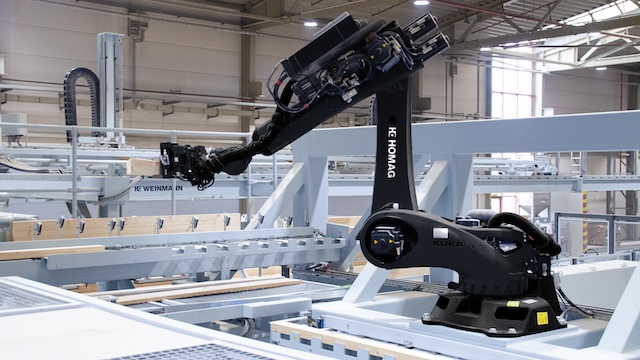
UBTECH Partners with Muxi to Develop Intelligent Edge Chips for Robotics
On June 11, UBTECH and Muxi formalized a strategic partnership in Nanjing, launching a joint venture dedicated to the development and production of intelligent edge chips specifically for robotics. This collaboration is designed to bolster China's core chip technology capabilities, which is essential for the progression of humanoid robots. By focusing on creating a secure and reliable domestic chip supply chain, the partnership aims to enhance the nation's technological independence and innovation in the robotics sector.
Intelligent Robotics Edge Computing Chip Development AI Technology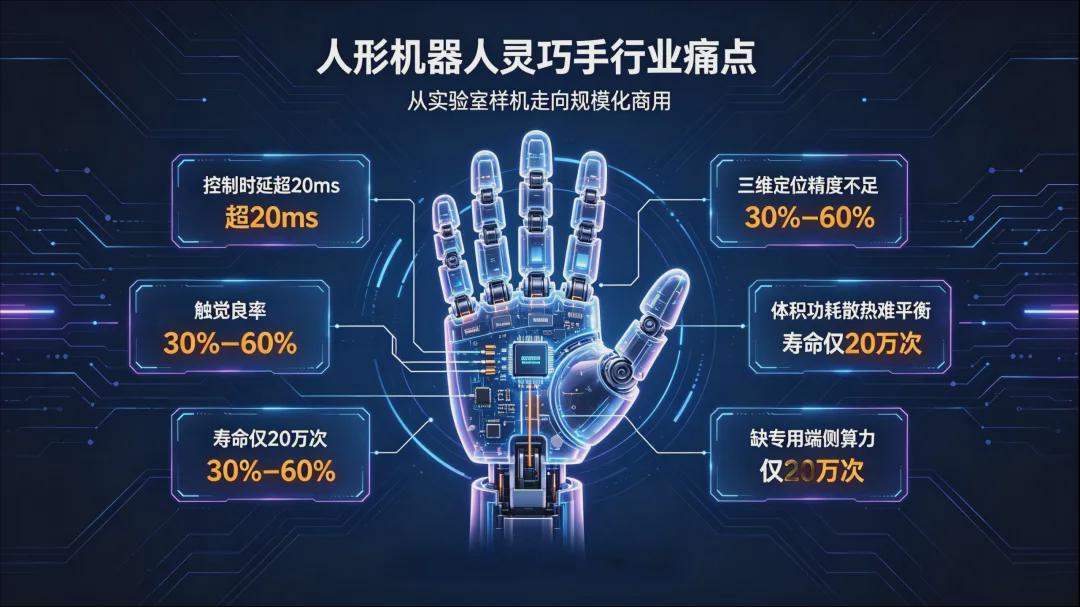
China's First Integrated Chip Solution for Dexterous Hands: 0.1mm Precision and Ultra-Low Latency
A Chinese semiconductor company has unveiled a groundbreaking integrated chip solution designed for dexterous robotic hands, effectively tackling significant challenges such as high latency and low precision. This innovative technology merges AI ASIC capabilities with advanced materials, resulting in improved performance and cost efficiency. The new chip is poised to enhance the functionality of robotic systems across a range of applications, including industrial collaboration and home assistance. By enabling high-precision tasks, this development marks a significant advancement in the field of robotics, promising to transform how robots interact with their environments.
Robotics AI Dexterous Hands Chip Technology
When Chips Grow Limbs: A Giant with a Market Value of 327.4 Billion Rapidly Enters Embodied Intelligence
A significant advancement in embodied intelligence has emerged from a collaboration between Moore Threads and the Beijing Zhiyuan AI Research Institute. The two organizations have successfully trained the RoboBrain2.5 model, a development that highlights the growing capabilities of domestic computing power in this innovative sector. As traditional computing chips face challenges of obsolescence, this milestone represents a pivotal moment for the future of computing. The partnership aims to enhance the efficiency and effectiveness of AI applications, positioning itself at the forefront of technological evolution.
Embodied Intelligence AI Computing Chip Technology Simulation Data Robotics
AI-powered spectrometer chip shrinks lab technology to the size of a grain of sand
Researchers at UC Davis have developed an innovative AI-powered chip capable of analyzing light and chemicals with remarkable precision. This compact device, small enough to fit into various environments, integrates advanced silicon sensors with machine learning technology, enabling it to perform lab-quality spectral analysis without the need for traditional, bulky equipment. The breakthrough aims to enhance accessibility and efficiency in chemical analysis, potentially transforming fields such as environmental monitoring, healthcare, and food safety. By streamlining the analytical process, this new chip could facilitate quicker and more accurate assessments in diverse applications.

$270 Million in Series B Funding! This Company Sets a New Record for Embodied Intelligence Infrastructure Financing!
On April 8, 2026, Digua Robotics revealed that it has successfully secured $150 million in Series B funding, increasing its total funding to $270 million. This financial boost is aimed at supporting the company's global business expansion and the development of its developer ecosystem. As a leader in the embodied intelligence chip sector, Digua Robotics is poised to leverage these funds to enhance its market presence and foster innovation in its technology offerings.
Robotics AI Chip Technology Funding Developer Ecosystem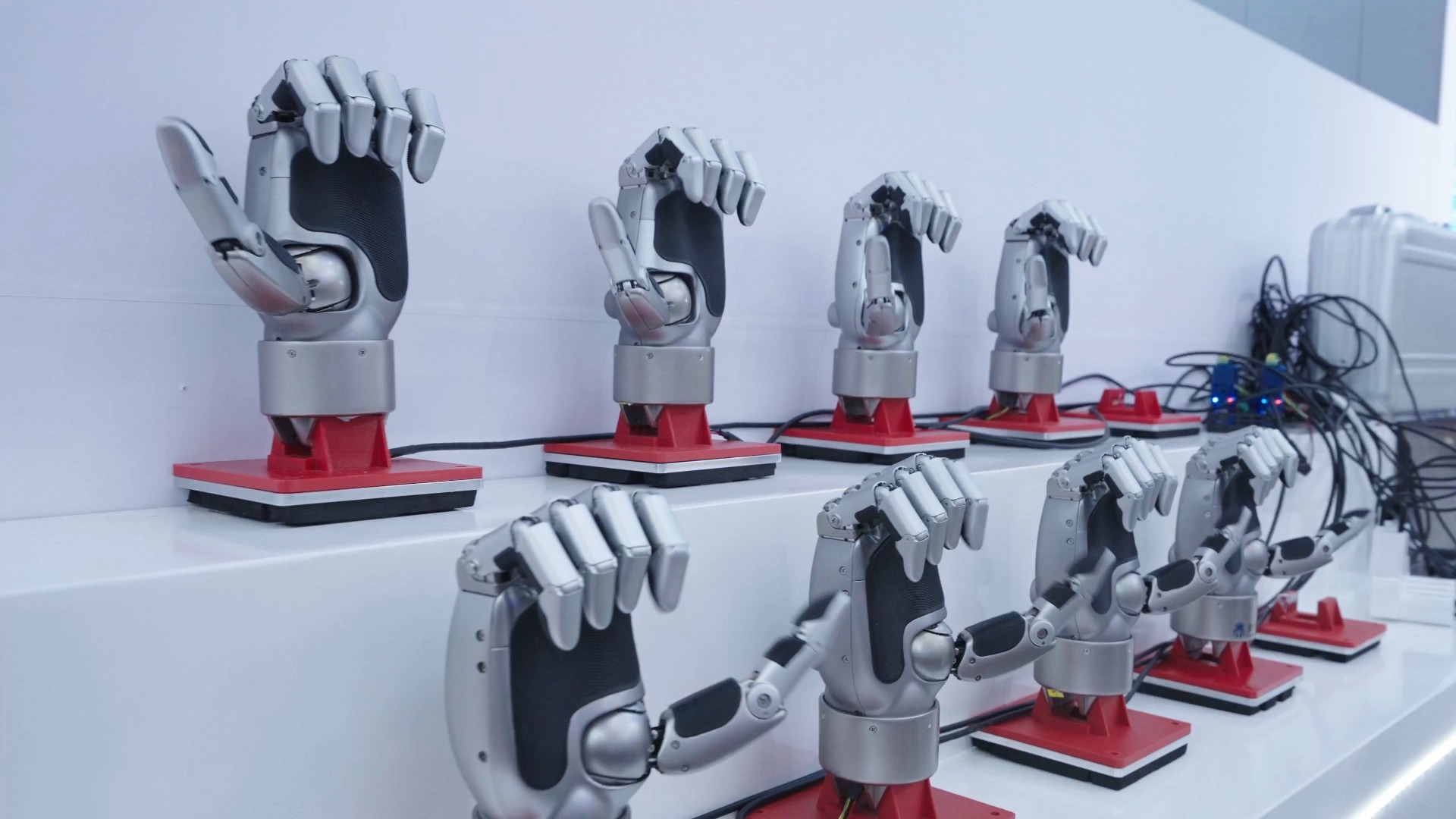
Diao Micro's Strategic Stake in Lingxin Qiaoshou Yields 30 Million in Just Six Months
Diao Micro has achieved significant financial success by selling a 0.21% stake in Lingxin Qiaoshou for 35 million yuan, reflecting an impressive 579.41% premium. This swift profit underscores the thriving market for advanced robotics. The transaction marks a strategic pivot for Diao Micro, which is shifting focus from long-term investments to generating immediate cash flow in response to its current financial difficulties.
Robotics Investment Market Valuation Chip Technology Financial Strategy
Why everyone from OpenAI to SpaceX is building their own chips (and turning up the heat on Nvidia)
Nvidia, a leader in the AI chip market, may soon face increased competition as OpenAI announces its development of a new custom inference chip named Jalapeño, in collaboration with Broadcom. This strategic move comes as OpenAI joins a growing list of tech giants, including Google, Apple, and SpaceX, who are seeking to reduce their reliance on a single supplier for critical technology. The initiative reflects a broader industry trend aimed at diversifying chip sources to mitigate risks associated with dependence on Nvidia. OpenAI's plans signal a significant shift in the competitive landscape of AI hardware, potentially reshaping the dynamics of the market.
AI a24 agility AI chips AI loops Anthropic
Chinese AI chip startup bets on 3D stacking to sidestep US export controls
A Chinese AI chip startup, founded by semiconductor expert Wei Shaojun, has officially launched its operations, marking a significant entry into the competitive technology sector. The company aims to develop advanced artificial intelligence chips that cater to the growing demand for AI applications across various industries. This announcement comes at a time when the global market for AI technology is rapidly expanding, driven by increasing investments and innovations in machine learning and data processing. The startup is based in Shenzhen, a hub for technology and innovation in China, which provides a conducive environment for research and development. Wei Shaojun, with his extensive experience in the semiconductor industry, is spearheading efforts to create cutting-edge solutions that could enhance the performance of AI systems. The motivation behind this venture is to capitalize on the burgeoning AI market and to contribute to China's ambitions in becoming a leader in semiconductor technology. To achieve its goals, the startup plans to leverage advanced manufacturing techniques and collaborate with local research institutions to accelerate the development of its products. By focusing on high-performance chips tailored for AI tasks, the company aims to differentiate itself from competitors and establish a strong presence in the market. As the demand for AI capabilities continues to rise, this new player is poised to make a significant impact in the tech landscape.
AI and Robotics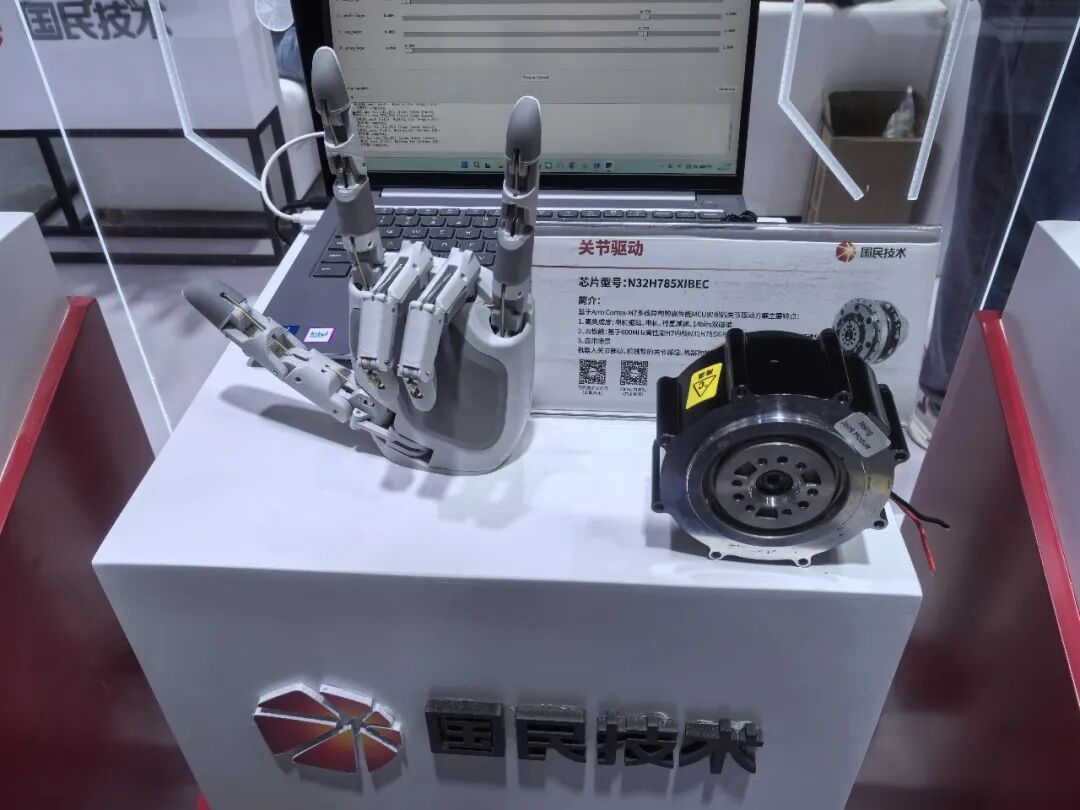
From Race Tracks to Living Rooms: Adapting Chip Solutions for Robotic Applications
Guomin Technology has unveiled its N32H series microcontroller unit (MCU), which is set to revolutionize a range of robotic applications, including marathon-running humanoid robots and smart home assistants. This innovative chip boasts advanced capabilities in real-time response, precision control, and energy management, making it effective in diverse environments. The article also addresses the challenges faced in creating dexterous robotic hands and emphasizes the reliability needed for industrial applications. With these advancements, Guomin Technology aims to enhance the functionality and efficiency of robotics, paving the way for more sophisticated and versatile robotic solutions.
Robotics MCU Technology AI Solutions Smart Home Devices
Baidu shares jump 7% as AI chip arm Kunlunxin said to target $50 billion Hong Kong IPO
Baidu's shares listed in Hong Kong experienced a significant increase of over 6% following reports that its AI chip division, Kunlunxin, is planning a substantial initial public offering (IPO) valued at $50 billion. This development highlights Baidu's strategic move to capitalize on the growing demand for AI technology and semiconductor solutions. The anticipated IPO is set to take place in Hong Kong, reflecting the city's status as a major financial hub. Investors are responding positively to the news, indicating confidence in Baidu's potential to expand its market presence through this ambitious financial initiative.
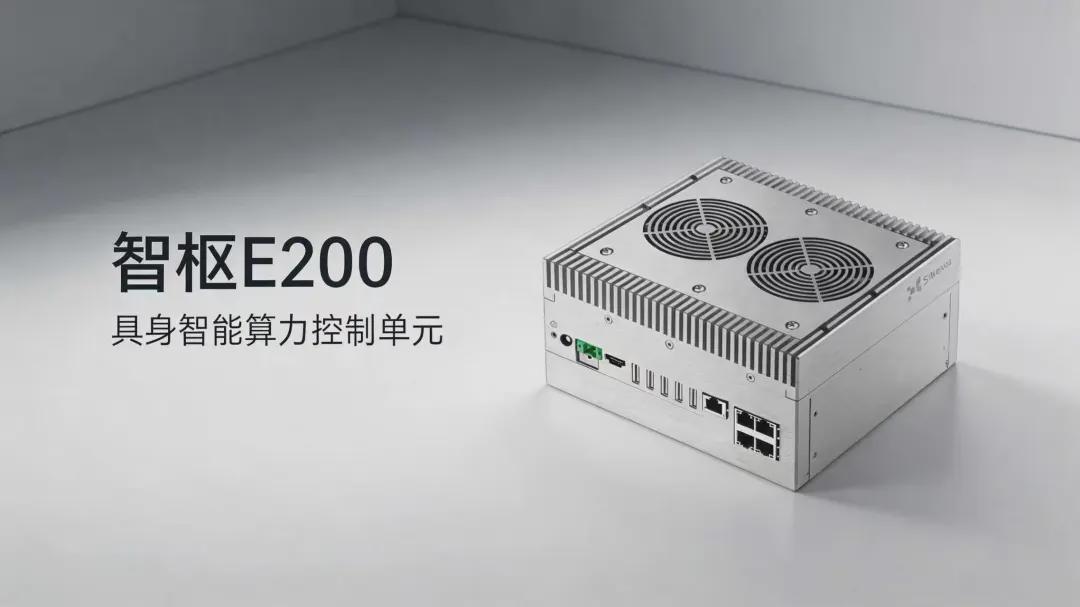
"Building a Brain for Robots: How Chip Bridge Semiconductor Positions Itself in the Foundation of Embodied Intelligent Computing Power"
Chip Bridge Semiconductor is making significant strides in the development of advanced computing technology aimed at enhancing robotic intelligence. The company is focused on creating a new generation of chips designed to serve as the foundational brain for robots, enabling them to process information and respond to their environments more effectively. This initiative comes at a time when the demand for embodied intelligent computing is rapidly increasing, driven by advancements in artificial intelligence and automation. Located in Silicon Valley, Chip Bridge Semiconductor is leveraging cutting-edge research and development to innovate in this competitive field. The company aims to address the growing need for robots that can operate autonomously in various settings, from manufacturing to healthcare. By integrating sophisticated algorithms with powerful semiconductor technology, Chip Bridge is positioning itself as a leader in the robotics sector. The motivation behind this initiative is to create robots that not only perform tasks but also learn and adapt to new challenges, thereby improving efficiency and productivity across industries. Through strategic partnerships and investments in research, Chip Bridge Semiconductor is working to refine its chip designs and enhance their capabilities, ensuring that they meet the evolving needs of the market. As the landscape of robotics continues to evolve, Chip Bridge Semiconductor’s efforts could play a crucial role in shaping the future of intelligent machines, making them more capable and versatile in their applications.
Robotics Automation AI
AI Is Designing Radio Chips That Humans Couldn’t Even Imagine
Researchers at Princeton University have made significant strides in the design of radio-frequency integrated circuits (RFICs), a critical component for advancing wireless technologies such as 5G, autonomous vehicles, and satellite communications. Utilizing reinforcement learning and inverse design techniques, the team has developed a method to create RFICs from scratch, drastically reducing design time and achieving record performance levels. This innovative approach leverages AI to navigate the complex design space of RFICs, traditionally seen as an art requiring years of expertise. By employing machine learning algorithms, the researchers can generate novel circuit layouts that outperform existing designs while minimizing the time taken for development. The project, which began after the success of AI in games like Go, aims to overcome the limitations of conventional RFIC design, which has remained largely artisanal. The researchers emphasize the need for large, shared datasets and open ecosystems to further enhance AI's capabilities in understanding electromagnetic and circuit behaviors. As the demand for advanced RFICs grows, the potential for AI-driven design to revolutionize the field is becoming increasingly apparent. The findings have attracted attention within the RF community, sparking discussions about the future of AI in circuit design and the importance of collaboration between AI researchers and chip designers to unlock new possibilities in technology.
Machine-learning Ic-design Chip-design Rf Rfic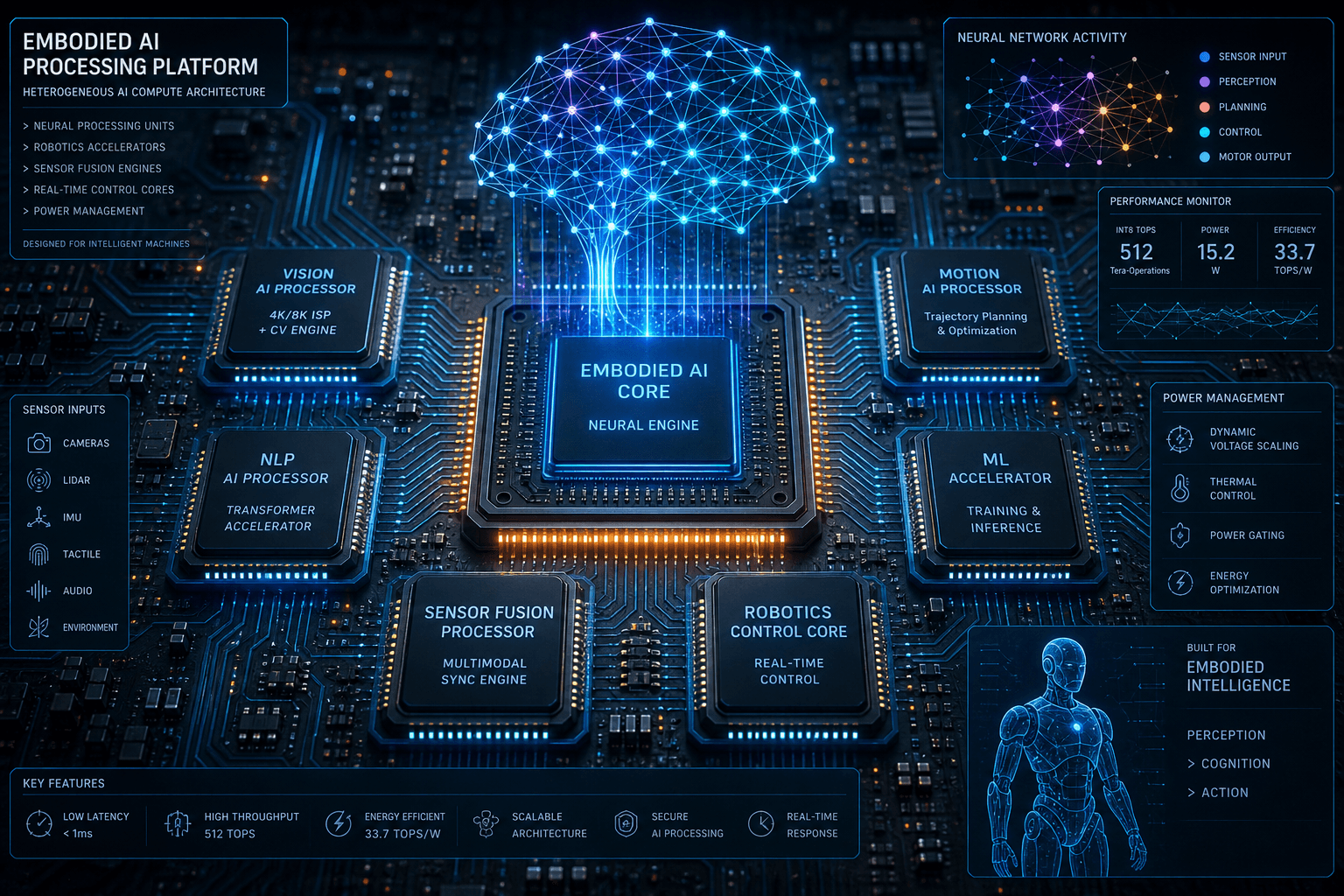
Embodied AI Chip Market Heats Up as Multiple Players Race for Dominance
The embodied AI chip market is experiencing rapid growth as various companies compete for leadership in this emerging sector. As of October 2023, advancements in artificial intelligence and robotics have fueled the demand for specialized chips that enhance machine learning capabilities and improve efficiency in automated systems. Major tech firms and startups alike are investing heavily in research and development to create innovative solutions that cater to diverse applications, from autonomous vehicles to smart home devices. This surge in competition is driven by the increasing need for more sophisticated AI technologies that can process data in real-time and adapt to changing environments. As players in the market strive to differentiate their products, collaborations and partnerships are becoming common strategies to accelerate development and gain a competitive edge. The race for dominance in the embodied AI chip market is expected to intensify, with significant implications for the future of technology and automation.
AI
MIT’s 6 mW chip lets tiny drones see and map their surroundings in real time
Researchers at the Massachusetts Institute of Technology (MIT) have unveiled a groundbreaking low-power chip designed to enhance the capabilities of small drones and robots. This innovative technology, introduced in October 2023, aims to facilitate the construction of complex structures by enabling these machines to work collaboratively and autonomously. The development is driven by the need for more efficient and sustainable solutions in various fields, including construction and disaster response. By equipping drones and robots with this advanced chip, the team has demonstrated how these devices can communicate and coordinate their actions effectively, thereby significantly improving their operational efficiency. The research highlights the potential for such technology to revolutionize the way we approach tasks that require precision and teamwork in environments that are challenging for human workers.
Innovation
Upstart chipmakers keep challenging Nvidia. This time it's Microsoft-backed D-Matrix
D-Matrix, a competitor to Nvidia, has announced that it is commencing full production of a new AI chip, which the company claims is ten times faster than traditional GPUs. This development aims to address the ongoing memory shortage that has been affecting the tech industry. The chip's innovative design allows it to operate efficiently without relying heavily on conventional memory resources. D-Matrix's move comes at a crucial time as demand for advanced AI processing capabilities continues to surge, and the company seeks to carve out a significant market share in the rapidly evolving landscape of artificial intelligence technology.

Marvell Technology jumps almost 9% in premarket after news it will join the S&P 500 index
Marvell Technology experienced a surge in premarket trading following the announcement from S&P Global that the AI chipmaker will be added to the S&P 500 index. This significant inclusion is set to take effect on June 22, marking a pivotal moment for the company as it gains recognition among the top U.S. publicly traded companies. The decision reflects Marvell's growing influence in the semiconductor industry, particularly in the rapidly expanding field of artificial intelligence. Investors are responding positively to the news, anticipating that the company's stock will benefit from increased visibility and investment opportunities associated with being part of this prestigious index.
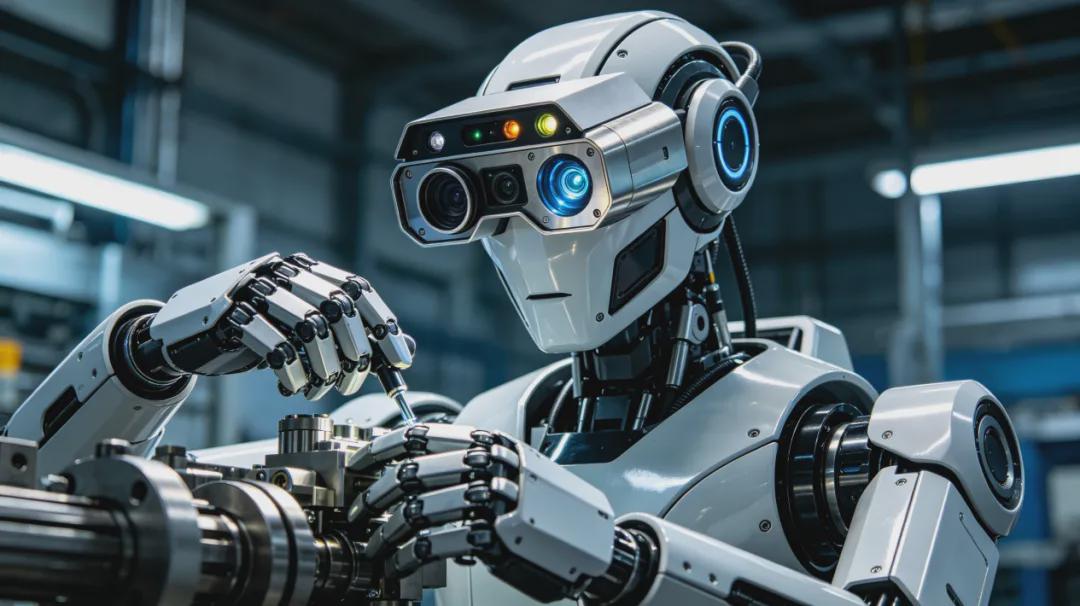
Advancements in Domestic ASIC Brain Chips Enhance Intelligent Robotics
ZK Wireless Semiconductor, a domestic leader in semiconductor technology, is transforming the robotics industry with its innovative ASIC brain chips. These advanced chips empower robots to evolve from mere passive instruction receivers to autonomous decision-makers. By leveraging cutting-edge materials such as Gallium Nitride (GaN) and Gallium Antimonide (GaSb), the chips facilitate nanosecond-level multimodal data alignment. This significant advancement addresses key challenges in cognitive intelligence for robots, thereby enhancing their functionality and efficiency. The development is expected to accelerate the adoption of robotic technologies across various sectors, marking a pivotal shift in how robots interact with their environments and perform tasks.
ASIC Chips Cognitive Robotics Multimodal Data Semiconductor Technology
Microsoft unveils next-gen quantum chip "Majorana 2," advancing practical application goal to 2029.
At the recent Build 2026 conference, Microsoft unveiled its next-generation topological quantum chip, the Majorana 2. This new chip boasts a thousandfold increase in qubit reliability compared to its predecessor and has achieved the remarkable feat of maintaining quantum states for up to one minute. The accelerated development of this technology has been significantly aided by the integration of agent-based AI, allowing Microsoft to advance its goal of commercial quantum computing to 2029, well ahead of previous timelines.

Majorana 2 quantum chip unlocks 1,000x stability, keeps qubits alive 20 seconds
Microsoft has announced the launch of Majorana 2, its latest quantum chip, which boasts a remarkable 1,000-fold enhancement in qubit performance. This significant advancement in quantum computing technology was revealed during a press event held on October 25, 2023, at the company’s headquarters in Redmond, Washington. The development of Majorana 2 aims to address the growing demand for more powerful and efficient quantum processors, as researchers and businesses increasingly seek to harness the potential of quantum computing for complex problem-solving and data processing. By improving qubit stability and coherence times, Microsoft hopes to accelerate breakthroughs in various fields, including cryptography, materials science, and artificial intelligence. The Majorana 2 chip is expected to play a crucial role in advancing the company’s quantum computing initiatives, positioning Microsoft as a leader in this rapidly evolving technological landscape.

Nvidia jumps into PCs with new Arm-based chip debuting in laptops from Microsoft, Dell, HP
Nvidia CEO Jensen Huang announced the launch of a new Arm-based PC chip, marking the company's entry into the personal computer market. This significant development was revealed during a recent event and will be featured in upcoming laptops from major manufacturers including Dell, Microsoft, HP, and ASUS. The introduction of this chip aims to enhance performance and efficiency in PCs, tapping into the growing demand for advanced computing solutions. By leveraging Arm architecture, Nvidia seeks to provide a competitive alternative in the rapidly evolving technology landscape, appealing to both consumers and businesses looking for innovative computing options.

New 3D silicon chip breakthrough could extend Moore’s Law for years
Researchers have developed an innovative method to enhance computing power by stacking silicon circuits in multiple layers, addressing the challenges posed by traditional chip miniaturization. This breakthrough, achieved through the use of ultra-thin silicon membranes and low-temperature manufacturing techniques, marks a significant advancement in the production of three-dimensional (3D) chips. By overcoming long-standing obstacles in chip design, this new approach promises to maximize efficiency and performance in computing technology. The findings, which could reshape the future of electronics, highlight the potential for more compact and powerful devices in an era where demand for advanced computing capabilities continues to grow.

Fortsense Develops Single-Chip RGBD Spatial Cameras for Physical AI Perception
Fortsense Technologies is making significant strides in the field of imaging technology with its development of single-chip RGBD spatial cameras. These innovative cameras combine color and depth perception into a single unit, offering a streamlined alternative to the traditional combination of cameras and LiDAR systems. The company's focus is on enhancing the capabilities of autonomous vehicles and robotics, sectors that increasingly rely on advanced sensing technologies for navigation and environmental understanding. By integrating both color and depth data into one chip, Fortsense aims to improve efficiency and reduce costs in these applications. The initiative is part of a broader trend towards more compact and effective sensor solutions in the rapidly evolving landscape of autonomous technology.
AI
Anthropic, Microsoft in talks for AI chip deal after $5 billion investment
Microsoft has developed the Maia 200 chips, which are currently utilized in its data centers to enhance operational efficiency. Although these chips have not yet been released to customers, their advanced technology is expected to significantly improve performance compared to existing silicon solutions. The company aims to leverage the Maia 200 chips to optimize its data processing capabilities, reflecting its ongoing commitment to innovation in cloud computing infrastructure. As of now, the chips remain an internal resource, with no public availability announced.
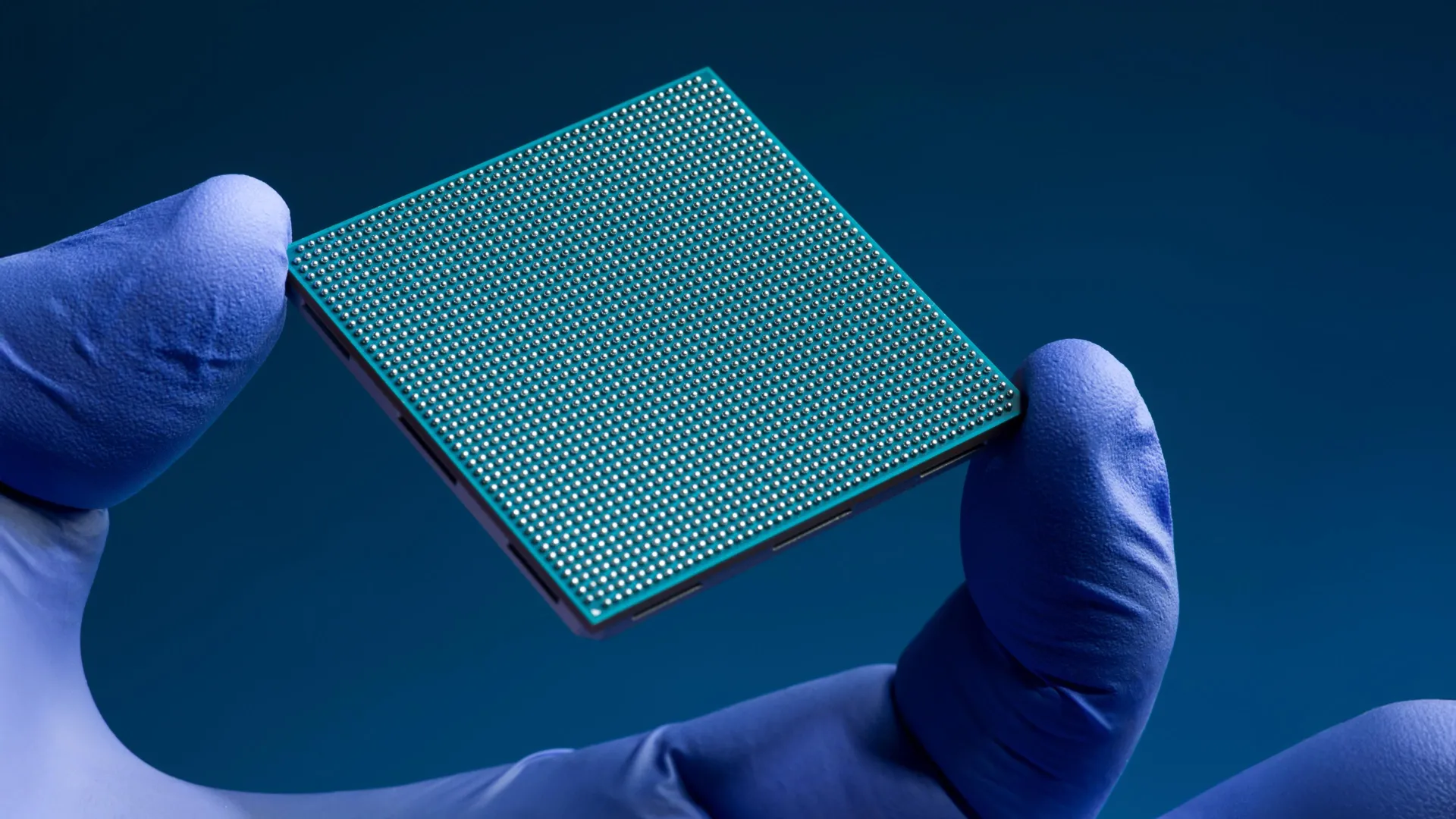
NASA’s new AI space chip could let spacecraft think for themselves
NASA is currently conducting tests on an advanced space computer chip designed to enhance the autonomy of spacecraft in deep space. This radiation-hardened processor has demonstrated performance capabilities that exceed current spaceflight computers by hundreds of times. The rigorous testing simulates the extreme conditions of space, ensuring the chip's resilience. This innovative technology aims to facilitate the development of AI-powered spacecraft, accelerate scientific discoveries, and optimize missions to the Moon and Mars. By improving the operational independence of spacecraft, NASA seeks to enhance exploration efforts and expand our understanding of the cosmos.

How HeShan Technology Became a Leader in Tactile Perception for Humanoid Robots
HeShan Technology, established in late 2017, has emerged as a leader in the development of tactile sensors and algorithms specifically designed for humanoid robots. The company has successfully addressed the essential requirement for sensory perception in robotics, resulting in a remarkable achievement of capturing 80% of the global market share for tactile sensors in this sector. Through a holistic strategy that encompasses everything from chip development to algorithm integration, HeShan Technology has positioned itself at the forefront of innovation in humanoid robotics.
Tactile Sensors Humanoid Robots AI Robotics Technology
AI chip designer Cambricon vaults to China’s costliest stock after profits soar 185%
Cambricon Technologies, often referred to as “China’s little Nvidia,” has emerged as the most valuable stock in mainland China's equity market following a significant surge in its share price on Thursday. The company’s stock soared by as much as 18 percent, reaching nearly 1,680 yuan (approximately US$245), surpassing the optical chipmaker Yuanjie Semiconductor Technology, which was trading at around 1,660 yuan. This remarkable increase comes in the wake of Cambricon's announcement on Wednesday of a staggering 160 percent growth in the first quarter, driven by the ongoing artificial intelligence boom and China's efforts to achieve technological self-sufficiency.
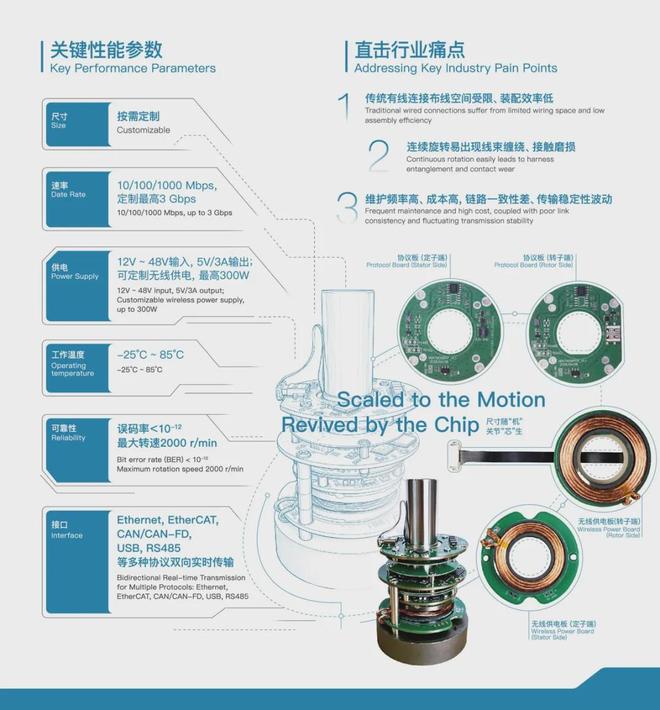
Enhancing Robot Durability: Decosemi's Non-Contact Millimeter-Wave Interconnect Chip Solution Unveiled at FAIR plus
At the FAIR plus robotics event held in Shenzhen, Decosemi unveiled its cutting-edge non-contact millimeter-wave interconnect chip solutions tailored for robotic joints. This innovative technology seeks to enhance connection stability and integration efficiency, effectively tackling the limitations posed by traditional wired connections in dynamic robotic applications. By providing a more reliable and efficient means of connectivity, Decosemi aims to advance the capabilities of robotics in various industries.
Millimeter-Wave Technology Robotics Non-Contact Communication Dynamic Connectivity
HYFIX Announces $15M Seed Round to Build American-Made Chips Powering the Next Generation of Drones and Robots
A new integrated chip developed in the United States is set to revolutionize drone technology by replacing the previously fragmented electronics systems with a single, secure platform. This advancement aims to enhance the reliability and efficiency of drone operations, addressing growing concerns over security vulnerabilities in existing systems. The integrated chip is expected to streamline the manufacturing process and reduce costs, making advanced drone technology more accessible. The initiative reflects a broader trend in the tech industry towards consolidation and improved security measures, particularly in the defense sector. As drone usage continues to expand across various applications, from military operations to commercial deliveries, the implementation of this innovative chip could significantly impact the future of aerial technology.
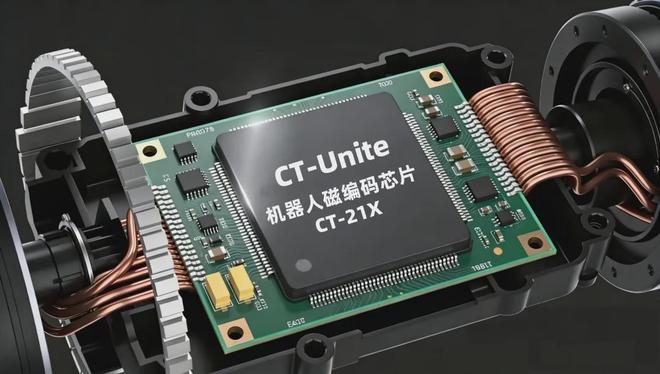
China's First GaN Magnetic Encoding Chip for Humanoid Robot Joints Released, Setting a New Benchmark for High-Precision Motion Control
China Semiconductor has unveiled its first domestically produced GaN magnetic encoding sensor designed specifically for humanoid robot joints. This groundbreaking chip, introduced recently, promises enhanced performance in extreme conditions, effectively tackling significant industry challenges such as overheating and precision issues. By providing a solution to these critical problems, the new sensor paves the way for the advancement of high-performance robotic joints, marking a significant step forward in robotics technology.
Humanoid Robots Motion Control GaN Technology Robotics Sensors
This new chip survives 1300°F (700°C) and could change AI forever
A team of engineers has developed an innovative memory device capable of functioning at temperatures exceeding 700°C (1300°F), surpassing a significant limitation in electronics. This breakthrough, achieved through the use of an unusual combination of ultra-durable materials, enables the tiny component to store data and perform calculations even in extreme heat conditions, which are far beyond the operational thresholds of current chips. The discovery, which emerged partly by accident, unveiled a new mechanism that effectively prevents heat-induced failures at the atomic level, potentially revolutionizing the field of electronics and expanding the applications of technology in high-temperature environments.
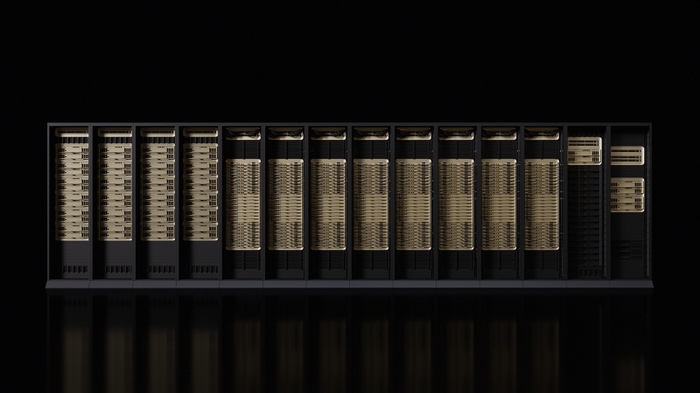
NVIDIA Kicks Off the Next Generation of AI With Rubin — Six New Chips, One Incredible AI Supercomputer
NVIDIA has officially launched the NVIDIA Rubin platform, marking a significant advancement in artificial intelligence technology. This new platform features six innovative chips that aim to create a powerful AI supercomputer capable of handling complex computations and tasks. The announcement was made today, highlighting NVIDIA's commitment to pushing the boundaries of AI capabilities. By integrating these cutting-edge chips, the company seeks to enhance performance and efficiency in AI applications, catering to the growing demand for advanced computing solutions across various industries. The launch of the Rubin platform positions NVIDIA at the forefront of the AI revolution, as it continues to develop technologies that shape the future of computing.

Scientists reveal a tiny brain chip that streams thoughts in real time
Researchers have developed BISC, an ultra-thin neural implant designed to establish a high-bandwidth wireless connection between the brain and computers. This innovative device features a compact single-chip design that incorporates tens of thousands of electrodes, enabling it to support sophisticated AI models for decoding movement, perception, and intent. Initial clinical trials have demonstrated that BISC can be safely inserted through a small opening in the skull, where it remains stable while capturing intricate neural activity. This groundbreaking technology holds the potential to revolutionize treatments for conditions such as epilepsy, paralysis, and blindness, offering new hope for patients facing these challenges.

China unveils world’s first automated AI-based processor chip design system “Qi Meng”
The Chinese Academy of Sciences has unveiled “Qi Meng,” the world’s first fully automated AI-based processor chip design system. This groundbreaking technology facilitates end-to-end automation, covering everything from chip hardware to foundational software. According to the developers, the designs produced by Qi Meng meet or exceed the performance of human experts across various critical metrics. By utilizing advanced AI models, the system is engineered to automatically generate optimized chip designs, marking a significant advancement in the field of semiconductor technology.
News Feed
Samsung and SK Hynix saw strong growth in China in 2024 as chip demand rose
Samsung Electronics and SK Hynix experienced significant sales growth in the Chinese market in 2024, largely fueled by China's consumer subsidies and a recovering memory chip sector. Samsung's exports to China surged to KRW 64.93 trillion (approximately $47.59 billion), marking a remarkable 53.9% increase from KRW 42.3 trillion in the previous year. This surge in exports highlights the strong demand for technology products in China and reflects the broader recovery of the semiconductor industry.
News Feed
QCraft demonstrates urban NOA on Qualcomm’s latest Snapdragon Ride chip, targets 2026 global mass production
QCraft showcased its urban Navigate-on-Autopilot (NOA) system, powered by Qualcomm’s SA8650P Snapdragon Ride platform, during a live demonstration on June 5 at Qualcomm’s Automotive Technology and Cooperation Summit in Wuxi, China. This event marked a significant step for the autonomous driving company, which is aiming for global mass production of its technology within this year. Attendees had the opportunity to experience live test rides, highlighting the practical applications of QCraft's advancements in autonomous driving. The demonstration underscores the growing collaboration between technology and automotive sectors, as companies like QCraft seek to revolutionize urban transportation through innovative autonomous solutions.
Autonomous Vehicles Computing Technology assisted driving automation news automotive technology
New chip could help tiny robots traverse complex environments
A team of researchers has developed an innovative method for creating 3D maps to enhance navigation systems, utilizing a combination of an efficient algorithm and specialized hardware. This advancement, which was announced in October 2023, aims to significantly reduce the memory and power requirements typically associated with 3D mapping technologies. By streamlining the mapping process, the researchers hope to improve the efficiency and accessibility of navigation tools, making them more practical for a variety of applications, including autonomous vehicles and mobile devices. The integration of dedicated hardware with the algorithm allows for rapid map generation, which could lead to faster and more reliable navigation solutions in real-world scenarios.
Research Computer science and technology Algorithms Artificial intelligence Machine learning Robotics
US semiconductor giant breaks ground on $9.3-billion memory chip plant expansion in Japan
Micron Technology has officially commenced the expansion of its manufacturing facility in Hiroshima Prefecture, Japan. This significant development took place on October 25, 2023, as the company aims to enhance its production capabilities in response to the growing global demand for semiconductor products. The expansion is part of Micron's broader strategy to invest in advanced manufacturing technologies and increase its output to support various industries reliant on memory and storage solutions. By bolstering its operations in Japan, Micron seeks to solidify its position in the competitive semiconductor market and contribute to the local economy through job creation and technological advancement. The project underscores the company's commitment to innovation and its role in addressing the challenges posed by supply chain disruptions in the semiconductor sector.
Innovation
New 6 mW Chip Helps Small Robots Build 3D Maps in Real Time
Gleanmer, a technology company specializing in autonomous navigation solutions, has developed an innovative system that integrates Gaussian-based mapping with specialized hardware. This advancement aims to significantly decrease memory and power requirements, enabling more efficient real-time navigation for autonomous vehicles. The new technology is expected to enhance the performance of self-driving systems, making them more viable for widespread use. The announcement comes as the industry continues to seek solutions that address the growing demands for energy efficiency and computational power in autonomous systems. Gleanmer's approach represents a promising step forward in the quest for sustainable and effective navigation technologies.

US Air Force validates Japanese edge computing chip for battlefield missions
A Japanese semiconductor company has showcased its advanced edge AI platform during a recent demonstration for the U.S. Air Force. This event took place as part of ongoing efforts to enhance military technology and operational efficiency. The platform is designed to process data at the edge, enabling faster decision-making and improved performance in various defense applications. By leveraging cutting-edge artificial intelligence capabilities, the company aims to support the Air Force's mission to modernize its technological infrastructure. The demonstration highlights the growing collaboration between private tech firms and military organizations in the pursuit of innovative solutions to meet national security challenges.
Military
Microsoft announces "Surface Laptop Ultra" featuring NVIDIA's new RTX Spark chip for local execution of large AI models.
Microsoft has unveiled its latest high-performance laptop, the Surface Laptop Ultra, which features NVIDIA's new Arm processor, the RTX Spark. This innovative device is designed to deliver powerful AI computing capabilities, enabling users to run large AI models in local environments. The announcement highlights Microsoft's commitment to advancing technology that enhances productivity and performance for users seeking cutting-edge solutions.
Chipless Metamaterial Robot Computes with 'Vibrations' and Walks Using Its 'Body'
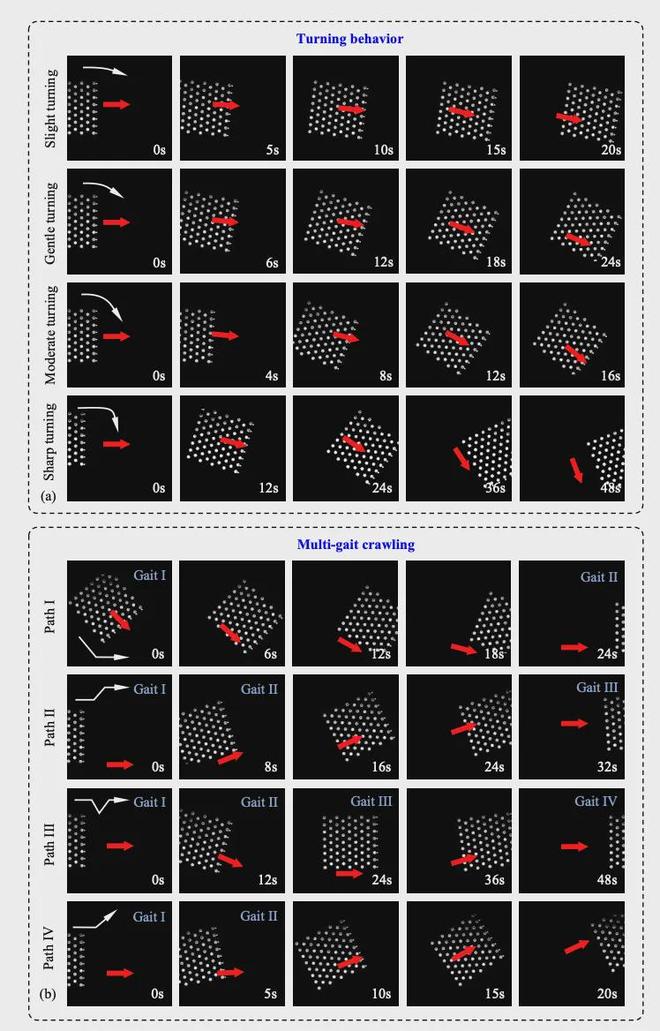
A research team at Tianjin University has unveiled a revolutionary metamaterial robot that utilizes mechanical vibrations for calculations, moving away from conventional electronic circuits. This cutting-edge technology enables the robot to carry out intricate mathematical operations while also navigating independently. The development represents a significant advancement in the field of robotics, highlighting a novel approach to robotic functionality and computation.
Metamaterials Mechanical Robotics Vibration Computing Autonomous Navigation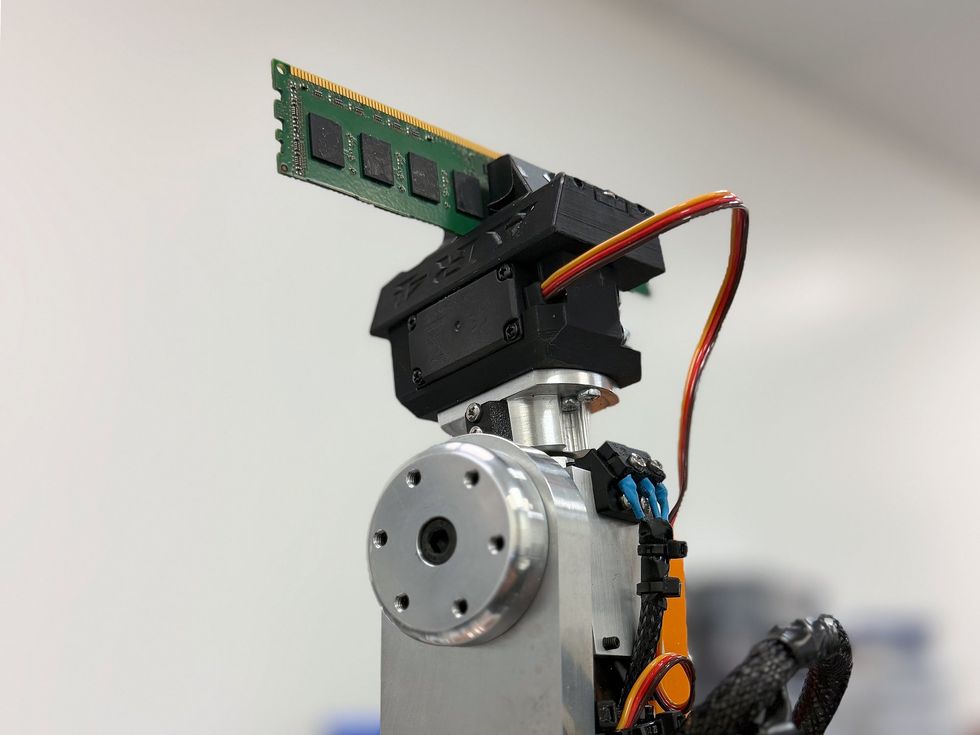
Robots Could Turn E-Waste Into a Source of Legacy Chips
In response to increasing regulatory pressures regarding electronic waste, Tuurny, a San Francisco-based startup, is developing an innovative automated system aimed at enhancing e-waste recycling. With global e-waste projected to reach 82 million tonnes annually by 2030, current recycling methods capture less than one-third of the recoverable metal value from discarded electronics. Tuurny’s robotic system, named Nantul, is designed to identify and extract reusable components, particularly RAM integrated circuits, from circuit boards before they are shredded. The company plans to deploy dozens of these machines in early 2027 through a partnership with Areera, a UK-based television recycler that processes 1,500 tonnes of televisions monthly. Tuurny’s approach contrasts with traditional recycling methods, which often destroy valuable components by mixing them into bulk streams. Instead, Nantul employs advanced robotics and computer vision to carefully remove and sort components, aiming to create a new supply chain from recycled materials. Sina Ghashghaei, Tuurny’s founder, emphasizes the importance of recovering components from legacy systems, where sourcing replacements can be challenging. The technology, which combines suction, controlled heat, and robotic controls, is designed to minimize damage during extraction. While experts acknowledge the technical feasibility of Tuurny’s approach, challenges remain in ensuring the robots can adapt to the variability of e-waste and operate cost-effectively. The success of this initiative could significantly impact the recycling industry and address supply chain concerns for critical components in various sectors.
E-waste Robotics Electronics-recycling Computer-vision
Accelerating Chipmaking Innovation for the Energy-Efficient AI Era
Applied Materials is set to revolutionize semiconductor research and development with the opening of its EPIC Center in 2026, marking the largest investment in advanced semiconductor equipment R&D in U.S. history at approximately $5 billion. This initiative aims to address the pressing demands of the AI era, where companies are racing to enhance AI system performance while managing energy consumption. The EPIC Center will facilitate a collaborative environment where engineers and technologists work together from the outset, streamlining the traditional R&D workflow that has become too slow for the rapid advancements required in AI technology. By integrating atomistic modeling, process development, and validation within a shared space, EPIC aims to accelerate the transition from research to high-volume manufacturing. As AI workloads increasingly depend on efficient data movement, the center will focus on optimizing three interconnected domains: logic, memory, and advanced packaging. Innovations such as 3D devices, high-bandwidth memory, and hybrid bonding will be prioritized to enhance energy efficiency and performance per watt. The EPIC model emphasizes the need for a new approach to innovation, breaking down silos and fostering collaboration among industry leaders and academic institutions. This shift is essential to meet the challenges posed by the angstrom era, where the complexity of semiconductor manufacturing demands a more integrated and rapid development process. Through EPIC, Applied Materials aims to lead the charge in delivering the next generation of energy-efficient AI technologies.
Chipmaking Artificial-intelligence Materials-science Semiconductors
The Week Ahead in AI: AI Facial Recognition Warning in UK, China Court Weighs in on AI Layoffs, AI’s Oscar Exclusion, Plus Upcoming Chipmaker Earnings & Events
AI Insider is set to highlight significant developments in artificial intelligence from May 3 to May 9. A key focus will be on the concerns raised by Britain’s biometric watchdogs regarding the swift adoption of AI-driven facial recognition technology by law enforcement and retail sectors. These watchdogs have expressed alarm over the lack of regulatory oversight, emphasizing that the pace of technological advancement is outstripping the establishment of necessary safeguards. This situation raises critical questions about privacy and civil liberties as the technology becomes more prevalent in everyday life. The watchdogs are calling for urgent action to ensure that the deployment of such technologies is accompanied by appropriate regulations to protect individuals' rights.
AI Exclusives Robotics Academy Awards AMD ARM Holdings
Scientists built a memory chip that breaks the rules of miniaturization
Researchers have developed an innovative memory device that addresses the longstanding issues of overheating and battery drain in electronic devices. By significantly miniaturizing components and reengineering their structure, the team has successfully reduced energy loss, a breakthrough that was previously considered unattainable. This newly designed memory unit not only maintains functionality but actually improves as it decreases in size. The implications of this advancement are substantial, potentially leading to the creation of ultra-efficient smartphones, wearables, and artificial intelligence systems. This development marks a significant step forward in electronics, promising enhanced performance and sustainability in future technology.

AI’s endless chip appetite
In a recent discussion on the evolving landscape of artificial intelligence, industry leaders highlighted the intense competition for AI computing resources and the challenges that come with it. Mark Zuckerberg, co-founder of Meta, has returned to coding, signaling a renewed focus on technological innovation within his company. Meanwhile, Yat Siu, CEO of Animoca, offered insights into the future of blockchain technology and its potential to revolutionize digital agents. This exchange of ideas took place during a tech conference held in San Francisco in October 2023, where experts gathered to explore the intersection of AI and blockchain. The motivation behind these discussions stems from the growing demand for advanced computing capabilities to support AI development and the need for innovative solutions in the rapidly changing tech environment. The event featured a series of panels and workshops, allowing participants to share their perspectives and strategies for navigating the complexities of AI and blockchain integration.
Artificial Intelligence Newsletters Allbirds artifical intelligence Claude Google DeepMind
Chip Complexity Drives Innovation in Automated Test Equipment
Recent advancements in semiconductor technology are reshaping the landscape of various industries, particularly in artificial intelligence and automotive sectors. Key innovations include the development of high-performance computing (HPC) capabilities, Angstrom-scale silicon process nodes, and silicon photonics, which are set to enhance processing power and efficiency. These breakthroughs are taking place as companies strive to meet the growing demand for faster and more efficient computing solutions. The ongoing evolution in semiconductor technology is crucial for enabling sophisticated AI applications and improving the performance of electric vehicles (xEVs). As the automotive industry increasingly integrates advanced computing systems, the need for cutting-edge semiconductor solutions has never been more pressing. This wave of innovation is driven by the need for greater computational power and energy efficiency, as industries seek to leverage AI for enhanced decision-making and automation. The integration of these technologies is expected to accelerate the development of smarter, more efficient systems across various sectors. As these advancements continue to unfold, they promise to not only transform the semiconductor industry but also to have a profound impact on global technology trends, shaping the future of computing and transportation.

Japan’s chip-making equipment exports to China surge by 61.6% y-o-y in August
Japan's semiconductor equipment exports to China experienced a significant surge in August, rising by 61.6% compared to the same month last year, totaling $1.29 billion. The Ministry of Finance reported that Japan shipped 6,742 tons of equipment to China, marking a 41% increase from July. This growth highlights the importance of machinery and equipment, which now represent 23.2% of Japan's overall exports. The robust demand for semiconductor technology in China is driving this upward trend, reflecting the ongoing global competition in the semiconductor industry.
News Feed
Improving the performance of high-power electronics
Researchers have discovered that applying a thin layer of diamond can significantly enhance the speed and energy efficiency of next-generation wireless devices. This innovative approach addresses the challenge of excessive heat generated during device operation, which has been a limiting factor in the performance of modern technology. The findings, which emerged from ongoing studies in advanced materials science, highlight the potential for diamond to serve as an effective thermal management solution. This breakthrough could pave the way for faster and more efficient wireless communication, ultimately benefiting consumers and industries reliant on high-performance devices.
Research Computer chips Electronics Carbon materials Nanoscience and nanotechnology Mobile devices
How to expand the US economy
MIT faculty are exploring critical areas of innovation in their latest initiative, “Priority Technologies,” aimed at enhancing American prosperity and security for the present and future. The program, which focuses on identifying and developing technologies that can significantly impact the nation’s economic and strategic landscape, seeks to address pressing challenges and opportunities in various sectors. By fostering collaboration among researchers, industry leaders, and policymakers, the initiative aims to create a roadmap for technological advancements that will benefit the country in the coming decades. This effort underscores the importance of proactive engagement in technology development to ensure that the United States remains competitive and secure in an increasingly complex global environment.
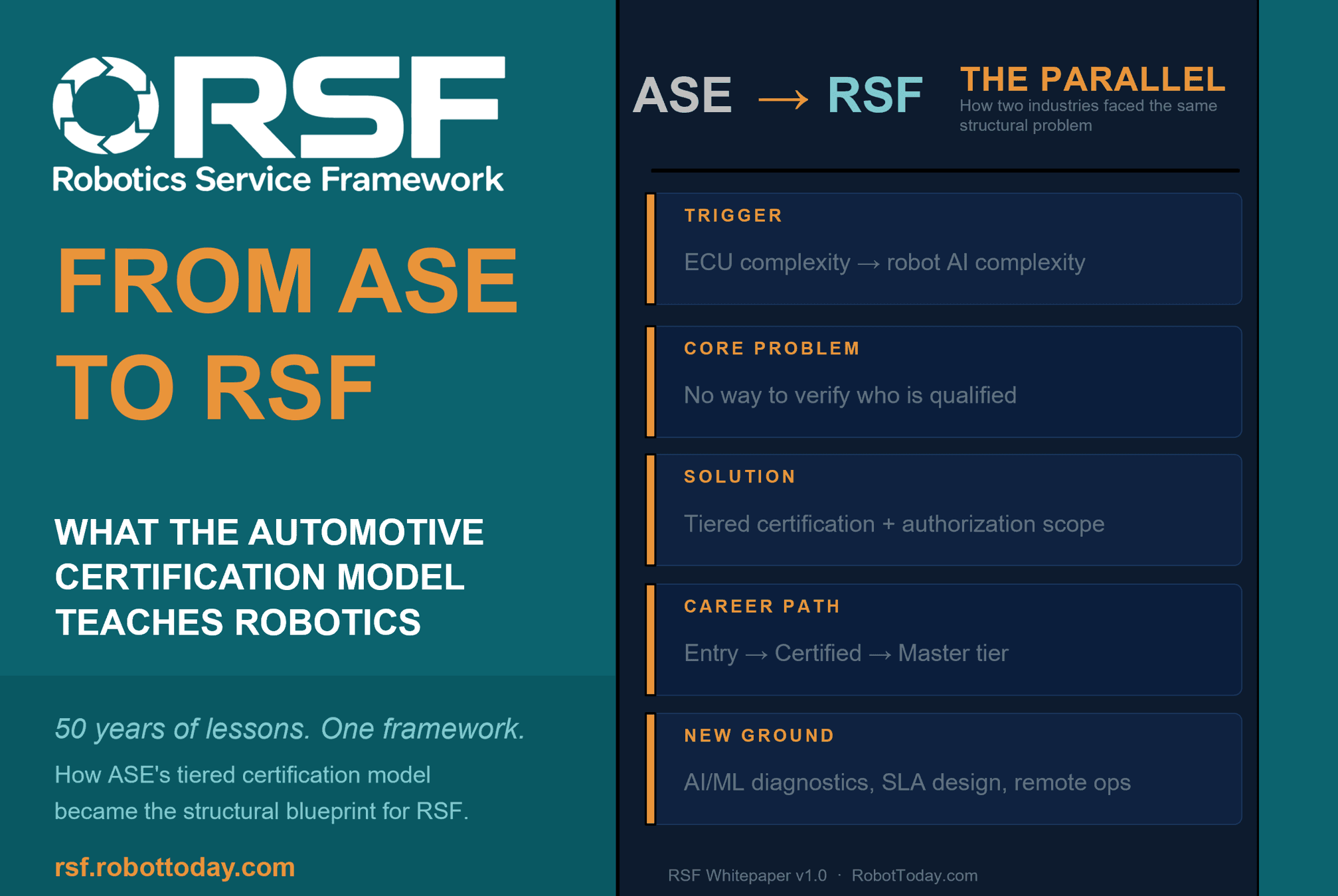
Books and authors Faculty Innovation and Entrepreneurship (I&E) Technology and society Technology and policy Bioengineering and biotechnologyRobotics needs a service framework.
RSF defines a common language for robot service capability, lifecycle operations, certification pathways, and service-provider networks.