Industry Briefing
A single destination for timely, editor-curated robotics news from around the world.

Why Choose Solana for Blockchain App Development?
Solana, a next-generation decentralized blockchain, is gaining traction in the realm of blockchain app development due to its scalability and advanced technological features. Launched in 2017, Solana offers a secure and decentralized infrastructure capable of supporting numerous nodes while maintaining high performance levels. Its growing popularity is attributed to its ability to handle complex applications efficiently, making it an attractive choice for developers seeking a robust platform for innovative projects. As the demand for scalable blockchain solutions increases, Solana's unique capabilities position it as a leading contender in the competitive landscape of blockchain technology.
Business Computing Software automation news blockchain development blockchain technology
Explained: How blockchain secures the future of US drone fleet
The United States drone industry is currently facing significant supply chain challenges that threaten its growth and efficiency. In response to these issues, industry leaders are exploring the potential of blockchain technology as a solution. This innovative approach could enhance transparency and traceability within the supply chain, allowing for more efficient tracking of components and reducing delays. As the demand for drones continues to rise, particularly in sectors such as delivery services and surveillance, addressing these supply chain disruptions has become increasingly urgent. Experts believe that implementing blockchain could streamline operations and foster greater collaboration among manufacturers, suppliers, and logistics providers. The exploration of this technology is gaining momentum as stakeholders seek to secure the future of the drone market in the U.S.
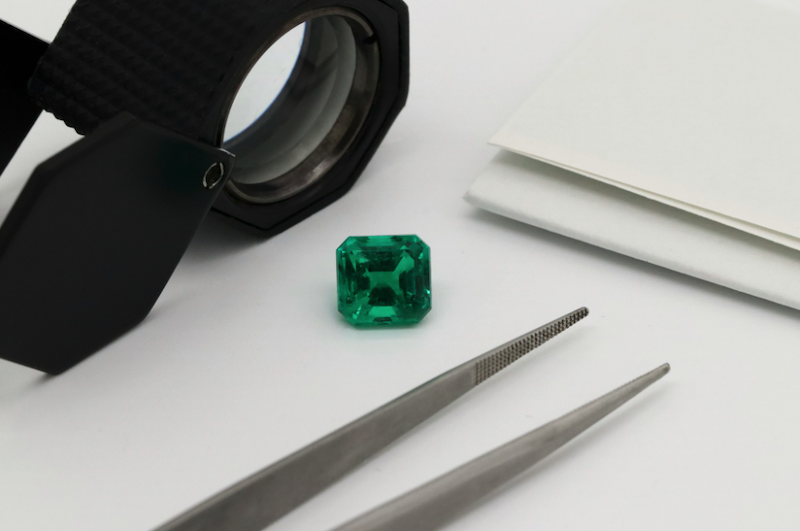
How Blockchain and Emerging Technologies Are Revolutionizing the Jewelry Industry
The jewelry industry, recognized as one of the oldest luxury markets globally, has long struggled with transparency regarding production methods and the origins of materials. Traditionally, consumers relied heavily on the trustworthiness of artisans and brands, often lacking access to crucial information about their purchases. However, recent advancements are beginning to change this landscape. As of October 2023, new technologies and initiatives are emerging that aim to enhance transparency within the sector. These developments are designed to provide buyers with clearer insights into the sourcing and manufacturing processes of jewelry, thereby fostering greater trust and accountability. This shift not only benefits consumers but also encourages ethical practices among producers, ultimately transforming the way jewelry is marketed and sold.
Artificial Intelligence Software 3d printing additive manufacturing AI gem grading artificial intelligence
Pakistan gives foreign banks an edge in shift to Islamic finance
FinancePakistan gives foreign banks an edge in shift to Islamic financeDomestic lenders required to convert to sharia-compliant model from 2028One currency, two banking systems. Pakistan's banks must all offer sharia-compliant services from 2028, but foreign banks will be able to continue offering non-Islamic services alongside -- giving them a possible advantage. © ReutersADNAN AAMIRJuly 7, 2026 14:31 JSTISLAMABAD -- In the run-up to its banking reform toward Islamic banking, the Pakistani government has decided to require domestically owned banks to operate under a fully sharia-compliant model from 2028 to eliminate interest-based finance.Read NextEnergyPakistan approves final link in 1,600-km national oil pipelineFinanceBangladesh bets $3.2bn to avert a banking crisis but reforms elusiveBusiness trendsPakistani gig workers' exports to hit record high but AI threats loomCommoditiesIndian families scale back on gold for weddings as prices hover near highsEnergyBangladesh power cuts deepen as government struggles to pay billsFood & BeverageIndia's sugar industry likely to exit exports and exist for ethanolDefensePakistan unfazed by Afghan-Russian military pact, say officialsTradeChinese firms brace for new EU rules as trade deficit tops $1bn a dayInternational relationsBangladesh courts China to drive infrastructure and trade pushBusiness dealsPakistan offers up 3 state-owned power distributors in privatization pushLatest on FinanceFinanceSingapore's Temasek to raise AI exposure 2.5-fold over 5 yearsFinanceJapan brokerages set sights on US mega-IPOs after strong SpaceX debutFinanceJapan's blockchain-based security tokens to open to foreign investorsSponsored ContentAbout Sponsored ContentThis content was commissioned by Nikkei's Global Business Bureau.
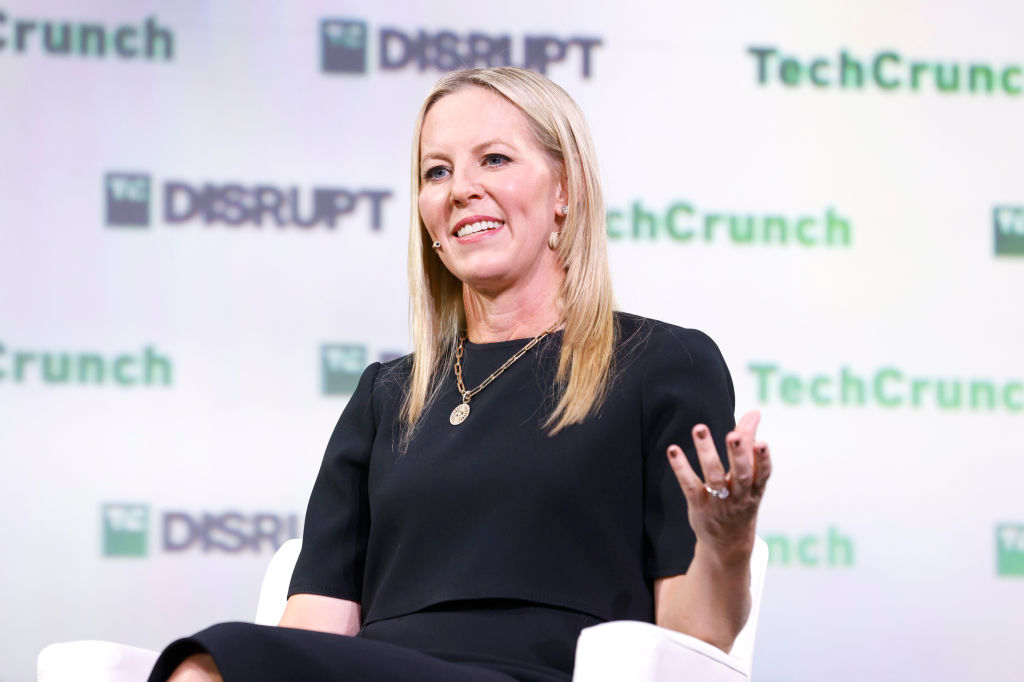
Katie Haun raises $1B for new venture funds
Katie Haun announced on Monday the successful raising of $1 billion through new funds aimed at supporting the firm’s ongoing commitment to investing in cryptocurrency and blockchain startups. This significant financial milestone reflects the growing confidence and interest in the digital asset space, as investors seek opportunities in innovative technologies. The funds will be allocated to various projects within the crypto and blockchain sectors, reinforcing the firm’s strategy to identify and nurture promising startups that are poised to shape the future of finance and technology.
Startups Venture a16z blockhain In Brief Katie Huan
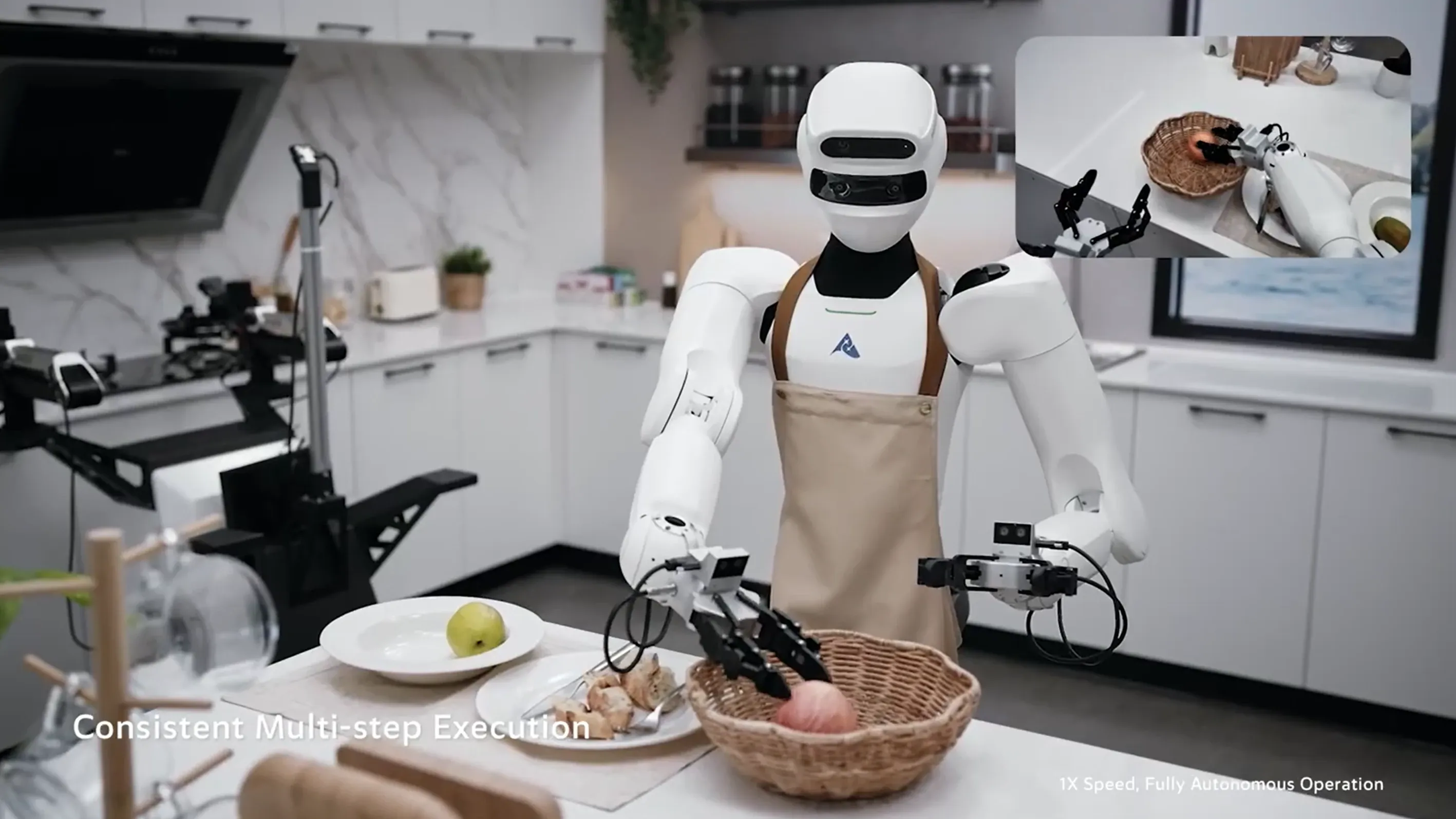
Melody: Humanoid robot masters 39 degrees of freedom to achieve lifelike presence
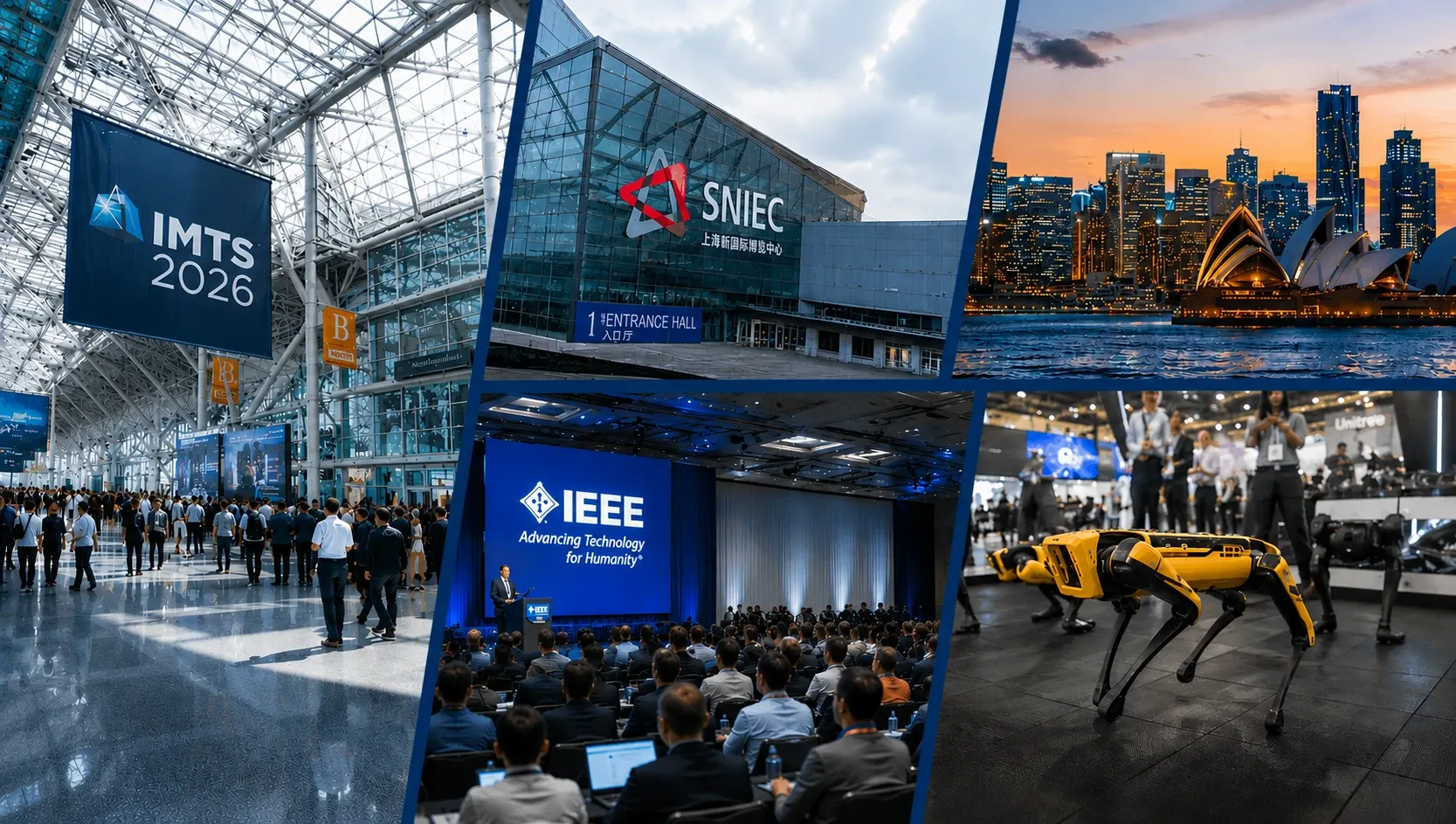
The Bitcoin 2026 Conference is set to take place at the Venetian Resort, attracting cryptocurrency enthusiasts and industry leaders from around the globe. Scheduled for this upcoming week, the event aims to foster discussions on the future of Bitcoin and blockchain technology. Attendees can expect a series of panels, workshops, and networking opportunities designed to enhance understanding and collaboration within the crypto community. The conference is particularly significant as it comes at a time when interest in digital currencies is surging, driven by recent market developments and regulatory changes. Organizers have implemented a comprehensive layout and signage throughout the resort to assist participants in navigating the venue, ensuring a smooth experience for all.
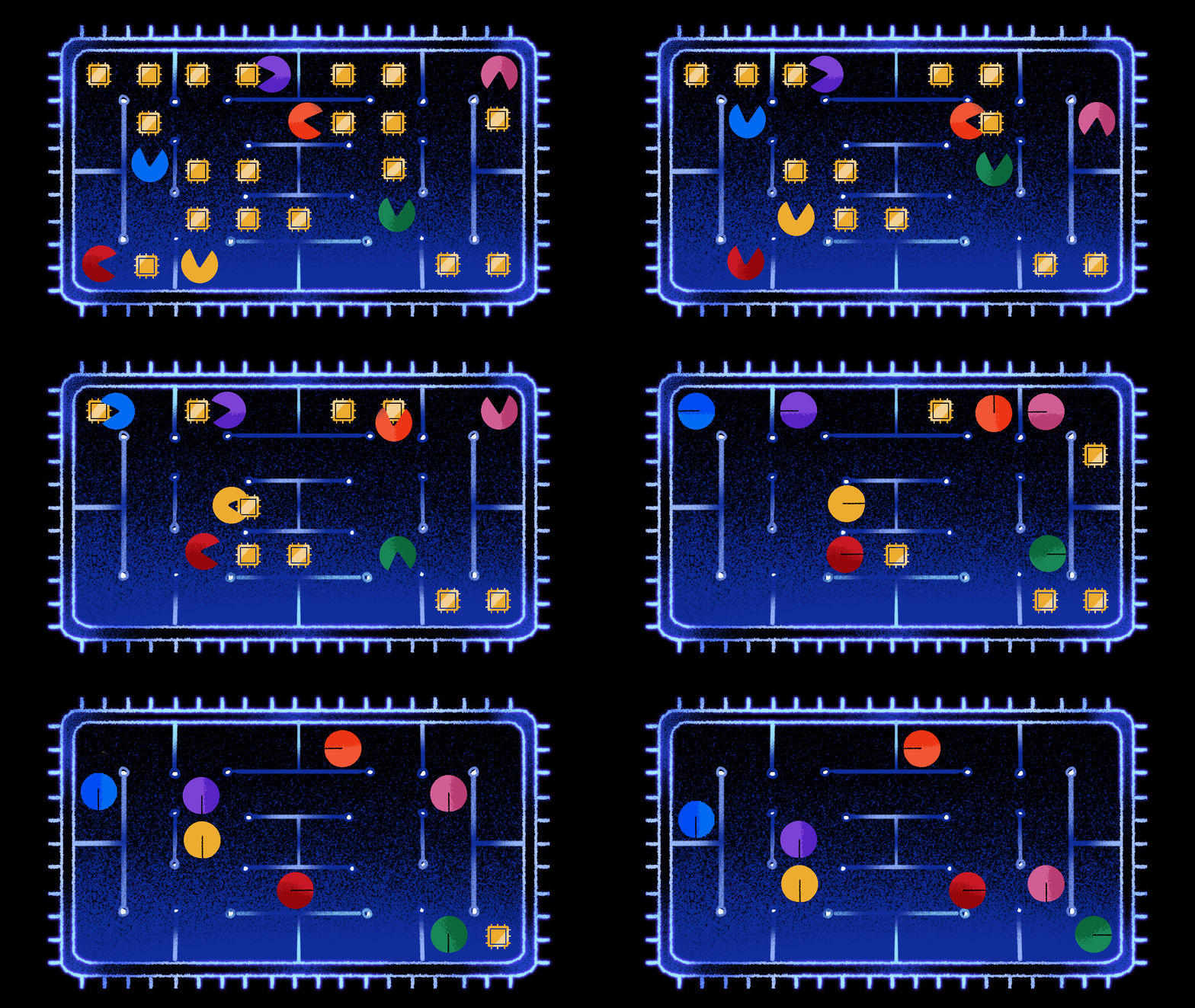
AI’s endless chip appetite
In a recent discussion on the evolving landscape of artificial intelligence, industry leaders highlighted the intense competition for AI computing resources and the challenges that come with it. Mark Zuckerberg, co-founder of Meta, has returned to coding, signaling a renewed focus on technological innovation within his company. Meanwhile, Yat Siu, CEO of Animoca, offered insights into the future of blockchain technology and its potential to revolutionize digital agents. This exchange of ideas took place during a tech conference held in San Francisco in October 2023, where experts gathered to explore the intersection of AI and blockchain. The motivation behind these discussions stems from the growing demand for advanced computing capabilities to support AI development and the need for innovative solutions in the rapidly changing tech environment. The event featured a series of panels and workshops, allowing participants to share their perspectives and strategies for navigating the complexities of AI and blockchain integration.
Artificial Intelligence Newsletters Allbirds artifical intelligence Claude Google DeepMind
China Launches e-CNY International Operations Center in Shanghai
The People's Bank of China has officially launched the e-CNY International Operations Center in Shanghai, marking a significant step in the country's digital currency initiatives. The center introduces three key business platforms: a cross-border payment platform designed to enhance the efficiency of international transactions, a blockchain service platform for standardized on-chain transactions, and a digital assets platform that provides financial-grade services. These developments aim to address existing challenges in cross-border payments and facilitate seamless e-CNY settlements on the blockchain. The launch reflects China's commitment to advancing its digital currency framework and improving global financial interactions.
News Feed
The Decentralized Future of Physical AI: Can DAOs Democratize Robotics?
Decentralized Physical AI (DePAI) is gaining attention as a transformative approach that integrates robotics with blockchain technology and decentralized autonomous organizations (DAOs). This innovative paradigm seeks to transfer the control and ownership of intelligent machines from large corporations to local communities, potentially revolutionizing the landscape of automation. As interest in DePAI grows, experts are examining its operational mechanisms and the implications it may have for the future of technology and labor. By empowering communities to manage and utilize robotic systems, DePAI could democratize access to advanced automation tools, fostering greater equity and participation in technological advancements. This shift not only aims to enhance local economies but also to redefine the relationship between humans and machines in an increasingly automated world.
DePAI XMAQUINA
What Makes AI Art Worth Collecting?
In May, an anonymous artist who goes by SHL0MS on X posted that he had used AI to generate an image inspired by Claude Monet and asked people to weigh in on how it missed the mark. More than 600 responses called out issues, saying the colors were off, the depth was all wrong, and that AI didn’t understand how light worked.SHL0MS then revealed that the image was of a real Monet, one of around 250 variations of water lilies the artist had painted in his lifetime. He had simply downloaded a high-resolution image from Wikimedia and cropped out the signature. He minted the exchange as an NFT (a unique digital collectible recording ownership of the work), titled it “Inferior Image,” and sold it for just over US $40,000 after 28 bids.The stunt exposed how charged the conversation around AI art has become, and how quick people are to dismiss anything AI-generated as slop—even when it’s not. Yet even as those arguments continue, a market for AI-generated art has begun to form anyway. It’s fragmented and contested, but bigger than most people realize.Jediwolf, an anonymous collector who says he has spent more than 20 years acquiring digital and AI art, was watching the experiment unfold in real time on X. He had never interacted with SHL0MS before, but when the NFT went up for auction he made a bid and won. “I was buying a unique moment in time,” he says, “captured by an artist and preserved as a token.”The Monet was not AI art, but most of what Jediwolf buys is. One of Jediwolf’s digital collections, which he calls UnderTheGAN—a play on GANs, or generative adversarial networks, the AI technology that preceded today’s diffusion models—comprises roughly 100 works valued at around $72,000, focused on early AI art from 2015 to 2020, before the medium went mainstream. He describes his role as part collector, part researcher, part curator, trying to document a fast-moving field.“A decade ago, digital art was often treated as peripheral to the ‘serious’ art world,” he says. “Today, it is increasingly difficult to separate contemporary culture from the internet.”AI Art Moves Into MuseumsThe market for AI art extends beyond NFTs: AI-generated pieces are also finding their way into physical installations. Last month saw the opening of Dataland, the world’s first generative AI museum, in downtown Los Angeles. It was spearheaded by Refik Anadol, a digital artist who has built a career out of transforming data into large-scale immersive experiences. The opening exhibition has pieces that use data that Anadol collected from rainforests around the world, with real-time weather information from 16 rainforests feeding into all five galleries. In three of the rooms, the imagery also shifts in response to visitors’ own biometric data, tracked by bracelets they wear. Like any museum it sells tickets, ranging from $49 to $79, and has a gift shop. This shop, however, uses visitors’ biometric data collected during their visit to generate a unique design printed on a T-shirt. For $15,000, a robotic painting system called Qualia creates a one-of-a-kind canvas from that same data, painted once a day, with a waiting list already forming. A founding collection of 1,000 AI data sculptures that evolve based on environmental data from global rainforests sold out in 34 minutes at $5,000 each.The system running it all, which Anadol calls the Large Nature Model, was trained on more than 500 million nature images representing 2.2 million species, gathered through field expeditions to 16 rainforests and partnerships with institutions including the Smithsonian and the Cornell Lab of Ornithology.For Anadol, AI art requires a different kind of transparency than any medium that came before it. Because commercial AI tools have shaped how most people understand the technology, artists working with it seriously have to be more open about their process than painters or photographers ever did.“For AI art, we have to know where the data comes from, we have to know which model is trained and how it’s trained,” he says. “We can’t just think about authenticity and uniqueness if a service and product is the fundamental layer of the artwork.”The reviews for Dataland have mostly been positive, with one critic calling it the Citizen Kane of immersive experiences. But Anadol is used to a more divided reception. His 2022 installation at MoMA—a 7-by-7-meter screen of AI-generated fluid forms with shifting colors and sounds—drew 3 million visitors and entered the permanent collection, even as New York Magazine called it “a massive techno lava lamp.” Anadol sees the skepticism as nothing new, just the latest version of a resistance that has greeted all new media. “Every art form has gone through similar cycles of denial,” he says. “We are living in a renaissance that started 10 years ago, and I just don’t think everyone is aware of it yet.”Who Is Buying AI Art?The broader market data points in multiple directions at once. According to the Art Basel and UBS Art Market Report 2026, digital art’s share of sales nearly tripled between 2024 and 2025, and just over half of all fine art collectors surveyed had purchased a digital artwork in 2025, making it the third most popular category after painting and sculpture (the report does not break out AI art specifically).Meanwhile, Christie’s shuttered its pioneering digital art department in September, folding digital works back into its broader contemporary sales after none of its dedicated auctions broke $400,000.The most data-rich window into buyer behavior comes from a less glamorous corner of the market. After one major stock image platform allowed AI-generated images, monthly sales jumped 80 percent, according to Samuel Goldberg, an economist at Stanford Graduate School of Business who published a research paper about the shift. Traditional contributors began leaving the platform as generative images flooded in, and creators using AI tools rushed to fill the gap. “It looks like consumers like generative AI,” Goldberg says, “and it seems like nongenerative artists could be getting crowded out of the market.” Stock images are essentially a commodity version of art, according to Goldberg, and because image-generating models are already very good at producing them, what’s happening there may be a preview of what’s coming for other creative goods markets—including fine arts—as the technology improves.Artists are typically among the first to test the limits of a new technology; early adopters have created AI art since the 1970s. What’s new now is the ability for anyone to generate an image in seconds with a text prompt. That, according to Christiane Paul, curator of digital art at the Whitney Museum of American Art, is not the same thing at all. What fills those stock-image platforms, and what most people encounter when they think of AI art, does not qualify as art.True AI art, Paul says, is a subcategory of digital art that uses artificial intelligence as both a tool and a medium, engaging with it practically and conceptually, doing things like training custom models, building extensions, and layering control systems. “A visual created by a prompt is not art,” she says. What serious AI artists are actually doing is much more than typing a few words into DALL-E.Far from the shortcut most people assume, working seriously with AI as an artistic medium is, by her account, brutally hard. Every artist she talks to says the same thing. “It is much, much harder than a paintbrush to handle,” she says. “You are literally communicating with a system with a completely different logic.”Thanks to bubblemaps.io for its research assistance on the NFT market.
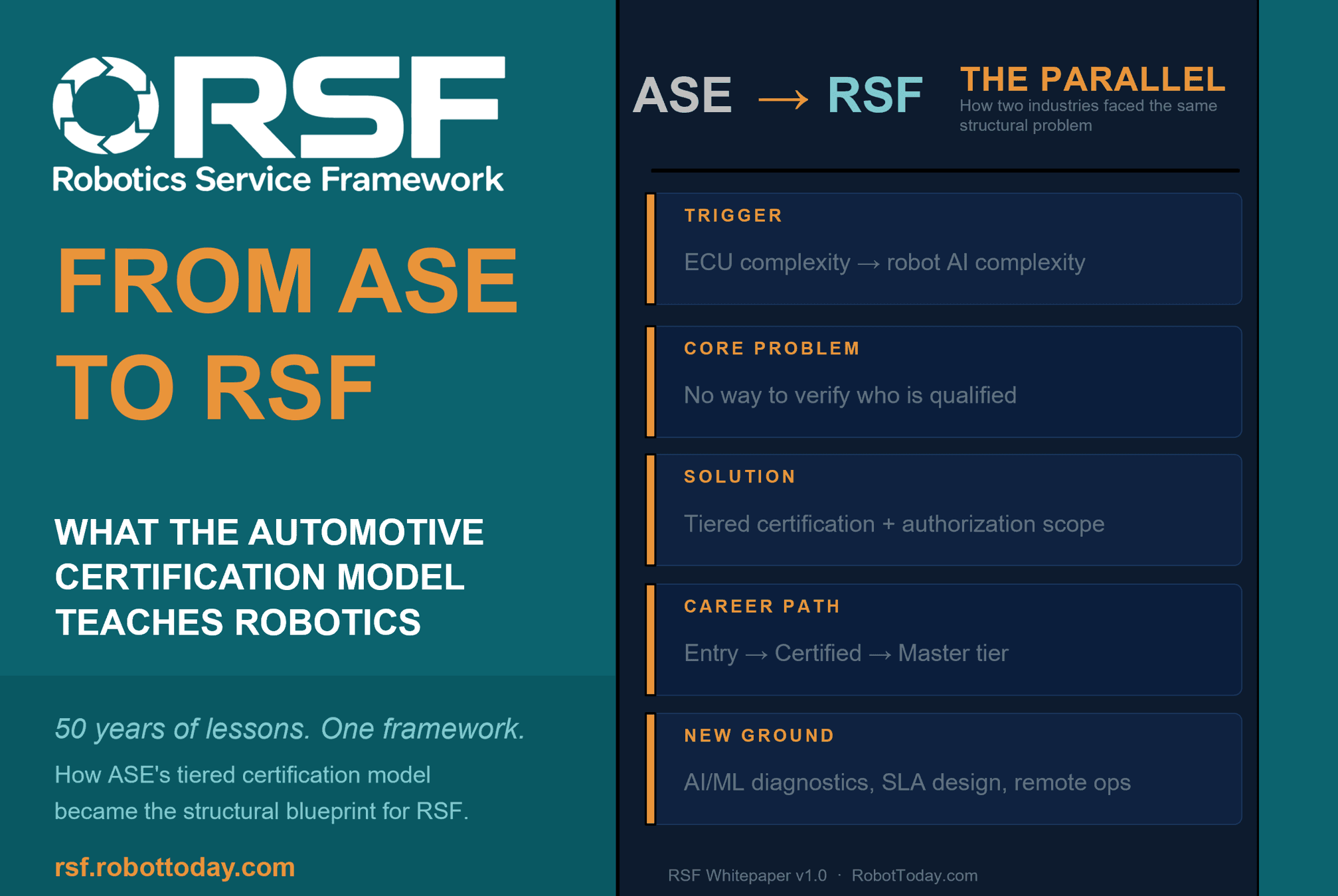
Ai-art Generative-ai Digital-art BlockchainRobotics needs a service framework.
RSF defines a common language for robot service capability, lifecycle operations, certification pathways, and service-provider networks.