A single destination for timely, editor-curated robotics news from around the world.
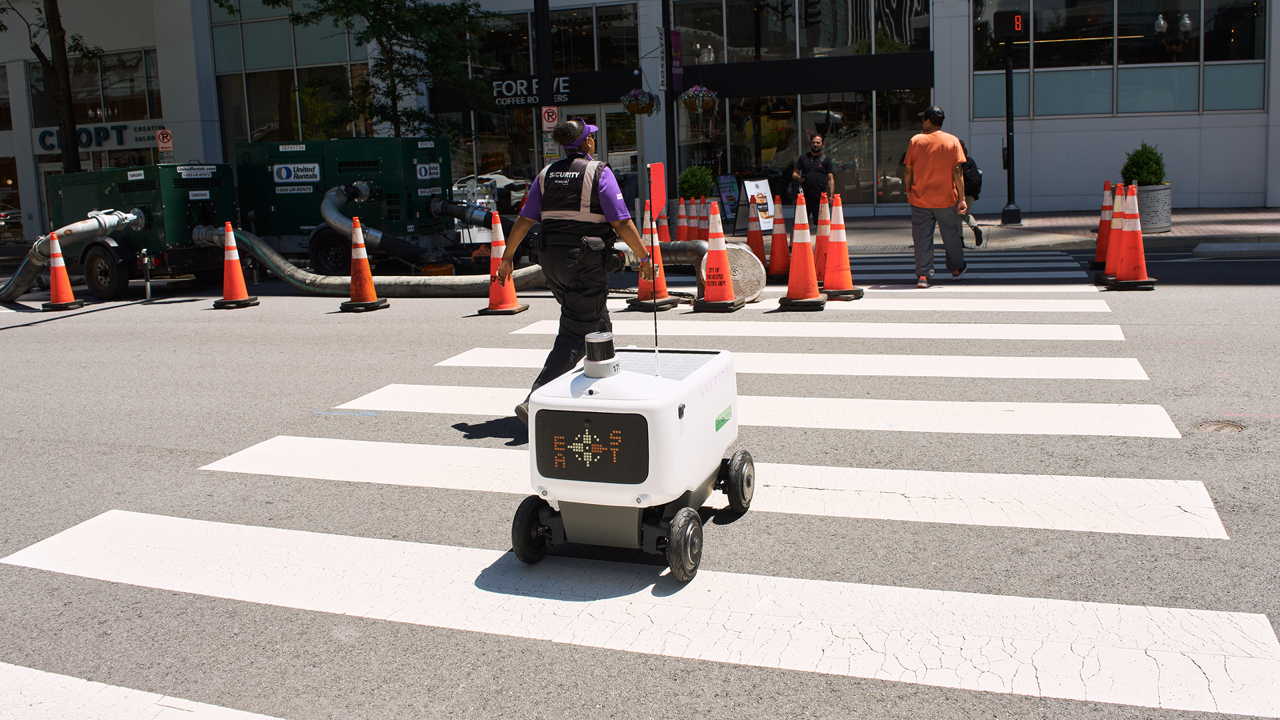
Avride is enhancing the environmental awareness of its delivery robots by utilizing vision-language models (VLMs). This innovative approach aims to improve the safety and efficiency of the robots as they navigate various environments. By integrating cloud-based VLM technology, Avride is able to provide its robots with a better understanding of their surroundings, enabling them to respond more effectively to dynamic conditions. The implementation of these advanced models is part of Avride's ongoing efforts to ensure safer delivery operations and to adapt to the complexities of real-world environments.
RoboticsBusinessReview.com By Roman Nefedov 6 hours ago Artificial Intelligence Artificial Intelligence / Cognition Autonomous Mobile Robots (AMRs) Logistics Mobility / Navigation News
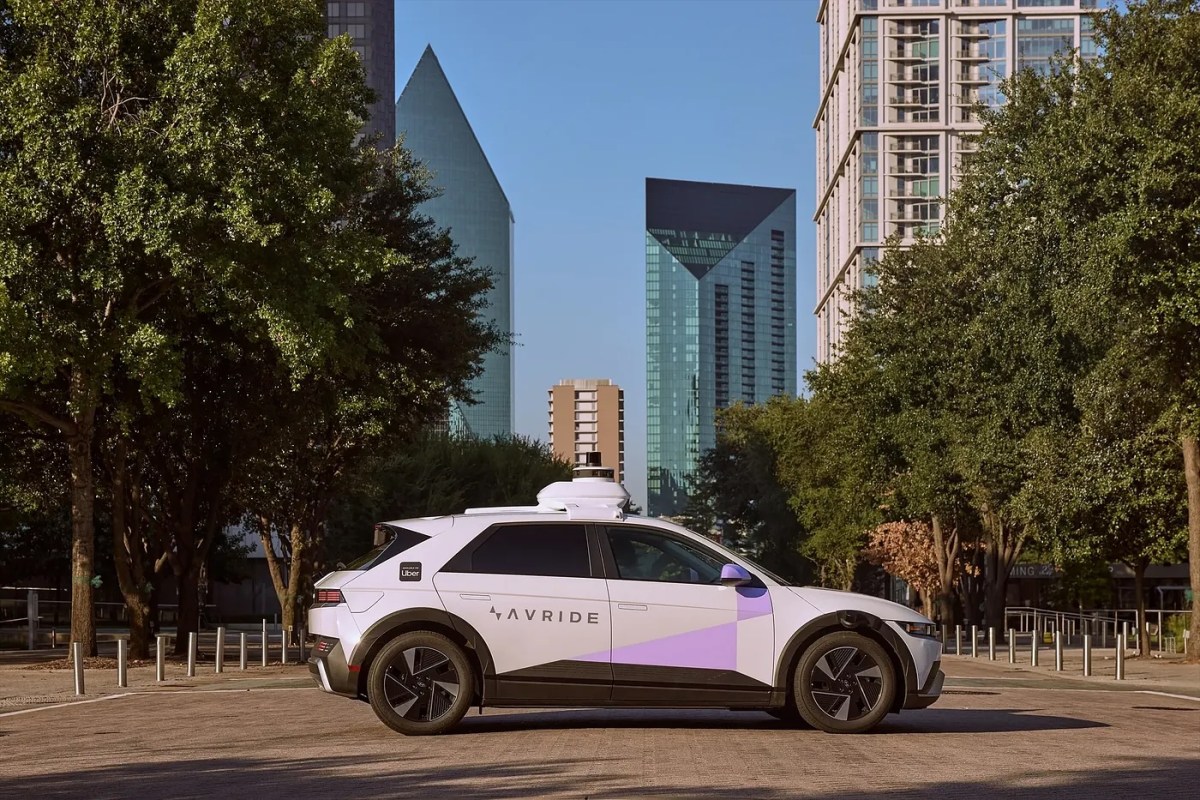
The National Highway Traffic Safety Administration (NHTSA) has launched an investigation into Avride following reports of over a dozen crashes associated with the ride-sharing service, which have resulted in one minor injury. The inquiry aims to assess the safety protocols and operational practices of the company in light of these incidents. The investigation underscores the agency's commitment to ensuring the safety of transportation services and addressing any potential risks to passengers and other road users. The timeline for the investigation has not been specified, but it reflects growing scrutiny of ride-sharing companies as they expand their operations across various regions.
TechCrunch By Sean O'Kane May 08, 2026 Transportation autonomous vehicles avride avs nhtsa robotaxis
Tesla Inc. is significantly trailing its competitors in the Texas robotaxi market, with only 69 vehicles in operation as of June 16, according to data from the Texas Department of Motor Vehicles and research from Bank of America. In contrast, Waymo leads with a fleet of 620, followed by AVRide with 317, and Nuro and Zoox with 47 and 35 vehicles, respectively. While Tesla is currently active in four cities and preparing to expand to five more, Waymo operates in 11 cities, highlighting Tesla's slower growth in this sector. Despite its limited fleet, Tesla is adopting a pricing strategy aimed at gaining market share, charging an average of $10.90 per ride, which is over 20% lower than competitors like Uber, Lyft, and Waymo, who charge around $13.70. This approach has resulted in longer wait times for Tesla customers, averaging ten minutes compared to two to three minutes for its rivals. Safety data appears to favor Tesla, which has reported 18 minor incidents since its launch, with no serious injuries or fatalities, while Waymo has recorded 11 serious incidents. As consumer trust in autonomous vehicles gradually improves, safety remains a critical concern for potential users. Bank of America analyst Alexander Perry maintains a positive outlook on Tesla, emphasizing that the company is in the early stages of monetizing its autonomous capabilities, with expectations that the gap between its pricing and that of competitors will close over time.
YahooFinance Jun 21, 2026
Waymo, a subsidiary of Alphabet, continues to dominate the robotaxi industry with a fleet of more than 3,000 autonomous vehicles operating in at least ten cities across the United States. As competitors like Tesla, Zoox, Avride, and Motional strive to close the gap, the question arises whether being second in this rapidly evolving market might offer strategic advantages. Nuro, another player in the autonomous vehicle sector, is exploring this notion, suggesting that the race for leadership may not be the only path to success in the burgeoning field of driverless transportation.
TheVerge.com By Andrew J. Hawkins May 24, 2026 Autonomous Cars Report Transportation
TechCrunch Mobility has resumed its coverage, providing a comprehensive source for the latest news and insights related to the future of transportation. With a focus on emerging trends and innovations, the platform aims to keep readers informed about developments in the mobility sector. The relaunch comes as the industry faces rapid changes and advancements, making it essential for stakeholders to stay updated. By delivering timely information and expert analysis, TechCrunch Mobility seeks to empower its audience to navigate the evolving landscape of transportation effectively.
TechCrunch By Kirsten Korosec Jun 21, 2026 Transportation Tesla Uber zoox Waymo robotaxi
As the era of robot taxis approaches, the challenge of managing lost items left by passengers remains a pressing concern. Companies developing autonomous ride-hailing services are recognizing the need for a systematic approach to retrieve and return belongings that riders inadvertently forget. This issue is particularly relevant as the technology is set to roll out in urban areas, with pilot programs expected to launch in major cities by early 2024. The motivation behind addressing this problem stems from the desire to enhance customer satisfaction and trust in autonomous transportation systems. By ensuring that lost items are returned promptly, companies aim to foster a positive user experience and encourage wider adoption of robot taxis. To tackle this challenge, firms are exploring various solutions, including the implementation of tracking technology within vehicles and partnerships with local courier services for efficient item retrieval. Additionally, some companies are considering the establishment of dedicated lost-and-found departments to streamline the process. As the industry evolves, the focus on customer service in the realm of autonomous transportation highlights the ongoing human element in a technology-driven future, ensuring that even in a world dominated by robots, the needs of passengers are met with care and efficiency.
TechCrunch By Kirsten Korosec Jun 02, 2026 Transportation autonomous vehicles avride Motional Uber WaymoRSF defines a common language for robot service capability, lifecycle operations, certification pathways, and service-provider networks.
Excepteur sint occaecat cupidatat non proident