Industry Briefing
A single destination for timely, editor-curated robotics news from around the world.

Researchers Say Autonomous Robots Can Make Safer Decisions With ‘Rulebooks’ System
Researchers at Iowa State University, in collaboration with ETH Zürich, have introduced a novel framework designed to enhance the decision-making capabilities of autonomous robots in situations where rules may conflict. The findings, published in the IEEE Transactions on Robotics, outline a system referred to as "rulebooks," which prioritizes rules rather than merging them. This innovative approach aims to improve the safety and transparency of robotic operations in real-world environments, addressing a critical challenge in the field of robotics. The study underscores the importance of establishing clear guidelines for robots to navigate complex scenarios effectively, ultimately contributing to the advancement of autonomous technology.
AI AI Research & Advances Robotics autonomous systems autonomous vehicles ETH Zürich
Video Friday: Autonomous Robots Learn By Doing in This Factory
In a recent edition of Video Friday, IEEE Spectrum robotics showcased a variety of innovative robotics projects and developments. Notably, scientists at the Toyota Research Institute are collaborating with Toyota Manufacturing to implement autonomous robots on factory floors, enhancing production efficiency. Zipline shared insights into their drone delivery system, detailing the challenges faced and lessons learned in its development. Humanoid introduced KinetIQ, an AI framework designed for the orchestration of humanoid robot fleets, which integrates task allocation and execution through advanced cognitive layers. Meanwhile, researchers at VISTEC unveiled a decentralized adaptive resilient neural control system (DARCON) that enables legged robots to autonomously adapt to limb loss, ensuring mission success despite mechanical failures. NASA's Jet Propulsion Lab presented an animation of the Perseverance rover's drive along the Jezero Crater, captured on December 10, 2025, showcasing the rover's navigation capabilities. Additionally, Unitree's humanoid robot G1 made its mark on the snowfields of Altay, demonstrating its adaptability in extreme conditions. The Norwegian University of Science & Technology introduced a hierarchical 3D scene graph to enhance autonomous agents' understanding of their environments. Other highlights included the HoLoArm quadrotor, which features compliant arms for improved stability, and SkyDreamer, a pioneering vision-based autonomous-drone racing policy. The event also featured demonstrations of dexterous object manipulation by the AI Worker robot and advancements in swarm robotics for architectural applications.
Video-friday Autonomous-robots Humanoid-robots Industrial-robots Robot-ai Perseverance-rover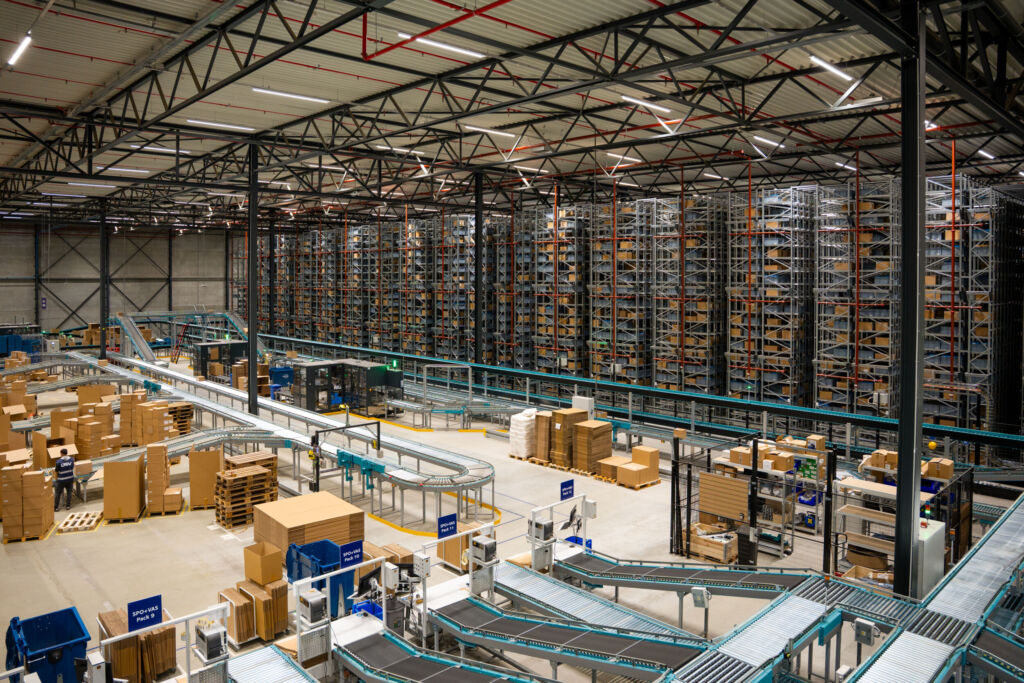
100 autonomous robots in fulfillment operations
Exotec has equipped DSV's logistics center in Venlo, Netherlands, with its innovative Skypod system, enhancing the facility's fulfillment capabilities. This advanced automation solution features 100 autonomous robots designed to streamline operations and improve efficiency in the supply chain. The implementation of the Skypod system is part of DSV's strategy to optimize logistics processes and meet growing demand in the e-commerce sector. By integrating these robots, the company aims to accelerate order processing and reduce operational costs, positioning itself competitively in the rapidly evolving logistics landscape.
Allgemein Fördertechnik & Handling Lagerlogistik & Materialfluss Lösungen
Autonomous robots to get accurate awareness of real-world environments with US engineers’ new step
A new collaboration has been announced between leading technology firms aimed at enhancing the capabilities of autonomous robots in navigating complex environments. This initiative, which is set to kick off in early 2024, will take place at various research facilities across the United States and Europe. The partnership seeks to address the growing demand for advanced robotic systems in industries such as manufacturing, logistics, and healthcare, where precision and efficiency are paramount. By leveraging cutting-edge artificial intelligence and machine learning techniques, the teams involved plan to develop innovative solutions that will improve the robots' ability to adapt to unpredictable situations. This collaboration represents a significant step forward in the quest to create more reliable and versatile autonomous systems, ultimately aiming to revolutionize how robots are integrated into everyday operations.

For autonomous robots, not all rules are equal
As autonomous robots increasingly assume responsibilities across various sectors, they encounter complex ethical dilemmas similar to those faced by humans, particularly in situations where rules conflict. This evolution is evident in the transition from traditional driving tasks to the operation of flying drones, highlighting the growing reliance on technology in everyday life. The advancements in artificial intelligence and robotics have prompted discussions among experts and policymakers about the implications of these technologies, especially regarding decision-making processes in critical situations. The ongoing development of autonomous systems raises questions about accountability and the ethical frameworks needed to guide their actions. As these technologies become more integrated into society, understanding how they navigate moral conflicts will be essential for ensuring safety and compliance with societal norms.
Robotics
Podcast: Revolutionising Warehouses – The Rise of Autonomous Robots
Autonomous mobile robots (AMRs) are revolutionizing warehouse operations by enhancing scalability, integrating artificial intelligence, and allowing for flexible deployment strategies. This transformation is particularly significant in the logistics sector, where companies are increasingly adopting AMRs to improve efficiency and reduce operational costs. As of October 2023, the implementation of these robots is gaining momentum, with businesses recognizing the need to adapt to the fast-paced demands of e-commerce and supply chain management. By automating tasks such as inventory management and order fulfillment, AMRs are not only streamlining processes but also enabling warehouses to scale their operations more effectively. The integration of AI allows these robots to learn and adapt to their environments, further optimizing their performance. As a result, many organizations are investing in this technology to stay competitive in an evolving marketplace.
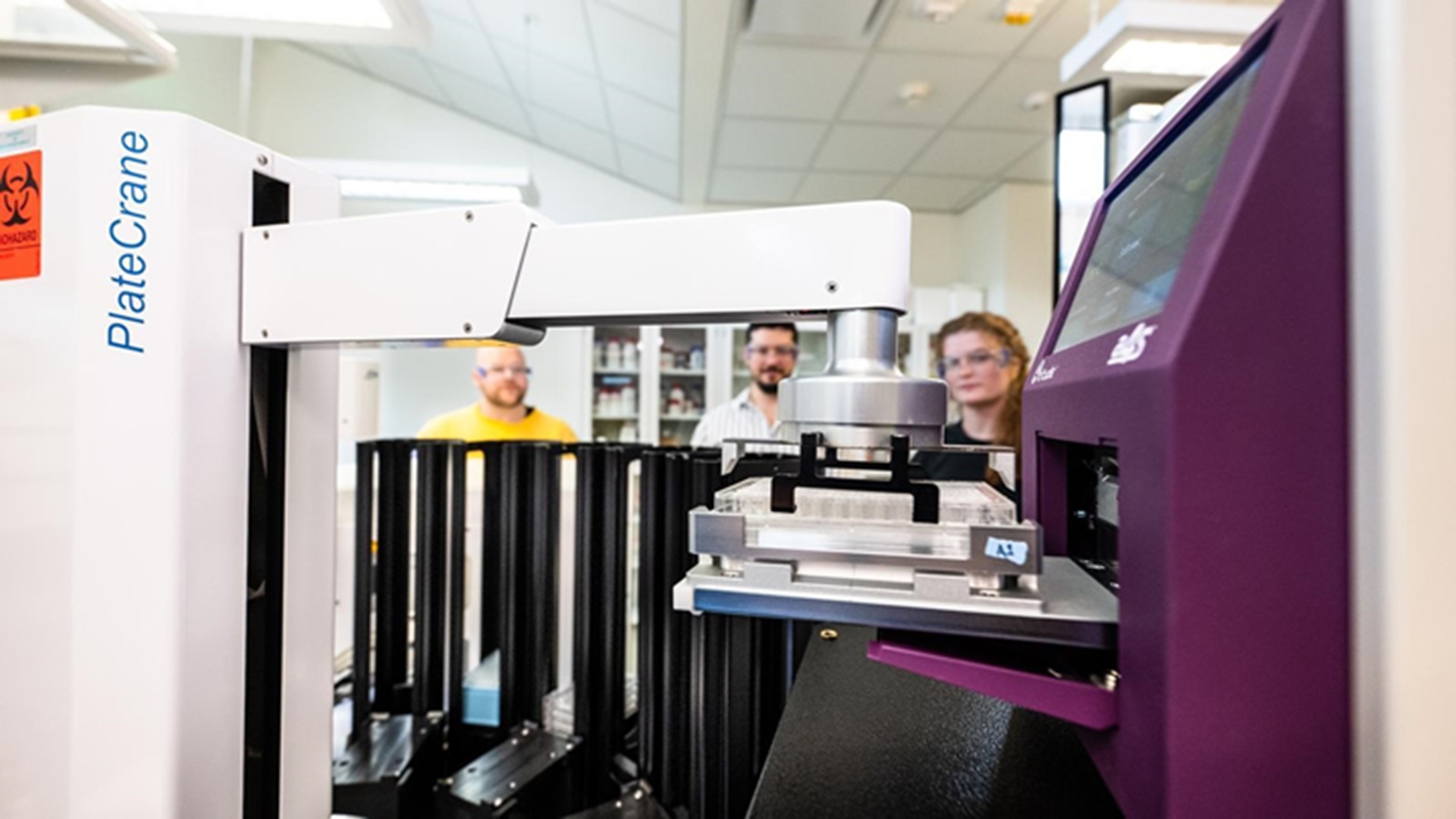
US scientists are building autonomous robots that can learn directly from researchers
Researchers at Argonne National Laboratory are advancing the field of laboratory automation by creating AI-powered robotic assistants capable of learning and performing various laboratory procedures. This innovative project aims to enhance efficiency and accuracy in scientific research, addressing the growing demand for streamlined processes in laboratories. The development is part of a broader effort to integrate artificial intelligence into everyday scientific tasks, allowing researchers to focus on more complex problem-solving. As the project progresses, the team is exploring various machine learning techniques to enable these robots to adapt and improve their skills over time. This initiative is expected to revolutionize how experiments are conducted, ultimately accelerating the pace of scientific discovery.

Open-source swarm robotics: Custom ESP32 MiniBots turn chess pieces into autonomous robots
A hardware developer known as 3DprintedLife has introduced an innovative open-source swarm robotics project aimed at advancing collaborative robotics technology. The announcement was made recently, showcasing the potential for multiple robotic units to work together efficiently in various applications. This initiative is designed to encourage community involvement and innovation in robotics, allowing developers and enthusiasts to contribute to and enhance the project. By providing accessible resources and documentation, 3DprintedLife hopes to foster a collaborative environment that could lead to significant advancements in the field. The project is expected to attract interest from both amateur and professional roboticists, as it emphasizes the importance of shared knowledge and collective problem-solving in technology development.
AI and Robotics
Nyobolt Closes $60 M Series C Funding Round at $1B Valuation, to Power Autonomous Machines, Physical AI Applications and AI Data Centers
Nyobolt, a company specializing in ultra-fast charging and high-power battery systems, has successfully secured $60 million in Series C funding, pushing its valuation beyond $1 billion. The funding round, which took place recently, was led by Symbotic and included contributions from notable investors such as IQ Capital, Latitude, Scania Invest, and CBMM. This financial boost aims to facilitate the expansion of Nyobolt's technology, particularly for applications in autonomous robots and AI infrastructure. The company has reported a remarkable fivefold increase in revenue over the past year, highlighting its growth potential in the rapidly evolving battery market.
AI AI Funding & Investment Robotics autonomous batteries CBMM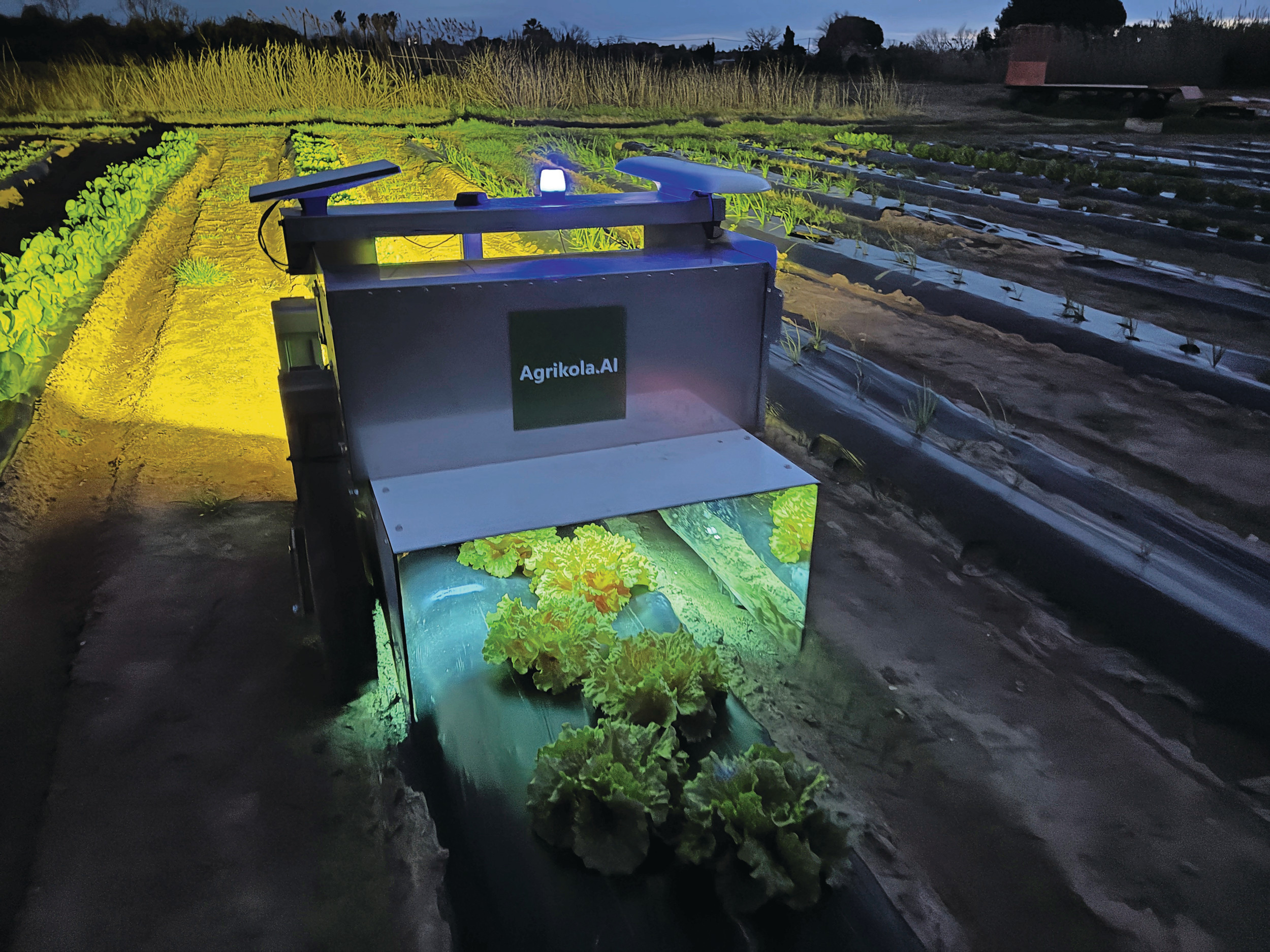
UVC robots show promise in the fight against fungi
In a significant advancement for greenhouse horticulture, autonomous robots utilizing UVC light for fungal control have shown promising results. This innovative technology has been successfully implemented in Norway, the United Kingdom, and the United States, particularly in the cultivation of open crops such as grapes and strawberries. Additionally, since 2025, the use of UVC robots has expanded to field vegetables in Spain. This development reflects a broader trend towards precision agriculture, aiming to enhance crop management and reduce reliance on chemical treatments. The integration of UVC technology in farming practices highlights the ongoing efforts to improve sustainability and efficiency in agricultural production.
Field robots autonomous technology crop protection greenhouses precision agriculture robotic harvesting
The Future of Autonomous and Wireless Charging
In response to the growing demand for efficiency and cost reduction, companies are increasingly adopting autonomous robots capable of self-charging. This technological advancement significantly minimizes the need for manual intervention, leading to a marked decrease in maintenance downtime and overall operational expenses. As organizations strive to enhance productivity while managing costs, the integration of these self-sufficient robots is becoming a pivotal strategy in modern operations. The shift towards automation reflects a broader trend in various industries, aiming to streamline processes and improve profitability.

Ultraefficient chip could help tiny robots traverse complex environments
Researchers at MIT have developed an innovative chip designed to enhance the navigation capabilities of small, low-power unmanned aerial vehicles (UAVs) as they maneuver through confined spaces, such as industrial HVAC systems, to detect gas leaks. This breakthrough, announced recently, enables these autonomous robots and other battery-operated devices to create detailed three-dimensional maps of their surroundings in real time while consuming minimal energy—approximately the same amount as a single LED light. By utilizing these maps, the robots can effectively plan collision-free routes to their objectives, significantly improving their operational efficiency and safety in complex environments.
Hardware
Cross‐Modal Synergistic Optimization Multi‐Task Segmentation Network for Autonomous Ground Intelligent Agents in Field Environments
A recent study published in the Journal of Field Robotics highlights the advancements in autonomous robotic systems designed for agricultural applications. Researchers from various institutions collaborated to explore innovative technologies that enhance efficiency and sustainability in farming practices. The findings, released in early October 2023, emphasize the growing importance of robotics in addressing labor shortages and increasing productivity in the agricultural sector. The study showcases several case studies where autonomous robots successfully performed tasks such as planting, harvesting, and monitoring crops, demonstrating their potential to revolutionize traditional farming methods. By integrating artificial intelligence and machine learning, these robots can adapt to varying environmental conditions and optimize resource use, ultimately contributing to more sustainable agricultural practices. The motivation behind this research stems from the pressing challenges faced by the agricultural industry, including the need for increased food production to meet global demand and the impact of climate change on farming. The researchers advocate for the adoption of robotic technologies as a viable solution to enhance food security and reduce the environmental footprint of agriculture. Through rigorous testing and evaluation, the study provides insights into the operational capabilities of these autonomous systems, paving the way for further innovations in the field. As the agricultural sector continues to evolve, the integration of robotics is expected to play a crucial role in shaping the future of food production.
RESEARCH ARTICLE
GS E&C, Daedong Robotics team up on AI construction robots
GS Engineering & Construction (GS E&C) announced on Monday that it has entered into a partnership with Daedong Robotics to develop artificial intelligence-powered autonomous robots specifically designed for construction sites. This collaboration, formalized on June 5 at GS E&C's R&D Center in Seoul, aims to enhance safety and productivity in the construction industry, which is increasingly turning to automation. The partnership will involve field trials of Daedong Robotics' existing autonomous robots and the joint development of new models tailored to meet the unique challenges of construction environments. Established in 2024, Daedong Robotics is expanding its focus beyond agricultural applications to address the growing demands of the construction sector.
All News
Autonomous Robotics and Physical AI in Next-Generation Manufacturing
A recent advancement in robotics has highlighted the capabilities of autonomous robots, which can execute tasks with minimal human oversight. This development is complemented by the emergence of Physical AI, a technology that enhances machines' ability to comprehend their surroundings, make informed decisions, and engage with the physical world more efficiently. As industries increasingly seek automation solutions, these innovations are poised to transform various sectors by improving operational efficiency and reducing reliance on human labor. The integration of Physical AI into autonomous systems is expected to facilitate more sophisticated interactions and decision-making processes, paving the way for smarter and more adaptable robotic applications in everyday environments. This evolution in technology underscores the ongoing trend toward automation and intelligent systems, reflecting a growing demand for advanced solutions in an ever-changing landscape.

Robot.com Launches R-ads, Redefining Out-of-Home Advertising With Its Autonomous Robot Media Network
Robot.com has unveiled R-ads, an innovative advertising platform that transforms autonomous robots into a measurable out-of-home media network. Launched on May 21, 2026, the platform aims to enhance physical advertising by making it as accountable as digital formats. This initiative follows the company's successful execution of over 100 brand activations across more than 20 countries, including high-profile events such as sports leagues and global tech conferences. R-ads operates on the premise that interactive advertising can significantly boost engagement. With over 500 robots currently deployed in various settings, including campuses and city streets, the platform has completed 2.5 million tasks. Judah Longgrear, co-founder of Robot.com, emphasized that R-ads combines the reach of traditional billboards with the interactive capabilities of robots, allowing brands to measure every impression effectively. The platform offers a self-serve advertising suite that includes moving robots, vehicle wraps, and digital screens, enabling campaigns to launch in minutes with real-time analytics. Notably, R-ads recently partnered with the Ad Council for a 15-day activation in Miami, coinciding with National Heatstroke Prevention Day. This campaign utilized the robots' digital displays due to venue restrictions, generating over 147,000 impressions within the first four days. Robot.com’s CEO, Felipe Chavez, highlighted that R-ads exemplifies the multifunctionality of robots, which can deliver, advertise, and collect data, ultimately making robotic technology more accessible and economically viable.

Six‐Dimensional Digital Twin System for Autonomous Underwater Vehicles: Conceptualization and Twin Experiments
The Journal of Field Robotics has published a new early view article highlighting advancements in robotic technology. The research, conducted by a team of engineers and scientists, focuses on enhancing the capabilities of autonomous robots in complex environments. This study, released in October 2023, aims to address the growing demand for improved robotic systems in various applications, including agriculture, search and rescue, and industrial automation. The researchers employed innovative algorithms and machine learning techniques to enable robots to navigate and operate more effectively in unpredictable settings. By simulating real-world scenarios, the team was able to test the robots' performance and adaptability, showcasing significant improvements over previous models. This development comes at a crucial time as industries increasingly rely on automation to boost efficiency and safety. The findings are expected to influence future designs and applications of robotic systems, ultimately contributing to the evolution of the field. The research underscores the importance of interdisciplinary collaboration in advancing technology and meeting the challenges posed by complex operational environments.
RESEARCH ARTICLE
Dynamic State Feedback Control of Autonomous Underwater Vehicles Based on Switching Between Multiple Heading Movement Models
In May 2026, researchers published a significant study in the Journal of Field Robotics, detailing advancements in robotic technology. The study, appearing in Volume 43, Issue 3, pages 1679-1692, highlights innovative methodologies for enhancing robotic navigation and autonomy in complex environments. Conducted by a team of experts in robotics and artificial intelligence, the research aims to address the growing demand for efficient and reliable robotic systems in various industries, including agriculture, manufacturing, and disaster response. The motivation behind this research stems from the increasing reliance on robotics in everyday applications and the need for these systems to operate effectively in unpredictable settings. By employing advanced algorithms and machine learning techniques, the researchers demonstrated how robots can improve their decision-making processes and adapt to changing conditions in real-time. The findings are expected to have a profound impact on the future development of autonomous robots, paving the way for more sophisticated applications that can enhance productivity and safety across multiple sectors. As the field of robotics continues to evolve, this study represents a crucial step toward achieving greater autonomy and efficiency in robotic systems.
RESEARCH ARTICLE
Design, Modeling, and Validation of Multi‐Segmental Adaptive Pipeline Robots in Complex Pipeline Environments
In May 2026, the Journal of Field Robotics published a significant study exploring advancements in robotic technology. Researchers from various institutions collaborated to investigate the applications of autonomous robots in diverse fields, including agriculture, disaster response, and environmental monitoring. The study highlights the increasing importance of robotics in enhancing efficiency and safety in these sectors, driven by the need for innovative solutions to complex challenges. By employing cutting-edge algorithms and machine learning techniques, the researchers demonstrated how these robots can operate in unpredictable environments, making them invaluable tools for future operations. The findings aim to inform policymakers and industry leaders about the potential of robotics to transform traditional practices and improve outcomes across multiple domains.
RESEARCH ARTICLE
Real‐Time Terrain Traversability Analysis and Mapping for Autonomous Robotics in Dynamic Environments: Fusing Appearance‐ and Geometry‐Based Approaches
In a recent study published in the Journal of Field Robotics, researchers explored advancements in robotic technologies aimed at enhancing agricultural efficiency. The study, which appears in the May 2026 issue, highlights innovative approaches to integrating robotics into farming practices to address labor shortages and improve crop yields. Conducted by a team of experts in robotics and agriculture, the research was carried out in various agricultural settings to assess the effectiveness of these technologies in real-world applications. The findings suggest that the implementation of autonomous robots can significantly streamline farming operations, reduce costs, and increase productivity. This research is particularly timely as the agricultural sector faces increasing challenges due to a declining workforce and the need for sustainable practices. The study emphasizes the potential of robotics to transform the industry, paving the way for smarter, more efficient farming solutions.
RESEARCH ARTICLE
Formation Control and Experiment for Propeller‐Driven Car‐Like Robots With Amplitude and Rate Saturation Under Steering Fault‐Tolerant Control
In May 2026, researchers published a significant study in the Journal of Field Robotics, focusing on advancements in robotic technology. The study explores innovative algorithms designed to enhance the navigation capabilities of autonomous robots in complex environments. Conducted by a team of engineers and computer scientists, the research aims to address the challenges faced by robots in real-world applications, such as search and rescue operations and agricultural tasks. The findings highlight the effectiveness of these new algorithms in improving the robots' ability to adapt to dynamic surroundings, which is crucial for their successful deployment in various fields. By utilizing advanced machine learning techniques, the team demonstrated how robots can better interpret sensory data and make real-time decisions, ultimately increasing their operational efficiency. This research is particularly relevant as industries increasingly rely on automation and robotics to improve productivity and safety. The study not only contributes to the academic understanding of robotic systems but also has practical implications for the future of robotic applications in everyday life.
RESEARCH ARTICLE
A Boustrophedon‐Optimized Neural Network for Autonomous Path Planning in Large‐Scale Photovoltaic Farms
In May 2026, researchers published a significant study in the Journal of Field Robotics, focusing on advancements in robotic technology. The study explores innovative algorithms designed to enhance the navigation capabilities of autonomous robots in complex environments. Conducted by a team of engineers and computer scientists, the research aims to address the challenges faced by robots in real-world applications, such as search and rescue operations and environmental monitoring. The team conducted extensive field tests to validate the effectiveness of their algorithms, demonstrating improved accuracy and efficiency in navigation tasks. This research is particularly relevant as industries increasingly rely on autonomous systems for various applications, highlighting the need for reliable and adaptable robotic solutions. The findings are expected to contribute to the development of more sophisticated robots capable of operating in unpredictable settings, ultimately advancing the field of robotics and its practical applications.
RESEARCH NOTE
PaVSF: A Multimodal Fusion Power Consumption Prediction Model for Autonomous Wheeled Vehicles in Off‐Road Environments
A recent study published in the Journal of Field Robotics highlights advancements in robotic technology aimed at improving agricultural efficiency. Researchers from various universities collaborated to develop autonomous systems capable of performing tasks such as planting, monitoring crop health, and harvesting. The findings, released in early October 2023, emphasize the potential of these innovations to address labor shortages and enhance productivity in the agricultural sector. The research was conducted in diverse agricultural settings, allowing for a comprehensive evaluation of the robots' performance in real-world conditions. By integrating artificial intelligence and machine learning, the robots can adapt to varying environmental factors and optimize their operations accordingly. This adaptability is crucial as farmers face increasing pressures from climate change and the need for sustainable practices. The motivation behind this initiative stems from the growing demand for food production and the challenges posed by a declining workforce in agriculture. By deploying autonomous robots, the study suggests that farmers can not only increase efficiency but also reduce reliance on manual labor, ultimately leading to more sustainable farming practices. The researchers conducted extensive field tests to validate the robots' capabilities, demonstrating their effectiveness in various agricultural tasks. The promising results indicate a significant step forward in the integration of robotics into farming, potentially transforming the industry and paving the way for future innovations.
RESEARCH ARTICLE
Path Tracking for Forestry Autonomous Mobile Platforms Based on Improved Snake Optimizer‐Pure Pursuit Algorithm
A recent study published in the Journal of Field Robotics explores advancements in autonomous robotics, highlighting their potential applications in various industries. Conducted by a team of researchers from leading universities, the study was released in early October 2023. The researchers aimed to address the growing demand for efficient and reliable robotic systems in sectors such as agriculture, manufacturing, and logistics. The study details how recent technological innovations, including improved sensor technologies and machine learning algorithms, have enhanced the capabilities of autonomous robots. These advancements enable robots to perform complex tasks with greater precision and adaptability, ultimately increasing productivity and reducing operational costs for businesses. The research team conducted extensive field tests to evaluate the performance of these autonomous systems in real-world scenarios. By analyzing data collected during these tests, the researchers were able to demonstrate the effectiveness of the robots in navigating challenging environments and executing tasks autonomously. The findings underscore the importance of continued investment in robotics research and development, as the integration of autonomous systems is expected to revolutionize traditional workflows and contribute to economic growth. As industries increasingly adopt these technologies, the study serves as a crucial resource for understanding the future landscape of robotics and its implications for various sectors.
RESEARCH ARTICLE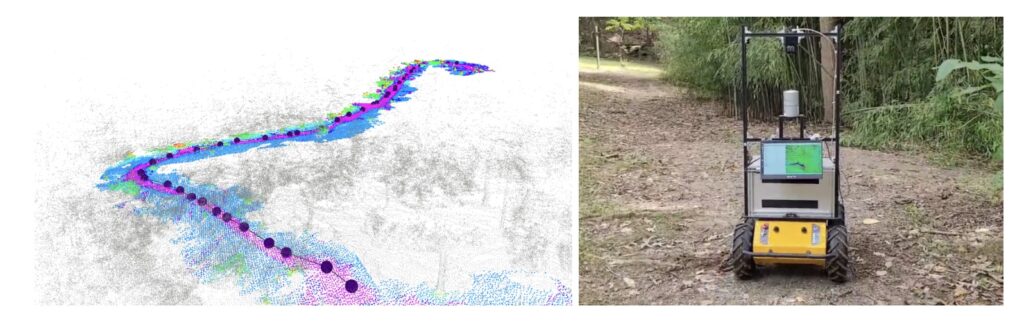
Robots to navigate hiking trails
Recent studies have highlighted the challenges faced by autonomous robots in navigating hiking trails, particularly due to unpredictable terrain conditions. Researchers have observed that trails can change rapidly, with obstacles such as fallen trees, exposed roots, loose rocks, and uneven ground complicating navigation efforts. These issues are exacerbated after adverse weather events, such as storms, which can create additional hazards like puddles and mud. The findings, released in October 2023, underscore the need for improved trail maintenance and the development of advanced algorithms that can help robots adapt to dynamic environments. As outdoor recreational activities continue to grow in popularity, ensuring safe and accessible trails for both hikers and robotic companions is becoming increasingly important. The research aims to enhance the capabilities of autonomous systems, enabling them to better navigate these challenging landscapes and promote safer outdoor experiences.

Could humans someday explore Saturn's moon Titan, or will humanoid robots do it for us?
As humanity explores the possibility of reaching Titan, Saturn's largest moon, a debate has emerged regarding the potential for human presence versus the use of AI-powered humanoid robots for the journey. Experts in space exploration are considering the feasibility of sending humans to Titan, a location known for its intriguing atmosphere and surface lakes of methane. However, advancements in robotics and artificial intelligence have led to discussions about the advantages of deploying autonomous robots for such missions, which could mitigate risks associated with human travel in harsh extraterrestrial environments. The timeline for these missions remains uncertain, but ongoing research and technological developments are paving the way for future exploration. As scientists and engineers continue to evaluate the challenges of a Titan expedition, the conversation highlights the evolving role of AI in space exploration and the potential for robots to undertake complex tasks in environments that are inhospitable to humans.
Space Exploration
The Evolution of Autonomous Systems for Planetary Cave Exploration: A Review
A recent study published in the Journal of Field Robotics highlights advancements in autonomous robotic systems designed for agricultural applications. Researchers from various institutions collaborated to develop innovative technologies aimed at improving efficiency in farming practices. The study, released in early October 2023, emphasizes the growing need for sustainable agricultural solutions in response to increasing global food demands and environmental challenges. The team conducted extensive field tests to evaluate the performance of these robotic systems in real-world farming environments. By integrating advanced sensors and artificial intelligence, the robots are capable of performing tasks such as planting, harvesting, and monitoring crop health with minimal human intervention. This approach not only aims to enhance productivity but also seeks to reduce the environmental impact of traditional farming methods. The motivation behind this research stems from the urgent need to address food security while minimizing resource usage. As climate change and population growth continue to strain agricultural resources, the development of autonomous robots presents a promising solution to meet future demands. Overall, the findings underscore the potential of robotics in transforming the agricultural sector, paving the way for more sustainable and efficient farming practices in the years to come.
SURVEY ARTICLE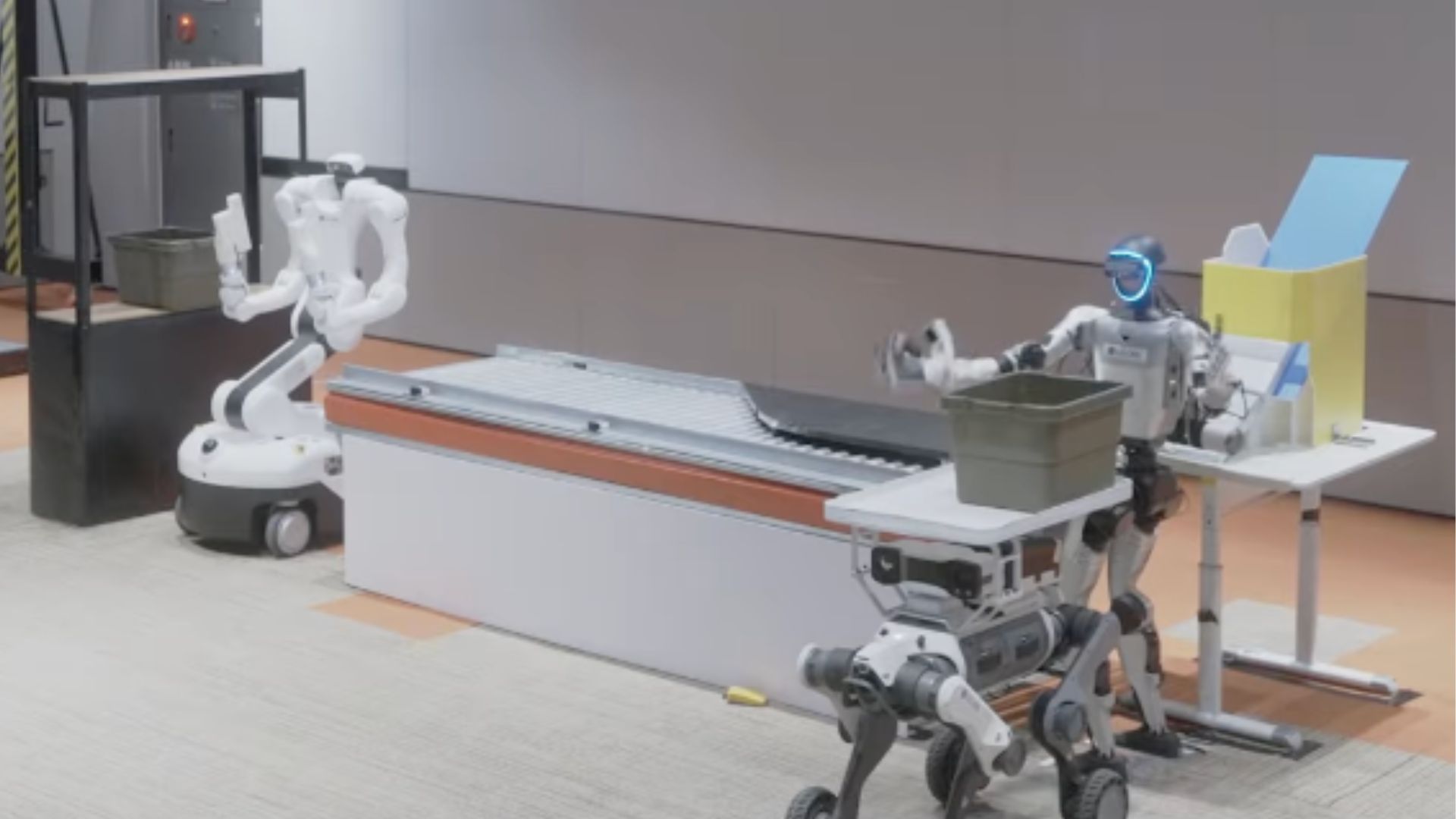
Watch humanoid and dog-like robots team up to handle warehouse work together at LG
A subsidiary of LG has unveiled an innovative logistics workflow featuring multiple autonomous robots designed to enhance efficiency in supply chain operations. This demonstration took place at the company's headquarters in Seoul, South Korea, on October 15, 2023. The initiative aims to address the growing demand for automation in logistics, driven by the need for faster and more reliable delivery systems in an increasingly competitive market. By integrating advanced robotics and artificial intelligence, LG's new system is set to streamline processes, reduce human error, and optimize resource management. The robots are capable of navigating complex environments and collaborating seamlessly with each other, showcasing the potential for significant advancements in the logistics sector. This initiative reflects LG's commitment to innovation and its strategic focus on leveraging technology to meet evolving industry challenges.

TriRock6W: Autonomous Mobile Robot With Six Wheels, Three Rocker Arms in Complex Environments
A recent study published in the Journal of Field Robotics highlights advancements in autonomous robotic technology. Researchers from a leading university conducted experiments to improve the navigation and obstacle avoidance capabilities of field robots. The study, released in early October 2023, took place in various outdoor environments, including agricultural fields and rugged terrains, to assess the robots' performance in real-world conditions. The motivation behind this research stems from the increasing demand for efficient agricultural practices and the need for robots that can operate independently in challenging landscapes. By employing advanced algorithms and machine learning techniques, the team was able to enhance the robots' ability to adapt to dynamic surroundings and make real-time decisions. The findings indicate significant improvements in the robots' operational efficiency, which could lead to reduced labor costs and increased productivity in agricultural sectors. This research not only contributes to the field of robotics but also addresses pressing issues in food production and sustainability. The team plans to further refine their technology and explore additional applications in various industries, paving the way for a future where autonomous robots play a crucial role in everyday tasks.
RESEARCH ARTICLE
Soft Computing Techniques Applied to Adaptive Hybrid Navigation Methods for Tethered Robots in Dynamic Environments
A recent study published in the Journal of Field Robotics highlights advancements in robotic technology aimed at enhancing agricultural efficiency. Researchers from various institutions conducted experiments over the past year, focusing on the integration of autonomous robots in crop monitoring and management. The study, carried out in multiple agricultural settings across the Midwest, demonstrates how these robots can significantly reduce labor costs and increase yield by providing real-time data on soil conditions and crop health. The motivation behind this research stems from the growing need for sustainable farming practices amid rising global food demands. By employing sophisticated sensors and machine learning algorithms, the robots are designed to analyze vast amounts of agricultural data, allowing farmers to make informed decisions quickly. The findings indicate that the use of these robotic systems can lead to a more precise application of resources, ultimately promoting environmental sustainability. As the agricultural sector faces challenges such as labor shortages and climate change, the implementation of robotic technology presents a viable solution to improve productivity and resilience in farming operations. The research team plans to continue refining these technologies, aiming for broader adoption in the industry.
RESEARCH ARTICLE
Optimization of Magnetic Adsorption Units for Wall‐Climbing Robots via Integrated Response Surface Methodology and Genetic Algorithm
The Journal of Field Robotics has published an early view article highlighting advancements in robotic technology aimed at enhancing agricultural practices. Researchers from various institutions collaborated on this study, which was released in October 2023. The article focuses on the development of autonomous robots designed to improve efficiency in crop monitoring and harvesting processes. The motivation behind this research stems from the growing need for sustainable agricultural solutions to meet the demands of an increasing global population. By integrating advanced sensors and machine learning algorithms, these robots can analyze soil conditions, monitor plant health, and optimize harvesting schedules, ultimately reducing labor costs and increasing yield. The study outlines the methodologies employed in the design and testing of these robots, including field trials that demonstrate their effectiveness in real-world agricultural settings. The findings suggest that the implementation of such robotic systems could significantly transform traditional farming practices, offering a more sustainable approach to food production. This publication underscores the importance of innovation in agriculture and the potential for robotics to address critical challenges in the sector. As the demand for food continues to rise, the integration of technology in farming is becoming increasingly essential for ensuring food security and sustainability.
RESEARCH ARTICLE
Formation Control and Experiment for Propeller‐Driven Car‐Like Robots With Amplitude and Rate Saturation Under Jointly Connected Topology
In a groundbreaking study published in the May 2026 issue of the Journal of Field Robotics, researchers have unveiled innovative advancements in robotic technology aimed at enhancing agricultural efficiency. Conducted by a team of engineers and agricultural scientists, the research focuses on the development of autonomous robots capable of performing complex tasks such as planting, monitoring crop health, and harvesting. The study was initiated in response to the growing need for sustainable farming practices and the increasing labor shortages in the agricultural sector. By integrating advanced sensors and machine learning algorithms, the robots can adapt to varying environmental conditions and optimize their operations, ultimately reducing waste and increasing yield. Field tests were conducted across multiple farms in the Midwest, demonstrating the robots' ability to navigate diverse terrains and perform tasks with precision. The results indicate a significant reduction in resource consumption, including water and fertilizers, while also enhancing productivity. This research not only highlights the potential of robotics in transforming agriculture but also addresses critical issues related to food security and environmental sustainability. The findings are expected to influence future agricultural policies and inspire further innovations in the field, paving the way for a more efficient and sustainable agricultural industry.
RESEARCH ARTICLE
SensHB.Q: A Cost‐Effective Force‐Sensitive Handlebar to Control Omnidirectional Robots and Wheelchairs
In a recent study published in the Journal of Field Robotics, researchers explored advancements in robotic technologies aimed at enhancing agricultural efficiency. The study, which appears in the May 2026 issue, highlights innovative robotic systems designed to optimize crop management and reduce labor costs. Conducted by a team of engineers and agricultural scientists, the research took place over several months at various test farms across the Midwest. The motivation behind this initiative stems from the increasing demand for sustainable farming practices amid a growing global population. By integrating cutting-edge robotics into agricultural processes, the researchers aim to address labor shortages and improve productivity. The study details the implementation of autonomous robots equipped with advanced sensors and AI algorithms that can monitor crop health, automate planting, and facilitate precision irrigation. Through a series of field trials, the team demonstrated the robots' capabilities in real-world farming conditions, showcasing their potential to revolutionize traditional agricultural methods. The findings suggest that these robotic systems could significantly enhance yield while minimizing environmental impact, paving the way for smarter farming solutions in the future.
RESEARCH ARTICLE
Collaborative Sampling and Imaging of Phytoplankton Communities by Two Long‐Range Autonomous Underwater Vehicles Using Acoustic Tracking and Messaging
In May 2026, researchers published a study in the Journal of Field Robotics, detailing advancements in robotic technology aimed at enhancing agricultural efficiency. This research, conducted by a team of engineers and agricultural scientists, focuses on the development of autonomous robots capable of performing various farming tasks, such as planting, monitoring crop health, and harvesting. The study highlights the pressing need for innovative solutions in agriculture, driven by the increasing global population and the corresponding demand for food production. By integrating advanced sensors and artificial intelligence, these robots can operate independently, reducing the reliance on manual labor and improving productivity. The research was conducted in various agricultural settings, showcasing the robots' adaptability to different environments and crop types. The findings suggest that implementing such robotic systems could lead to significant cost savings and increased yield for farmers, ultimately contributing to food security. The team employed a combination of field trials and simulations to validate the robots' effectiveness, demonstrating their ability to navigate complex terrains and perform tasks with precision. This breakthrough could revolutionize the agricultural sector, offering a sustainable approach to meet future food demands while minimizing environmental impact.
RESEARCH ARTICLE
Performance Evaluation and Improvement for RGB‐D Cameras on High‐Throughput Phenotyping Robots
In a recent study published in the Journal of Field Robotics, researchers have explored advancements in robotic technology aimed at enhancing agricultural efficiency. The study, which appears in the May 2026 issue, highlights innovative methods for deploying autonomous robots in crop management. Conducted by a team of experts in robotics and agriculture, the research took place over several months at various test sites across the Midwest. The motivation behind this research stems from the growing need for sustainable farming practices that can meet the demands of an increasing global population. By integrating advanced robotics into agricultural processes, the team aims to reduce labor costs and improve crop yields while minimizing environmental impact. The researchers utilized a combination of machine learning algorithms and sensor technology to develop robots capable of performing tasks such as planting, monitoring crop health, and harvesting. Through rigorous field tests, they demonstrated that these robots could operate efficiently in diverse conditions, adapting to changes in weather and soil quality. This groundbreaking work not only showcases the potential of robotics in transforming agriculture but also addresses critical challenges faced by farmers today. As the agricultural sector continues to evolve, the findings from this study could pave the way for more widespread adoption of robotic solutions, ultimately contributing to a more sustainable and productive future for farming.
RESEARCH ARTICLE
A Review on Path Planning for Autonomous Underwater Vehicles: From Models, Classical Methods, and Learning‐Based Intelligence Perspectives
In a recent study published in the Journal of Field Robotics, researchers explored advancements in robotic technologies aimed at enhancing agricultural efficiency. The findings, released in May 2026, highlight innovative methods for deploying autonomous robots in farming environments to improve crop management and yield. Conducted by a team of experts in robotics and agriculture, the research took place in various agricultural settings, focusing on the integration of artificial intelligence and machine learning to optimize planting, monitoring, and harvesting processes. The motivation behind this initiative stems from the growing need for sustainable farming practices and the increasing global demand for food production. By utilizing advanced robotics, the study aims to address labor shortages and reduce environmental impacts associated with traditional farming methods. The researchers conducted extensive field trials to assess the effectiveness of these robotic systems, demonstrating significant improvements in efficiency and productivity. This work not only contributes to the field of robotics but also offers practical solutions for the agricultural sector facing modern challenges.
SURVEY ARTICLE
DURAL: Degradation‐Resistant Robust Adaptive Localization by LiDAR‐Inertial‐UWB‐Wheel Fusion for Coal Mine Robots
A recent study published in the Journal of Field Robotics highlights advancements in autonomous robotic systems designed for agricultural applications. Conducted by a team of researchers from various universities, the study was released in early October 2023. The research focuses on enhancing the efficiency of crop monitoring and management through the integration of advanced sensors and machine learning algorithms. The motivation behind this study stems from the growing need for sustainable agricultural practices amid increasing global food demands. By employing autonomous robots equipped with state-of-the-art technology, farmers can optimize resource use, reduce labor costs, and improve crop yields. The researchers conducted field tests in diverse agricultural settings to evaluate the robots' performance in real-world conditions. Through rigorous testing and data analysis, the team demonstrated that these robotic systems could significantly improve the accuracy of crop assessments and facilitate timely interventions. The findings suggest that the implementation of such technology could revolutionize traditional farming methods, making them more efficient and environmentally friendly. This innovative approach not only addresses current agricultural challenges but also paves the way for future developments in the field of robotics and sustainable farming practices.
RESEARCH ARTICLE
Ergonomically Designed Assistive Robots: Where and How to Bring Comfort, Safety, and Independence to Elderly Care
A recent study published in the Journal of Field Robotics highlights advancements in robotic technology aimed at enhancing agricultural efficiency. Researchers from various universities collaborated on this project, focusing on the development of autonomous robots designed to assist in crop monitoring and management. The study, released in early October 2023, emphasizes the increasing need for innovative solutions in agriculture due to rising global food demands and labor shortages. The research was conducted across multiple agricultural sites, showcasing the robots' capabilities in real-time data collection and analysis. By utilizing advanced sensors and machine learning algorithms, these robots can identify crop health issues and optimize resource usage, ultimately aiming to improve yield and reduce waste. The findings suggest that integrating robotics into farming practices could significantly alleviate some of the pressures faced by the agricultural sector. This initiative not only addresses the immediate challenges of food production but also aligns with broader sustainability goals. The researchers advocate for further investment in robotic technologies, as they believe that such innovations could play a crucial role in transforming traditional farming methods into more efficient and sustainable practices.
SURVEY ARTICLE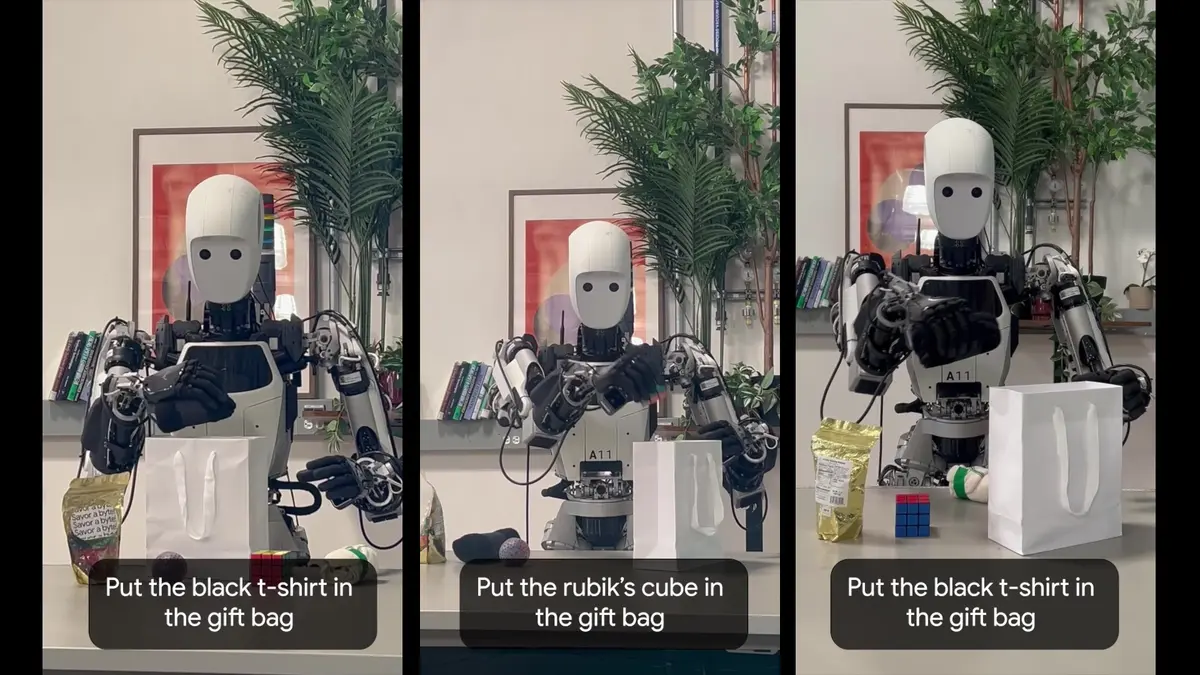
Google DeepMind Unveils On-Device Gemini Robotics, Pushing AI Closer to Autonomous Dexterity
Google DeepMind has introduced Gemini Robotics On-Device, a cutting-edge vision-language-action model that operates directly on robotic hardware. This innovative technology is designed to enhance the performance of autonomous robots by minimizing latency and increasing robustness across diverse environments. By enabling advanced dexterous manipulation, Gemini Robotics On-Device aims to equip a new generation of robots with the ability to quickly adapt to various tasks. The launch marks a significant step forward in the development of more efficient and capable robotic systems, reflecting DeepMind's commitment to pushing the boundaries of artificial intelligence in practical applications.
vla Apollo AI Humanoids Apptronik google-deepmind
UK Robotic Construction Company All3 Raises $25M in Seed Round Funding
UK-based construction robotics startup All3 has successfully secured $25 million in seed funding, with RTP Global leading the investment round. The company is focused on revolutionizing the construction industry by developing an integrated platform that utilizes autonomous robots to assemble buildings directly on-site. In addition to the robotic assembly, All3's innovative approach incorporates artificial intelligence to design building components and robotic factories that manufacture these parts prior to their arrival at construction sites. This funding will enable All3 to advance its technology and streamline the construction process, addressing the growing demand for efficiency and automation in the sector.
AI AI Funding & Investment Robotics ALL3 autonomous construction autonomous robots
Brain Corp Achieves SOC 2 Compliance, Reinforcing Trusted Enterprise-Grade Deployment of AI Systems at Scale
Brain Corp has achieved a significant security milestone with its autonomous robots, which are increasingly being deployed in commercial spaces. This development comes as businesses seek innovative solutions to enhance operational efficiency and safety. The milestone was reached in October 2023, reflecting the company's commitment to advancing robotic technology in various environments, including retail and logistics. The growing adoption of these robots is driven by the need for improved cleaning and maintenance processes, particularly in high-traffic areas. By utilizing advanced sensors and AI, Brain Corp's robots can navigate complex spaces while ensuring a high level of security and reliability. This progress not only streamlines operations but also addresses the rising demand for contactless services in the wake of the pandemic. As more companies integrate these autonomous solutions, Brain Corp is positioned to lead the market, demonstrating how technology can transform traditional practices in commercial settings. The successful implementation of these robots marks a pivotal moment in the evolution of automated services, paving the way for broader applications in the future.

Robot Talk Episode 149 – Robot safety and security, with Krystal Mattich
Claire recently engaged in a conversation with Krystal Mattich, the Senior Director of Security, Privacy, and Risk at Brain Corp, a leading company in the field of autonomous robotics. The discussion focused on the importance of ensuring that autonomous robots can be trusted in public spaces. Mattich, who oversees global data governance, system security, and privacy compliance at Brain Corp, emphasized the need for a robust privacy-first infrastructure to support the safe integration of these technologies into everyday environments. The dialogue highlighted the growing reliance on commercial robotics and the critical role that security and privacy play in fostering public confidence in autonomous systems.

Wukong1000 AUVs: Design, Cooperative Implementation, and Experimental Validation
A recent study published in the Journal of Field Robotics has unveiled significant advancements in robotic navigation systems. Researchers from a leading robotics institute conducted the study to enhance the efficiency and accuracy of autonomous robots in complex environments. The findings, released in early October 2023, highlight innovative algorithms that allow robots to better interpret and navigate their surroundings, particularly in dynamic settings such as urban areas or disaster sites. The motivation behind this research stems from the increasing demand for reliable robotic systems capable of performing tasks in unpredictable conditions, which are essential for applications ranging from search and rescue operations to automated delivery services. By employing advanced machine learning techniques, the team was able to improve the robots' decision-making processes, enabling them to adapt to changing environments in real-time. This breakthrough not only promises to enhance the functionality of existing robotic systems but also paves the way for future developments in the field of autonomous technology. The research team is optimistic that these improvements will lead to wider adoption of robotic solutions across various industries, ultimately contributing to safer and more efficient operations in challenging scenarios.
RESEARCH ARTICLE
Linear System Identification and Control of a Low‐Cost High‐Performance Omnidirectional Marine Surface Vehicle for Swarming Applications
The Journal of Field Robotics has published an early view article highlighting advancements in robotic technology aimed at enhancing agricultural efficiency. Researchers from various institutions collaborated on this study, which was released in October 2023. The article focuses on the development of autonomous robots designed to optimize crop management and reduce labor costs in farming practices. This initiative is driven by the increasing demand for sustainable agricultural solutions amid a growing global population. The team employed cutting-edge artificial intelligence and machine learning techniques to enable robots to perform tasks such as planting, monitoring crop health, and harvesting with minimal human intervention. Field tests conducted in diverse agricultural settings demonstrated the robots' effectiveness in improving yield while minimizing resource usage. The findings suggest that integrating robotics into farming could significantly address labor shortages and enhance food production efficiency. As the agricultural sector faces mounting pressures from climate change and economic constraints, this research underscores the potential of technology to transform traditional farming methods and promote sustainability.
RESEARCH ARTICLE
FORT and NVIDIA launch AI-driven Outside-In Safety blueprint
FORT Robotics and NVIDIA have unveiled a new initiative called Outside-In Safety, aimed at enhancing the productivity of autonomous robots while prioritizing worker safety. This innovative approach utilizes external sensors to create a safer working environment for human employees interacting with robotic systems. The launch of this AI-driven safety blueprint marks a significant advancement in the field of robotics, reflecting the growing need for effective safety measures in increasingly automated workplaces. The collaboration between FORT Robotics and NVIDIA highlights their commitment to integrating cutting-edge technology with practical applications, ensuring that as automation expands, worker safety remains a top priority.
Artificial Intelligence Collaborative Robots Markets / Industries News Safety & Security Automate
Design and Testing of a Minimal Configuration Underwater Micro‐Glider: Automating Lake and Reservoir Monitoring
The Journal of Field Robotics has recently published an early view article highlighting advancements in robotic technology and its applications in various fields. This publication, which became available in October 2023, showcases innovative research conducted by a team of engineers and scientists from leading universities and research institutions. The article focuses on the development of autonomous robots designed for complex tasks in environments such as agriculture, disaster response, and exploration. The research aims to address the growing need for efficient and reliable robotic systems capable of operating in challenging conditions, driven by the increasing demand for automation in various industries. Through rigorous testing and experimentation, the authors detail the methodologies employed in creating these advanced robotic systems, emphasizing their potential to enhance productivity and safety. The findings presented in this publication are expected to contribute significantly to the ongoing discourse on the future of robotics and its integration into everyday life. As the field of robotics continues to evolve, this early view article serves as a timely reminder of the transformative impact that innovative technologies can have on society, paving the way for further research and development in the coming years.
RESEARCH ARTICLE
Performance Evaluation of Different Laser SLAM Algorithms for Unmanned Mining Vehicles
A recent study published in the Journal of Field Robotics highlights advancements in robotic technology aimed at improving agricultural efficiency. Researchers from a leading university conducted experiments to develop autonomous robots capable of performing tasks such as planting, weeding, and harvesting crops. The study, which took place over the summer of 2023, was conducted on various farms in California, showcasing the robots' adaptability to different agricultural environments. The motivation behind this research stems from the increasing demand for sustainable farming practices and the need to address labor shortages in the agricultural sector. By integrating advanced sensors and artificial intelligence, the robots are designed to optimize crop yields while minimizing resource use. The research team employed a series of field trials to test the robots' performance, collecting data on their effectiveness and efficiency compared to traditional farming methods. Preliminary results indicate that these autonomous systems can significantly reduce labor costs and increase productivity, offering a promising solution for modern agriculture. As the agricultural industry faces challenges such as climate change and population growth, this innovative approach could play a crucial role in ensuring food security and sustainability in the coming years. The findings from this study are expected to pave the way for further developments in agricultural robotics, potentially transforming the way food is produced globally.
SURVEY ARTICLE
A stair-climbing robot that catches itself when it falls
Researchers at the Singapore University of Technology and Design (SUTD) have created an innovative safety system utilizing reinforcement learning to enhance the capabilities of service robots navigating stairs. This development addresses a significant challenge in the deployment of autonomous robots in environments with staircases, where falls can pose serious risks. The system enables the robot to brace itself during a mid-fall, potentially preventing damage and ensuring safer operation. This breakthrough was announced in October 2023, marking a pivotal step forward in robotics technology aimed at improving the functionality and reliability of service robots in everyday settings.
Robotics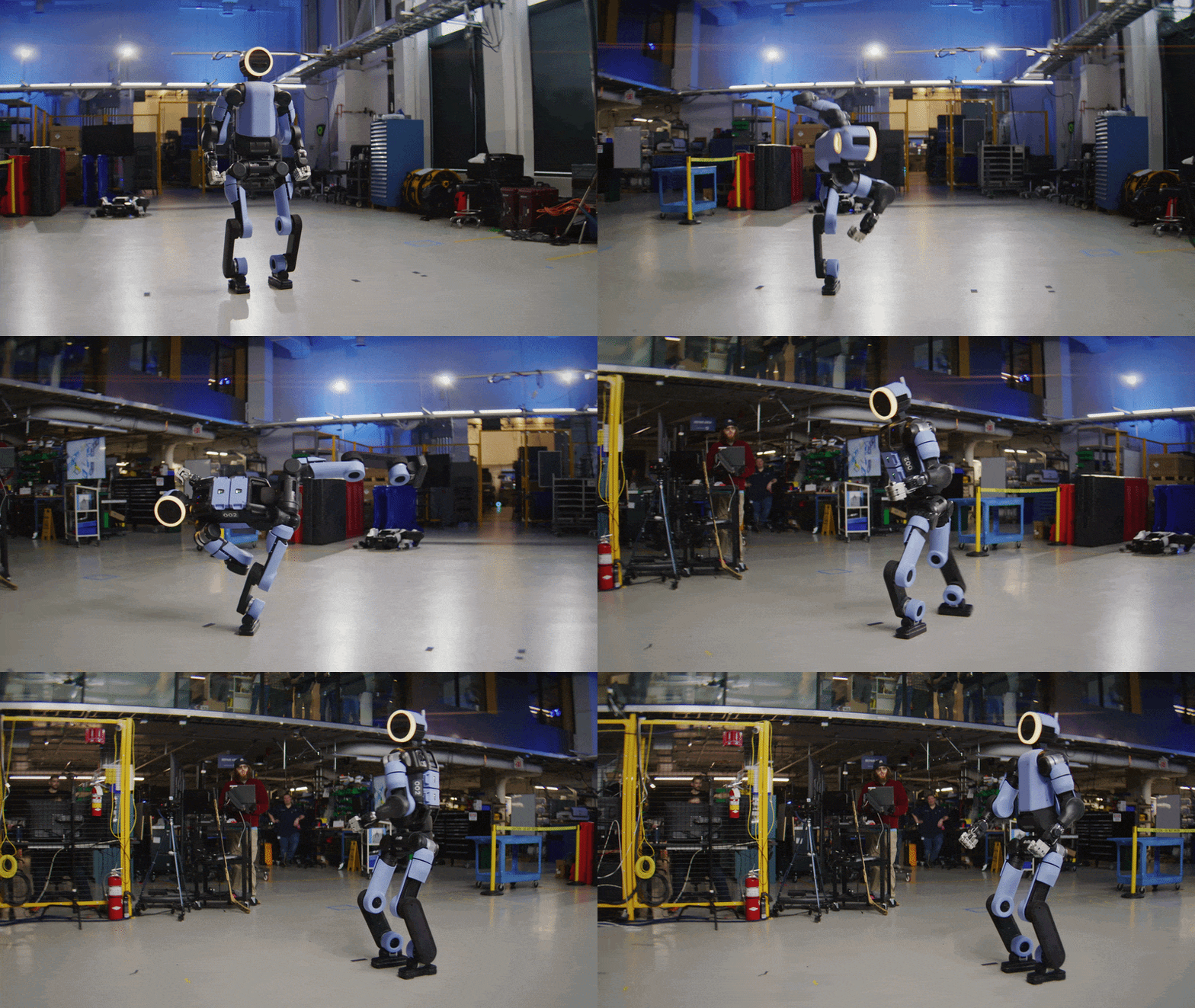
Video Friday: Atlas Versus a Fridge
IEEE Spectrum robotics has released its latest edition of "Video Friday," showcasing a variety of innovative robotics videos and announcing upcoming robotics events scheduled for 2026. Notable events include ICRA 2026 in Vienna from June 1-5, and the Summer School on Multi-Robot Systems in Prague from July 29 to August 4. Among the highlights, Boston Dynamics' Atlas robot demonstrates significant advancements in strength and adaptability, showcasing its ability to lift heavy objects and navigate complex environments using advanced reinforcement learning and control systems. This marks a pivotal moment for humanoid robots as they transition from laboratory settings to dynamic industrial applications. Additionally, the SpikerBot, a robot designed to be programmed by wiring neurons instead of traditional coding, has successfully reached its funding goal on Kickstarter. Other innovations include wheeled-legged robots that enhance mobility and a biomimetic robotic hummingbird developed at the Advanced Vertical Flight Laboratory, which mimics natural flight dynamics. The release also features advancements in construction technology, with Dusty Robotics introducing the FieldPrinter 2, a more efficient and intelligent version of its predecessor, and Noble Machines showcasing their autonomous robots designed for hazardous industrial tasks at NVIDIA GTC 2026. These developments reflect a broader trend in robotics, where technology is increasingly integrated into real-world applications, enhancing efficiency and safety across various industries.
Humanoid-robots Video-friday Robot-videos Educational-robots Biomimetics Quadruped-robots
Modeling, Identification, and Validation of a Vector Propelled Amphibious Vehicle
A recent study published in the Journal of Field Robotics explores advancements in autonomous robotic systems, highlighting their potential applications in various industries. Conducted by a team of researchers from leading universities, the study was released in early October 2023. The research focuses on enhancing the efficiency and safety of robotic operations in environments such as agriculture, manufacturing, and disaster response. The motivation behind this study stems from the growing demand for automation in sectors that require precision and reliability. As industries face labor shortages and increasing operational costs, the integration of autonomous robots offers a viable solution to improve productivity and reduce risks associated with human labor. The researchers employed a combination of machine learning algorithms and real-time data processing techniques to develop robots capable of navigating complex environments. Through extensive field tests, they demonstrated how these systems can adapt to changing conditions and perform tasks with minimal human intervention. This groundbreaking work not only showcases the technological advancements in robotics but also emphasizes the importance of interdisciplinary collaboration in driving innovation. The findings are expected to influence future developments in robotic design and deployment, paving the way for more widespread adoption across various sectors.
RESEARCH ARTICLERobotics needs a service framework.
RSF defines a common language for robot service capability, lifecycle operations, certification pathways, and service-provider networks.