Industry Briefing
A single destination for timely, editor-curated robotics news from around the world.

Defense Secretary Hegseth Unveils New Four-Star Drone Command and Initiatives
Defense Secretary Pete Hegseth announced the establishment of a new four-star command focused on drones, named Autonomous Warfare Command (AUTOWARCOM), during a speech at Quantico, Virginia. This initiative aims to enhance the integration of autonomous and robotic capabilities across military operations, reflecting lessons learned from the Ukraine conflict. The creation of AUTOWARCOM is part of a broader strategy to scale drone production and improve operational efficiency within the military. Hegseth emphasized the importance of a purpose-built system that can adapt quickly to changing warfare dynamics. He also introduced Project Agincourt, an interim step to facilitate the transition towards AUTOWARCOM, which will involve collaboration between operators and entrepreneurs. Looking ahead, the establishment of AUTOWARCOM is expected to require Congressional approval, with a target date set for October 2027. Additionally, Hegseth announced Project Meridian, aimed at exploring future warfare strategies, co-led by notable figures such as Elon Musk and Palmer Luckey. A report from Project Meridian is anticipated by January 28, 2027.
Pentagon Autonomous Warfare Command Drones Elon Musk Gen. CQ Brown Gen. Daniel O'Donohue
Agri Spray Drones Transitions to Agricultural Drone Manufacturer and Technology Innovator
Agri Spray Drones (ASD) has announced its shift from being a distributor of spray drones to becoming a manufacturer and technology company focused on agricultural drones. This evolution is driven by years of operator experience, which will inform product development, quality control, software, and autonomous systems. This transition is significant as it positions ASD to enhance the quality and innovation of agricultural drone technology in the U.S. market. By taking control of the manufacturing process, ASD aims to improve product reliability and performance, which are critical factors for farmers and agricultural businesses. Looking ahead, ASD's roadmap for U.S. manufacturing and advancements in spray drone technology will be crucial to watch. The company's commitment to integrating operator insights into its product offerings may lead to more effective solutions for agricultural applications. No further timeline was disclosed at the time of publication.

FAA Proposes $289,215 Penalty Against Gorge Drones for Unauthorized Agricultural Flights
The Federal Aviation Administration (FAA) has proposed a civil penalty of $289,215 against Gorge Drones, located in Stevenson, Washington, for allegedly conducting unauthorized agricultural drone operations in early 2025. The FAA claims that the company operated an unmanned aircraft to dispense fertilizer during 15 flights without the necessary agricultural aircraft operator certificate, and that the drone was neither registered with the FAA nor had an airworthiness certificate. This proposed enforcement action highlights the FAA's stringent regulations governing agricultural drone operations, which differ from those for drones used solely for imaging or inspection. The agency emphasizes that operators dispensing agricultural materials must adhere to additional federal requirements, including obtaining specific exemptions and operational authority for agricultural aircraft operations. As the agricultural drone sector continues to expand rapidly, compliance with FAA regulations is critical for operators. The FAA's announcement serves as a reminder of the importance of adhering to aviation regulations, as a proposed civil penalty indicates an allegation rather than a final determination. No further timeline was disclosed at the time of publication.
Agriculture Applications Drone News Drone News Feeds Drones in the News FAA
FAA Allocates $12 Million for 19 Drone Research and Testing Initiatives
The Federal Aviation Administration (FAA) has allocated $12 million to fund 19 drone research and testing initiatives aimed at enhancing the safe expansion of drone operations within the National Airspace System (NAS). These projects, supported through the FAA’s Unmanned Aircraft Systems (UAS) Broad Agency Announcement (BAA) Program, will facilitate collaboration between companies and FAA-designated UAS Test Sites. FAA Administrator Bryan Bedford emphasized that this program is crucial for gathering data and addressing operational challenges related to drone integration. The funded projects tackle various technical challenges, including detect-and-avoid systems and long-range communications. Notable participants include General Atomics, NAVMAR, and Censys Technologies, among others. No further timeline was disclosed at the time of publication.
Drone News Drone News Feeds FAA News Research Selected - FAA and Regulations
DJI Launches World Heritage 3D Conservation Initiative for Drone Pilots
DJI has introduced the World Heritage 3D Conservation Initiative, inviting drone operators globally to create 3D reconstructions of heritage sites. This competition runs until October 10, 2026, with winners announced in November. Participants can document both natural and cultural heritage sites, transforming their aerial captures into immersive flythrough videos using DJI Reality. The initiative is significant as it aims to preserve the digital records of heritage sites threatened by erosion, storms, and deterioration. While a 3D reconstruction cannot replace the physical site, it offers a valuable digital snapshot for future study and sharing. DJI's previous projects, such as surveying the Khumbu Icefall and capturing Maya archaeological sites in Guatemala, highlight the potential of aerial mapping in conservation efforts. Looking ahead, the competition encourages creativity and storytelling in documenting heritage. Operators will plan their flights to capture detailed imagery, contributing to a growing archive of digital heritage. No further timeline was disclosed at the time of publication.
News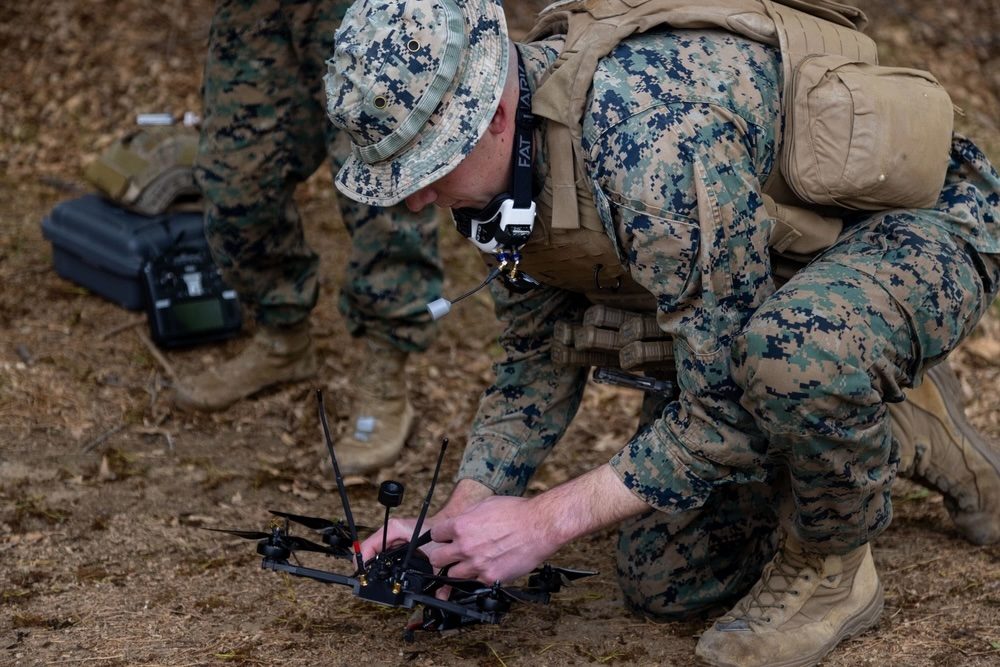
U.S. Army Selects Vulcan Elements for Rare Earth Magnets in Drone Initiative
The U.S. Army has chosen Vulcan Elements to supply rare earth magnets for its SkyFoundry drone initiative, which aims to produce one million small drones annually. Vulcan is currently expanding its production capabilities with a new plant in Benson, North Carolina, designed for 10,000 metric tons of annual magnet capacity. However, the timeline for when Vulcan's supply can fully meet the Army's production goals remains unclear. This selection underscores the broader challenge of establishing a domestic supply chain for drone manufacturing in the U.S. As the country seeks to reduce dependence on Chinese components, the tightening of export controls by China complicates matters. The Army's initiative highlights the need for reliable sources of critical components, such as rare earth magnets, which are essential for drone motors. Looking ahead, Vulcan's ongoing efforts to secure rare earth materials and expand production capacity will be crucial in determining the feasibility of meeting the Army's ambitious drone production targets. No further timeline was disclosed at the time of publication.
Applications brushless motors Defense Drone Manufacturing Drone News Drone News Feeds
Pennsylvania National Guard Designated as Key Site for Pentagon's Drone Dominance Initiative
The Pennsylvania National Guard's UAS Training and Innovation Facility at Fort Indiantown Gap has been chosen as the primary training site for the Pentagon's Drone Dominance program. This selection follows the recent Drone Gauntlet competition, where the top 11 drone systems were identified for military use based on performance and supply chain capabilities. This initiative is significant as it underscores the Pennsylvania National Guard's expertise in military drone development and training. Chief Warrant Officer 2 Nathan Shea emphasized the unique position of the Guard in advancing drone technology, highlighted by their recent win in the Army's Best Drone Warfighter Competition for innovative drone designs. Looking ahead, the TIF team is actively testing various UAV systems, including the Neuros Archer and HALO Perses, focusing on attritable drones for one-way attack missions and ISR operations. No further timeline was disclosed at the time of publication.
Applications Defense defense Drone News Drone News Feeds News
DJI Warns FCC Proposal Could Retroactively Ban Agricultural Spray Drones
The US Federal Communications Commission (FCC) has proposed new regulations that could effectively ban the sale of foreign-made agricultural spray drones, according to DJI. This move follows a December 2025 ruling that blocks new foreign models and components, significantly impacting the agricultural drone market dominated by overseas manufacturers. DJI argues that the FCC's definition of 'military-grade' drones includes many civilian models used for crop spraying, which could lead to increased costs and limited availability for American farmers. The proposal, open for public comment until September 2, targets drones with specific capabilities, potentially crippling agricultural operations that rely on these technologies to enhance efficiency and reduce costs. As the situation develops, stakeholders in the agricultural sector should monitor the FCC's actions closely. The implications of this proposal could reshape the market for agricultural drones, affecting both current users and future sales of essential farming technologies. No further timeline was disclosed at the time of publication.
Agtech Policy & regulation Precision agriculture US & Canada drones
FCC Proposes New Drone Categories That Impact Military and Agricultural Sectors
On July 21, the Federal Communications Commission (FCC) announced it is seeking public comment on potential restrictions regarding the importation and sale of foreign-produced 'military-grade' drones. Among the proposed categories is one that could significantly affect agriculture: aerosol drones capable of dispensing pesticides, referred to as 'economic poison' under FAA regulations. This inclusion raises concerns for agricultural spraying drones, particularly those from foreign manufacturers. The implications of this proposal are noteworthy for the agriculture sector, as precision spraying has emerged as a rapidly growing application for commercial drones. The FCC's actions suggest a dual approach: while it aims to limit certain foreign drone categories, it is also working to facilitate trusted agricultural drone suppliers, as evidenced by recent conditional approvals granted to manufacturers like Ceres Air. As the FCC moves forward with this rulemaking, the agriculture industry should closely monitor developments. The final decision on whether to adopt, modify, or exempt certain categories of drones will likely hinge on public feedback received during the comment period, which could shape the future landscape of agricultural drone use.
Agriculture Applications Drone Manufacturing Drone News Featured - Agriculture News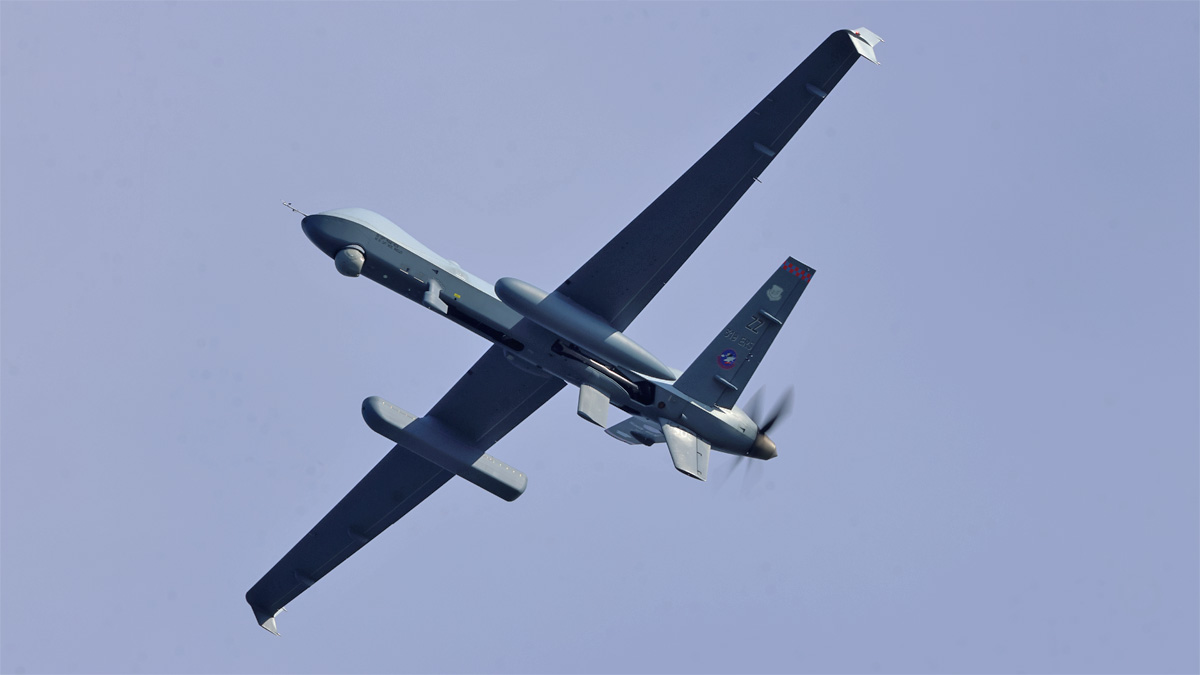
General Atomics CEO Questions Cost Targets for New Pentagon Drone Initiative
General Atomics plans to propose a new aircraft for the Pentagon's Massed Modular Aircraft project, aimed at creating a cost-effective hunter-killer drone. CEO Dave Alexander expressed skepticism about the feasibility of the Defense Innovation Unit's low-cost target, suggesting that the Pentagon may need to adjust its certified pricing requirements to achieve these goals. The significance of this proposal lies in the Pentagon's desire for a drone that can perform surveillance and strike missions at a lower cost than the MQ-9 Reaper, which is priced at approximately $30 million per aircraft. The new drone must meet specific performance criteria, including a payload capacity of at least 2,800 pounds and a range of 2,300 nautical miles, with a goal to field the drone by fiscal 2031. Looking ahead, General Atomics is already manufacturing FQ-42As and has about 30 aircraft in various stages of production. The company is confident in its ability to meet the cost parameters set by the Pentagon, emphasizing its extensive experience in the field. No further timeline was disclosed at the time of publication.
Air Warfare Air Force collaborative combat aircraft Drones Europe Farnborough 2026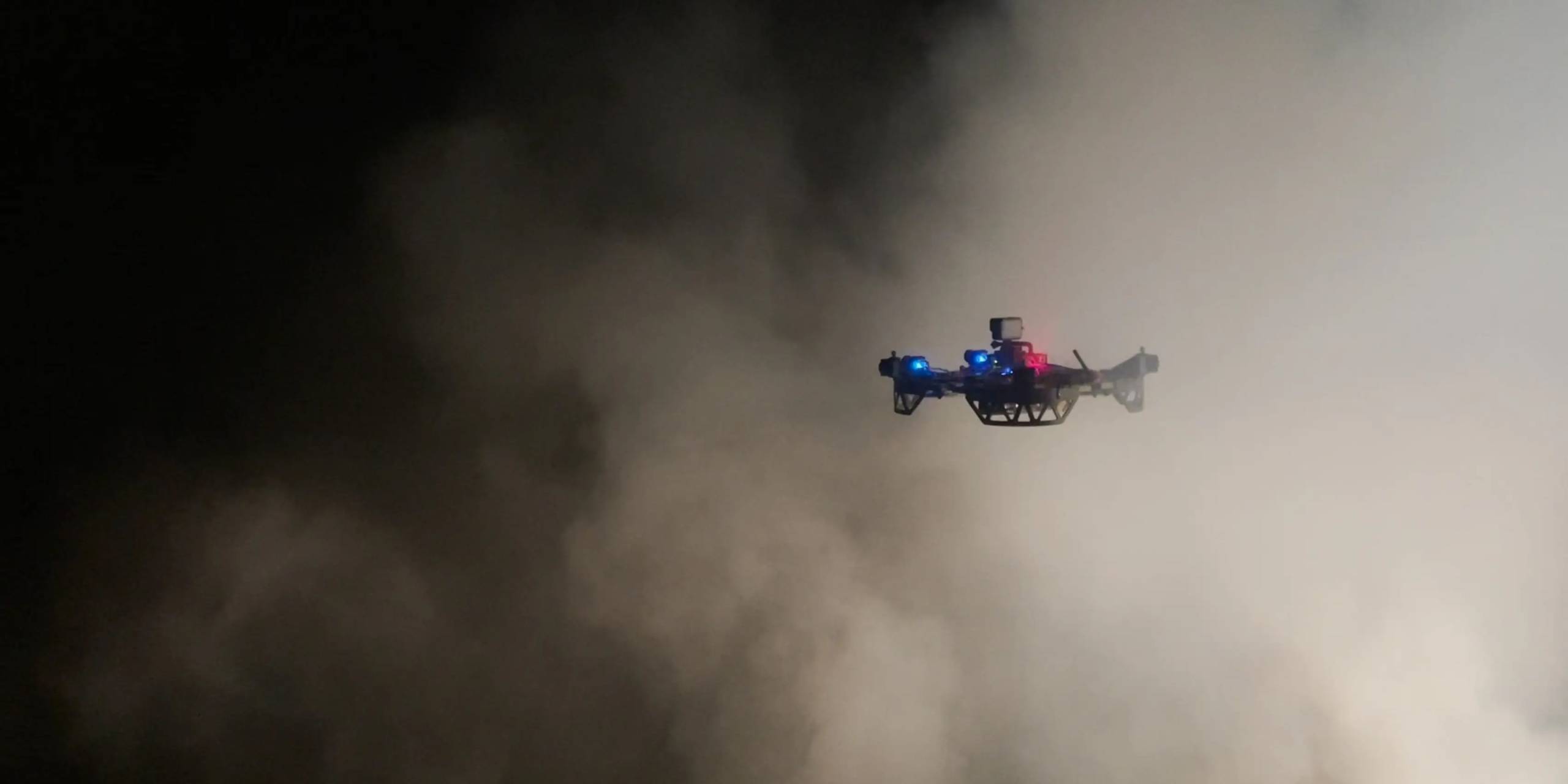
Carnegie Foundry and CMU Collaborate with U.S. Drone Makers to Enhance Drone Manufacturing
Carnegie Foundry, in collaboration with Carnegie Mellon University (CMU) and several prominent U.S. drone manufacturers, has launched a new initiative aimed at bolstering America's drone manufacturing capabilities. This initiative leverages over $50 million in CMU investments focused on robotics, advanced manufacturing, and commercialization infrastructure to establish an Autonomous Systems Manufacturing Platform (ASMP). The significance of this initiative lies in its potential to strengthen the U.S. drone manufacturing sector, which is crucial for various applications including logistics, surveillance, and agriculture. By uniting CMU’s National Robotics Engineering Center (NREC) with leading drone manufacturers, the initiative aims to foster innovation and enhance the competitiveness of American-made drones in the global market. Looking ahead, stakeholders will be monitoring the development of the Autonomous Systems Manufacturing Platform and its impact on the drone industry. No further timeline was disclosed at the time of publication.
Announcements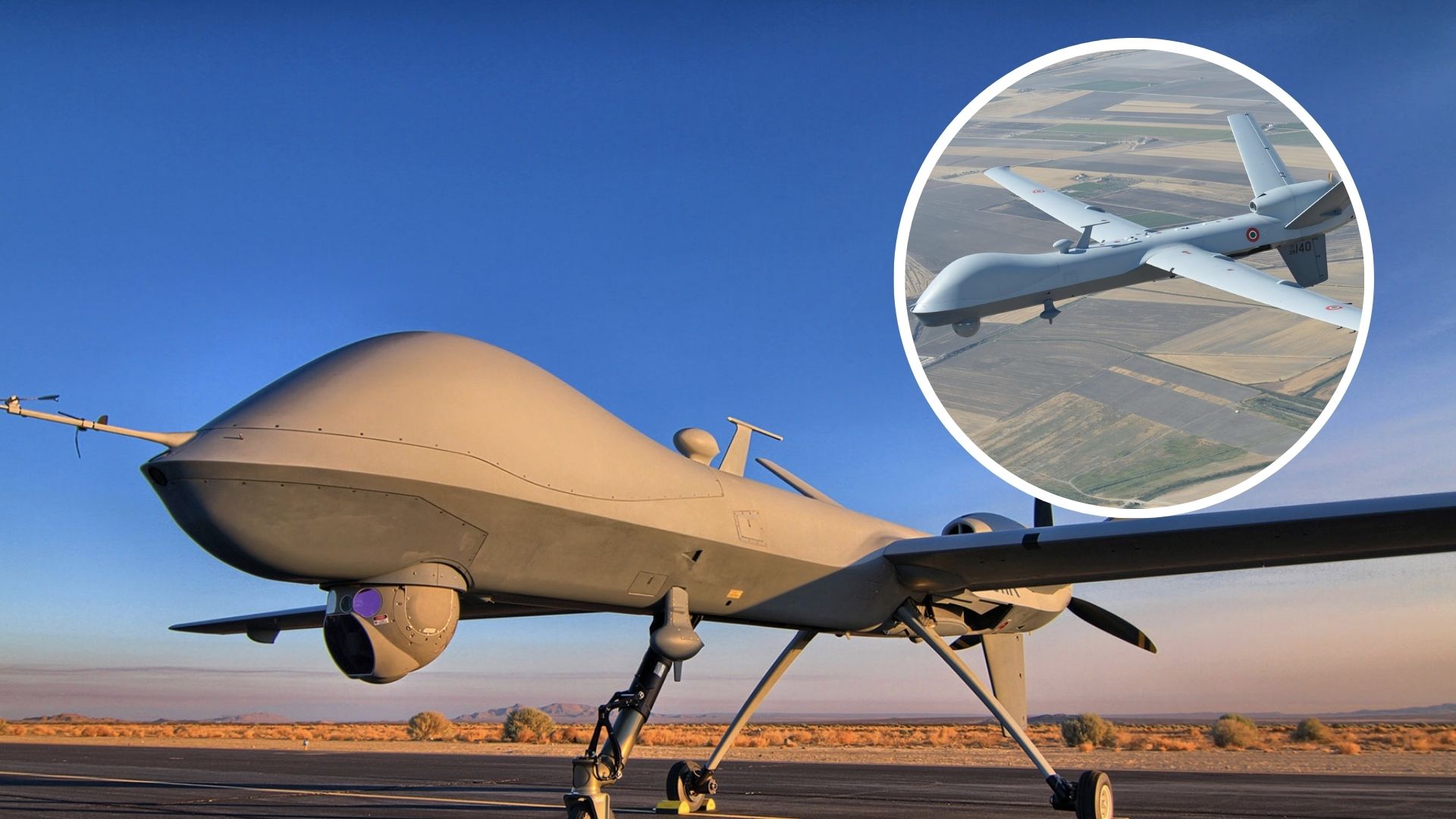
U.S. Department of Defense Launches Massed Modular Aircraft Initiative for Cost-Effective Drones
The U.S. Department of Defense is initiating the Massed Modular Aircraft (MMA) program to develop low-cost combat drones capable of performing missions similar to the MQ-9A Reaper. This initiative reflects a strategic shift towards utilizing affordable, expendable drones in modern warfare, particularly in light of recent conflicts that have exposed the vulnerabilities of high-value aircraft in contested airspace. The Pentagon aims to create a fleet of modular, long-range unmanned aircraft that can be rapidly reconfigured for various missions, significantly reducing operational costs while maintaining effectiveness against advanced enemy defenses. This shift is driven by the need for a more sustainable military approach, as the loss of MQ-9 Reapers during operations against Iran has highlighted the financial burden of relying on expensive platforms. With each MQ-9 costing approximately $30 million, military planners recognize that a strategy focused solely on high-value aircraft is increasingly untenable. The MMA initiative seeks to provide a flexible, risk-tolerant option that can deploy large numbers of drones to overwhelm enemy defenses, thereby ensuring operational capability despite potential losses. Looking ahead, the Pentagon's focus on massed modular aircraft indicates a significant evolution in military tactics. The ability to deploy swarms of low-cost drones could complicate enemy air defenses and enhance reconnaissance and strike capabilities. No further timeline was disclosed at the time of publication, but the emphasis on affordability and modularity suggests a proactive response to the changing dynamics of modern warfare and the need for cost-effective solutions in defense operations.
Military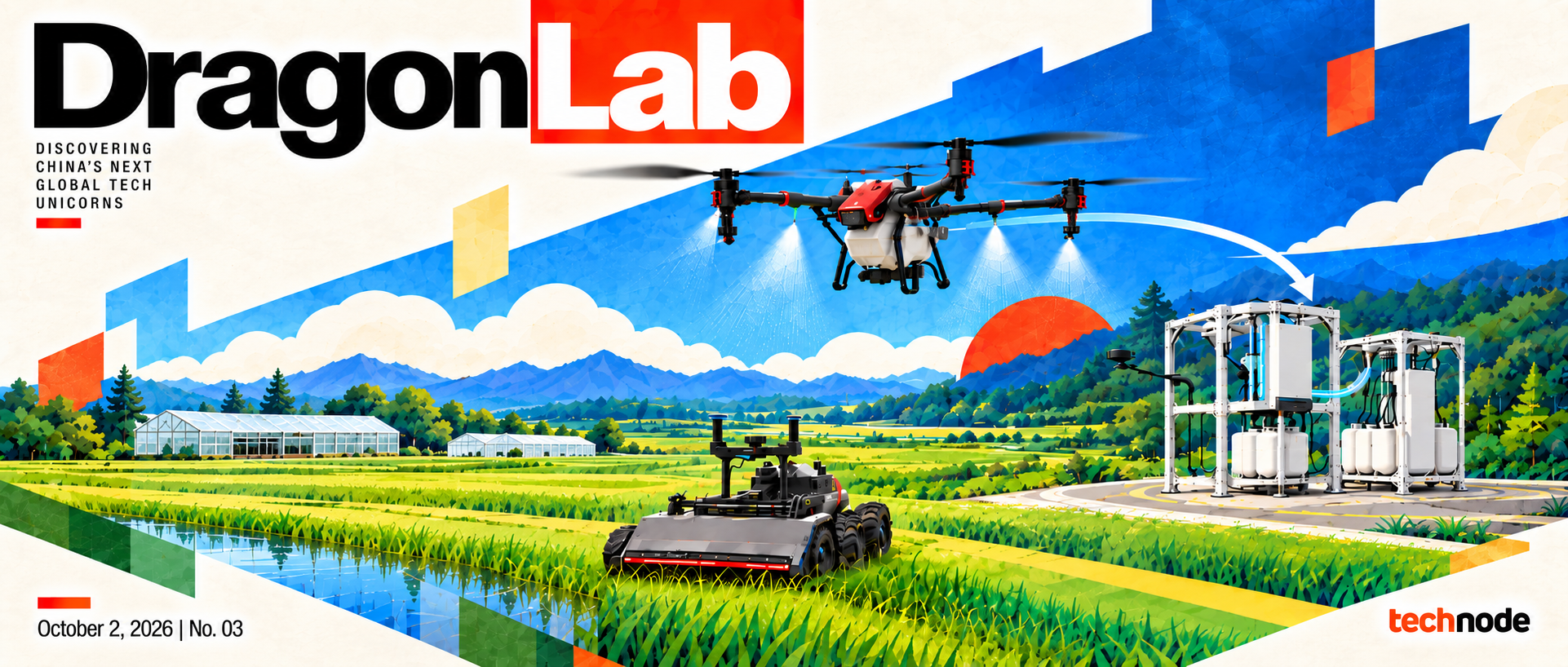
XAG Advances Autonomous Farming with New Agricultural Robot System
XAG is enhancing agricultural automation by developing a new X Series robot system that integrates drones and automated liquid-handling equipment. This system aims to streamline the processes of charging, refilling, and cleaning drones, reducing the need for human intervention. The recent demonstration at XAG’s SuperX Farm in Guangzhou showcased the efficiency of this system, with drones being recharged and refilled in approximately three minutes. The significance of XAG's advancements lies in its potential to transform farming practices, particularly in regions with fragmented farmland and an aging rural workforce. By automating labor-intensive tasks such as pesticide spraying, XAG is addressing the challenges faced by farmers in China and other markets. The company’s approach aligns with global trends in agricultural technology, where efficiency and productivity are paramount. Looking ahead, XAG's focus on automating the turnaround processes for drones could lead to further innovations in agricultural robotics. As the company continues to expand its international presence, it will be important to monitor how its technology adapts to different farming environments and regulatory landscapes. No further timeline was disclosed at the time of publication.
Heavy Hitters
Ukraine's Army of Robots Initiative Aims to Enhance Warfare with Humanoid Systems
Former Ukrainian defense minister Mykhailo Fedorov has launched the 'Army of Robots' initiative, aiming to deploy humanoid and autonomous systems for high-risk military tasks. This project seeks to reduce soldier exposure to danger by utilizing robots for logistics, reconnaissance, and combat operations. The initiative is a continuation of Ukraine's technology-driven approach, building on the success of the Army of Drones. Fedorov is actively seeking partnerships with engineers, robotics teams, and investors to create a robust ecosystem that integrates humanoid robots with existing military technologies, including drones and unmanned ground vehicles. Fedorov has set ambitious goals, including the deployment of a humanoid robot capable of lethal action within six months and the first combined operation of robots and drones within a year. The initiative represents a significant shift towards integrating advanced robotics into military operations, reflecting the urgent need for innovation in response to evolving threats.
Military
Teledyne FLIR OEM Selected for U.S. Army's Next-Gen Thermal Imaging Initiative
Teledyne FLIR OEM has been chosen to support the U.S. Army's Delivering Unmatched Thermal Capability Hastened (DUTCH) initiative, which aims to enhance uncooled thermal imaging technology. This program, led by the Office of the Assistant Secretary of War for Critical Technologies and the U.S. Army Combat Capabilities Development Command (DEVCOM) C5ISR Center, focuses on improving thermal sensor performance while minimizing size, weight, power, and cost (SWaP-C). The DUTCH initiative is significant as it seeks to bolster U.S. thermal sensor capabilities, particularly for applications in uncrewed aerial systems, loitering munitions, and thermal binoculars. Teledyne FLIR OEM will leverage its expertise in uncooled thermal imaging technologies to support the development and demonstration of these systems, which are crucial for future defense programs requiring large quantities of thermal sensors. Looking ahead, the initiative underscores a commitment to secure U.S. manufacturing and supply chains for defense technologies. No further timeline was disclosed at the time of publication, but the focus on domestic production aligns with Department of War priorities for secure microelectronics supply chains and mission-critical technology manufacturing.
Applications defense Defense Drone News Drone News Feeds News
MP Materials Initiates Rare-Earth Magnet Production for Domestic Drone Manufacturing
MP Materials has launched an initiative to produce neodymium-iron-boron (NdFeB) magnets, essential for drone motors, aiming to reduce U.S. dependence on foreign sources. Currently, 75% of U.S. imports of these magnets come from China, highlighting the need for domestic production. The initiative will allow manufacturers to reserve up to 2 million drone magnet capacities annually, as stated by Chairman and CEO James Litinsky. This initiative is crucial as it seeks to aggregate demand and provide certainty for companies developing new technologies in the drone sector. MP Materials plans to create a fully integrated American magnetic solution, from mining to magnetization, in collaboration with the Department of Defense. The project aims to standardize production processes and enhance the domestic supply chain for rare-earth materials. The initiative is expected to commence with the operation of MP's 10X plant in 2028. As MP Materials forms agreements with various drone manufacturers, it also intends to expand its reach to motor manufacturers and defense technology companies, responding to China's dominance in the drone market and its recent export restrictions on related technologies.

DJI introduces next-generation Agras agricultural drones globally
DJI has announced the global launch of its latest farming drones, the Agras T55 and the Agras T100 Dual Battery Spraying System, as part of its effort to enhance precision agriculture. This unveiling comes after over ten years of research and development by DJI Agriculture. The new drones are designed to cater to a wide range of agricultural needs, from small orchards to extensive field operations. By improving the efficiency of aerial spraying, spreading, and lifting tasks, these drones aim to enhance productivity while prioritizing safety for users in the agricultural sector.
News
Massimo Group Launches AI Intelligent Patrol Platform Initiative Integrating Autonomous Patrol Vehicles, Spherical Security Robots and Drone Systems
Massimo Group has officially launched the prototype development of autonomous patrol electric vehicles, aiming to penetrate the $50.4 billion U.S. security services industry. This initiative, which began in October 2023, focuses on integrating artificial intelligence into patrol and intelligent security mobility systems. By leveraging advanced technology, the company seeks to enhance security operations and improve efficiency in monitoring and response capabilities. The move is part of Massimo Group's broader strategy to innovate within the security sector, addressing growing demands for smarter and more effective security solutions.
ePropelled Launches Integrated Power System for Agricultural Drones
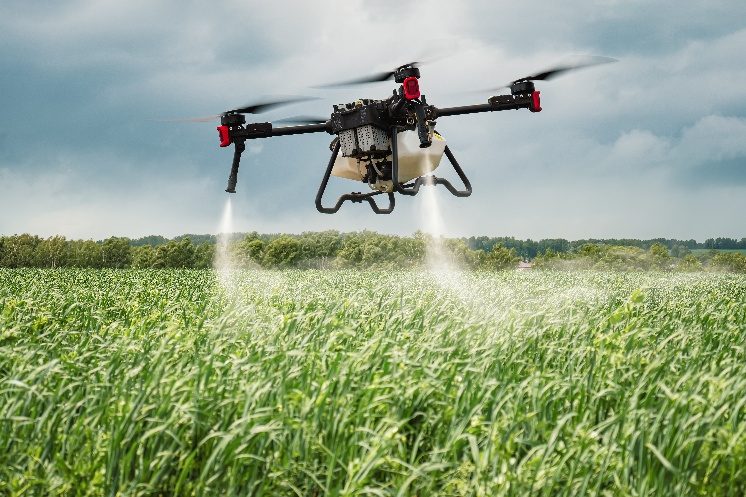
ePropelled has unveiled a new integrated propulsion and power system tailored for agricultural drones, responding to the increasing global adoption of UAV technology in precision agriculture. The announcement was made on May 13, highlighting the company's commitment to meeting the rising demand for efficient and reliable drone solutions in the agricultural sector. As the market for agricultural drones continues to expand, ePropelled aims to enhance operational capabilities for farmers and agribusinesses through this innovative platform.
Agriculture Applications Drone Manufacturing Drone News Featured - Agriculture News
DJI Agriculture Reveals Global Adoption of Agricultural Drones Cuts 51Mt in Carbon Emissions and Saves 410Mts of Water for Farmers Globally
At Brazil's AgriShow, a new report has been unveiled showcasing the rapid growth of the agricultural drone industry, revealing that over 600,000 DJI agricultural drones are now operational across more than 100 countries and regions. This significant milestone underscores the increasing adoption of drone technology in agriculture, driven by the need for enhanced efficiency and precision in farming practices. The report highlights how these drones are transforming traditional agricultural methods, enabling farmers to monitor crops, optimize resource use, and improve yields. As the industry matures, stakeholders are optimistic about the potential for further advancements and increased integration of drone technology in agricultural operations worldwide.
Theft of Agricultural Spray Drones in New Jersey Raises Security Questions
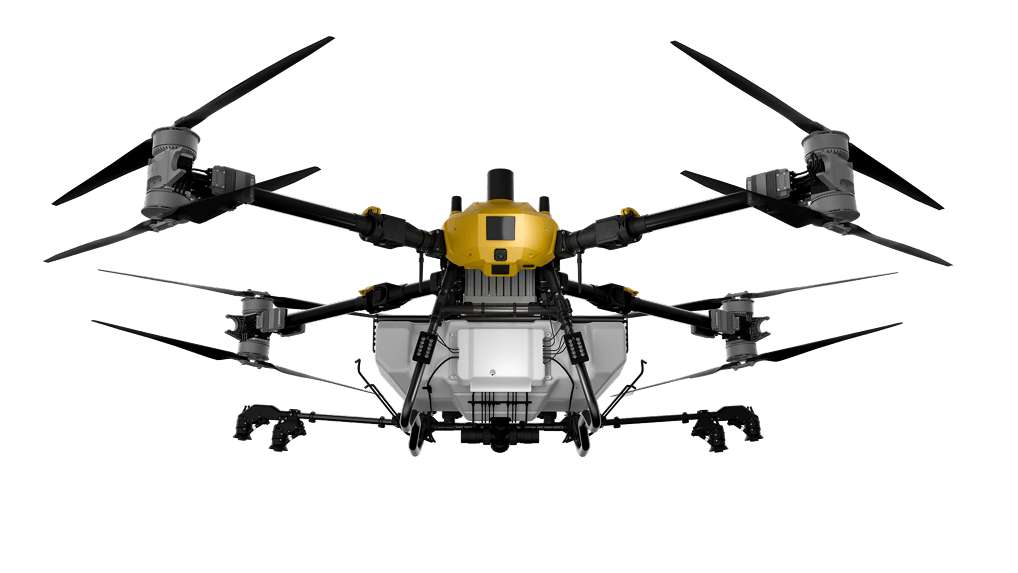
Federal investigators and public safety officials are responding to the theft of 15 agricultural spraying drones in New Jersey, an incident that has raised significant concerns about the misuse of drone technology. The Federal Bureau of Investigation is currently conducting an investigation into the theft, which highlights the increasing focus on counter-unmanned aerial systems (UAS) preparedness. The incident underscores long-standing worries regarding the security implications of drone misuse in agricultural and other sectors. As authorities work to address these issues, the incident serves as a reminder of the vulnerabilities associated with drone operations and the need for enhanced protective measures.
Agriculture Anti-drone technology Applications Drone News News agricultural dronesRobotics needs a service framework.
RSF defines a common language for robot service capability, lifecycle operations, certification pathways, and service-provider networks.
Join the RobotToday community on LinkedIn
Daily robotics news, in-depth analysis, conference highlights, and discussions with professionals worldwide.