Industry Briefing
A single destination for timely, editor-curated robotics news from around the world.

Robot Completes 100 Meters in 8.64 Seconds, Usain Bolt Reacts with a Smile
A robot recently achieved a remarkable feat by running 100 meters in just 8.64 seconds, drawing a positive response from Usain Bolt, who smiled at the accomplishment. This event highlights the advancements in robotics and artificial intelligence, showcasing the potential for robots to perform tasks traditionally dominated by humans. The significance of this achievement lies in its demonstration of the capabilities of modern robotics, particularly in speed and agility. As robots continue to evolve, they may play increasingly important roles in various sectors, including sports, entertainment, and beyond. The reaction from Bolt, a world-renowned sprinter, underscores the growing intersection between human athleticism and robotic technology. Looking ahead, it will be interesting to observe how such advancements in robotic performance will influence public perception and acceptance of robots in everyday life. No further timeline was disclosed at the time of publication.
Robotics Automation AI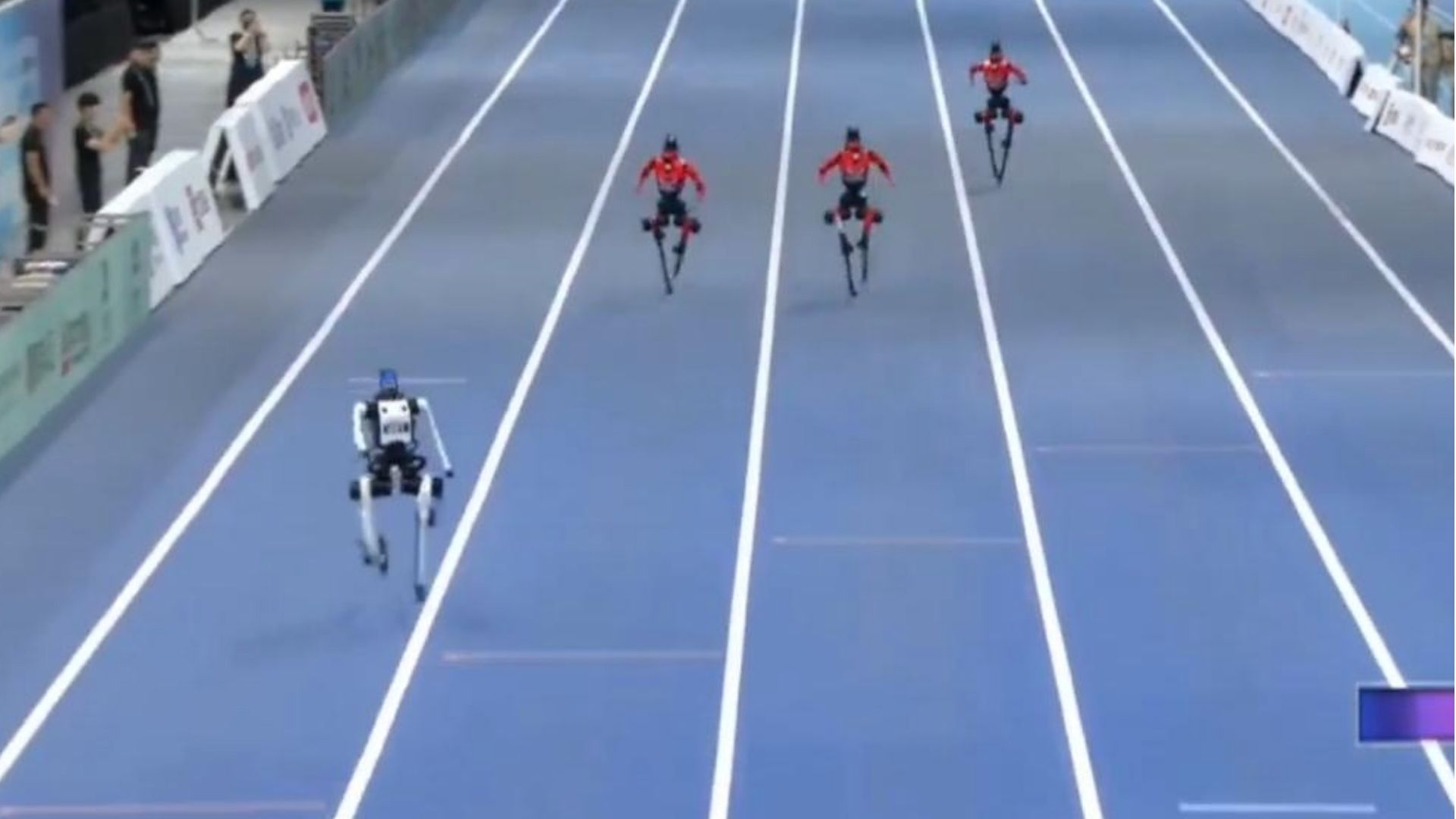
Tiangong Ultra Sets New 100-Meter Record at World Humanoid Robot Games
At the 2nd World Humanoid Robot Games, the humanoid robot Tiangong Ultra, developed by X-Humanoid in Beijing, completed a 100-meter race in 8.64 seconds, establishing a new record for the event. This performance was nearly one second faster than Usain Bolt's human world record of 9.58 seconds, although direct comparisons between robot and human times are not applicable. The achievement is significant as it demonstrates the rapid advancements in humanoid locomotion, with Tiangong Ultra improving its own previous record of 8.86 seconds set earlier in the competition. This year's event showcased substantial progress compared to the inaugural games, where the fastest time exceeded 12 seconds, indicating a year of remarkable development in robotic sprinting capabilities. Looking ahead, Tiangong Ultra's performance raises expectations for future competitions and advancements in humanoid robotics. The robot's closest competitor, Lightning, also made headlines with its own record-breaking feats, including a half-marathon completion time of 50 minutes and 26 seconds. No further timeline was disclosed at the time of publication.
AI and Robotics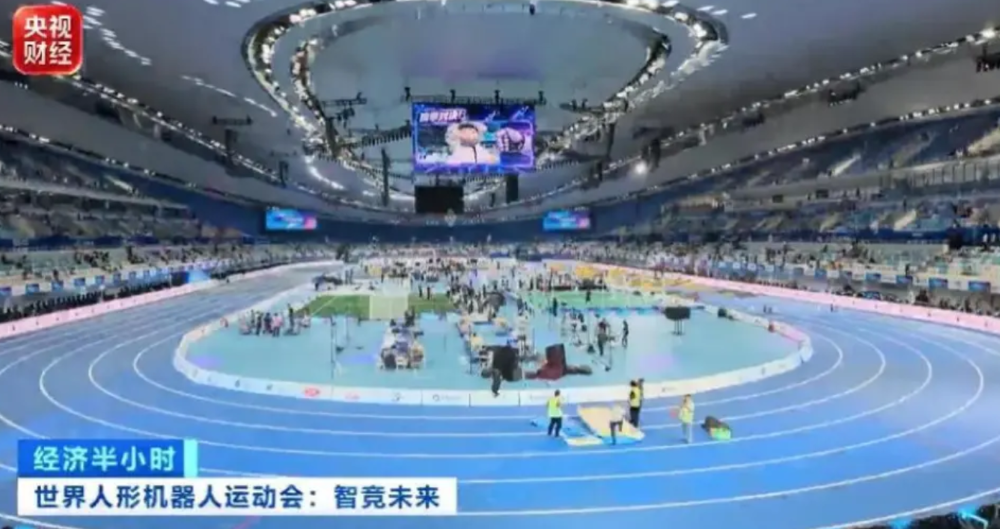
Humanoid Robots Achieve 100 Meters in 8.64 Seconds and High Jump of 3.4 Meters
Recent advancements in humanoid robotics have led to remarkable achievements, with robots completing 100 meters in just 8.64 seconds and achieving a high jump of 3.4 meters. These milestones indicate significant progress in robotic capabilities, showcasing the potential for humanoid robots to surpass human athletic records. The implications of these developments are profound, as they highlight the rapid evolution of robotics technology and its potential applications in various fields, including sports, rehabilitation, and entertainment. As humanoid robots continue to push the boundaries of physical performance, they may redefine our understanding of human-robot interaction and competition. Looking ahead, it will be essential to monitor further advancements in humanoid robotics and their impact on industries that rely on physical performance. No further timeline was disclosed at the time of publication.
Robotics Automation AI
Chinese Humanoid Robot Sets New 100-Meter Sprint Record at 8.86 Seconds in Beijing
A humanoid robot from China achieved a remarkable feat by completing a 100-meter sprint in just 8.86 seconds in Beijing on Tuesday. This new record surpasses both its robotic competitors and the fastest recorded human time. This achievement is significant as it showcases advancements in robotics and artificial intelligence, particularly in humanoid robot capabilities. The ability to outperform human sprinting records highlights the potential of robotics in various applications, including sports and competitive environments. Looking ahead, it will be interesting to see how this record influences future developments in humanoid robotics and whether other organizations will attempt to break this new benchmark. No further timeline was disclosed at the time of publication.
Robotics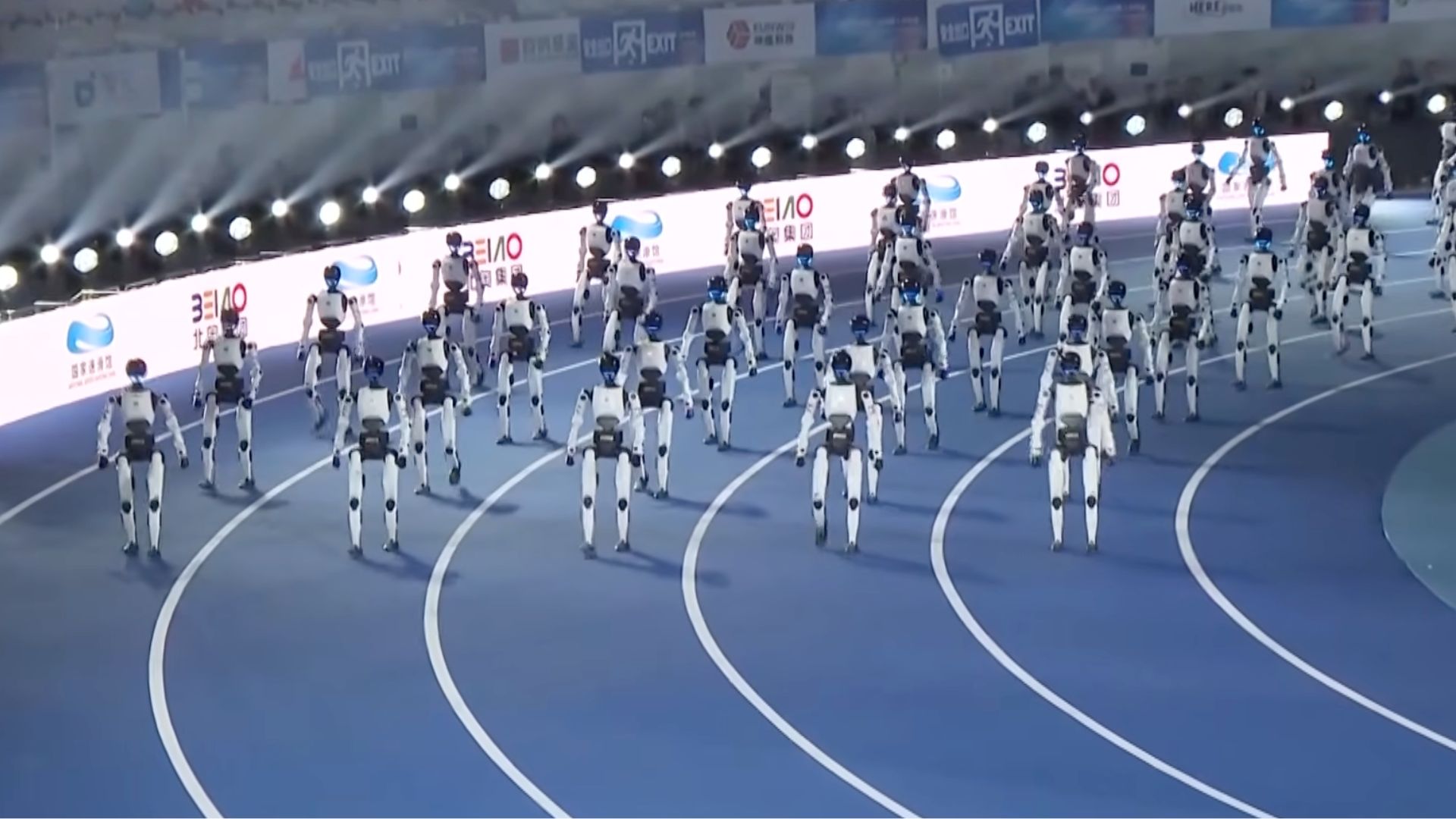
Chinese Humanoid Robot Lightning Breaks Usain Bolt's 100-Meter Record with 9.32 Seconds
A humanoid robot named Lightning, developed by Honor, has reportedly completed a 100-meter sprint in 9.32 seconds, surpassing Usain Bolt's previous world record of 9.58 seconds set in 2009. This achievement occurred during a test event in Beijing ahead of the second World Humanoid Robot Games (WHRG), which is expected to see a 138 percent increase in participation compared to last year. The significance of Lightning's performance lies in the advancements in speed, balance, and autonomous movement in humanoid robotics, reflecting the growing capabilities of Chinese companies in this field. Lightning reached a peak speed of 14.5 meters per second, showcasing its specialized design for high-performance running, which includes features such as long-stride biomechanics and a liquid-cooling system. Looking ahead, the WHRG will feature various robots competing in multiple sporting events, with another Chinese robot, Tiangong Ultra, also clocking a time faster than Bolt's record at 9.39 seconds. No further timeline was disclosed at the time of publication.
AI and Robotics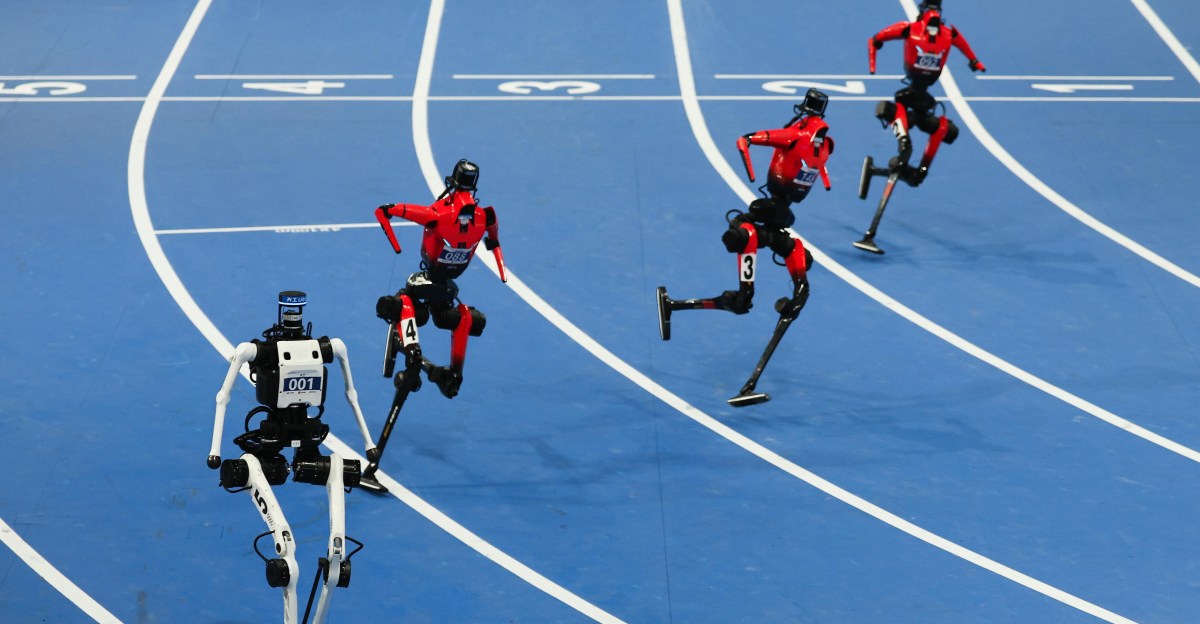
Chinese Robots Break Usain Bolt's 100-Meter Record at World Humanoid Robot Games
Chinese robots have surpassed Usain Bolt's 100-meter dash record during the World Humanoid Robot Games in Beijing. The Tiangong Ultra, developed by the Beijing Humanoid Robot Innovation Center, completed the race in 9.39 seconds, while the Honor-developed Lightning followed closely at 9.47 seconds. This achievement is significant as it highlights the advancements in bipedal robot technology, showcased at an event likened to an annual robot Olympics. The World Humanoid Robot Games, launched in 2025, features 2,056 robots from 16 countries competing in various categories, including sprinting and jumping. Looking ahead, the event continues to attract attention for its innovative displays of robotics. Tiangong Ultra also set a record in the 400-meter race, finishing in 38.16 seconds, outperforming the previous record held by Wayde van Niekerk. No further timeline was disclosed at the time of publication.
Entertainment News Robot Sports Tech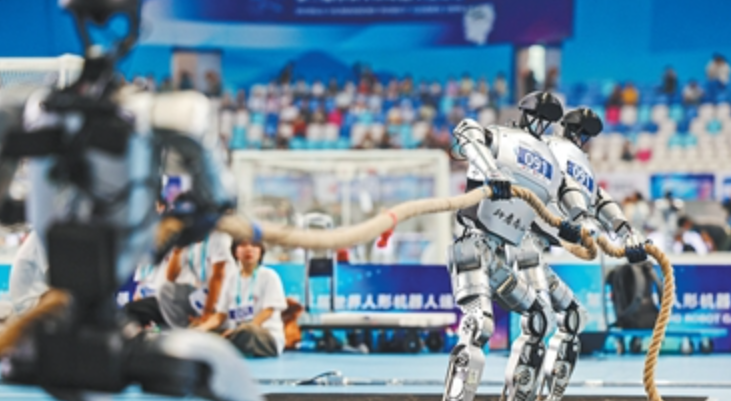
Humanoid Robots Showcase Speed and Agility at WAIC 2026 Event
At the WAIC 2026 event, humanoid robots demonstrated impressive capabilities, completing a 100-meter dash in just 8.64 seconds and clearing a height of 3.4 meters. This performance highlights the advancements in robotics and the potential of humanoid forms in various applications. The significance of these demonstrations lies in their ability to attract attention from investors and industry professionals, indicating a growing interest in humanoid robotics. With a valuation of 20 billion and recent funding of 5 billion, the sector is poised for rapid growth, reflecting the increasing demand for intelligent robotic solutions. Looking ahead, the focus will be on how these advancements in humanoid robotics can be integrated into real-world applications. As the market reaches a critical juncture, stakeholders will be keen to observe the developments in embodied intelligence and the potential for commercialization in the coming years. No further timeline was disclosed at the time of publication.
Robotics Automation AI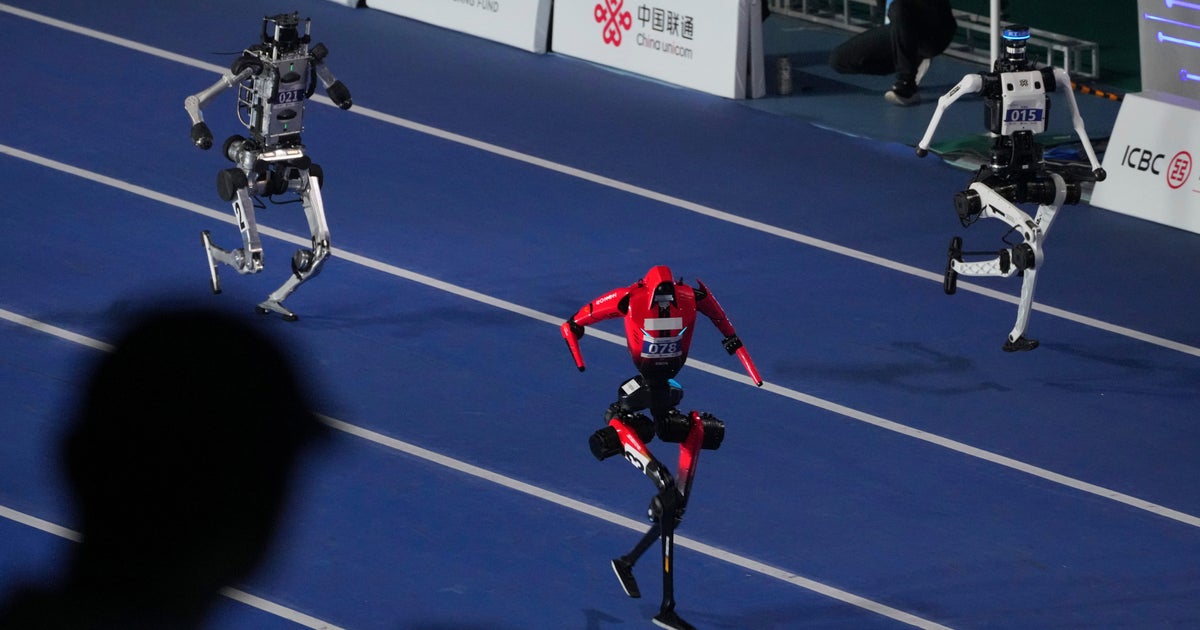
X-Humanoid's Robot Breaks Usain Bolt's 100-Meter Sprint Record in Beijing
At the World Humanoid Robot Games in Beijing, China's X-Humanoid showcased a humanoid robot that completed a 100-meter sprint in 9.39 seconds, surpassing Usain Bolt's previous record of 9.58 seconds set in 2009. This achievement highlights the advancements in robotics and the competitive spirit of the event, which featured over 2,000 humanoid robots. The significance of this milestone lies in China's growing leadership in humanoid robot development, as the event aims to demonstrate the country's rapid technological progress. The successful sprint and high jump records, alongside the participation of numerous robots, underscore the potential of robotics in various applications, despite some failures during the competitions. Looking ahead, the event reflects China's ambition in robotics, but experts caution that while impressive, the technology is still primarily used for demonstrations. No further timeline was disclosed at the time of publication.

SpaceX Unveils AI1 Satellite Specs for Starmind Constellation with Key Thermal Challenges
SpaceX has introduced the AI1 satellite, the inaugural component of its Starmind constellation, which stands 20 meters tall and has a wingspan of 70 meters. This orbital compute node is designed to deliver computing power equivalent to one NVIDIA GB300 server rack, utilizing a unique cooling system with deployable liquid radiators. The satellite's specifications were revealed during a presentation on June 8, 2026, ahead of SpaceX's IPO. The significance of the AI1 satellite lies in its role as a compute platform rather than a traditional satellite, focusing on running AI inference workloads. The satellite's cooling system, which is critical for its operation in the vacuum of space, is designed to reject heat through infrared radiation. However, independent engineers have raised concerns about the feasibility of the thermal and mass claims made by SpaceX, suggesting that the cooling requirements may exceed practical limits. Looking ahead, SpaceX plans to launch two AI1 prototypes in early 2027, with full-scale production expected to commence later that year at its Gigasat facility in Bastrop, Texas. The ongoing debate regarding the satellite's thermal management capabilities will be crucial to monitor as the project progresses, with no further timeline disclosed at the time of publication.

Milestone: Ascend 910C Completes Full-Parameter Post-Training of 1.6 Trillion Parameter Model, Domestic AI Computing Crosses Key Threshold
Shenzhen Hetao College, in partnership with Harbin Institute of Technology (Shenzhen), the Shenzhen Big Data Research Institute, and Huawei, has announced a significant advancement in domestic artificial intelligence computing. The collaborative effort culminated in the successful completion of a full-stack AI computing platform, marking a pivotal moment for the region's technological landscape. This achievement, revealed on October 15, 2023, in Shenzhen, aims to enhance the capabilities of AI applications across various industries. The initiative is driven by the growing demand for advanced computing solutions and the need to bolster China's position in the global AI arena. By integrating expertise from academia and industry, the consortium has developed a robust system designed to support complex AI tasks, thereby fostering innovation and economic growth in the region.
AI
Without Real Data, How Can We Discuss Embodied Intelligence? Pacini Provides the Ultimate Answer with a Cluster of 100,000 Square Meters of Factories
In a bid to overcome the challenges faced by embodied AI, researcher Pacini is pioneering a novel strategy aimed at improving the technology's effectiveness through the use of real-world data. Recognizing the critical issue of data scarcity in the industry, Pacini is establishing a network of super data collection factories designed to generate high-quality, multimodal datasets. This initiative is expected to significantly enhance the generalization capabilities of AI systems, allowing them to perform better in diverse real-world scenarios. By focusing on the integration of comprehensive data sources, Pacini's approach seeks to propel the advancement of embodied AI, addressing a fundamental barrier to its widespread application.
Embodied AI Data Collection Artificial Intelligence Robotics Machine Learning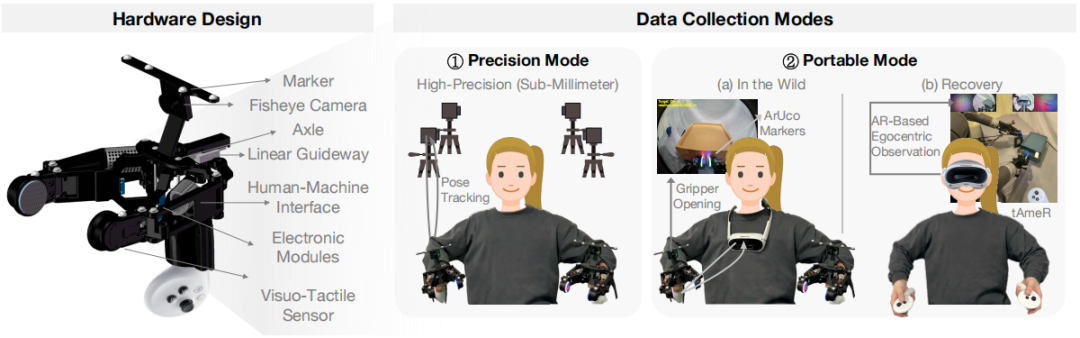
Sub-Millimeter Tactile Control and 100% Reproduction! HKU and Fudan University Launch TAMEn to Solve Data Collection Challenges for Dual-Handed Robots
Researchers from the University of Hong Kong (HKU), in collaboration with Fudan University and other institutions, have unveiled the TAMEn tactile perception manipulation engine. This innovative technology is designed to tackle significant challenges associated with dual-handed robotic tasks. By seamlessly integrating visual and tactile data collection, the TAMEn engine enhances the precision and adaptability of robots, enabling them to perform complex manipulation tasks more effectively. The development of this engine marks a significant advancement in robotics, potentially transforming how robots interact with their environment and improving their functionality in various applications.
Tactile Robotics Dual-Handed Manipulation Data Collection Technology Robotics ResearchRobotics needs a service framework.
RSF defines a common language for robot service capability, lifecycle operations, certification pathways, and service-provider networks.
Join the RobotToday community on LinkedIn
Daily robotics news, in-depth analysis, conference highlights, and discussions with professionals worldwide.