

Search Result for: nvidia-gtc-2026
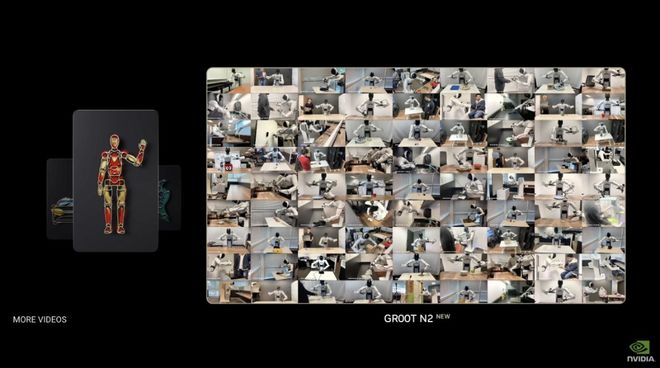
AGIBOT Showcases at GTC 2026, Deeply Empowering NVIDIA's Next-Generation Base Model
At the NVIDIA GTC 2026 conference, AGIBOT was highlighted as a key ecological partner, presenting its cutting-edge technology designed to enhance NVIDIA's latest base model. This partnership signifies AGIBOT's emergence as a prominent force in the global embodied intelligence sector, facilitating the widespread implementation of physical AI solutions. The collaboration underscores both companies' commitment to advancing AI technology and its applications across various industries.
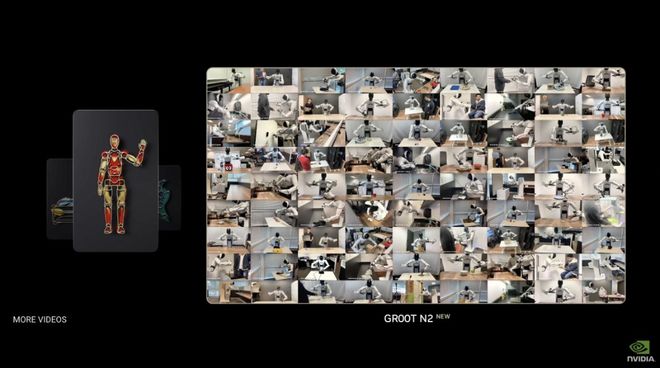
GTC 2026: ZhiYuan Partners with NVIDIA to Establish Physical AI Standards for Global Deployment
During the GTC 2026 event, NVIDIA's CEO Jensen Huang unveiled a strategic collaboration with ZhiYuan Robotics and several industry leaders to advance the implementation of physical AI across multiple sectors. This partnership is designed to establish industry standards for robotics, with the goal of improving operational efficiencies in manufacturing, logistics, and healthcare. The initiative reflects a growing commitment to harnessing AI technology to enhance productivity and innovation in these critical areas.
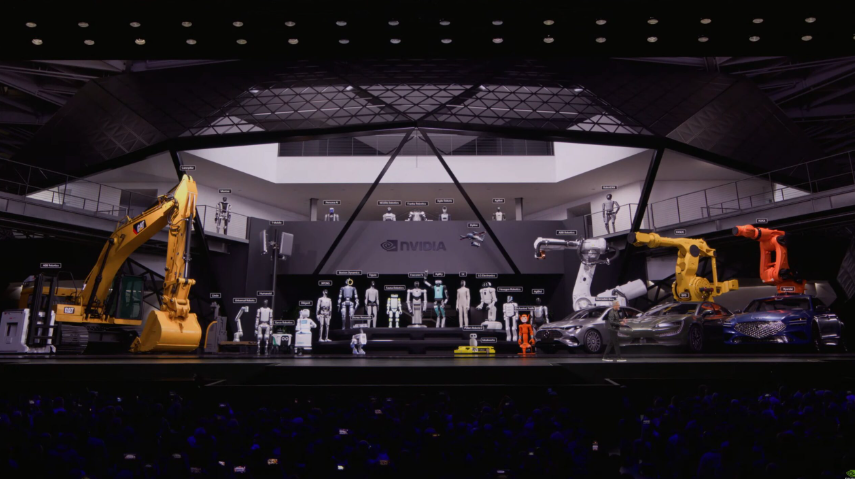
GTC 2026: NVIDIA Aims to Transform Robotics Data Challenges into Computational Solutions
At the GTC 2026 conference, NVIDIA unveiled its latest innovation in robotics, the Olaf robot, highlighting its commitment to 'Physical AI'. This initiative seeks to revolutionize the way data is collected for robotic development by shifting from costly real-world data acquisition to the use of simulation and synthetic data generation. By leveraging these advanced techniques, NVIDIA aims to enhance the creation of intelligent robots that can be applied across multiple industries, thereby streamlining processes and reducing expenses associated with traditional data collection methods.
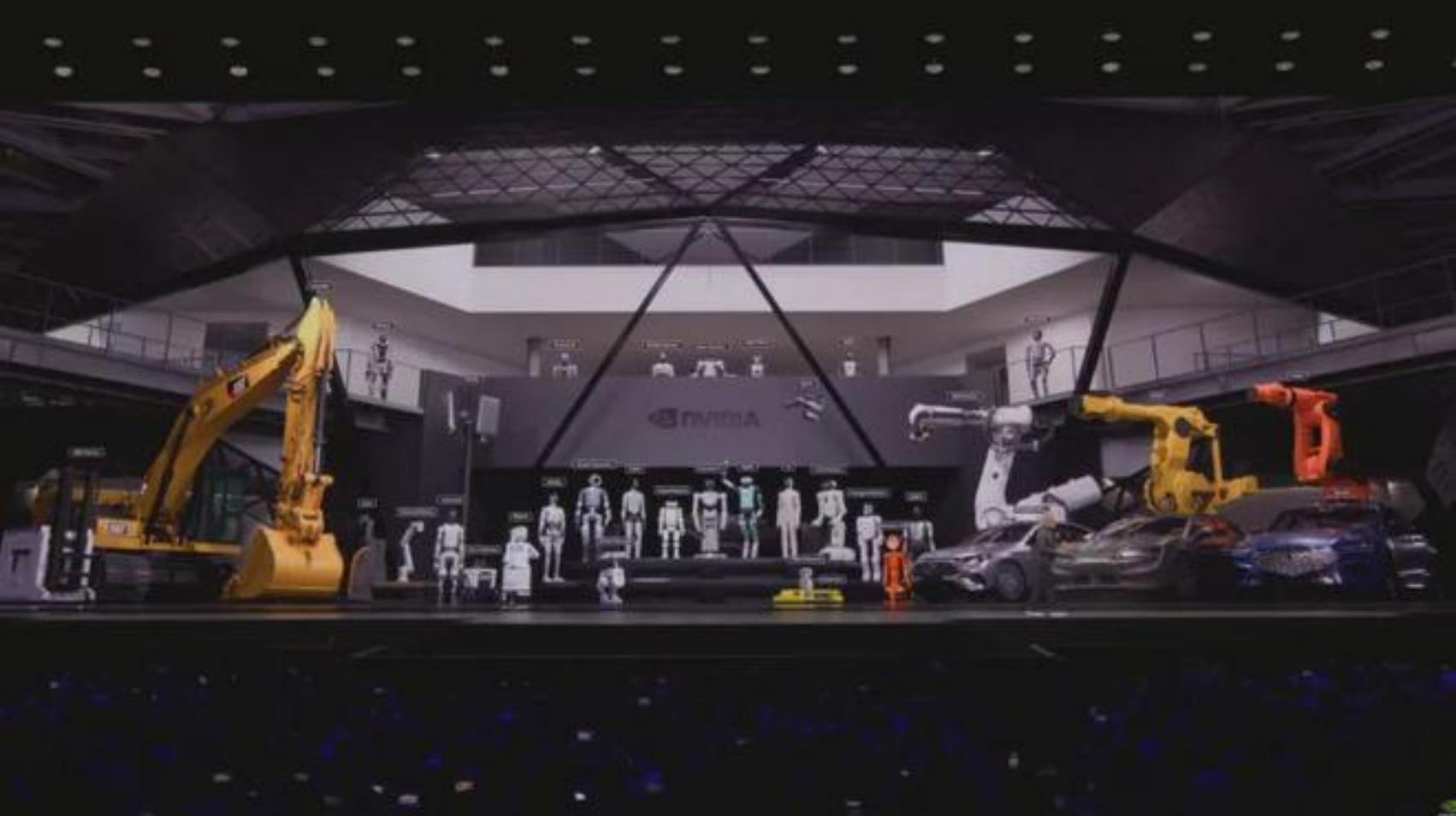
NVIDIA Showcases Six Major Robotics Trends at GTC 2026
At the GTC 2026 conference, NVIDIA showcased groundbreaking developments in robotics, emphasizing six pivotal trends influenced by their innovative 'Physical AI' concept. The company is working alongside industry leaders to improve robotic capabilities through advanced simulation techniques, data generation, and strategic partnerships. This collaborative effort is set to revolutionize the field, enabling the creation of smarter and more adaptable robots that can better meet the demands of various applications.
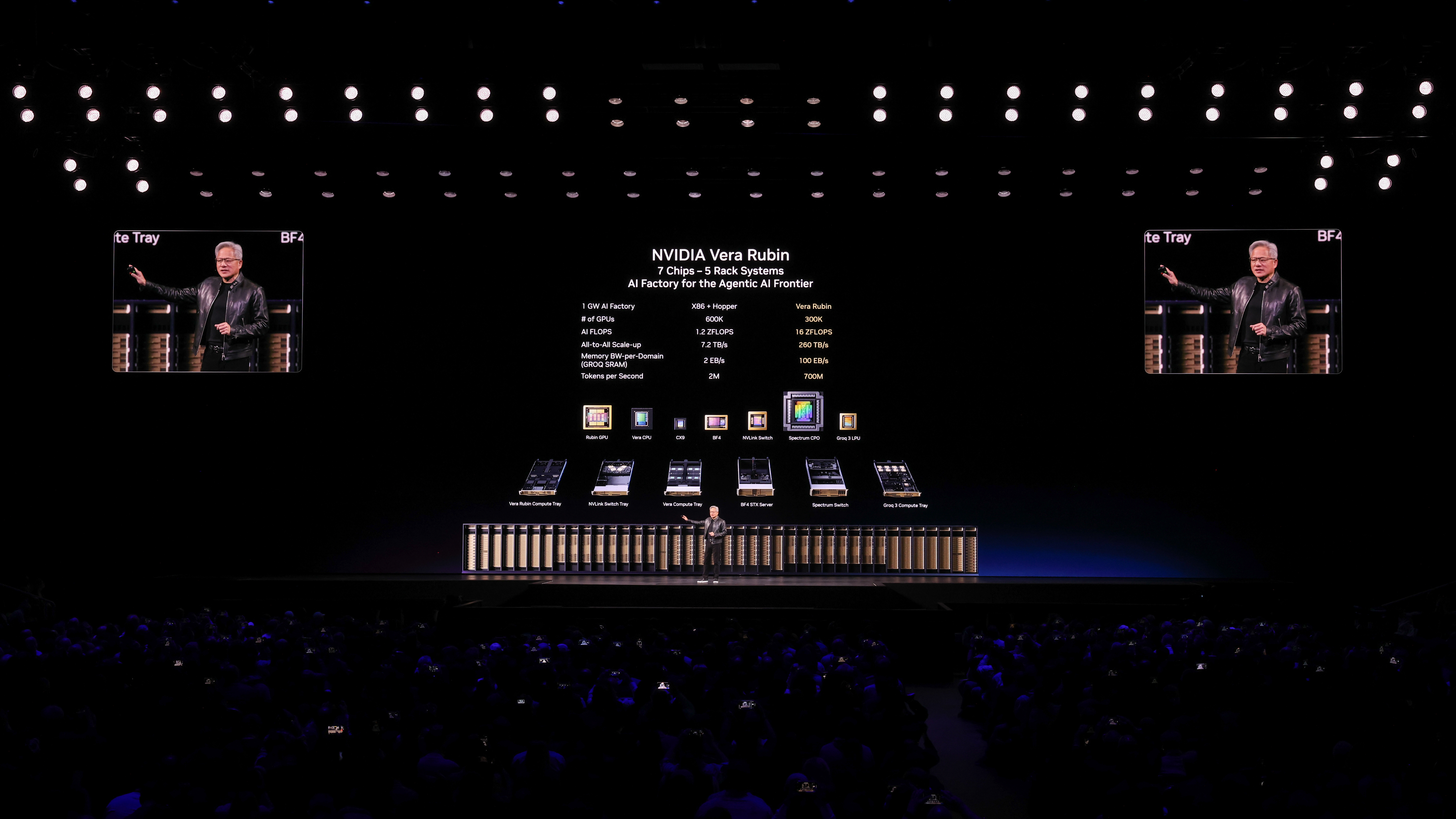
From Lab to Factory Floor: KUKA Unveils ‘KUKA AMP’ at NVIDIA GTC 2026 as a Software Bridge to New Growth
At the NVIDIA GTC 2026 event held from March 16 to 19 in San Jose, KUKA introduced the KUKA Automation Management Platform (KUKA AMP), a groundbreaking solution aimed at bridging the gap between artificial intelligence innovations and practical applications in the global labor market, valued at $30 trillion. This new platform is designed to address the complexities of real-world production constraints, enabling customers to effectively implement Physical AI in their operations. By focusing on systematizing processes rather than relying solely on demonstrations, KUKA aims to enhance productivity and efficiency in various industries.
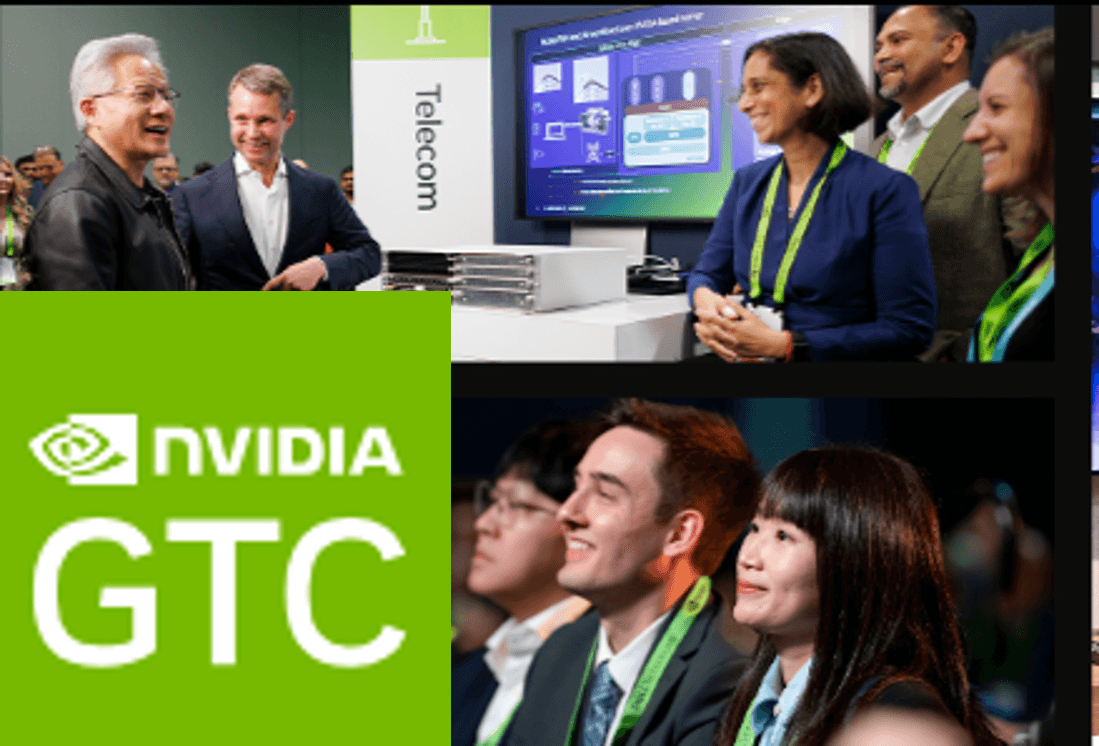
Nvidia GTC AI Conference 2026
NVIDIA GTC is a global AI and accelerated computing conference covering GPUs, data centers, robotics, digital twins, and generative AI.
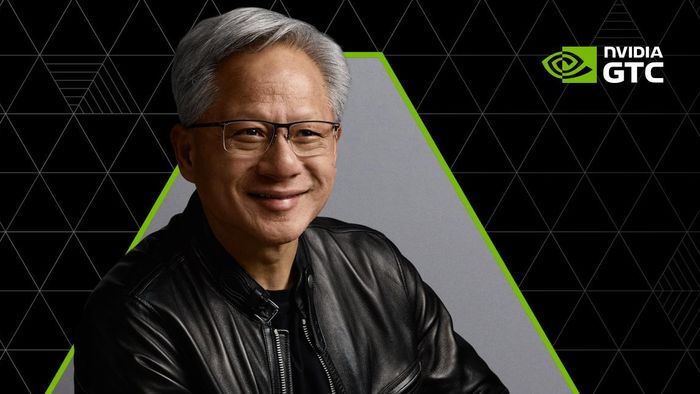
NVIDIA CEO Jensen Huang and Global Technology Leaders to Showcase Age of AI at GTC 2026
NVIDIA has announced that the Global Technology Conference (GTC), recognized as the leading event in artificial intelligence and accelerated computing, is scheduled to occur from March 16 to March 19 in San Jose, California. This annual conference serves as a platform for industry leaders, researchers, and developers to explore advancements in AI technology and share insights on the future of computing. By bringing together experts and innovators, NVIDIA aims to foster collaboration and drive progress in the rapidly evolving field of AI.
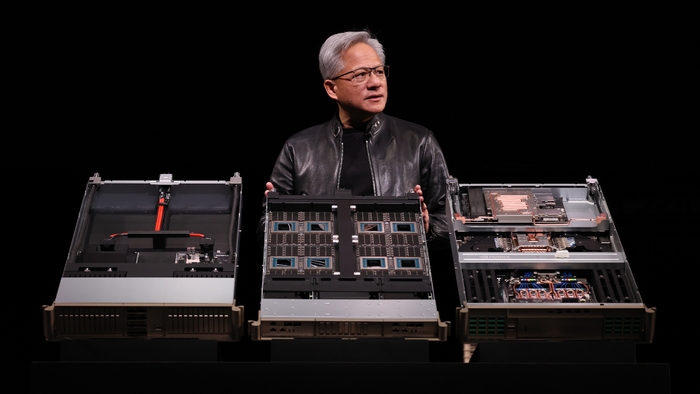
NVIDIA GTC 2026: Live Updates on What’s Next in AI
NVIDIA CEO Jensen Huang delivered a keynote address at a major technology event in San Jose, showcasing the company's latest innovations and advancements. The event, which runs through March 19, features a series of breakout sessions and live demonstrations, highlighting the cutting-edge developments in artificial intelligence and graphics processing. Attendees are experiencing firsthand the transformative potential of NVIDIA's technologies, which aim to revolutionize various industries. The coverage includes insights and reactions from participants, providing a comprehensive view of the event's impact on the tech landscape.

SpaceX's Starmind Project: Supplier Strategy and Chip Manufacturing Plans for 2026
SpaceX's Starmind project, aimed at deploying up to 1 million AI satellites, was filed with the FCC on January 30, 2026. The initiative is designed to minimize reliance on external suppliers, with CEO Elon Musk stating that current chip production capabilities only meet 2% of the projected needs. The first satellite, AI1, is set for prototype launches in early 2027, featuring a 70-meter wingspan and a modular payload system that allows for interchangeable chips from various suppliers. The significance of Starmind lies in its ambitious supply chain strategy, which seeks to transition from external hardware suppliers to a fully integrated Musk-owned facility by 2028. The Gigasat manufacturing site in Bastrop, Texas, is expected to be operational by the end of 2027, with plans for high-volume production of the D3 chip, specifically designed for space applications. This approach aims to consolidate chip manufacturing processes under the Terafab joint venture, which has an estimated initial investment of $55 billion. Looking ahead, the next milestone for Starmind is the launch of AI1 prototypes in early 2027, while the full-scale chip production at Terafab is projected to ramp up significantly thereafter. However, analysts express skepticism regarding the feasibility of achieving Musk's ambitious compute goals, which may require substantial investment and time to establish the necessary manufacturing capabilities.
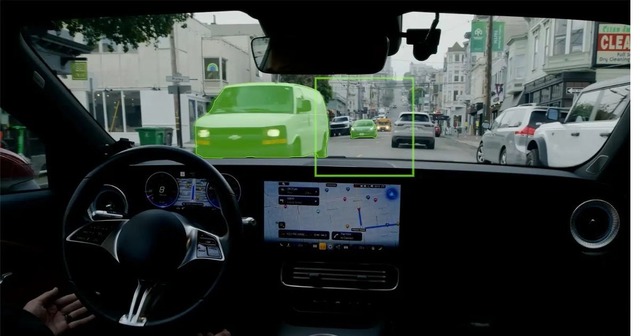
NVIDIA unveils 320 billion-parameter self-driving model "Alpamayo 2 Super" to accelerate Level 4 robo-taxi development.
NVIDIA announced a significant expansion of its open AI model family, "NVIDIA Alpamayo," aimed at developing safe Level 4 robotic taxis. The announcement was made during the NVIDIA GTC Taipei event held on June 1, 2026, in Taipei, Taiwan. This initiative reflects NVIDIA's commitment to advancing autonomous vehicle technology, enhancing safety and efficiency in transportation. The expansion of Alpamayo is expected to play a crucial role in the future of urban mobility, as the company seeks to address the growing demand for innovative transportation solutions.
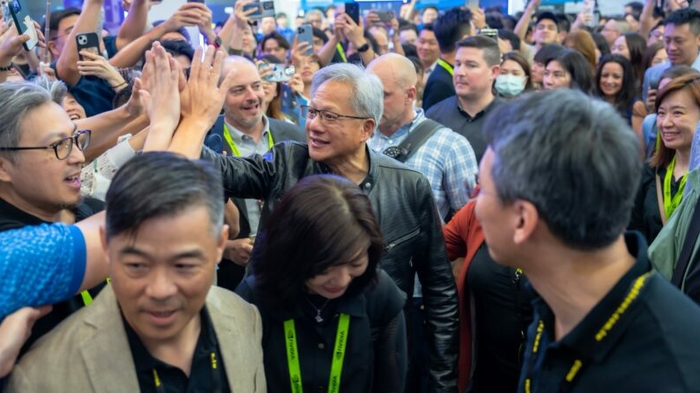
NVIDIA GTC Taipei at COMPUTEX: Live Updates on What’s Next in AI
At NVIDIA's GTC Taipei during COMPUTEX, a diverse group of developers, researchers, and industry leaders gathered to explore the latest advancements that are transforming various sectors. The event, taking place in Taipei, serves as a platform for discussions on cutting-edge topics, including artificial intelligence in manufacturing and the expansion of technological infrastructure. Attendees are motivated by the desire to understand and implement these innovations, which are crucial for staying competitive in an evolving market. Through presentations, workshops, and networking opportunities, participants are engaging in collaborative efforts to harness these breakthroughs and drive future developments across industries.
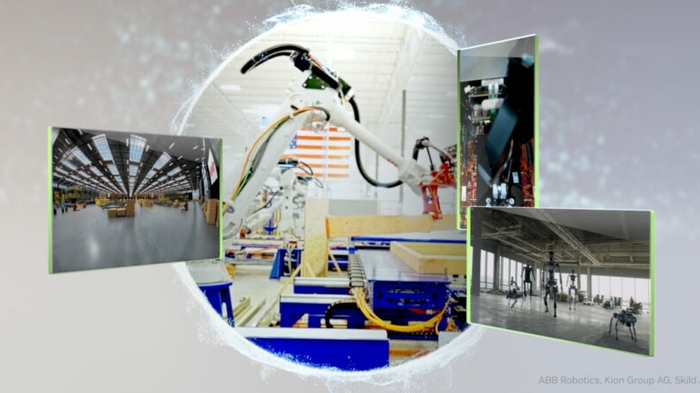
Into the Omniverse: NVIDIA GTC Showcases Virtual Worlds Powering the Physical AI Era
NVIDIA recently hosted its GTC event, where the company highlighted advancements in OpenUSD and NVIDIA Omniverse, aimed at transforming workflows for developers, 3D practitioners, and enterprises. The event, which took place last week, served as a platform for showcasing innovative tools and technologies that enhance collaboration and efficiency in 3D content creation. By leveraging OpenUSD, NVIDIA aims to streamline the integration of various assets and improve interoperability across different applications. The focus on these developments reflects the growing demand for more sophisticated and flexible solutions in the digital content creation industry, as professionals seek to optimize their processes and enhance productivity. Through demonstrations and discussions, NVIDIA illustrated how these advancements can significantly impact the way creators work, ultimately driving the future of 3D design and collaboration.
NVIDIA Announces Financial Results for Fourth Quarter and Fiscal 2026
NVIDIA has announced a record revenue of $68.1 billion for the fourth quarter ending January 25, 2026, marking a significant 20% increase from the previous quarter and a remarkable 73% rise compared to the same period last year. This surge in revenue reflects the company's robust performance and growing demand for its products, driven by advancements in artificial intelligence and gaming technologies. The impressive financial results highlight NVIDIA's strong market position and its ability to capitalize on emerging trends in the tech industry.

SpaceX Unveils AI1 Satellite Specs for Starmind Constellation with Key Thermal Challenges
SpaceX has introduced the AI1 satellite, the inaugural component of its Starmind constellation, which stands 20 meters tall and has a wingspan of 70 meters. This orbital compute node is designed to deliver computing power equivalent to one NVIDIA GB300 server rack, utilizing a unique cooling system with deployable liquid radiators. The satellite's specifications were revealed during a presentation on June 8, 2026, ahead of SpaceX's IPO. The significance of the AI1 satellite lies in its role as a compute platform rather than a traditional satellite, focusing on running AI inference workloads. The satellite's cooling system, which is critical for its operation in the vacuum of space, is designed to reject heat through infrared radiation. However, independent engineers have raised concerns about the feasibility of the thermal and mass claims made by SpaceX, suggesting that the cooling requirements may exceed practical limits. Looking ahead, SpaceX plans to launch two AI1 prototypes in early 2027, with full-scale production expected to commence later that year at its Gigasat facility in Bastrop, Texas. The ongoing debate regarding the satellite's thermal management capabilities will be crucial to monitor as the project progresses, with no further timeline disclosed at the time of publication.
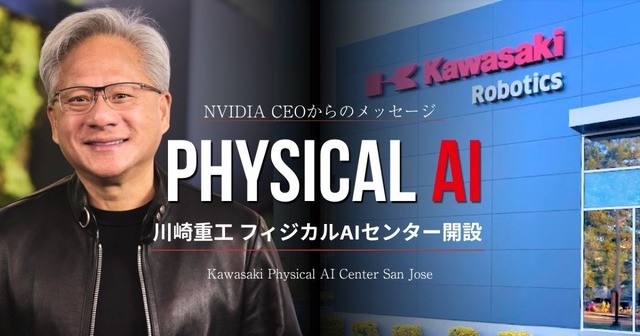
Kawasaki Heavy Industries opens Physical AI Center in San Jose, California, with a congratulatory message from NVIDIA's Jensen Huang.
Kawasaki Heavy Industries, Ltd. announced the opening of its Kawasaki Physical AI Center, scheduled for June 15, 2026. To mark this occasion, the company released a video message from NVIDIA's CEO, Jensen Huang, on YouTube. The establishment of the center aims to enhance research and development in artificial intelligence and robotics, reflecting Kawasaki's commitment to innovation in these fields. The collaboration with NVIDIA underscores the importance of integrating advanced AI technologies into Kawasaki's operations, positioning the company at the forefront of technological advancements in the industry.
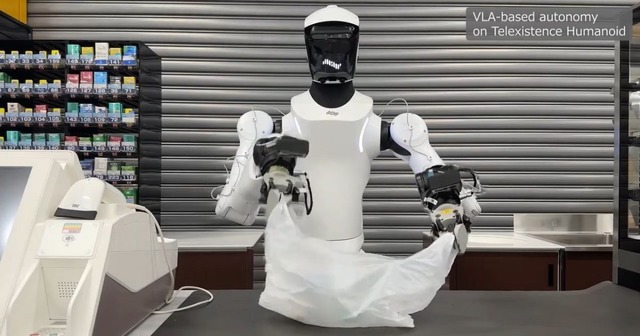
Teleexistence reveals humanoid's success in autonomous convenience store bagging using VLA and NVIDIA's "DreamZero."
On June 10, 2026, Teleexistence showcased a demonstration of autonomous operations using humanoid robots as part of the "Physical AI Fellowship 2026," a collaborative initiative supported by AWS, NVIDIA, and MassRobotics. The event highlighted the integration of NVIDIA's World Model, "DreamZero," showcasing advancements in robotic technology and artificial intelligence. This demonstration aims to illustrate the potential of physical AI in enhancing robotic capabilities and fostering innovation in the field.

Microsoft unveils AI-focused mini PC "Surface RTX Spark Dev Box" featuring NVIDIA SoC.
At the recent Build 2026 conference, Microsoft unveiled its new AI-focused desktop PC, the Surface RTX Spark Dev Box. This powerful machine is equipped with NVIDIA's RTX Spark technology, delivering an impressive computational performance of up to 1 petaflop and featuring 128GB of memory. These specifications enable local inference and training of models with over 120 billion parameters. Additionally, the device comes pre-installed with a variety of development tools, catering to the needs of developers working in artificial intelligence and machine learning.

Microsoft announces "Surface Laptop Ultra," designed with NVIDIA, enabling local execution of AI models.
Microsoft has unveiled its latest notebook, the Surface Laptop Ultra, marking a significant advancement in its product line. This new device is the first Surface model to feature the RTX Spark system-on-chip (SoC), which was co-designed with NVIDIA. The Surface Laptop Ultra boasts an impressive AI computing performance of 1 petaflop, allowing it to handle complex tasks efficiently. It is equipped with up to 128GB of unified memory, enabling the execution of models with 120 billion parameters locally. The highly anticipated laptop is set to be released in the fall of 2026, reflecting Microsoft's commitment to integrating cutting-edge technology into its devices to meet the growing demands of AI applications.

NVIDIA may return to the PC market with Arm SoCs "N1/N1X" hinting at future hardware for Windows.
NVIDIA and Microsoft are generating significant buzz on social media as they prepare for COMPUTEX TAIPEI 2026, scheduled for June 2026. The tech giants are hinting at developments within the "Windows on Arm" ecosystem, which is expanding across various market segments from high-end to low-end devices. This strategic focus aims to enhance the versatility and performance of Windows on Arm, positioning it as a key player in the evolving tech landscape. As anticipation builds for the event, industry experts are keen to decipher the implications of these announcements and what they may mean for the future of computing.
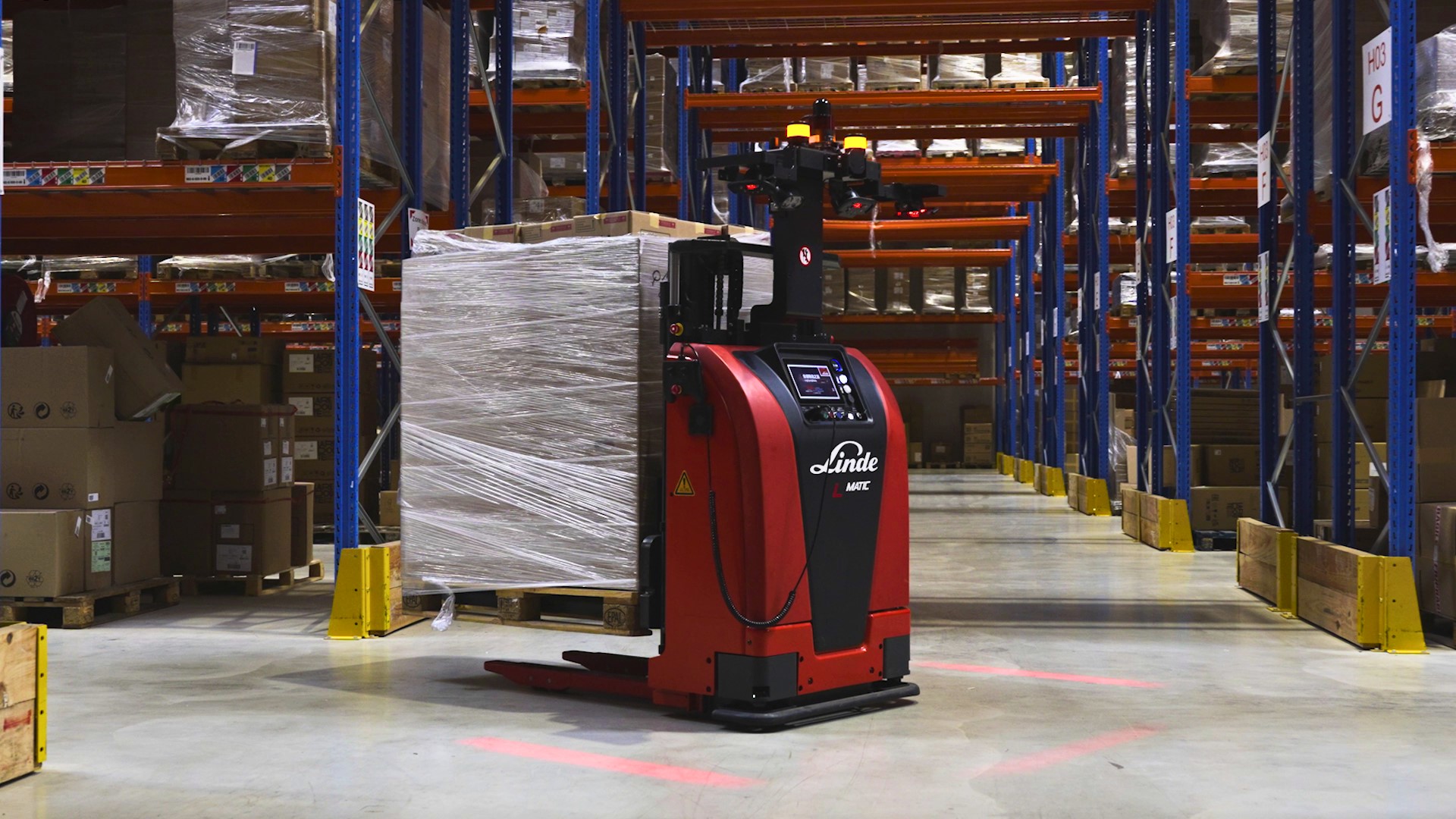
KION brings physical AI into live warehouse operations at GTC 2026 in San José, California
At the GTC 2026 conference, KION Group presented its latest developments in physical AI, highlighting the capabilities of autonomous industrial trucks and AI-driven automated trailer loading systems during live demonstrations in warehouse settings. This initiative is designed to tackle ongoing labor shortages and improve efficiency within supply chains, representing a crucial advancement in the application of AI technology in logistics operations.
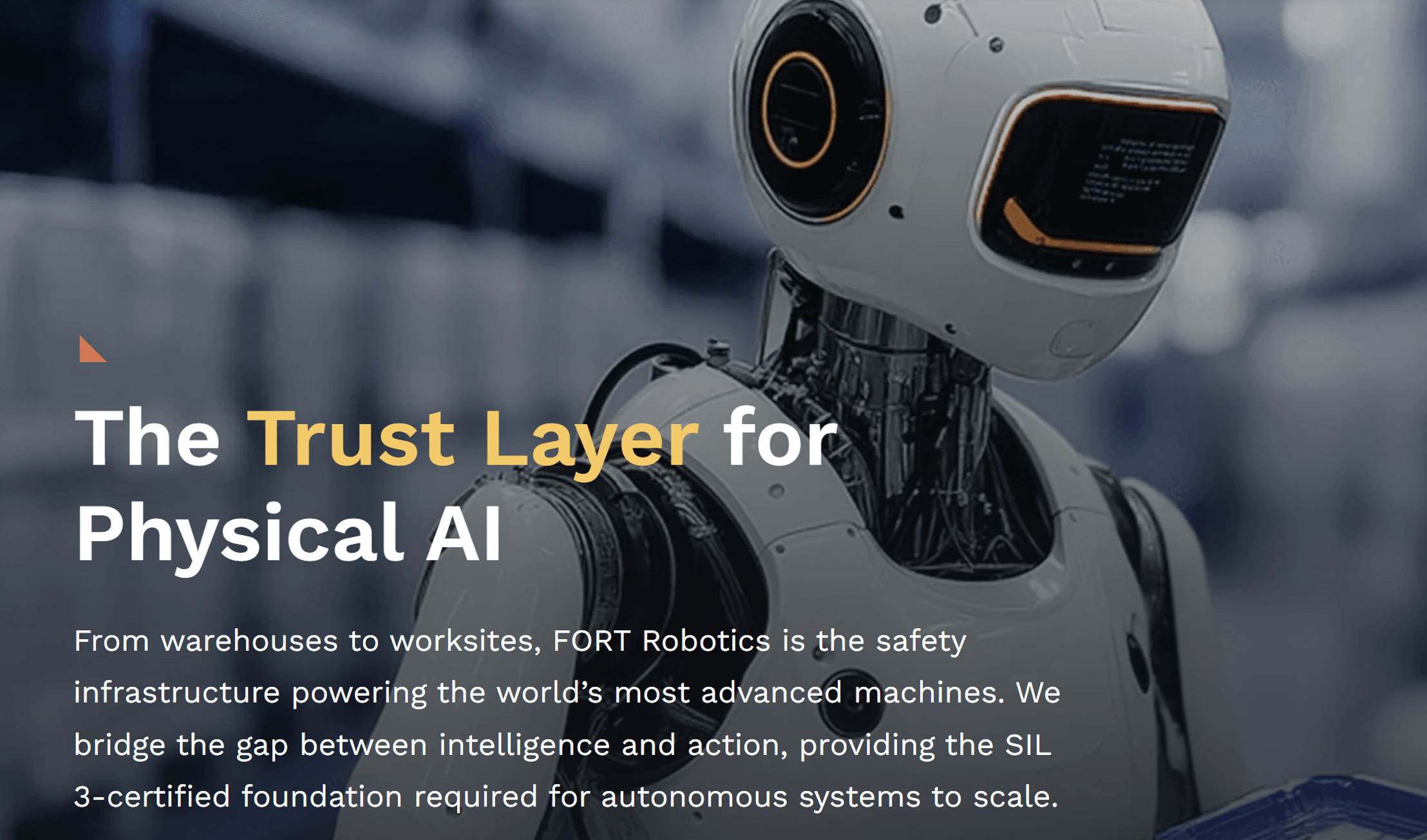
FORT Robotics Joins NVIDIA Halos to Launch Outside-In Safety for Physical AI | Automate 2026
FORT Robotics integrates with NVIDIA Halos for Robotics to deliver Outside-In Safety — extending robot perception beyond onboard sensors via external infrastructure and visual AI agents for safer, higher-throughput autonomous operations.

SpaceX's Starmind Targets AI Labs with $6.3 Billion Compute Contracts
SpaceX's Starmind is designed to provide wholesale AI compute services to businesses, particularly AI labs and cloud customers, rather than individual consumers. The service operates similarly to AWS, where users benefit from applications running on Starmind without direct subscriptions. The compute capacity of a single AI1 satellite is comparable to one NVIDIA GB300 rack, emphasizing its enterprise-grade capabilities. The significance of Starmind lies in its positioning as a potential fourth hyperscaler, joining the ranks of AWS, Microsoft Azure, and Google Cloud. The Reflection AI contract, valued at $150 million per month, exemplifies the enterprise-focused model, with total payments potentially reaching $6.3 billion through 2029. This contract highlights the growing demand for AI compute resources, particularly from AI-native startups and labs. Looking ahead, the focus will remain on securing additional enterprise contracts as Starmind expands its offerings. No consumer-facing products or subscriptions have been announced, and the current strategy is to cater to businesses with substantial AI workloads. No further timeline was disclosed at the time of publication.
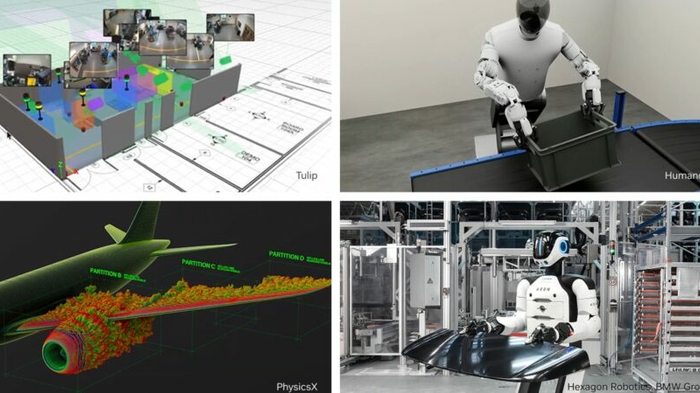
NVIDIA and Partners Showcase the Future of AI-Driven Manufacturing at Hannover Messe 2026
Manufacturing is undergoing a significant transformation as industries worldwide face increasing pressures to enhance efficiency and productivity. This shift is largely driven by the need for faster design cycles, streamlined operations, and a diminishing pool of skilled labor. As a result, companies across major industrial economies are increasingly turning to AI-driven production methods to meet these challenges. The transition to artificial intelligence in manufacturing is not only a response to current operational demands but also a strategic move to remain competitive in a rapidly evolving market. By leveraging advanced technologies, manufacturers aim to optimize processes and reduce costs, ultimately reshaping the future of production.
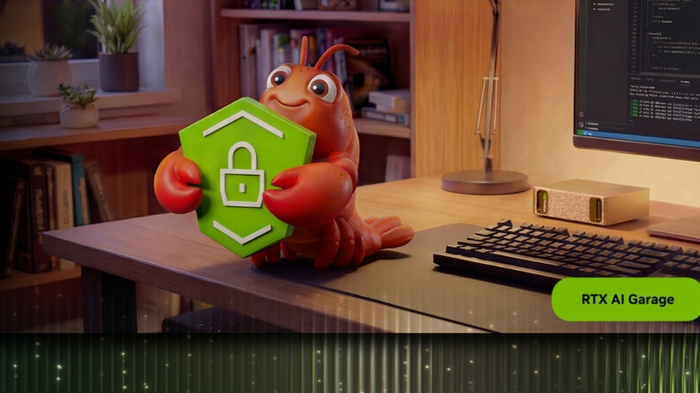
GTC Spotlights NVIDIA RTX PCs and DGX Sparks Running Latest Open Models and AI Agents Locally
The landscape of consumer computing is evolving with the introduction of agent computers, a new category driven by generative AI technologies such as OpenClaw. Traditionally, personal devices like PCs, smartphones, and tablets have dominated the market, but this shift marks a significant transformation in how users interact with technology. The emergence of agent computers aims to enhance user experience by providing more intuitive and responsive interactions. As of October 2023, this innovation is set to redefine the role of computing devices, making them not just tools but intelligent companions that can assist users in various tasks. The development of these devices reflects a growing demand for more sophisticated and personalized technology solutions in everyday life.
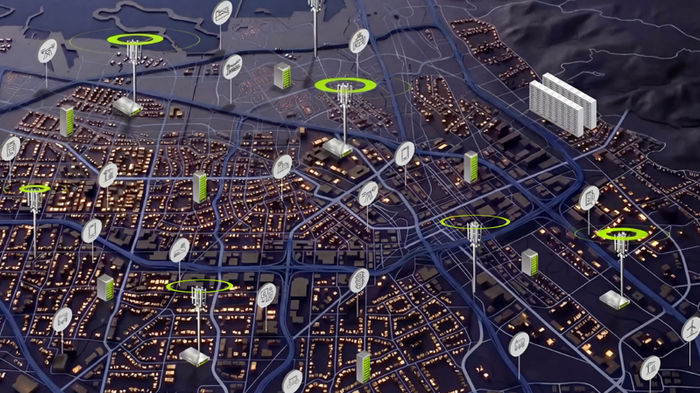
NVIDIA, Telecom Leaders Build AI Grids to Optimize Inference on Distributed Networks
At the NVIDIA GTC 2026 conference, major telecommunications operators from the United States and Asia highlighted the evolving role of telecommunications networks in the distribution of artificial intelligence as AI-native applications continue to expand their user base. This shift is driven by the increasing demand for efficient and scalable AI solutions that can support a growing number of agents and devices. The conference showcased innovative strategies and technologies that these operators are implementing to leverage their networks for enhanced AI capabilities, marking a significant step in the integration of AI into telecommunications infrastructure.
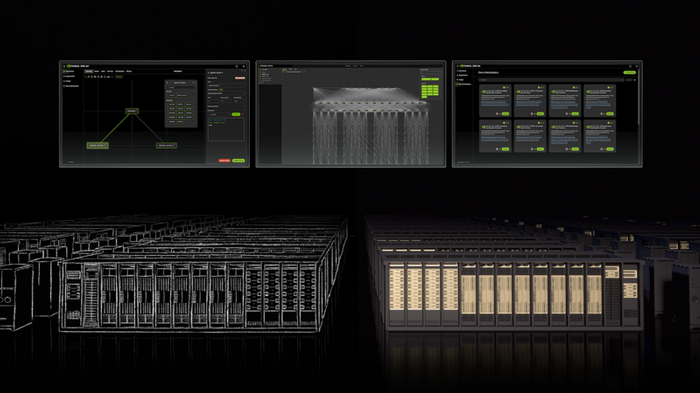
NVIDIA DSX Air Boosts Time to Token With Accelerated Simulation for AI Factories
At the GTC 2026 conference in San Jose, NVIDIA founder and CEO Jensen Huang showcased the rapid advancements in artificial intelligence technology, particularly the establishment of AI factories that significantly reduce deployment time from months to mere days. This innovation is seen as a catalyst for the next industrial revolution, highlighting the growing importance of AI in manufacturing and production processes. The event underscored the potential of AI to transform industries by streamlining operations and enhancing efficiency, paving the way for a new era of technological development.

Chinese Embodied AI Company Tops RoboArena Benchmark, Beating NVIDIA and Physical Intelligence
At the NVIDIA GTC Taipei 2026 event, a significant milestone was announced for China's embodied intelligence sector. This achievement highlights the advancements made in the field, showcasing the country's commitment to innovation and technology development. The announcement is expected to bolster China's position in the global tech landscape, reflecting ongoing efforts to enhance artificial intelligence capabilities. The event served as a platform for industry leaders to discuss future trends and the implications of these advancements on various sectors.

ROBOTTODAY Weekly, June 8 – 12, 2026
This week in robotics: Bezos’ Prometheus raises $12B for physical AI, NEURA Robotics closes $1.4B Series C, NVIDIA deepens partnerships with Hyundai and LG in Seoul, and Hyundai’s Boston Dynamics robot dogs debut at FIFA World Cup 2026. June 8–12, 2026.
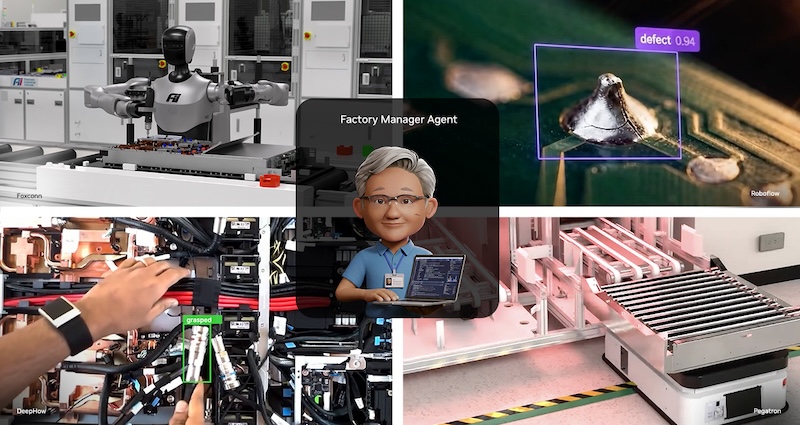
Nvidia launches AI factory manager blueprint for autonomous manufacturing
Nvidia has introduced a groundbreaking software blueprint aimed at revolutionizing factory operations through a centralized AI system. The Nvidia Factory Operations Blueprint (FOX), announced at GTC Taipei during Computex, serves as a reference design for manufacturers seeking to develop an autonomous factory manager agent. This innovative system is designed to monitor, coordinate, and optimize factory processes in real time, enhancing efficiency and productivity. By leveraging advanced AI capabilities, Nvidia aims to empower manufacturers to streamline their operations and adapt to the rapidly evolving industrial landscape.
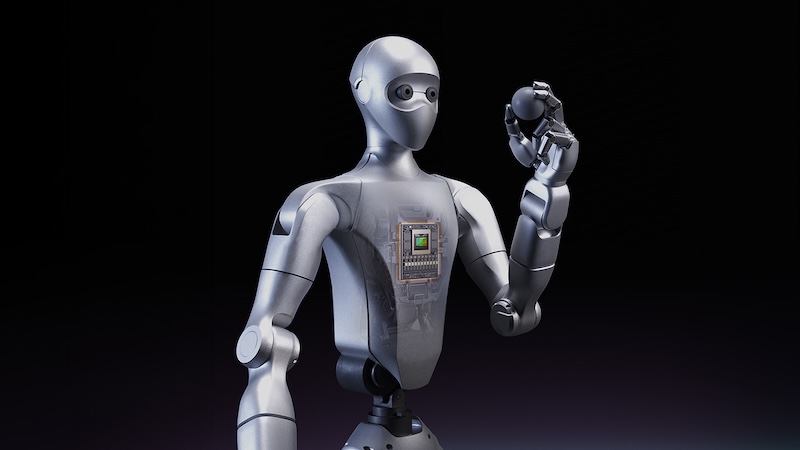
Nvidia unveils open humanoid robot platform for robotics research
Nvidia has introduced the Nvidia Isaac GR00T Reference Humanoid Robot, an innovative open platform aimed at advancing research and development in physical artificial intelligence and general-purpose robotics. The announcement was made during the Nvidia GTC event in Taipei. This new platform integrates several cutting-edge technologies, including the Unitree H2 Plus humanoid robot, Sharpa Wave tactile five-finger hands, and the Nvidia Jetson Thor onboard computing system. The initiative is part of Nvidia's broader strategy to enhance capabilities in robotics, providing researchers and developers with a versatile tool to explore and innovate in the field of robotics and AI.
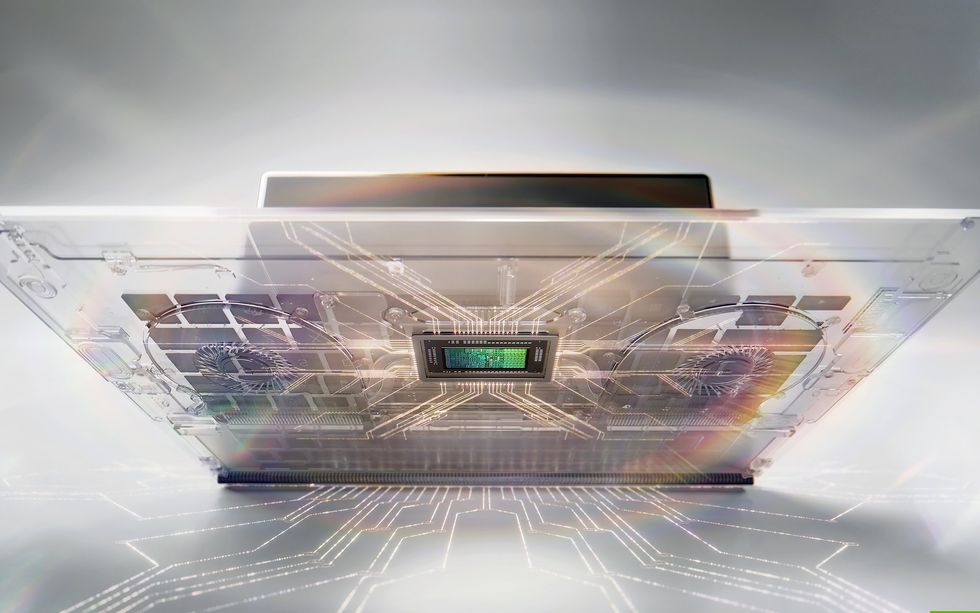
Nvidia’s AI Hardware Comes to Windows in RTX Spark PCs
At Computex 2026 in Taipei, Taiwan, Nvidia unveiled its highly anticipated RTX Spark superchip for Windows PCs, marking a significant development in the tech industry. This announcement, which comes a year later than initially expected, was made in collaboration with Microsoft, which introduced two new devices powered by the RTX Spark: the Surface Laptop Ultra and the Surface RTX Spark Dev Box. Major PC manufacturers, including Asus, Dell, Lenovo, HP, and MSI, also showcased their Windows PCs featuring the new chip. The RTX Spark is based on Nvidia's Blackwell GB10 architecture, boasting 20 Arm CPU cores, 6,144 GPU cores, and support for up to 128 gigabytes of LPDDR5X memory. While the chip is designed to consume less power than its predecessor, the DGX Spark, it is expected to maintain strong performance, particularly in gaming and professional applications. Analysts suggest that Nvidia's established presence in the GPU market, with over 90% share, will enhance the software ecosystem for RTX Spark, setting it apart from previous attempts by Qualcomm and Microsoft with their AI-focused Copilot+ PCs. As Nvidia and Microsoft aim to position RTX Spark as a viable alternative to traditional x86 chips from Intel and AMD, they face the challenge of proving its effectiveness as a general-purpose PC. The launch is seen as a strategic move to leverage AI capabilities while appealing to both creators and gamers, with Nvidia emphasizing the importance of robust software support alongside hardware advancements. RTX Spark desktop workstations are expected to be available in the third quarter of 2026, further expanding the potential applications of this new technology.

ROBOTTODAY Weekly June 1 – 5, 2026
This week in robotics: NVIDIA’s Jensen Huang visits Seoul to deepen physical AI ties, Generalist AI raises $400M at $2B valuation, Amazon upgrades Proteus with natural-language control, and UBTECH humanoid attracts 1,200 pre-orders. June 1–5, 2026.

ROBOTTODAY Weekly May 18 – 22, 2026
This week in robotics: Hyundai plans 25,000 Atlas robots for its factories, XPENG rolls off China’s first mass-produced L4 robotaxi, Singapore launches its first multi-operator physical AI testbed, and Kawasaki Heavy opens a Silicon Valley physical AI center with NVIDIA. May 18–22, 2026.

RobotToday Weekly Industry Briefing: March 2 – 6, 2026
TI-NVIDIA safety collab, Hyundai MobED at AW 2026, Neura €1B funding, service robots forecast, and $243B humanoid market propel physical AI and industrial robotics forward.
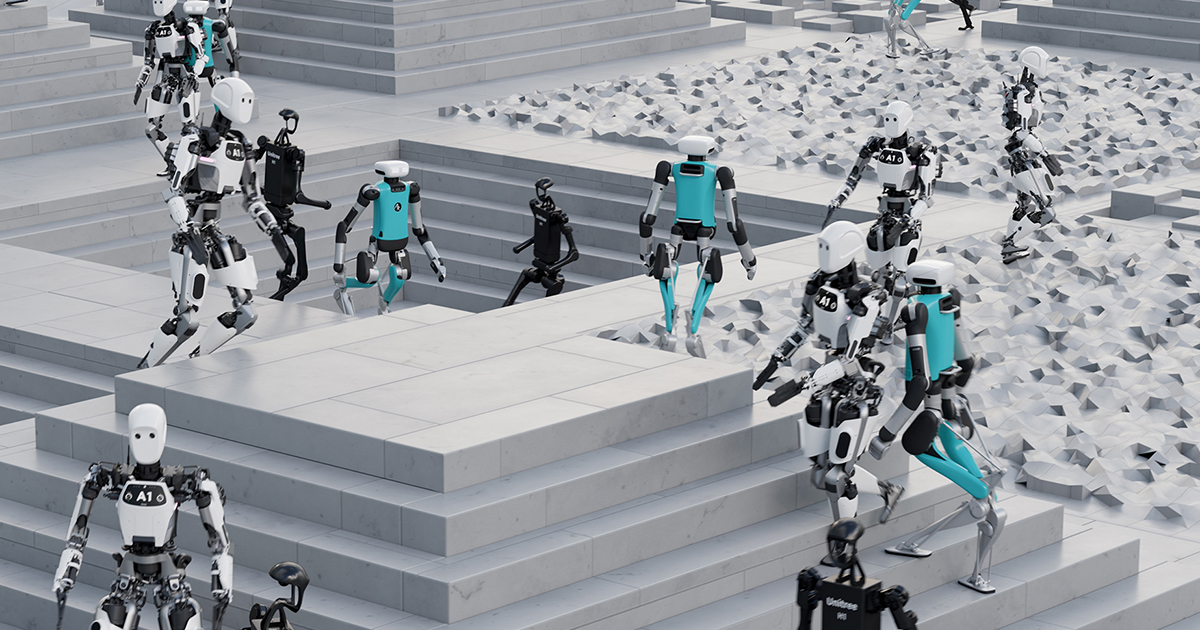
Nvidias Vision for "Physical AI" in Humanoid Robotics
At the recent GTC conference hosted by Nvidia, the company unveiled its latest initiative, "Physical AI," which aims to significantly improve the functionality of robots in real-world environments. This innovative concept combines cutting-edge artificial intelligence models with sophisticated simulation platforms and novel data generation techniques. By integrating these technologies, Nvidia seeks to enhance the operational capabilities of robots, enabling them to perform tasks more efficiently and effectively in various settings. The initiative reflects Nvidia's commitment to advancing AI applications and addressing the challenges faced by robotics in practical scenarios.

Europe Unveils a Record 35 New NVIDIA AI Supercomputers
NVIDIA has unveiled plans for a groundbreaking initiative involving the development of 35 AI high-performance computing (HPC) supercomputers across Europe. This ambitious project aims to provide advanced infrastructure to over 3 million researchers, enhancing the continent's capabilities in artificial intelligence and accelerated computing. The announcement was made during the ISC High Performance 2026 event, highlighting NVIDIA's commitment to advancing AI technology and supporting research initiatives. By investing in this state-of-the-art infrastructure, NVIDIA seeks to empower researchers with the tools necessary to drive innovation and scientific discovery in various fields.

NVIDIA Vera Rubin Delivers World-Class Supercomputers for Science
NVIDIA has unveiled its latest innovation, the NVIDIA Vera Rubin platform, at the ISC High Performance 2026 conference. This new platform is designed to provide cutting-edge supercomputing capabilities specifically for scientific applications. It features native double-precision (FP64) performance, which is crucial for complex calculations in various scientific fields. Additionally, the Vera Rubin platform integrates NVIDIA's CUDA-X™ libraries, enhancing its computational efficiency and versatility. This announcement underscores NVIDIA's commitment to advancing high-performance computing and supporting scientific research through superior technology. The launch event took place during the prominent ISC High Performance conference, highlighting the growing intersection of computing technology and scientific inquiry.

France Advances Europe’s AI Future With NVIDIA Technologies
At the NVIDIA GTC Paris event held last year during VivaTech, France unveiled its ambitious strategy to enhance local artificial intelligence capabilities, which included the establishment of new AI factories, increased national computing resources, and the development of open frontier models and industrial platforms. As a result of these initiatives, the country's AI infrastructure is now becoming operational, signaling a significant step forward in France's commitment to advancing its position in the global AI landscape. The rollout of AI agents and related technologies is expected to bolster various sectors, driving innovation and economic growth.
NVIDIA Stockholder Meeting Set for June 24; Individuals Can Participate Online
NVIDIA has announced that its 2026 Annual Meeting of Stockholders will be conducted online on June 24, 2026, at 9 a.m. PT. The virtual meeting will be accessible to shareholders via the dedicated website, https://www.virtualshareholdermeeting.com/NVDA2026. This decision reflects the company's commitment to providing a convenient platform for stockholders to engage with corporate governance and participate in discussions regarding the company's future.
NVIDIA Vera Rubin Ramps Into Full Production to Power Agentic AI Factories Worldwide
At the NVIDIA GTC event in Taipei, the company unveiled that its NVIDIA Vera Rubin platform is set to enter full production. This new platform aims to enhance the capabilities of agentic AI factories globally. The announcement marks a significant step in NVIDIA's efforts to advance artificial intelligence technologies and support the growing demand for automated manufacturing solutions. By leveraging the Vera Rubin platform, NVIDIA intends to empower industries to optimize their operations and improve efficiency through AI-driven processes.
NVIDIA Announces Financial Results for First Quarter Fiscal 2027
NVIDIA has announced a record revenue of $81.6 billion for the first quarter ending April 26, 2026, marking a significant increase of 20% compared to the previous quarter and an impressive 85% rise year-over-year. This surge in revenue highlights the company's robust growth and strong demand for its products, driven by advancements in artificial intelligence and gaming technologies. The financial results reflect NVIDIA's strategic positioning in the tech industry and its ability to capitalize on emerging market trends.
‘Your Career Starts at the Beginning of the AI Revolution,’ NVIDIA CEO Tells Graduates
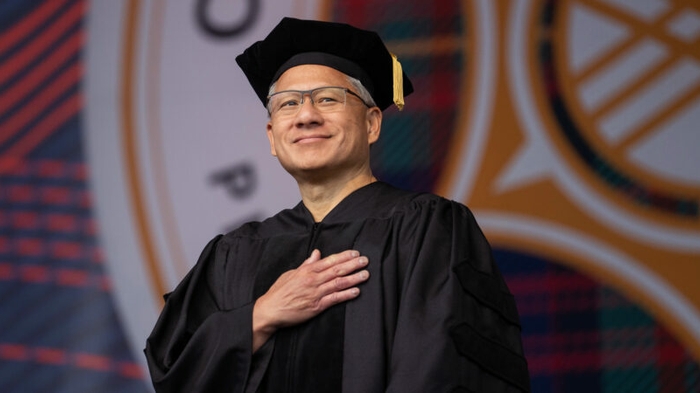
NVIDIA founder and CEO Jensen Huang addressed the Class of 2026 during their commencement ceremony at Carnegie Mellon University, emphasizing the unique opportunities that await them as they embark on their professional journeys. Speaking to the graduates, Huang expressed his enthusiasm for the current era, describing it as an extraordinary time to start their careers. He encouraged the students to embrace the challenges and innovations that lie ahead, highlighting the transformative potential of technology in shaping the future. The event took place on a significant date in the academic calendar, marking a pivotal moment for the graduates as they transition from education to the workforce. Huang's message aimed to inspire and motivate the new graduates to leverage their skills and knowledge in a rapidly evolving landscape.
NVIDIA Names Suzanne Nora Johnson to Board of Directors
NVIDIA has appointed Suzanne Nora Johnson to its board of directors, a decision that will take effect on July 13, 2026. This strategic move aims to enhance the company's governance and leverage Johnson's extensive experience in the technology sector. Johnson, who has held various leadership roles, is expected to bring valuable insights to NVIDIA as it continues to innovate and expand its influence in the industry.
NVIDIA Sets Conference Call for First-Quarter Financial Results
NVIDIA is set to hold a conference call on May 20 at 2 p.m. PT (5 p.m. ET) to discuss its financial results for the first quarter of fiscal year 2027, which concluded on April 26, 2026. The call aims to provide insights into the company's performance and financial health during this period, reflecting its ongoing strategies and market position. Investors and analysts will have the opportunity to gain a deeper understanding of NVIDIA's financial trajectory and future outlook during this session.
NVIDIA Sets Conference Call for Fourth-Quarter Financial Results
NVIDIA is set to hold a conference call on February 25 at 2 p.m. PT (5 p.m. ET) to discuss its financial results for the fourth quarter and fiscal year 2026, which concluded on January 25, 2026. The call aims to provide insights into the company's performance over the past year, reflecting its ongoing strategies and market conditions. Investors and analysts will have the opportunity to gain a deeper understanding of NVIDIA's financial health and future outlook during this session.
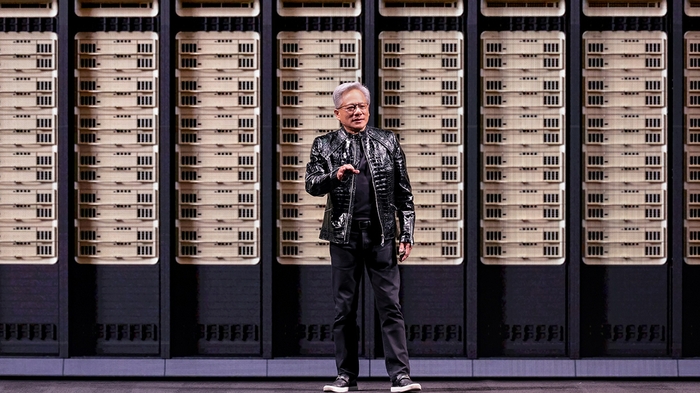
NVIDIA Rubin Platform, Open Models, Autonomous Driving: NVIDIA Presents Blueprint for the Future at CES
Jensen Huang, the founder and CEO of NVIDIA, delivered a keynote address today at the Fontainebleau Las Vegas, marking the opening of CES 2026. During his speech, Huang emphasized the transformative impact of artificial intelligence, stating that it is increasingly being integrated into various domains and devices. He highlighted how advancements in computing have fundamentally reshaped technology, driven by accelerated developments in AI. Huang's remarks set the tone for the event, showcasing the pivotal role of AI in shaping the future of technology and innovation.
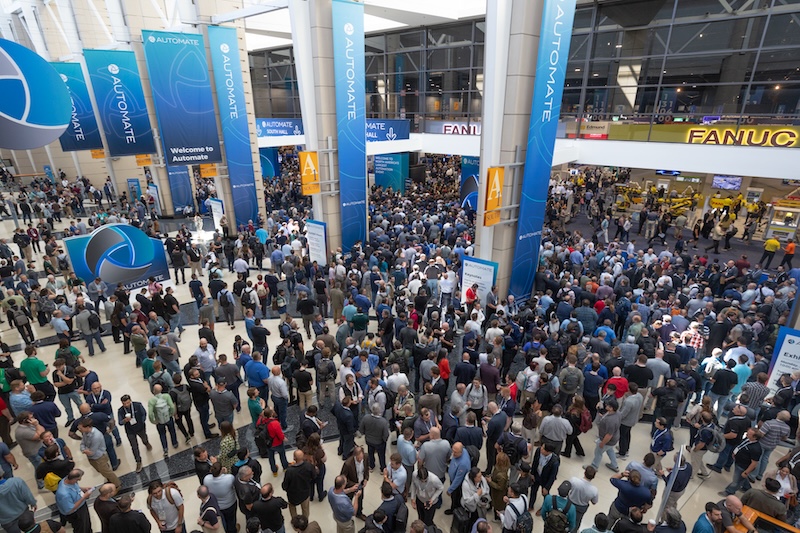
A3’s Automate 2026 breaks records as demand for robotics, AI and automation grows
Automate, North America’s largest robotics and automation event, celebrated its most successful show to date, drawing more than 50,000 registrants and 1,230 exhibitors to McCormick Place in Chicago from June 22-25. Hosted by the Association for Advancing Automation (A3), Automate 2026 filled 425,000 square feet of show floor space with the latest technologies in robotics, […]
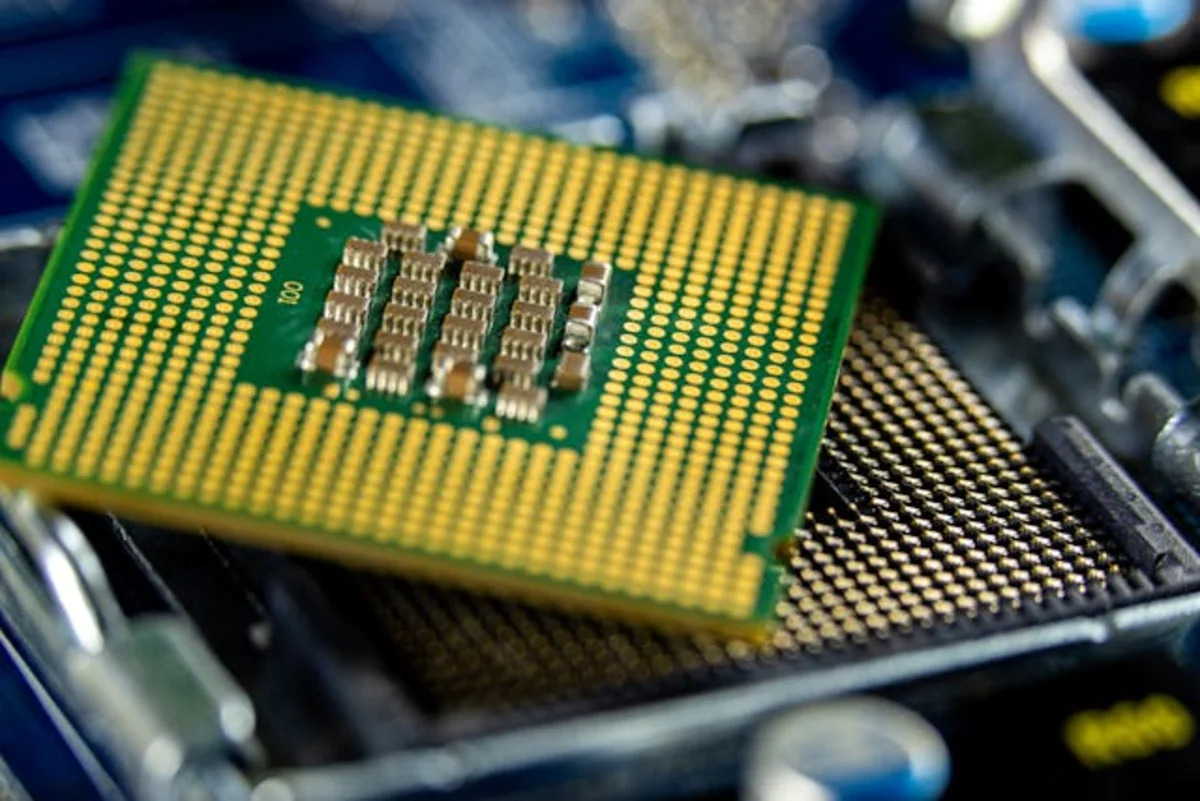
Nvidia (NVDA) Remains a Key Humanoid Robotics Play, Bernstein Says
On June 29, 2026, Bernstein reaffirmed its "Outperform" rating for Nvidia Corporation (NASDAQ: NVDA), emphasizing the company's pivotal role in the humanoid robotics sector. The investment firm noted that Nvidia, alongside Qualcomm, is leading the development of advanced processors that serve as the central processing units for robotics. These processors enable robots to efficiently process sensor data, reason, plan, and execute actions. While Bernstein recognizes Nvidia's potential as an investment, it suggests that other AI stocks may present greater upside with less risk. The analysis comes amid a broader discussion on the evolving landscape of AI-driven solutions, with Nvidia's offerings spanning data centers, self-driving vehicles, and cloud services.

Qualcomm vs. Nvidia and drones vs. dogs
Qualcomm has made significant strides in the semiconductor industry, unveiling its ambitious data center chip roadmap during its annual investor day in New York on June 25, 2026. CEO Cristiano Amon highlighted the company's new AI accelerator platform and innovative chip architecture known as high-bandwidth compute (HBC), which aims to enhance AI processing by reducing data travel distances and energy consumption. This announcement comes amid a busy day for the tech sector, where Nvidia's CEO Jensen Huang reaffirmed the long-term demand for AI infrastructure, and Micron reported strong earnings, alleviating investor concerns about a potential "AI bubble." Qualcomm's focus on the China market is particularly noteworthy, as the country accounted for 46% of its revenue in 2025. Amon indicated that the company is designing chips tailored for Chinese customers while adhering to U.S. export controls. This strategic move aims to leverage Qualcomm's existing relationships with Chinese smartphone manufacturers to expand its data center business. Meanwhile, Nvidia's AI chips have seen a dramatic price increase in China's black market, driven by strong demand and U.S. export restrictions. The price of Nvidia's flagship DGX B300 server has surged to over 8 million yuan ($1.1 million), reflecting the ongoing challenges in accessing these sought-after technologies. In a separate development, Australian farmers are increasingly turning to drones and AI technologies for livestock management, potentially replacing traditional herding dogs. This shift highlights the evolving landscape of agricultural practices as new generations of farmers adopt innovative solutions to enhance efficiency in managing livestock.

ABB Robotics delivers new industry-ready physical AI at Automate 2026
At Automate 2026, ABB Robotics will showcase its latest advancements in physical AI, including the debut of its Physical AI Toolchain, designed to enhance the capabilities of industrial robots. The event, taking place at Booth #1241 on June 17, 2026, will feature demonstrations of the Autonomous Versatile Robotics (AVR™) system, which equips robots with advanced sensory and mobility functions to operate more efficiently across various applications. Marc Segura, President of ABB Robotics, emphasized that physical AI is transforming traditional robotic operations, allowing for faster, safer, and smarter performance. The new toolchain facilitates the training of robots using simulated and real-world data, bridging the gap between simulation and practical application with high precision. This initiative follows ABB's partnership with NVIDIA, which aims to enhance robot training through advanced simulation technologies. Among the highlights will be the introduction of ABB's high-speed PoWa™ cobot family and a collaboration with Aura Sensae, integrating intelligent sensing technology for improved human-robot interaction. Visitors can expect to see demonstrations of AI-powered palletizing systems, intuitive interfaces, and real-time interaction capabilities, showcasing ABB's commitment to human-centric robotics. Additionally, ABB Robotics will host special events focused on automotive and software innovations on June 23 and 24, respectively, further engaging with industry stakeholders.







